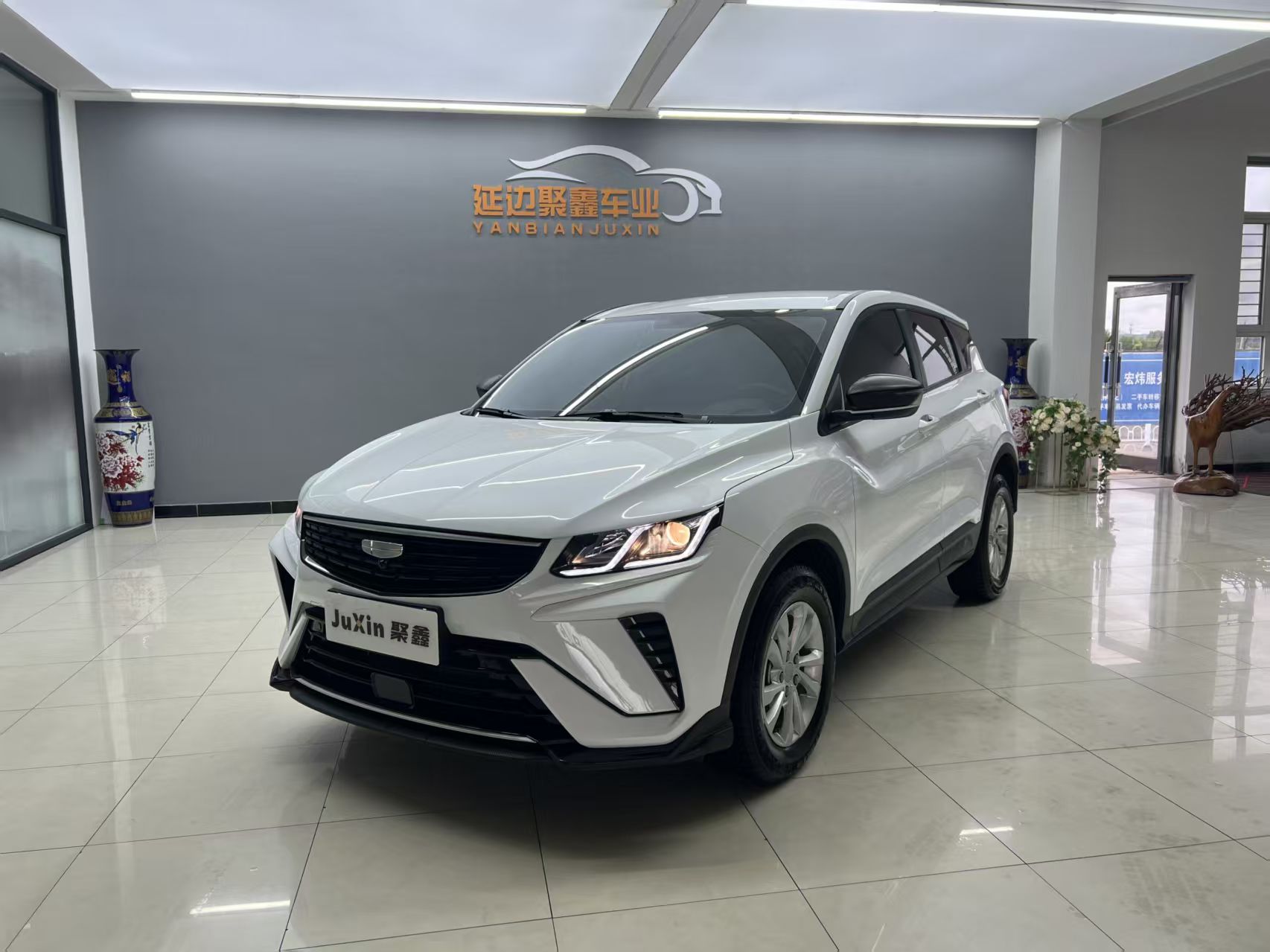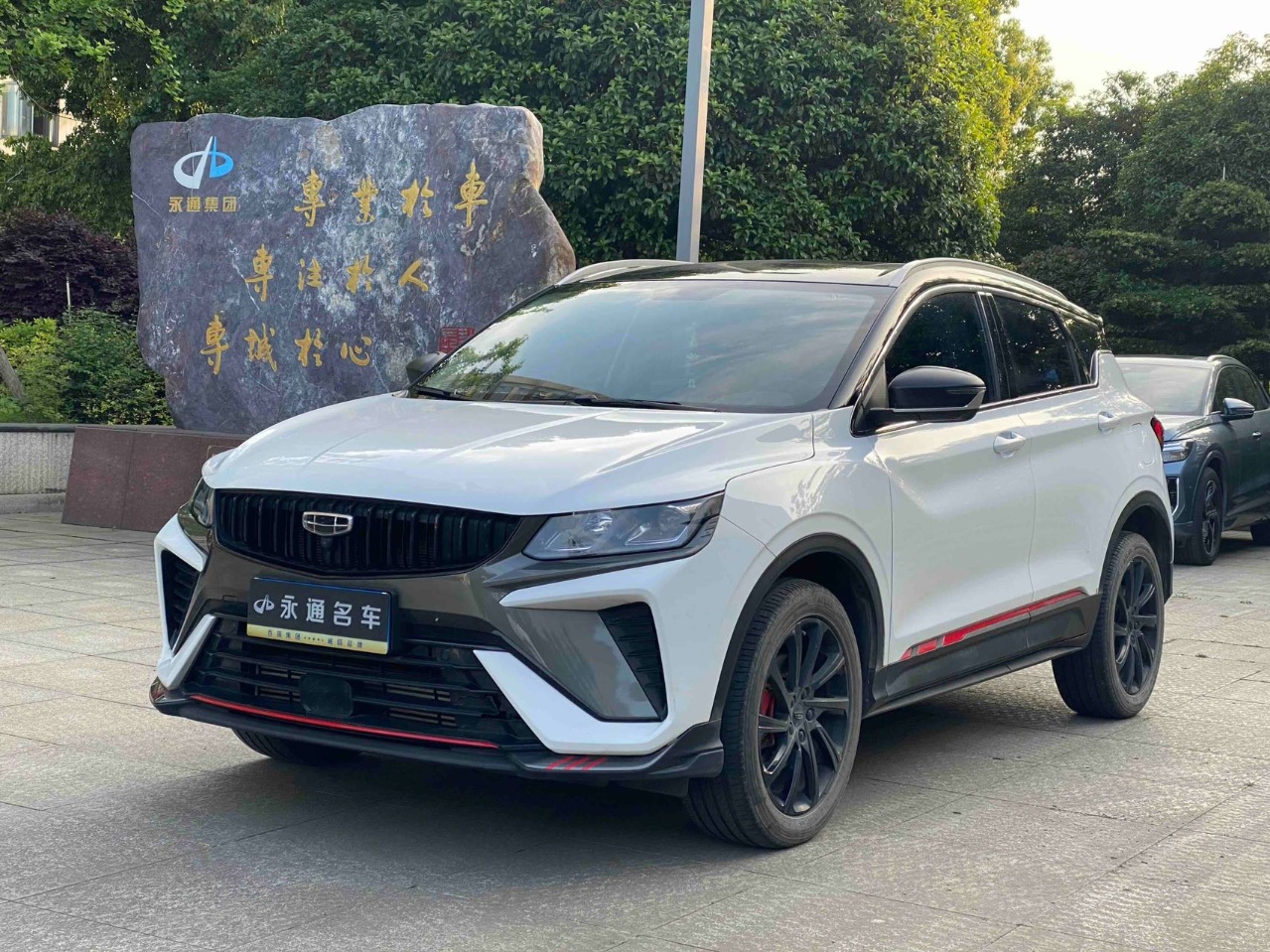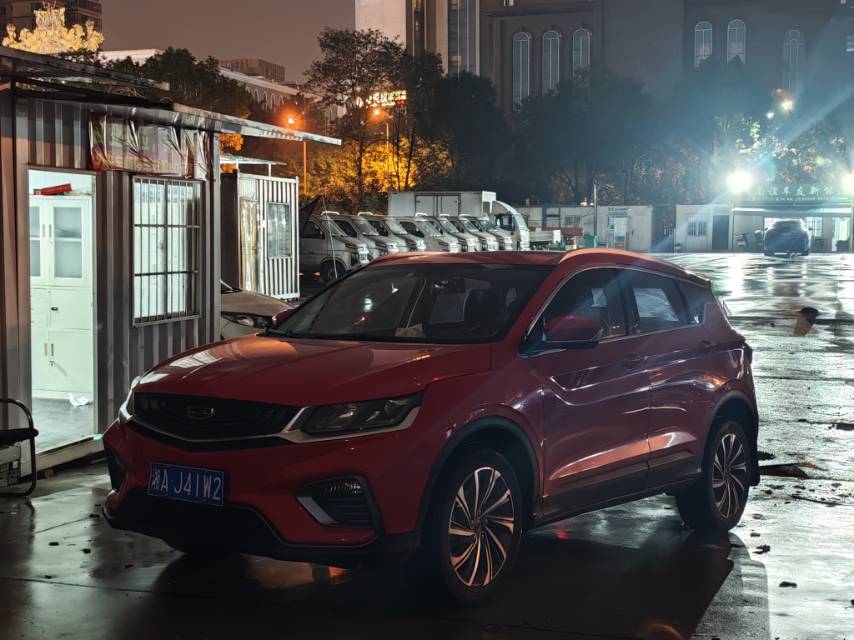
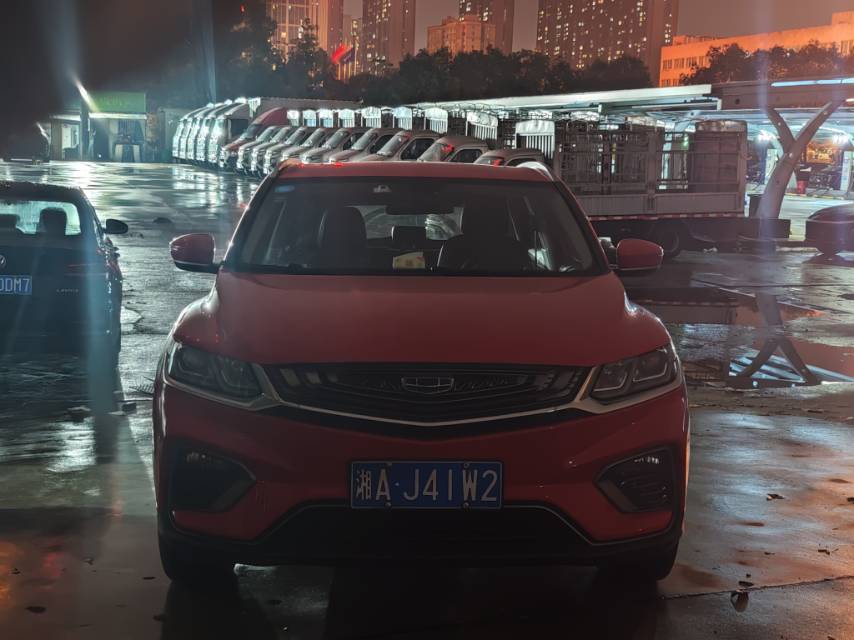
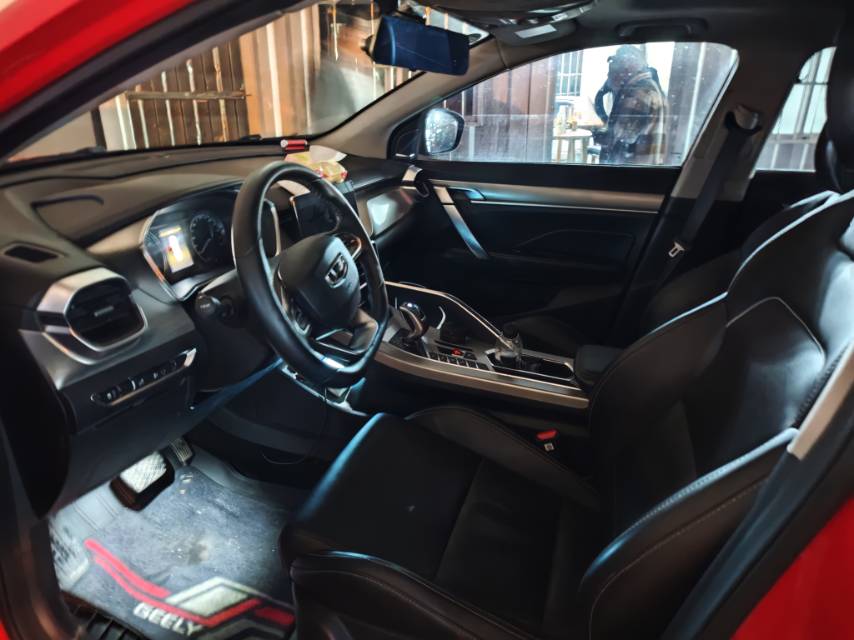



Basic Information

BrandGEELY
SeriesCoolray
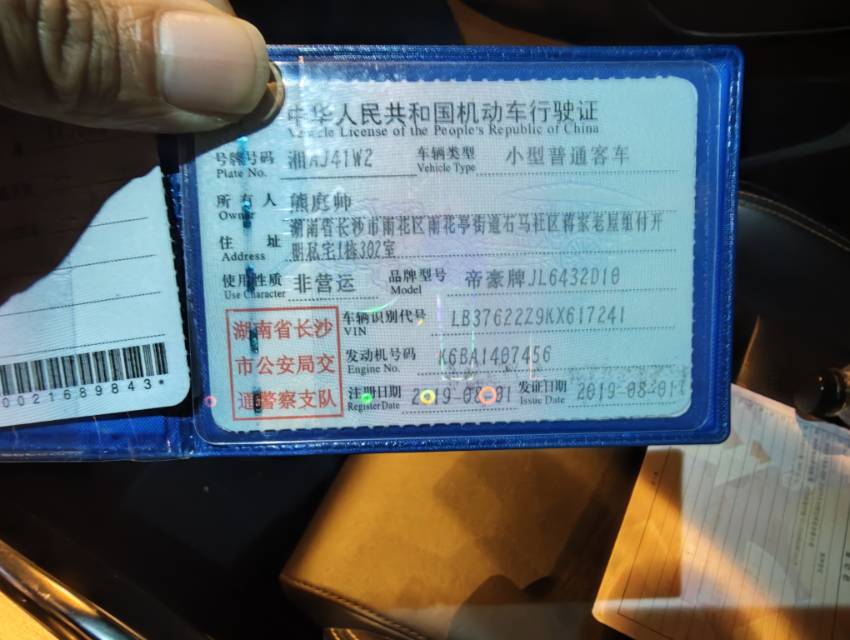
Year2019
First Registration2019/08
Mileage50,000km
Transfer Count1times
FuelGasoline
TransmissionDCT
Engine1.5T 177 L3
ColorRed
Seats-

Condition Description

Privately owned, first-hand car. Actual mileage 50,000 km. Excellent condition.

燃油车
SUV
自动
维保开放
事故开放
查验开放

Configuration Highlights

✓品牌: 吉利汽车
✓车系: 缤越
✓车型: 2019款 260T DCT骑士 国VI
✓车身类型: SUV
✓座位数: 5
✓排量: 1.5T
✓变速箱: 自动
✓能源类型: 燃油车
✓VIN: LB37622Z9KX617241
✓搜索关键词: 吉利汽车缤越 2019款缤越260TDCT骑士国VI

Document Information

Inspection Expiry Date2027/08
Warranty Expiry Date-
Insurance Expiry Date2027/08

Q&A

More

Can this car be exported to a certain country? What are the local restrictions?

We have established a database of target country policies. Check the specific requirements of the destination country in advance regarding vehicle age (left-hand/right-hand drive), emission standards (Euro 4/Euro 5), and steering position (left-hand/right-hand drive) to avoid customs clearance issues upon arrival.


Which export documents should the Chinese seller provide, and how do I verify they are authentic?

The standard set: commercial invoice, packing list, bill of lading, export customs declaration, certificate of origin, and a copy of the vehicle title/registration. How to verify: the bill of lading number should be trackable on the shipping line's website; the certificate of origin is verifiable through CCPIT's online system; and the VIN must match across all documents, the inspection report, and the car itself. Ask for scans of everything before paying the balance, and have a freight forwarder review the set. Mismatched VINs, missing title copies, or vague promises that "documents will follow" are red flags worth pausing the deal over.

What's a realistic total budget for importing a used car from China, beyond the sticker price?

Plan for the car price plus roughly 25–50% in additional costs, depending on destination: 1. Inland transport in China (car city to export port): USD 300–700. 2. Export fees: inspection, customs declaration, port handling — USD 300–600. 3. Ocean or rail freight: a shared container to the Middle East or Africa runs USD 800–1,500; a full container or RoRo varies by route. 4. Destination charges: unloading, customs duties, VAT and port fees — this is the biggest variable. Some countries add 50%+ in taxes on used imports. 5. Compliance costs: homologation, inspection, registration in your country. 6. Currency and payment costs: wire fees and exchange margins of 1–3%. Always ask the exporter for a written cost breakdown listing every item and who pays it, then confirm the destination-side numbers with a local customs agent before committing.