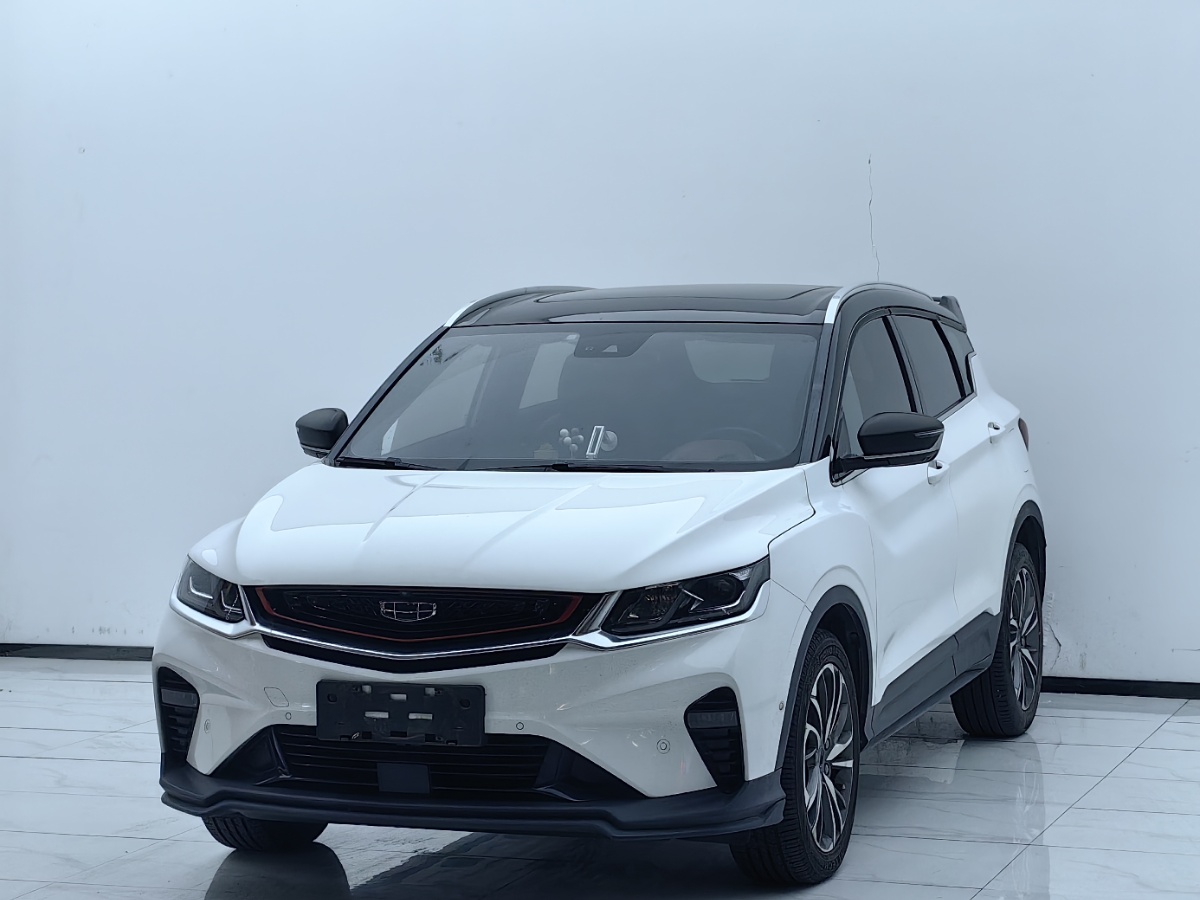
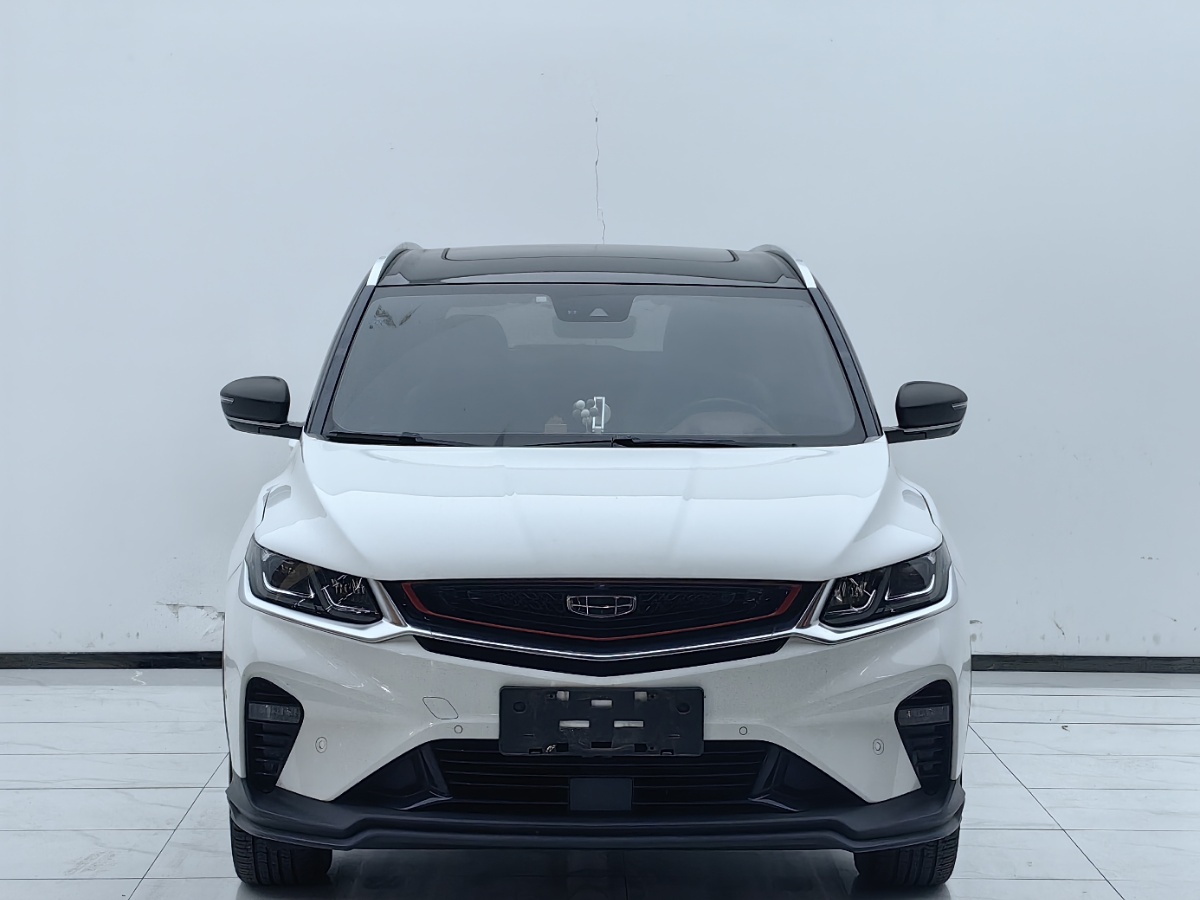
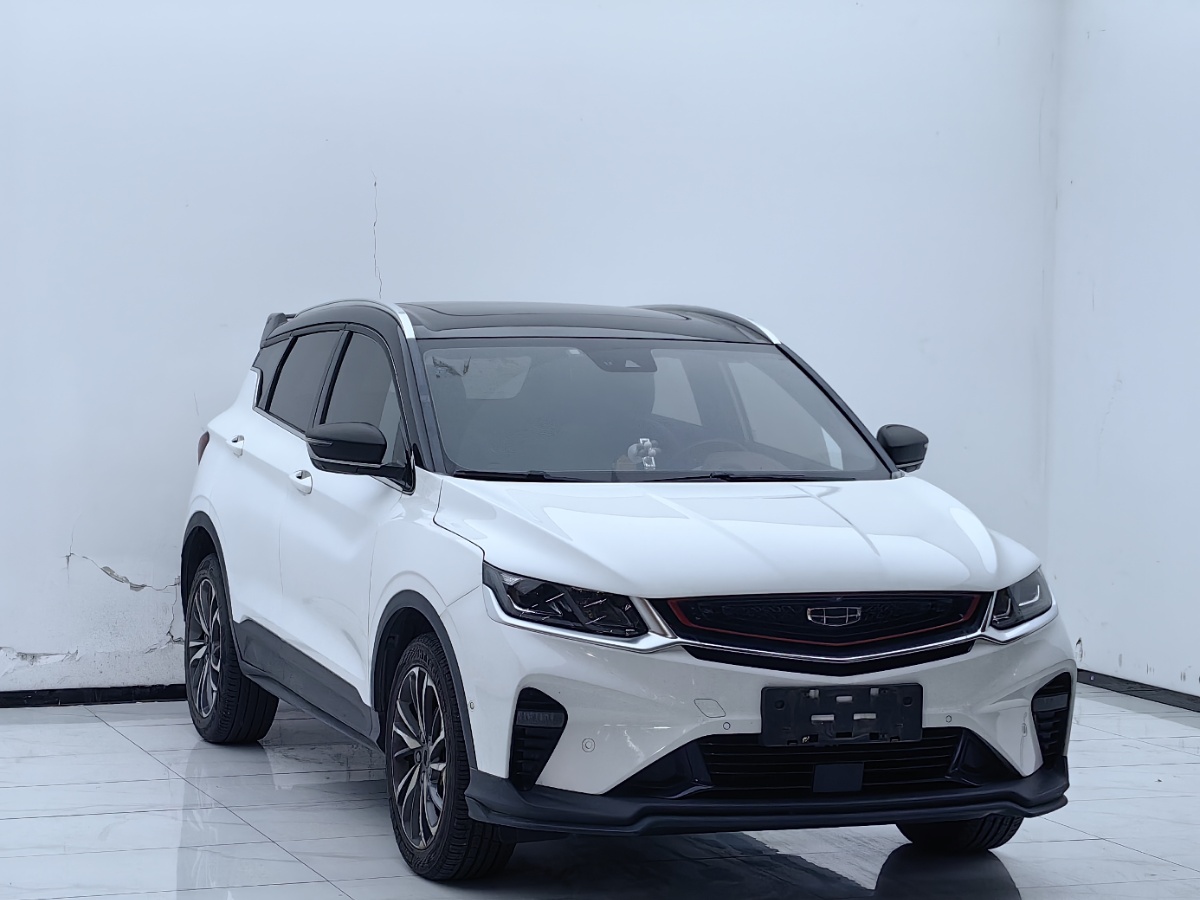
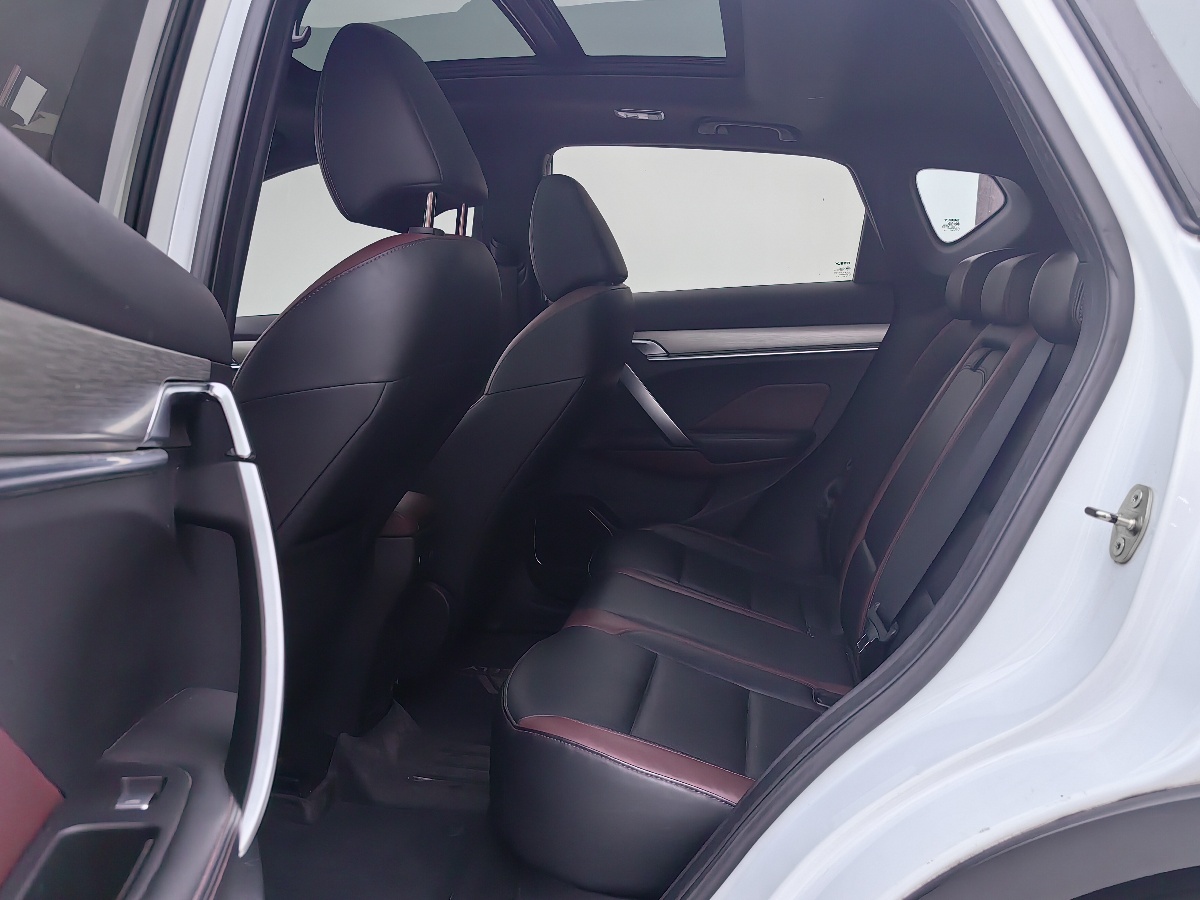



24H

Basic Information

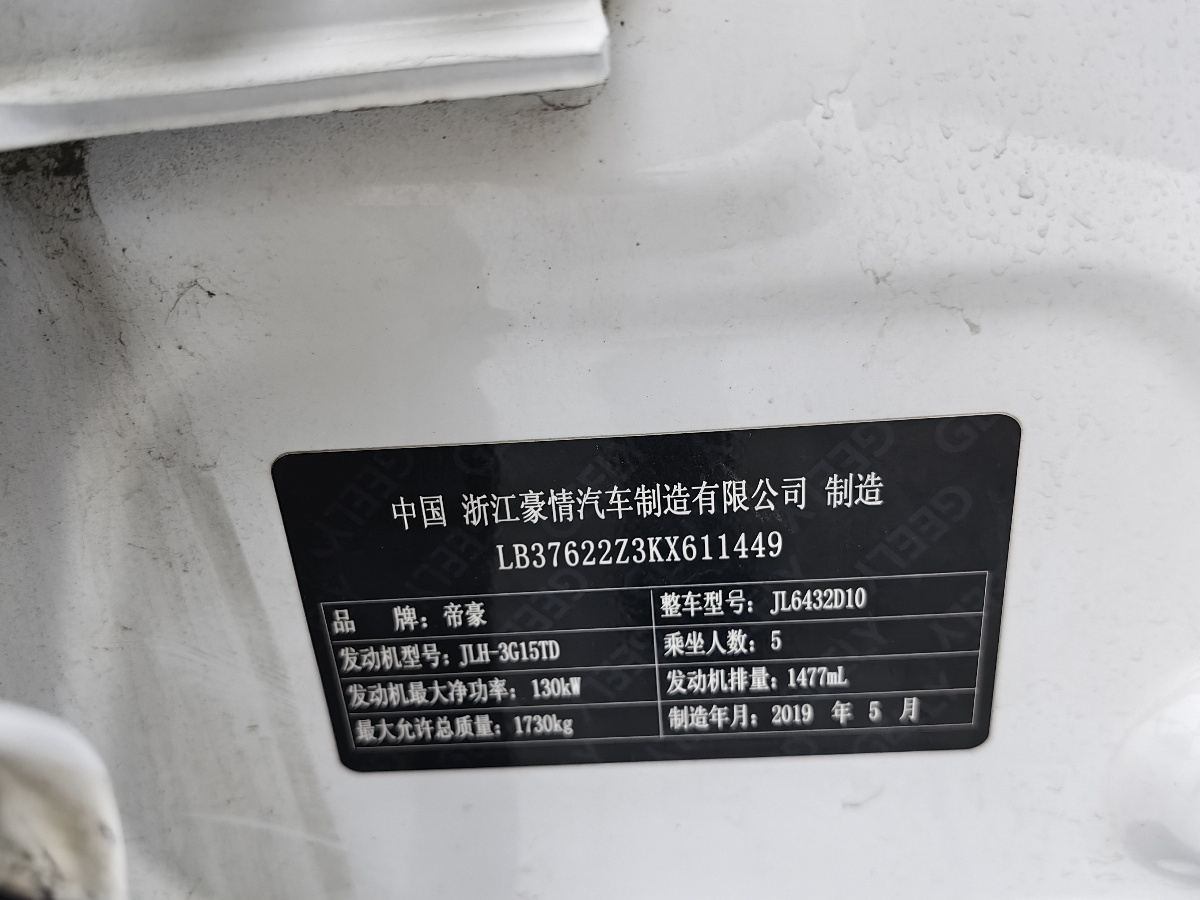
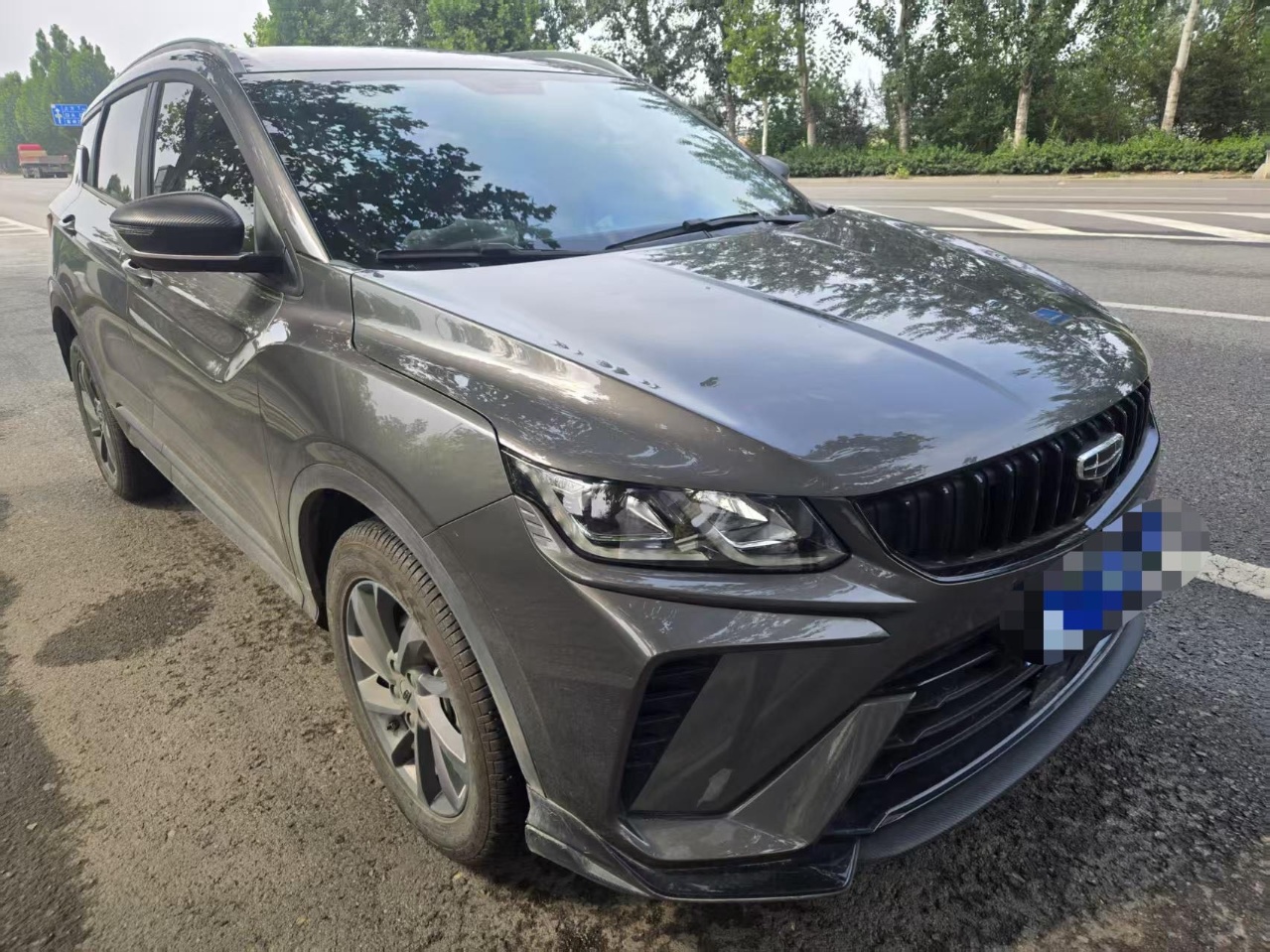
BrandGEELY
SeriesCoolray
Year2019
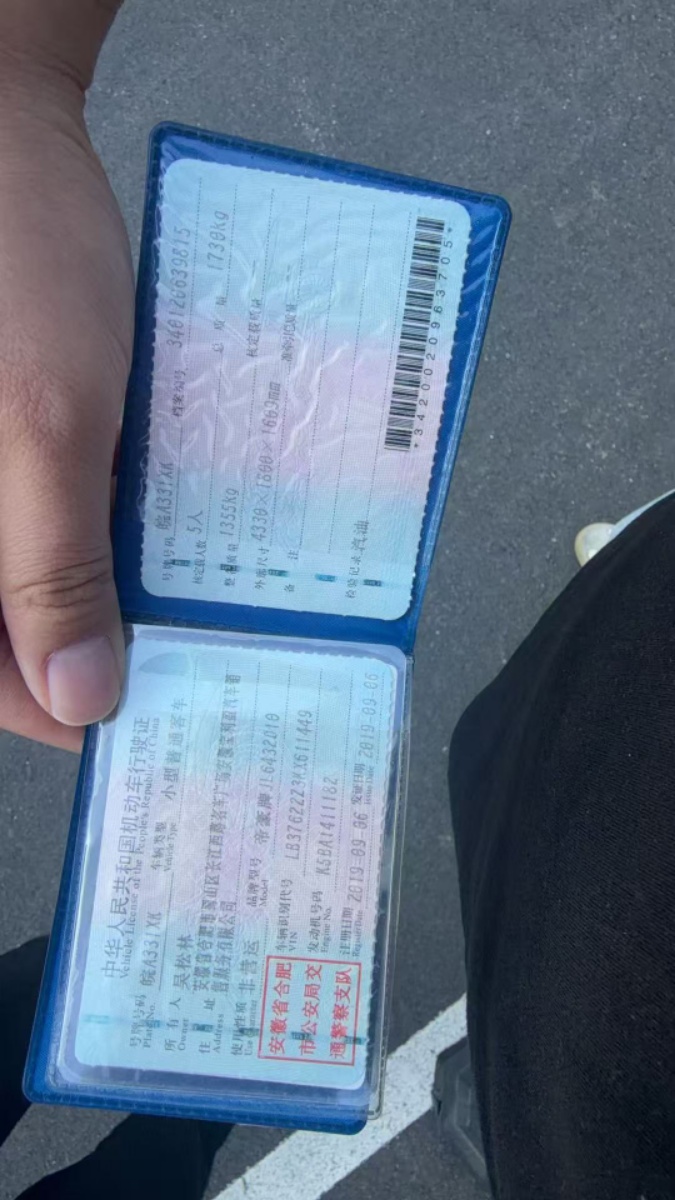
First Registration2019/09
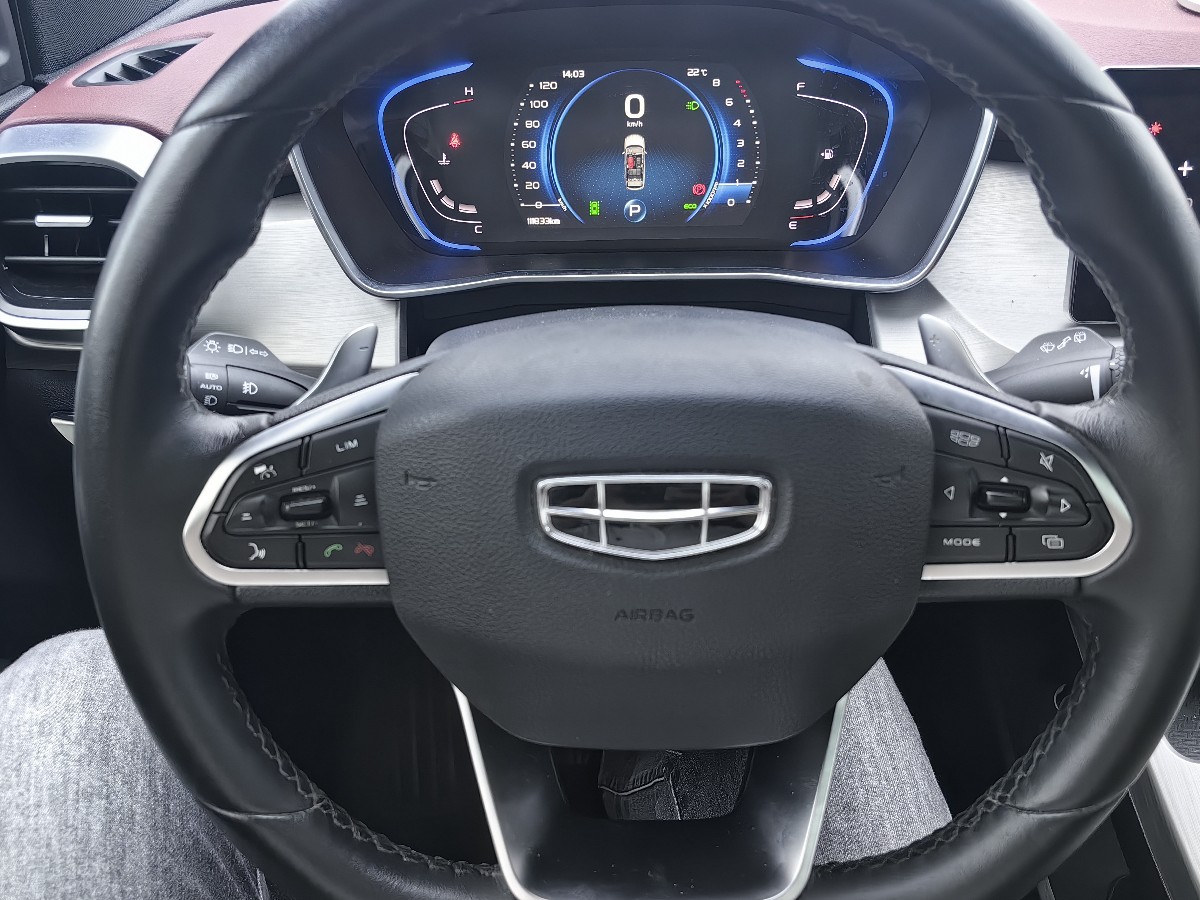
Mileage110,000km
Transfer Count1times
FuelMild Hybrid
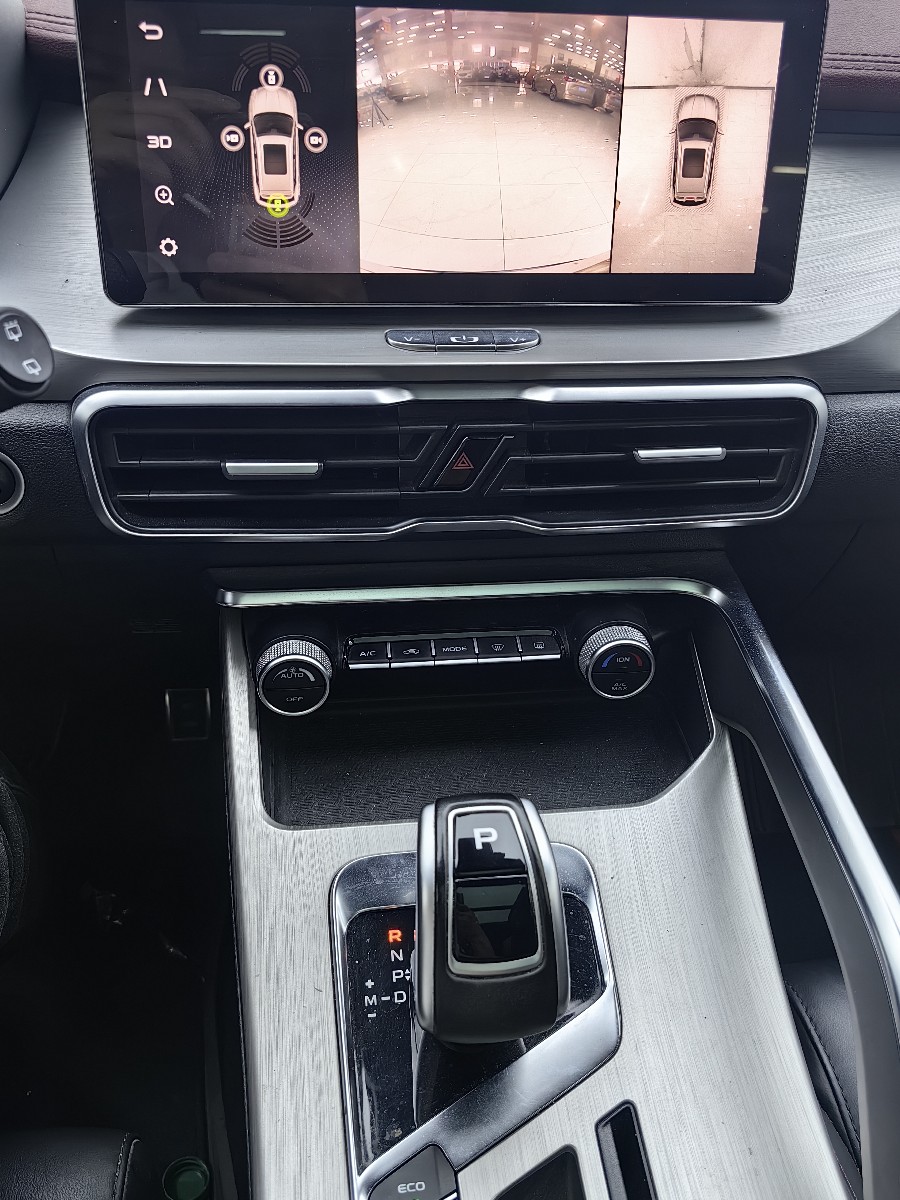
TransmissionDCT
Engine1.5T 177 L3
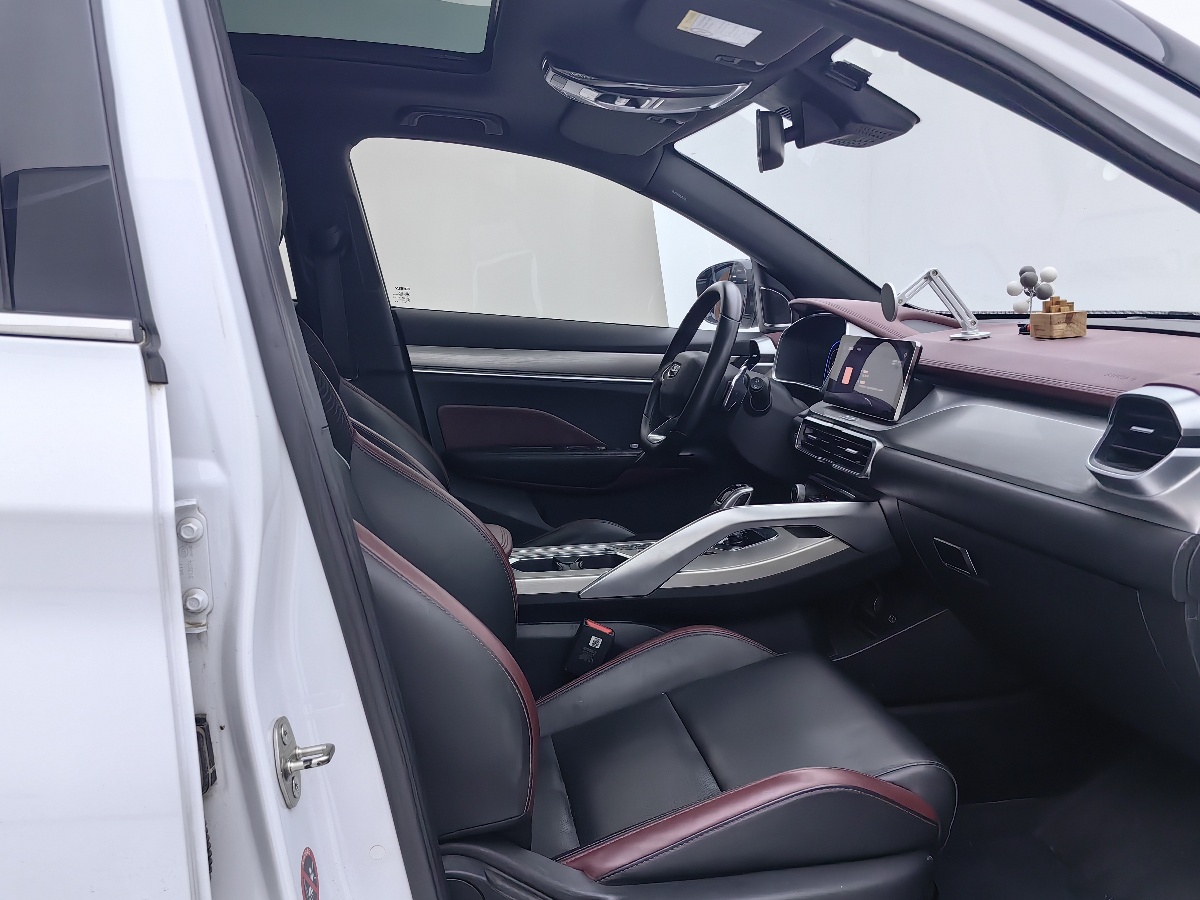
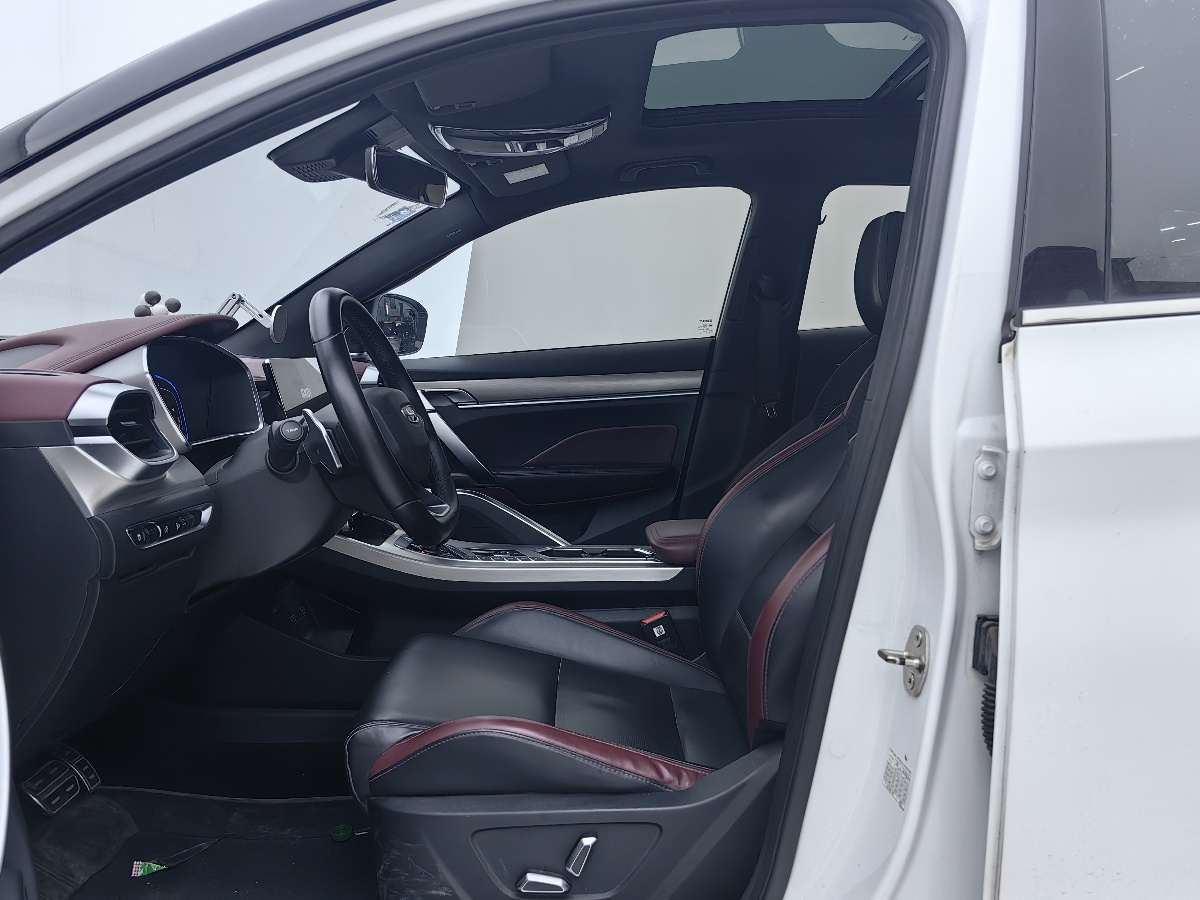
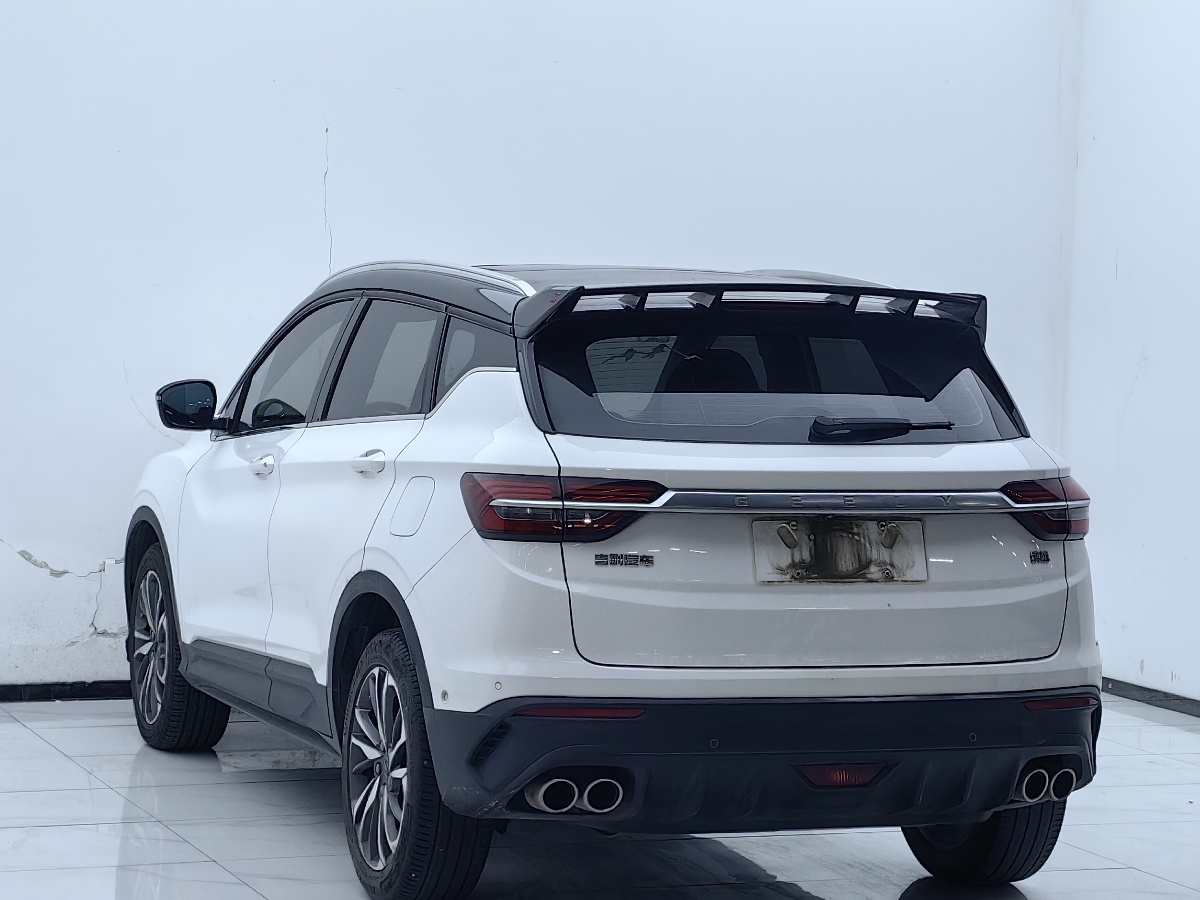
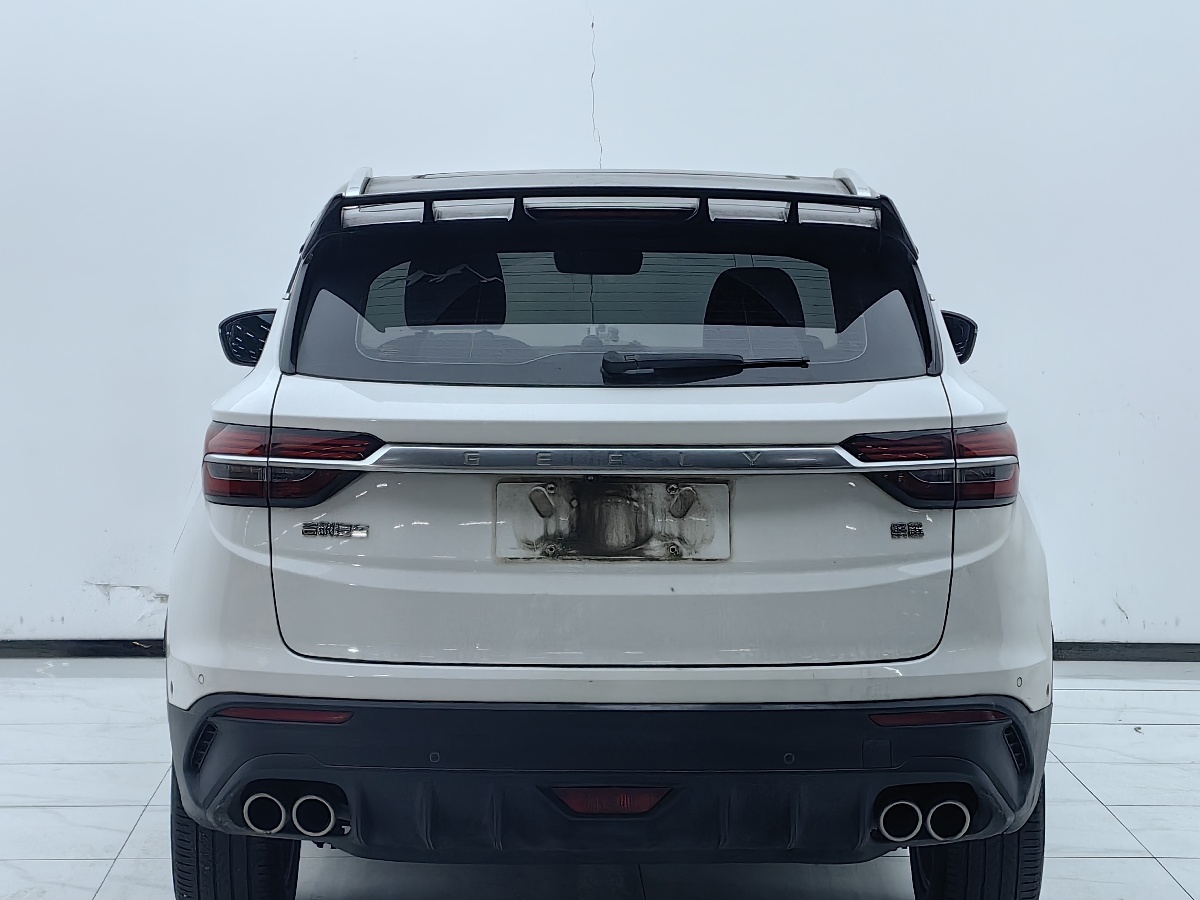
ColorWhite
Seats-

Condition Description

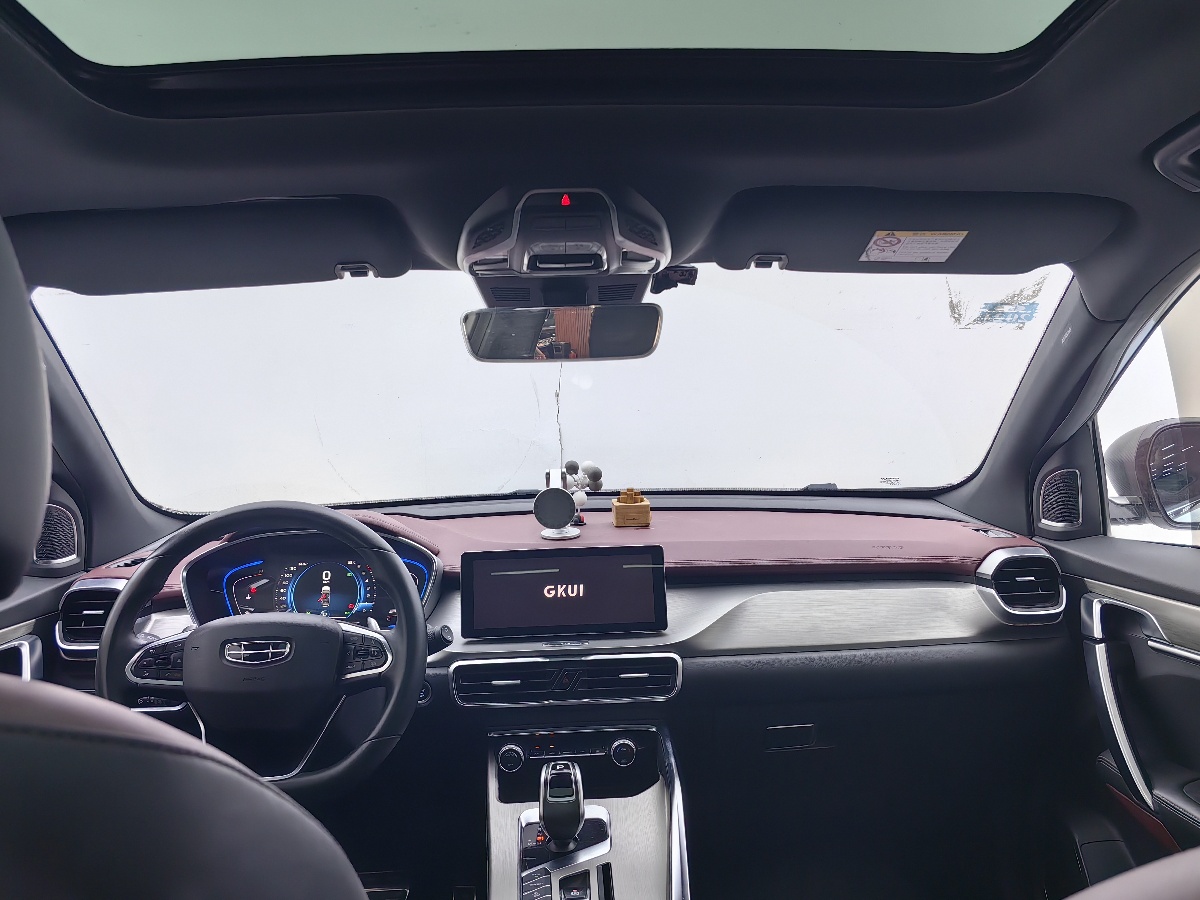
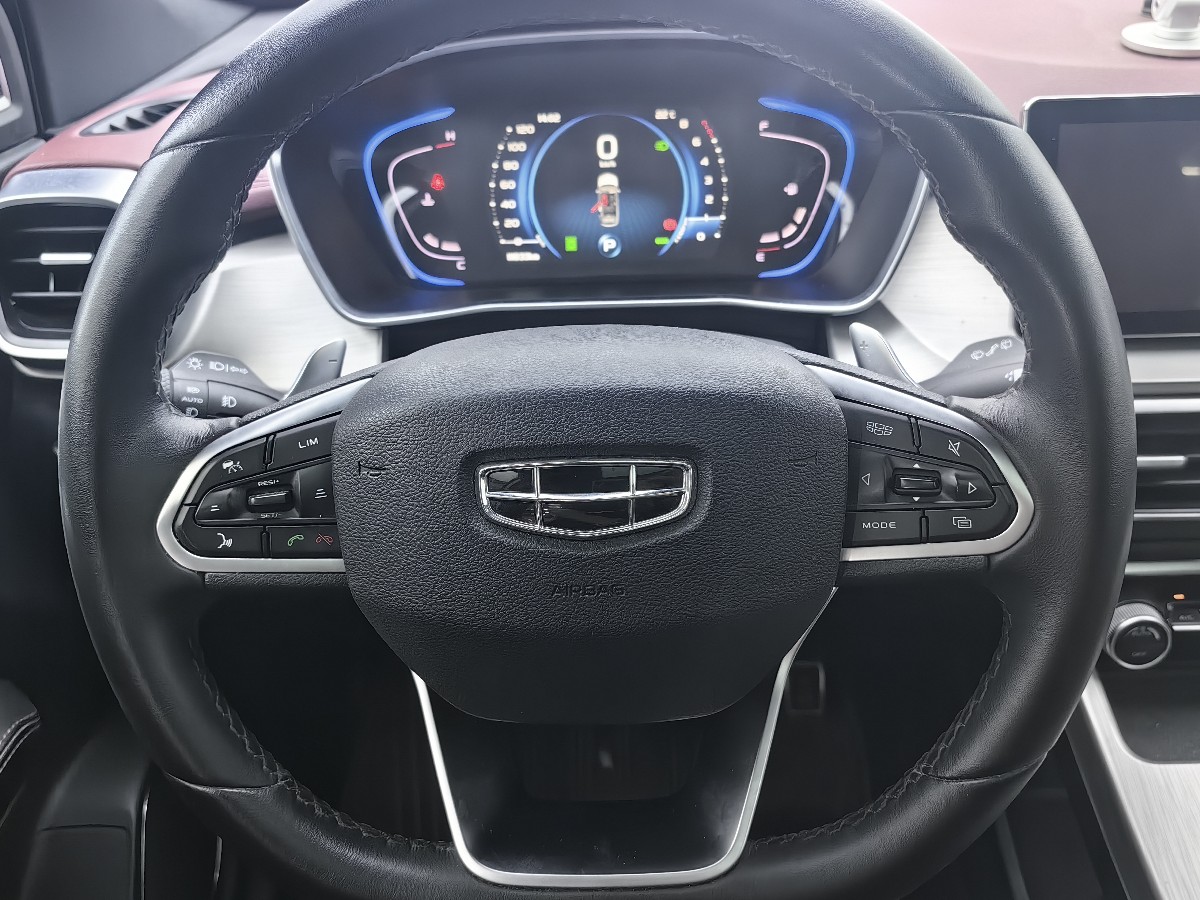
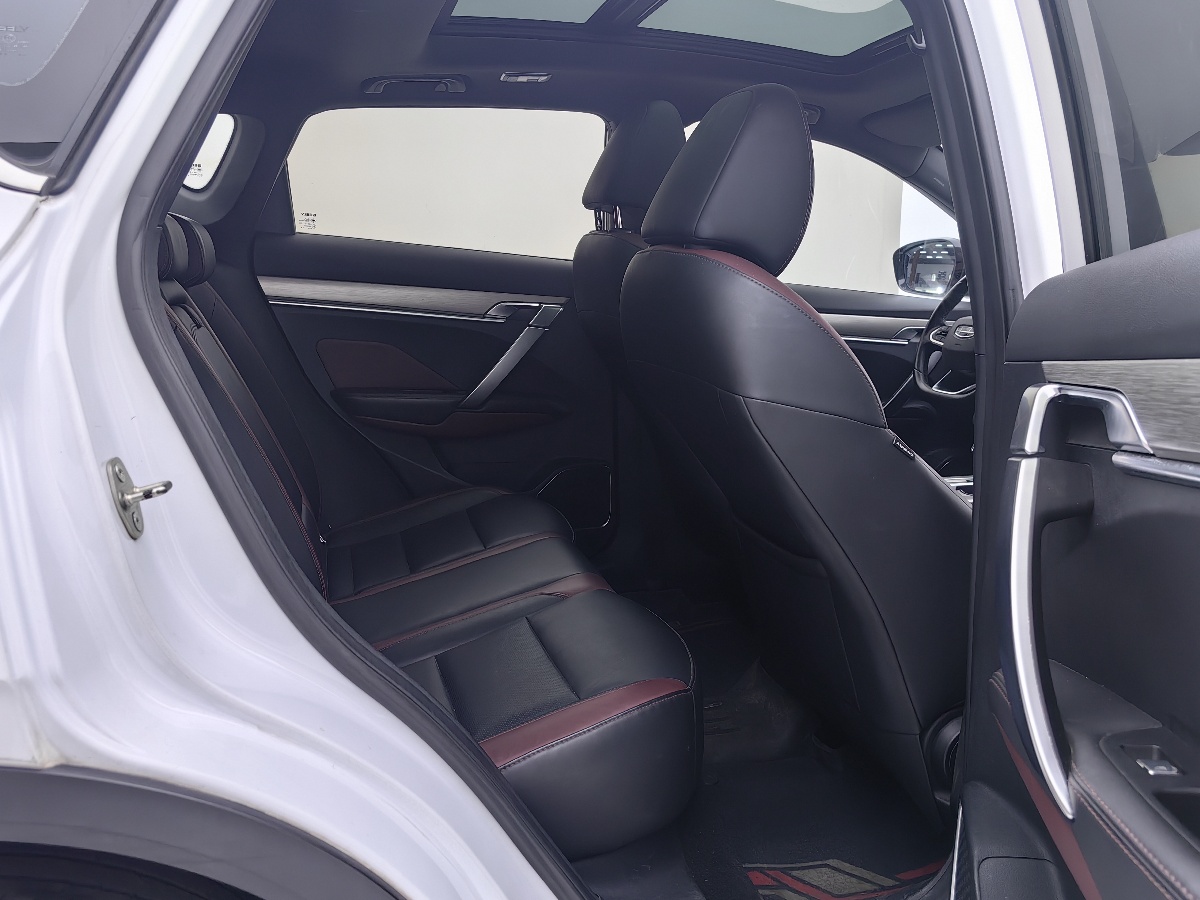
September 2019, minor front accident, third-party inspection under warranty, inspection grade SSS.

燃油车
SUV
自动
维保开放
事故开放
查验开放

Configuration Highlights

✓品牌: 吉利汽车
✓车系: 缤越
✓车型: 2019款 运动款 260T DCT Battle 国VI
✓车身类型: SUV
✓座位数: 5
✓排量: 1.5T
✓变速箱: 自动
✓能源类型: 燃油车
✓VIN: LB37622Z3KX611449
✓搜索关键词: 吉利汽车缤越 2019款缤越运动款260TDCTBattle国VI

Document Information

Inspection Expiry Date2027/09
Warranty Expiry Date-
Insurance Expiry Date2027/09

Q&A

More

Will all electronic buttons in the car (windows, air conditioning, seat adjustments) undergo electrical testing?

Testing is mandatory. Troubleshooting electrical devices in the car is part of the standard procedure. We will test the window lift motors, mirror folding, air conditioning compressor and fan, electric seat tracks, etc. Any stuttering or failure of electronic components will be recorded.

What is a battery SOH certificate and why does it matter when buying a used EV from China?

SOH (State of Health) measures the battery's remaining capacity as a percentage of its original capacity. Two EVs with the same mileage can have very different SOH depending on charging habits and climate exposure, and since the battery represents 30-50% of a used EV's value, the SOH number is effectively the real price tag. A proper certificate includes current SOH percentage, cell voltage balance, charge cycle counts, battery management system fault codes, and often a projected range estimate. In hot-climate markets like the Gulf, a degraded battery degrades even faster, so a documented SOH above 85-90% is strongly recommended. Exporters who provide verified SOH certificates close deals faster and command better prices, so treat the certificate as a core purchase document, not an extra.

When calculating the total cost of a used car, what percentage of the car price do you recommend setting aside for "unforeseen local preparation costs"?

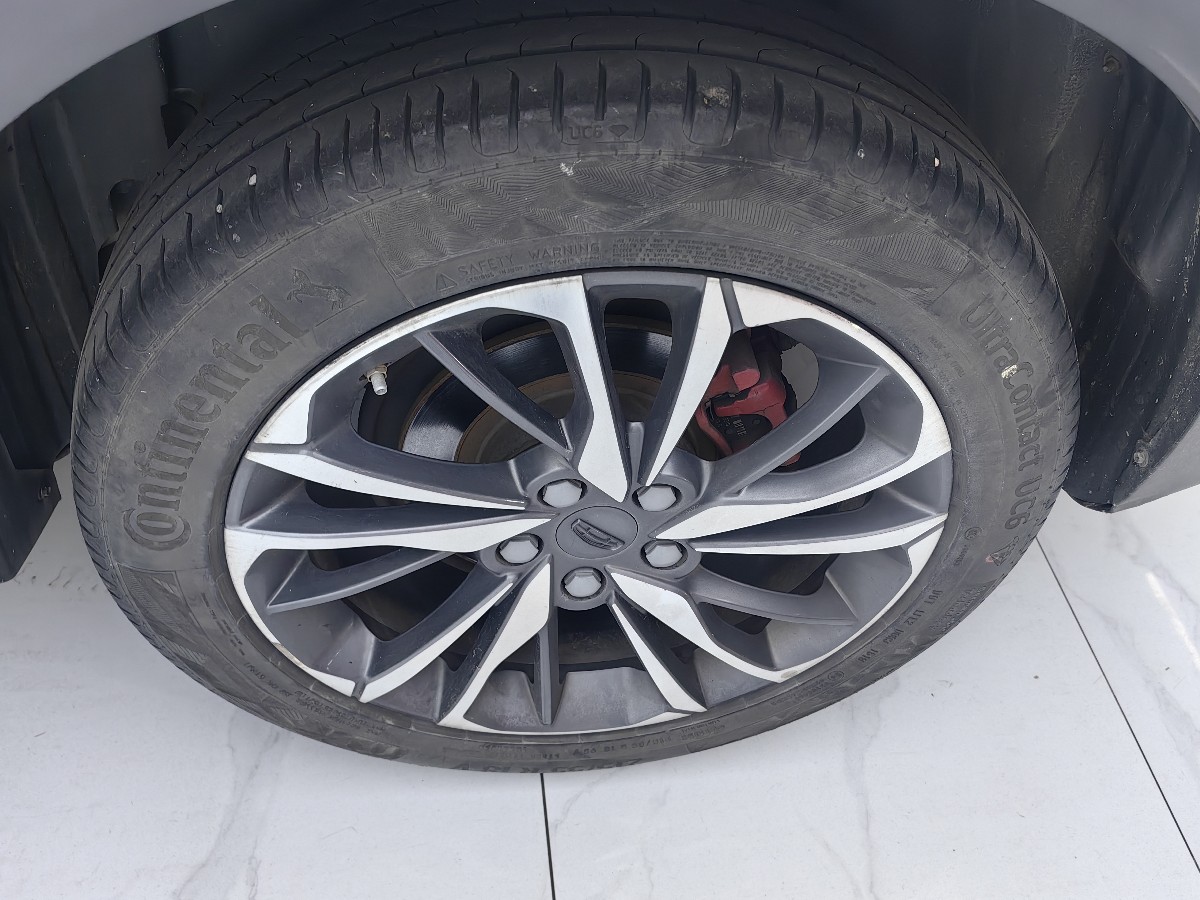
Based on practical risk assessment, we strongly recommend setting aside 3% to 5% of the car price as a buffer fund for even the highest-rated used cars, to cover oil changes, new tires, minor shipping scratches, and local inspection labor costs.
