


24H

Basic Information

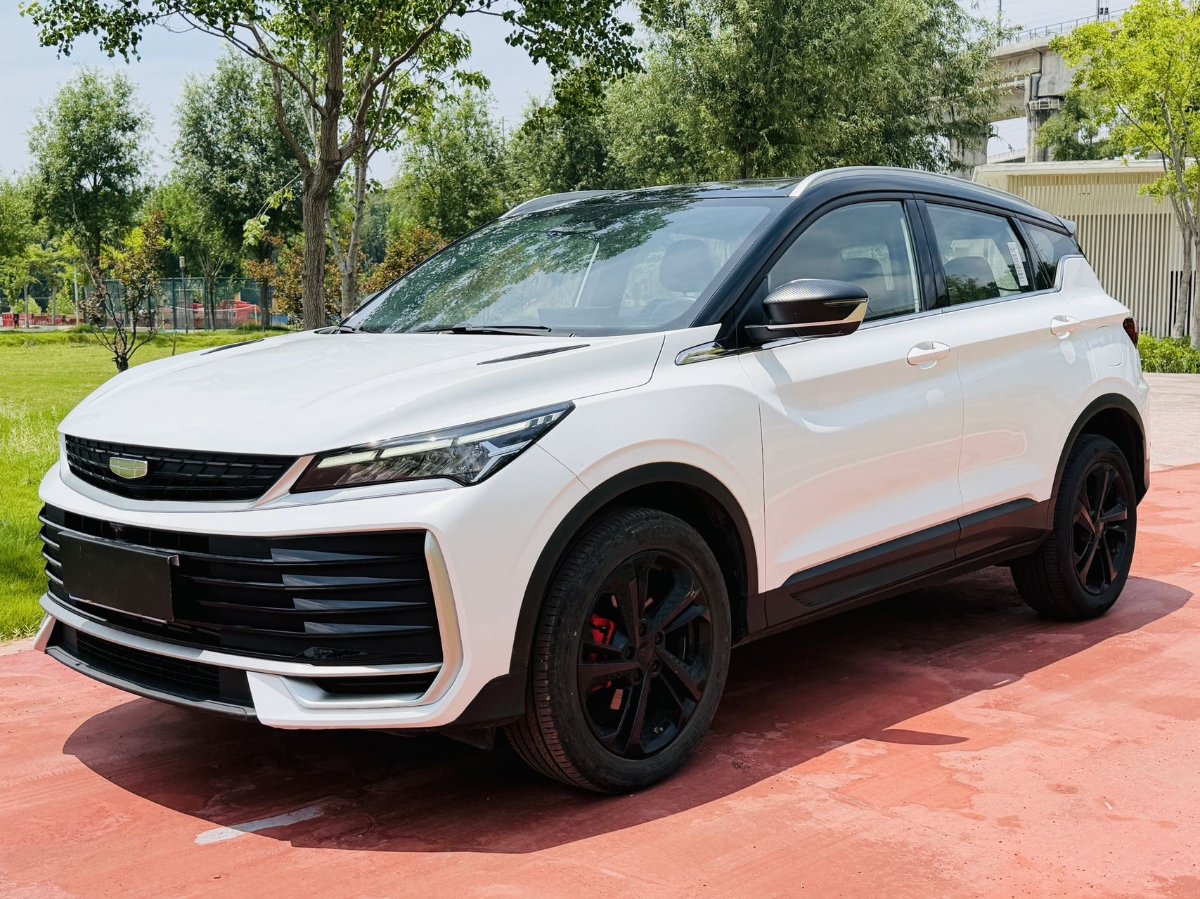
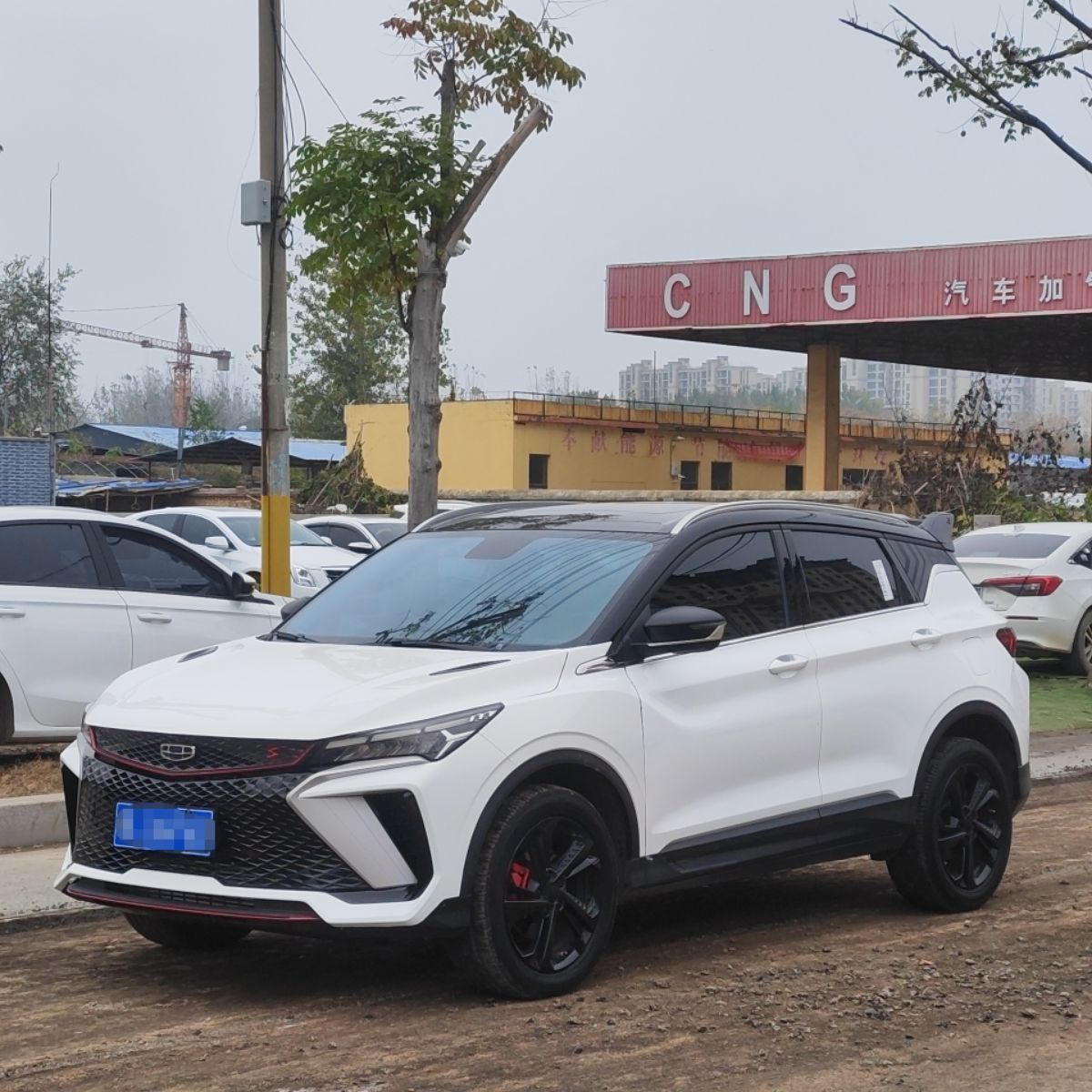
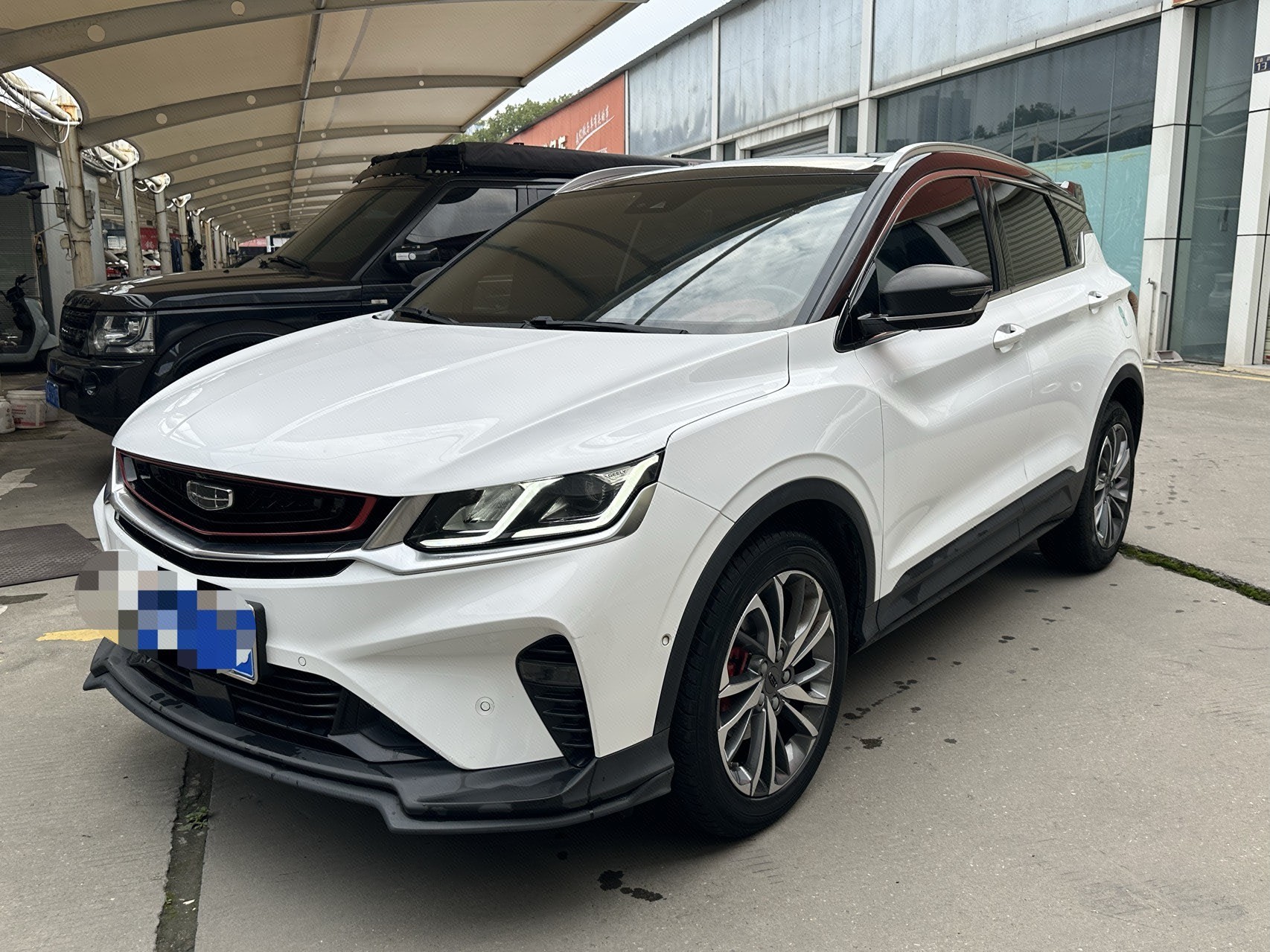
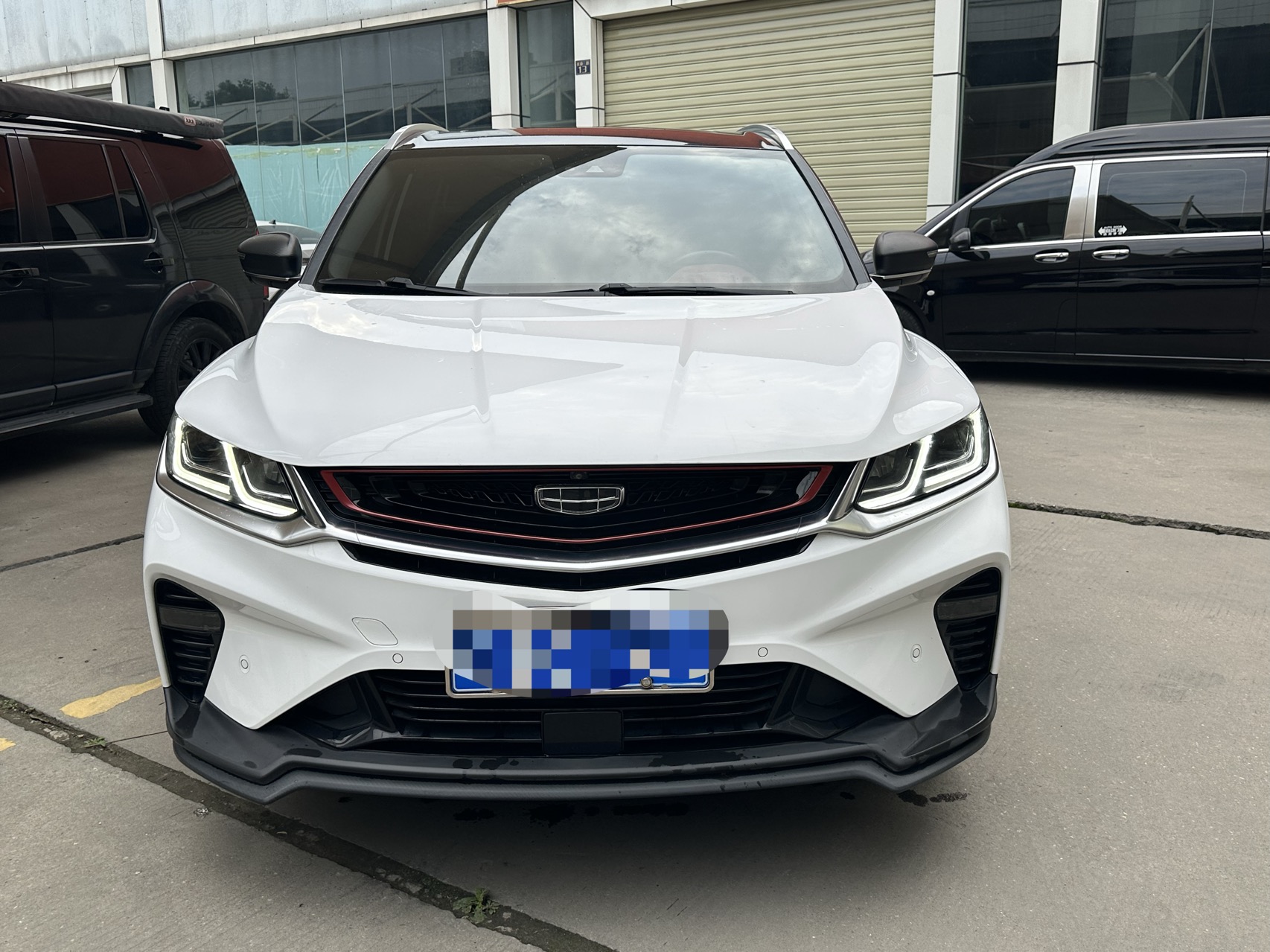
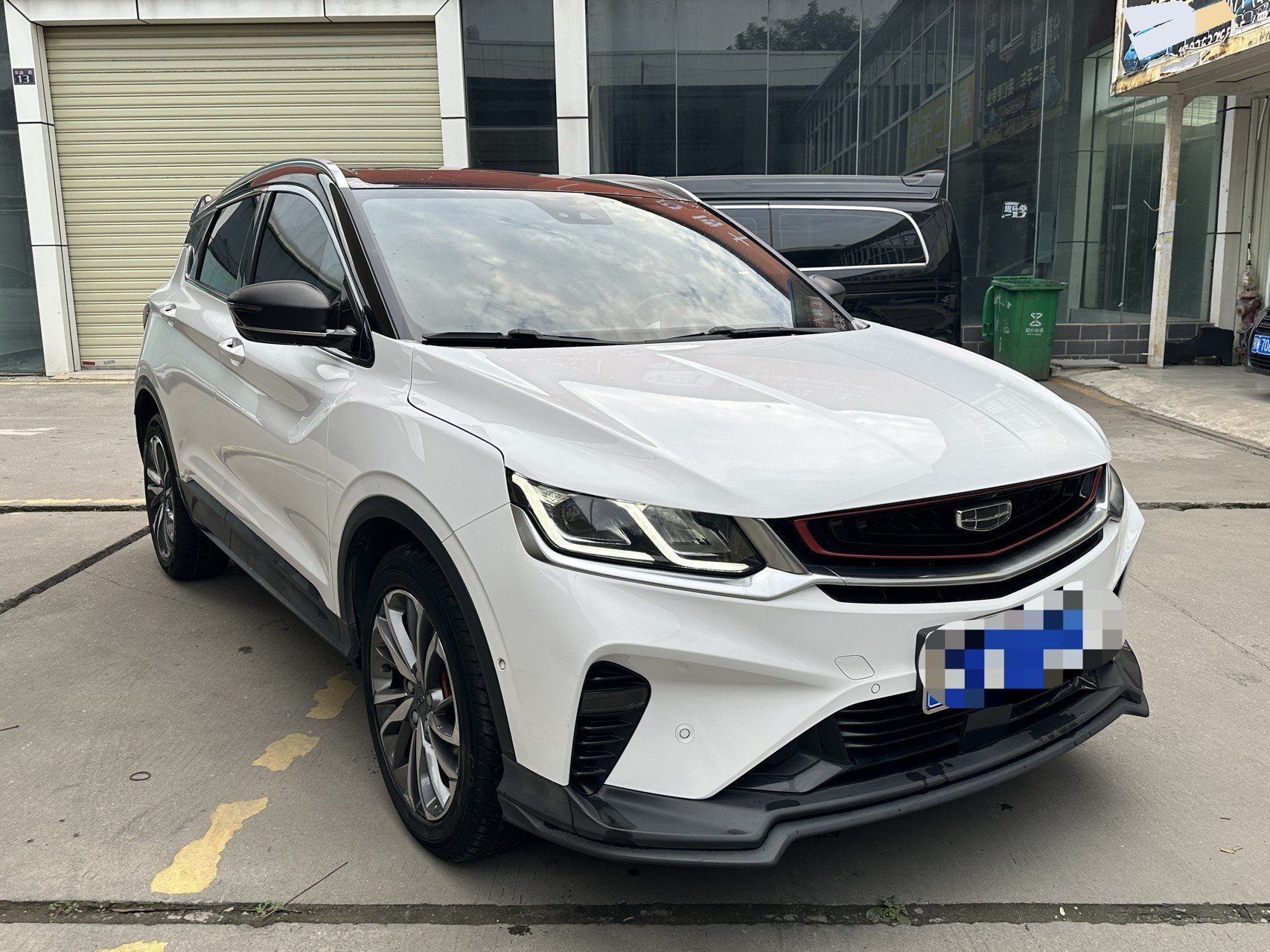
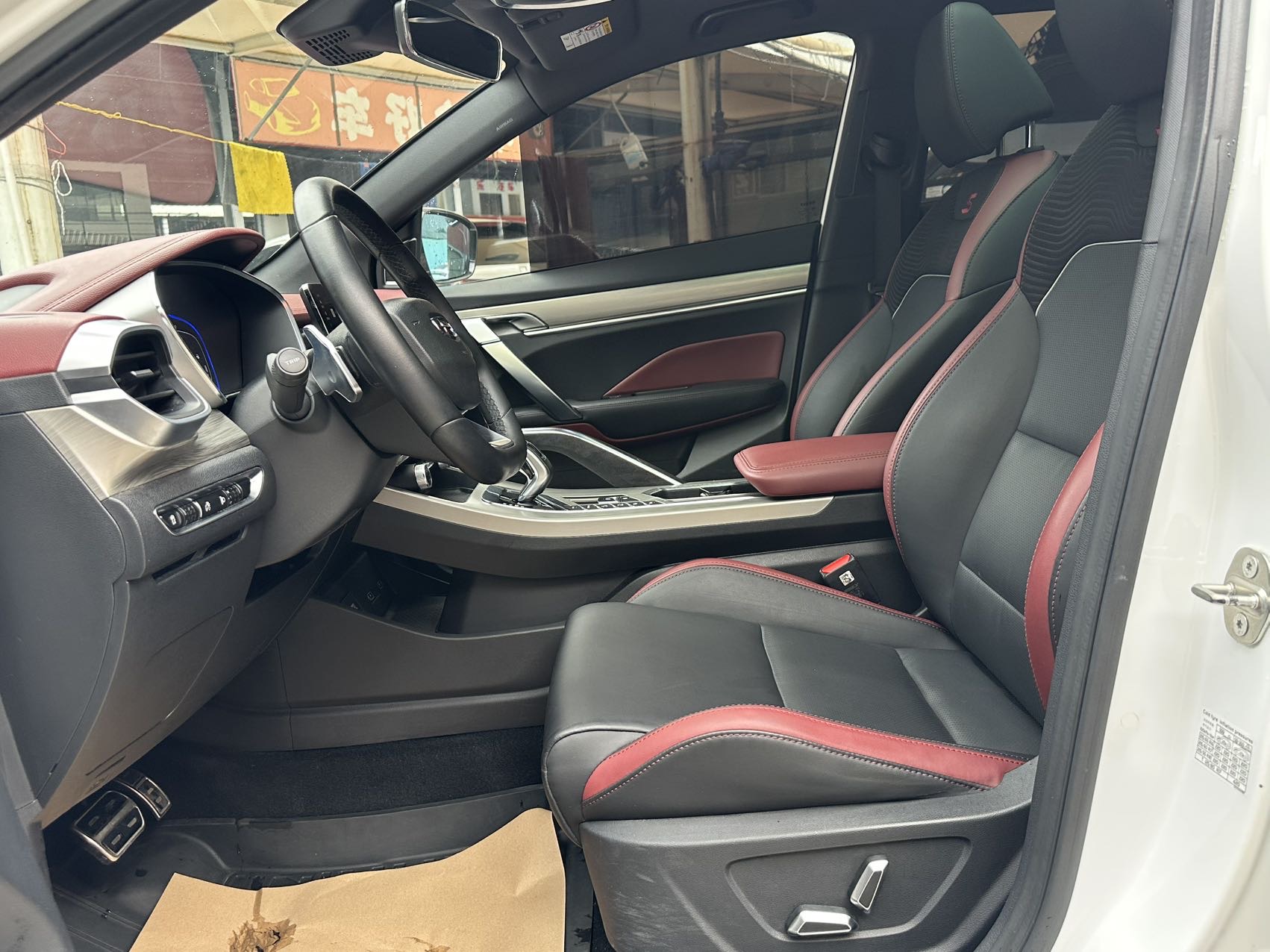
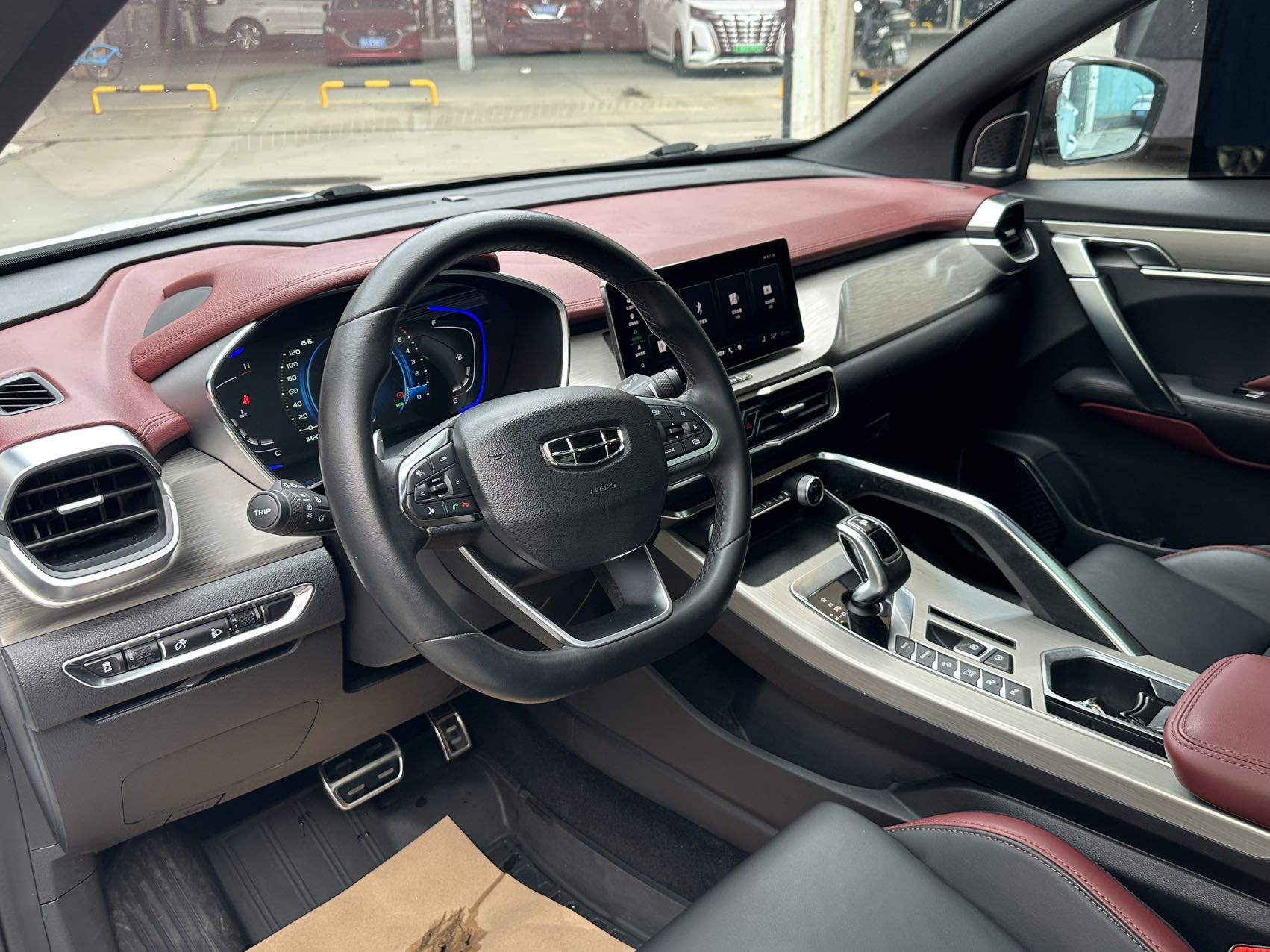
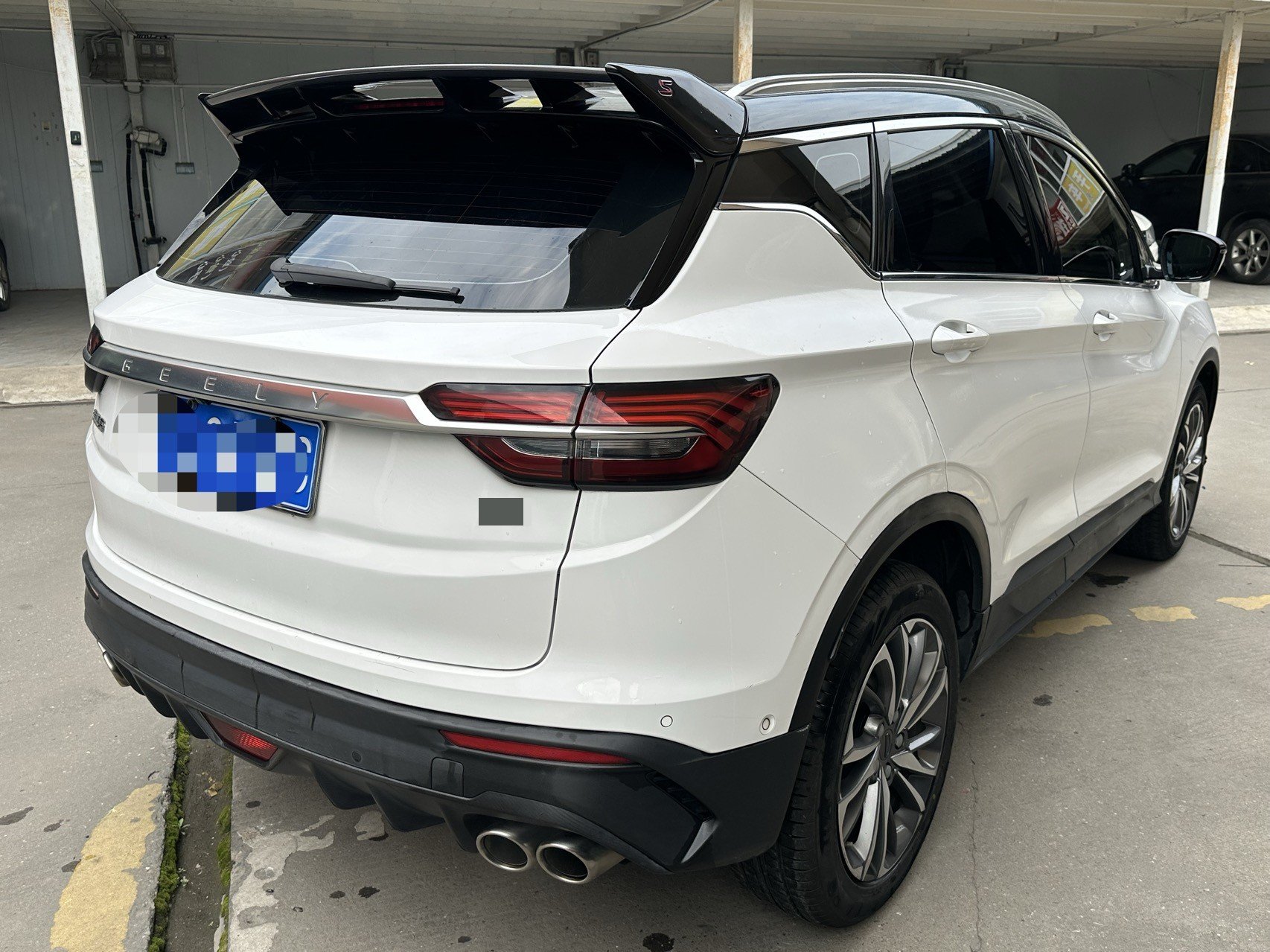
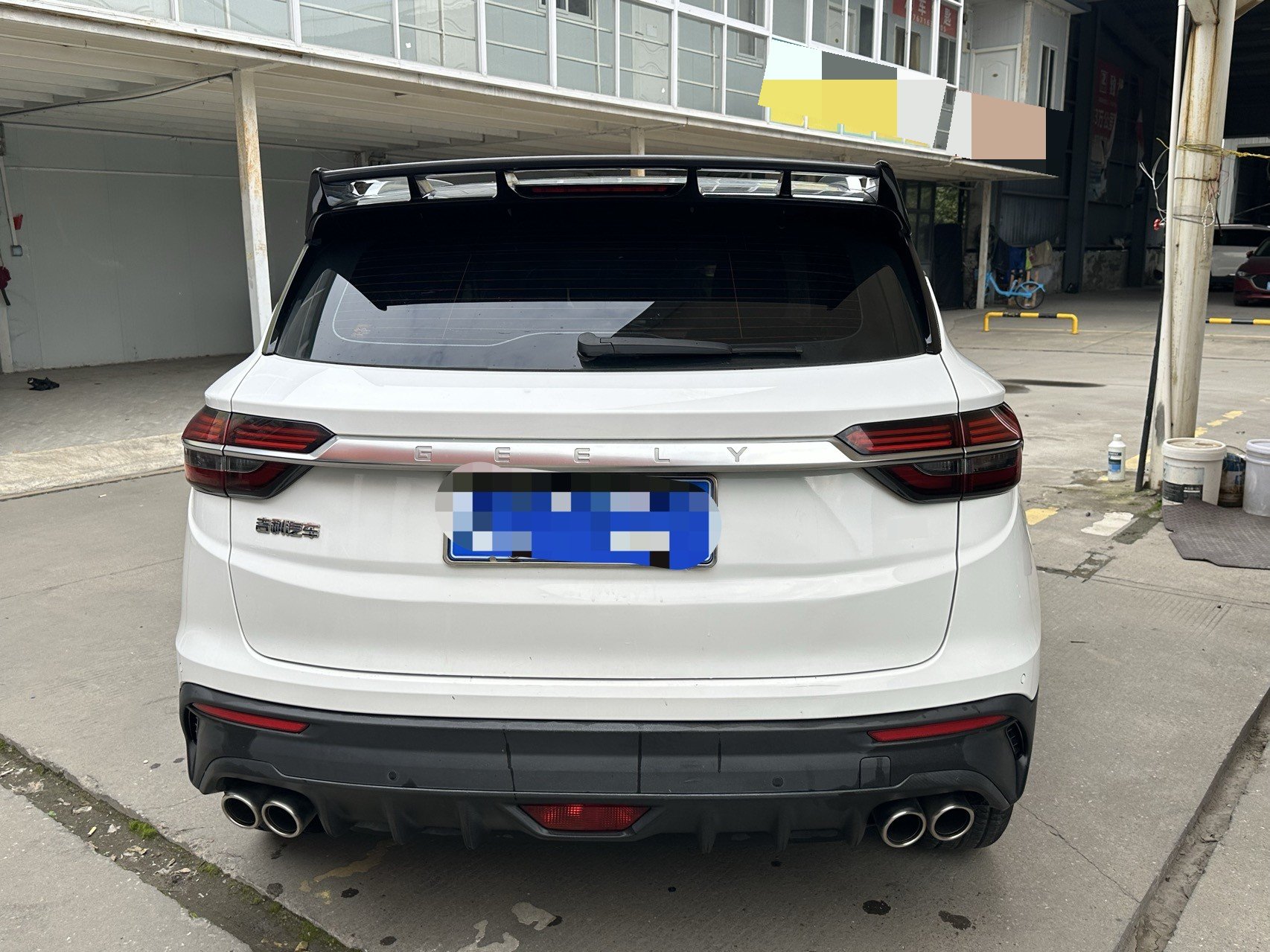
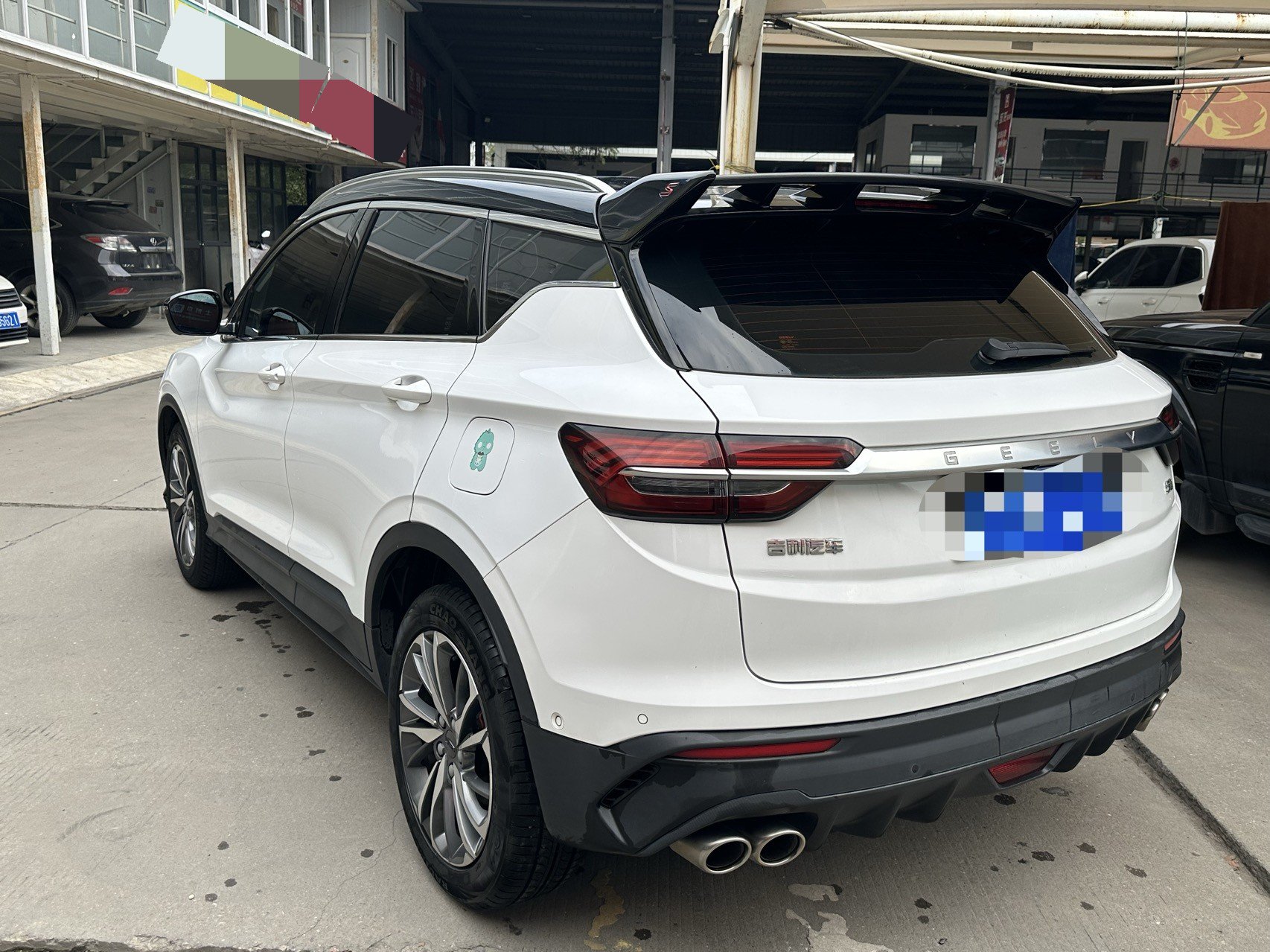
BrandGEELY
SeriesCoolray
Year2019
First Registration2019/01
Mileage110,000km
Transfer Count0times
FuelGasoline
TransmissionDCT
Engine1.5T 177 L3
ColorWhite
Seats-

Condition Description

Repainted. Zero insurance claims.

Document Information

Inspection Expiry Date-
Warranty Expiry Date-
Insurance Expiry Date2027/01

Q&A

More

What charging adapters or equipment will I need to charge a used Chinese EV in my country?

Chinese EVs ship with GB/T charging ports, which are not used in Europe (Type 2/CCS2), North America (J1772/CCS1/NACS), or most of Latin America. Plan for these extras: 1. GB/T to local standard adapter or converter box: this lets you charge at public stations. A simple passive adapter works for AC charging; DC fast charging needs an active converter, which is expensive — many owners skip it and rely on AC. 2. Portable charger swap: the included travel charger has a GB/T plug. Buy a local wallbox or a portable EVSE with your country's plug instead. 3. Home electrical check: confirm your home circuit can handle 7–11 kW, and have an electrician install a dedicated line if needed. Ask the exporter for the car's charging port photos and on-board charger capacity before buying. Budget roughly a few hundred dollars for adapters and a wallbox. Without planning, you may end up with a car that can only trickle-charge from a wall socket.


When buying a used Chinese EV, how do I read the battery health (SOH) report, and what percentage is still acceptable for import?

State of Health (SOH) tells you how much of the original battery capacity remains. Here's how to use it. Reading the report: SOH is usually shown as a percentage of original capacity. A car at 90% SOH retains roughly 90% of its original range. Also check for cell imbalance (voltage spread between modules)—a low SOH with balanced cells is often fine, but high imbalance causes sudden range drops and charging problems. Acceptable thresholds: for a car under 3 years old, expect 90%+ SOH. For 3-5 years, 85-90% is normal. Below 80% SOH, the battery may soon need replacement—replacement costs can exceed the car's value, so negotiate hard or walk away. How to verify: don't trust a screenshot. Ask for a live screen recording of the diagnostic app (like the brand's official tool) starting from the car's VIN page. Cross-check the fast-charging curve: a healthy battery charges at near-peak rate up to 60-70%; a degraded one tapers early. Finally, remember that hot climates degrade batteries faster—if the car spent its life in southern China, scrutinize SOH more carefully.

Which import documents do I need for a used car from China, and who issues each one?

The standard set is: 1. Commercial invoice and sales contract - issued by the exporter; the basis for customs valuation. 2. Packing list - exporter; details the vehicle and any spare parts shipped with it. 3. Bill of lading - issued by the shipping line; your proof of ownership of the cargo. Never pay the full balance before receiving at least a copy of it. 4. Certificate of origin - issued by the China Council for the Promotion of International Trade (CCPIT); some countries require it for preferential duty rates. 5. Export customs declaration - Chinese customs; confirms the car was legally exported. 6. Pre-shipment inspection report - issued by companies like Intertek, SGS or the EAA scheme, if your country mandates it. Ask the exporter for scanned copies of all documents before shipping so you or your broker can verify completeness.