



24H

Basic Information

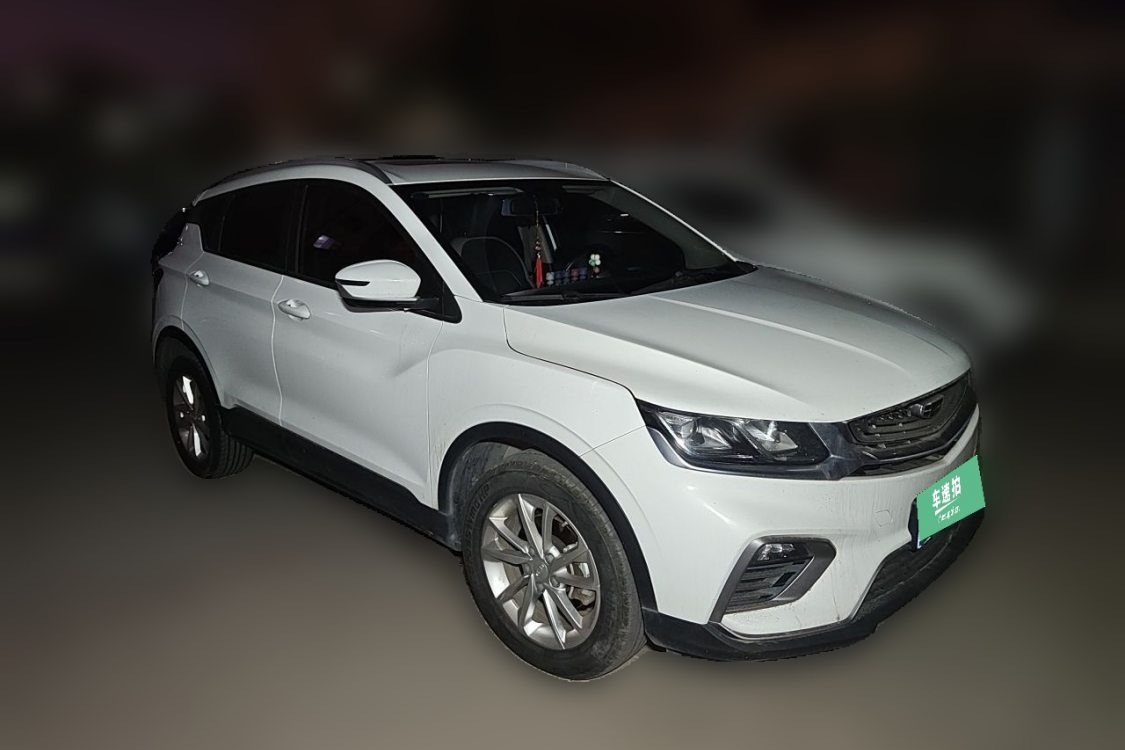
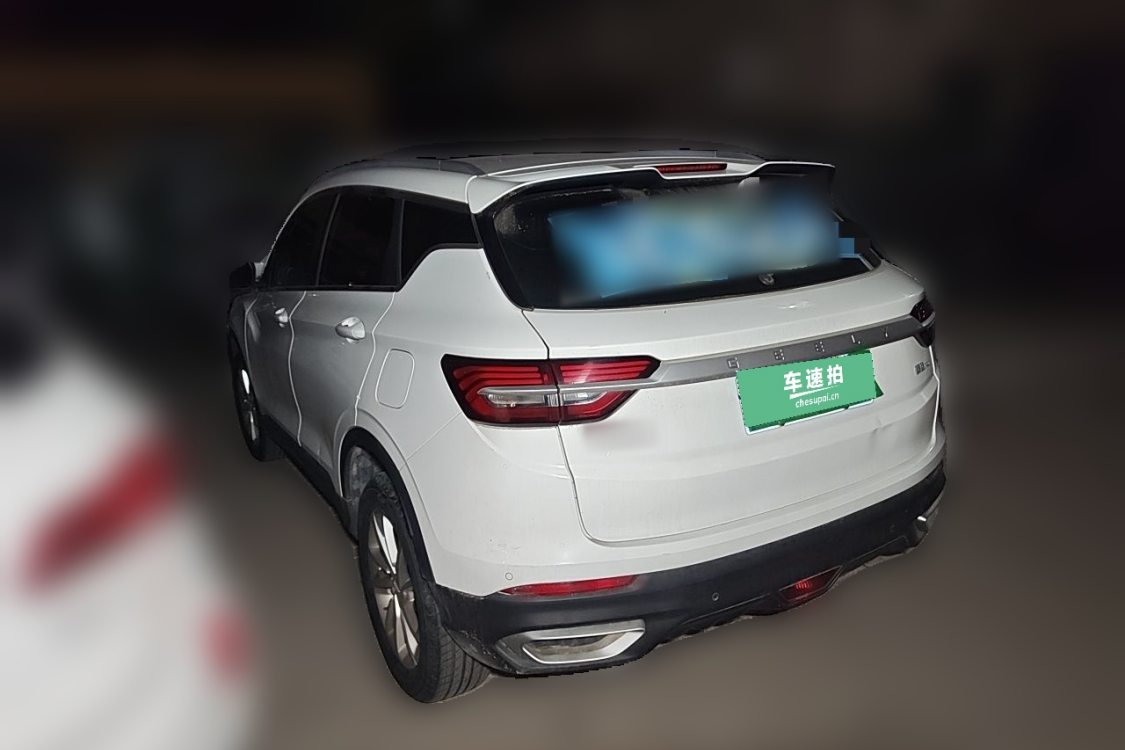
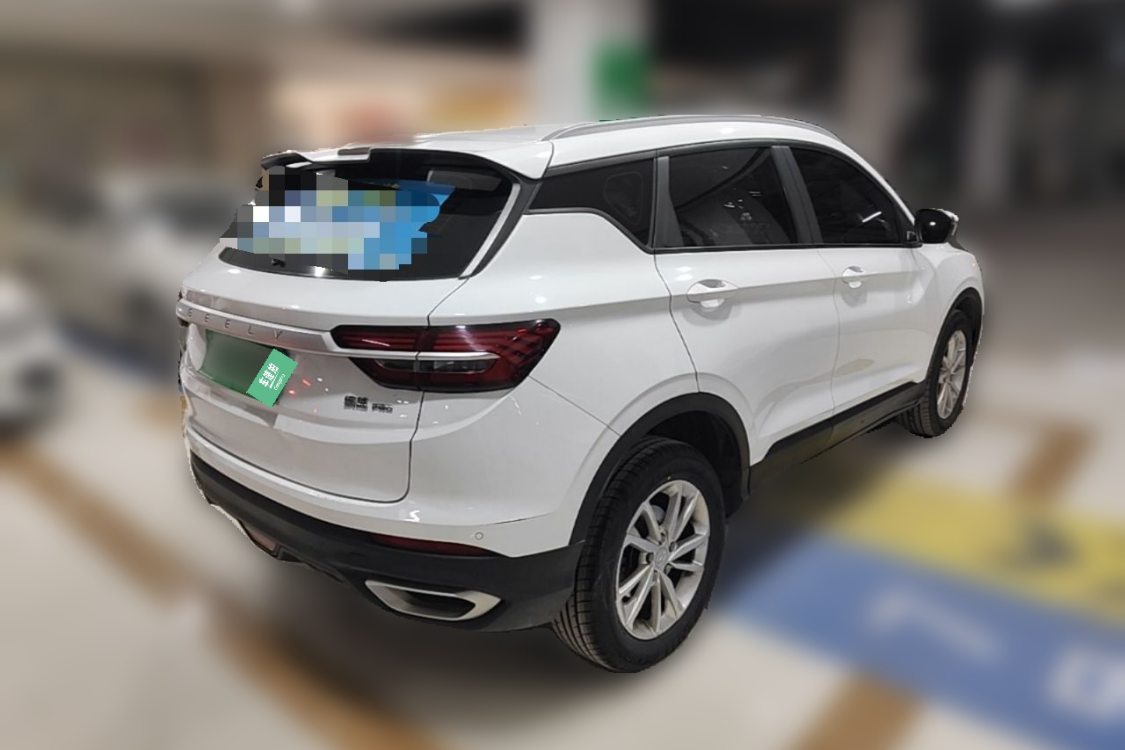
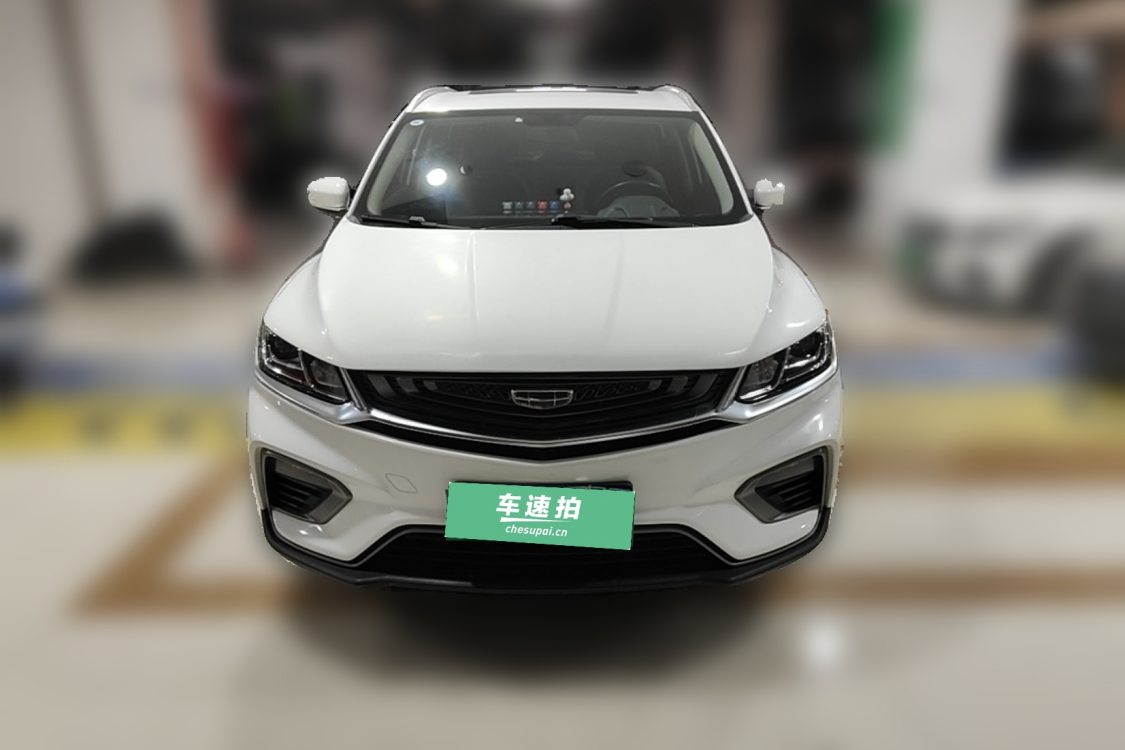
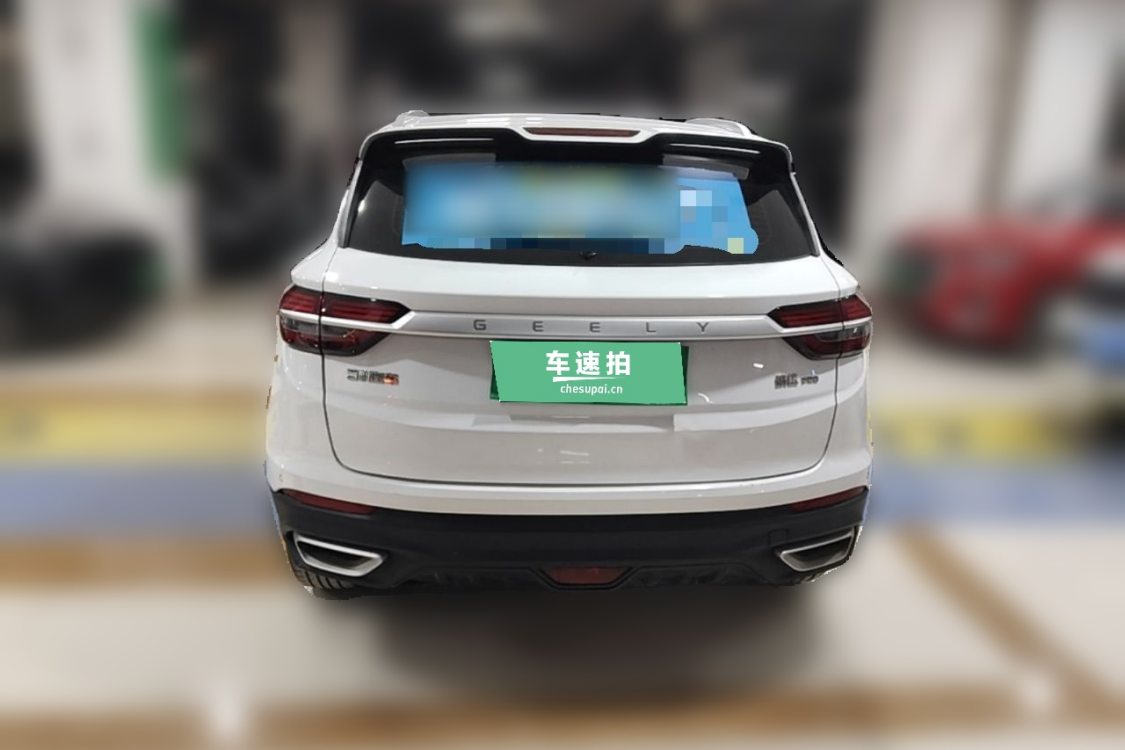
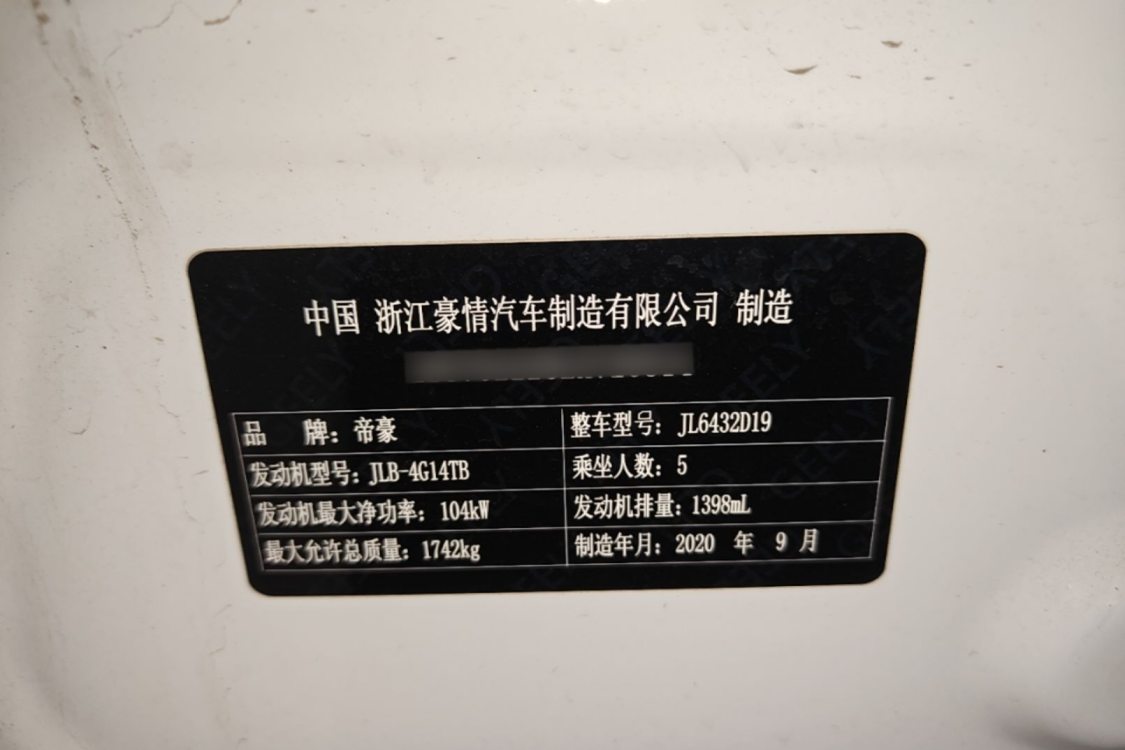
BrandGEELY
SeriesCoolray
Year2020
First Registration2020/12
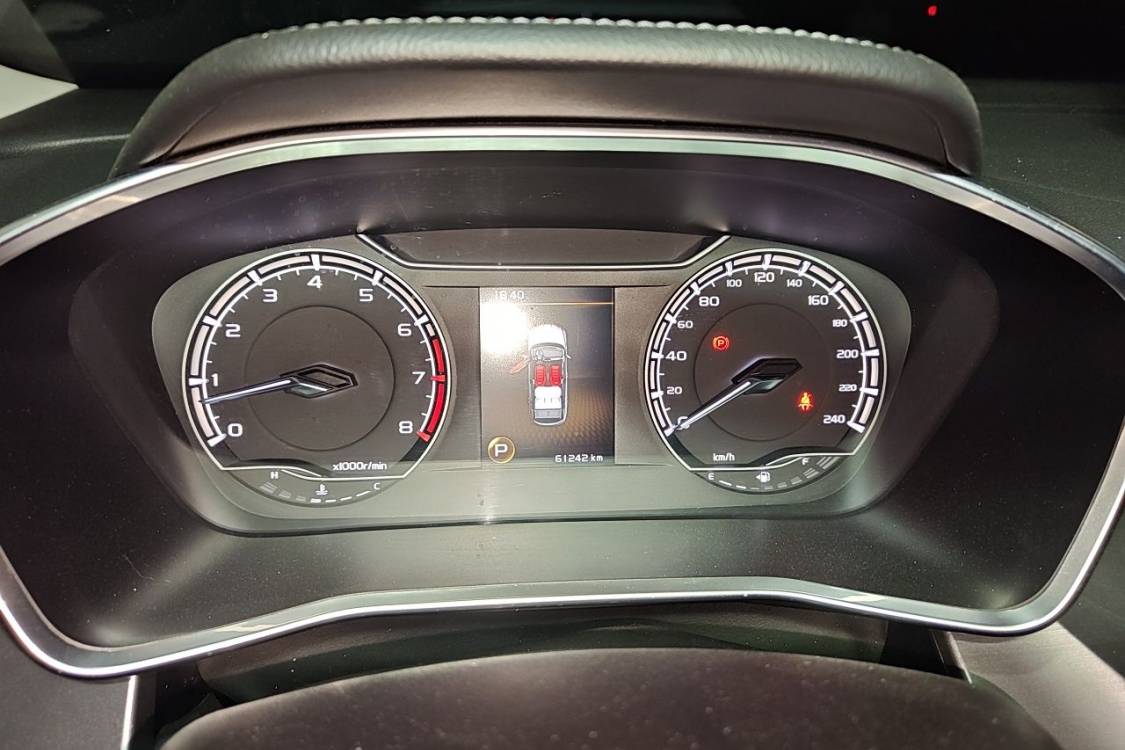
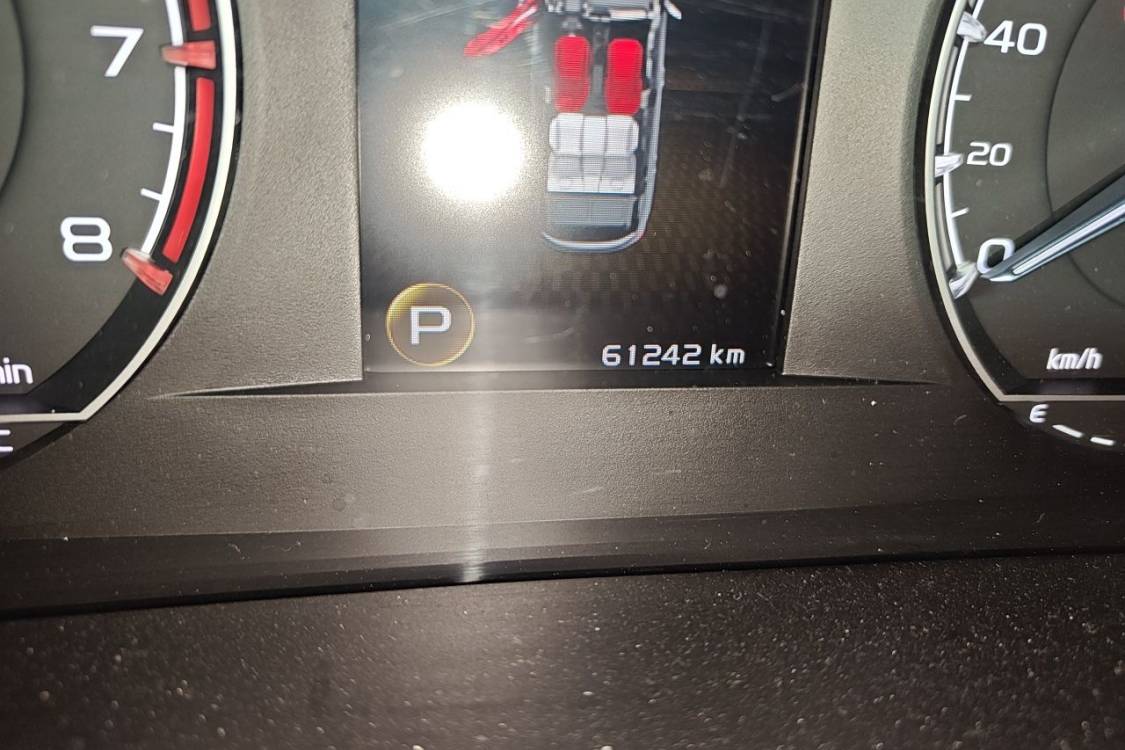
Mileage61,200km
Transfer Count-
FuelGasoline
TransmissionDCT
Engine1.4T 141 L4
ColorWhite
Seats-

Condition Description

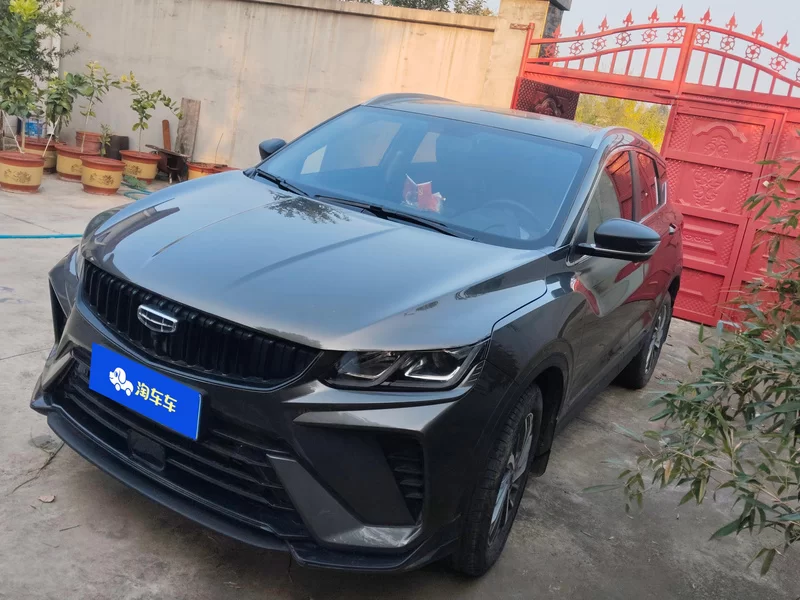
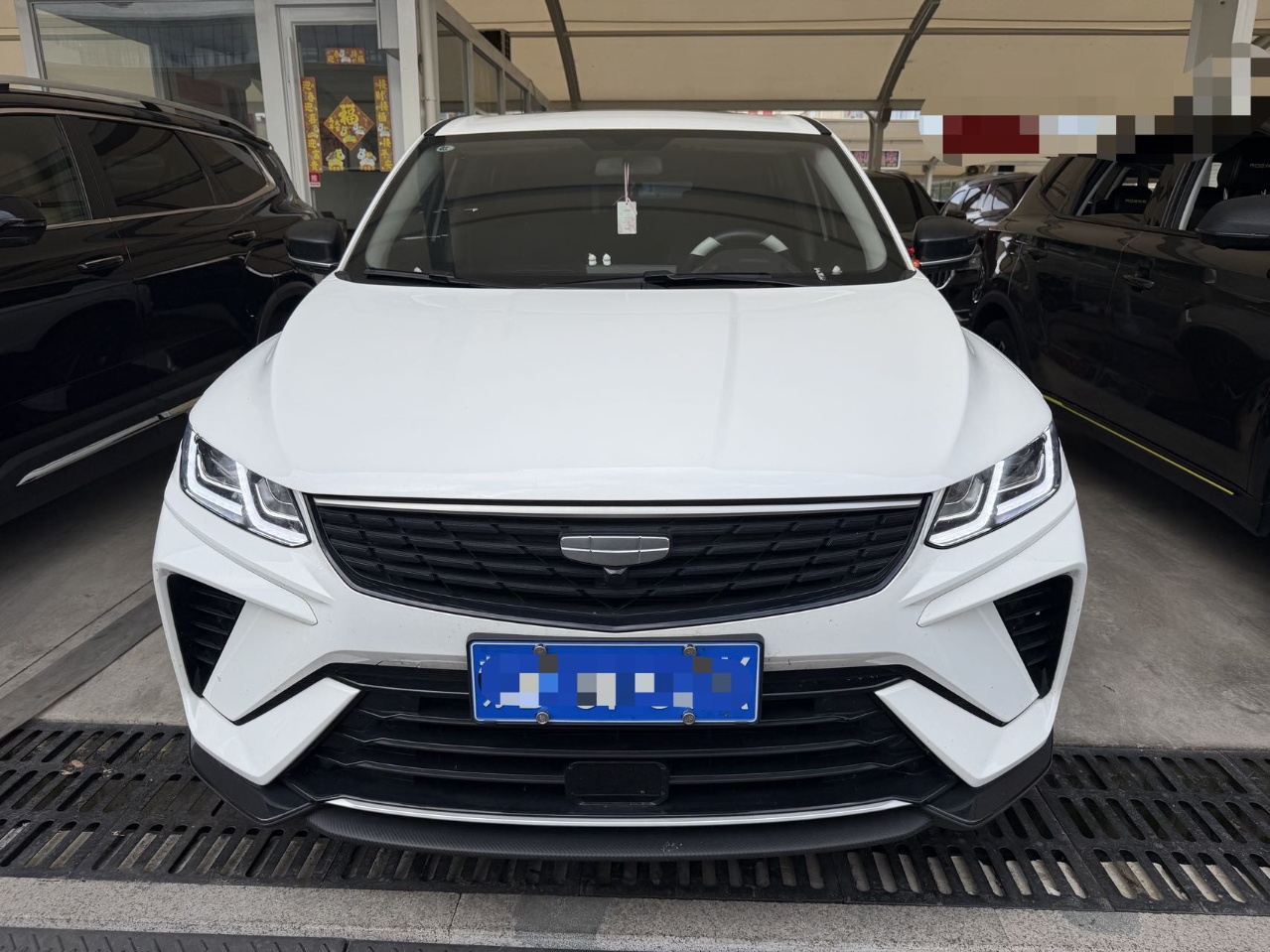
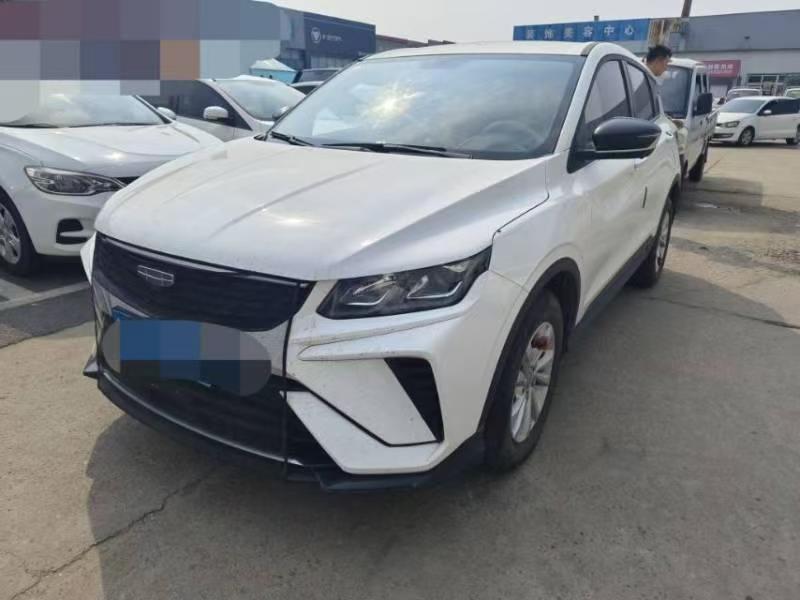
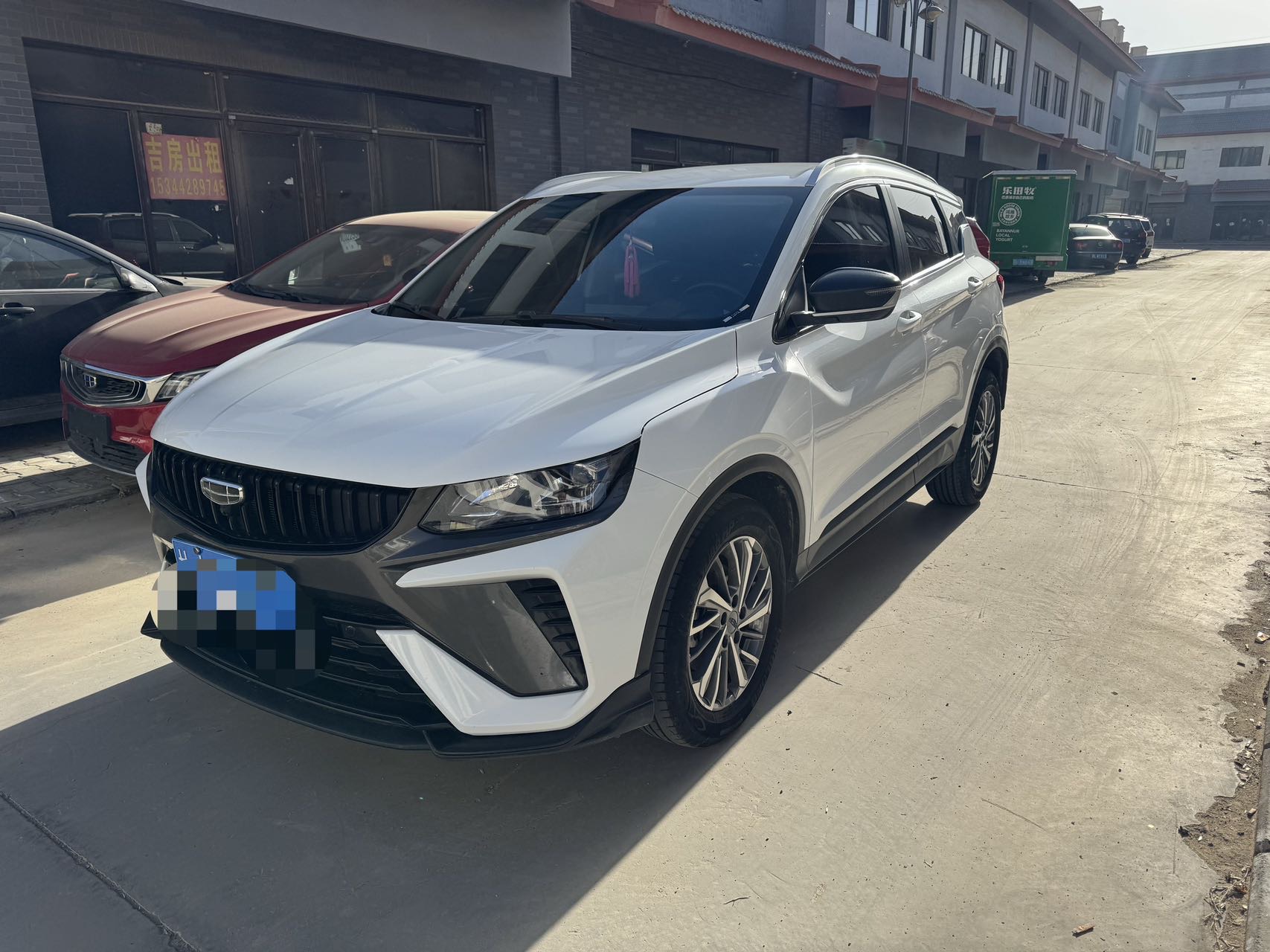
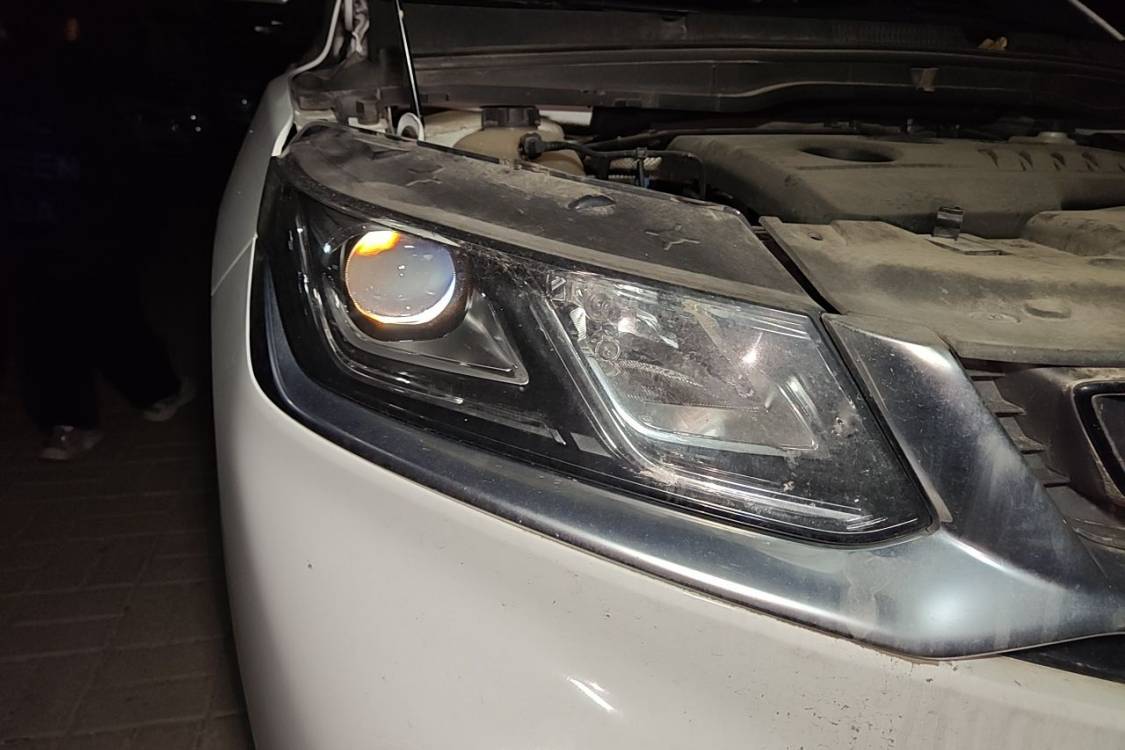
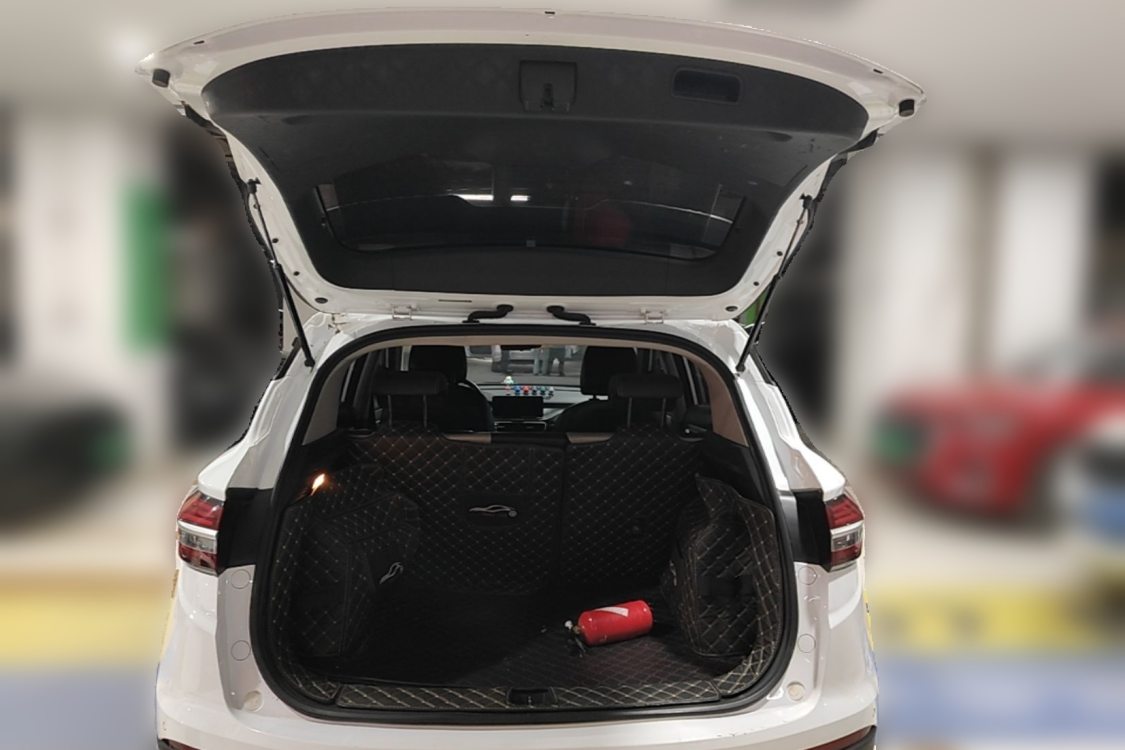
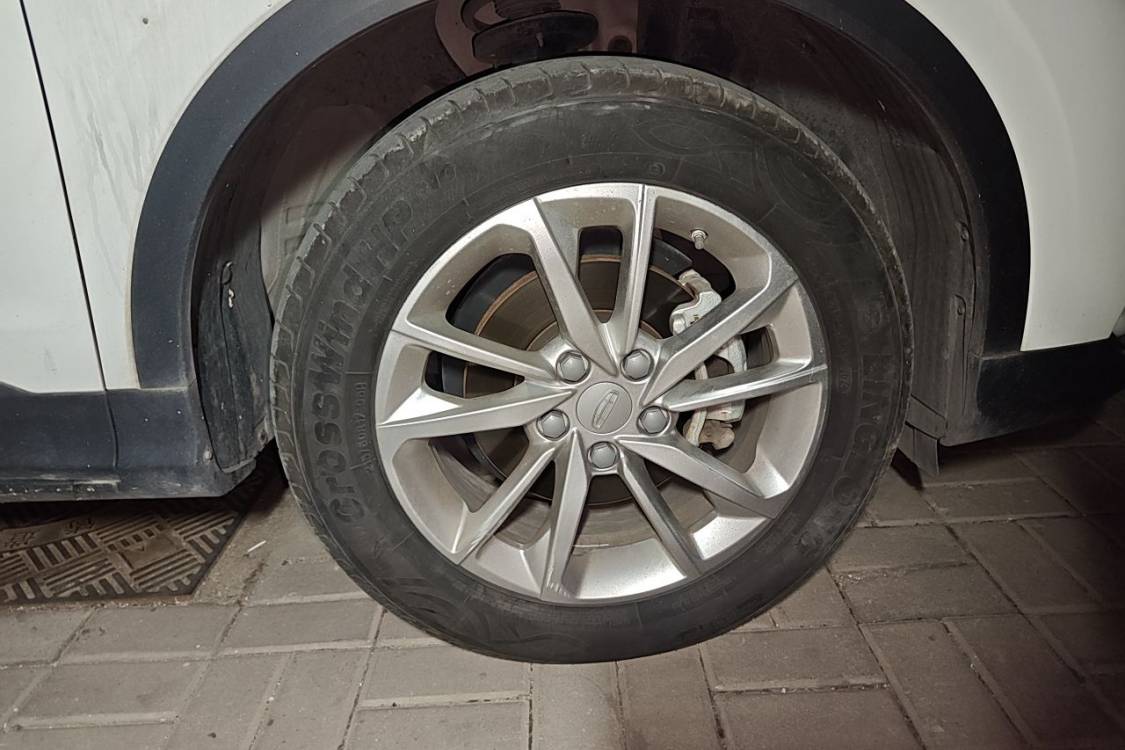
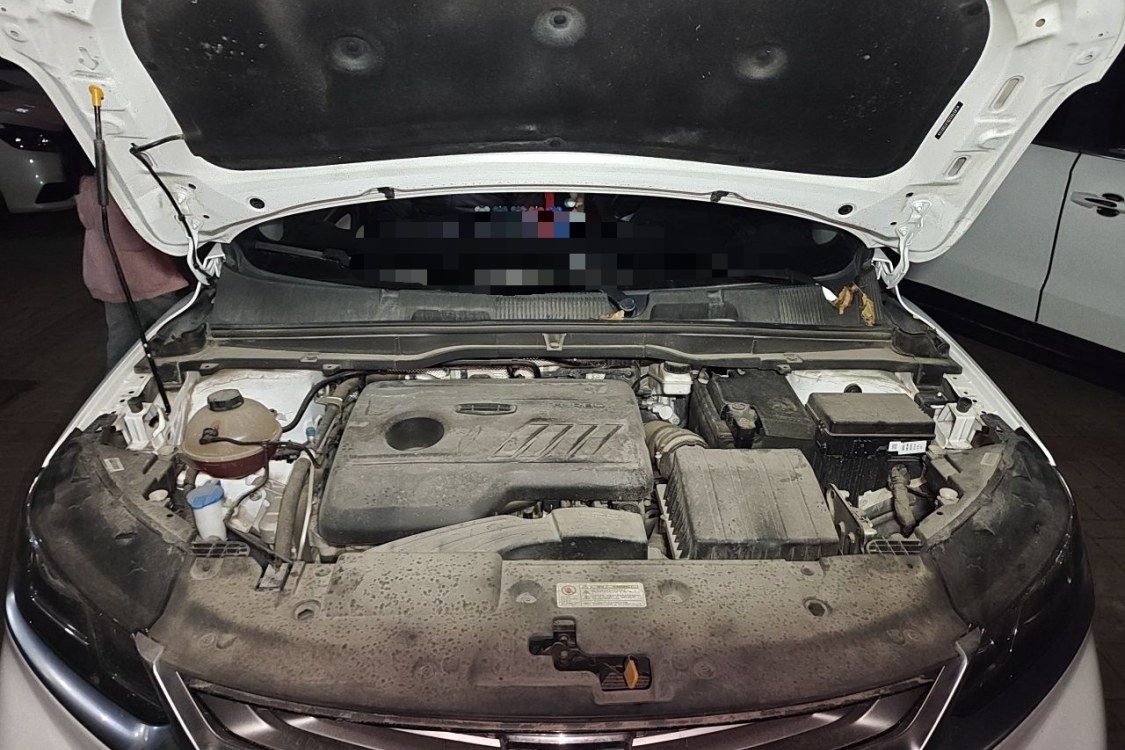
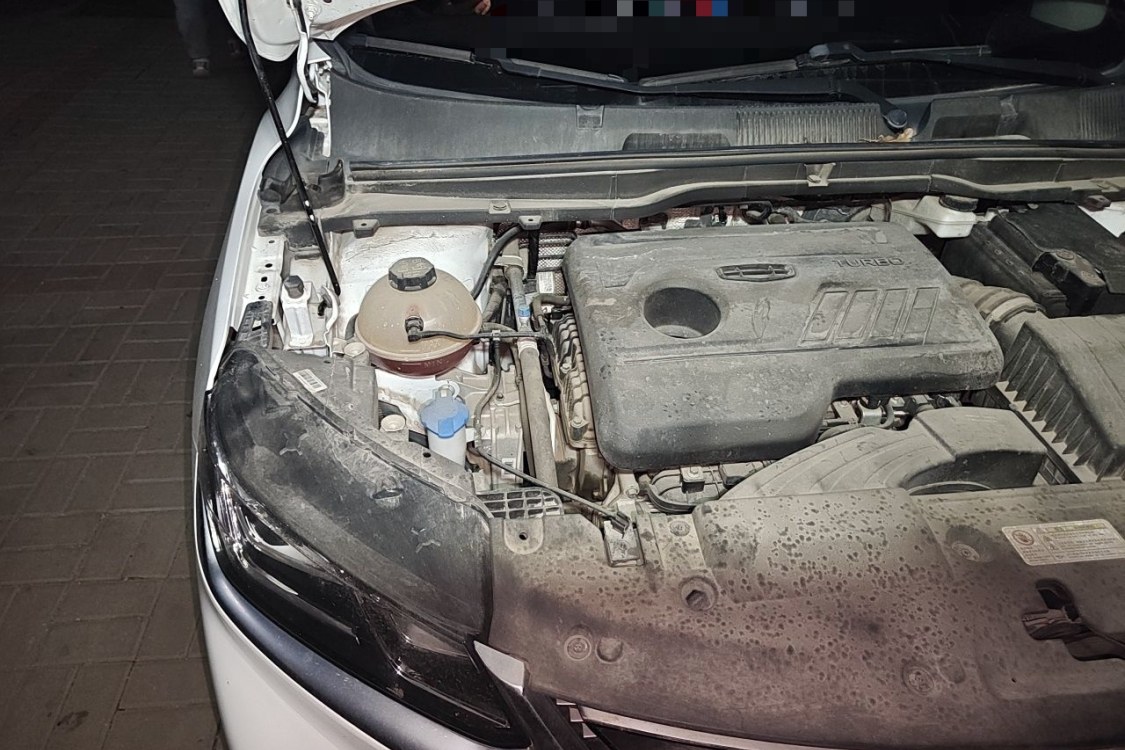
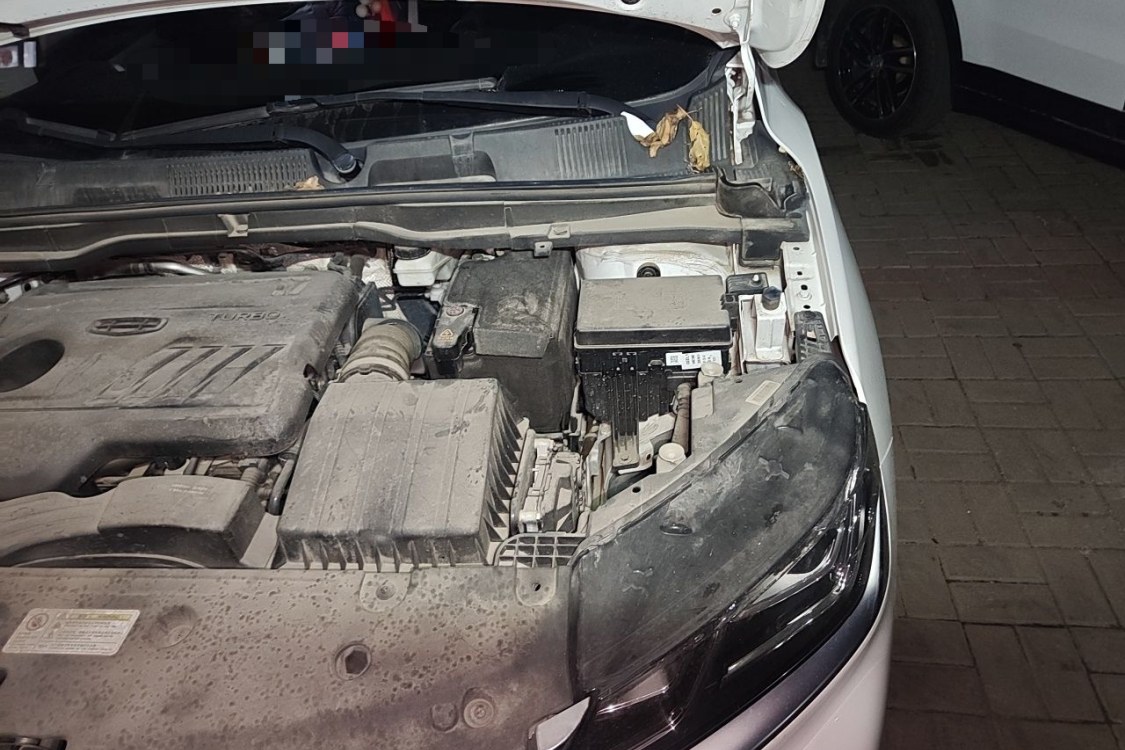
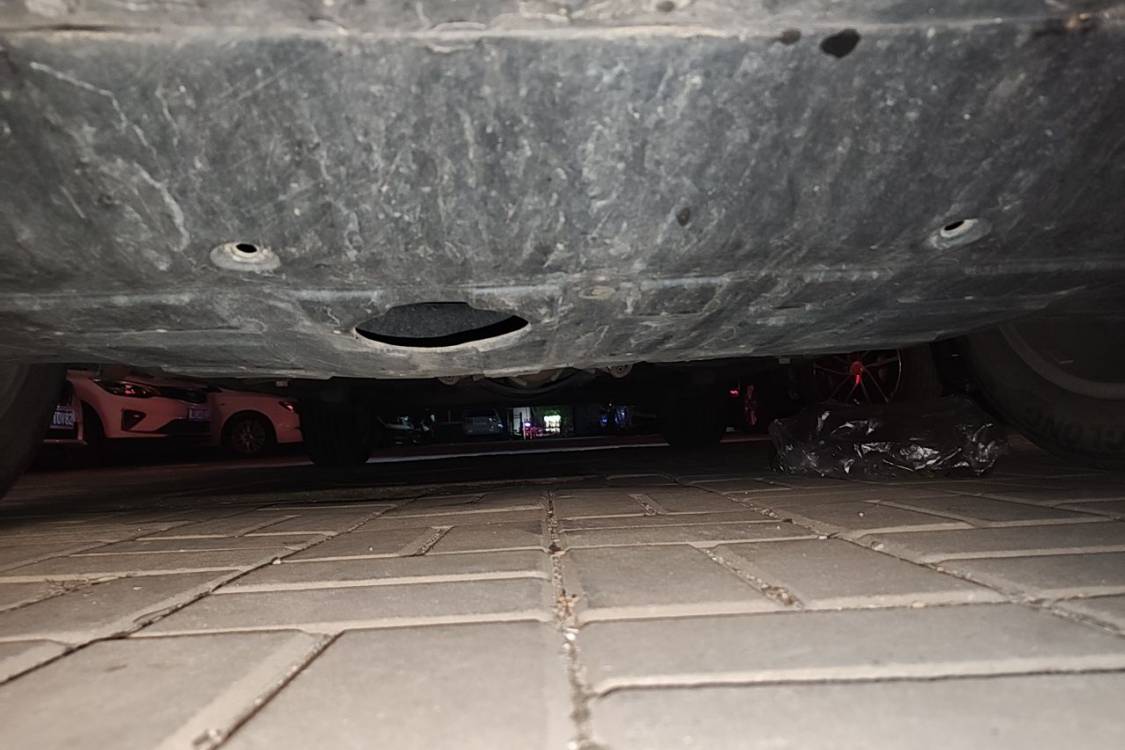
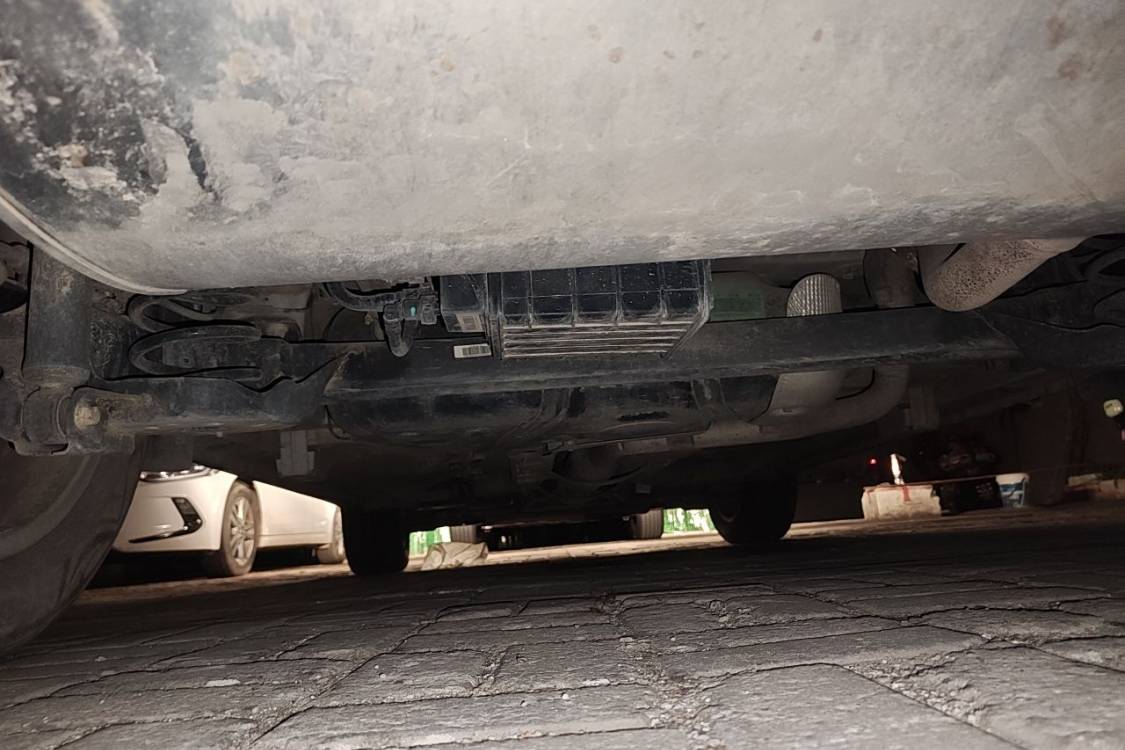
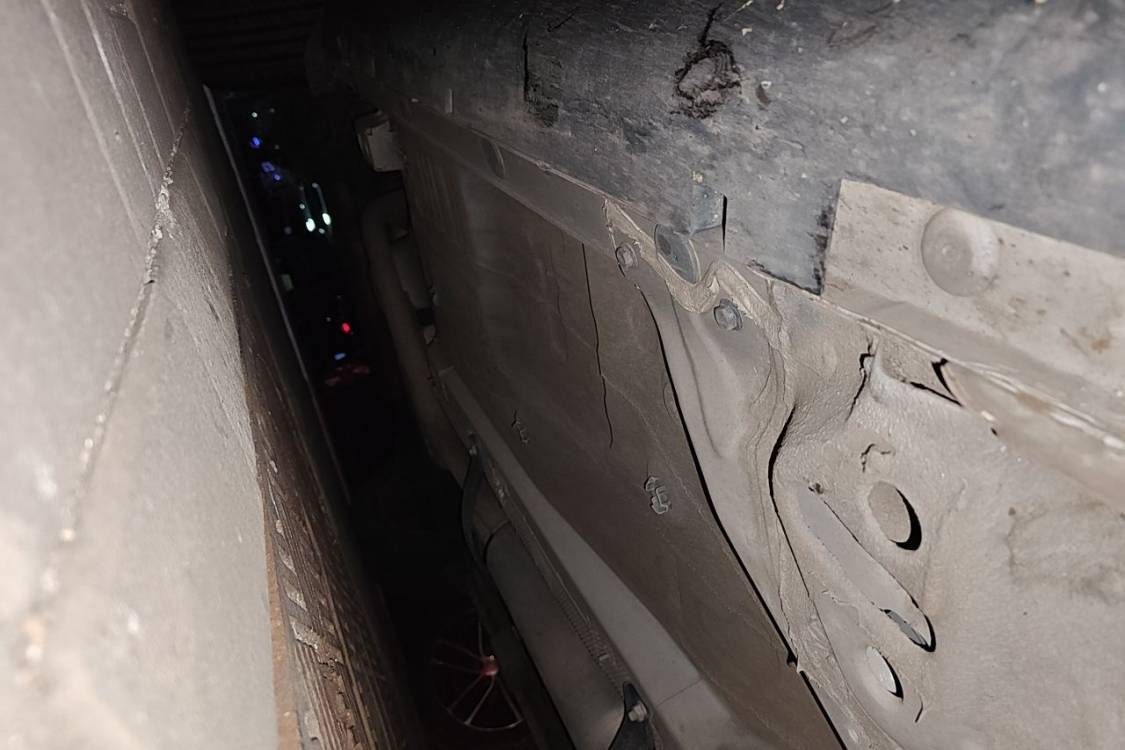
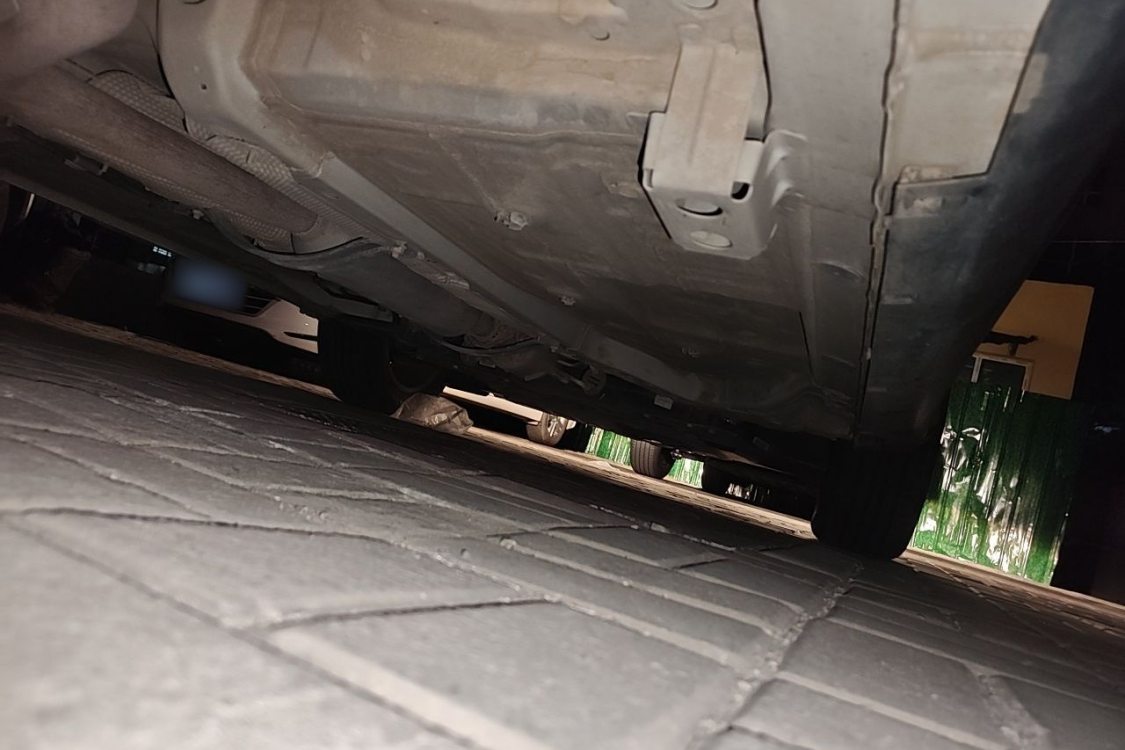
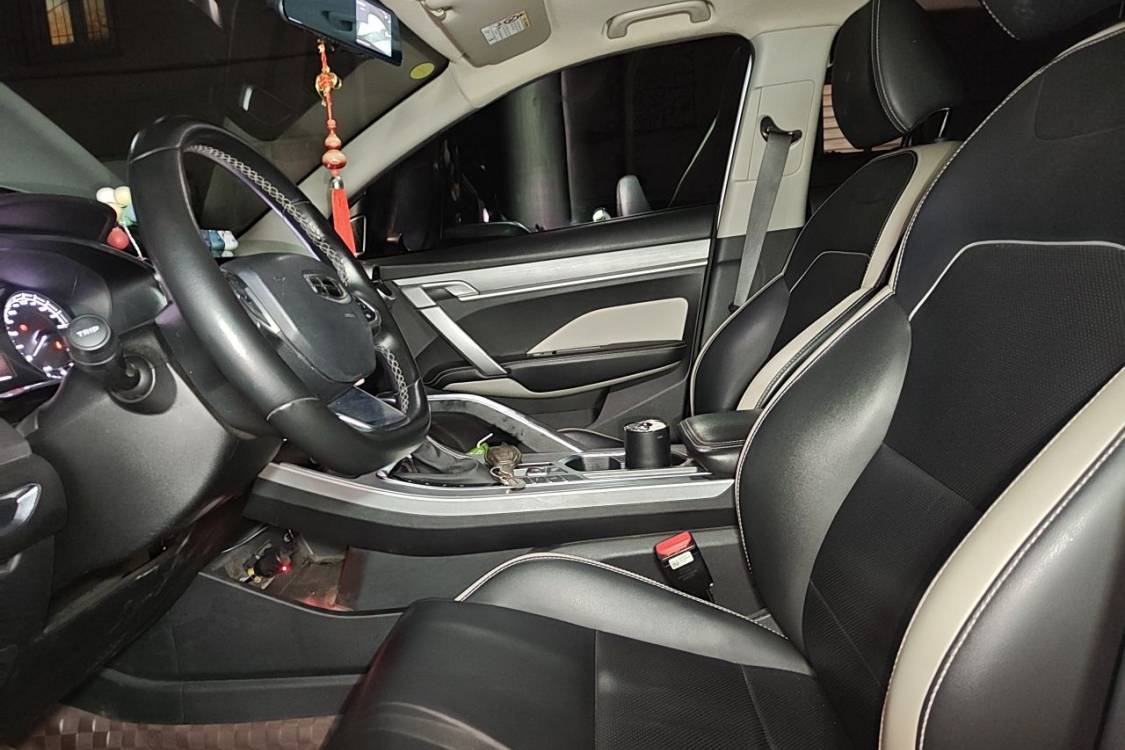
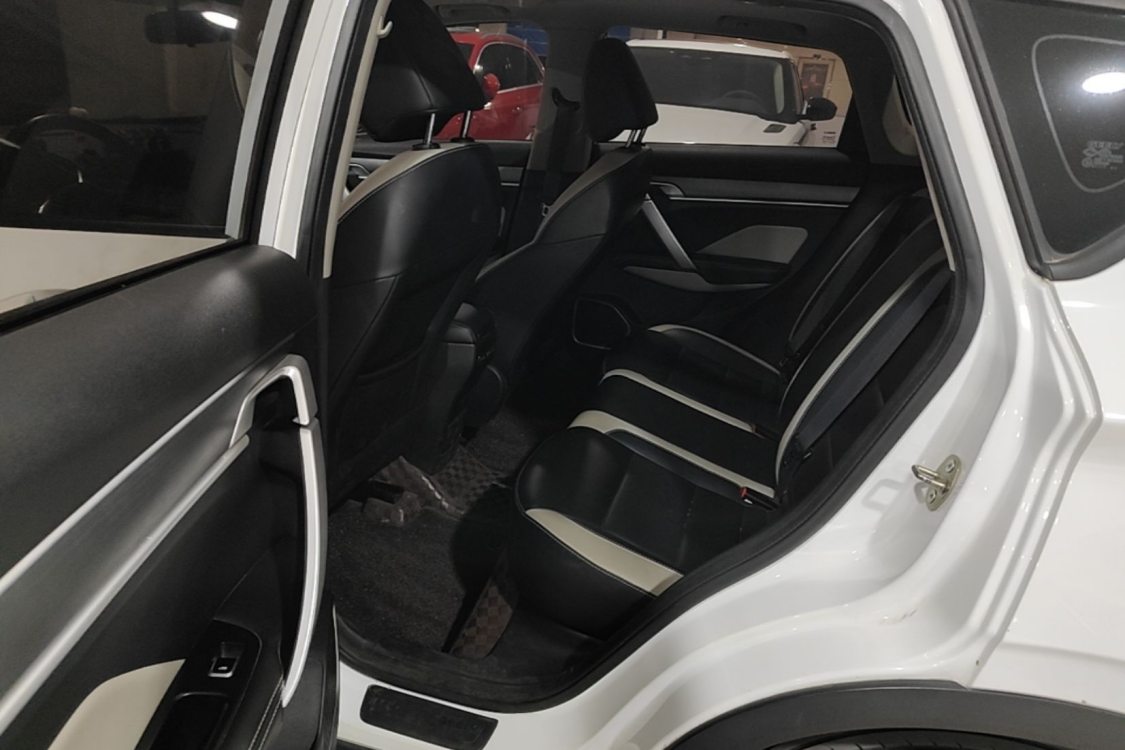
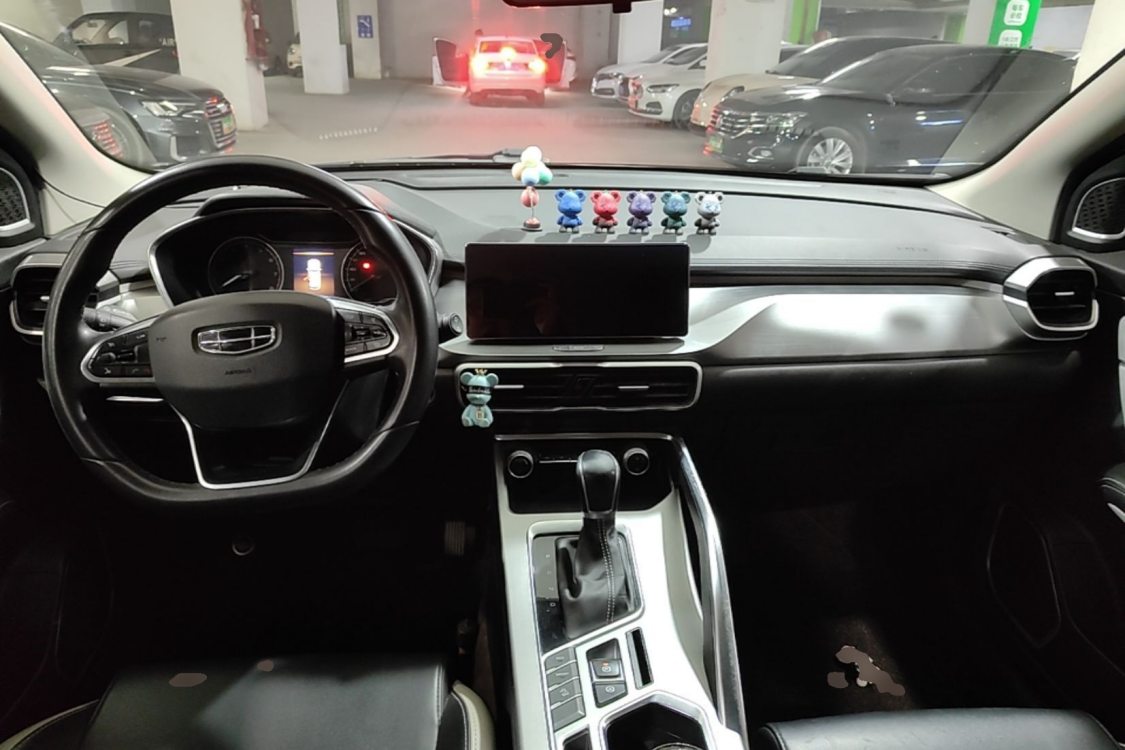
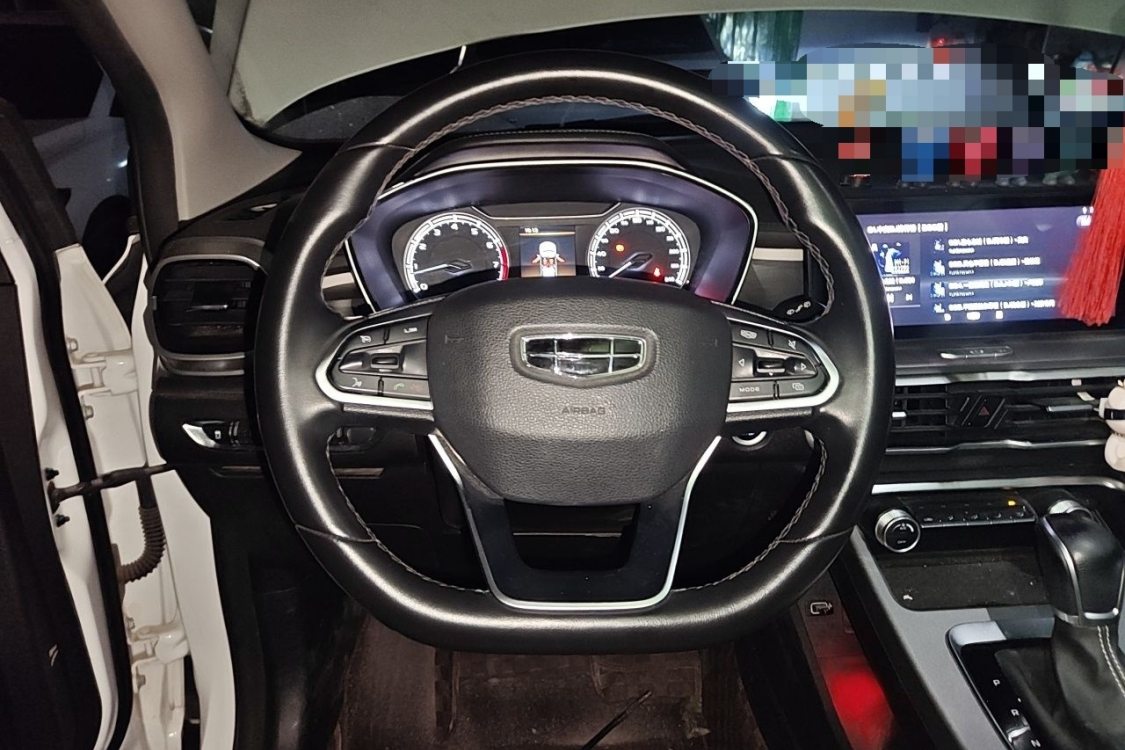
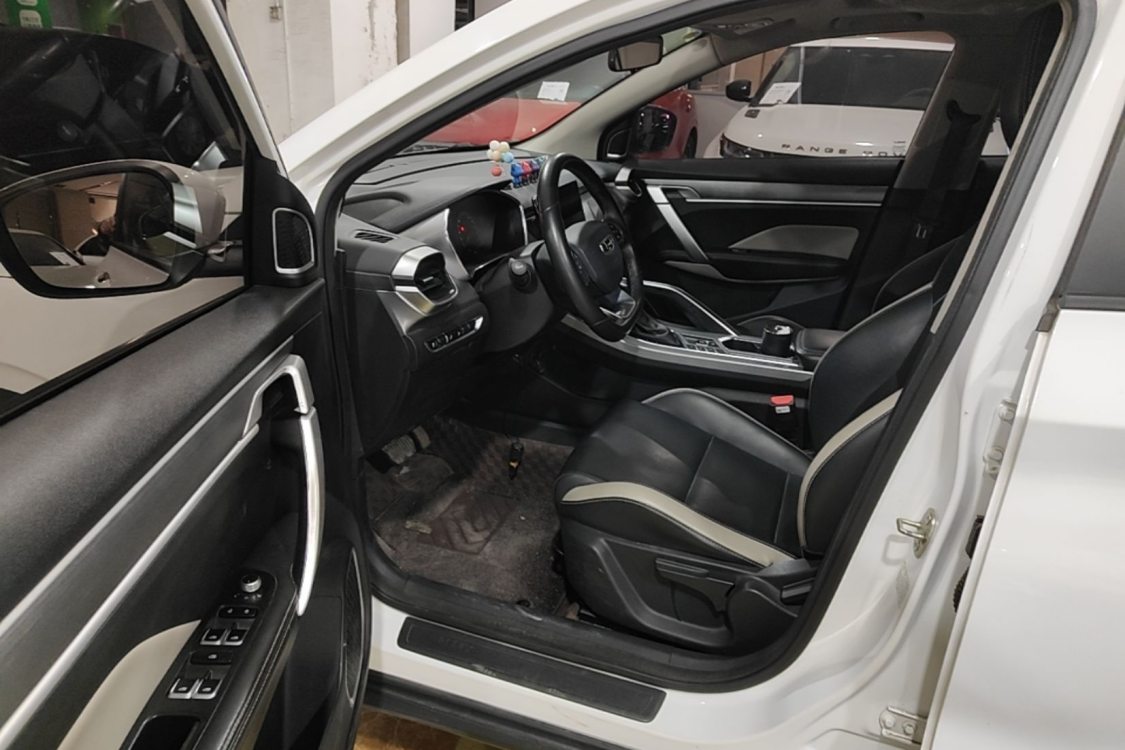
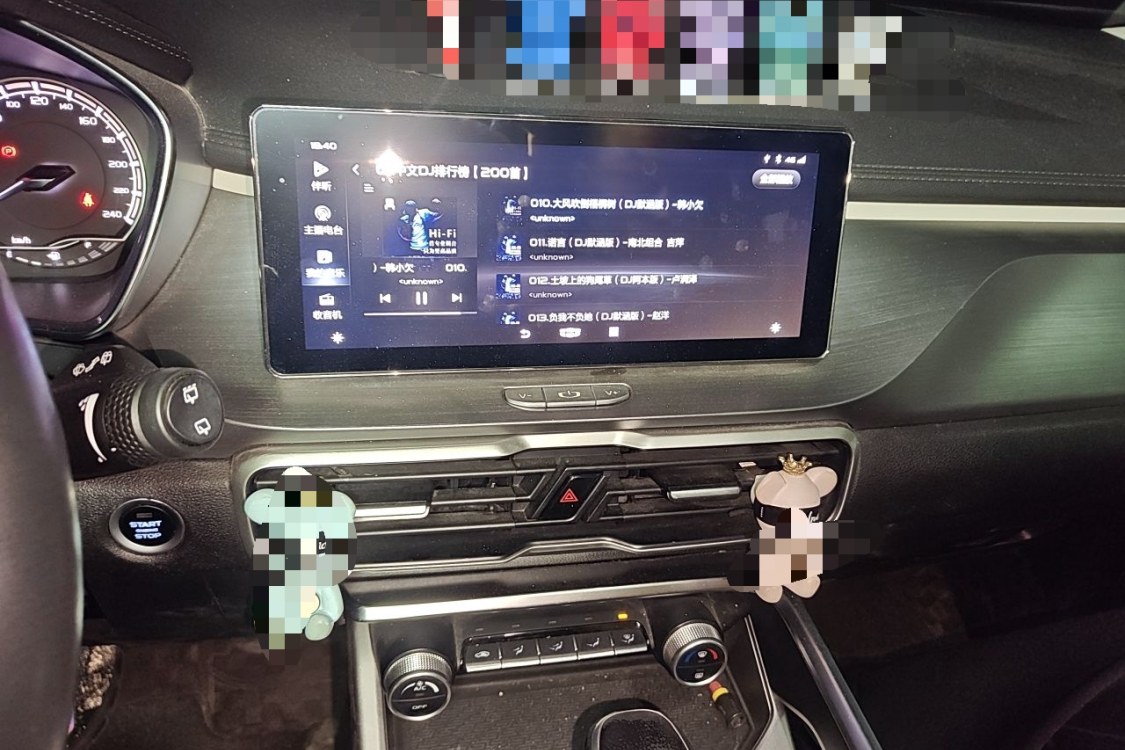
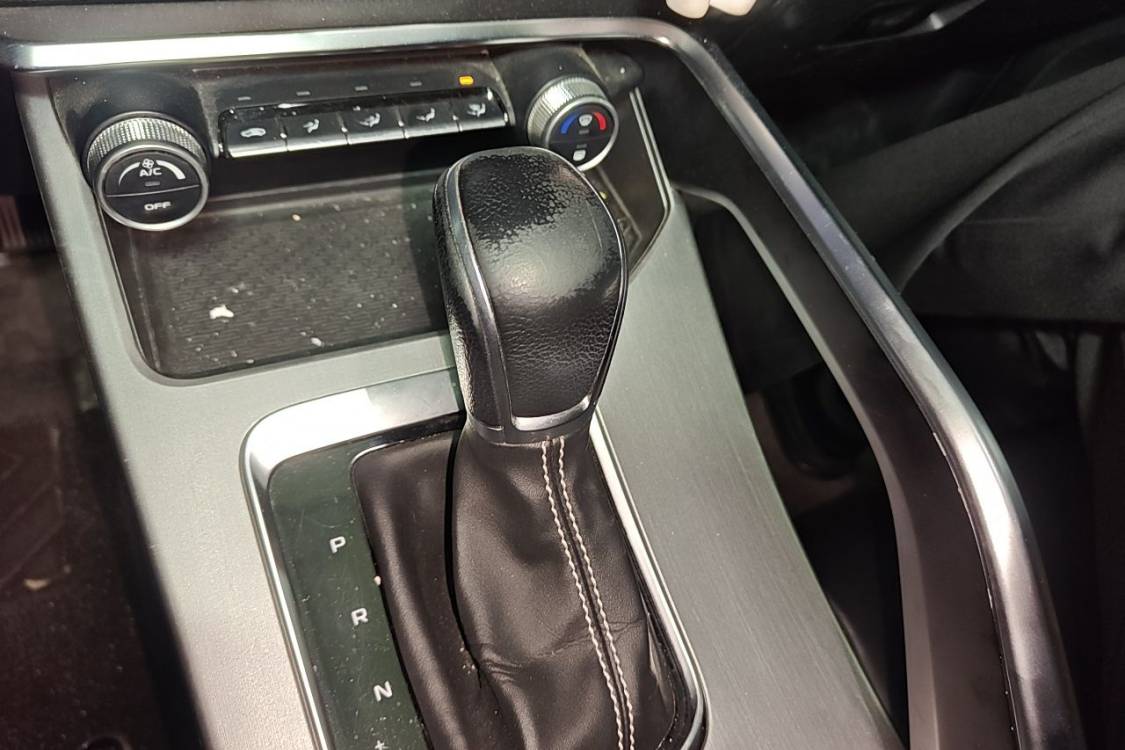
Localized body damage or repair marks present. No accident damage or repair to structural or reinforcement components. Vehicle performance (including three-electric system) has degraded or is limited.

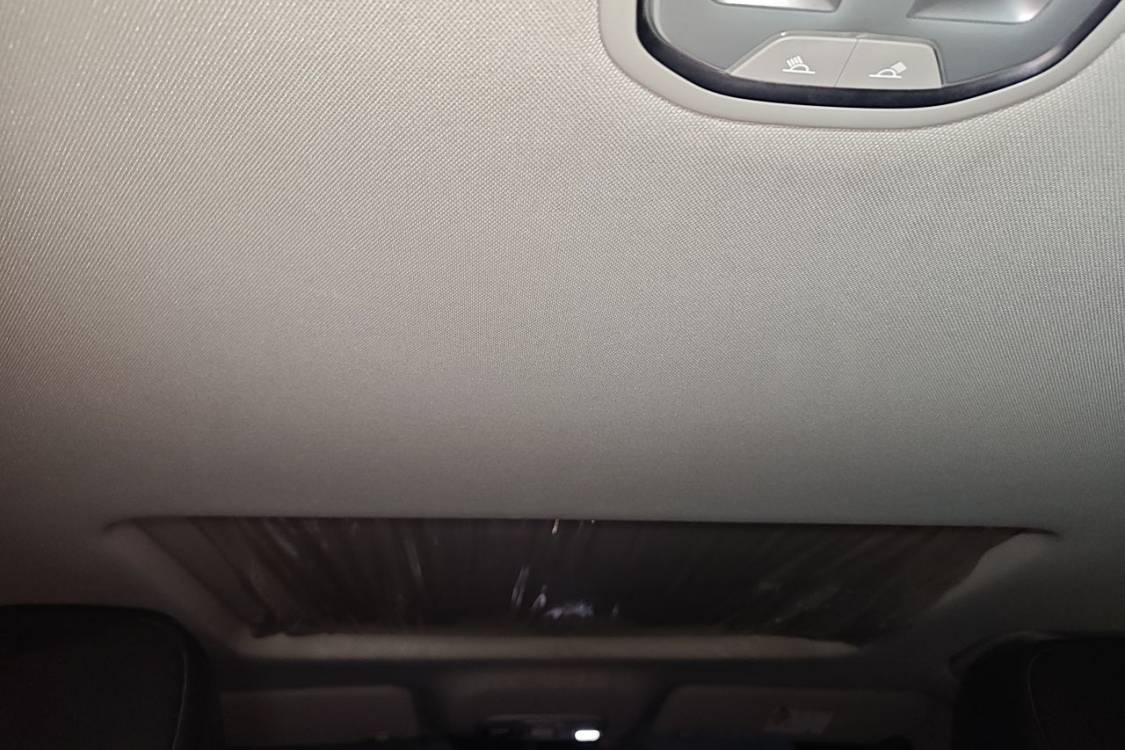
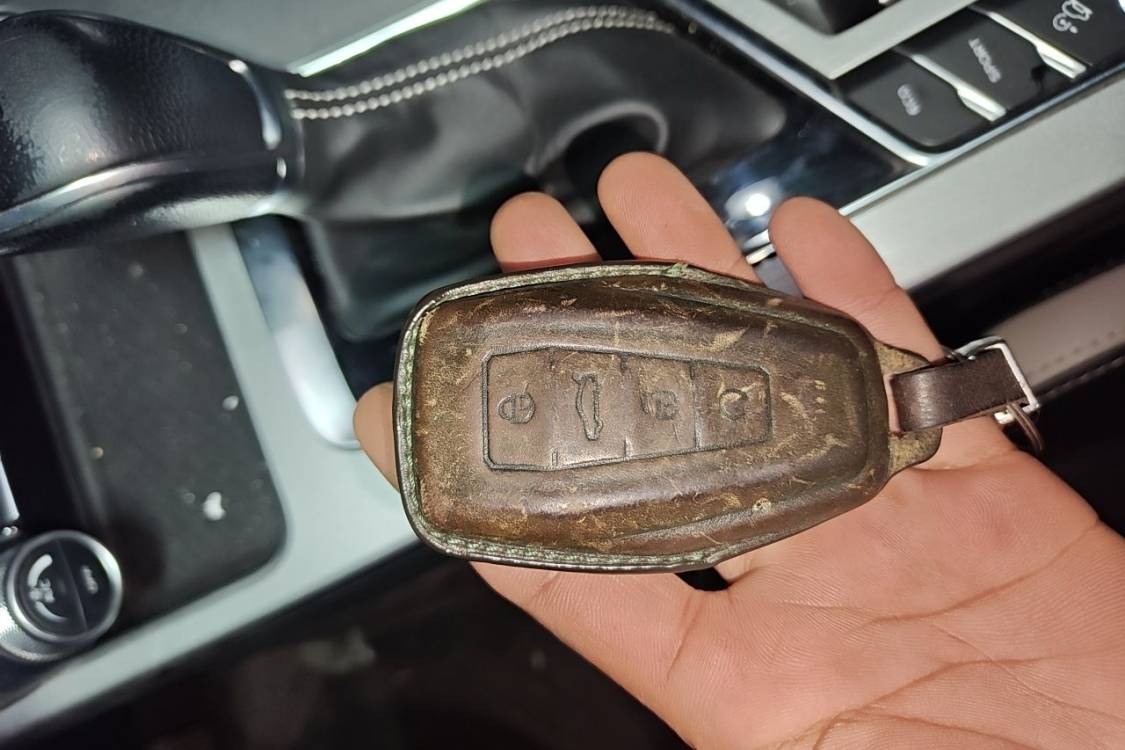
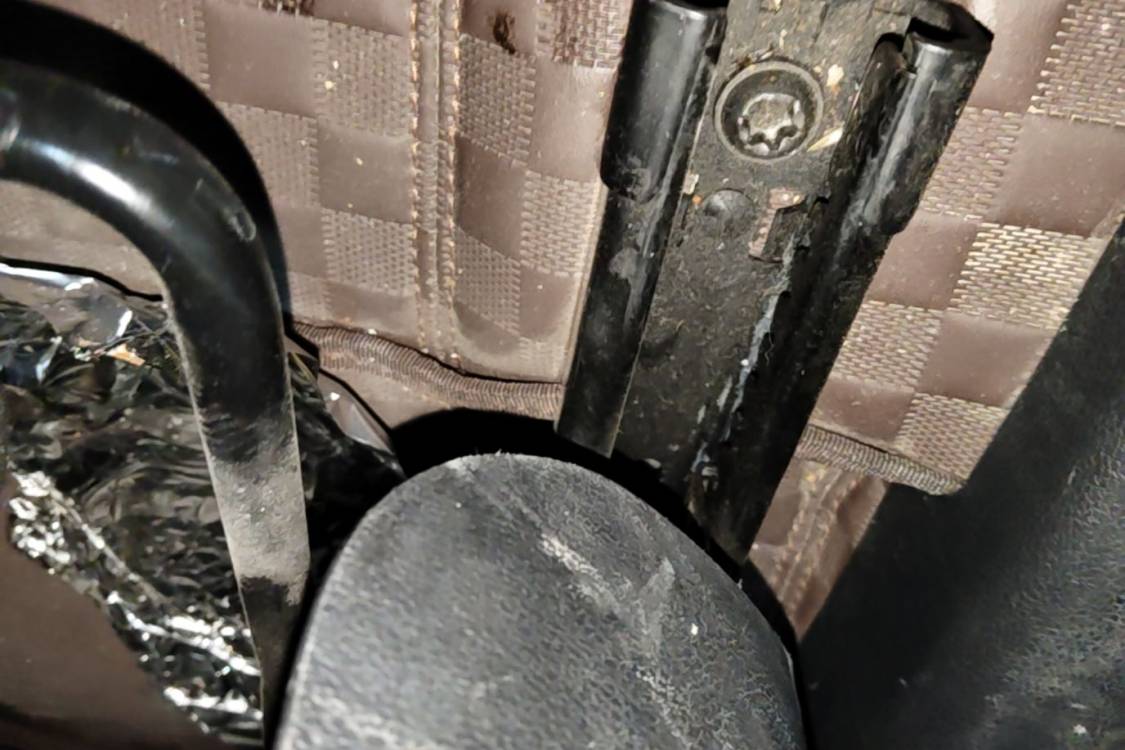
Accident inspection: main structure undamaged, reinforcement parts undamaged, panels undamaged, hinges normal. Engine bay inspection: key mechanical components normal. Exterior: 1 area of sheet metal repair. Interior: most features normal, airbag normal, seatbelt normal, dashboard normal, instrument check normal, lighting system normal. Startup check: main components normal. Tool kit: absent.

可讲价
平台物流
可转售
VIP车源
零过户
新检测标准升级>
必卖车源
非泡水

Document Information

Inspection Expiry Date2026/12
Warranty Expiry Date-
Insurance Expiry Date2026/12

Q&A

More

What maintenance schedule should I follow for my imported Chinese car, and where can I find the official service intervals?

Start with the owner's manual for your exact model and year—it lists the official service intervals and the required fluid specifications. If the manual is only in Chinese, ask the exporter for the English version, or check the manufacturer's website and owner community forums for your region. After the car arrives, do a baseline service even if the seller says it was just serviced: engine oil and filter, air filter, cabin filter, brake fluid check, coolant, and a 12V battery test. From then on, follow the "severe" or "extreme conditions" schedule rather than the normal one—dusty roads, short trips, and hot or very cold climates all count as severe duty, and intervals are usually shorter. Keep every invoice and record. A documented maintenance history makes warranty claims easier and protects resale value.


Should I ship my car from China in a container or by RoRo vessel?

Both are common, and the right choice depends on budget and destination: 1. Container shipping (20ft/40ft): The car is sealed inside a container, offering better protection and allowing you to load spare parts inside the car. Typical cost from Shanghai to major world ports: $1,500-$3,000 per car. Best for long distances and high-value vehicles. 2. RoRo (roll-on/roll-off): The car is driven onto the ship and secured on deck. Cheaper ($800-$1,800 to most ports) and faster to load, but exposed to weather and port handling. Not all routes offer RoRo service. Transit time examples: to the Gulf 15-25 days, to West Africa 30-45 days, to Latin America 25-40 days, to Europe 20-35 days. Ask your exporter which option serves your destination port, and always insure the shipment for full value.

What's a realistic total budget for importing a used car from China, beyond the sticker price?

Plan for the car price plus roughly 25–50% in additional costs, depending on destination: 1. Inland transport in China (car city to export port): USD 300–700. 2. Export fees: inspection, customs declaration, port handling — USD 300–600. 3. Ocean or rail freight: a shared container to the Middle East or Africa runs USD 800–1,500; a full container or RoRo varies by route. 4. Destination charges: unloading, customs duties, VAT and port fees — this is the biggest variable. Some countries add 50%+ in taxes on used imports. 5. Compliance costs: homologation, inspection, registration in your country. 6. Currency and payment costs: wire fees and exchange margins of 1–3%. Always ask the exporter for a written cost breakdown listing every item and who pays it, then confirm the destination-side numbers with a local customs agent before committing.