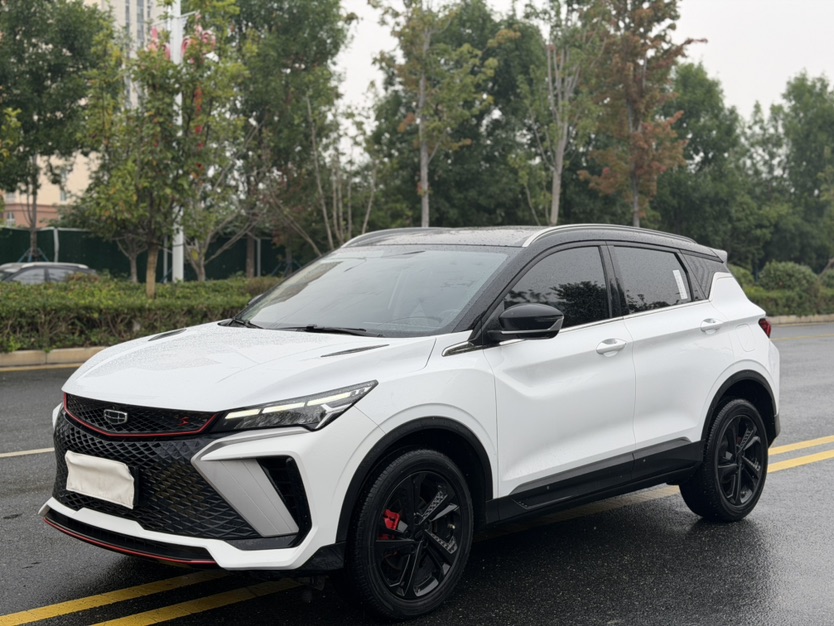
Basic Information

BrandGEELY
SeriesCoolray
Year2021
First Registration2021/06
Mileage87,900km
Transfer Count0times
FuelGasoline
TransmissionDCT
Engine1.4T 141 L4
Color
Seats-

Condition Description

Excellent basic condition | 0 claims | 0 transfers

Q&A

More

Are there specific photos or reports from the lift perspective regarding the concealed parts of the chassis (such as the suspension system and shock absorber leaks)?

Definitely. Lifting the chassis is a mandatory part of our standards. The report will specifically show whether there are oil stains on the front and rear shock absorber cylinders, if the rubber boots of the lower control arm ball joints are torn, and if the steering tie rods are loose or deformed.


What does a pre-shipment inspection include, and is it worth the cost?

A professional pre-shipment inspection typically costs a small fraction of the vehicle price and routinely pays for itself. A thorough inspection covers: paint thickness measurement across 30+ points to map body repairs; structural assessment of pillars, rails and crossmembers for accident damage; engine and transmission operation; a full electronic scan for fault codes; suspension and underbody checks for leaks and rust; and, for EVs, battery SOH and thermal management performance. You receive a written report with photos before the car is loaded — if the car fails, you can stop the shipment or renegotiate. Skipping the inspection to save a small fee is the classic false economy in used car importing: discovering a problem after arrival is far more expensive than preventing it at origin.

What's a realistic total budget for importing a used car from China, beyond the sticker price?

Plan for the car price plus roughly 25–50% in additional costs, depending on destination: 1. Inland transport in China (car city to export port): USD 300–700. 2. Export fees: inspection, customs declaration, port handling — USD 300–600. 3. Ocean or rail freight: a shared container to the Middle East or Africa runs USD 800–1,500; a full container or RoRo varies by route. 4. Destination charges: unloading, customs duties, VAT and port fees — this is the biggest variable. Some countries add 50%+ in taxes on used imports. 5. Compliance costs: homologation, inspection, registration in your country. 6. Currency and payment costs: wire fees and exchange margins of 1–3%. Always ask the exporter for a written cost breakdown listing every item and who pays it, then confirm the destination-side numbers with a local customs agent before committing.