

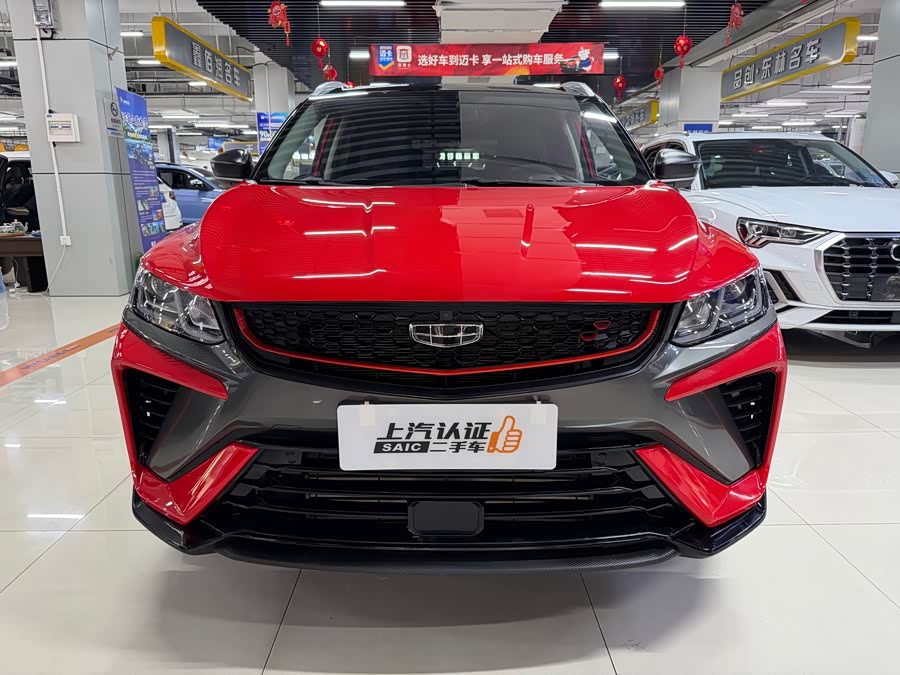


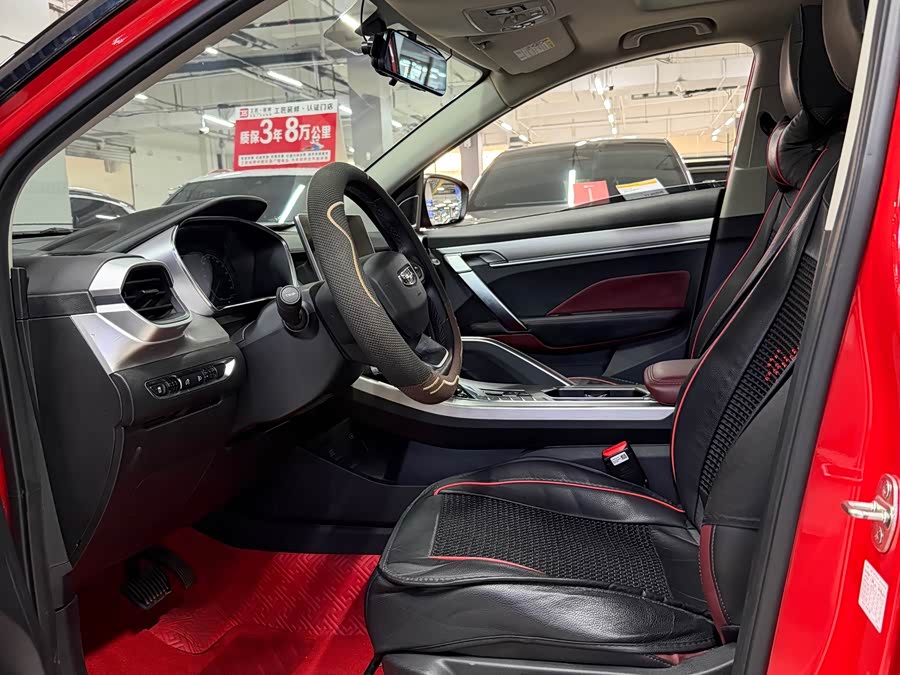
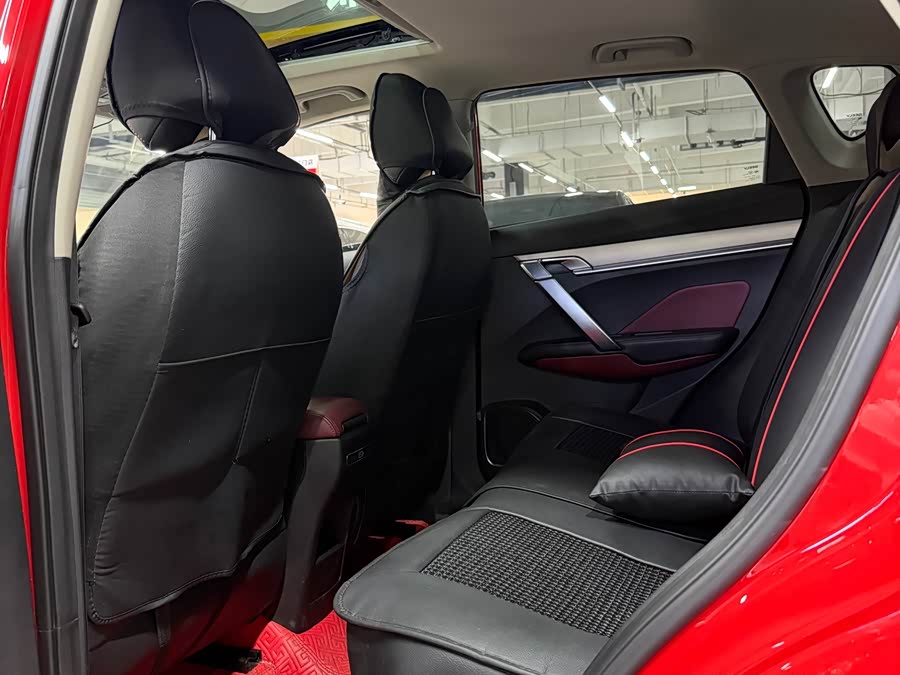






Basic Information

BrandGEELY
SeriesCoolray
Year2021
First Registration2021/10
Mileage26,000km
Transfer Count1times
FuelGasoline
TransmissionDCT
Engine1.4T 141 L4
ColorRed
Seats-

Condition Description

very good

[Vehicle Details] Model/Color: 2021 Geely Binyue 1.4T Diamond Edition; Mileage: 2.6L; Registration: 2021-10; Compulsory Traffic Accident Certificate: 2026.10; Transfer of Ownership: 1; Keys: Two; Optional Extras: Dashcam, 360° Aviation Soft Pack.

90-day repurchase guarantee

Configuration Highlights

✓ISOFIX Child Seat Anchors
✓Auto Hold
✓Keyless Start System
✓Bluetooth/Hands-free
✓Connected Car
✓OTA Updates
✓PM2.5 Air Filter

Accident & Maintenance Records

Accident Record

🔗 Open Link

Maintenance Record

🔗 Open Link

Document Information

Inspection Expiry Date2027/10
Warranty Expiry Date-
Insurance Expiry Date2026/10

Q&A

More

How to ensure there are no stubborn odors in the car (like smoke, pet smells, or mold)?

Odors are difficult to convey through images, so our quality inspectors conduct subjective smell assessments and record them. For vehicles with severe smoke or mold odors, if deep ozone sterilization is ineffective, we will downgrade the vehicle and mark the report with a red "Odor Warning" at the top.


Will the type of refrigerant in the vehicle (such as R134a or R1234yf) be indicated on the export documents for environmental customs clearance?

Europe and some developed countries have very strict regulations on greenhouse gases. If required by customs, we will specify the exact refrigerant type and charge amount according to the vehicle's air conditioning compressor nameplate in the remarks section of the packing list and commercial invoice.

Why is there a time difference between the production date on the vehicle nameplate and the first registration date on the registration certificate?

The nameplate date is the absolute time when the vehicle leaves the factory; the registration date is when the vehicle is registered with the traffic management department after sale. The difference represents the time the vehicle spent in the dealer's warehouse or logistics. If the time difference exceeds 6-8 months, the vehicle is considered a "stock vehicle," and we pay special attention to the natural aging of its rubber components.