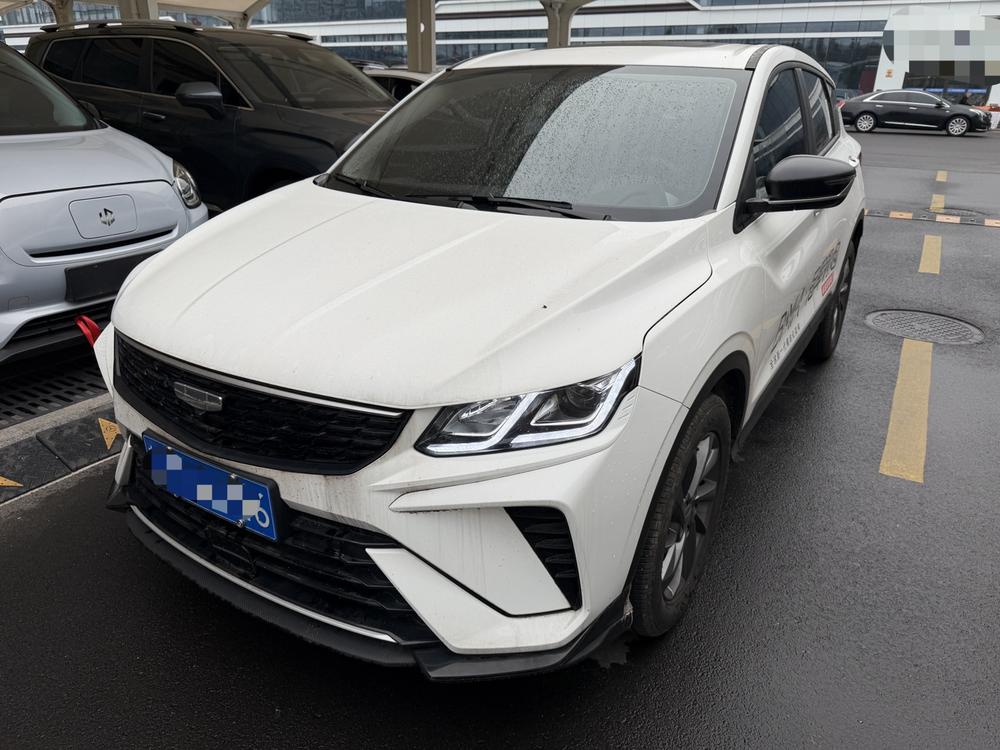
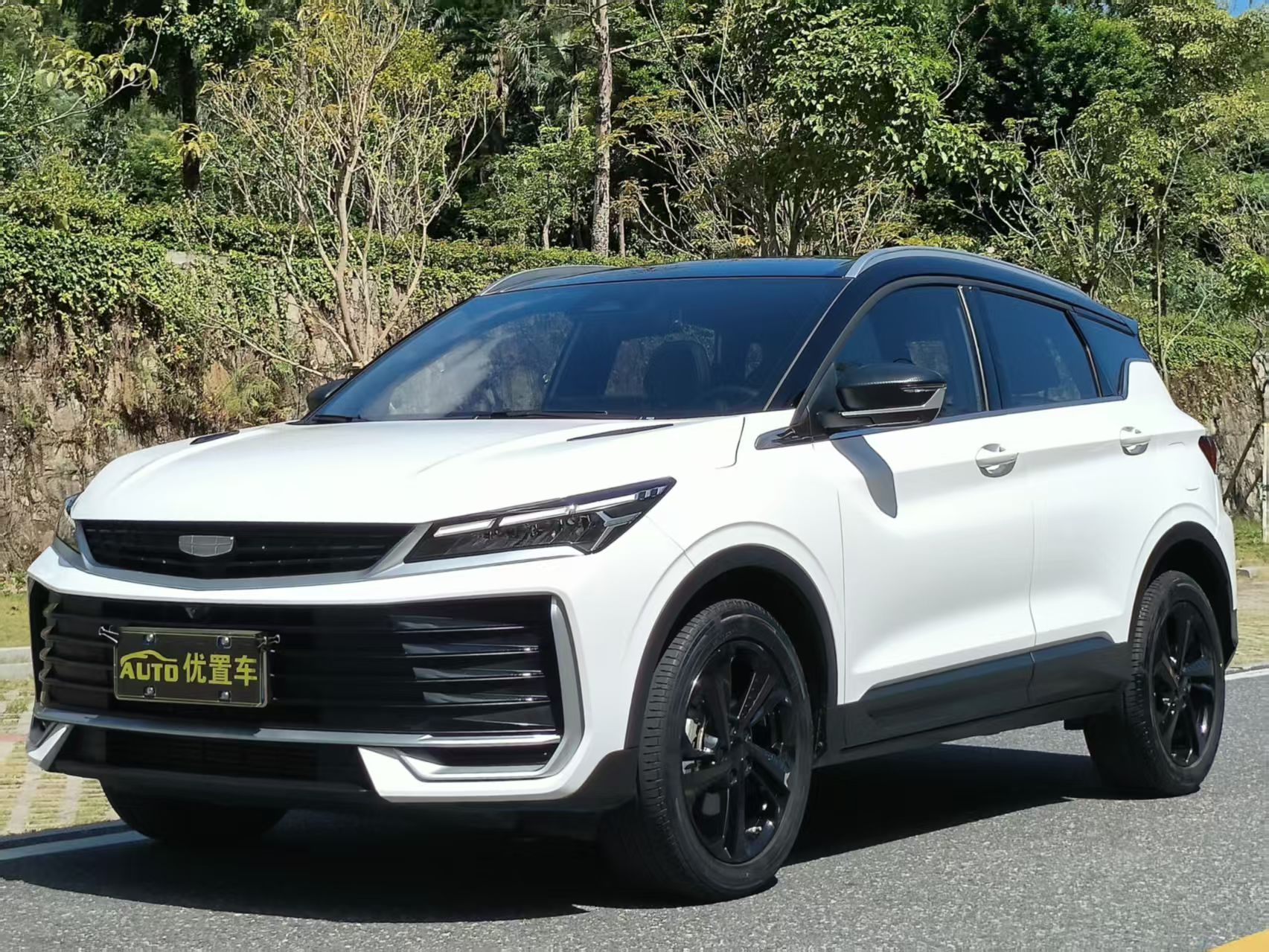
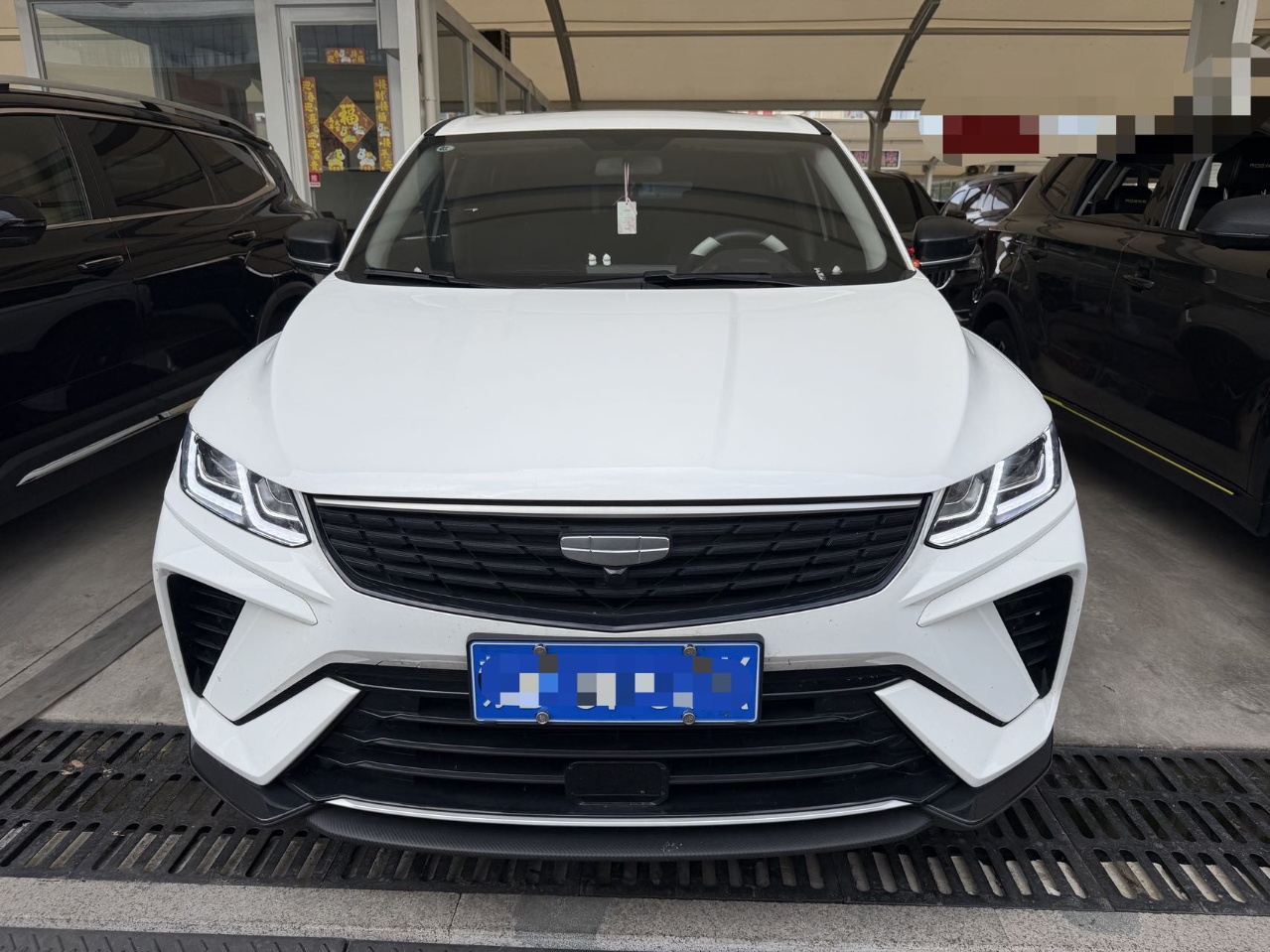
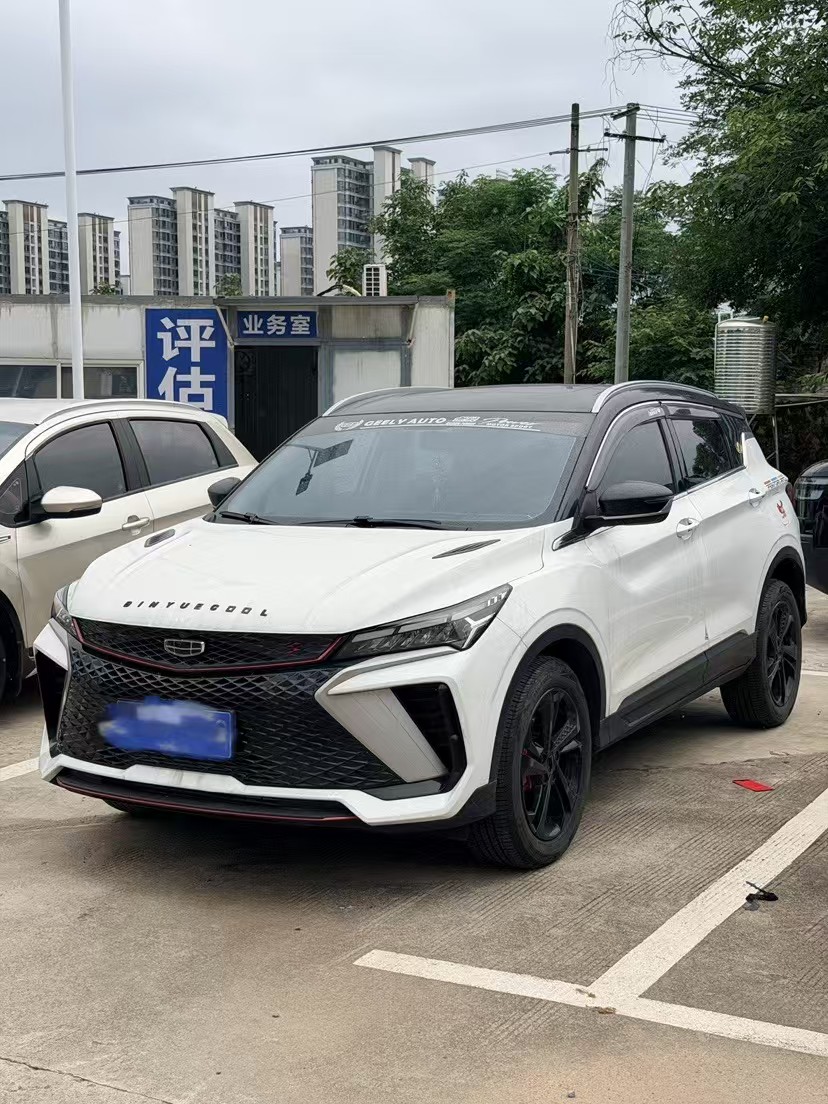
Basic Information

BrandGEELY
SeriesCoolray
Year2022
First Registration2022/08
Mileage43,300km
Transfer Count0times
FuelGasoline
TransmissionDCT
Engine1.5T 181 L4
Color
Seats-

Condition Description

Basic condition good | 2 insurance claims | 0 transfers

Q&A

More

What hidden fees should I watch for in a Chinese exporter's quotation, and how do I get a transparent breakdown?

Common charges beyond the car price: pre-shipment inspection fee, inland trucking from the car's city to the port, export customs clearance, documentation fee, terminal handling charges (THC), certificate fees, and markups hidden inside the freight quote. How to protect yourself: ask for an itemized quotation with each charge listed separately; compare 2-3 exporters, because a very low car price is often offset by inflated fees; confirm which costs are included up to the port of loading and which you pay at destination; agree in writing on the payment currency and the exchange rate date. Your total budget should be: car price + export fees + freight + insurance + destination port charges + import duties and taxes.


Which import documents do I need for a used car from China, and who issues each one?

The standard set is: 1. Commercial invoice and sales contract - issued by the exporter; the basis for customs valuation. 2. Packing list - exporter; details the vehicle and any spare parts shipped with it. 3. Bill of lading - issued by the shipping line; your proof of ownership of the cargo. Never pay the full balance before receiving at least a copy of it. 4. Certificate of origin - issued by the China Council for the Promotion of International Trade (CCPIT); some countries require it for preferential duty rates. 5. Export customs declaration - Chinese customs; confirms the car was legally exported. 6. Pre-shipment inspection report - issued by companies like Intertek, SGS or the EAA scheme, if your country mandates it. Ask the exporter for scanned copies of all documents before shipping so you or your broker can verify completeness.

How do I track my car's shipment from China, and which shipping documents should I receive?

Once the car is loaded, the exporter (or freight forwarder) should send you a booking confirmation and, after departure, the Bill of Lading (B/L). The B/L is the key document: it shows the shipper, consignee, vessel, ports, and usually the VIN and container number. You can track the vessel on the shipping line's website using the B/L number or container number, or through third-party trackers like MarineTraffic. As the shipment approaches, the agent at destination issues an Arrival Notice. To collect the car you will typically need the original B/L (or a telex release/e-release), the arrival notice, your ID, and customs clearance paperwork. Check the B/L carefully as soon as you receive it—VIN, container number, and your name must be exactly right, because correcting a B/L mid-voyage is slow and expensive.