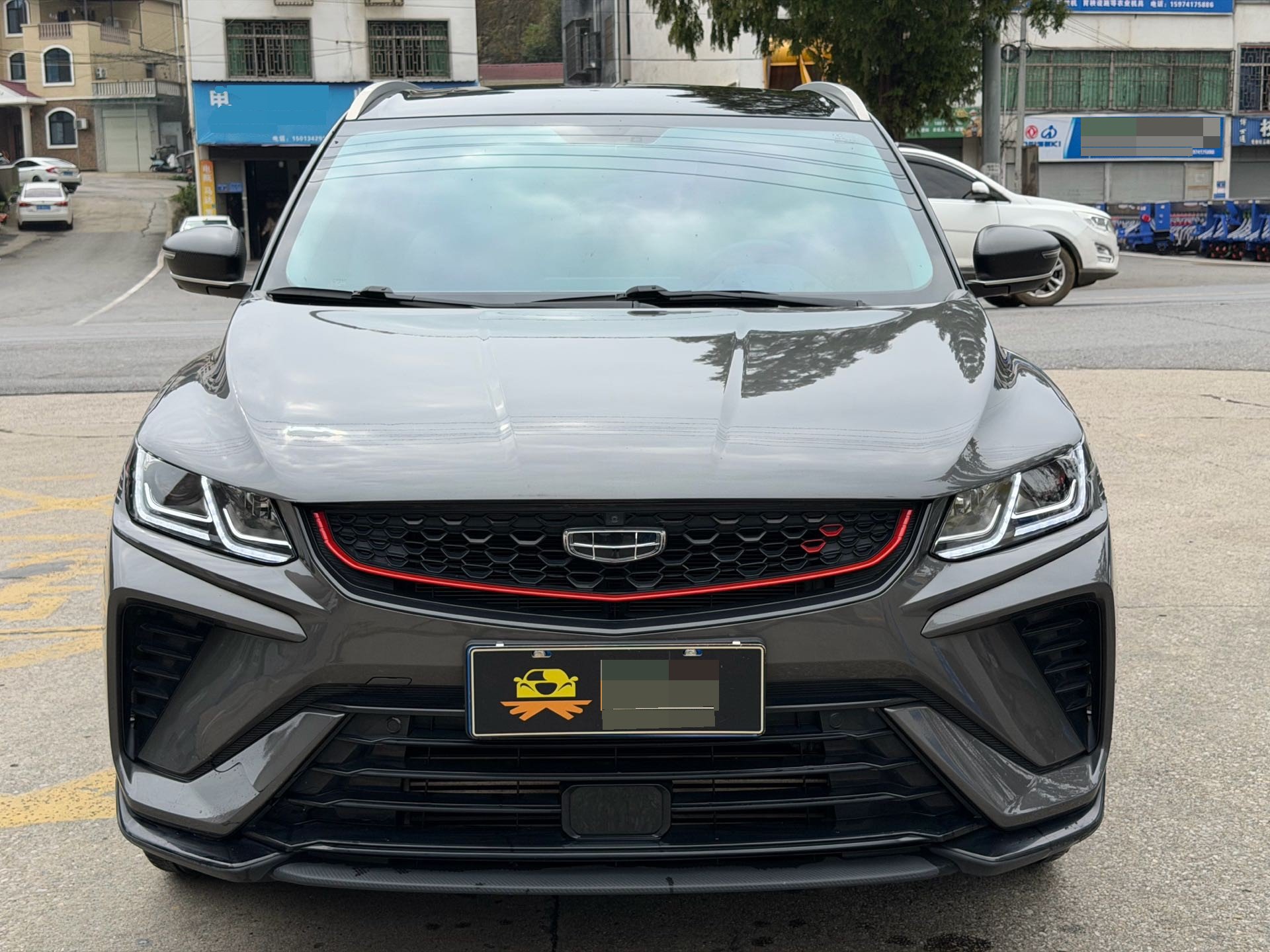
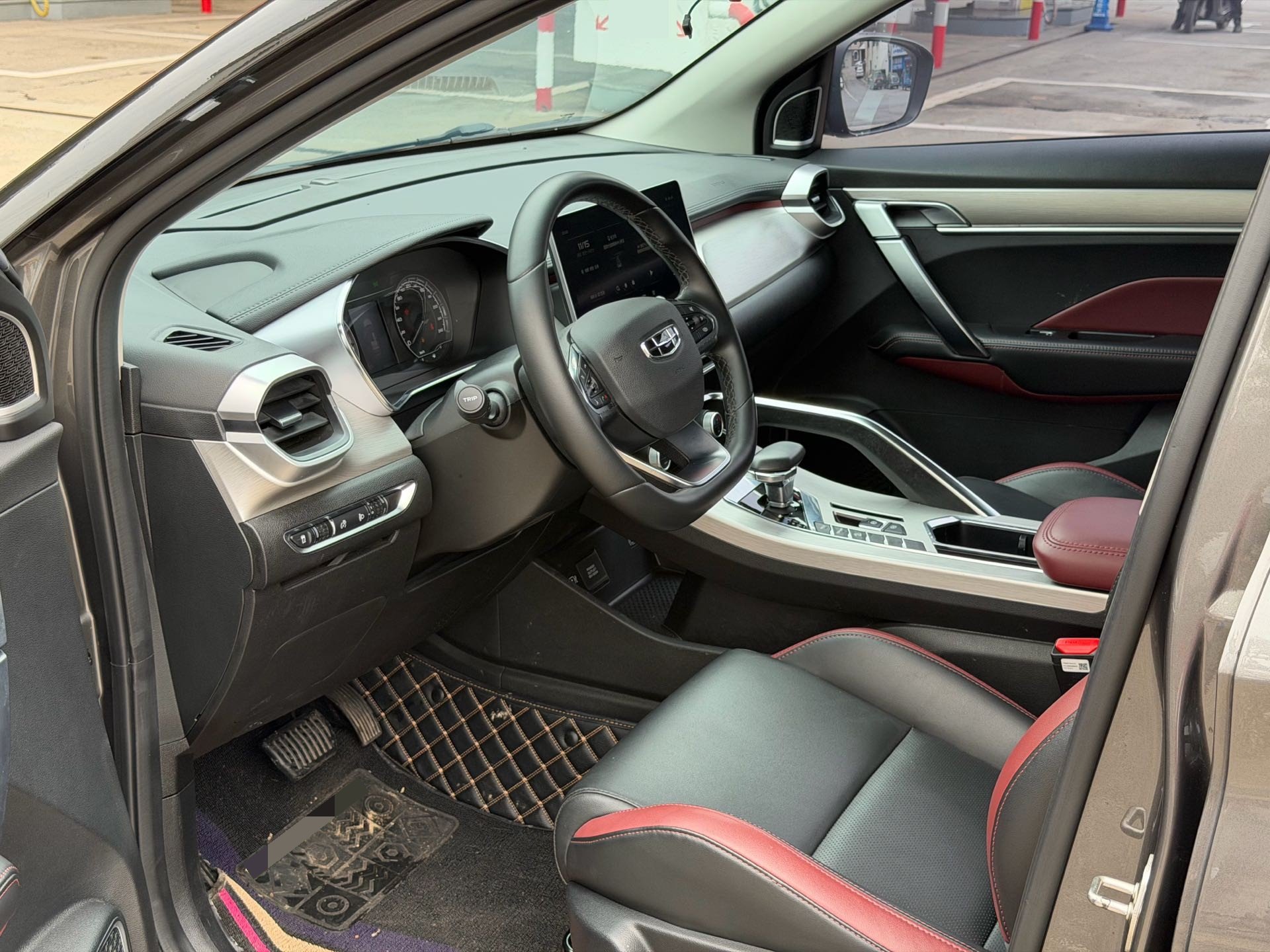
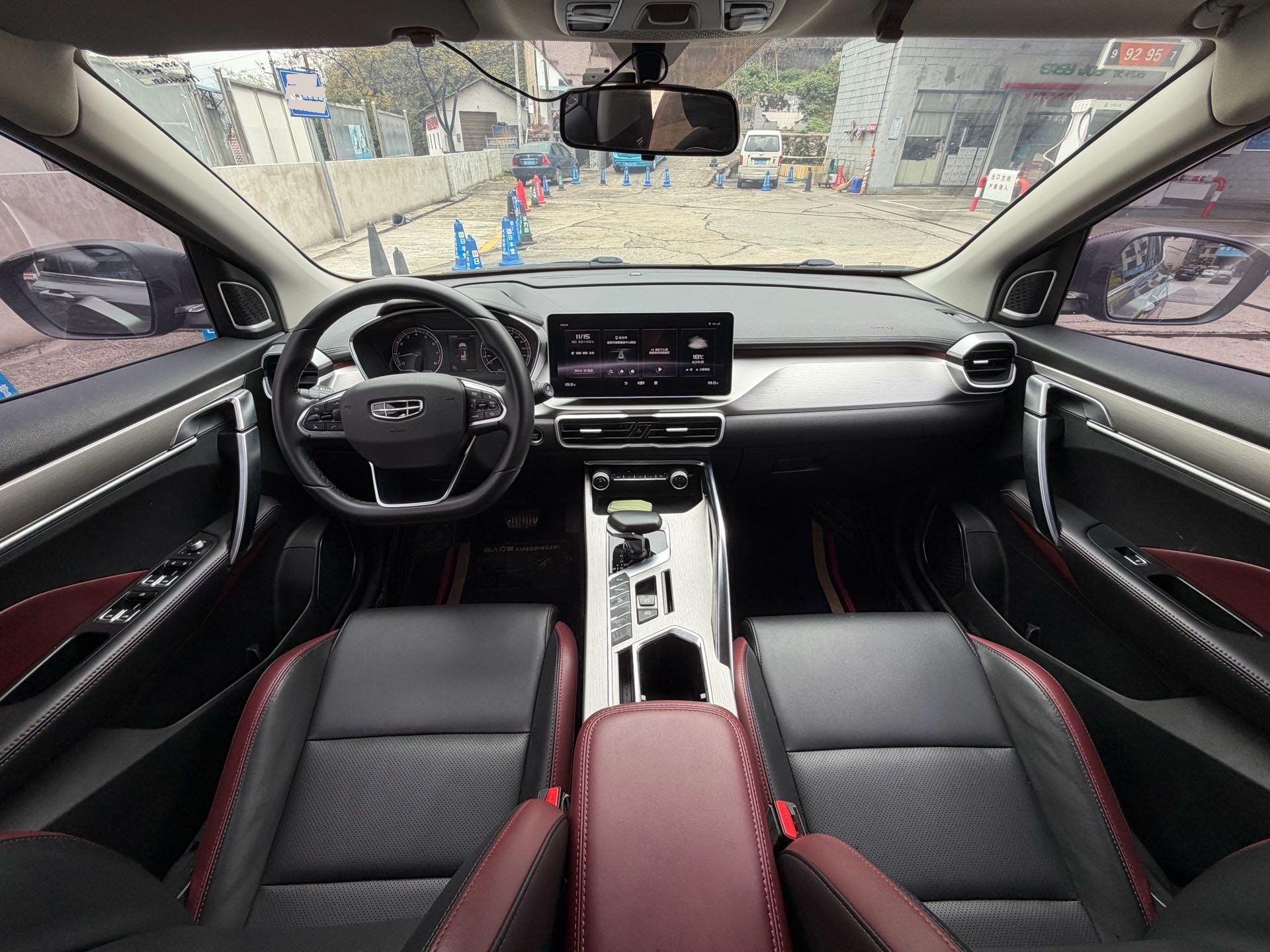
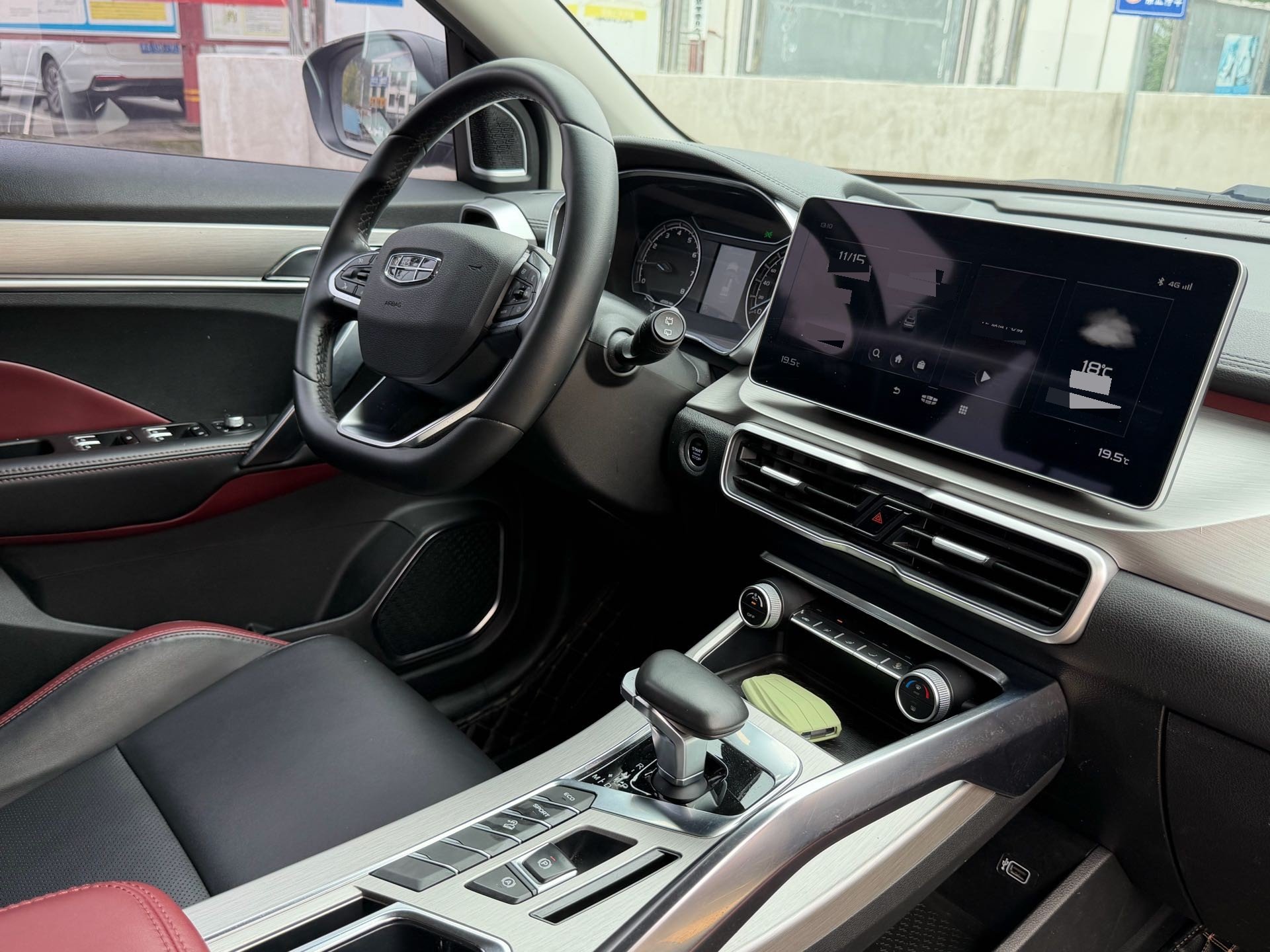
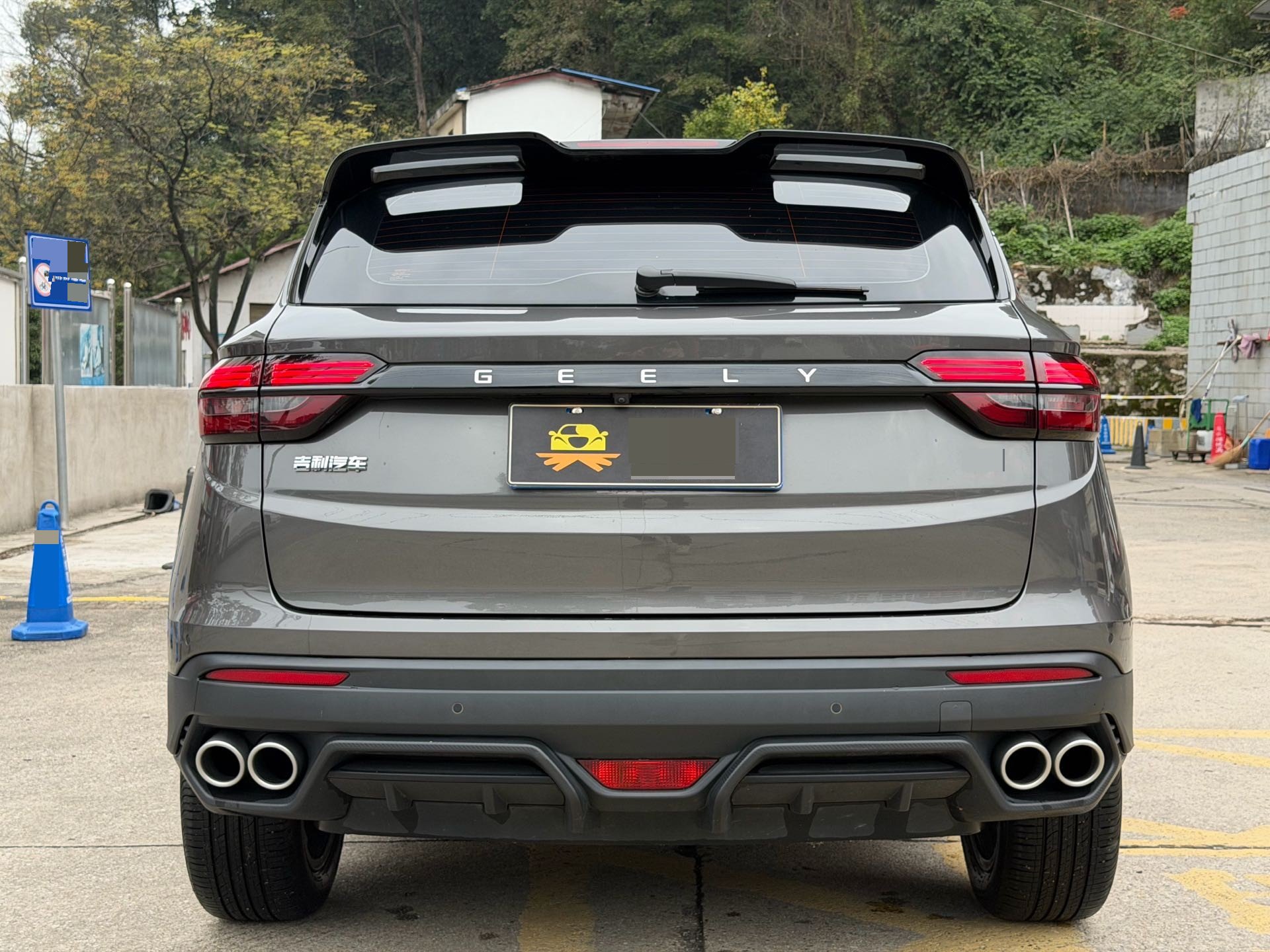
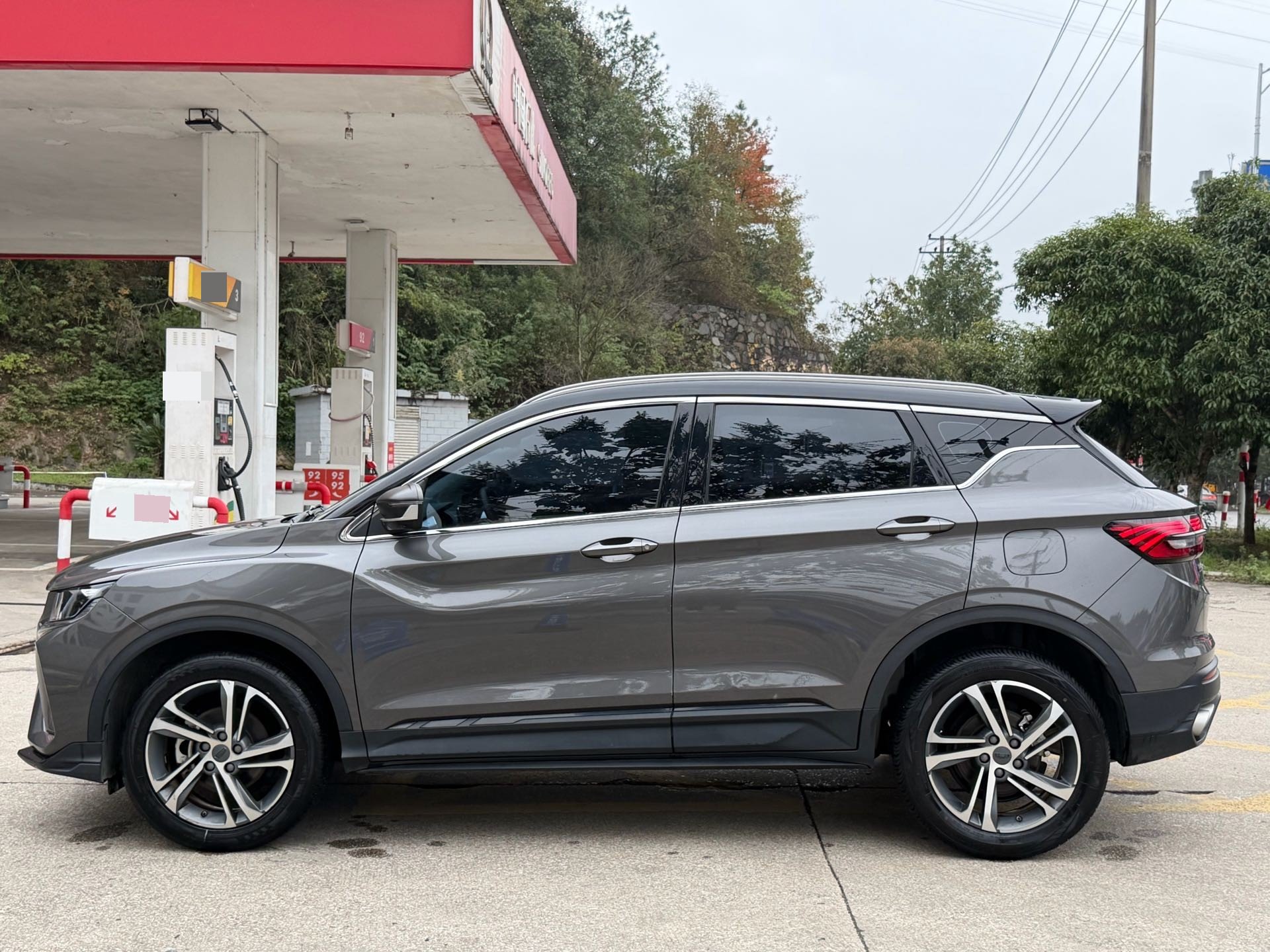
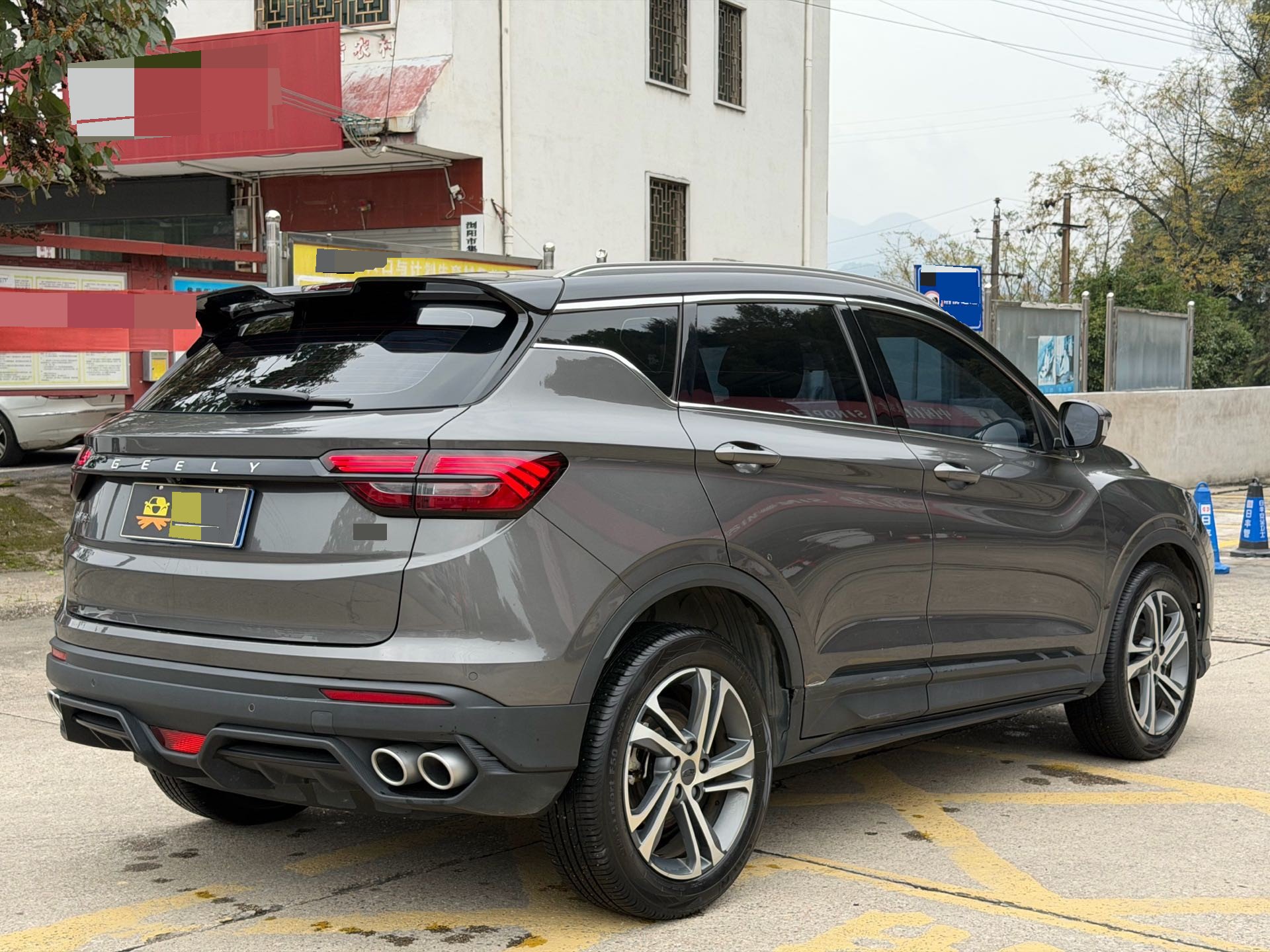



Basic Information

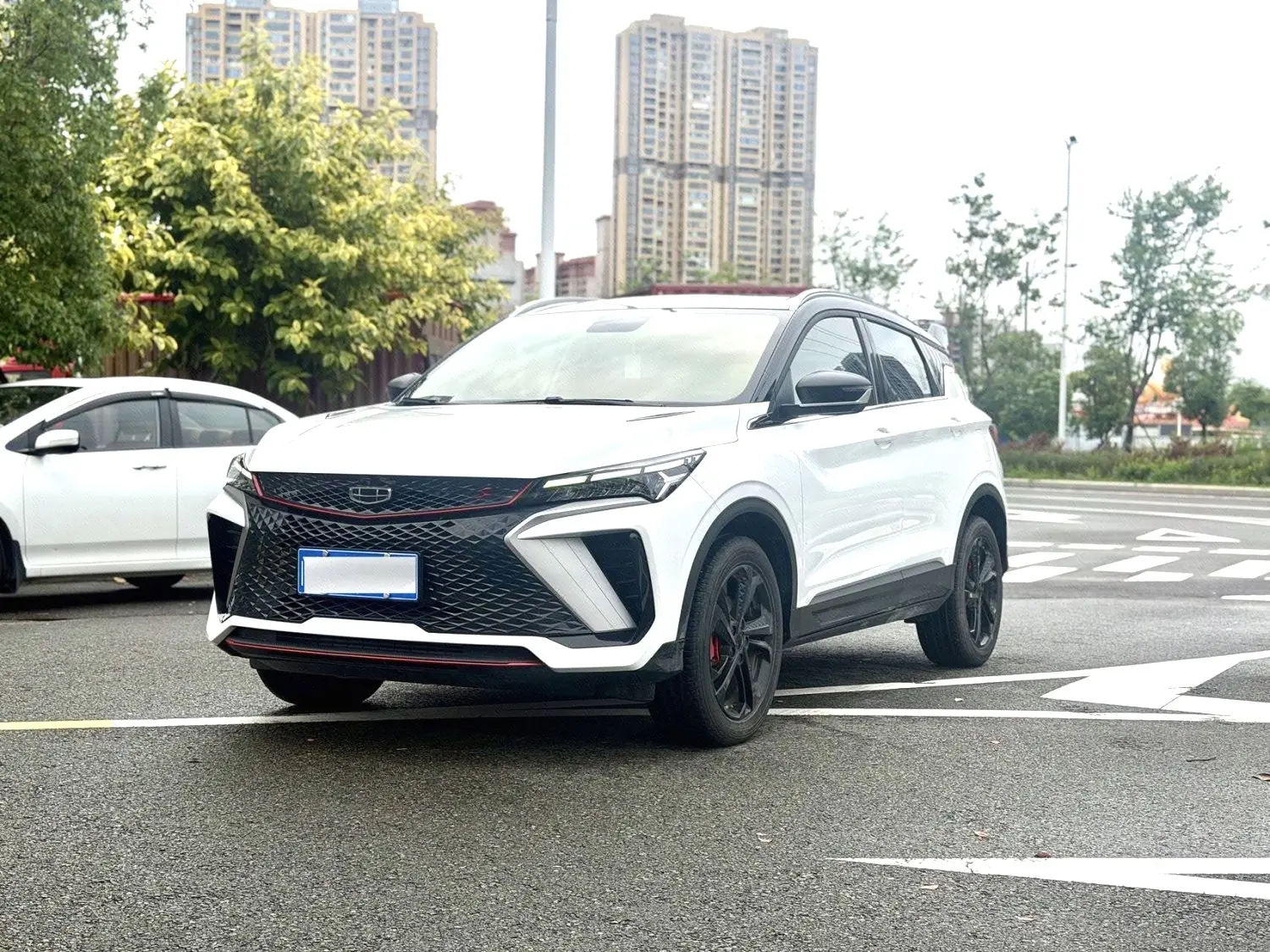
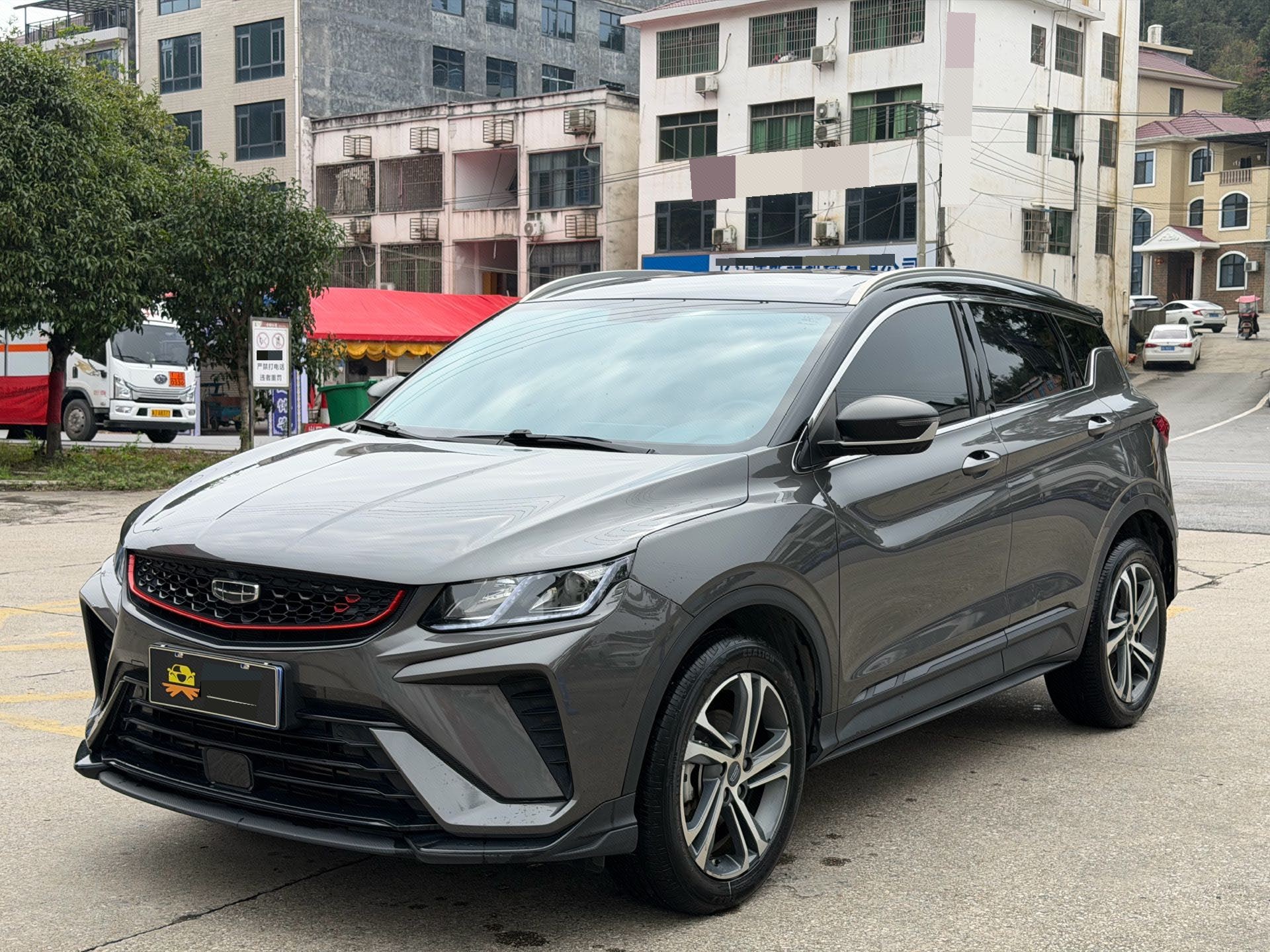
BrandGEELY
SeriesCoolray
Year2022
First Registration2022/02
Mileage32,000km
Transfer Count0times
FuelGasoline
TransmissionDCT
Engine1.4T 141 L4
ColorGrey
Seats-

Condition Description

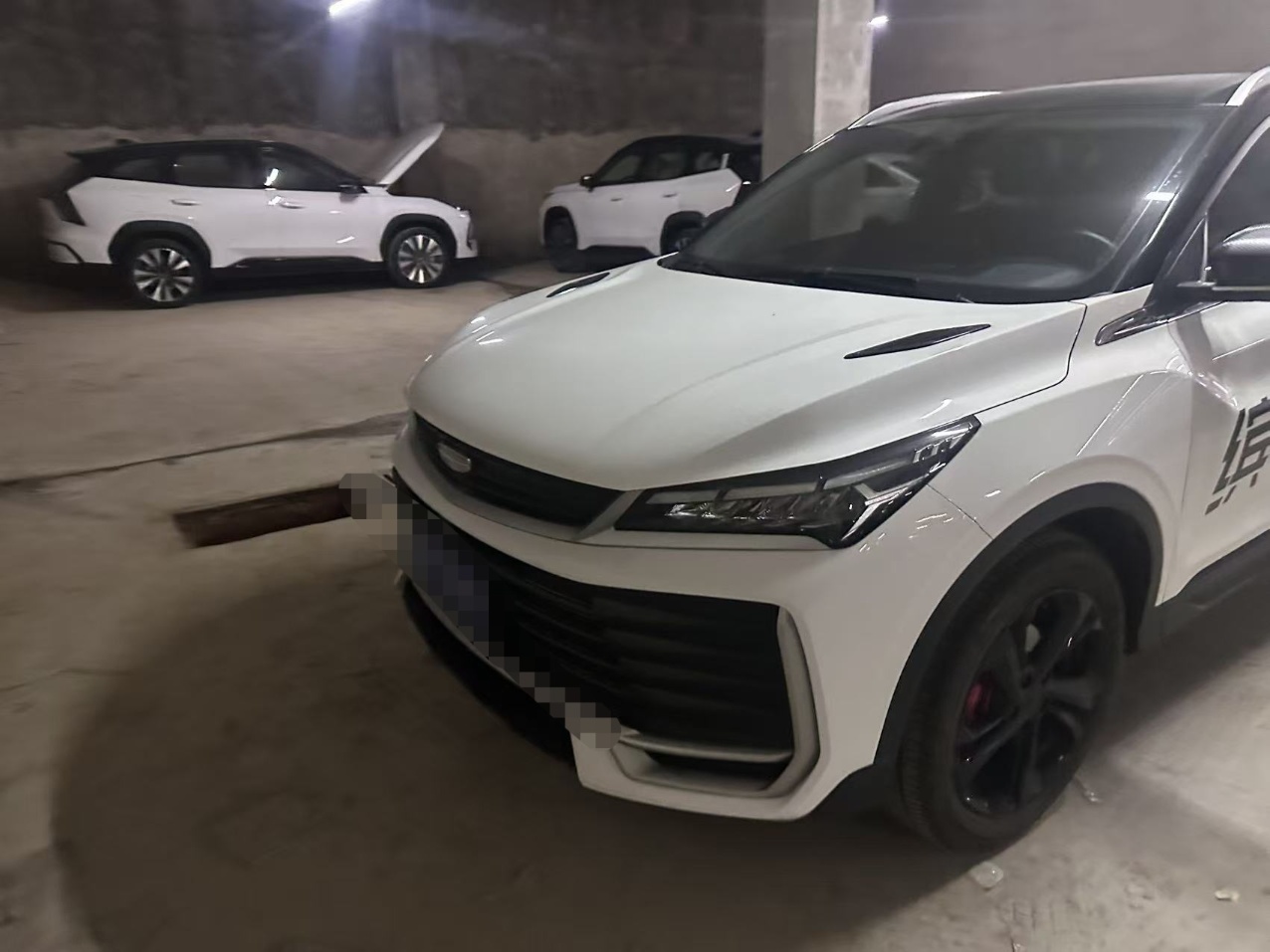
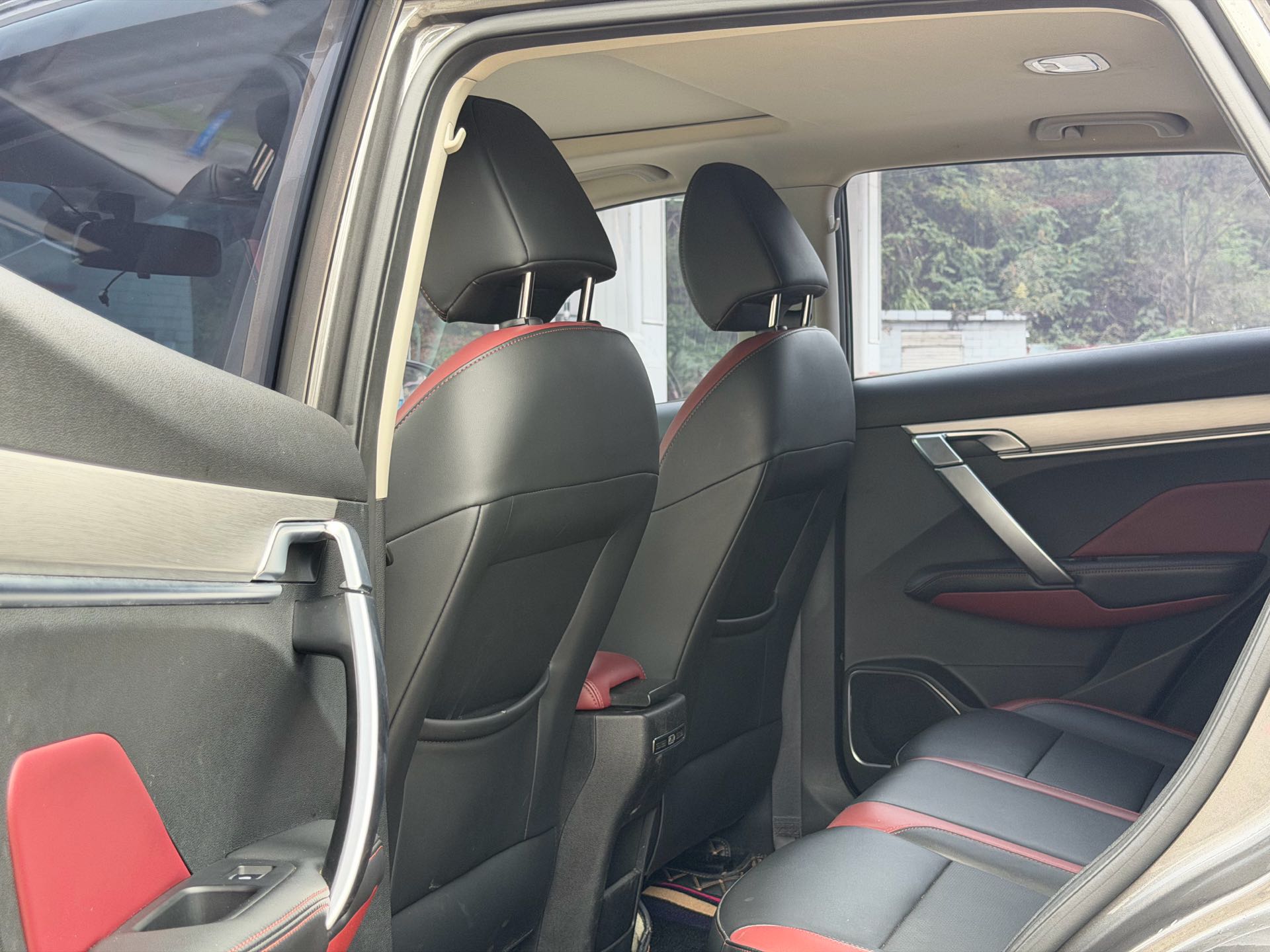
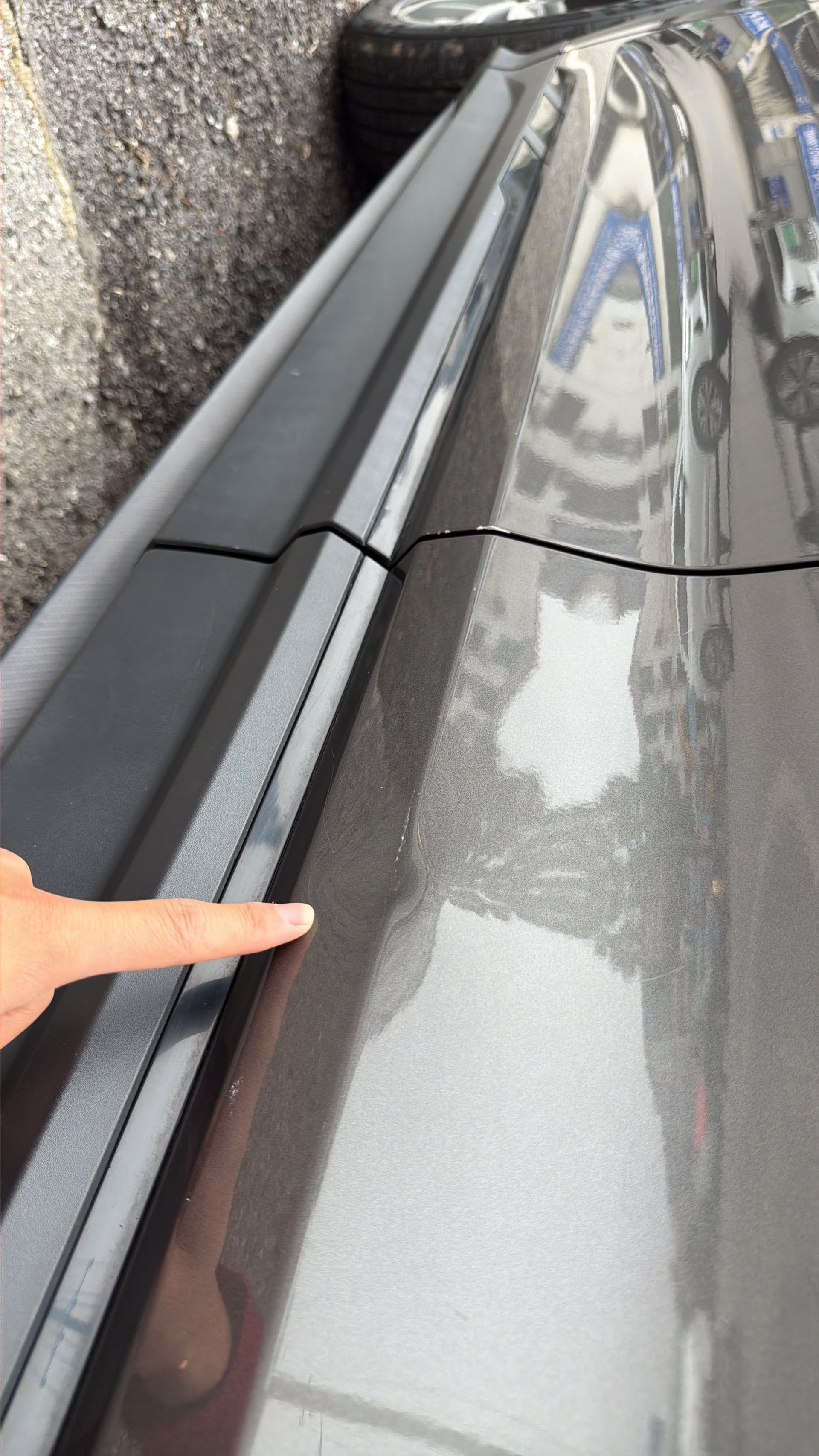
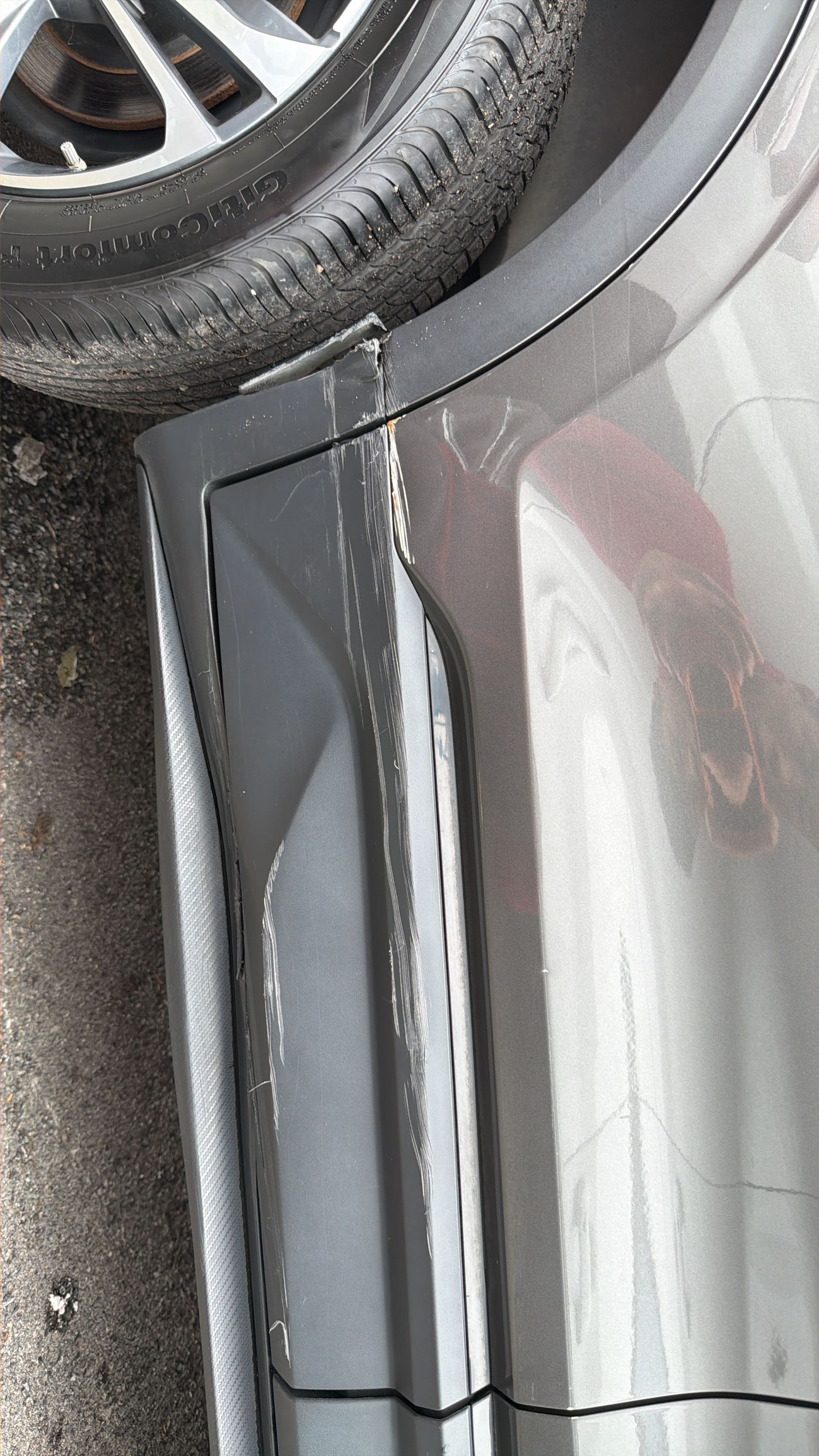
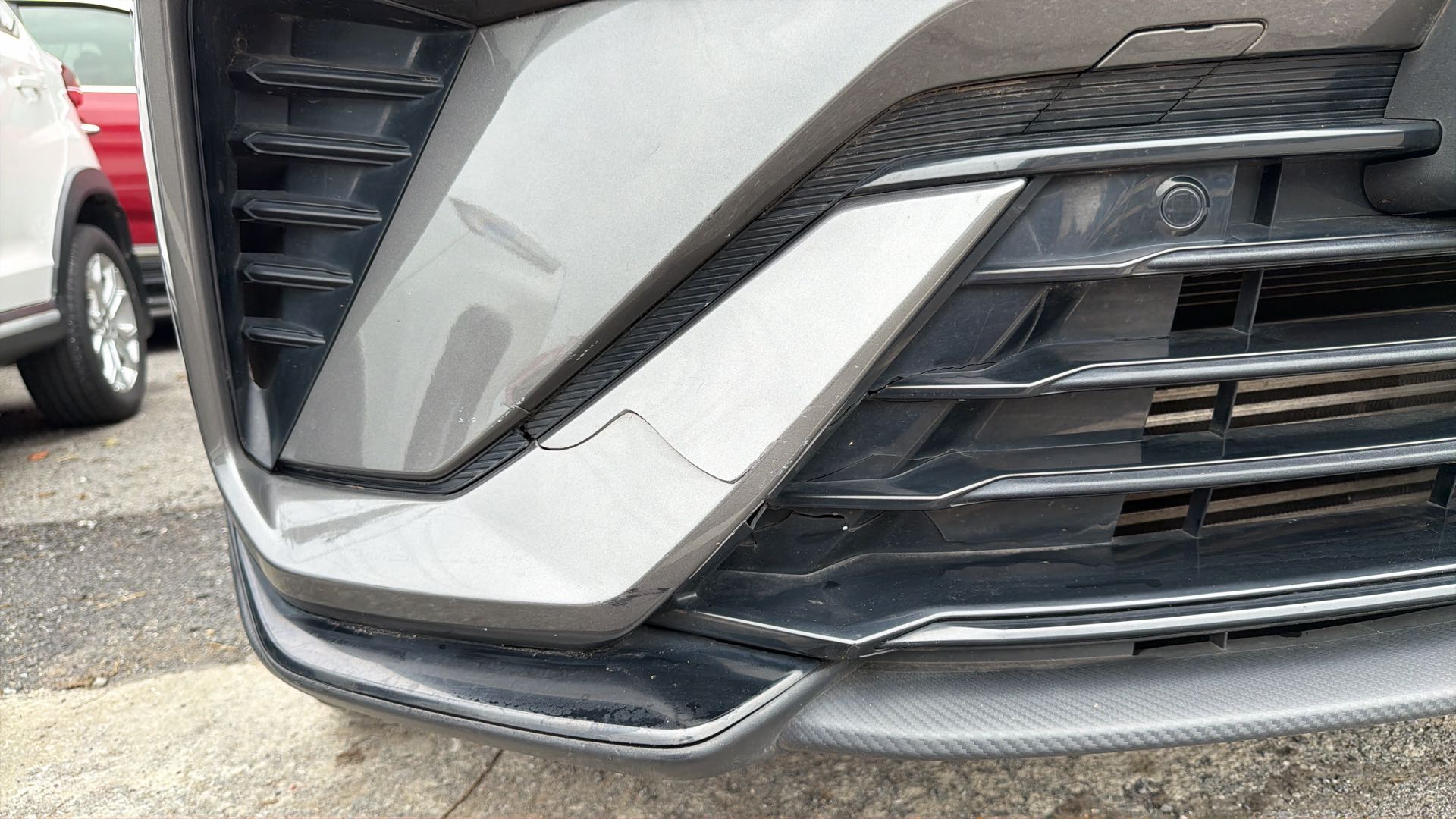
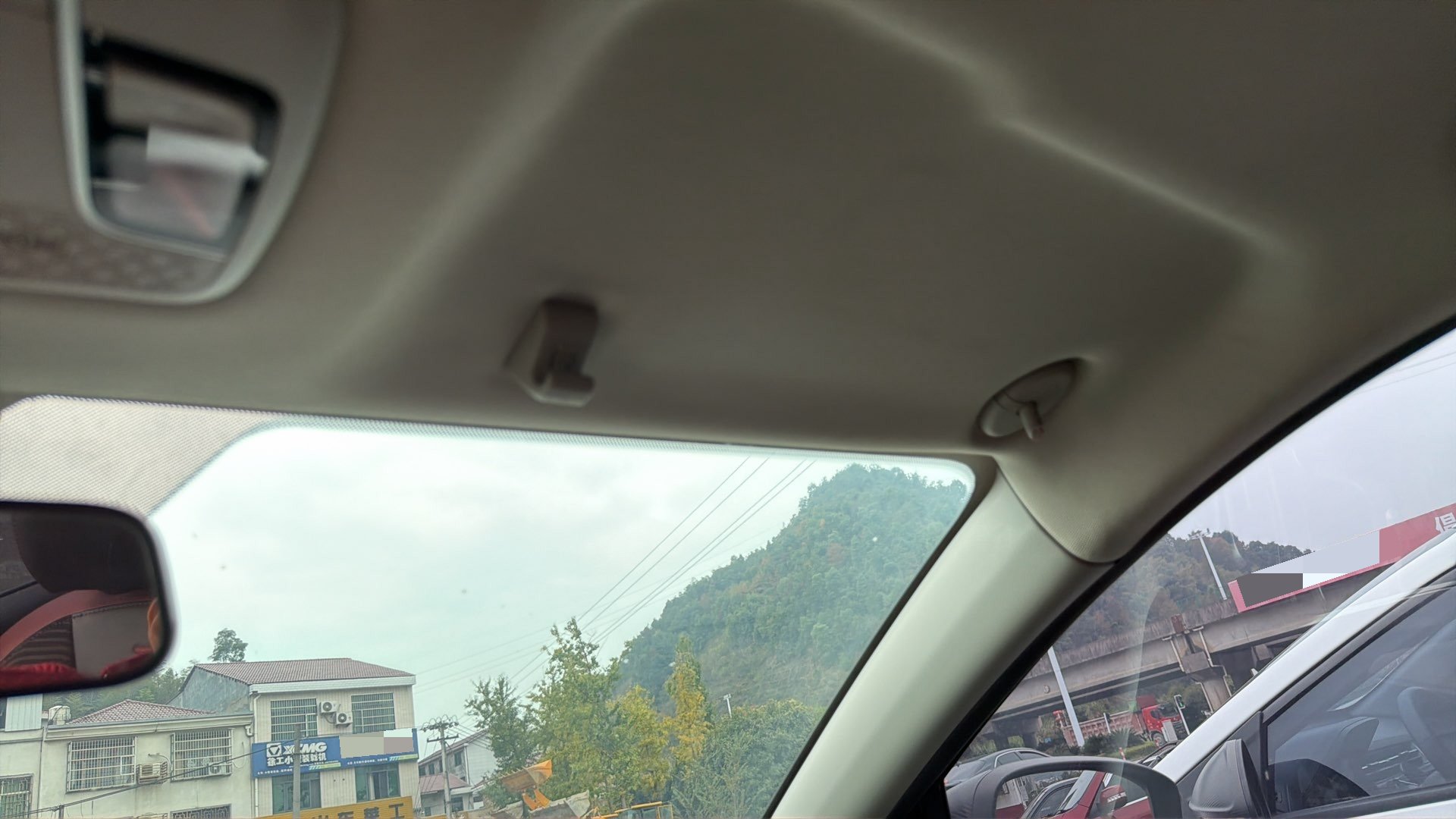
Full body original paint. Manufactured on December 14, 2021. Investment as shown in photos.

Document Information

Inspection Expiry Date-
Warranty Expiry Date-
Insurance Expiry Date2027/02

Q&A

More

Is the external discharge function (V2L) of the vehicle outputting 220V or 110V?

The V2L output standard for domestic models in China is 220V/50Hz. If your country's power grid standard is 110V/60Hz (like in some parts of North America), you cannot directly power local high-power appliances and will need an external transformer.


How can I detect signs that a used Chinese car was used for heavy towing, ride-hailing, or overloaded work when buying remotely?

Heavy-use vehicles often look clean in photos but show specific wear patterns. Here's what to check: 1. Rear sag and suspension: ask for a side-profile photo of the car on level ground. If the rear sits noticeably lower than the front, the rear springs or shocks may be worn from constant heavy loads. Compare with factory ride height specs. 2. Pedal and seat wear: accelerator and brake pedals with polished metal patches, and a driver's seat bolster that is flattened or cracked, indicate high mileage or intensive commercial use — even if the odometer says otherwise. 3. Hitch and tow bar marks: check the rear bumper area in close-up photos for scratches, bolt holes, or a removed tow bar mount. Ask the seller directly whether the car ever towed. 4. Underbody and frame: request underbody photos. Look for bent or scraped crossmembers, fresh undercoating hiding damage, or uneven tire wear across the rear axle. 5. Data check: many ride-hailing cars in China have records in maintenance databases — a professional inspection agency can flag cars with commercial fleet history. If the seller refuses underbody or close-up photos, treat it as a warning sign and consider another vehicle.

After the vehicle arrived at the port, it was found that the rubber parts of the chassis (such as dust covers and engine mounts) had extensive cracking. Does this fall under the compensation for "certain repair parts compensation"?

Absolutely not. The aging and cracking of rubber parts are inevitable over time and are a normal manifestation of vehicle depreciation. Our compensation only covers sudden and catastrophic mechanical failures, such as engine cylinder scoring or transmission gear breakage.