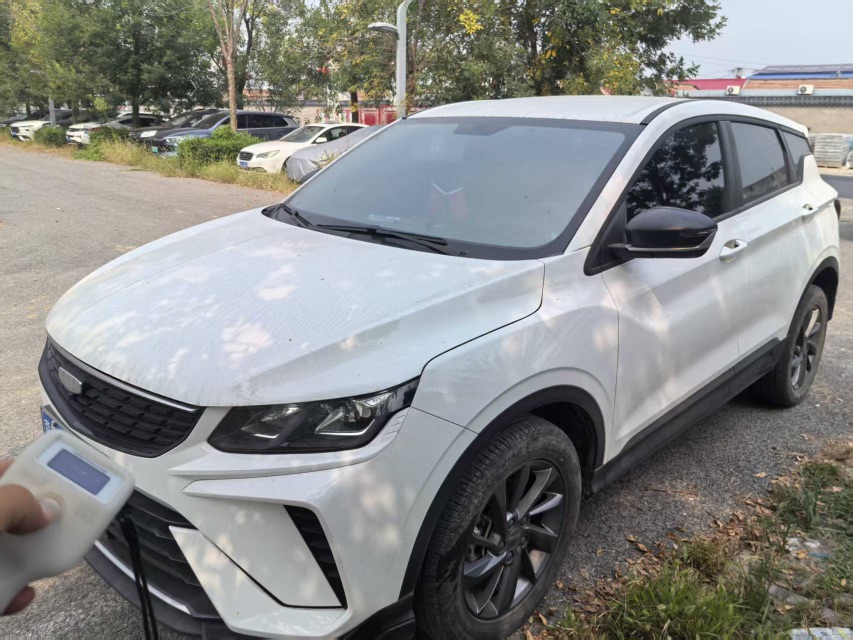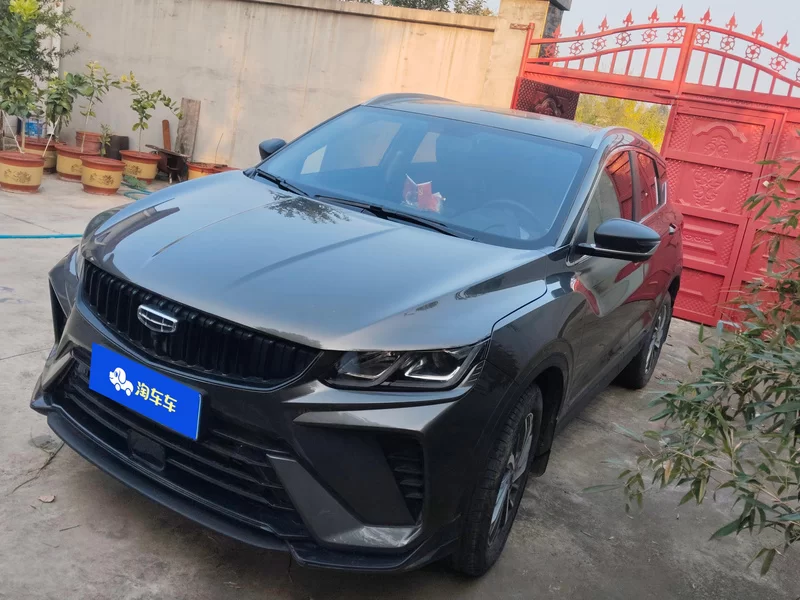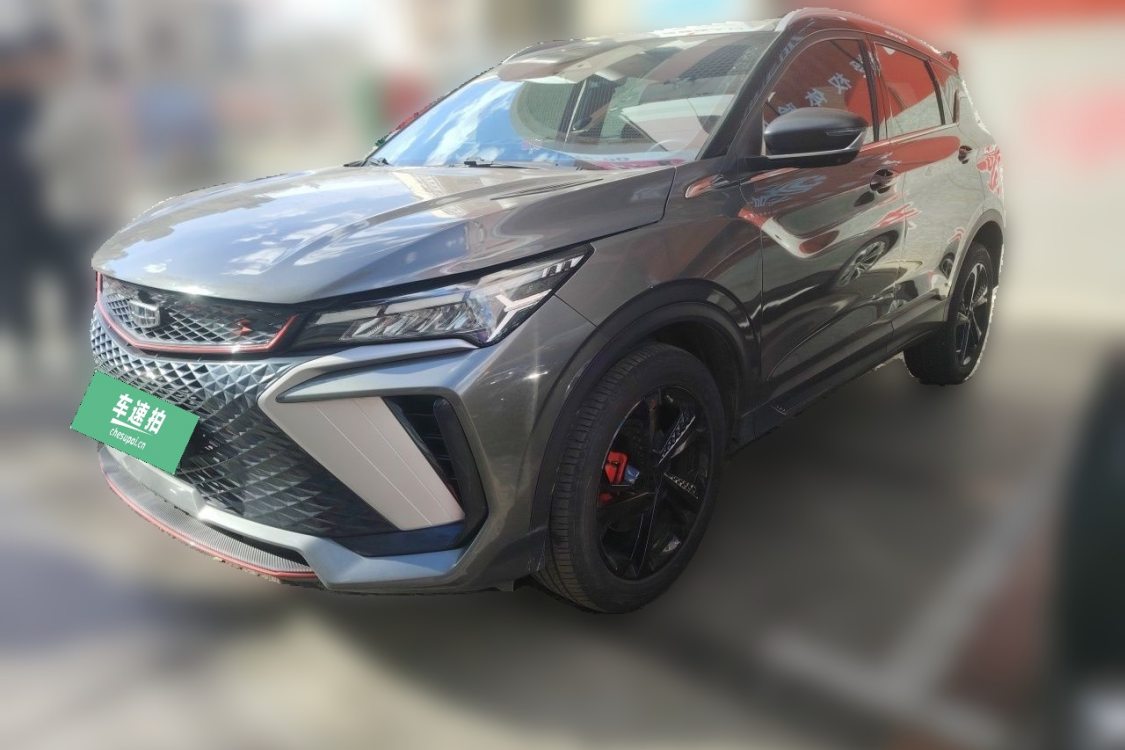
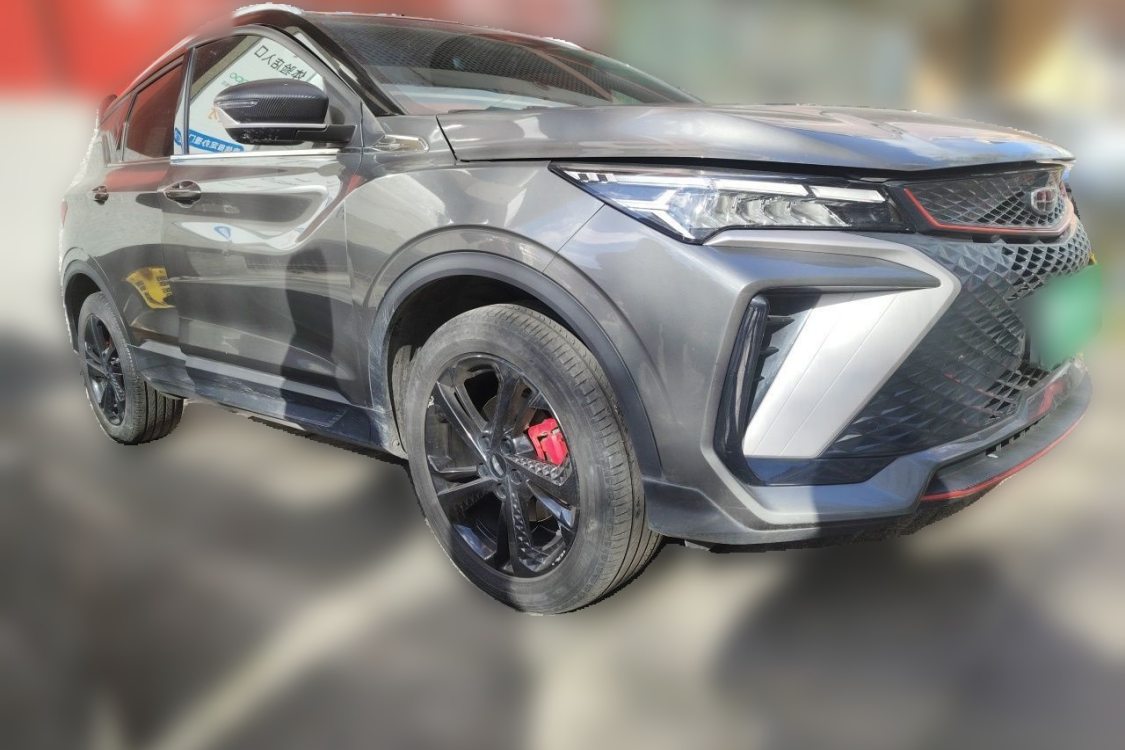
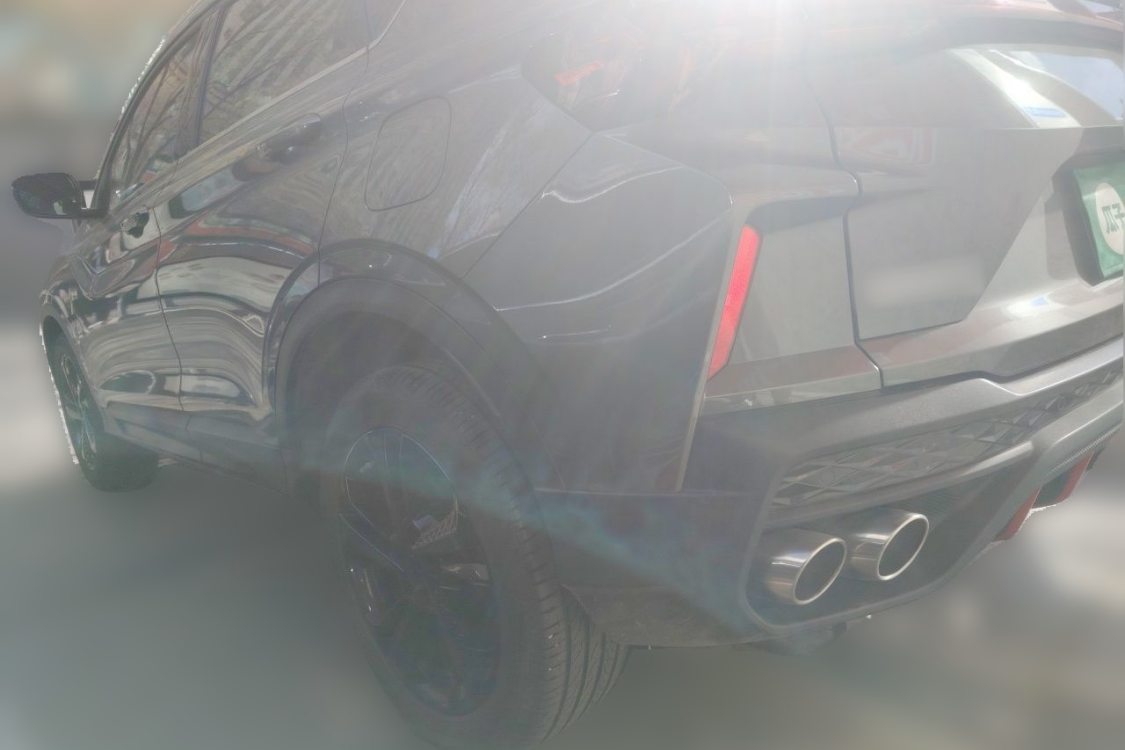
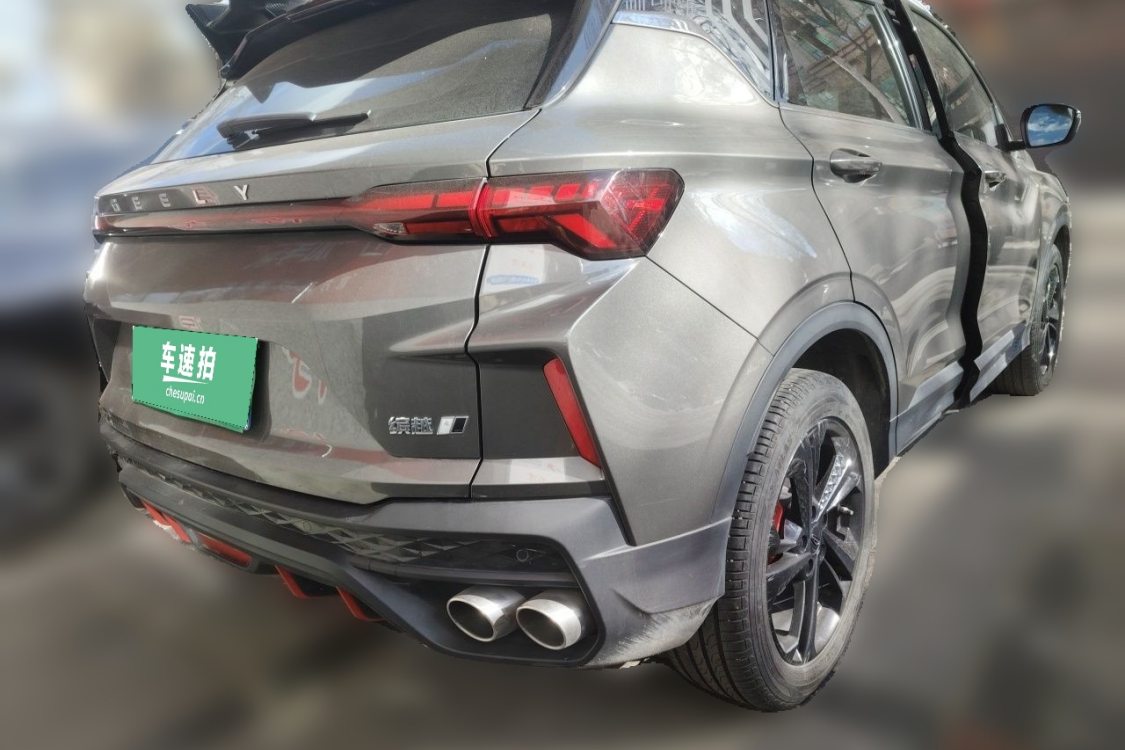
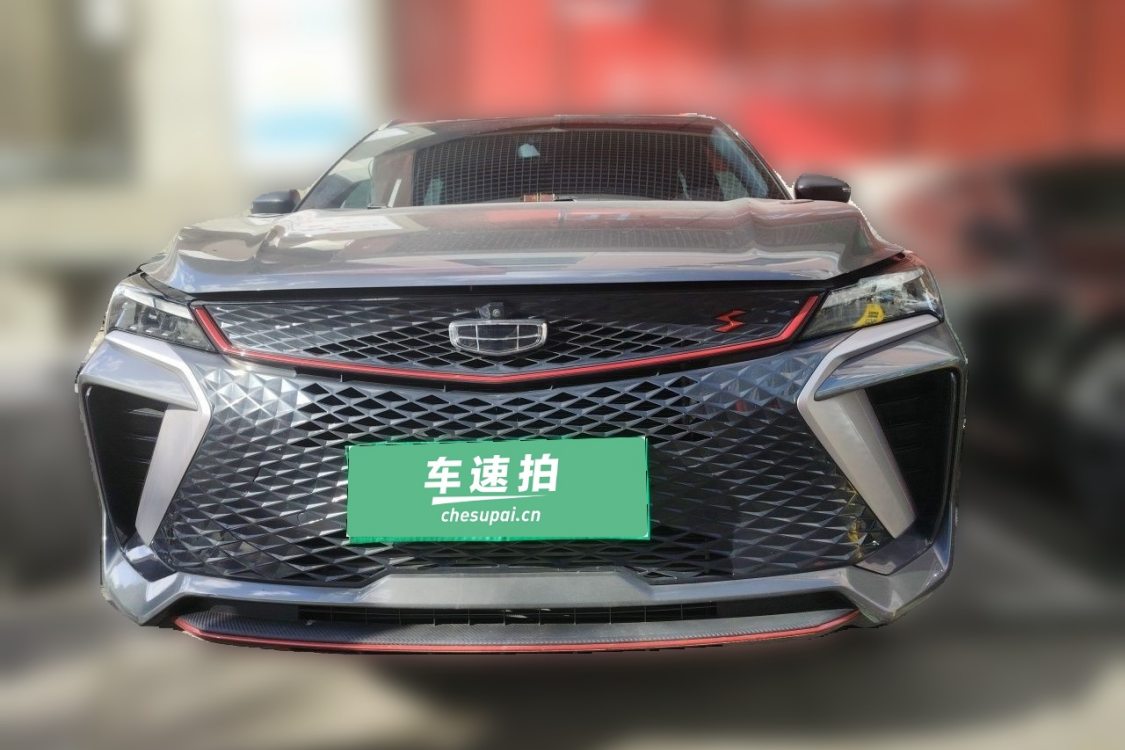
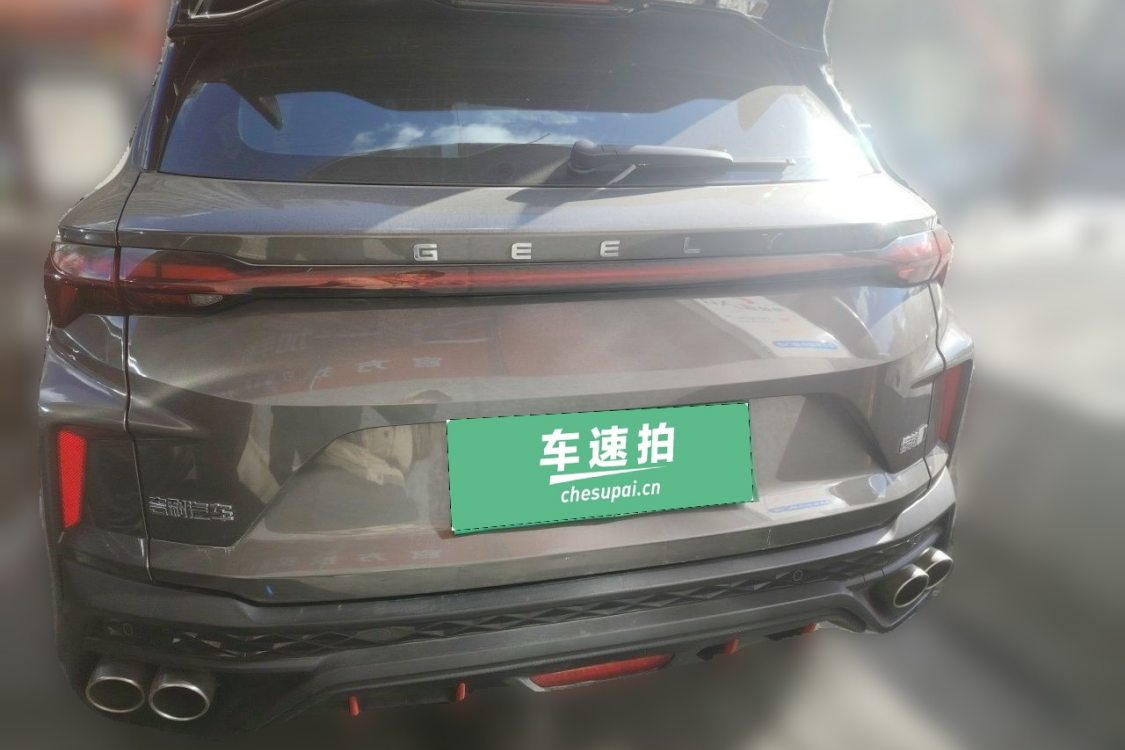
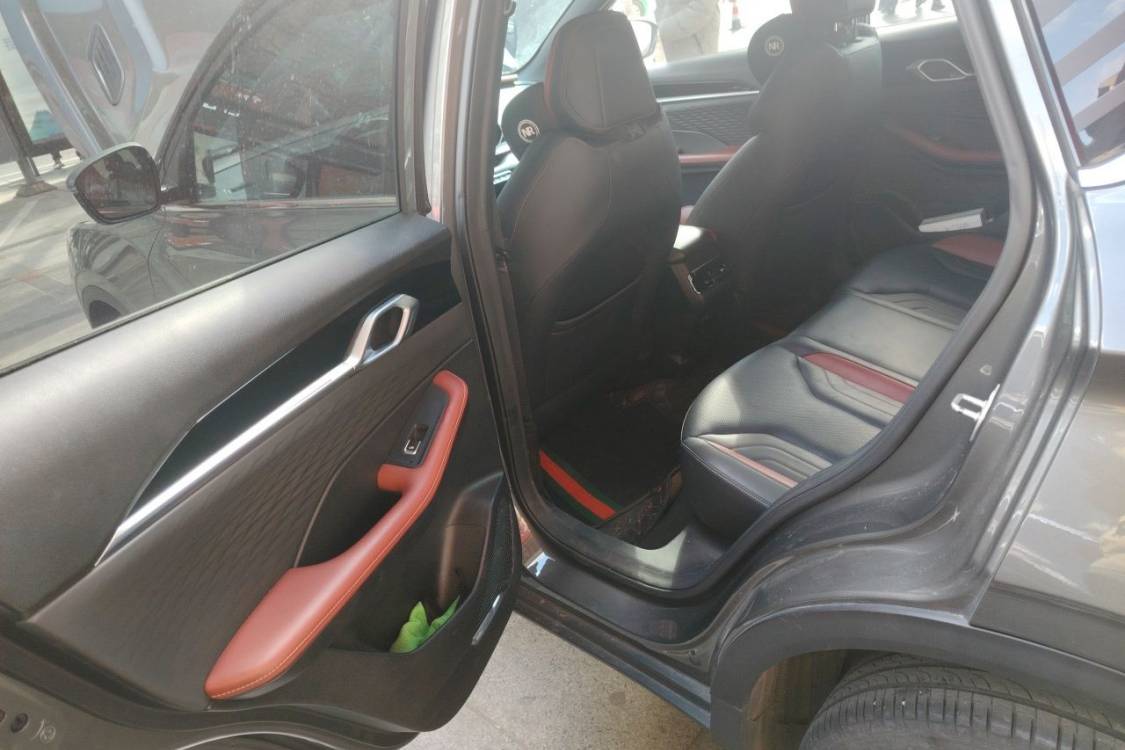
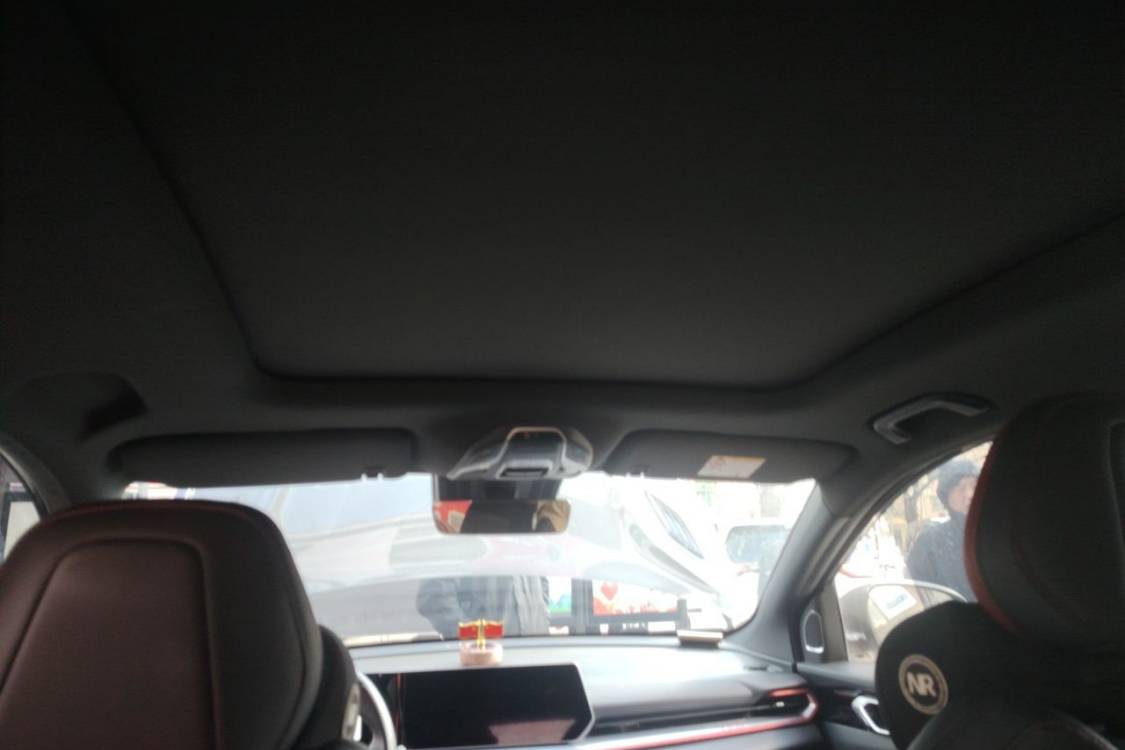
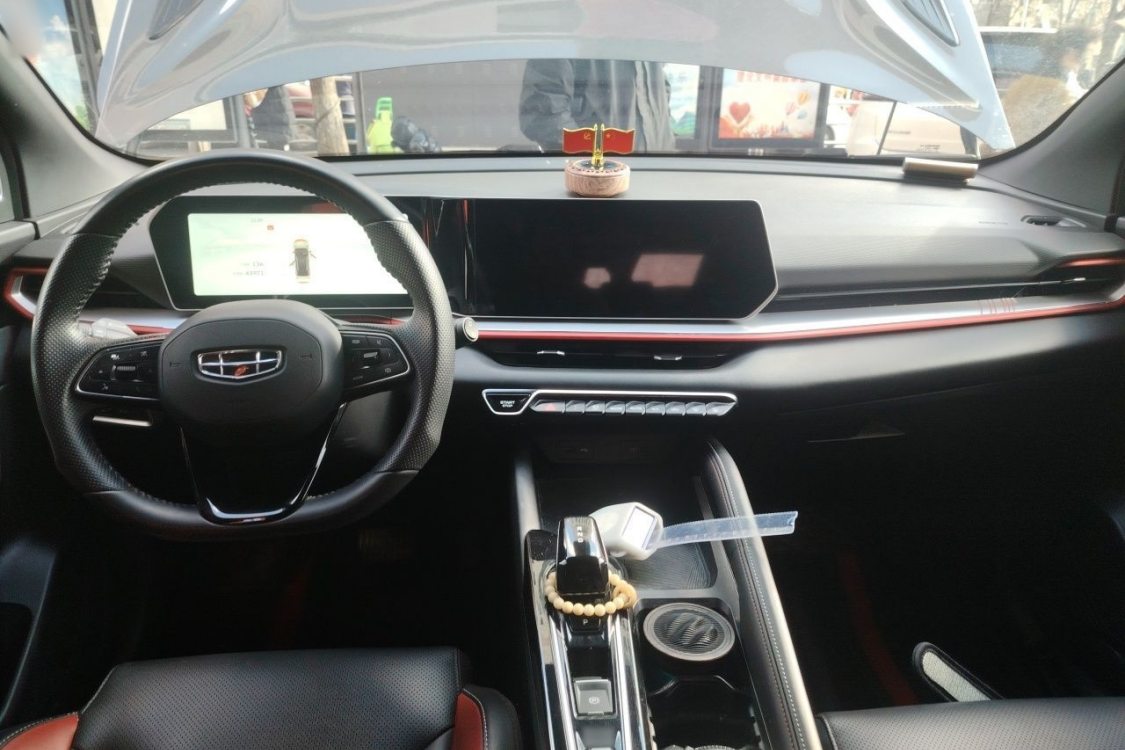
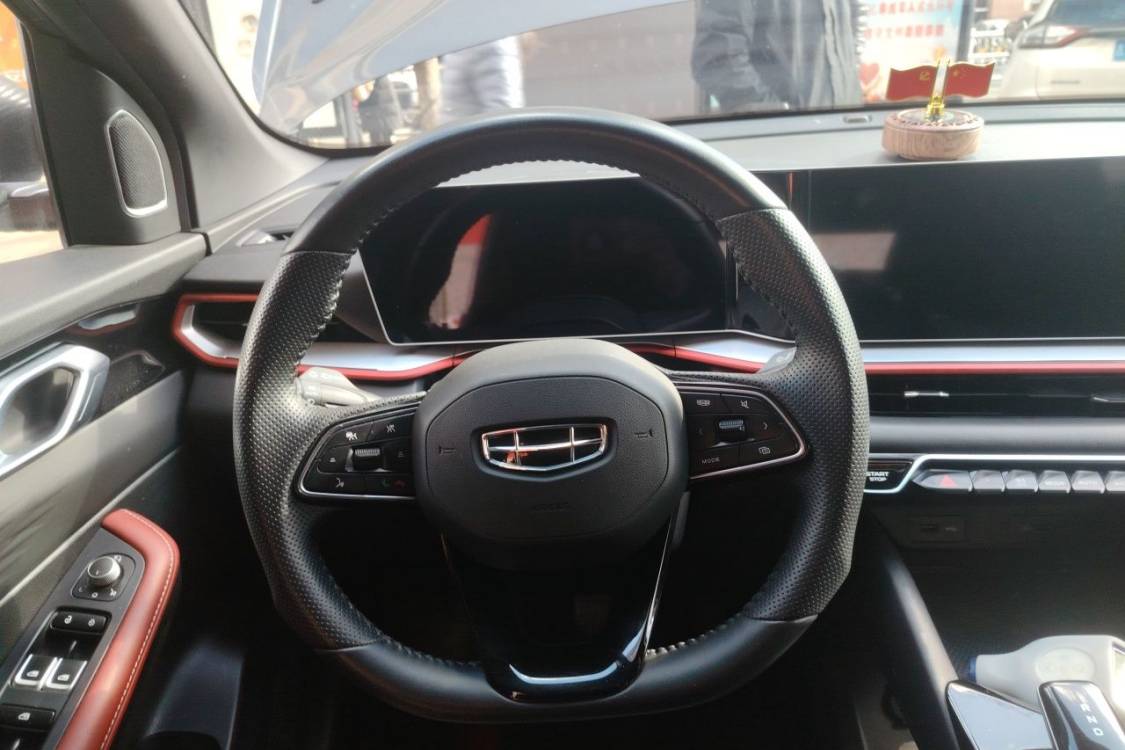
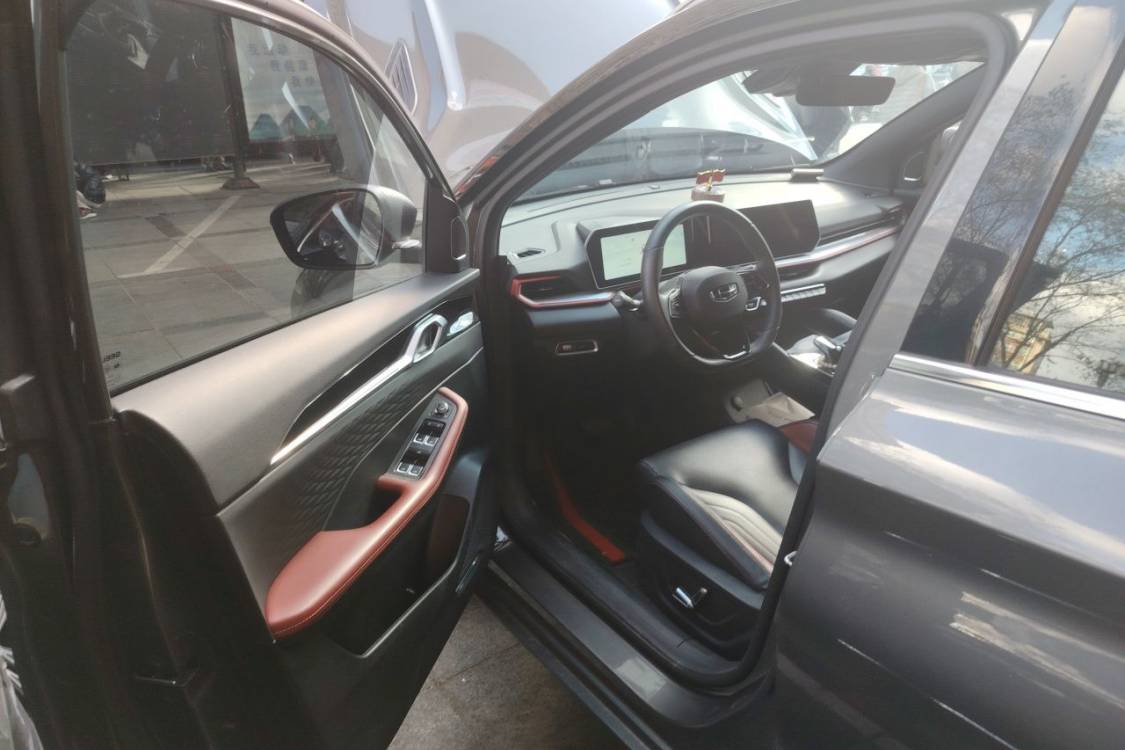
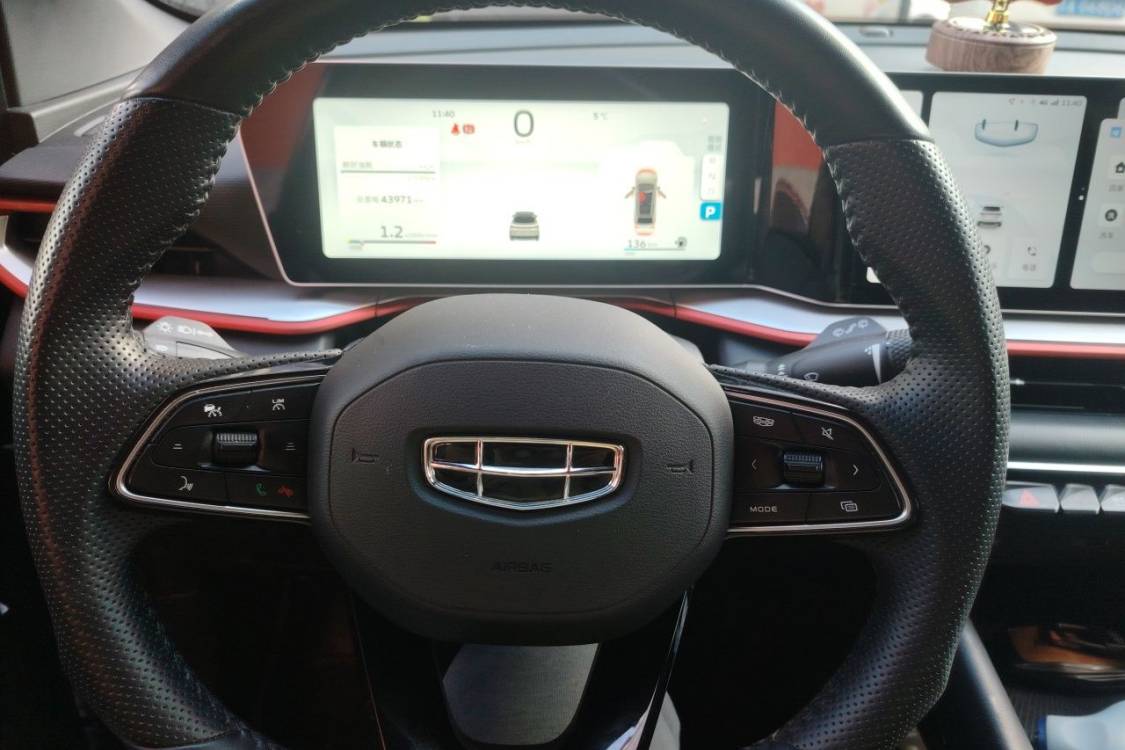
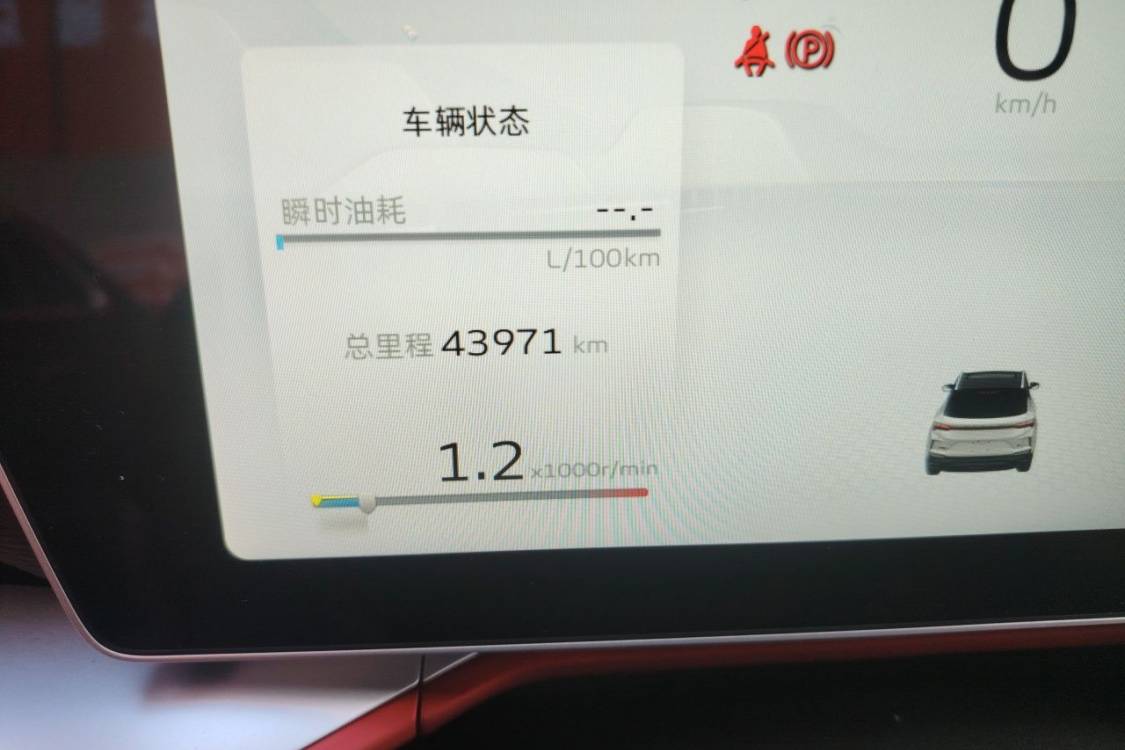
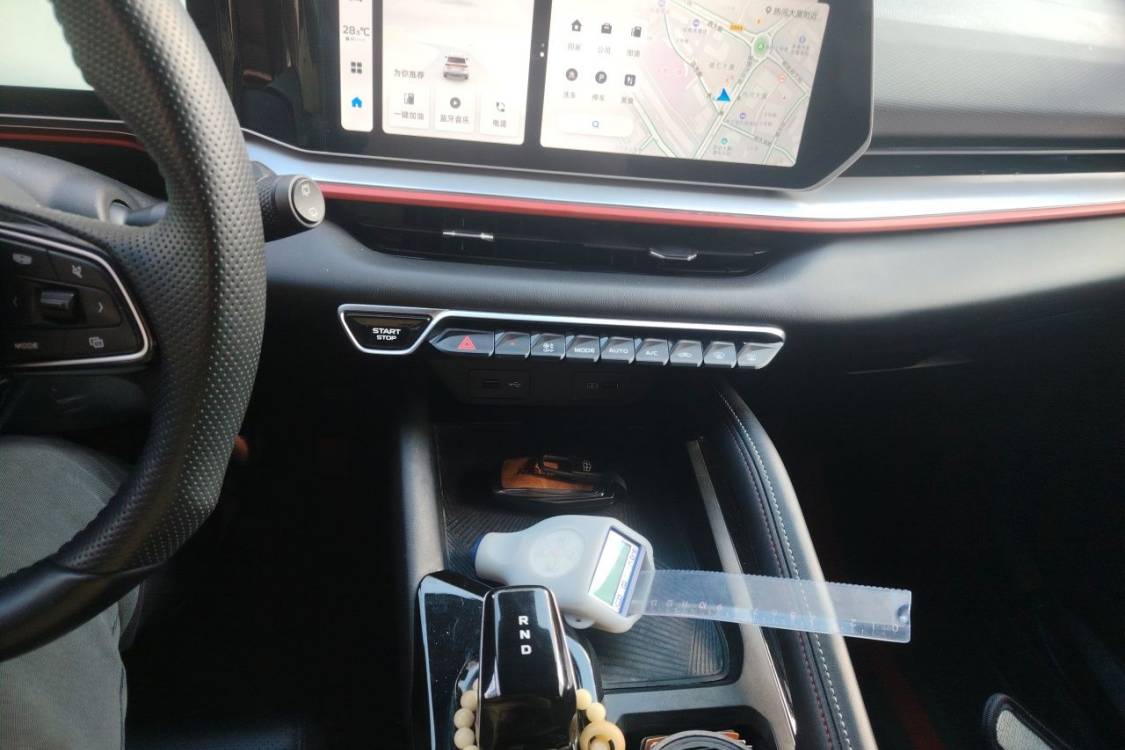



Basic Information

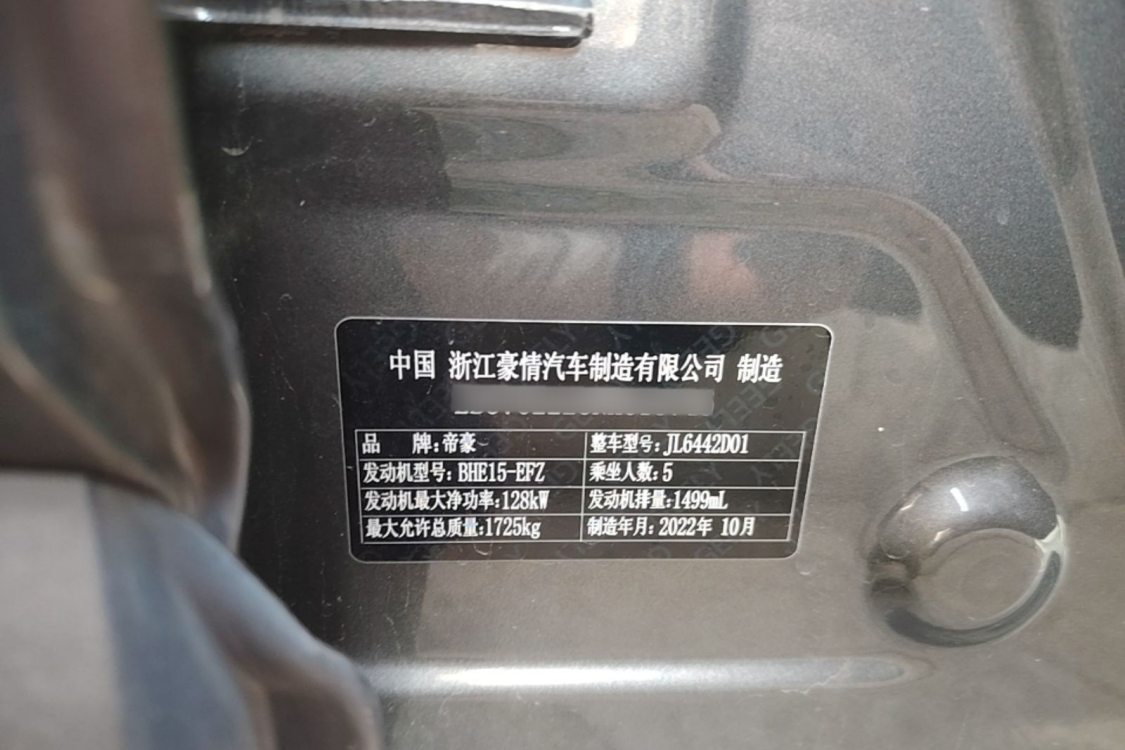
BrandGEELY
SeriesCoolray
Year2022
First Registration2022/11
Mileage43,900km
Transfer Count-
FuelGasoline
TransmissionDCT
Engine1.5T 181 L4
ColorGrey
Seats-

Condition Description

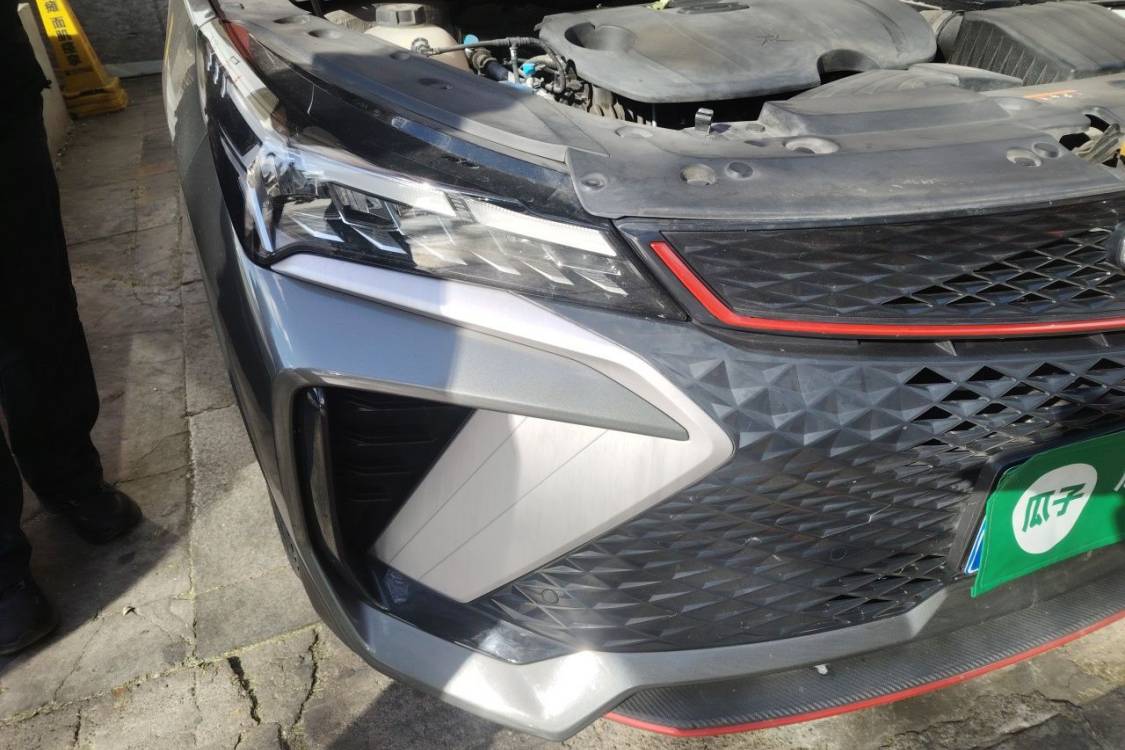
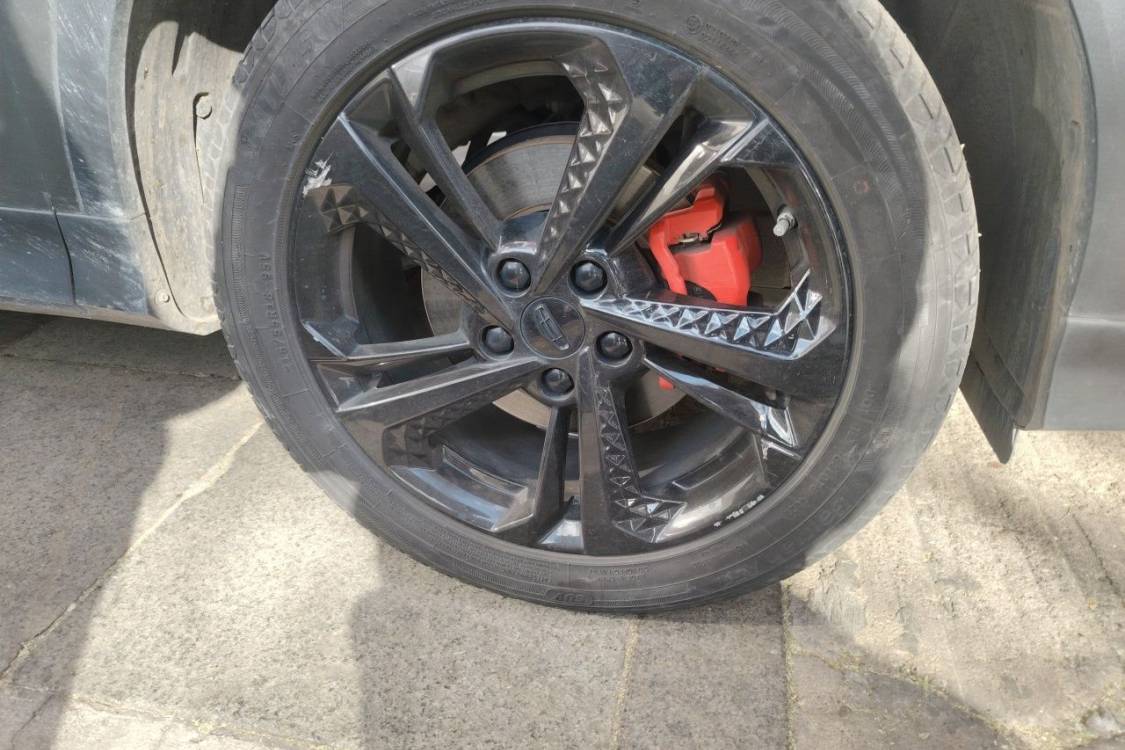
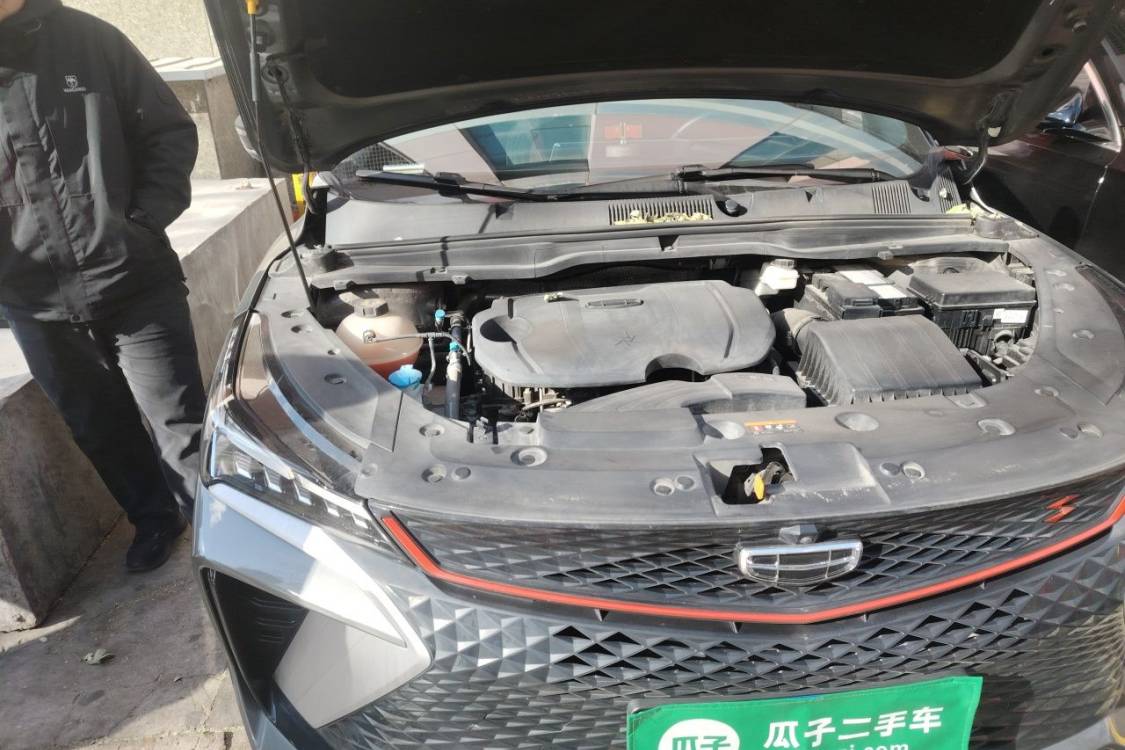
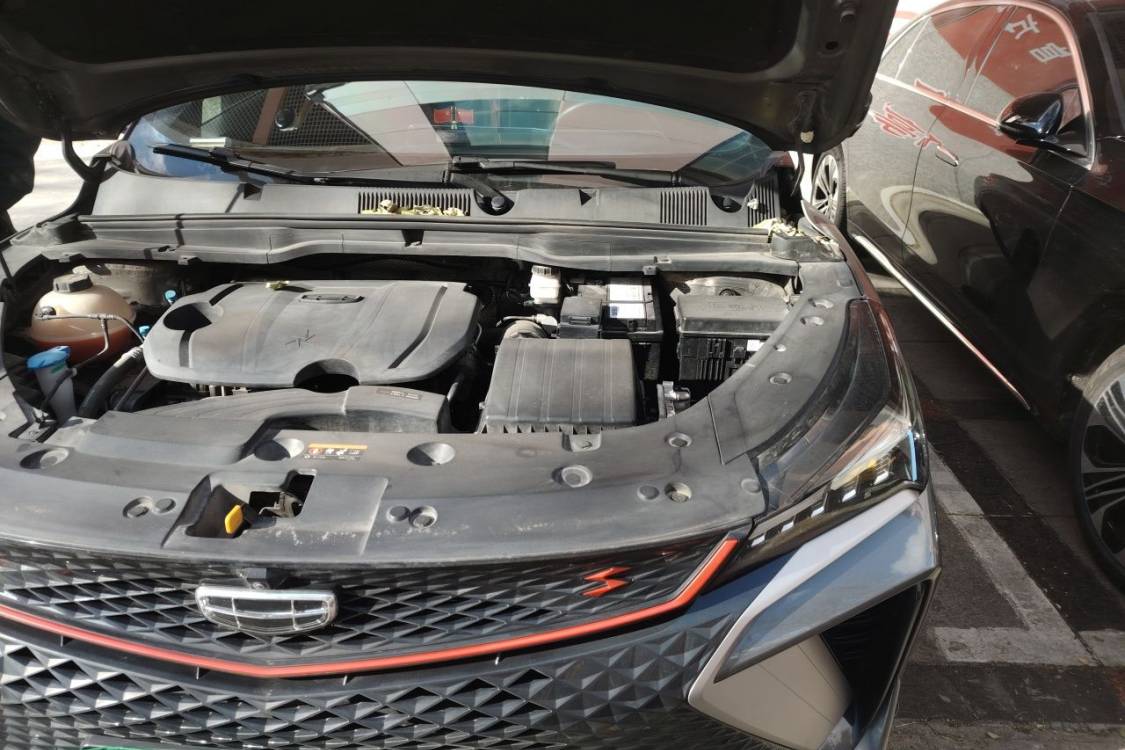
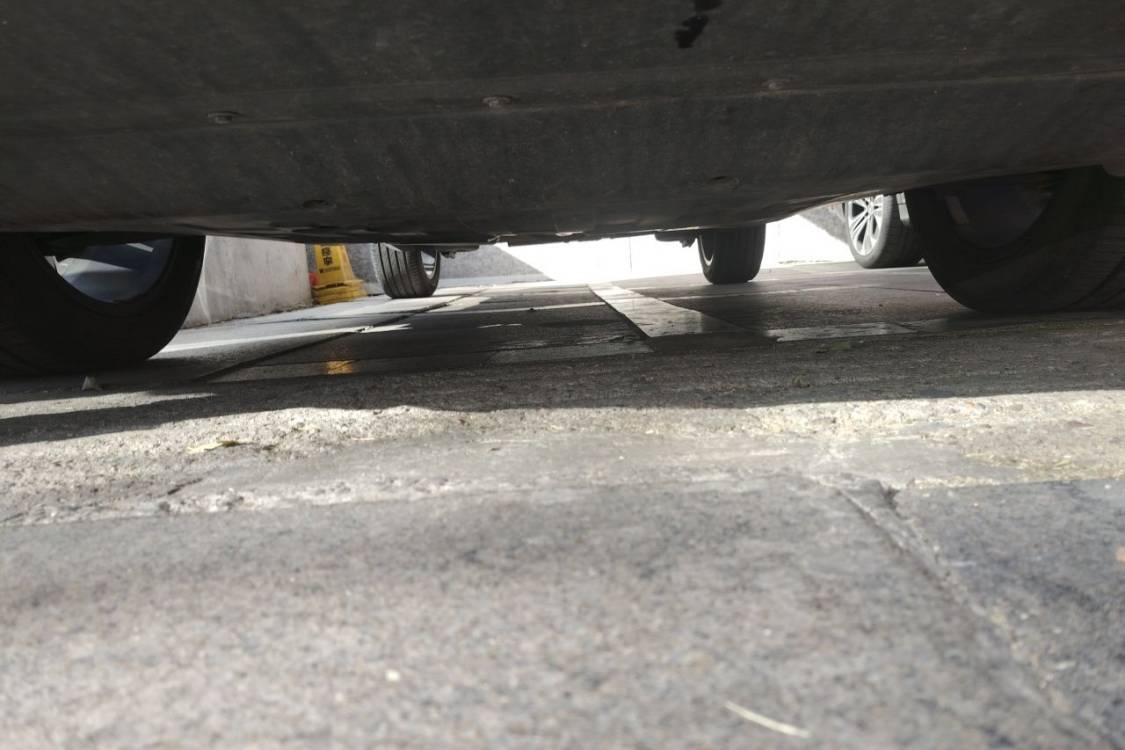
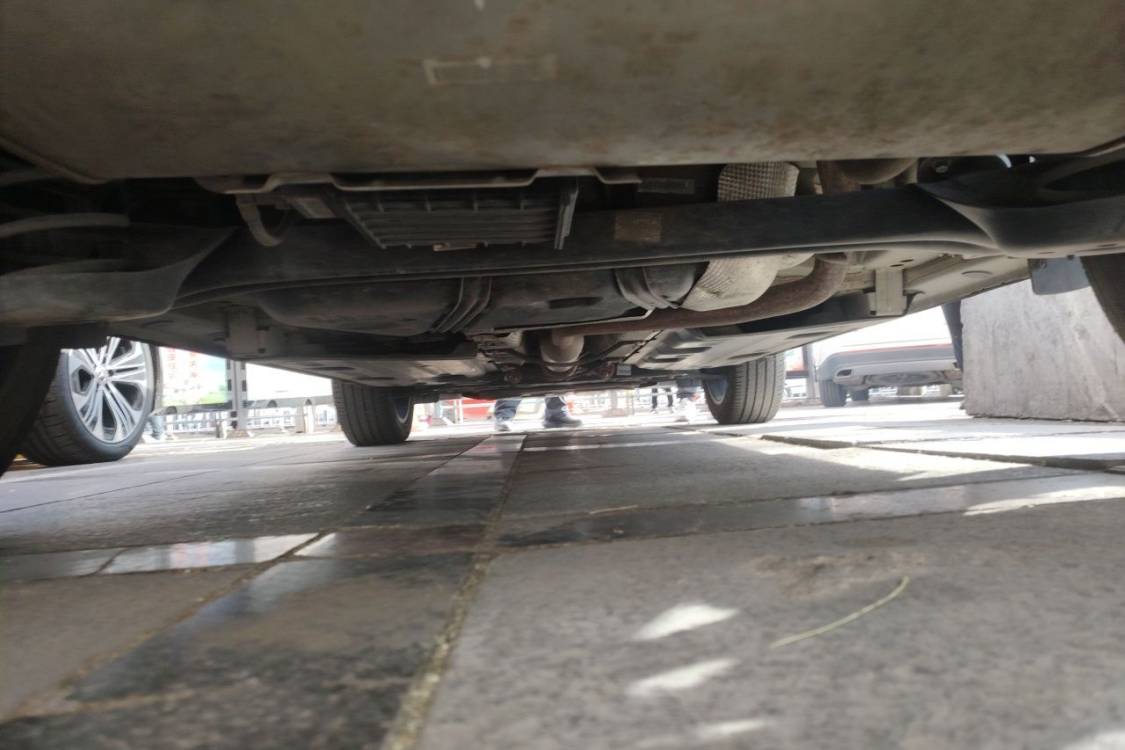
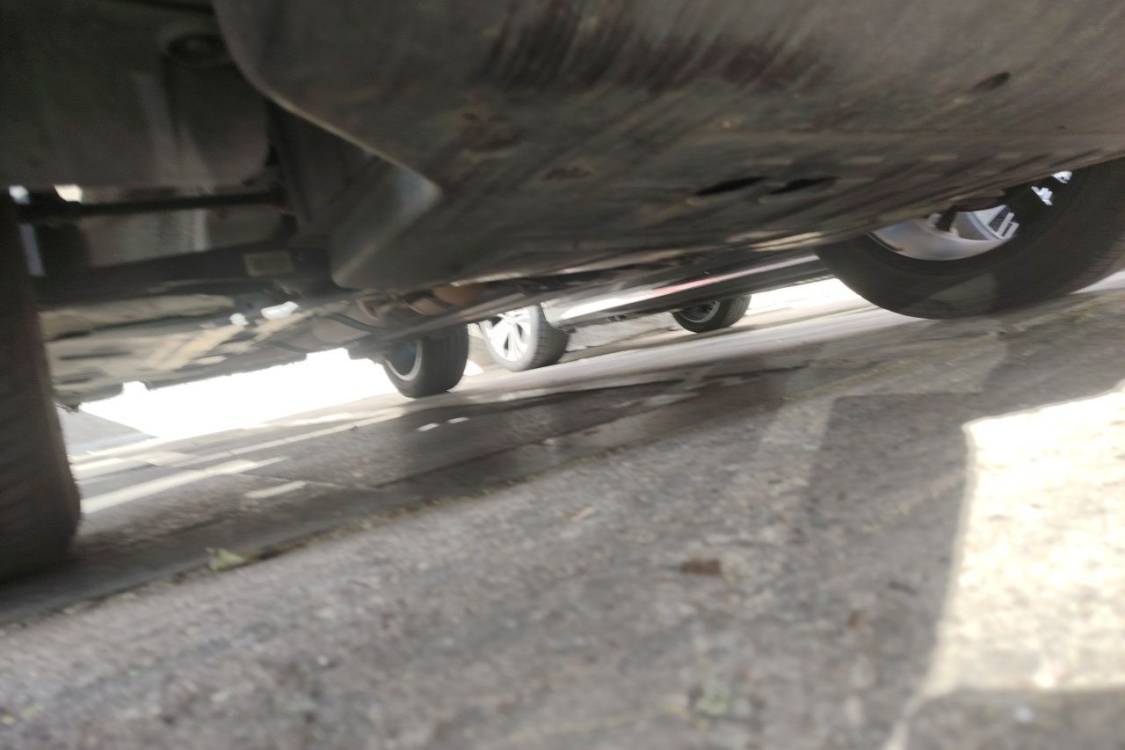
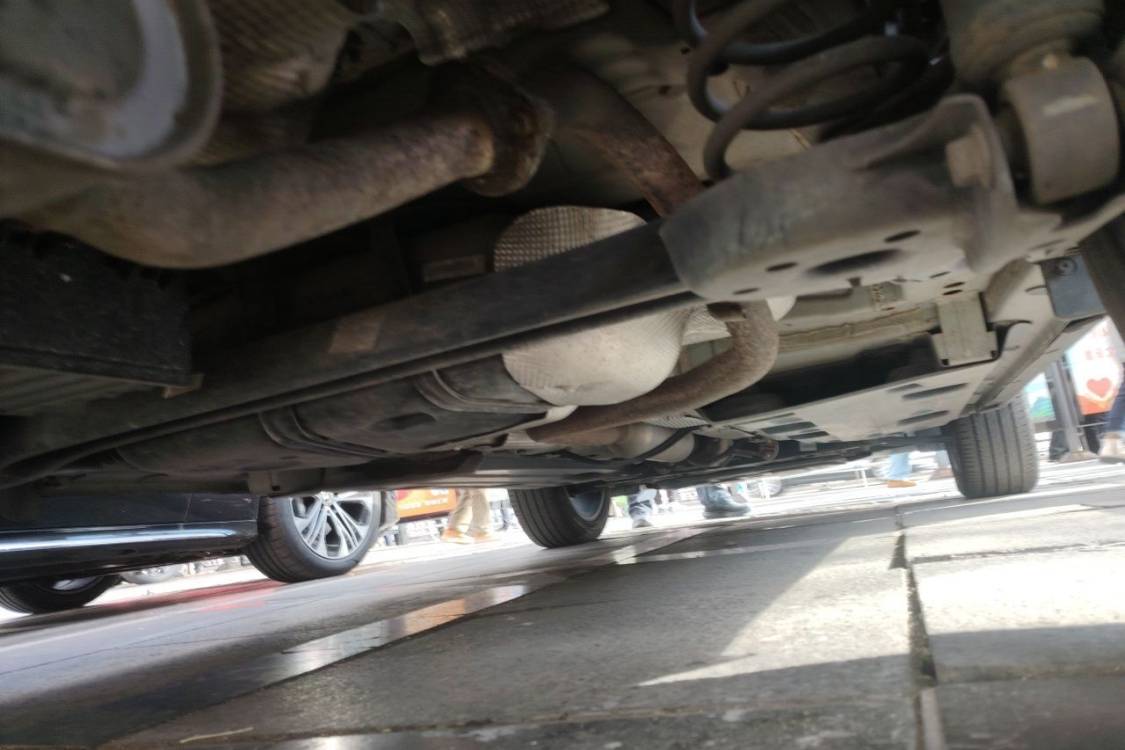
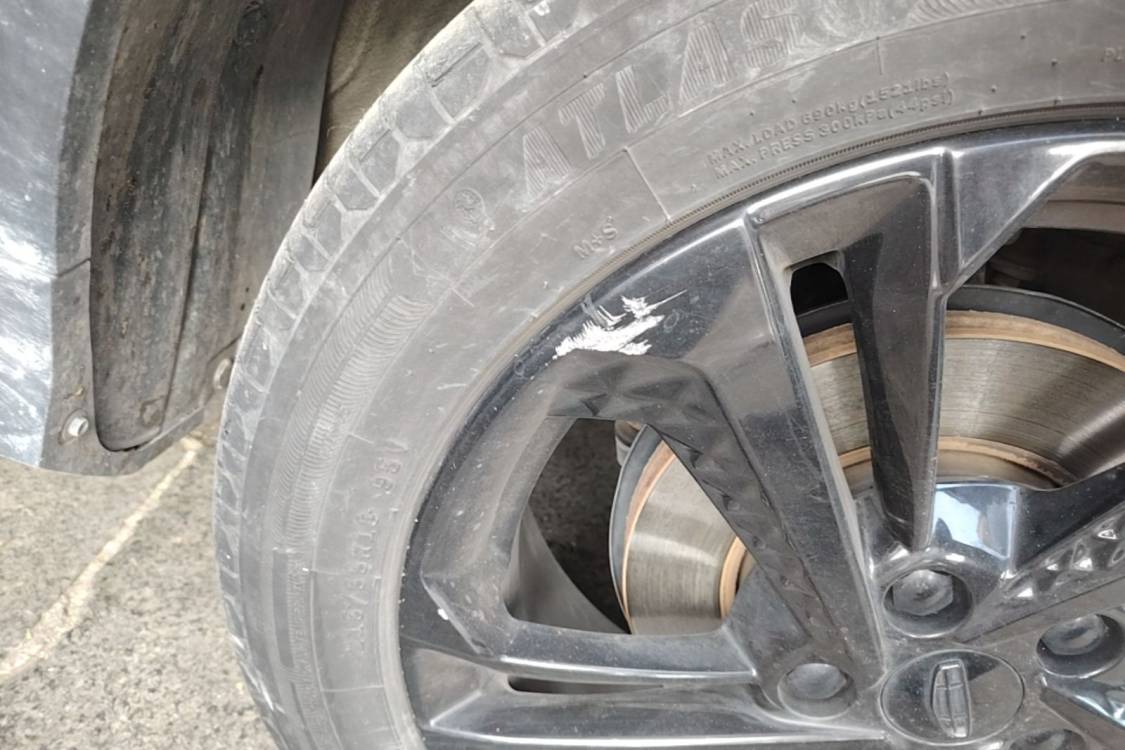
Localized body damage or repair marks present. No accident-related damage or repairs to structural or reinforcement components. Vehicle performance (including three-electric system) has degraded or is limited.

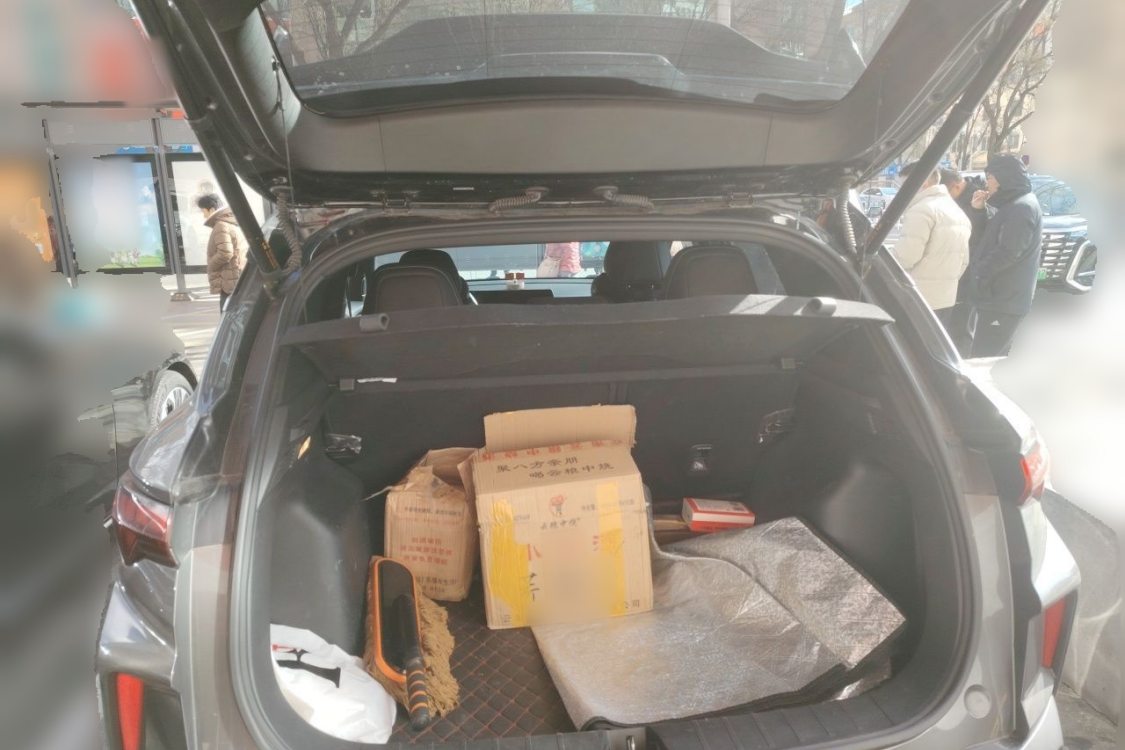
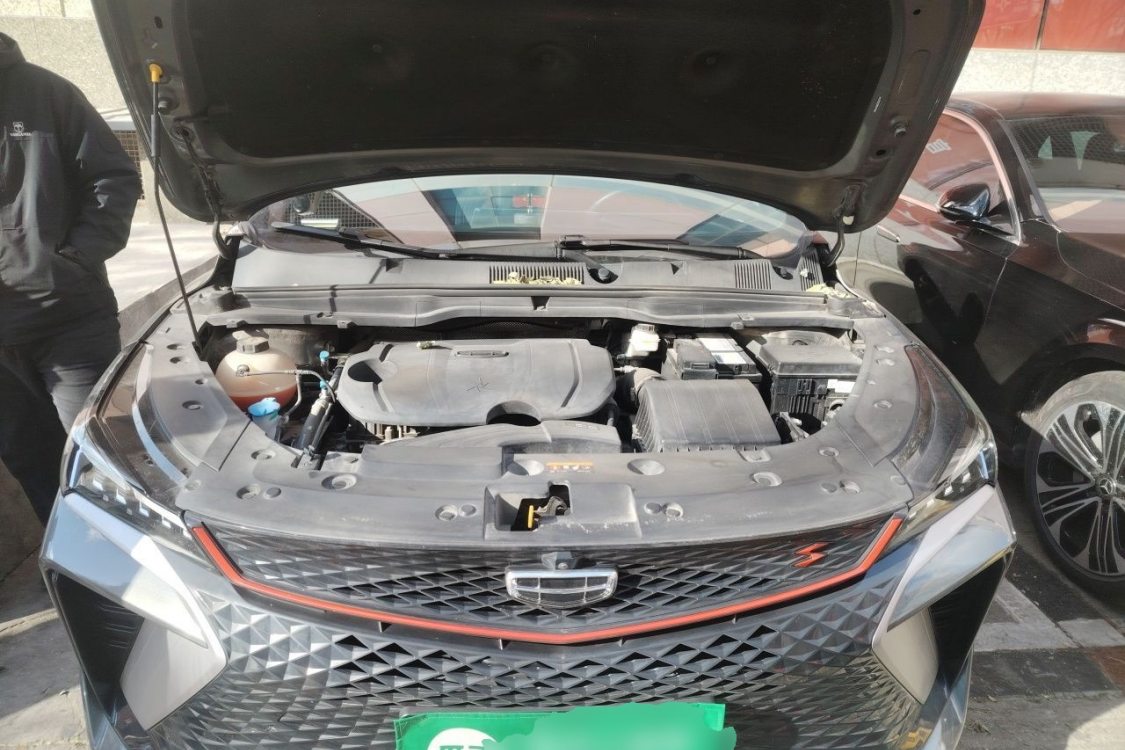
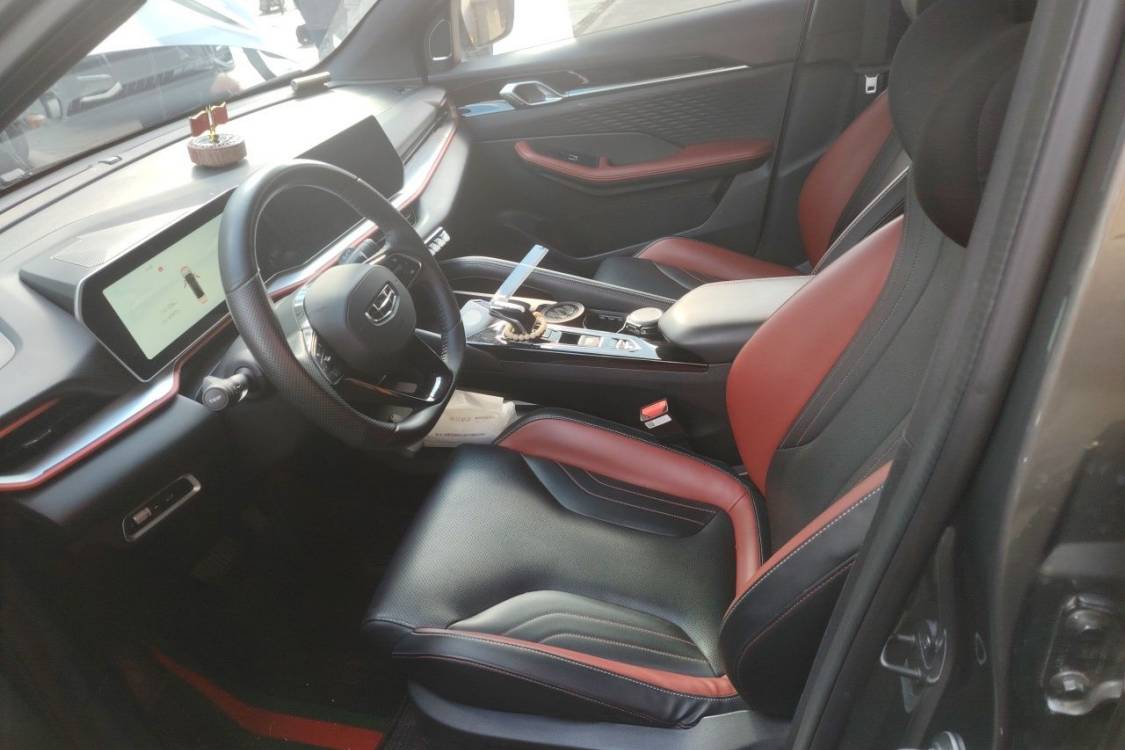
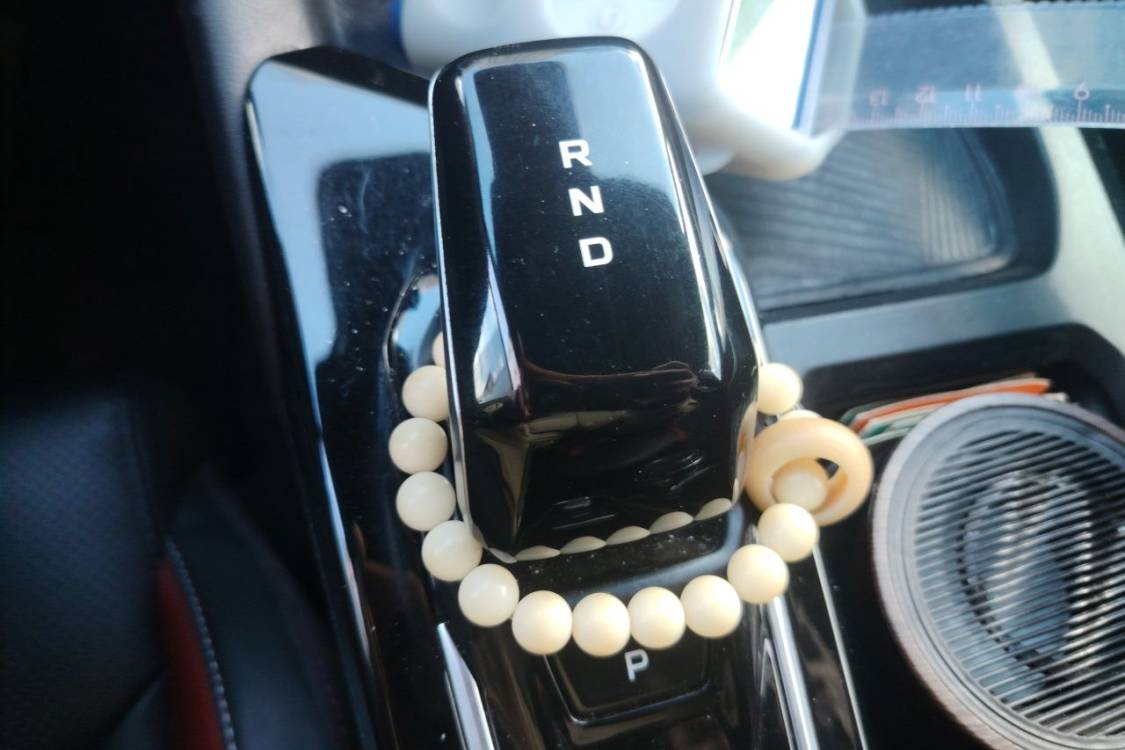
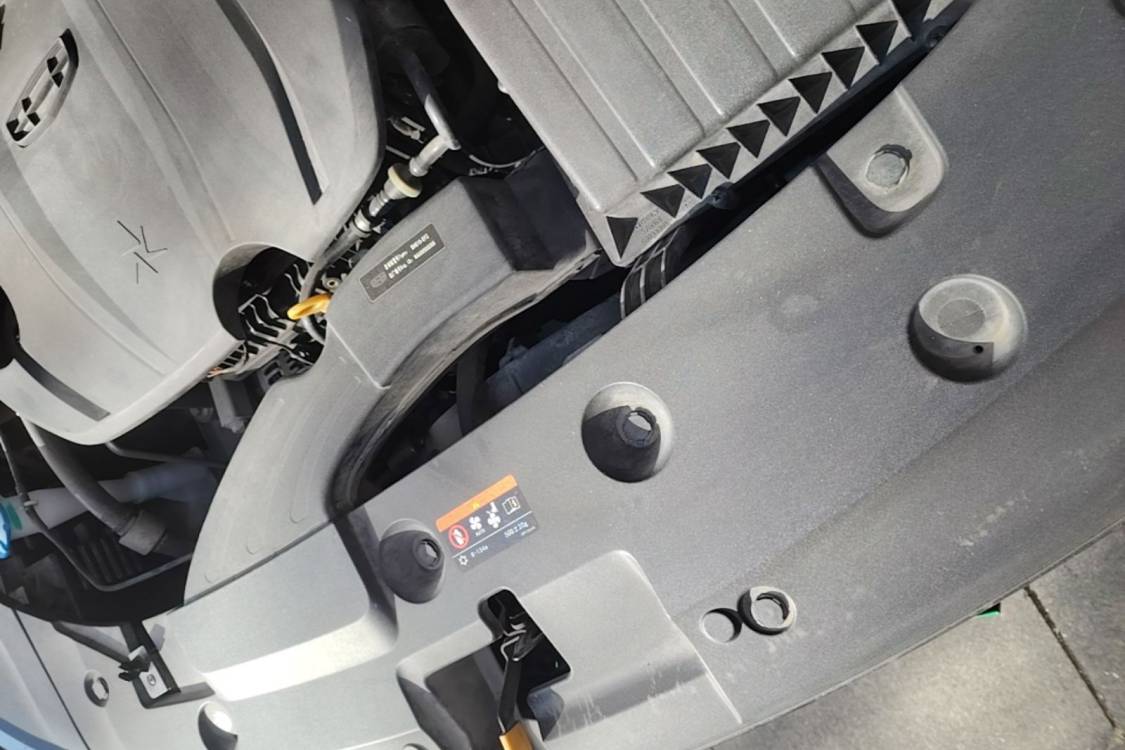
Accident inspection: main structure undamaged, reinforcement components undamaged, cover panels undamaged, hinges normal. Engine bay inspection: key mechanical components normal. Exterior: 3 areas of sheet metal repair. Interior: most features normal, airbag inspection normal, seatbelts normal, dashboard normal, instrument cluster normal, lighting system normal. Startup inspection: main components normal. Onboard tools: none.

电话直连
可讲价
平台物流
可转售
零过户
新检测标准升级>
非泡水

Document Information

Inspection Expiry Date2028/11
Warranty Expiry Date-
Insurance Expiry Date2027/11

Q&A

More

How to ensure that the declared value on the export license matches the commercial invoice exactly to avoid allegations of underreporting for tax evasion?

Our legal red line is that the amounts on the China Customs declaration, export license, commercial invoice, and bank receipt must be consistent across all four documents. We firmly refuse to engage in the illegal act of issuing "false low-value invoices" to assist buyers in evading customs duties in the destination country.


Is there a specialized aging testing instrument for the insulation test of the vehicle's high-voltage wiring harness?

We will use a megohmmeter (insulation resistance tester) to measure the insulation resistance of the high-voltage bus. If the resistance value is below the national safety standard, it indicates a risk of leakage, and the vehicle will be deemed unqualified.

What should the inspector check during a cold start test of the engine?

A cold start reveals problems that a warm engine hides. Ask your inspection agent to perform and film this sequence. First, the start itself: the engine should crank smoothly and settle into a stable idle within a few seconds. Extended cranking, blue or white smoke, or a lumpy idle suggest worn internals or head-gasket issues. Second, listen for timing-chain rattle or metallic tapping in the first ten seconds — cold top-end noise often means deferred maintenance. Third, watch the exhaust on a cold morning: brief white vapor is normal in winter, but persistent blue smoke means oil burning, and sweet-smelling white smoke can indicate coolant leaking into the cylinders. Fourth, have the inspector scan the OBD system right after the cold start; misfire counters and fuel-trim values are most honest when the engine is cold. Ask for a continuous, timestamped video from outside the car before startup through at least five minutes of idling, so you can verify the engine really was cold.