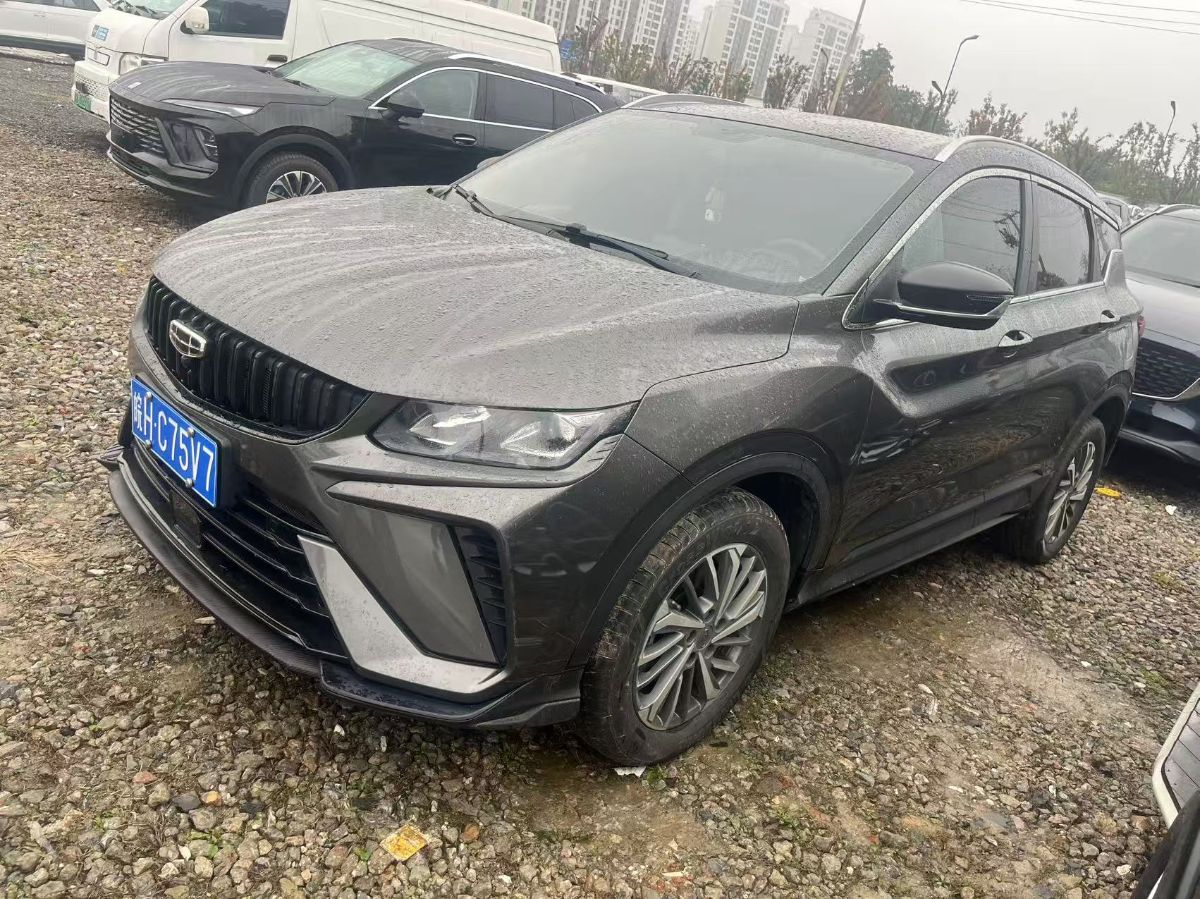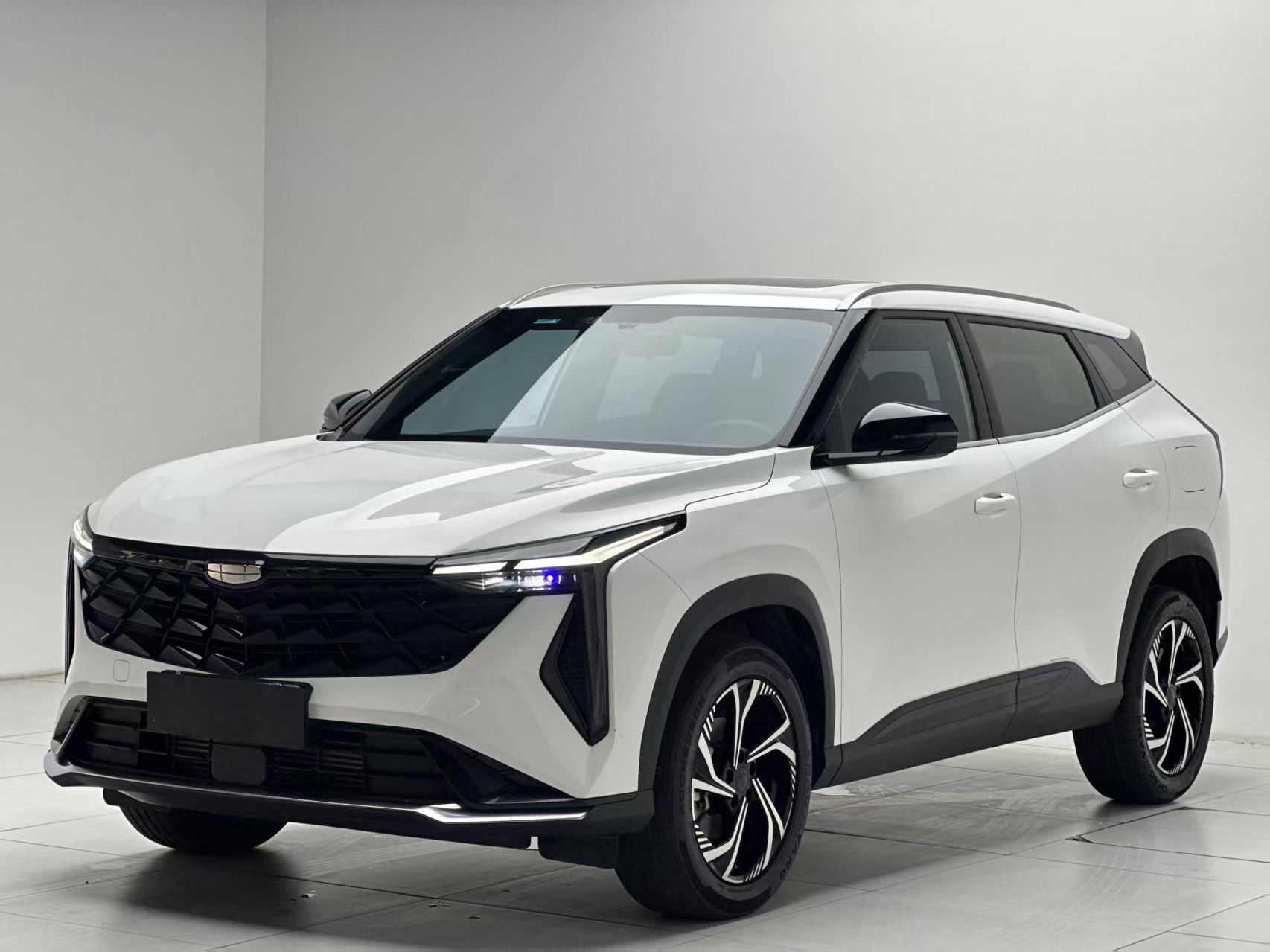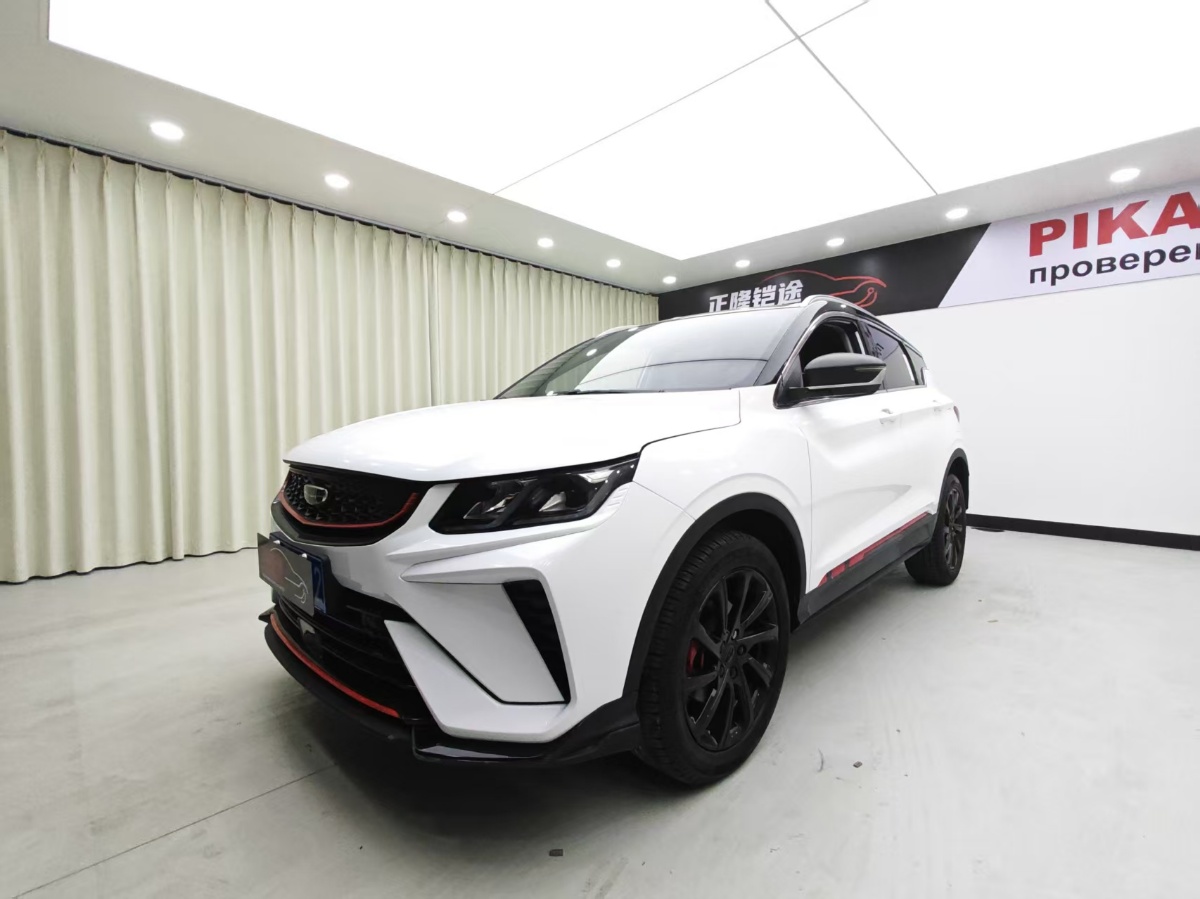
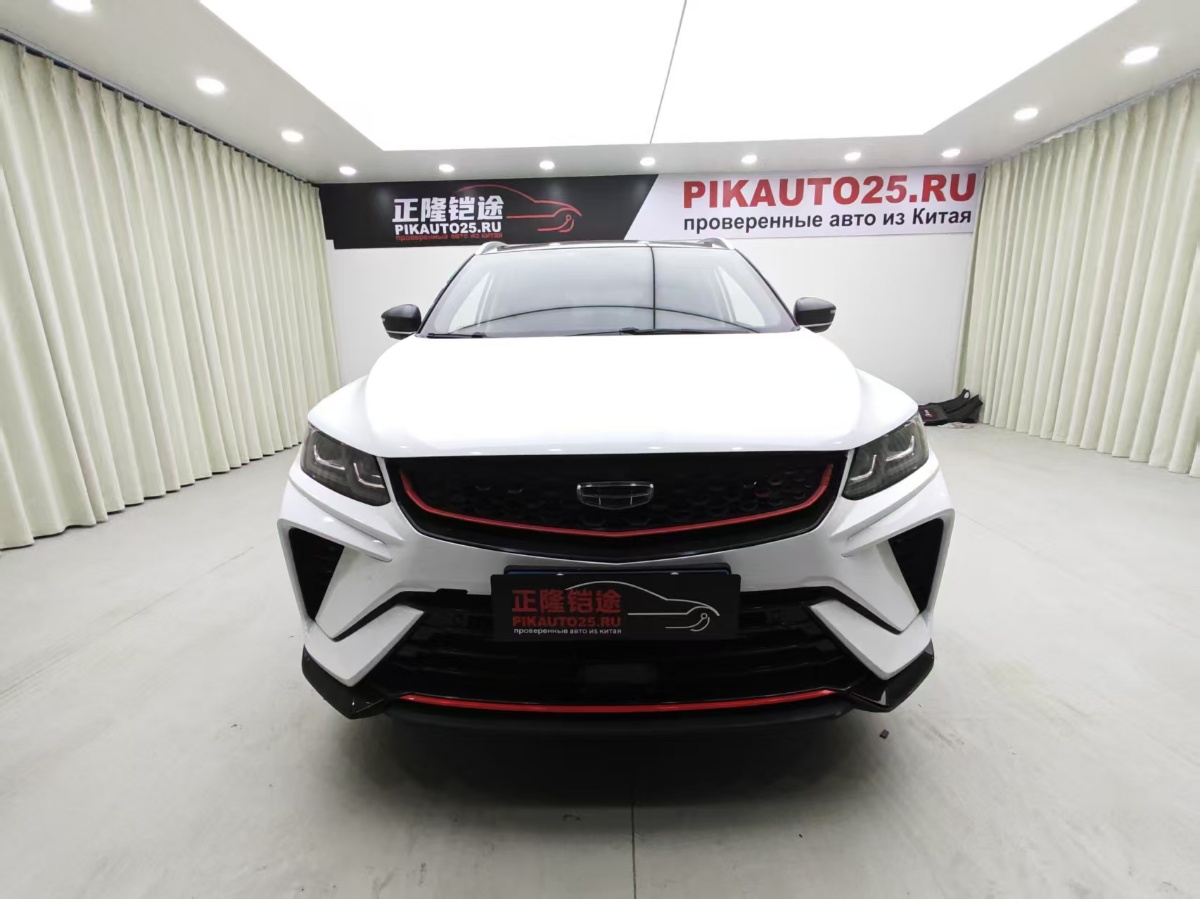
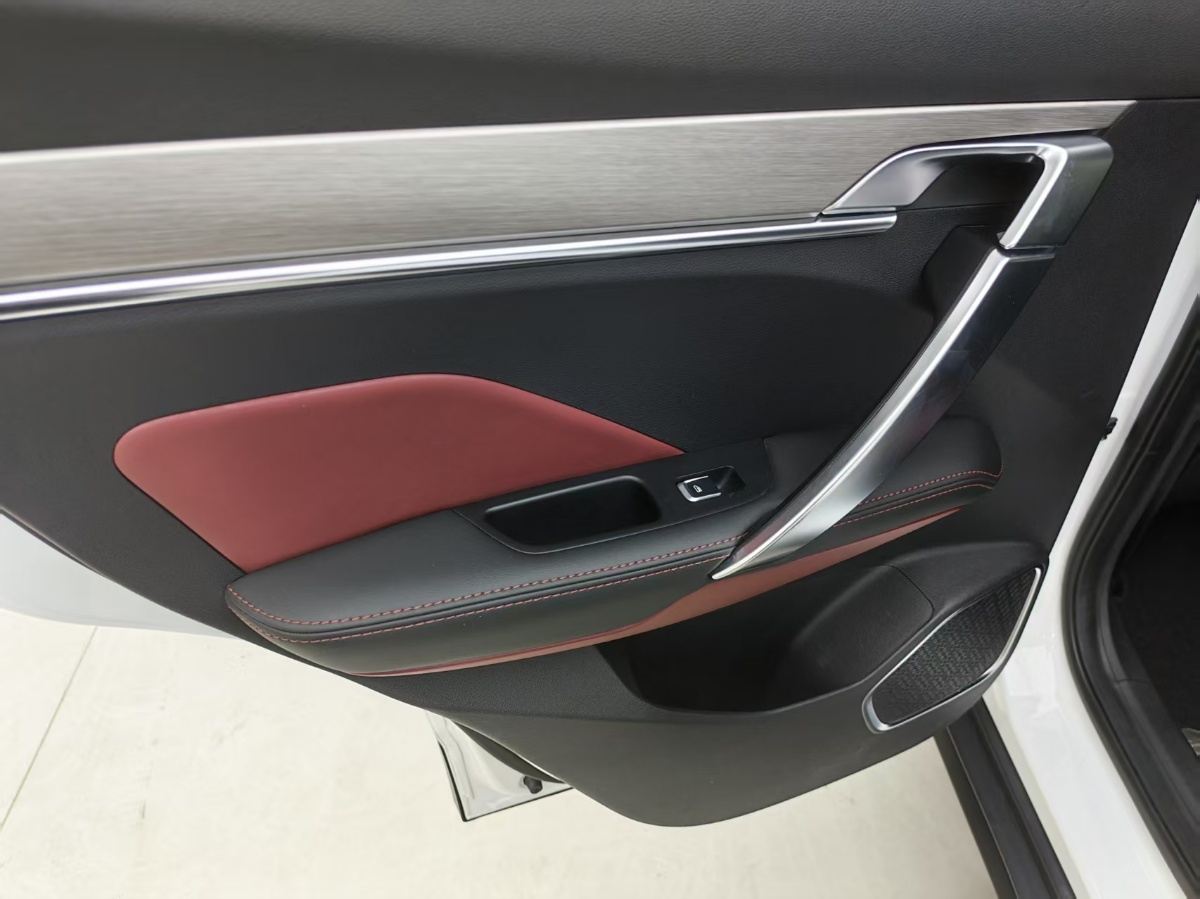
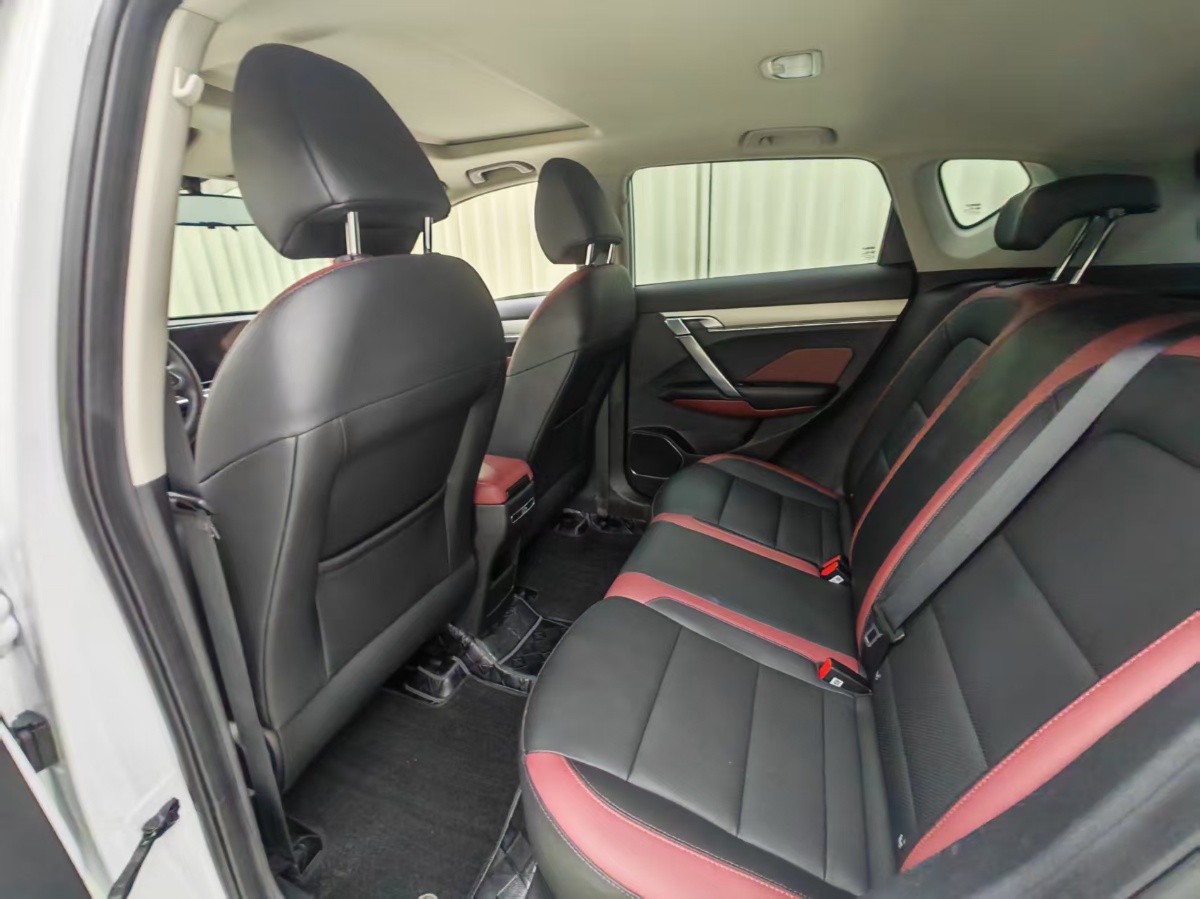
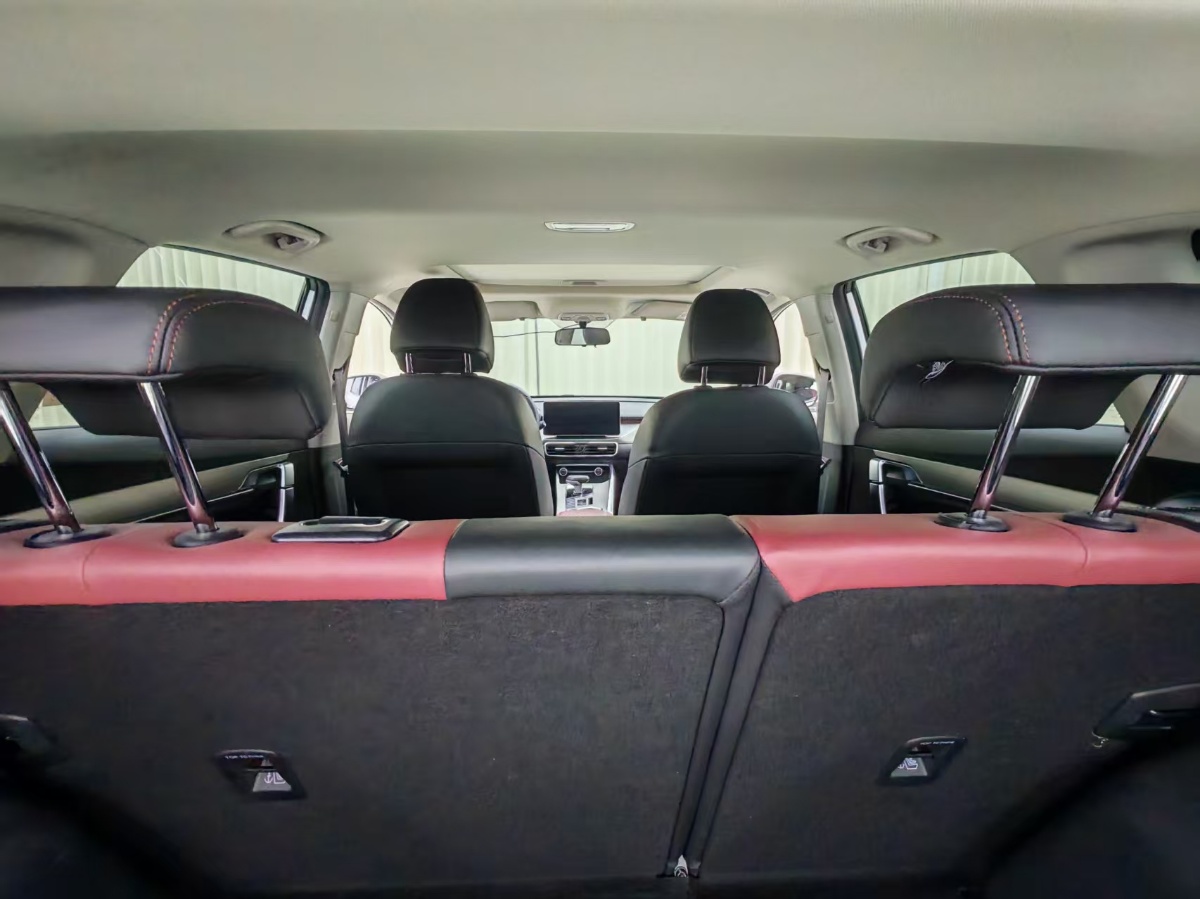
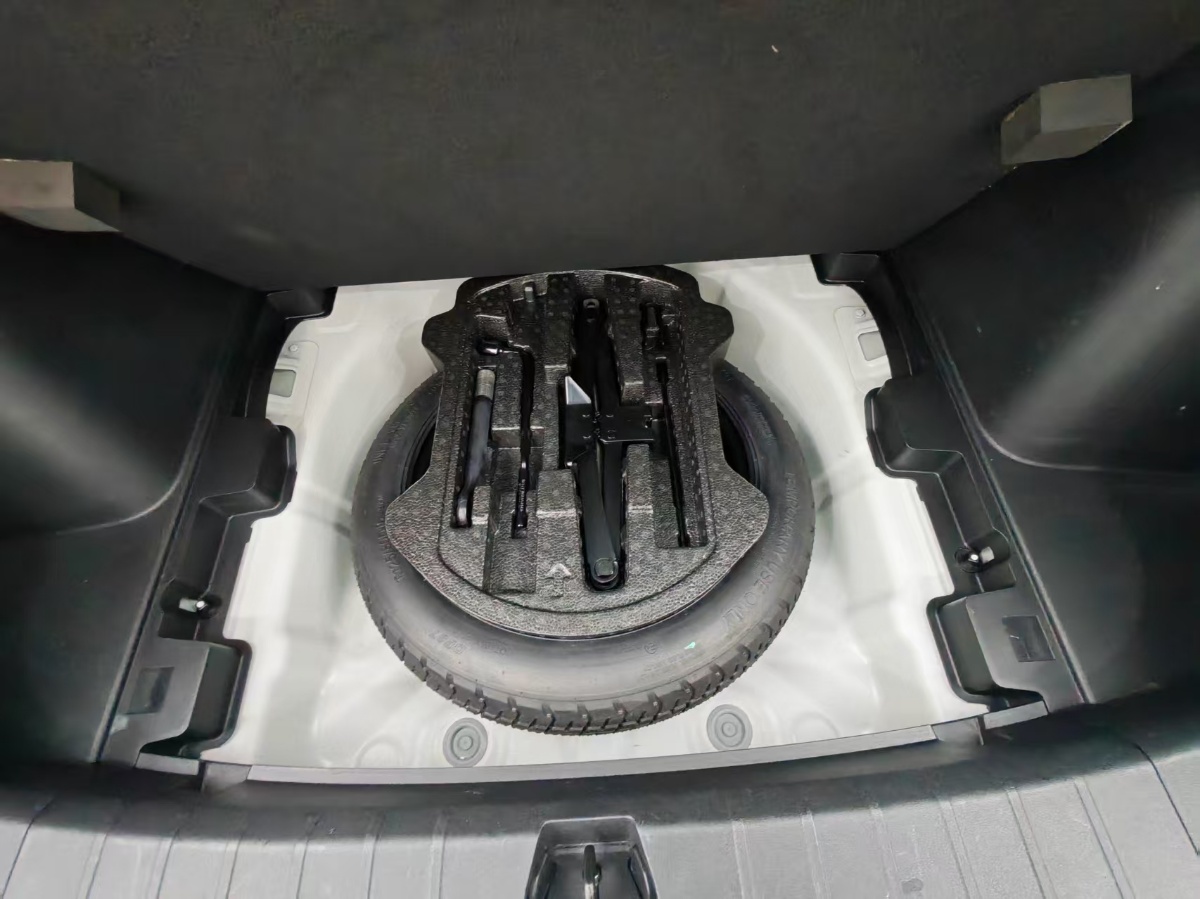
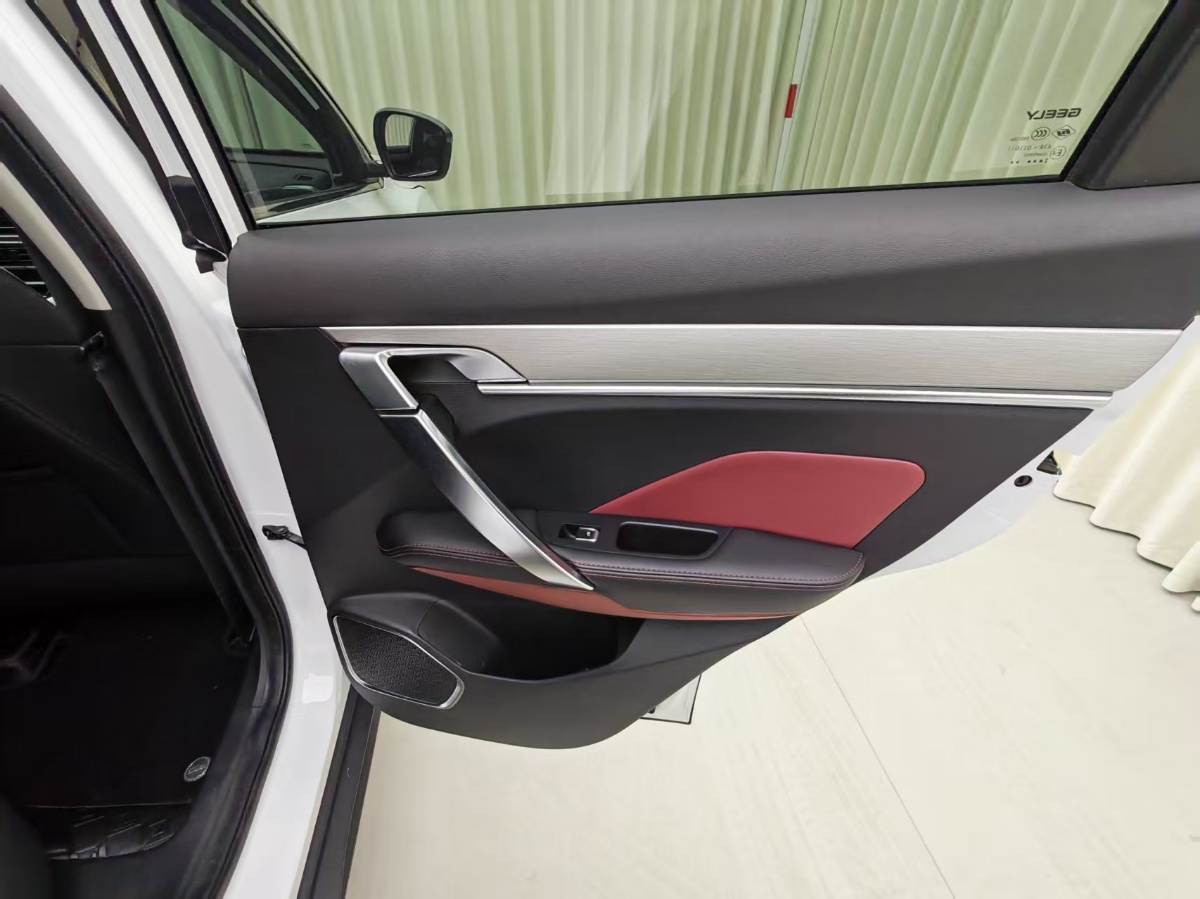
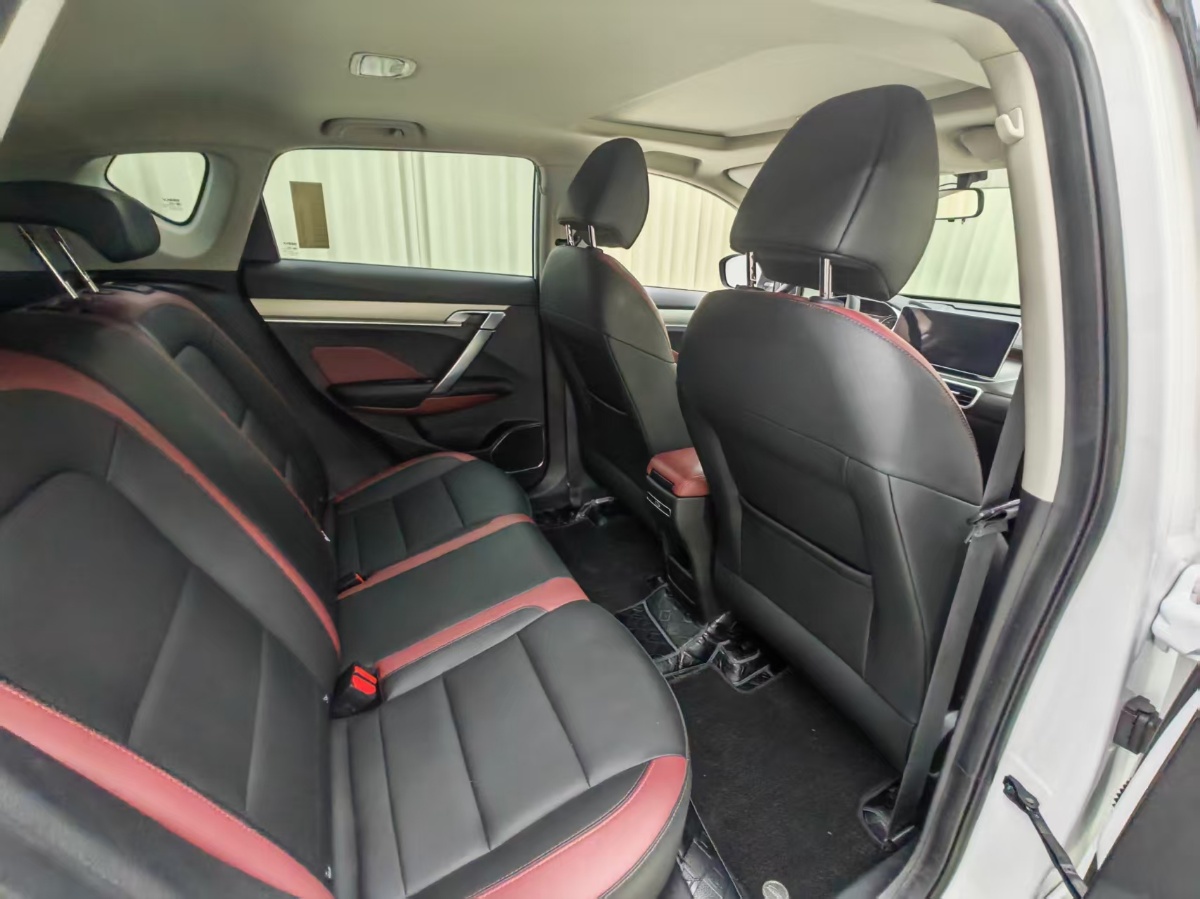
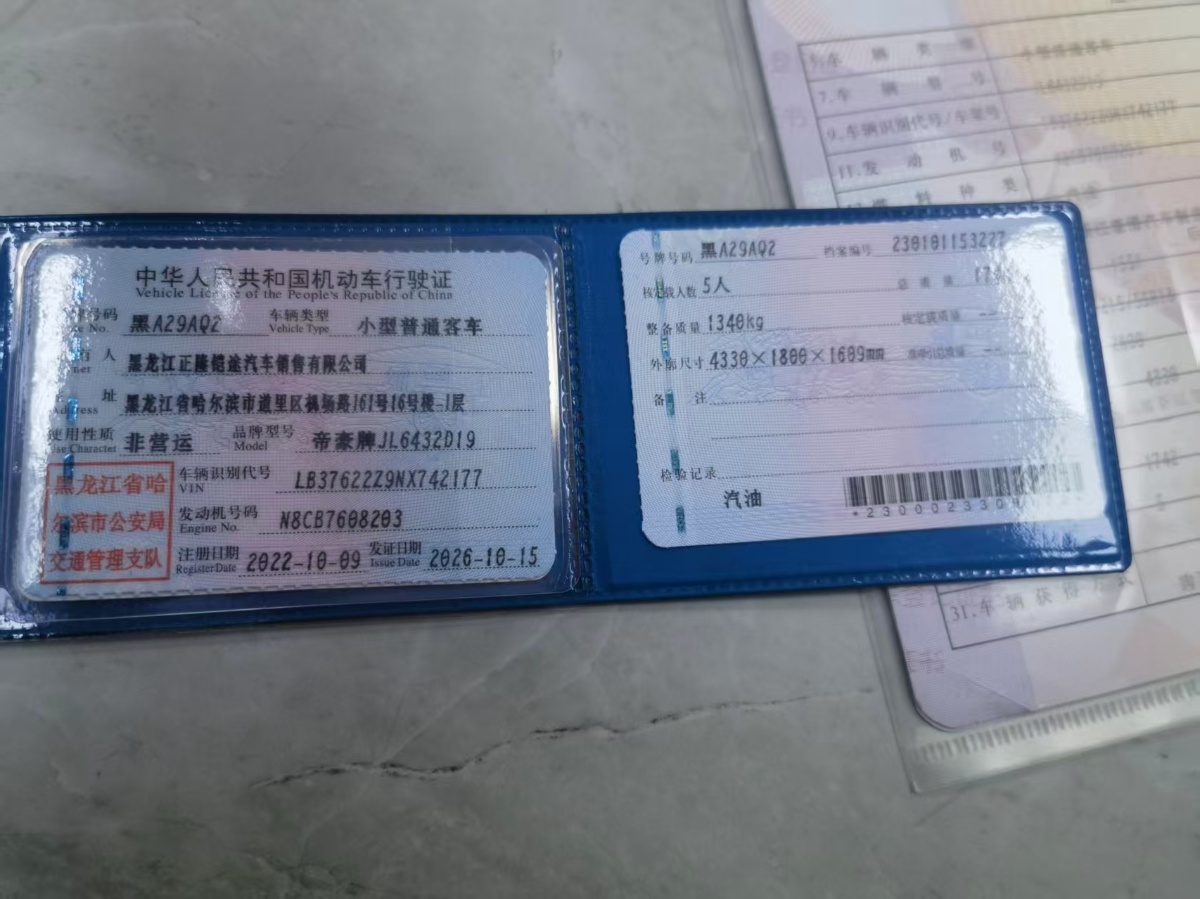



Basic Information

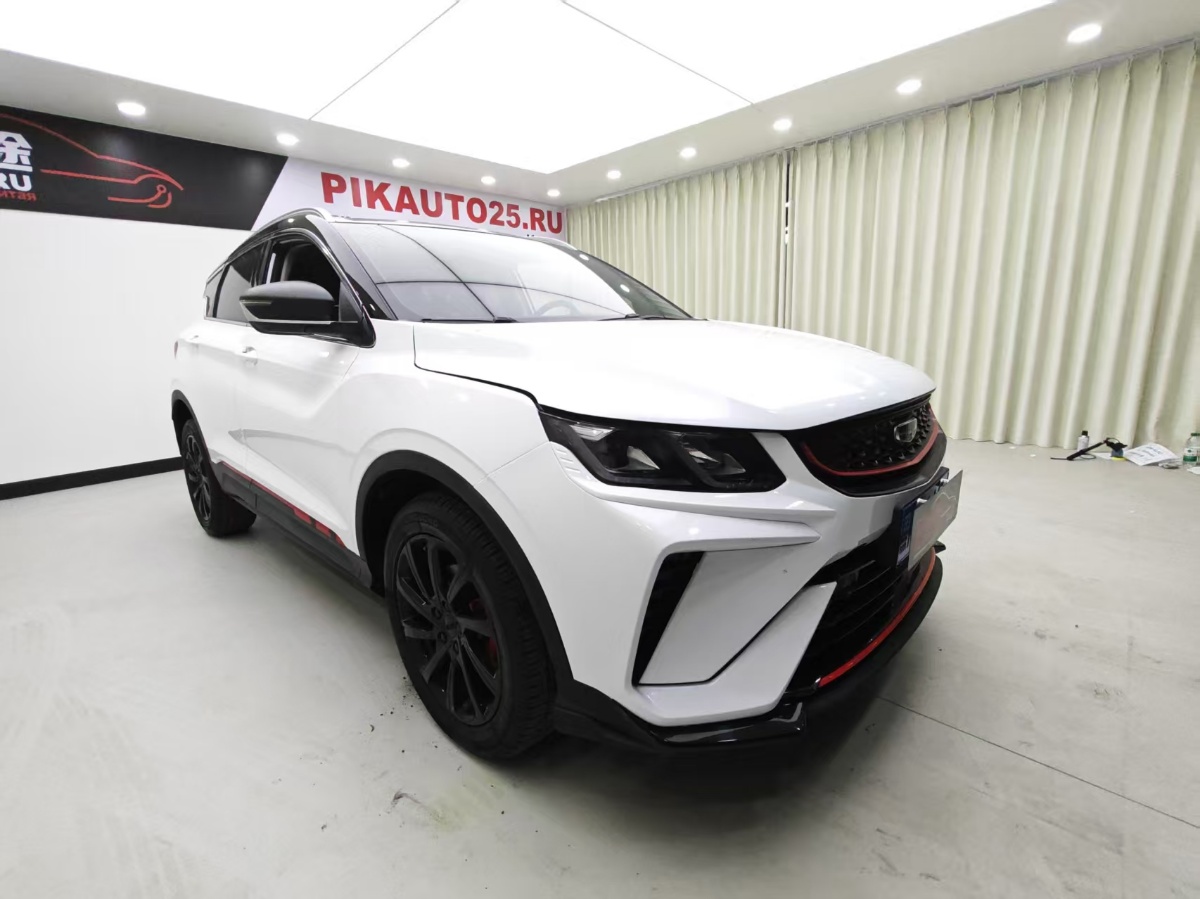
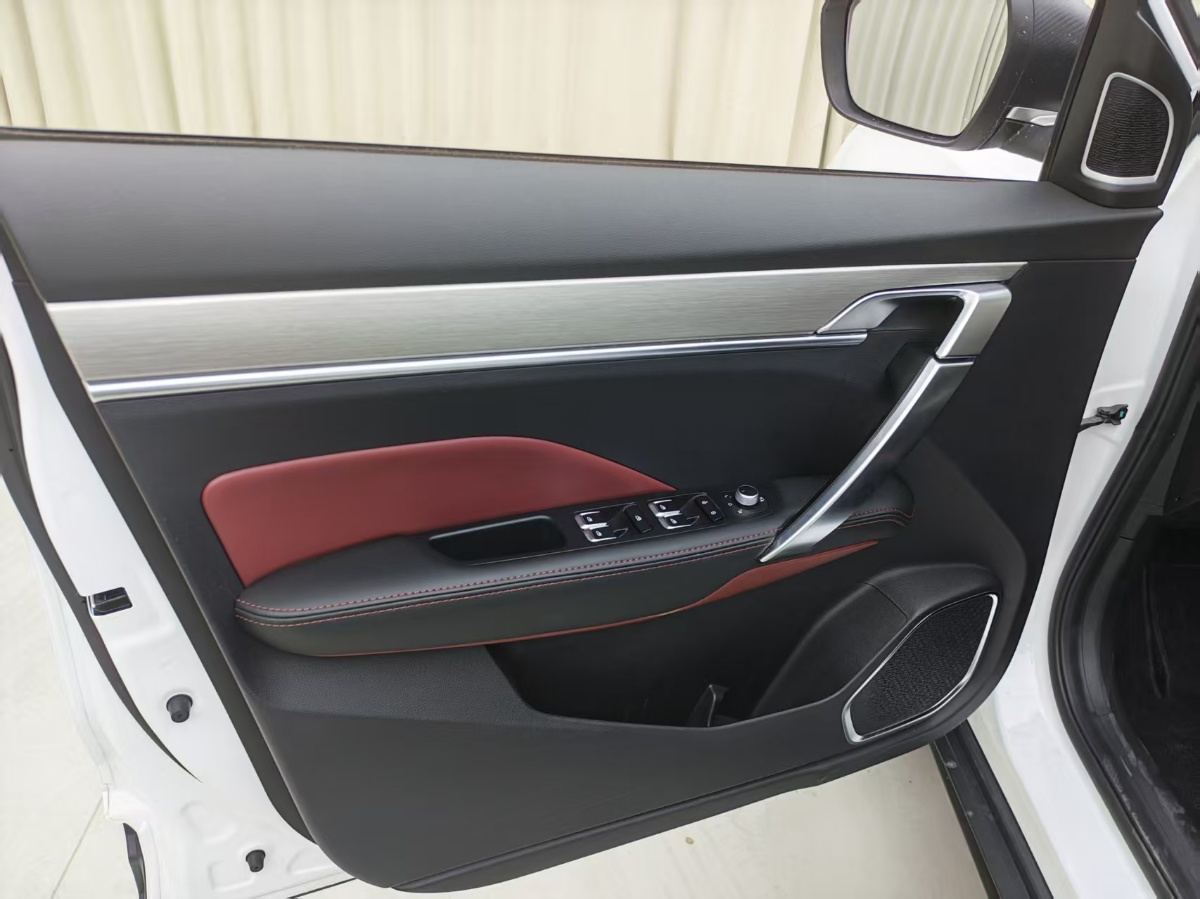
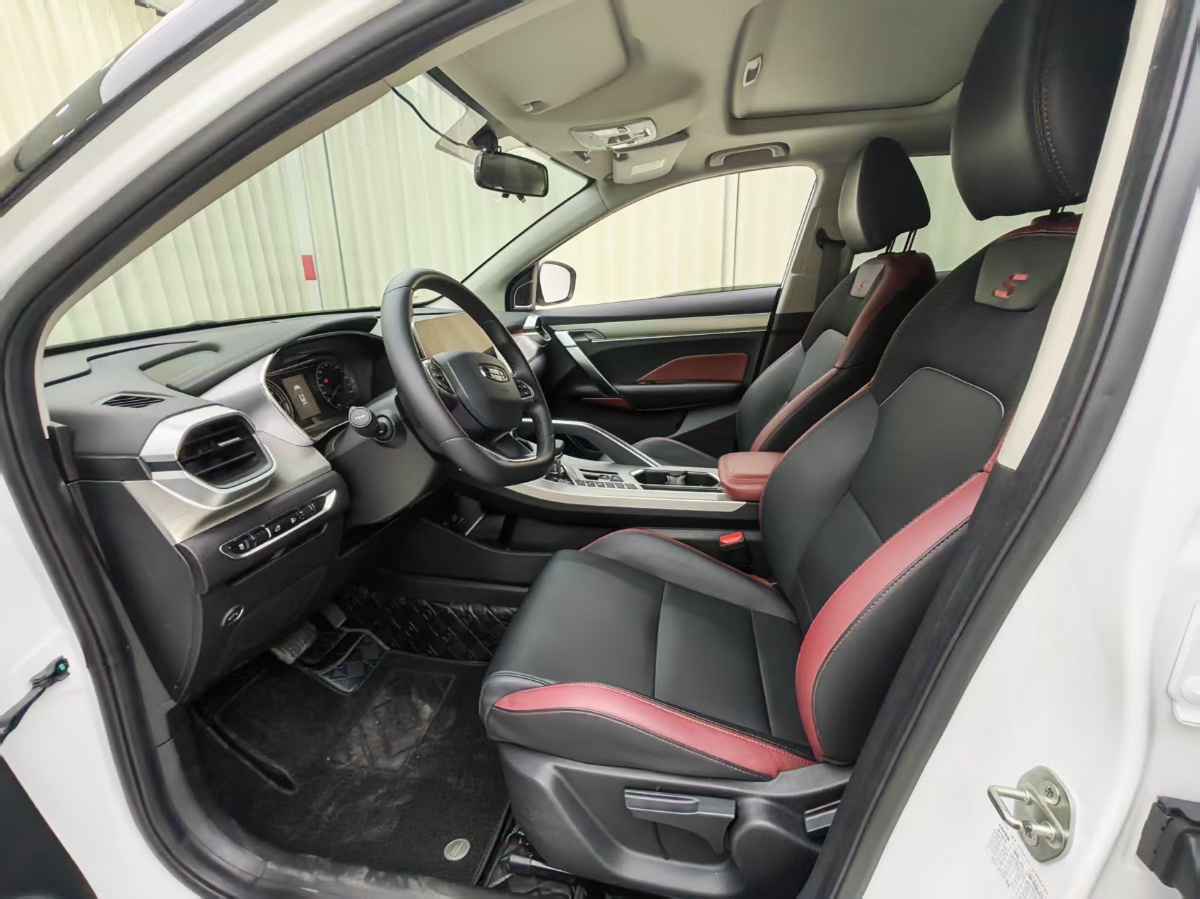
BrandGEELY
SeriesCoolray
Year2022
First Registration2022/10
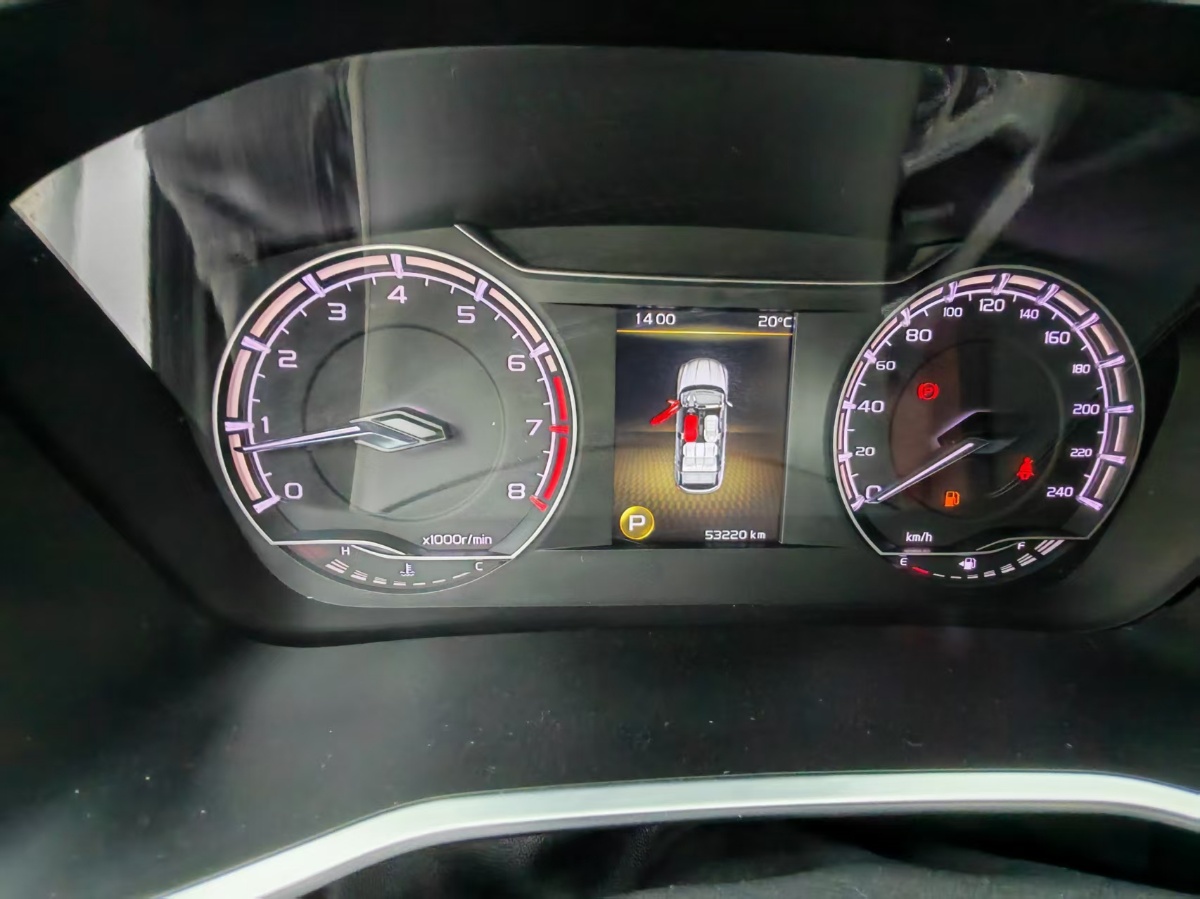
Mileage47,000km
Transfer Count1times
FuelGasoline
TransmissionDCT
Engine1.4T 141 L4
ColorWhite
Seats-

Condition Description

Front-end assembly replaced (front clip).

燃油车
SUV
自动
维保开放
事故开放
查验开放

Configuration Highlights

✓品牌: 吉利汽车
✓车系: 缤越
✓车型: 2021款 1.4T DCT铂金版
✓车身类型: SUV
✓座位数: 5
✓排量: 1.5T
✓变速箱: 自动
✓能源类型: 燃油车
✓VIN: LB37622Z9NX742177
✓搜索关键词: 吉利汽车缤越 2021款缤越1.4TDCT铂金版

Document Information

Inspection Expiry Date2028/10
Warranty Expiry Date-
Insurance Expiry Date2027/10

Q&A

More

Should I ship my car from China in a container or by RoRo vessel?

Both are common, and the right choice depends on budget and destination: 1. Container shipping (20ft/40ft): The car is sealed inside a container, offering better protection and allowing you to load spare parts inside the car. Typical cost from Shanghai to major world ports: $1,500-$3,000 per car. Best for long distances and high-value vehicles. 2. RoRo (roll-on/roll-off): The car is driven onto the ship and secured on deck. Cheaper ($800-$1,800 to most ports) and faster to load, but exposed to weather and port handling. Not all routes offer RoRo service. Transit time examples: to the Gulf 15-25 days, to West Africa 30-45 days, to Latin America 25-40 days, to Europe 20-35 days. Ask your exporter which option serves your destination port, and always insure the shipment for full value.


For claims due to damage in transit, will the insurance company's compensation be paid directly to the buyer or the seller?

Under CIF terms, the beneficiary of the insurance policy will be endorsed to the buyer. Once the claim is successful, the insurance company's foreign currency compensation will be directly deposited into the buyer's designated overseas company or personal account.

What is a Certificate of Origin and do I need one to import a used car from China?

A Certificate of Origin (CO) is an official document stating where the vehicle was manufactured. For imports from China, it matters more than many buyers expect. First, customs value: many countries apply duty rates based on the country of manufacture, not where you bought the car. A CO proves the vehicle is Chinese-built, which determines the correct tariff line—skipping it can mean reassessment, fines, or seizure at destination. Second, trade agreements: some countries have preferential tariffs for Chinese goods that only apply with a valid CO. Request a CO issued by the China Council for the Promotion of International Trade (CCPIT) or China Customs, not a self-printed form. Check that the VIN, engine number, and buyer details match your purchase documents exactly. Make receiving the CO a condition before your final payment, and keep the original—customs at destination will ask for it.