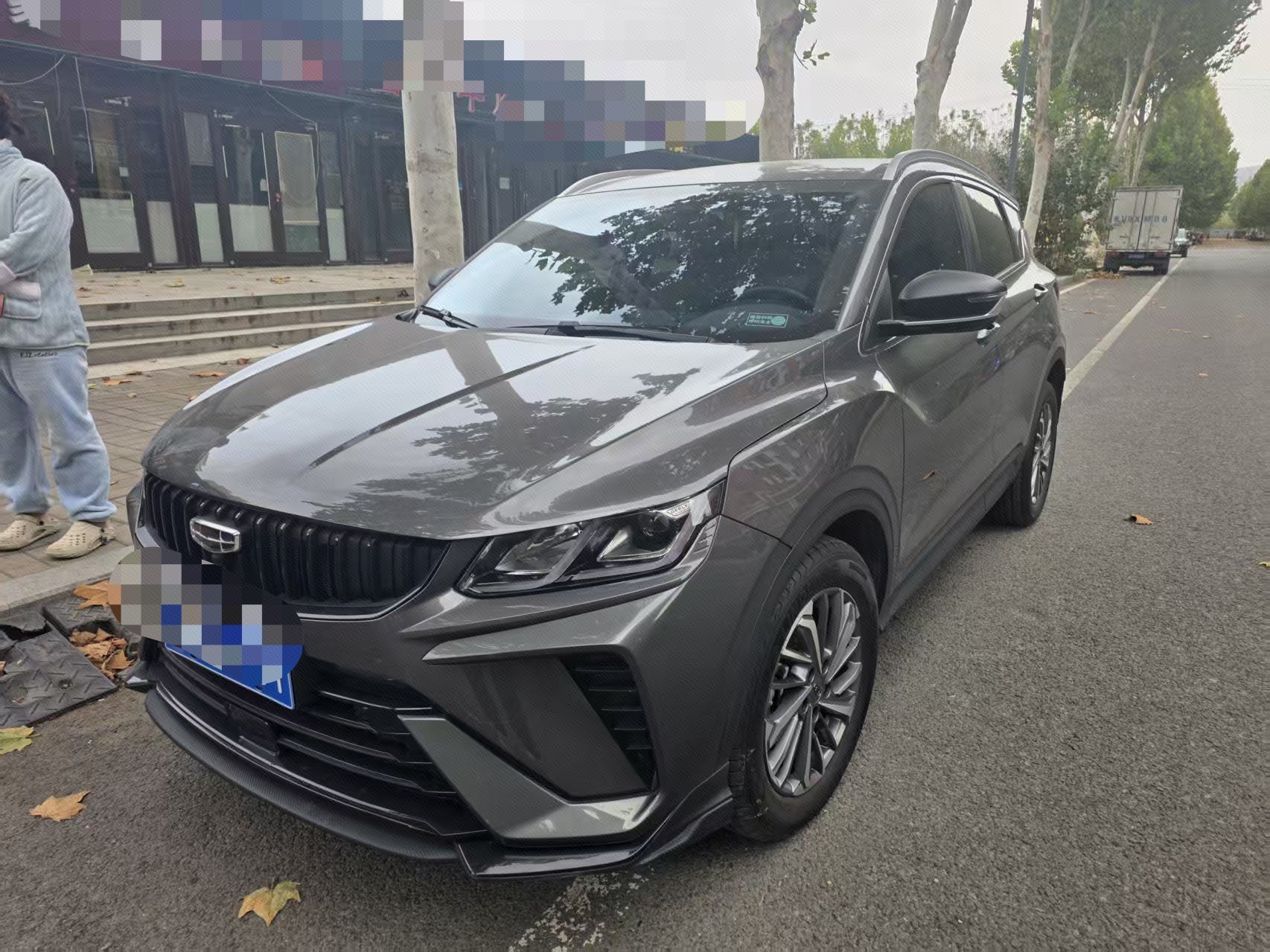
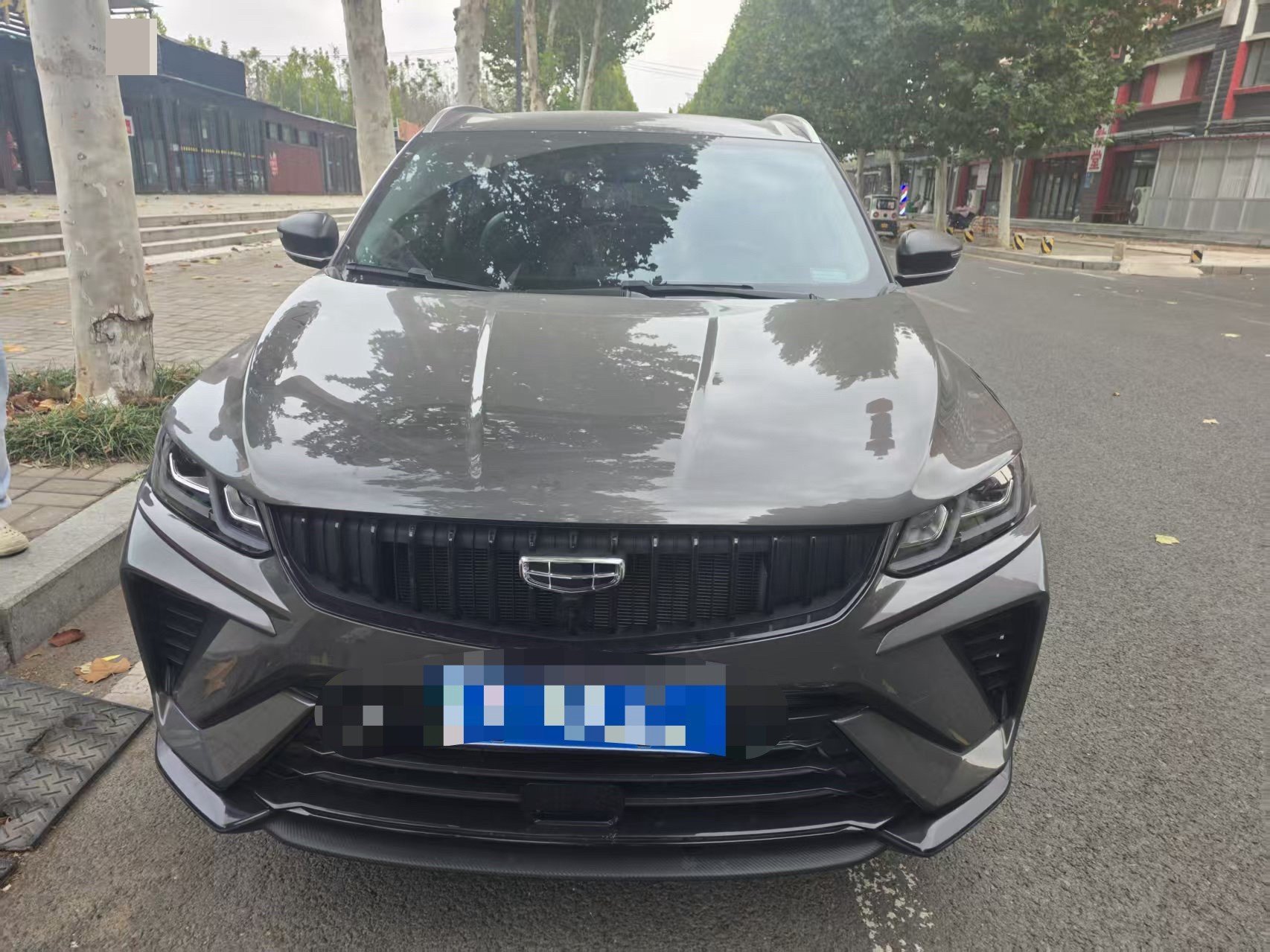

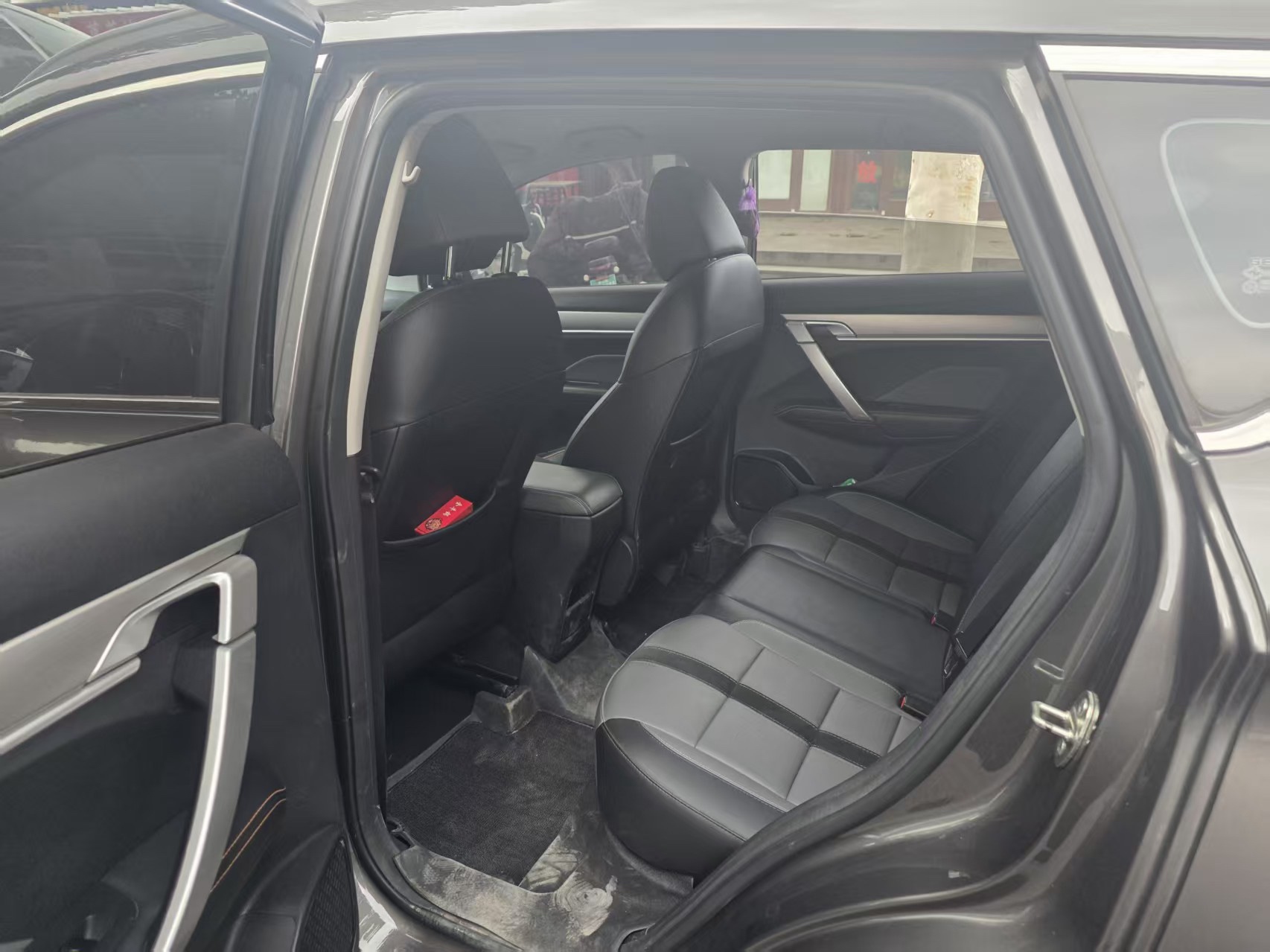
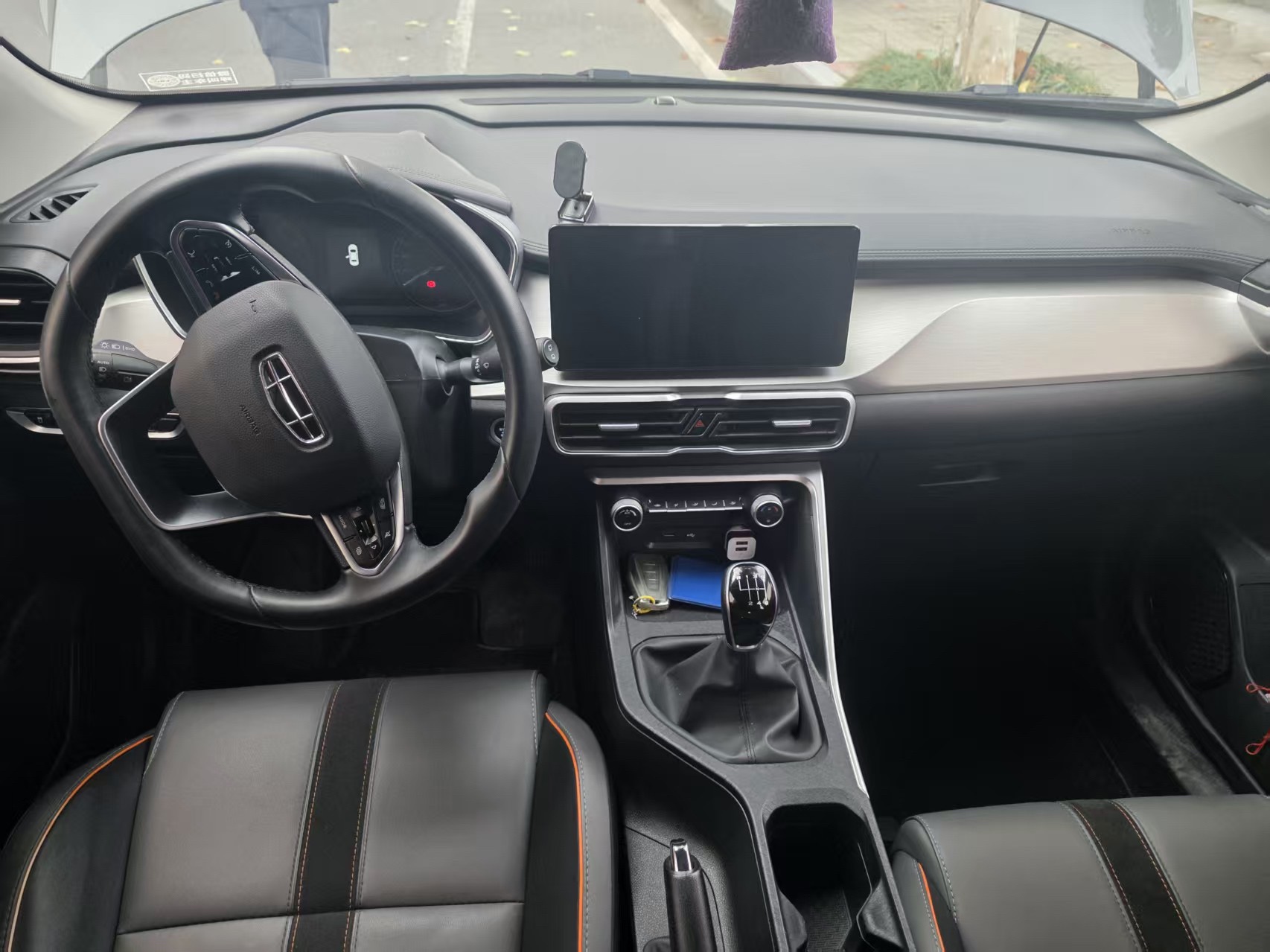
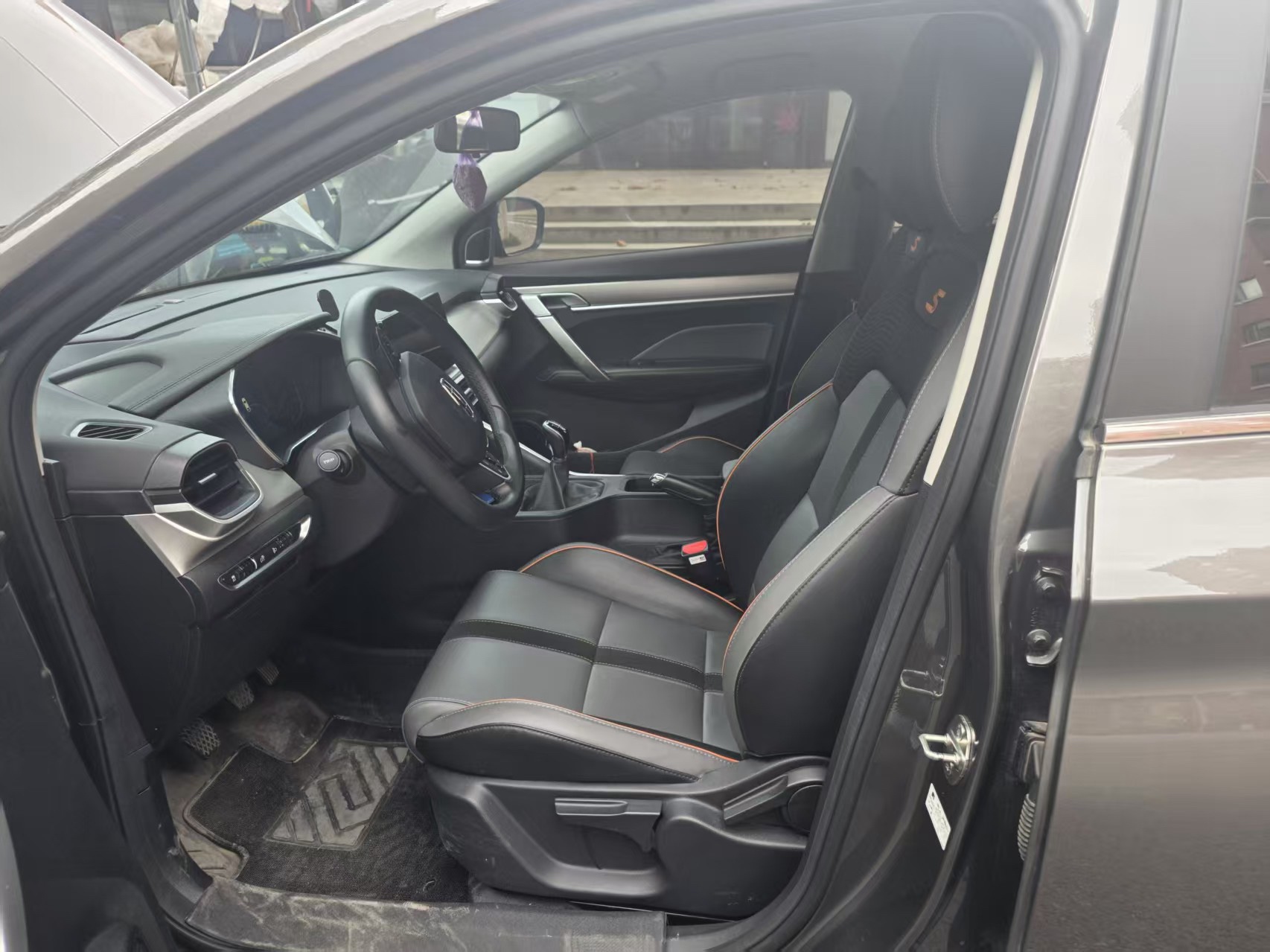



Basic Information

BrandGEELY
SeriesCoolray
Year2023
First Registration2023/08
Mileage28,000km
Transfer Count0times
FuelGasoline
TransmissionManual
Engine1.4T 141 L4
ColorGrey
Seats-

Condition Description

Right front fender bodywork; right front headlight replaced.

Document Information

Inspection Expiry Date-
Warranty Expiry Date-
Insurance Expiry Date2027/08

Q&A

More

Is the delivery date specified in the contract based on the "Estimated Time of Departure (ETD)" or the "Date of Arrival at Port"?

Our legal delivery milestone is based on the "Estimated Time of Departure (ETD)". As long as the vehicle enters the port area and customs clearance is completed within the agreed timeframe, any delays in shipping schedules due to the shipping company's capacity adjustments will not be considered a breach on our part. The uncontrollability of maritime transport must be factored into your expectations.


If the customs of the destination country values the vehicle higher than your commercial invoice amount, leading to a surge in duties, who is responsible?

The customs of the destination country has the right to disregard the commercial invoice and reassess the value based on its internal database (such as the customs valuation red book). Any additional duties incurred are a result of the importing country's policy and are fully borne by the buyer (importer).

How can I detect signs of flood or water damage inside a used car from China during a remote inspection?

Water damage is one of the most common hidden problems in used cars, and it often escapes basic photo reviews. During a live video inspection, ask the inspector to check these specific points: 1. Smell test: A musty or moldy odor inside the cabin is the first red flag. Have them open all doors, run the AC briefly, and smell the air from the vents—musty AC often indicates water in the HVAC system. 2. Under the carpets: Lift the floor mats and look for water lines, rust stains, or dampness on the carpet backing and the metal floor underneath. Sediment or silt residue is a giveaway. 3. Seat rails and bolts: Pull the seats fully forward and backward. Rust on seat rails or fresh-looking bolts suggests the seats were removed for cleaning after flooding. 4. Trunk area: Check the spare tire well and under the trunk carpet for standing water marks or rust. 5. Electronics: Test every window, seat adjustment, and the infotainment screen—water-damaged electronics behave erratically. Also request a scan report: flood cars often store history codes for multiple control modules that failed simultaneously. Cross-check the car's origin; vehicles from flood-prone southern regions deserve extra scrutiny.