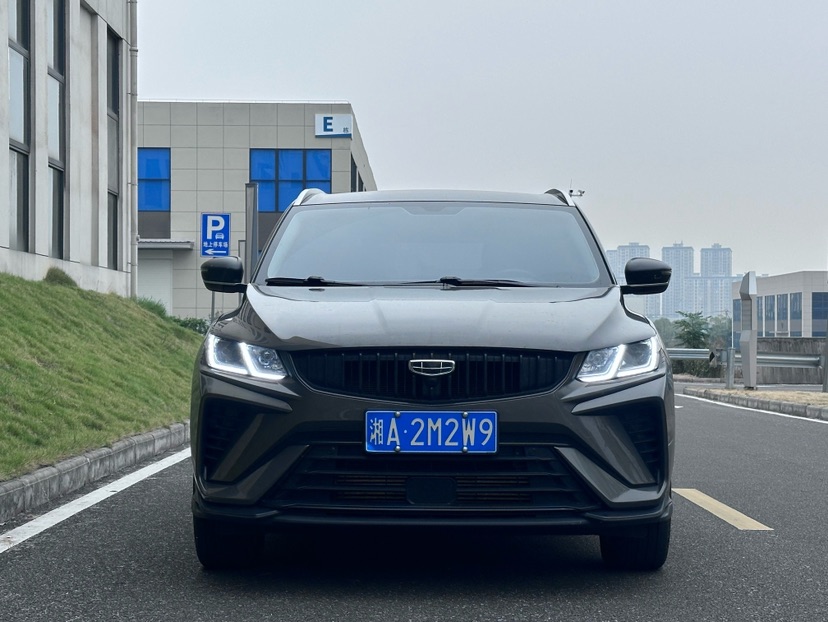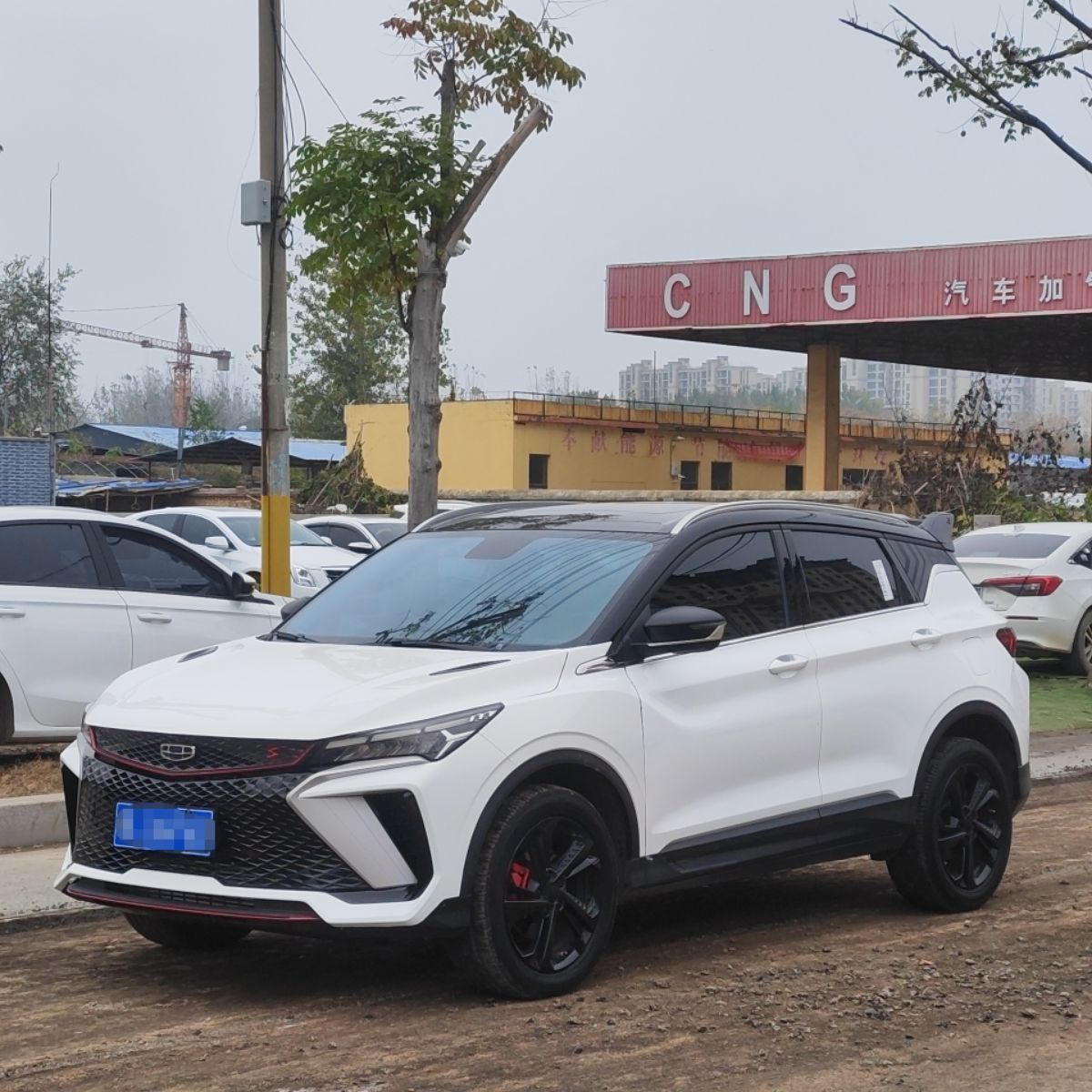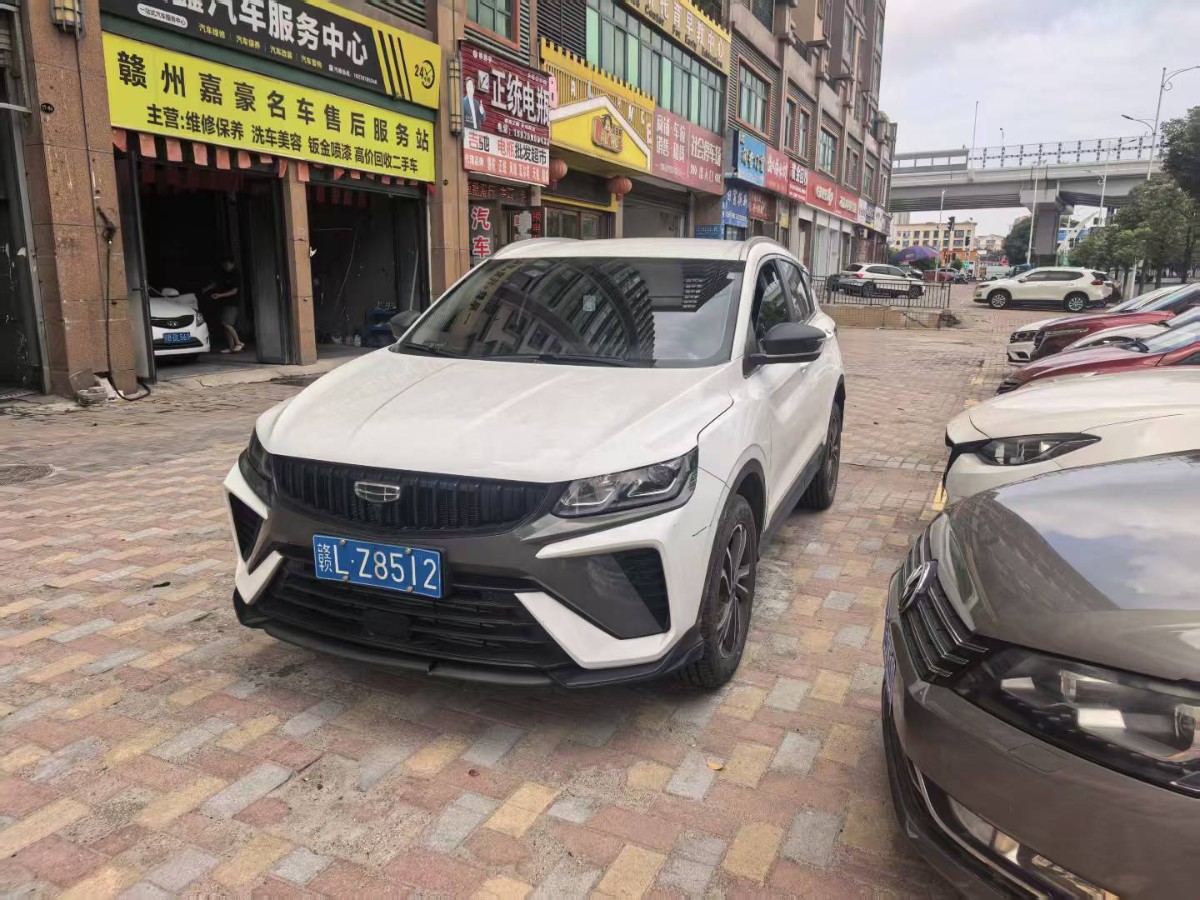
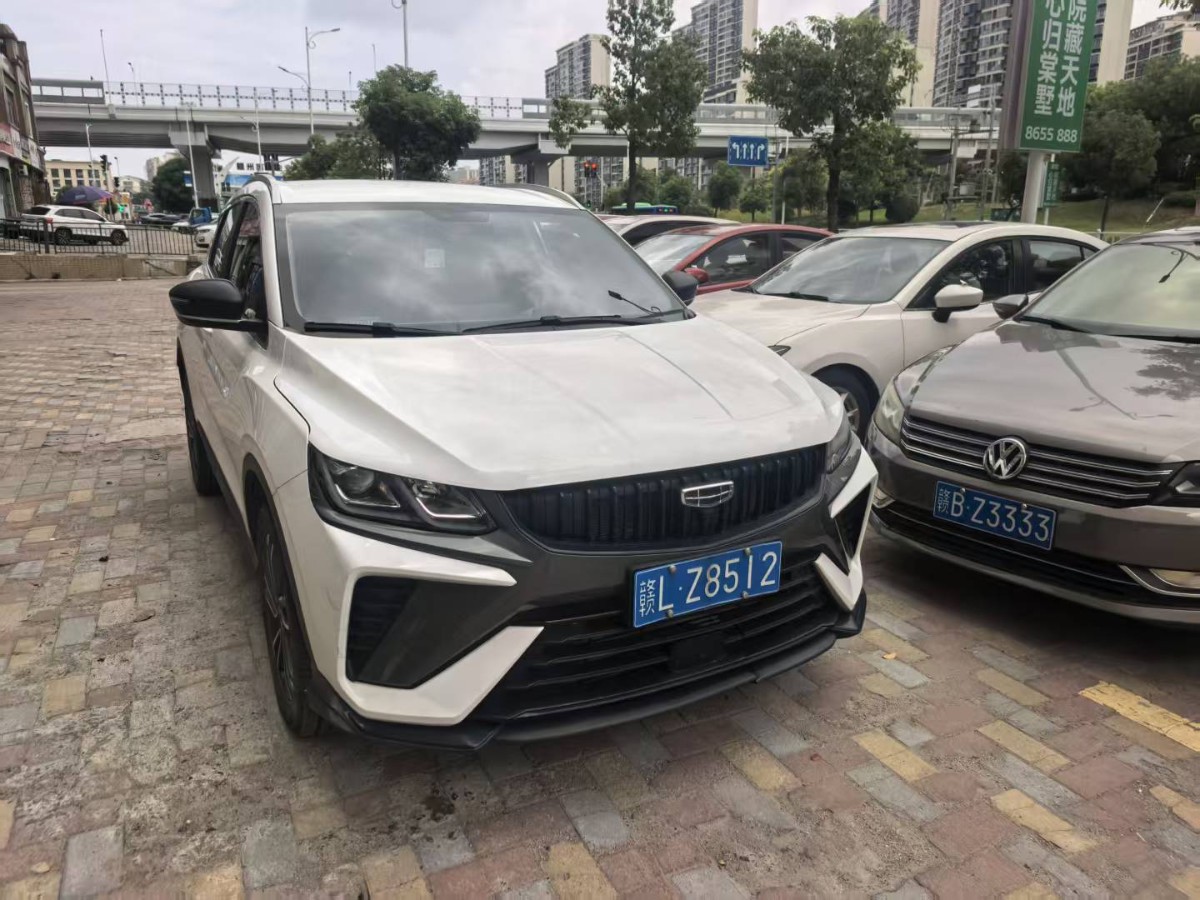
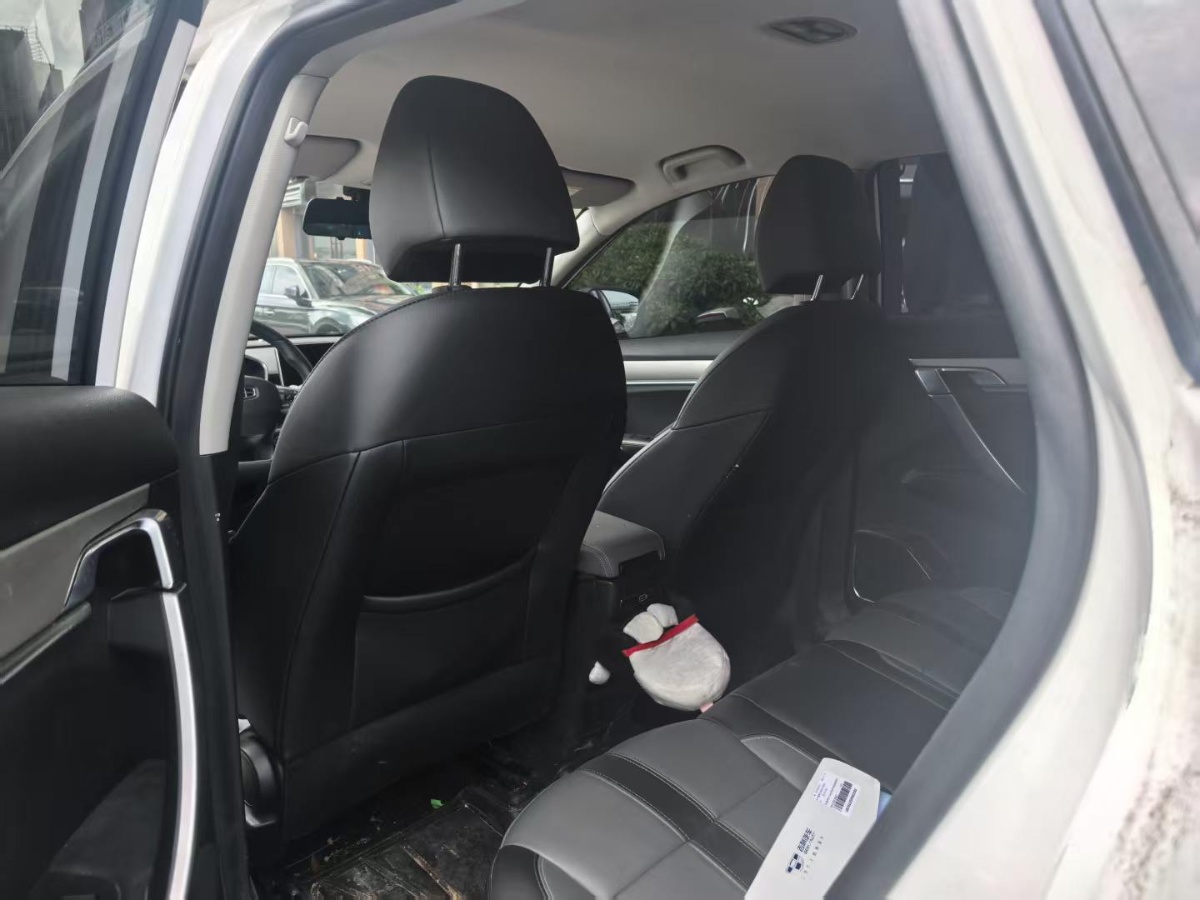
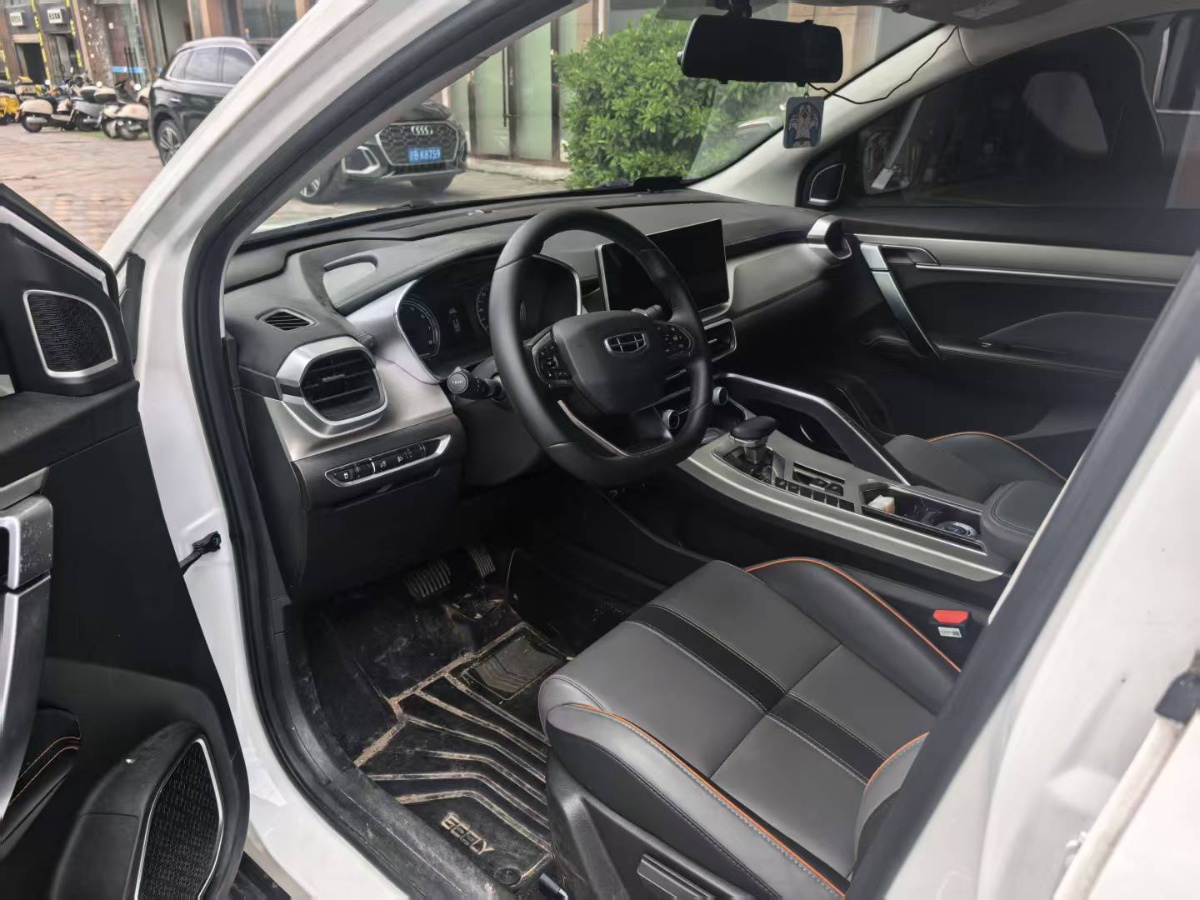
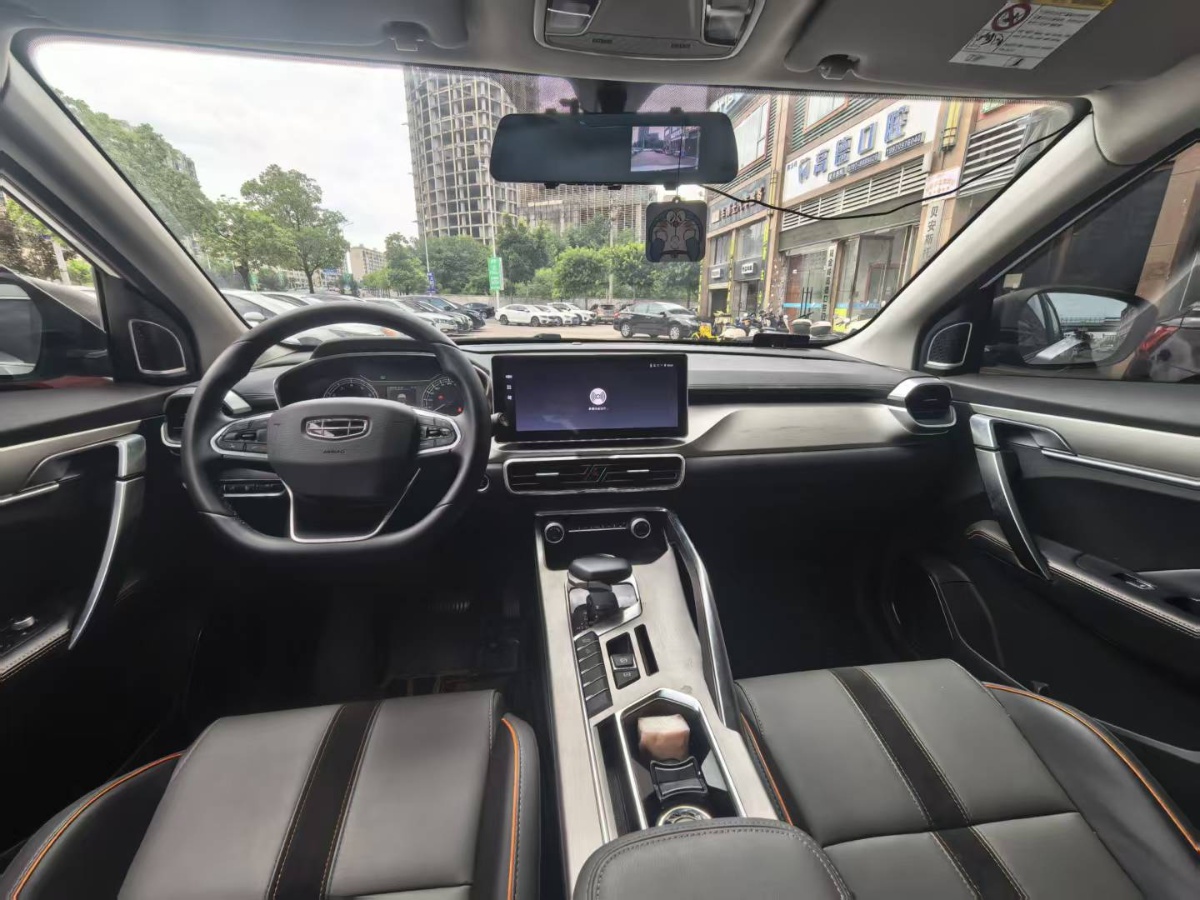
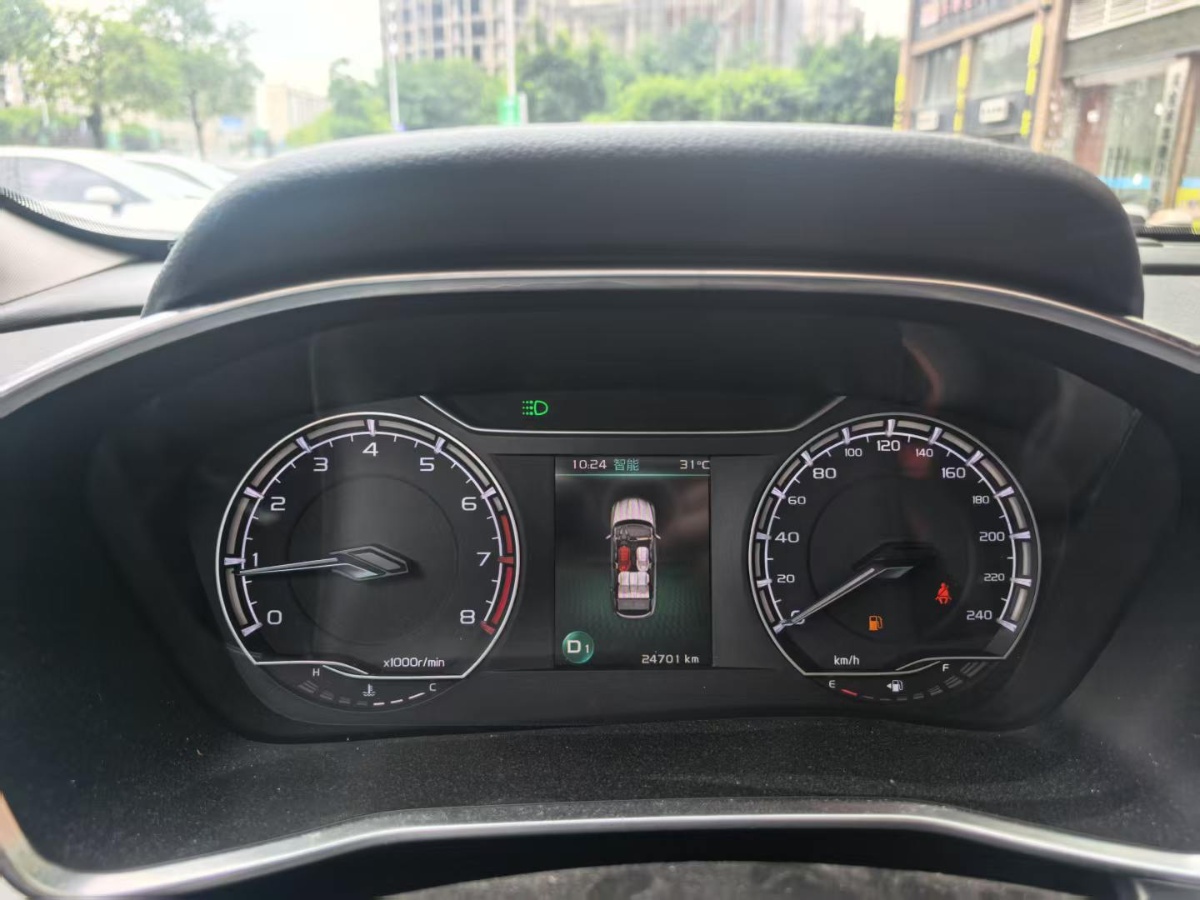
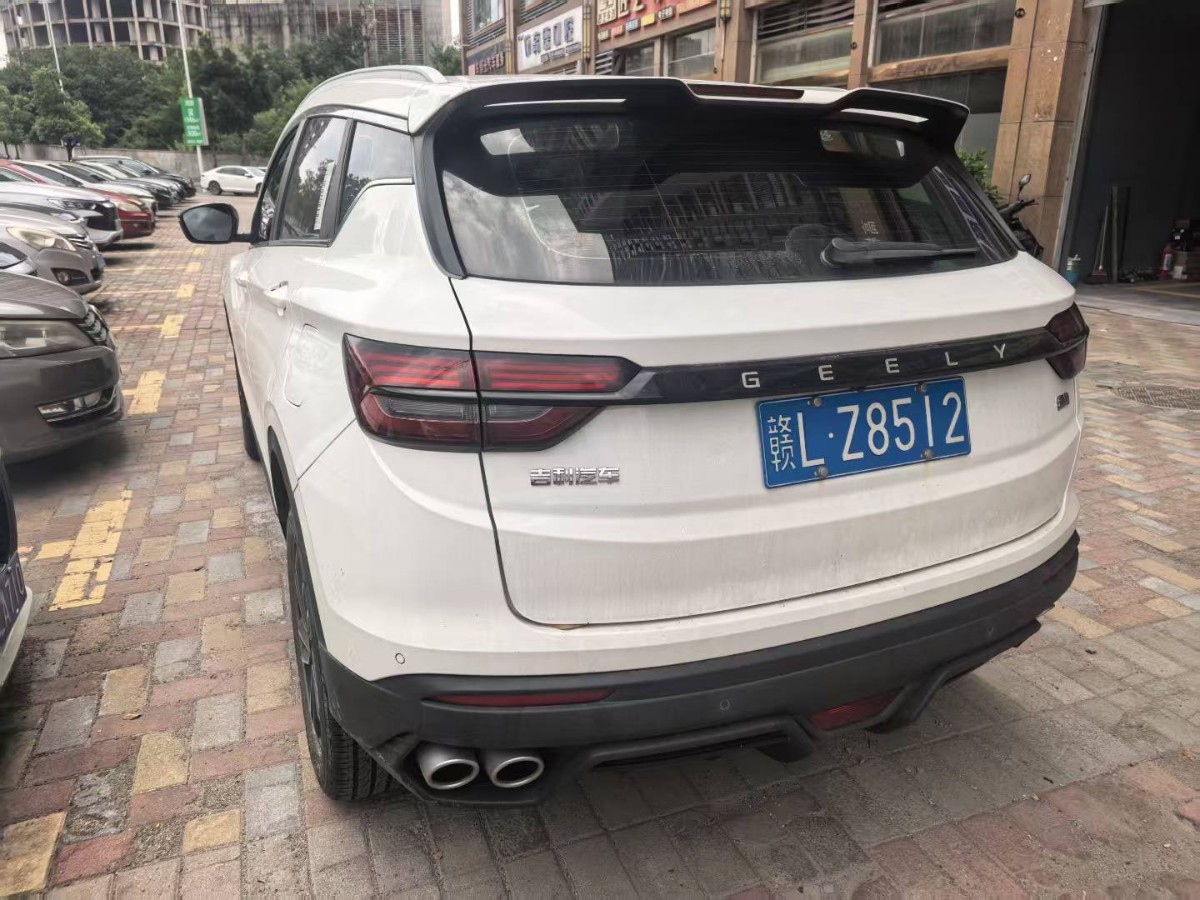
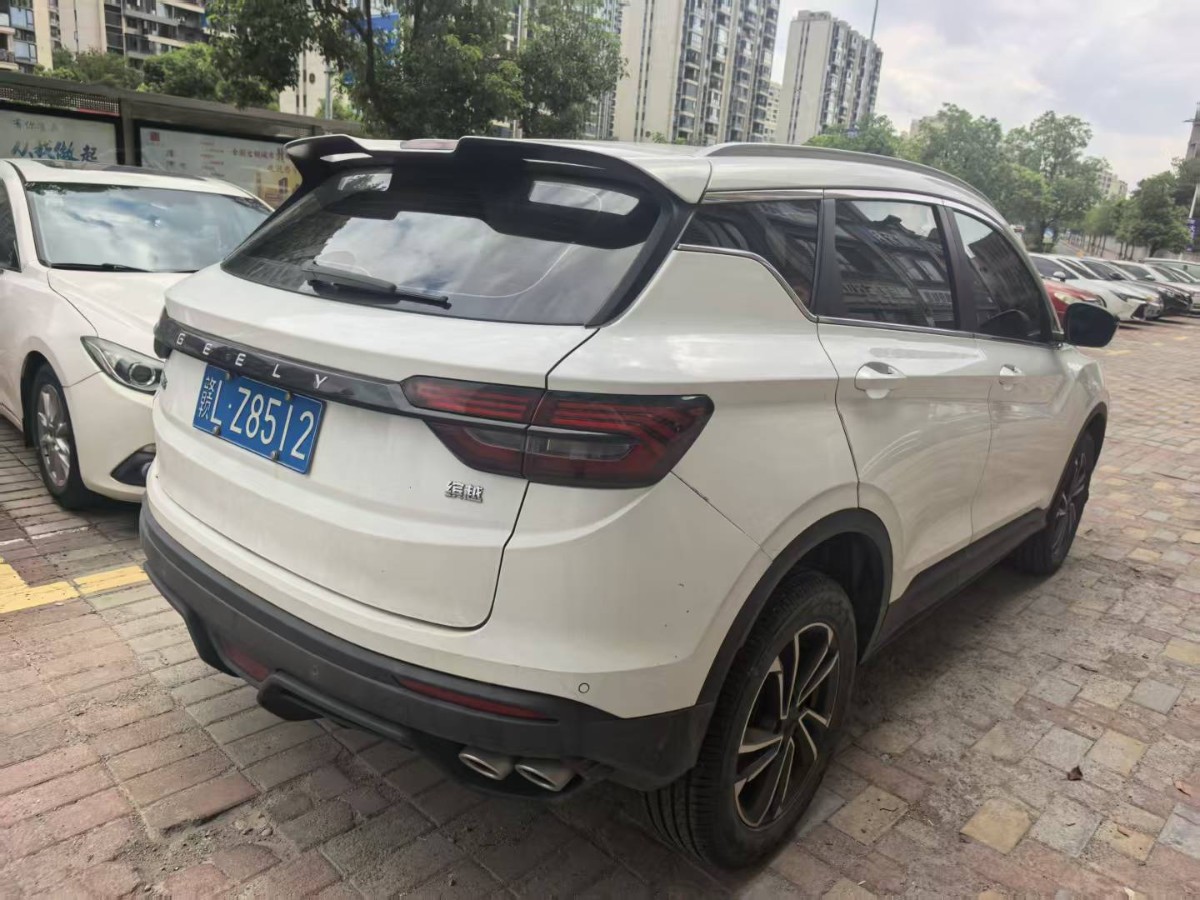



Stock

Basic Information

BrandGEELY
SeriesCoolray
Year2023
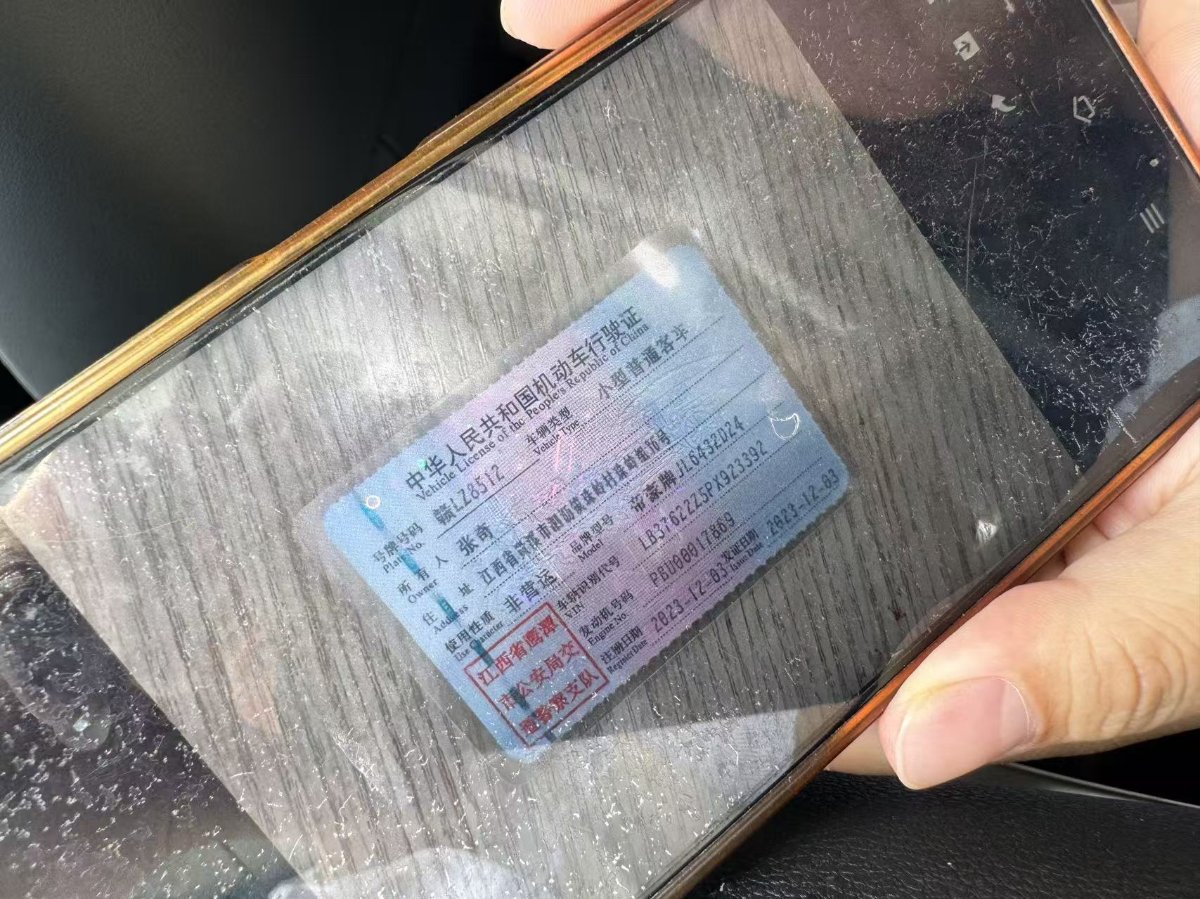
First Registration2023/12
Mileage23,000km
Transfer Count1times
FuelGasoline
TransmissionDCT
Engine1.5T 181 L4
ColorWhite
Seats-

Condition Description

Original paint, no repaint.

燃油车
SUV
自动
维保开放
事故开放
查验开放

Configuration Highlights

✓品牌: 吉利汽车
✓车系: 缤越
✓车型: 2023款 1.5T DCT铂金版
✓车身类型: SUV
✓座位数: 5
✓排量: 1.5T
✓变速箱: 自动
✓能源类型: 燃油车
✓VIN: LB37622Z5PX923392
✓搜索关键词: 吉利汽车缤越 2023款缤越1.5TDCT铂金版

Document Information

Inspection Expiry Date2027/12
Warranty Expiry Date-
Insurance Expiry Date2026/12

Q&A

More

What's a realistic total budget for importing a used car from China, beyond the sticker price?

Plan for the car price plus roughly 25–50% in additional costs, depending on destination: 1. Inland transport in China (car city to export port): USD 300–700. 2. Export fees: inspection, customs declaration, port handling — USD 300–600. 3. Ocean or rail freight: a shared container to the Middle East or Africa runs USD 800–1,500; a full container or RoRo varies by route. 4. Destination charges: unloading, customs duties, VAT and port fees — this is the biggest variable. Some countries add 50%+ in taxes on used imports. 5. Compliance costs: homologation, inspection, registration in your country. 6. Currency and payment costs: wire fees and exchange margins of 1–3%. Always ask the exporter for a written cost breakdown listing every item and who pays it, then confirm the destination-side numbers with a local customs agent before committing.


What are freight surcharges like BAF and PSS, and can I lock in a shipping rate when importing a used car from China?

Beyond the base ocean freight, carriers add surcharges that fluctuate monthly: BAF (bunker adjustment factor, tied to fuel prices), PSS (peak season surcharge, typically before Chinese New Year and summer), and congestion or war-risk surcharges for specific ports. These can add 10-30% to quoted freight, which is why a cheap rate today may not hold next month. To protect yourself: ask the exporter or forwarder for a rate validity period in writing (usually 2-4 weeks), and book space as soon as the inspection passes. For single cars this is standard practice. Also confirm whether the quote is all-in (including origin port fees, THC, and documentation) or freight-only. Comparing all-in quotes is the only reliable way to avoid surprises when the invoice arrives.

Where can I find spare parts for my imported used Chinese car, and which parts should I stock in advance?

Start with three sources: 1) The exporter you bought from — most can ship parts with new orders; 2) Cross-border platforms like Alibaba for OEM and aftermarket parts; 3) Local specialists — many Chinese brands share parts across models, so a mechanic experienced with any Chinese brand can usually help. Before importing, stock the wear items that are slow to arrive: air filters, oil filters, brake pads, wiper blades, the correct 12V battery, and for EVs, cabin filters and tire repair kits. Keep the VIN handy — parts catalogs are VIN-based, and giving suppliers the VIN avoids wrong orders. For body panels and lights, order them together with the car or as soon as damage occurs, since lead times of 4-8 weeks are common.