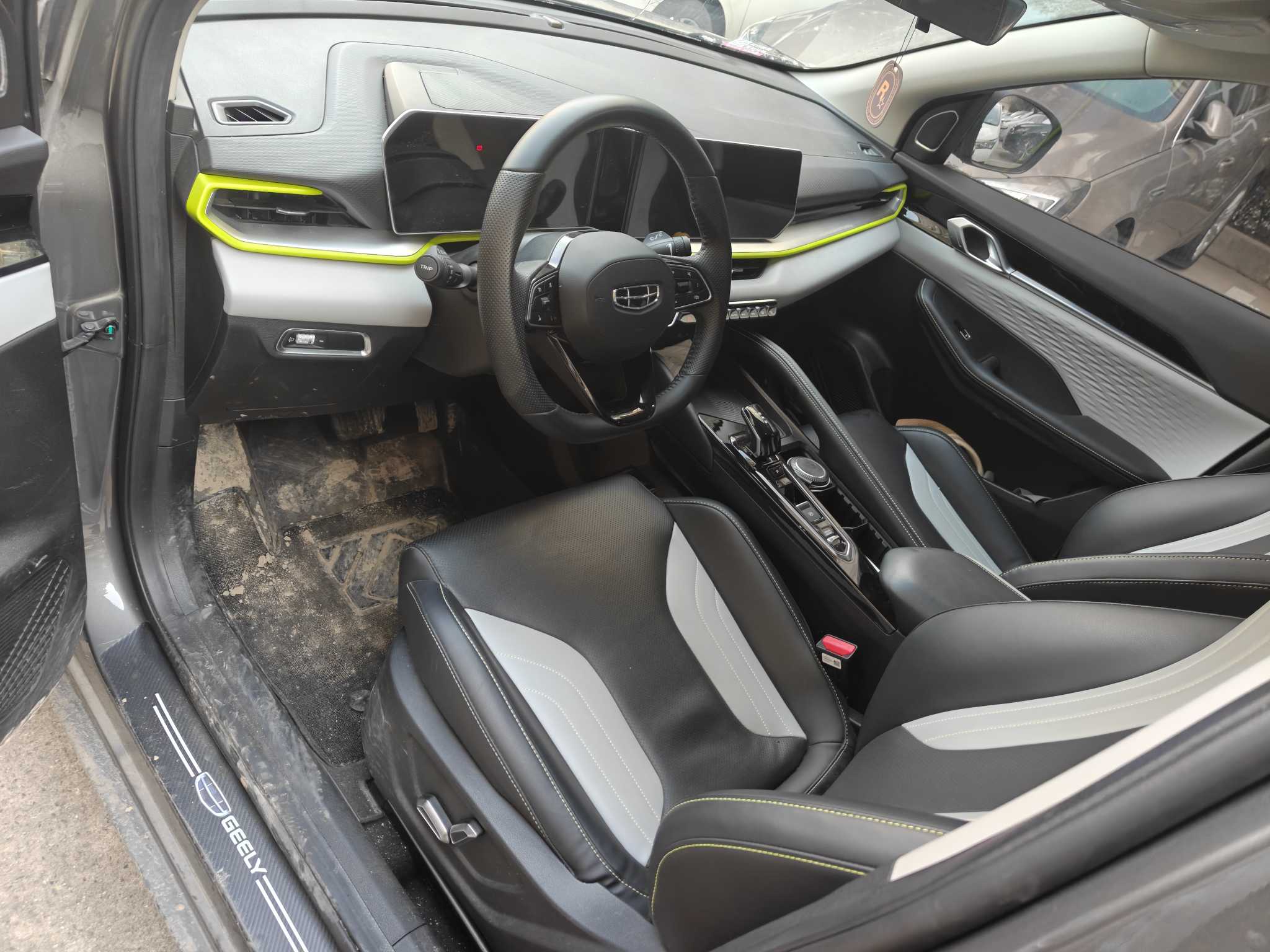
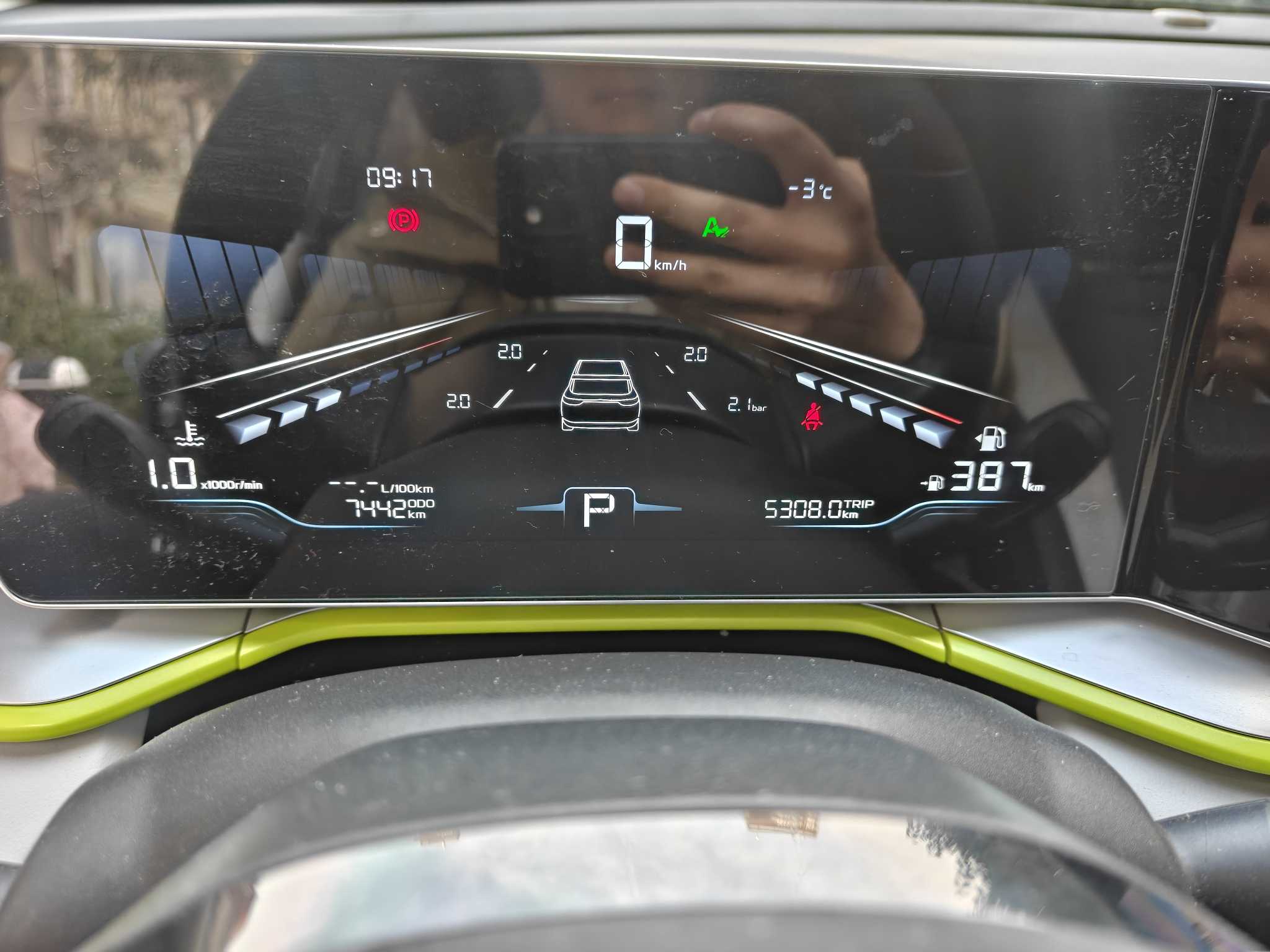
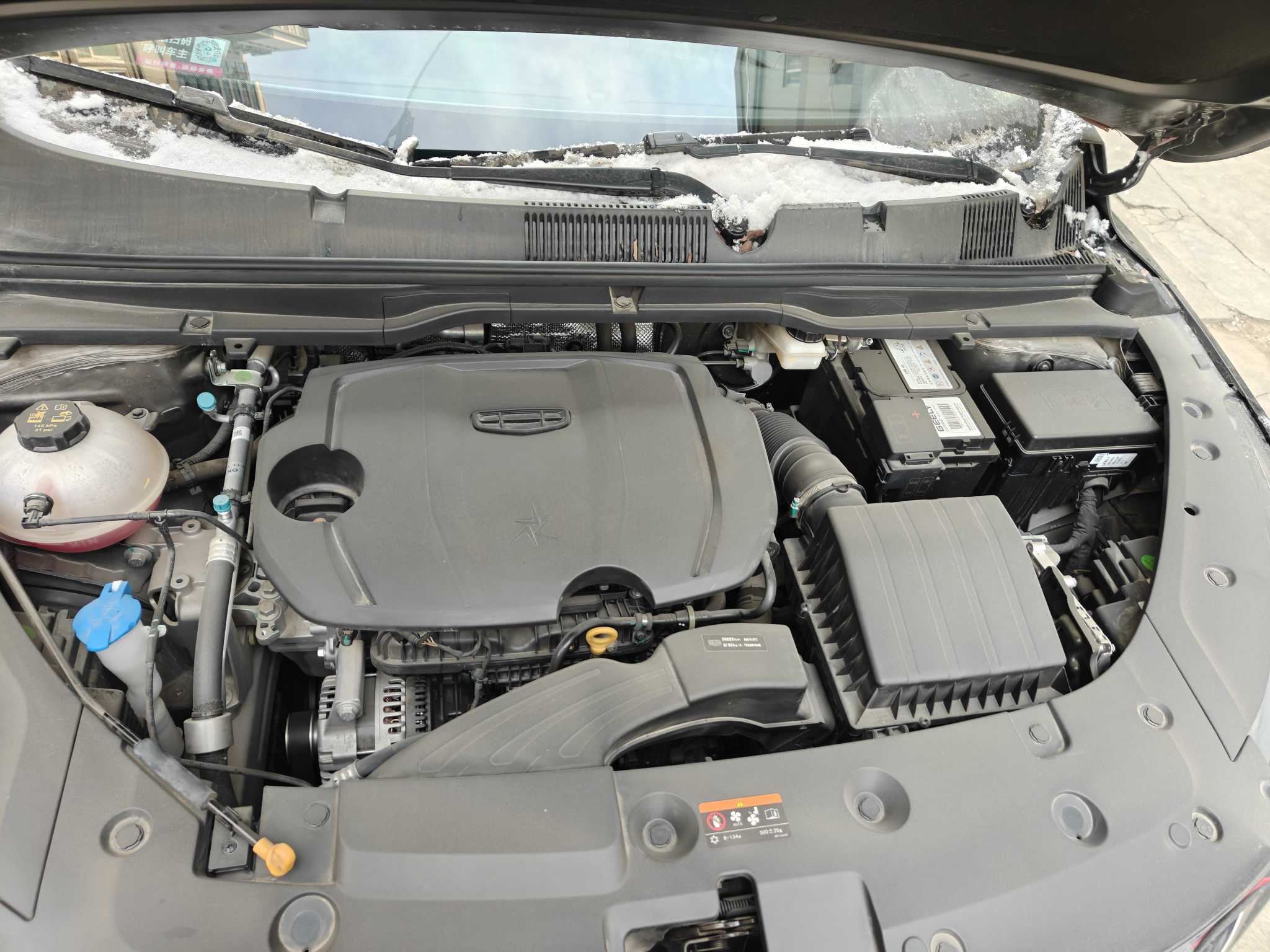



Basic Information

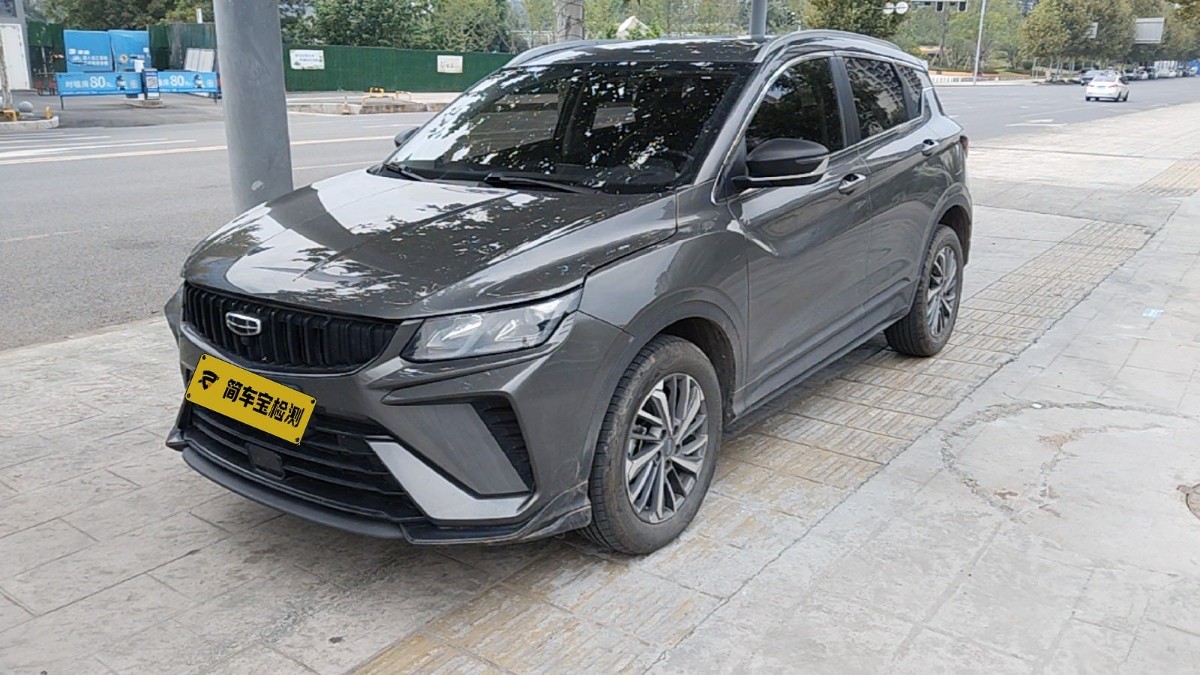
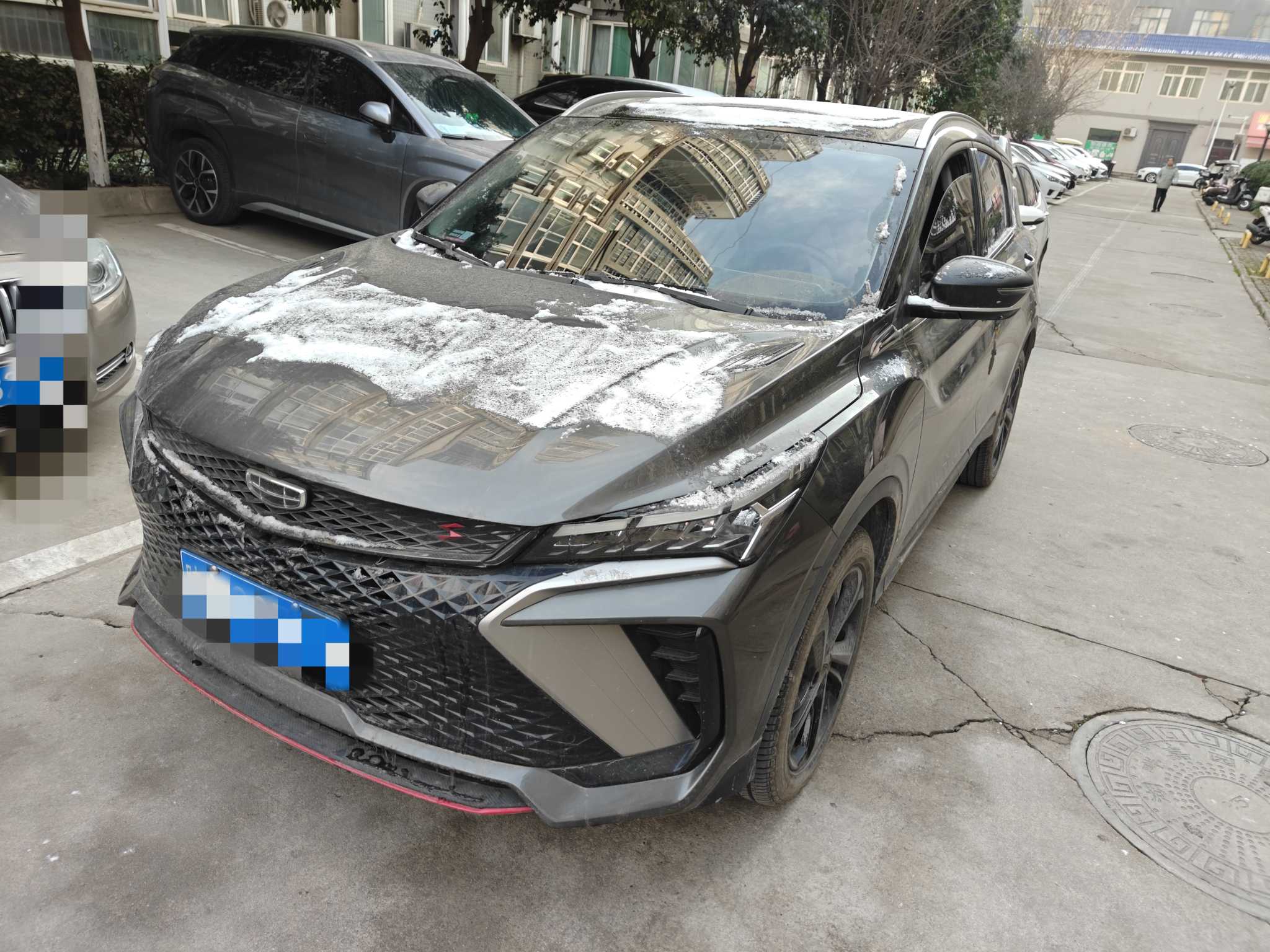
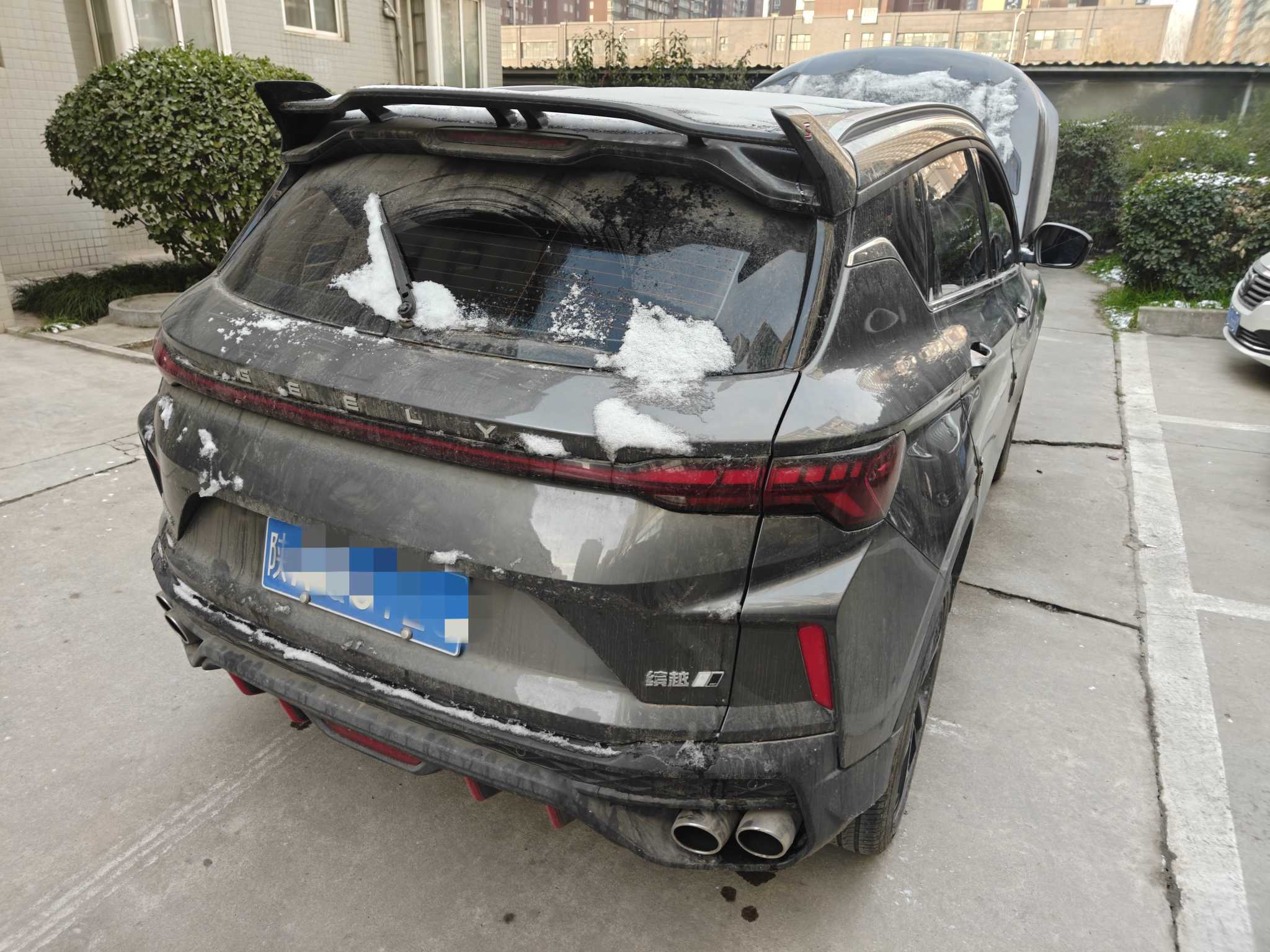
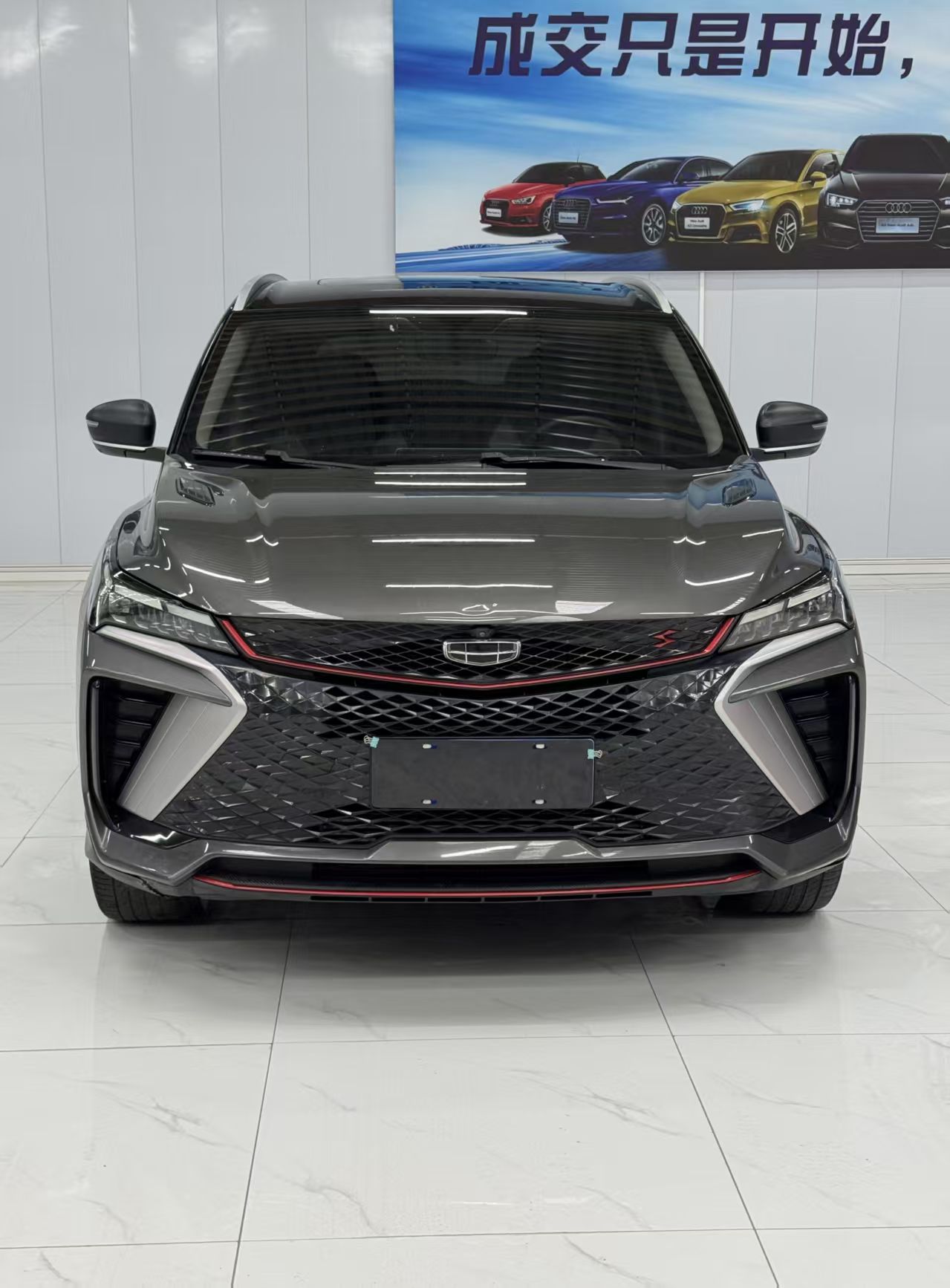
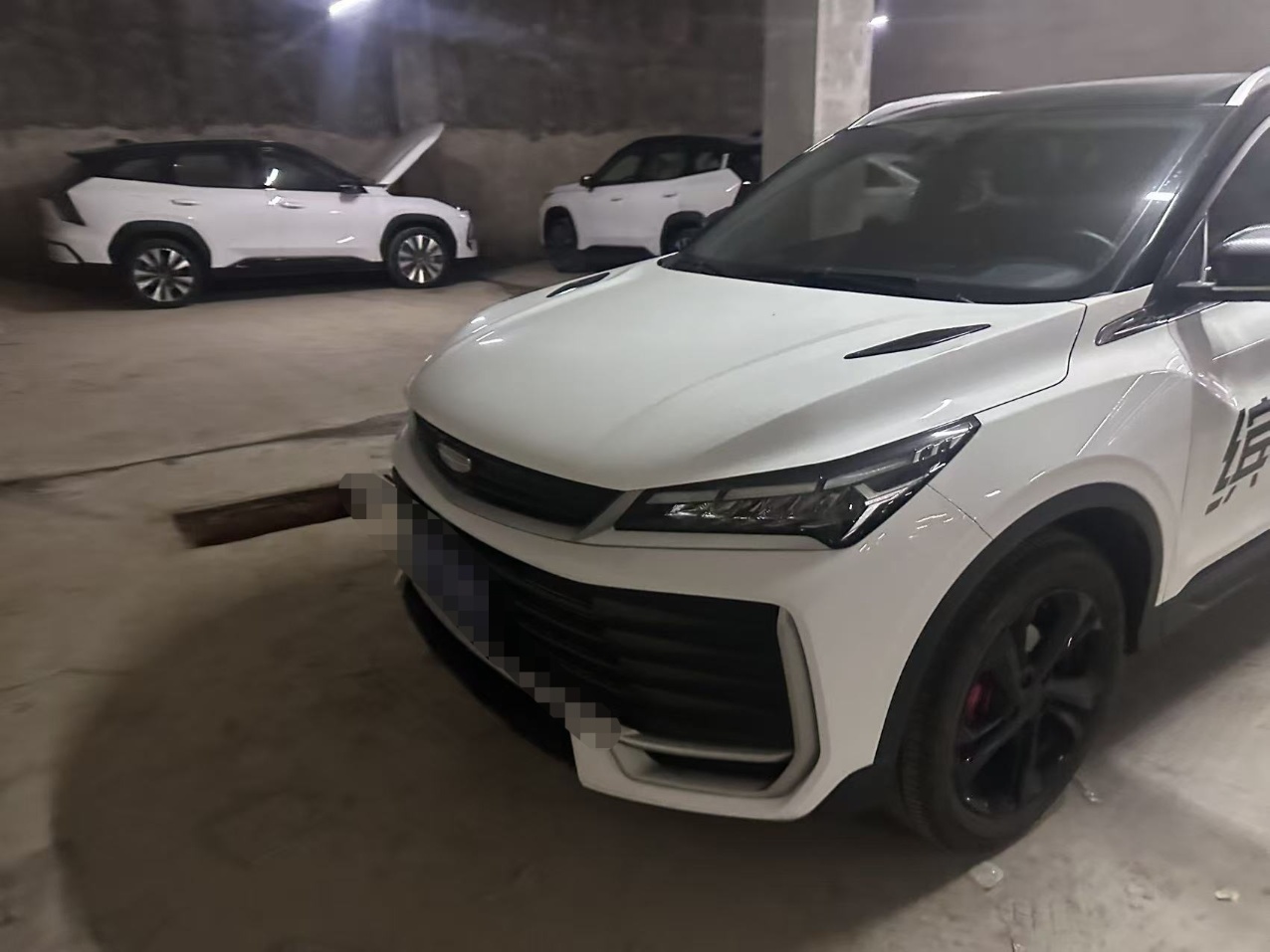
BrandGEELY
SeriesCoolray
Year2024
First Registration2024/01
Mileage0.75km
Transfer Count-
FuelGasoline
TransmissionDCT
Engine1.5T 181 L4
ColorGrey
Seats-

Condition Description

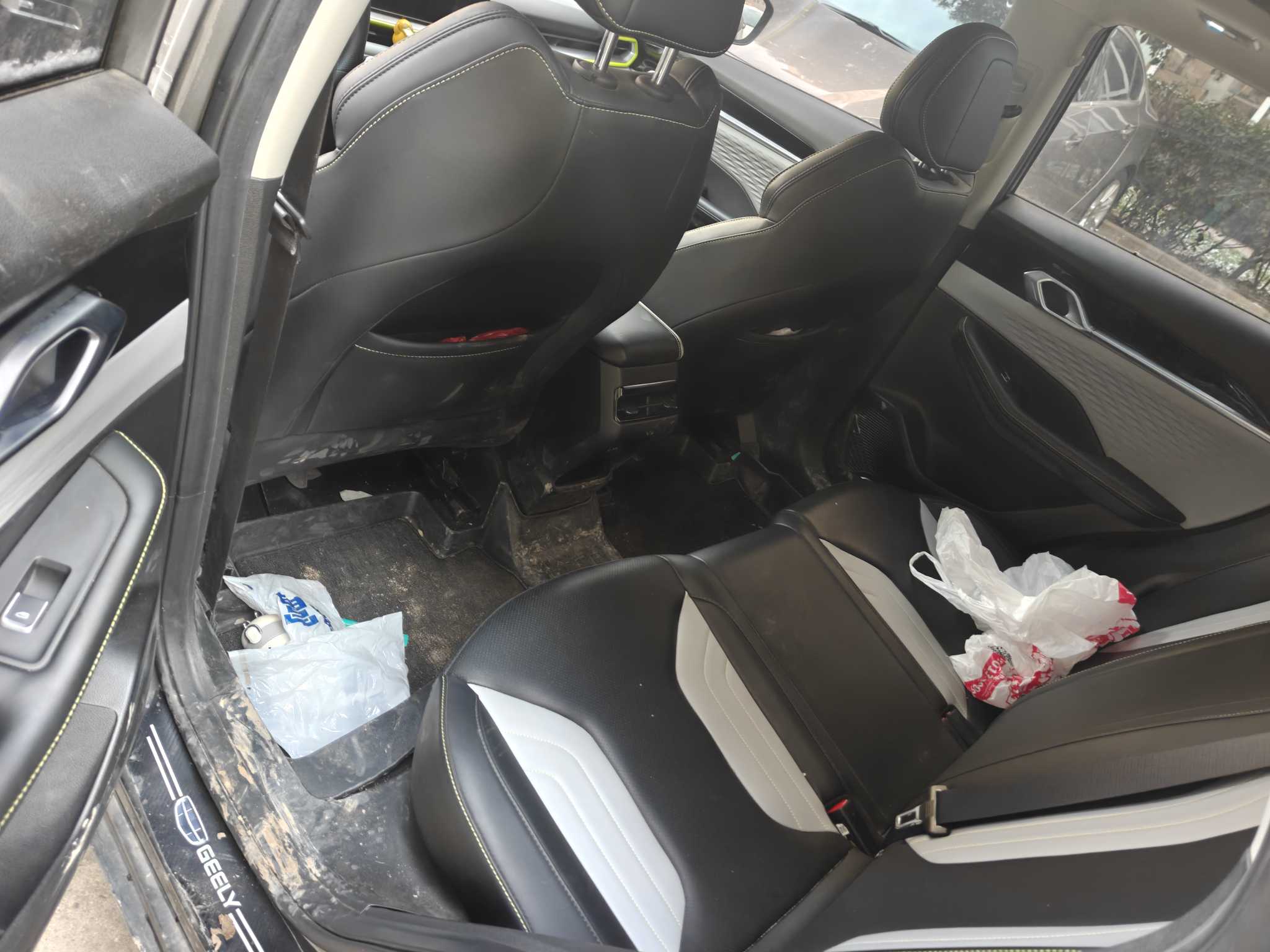
Documents after ownership transfer need to be submitted within 7 days. 【Model】Geely Binyue 【Manufactured】November 2023 【Registered】January 2024 【Color】Gray 【Mileage】5,000 km 【Condition】Original paint 【Transfer】Previously registered; Insurance valid until December 2026; Vehicle inspection valid until January 2028

Configuration Highlights

✓Driver/Passenger Airbags
✓Front/Rear Side Airbags
✓Tire Pressure Monitoring
✓ISOFIX Child Seat Anchors
✓Keyless Start System
✓Keyless Entry System
✓ABS Anti-lock Braking
✓Electronic Brake Distribution
✓Electronic Stability Control
✓Hill Start Assist
✓Auto Hold
✓Hill Descent Control
✓Panoramic Sunroof
✓Roof Rack
✓Multifunction Steering Wheel
✓Seat Material
✓Driver/Passenger Power Seats
✓GPS Navigation
✓Low Beam Headlights
✓Daytime Running Lights
✓Auto Headlights
✓Adjustable Headlight Height
✓Power Windows
✓Anti-pinch Windows
✓Climate Control Type
✓Rear Air Vents
✓Start-Stop System

Q&A

More

If my local repair shop damages the vehicle due to lack of special tools, does that fall under your extended warranty?

Absolutely not. Any secondary damage caused by overseas non-professional repairs, violent disassembly, or the use of inferior replacement fluids will immediately void any form of "extended parts compensation" we provide.
Can I purchase the original OBD diagnostic computer and account from you for local repairs?

We can purchase the hardware (diagnostic device) on your behalf. However, the original online diagnostic accounts (especially those involving anti-theft programming and module matching) have strict domestic IP location and real-name authentication restrictions, making it very difficult to log in stably from overseas for a long time, and we cannot guarantee technical support for this.

Why are the shipping costs for used electric vehicles (EVs) usually higher than for internal combustion engine vehicles (ICEs)?

Pure electric vehicles are classified as Class 9 Dangerous Goods due to their large lithium batteries, leading to strict shipping regulations. Shipping companies have high requirements for the loading position and fire isolation measures for dangerous goods, and some roll-on/roll-off ships refuse to accept used EVs. As a result, EVs often require more expensive special container shipping and incur additional handling fees for hazardous materials.