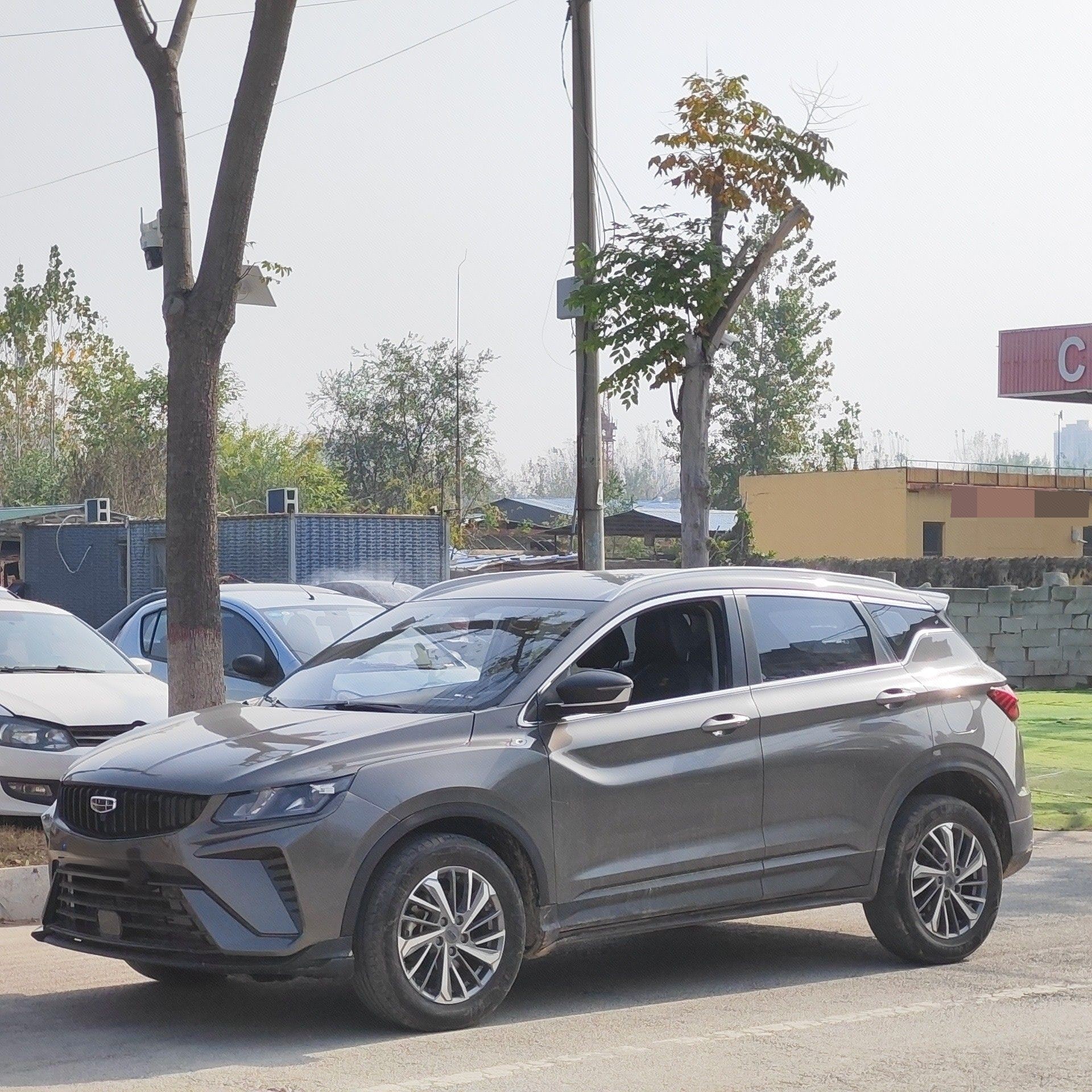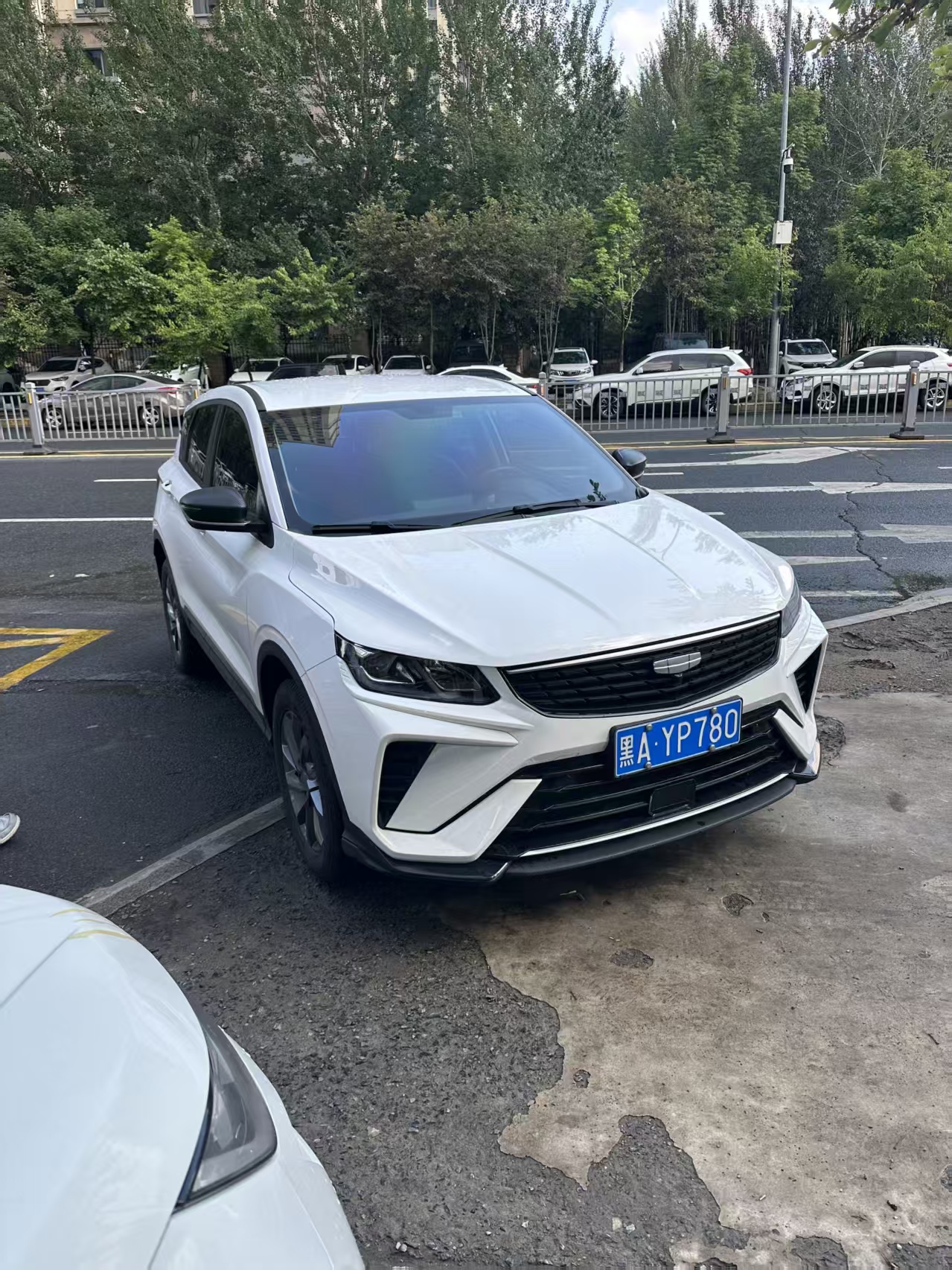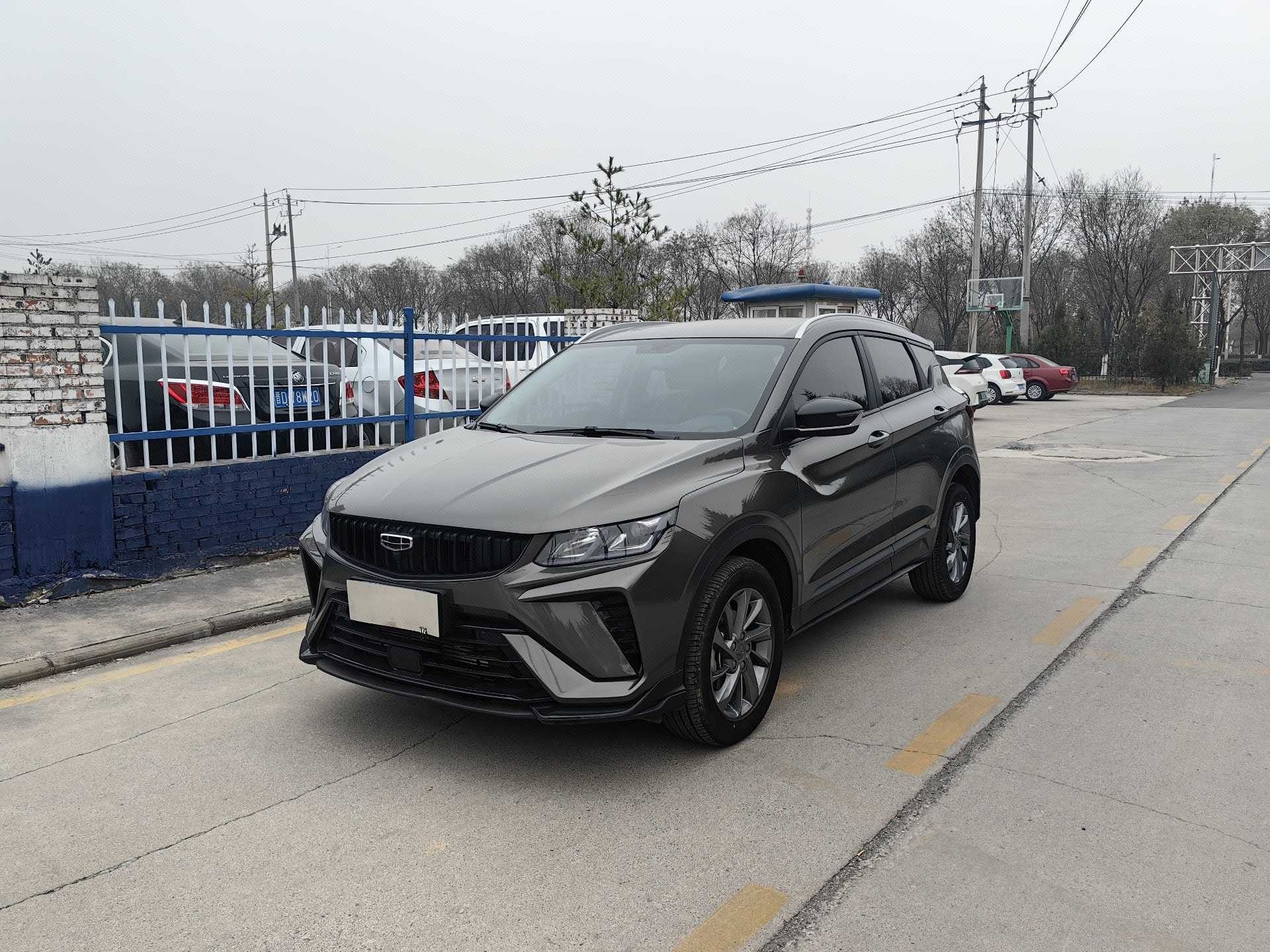
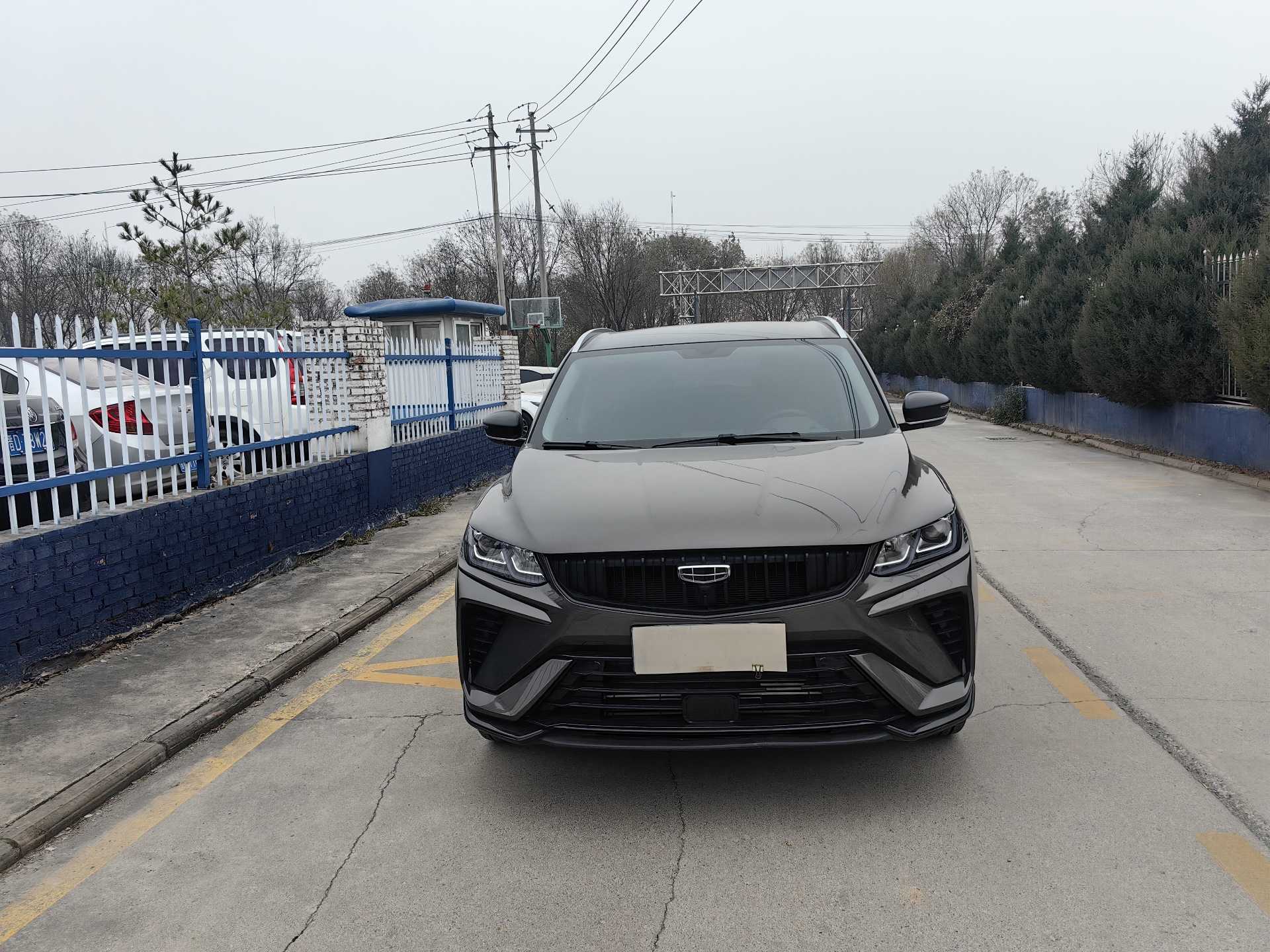
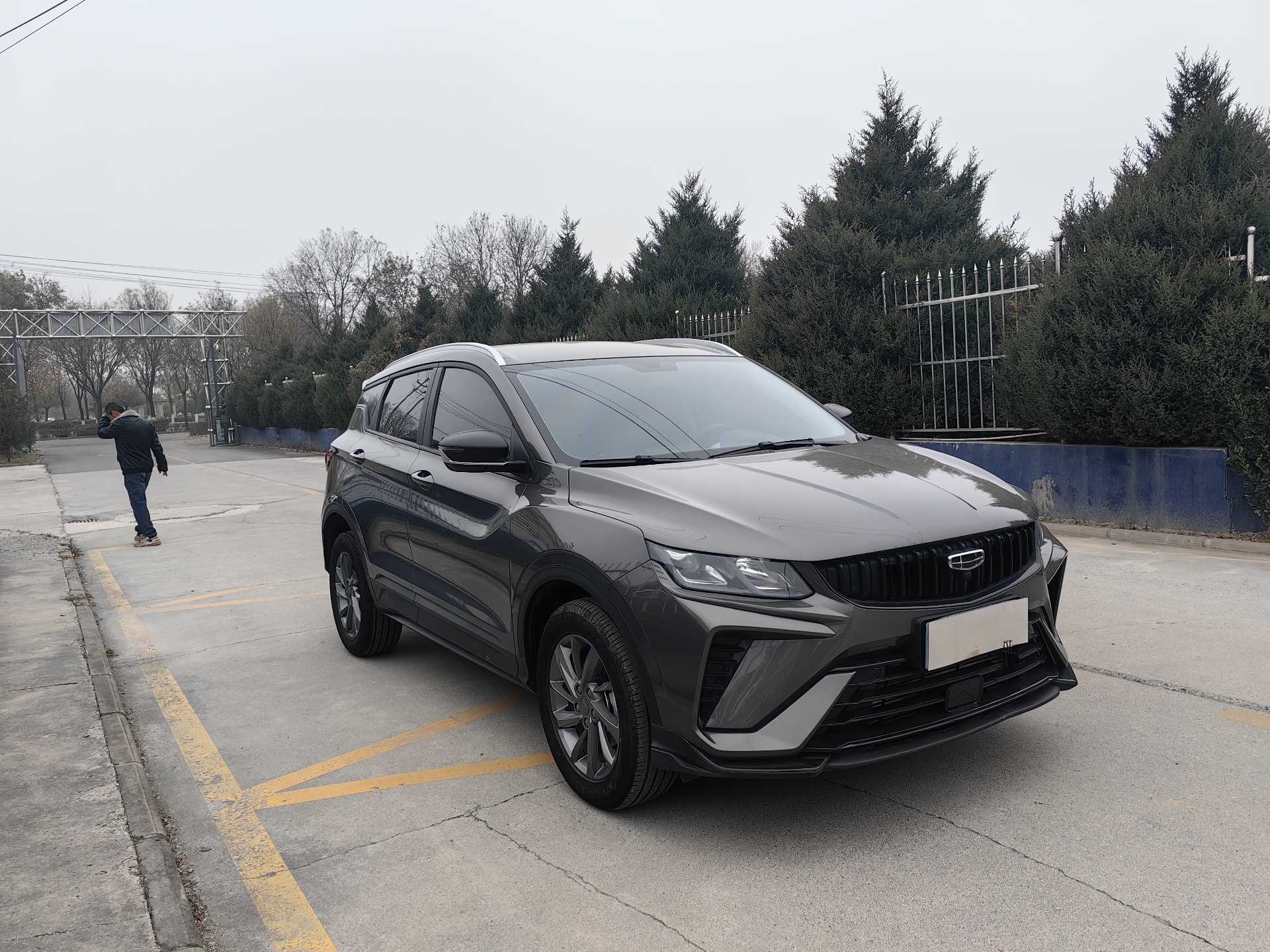
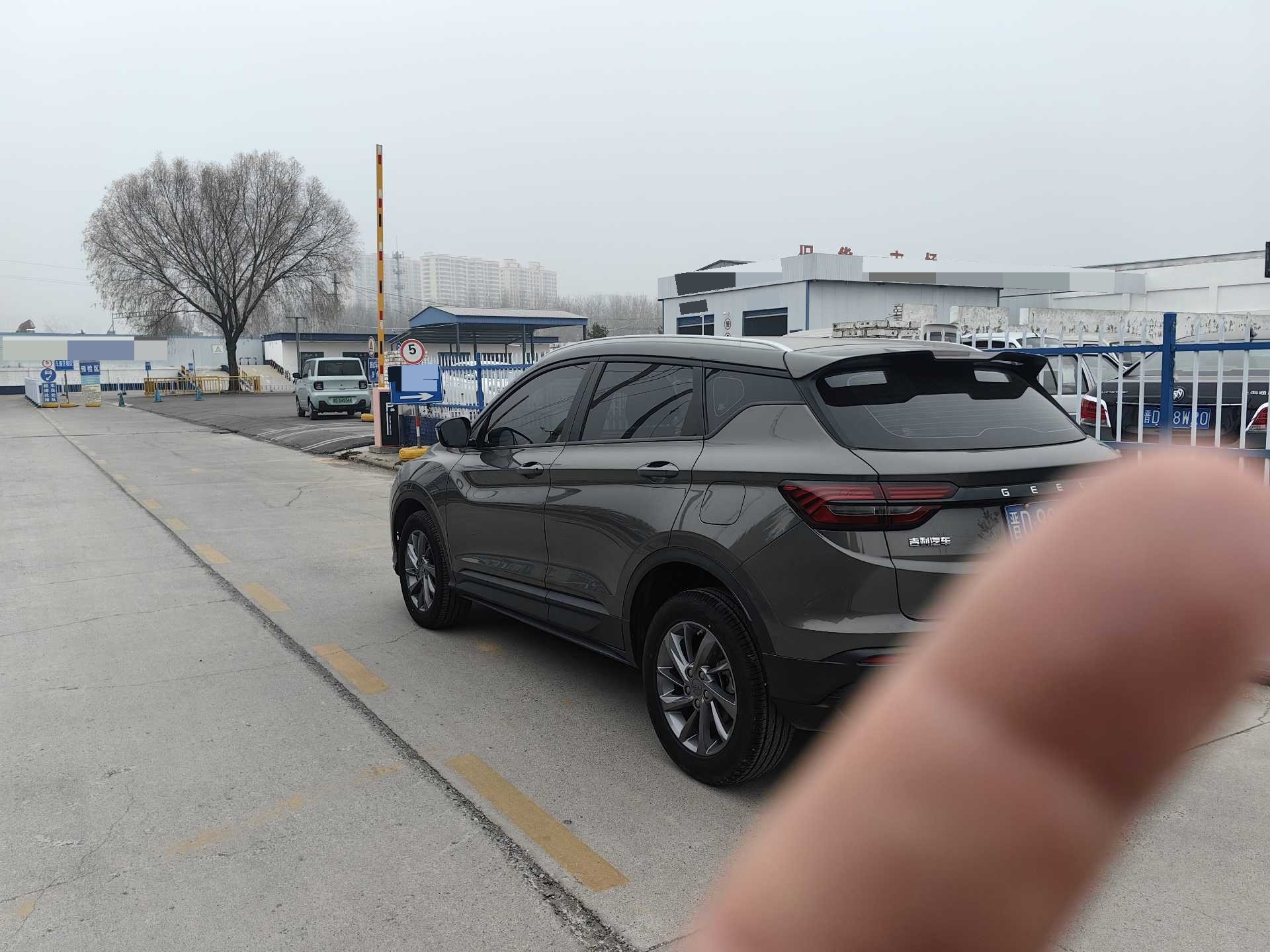
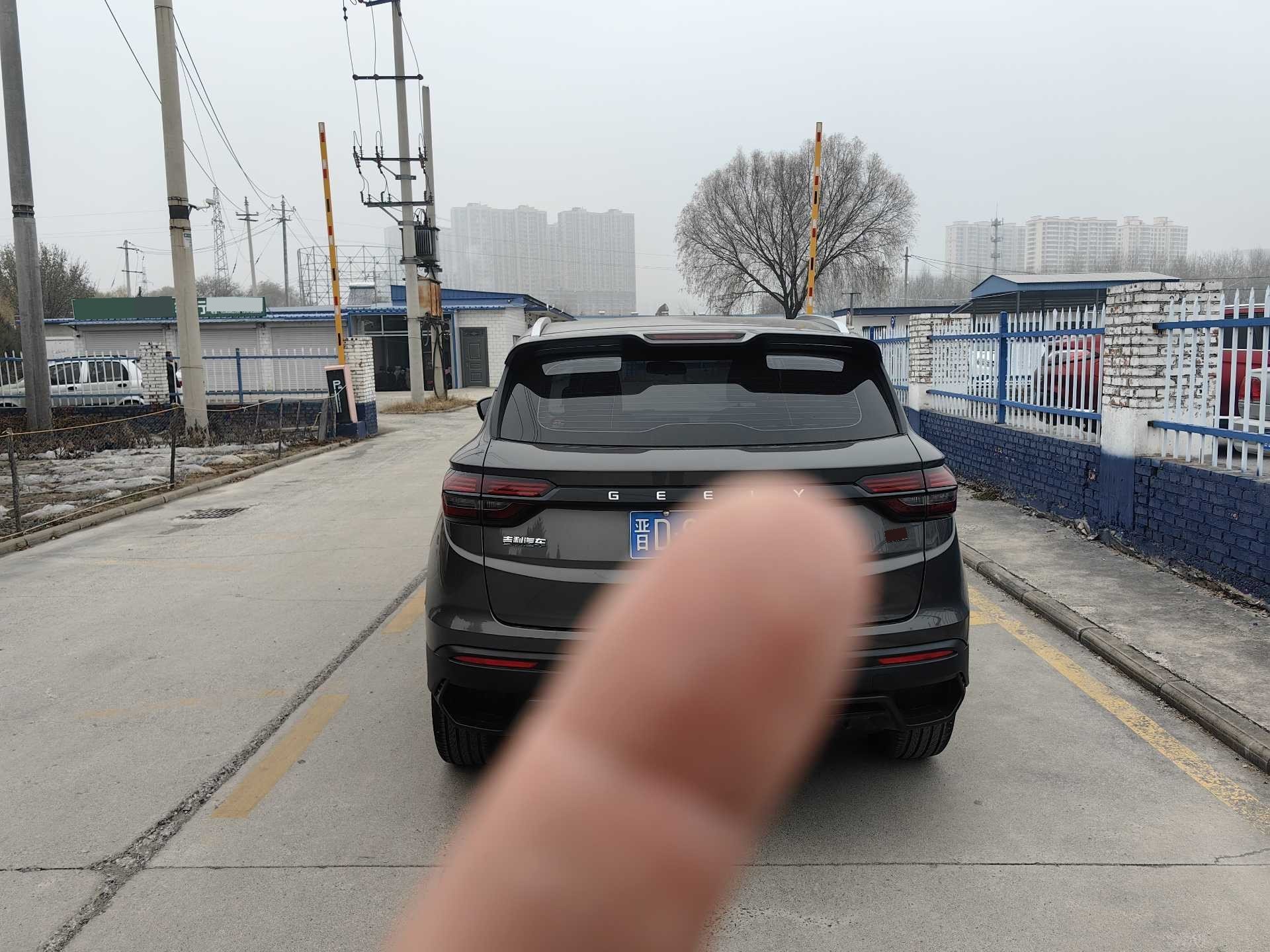
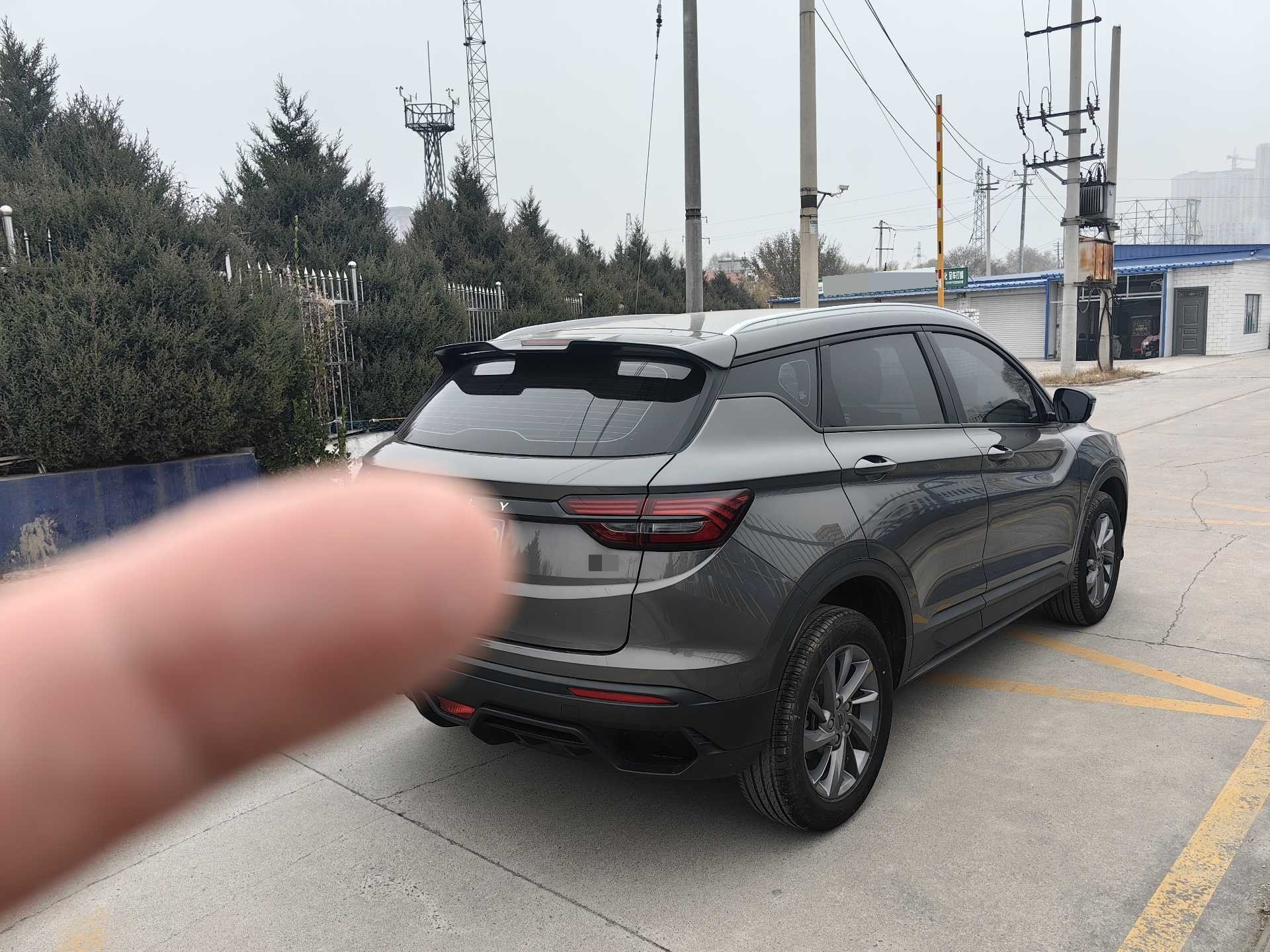
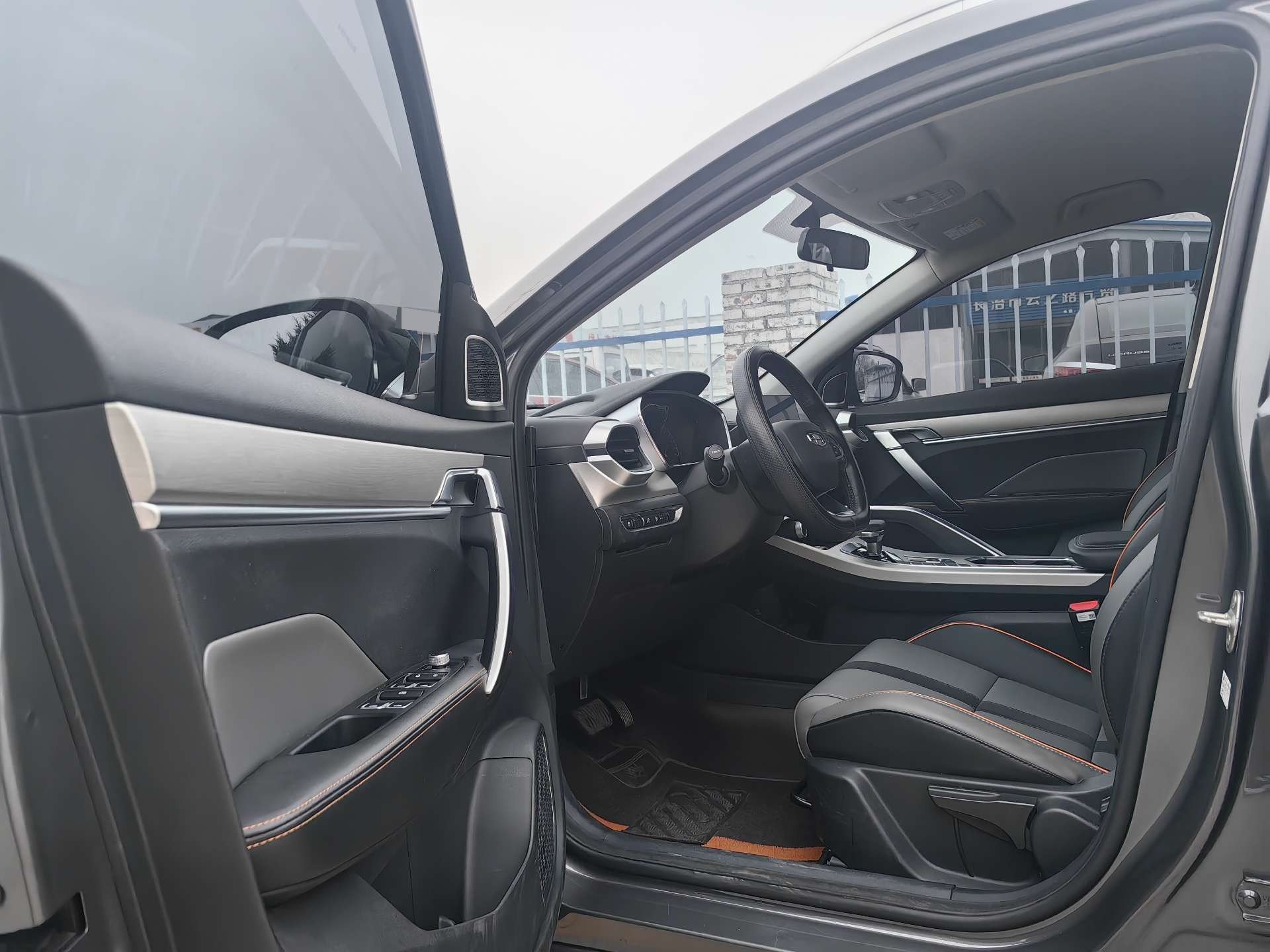
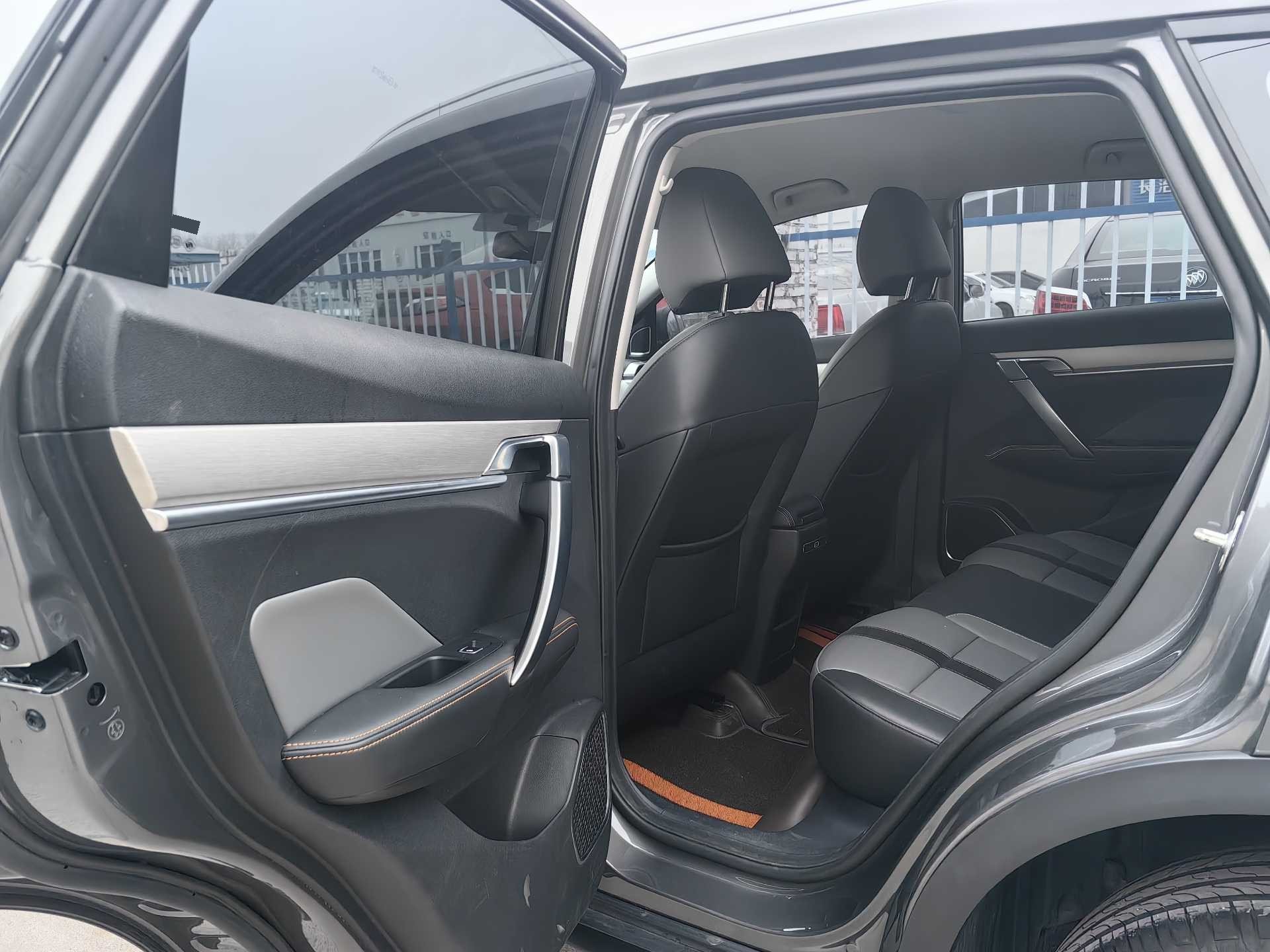



Basic Information

BrandGEELY
SeriesCoolray
Year2024
First Registration2024/11
Mileage27,000km
Transfer Count0times
FuelGasoline
TransmissionDCT
Engine1.5T 181 L4
ColorGrey
Seats5seats

Condition Description

Original condition, full original paint, front bumper needs investment.

Document Information

Inspection Expiry Date-
Warranty Expiry Date-
Insurance Expiry Date2027/11

Q&A

More

Does your technical testing include highway road tests (high-speed driving tests), or is it only low-speed driving in a closed area?

Due to legal restrictions preventing unregistered vehicles from high-speed driving on public roads in China, most of our dynamic tests are conducted in a closed area (with a maximum speed of around 60 km/h). This is sufficient to test for suspension noise and low gear smoothness, but it cannot simulate high-speed wind noise and tire balance vibrations at 120 km/h.


How does the buying process actually work step by step when importing a used car from China?

A typical safe flow looks like this: 1. Sourcing: you pick a car from listings; the exporter confirms availability, sends photos, video and a condition report. 2. Contract: a written sales contract stating VIN, price, included costs, inspection standards and delivery terms (FOB or CIF). 3. Deposit: usually 10–30% after you or a third party verify the car. Pay to a company account, never personal. 4. Inspection: independent pre-shipment inspection; you approve the report before shipping. 5. Balance payment: due before shipment, against copy of the bill of lading. 6. Shipping and documents: exporter sends original documents by courier; you track the vessel. 7. Arrival: your customs agent clears the car, you pay duties and collect it. Timeline: typically 3–8 weeks from deposit to arrival, depending on route. Any exporter pushing for 100% upfront payment should be treated as a red flag.

How do you assess the appearance condition of a vehicle? What specific standards are there for scratches and dents?

We use quantitative standards. Minor scratches less than 3 cm that do not reach the base coat (which can be polished) are considered normal wear; scratches over 3 cm deep to the base coat or dents larger than 2 cm in diameter will be highlighted in the inspection report's "Appearance Defect Distribution Map" with close-up photos.