


24H

Basic Information

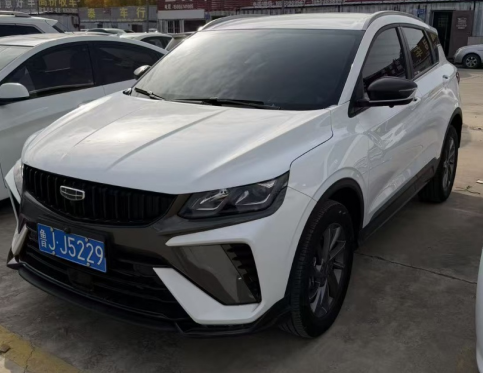
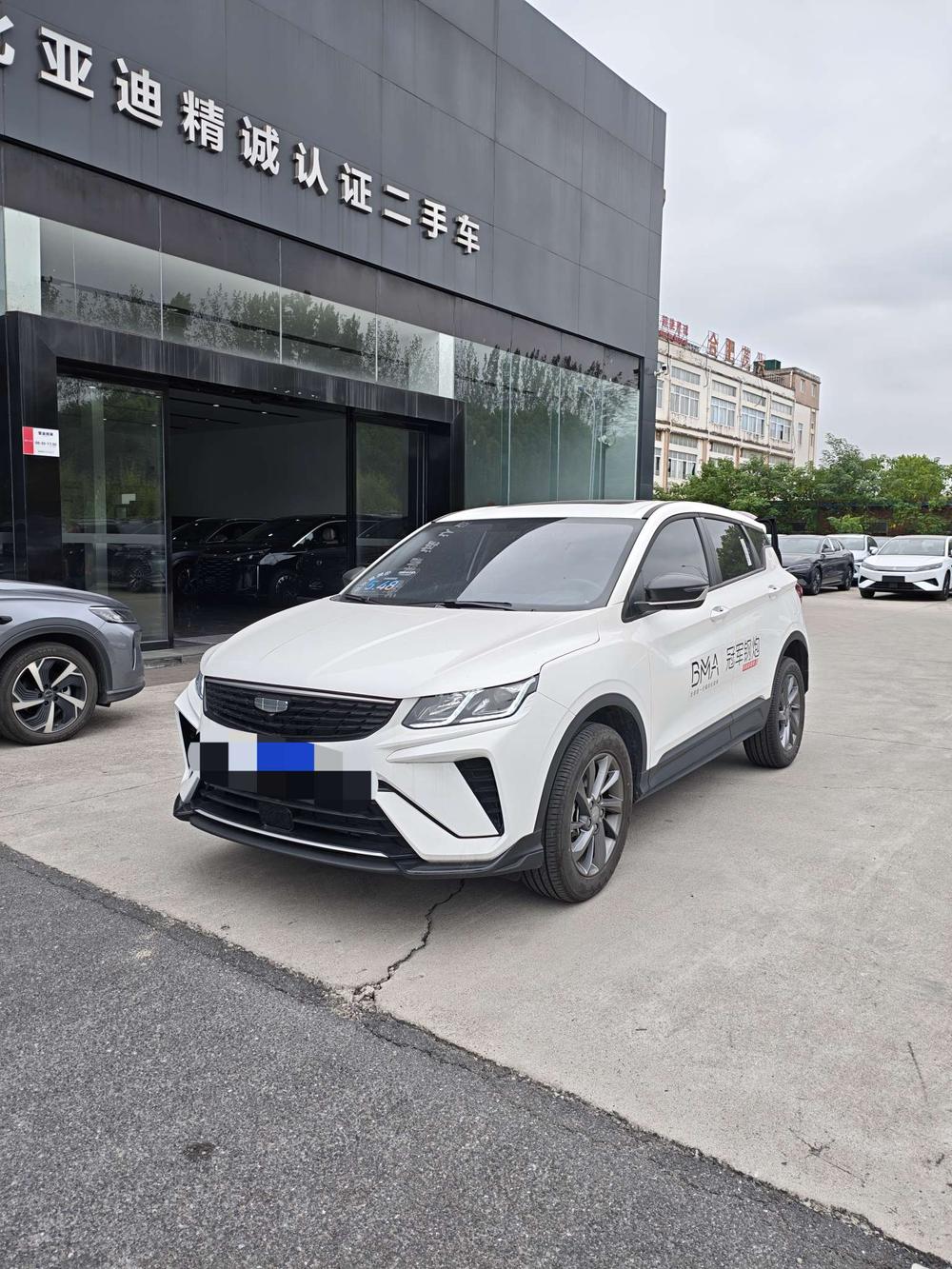
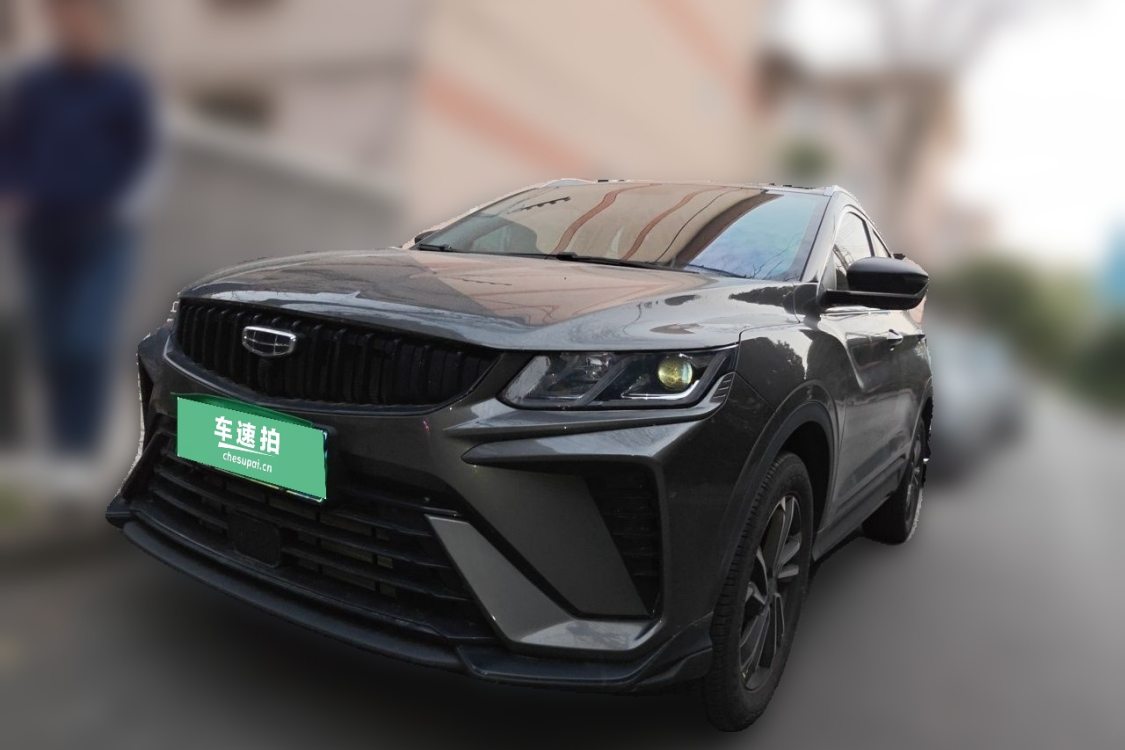
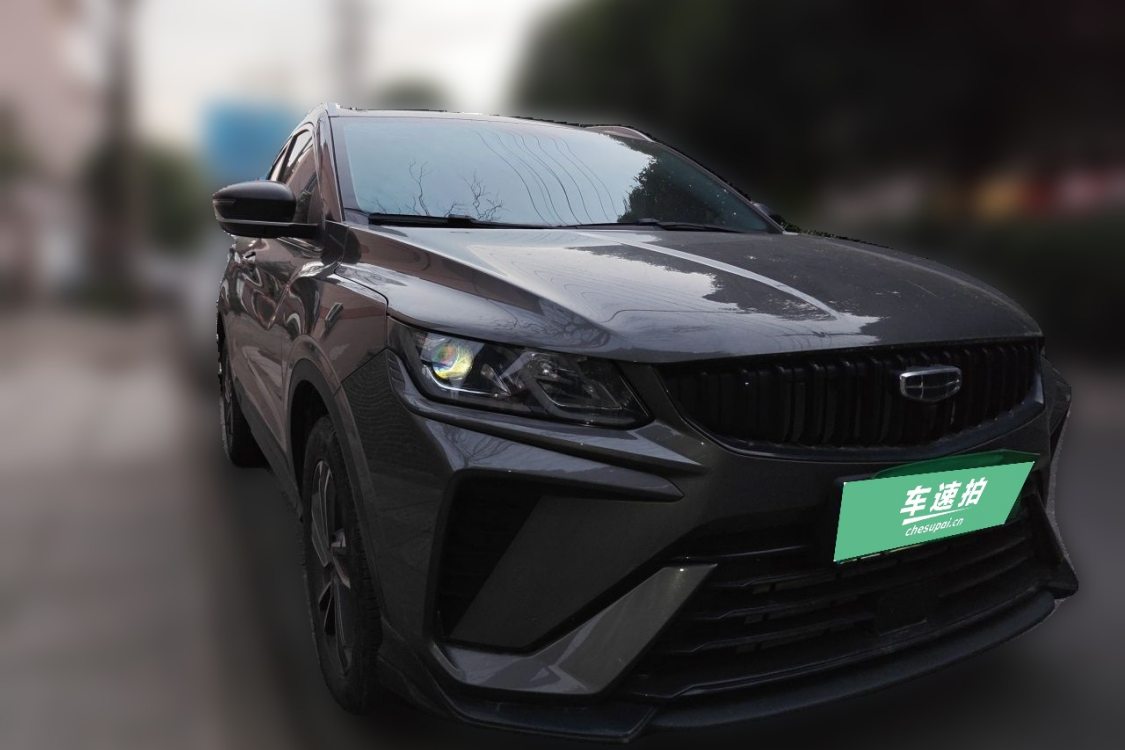
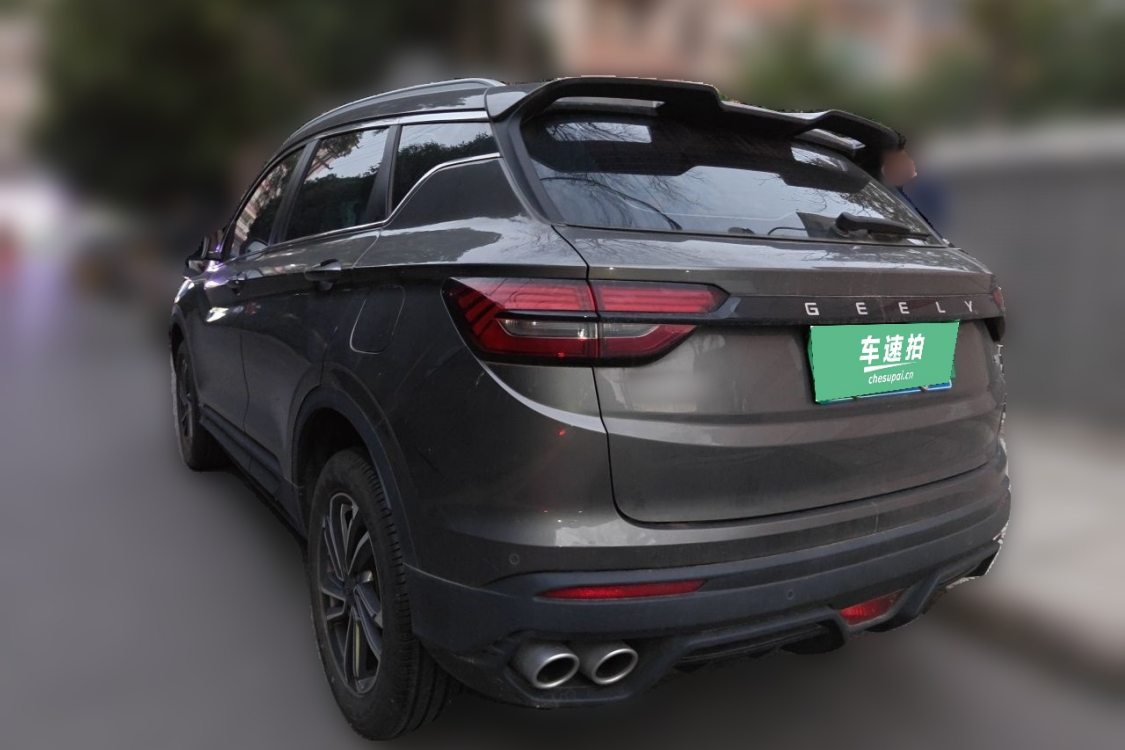
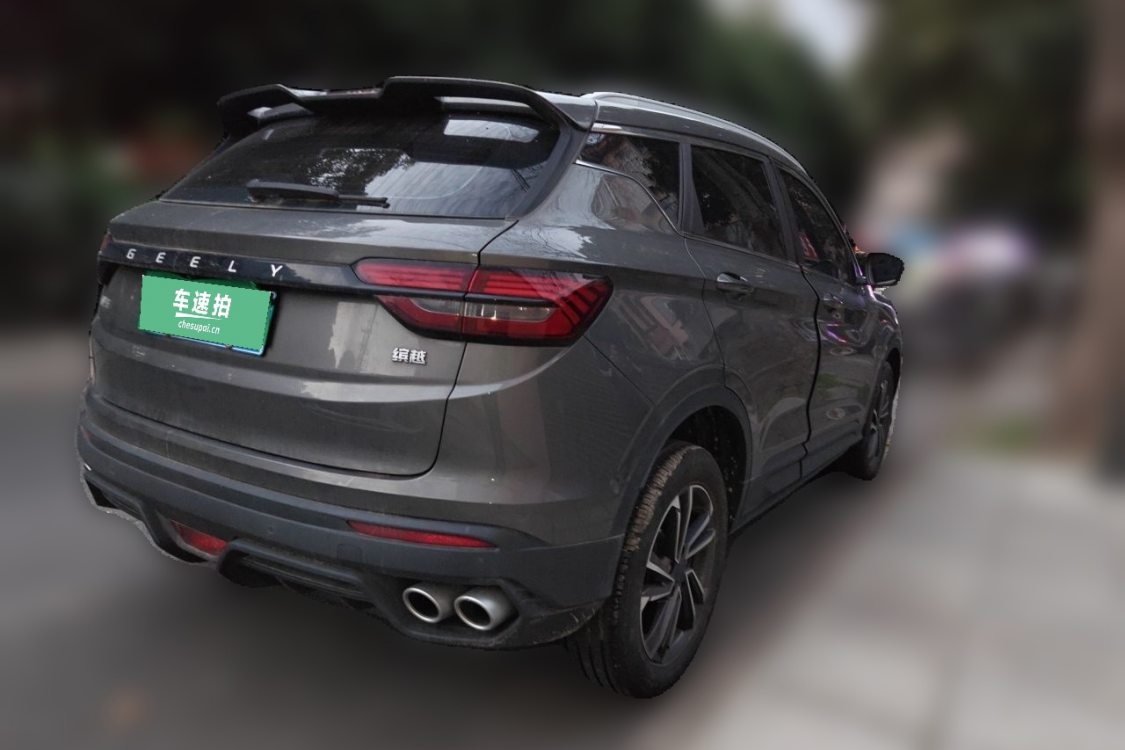
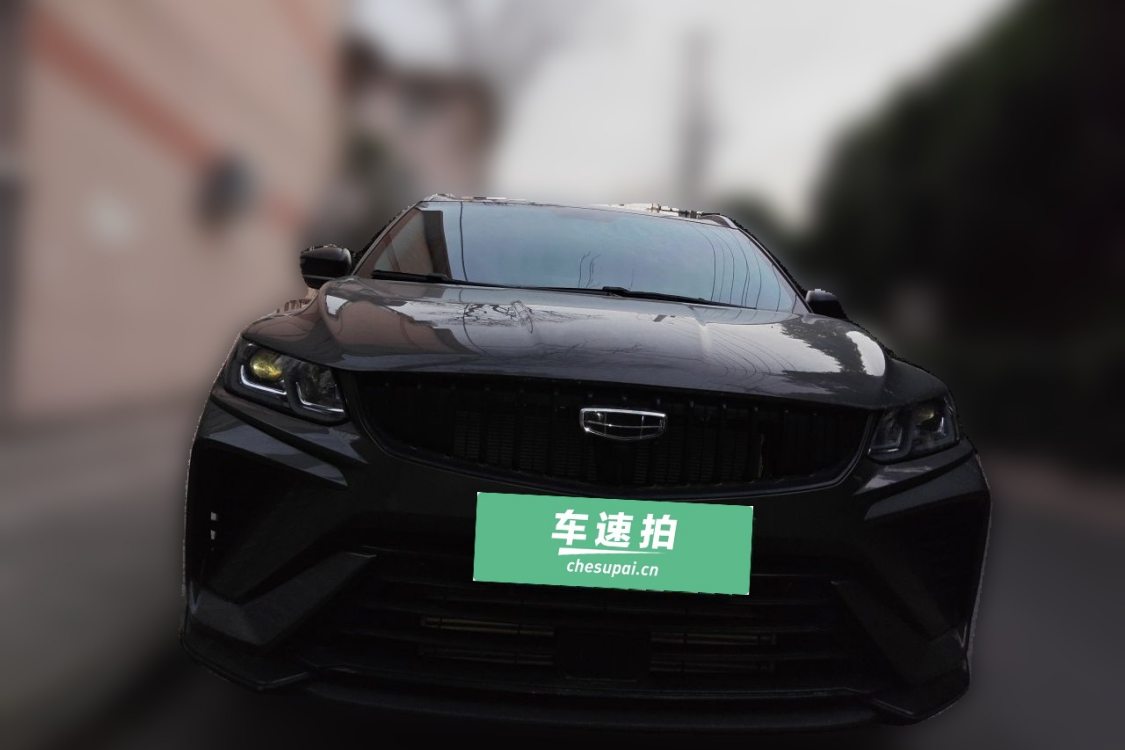
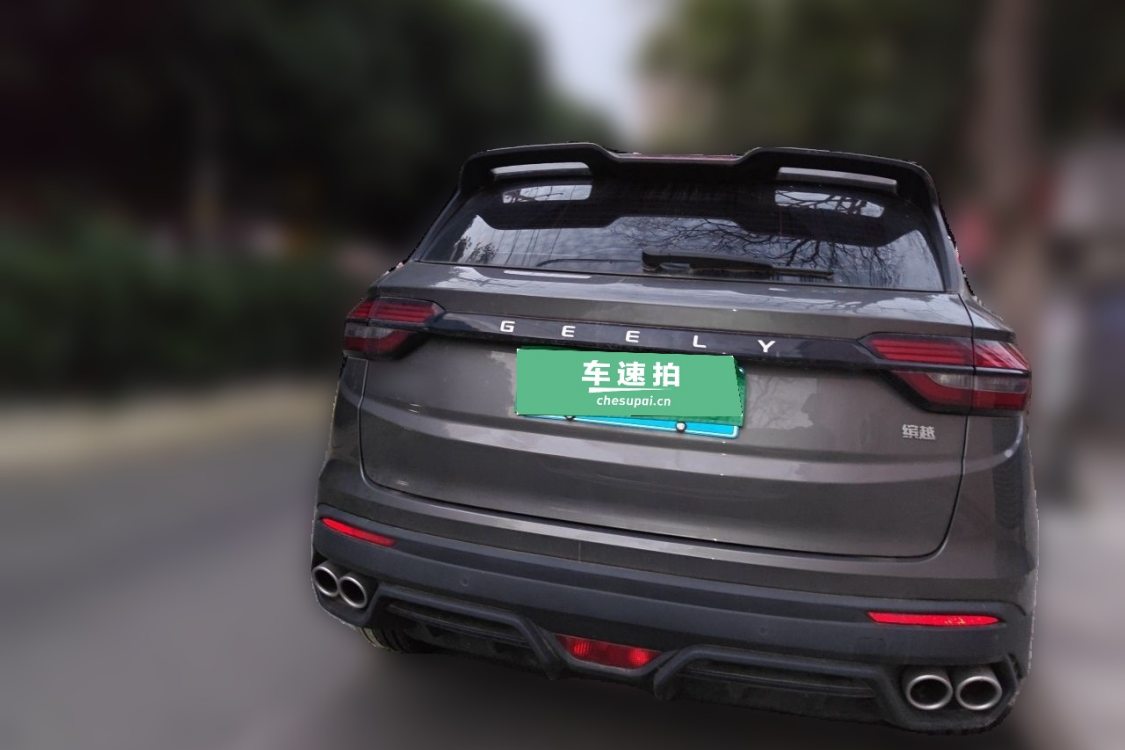
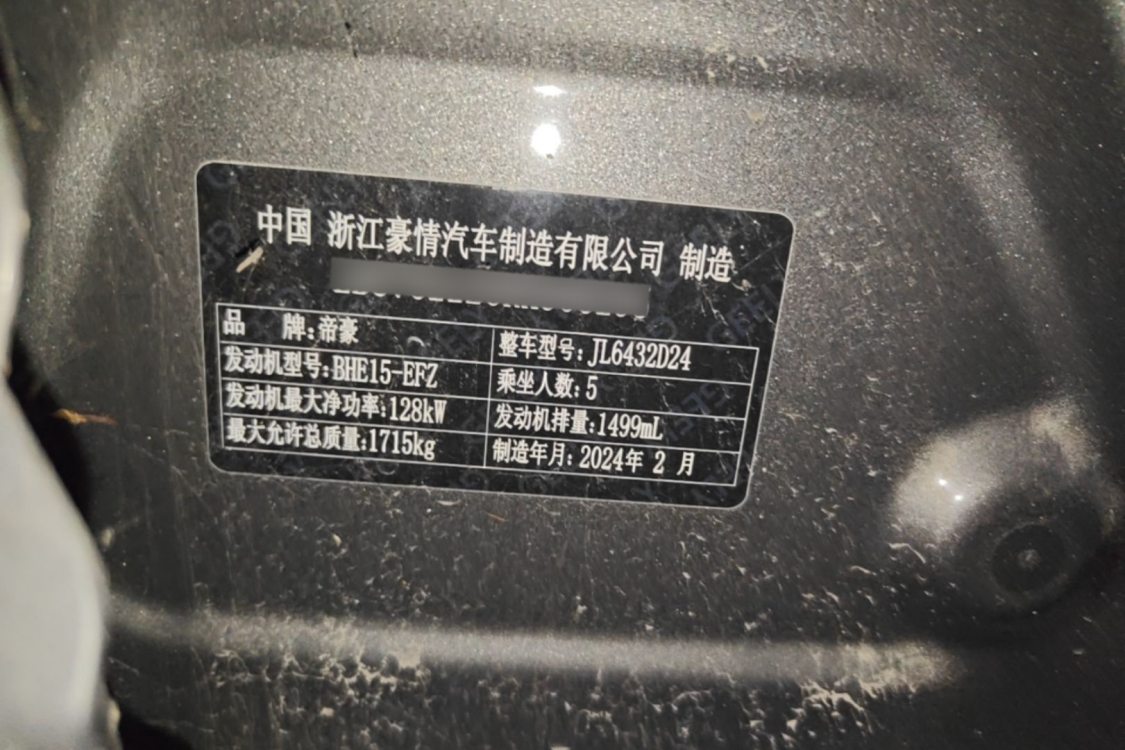
BrandGEELY
SeriesCoolray
Year2024
First Registration2024/04
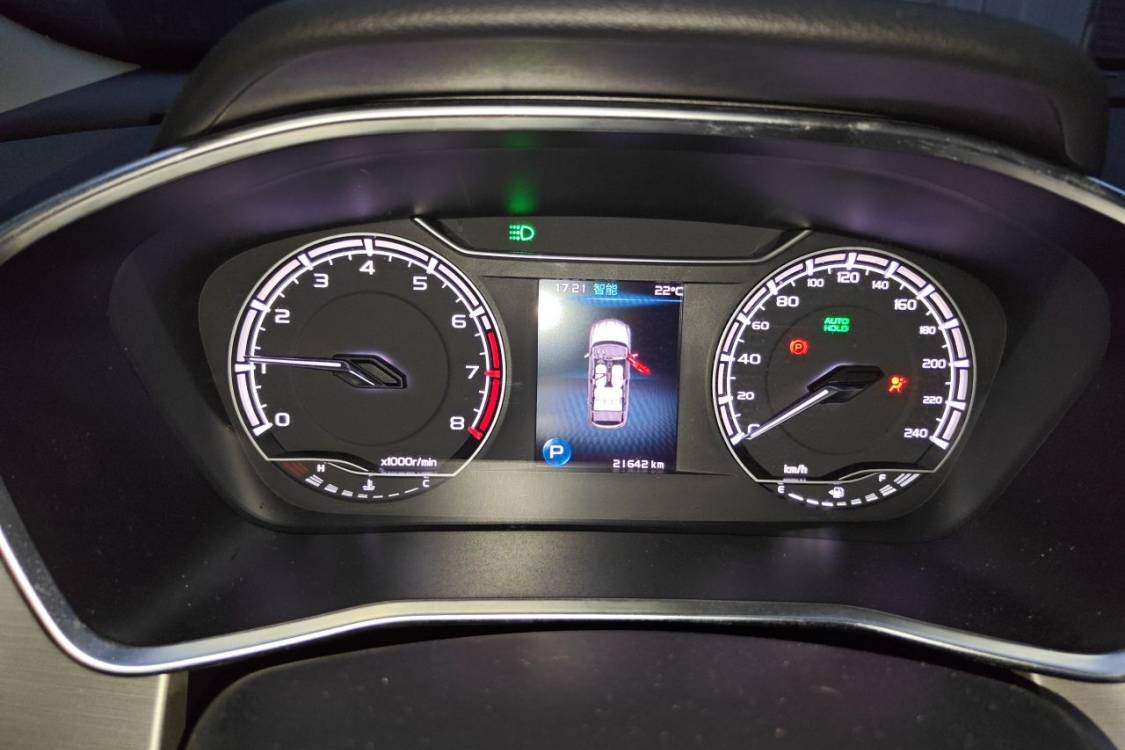
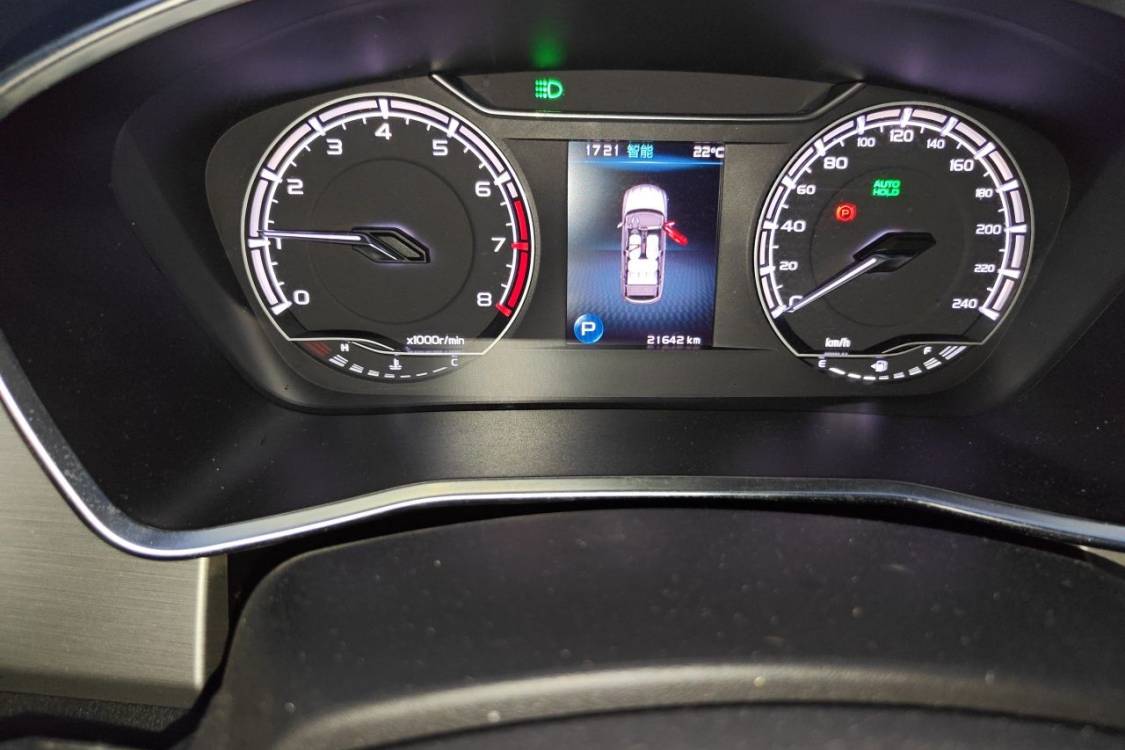
Mileage21,600km
Transfer Count-
FuelGasoline
TransmissionDCT
Engine1.5T 181 L4
ColorGrey
Seats-

Condition Description

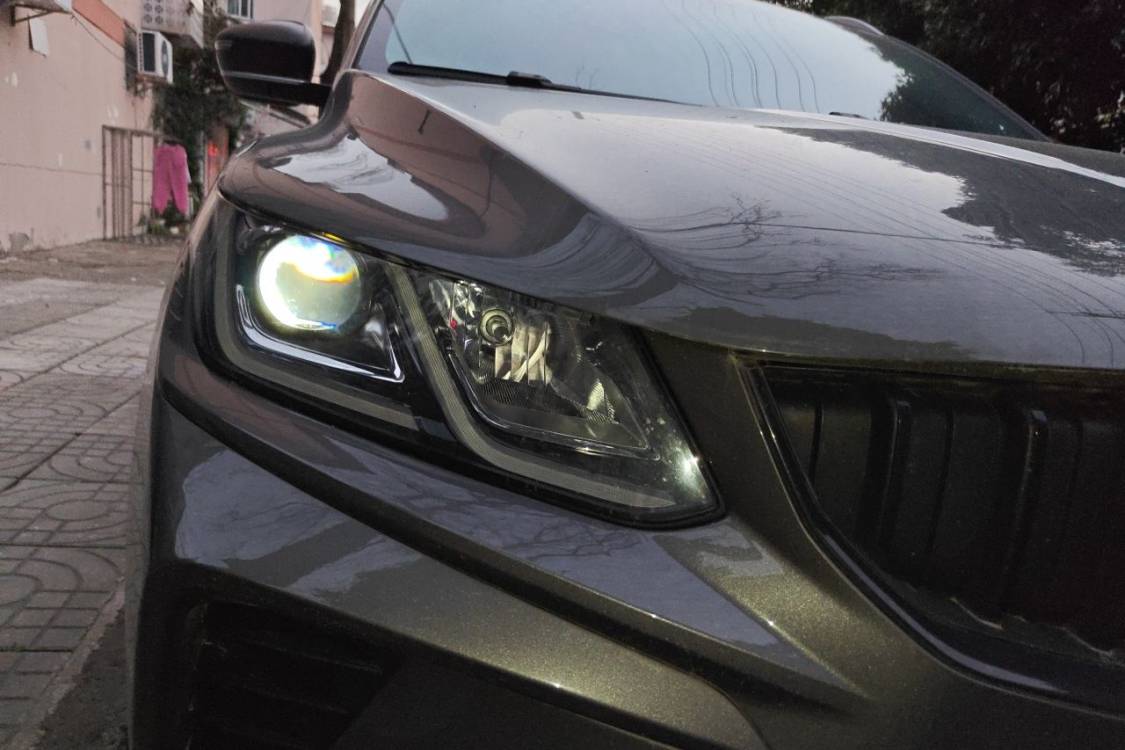
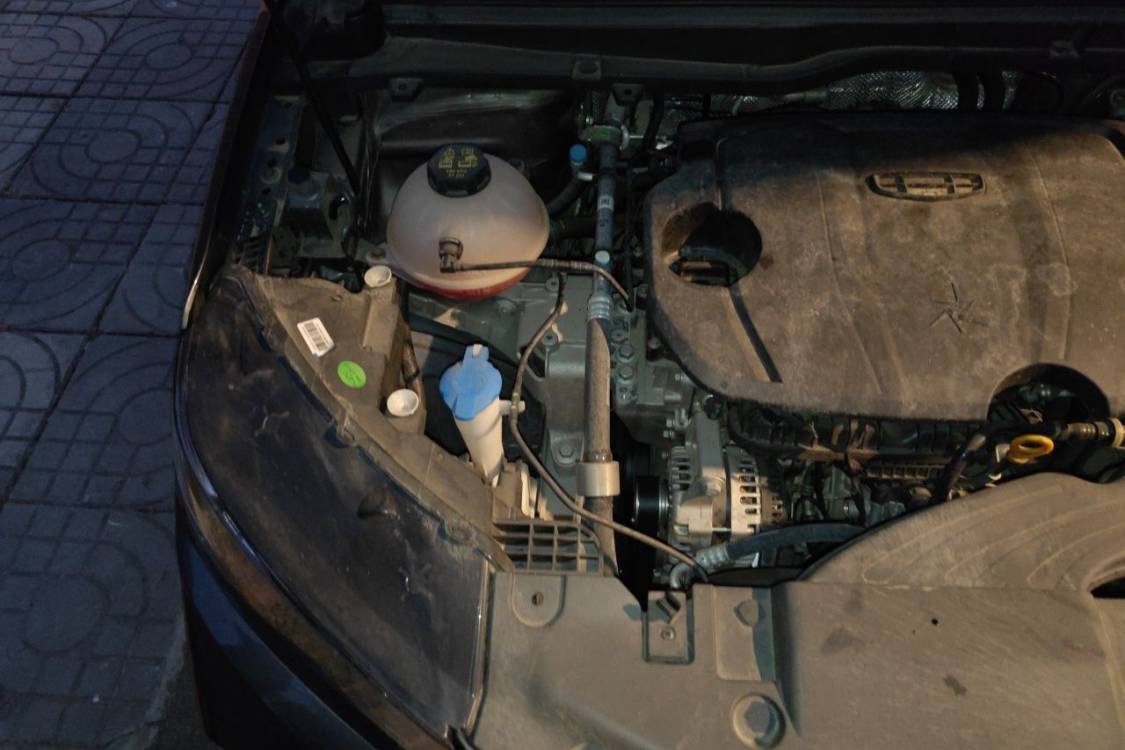
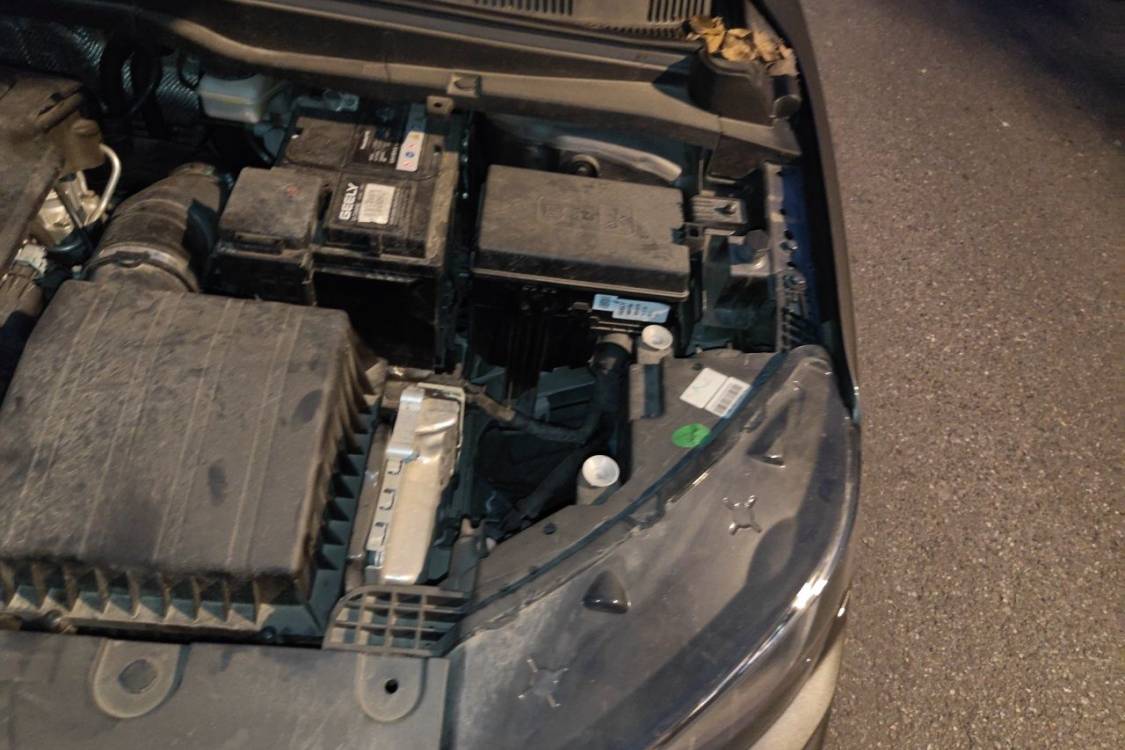
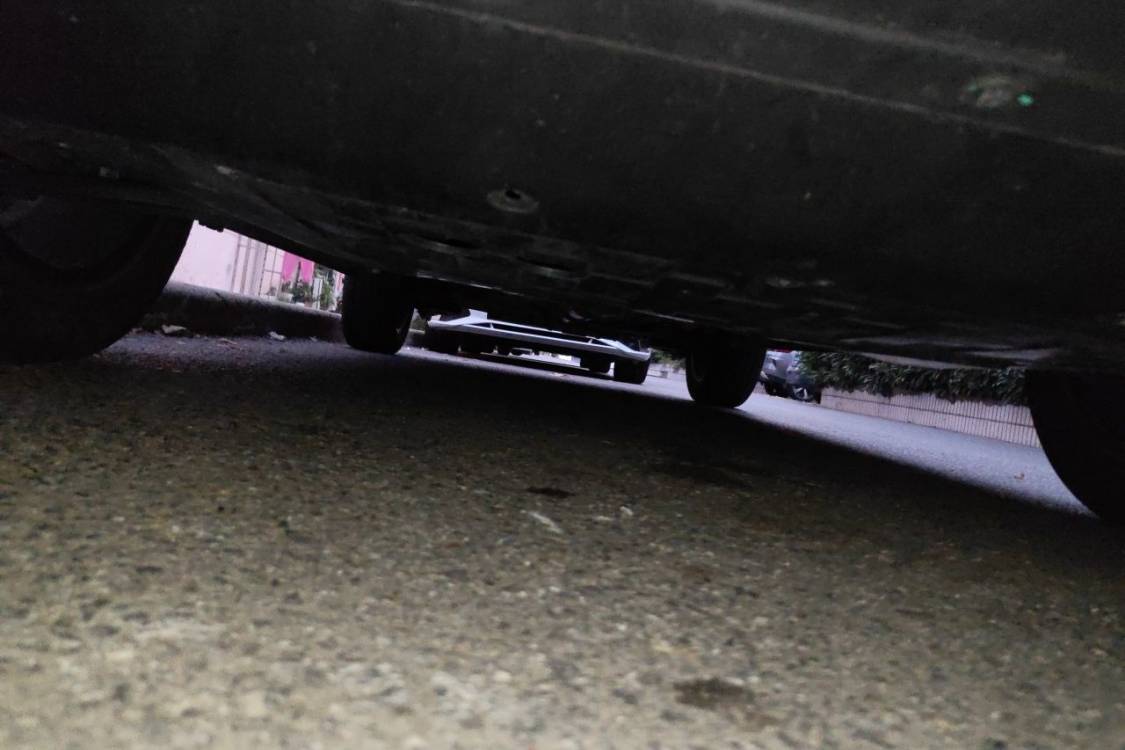
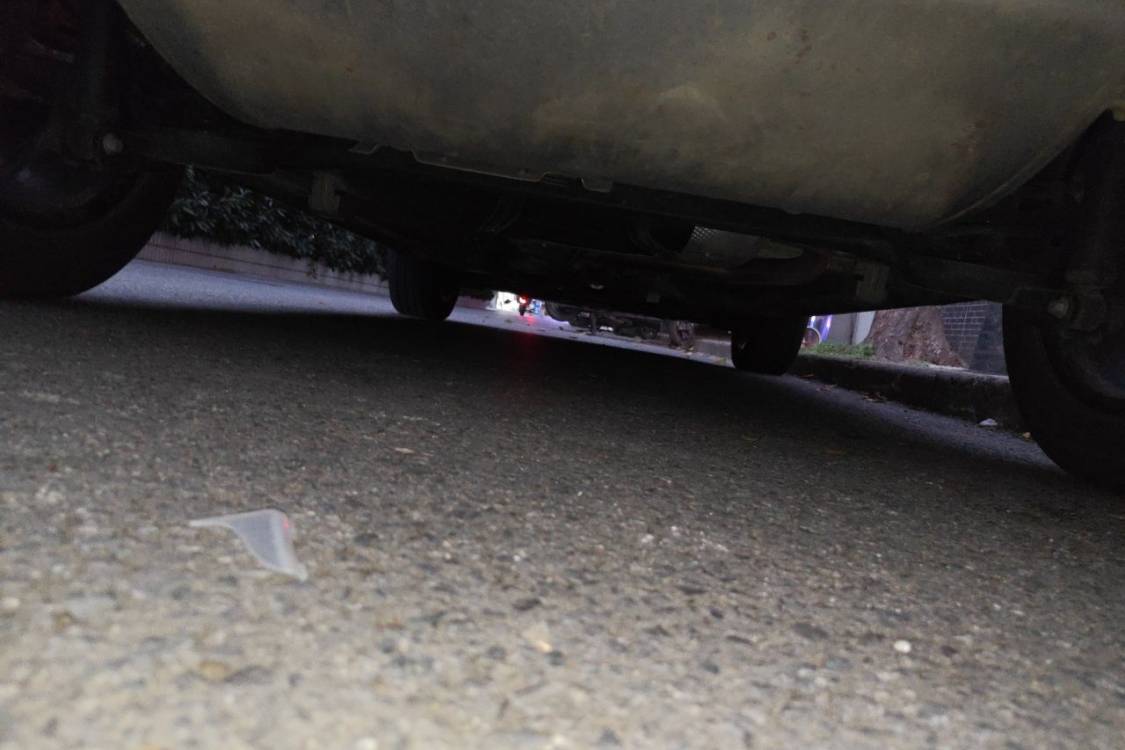
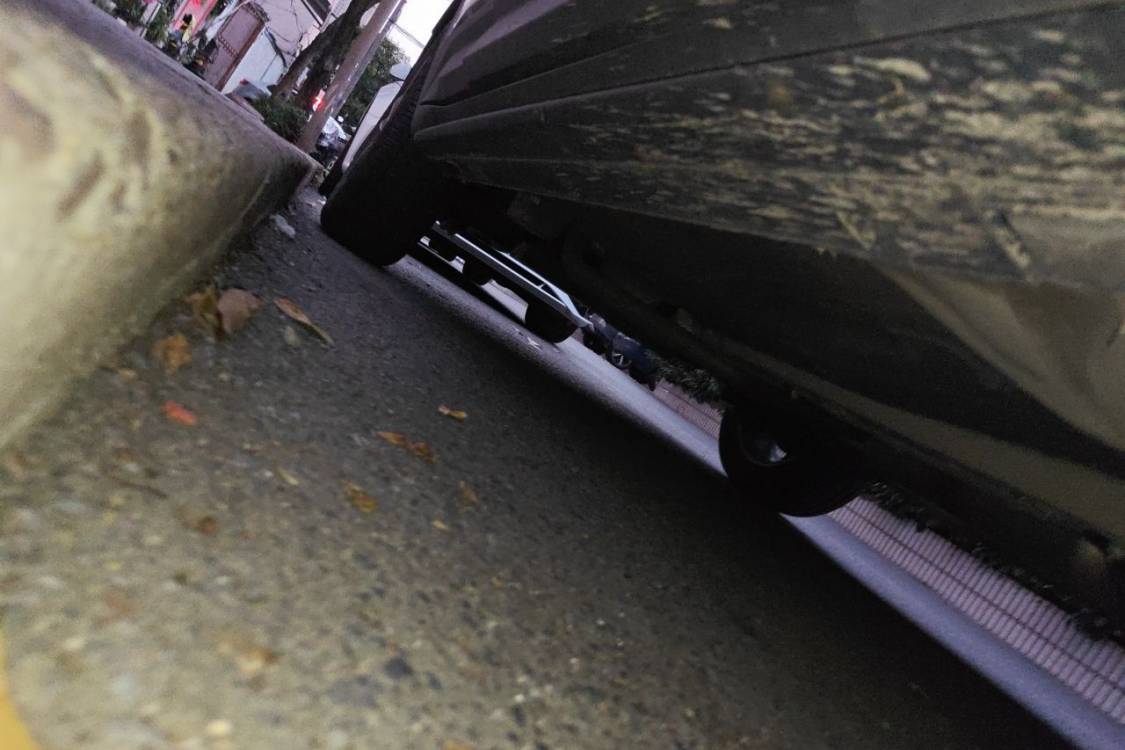
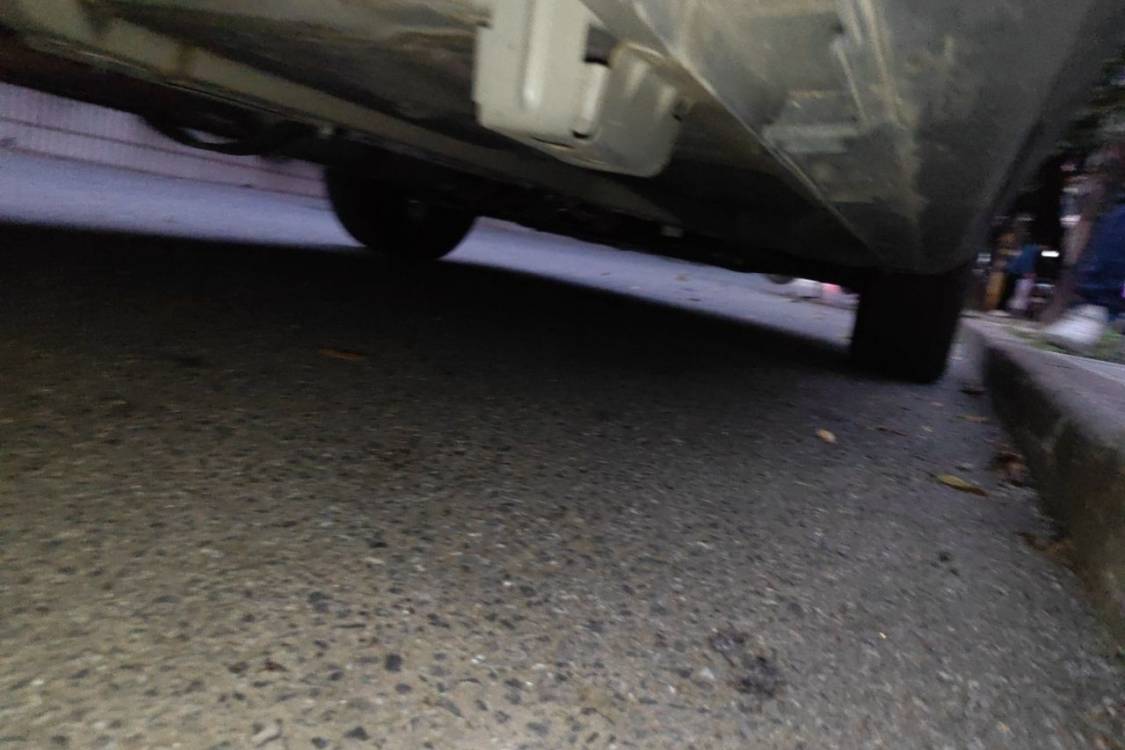
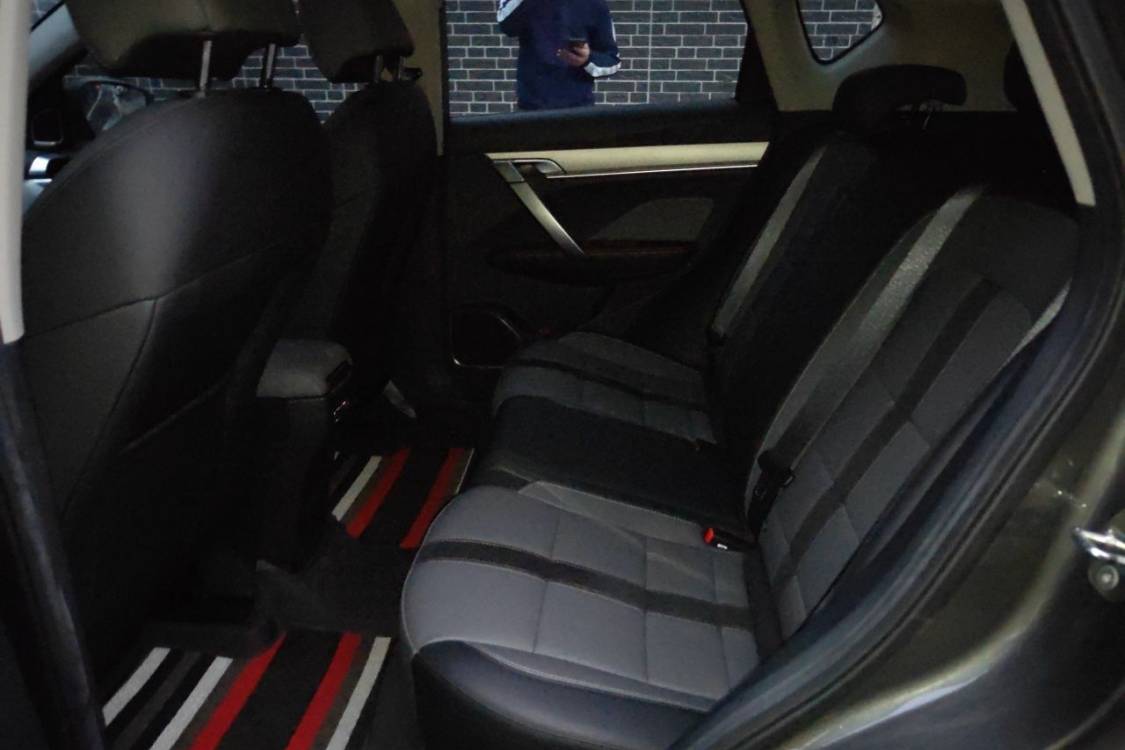
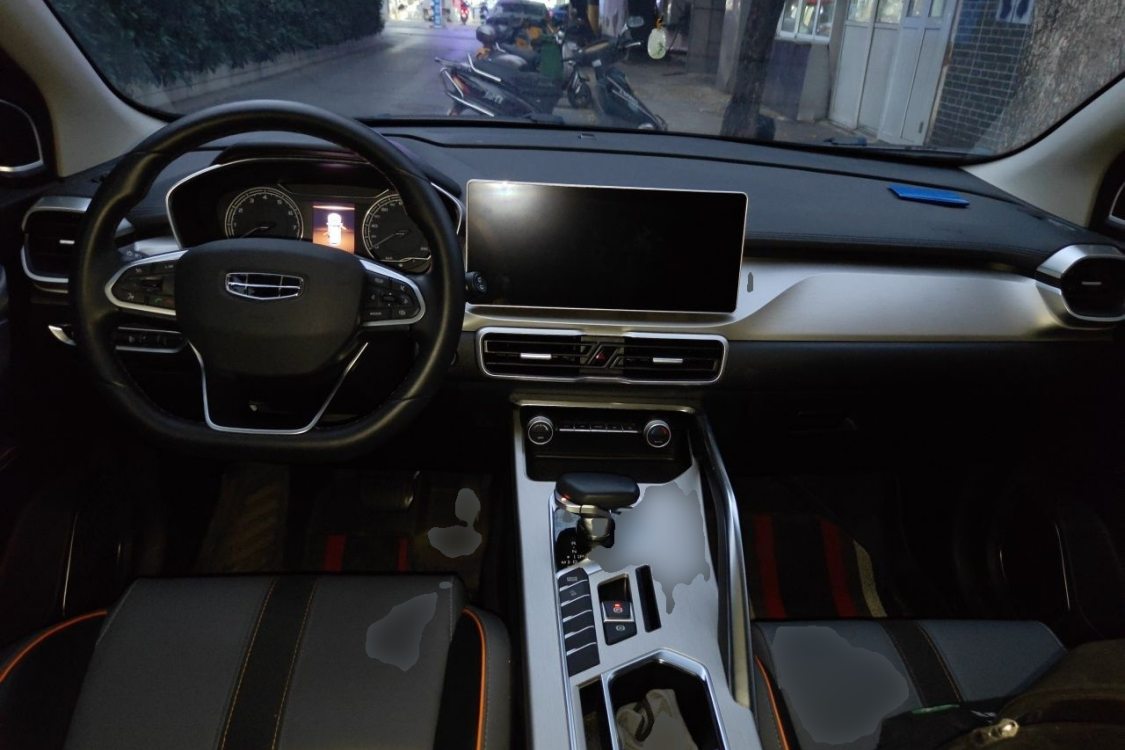
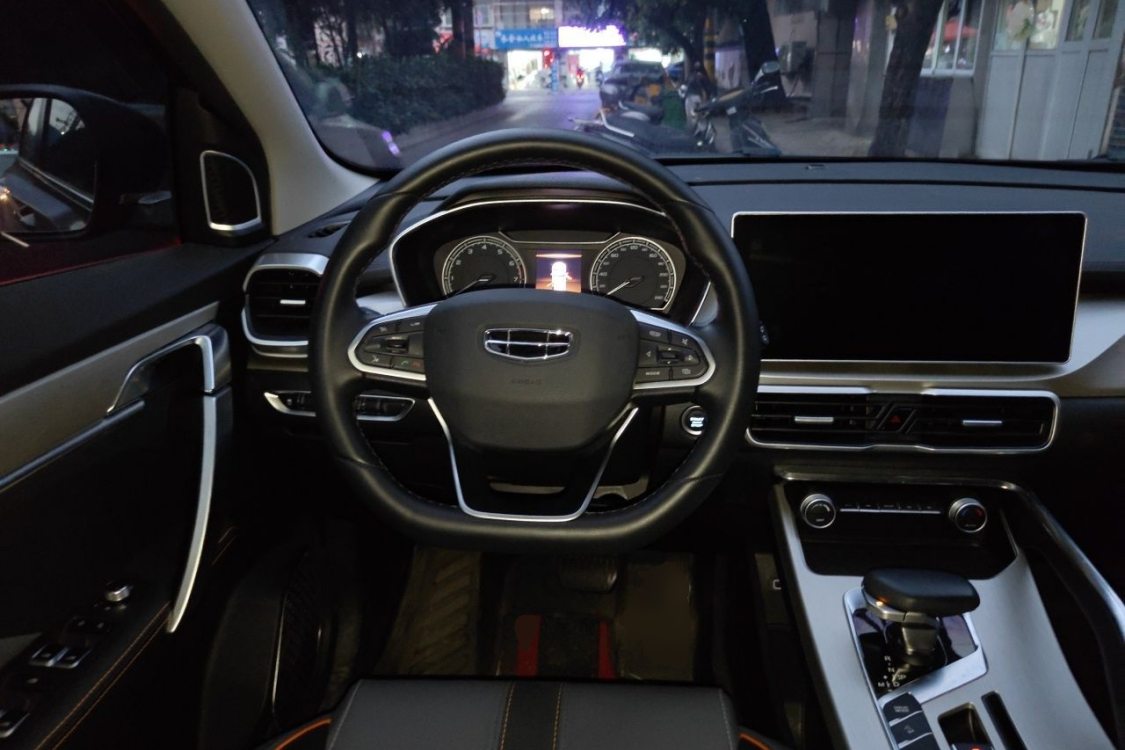
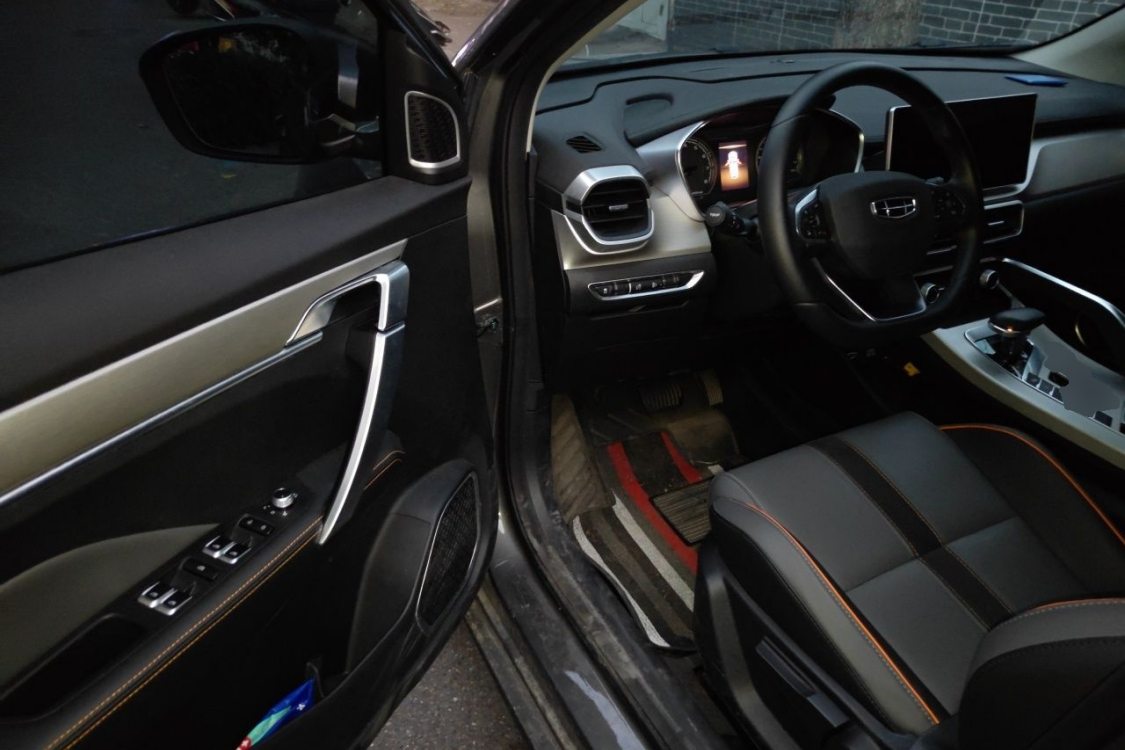
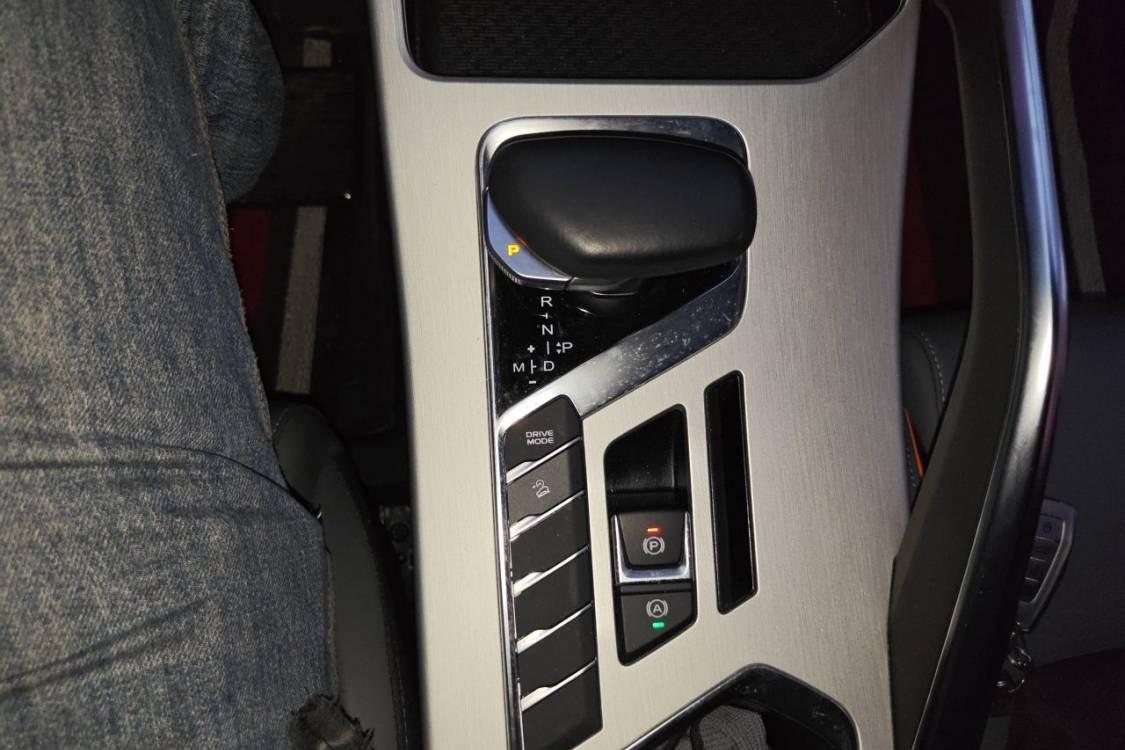
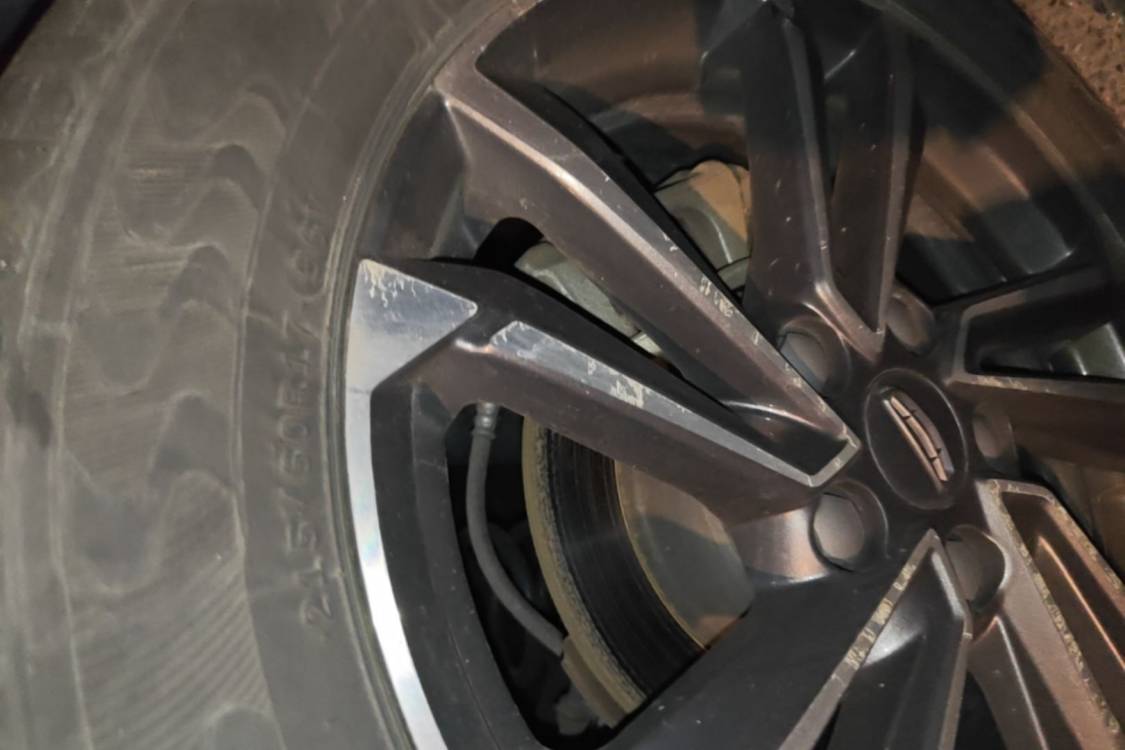
Vehicle performance is good. No accident-related damage or repairs to structural, reinforcing, or covering parts. No damage to the three electric systems (battery, motor, electronic control).

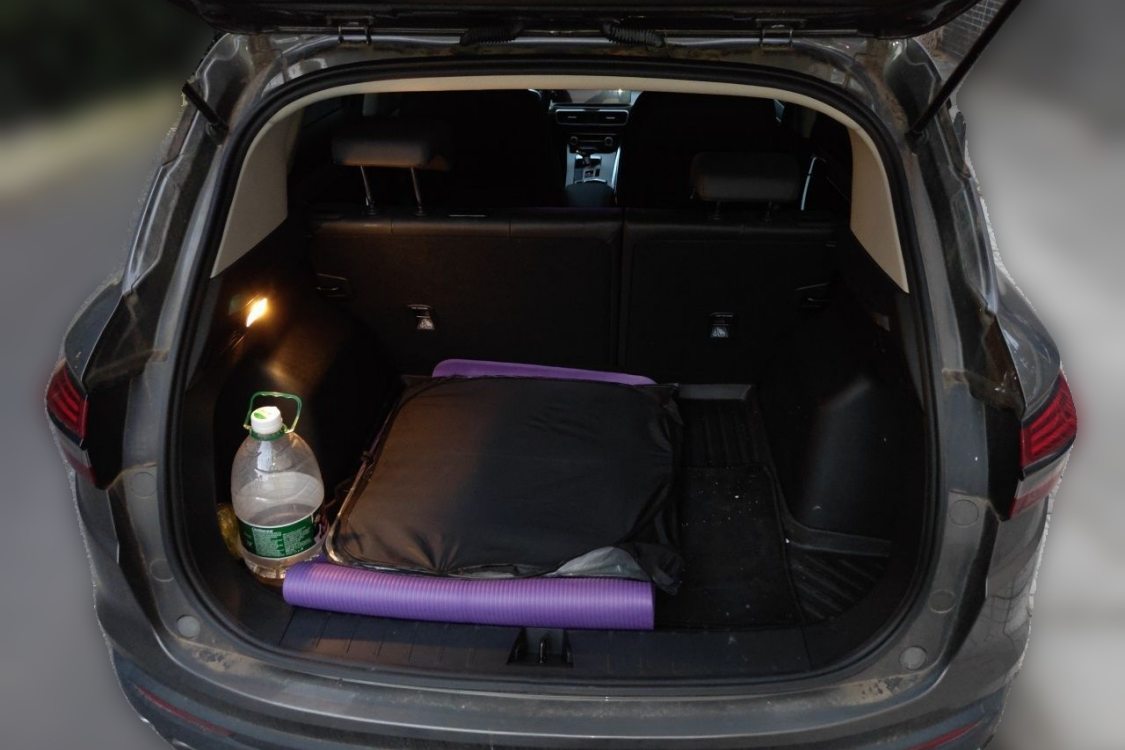
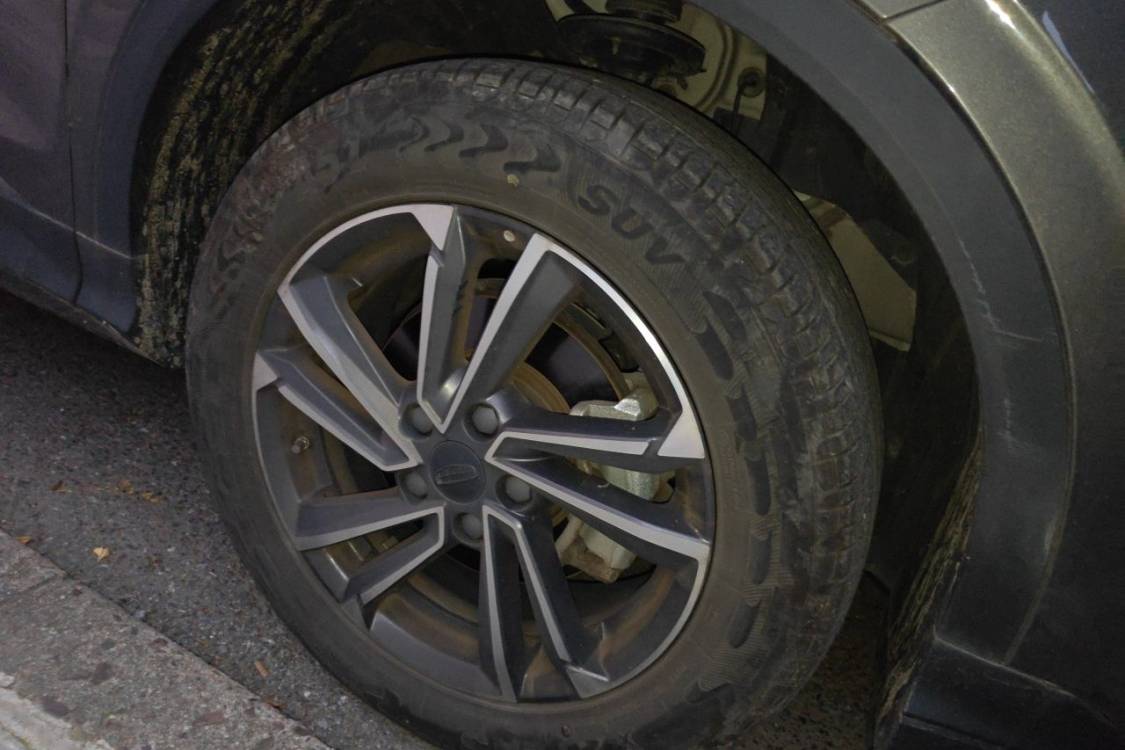
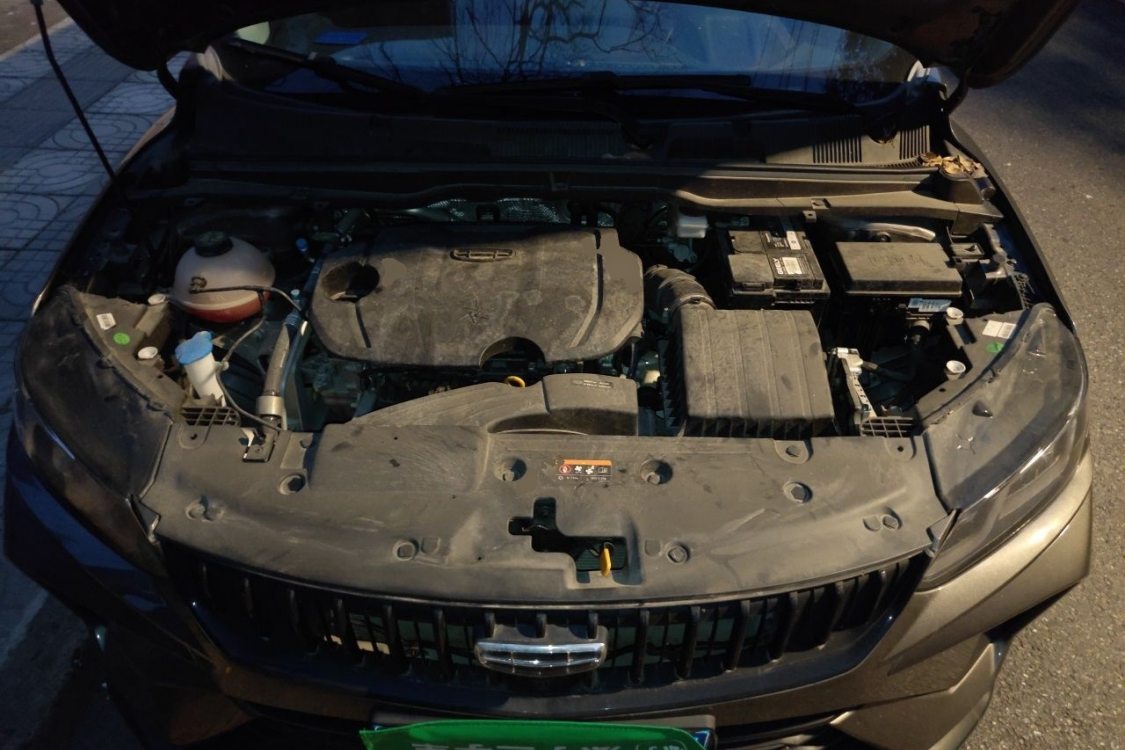
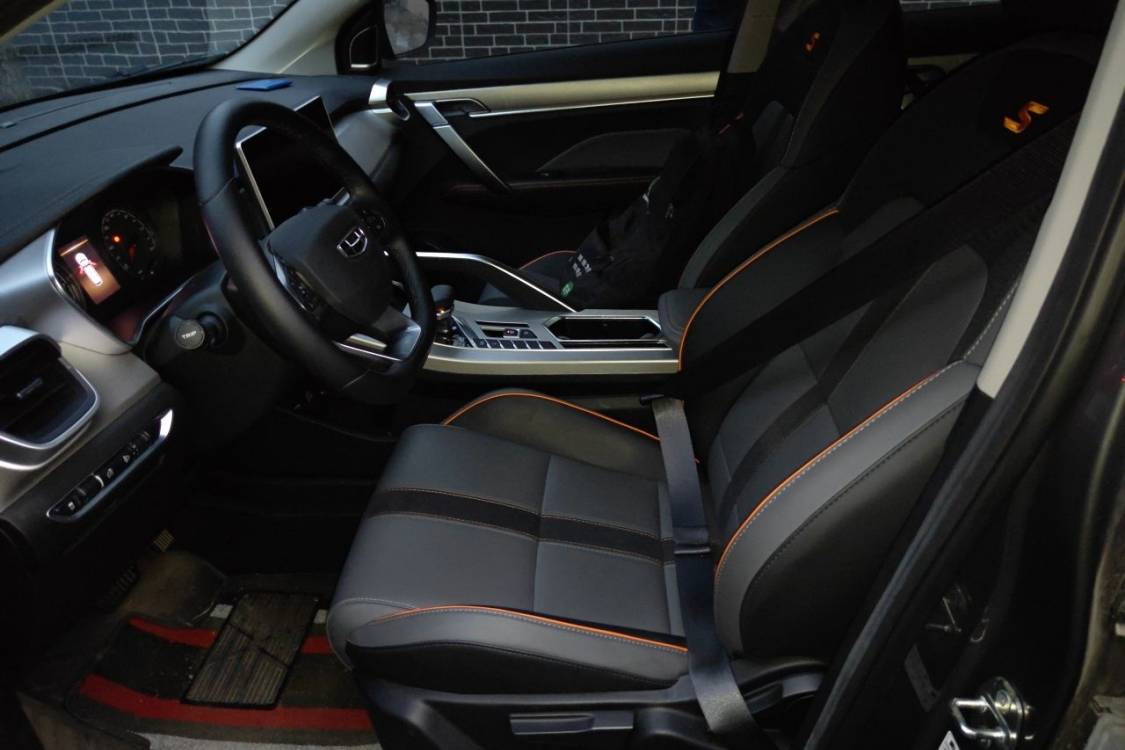
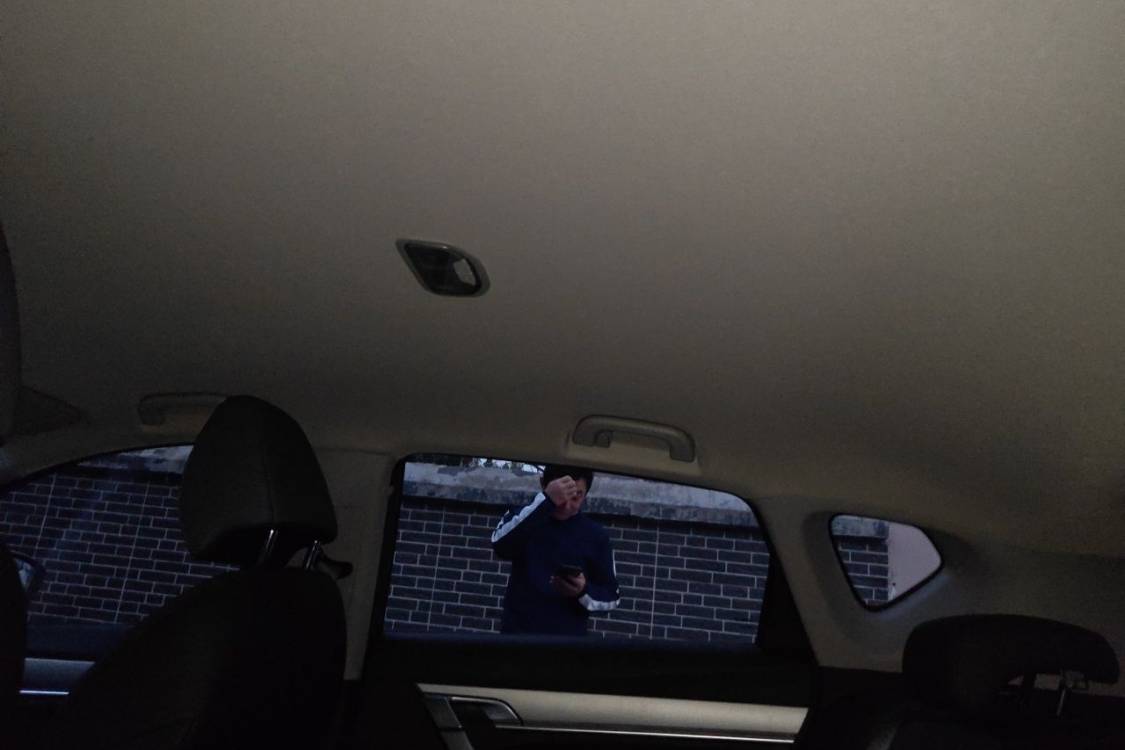
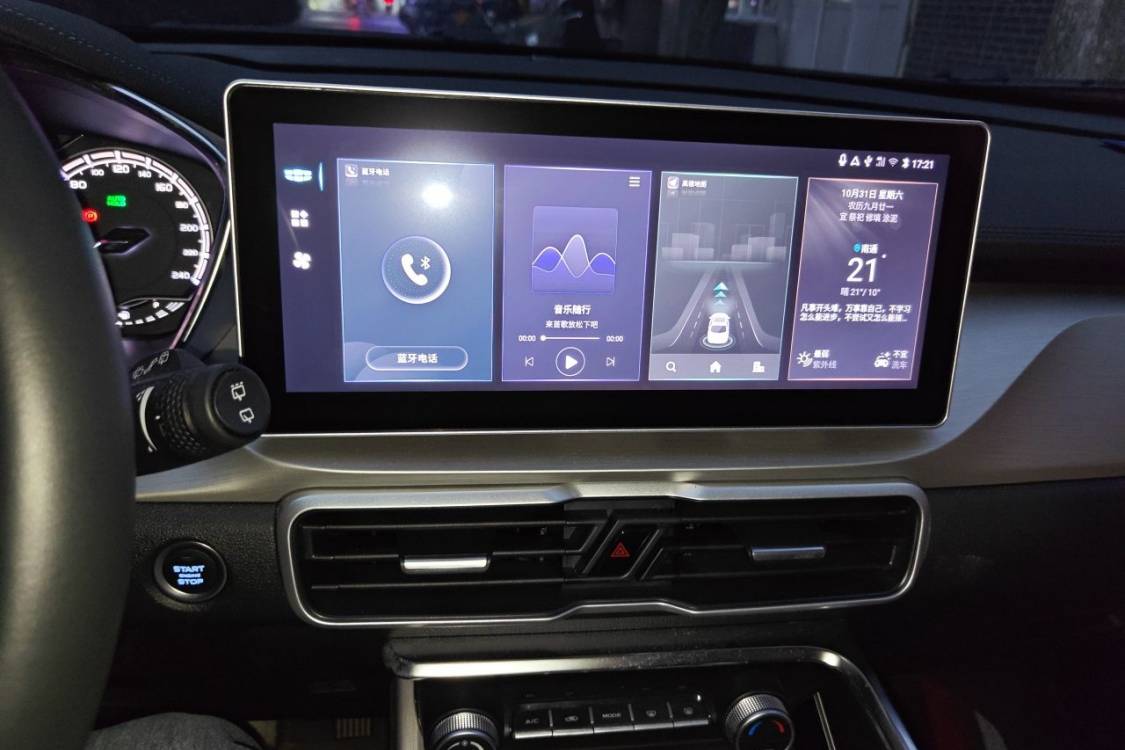
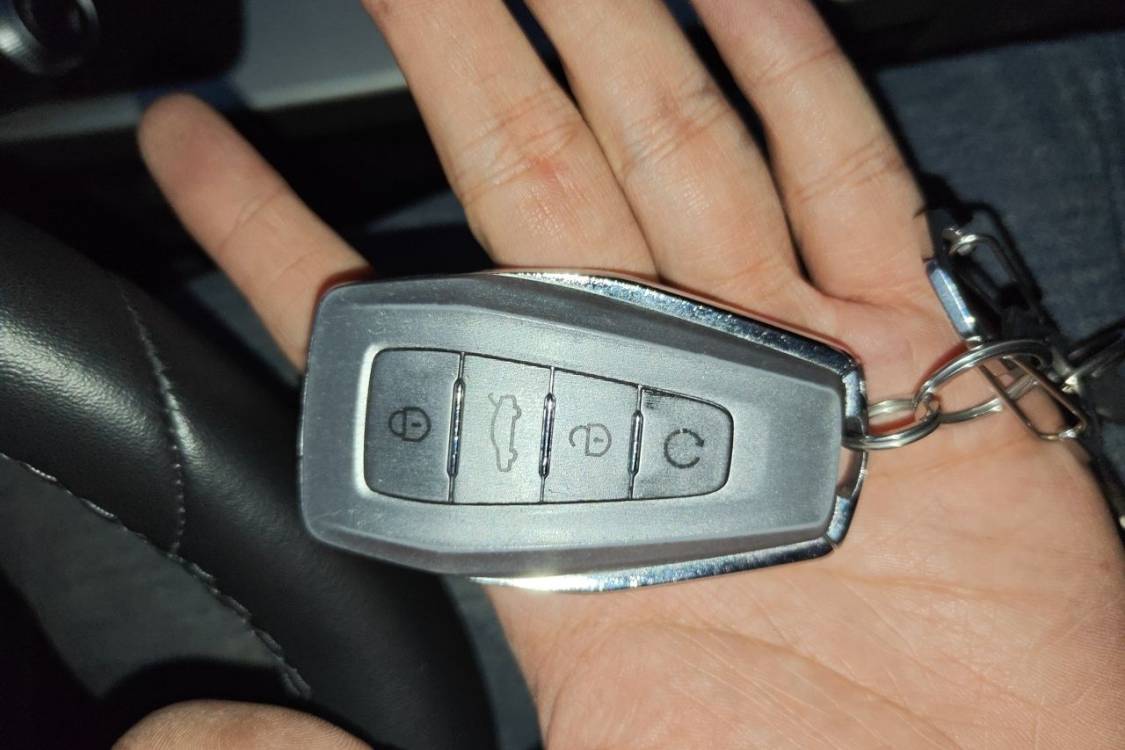
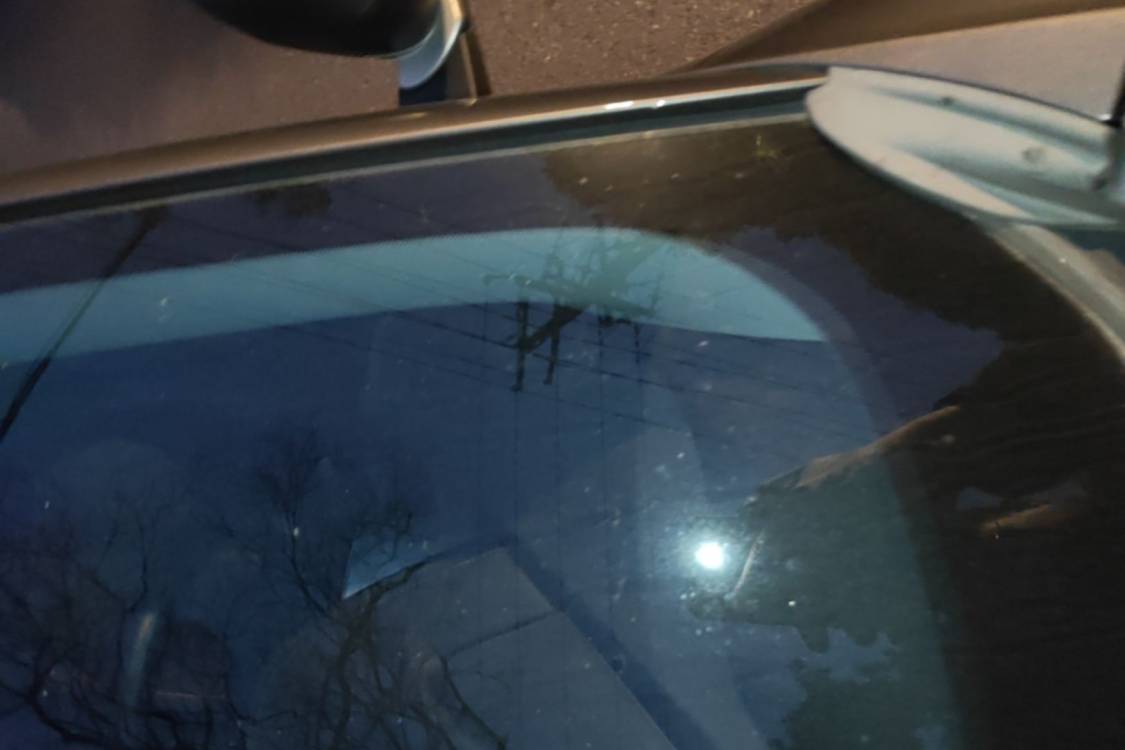
Accident inspection: no damage to main structure, reinforcing parts, covering parts, or hinges. Engine bay inspection: key mechanical components normal. Exterior: none. Interior: most features normal, airbags normal, seatbelts normal, dashboard normal, instrument readings normal, lighting system normal. Start-up inspection: main components normal. Onboard tools: none.

电话直连
可讲价
平台物流
可转售
零过户
新检测标准升级>
非泡水

Document Information

Inspection Expiry Date2028/12
Warranty Expiry Date-
Insurance Expiry Date2026/11

Q&A

More

What documents should I prepare to import a used car from China?

Typically you will need: 1. The commercial invoice and packing list from the seller; 2. The bill of lading issued by the shipping line; 3. The vehicle's export customs declaration; 4. The original registration certificate and a deregistration or transfer proof from China; 5. A certificate of origin if your country requires it; 6. Destination-specific documents, such as a pre-shipment inspection certificate (for example ECTN for West African ports). Requirements vary by country, so confirm the full list with your customs broker before shipment.


Can you check the previous history of the vehicle's use (whether it was for personal transport or company use)?

The registration certificate will show whether the previous owner was an individual (registered with ID) or a company (registered with a business license). Vehicles under a company may be driven by multiple people, so we will focus on checking the uniformity of interior wear and the condition of the chassis.

What tools and equipment does a professional pre-shipment inspection of a used car use?

A proper inspection relies on equipment, not just eyes. The inspector should use a paint thickness gauge to measure 50-60 points across body panels; original paint is typically 80-150 microns. An OBD diagnostic scanner reads stored and pending fault codes across all control units, and for EVs it also reads battery state of health and charge cycle counts. The car must go on a lift for the underbody check: frame rails, suspension components, oil leaks and accident repair marks are only visible from below. A battery tester checks starting voltage and charging system health, and a tread depth gauge documents tire condition. Ask for the report to include raw readings and dated photos rather than a simple pass/fail summary - that is what makes it verifiable.