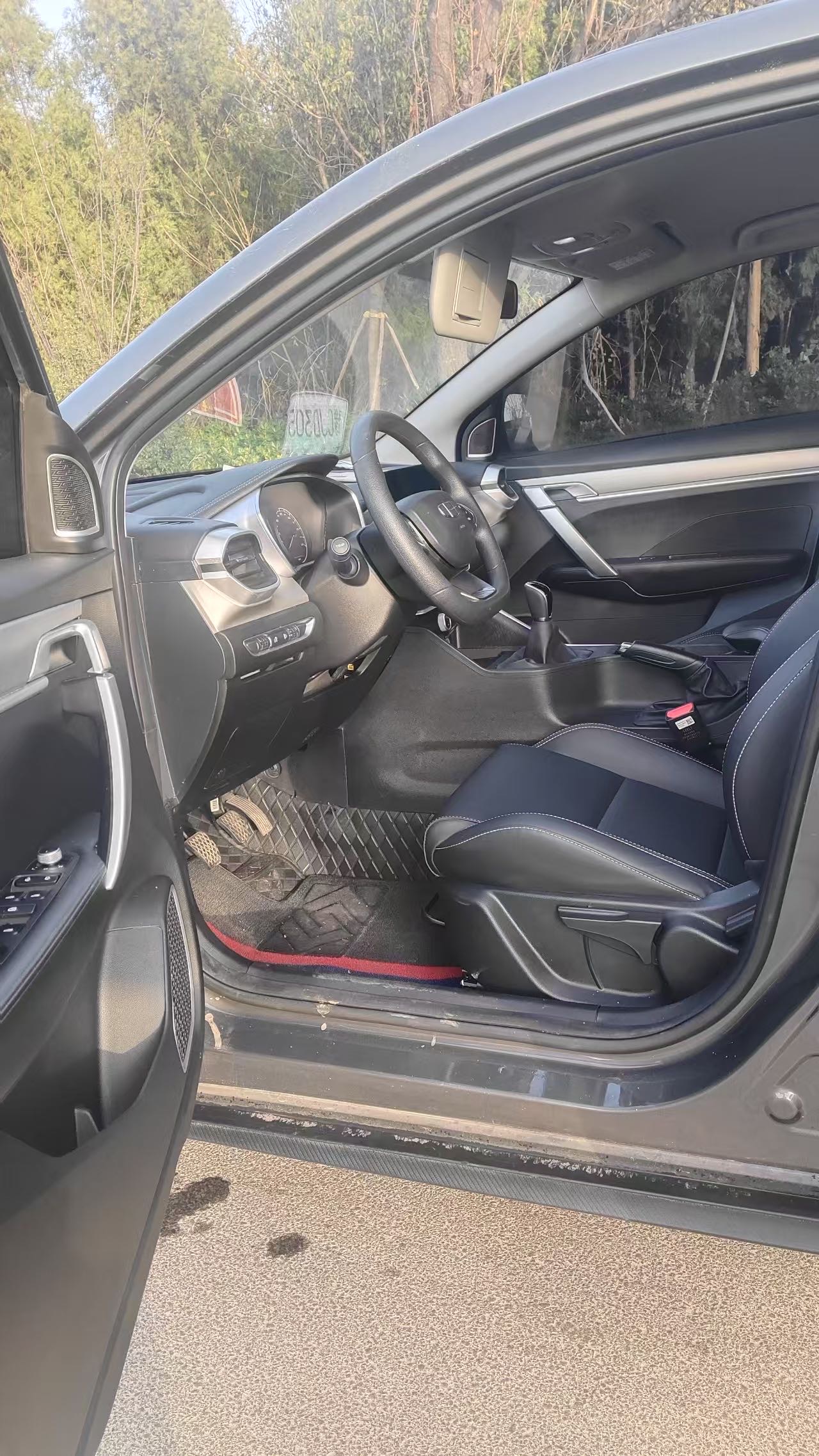
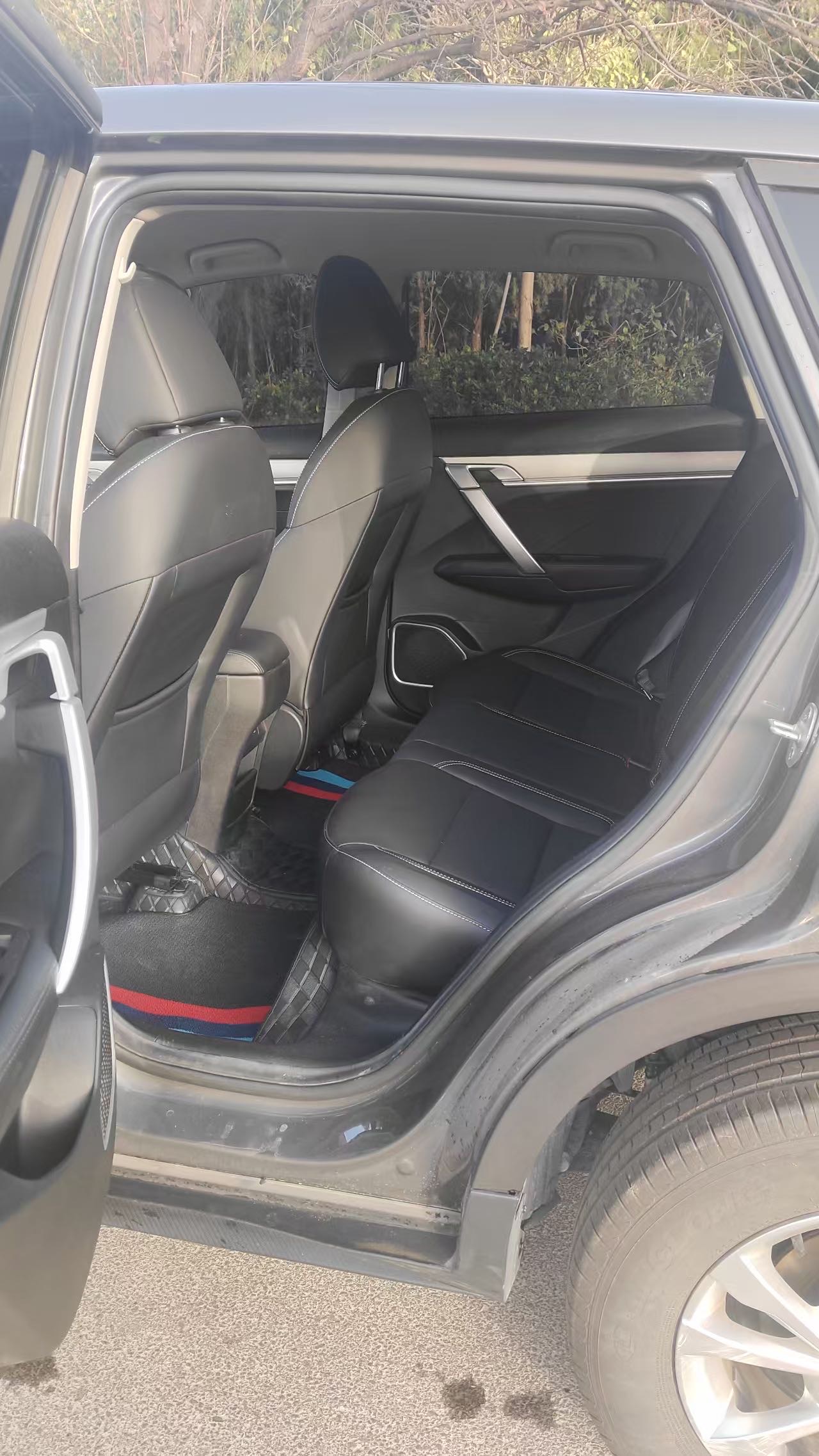
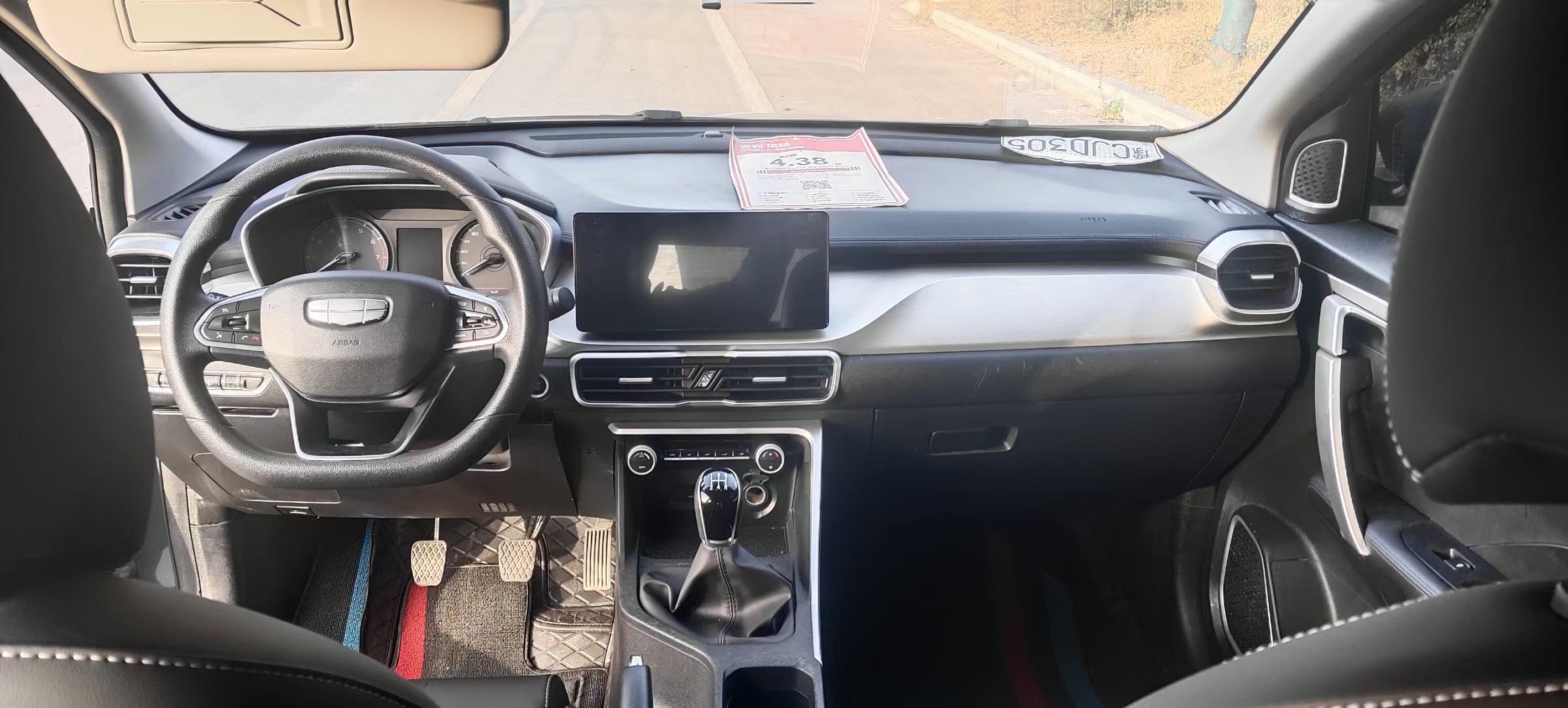



48H

Basic Information

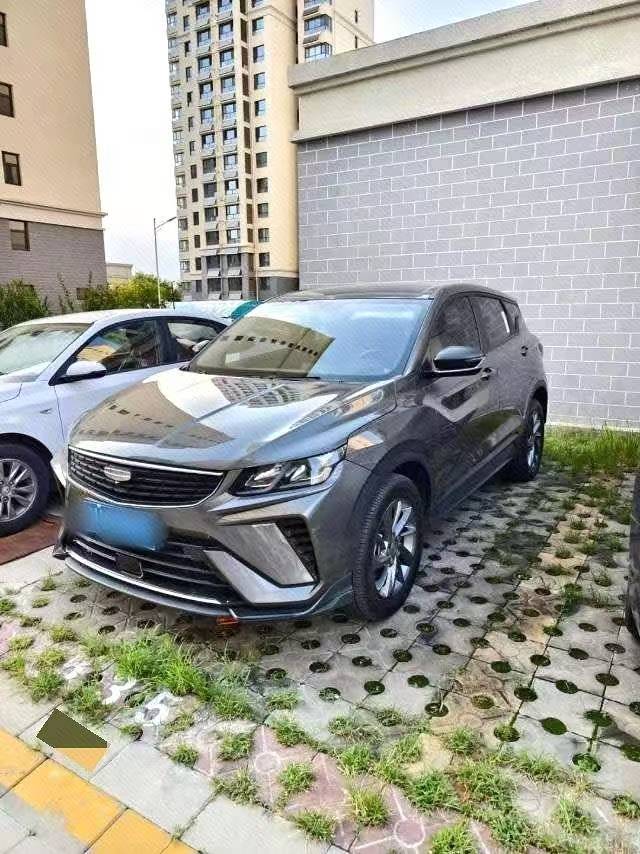
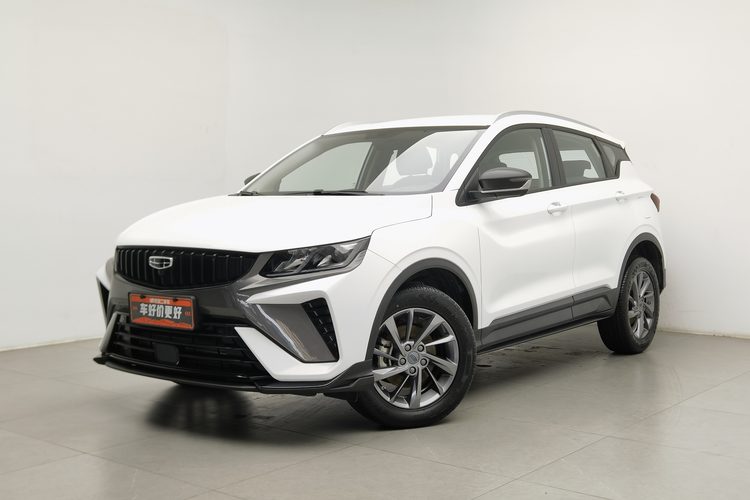
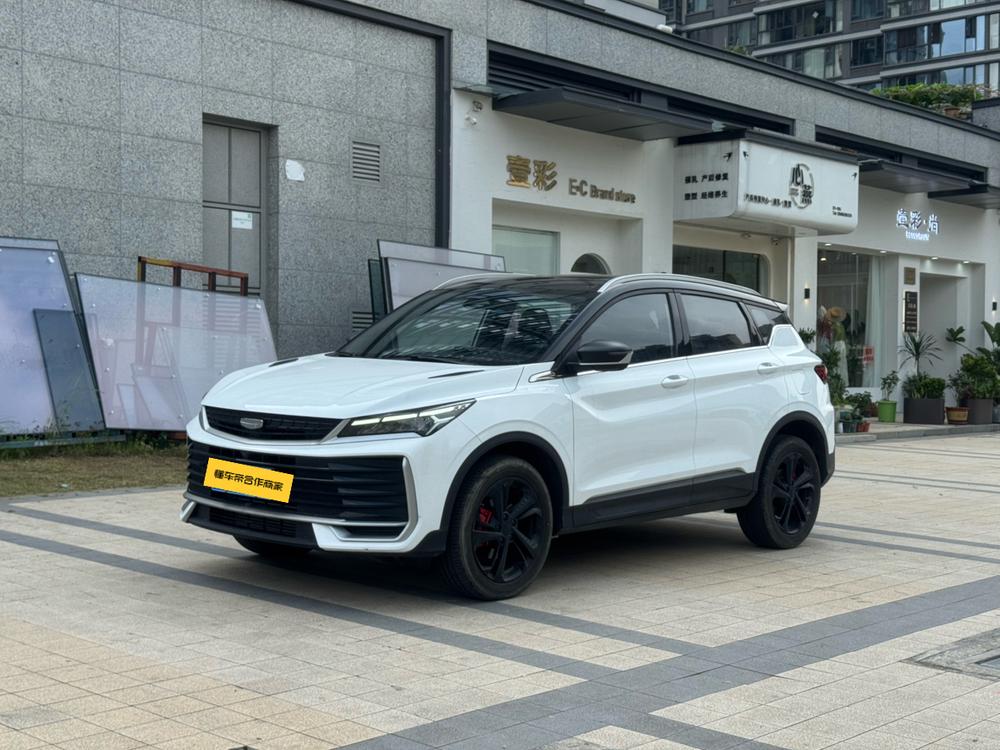
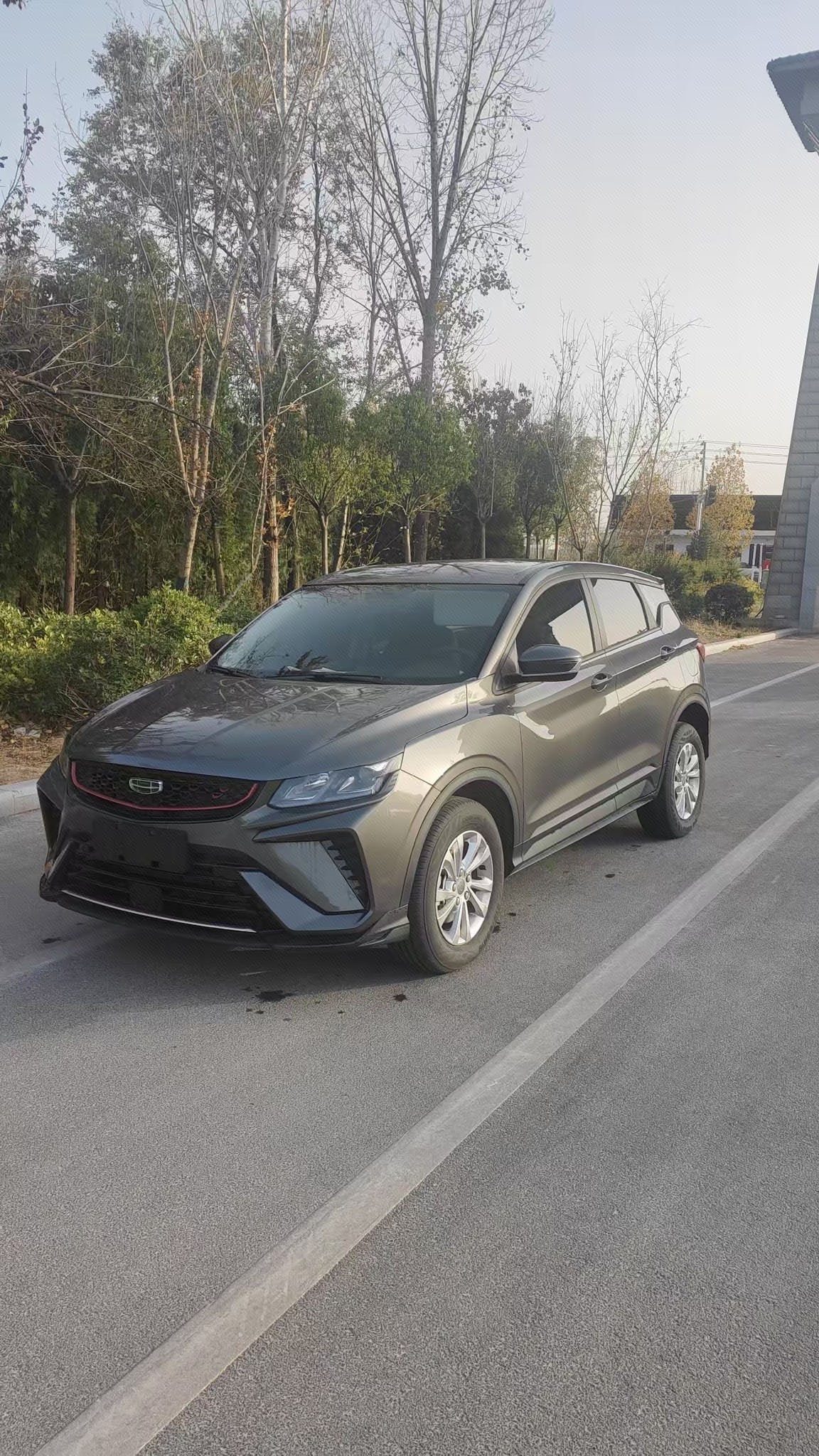
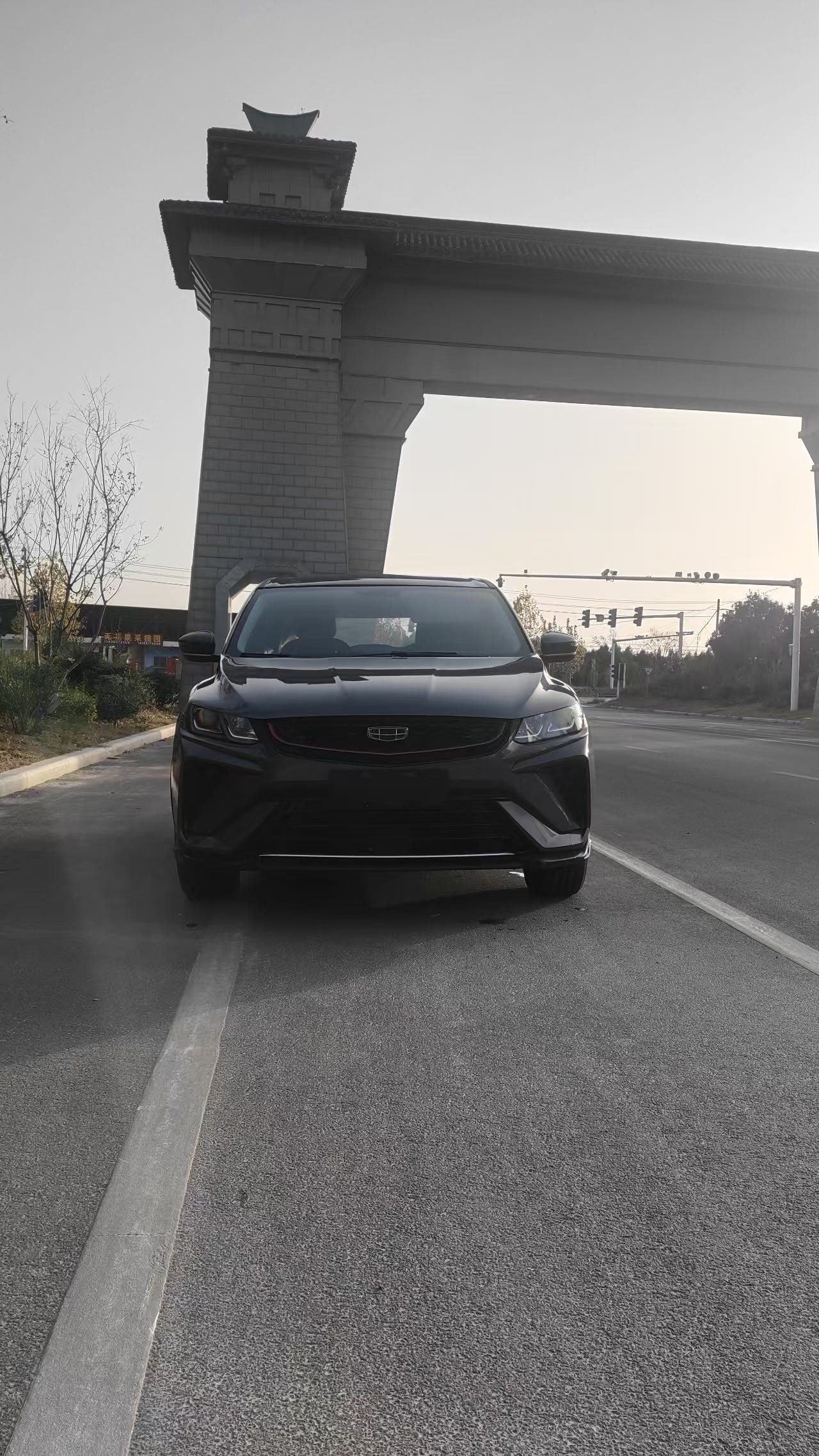
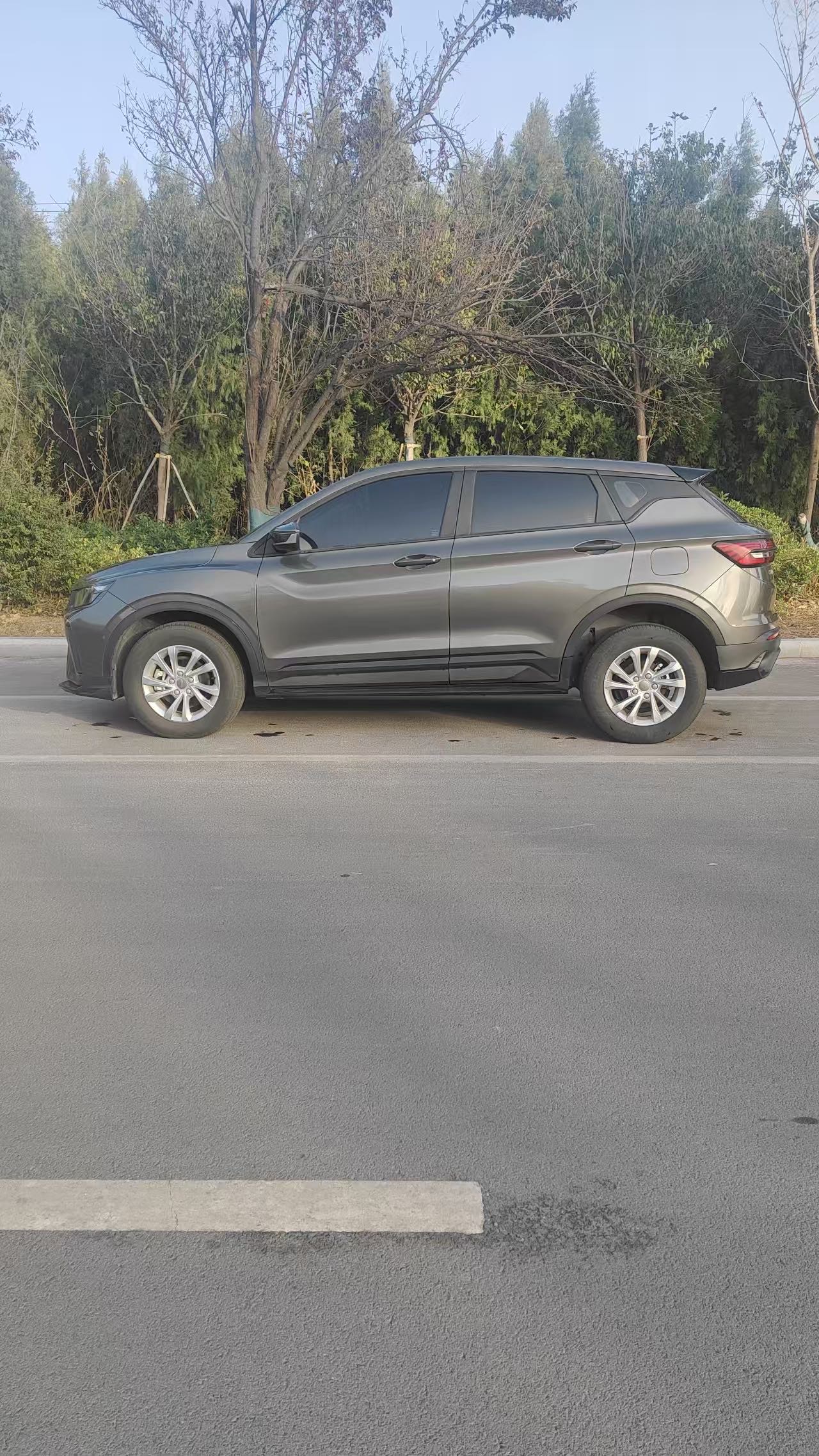
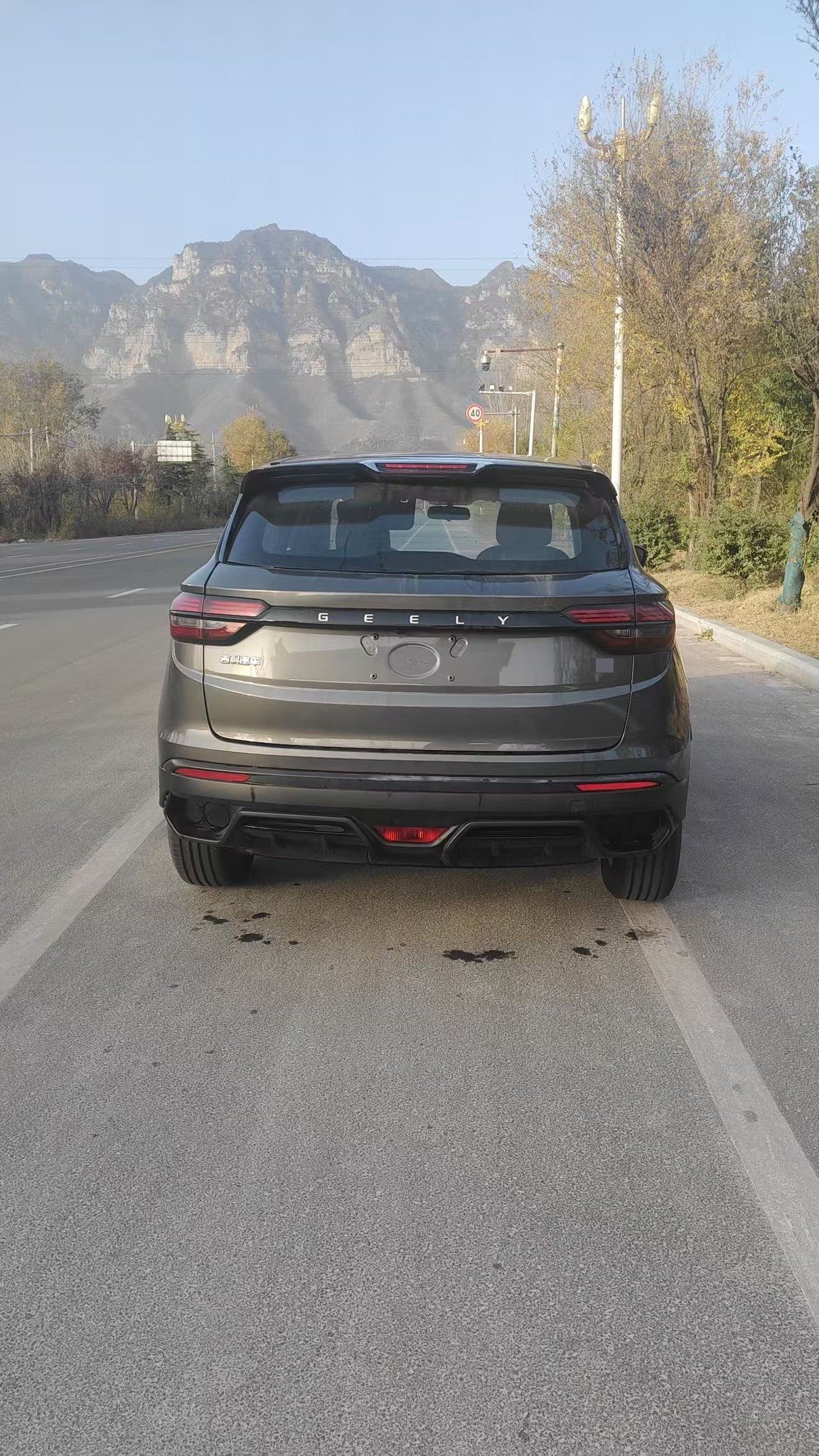
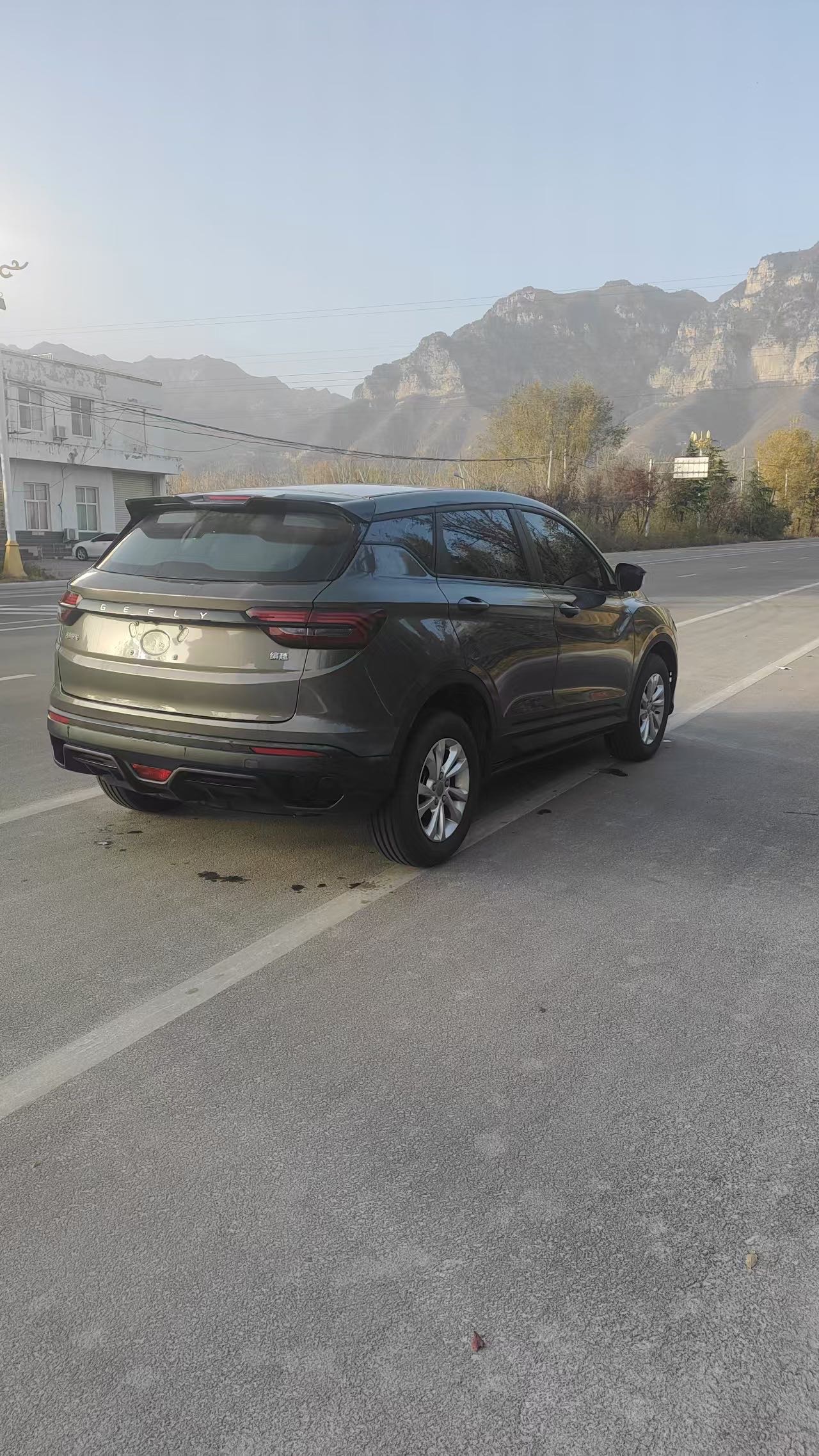
BrandGEELY
SeriesCoolray
Year2024
First Registration2024/12
Mileage4,600km
Transfer Count0times
FuelGasoline
TransmissionManual
Engine1.5L 126 L4
ColorGrey
Seats5seats

Condition Description

The right front corner of the vehicle had its cover panel replaced.

Document Information

Inspection Expiry Date-
Warranty Expiry Date-
Insurance Expiry Date2026/12

Q&A

More

For a used hybrid or EV, what battery health checks should I demand in a pre-purchase inspection?

The battery is the most expensive component in a used EV or hybrid, so battery health deserves its own inspection stage. Ask for a professional diagnostic scan (for example, via OBD tools reading the BMS data) that reports State of Health (SOH) in percentage. For EVs, SOH above 85% is generally good; below 75% means meaningful capacity loss and reduced driving range. Request a full charge and discharge test where possible: charge to 100%, drive or discharge to near 0%, and compare actual range against the original rated range. A battery delivering less than 70% of rated range is a concern. Check for battery cell imbalance — the diagnostic report should show voltage differences between cell groups. A spread above 0.05V indicates uneven aging. Also verify thermal management: confirm the battery cooling/heating system works, especially for cars destined for hot climates, and check whether the car has any active battery recall or warranty extension programs. Always get these results in writing or screenshots before paying the balance.


What are the safest payment milestones when buying a used car from China for export?

Never pay 100% upfront. A widely used, safe structure is: 1. Deposit: 10-20% after the third-party inspection report confirms the car's condition. Pay only to the exporter's corporate bank account. 2. Balance: 70-80% after you receive scanned copies of the bill of lading, export license and deregistration proof — this confirms the car is genuinely on the ship. 3. Retention (recommended): hold back 5-10% until the car arrives and passes your own inspection at the destination port. Write these milestones into the sales contract with exact document requirements and deadlines for each step. Reject requests to split payments into personal accounts or to pay undocumented extra charges outside the contract.

If a problem arises after the car arrives, how are disputes and claims typically handled with a Chinese exporter?

Handling claims with an overseas exporter works best when expectations are set before payment. Prevention: put the inspection standard, photo/video evidence requirements, and a dispute clause into the sales contract. Keep all chat records and payment receipts. Typical process if issues arise: 1) Notify the exporter within 48-72 hours of delivery with photos/videos as evidence. 2) Most disputes fall into two buckets: shipping damage (handled via marine insurance — this is why insurance matters) or undisclosed mechanical defects (handled per contract, often via partial refund, spare parts, or repair cost sharing). Realistic expectations: exporters rarely accept returns, so negotiate compensation instead. A reputable company will usually cover reasonable repair costs for defects confirmed to pre-exist shipment. Tip: for higher-value cars, hire a local third-party inspection at destination as final evidence — it strengthens any claim significantly.