


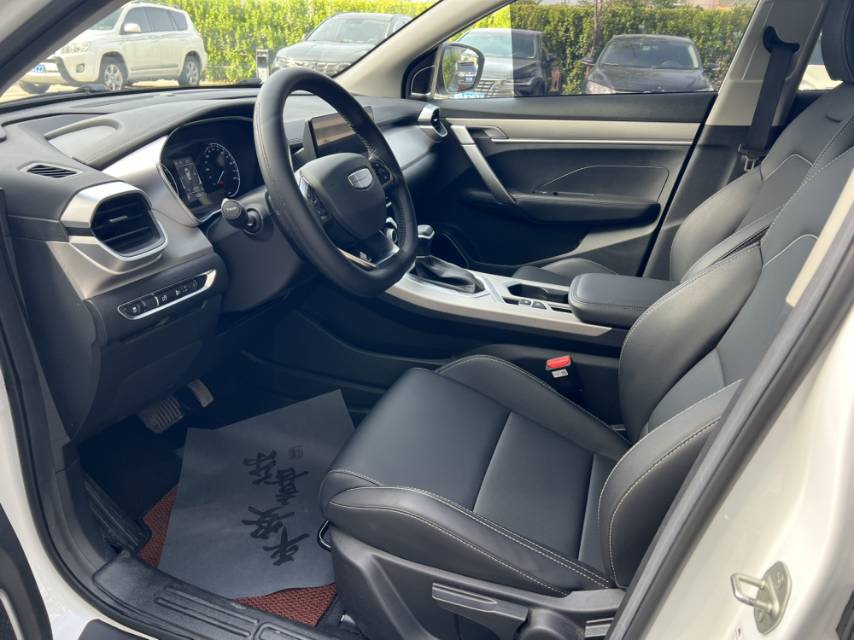
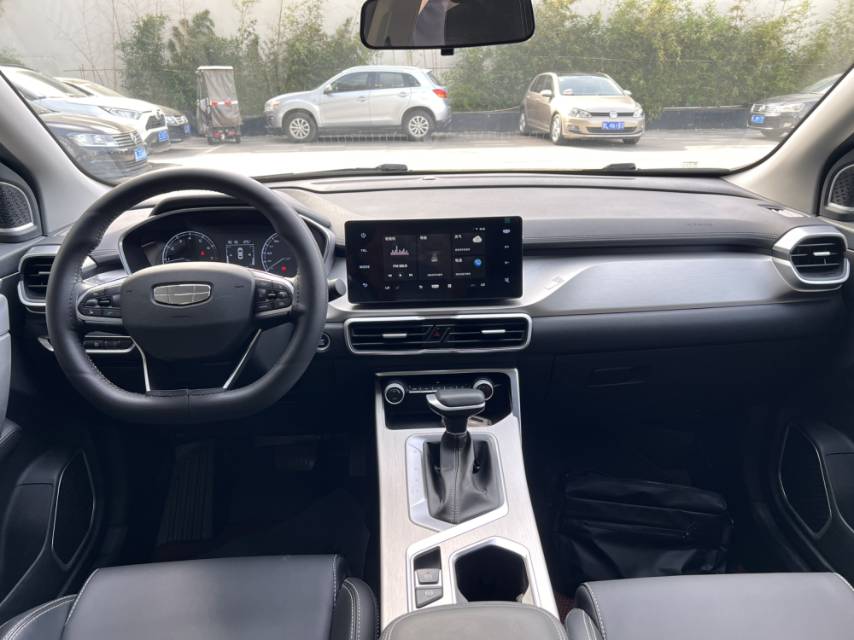
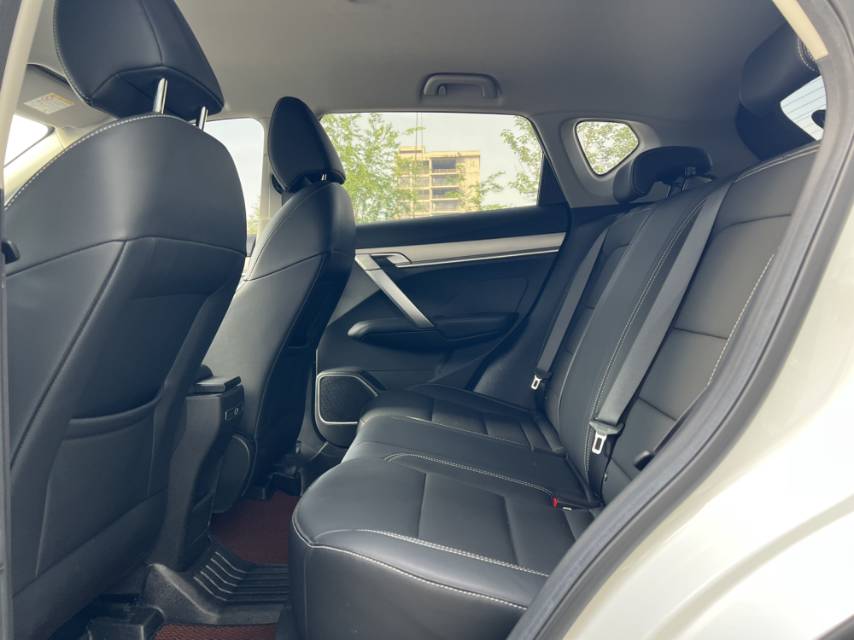







Stock

Basic Information

BrandGEELY
SeriesCoolray
Year2024
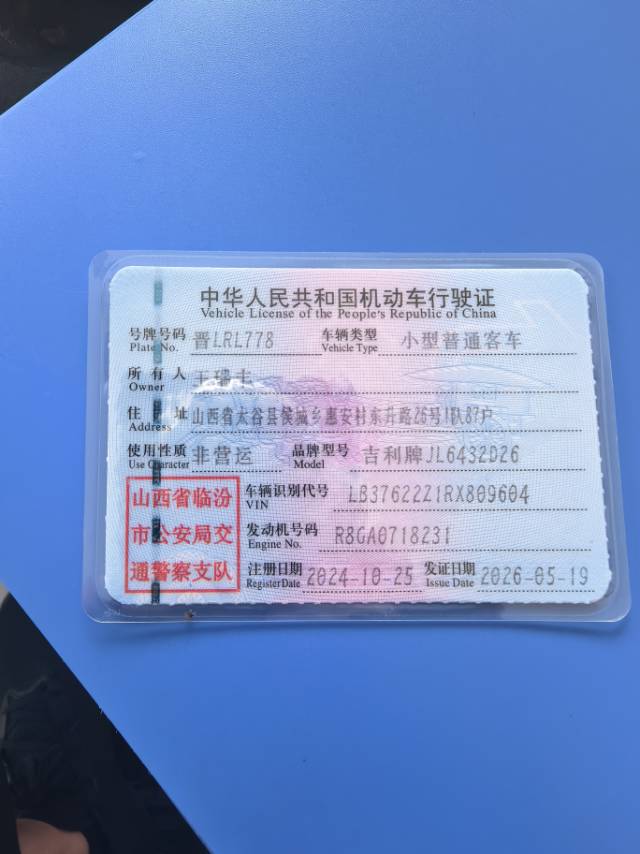
First Registration2024/10
Mileage20,000km
Transfer Count1times
FuelGasoline
TransmissionCVT
Engine1.5L 126 L4
ColorWhite
Seats-

Condition Description

燃油车
SUV
自动
维保开放
事故开放
查验开放

Configuration Highlights

✓品牌: 吉利汽车
✓车系: 缤越
✓车型: 2025款 1.5L CVT 超能
✓车身类型: SUV
✓座位数: 5
✓排量: 1.5L
✓变速箱: 自动
✓能源类型: 燃油车
✓VIN: LB37622Z1RX809604
✓搜索关键词: 吉利汽车缤越 2025款缤越1.5LCVT超能

Document Information

Inspection Expiry Date2026/10
Warranty Expiry Date-
Insurance Expiry Date2026/10

Q&A

More

Why do used cars of the same brand, year, and configuration with complete 4S dealership records cost several hundred dollars more than those without records?

Complete records represent underlying trust and zero odometer adjustment risk. In the used car market, solid data history itself carries a high premium. The extra few hundred dollars buys you an impeccable endorsement when selling overseas.


What kind of after-sales support can I expect if a problem appears after the car arrives?

Cross-border after-sales support mainly comes from three channels: 1. Contract terms: Reputable exporters commit in the sales contract to engine and gearbox coverage for 30 days after pickup, excluding wear-and-tear items. Get this in writing before paying. 2. Inspection report: The pre-shipment inspection report is your baseline. If the car arrives with problems that contradict the report (e.g., hidden accident damage not disclosed), you can file a claim against it. 3. Parts supply: For mainstream Chinese brands, spare parts channels exist in Russia, Central Asia, the Gulf, and Africa. Many exporters will help you source and ship parts after delivery. Practical tips: inspect the car on arrival and photograph everything; report any issue in writing within 48 hours; keep all shipping documents. Claims filed weeks later are hard to prove.

What are freight surcharges like BAF and PSS, and can I lock in a shipping rate when importing a used car from China?

Beyond the base ocean freight, carriers add surcharges that fluctuate monthly: BAF (bunker adjustment factor, tied to fuel prices), PSS (peak season surcharge, typically before Chinese New Year and summer), and congestion or war-risk surcharges for specific ports. These can add 10-30% to quoted freight, which is why a cheap rate today may not hold next month. To protect yourself: ask the exporter or forwarder for a rate validity period in writing (usually 2-4 weeks), and book space as soon as the inspection passes. For single cars this is standard practice. Also confirm whether the quote is all-in (including origin port fees, THC, and documentation) or freight-only. Comparing all-in quotes is the only reliable way to avoid surprises when the invoice arrives.