48H

Basic Information

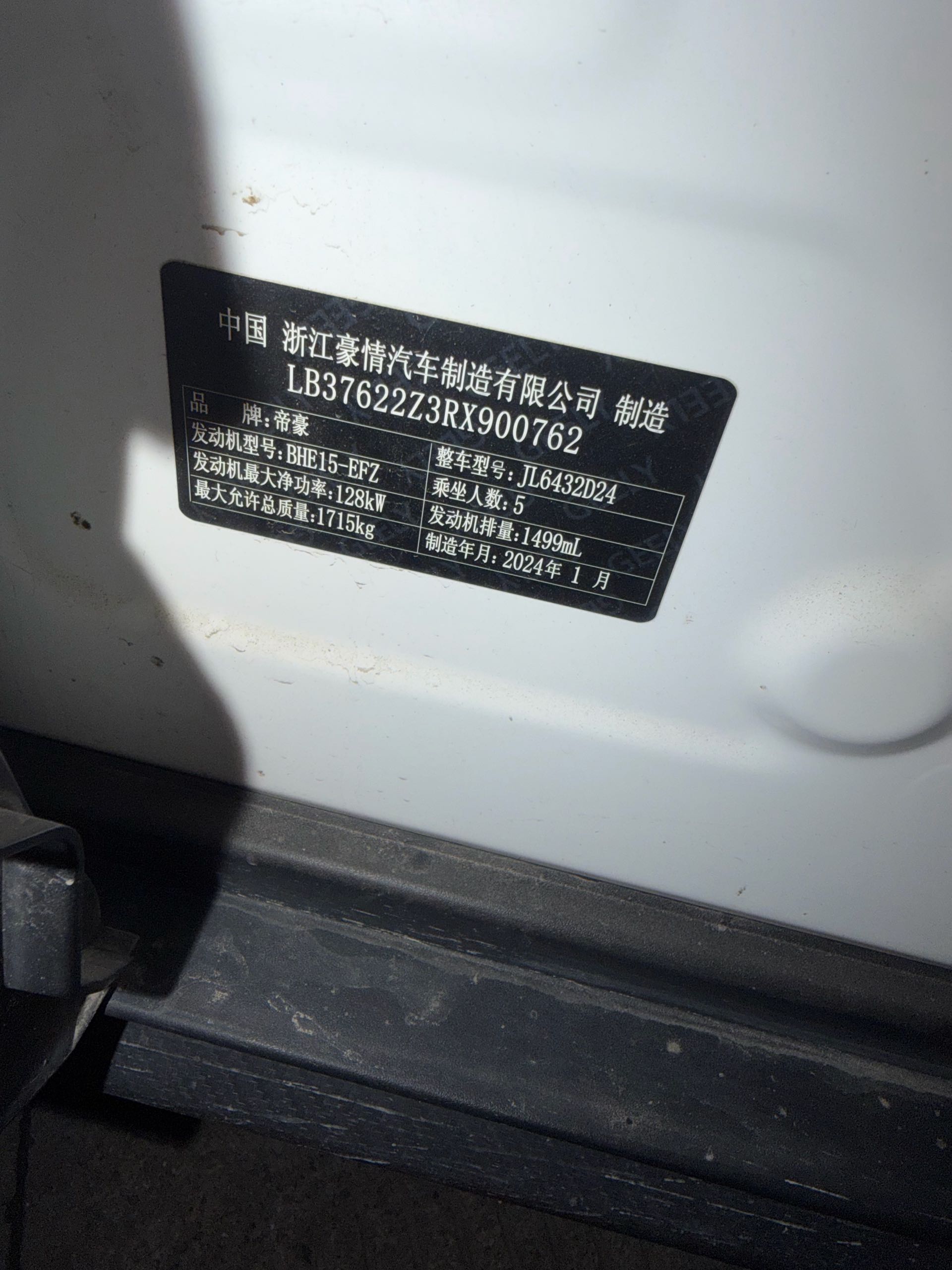
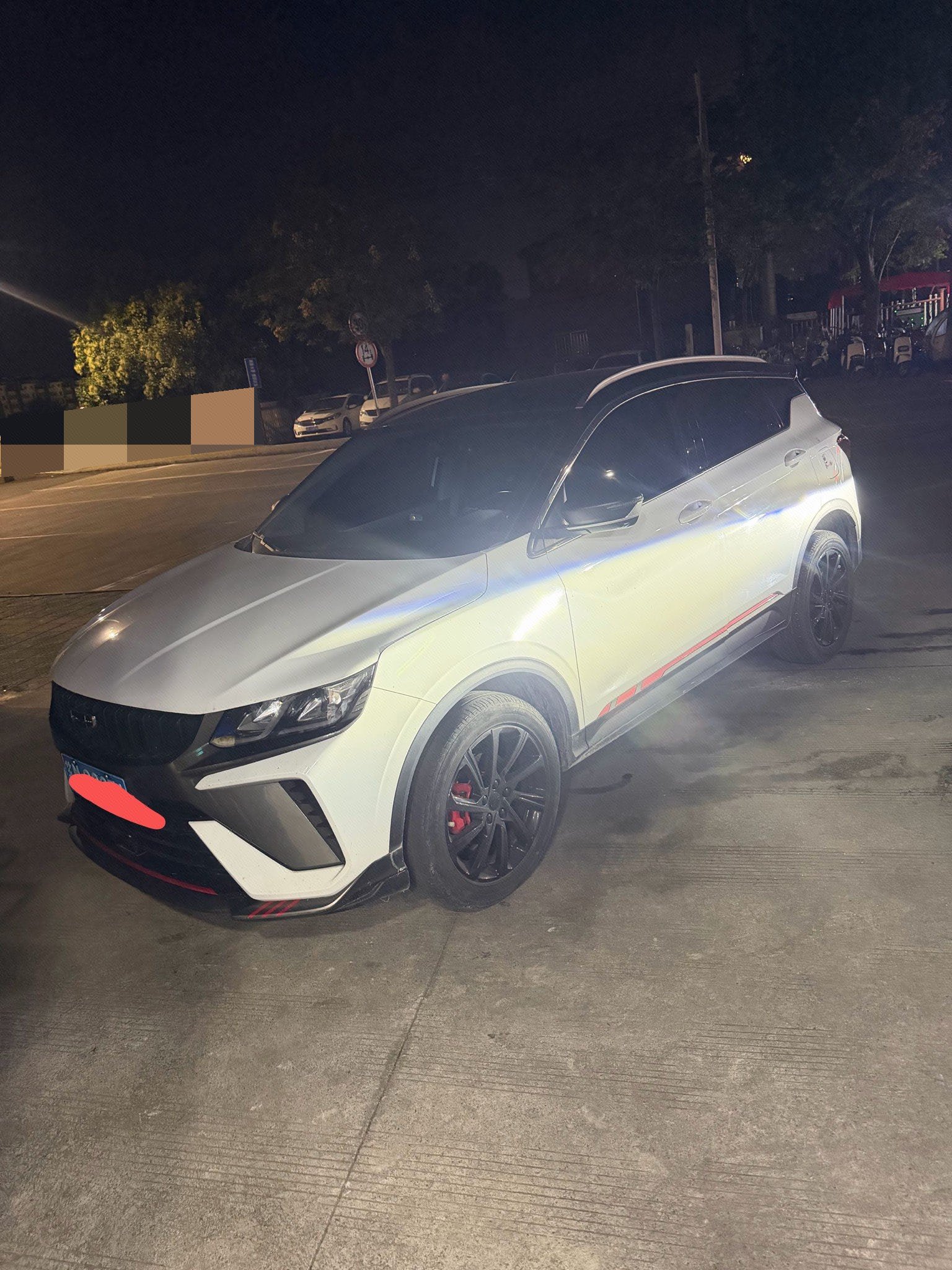
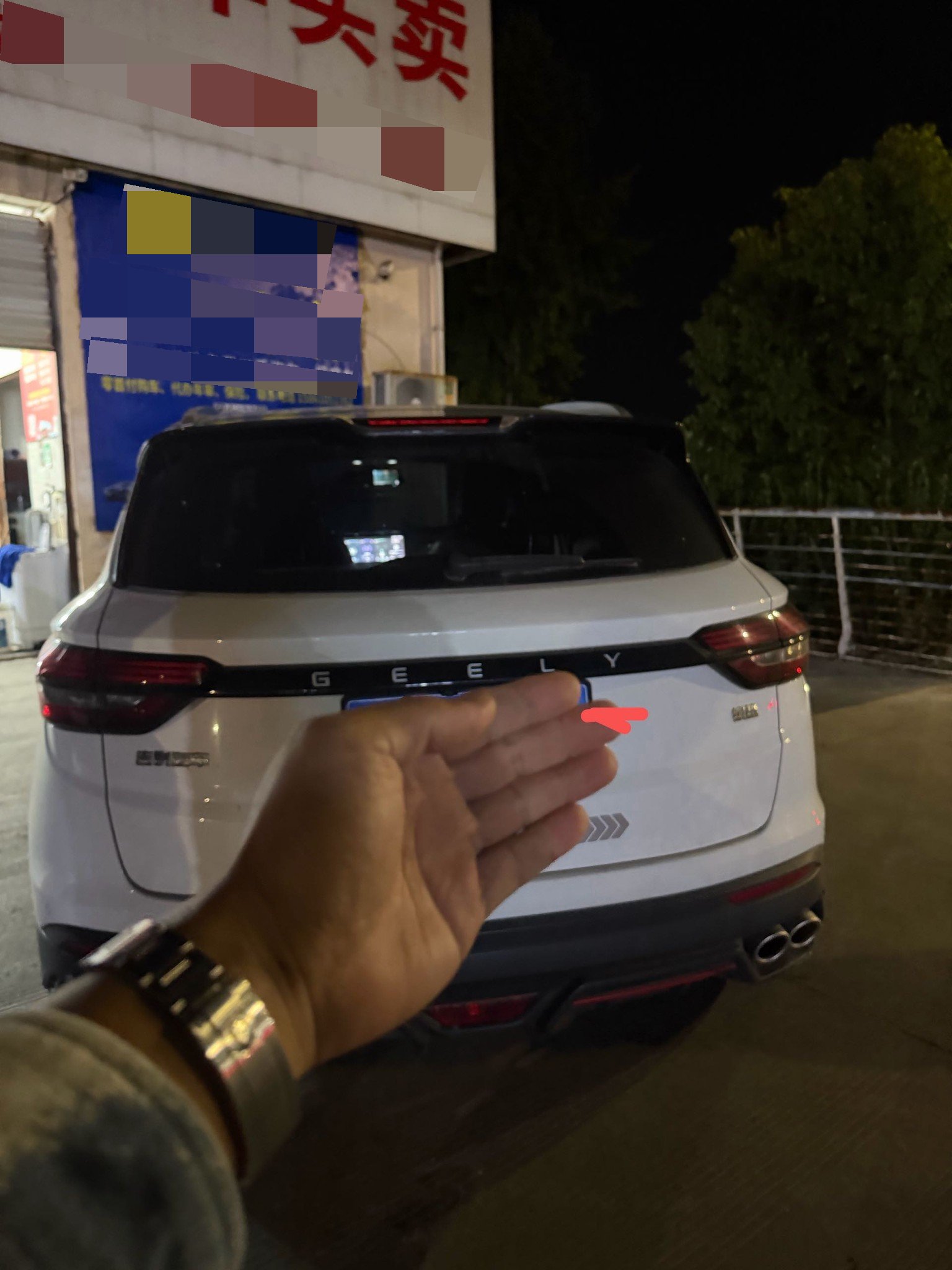
BrandGEELY
SeriesCoolray
Year2024
First Registration2024/02
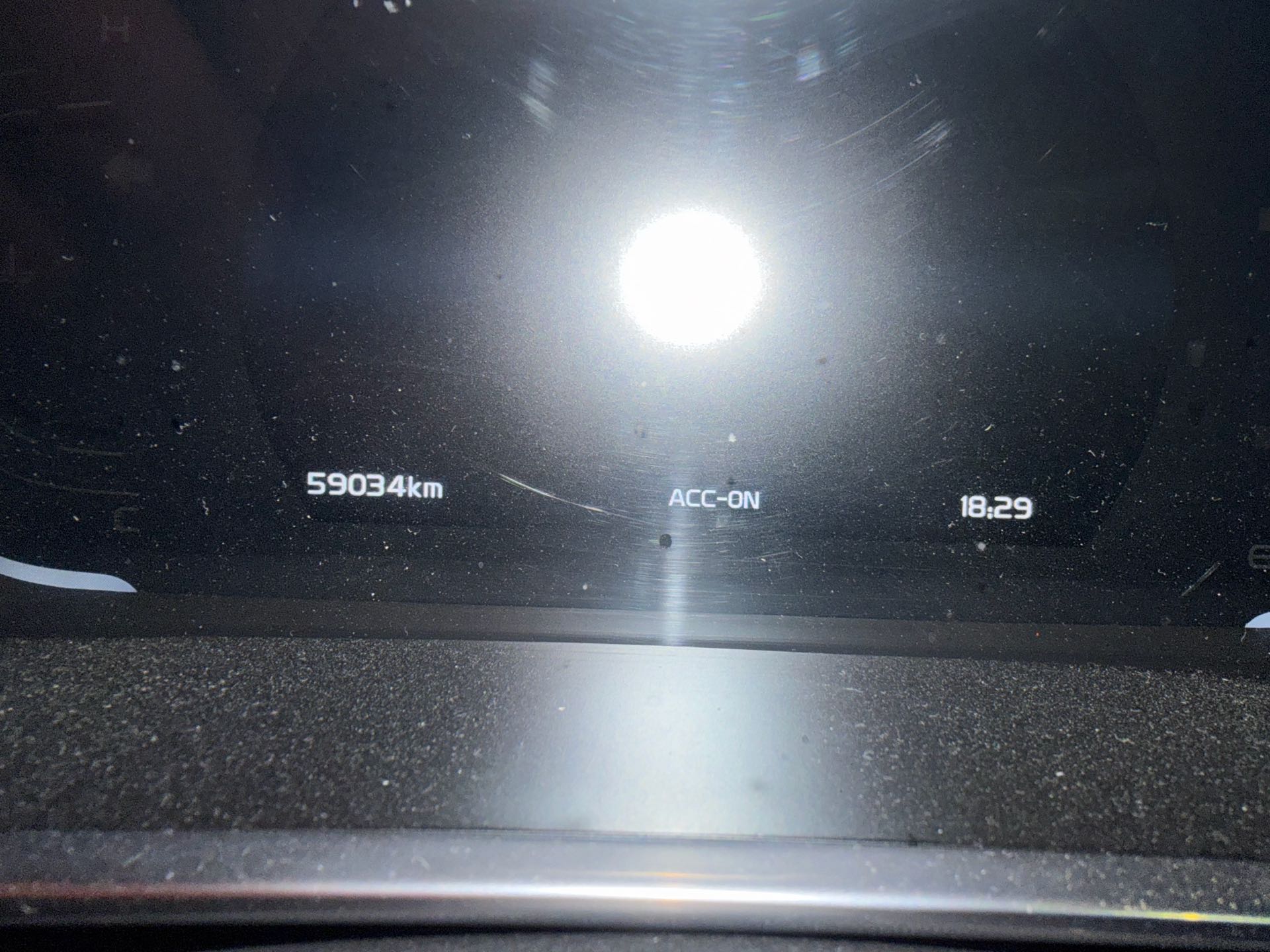
Mileage59,000km
Transfer Count0times
FuelGasoline
TransmissionDCT
Engine1.5T 181 L4
ColorWhite
Seats-

Condition Description

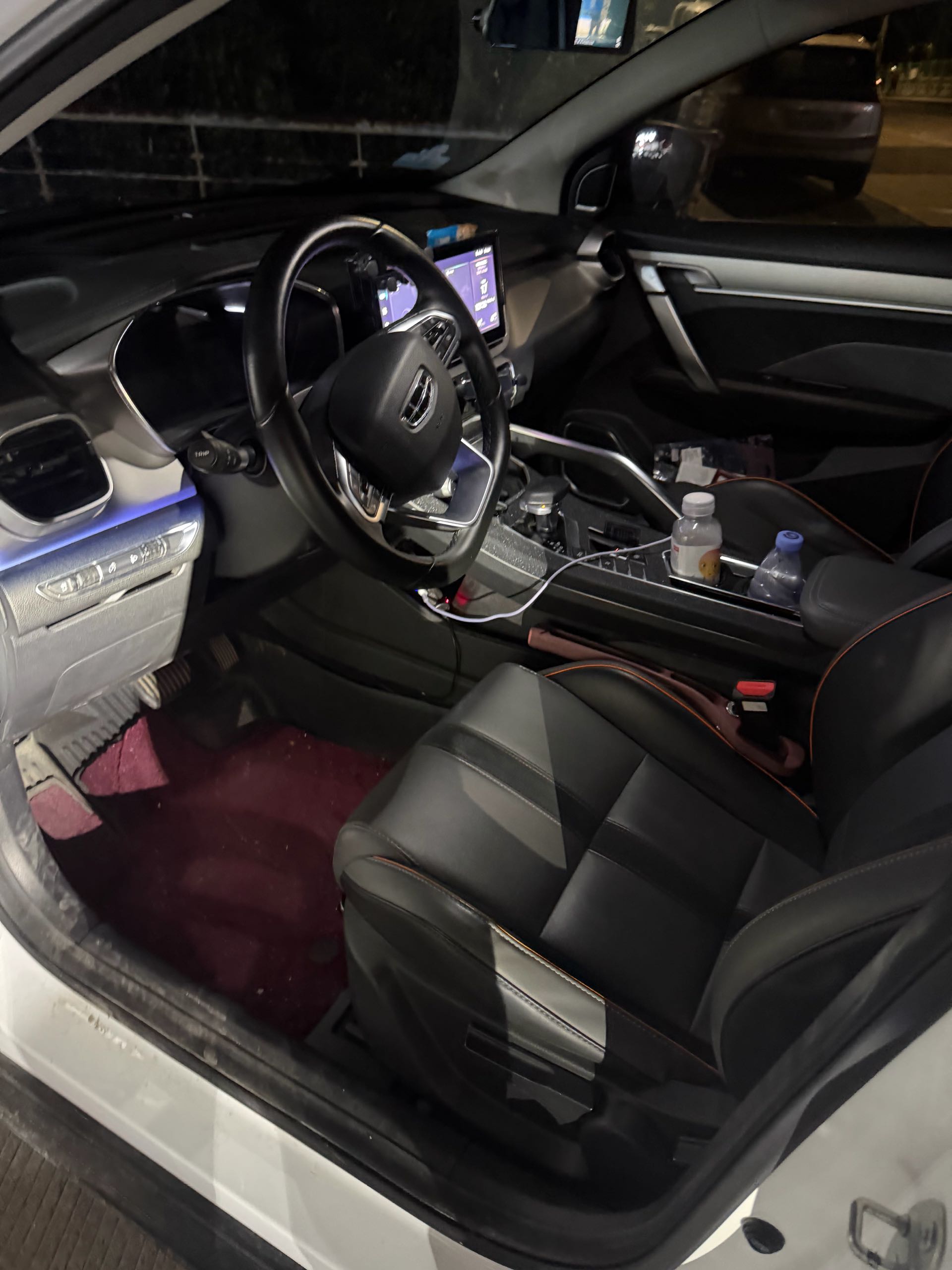
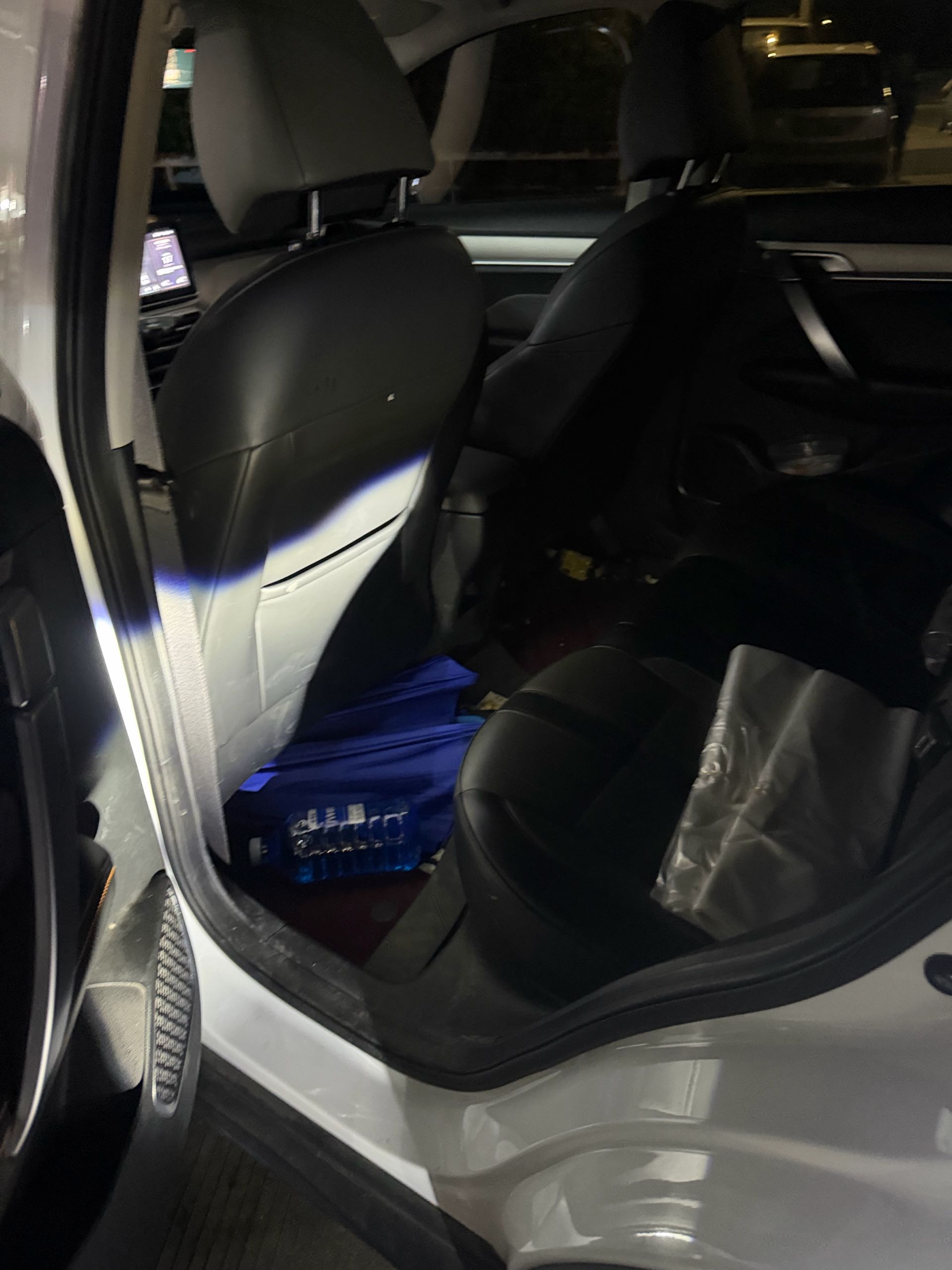
Original paint, single owner.

Document Information

Inspection Expiry Date-
Warranty Expiry Date-
Insurance Expiry Date2027/02

Q&A

More

Will you clearly inform if the vehicle was previously a commercial vehicle (ride-hailing, taxi, rental)?

The "usage type" section on the vehicle registration certificate has legal validity. Any vehicle that changes from "commercial" to "non-commercial" has a usage intensity far exceeding that of personal vehicles, and we will label these prominently. Such vehicles are usually cheaper but have more severe mechanical wear.

When buying remotely, how do I assess the engine, transmission, brakes, and tires of a used car from China over a live video call?

A structured live video inspection can catch most mechanical problems. Ask the seller to do the following in order: Cold start: film the engine bay before starting — check for leaks, cracked hoses, and corrosion. Then start from cold and listen for rattling or knocking during the first minute; abnormal noises on cold start often mean worn internals. Fluids: pull the oil dipstick — milky or foamy oil suggests head gasket issues. Check coolant color and level. Transmission: with the car warmed up, film each gear shift, forward and reverse. Hesitation, harsh jerks, or slipping RPM are red flags. Brakes: test at low speed in a safe area — the pedal should feel firm, not spongy, and the car must not pull to one side. Tires: walk around and film each tire's sidewall and tread. Uneven wear suggests alignment or suspension problems. Combine this with an independent pre-shipment inspection for a professional report — the video call is your first filter, not the final verdict.
How are the refrigerant pressure, compressor operation, and heating effect of the air conditioning system deeply tested?

The technician will start the vehicle and turn on the air conditioning system, measuring the actual temperature at the vents at the lowest and highest settings with a thermometer; at the same time, they will connect a manifold pressure gauge to check if the refrigerant pressure in the high and low pressure lines is within the normal range, determining if there is a chronic refrigerant leak.