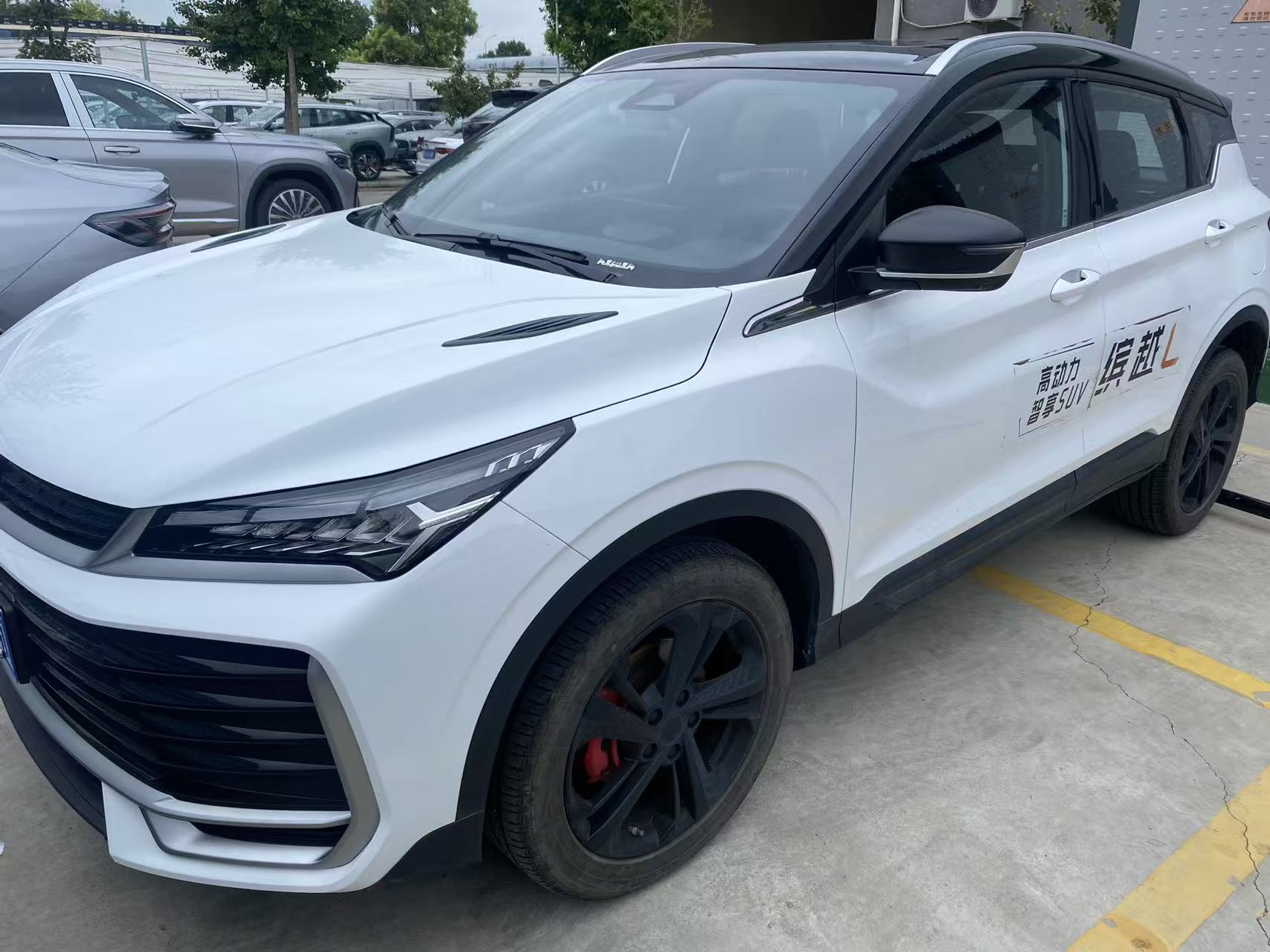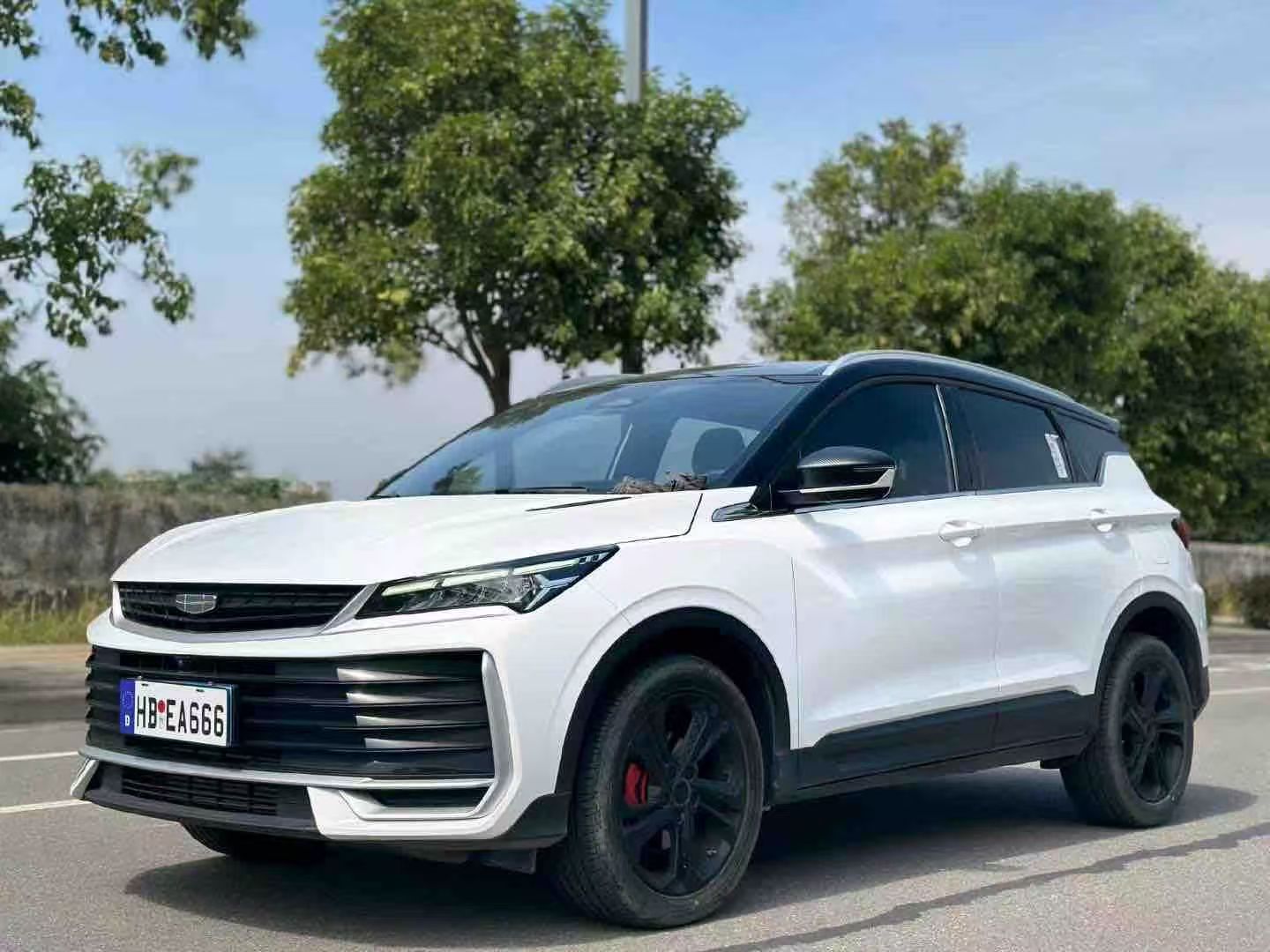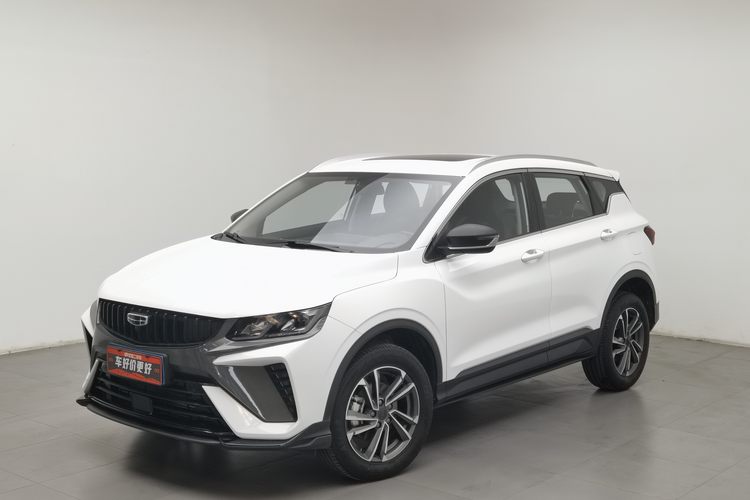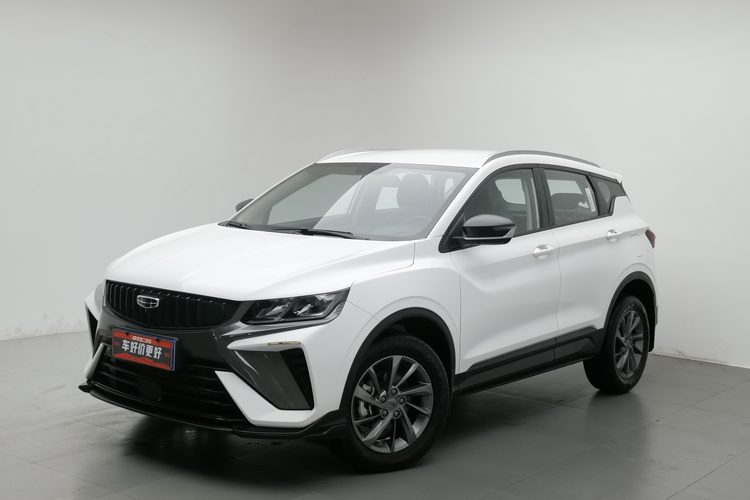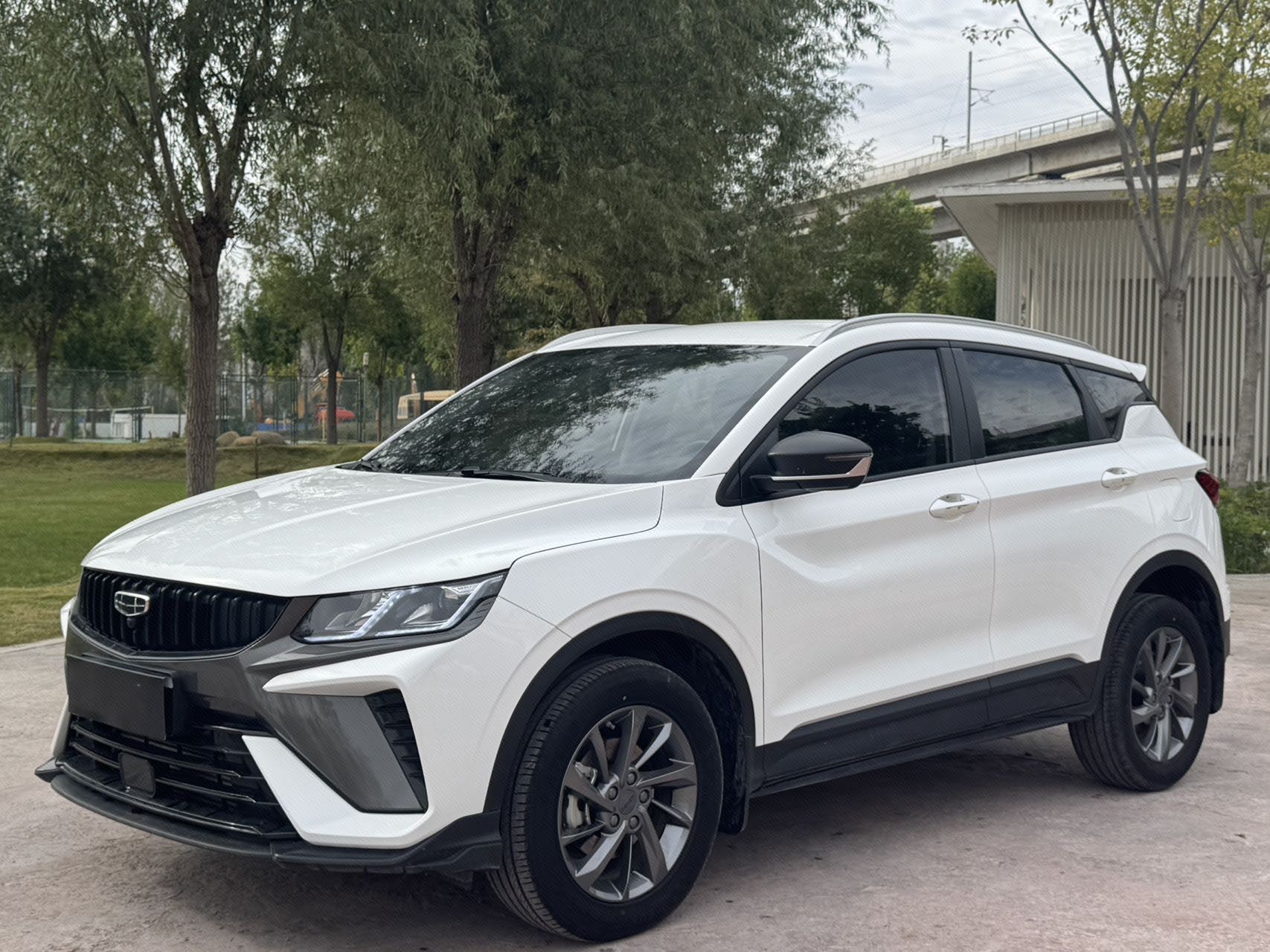
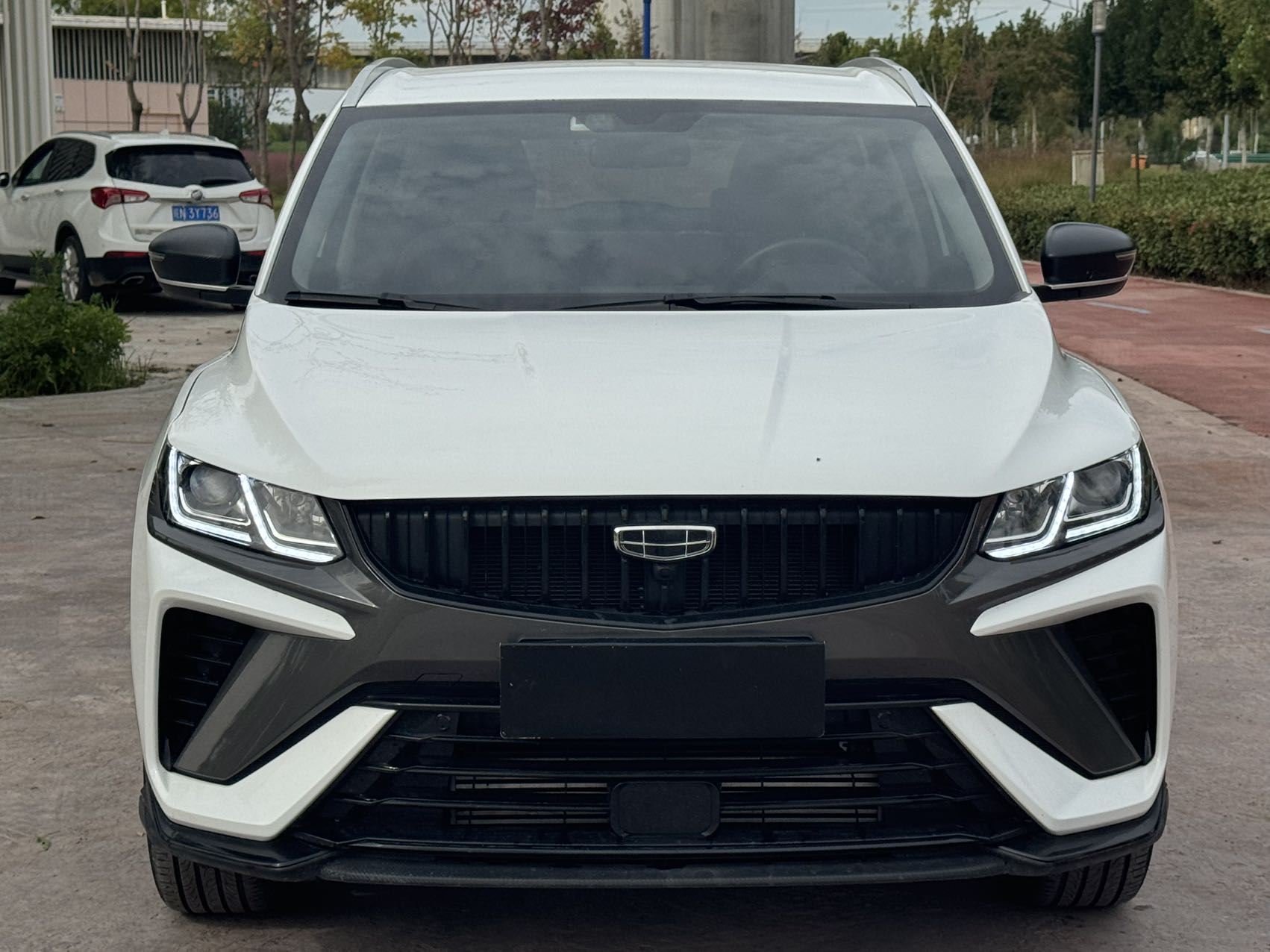
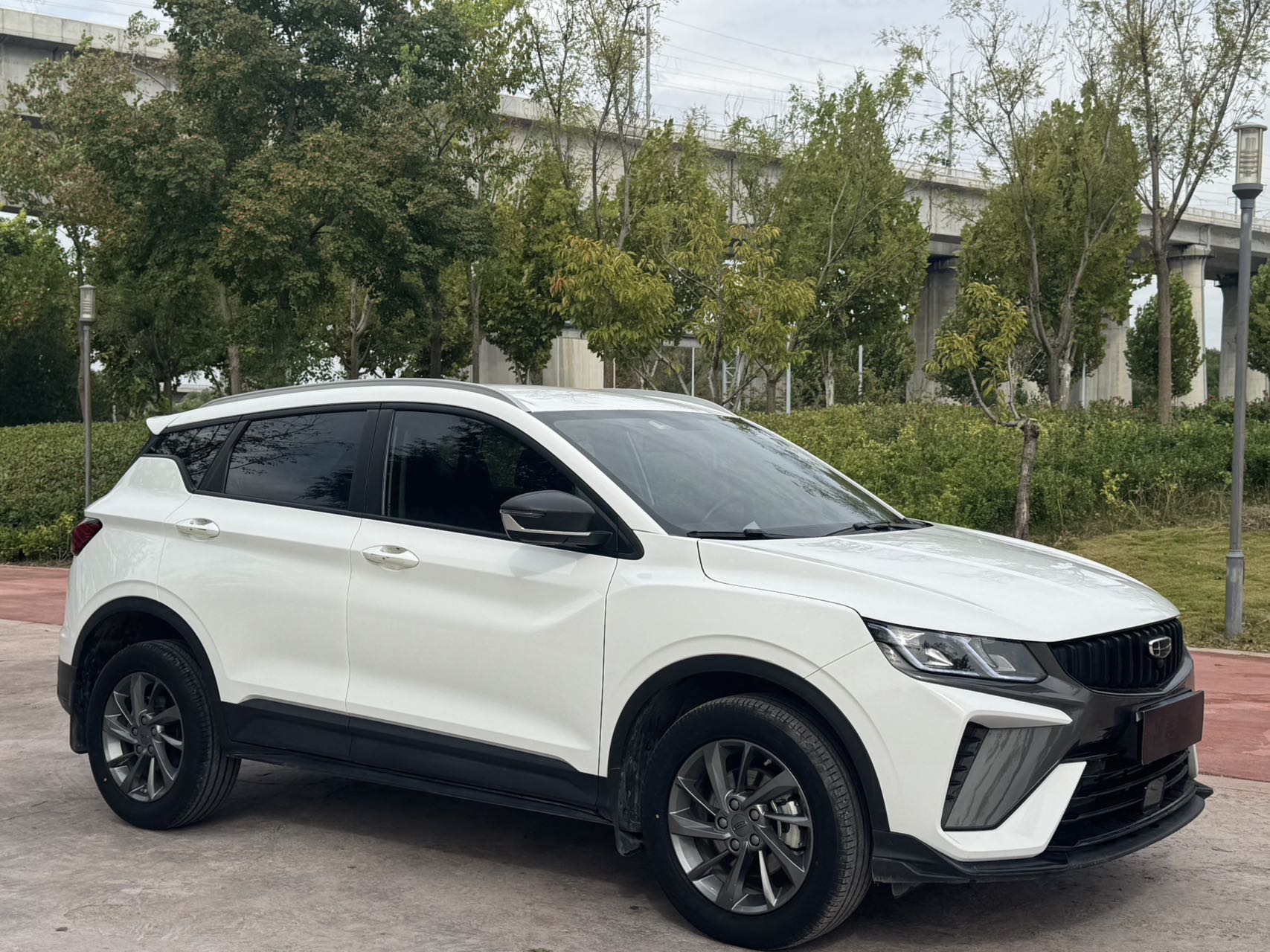
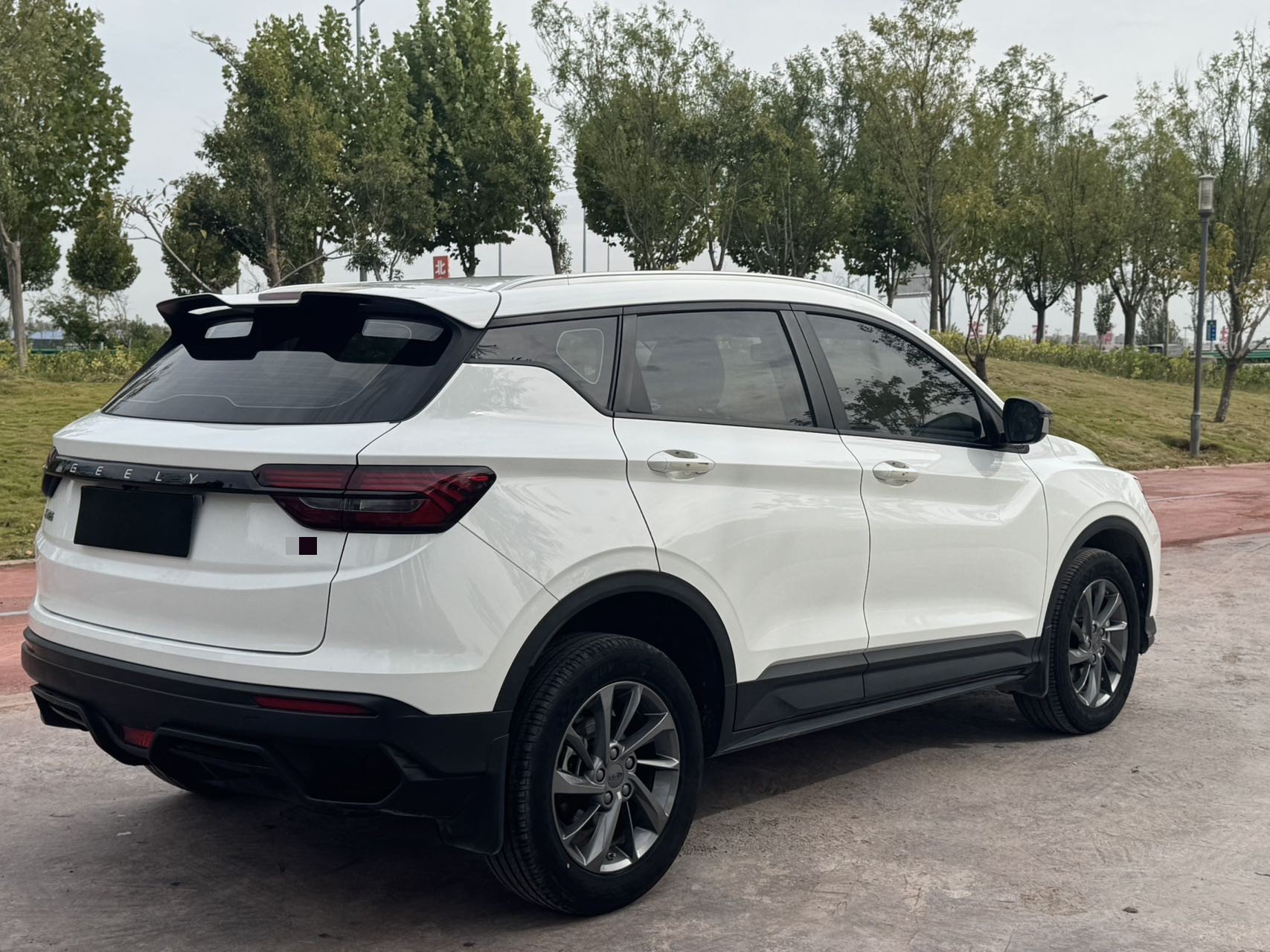
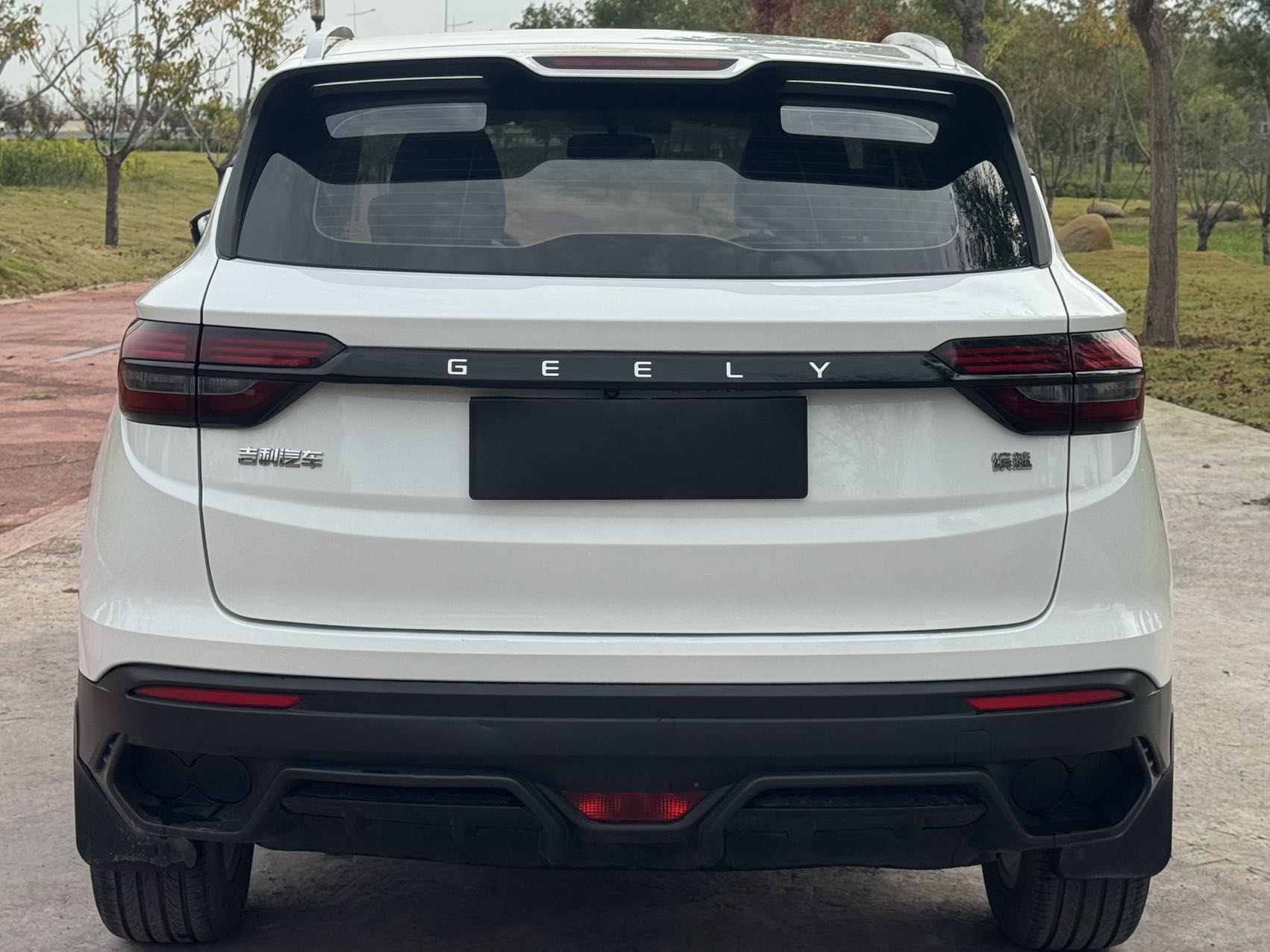
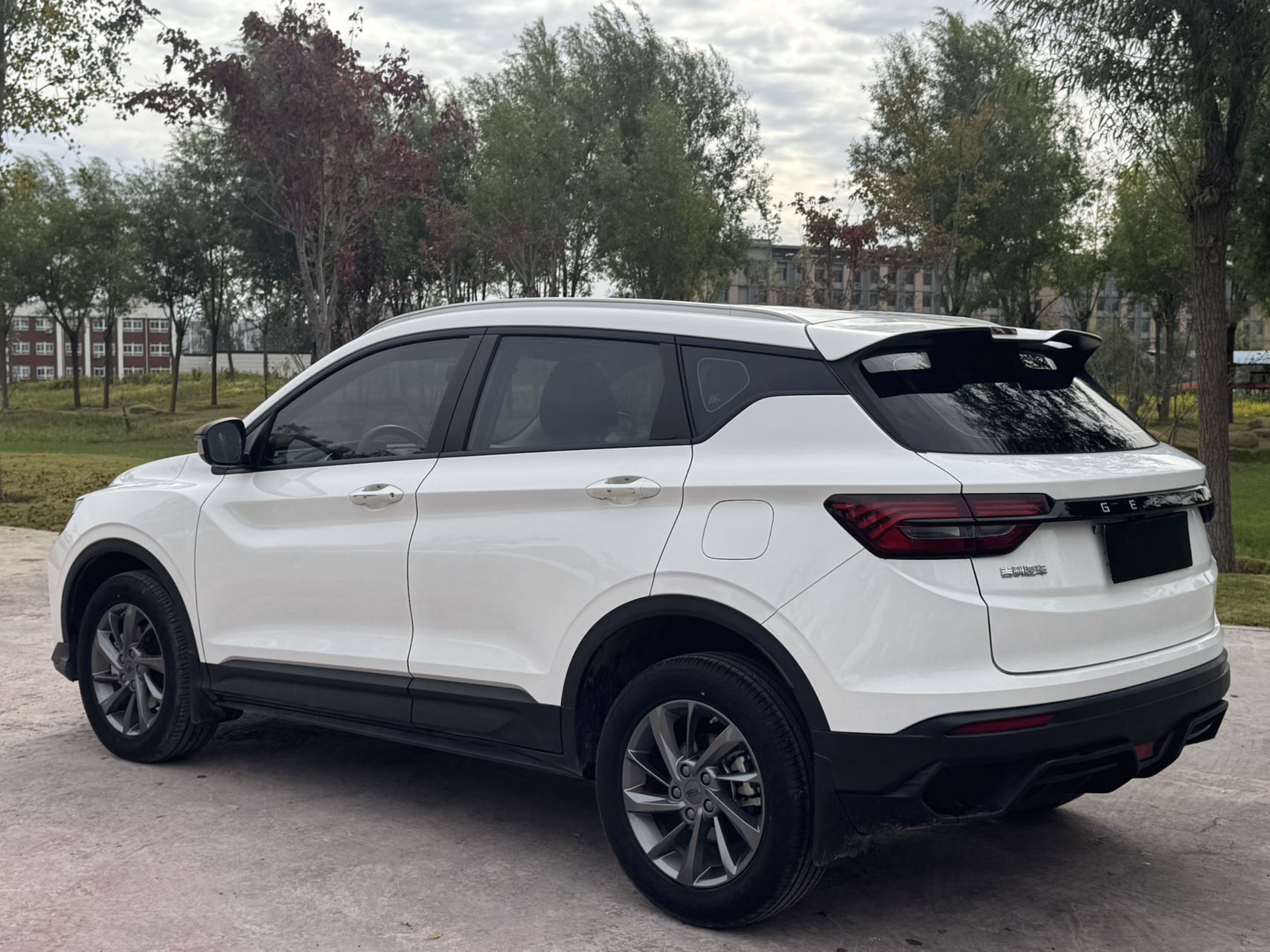
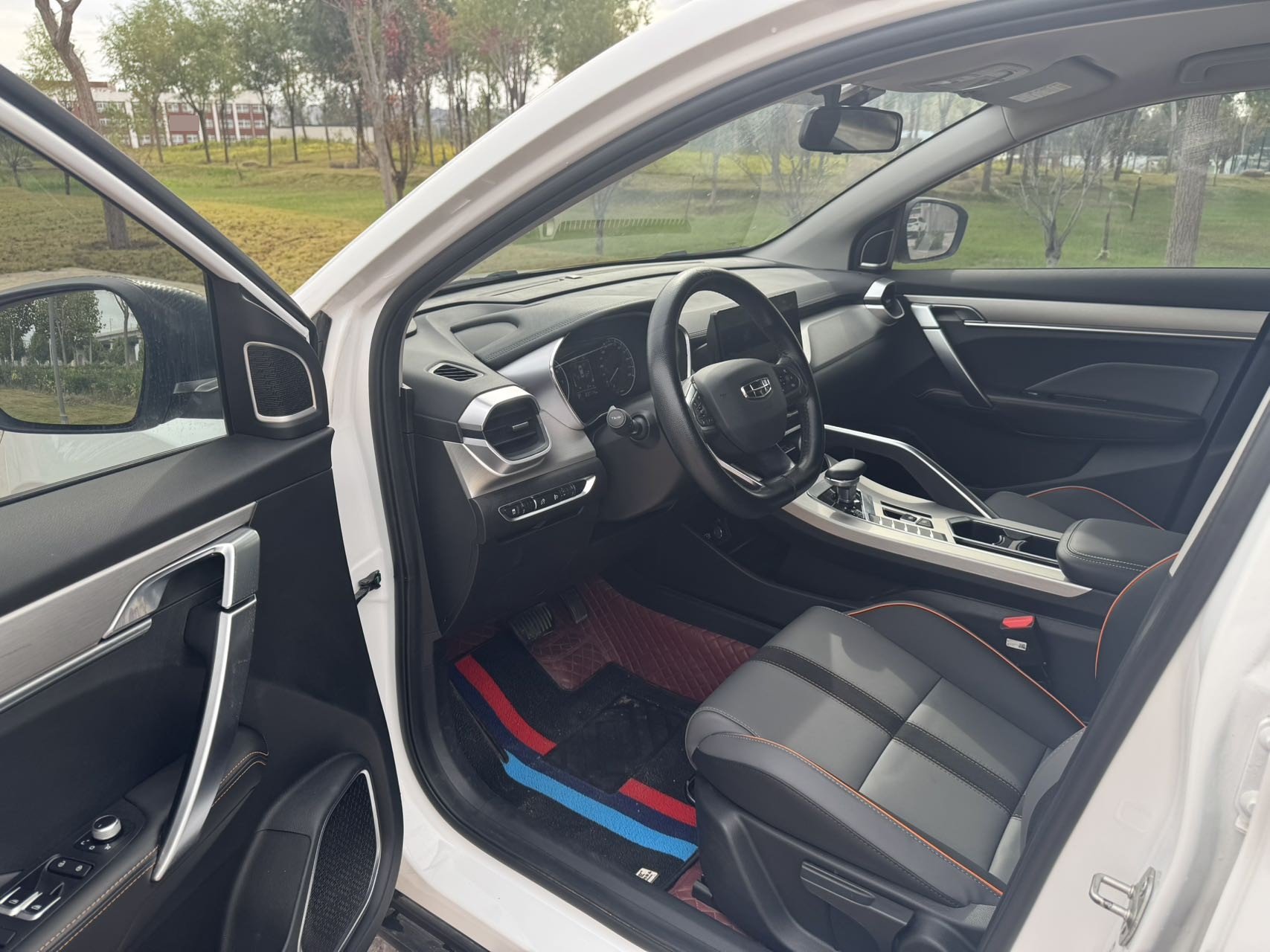
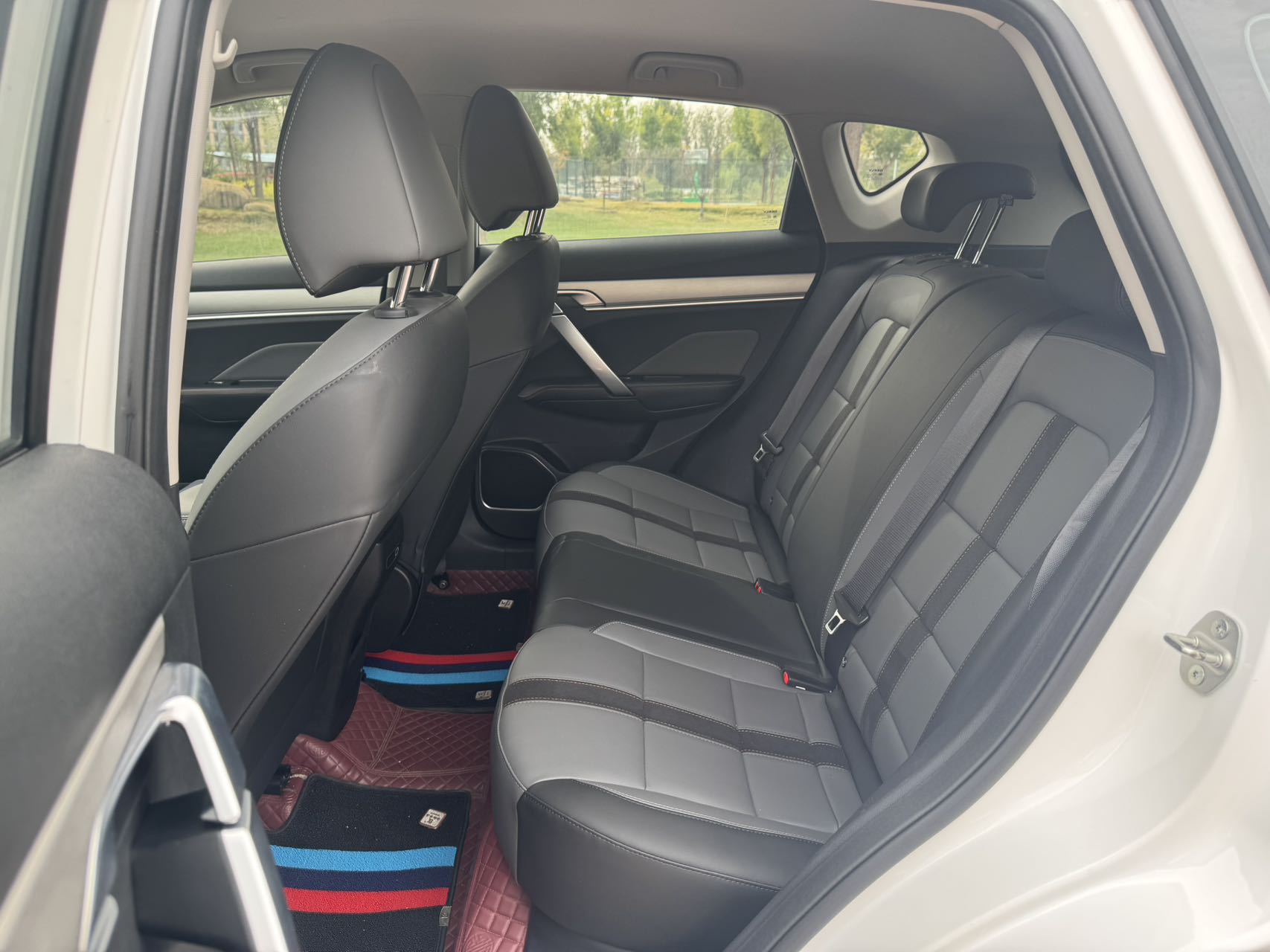
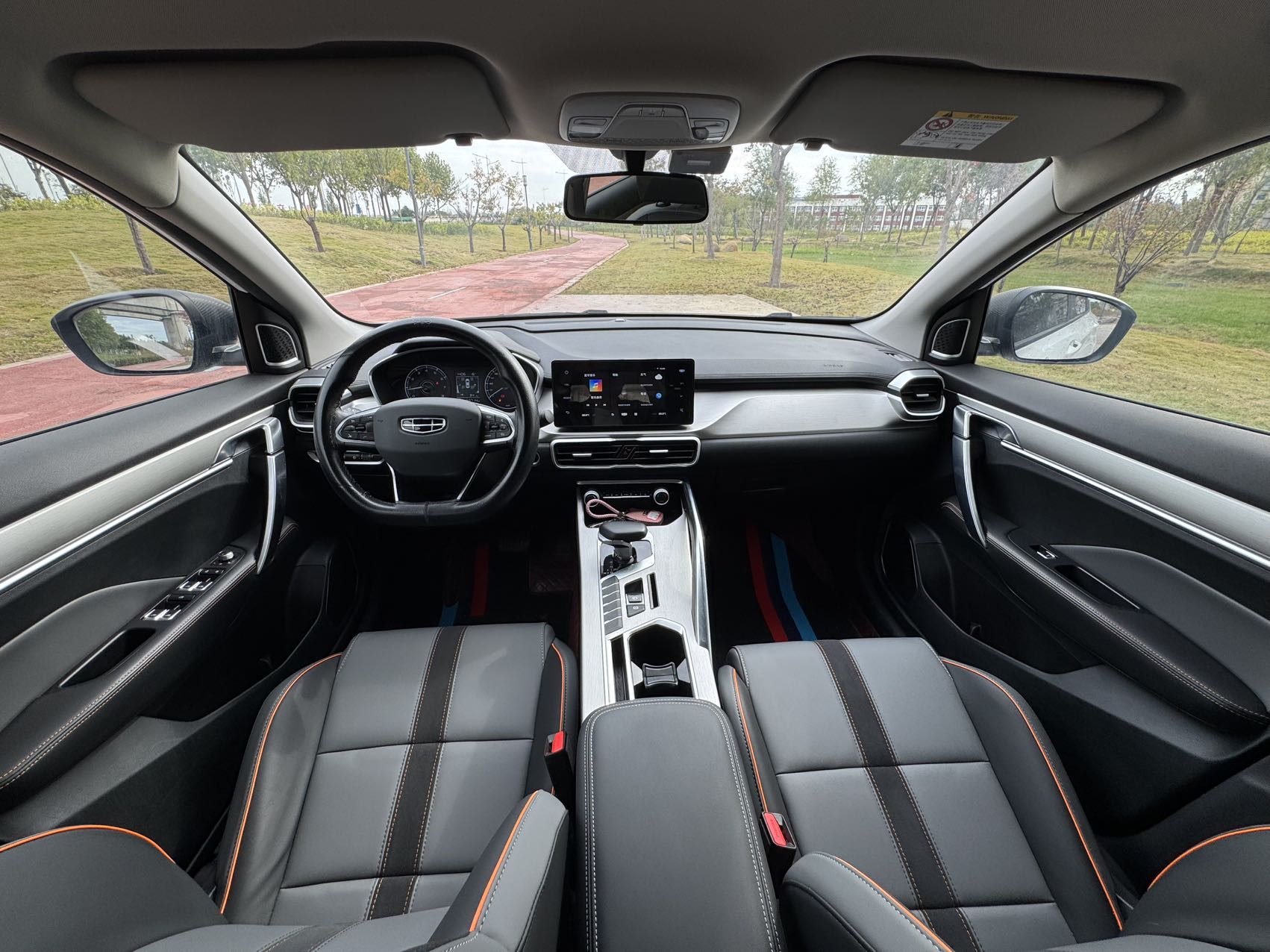
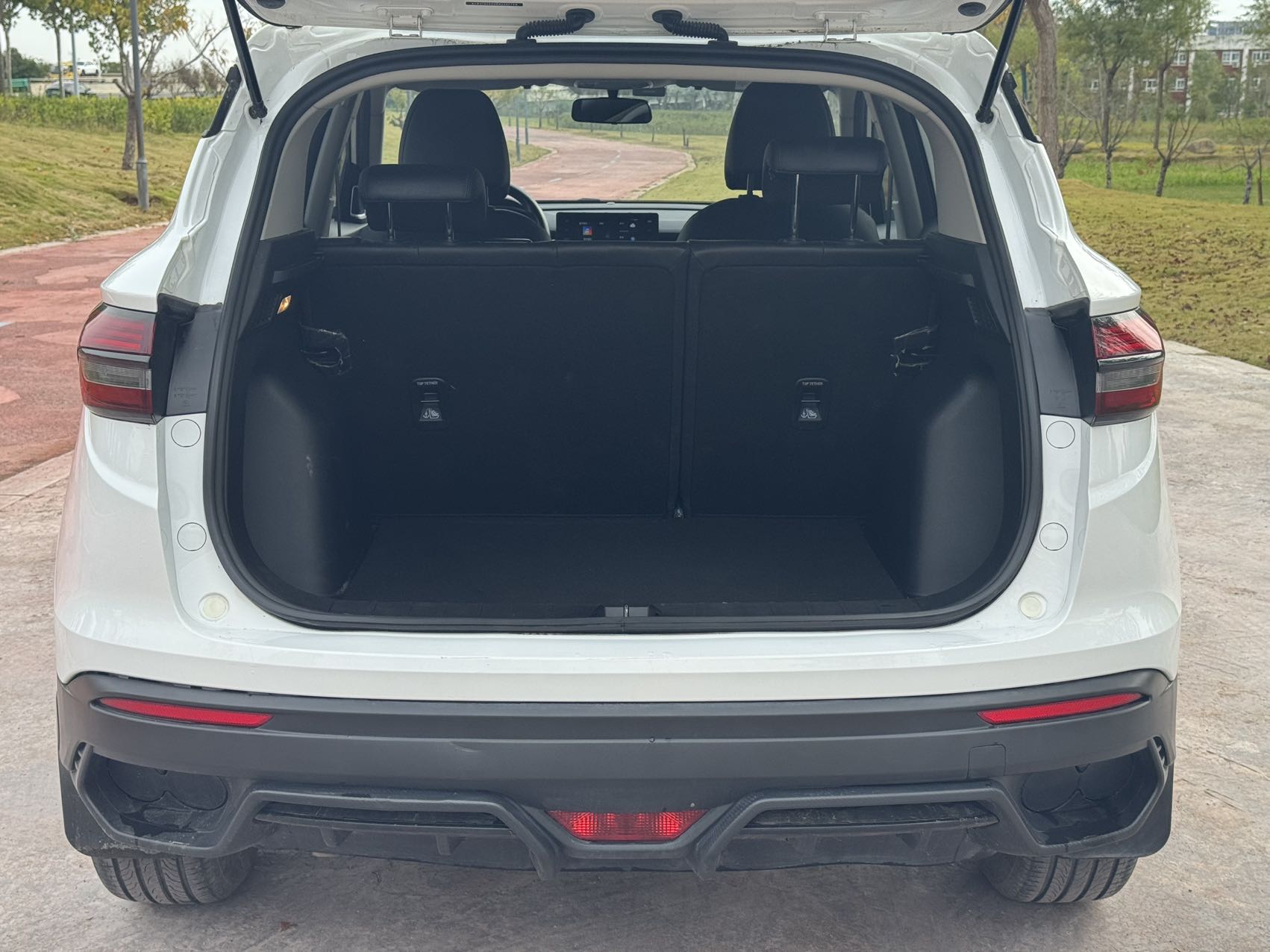
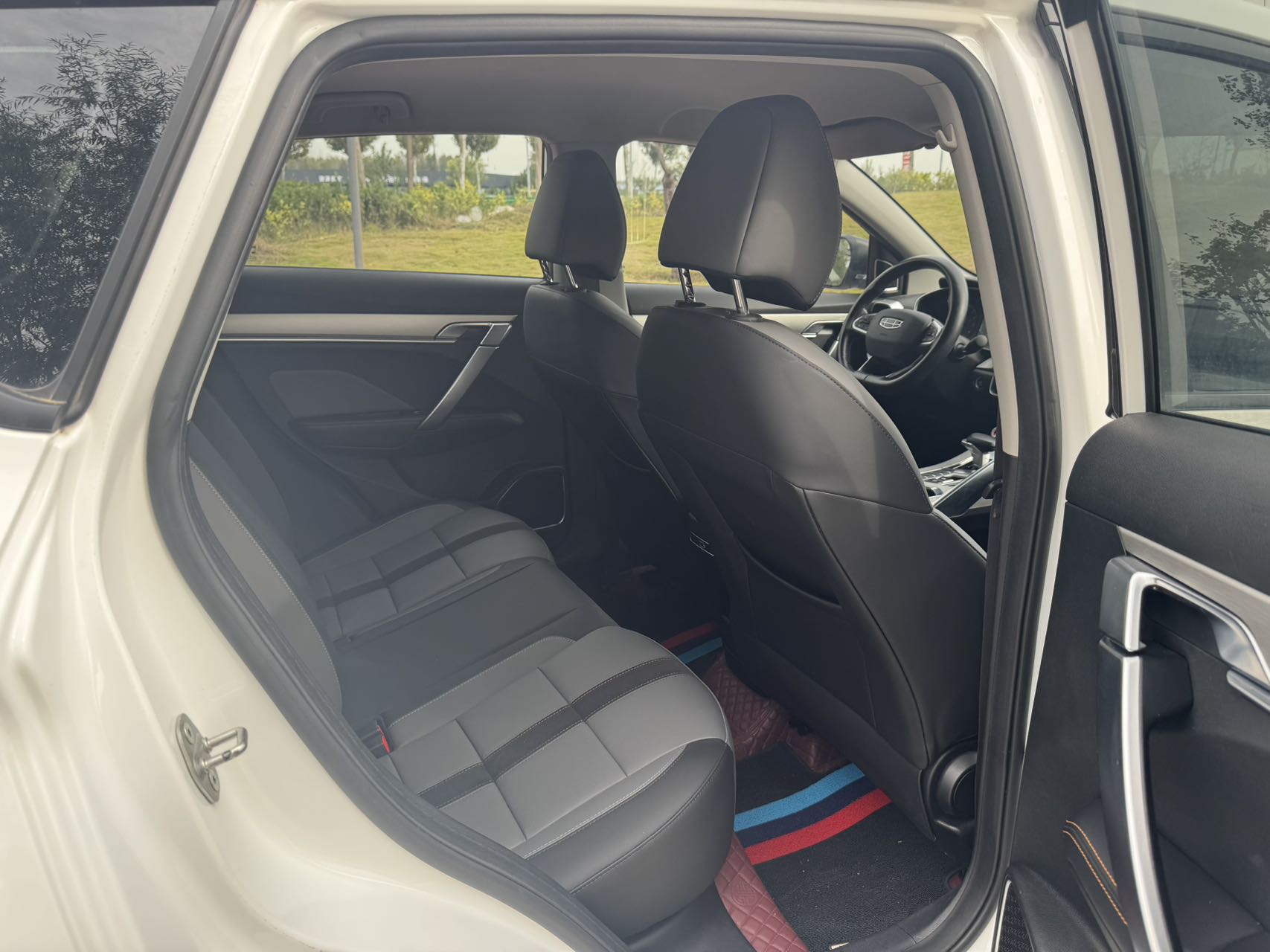
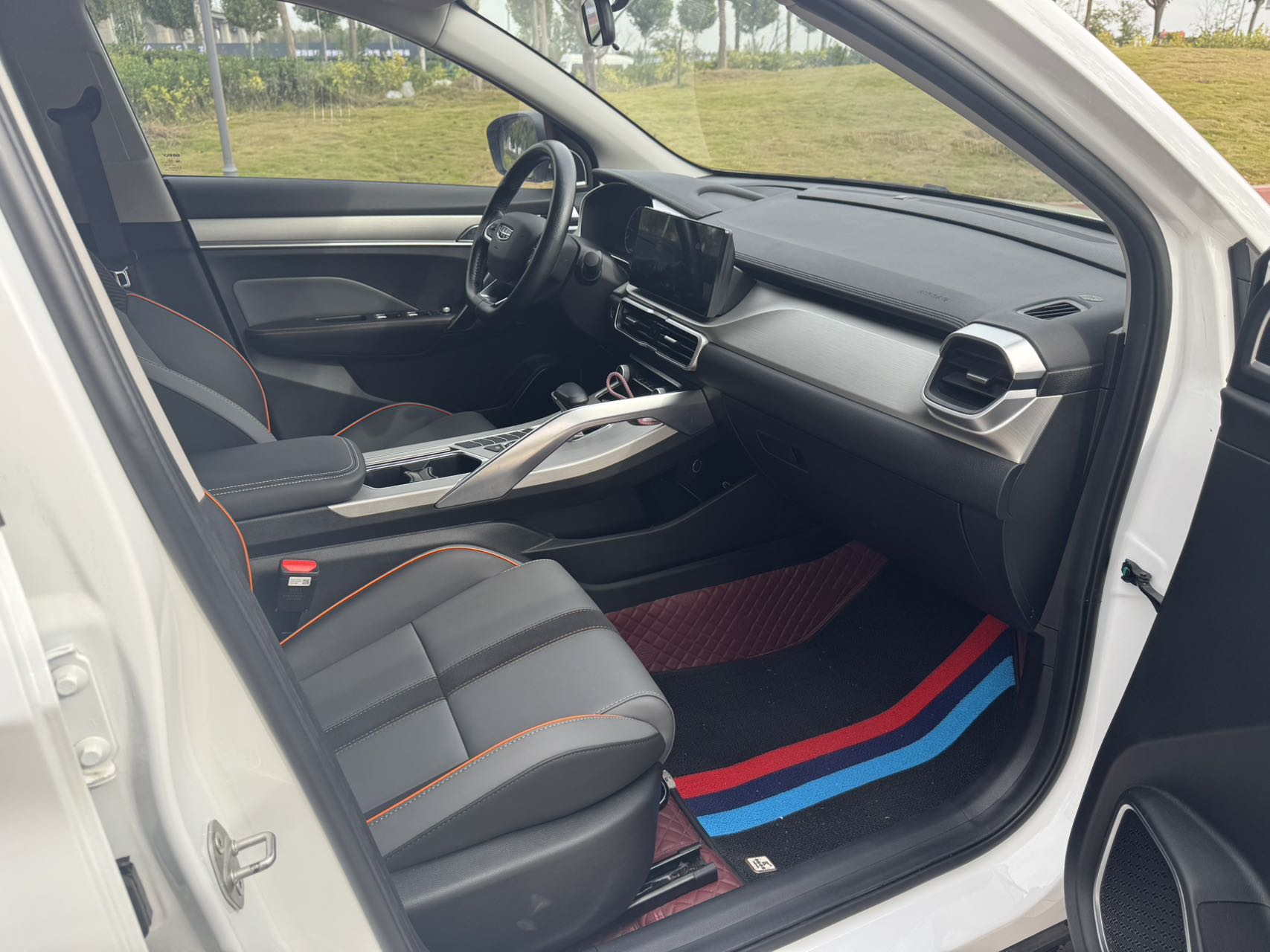



Basic Information

BrandGEELY
SeriesCoolray
Year2024
First Registration2024/07
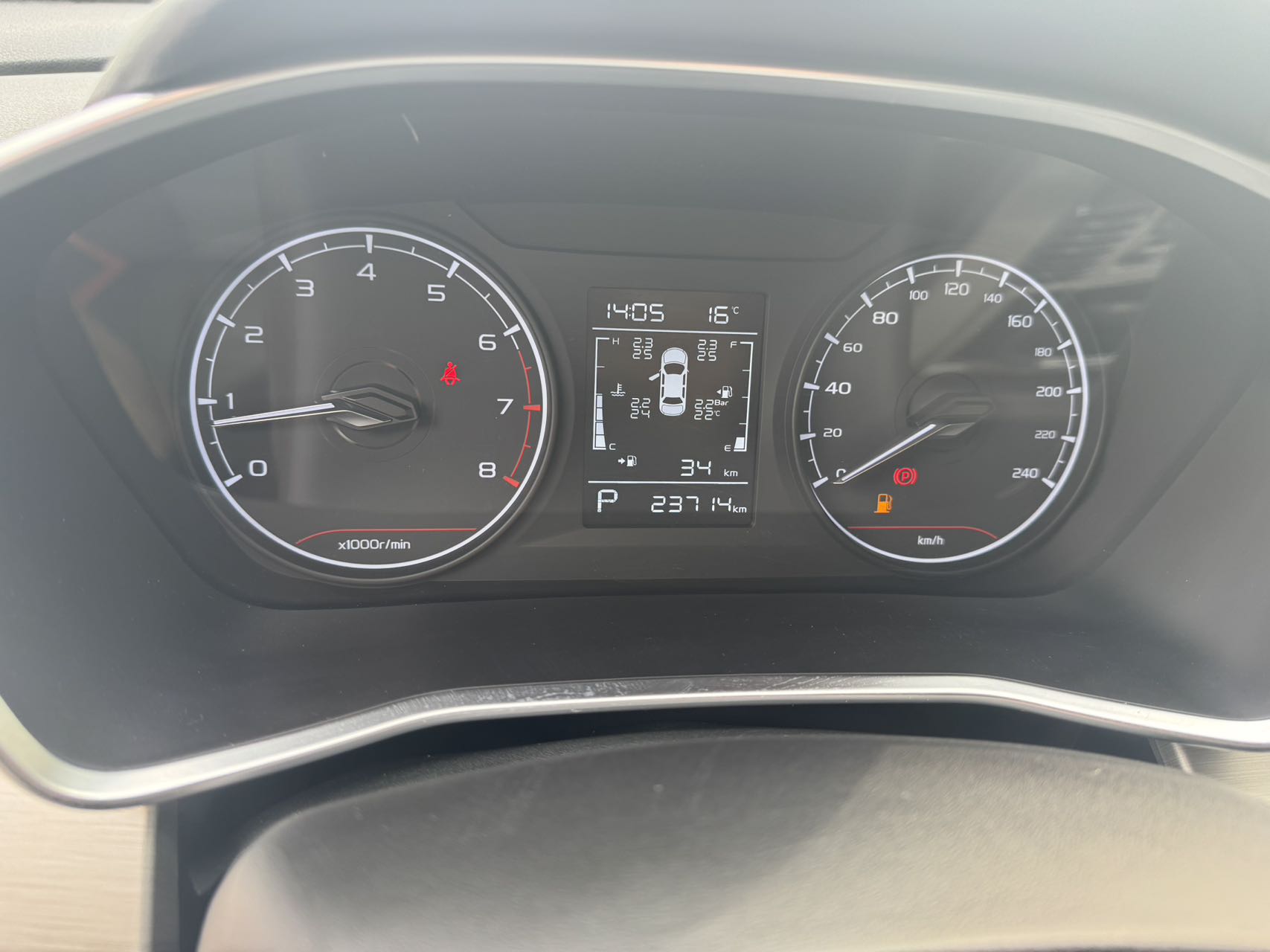
Mileage23,000km
Transfer Count0times
FuelGasoline
TransmissionDCT
Engine1.5T 181 L4
ColorWhite
Seats5seats

Condition Description

Original paint, original condition. 23,000 km.

Document Information

Inspection Expiry Date-
Warranty Expiry Date-
Insurance Expiry Date2026/07

Q&A

More

Which electrical features should I test remotely before buying a used Chinese car—windows, sunroof, infotainment, sensors?

Electrical faults are among the most annoying problems to discover after import, because they rarely stop the car from running. Ask the seller for a live video walkthrough testing each item: all four windows up and down, sunroof open/close, central locking (including with the key and remote), infotainment touchscreen, Bluetooth pairing, all cameras (reversing and 360-degree if fitted), parking sensors, interior and exterior lights, and the horn. Also watch the dashboard during startup: every warning light should illuminate briefly and then go out. A light that never appears, or stays on, tells you something needs attention. Pair this with an OBD scan to catch stored fault codes the seller might not mention. If a feature "only works sometimes," assume it is broken and price the repair into your offer.


How does the step-by-step process work when buying a used car from China for export?

The standard process looks like this: 1. Selection: pick the car, request the VIN, registration certificate, and recent photos/videos. For higher-value cars, order an independent third-party inspection. 2. Negotiation and contract: agree on price and terms. Sign a written contract stating the car's condition, price, payment schedule, and delivery terms (FOB or CIF). 3. Deposit: typically 20-30% to reserve the car. Pay to the company's corporate account, never a personal one. 4. Verification: your agent or inspector confirms the car matches the contract before the balance is due. 5. Balance and export: pay the remaining amount; the seller arranges inland transport, export customs clearance, and port loading. 6. Shipping documents: you receive the commercial invoice, packing list, and bill of lading - usually by courier or email. 7. Arrival: your customs broker clears the car, you pay duties and taxes, then register it locally. Total timeline is usually 4-8 weeks depending on the shipping route.

Why is there a time difference between the production date on the vehicle nameplate and the first registration date on the registration certificate?

The nameplate date is the absolute time when the vehicle leaves the factory; the registration date is when the vehicle is registered with the traffic management department after sale. The difference represents the time the vehicle spent in the dealer's warehouse or logistics. If the time difference exceeds 6-8 months, the vehicle is considered a "stock vehicle," and we pay special attention to the natural aging of its rubber components.