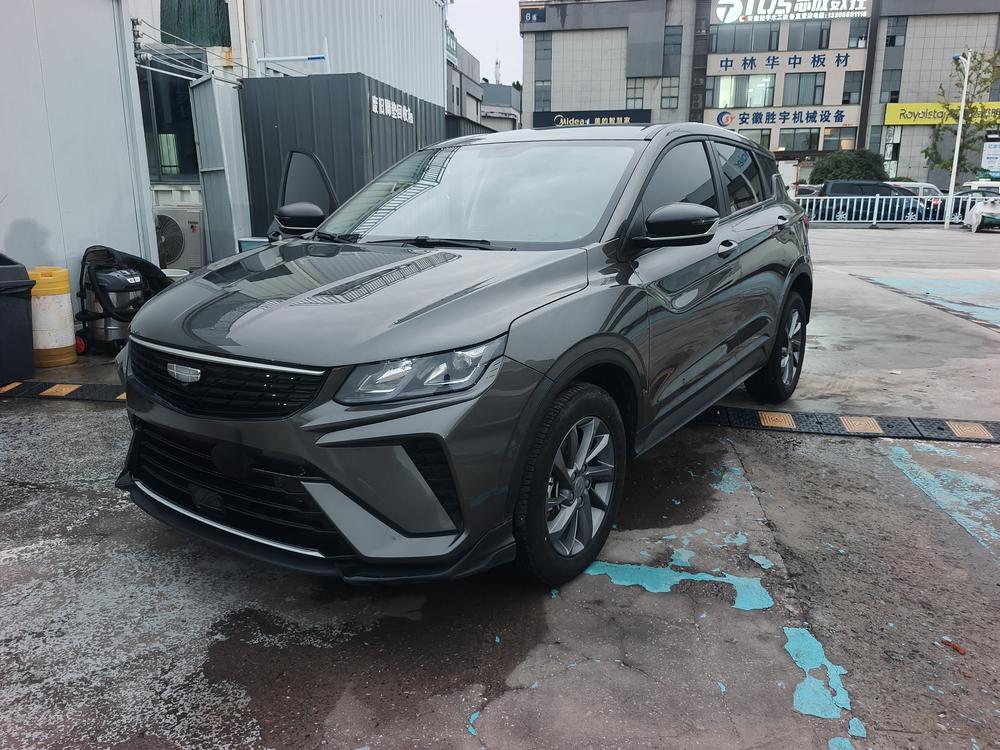
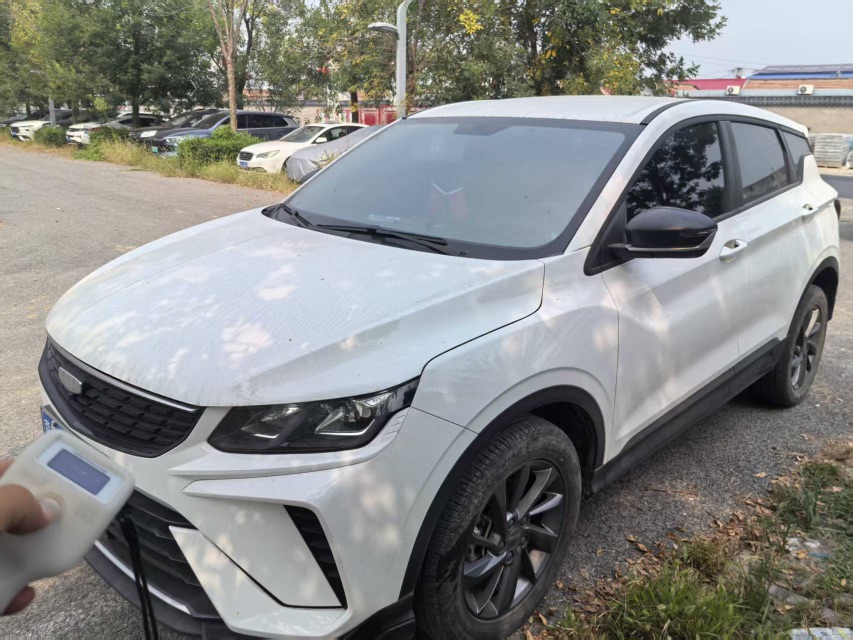
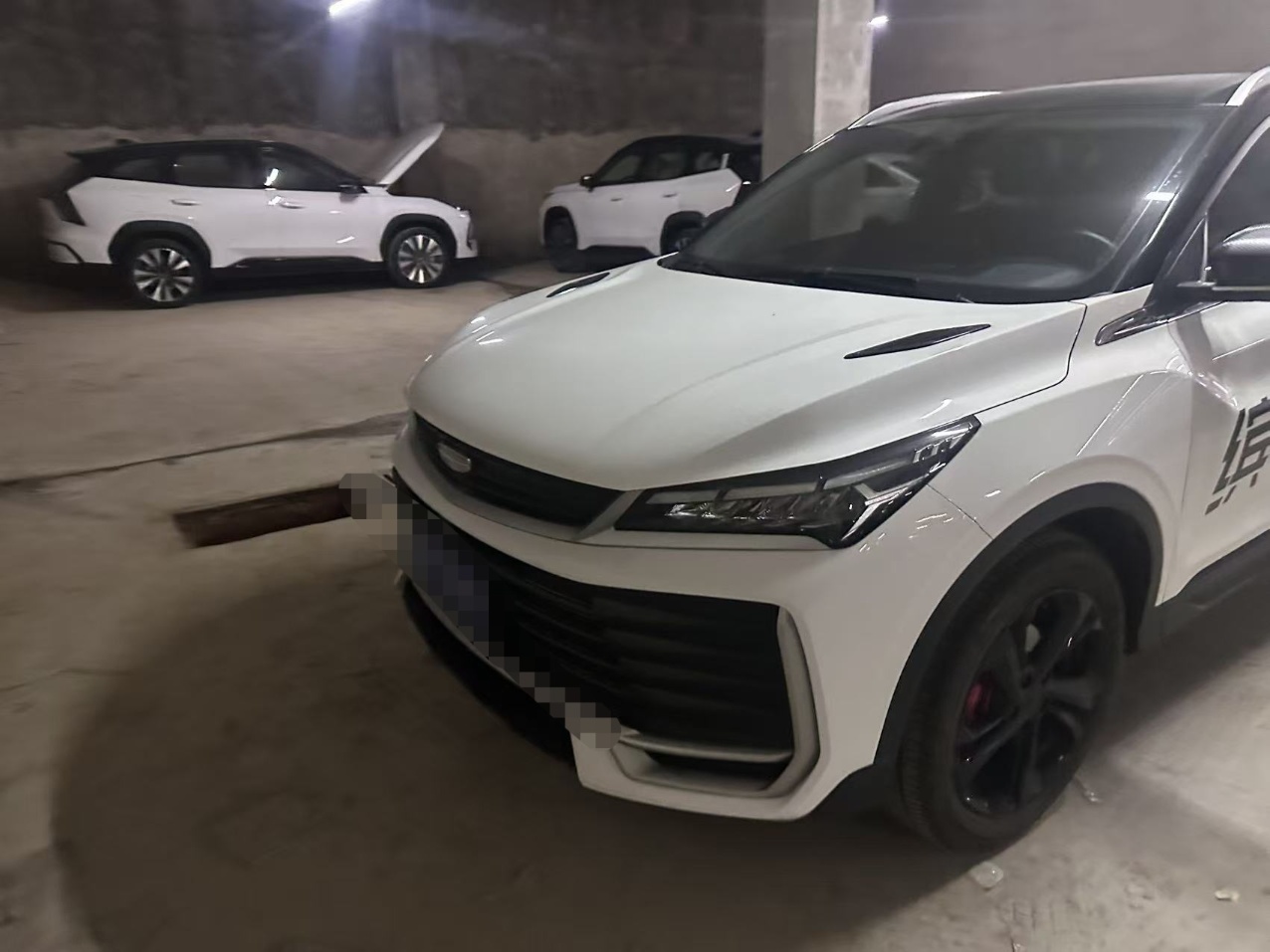
48H

Basic Information

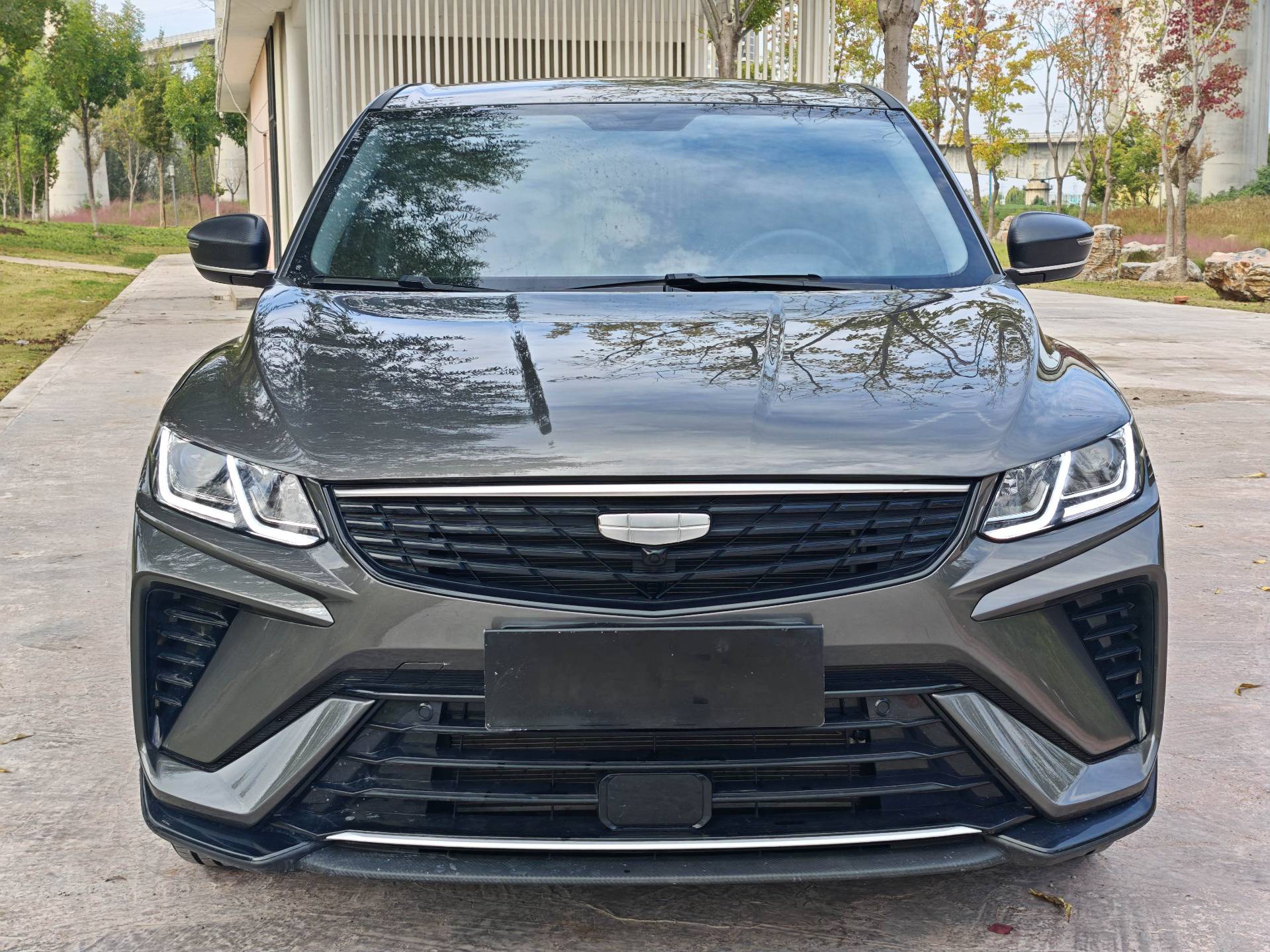
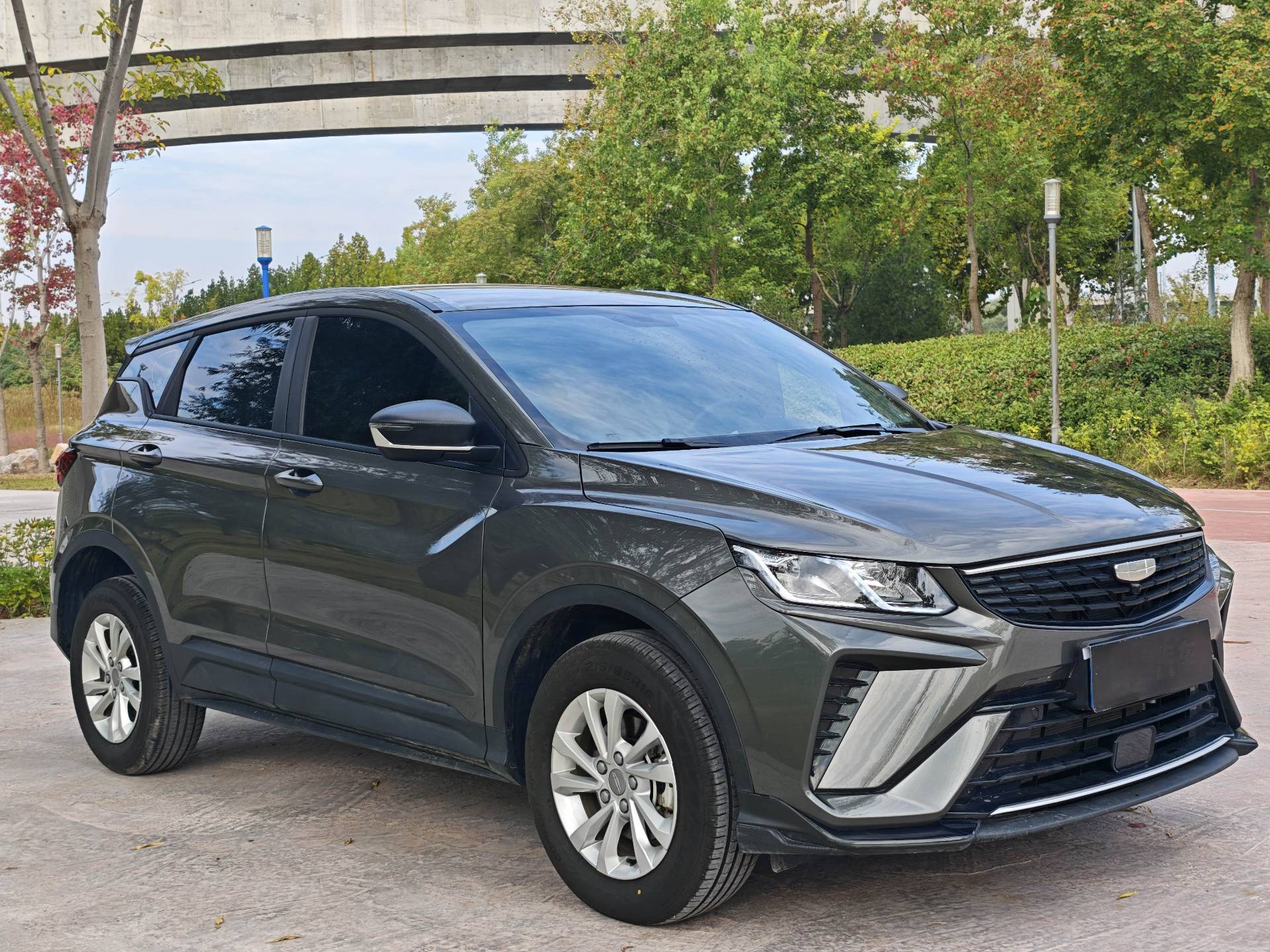
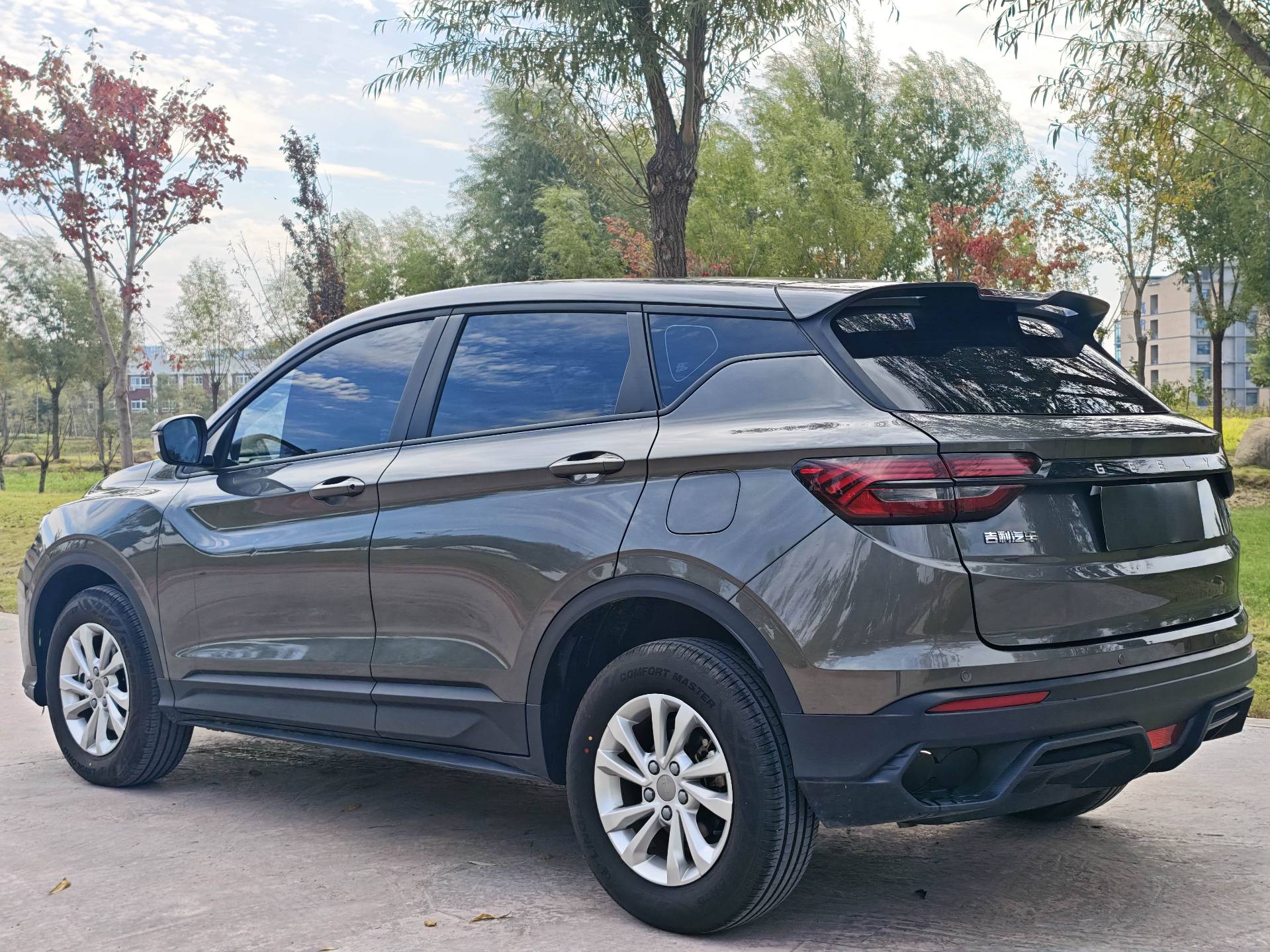
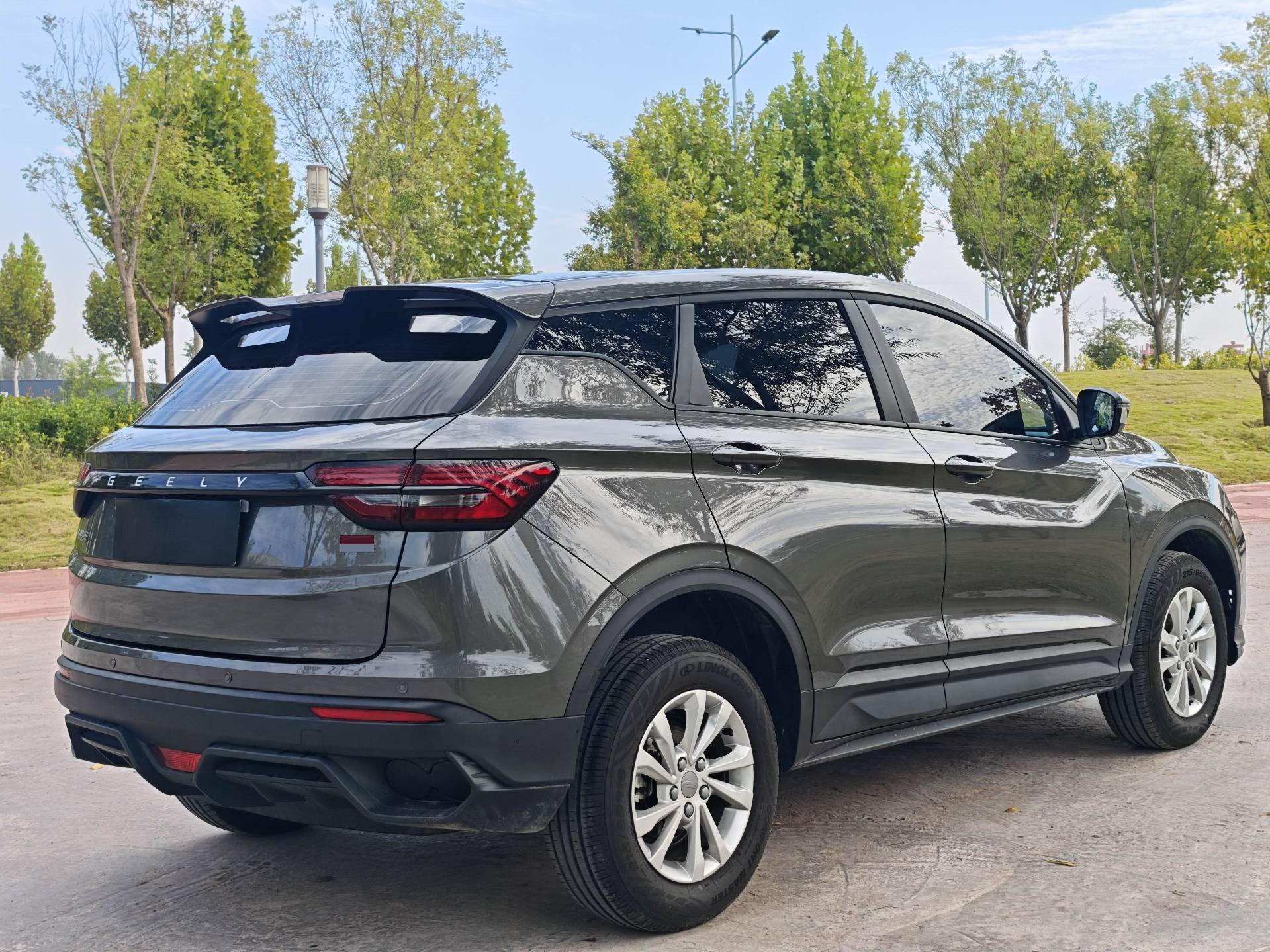
BrandGEELY
SeriesCoolray
Year2025
First Registration2025/05
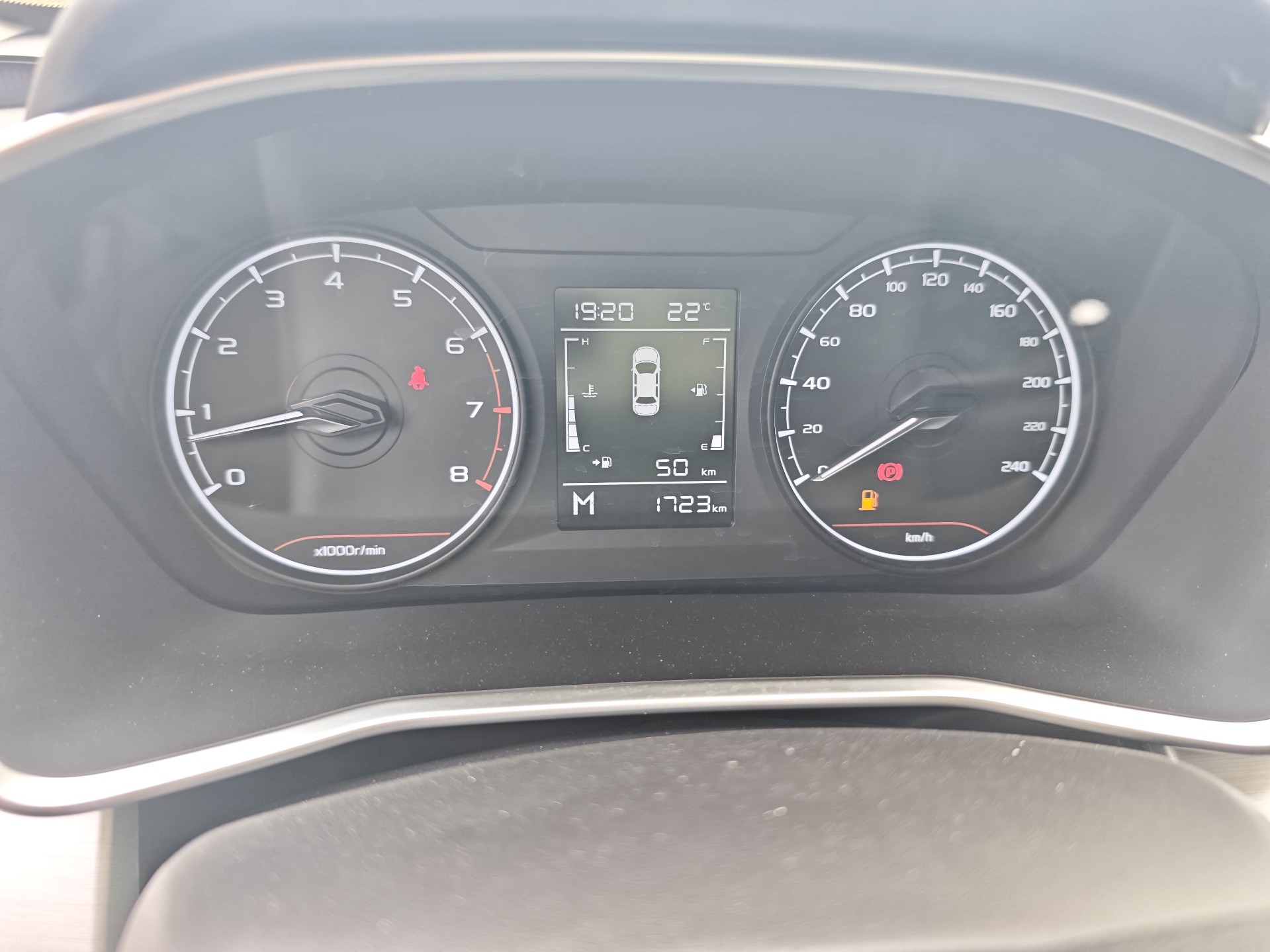
Mileage1,700km
Transfer Count0times
FuelGasoline
TransmissionManual
Engine1.5L 126 L4
ColorBrown
Seats5seats

Condition Description

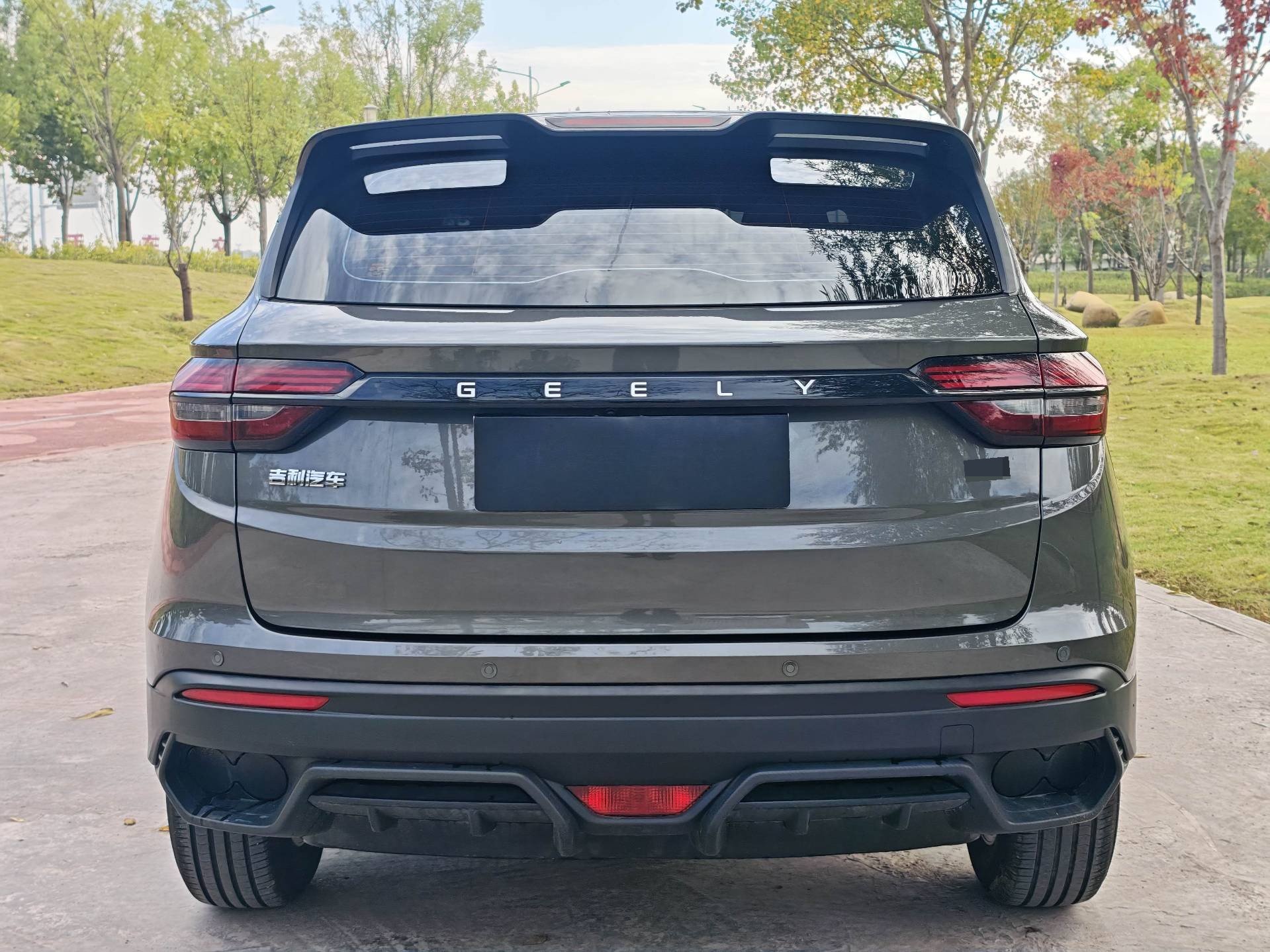
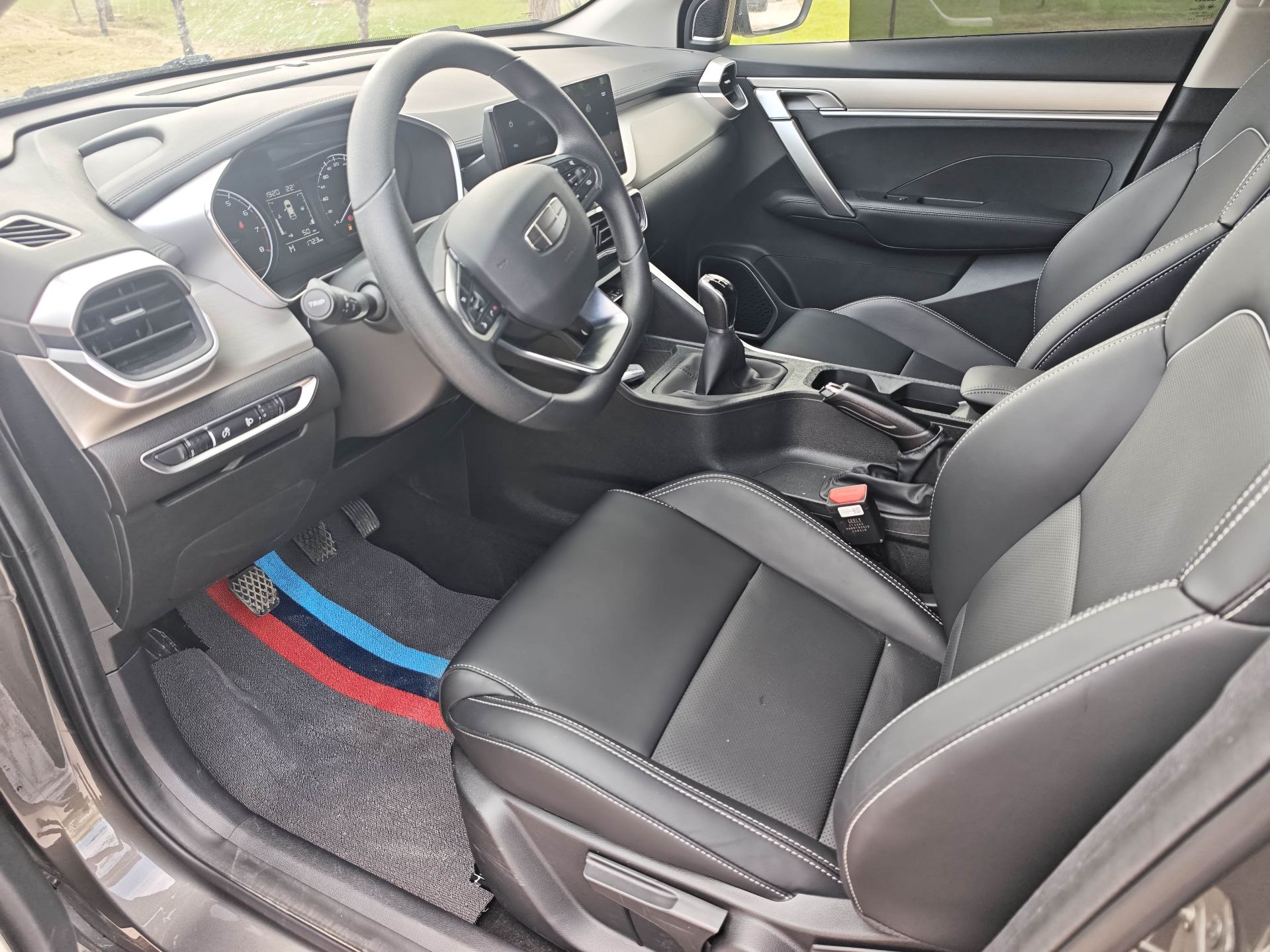
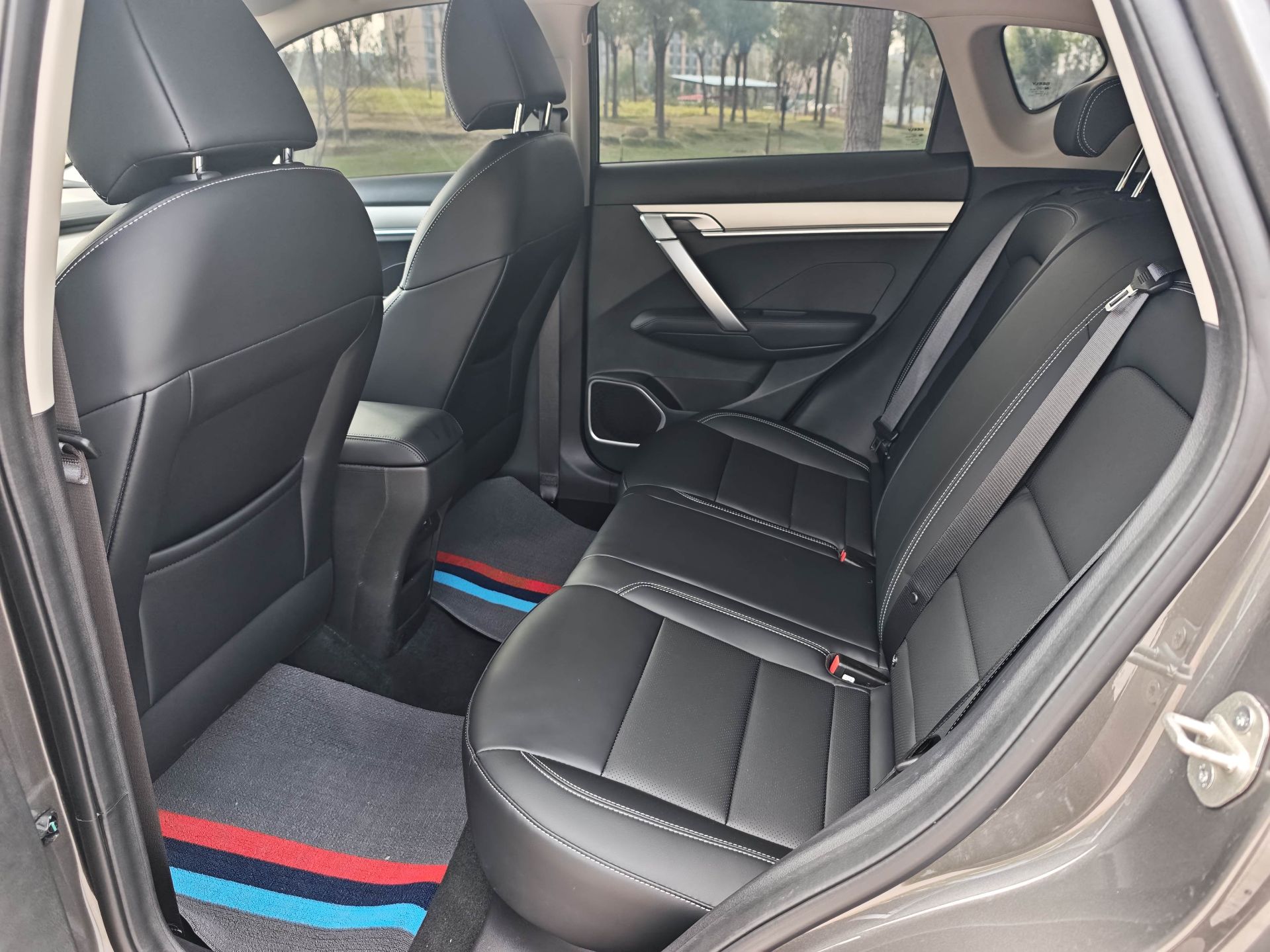
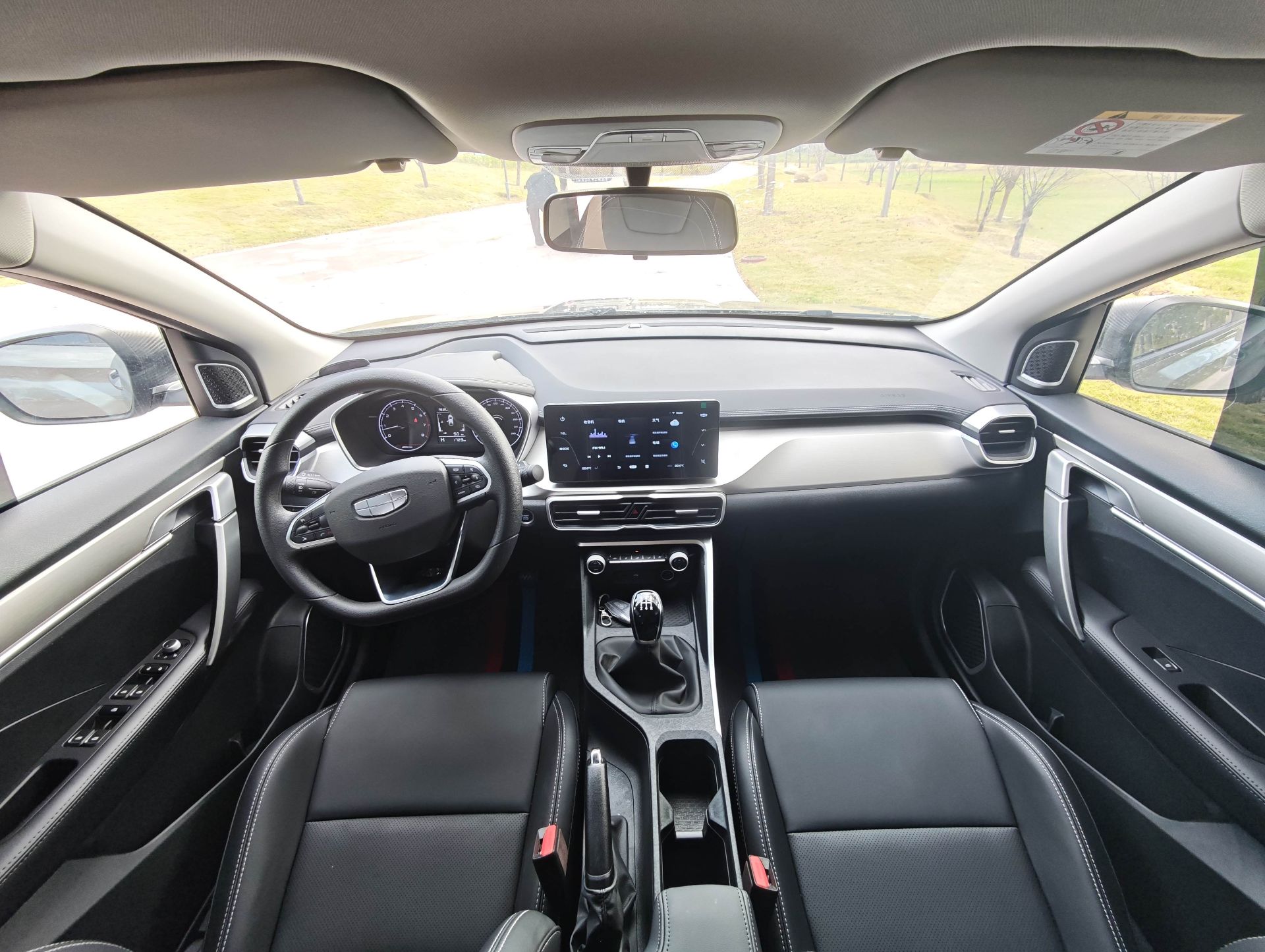
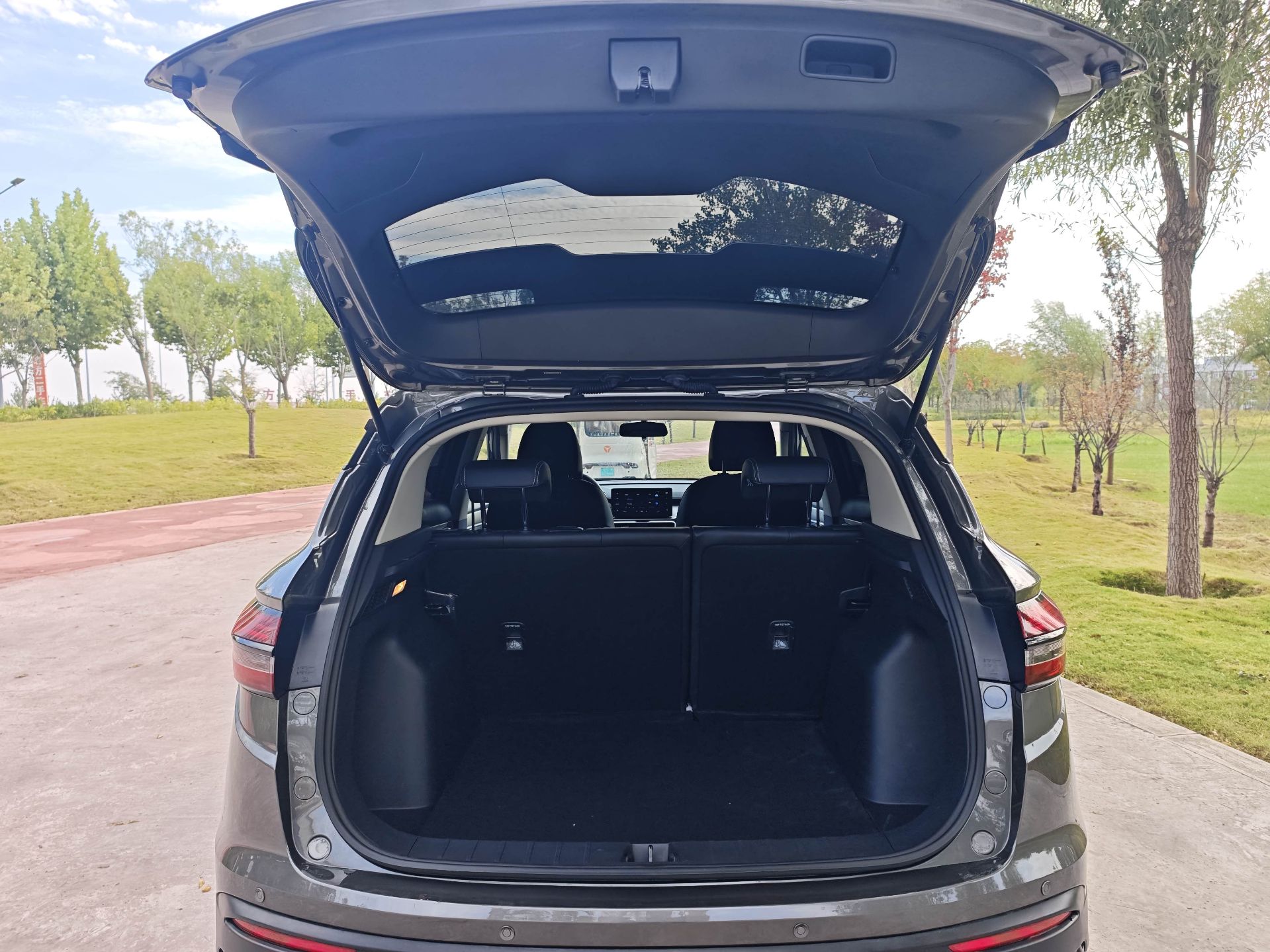
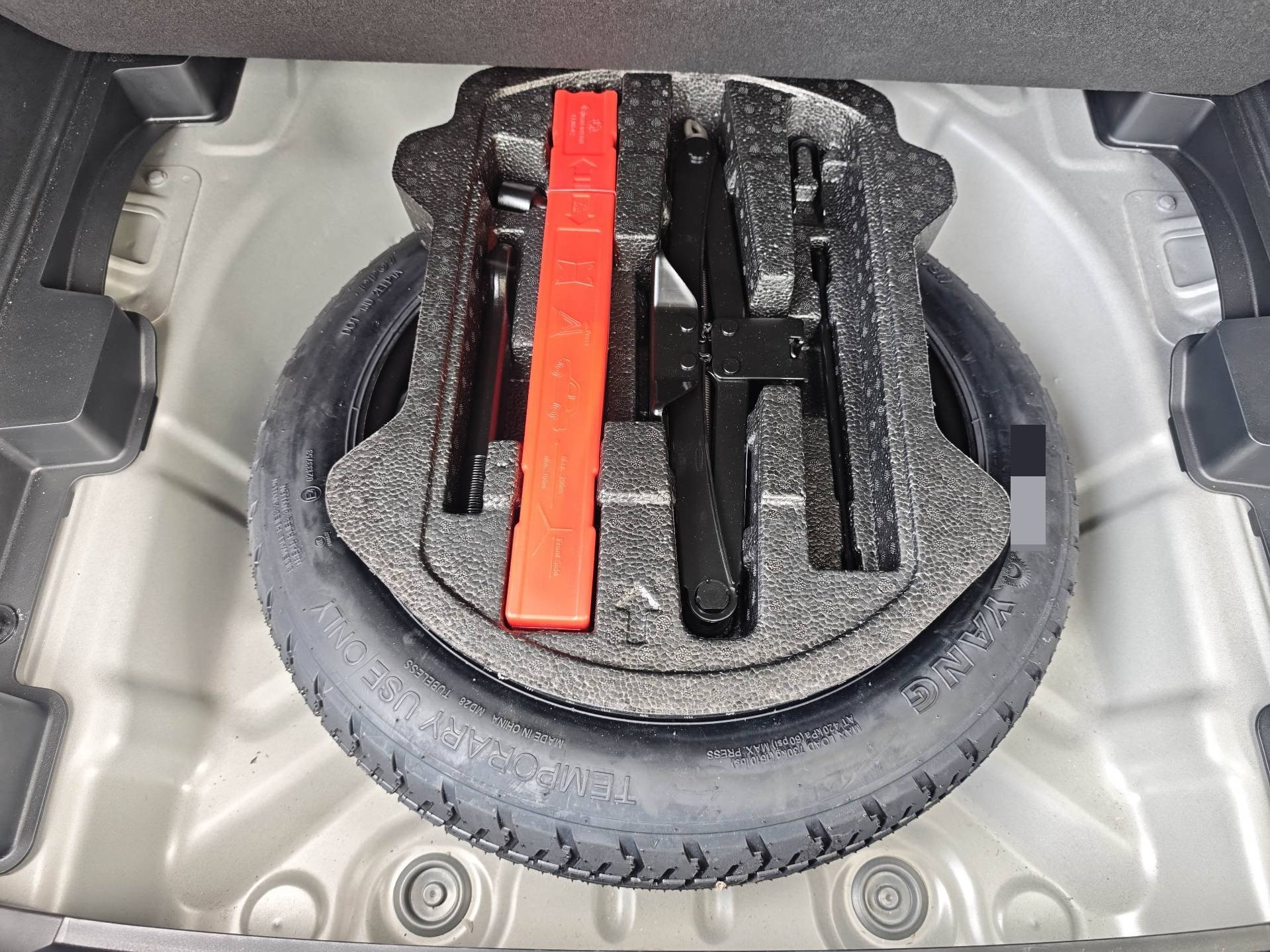
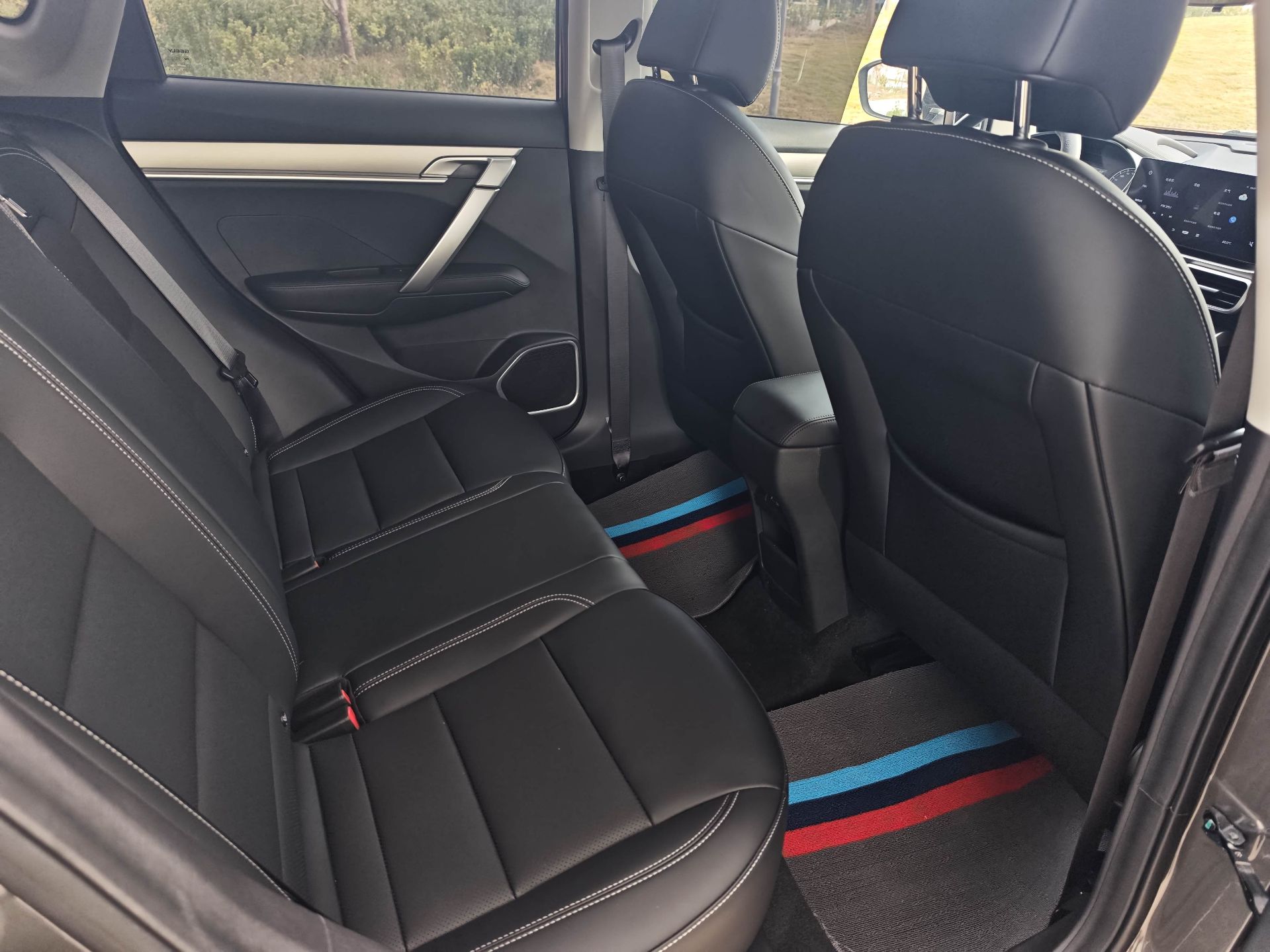
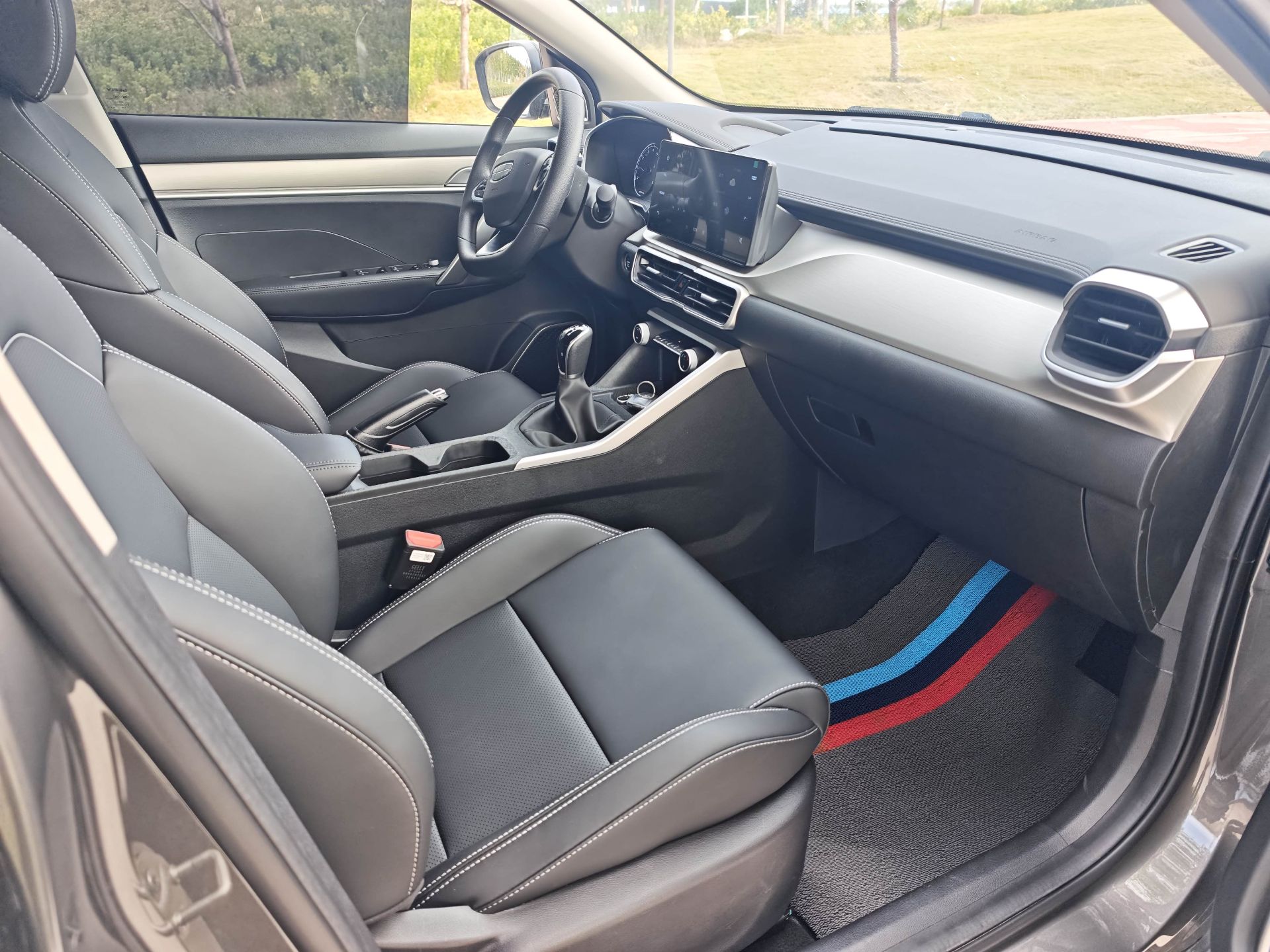
Manufactured March 2025; first registered May 2025; mileage 1,700 km; original paint and body panels.

Document Information

Inspection Expiry Date-
Warranty Expiry Date-
Insurance Expiry Date2027/05

Q&A

More

Can the used cars you export meet the SASO certification or GSO standards required by the Middle Eastern market?

It must be stated objectively: used cars in China are produced according to national standards (GB) and have not been originally certified by Saudi SASO or GSO of Gulf countries. Buyers must find a local agent with customs clearance capabilities to complete the clearance through exemption documents or compliant modifications after arrival (such as wrapping or adding specific alarms).

How can I check the body and paint quality of a used car from China to spot hidden accident repairs?

Ask the exporter for a paint thickness gauge report, or request a live video where they measure the car in front of you. What to look for: · Factory paint on most Chinese cars measures 80–120 microns. Readings above 150–200 microns on a panel usually mean repainting; above 300 microns often means body filler (putty) underneath. · Inconsistent readings between panels (e.g., left door 95µm, right door 180µm) suggest the right side was repaired. · Check gaps between panels (doors, hood, trunk). Uneven gaps or misaligned headlights/bumper clips point to past collision repairs. · Look for overspray on rubber seals, plastic trim, or inside door jambs — a clear sign of repainting. · Check bolt heads on fenders, doors, and hood. Wrench marks or fresh paint over bolts mean the panel was removed. Combine these checks with an OBD scan for airbag or crash-related fault codes. Any repainting should be declared by the seller; if discovered undeclared, you have grounds to renegotiate or reject the car.
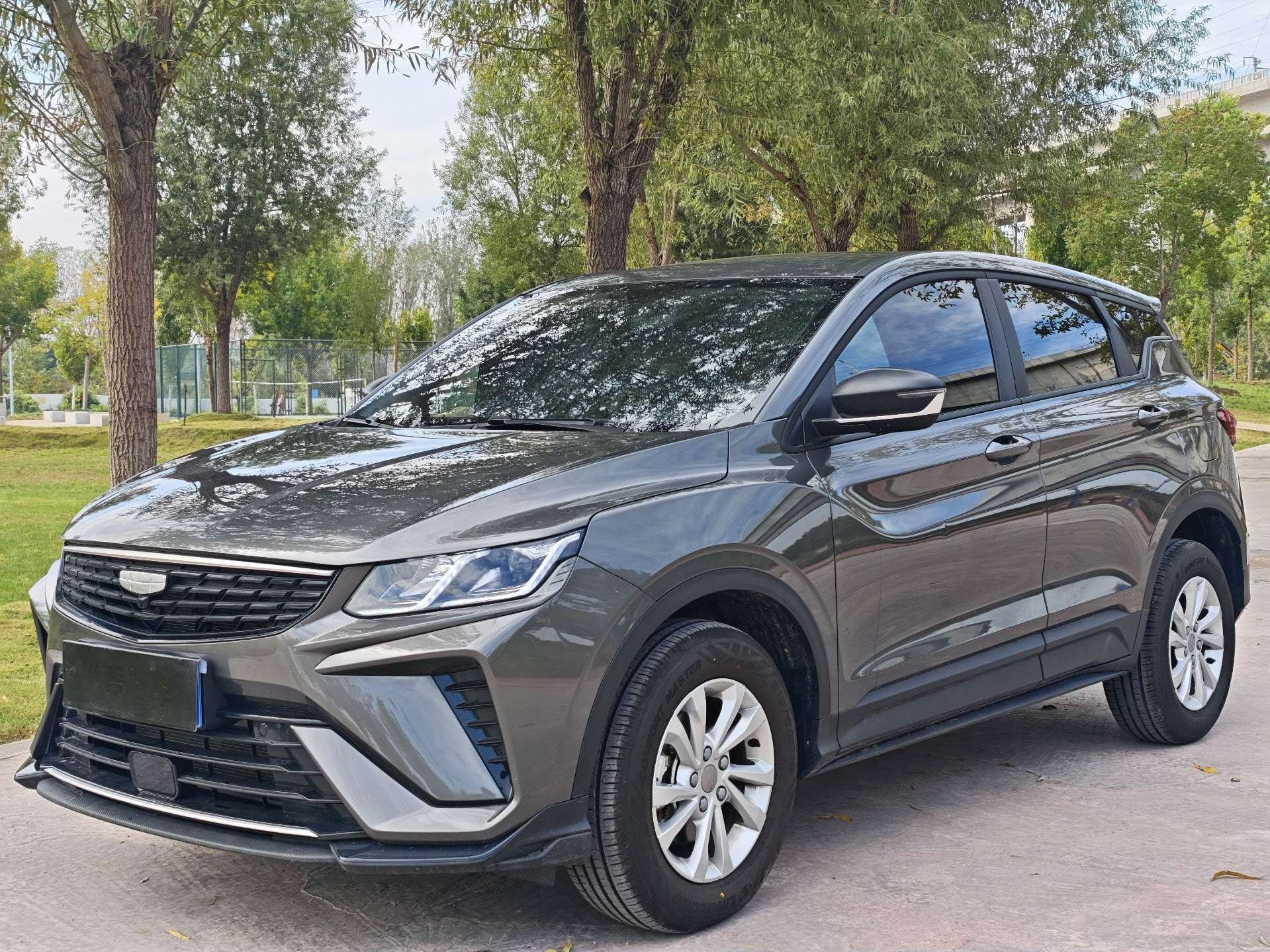
What does a professional pre-purchase inspection in China include, and which inspection points matter most before shipping?

A professional pre-purchase inspection in China normally covers five parts: exterior and interior condition, a lift inspection of the chassis and frame, engine bay checks, a road test, and OBD diagnostics. Prioritize the chassis rails and A/B/C pillars for cut-and-weld repairs, engine oil leaks and timing noises, transmission shift quality, and OBD fault codes — cleared codes leave telltale history data. For EVs, add battery pack casing, insulation values, and battery state of health (SOH). Insist on original timestamped photos with the VIN visible and a written conclusion such as 'fit for export' or 'major defects found.' A report that only says 'good condition' is not worth paying for.