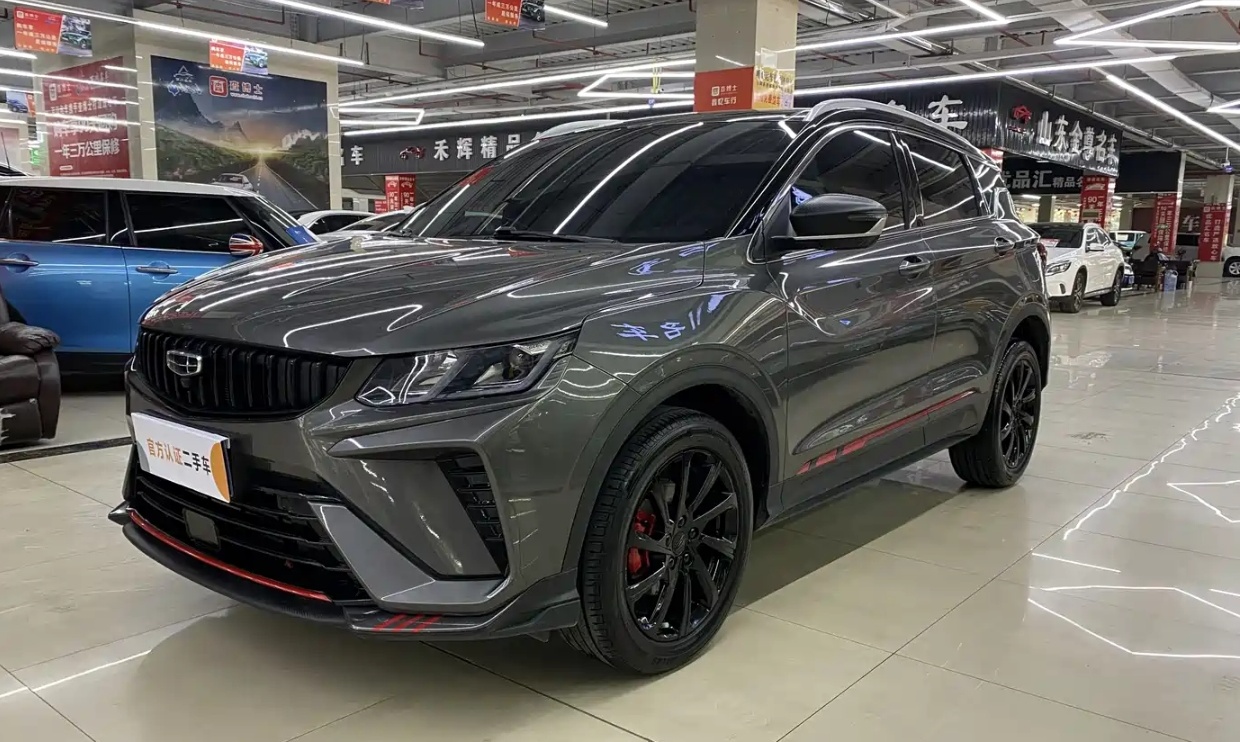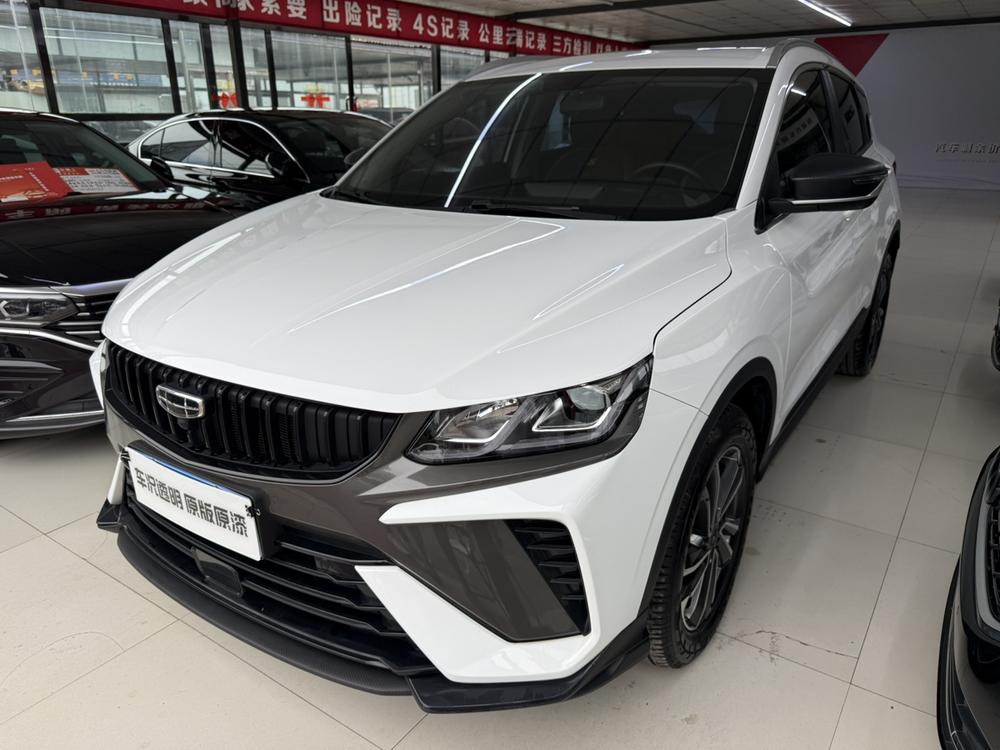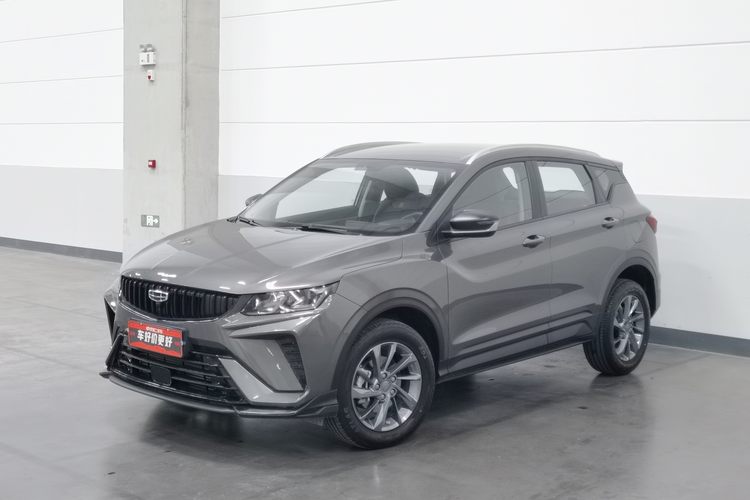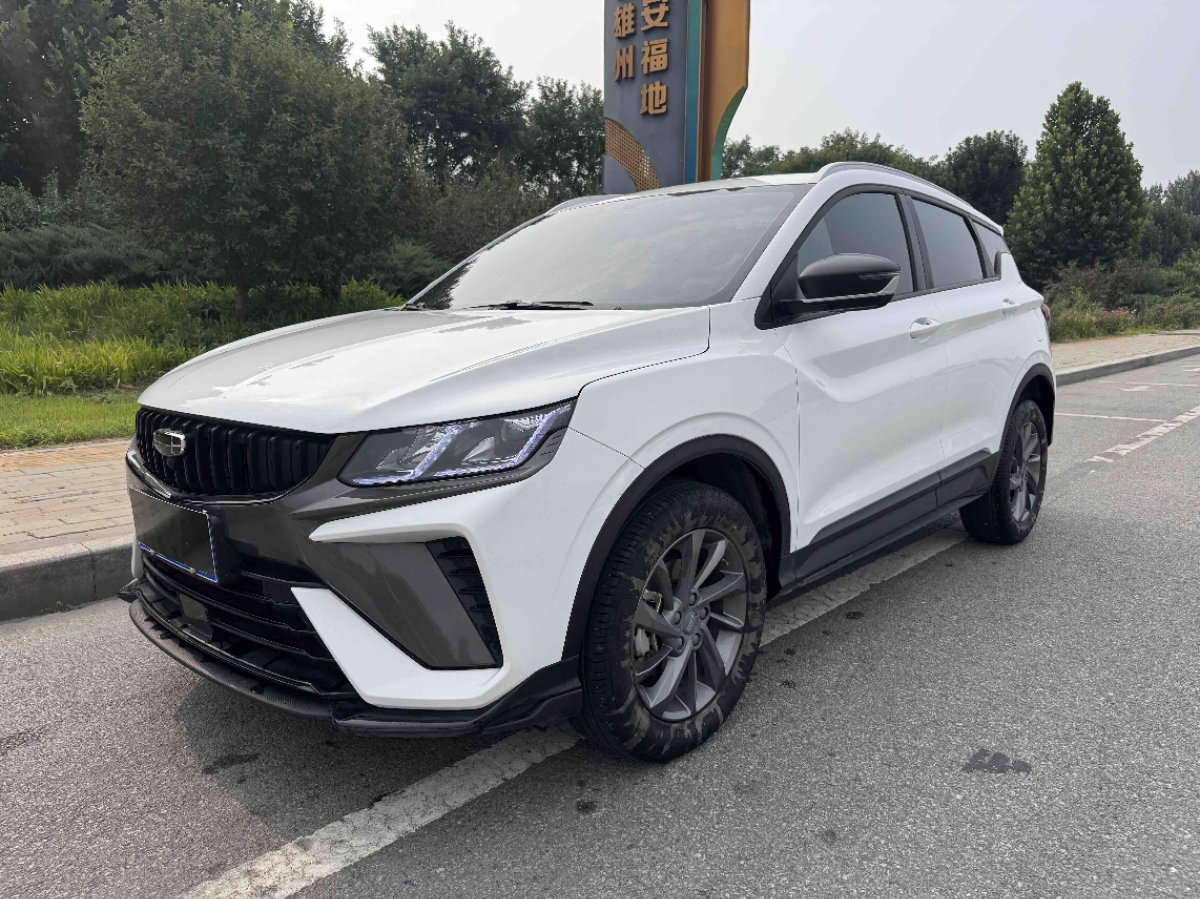
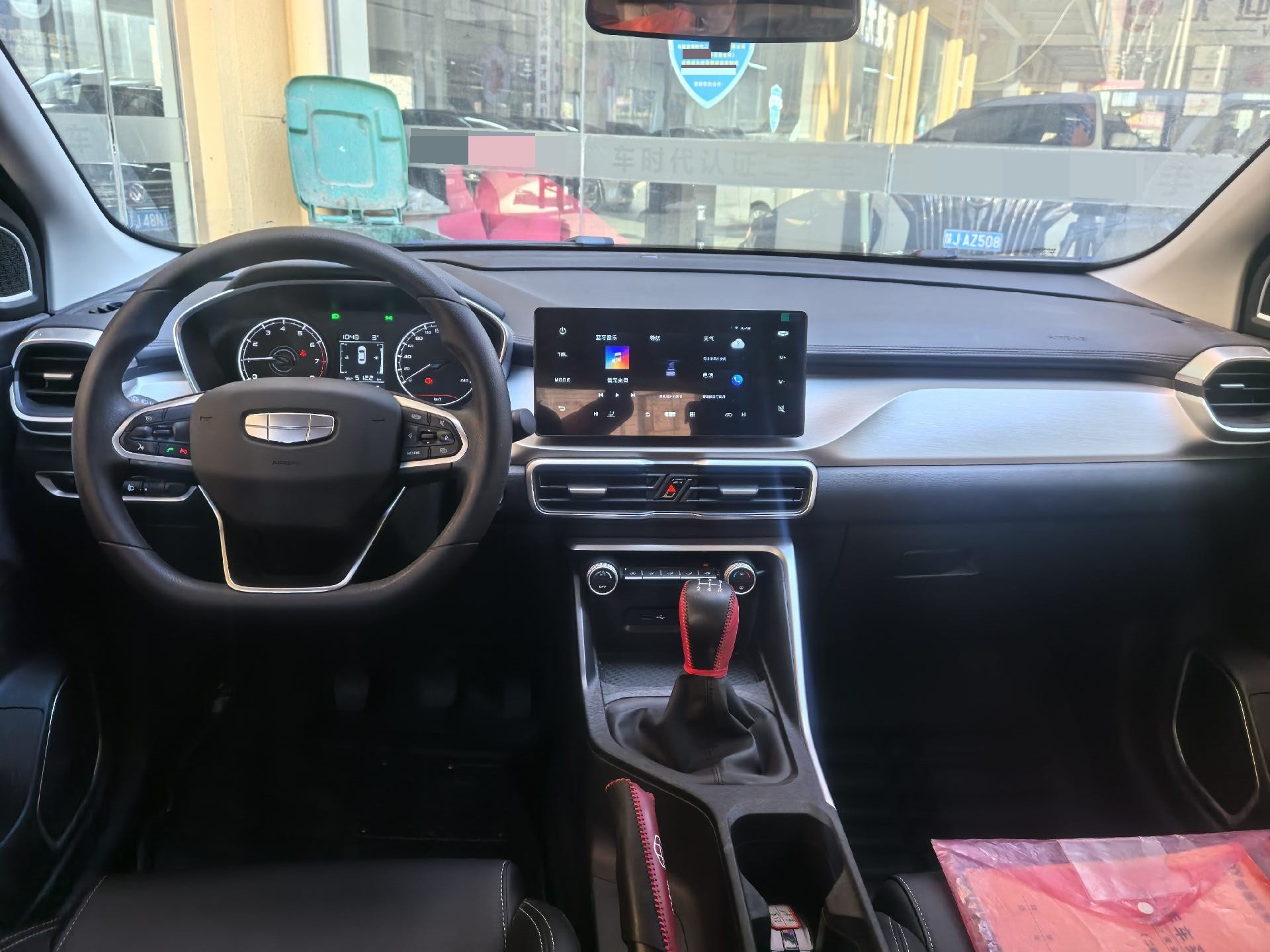
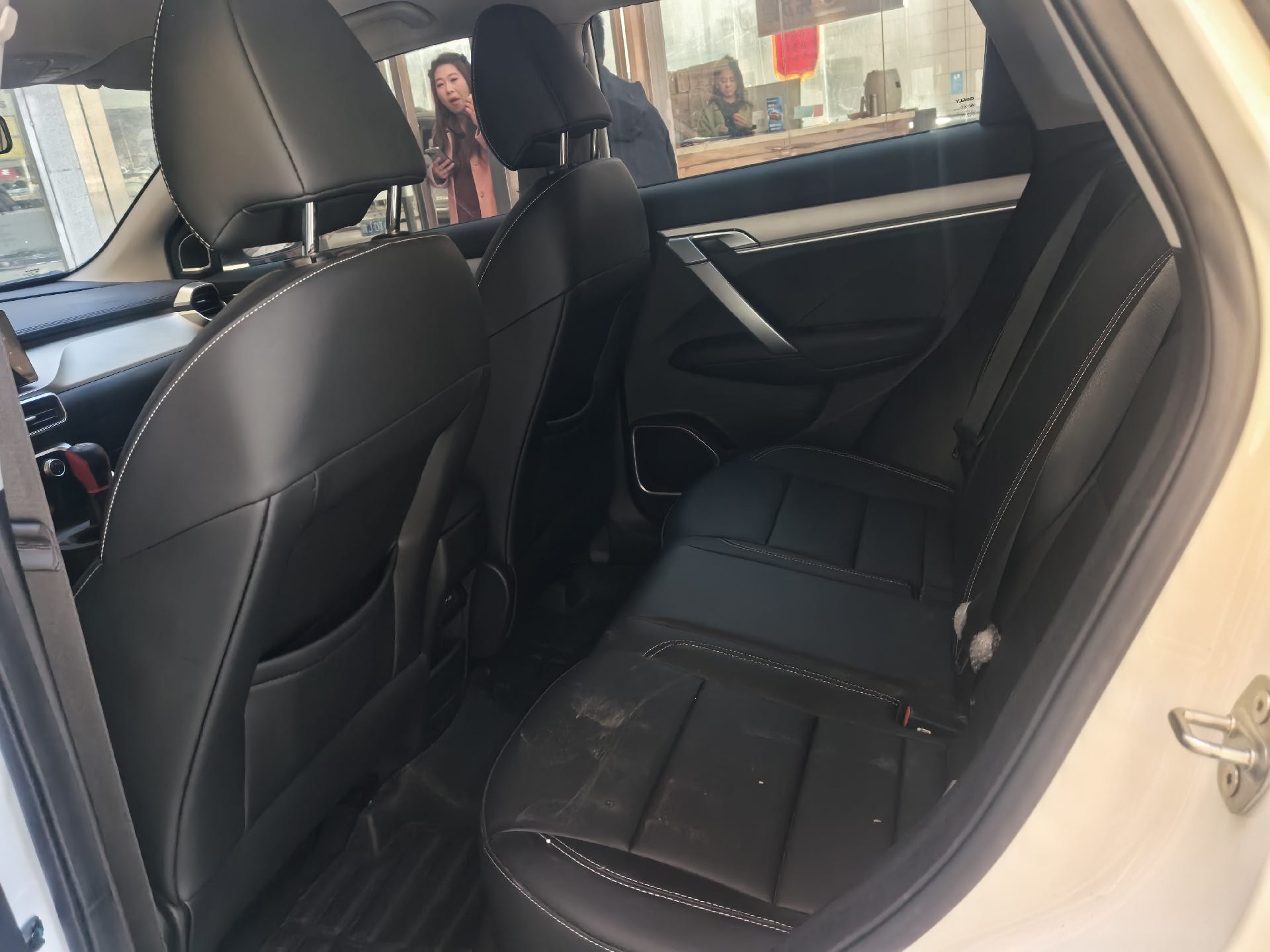
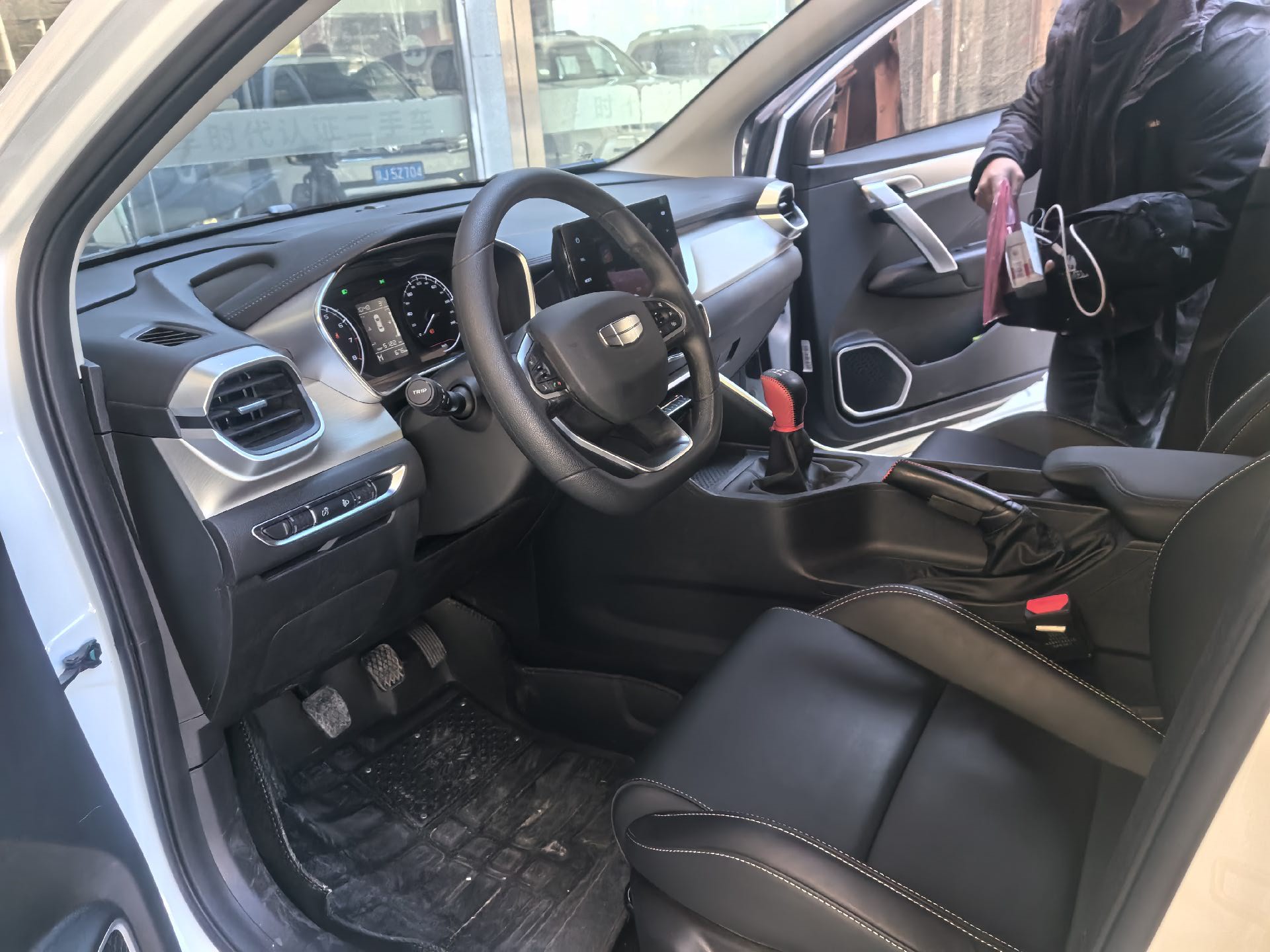
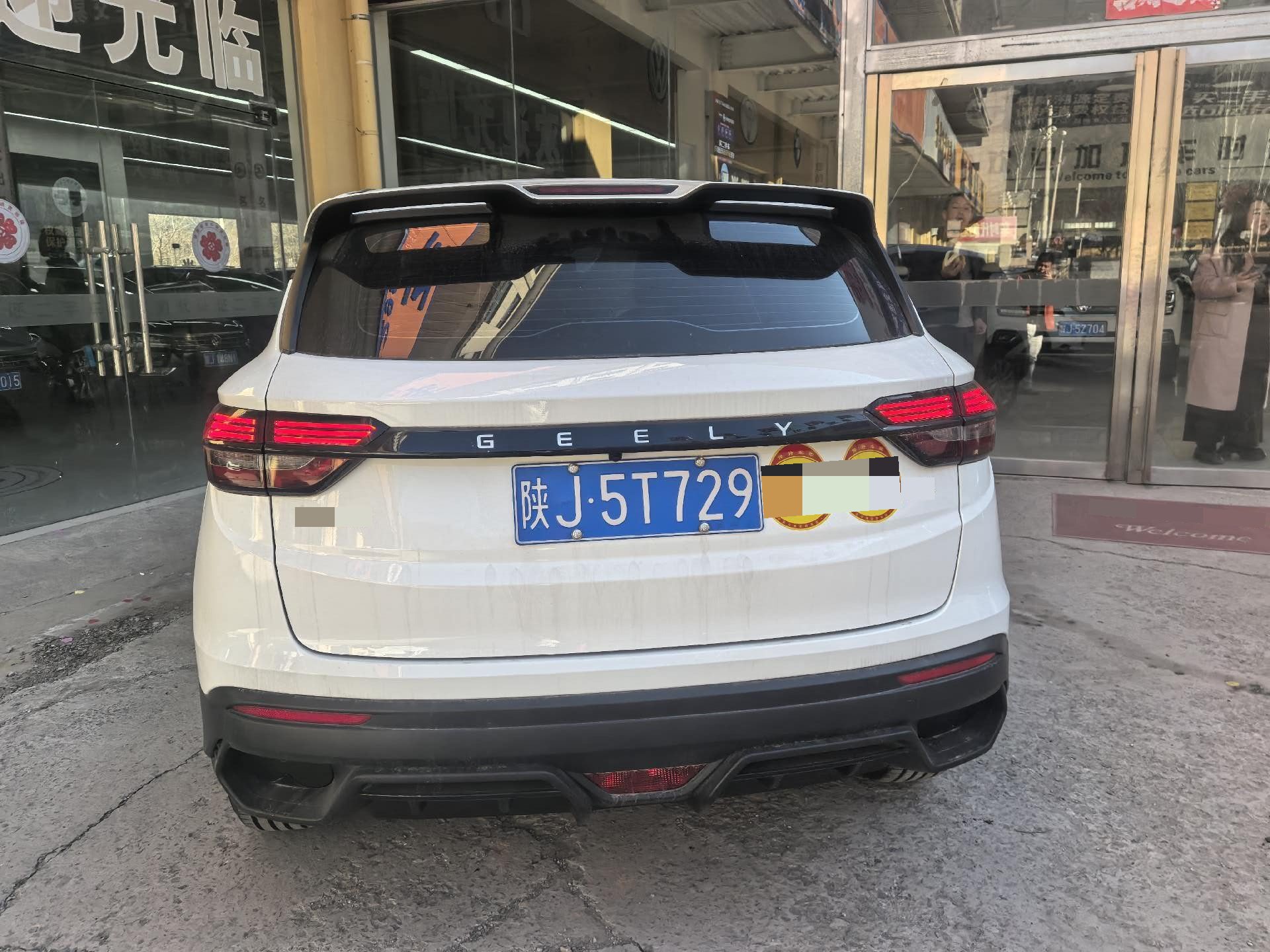
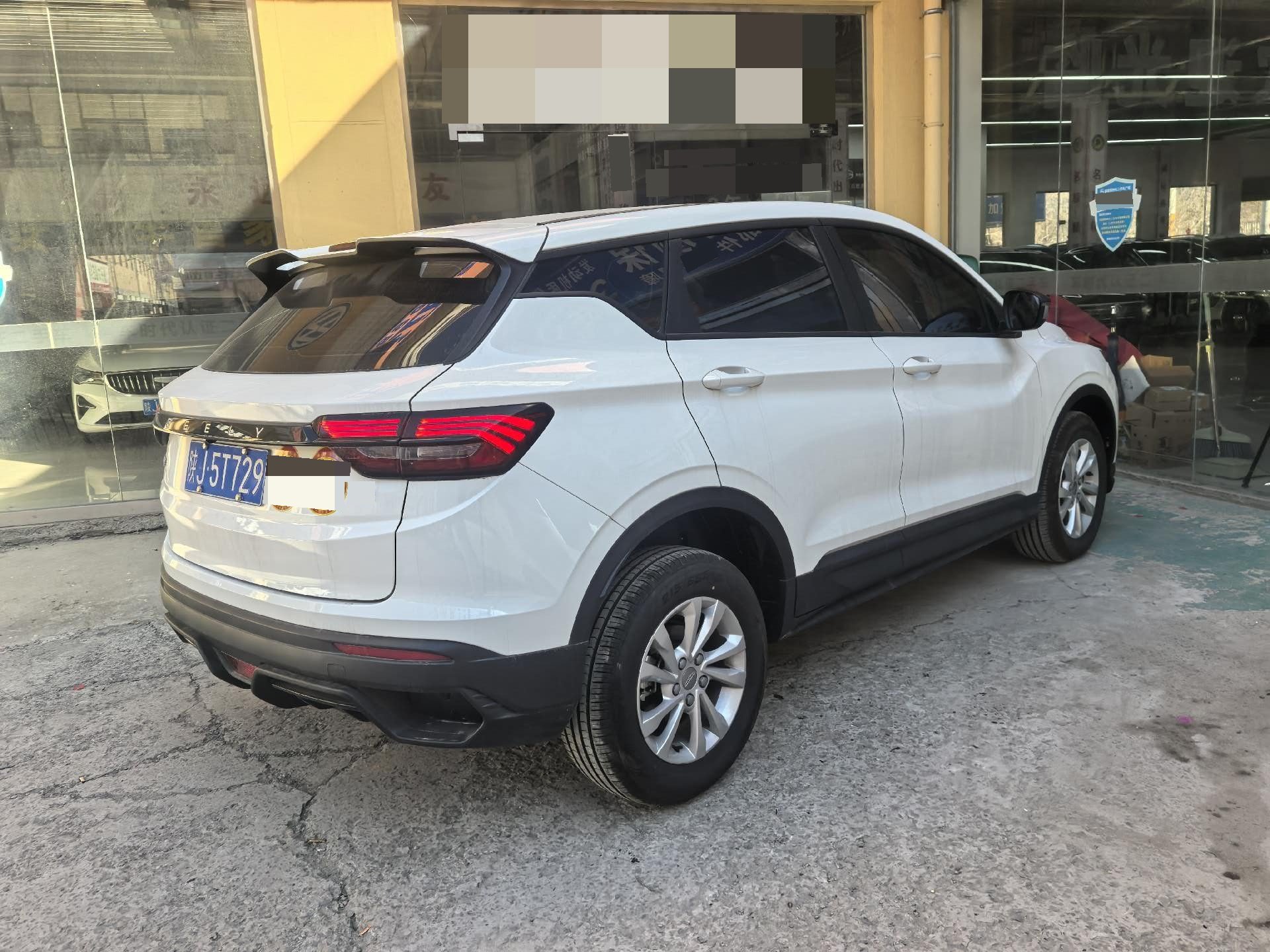
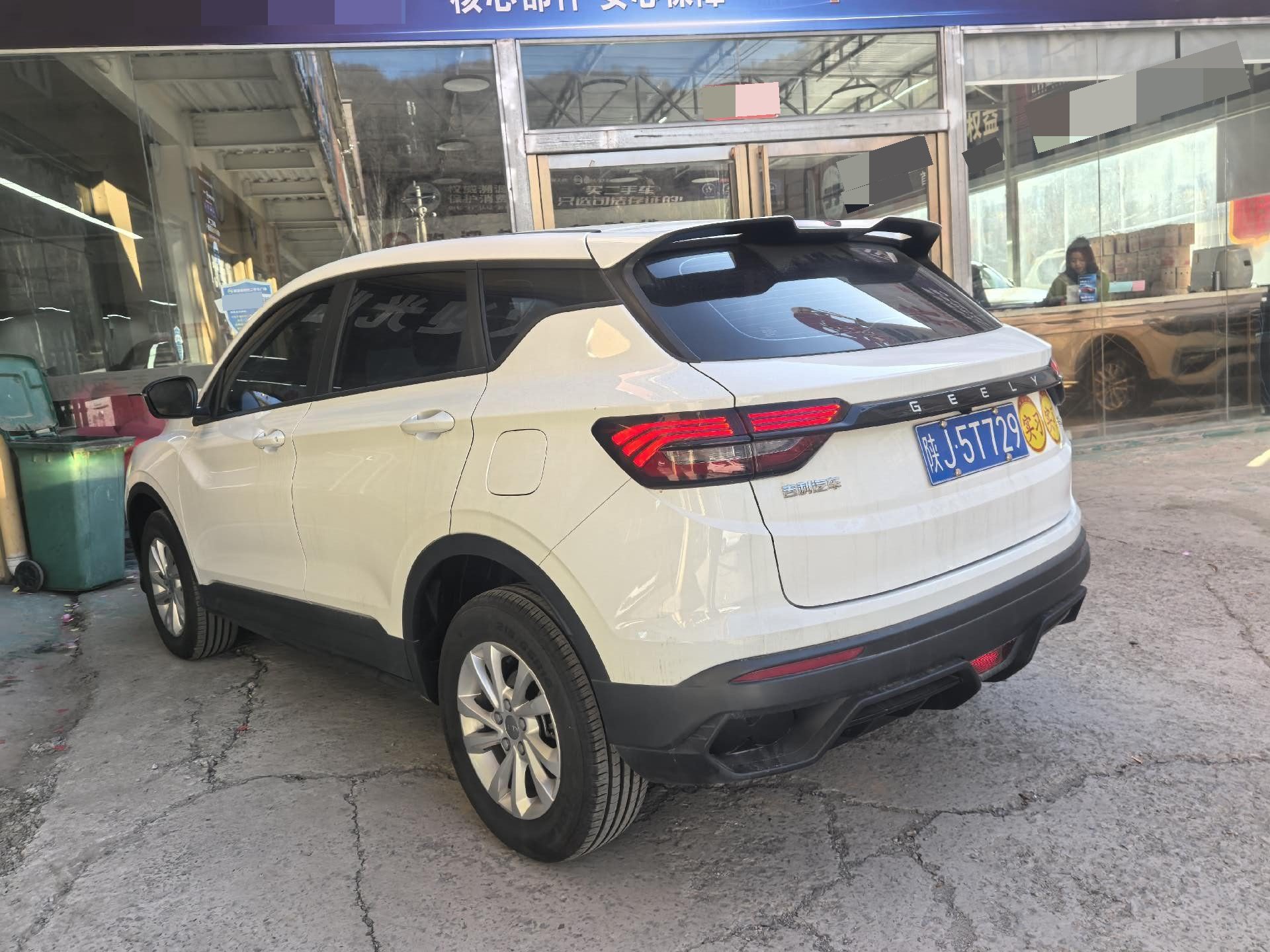



Basic Information

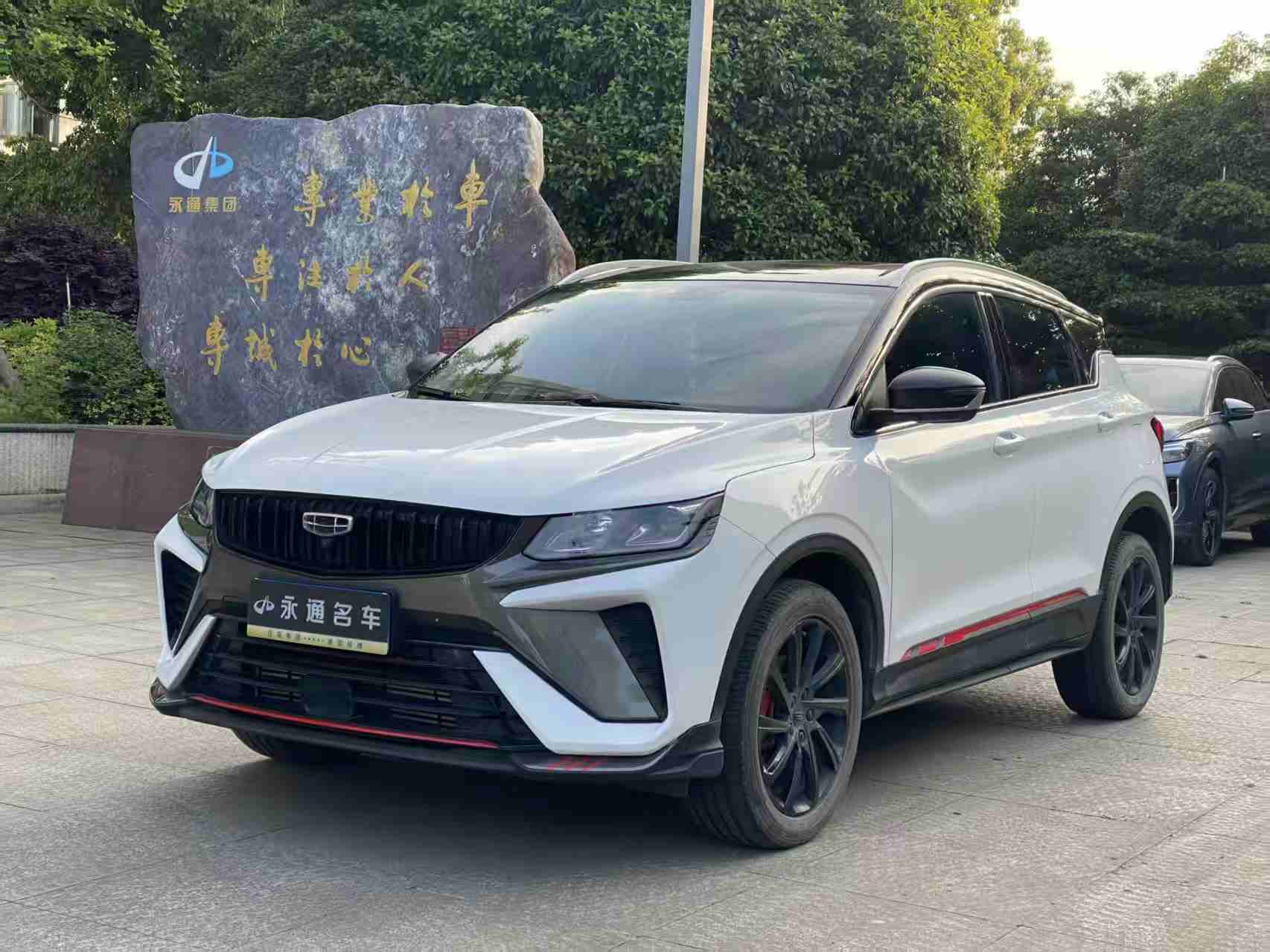
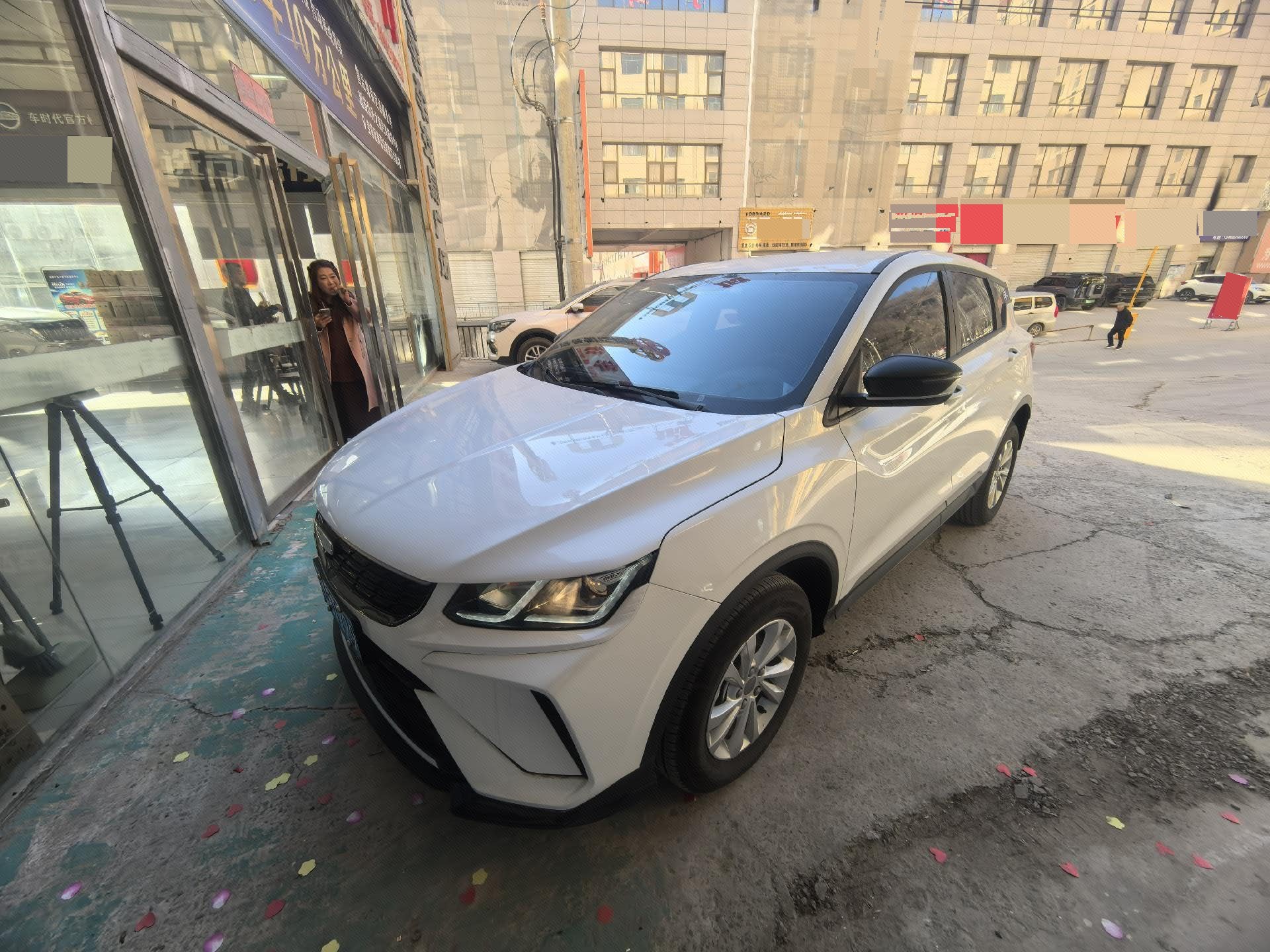
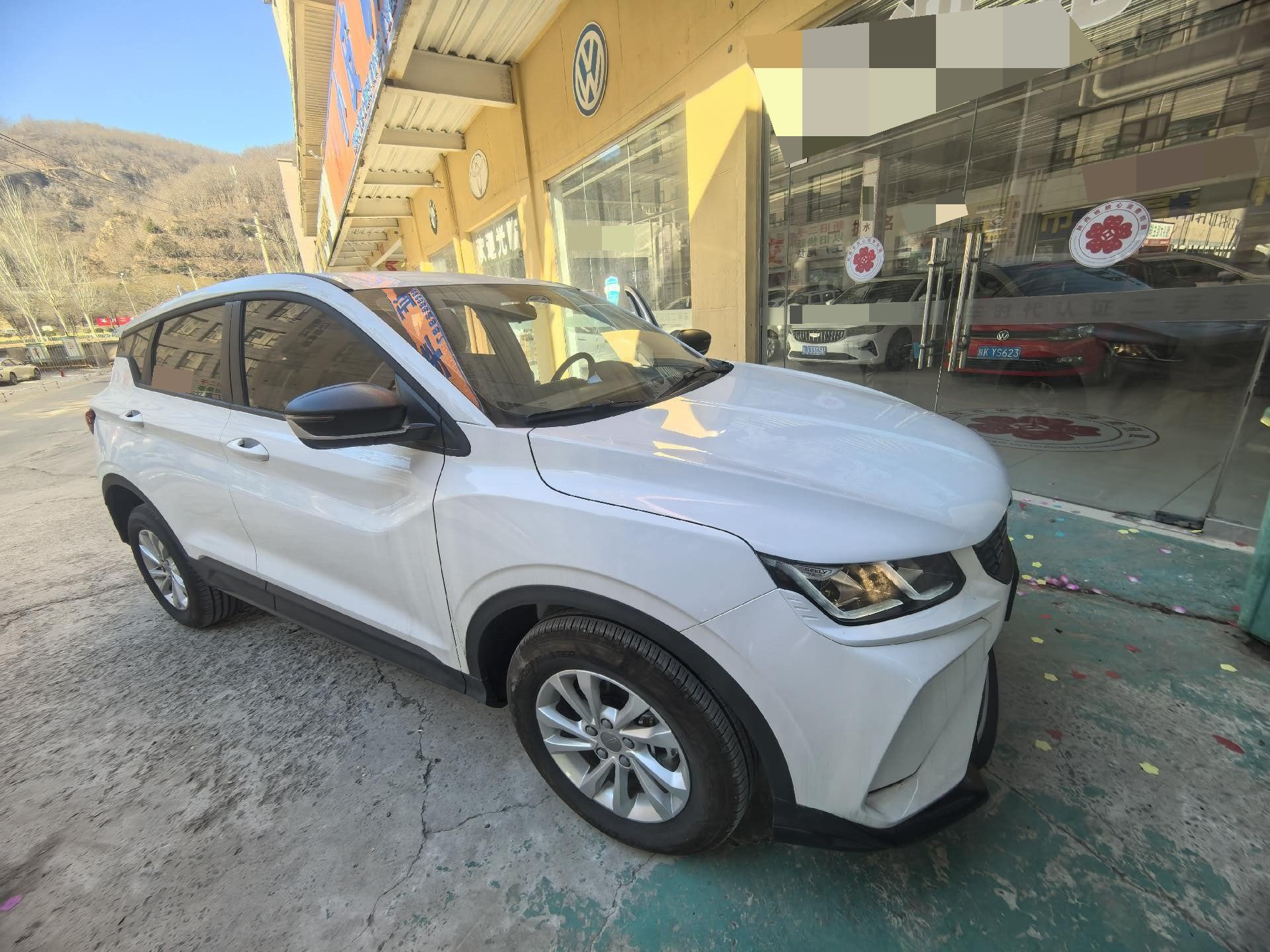
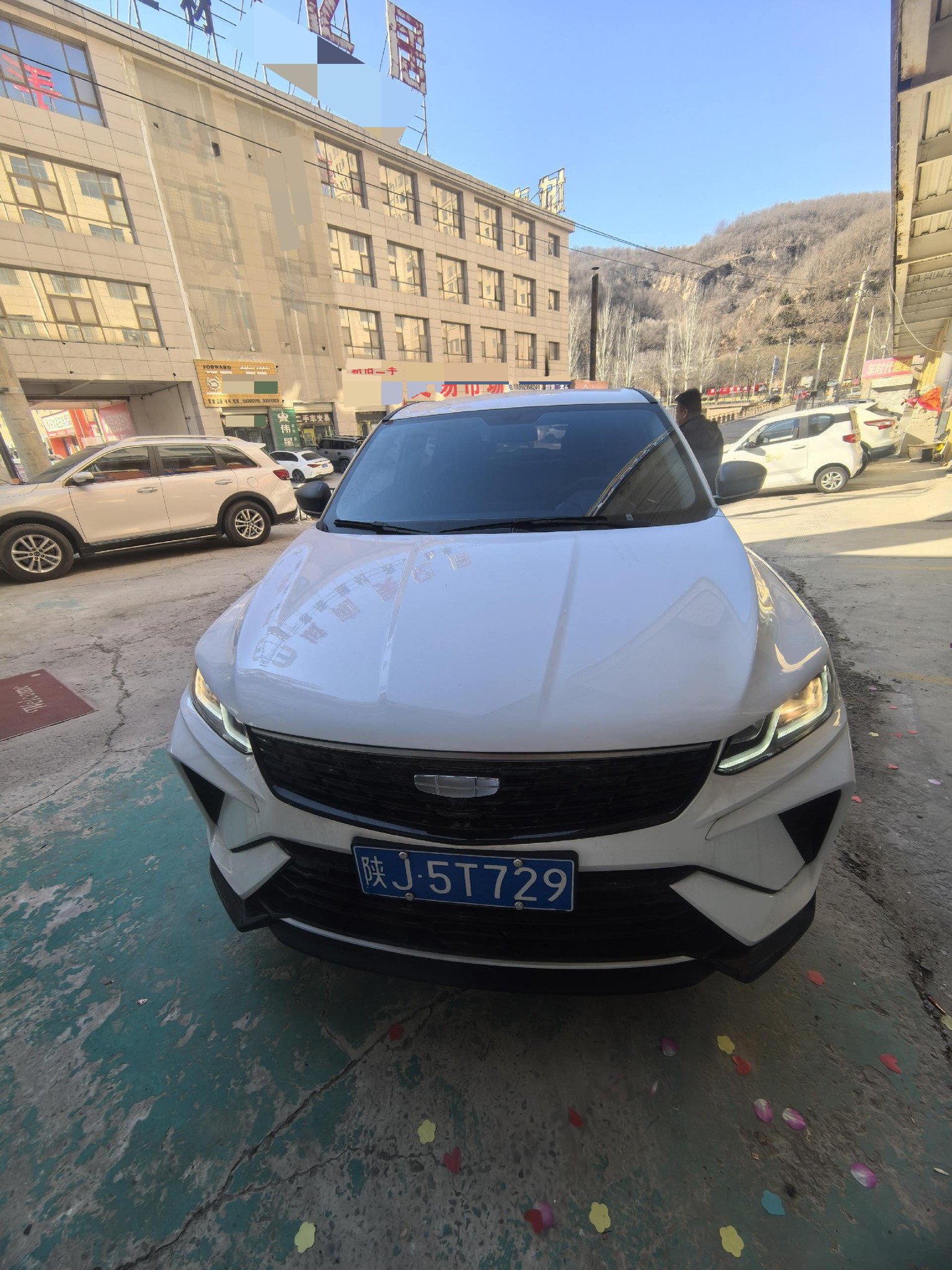
BrandGEELY
SeriesCoolray
Year2025
First Registration2025/11
Mileage600km
Transfer Count0times
FuelGasoline
TransmissionManual
Engine1.5L 126 L4
ColorGrey
Seats5seats

Condition Description

Personal first-owner vehicle with actual 600 km on odometer. The hood was replaced, and the hood cover was replaced; the rest is original.

Document Information

Inspection Expiry Date-
Warranty Expiry Date-
Insurance Expiry Date2027/11

Q&A

More

Will the platform ask the buyer for an additional "service fee" or "commission" after the transaction is completed?

No hidden fees. The total amount on the FOB/CIF invoice is the final amount. We rely on professional supply chain operations to earn a reasonable margin and do not allow any sales personnel to privately request kickbacks or service fees from you.


Are there specific photos or reports from the lift perspective regarding the concealed parts of the chassis (such as the suspension system and shock absorber leaks)?

Definitely. Lifting the chassis is a mandatory part of our standards. The report will specifically show whether there are oil stains on the front and rear shock absorber cylinders, if the rubber boots of the lower control arm ball joints are torn, and if the steering tie rods are loose or deformed.

What's the difference between RoRo and container shipping when importing a used car from China?

RoRo (roll-on/roll-off) means your car is driven onto the vessel and secured on an open deck. It's usually the cheapest option and has frequent sailings from Chinese ports like Shanghai and Guangzhou. The downside: the car is exposed to sea air and handling, and you typically can't load spare parts inside the car. Container shipping puts the car in a 20ft or 40ft container. It costs more per car (a 40ft can fit 2-4 cars if you share with other buyers), but the car is sealed and protected, and you can pack spare parts, tools, or personal items inside. Container is the better choice for high-value cars, EVs with sensitive electronics, or harsh-route destinations. Practical tips: RoRo requires the car to be drivable and the battery disconnected per shipping rules; EVs often must ship at low state of charge. Either way, photograph the car at the port of loading and buy marine insurance. Transit time difference between the two modes is usually small - port congestion matters more than the mode itself.