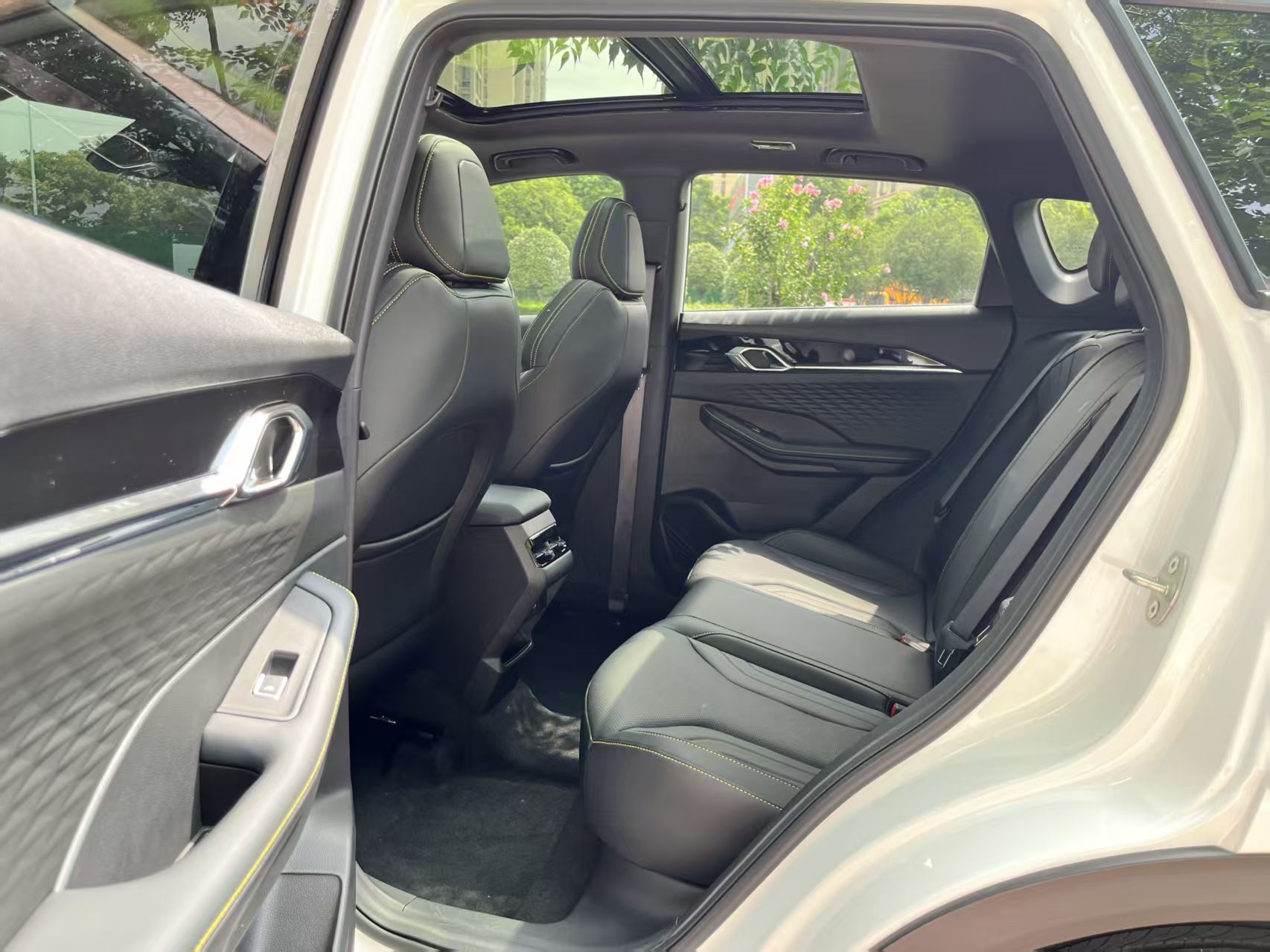


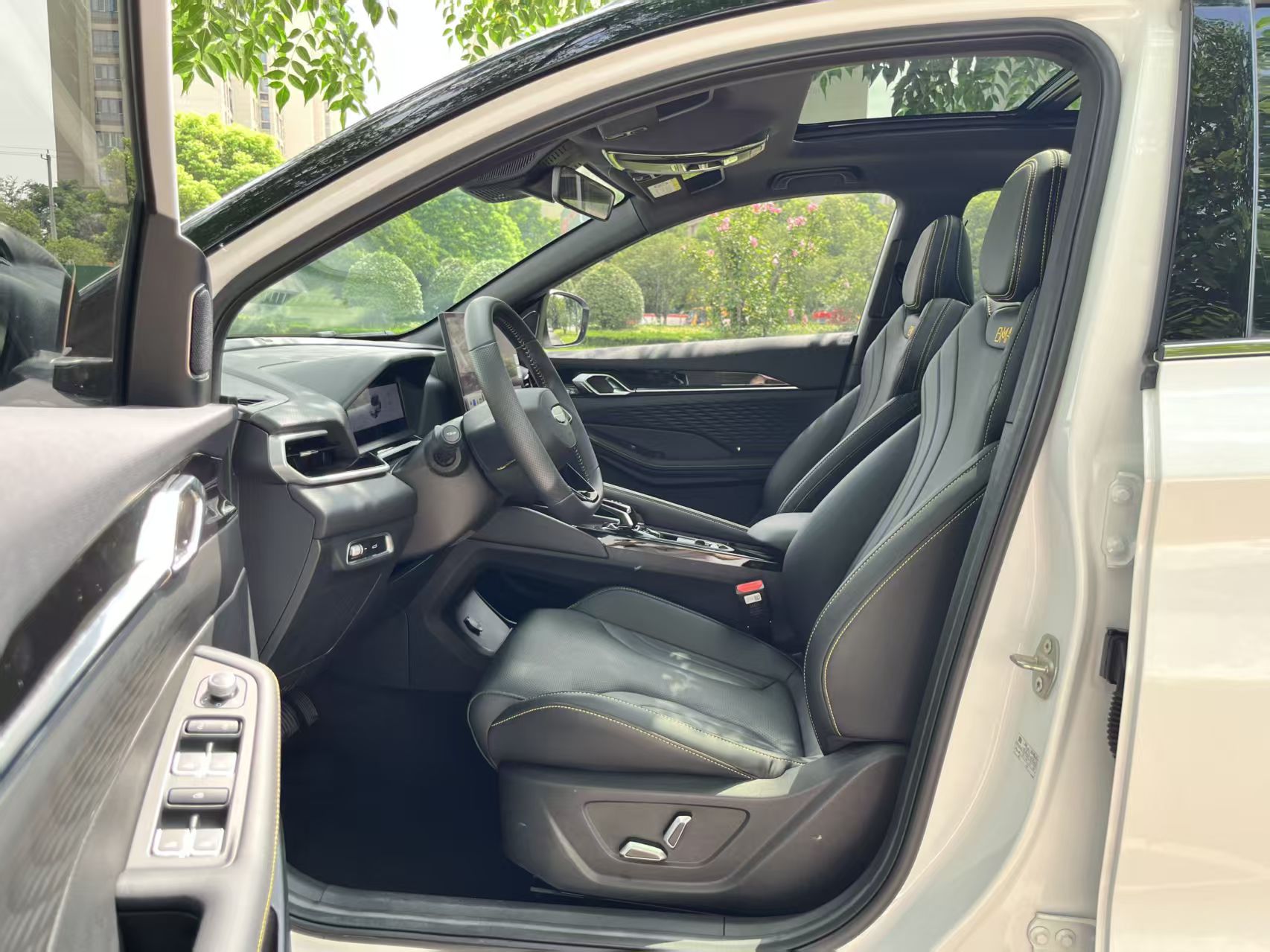
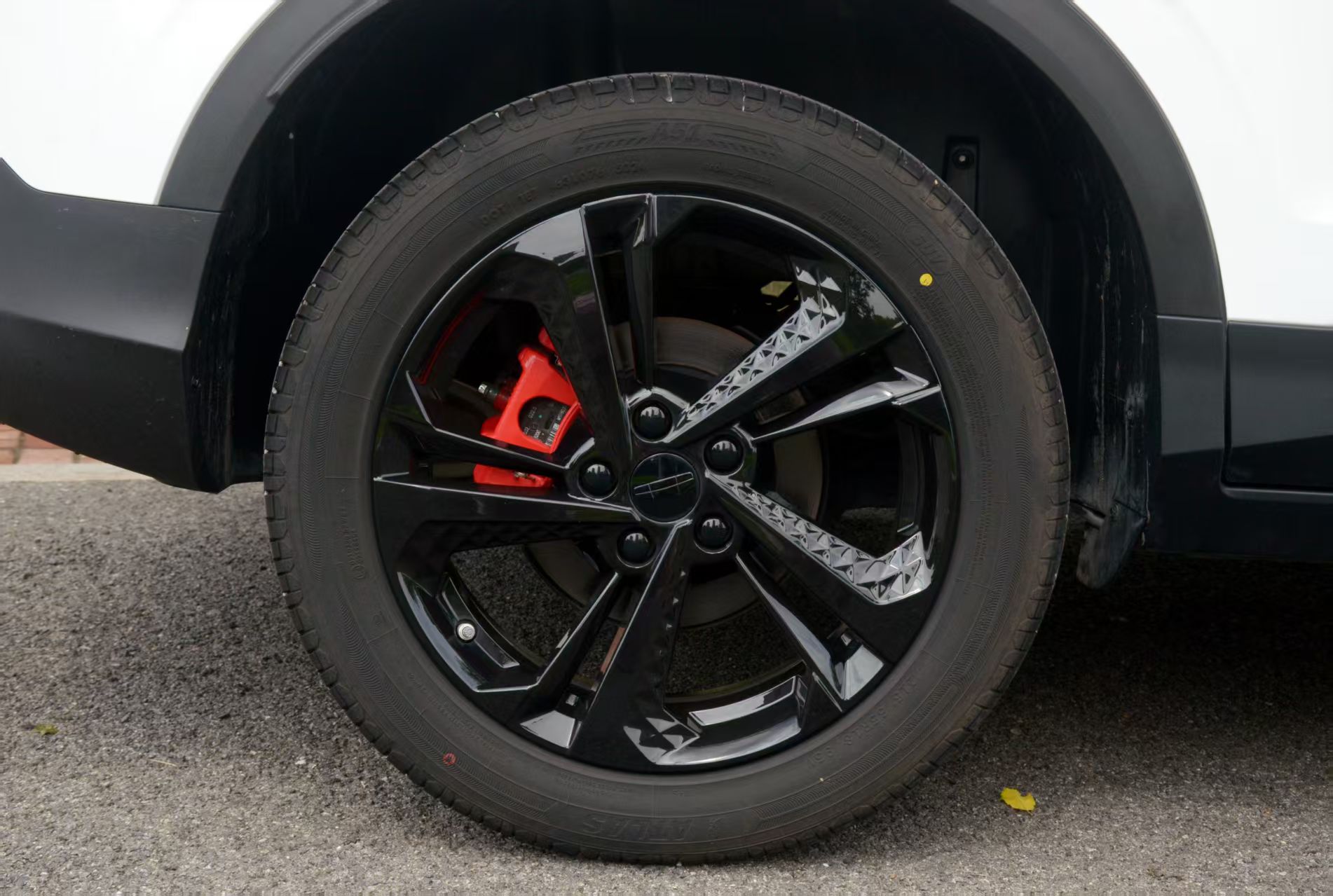
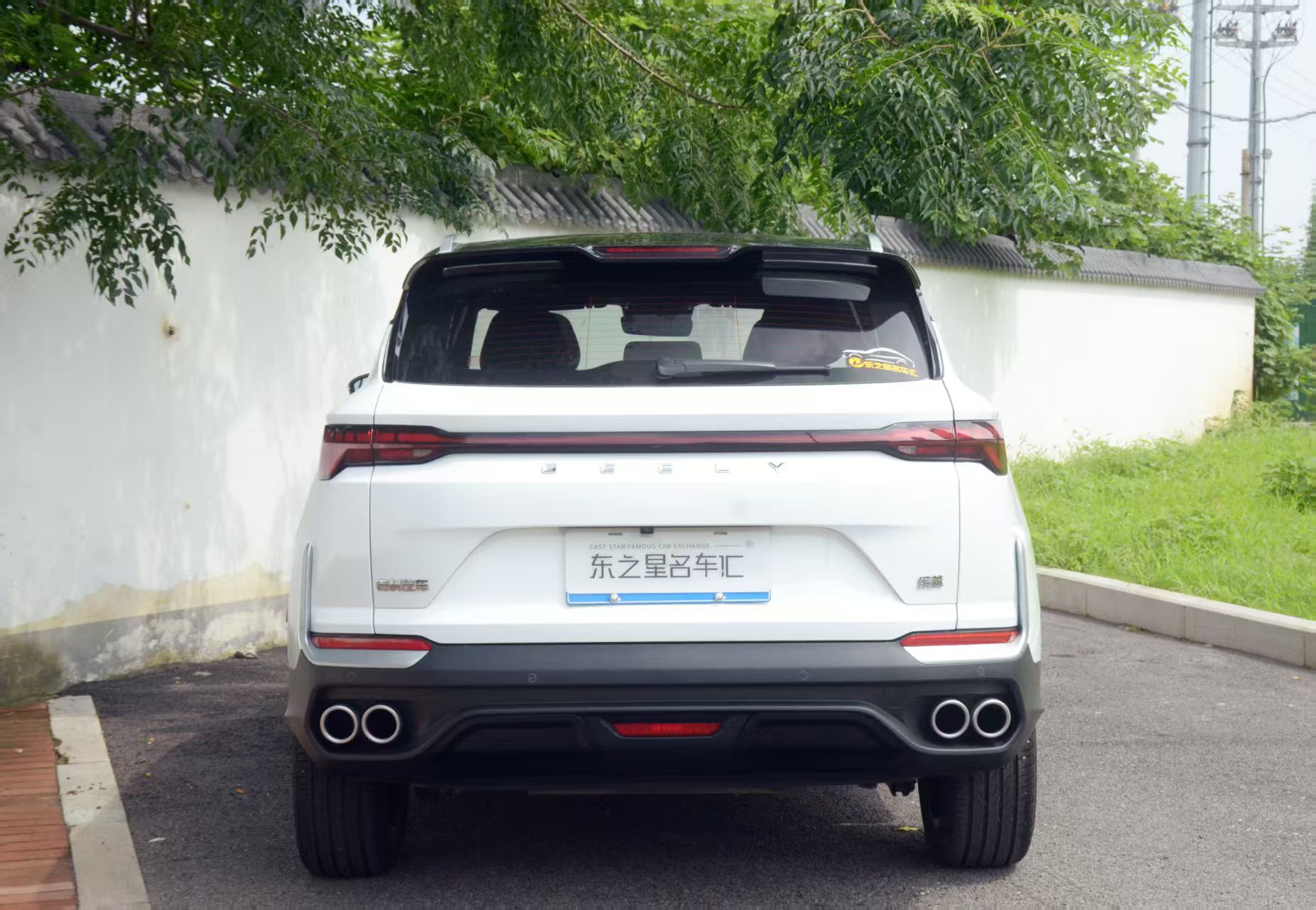
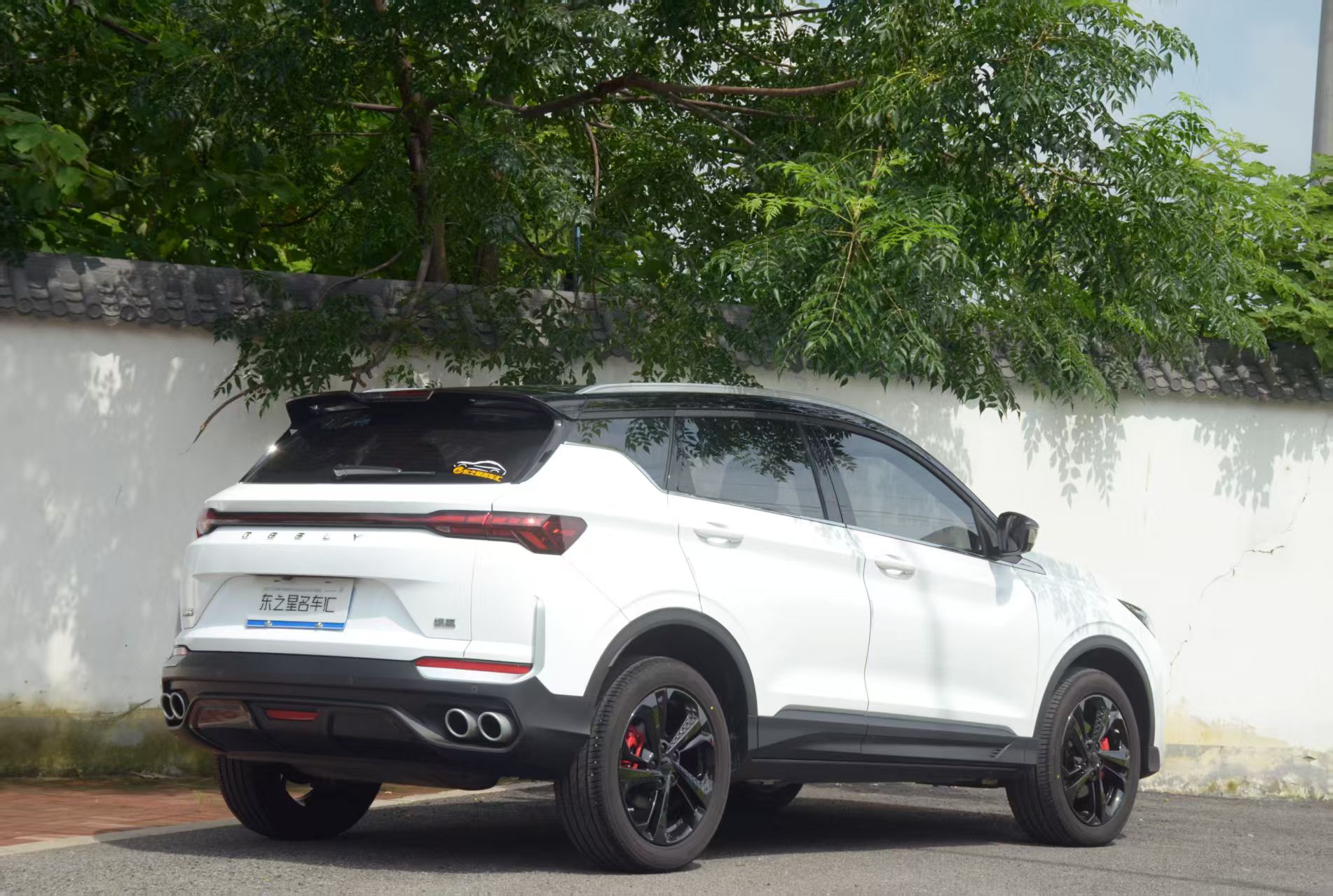
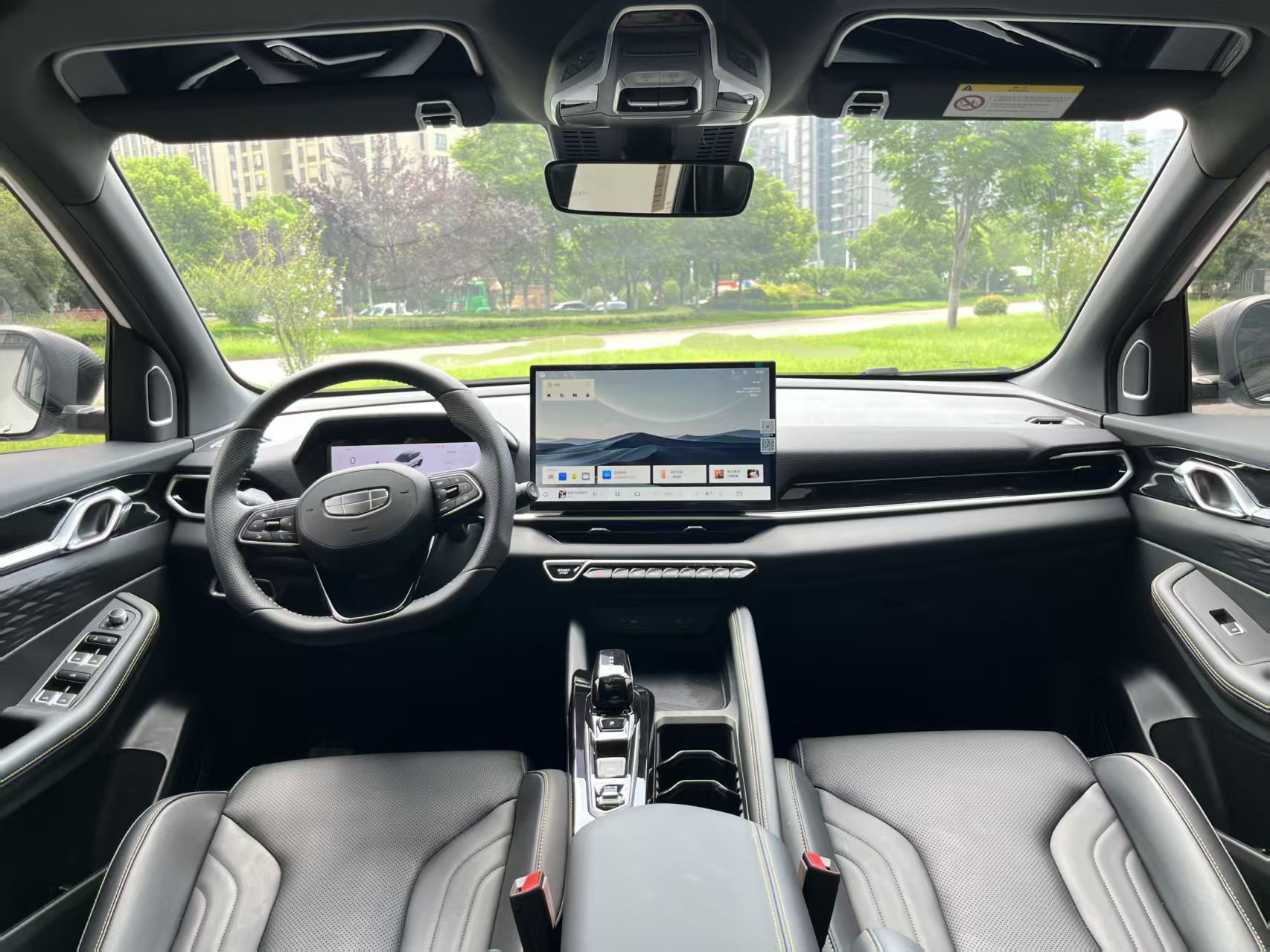
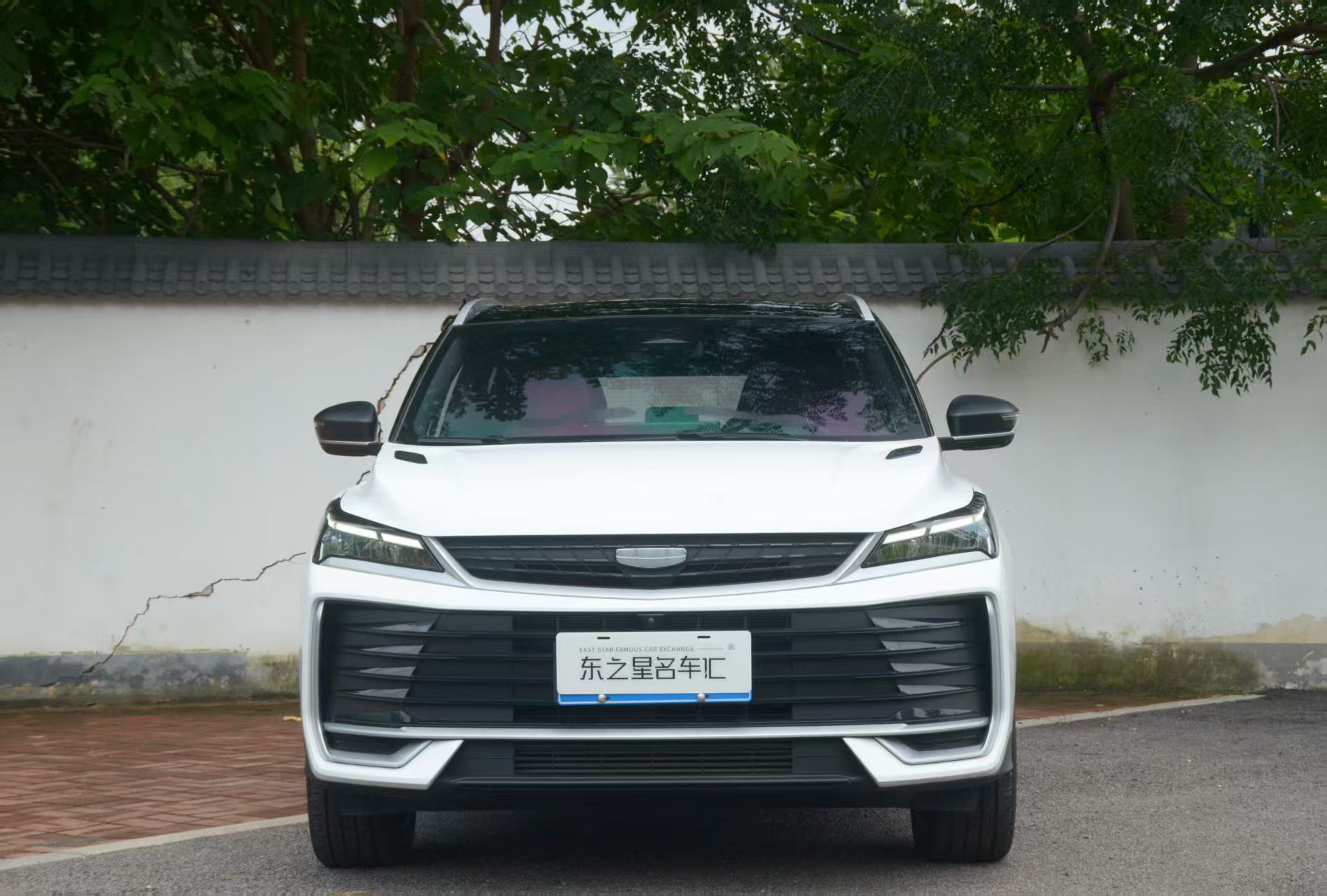



Stock

Basic Information

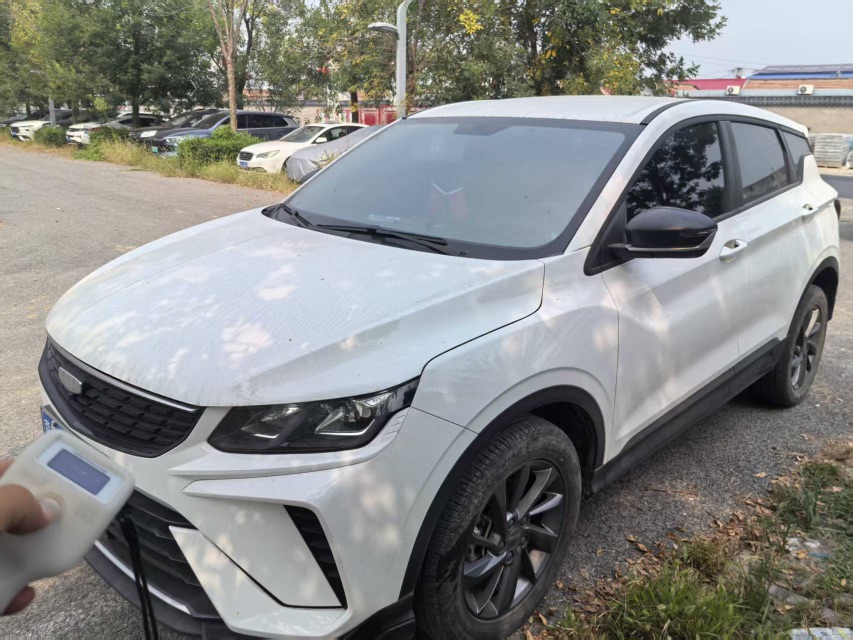
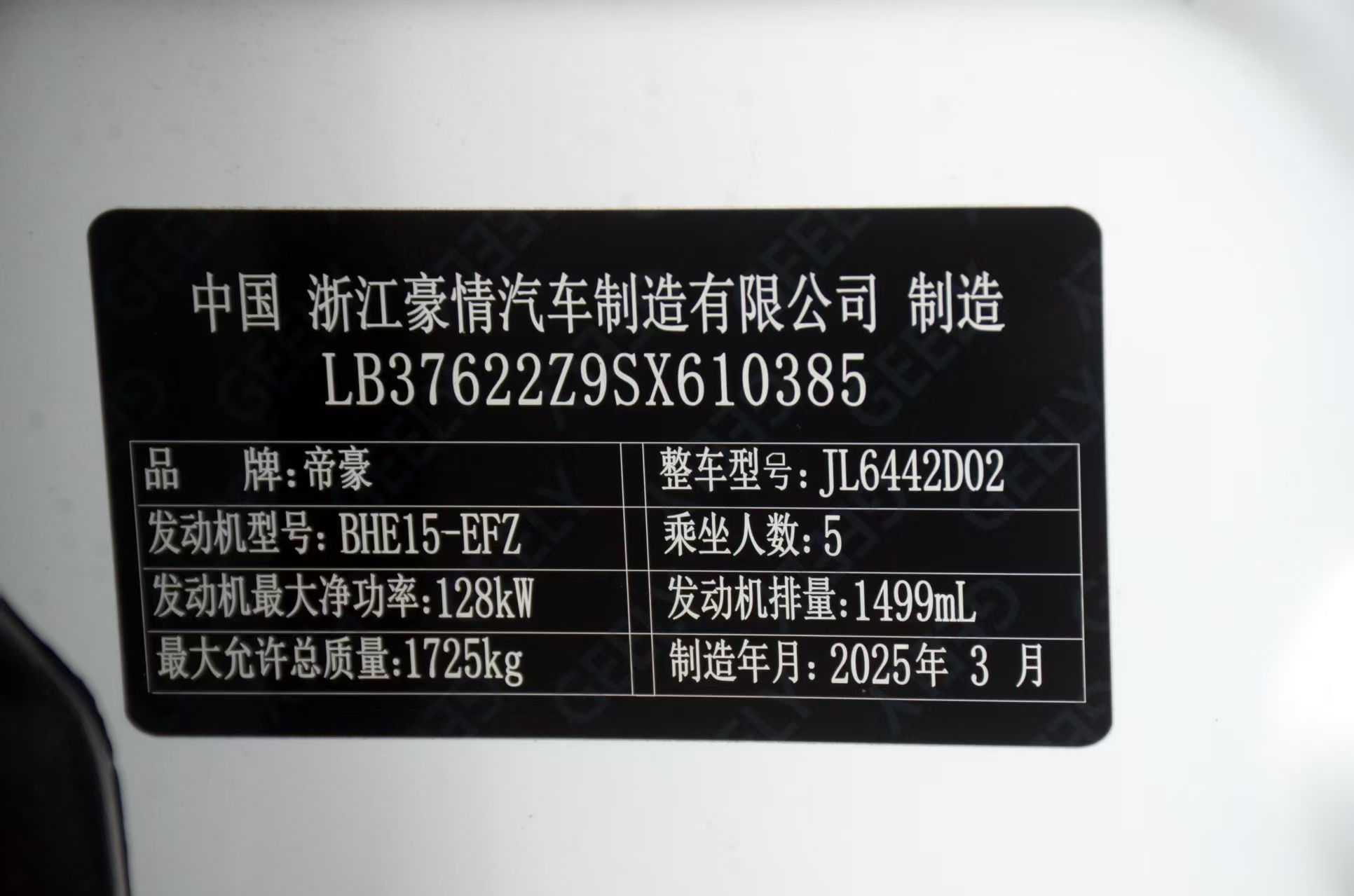
BrandGEELY
SeriesCoolray
Year2025
First Registration2025/04
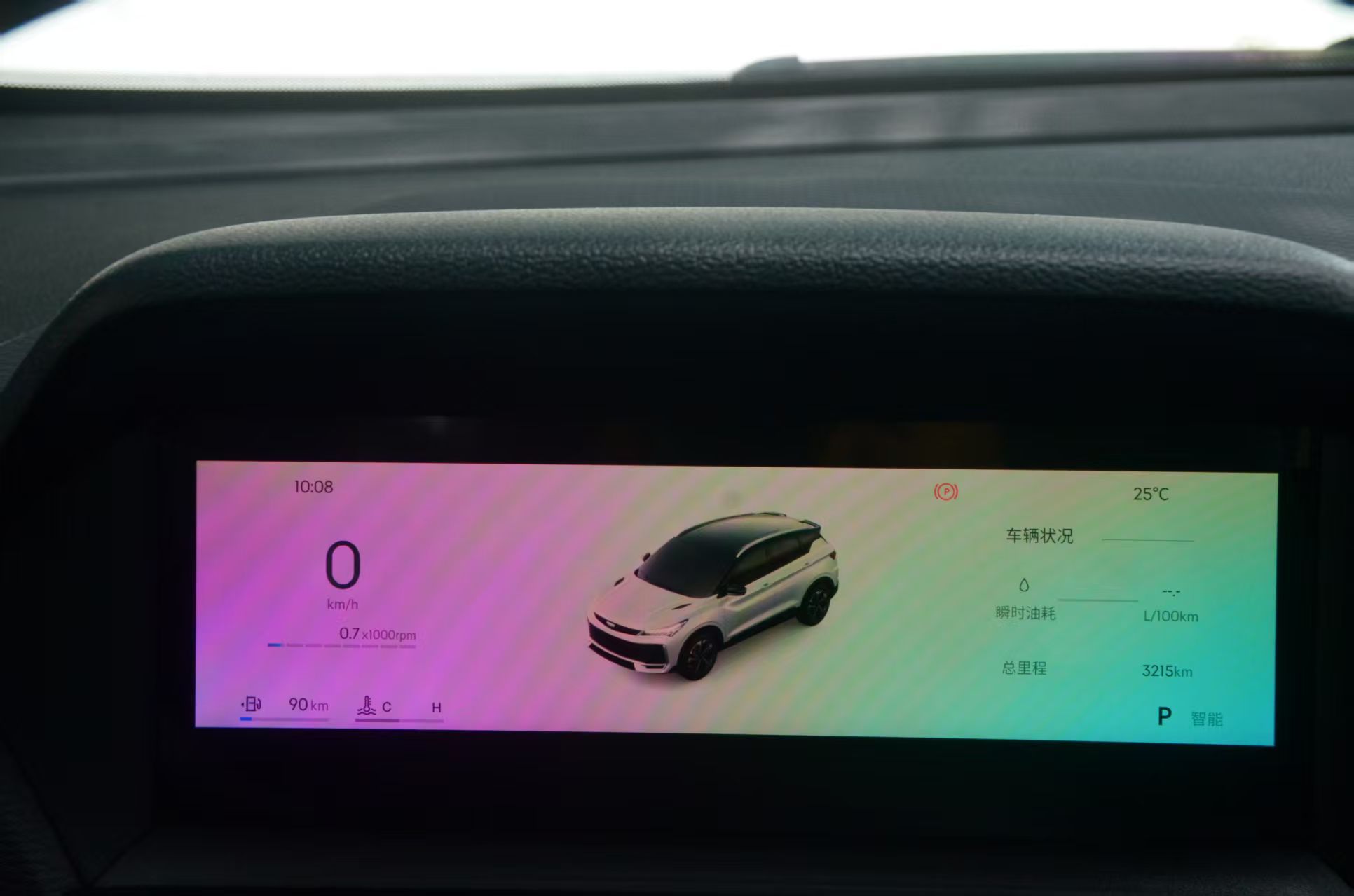
Mileage3,300km
Transfer Count0times
Fuel-
Transmission-
Engine-
ColorWhite
Seats-

Condition Description

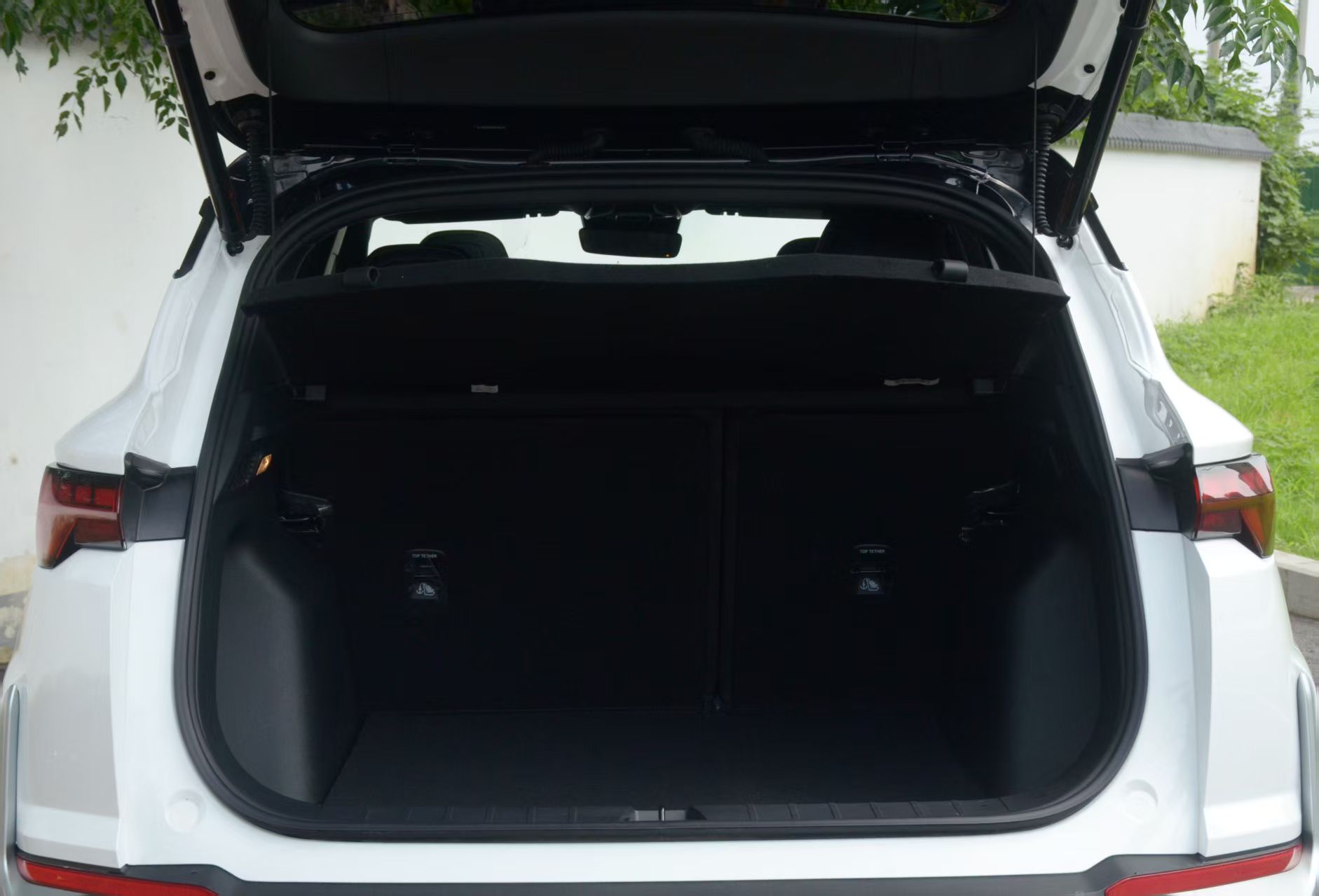
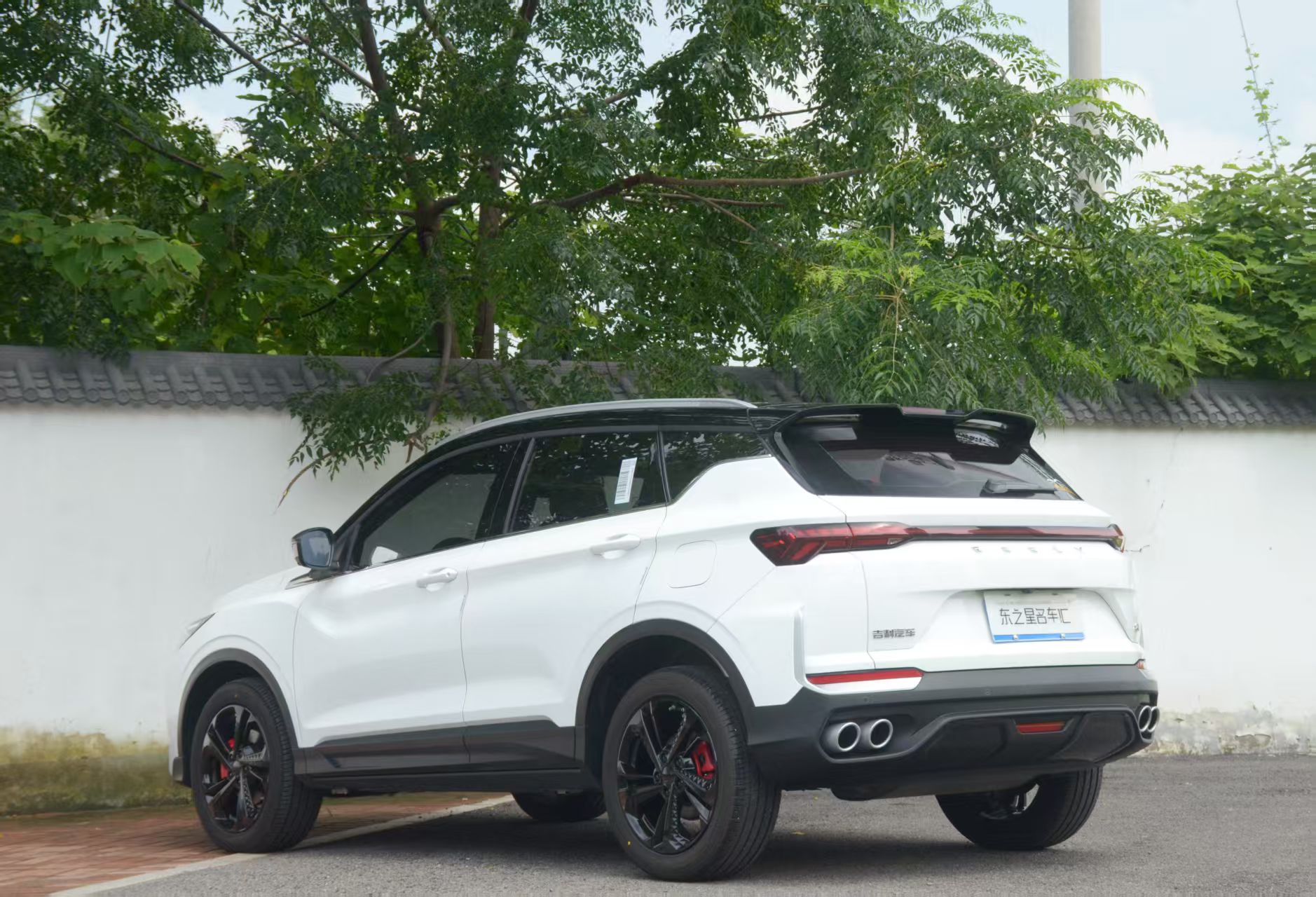
Rear bumper replacement and rear cover repainting

Q&A

More

How do I transfer the connected-car account and smartphone app of a used Chinese EV to my name after import?

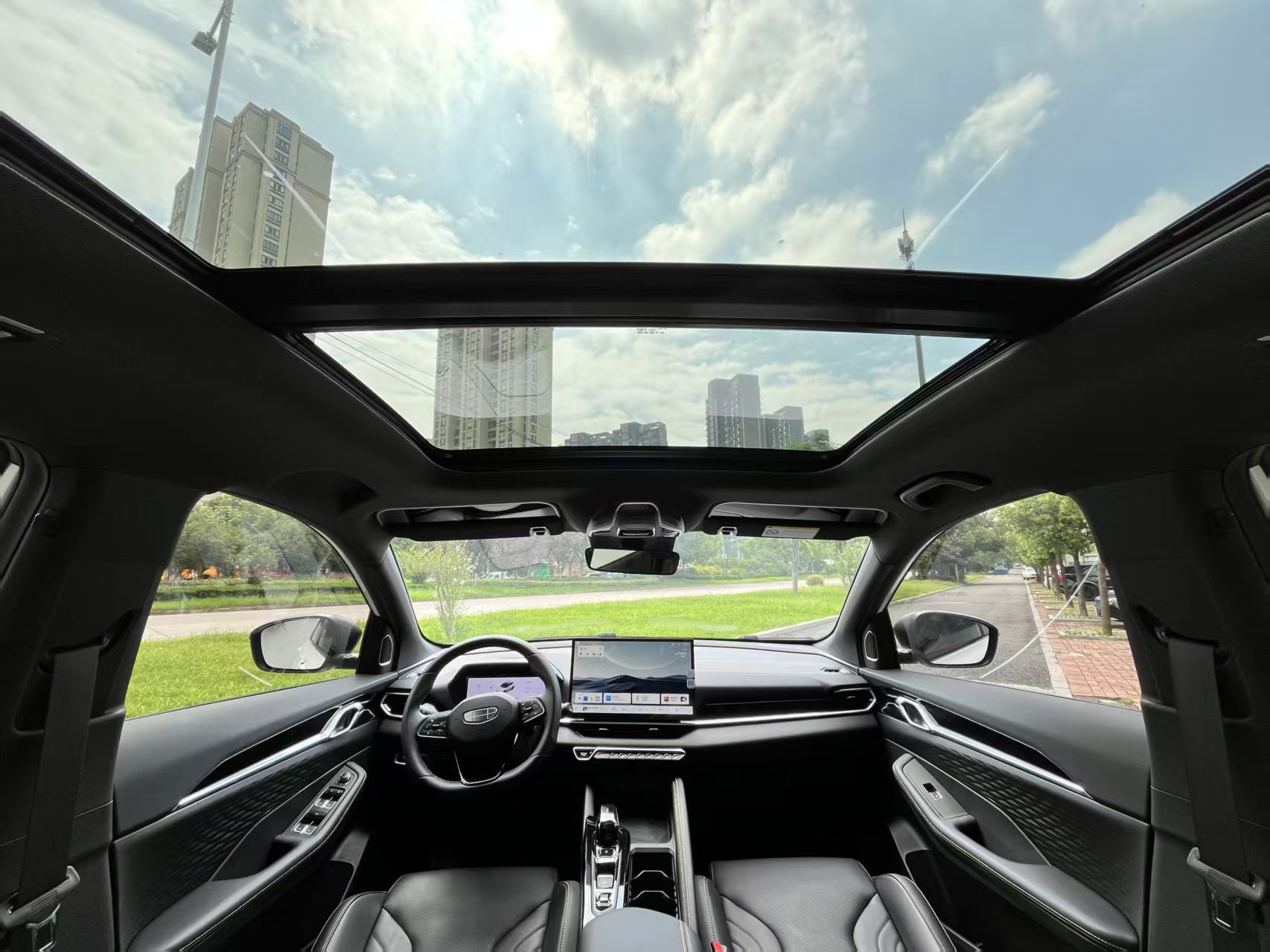
Connected services are tied to the first owner's account, so transferring them is a real step you must plan for. Before purchase: ask the seller whether the car's telematics account can be unbound and re-registered. Most Chinese brands (BYD, NIO, XPeng, etc.) allow a dealership or the owner's app to do a ownership transfer — but some export cars were registered to the export company, which complicates things. Check region lock: many connected features depend on backend servers in China. After export, remote AC, app locking, and OTA updates may stop working if the car has a Chinese-spec head unit and SIM. Some brands offer international app versions; others require a hardware change. Practical fallback: even without the app, core functions work from the car itself. For remote charging and climate, third-party tools exist but use them carefully. Ask your seller to confirm in writing: (1) account unbinding before shipment, (2) which connected features will keep working in your country, and (3) whether the head unit can be switched to your language and region.


How to prove that the vehicle's battery has not suffered physical damage from deep water immersion or chassis bottoming out?

We will remove the chassis guard to physically inspect the battery pack's lower shell for serious dents or scratches, and check for signs of mud or sand intrusion in the waterproof vent at the edge of the battery pack.

What engine checks beyond a cold start should a pre-purchase inspection of a used Chinese car include?

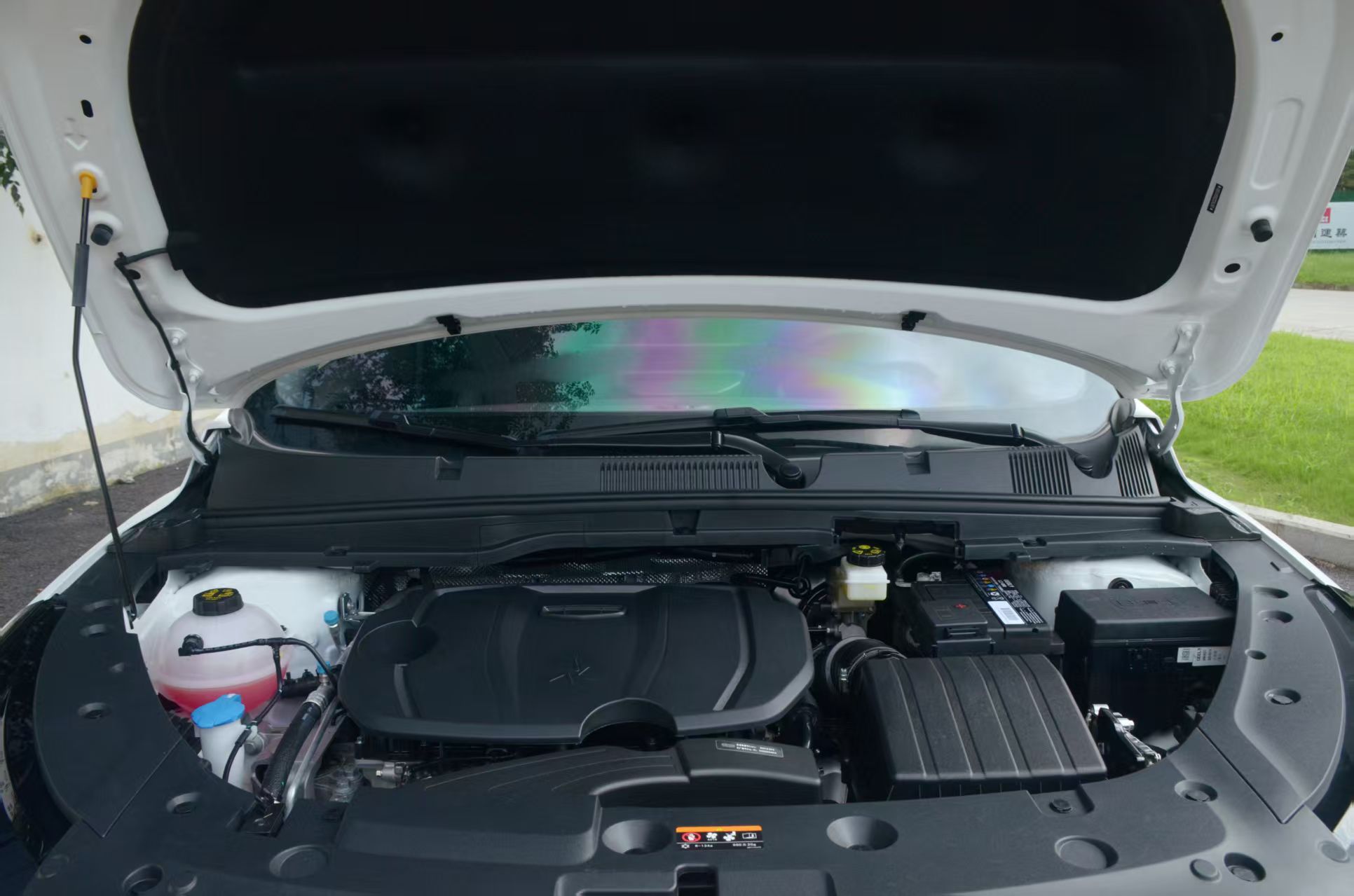
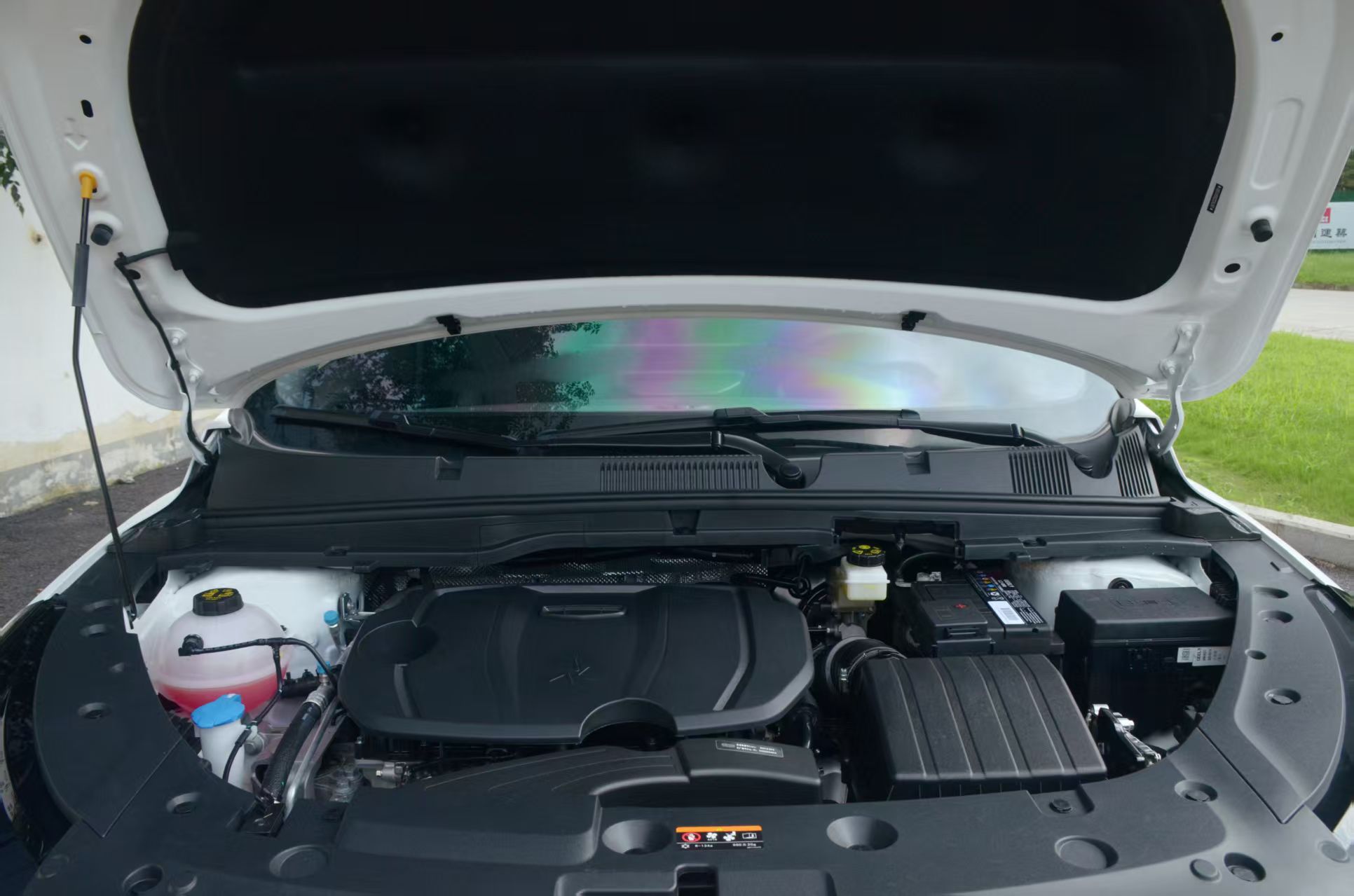
A cold start tells you a lot, but it isn't enough. Ask your inspector for these additional checks: Compression test: measures cylinder pressure in each cylinder. Consistent readings across cylinders mean healthy piston rings and valves; one low cylinder suggests internal wear. Timing system: listen at idle and at 2000 rpm for chain rattle or belt squeal. On turbo engines, check for play in the turbo shaft and oil in the intake piping. Exhaust analysis: blue smoke means oil burning (worn rings or valve seals); white sweet-smelling smoke can mean head gasket issues; black smoke points to running too rich. Fluid condition: engine oil on the dipstick should not smell burnt or look milky; coolant should be clean without oil traces. Fault codes: a full OBD scan beyond pending codes — look at misfire counters, fuel trim values, and any history codes that were recently cleared. Ask for photos of the dipstick, exhaust at idle and revving, and the live OBD data. These give you an objective engine health record.