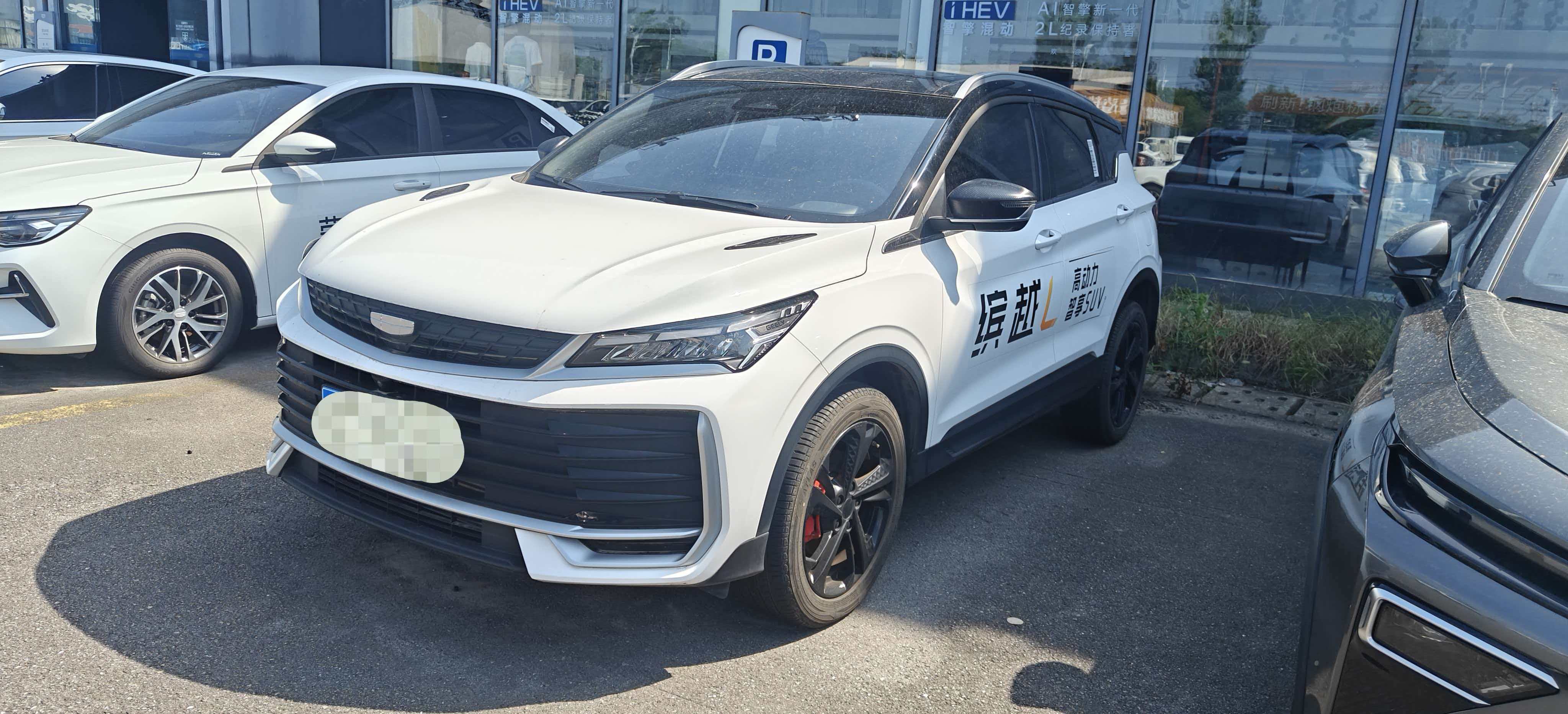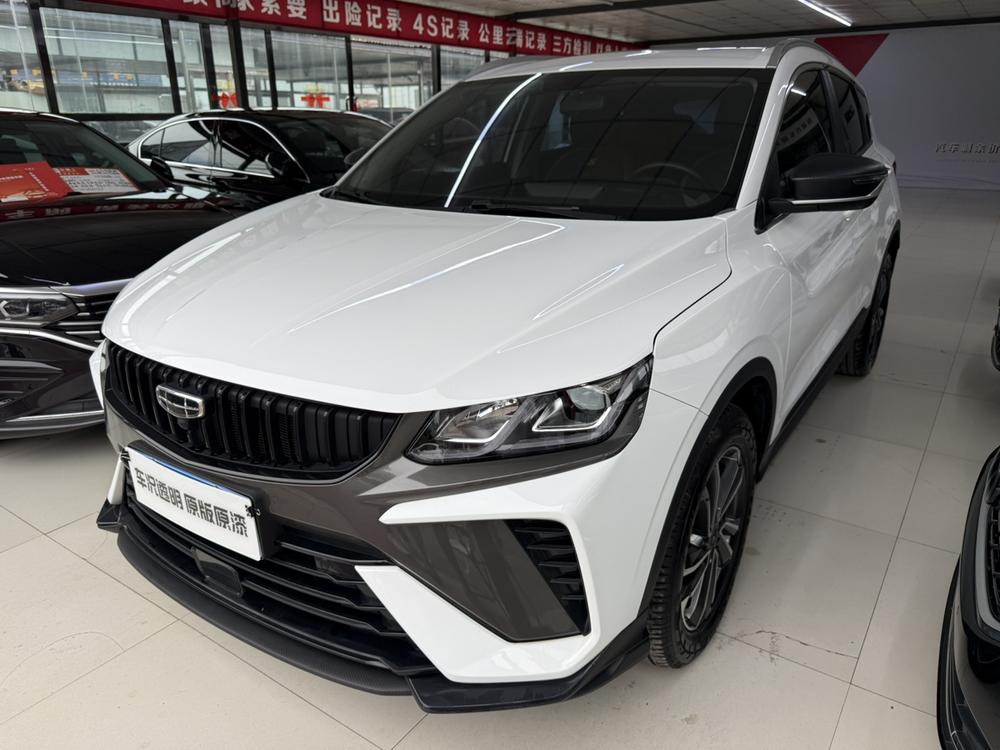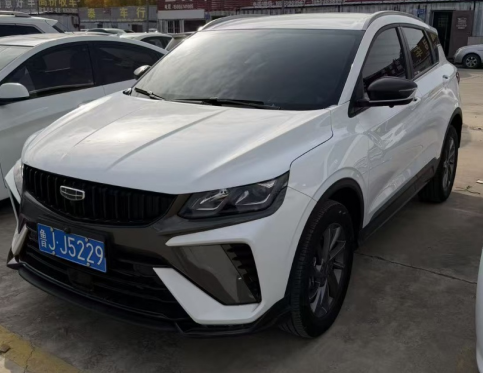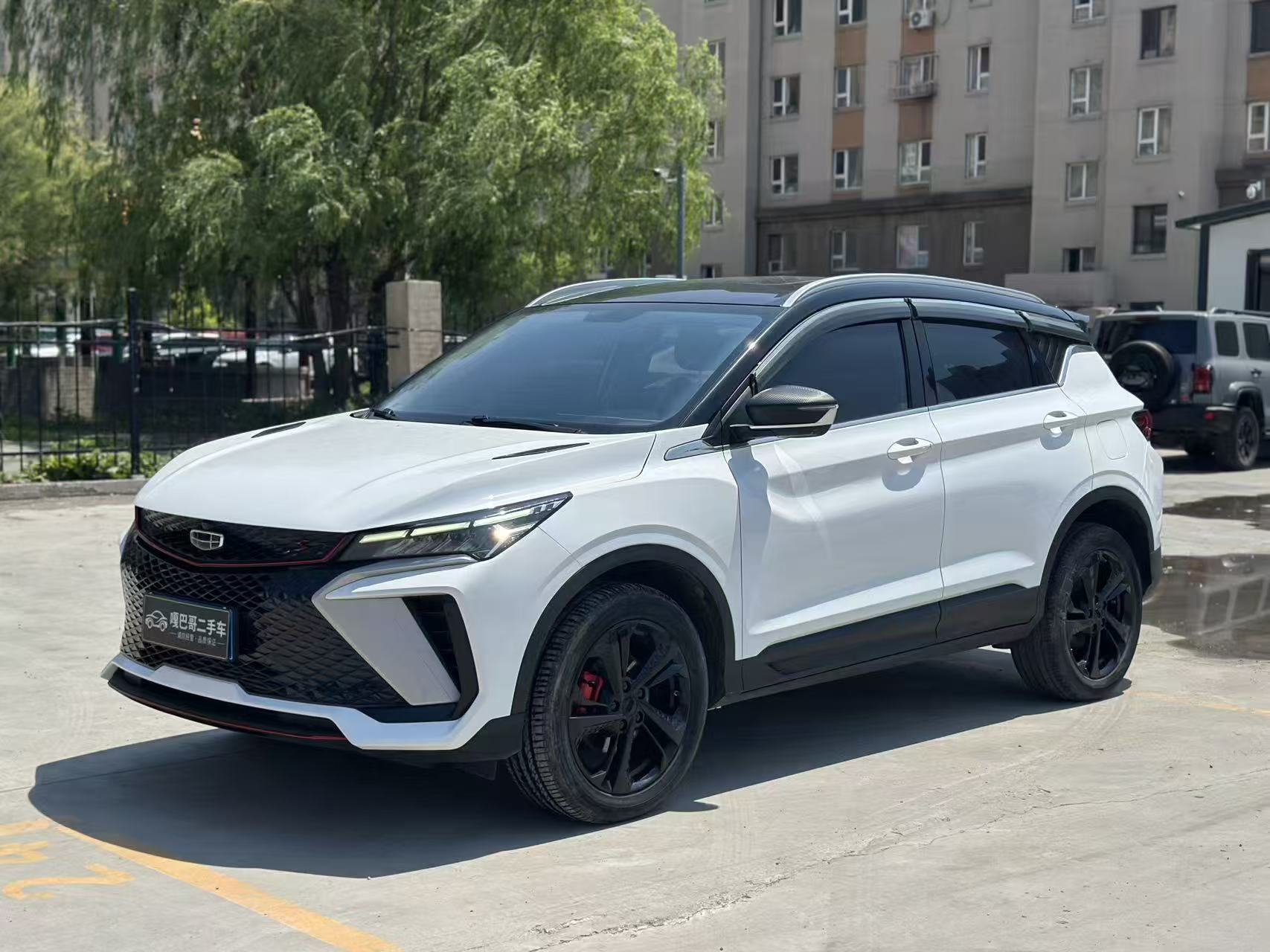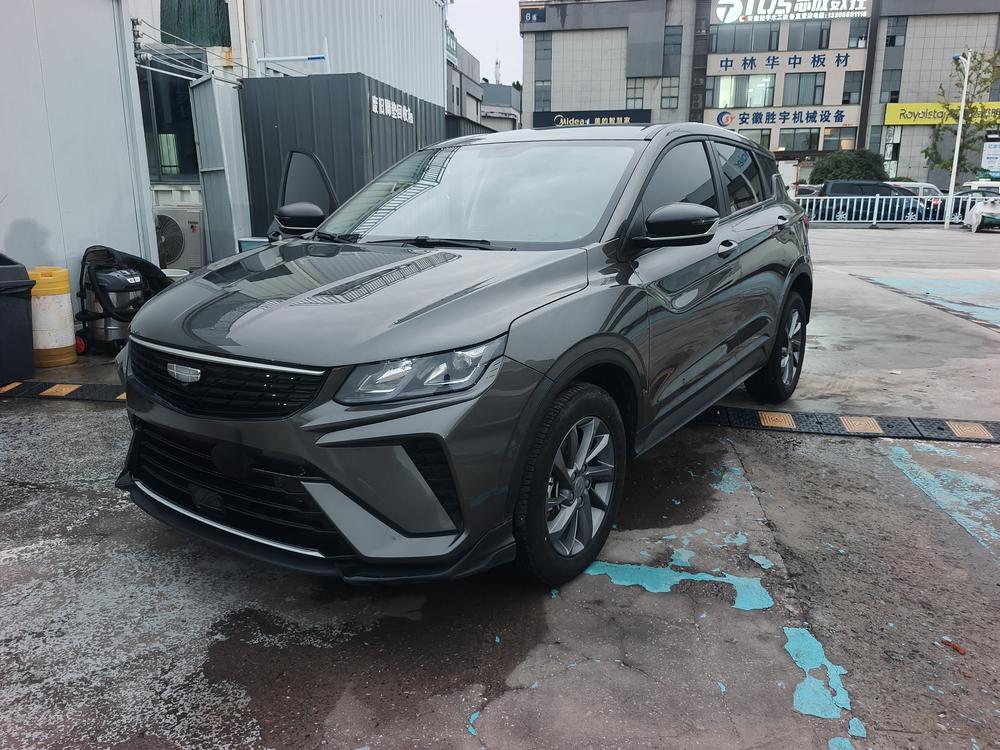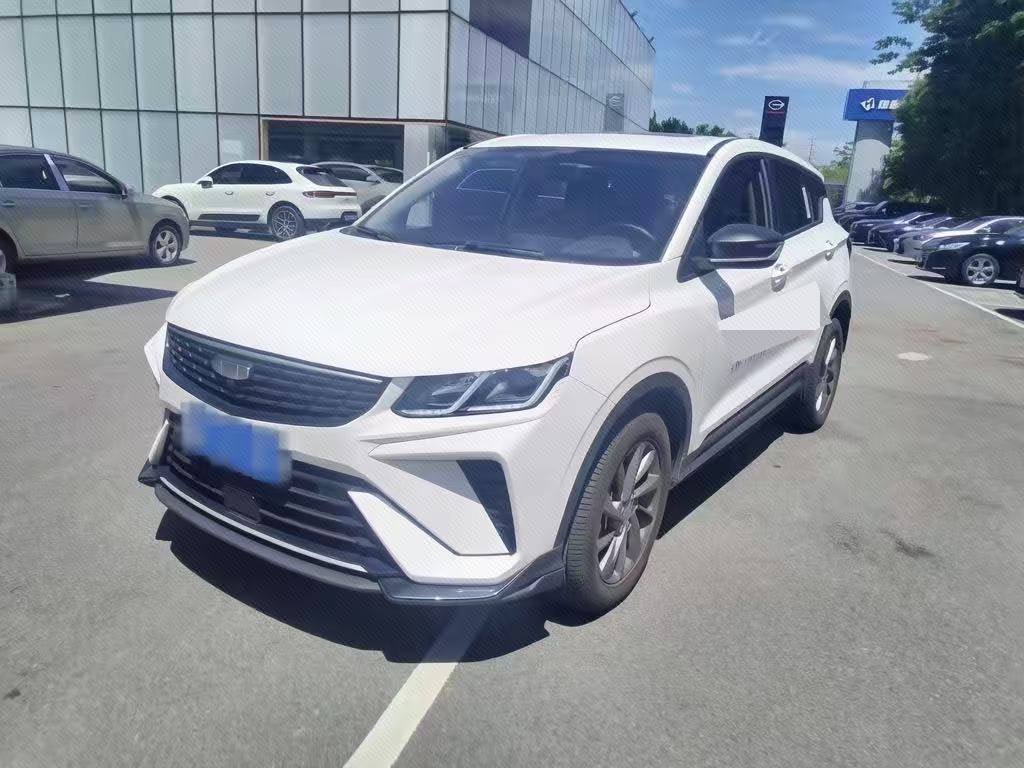
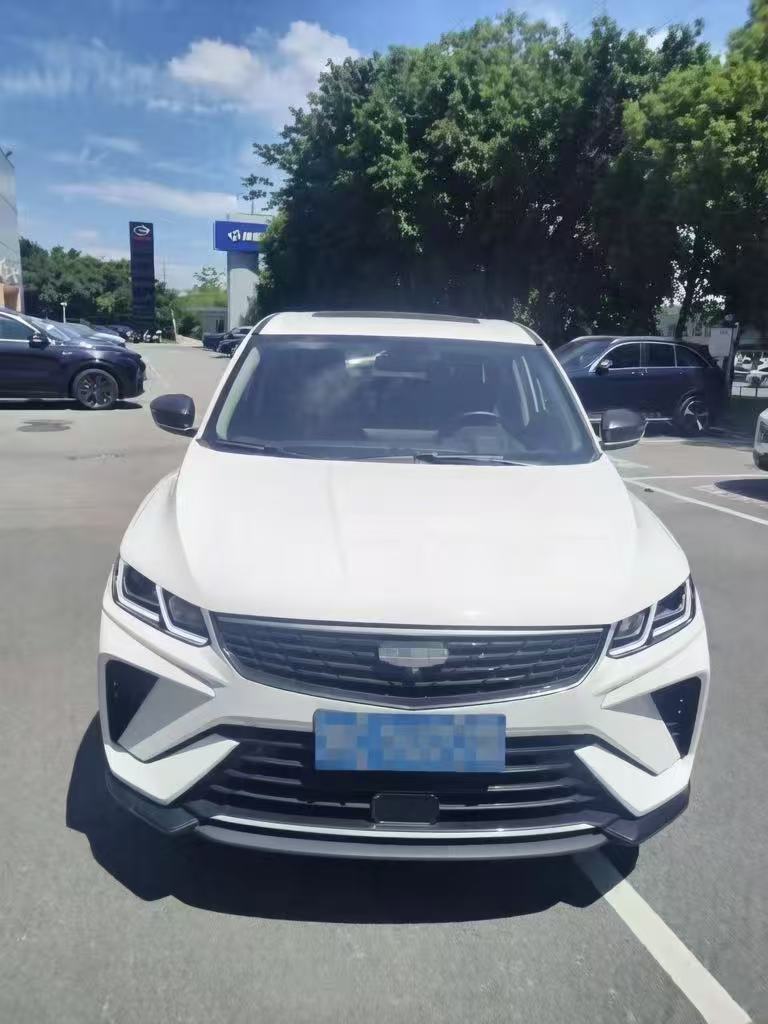
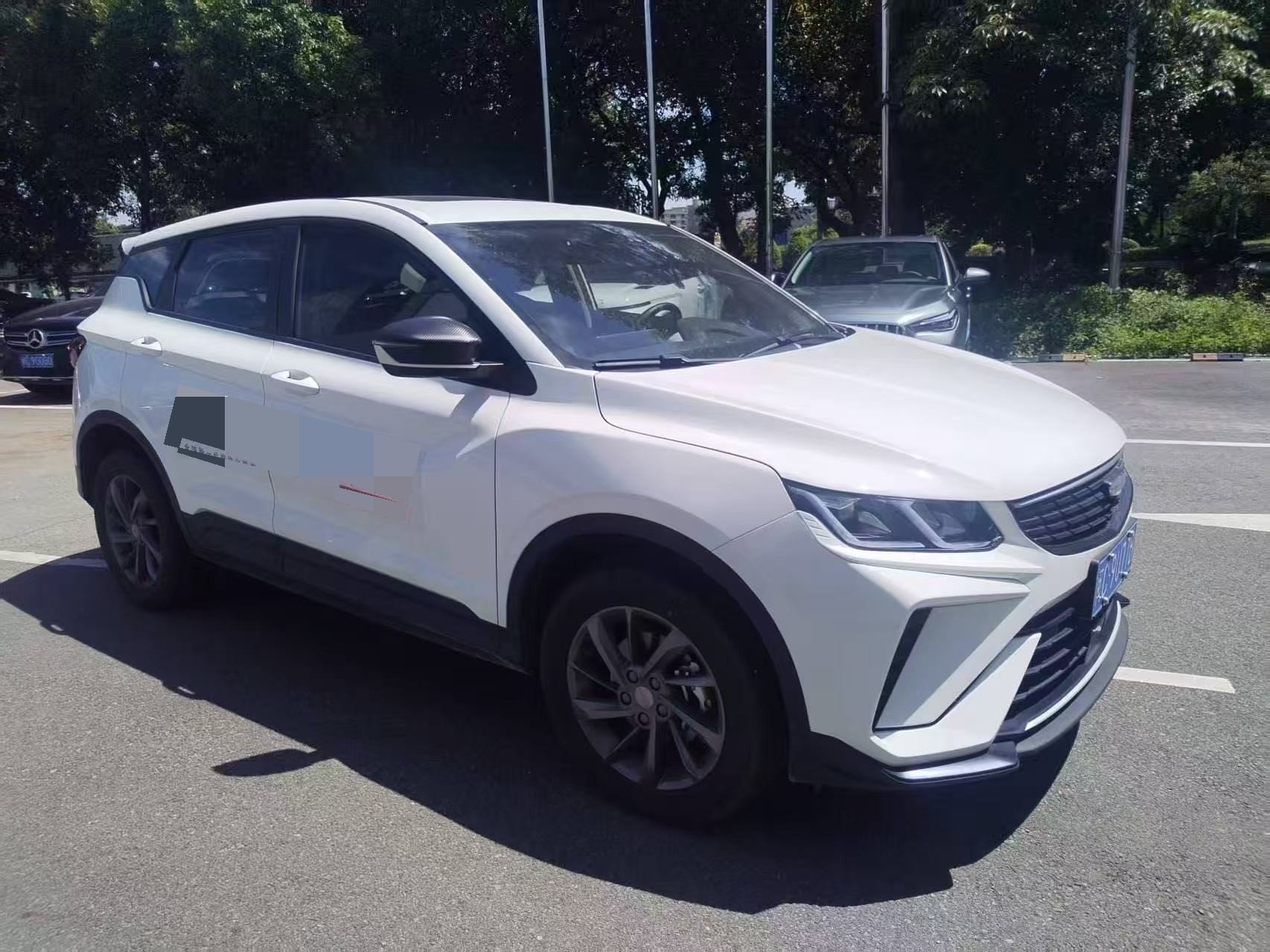
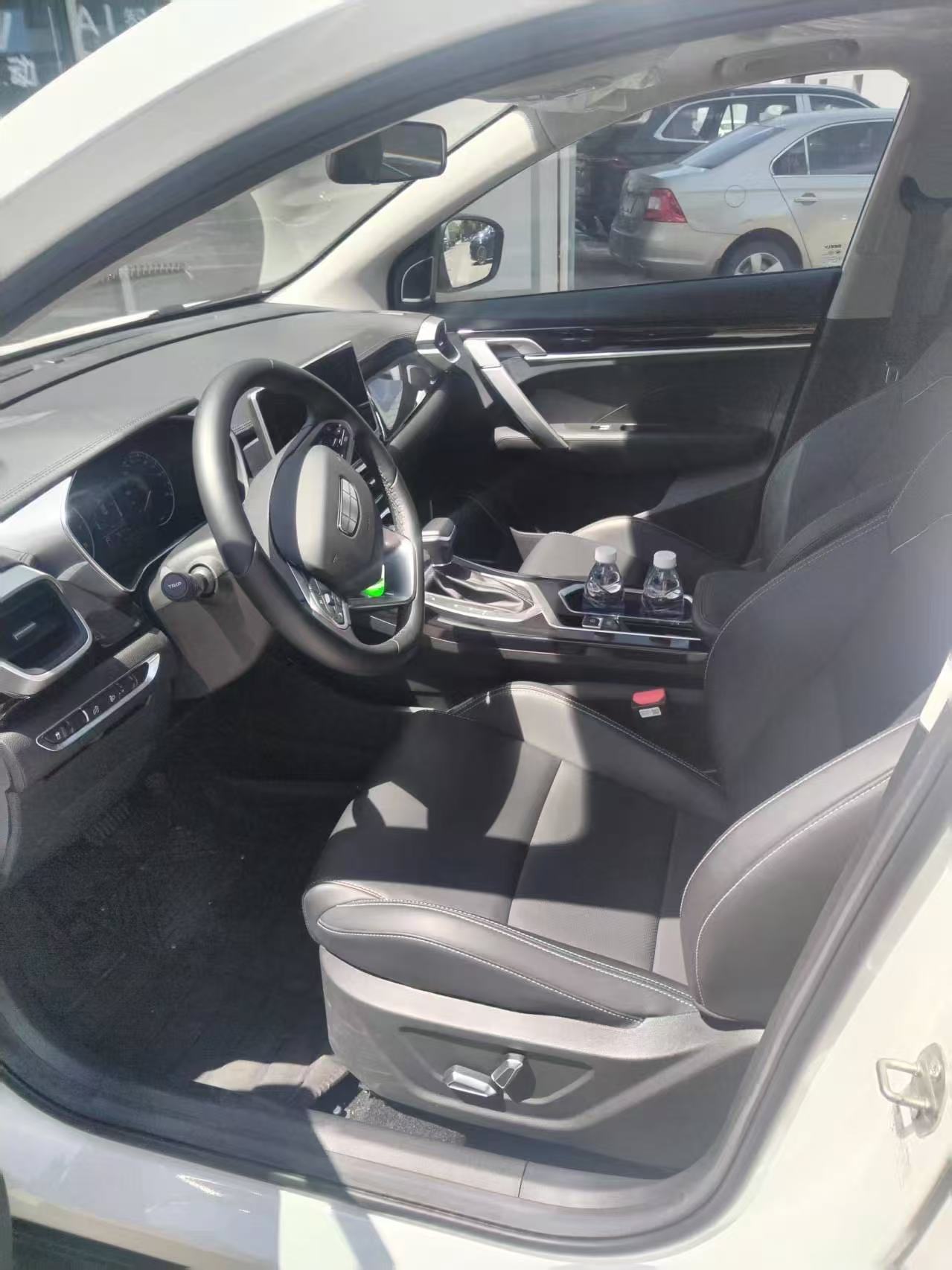
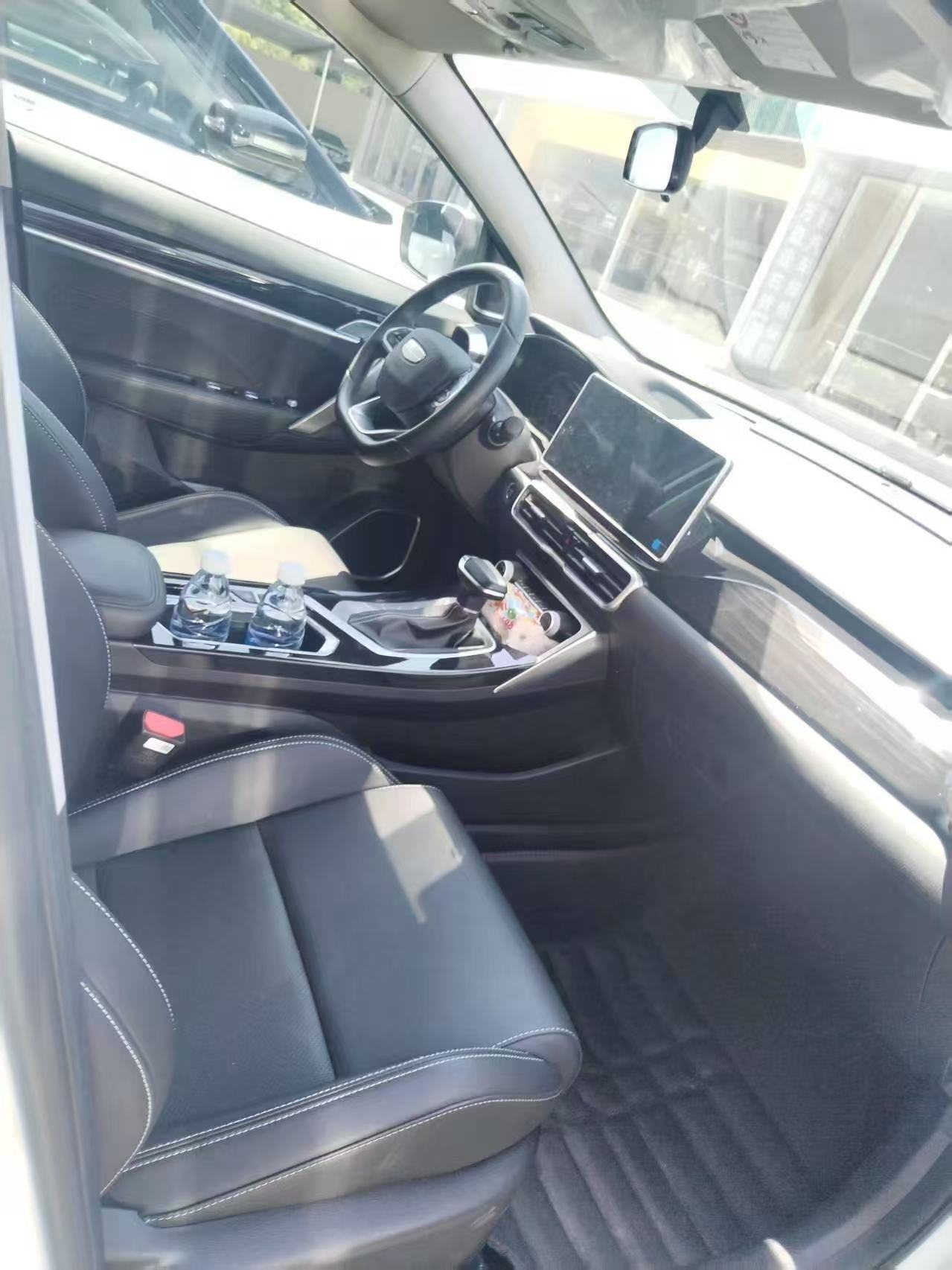



Basic Information

BrandGEELY
SeriesCoolray
Year2025
First Registration2025/07
Mileage6,000km
Transfer Count0times
FuelGasoline
TransmissionCVT
Engine1.5L 126 L4
ColorWhite
Seats-

Condition Description

Original condition, full original paint, single owner, can pass third-party inspection.

Document Information

Inspection Expiry Date-
Warranty Expiry Date-
Insurance Expiry Date2027/11

Q&A

More

Besides the purchase price, what other fees should I budget for when importing a used car from China?

The purchase price is only part of your total landed cost. Plan for these items: - Inland transport in China: moving the car from the seller's city to the export port, plus transfer and inspection fees. - Export fees: customs declaration, port handling, and terminal charges. Ask for an FOB (Free On Board) quote so these are included. - Ocean freight: RoRo (roll-on/roll-off) is cheapest for regular cars, but EVs often require special containers or dedicated EV shipping due to battery regulations, which costs more. - Insurance: marine cargo insurance, typically 1-3% of the car's value. - Import side: import duty, VAT or sales tax, customs brokerage, port charges at destination, and any homologation or compliance testing fees. As a rule of thumb, add 25-40% on top of the FOB price for a realistic landed-cost estimate, depending on your country's tax rates. Get a written breakdown from both your supplier and a customs broker before committing.


What is a safe step-by-step process for buying a used car from a Chinese exporter without visiting in person?

1) Verify the company: business license, export track record, and a live video call where they show the actual car and its VIN. 2) Hire an independent pre-shipment inspection. 3) Sign a contract stating the VIN, specs, price, Incoterm, and refund conditions. 4) Pay a 20–30% deposit by bank transfer only after the contract is signed — never the full amount, and never to a personal account. 5) After the inspection passes, pay the balance against a copy of the bill of lading. 6) Track the shipment and prepare import documents. 7) Inspect the car on arrival before releasing any final documents. Each step is a checkpoint. Don't let the seller rush you past one.

How can I verify that a pre-shipment inspection report and photos really match the car I'm buying—timestamps, VIN, and live video?

Fake or recycled inspection reports are a real risk. Verify authenticity before wiring the balance payment. First, match the VIN: the report must show the full VIN, and the photos must include close-ups of the VIN plate on the chassis and the windshield tag. Ask for a live video call where the inspector walks to the car, shows the VIN tag, and then pans across the dashboard, odometer, and any defects noted in the report—on the same call. Check metadata: ask for original photos rather than screenshots. Files sent via WeChat often strip EXIF, so request the inspector to email originals or use a cloud link where timestamps and GPS data are visible. Cross-verify details: the odometer reading in the video should match the report exactly, and paint-thickness readings should be reproducible—ask the inspector to re-measure 2-3 spots live. Use a known inspection company rather than one recommended solely by the seller, and pay the inspector directly. An independent inspector has no incentive to hide defects.