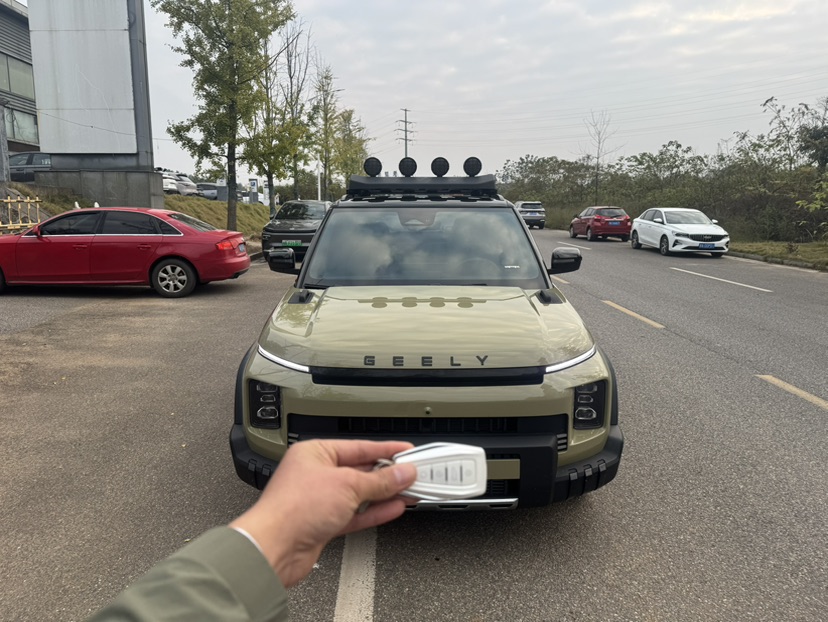
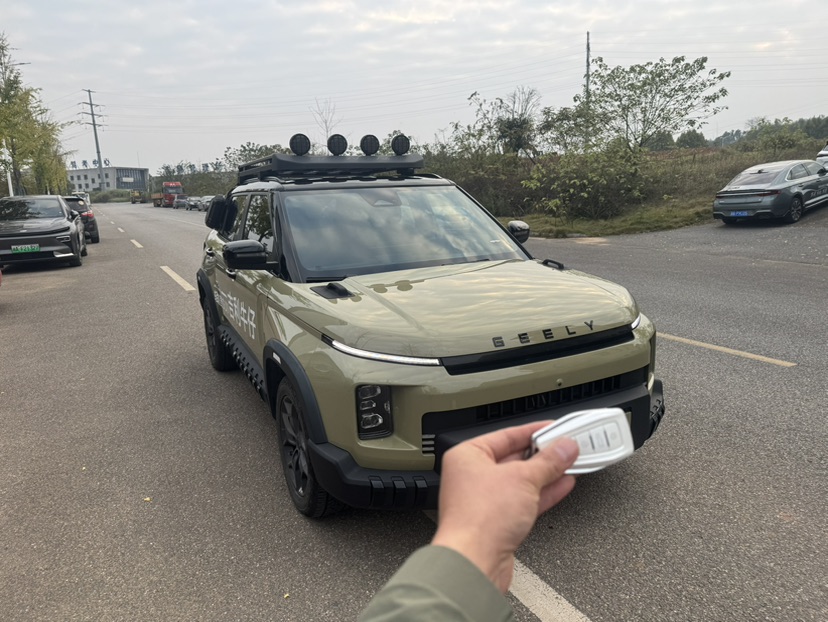
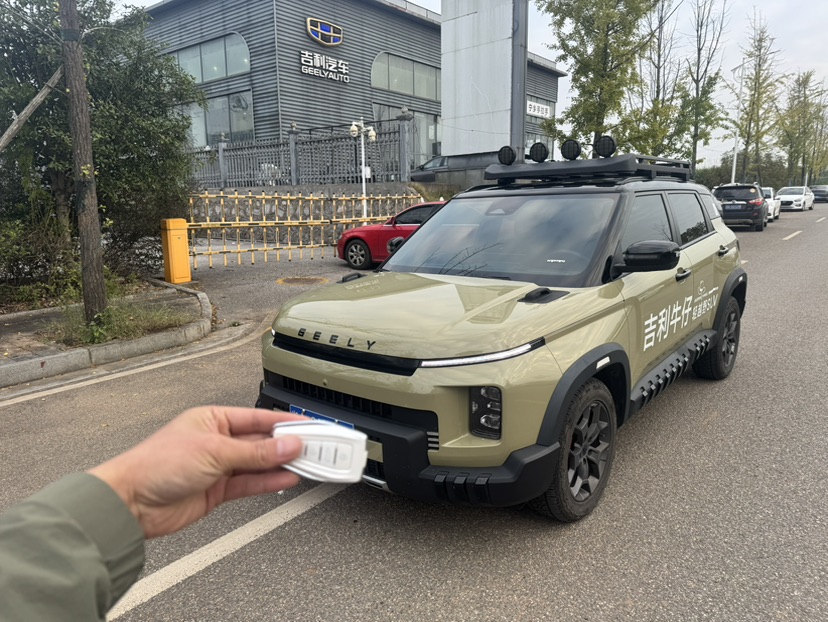
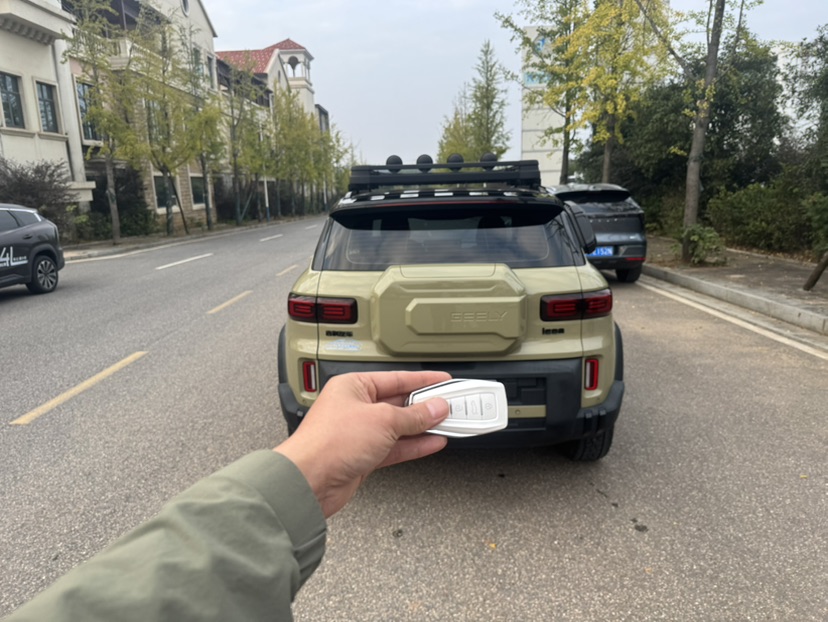
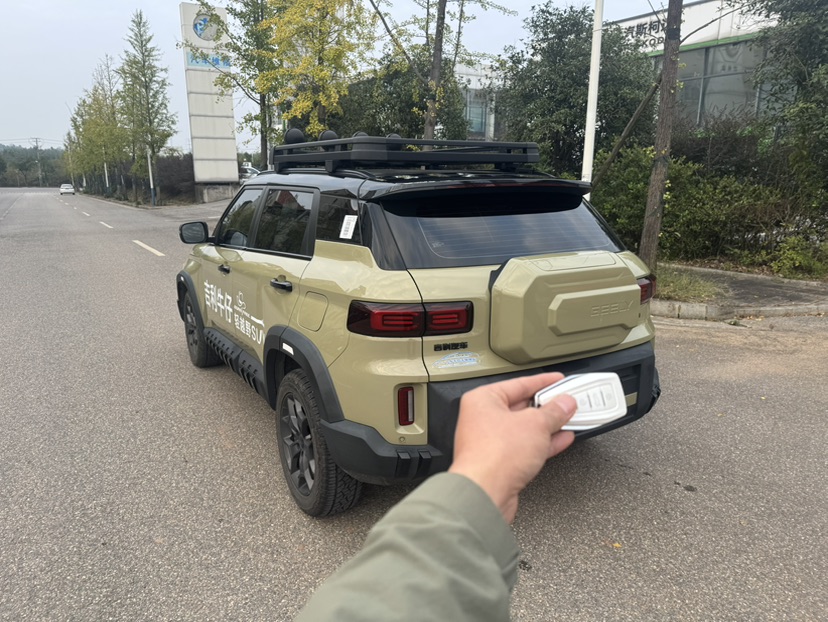
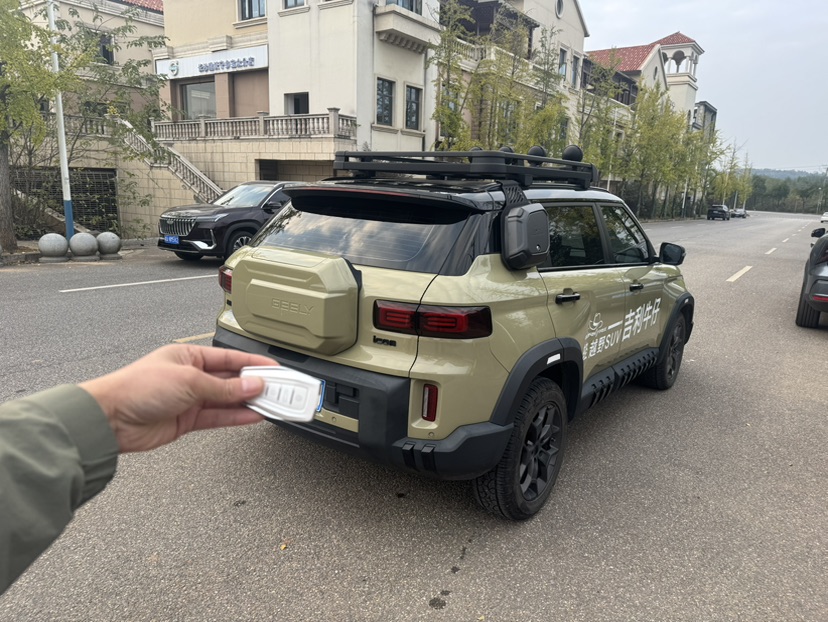
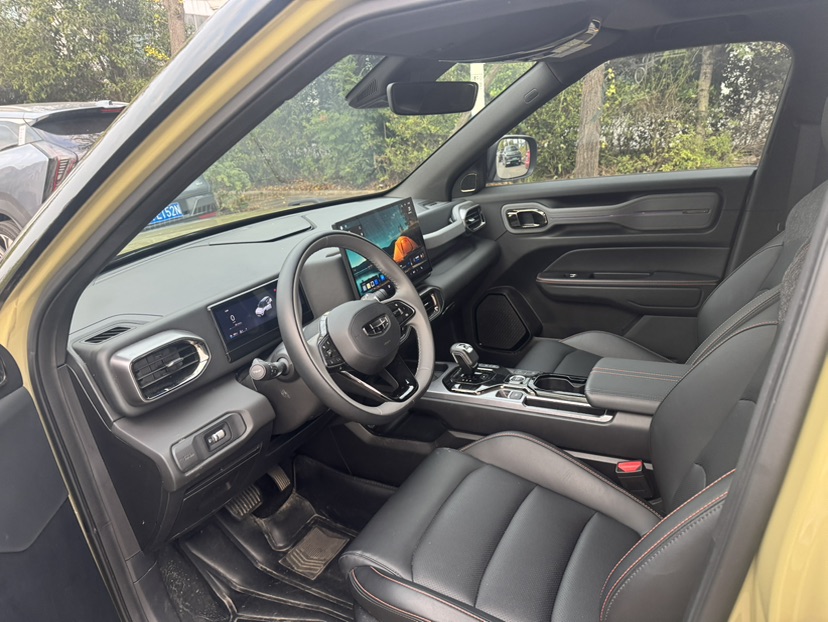
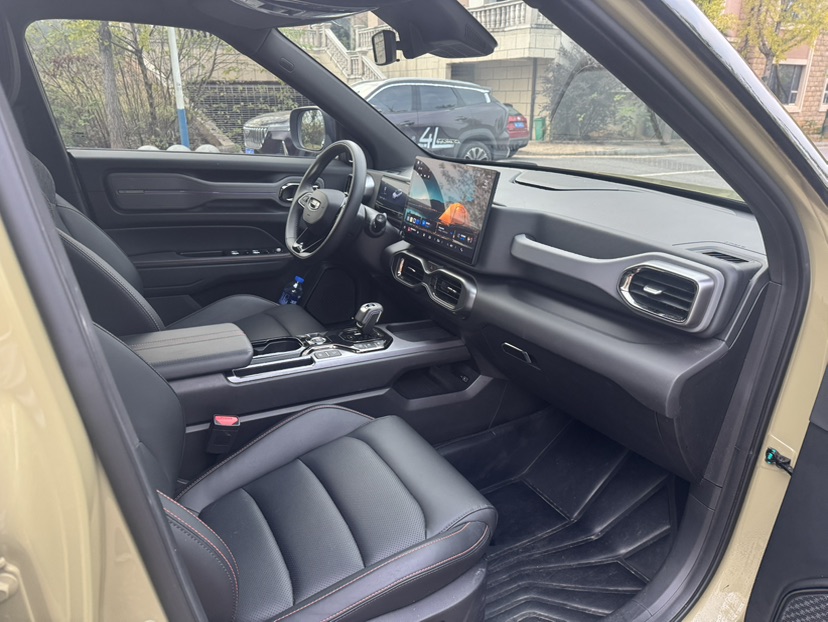
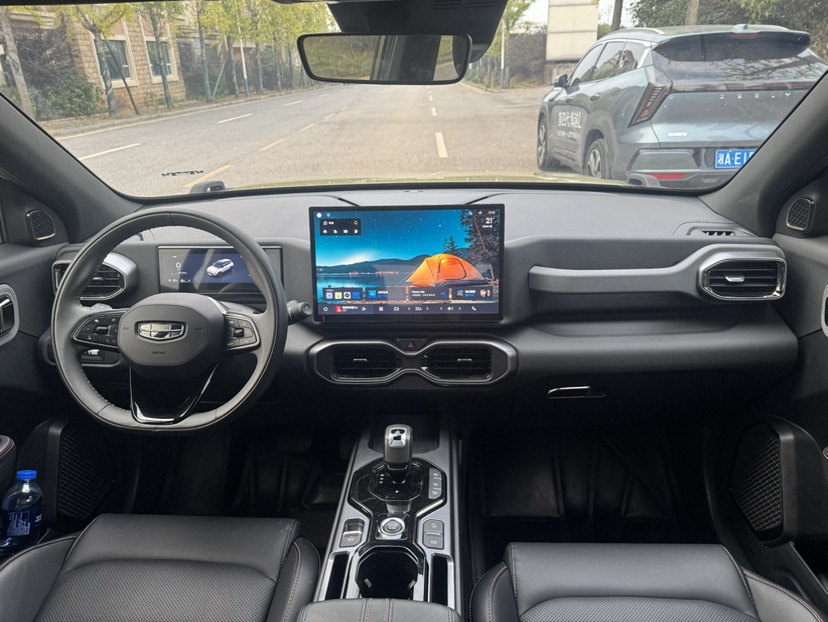



Basic Information

BrandGEELY
SeriesCowboy
Year2024
First Registration2024/11
Mileage12,000km
Transfer Count1times
FuelGasoline
TransmissionDCT
Engine1.5T 181 L4
ColorYellow
Seats5seats

Condition Description

Original paint, no repaint.

燃油车
SUV
自动
维保开放
事故开放
查验开放

Configuration Highlights

✓品牌: 吉利汽车
✓车系: 吉利牛仔
✓车型: 2025款 1.5TD 潮玩版
✓车身类型: SUV
✓座位数: 5
✓排量: 1.5T
✓变速箱: 自动
✓能源类型: 燃油车
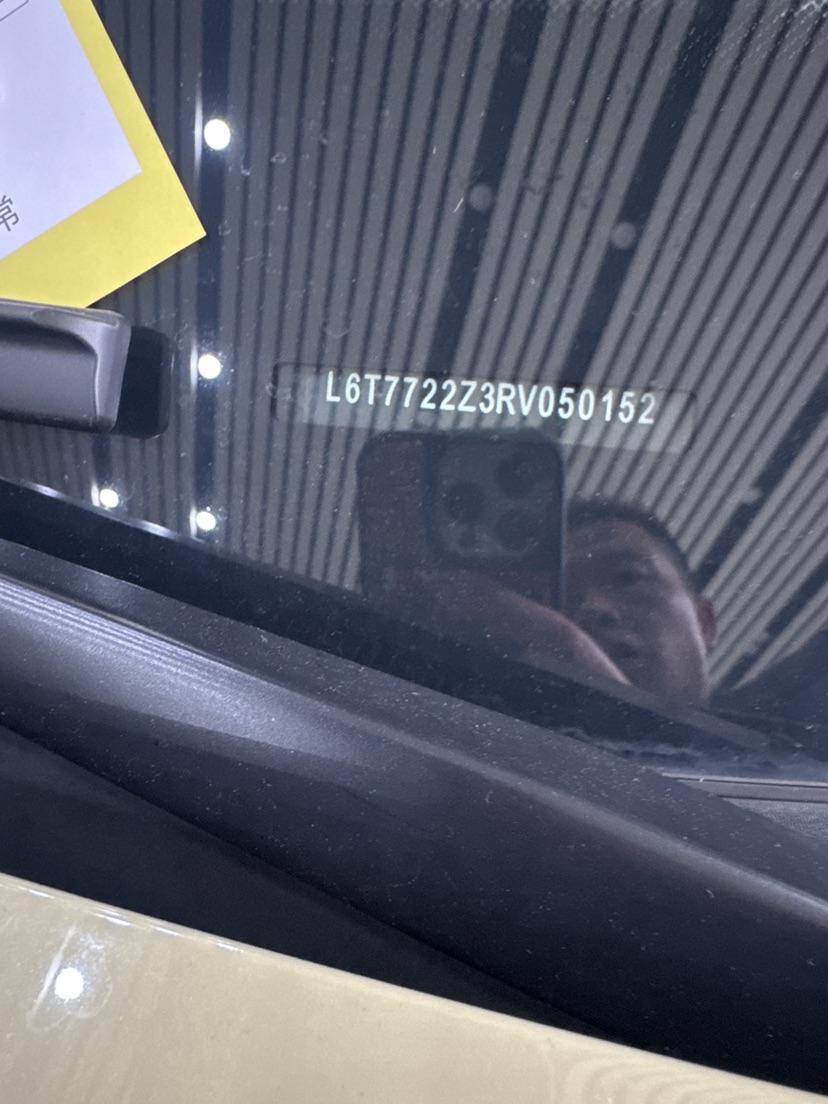
✓VIN: L6T7722Z3RV050152
✓搜索关键词: 吉利汽车吉利牛仔 2025款吉利牛仔1.5TD潮玩版

Document Information

Inspection Expiry Date2026/11
Warranty Expiry Date-
Insurance Expiry Date-

Q&A

More

Why do some low-mileage, relatively new "almost new cars" get sold by their original owners?

There are various reasons, including but not limited to: financial needs, restrictions from lottery policies, moving abroad, or dissatisfaction with certain features of the vehicle. We will ensure that the vehicle was not sold due to catastrophic failures by ruling out major accidents, water damage, and flooding.


Which documents should I receive from a Chinese exporter before my used car ships, and how do I verify each one?

Before shipping you should hold: the sales contract and commercial invoice, the export declaration (customs form showing the VIN), the vehicle registration certificate, and the bill of lading or rail waybill once cargo is loaded. Verify them like this. The VIN on the invoice, the export declaration, and the waybill must be identical, character for character. The registration certificate should show a clear ownership chain with the seller as the current owner; ask for a scan before payment. The export declaration proves the car legally left China and is essential for customs clearance at destination. If the exporter cannot provide the registration certificate or hesitates on the VIN check, pause the deal. Also confirm who handles the document courier: originals should arrive before or with the vessel, because many ports will not release a car without original bills of lading.

How do I evaluate rust and corrosion on a used car from China, especially for coastal cities or snowy regions?

Rust is a deal-breaker that photos can hide, so be systematic. High-risk areas to check: 1. Underbody and frame rails—surface rust is normal, but flaking or bubbling paint means advanced corrosion 2. Wheel arches and rocker panels—these trap mud and salt 3. Door bottoms and the trunk floor—water collects here; lift the trunk mat and look for dampness or repair welds 4. Around the windshield and sunroof drains—leaks cause hidden rust in the A-pillars Ask the inspector to do a magnet test: filler-repaired areas won't hold a magnet, indicating past accident repairs. A paint thickness gauge reveals resprayed sections—uniform readings around 80-150 microns are normal; spikes over 300 suggest bodywork. Cars from northern China (salted roads in winter) or coastal cities need extra scrutiny on the underbody. If structural members show corrosion, walk away—repairs rarely restore original strength.
