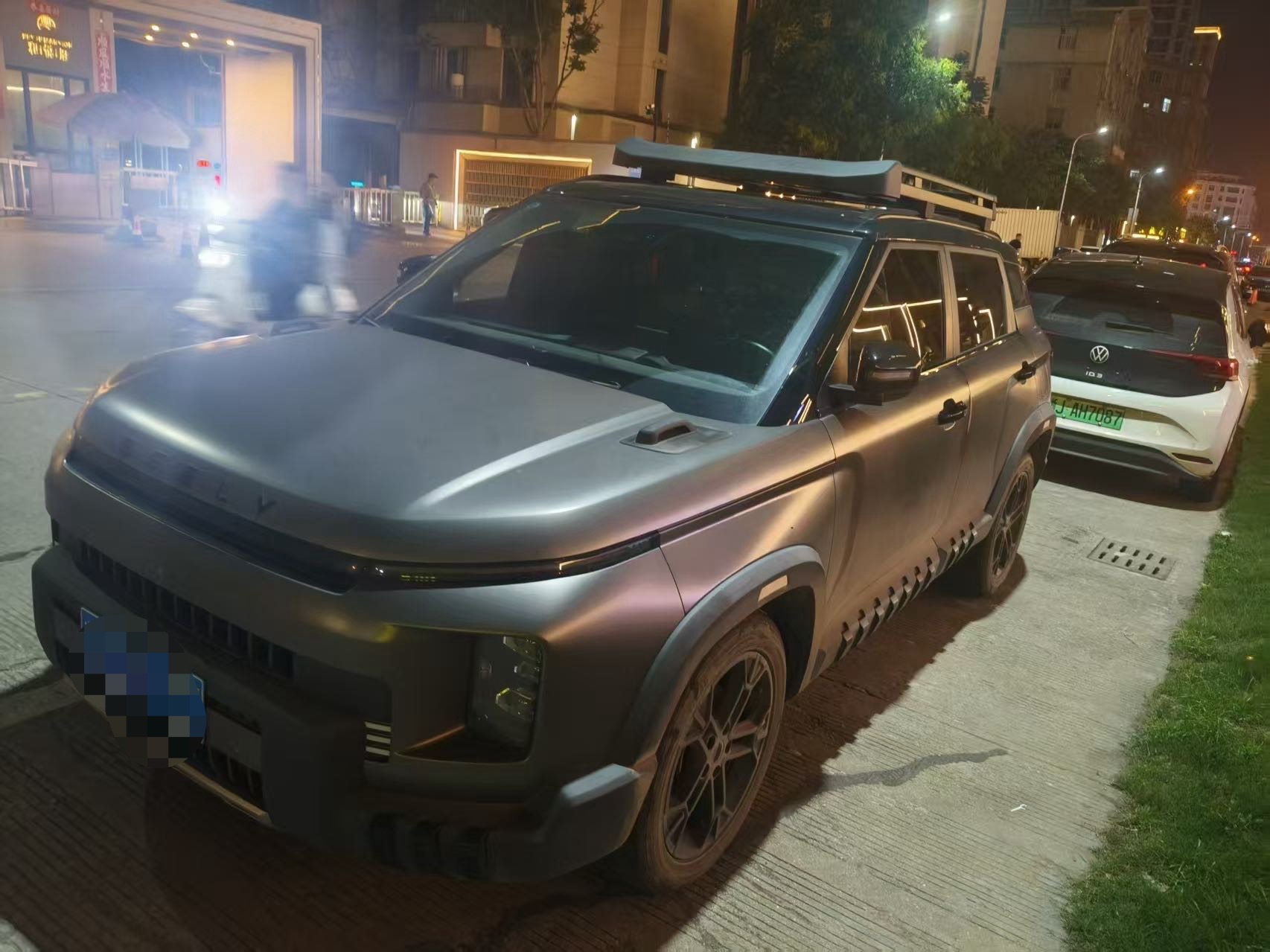
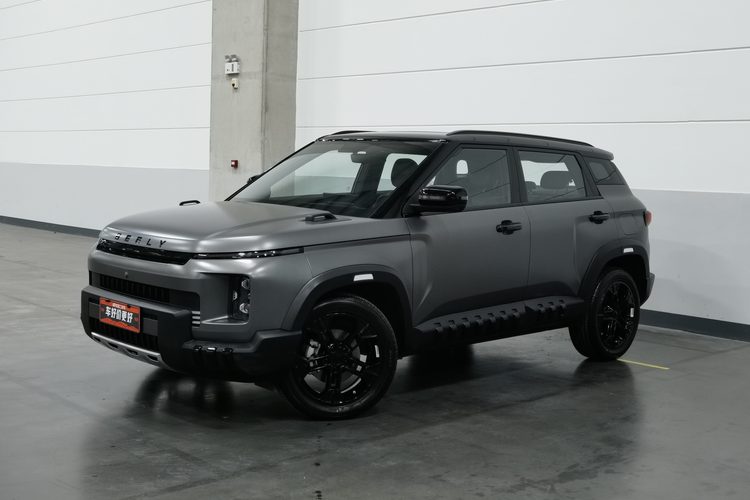
Basic Information

BrandGEELY
SeriesCowboy
Year2026
First Registration2026/11
Mileage100km
Transfer Count-
FuelGasoline
TransmissionDCT
Engine1.5T 181 L4
ColorWhite
Seats5seats

Condition Description

Vehicle performance is good. Structural, reinforcement, and cover panels have no accident-related damage or repairs. The three-electric system (battery, motor, electronic control) has no damage.

Accident inspection: main structure, reinforcement parts, cover panels, and hinges have no damage or abnormalities. Engine bay inspection: key mechanical components in the engine compartment are normal. Exterior: no issues. Interior: most features are normal; airbags, seat belts, dashboard, instruments, and lighting system are normal. Startup inspection: OBD shows other fault codes. Onboard tools: none.

电话直连
可讲价
平台物流
零过户
新检测标准升级>
非泡水

Q&A

More

What qualifications do the third-party testing organizations have? Are they internationally recognized (e.g., SGS)?

We mainly collaborate with professional organizations certified by China's national CMA (Certification of Inspection and Testing Institutions). If you need the highest level of international endorsement, we can arrange for independent inspection agencies like SGS or TÜV to conduct Pre-Shipment Inspections (PSI) before loading at the port.


How to assess wind noise and aging of sealing strips for coupe models with frameless doors at high speeds?

The lifespan of rubber sealing strips for frameless doors is usually only 4-5 years. We carefully press the sealing strip at the edge of the roof to check for loss of elasticity and use a high-pressure water gun to wash the seams of the windows to check for direct water leakage due to aging.

What's the difference between RoRo and container shipping when importing a used car from China?

RoRo (roll-on/roll-off) means your car is driven onto the vessel and secured on an open deck. It's usually the cheapest option and has frequent sailings from Chinese ports like Shanghai and Guangzhou. The downside: the car is exposed to sea air and handling, and you typically can't load spare parts inside the car. Container shipping puts the car in a 20ft or 40ft container. It costs more per car (a 40ft can fit 2-4 cars if you share with other buyers), but the car is sealed and protected, and you can pack spare parts, tools, or personal items inside. Container is the better choice for high-value cars, EVs with sensitive electronics, or harsh-route destinations. Practical tips: RoRo requires the car to be drivable and the battery disconnected per shipping rules; EVs often must ship at low state of charge. Either way, photograph the car at the port of loading and buy marine insurance. Transit time difference between the two modes is usually small - port congestion matters more than the mode itself.