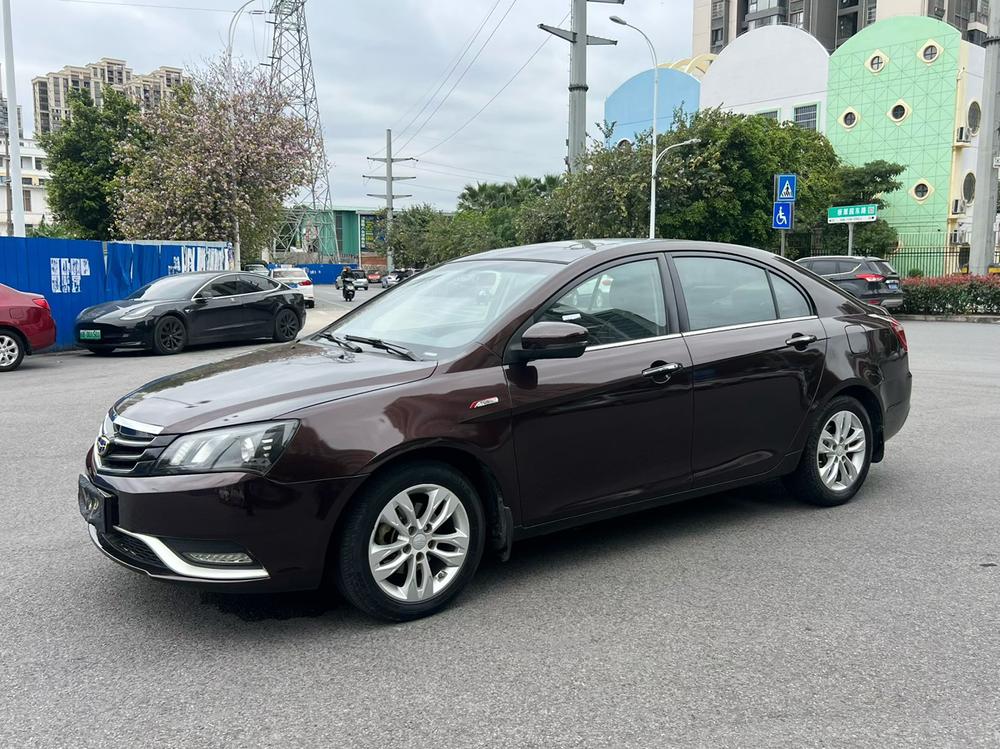
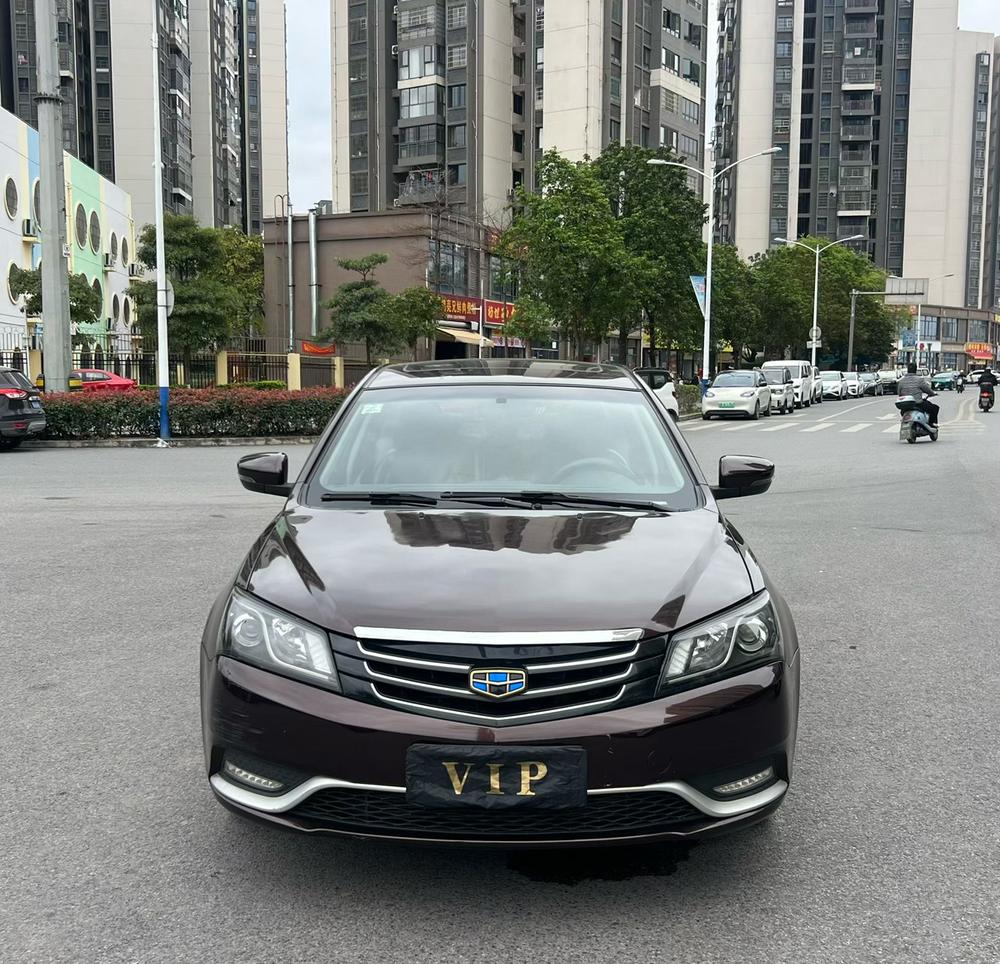
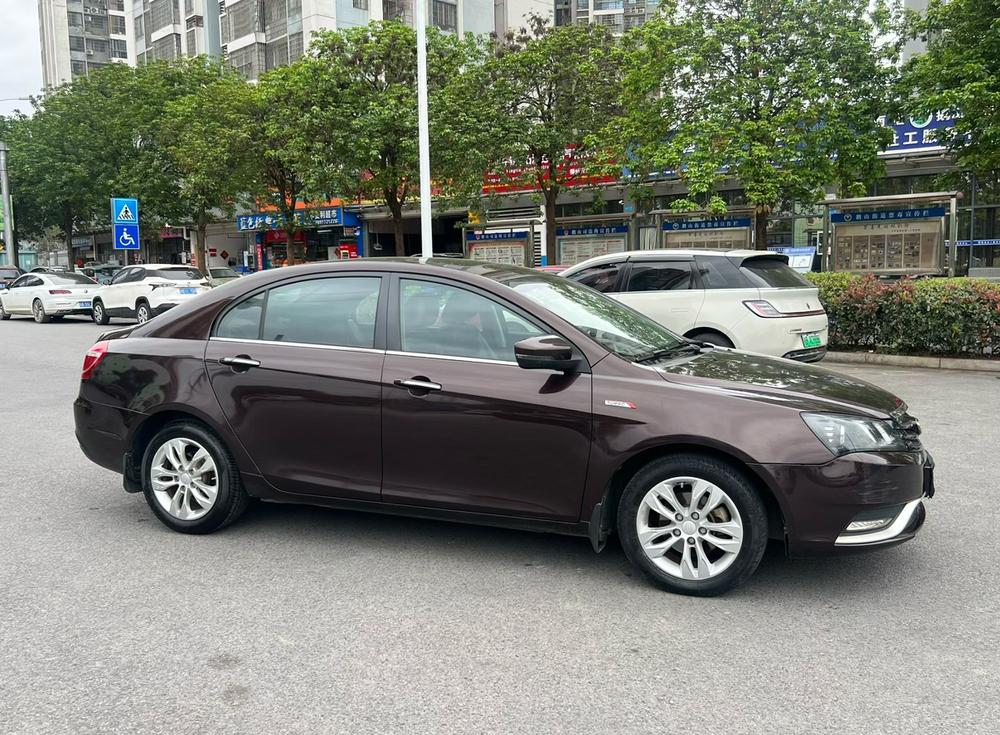
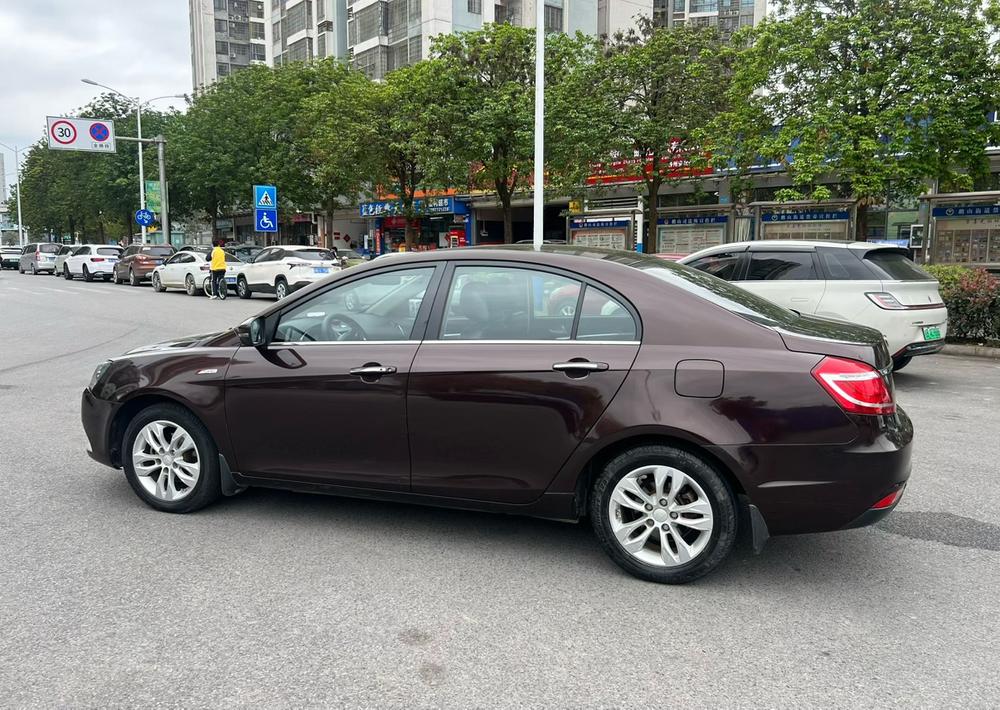
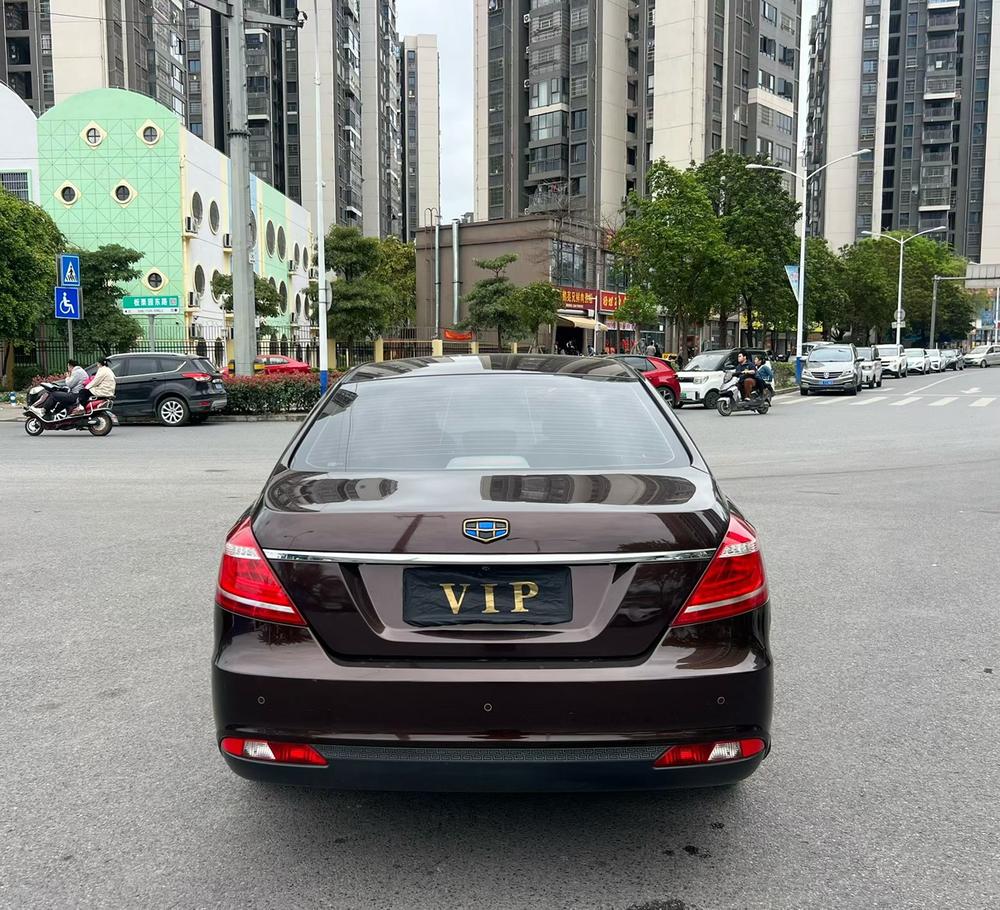
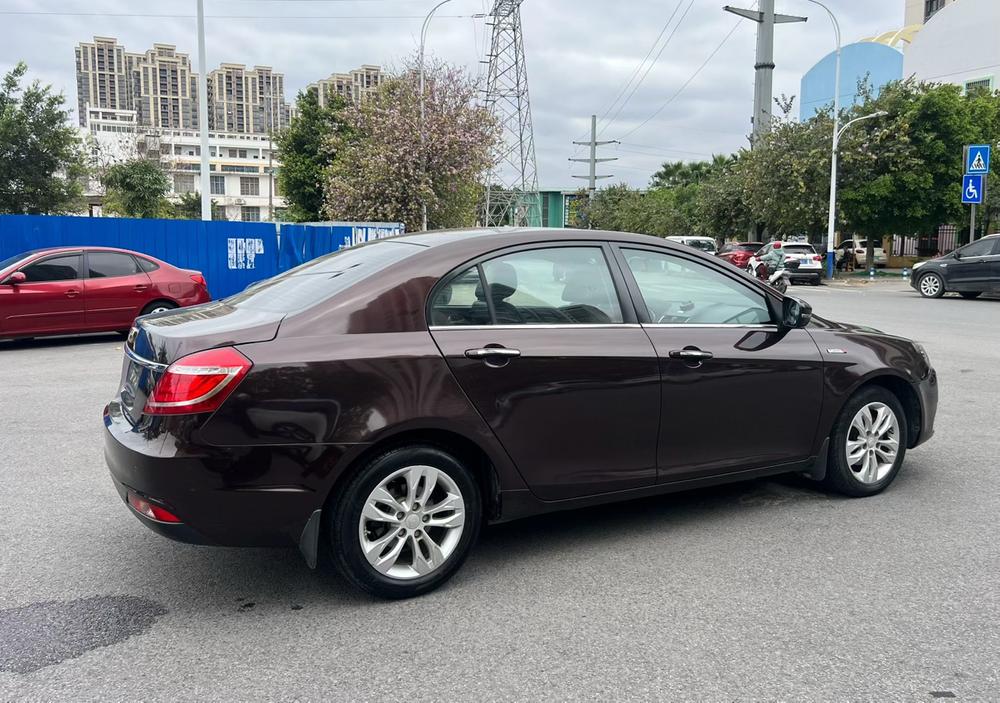
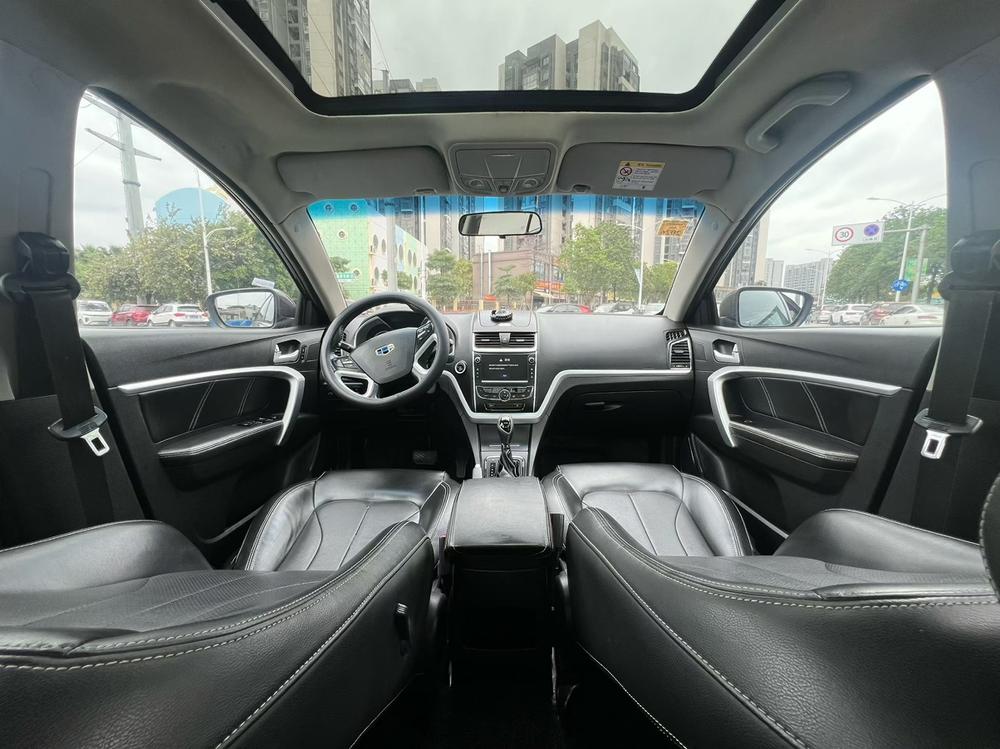
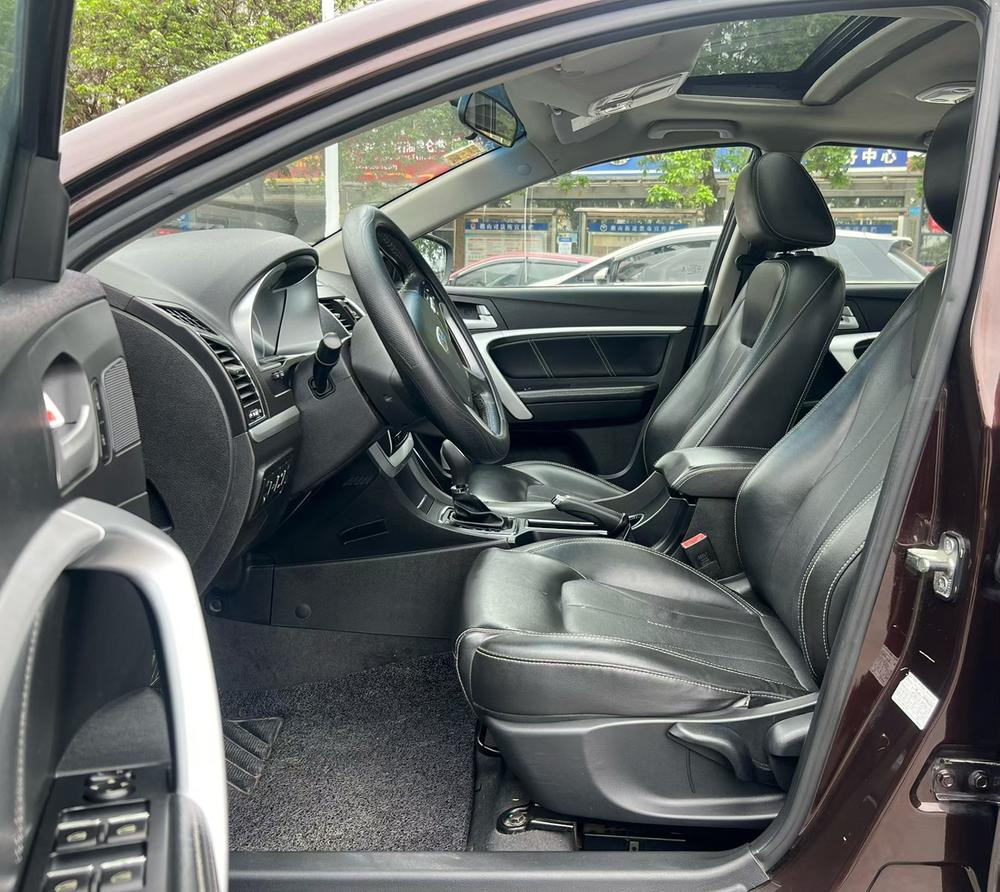
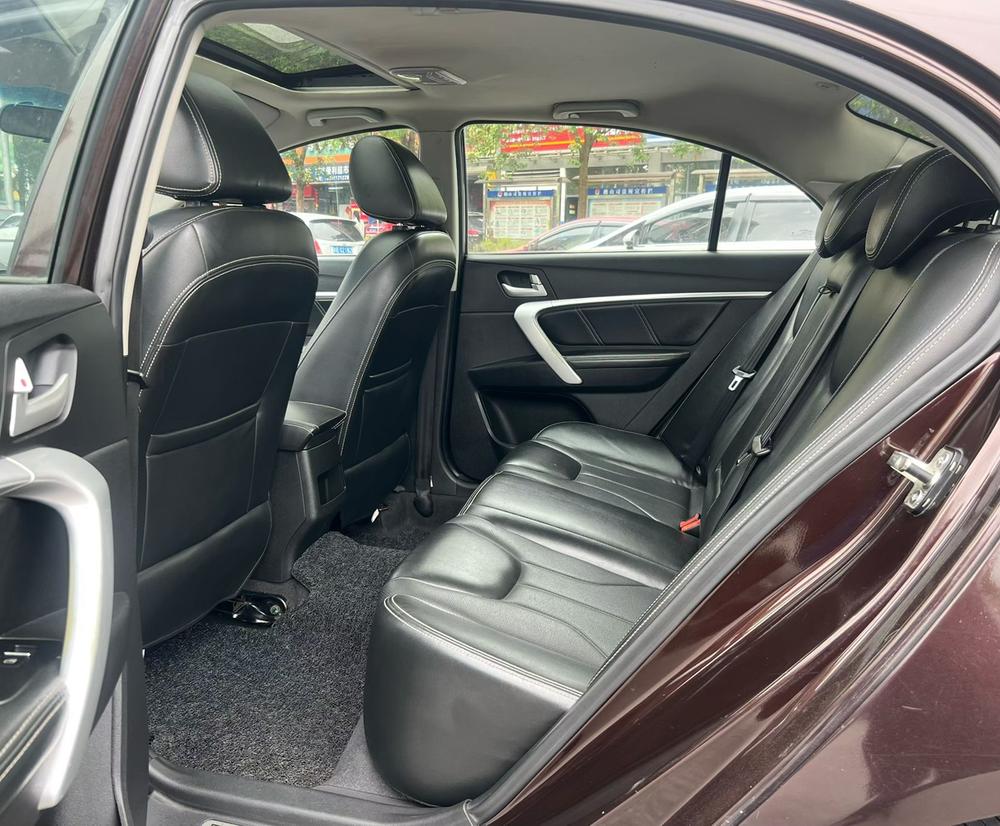
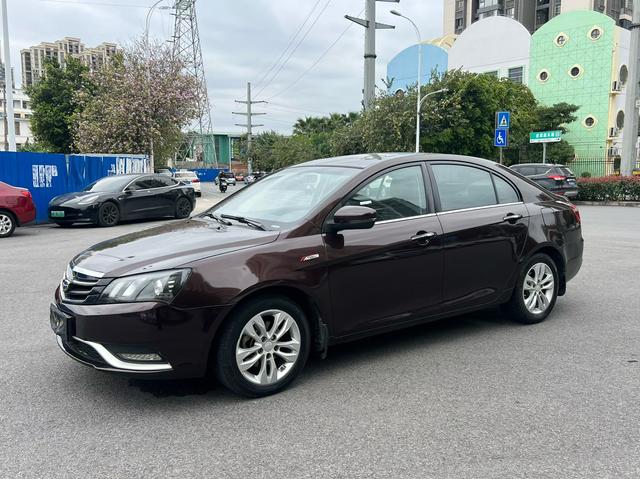
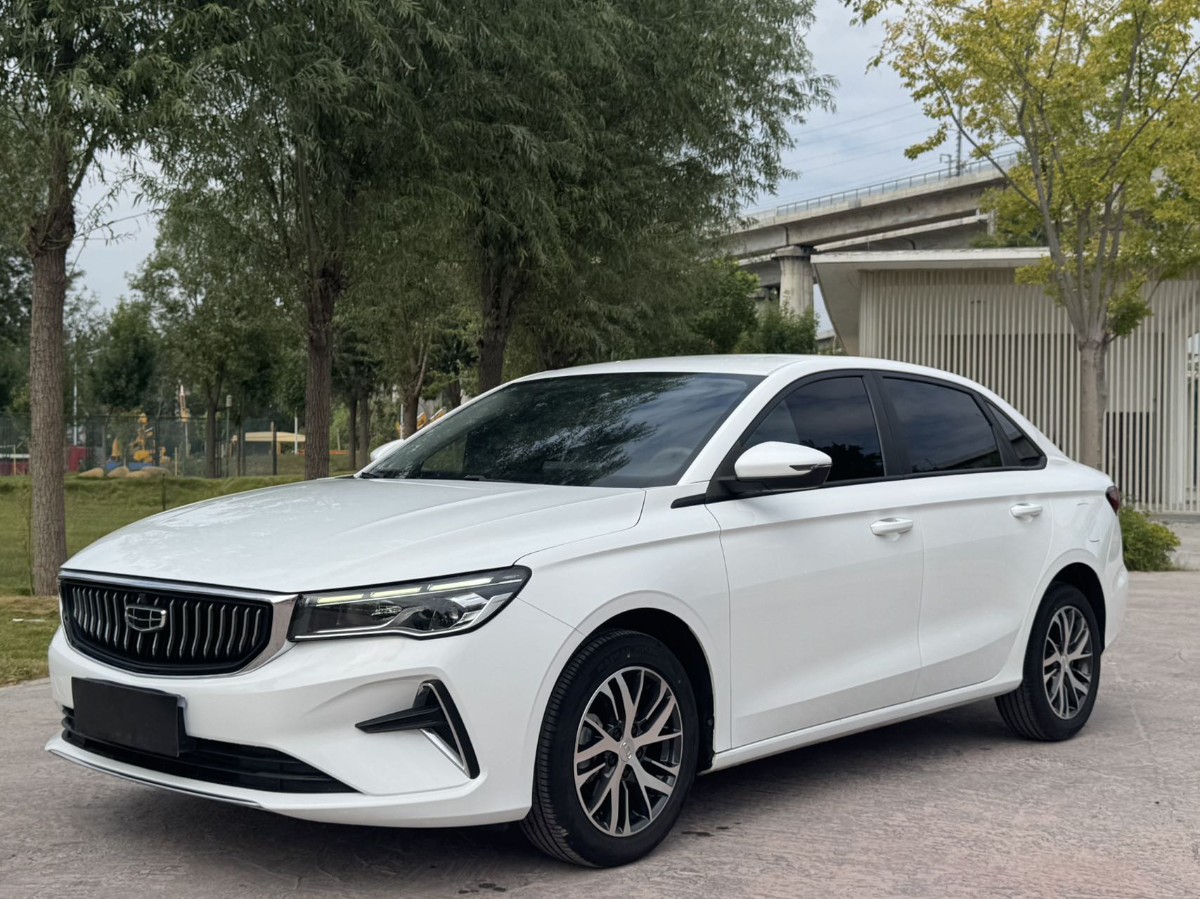
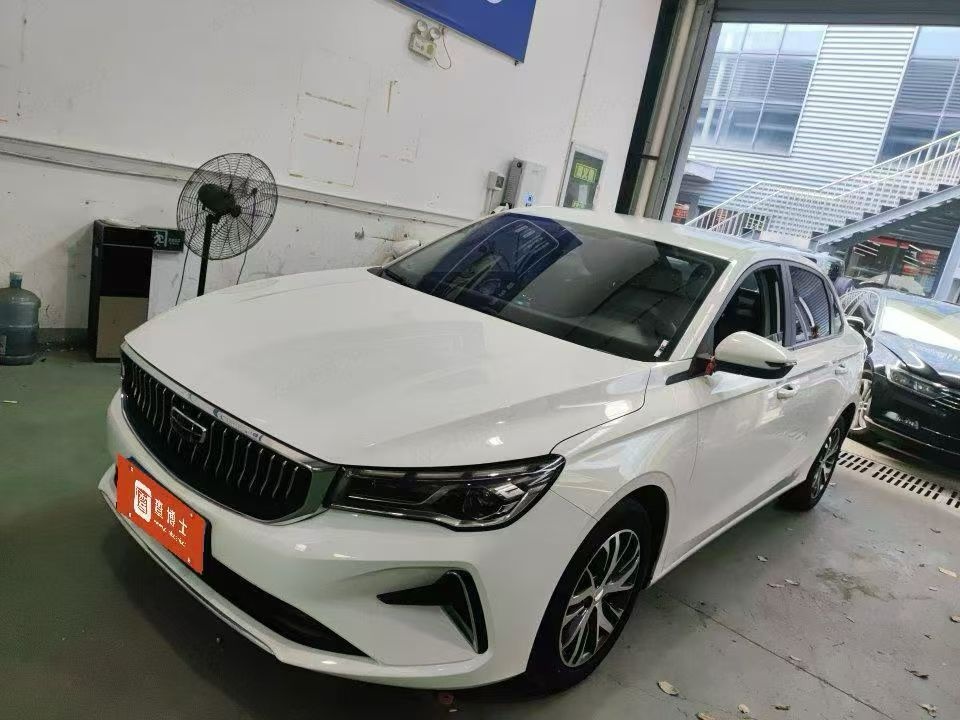
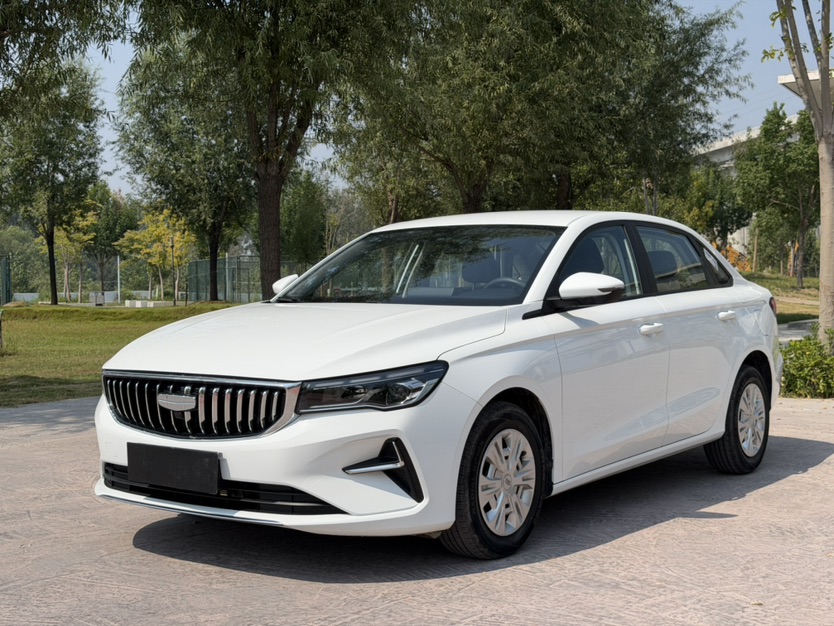
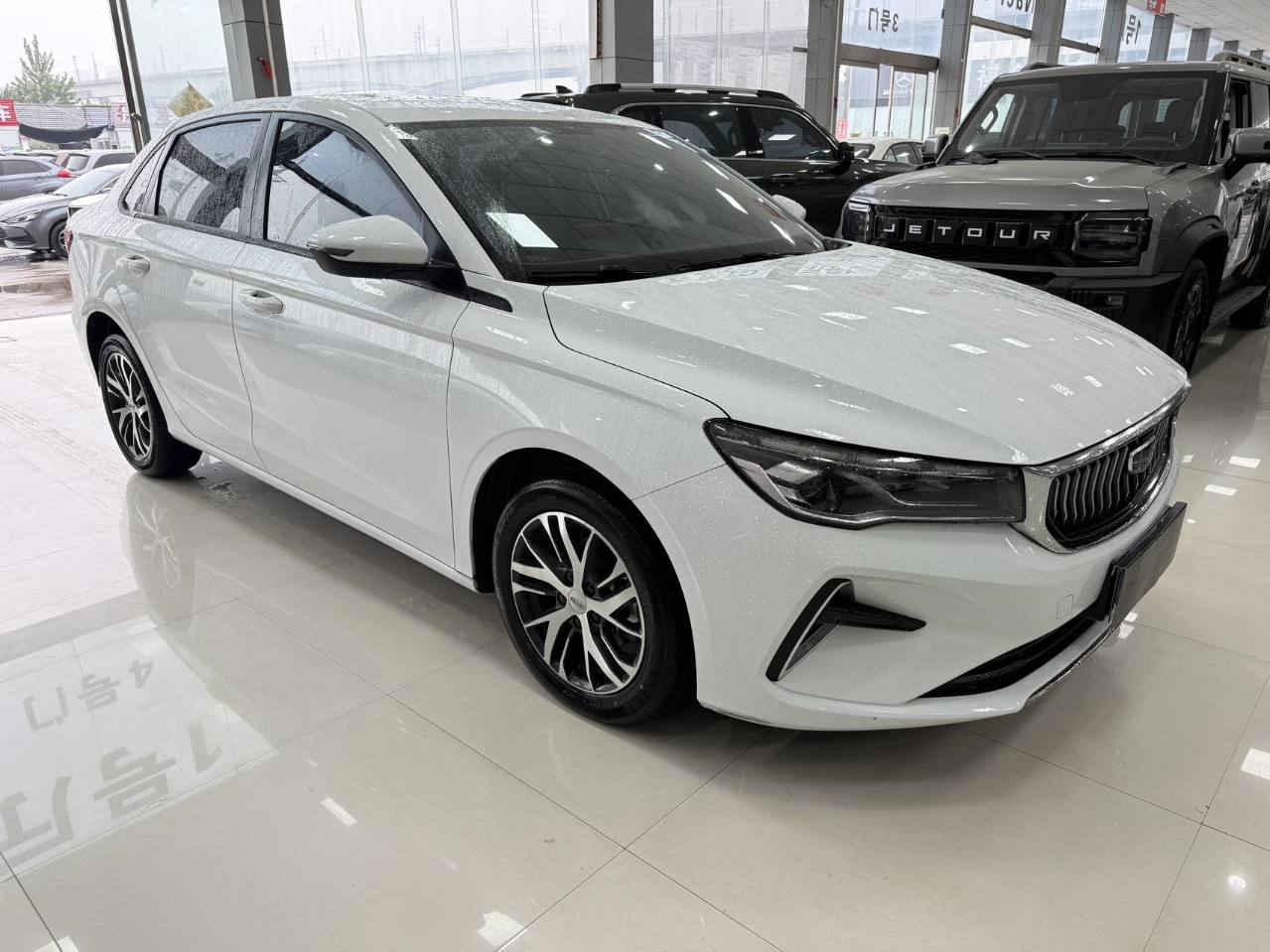
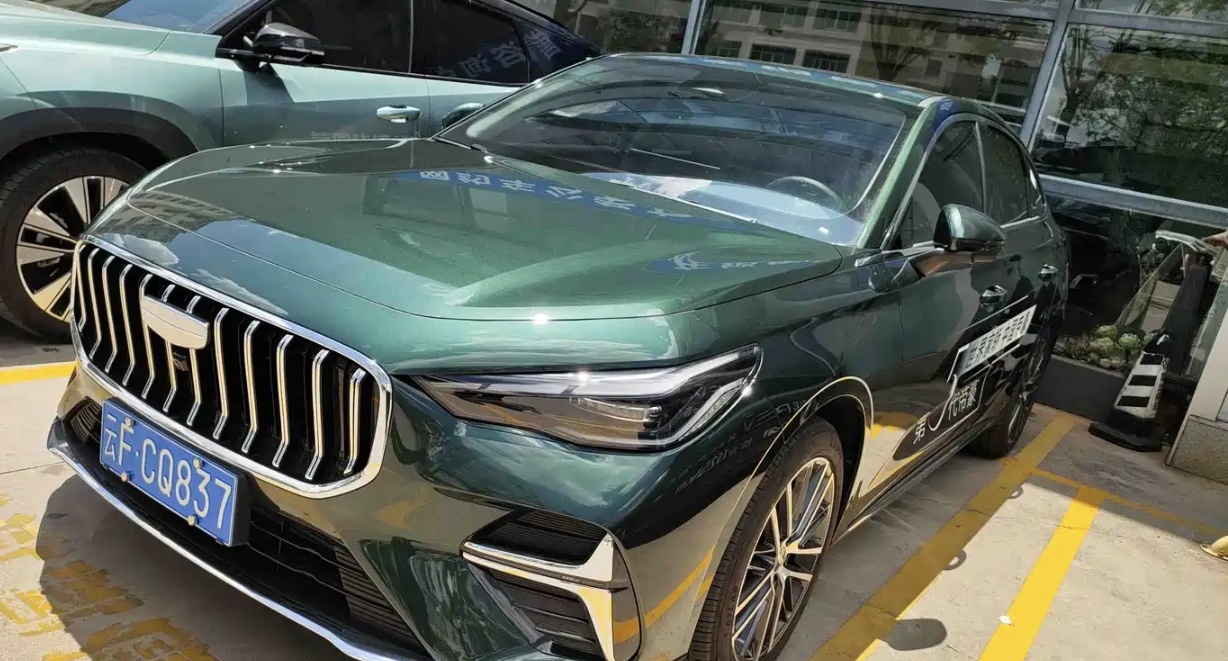
Basic Information

BrandGEELY
SeriesEmgrand
Year2016
First Registration2016/02
Mileage113,000km
Transfer Count0times
FuelGasoline
TransmissionCVT
Engine1.3T 133 L4
Color
Seats-

Condition Description

官方质检 · 60天全车质保· 7天无理由有偿退车

Configuration Highlights

✓上牌时间: 2016-02
✓表显里程: 11.3万公里
✓车源地: 柳州
✓排放标准: 国五
✓发动机: 1.3T
✓轴距: 2650mm
✓变速箱: 自动
✓最大功率: 98kW
✓功能配置: 10项
✓安全配置: 1项
✓动力类型: 前驱
✓空间舒适性: 一般

Q&A

More

Will you clearly inform if the vehicle was previously a commercial vehicle (ride-hailing, taxi, rental)?

The "usage type" section on the vehicle registration certificate has legal validity. Any vehicle that changes from "commercial" to "non-commercial" has a usage intensity far exceeding that of personal vehicles, and we will label these prominently. Such vehicles are usually cheaper but have more severe mechanical wear.

What is a Chinese customs export declaration, and why do I need it to register the car in my country?

The export declaration (报关单) is the official Chinese customs document recording that the vehicle legally left China: VIN, HS code, declared value, origin port and date. Most destination countries ask for it—or for the certificate of origin—during registration to prove the car was legally exported, not stolen or smuggled. Practical points: ensure the VIN on the declaration matches your car exactly; a single digit mismatch can block registration. The declared value also anchors customs valuation in many countries, so an undervalued declaration may save the seller tax but can raise your import duty or trigger a re-valuation penalty. Ask the exporter for a stamped copy before shipping, verify the VIN yourself, and check that the document shows the correct consignee. Keep the original—some registries require it, and you'll need it again if you ever sell the car. If the exporter hesitates to provide it, treat that as a red flag.

What kind of after-sales warranty do Chinese used car exporters usually offer, and what is realistic to claim?

Most exporters offer a limited warranty of 30 to 90 days covering major mechanical failures (engine, gearbox, electric motor), but only if you can prove the fault existed before shipment. Cosmetic issues, wear-and-tear parts (brakes, tires, clutch) and damage caused by improper local maintenance are almost always excluded. What is realistic to claim: · Engine or transmission failure confirmed by a licensed workshop within the warranty window, with a diagnostic report. · Undeclared accident or flood damage discovered after arrival (strongest case, keep the inspection report and photos). How to protect yourself: 1. Get the warranty terms written into the contract, including claim procedure and response time. 2. Have the car inspected locally immediately upon arrival and keep all records. 3. Communicate claims in writing (email) with photos and reports attached. Treat the warranty as a backup, not the main protection. A thorough pre-shipment third-party inspection matters far more than a paper warranty.