








24H

Basic Information

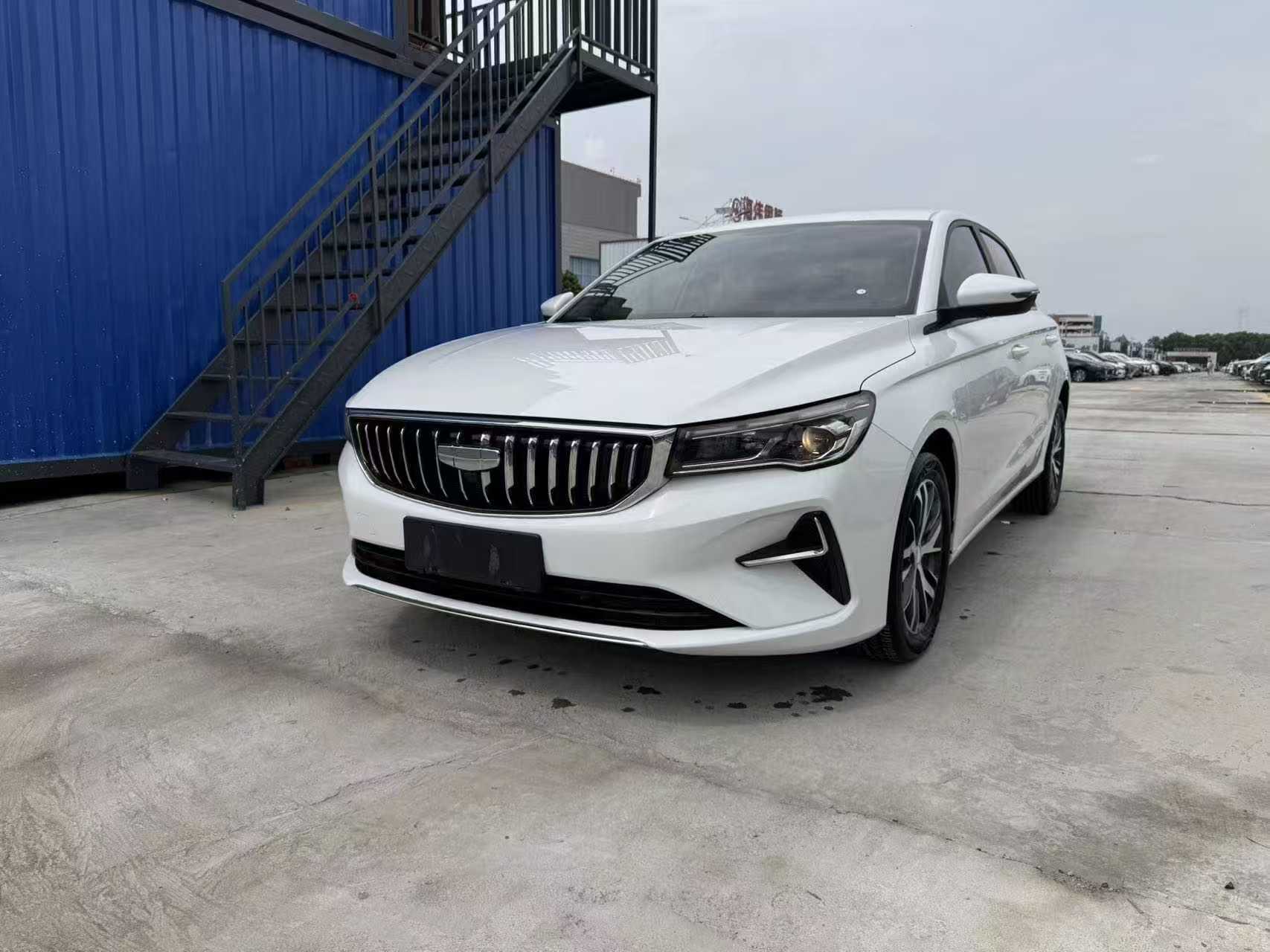
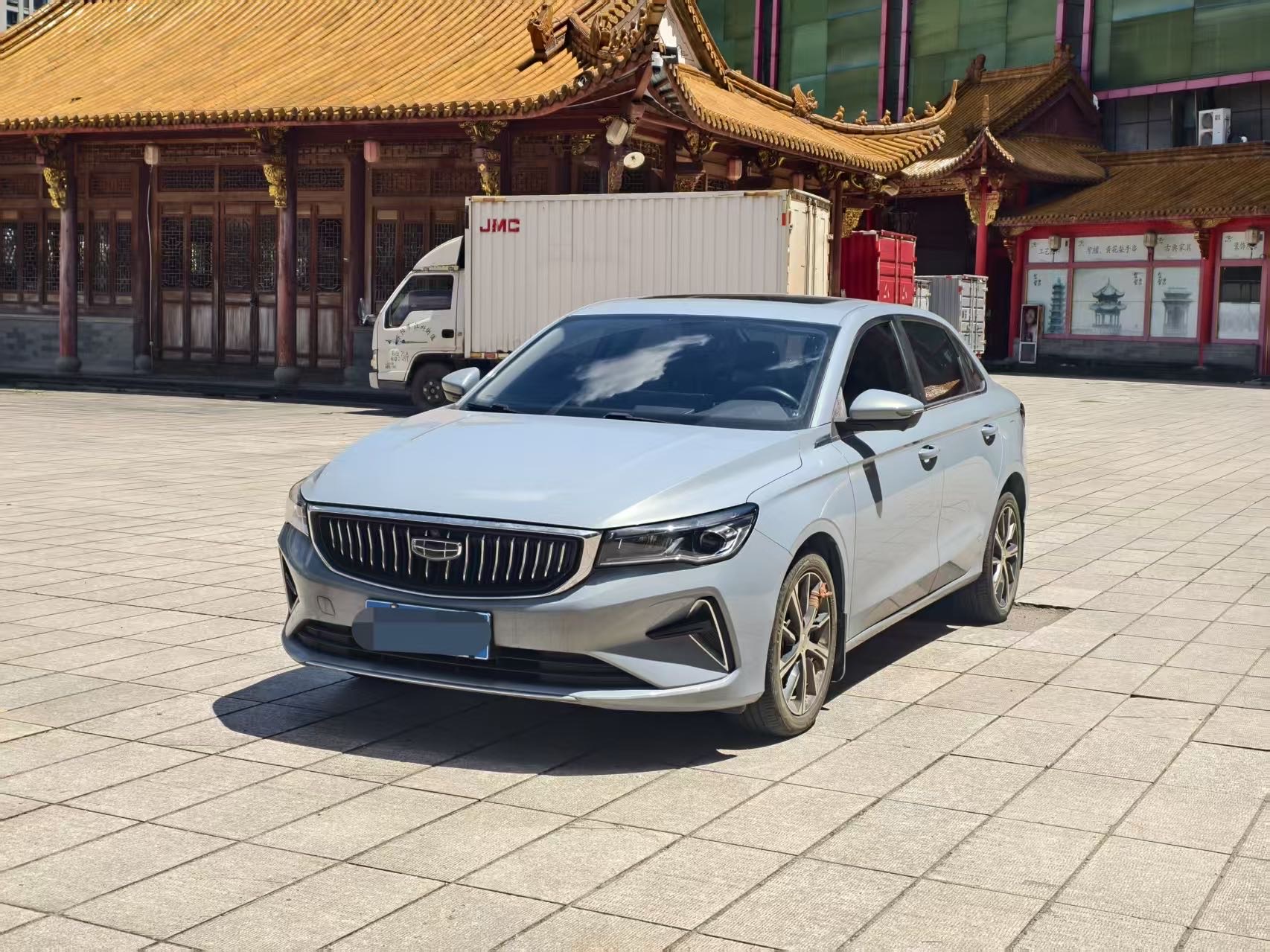
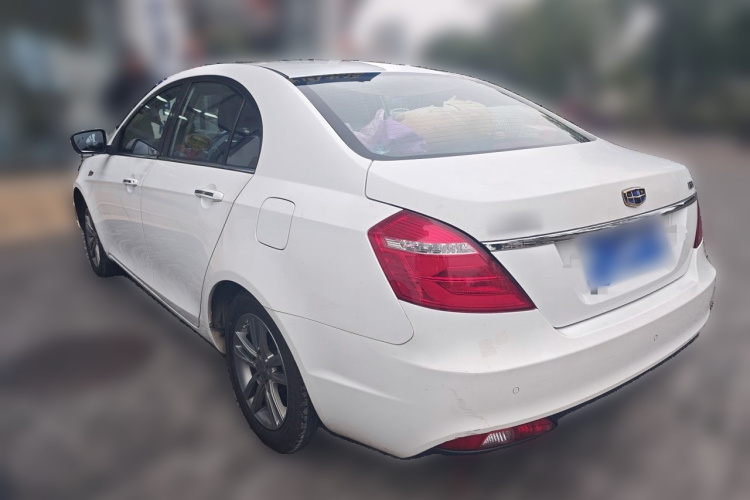
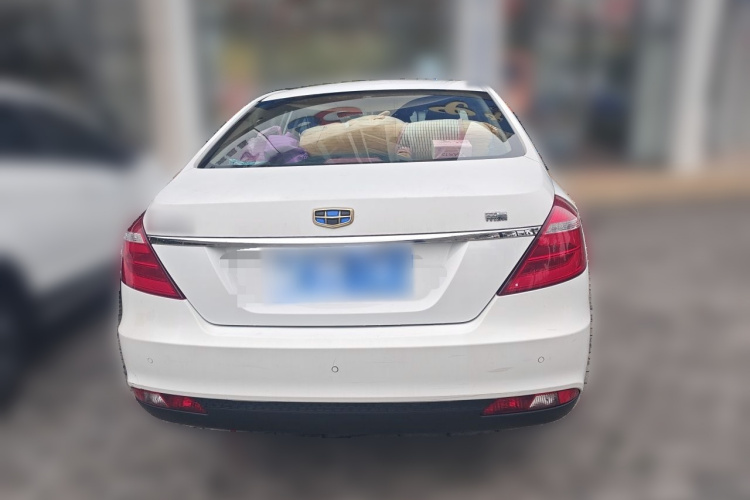
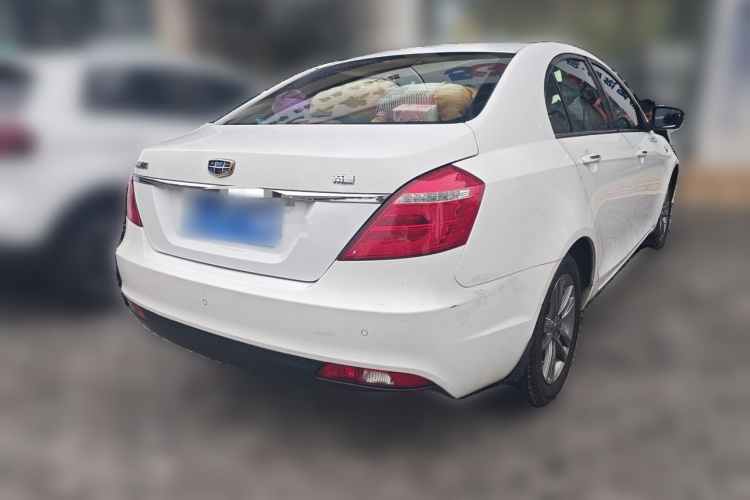
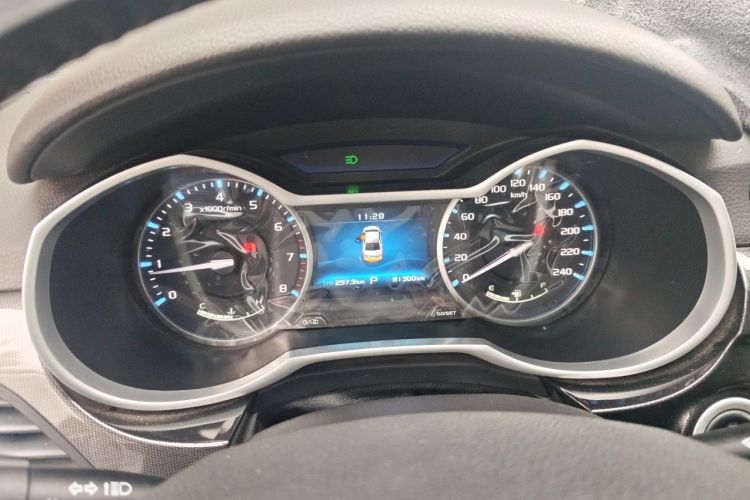
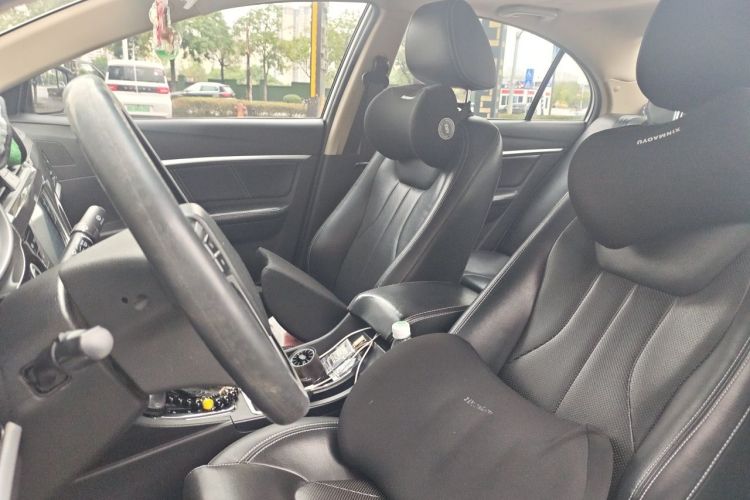
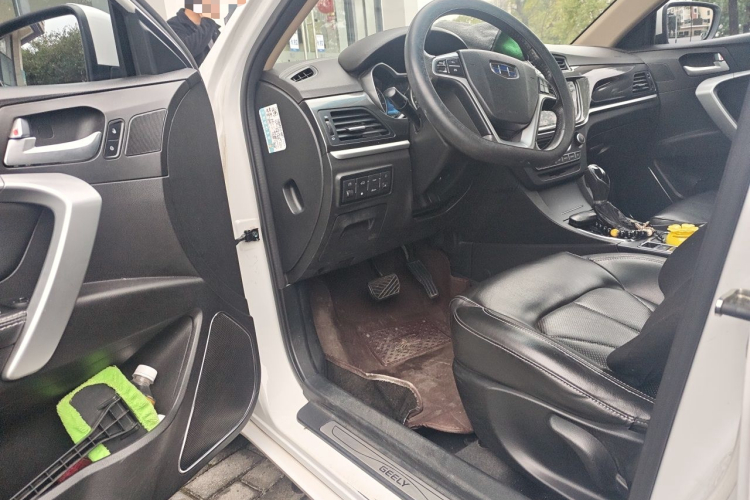
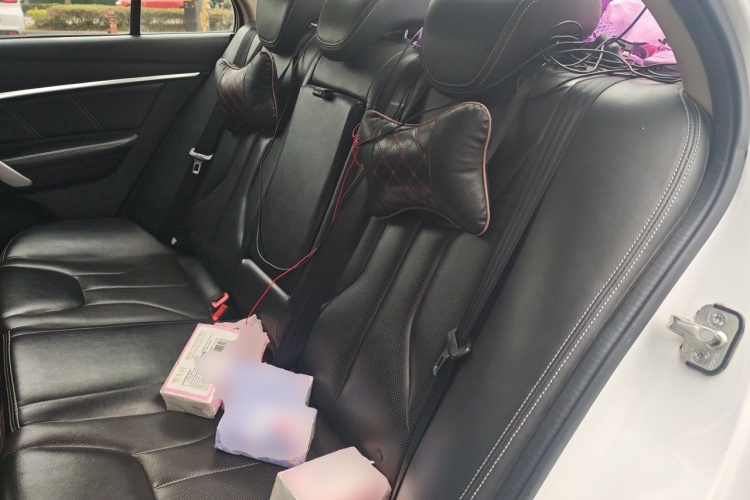
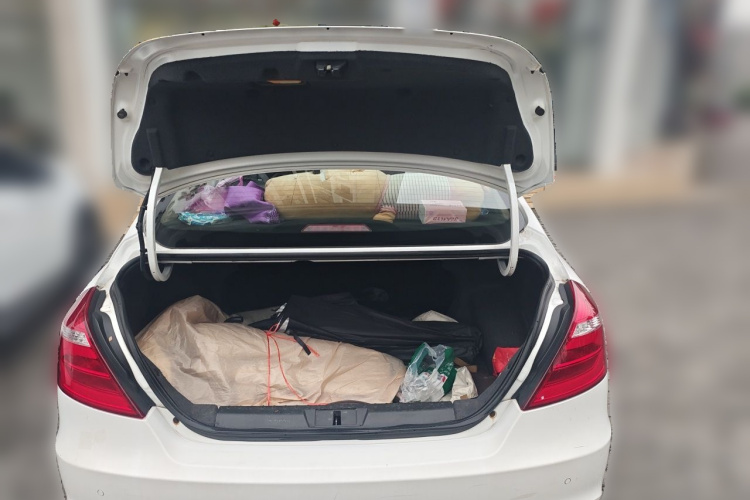
BrandGEELY
SeriesEmgrand
Year2016
First Registration2016/12
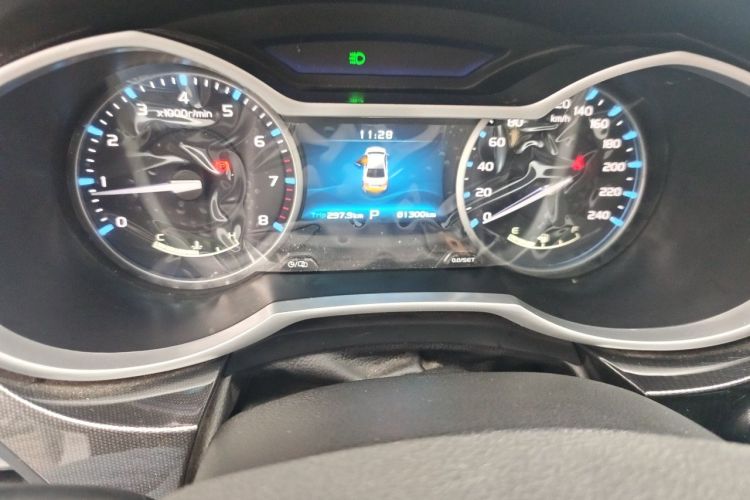
Mileage81,300km
Transfer Count0times
FuelGasoline
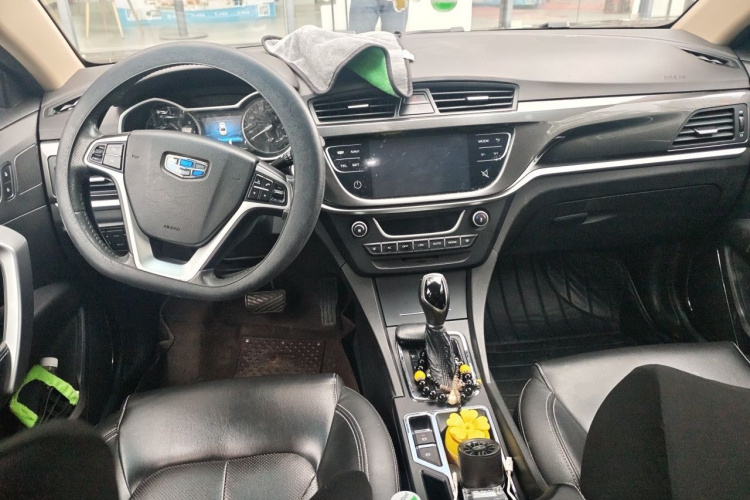
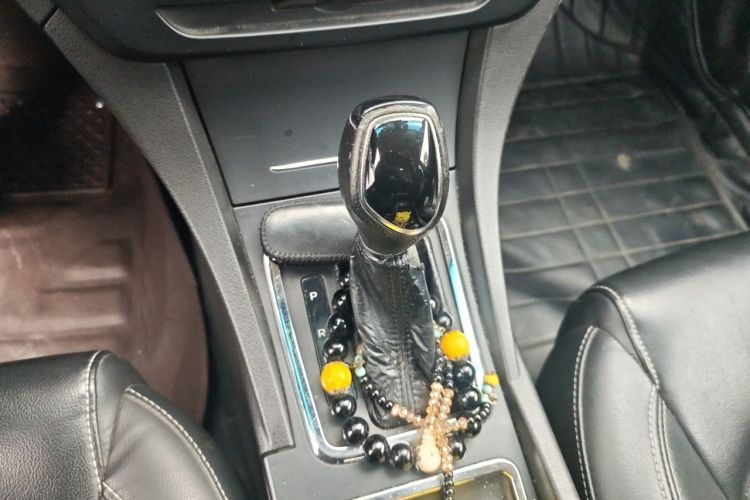
TransmissionCVT
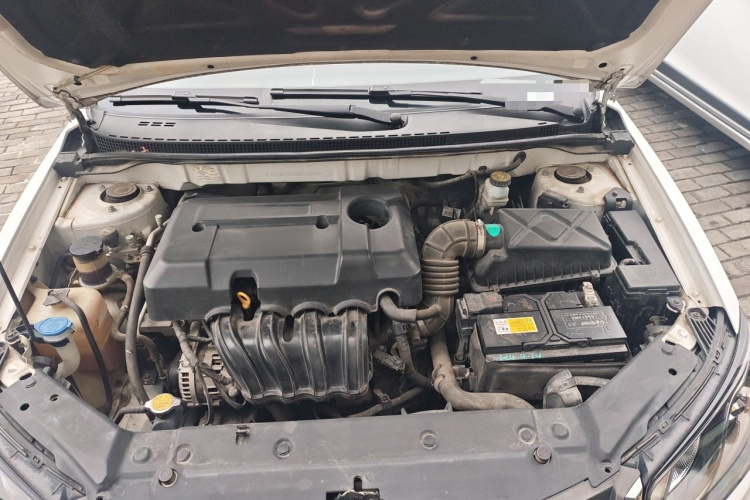
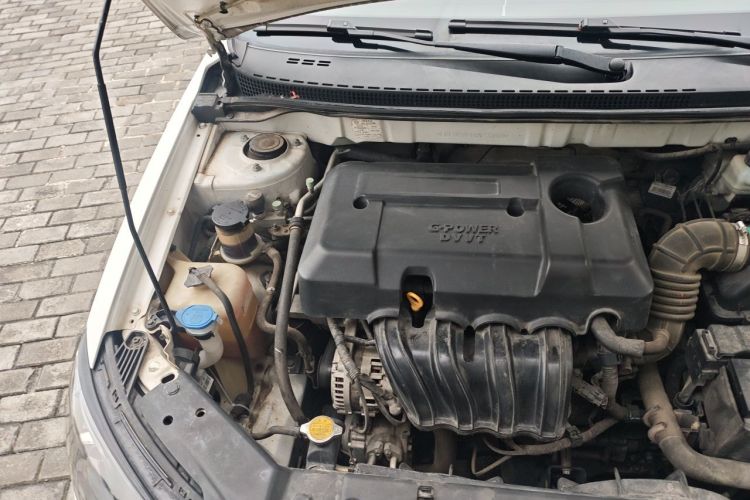
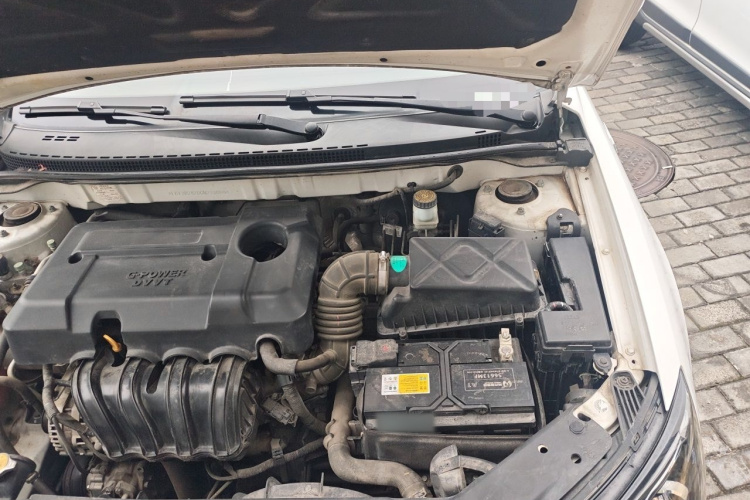
Engine1.5L 109 L4
Color
Seats-

Condition Description

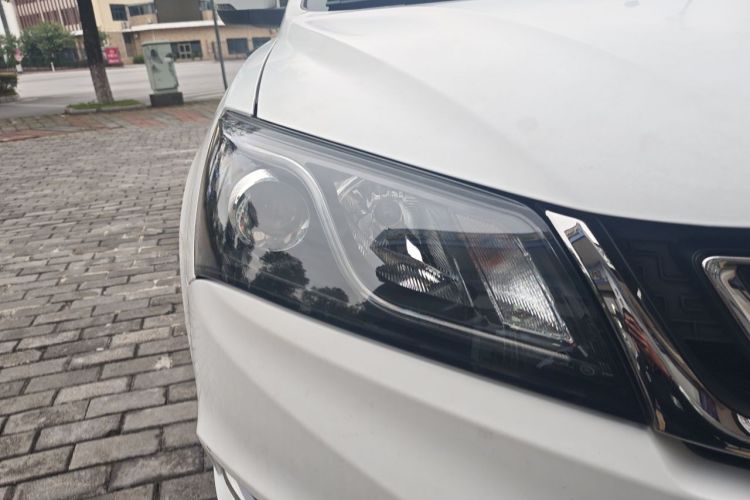
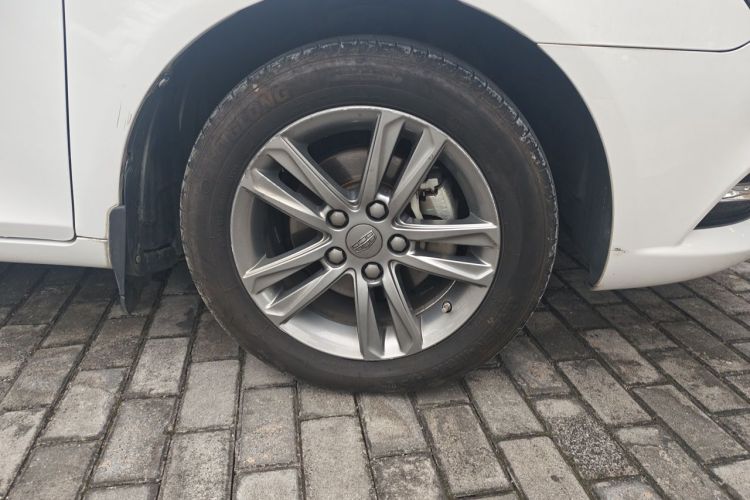
Basic condition passed | 2 insurance claims | 0 transfers

Q&A

More

Who is responsible if a vehicle is damaged in a rear-end collision during inland highway transport to a port in China?

Under FOB or CIF terms, all risks before crossing the ship's rail are borne by the seller (us). For minor scratches, we will provide a price discount based on the damage assessment; for serious damage, we will immediately terminate the vehicle delivery, refund the full amount, or replace it with a vehicle of equivalent configuration.


If I cancel my order, how long should a refund of my deposit take, and what if the exporter keeps delaying?

A reasonable refund timeline is 5-15 business days after written cancellation, provided the car hasn't shipped or incurred costs. Legitimate deductions may apply: inspection fees, storage, or transport already spent on your order. To protect yourself, put refund terms in the contract before paying: state the refund amount, the deadline, and the payment method (same account you paid from). If delays occur, escalate in writing—email plus your messaging channel—and set a firm deadline referencing the contract clause. If the exporter keeps stalling beyond 30 days, your leverage is small from abroad, which is why the contract matters most. For large amounts, consider whether your bank can initiate a recall of the wire, or use escrow for future transactions so funds are only released against delivery milestones.

How do seasonal factors—peak seasons, weather, holidays—affect shipping times and rates from China?

Timing your shipment can save both money and weeks of waiting. Several predictable patterns affect routes from China. Peak season surcharges: January through March, before Chinese New Year, exporters rush to ship, so container and RoRo space tightens and rates rise 20-50%. Book at least 3-4 weeks ahead during this window. After the holiday (usually February), factories and ports restart gradually, causing 2-3 weeks of backlog. Weather effects: Typhoon season (July-September) can delay departures from southern Chinese ports like Shenzhen and Guangzhou. Winter fog and ice affect northern ports like Dalian and Tianjin, slowing loading operations. Destination-side factors: Monsoon seasons can slow port operations in South and Southeast Asia. Holiday periods at destination (e.g., Ramadan in the Gulf, year-end holidays elsewhere) reduce customs staffing and extend clearance times. Practical advice: ask your forwarder for rate calendars, avoid booking right before major Chinese holidays, and build 1-2 weeks of buffer into delivery promises to your customers. Flexible departure ports (Shanghai vs. Ningbo vs. Shenzhen) can also help you find available space.