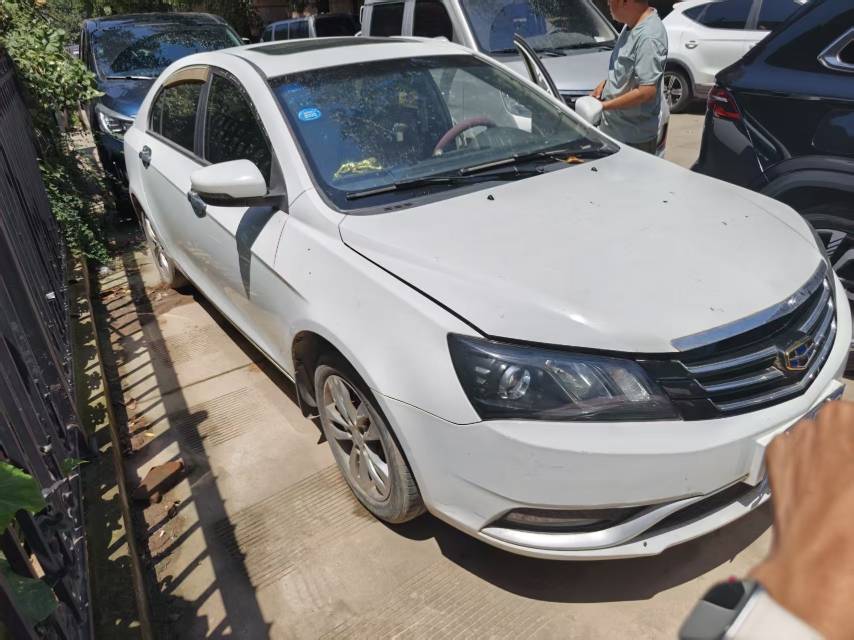
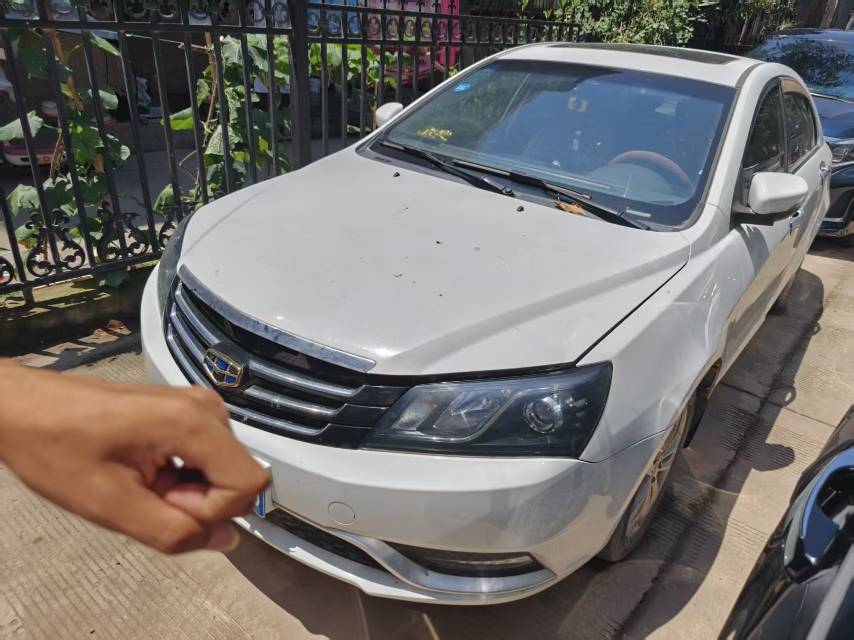
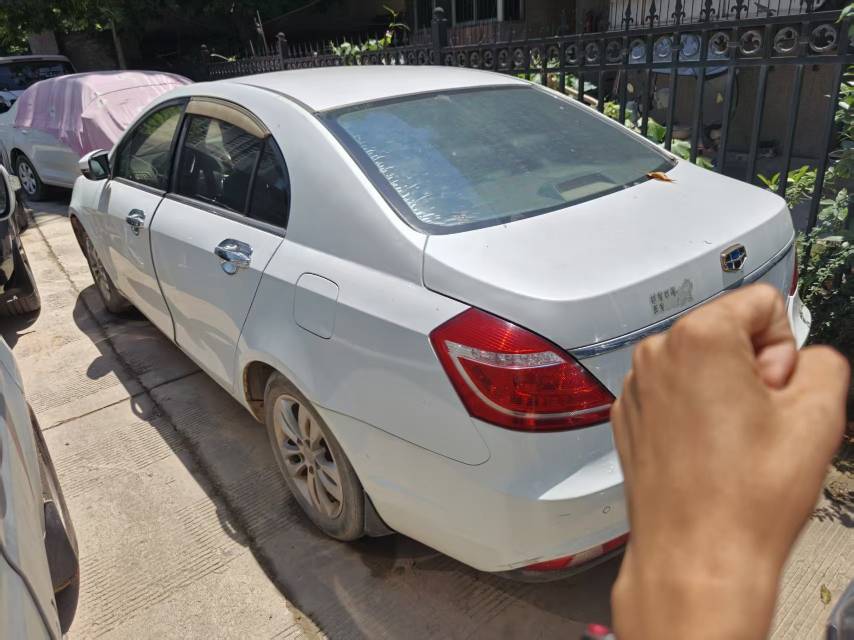
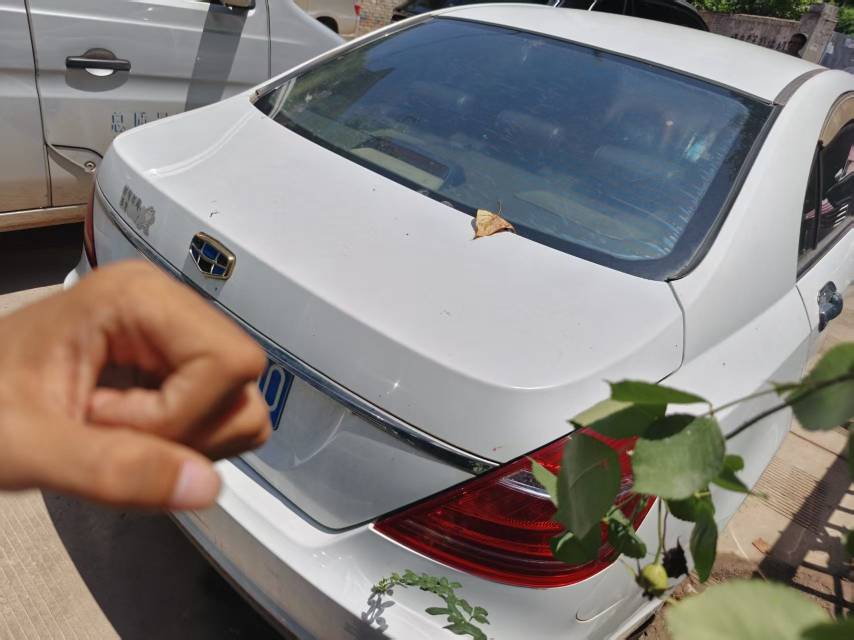



Basic Information

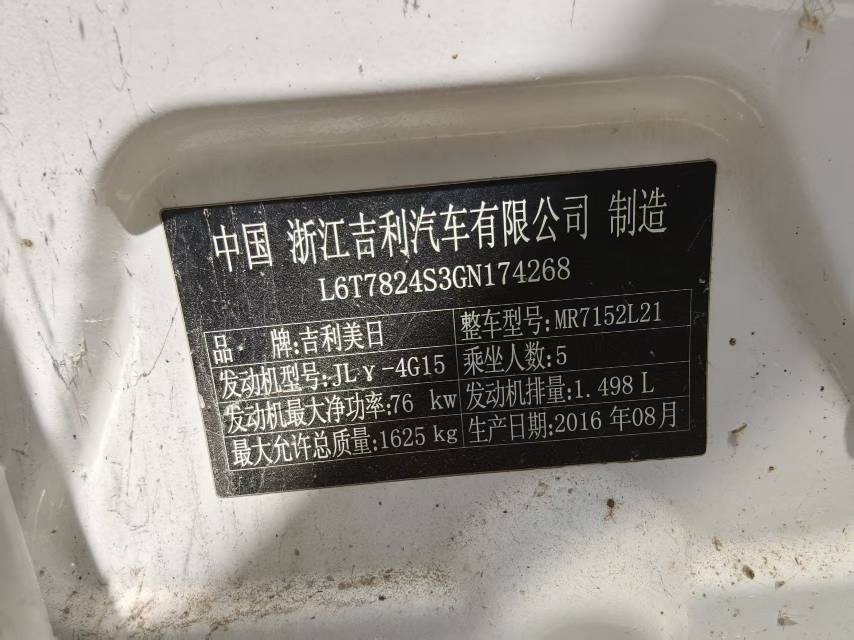
BrandGEELY
SeriesEmgrand
Year2016
First Registration2016/08
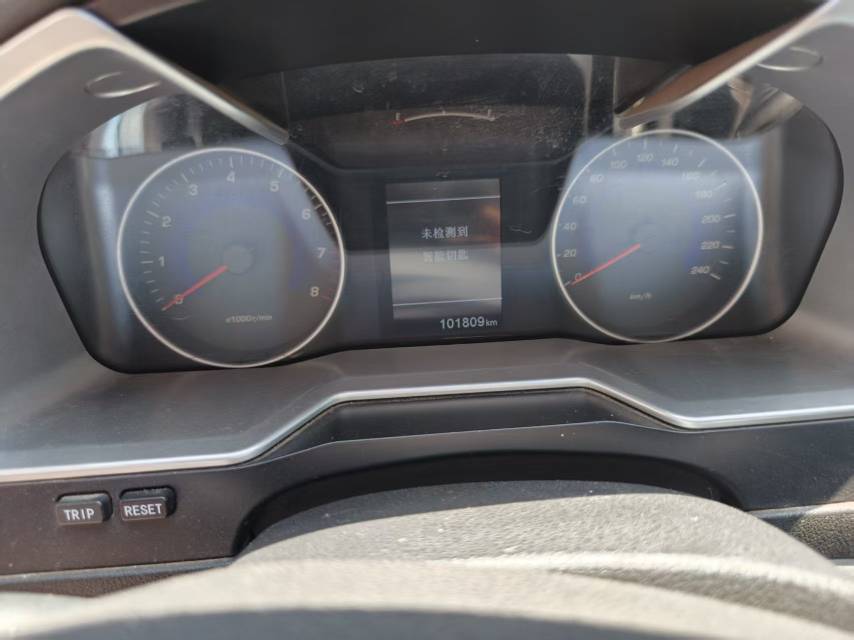
Mileage100,000km
Transfer Count1times
FuelGasoline
TransmissionManual
Engine1.5L 109 L4
ColorWhite
Seats-

Condition Description

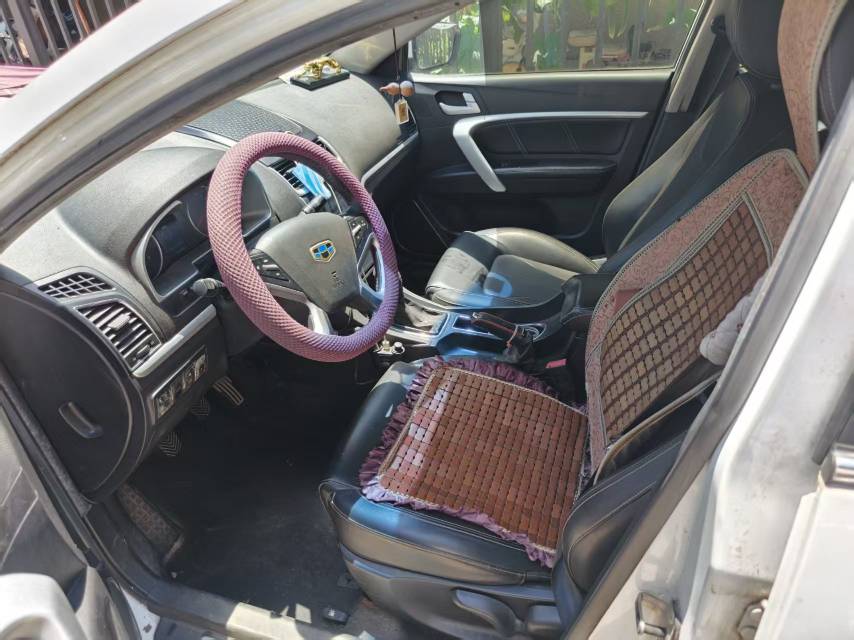
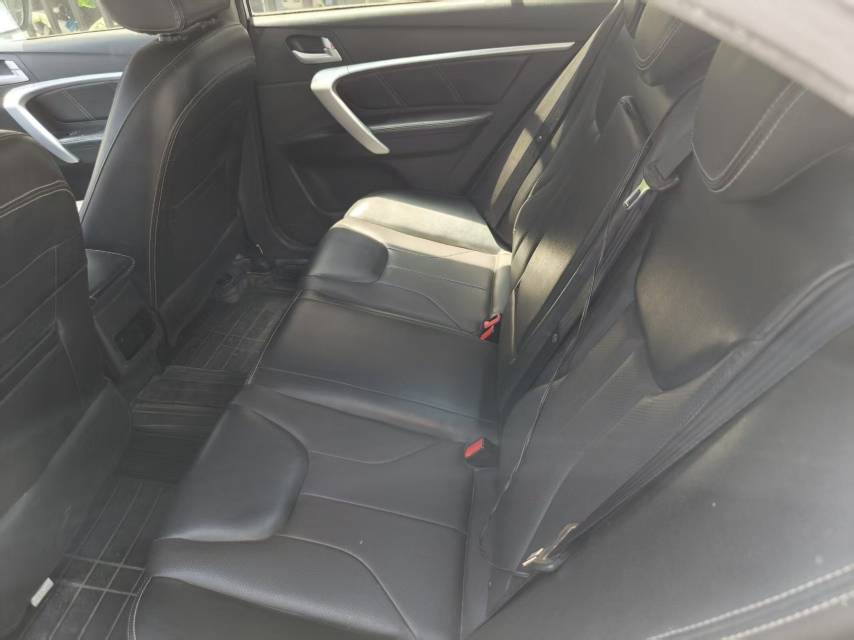
First-hand car, original body panels and original paint. Insurance valid until August.

燃油车
轿车
手动
维保开放
事故开放
查验开放

Configuration Highlights

✓品牌: 吉利汽车
✓车系: 帝豪
✓车型: 2016款 三厢 1.5L 手动向上版
✓车身类型: 轿车
✓座位数: 5
✓排量: 1.5L
✓变速箱: 手动
✓能源类型: 燃油车
✓VIN: L6T7824S3GN174268
✓搜索关键词: 吉利汽车帝豪 2016款帝豪三厢1.5L手动向上版

Document Information

Inspection Expiry Date2027/08
Warranty Expiry Date-
Insurance Expiry Date2026/08

Q&A

More

Is the source of the historical data you verify authoritative (e.g., traffic management departments, insurance company systems)?

Extremely authoritative. The third-party data service providers we connect to legally access the Chinese Public Security Traffic Management Platform, the insurance claims network directly under the China Banking and Insurance Regulatory Commission, and the after-sales databases of major automotive manufacturers. We perform secondary logical verification based on this underlying data.
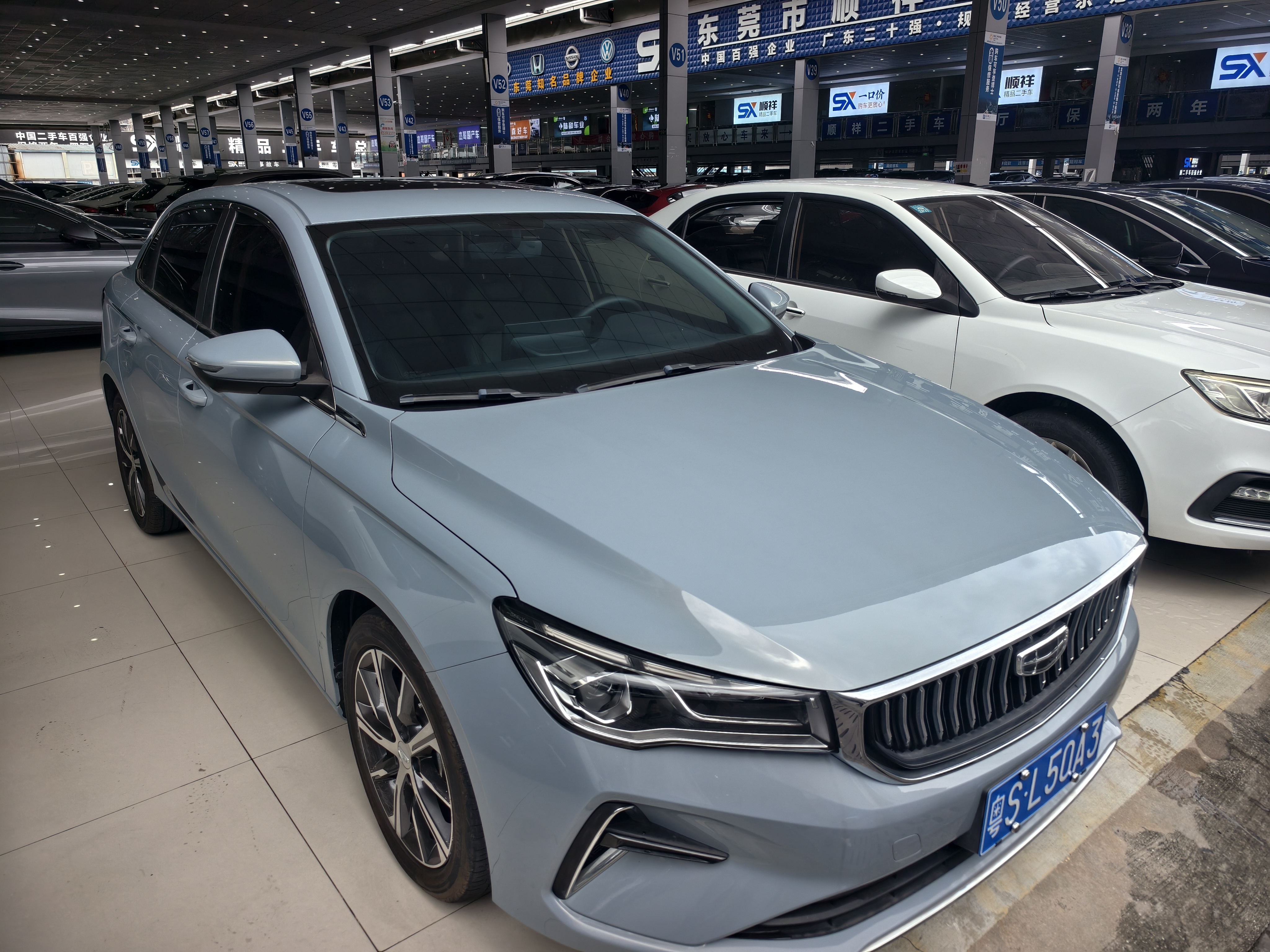

What should I do if I find obvious defects on the exterior that were not mentioned in the inspection report after receiving the car?

Please take timestamped photos and videos at the first opportunity when picking up the car at the destination port (before leaving the port area). We will compare these with the final archived images taken at the Chinese port before shipping. If it is confirmed that we missed reporting it during the pre-shipment inspection, we will provide compensation for parts or labor costs based on the severity of the defect; if it is new physical damage incurred during shipping, the insurance claim process will need to be initiated.

How are the refrigerant pressure, compressor operation, and heating effect of the air conditioning system deeply tested?

The technician will start the vehicle and turn on the air conditioning system, measuring the actual temperature at the vents at the lowest and highest settings with a thermometer; at the same time, they will connect a manifold pressure gauge to check if the refrigerant pressure in the high and low pressure lines is within the normal range, determining if there is a chronic refrigerant leak.