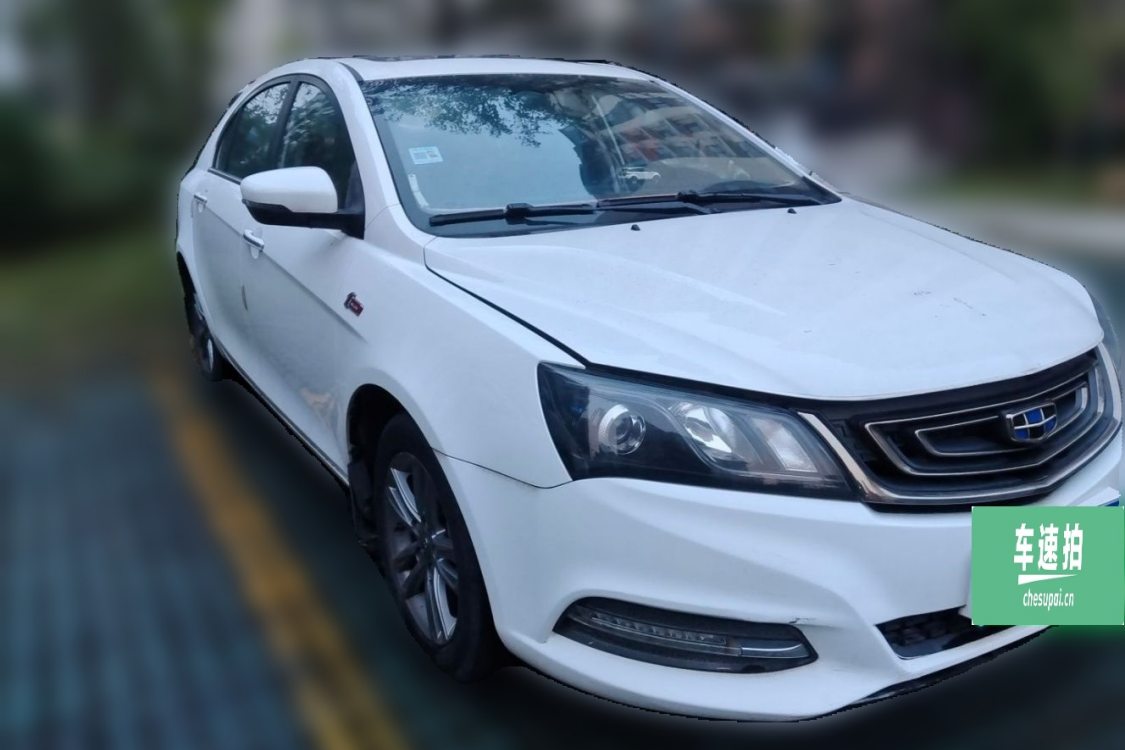
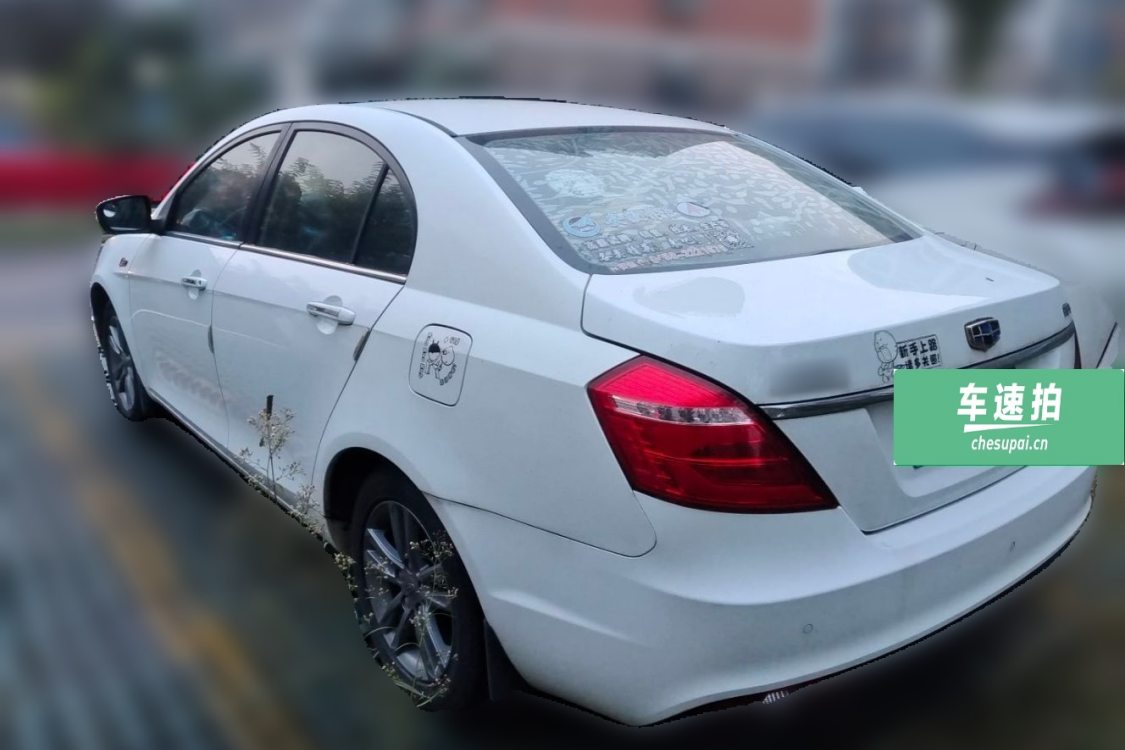
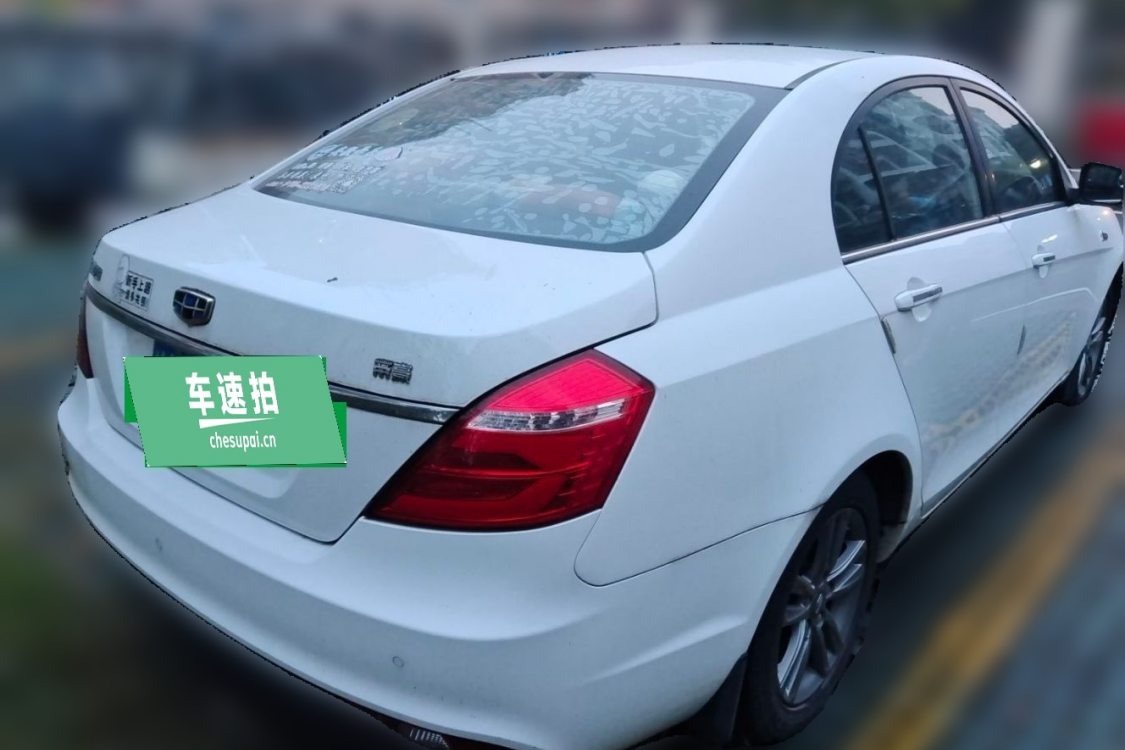
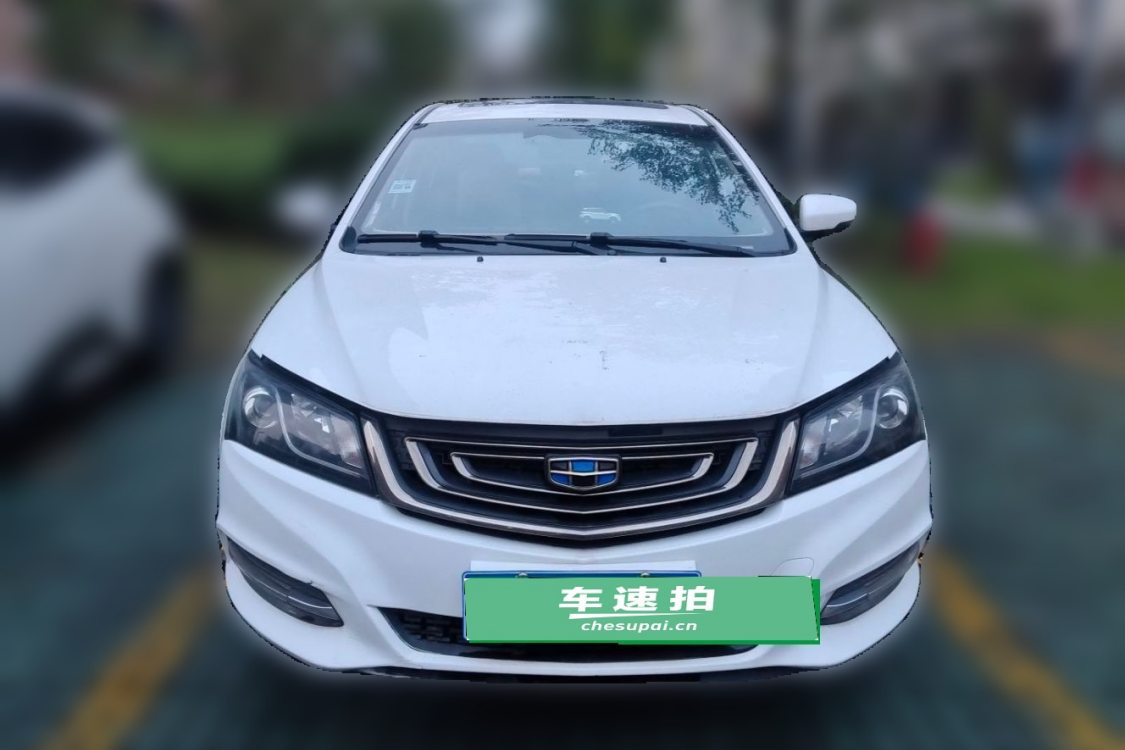



24H

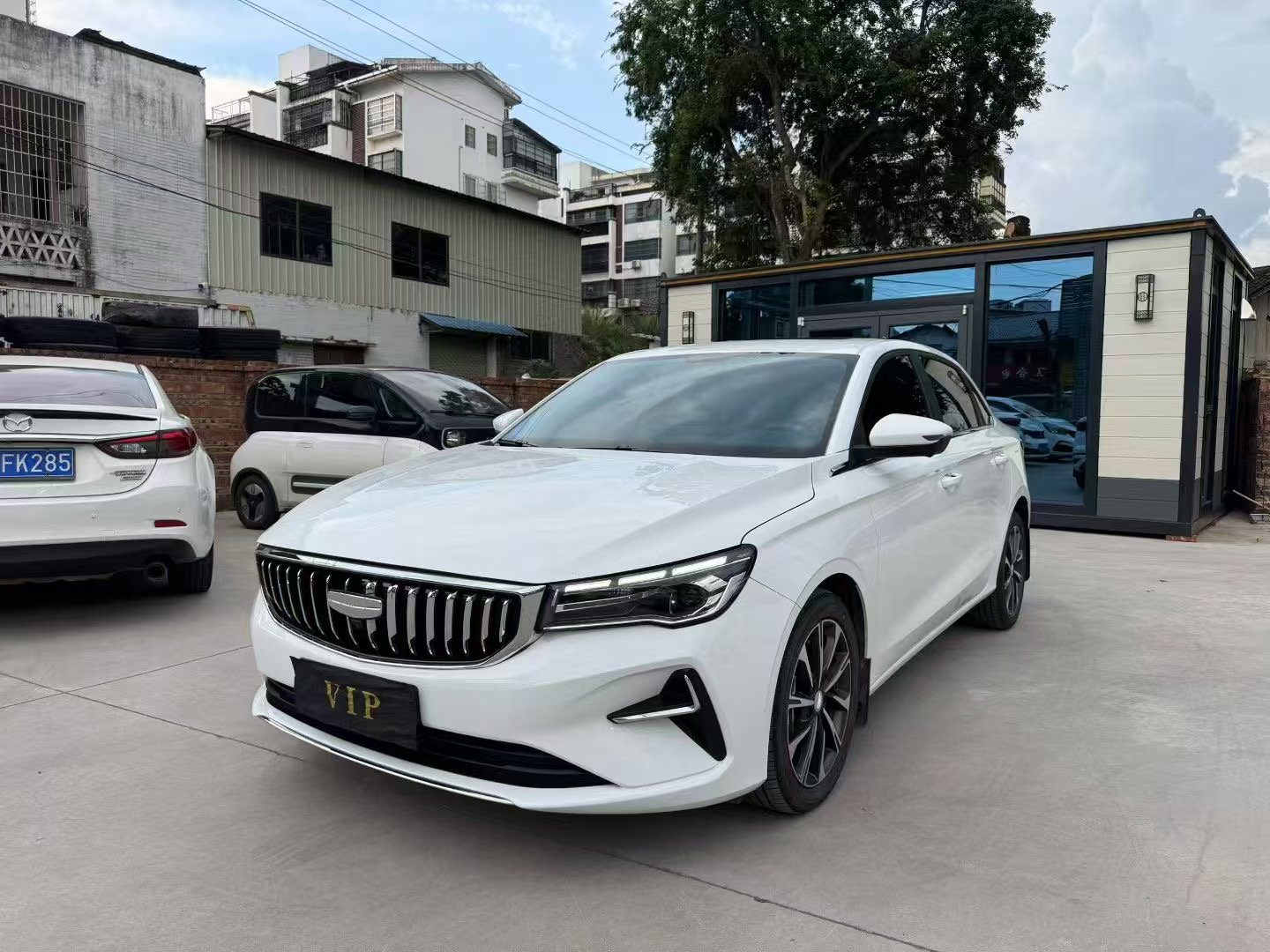
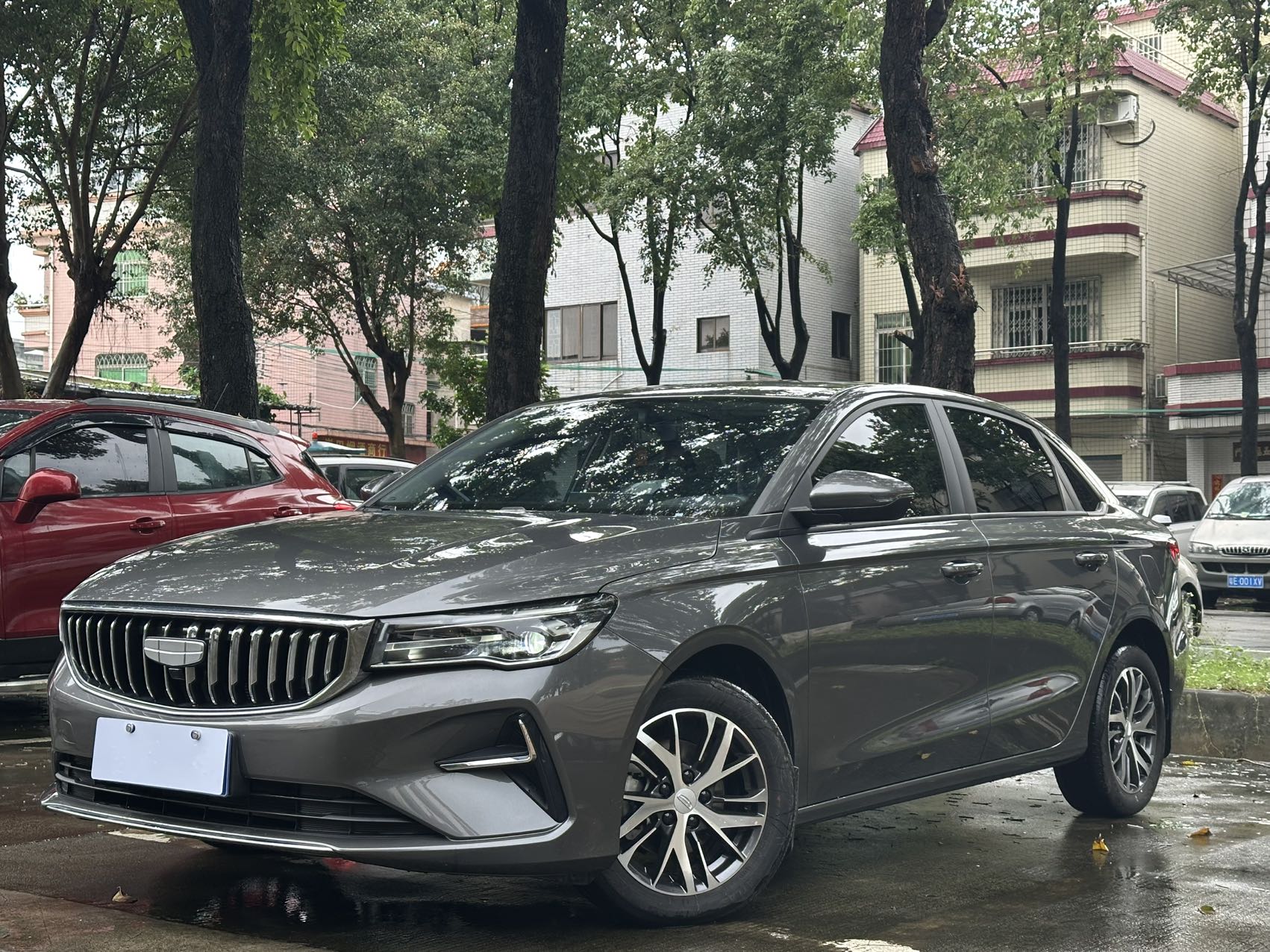
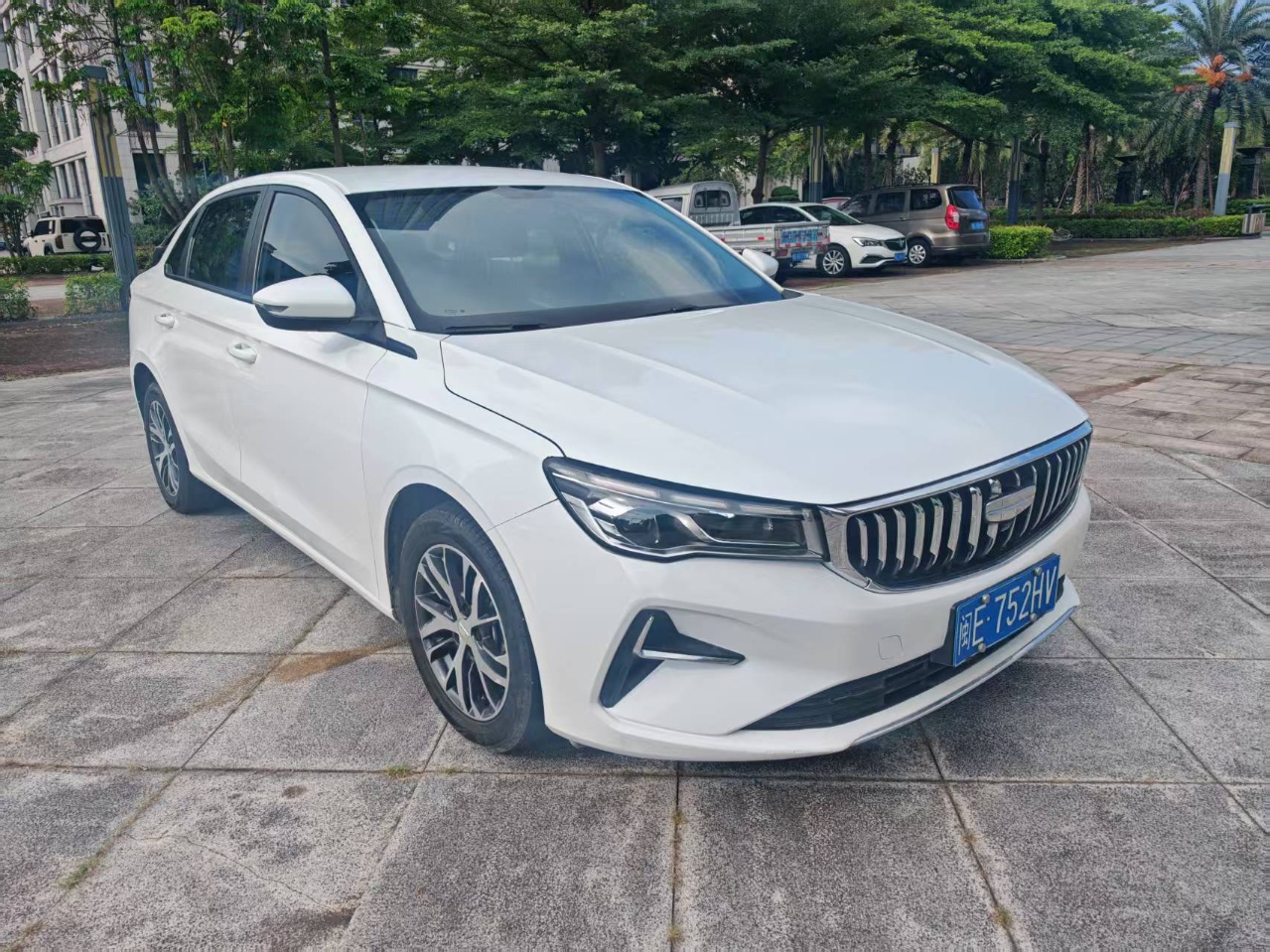
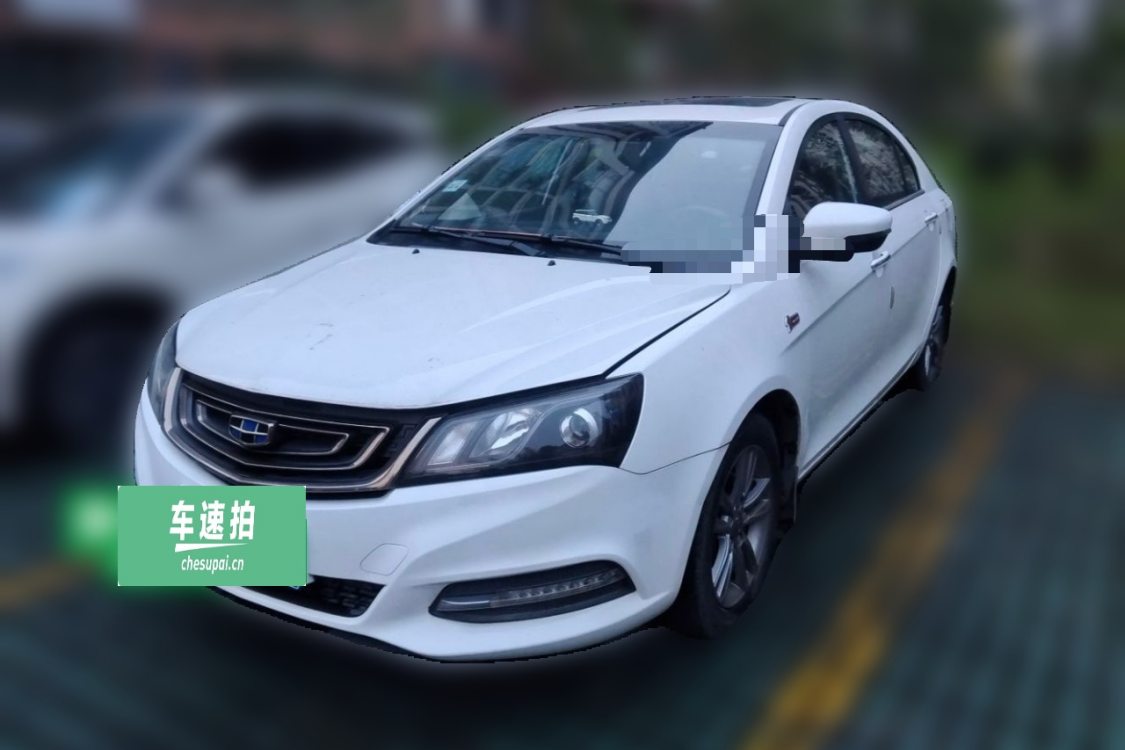
Basic Information

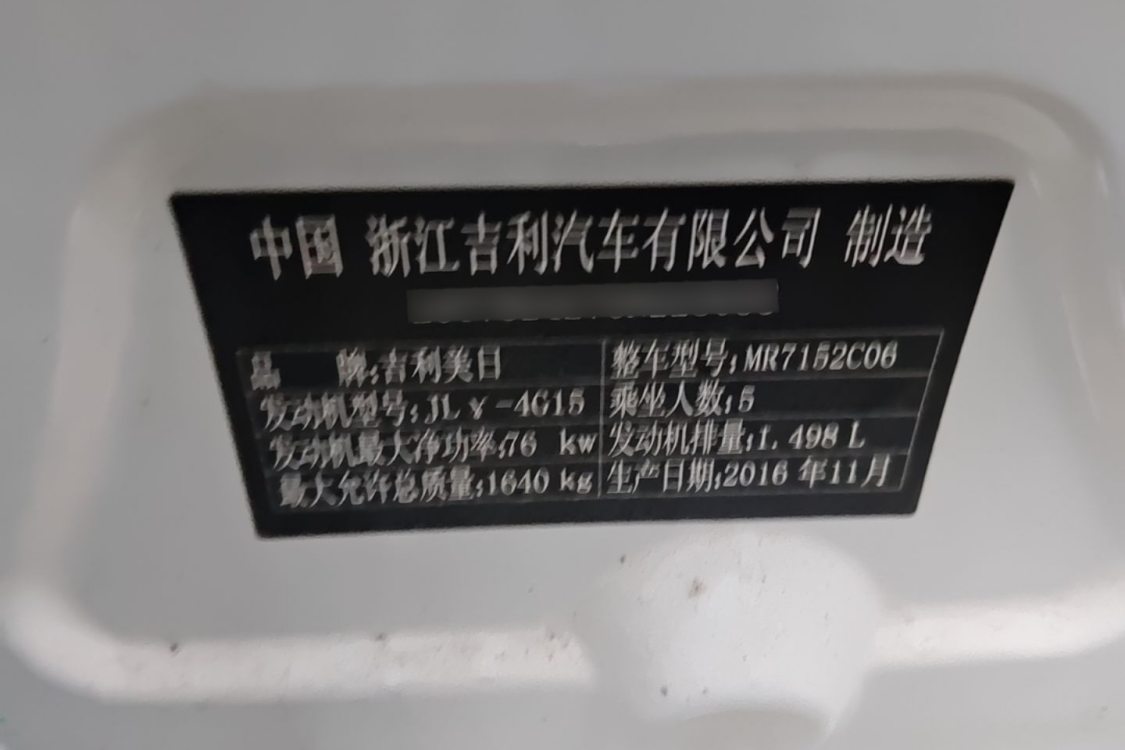
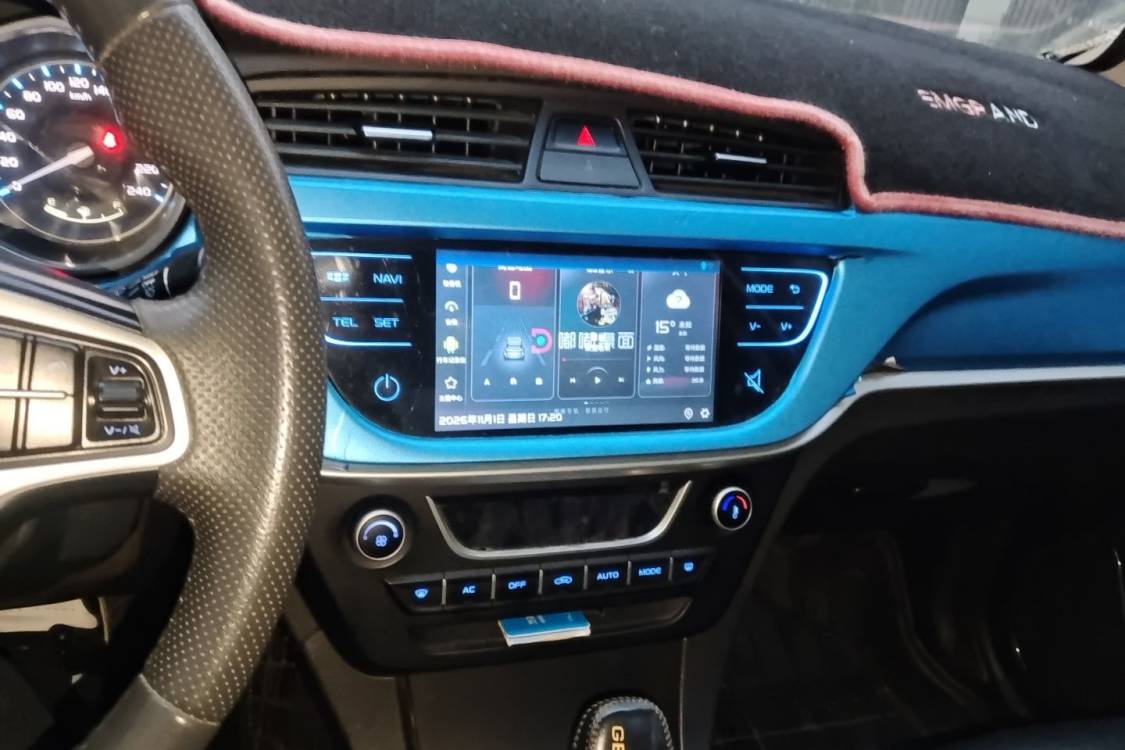
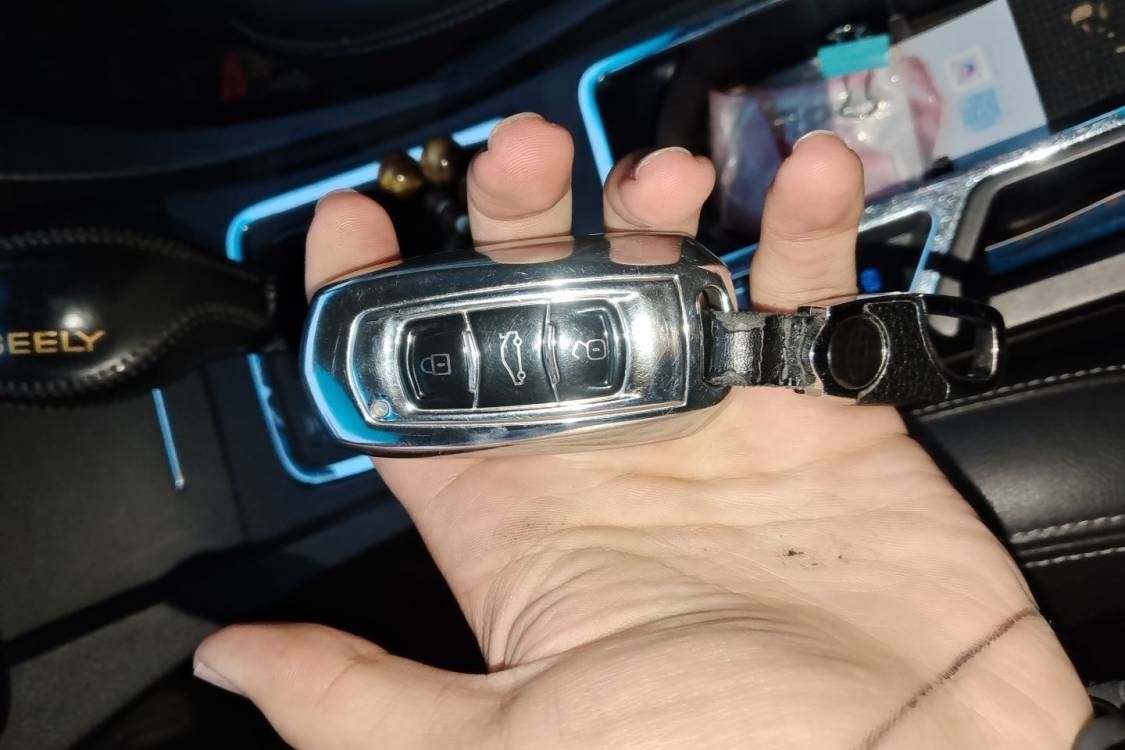
BrandGEELY
SeriesEmgrand
Year2016
First Registration2016/12
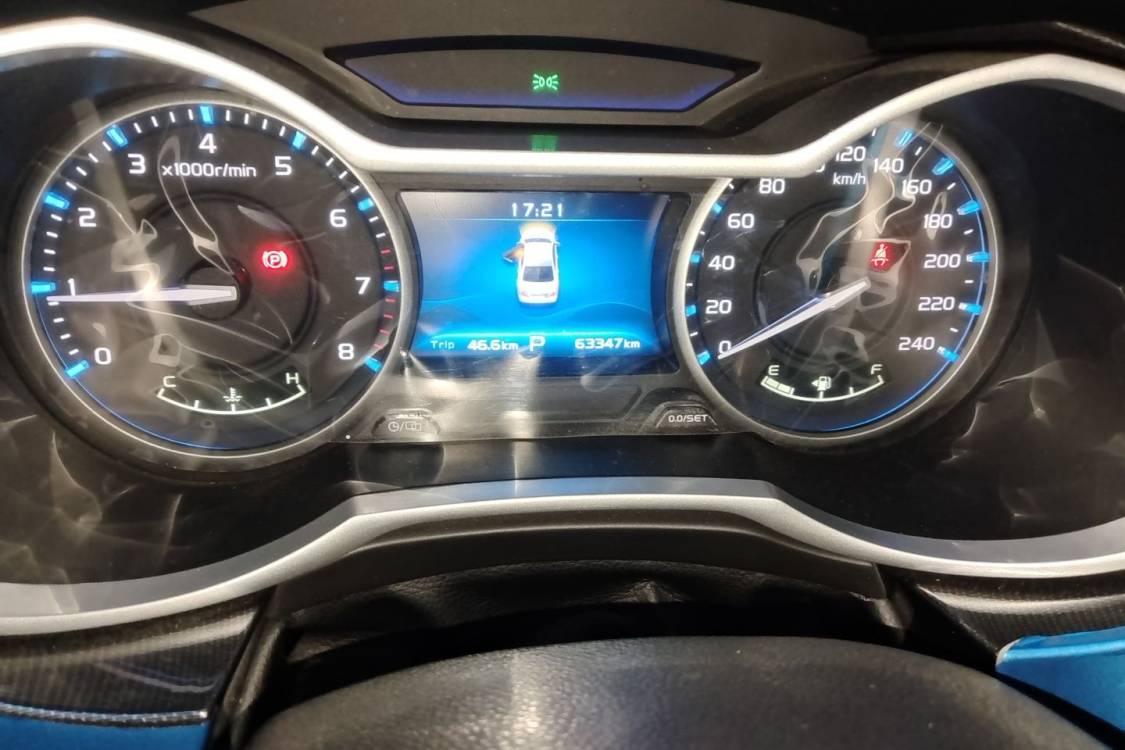
Mileage63,300km
Transfer Count1times
FuelGasoline
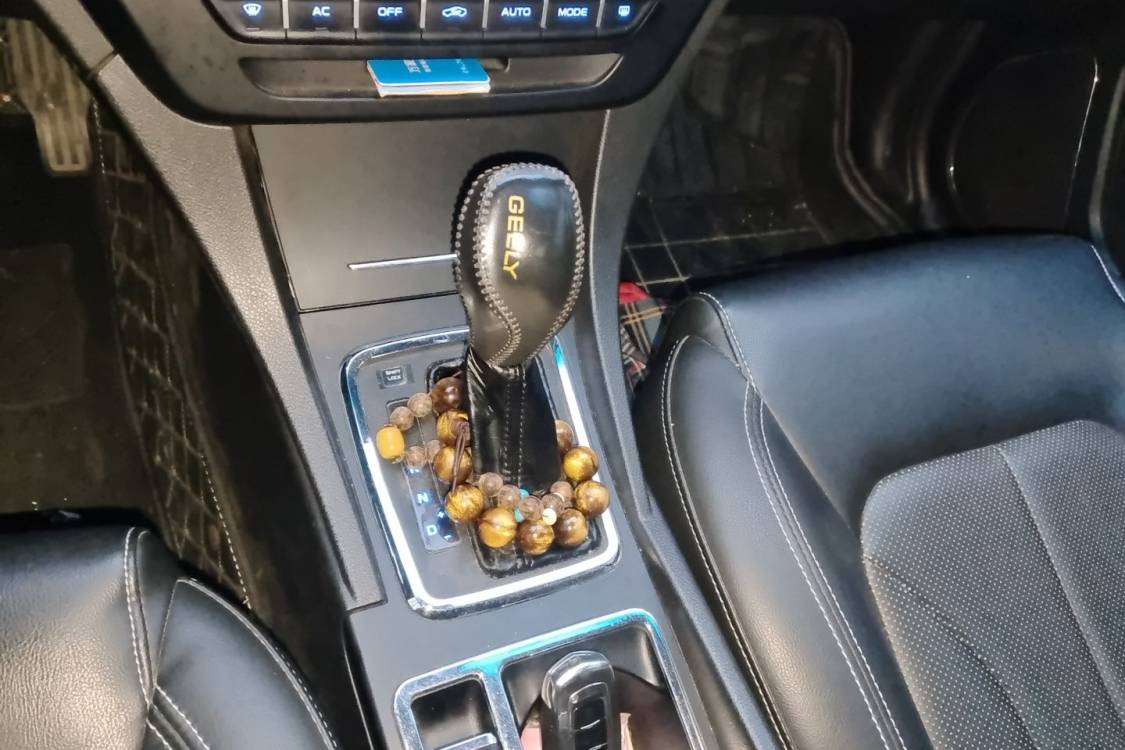
TransmissionCVT
Engine1.5L 109 L4
ColorWhite
Seats-

Condition Description

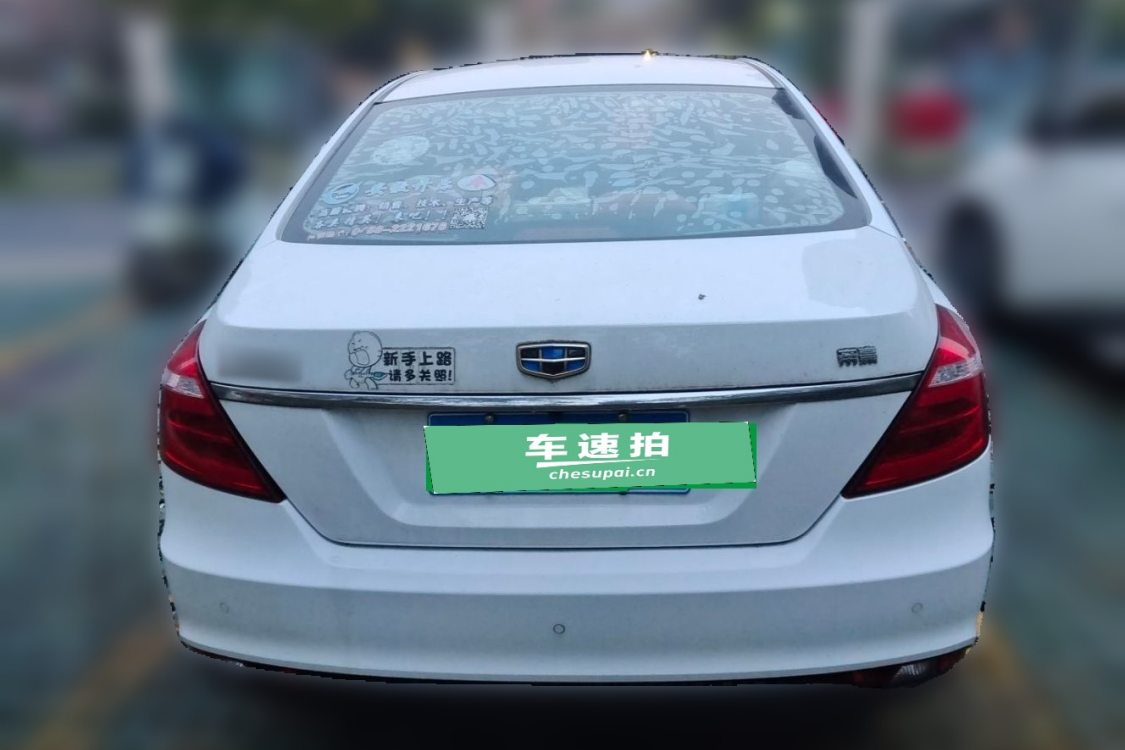
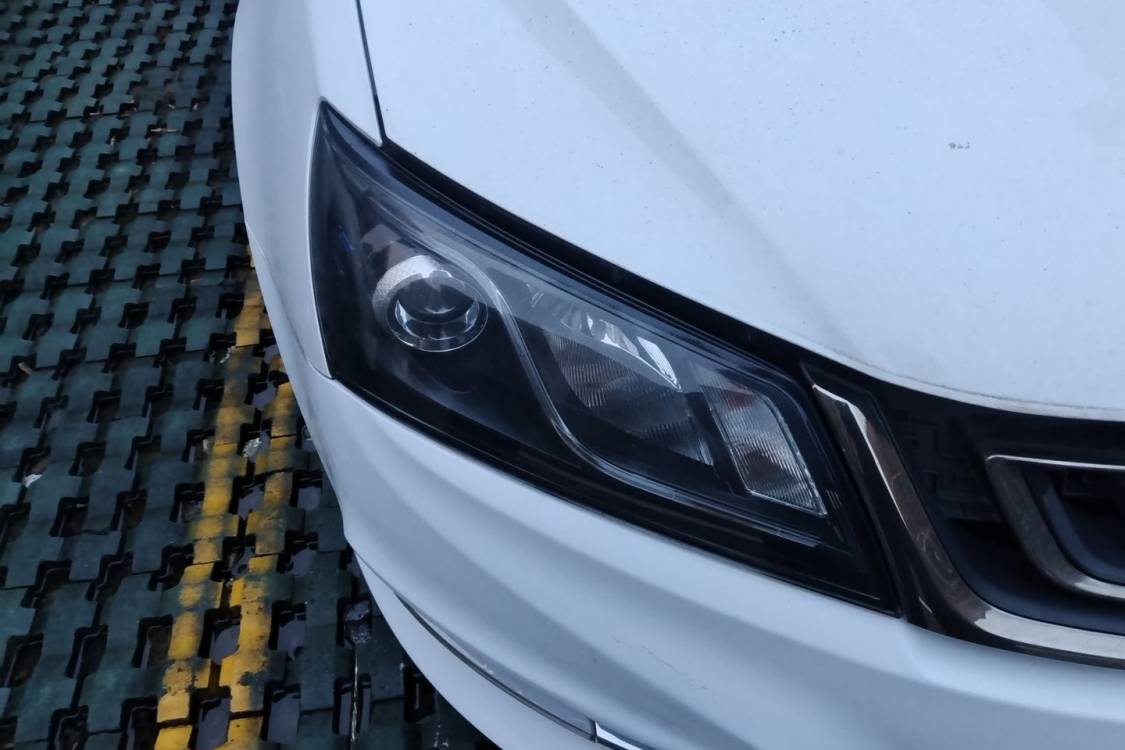
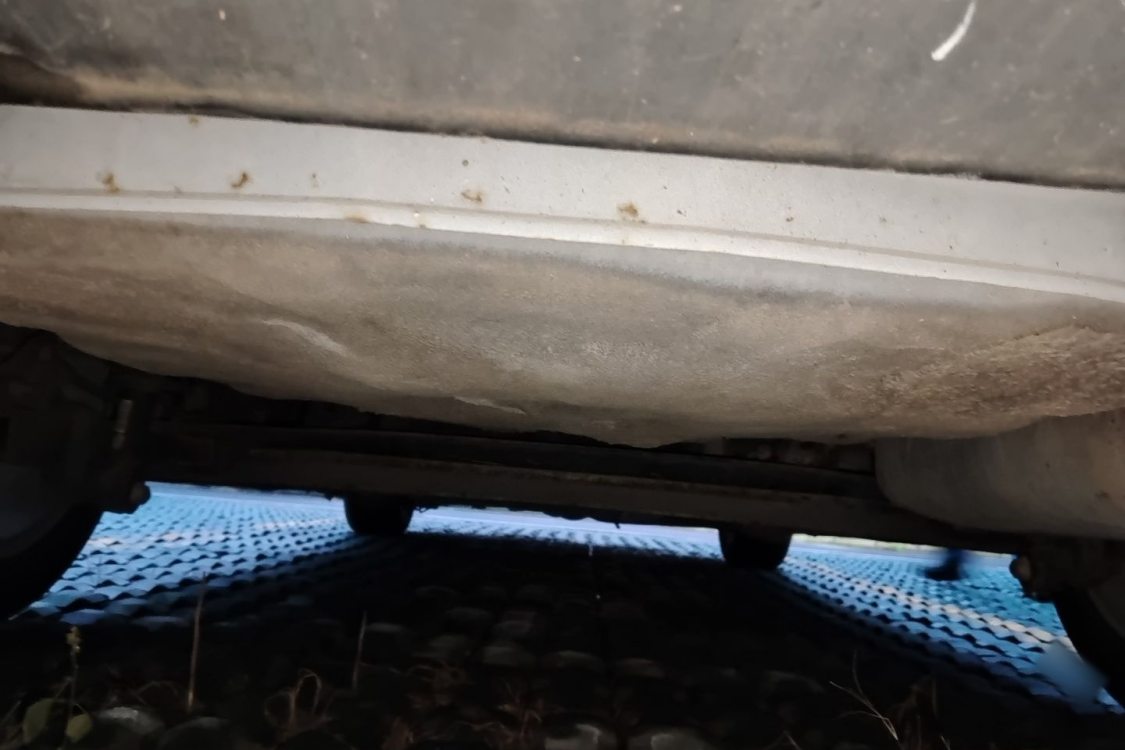
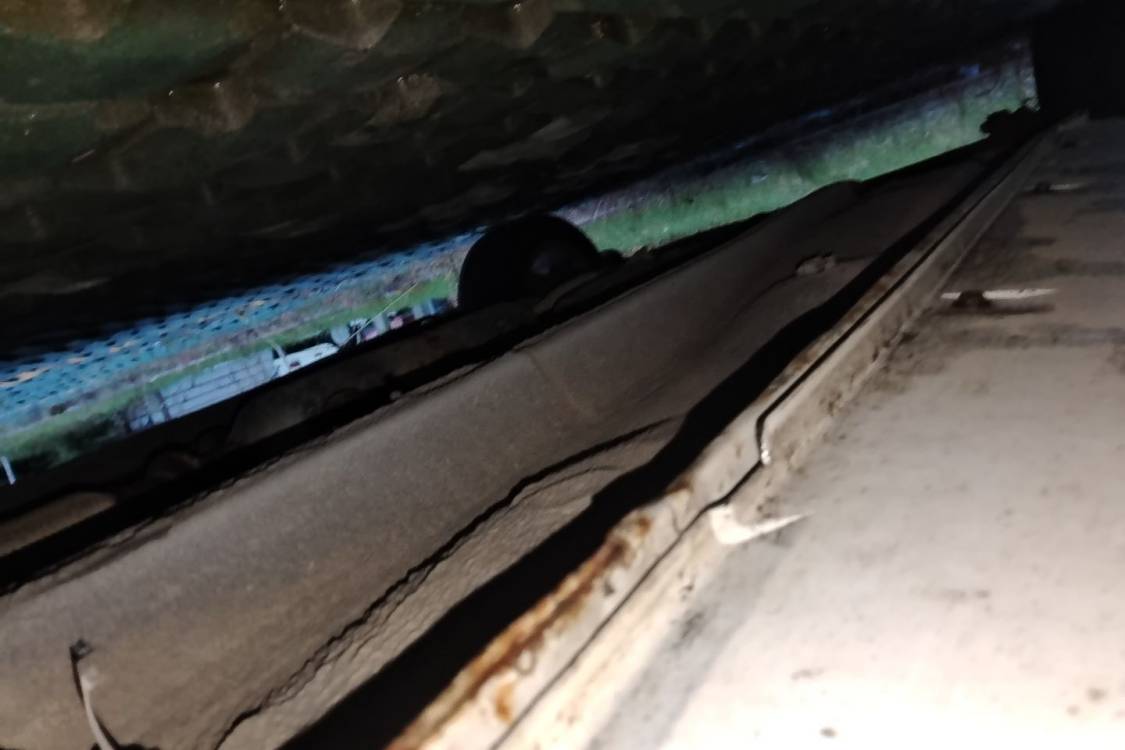
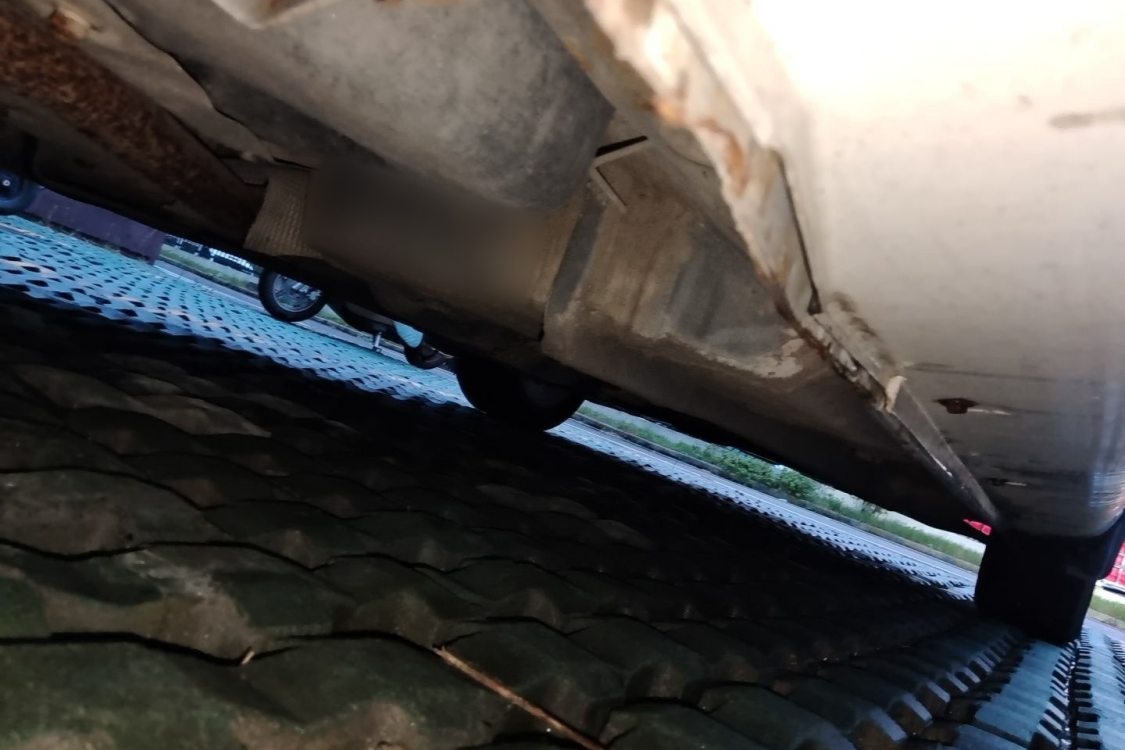
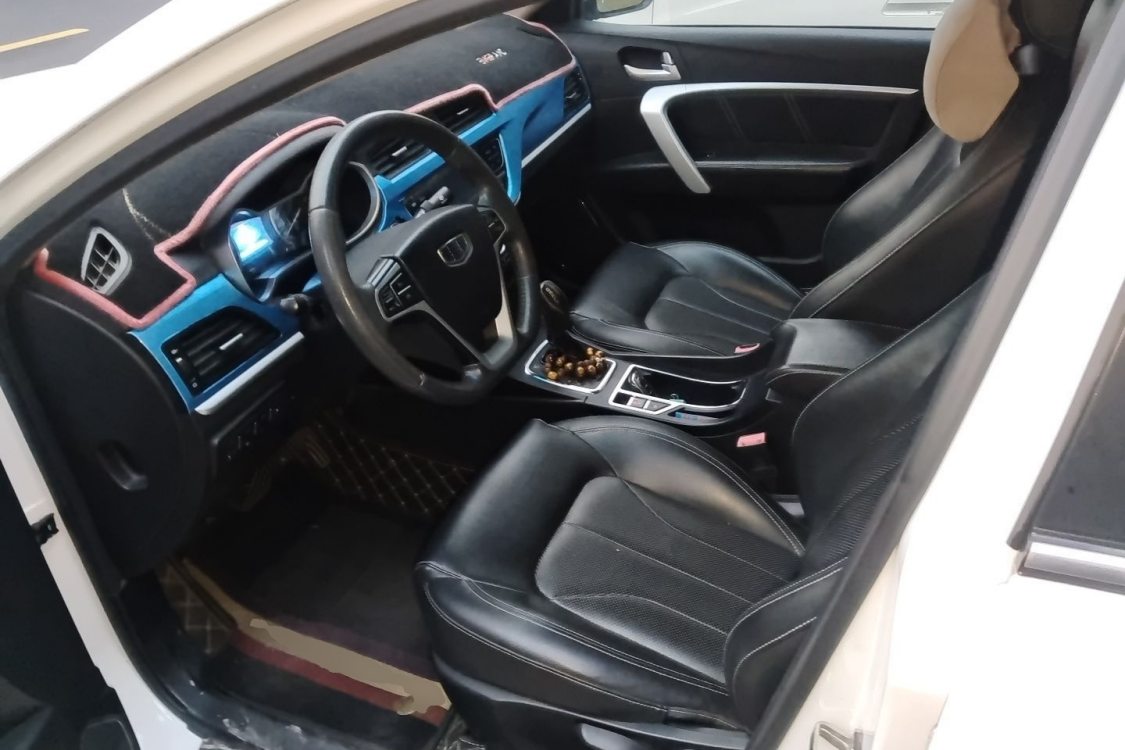
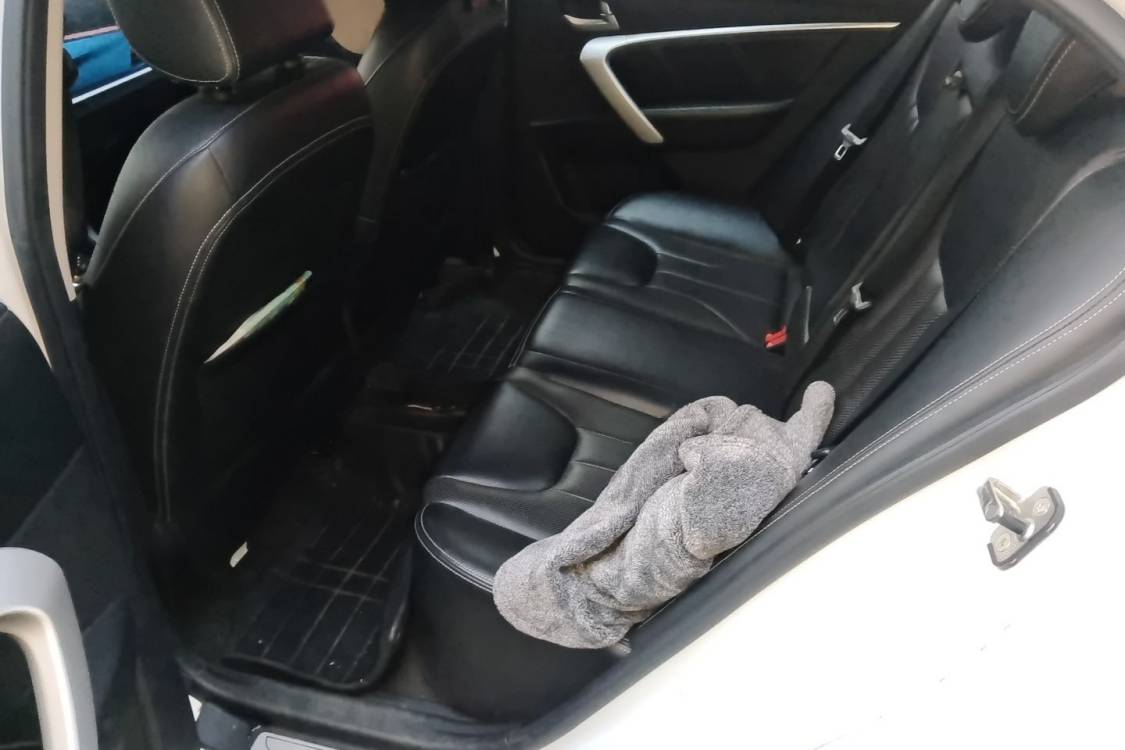
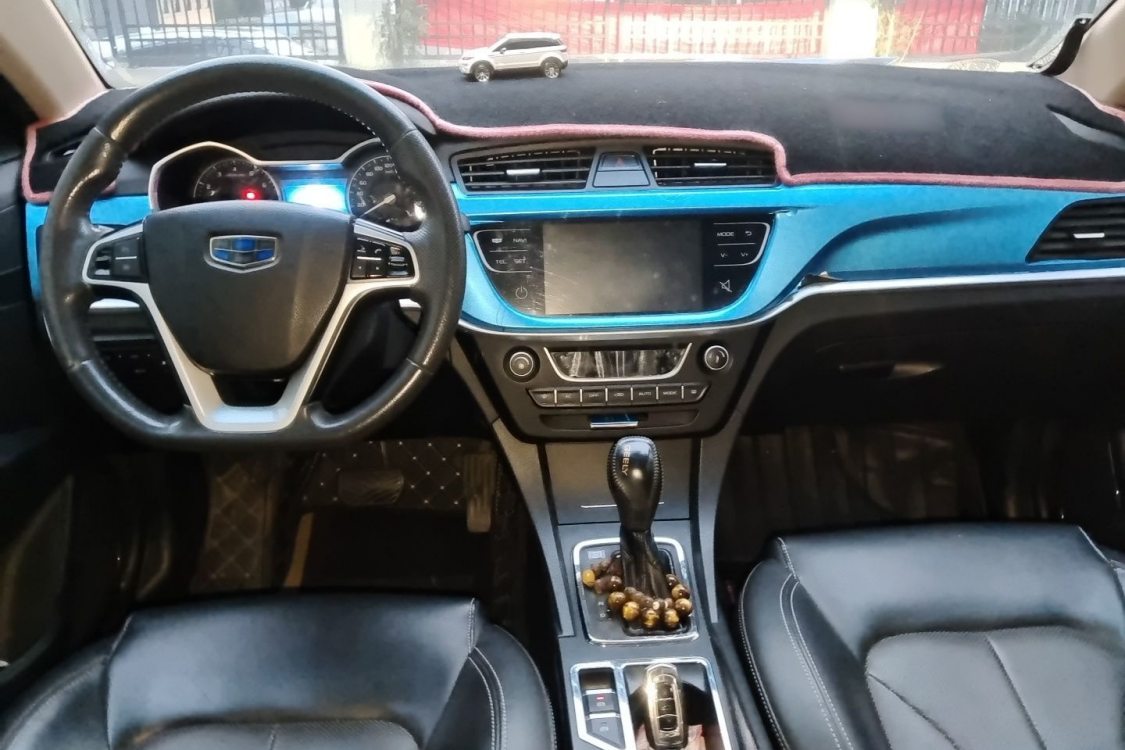
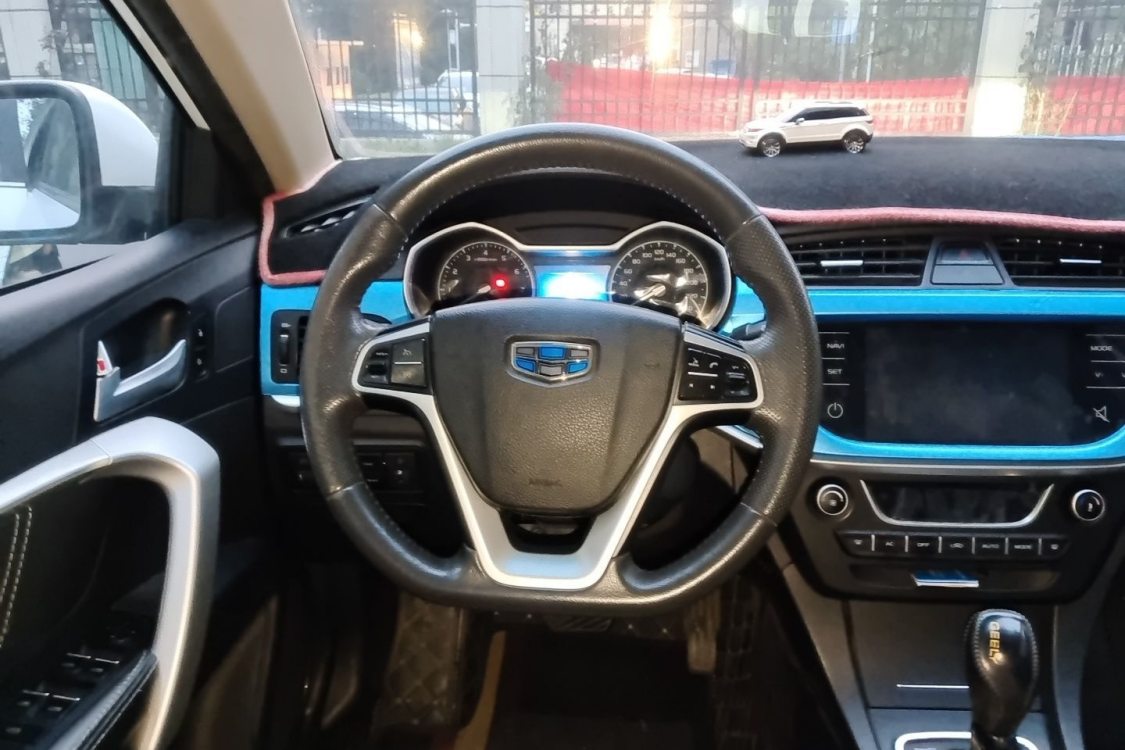
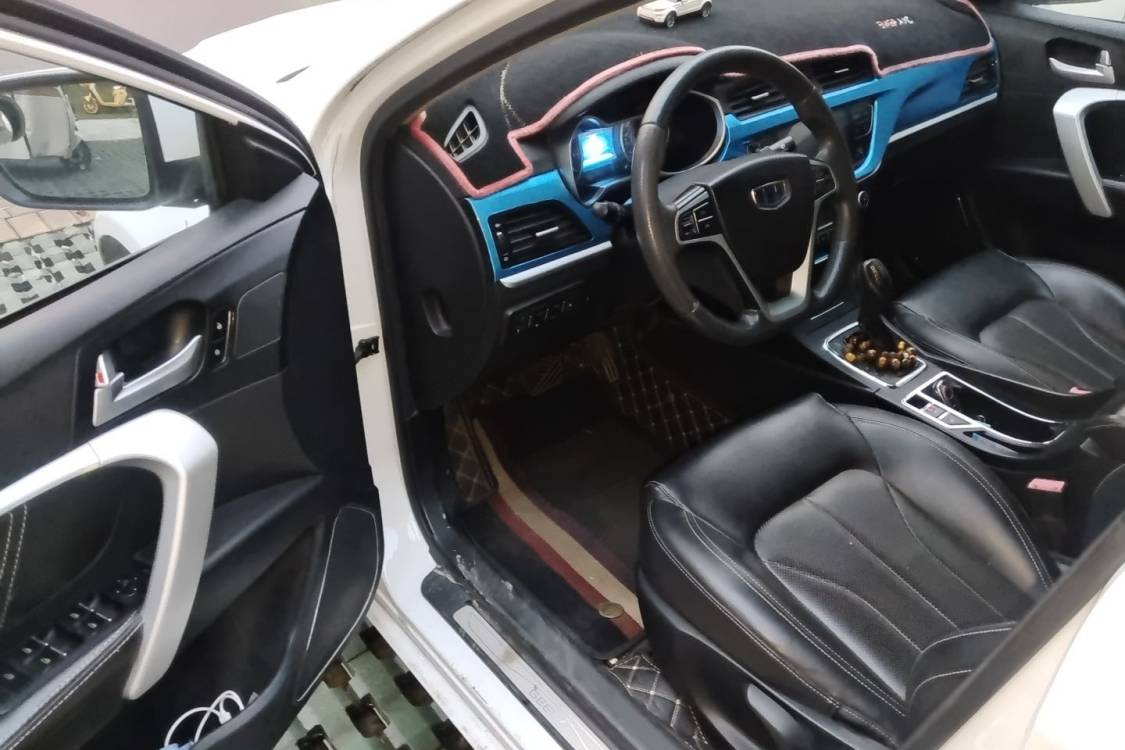
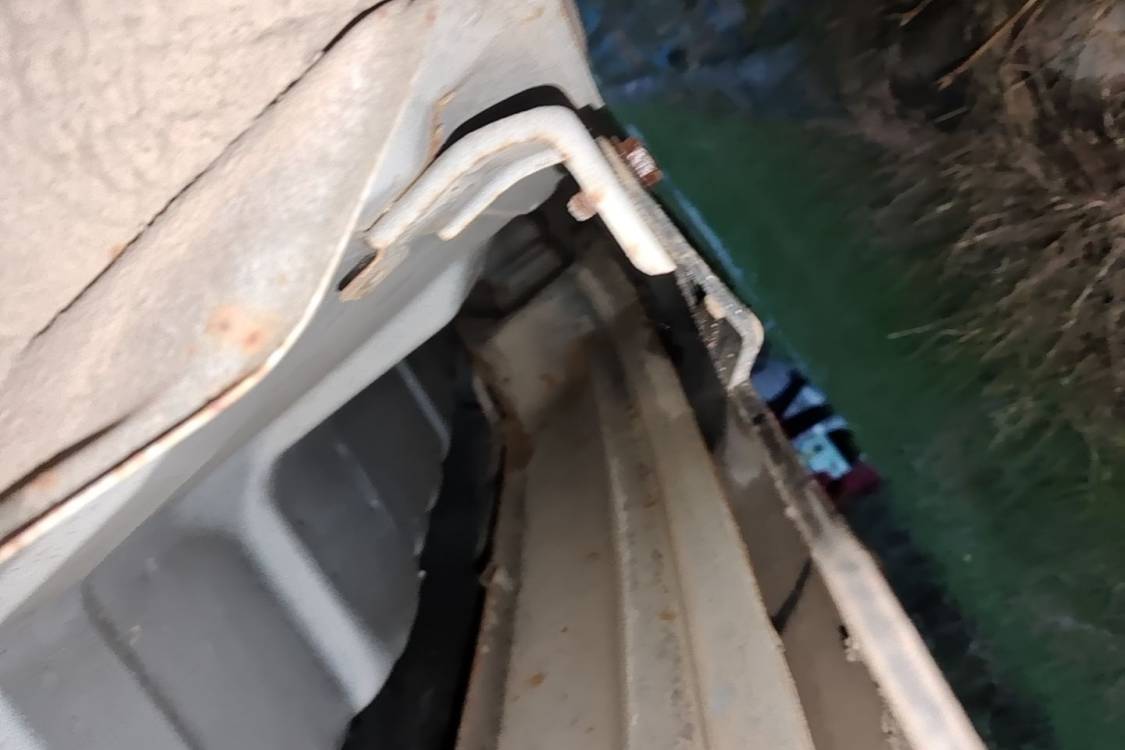
Localized body damage or repair marks; no accident damage or repair to structural and reinforcement components. Vehicle performance (including three-electric system) has degradation or limited performance.

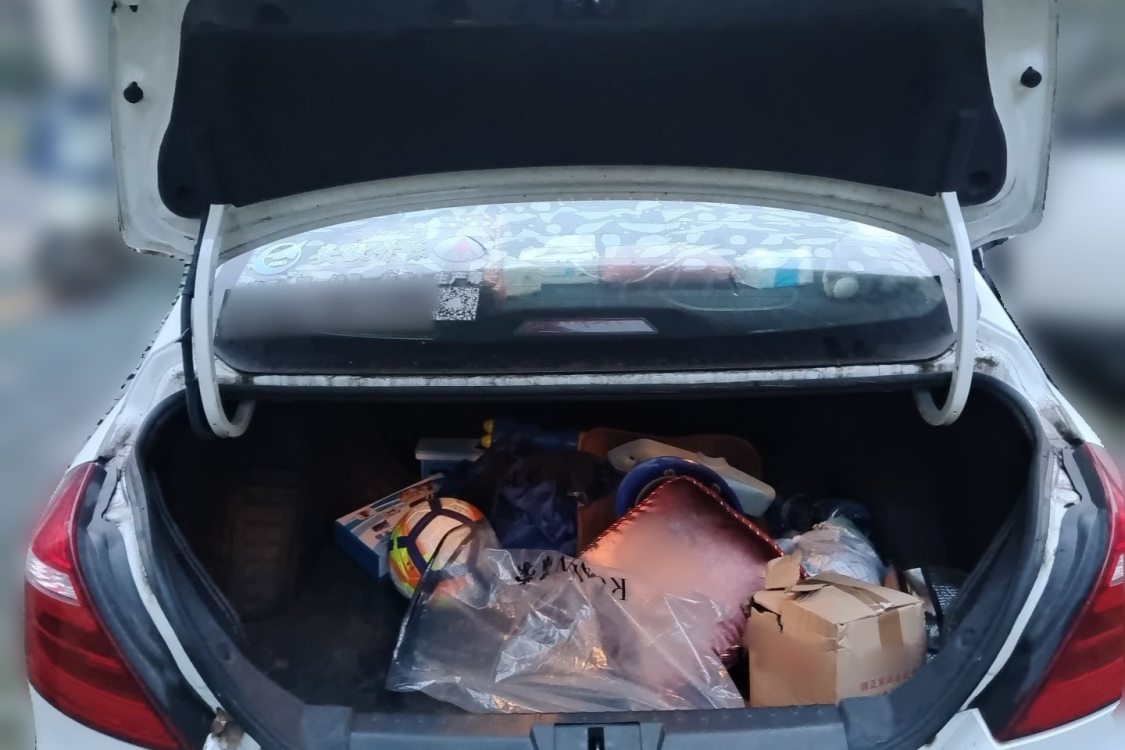
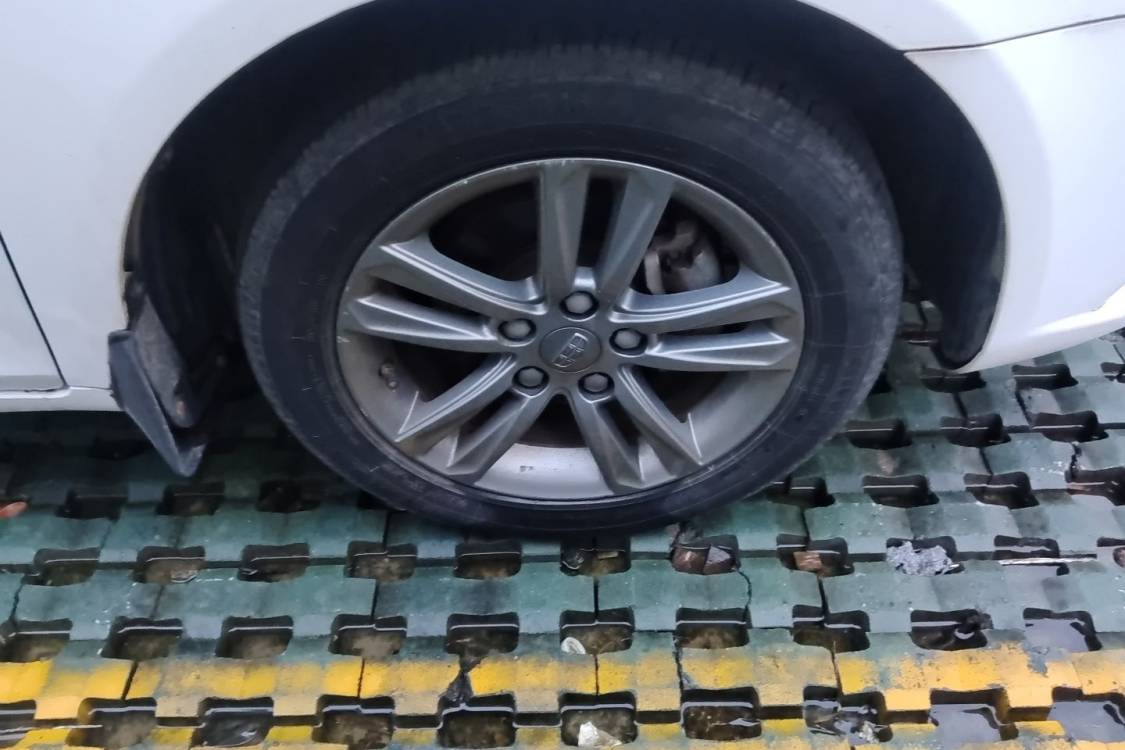
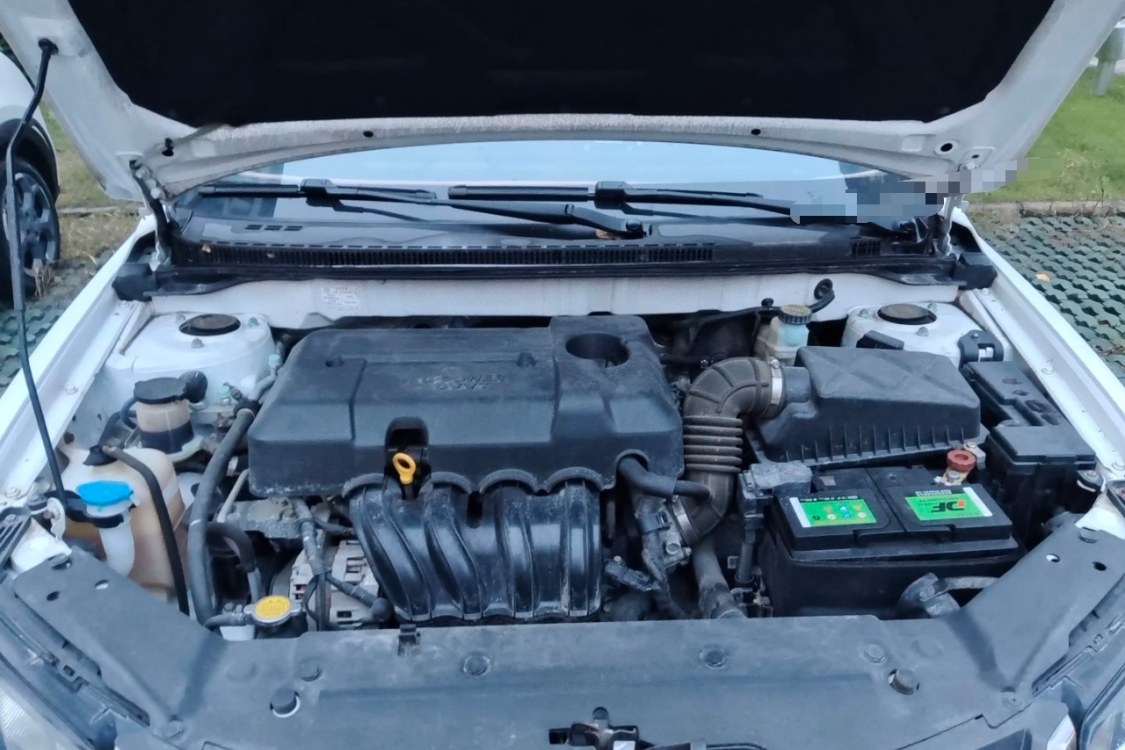
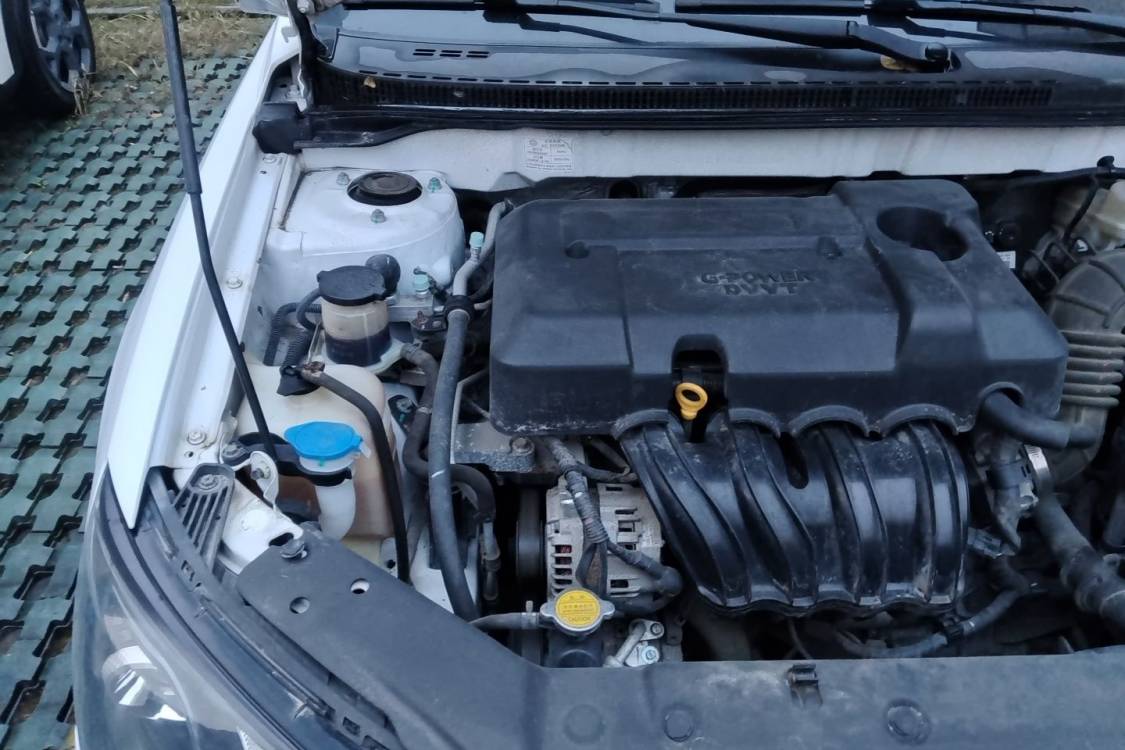
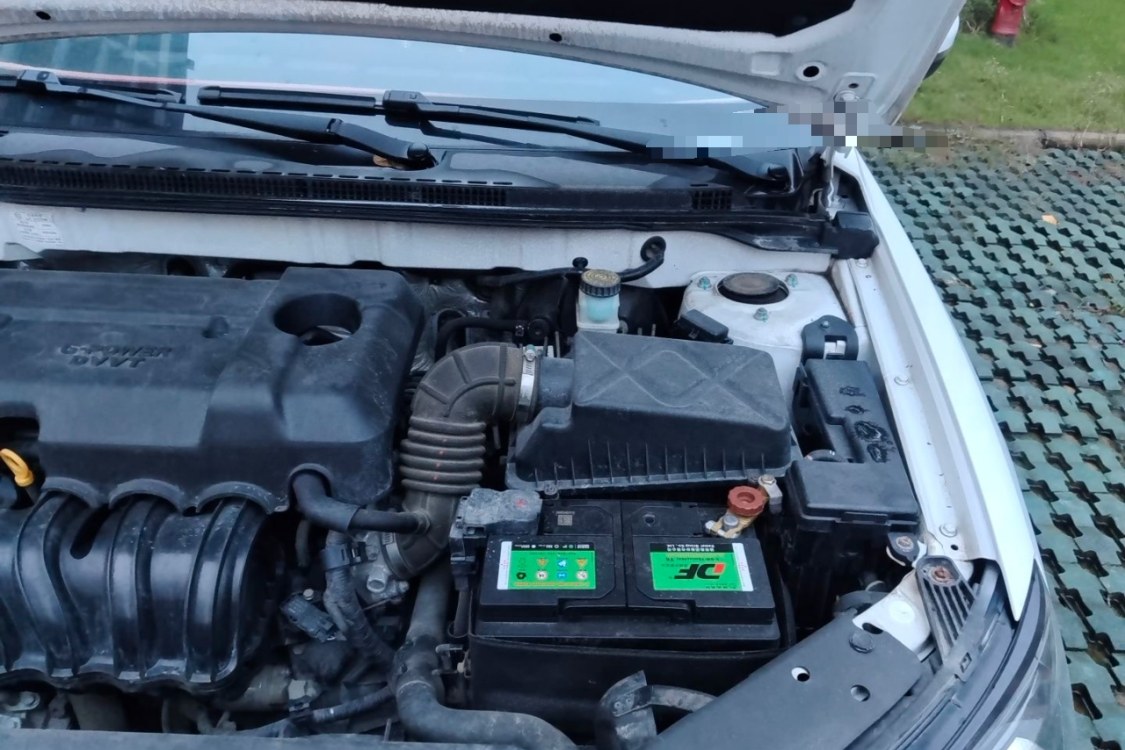
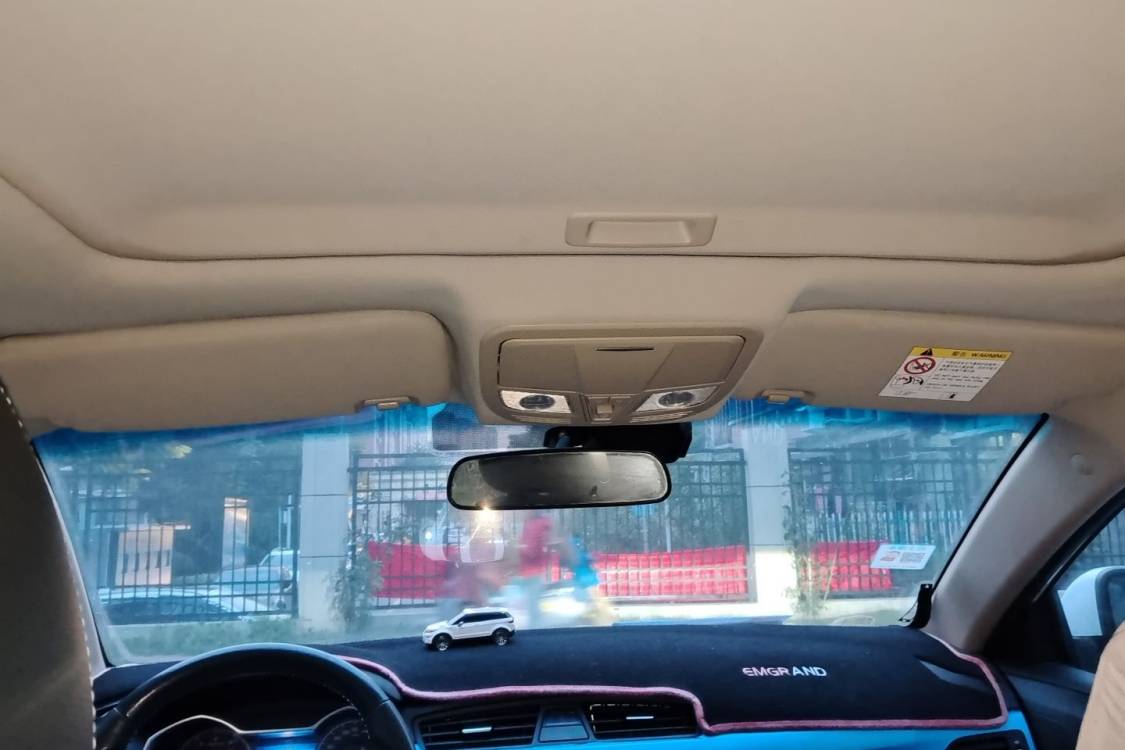
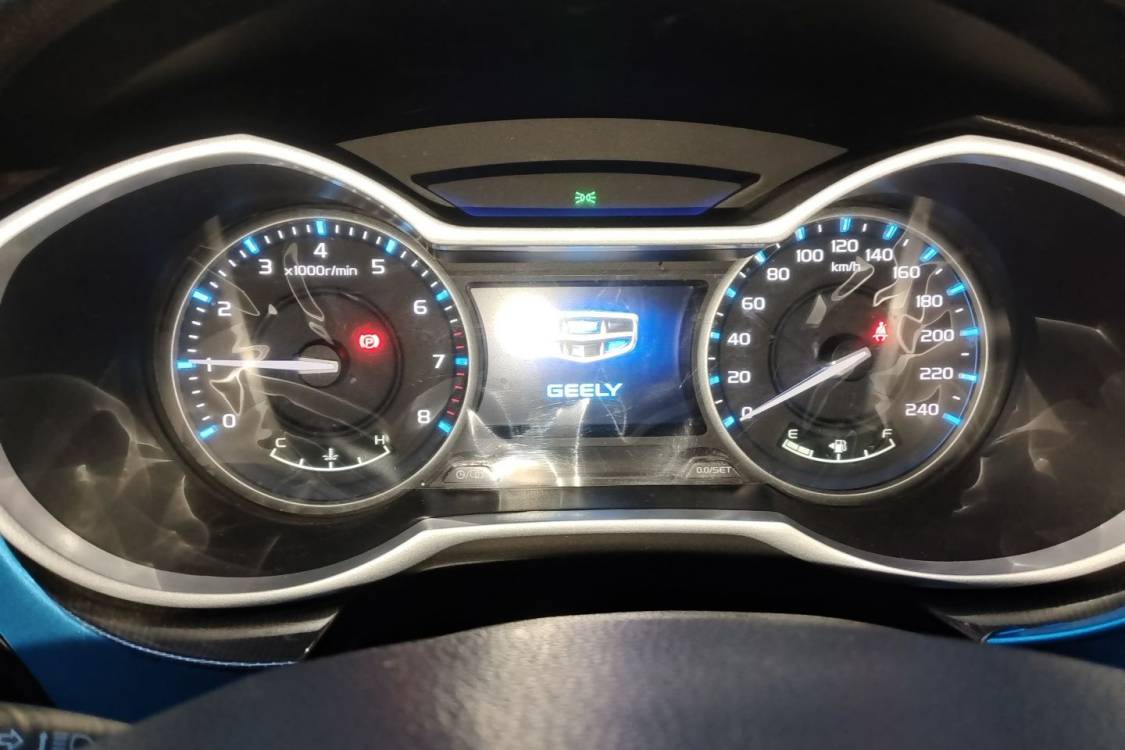
Accident inspection: main structure damaged, reinforcement parts damaged, cover panels damaged, hinges normal. Engine bay: key mechanical components normal. Exterior: 2 areas of sheet metal repair. Interior: most functions normal, airbag normal, seatbelt normal, dashboard normal, instrument check normal, lighting system normal. Startup check: main components normal. Onboard tools: none.

电话直连
可讲价
平台物流
可转售
VIP车源
新检测标准升级>
非泡水

Document Information

Inspection Expiry Date2026/12
Warranty Expiry Date-
Insurance Expiry Date2026/11

Q&A

More

How do I decode a Chinese VIN and what can it tell me about a used car before I buy?

A Chinese VIN is 17 characters, and decoding it takes minutes but reveals a lot. Positions 1-3 are the World Manufacturer Identifier. Cars sold domestically in China usually start with L (for example LFV for FAW-VW, LGB for Dongfeng Nissan), which tells you it was built in China rather than imported. Position 10 is the model year letter or number. Positions 4-8 describe the model, body type, and drivetrain, so you can verify the seller's description matches the actual car. Cross-check the VIN in three places: the plate at the base of the windshield, the sticker on the door jamb or B-pillar, and the registration certificate. Mismatched VINs or signs the plates were re-riveted are a serious red flag for a cloned or rebuilt vehicle. Use the VIN to pull a history report from a Chinese data provider and to verify recall status with the manufacturer. Any seller who hesitates to share the full VIN is telling you something important.


How do you assess the bearing wear of the motor and the oil condition of the reducer?

The technician will put the vehicle in neutral on the lift, rotate the wheels, and listen for any abnormal metal gear whine from inside the motor reducer, and check for gear oil leaks at the joints of the reducer housing.

How do I evaluate rust and corrosion on a used car from China, especially for coastal cities or snowy regions?

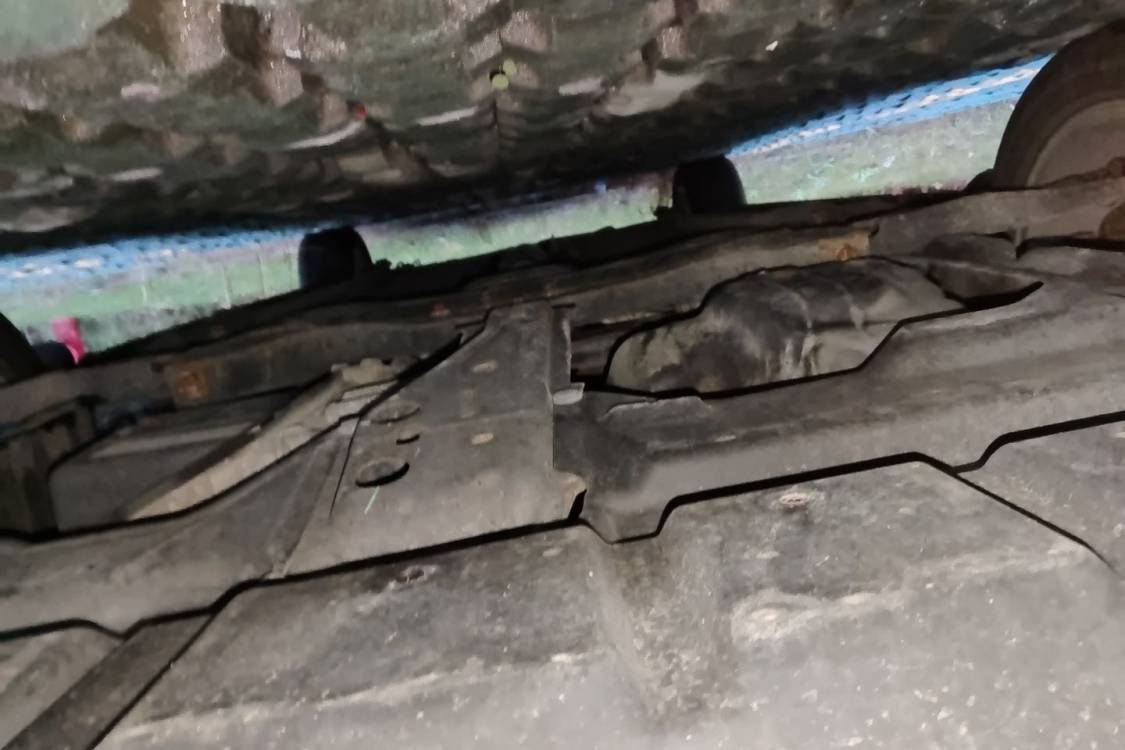
Rust is a deal-breaker that photos can hide, so be systematic. High-risk areas to check: 1. Underbody and frame rails—surface rust is normal, but flaking or bubbling paint means advanced corrosion 2. Wheel arches and rocker panels—these trap mud and salt 3. Door bottoms and the trunk floor—water collects here; lift the trunk mat and look for dampness or repair welds 4. Around the windshield and sunroof drains—leaks cause hidden rust in the A-pillars Ask the inspector to do a magnet test: filler-repaired areas won't hold a magnet, indicating past accident repairs. A paint thickness gauge reveals resprayed sections—uniform readings around 80-150 microns are normal; spikes over 300 suggest bodywork. Cars from northern China (salted roads in winter) or coastal cities need extra scrutiny on the underbody. If structural members show corrosion, walk away—repairs rarely restore original strength.