


48H

Basic Information

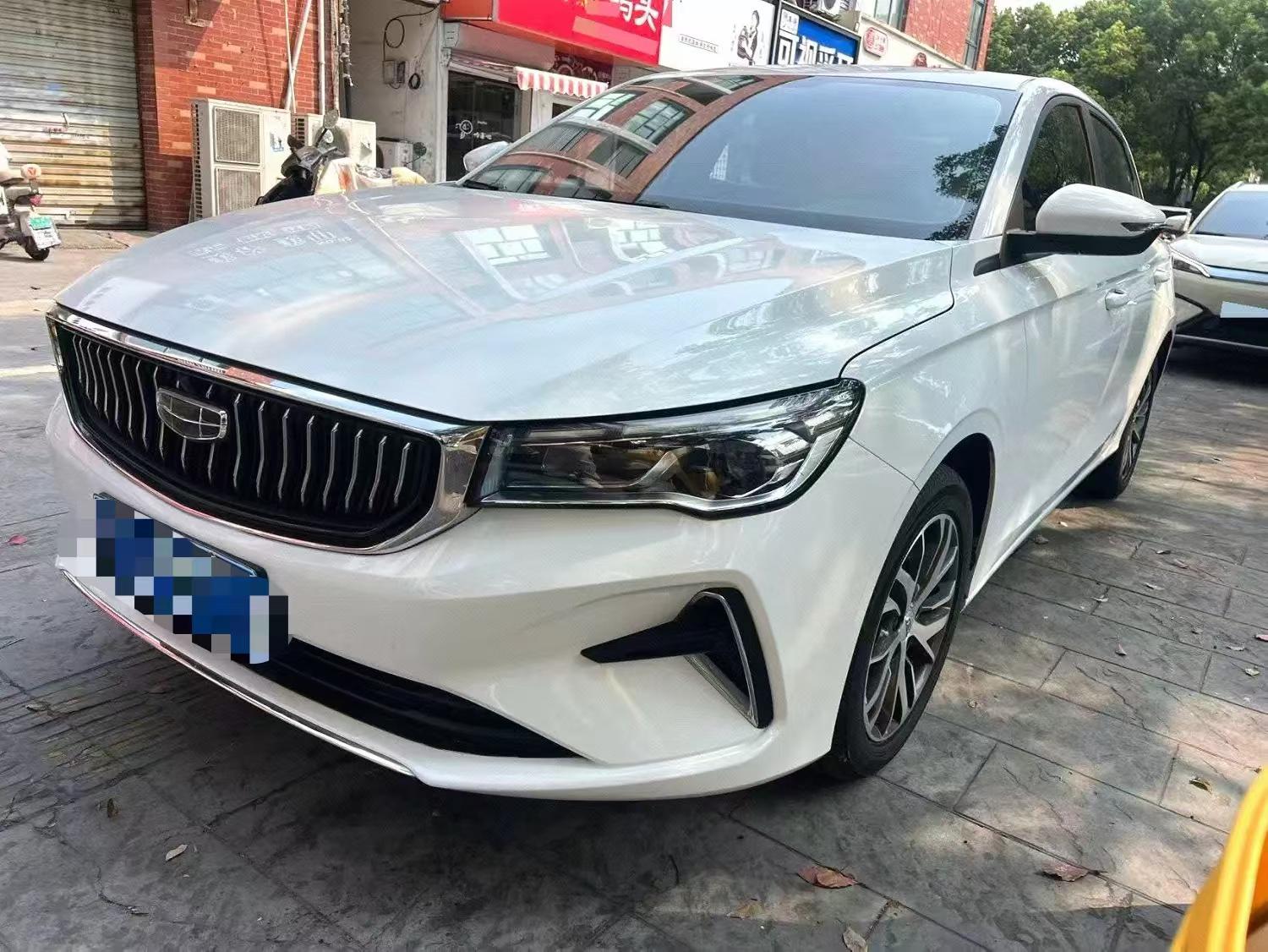
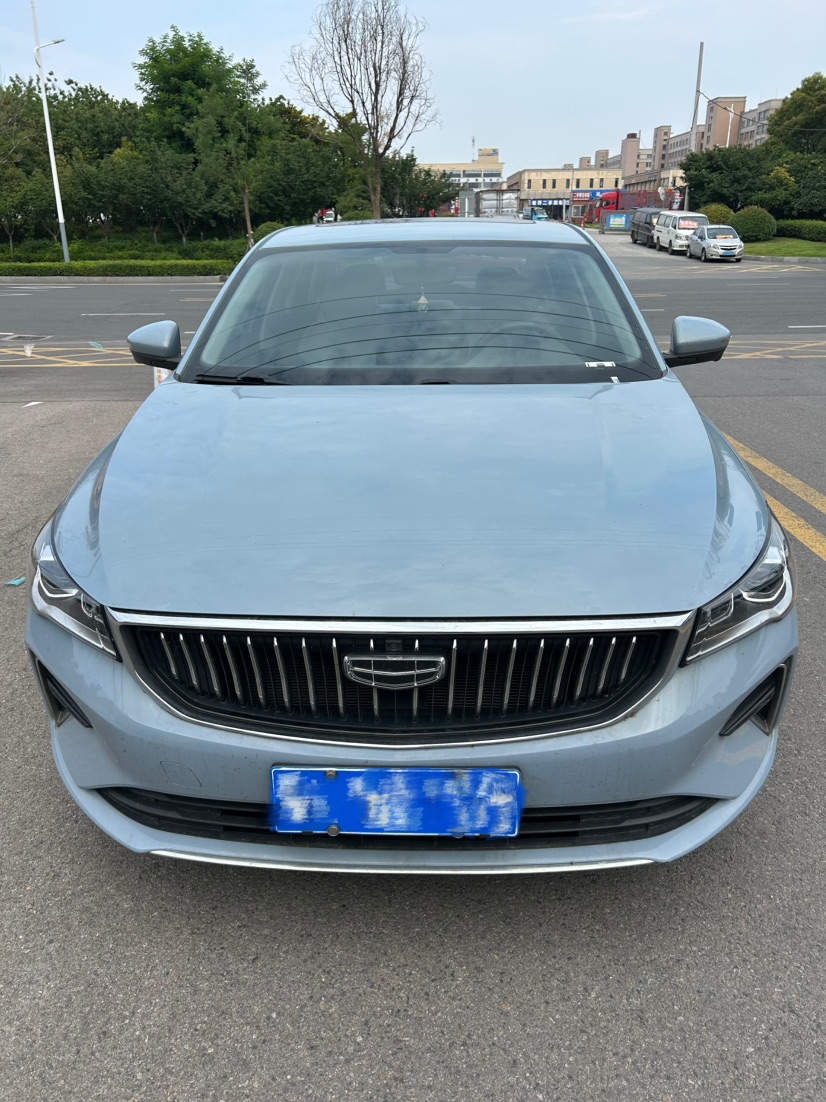
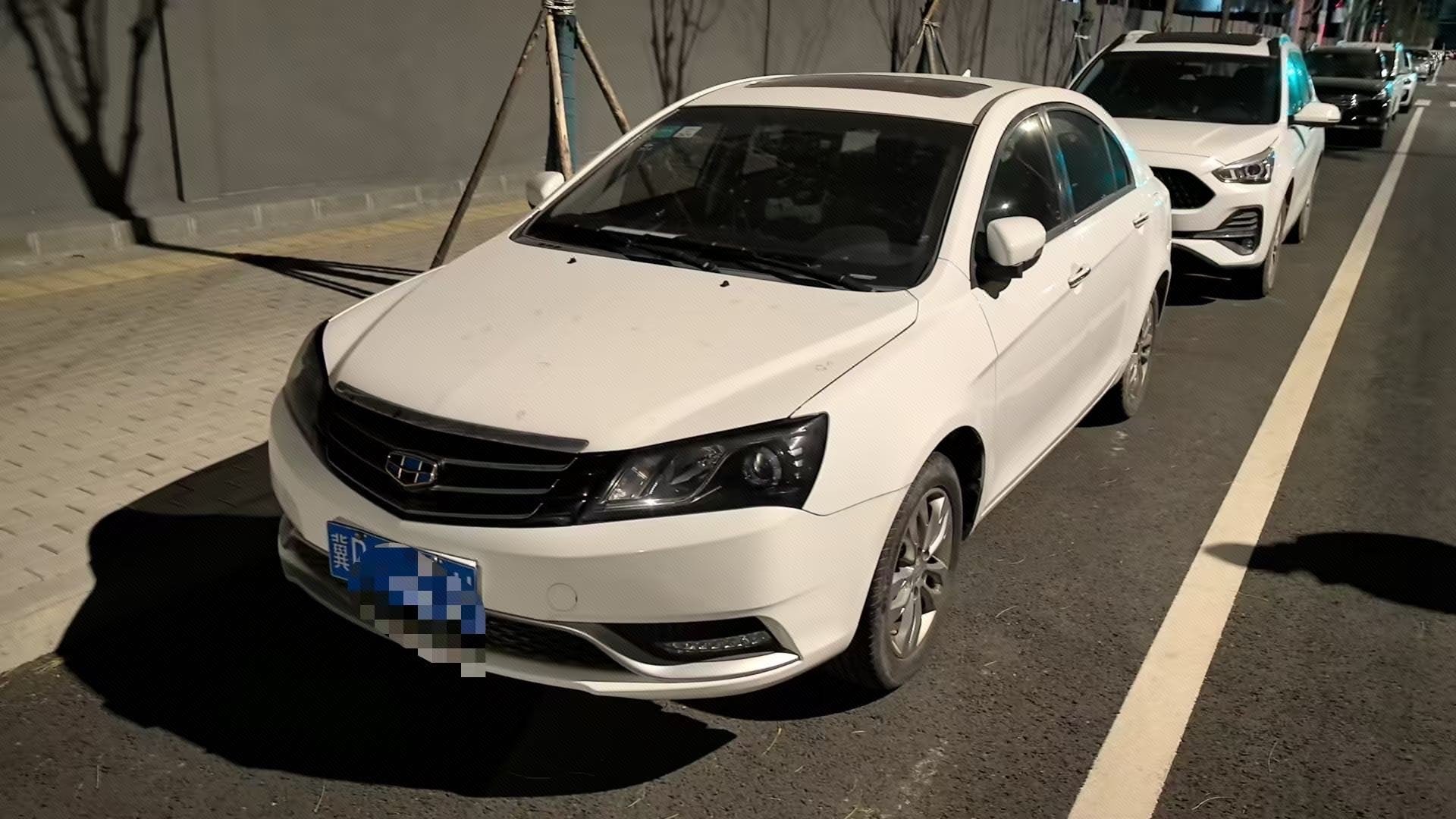
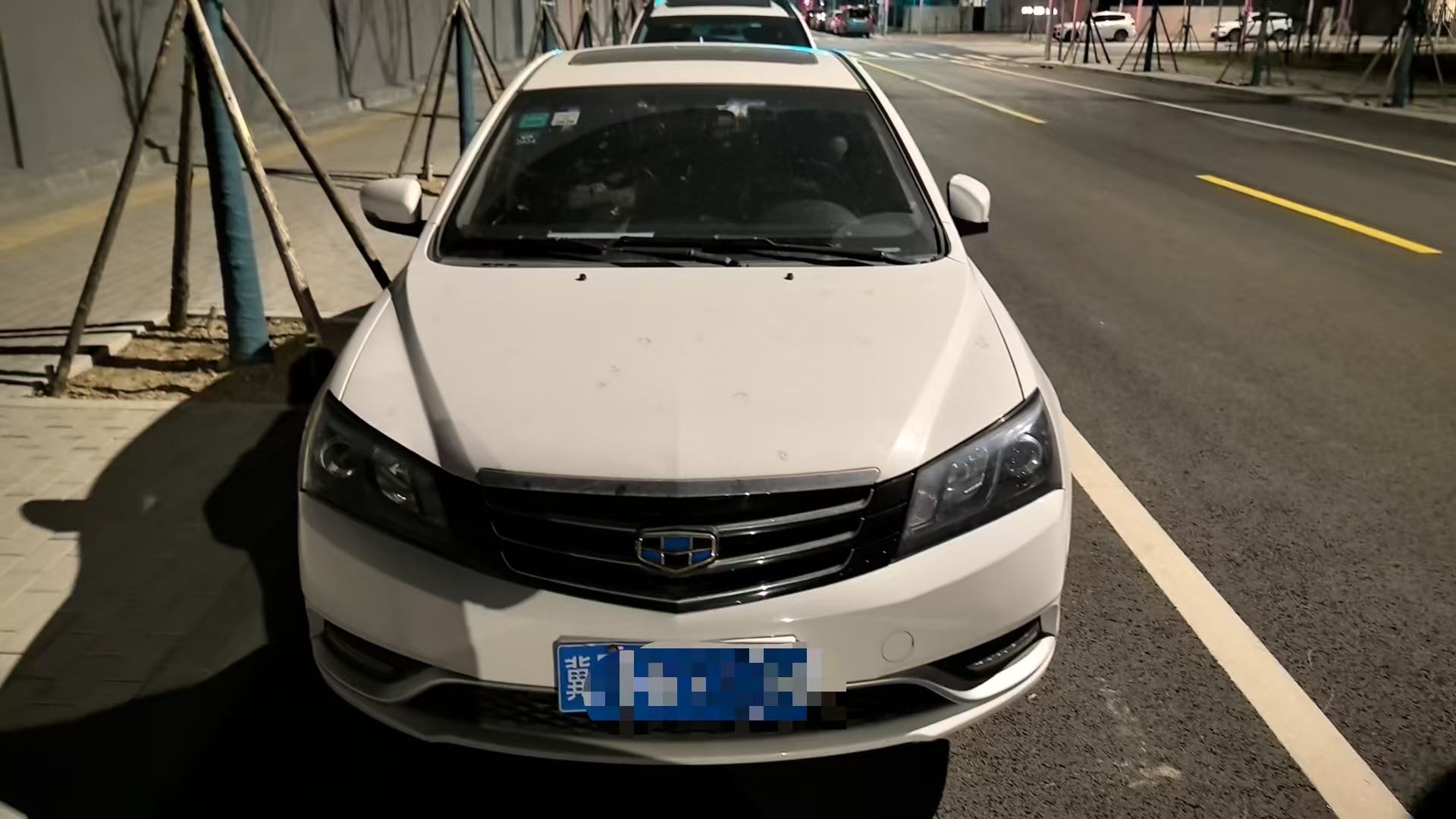
BrandGEELY
SeriesEmgrand
Year2016
First Registration2016/06
Mileage29,000km
Transfer Count0times
FuelGasoline
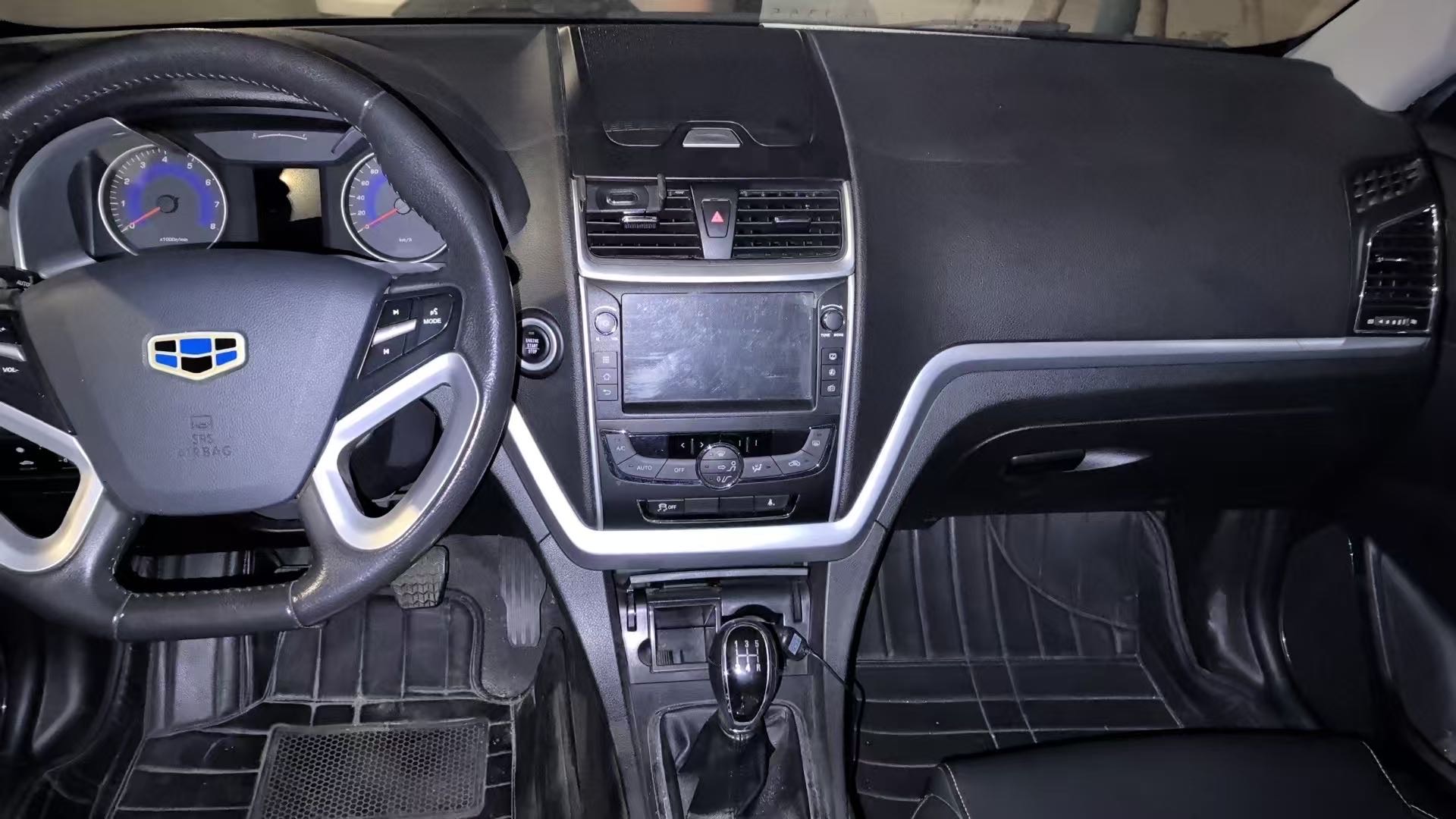
TransmissionManual
Engine1.5L 109 L4
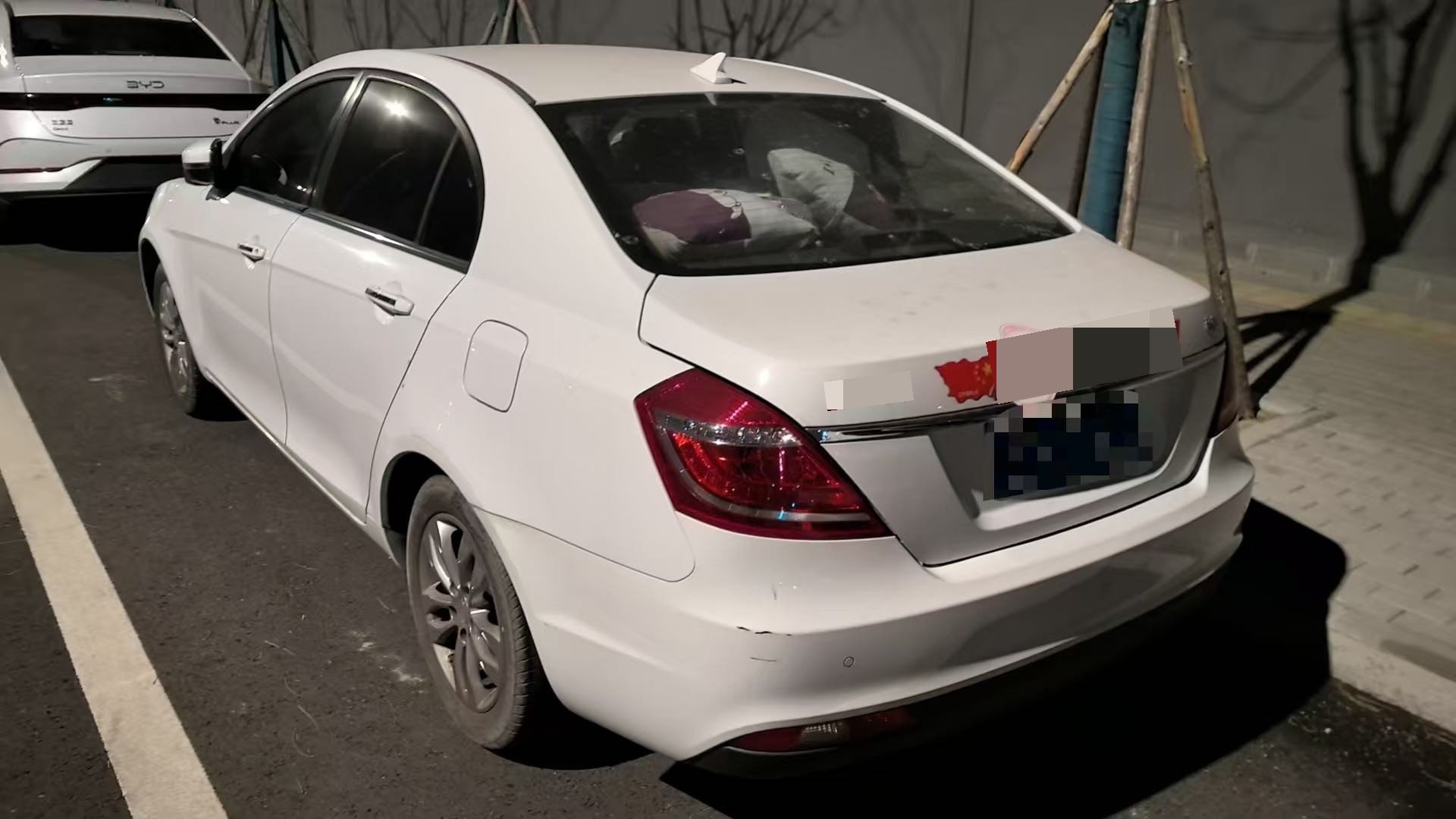
ColorWhite
Seats-

Condition Description

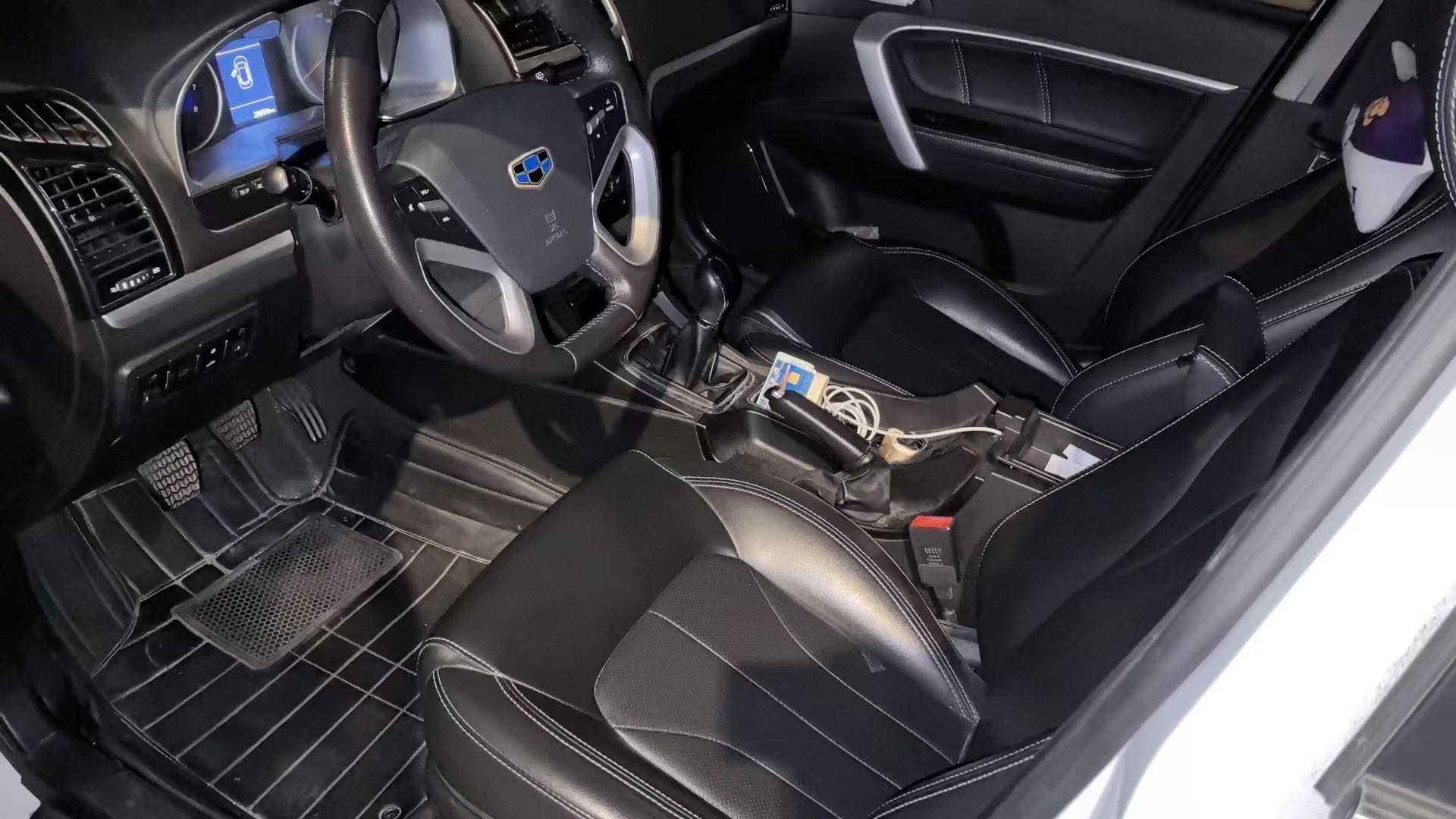
Body repair and repaint: left rear fender repaired and repainted.

Document Information

Inspection Expiry Date-
Warranty Expiry Date-
Insurance Expiry Date2027/06

Q&A

More

What level of condition should overseas buyers expect for cars older than 5 years?

Maintain objective expectations. Vehicles over 5 years old inevitably show signs of decreased paint gloss, slight aging of rubber seals, irreversible patina on interiors, and surface rust on chassis components. As long as core structure and mechanical failures are not involved, these are normal depreciation characteristics over time.


How can I confirm the seller actually owns the car and that it has no outstanding liens or loans in China?

Ask the exporter for a copy of the vehicle registration certificate (机动车登记证书). It lists every owner change and any mortgage registration. If the car was financed, there will be a lien entry; make sure a release entry follows it. You can also verify the VIN against public records through the traffic management platform (12123) — a legitimate exporter can generate a status report on the spot. Check that the seller's company name on the invoice matches the registered owner. For extra safety, require a written statement that the vehicle is free of liens, loans, court seizures, and lease agreements, and wire payment only to the company's corporate account after ownership is transferred to the export entity. That sequence — transfer first, payment second — is your strongest protection.

Why are the shipping costs for used electric vehicles (EVs) usually higher than for internal combustion engine vehicles (ICEs)?

Pure electric vehicles are classified as Class 9 Dangerous Goods due to their large lithium batteries, leading to strict shipping regulations. Shipping companies have high requirements for the loading position and fire isolation measures for dangerous goods, and some roll-on/roll-off ships refuse to accept used EVs. As a result, EVs often require more expensive special container shipping and incur additional handling fees for hazardous materials.