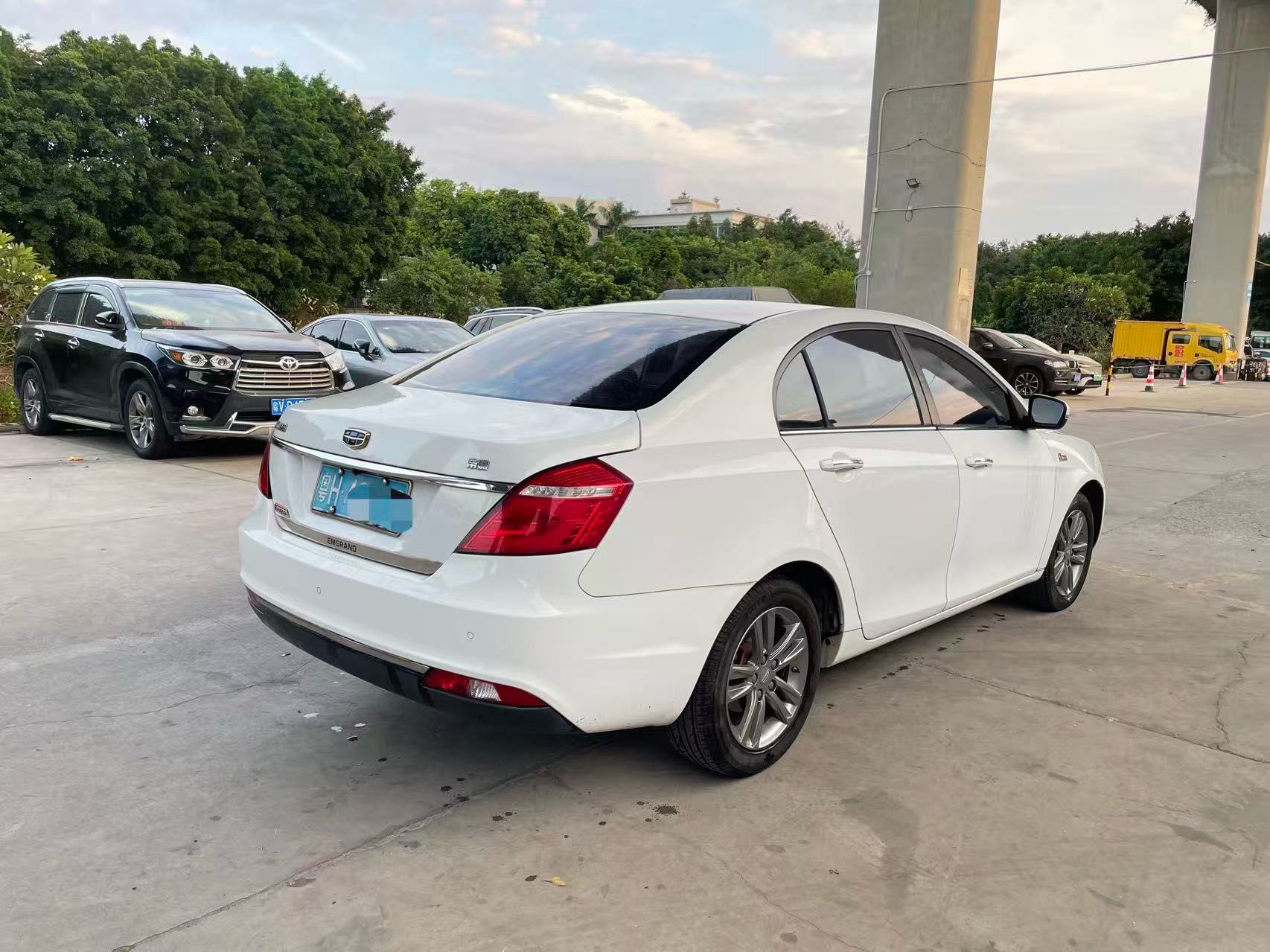
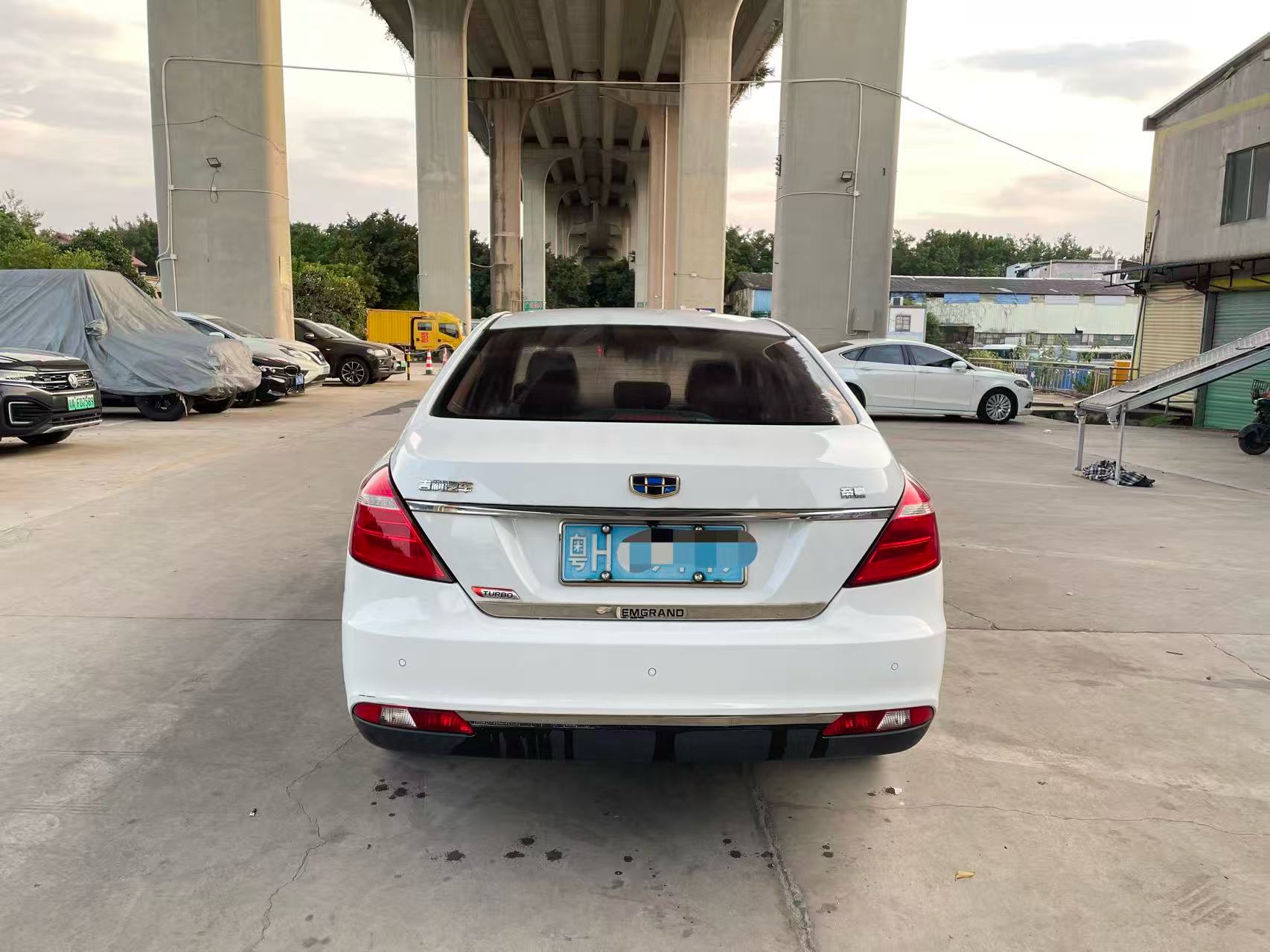
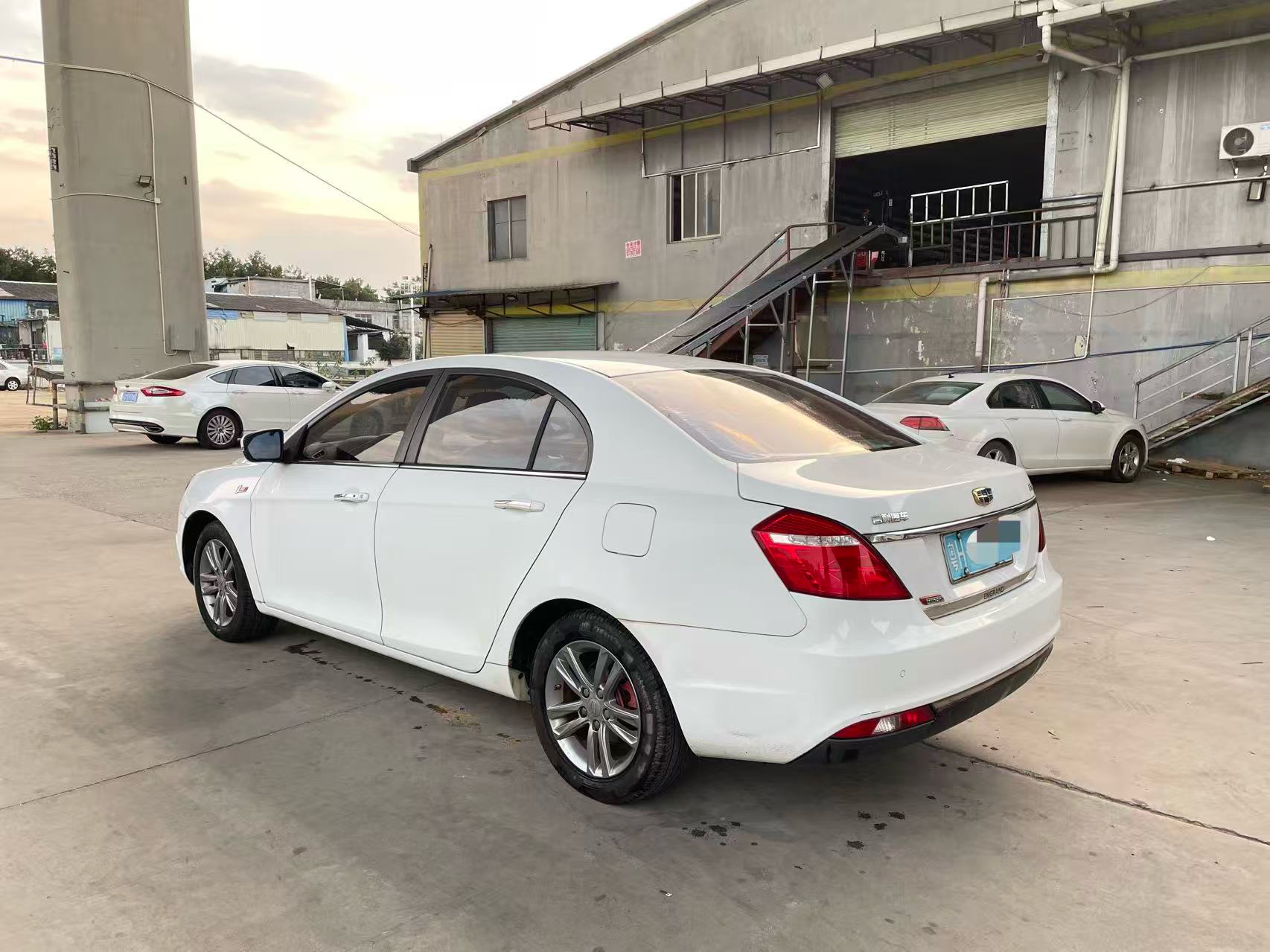
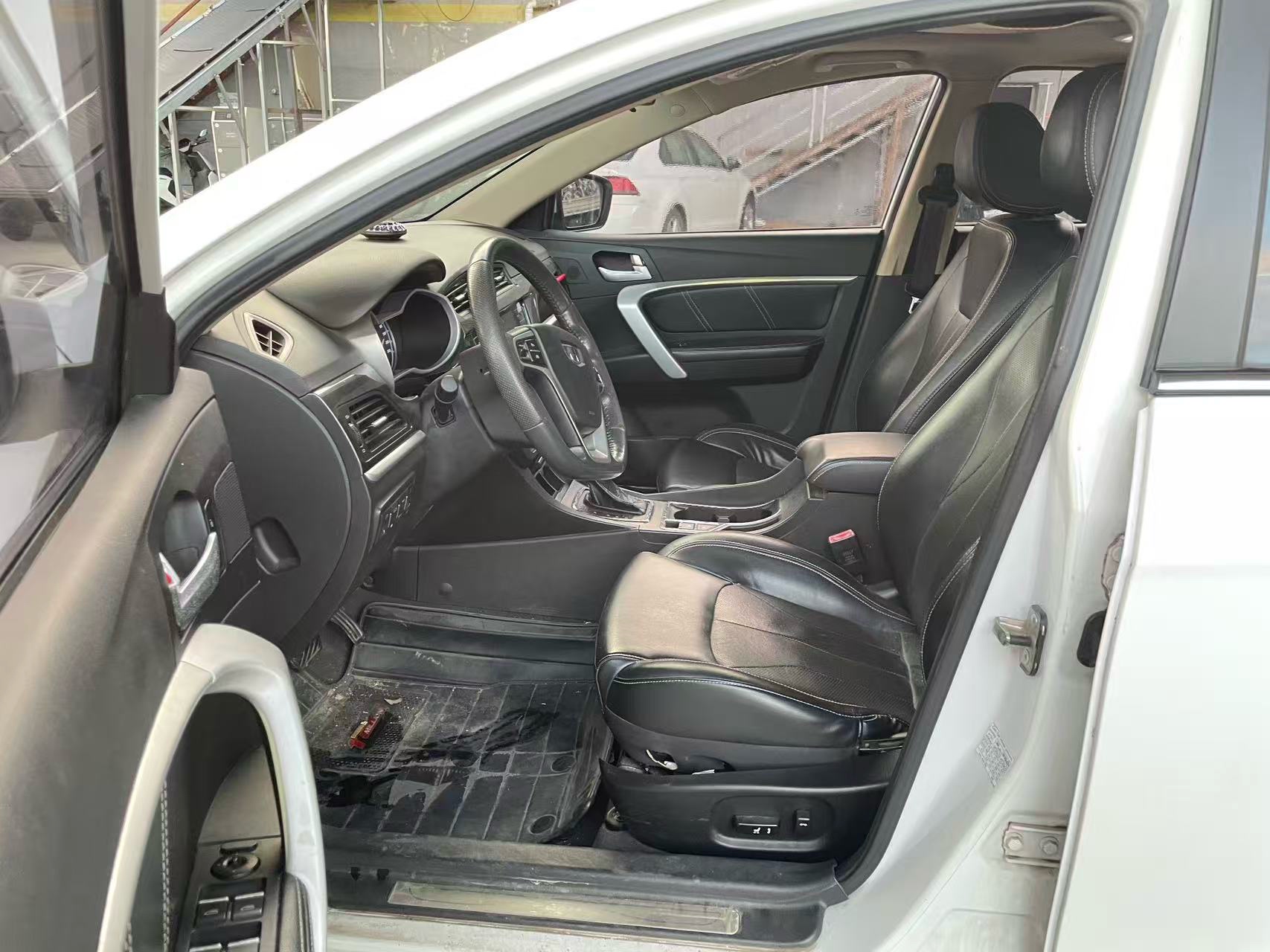



48H

Basic Information

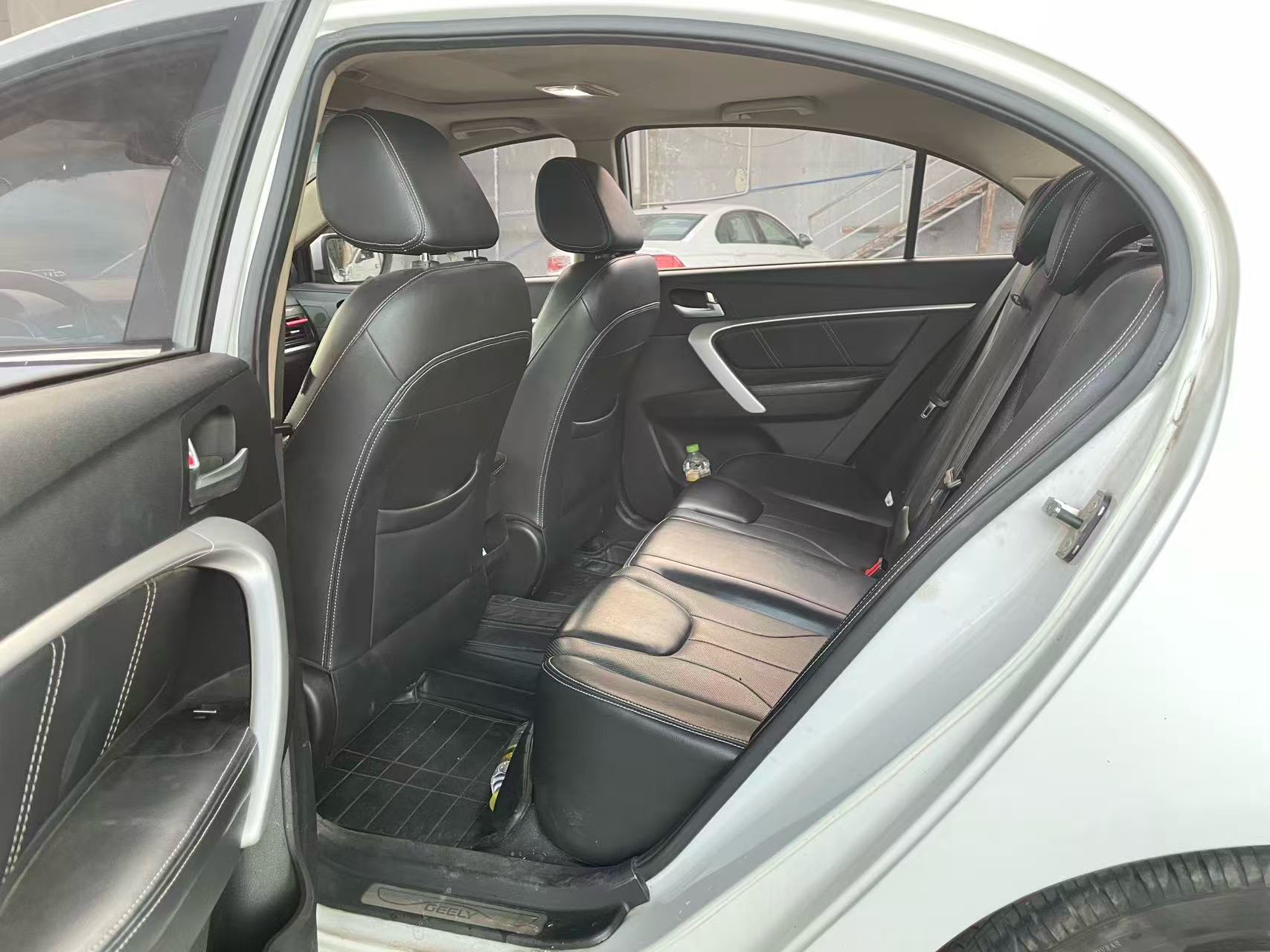
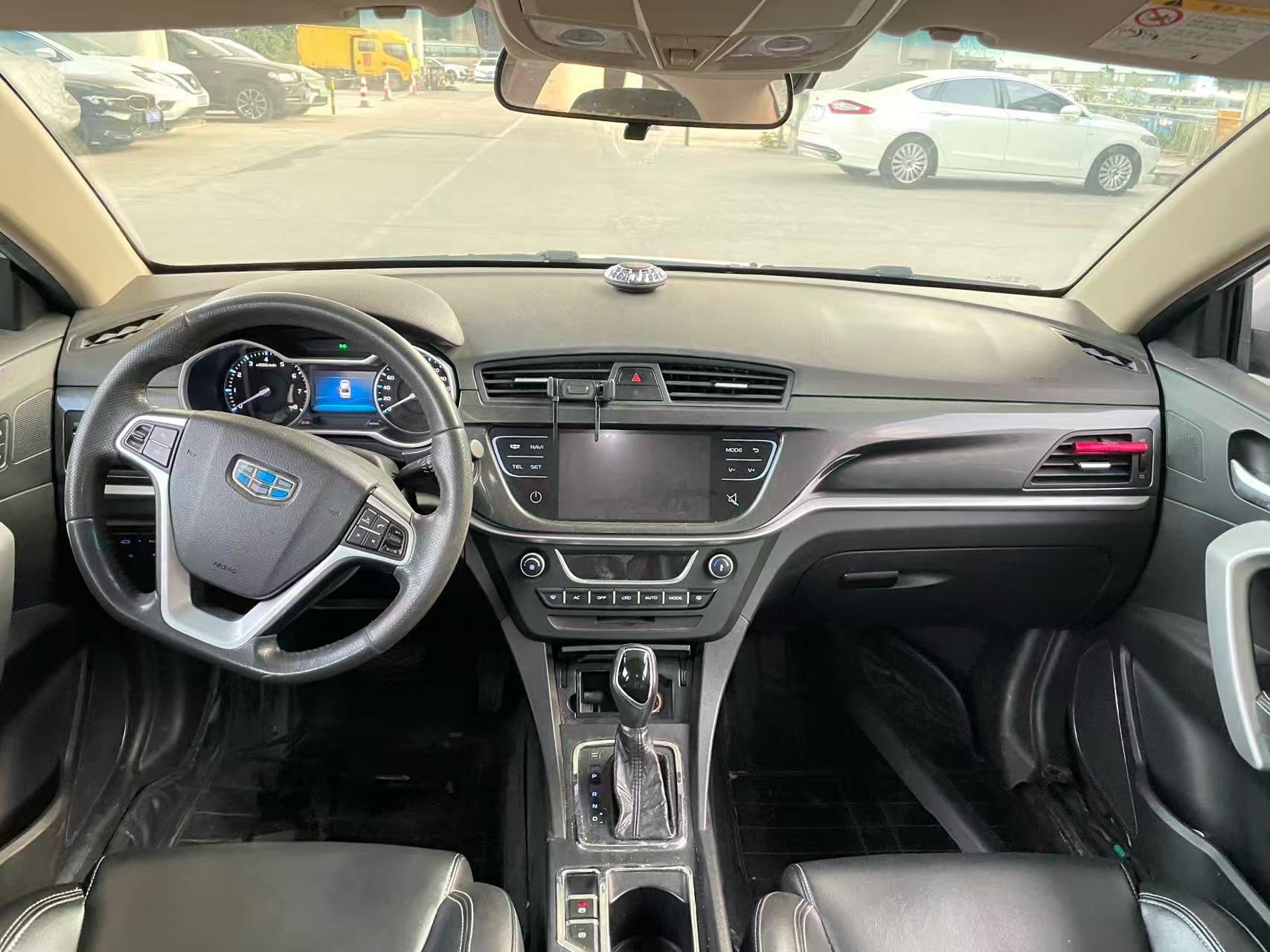
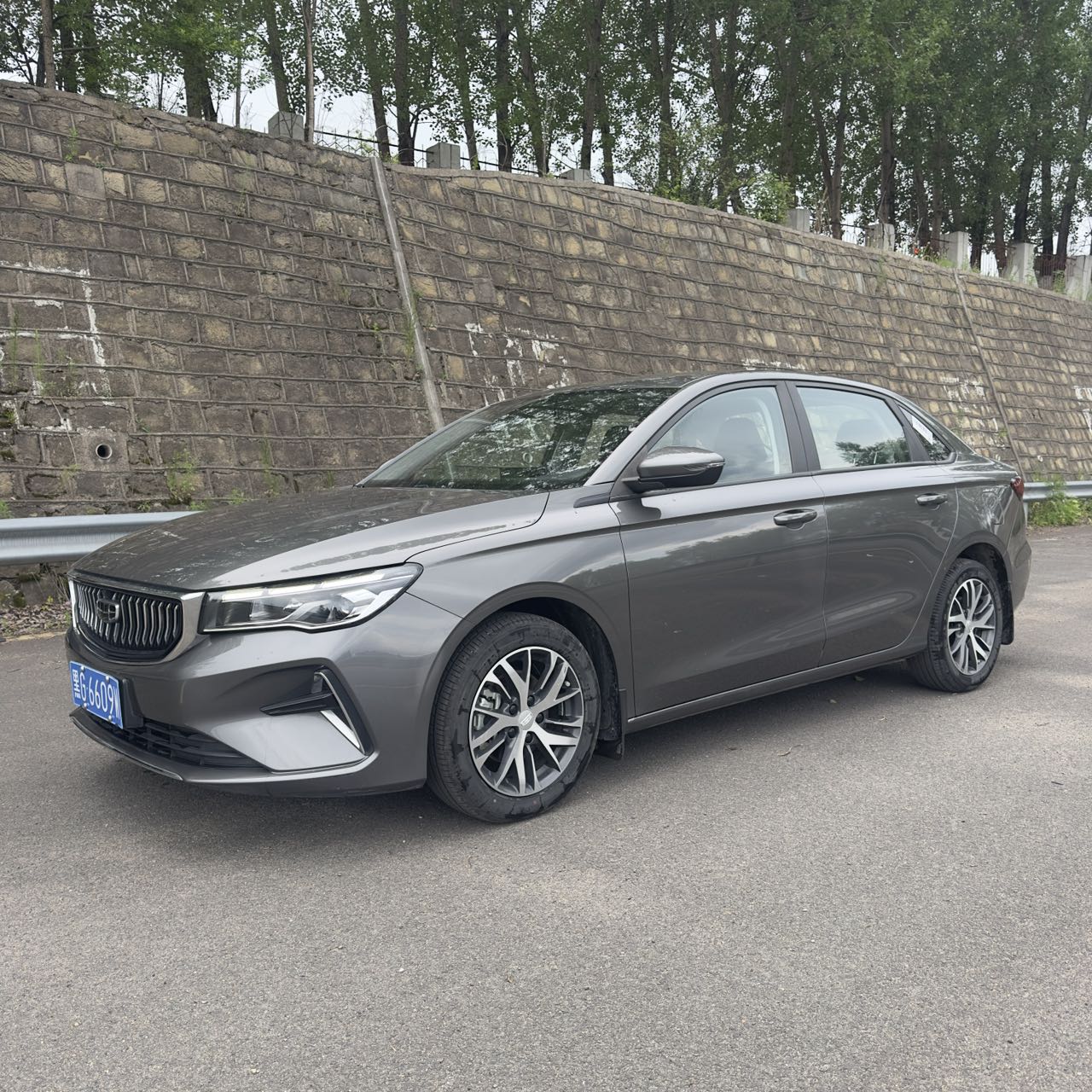
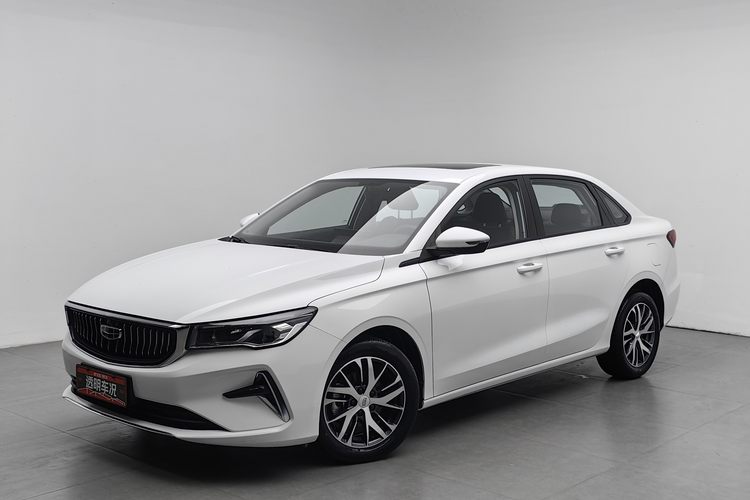
BrandGEELY
SeriesEmgrand
Year2017
First Registration2017/04
Mileage110,000km
Transfer Count0times
FuelGasoline
TransmissionCVT
Engine1.3T 133 L4
ColorWhite
Seats-

Condition Description

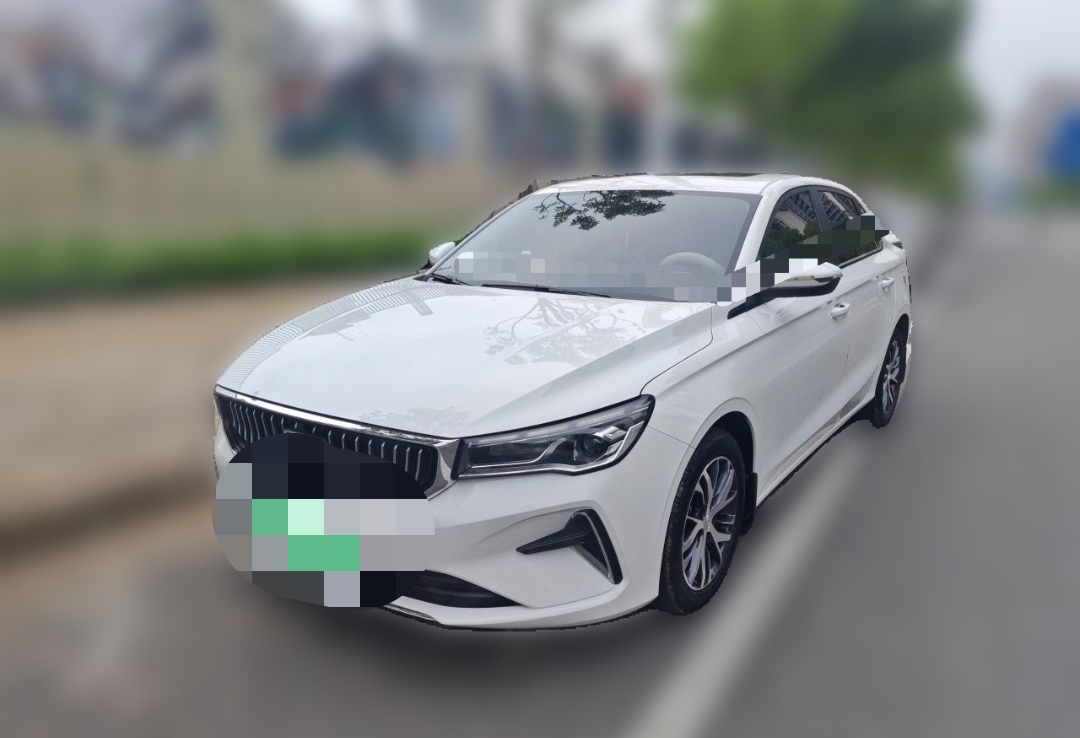
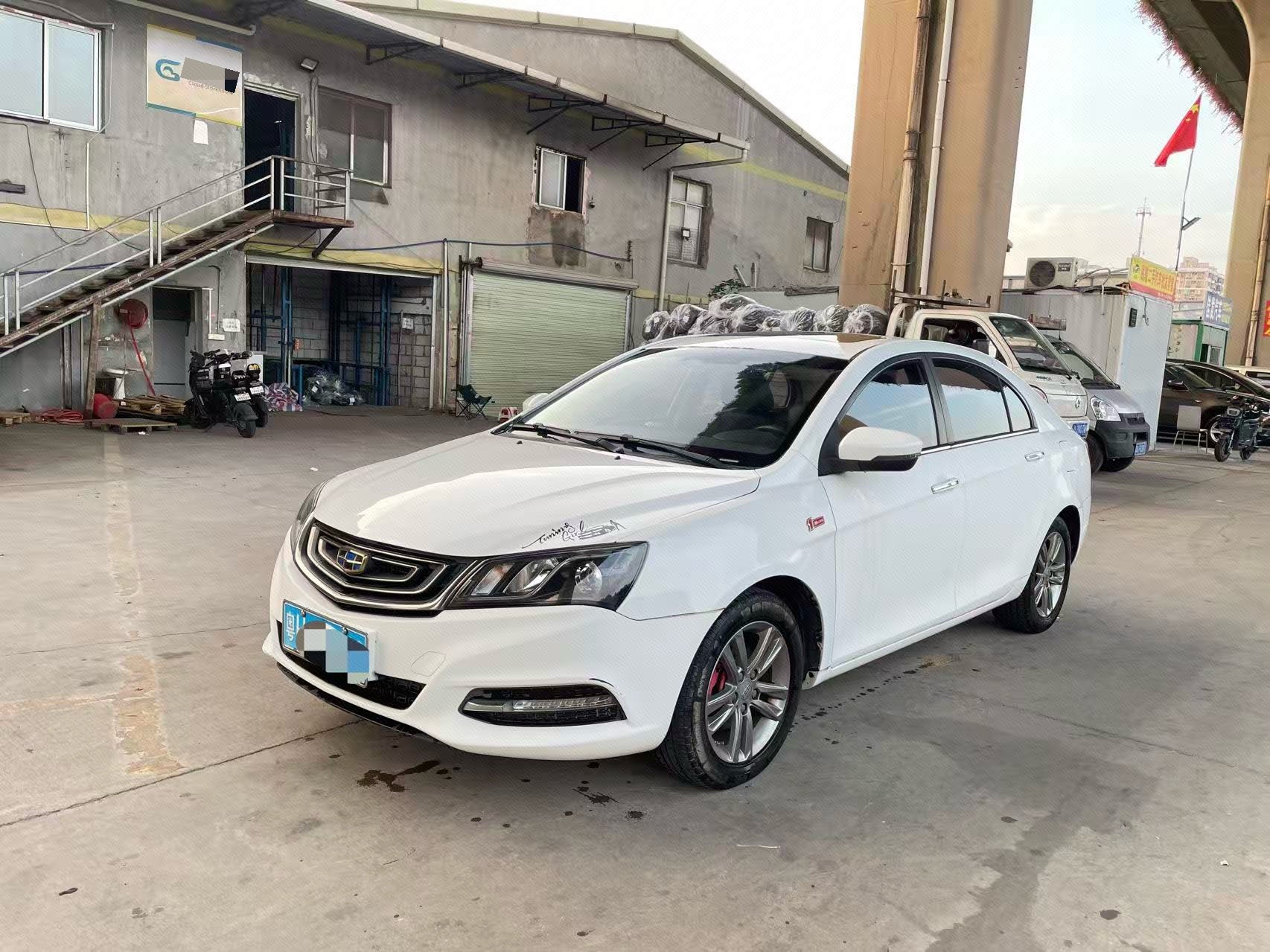
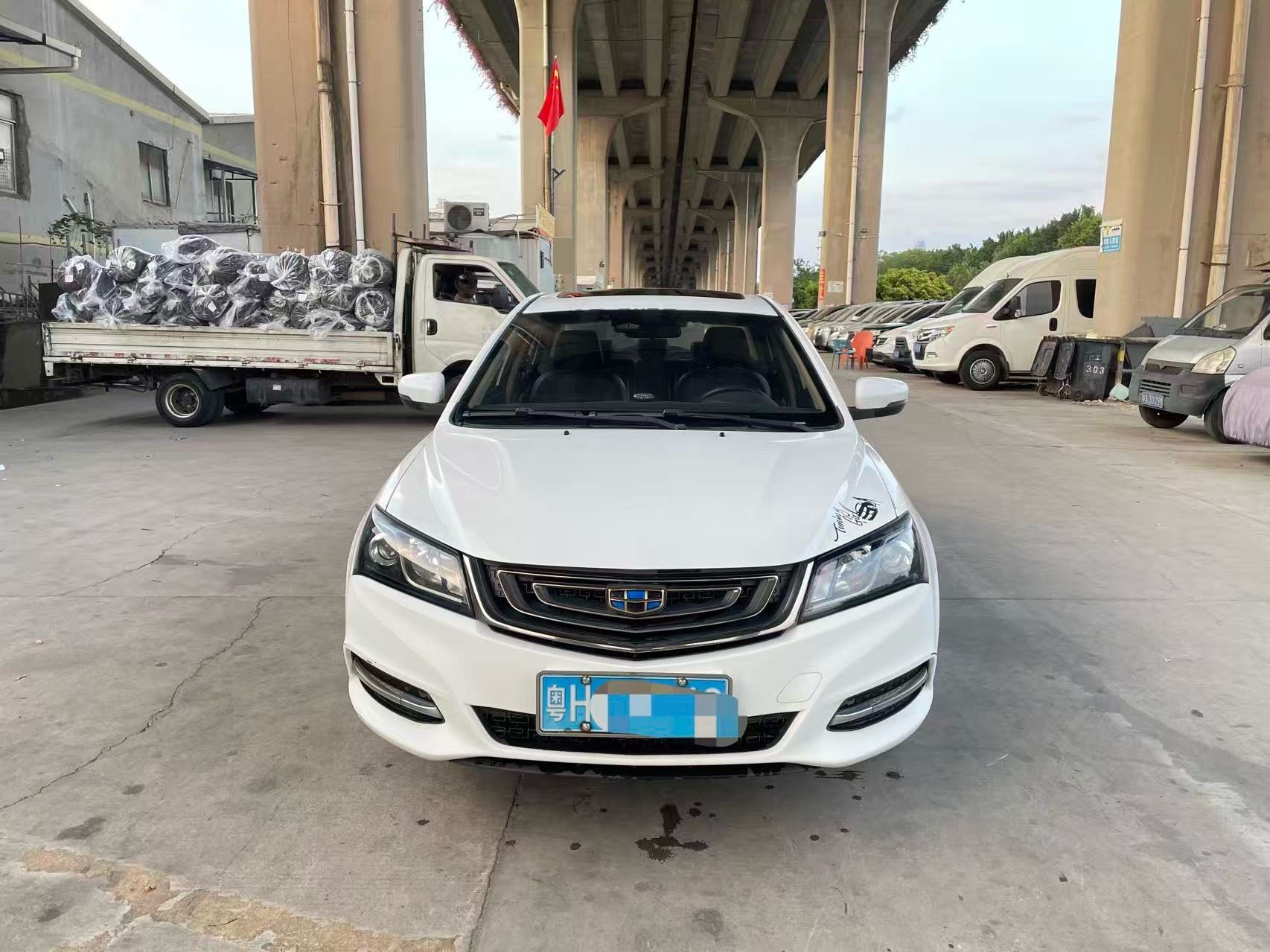
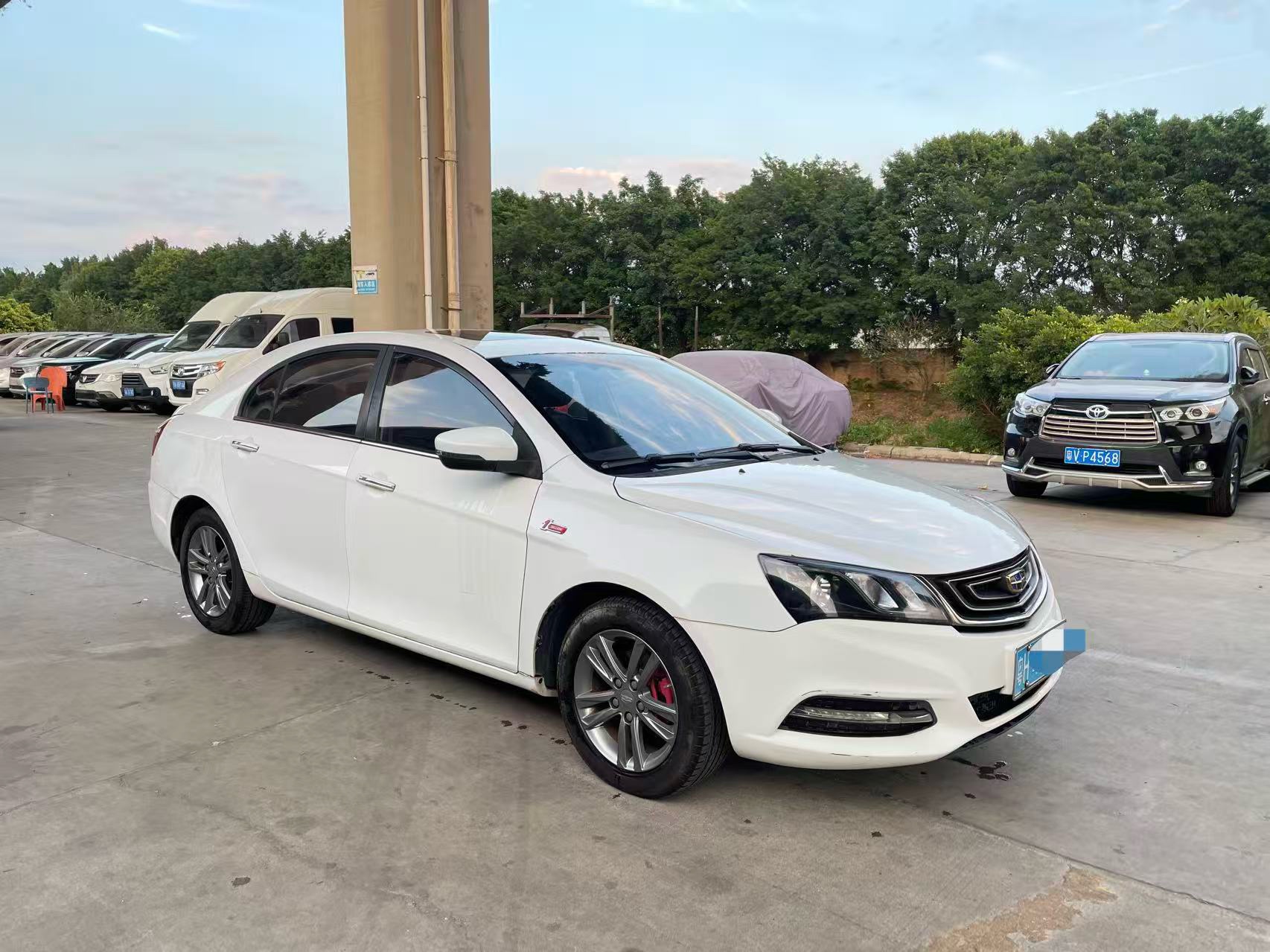
Both rear wheel arches have been repaired with sheet metal work. The paintwork investment, including the matte finish, amounts to about four paint jobs.

Document Information

Inspection Expiry Date-
Warranty Expiry Date-
Insurance Expiry Date2027/04

Q&A

More

Which export documents should the Chinese seller provide, and how do I verify they are authentic?

The standard set: commercial invoice, packing list, bill of lading, export customs declaration, certificate of origin, and a copy of the vehicle title/registration. How to verify: the bill of lading number should be trackable on the shipping line's website; the certificate of origin is verifiable through CCPIT's online system; and the VIN must match across all documents, the inspection report, and the car itself. Ask for scans of everything before paying the balance, and have a freight forwarder review the set. Mismatched VINs, missing title copies, or vague promises that "documents will follow" are red flags worth pausing the deal over.
Will you conduct a thorough inspection of the engine and transmission of the used car?

We will never perform blind deep disassembly unless there are clear severe fault codes or extreme noises. The sealing of the engine and transmission is crucial, and compromising the factory seals to investigate non-existent issues is unprofessional. We rely on data flow and external acoustic and fluid analysis to make judgments.

Why are the shipping costs for used electric vehicles (EVs) usually higher than for internal combustion engine vehicles (ICEs)?

Pure electric vehicles are classified as Class 9 Dangerous Goods due to their large lithium batteries, leading to strict shipping regulations. Shipping companies have high requirements for the loading position and fire isolation measures for dangerous goods, and some roll-on/roll-off ships refuse to accept used EVs. As a result, EVs often require more expensive special container shipping and incur additional handling fees for hazardous materials.