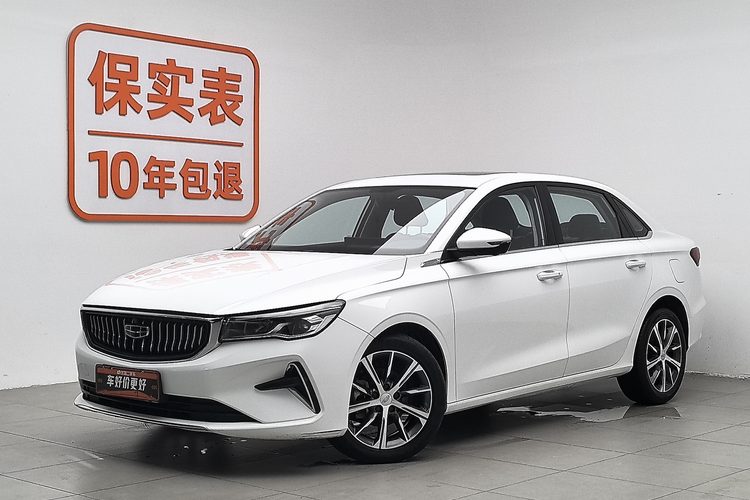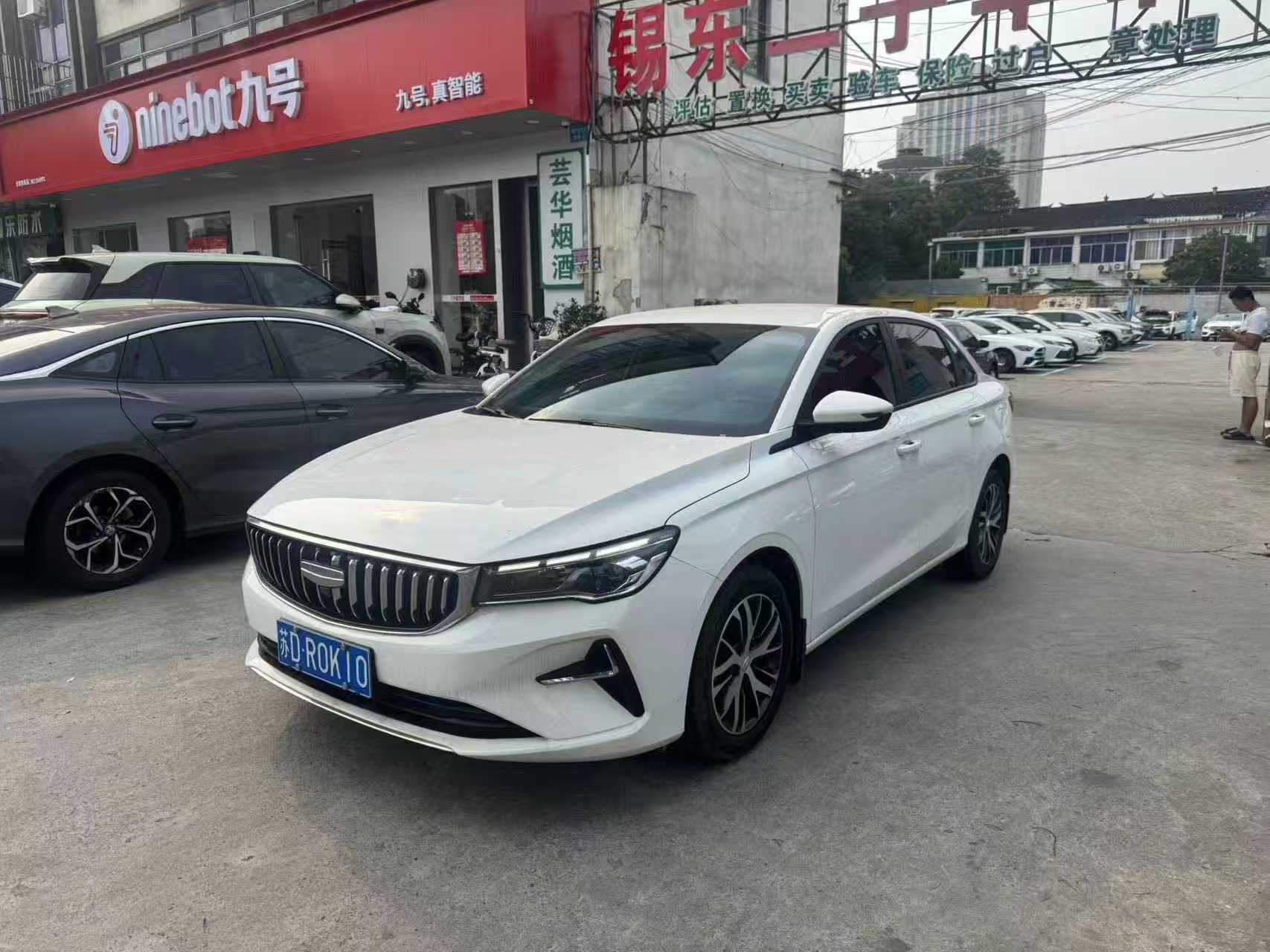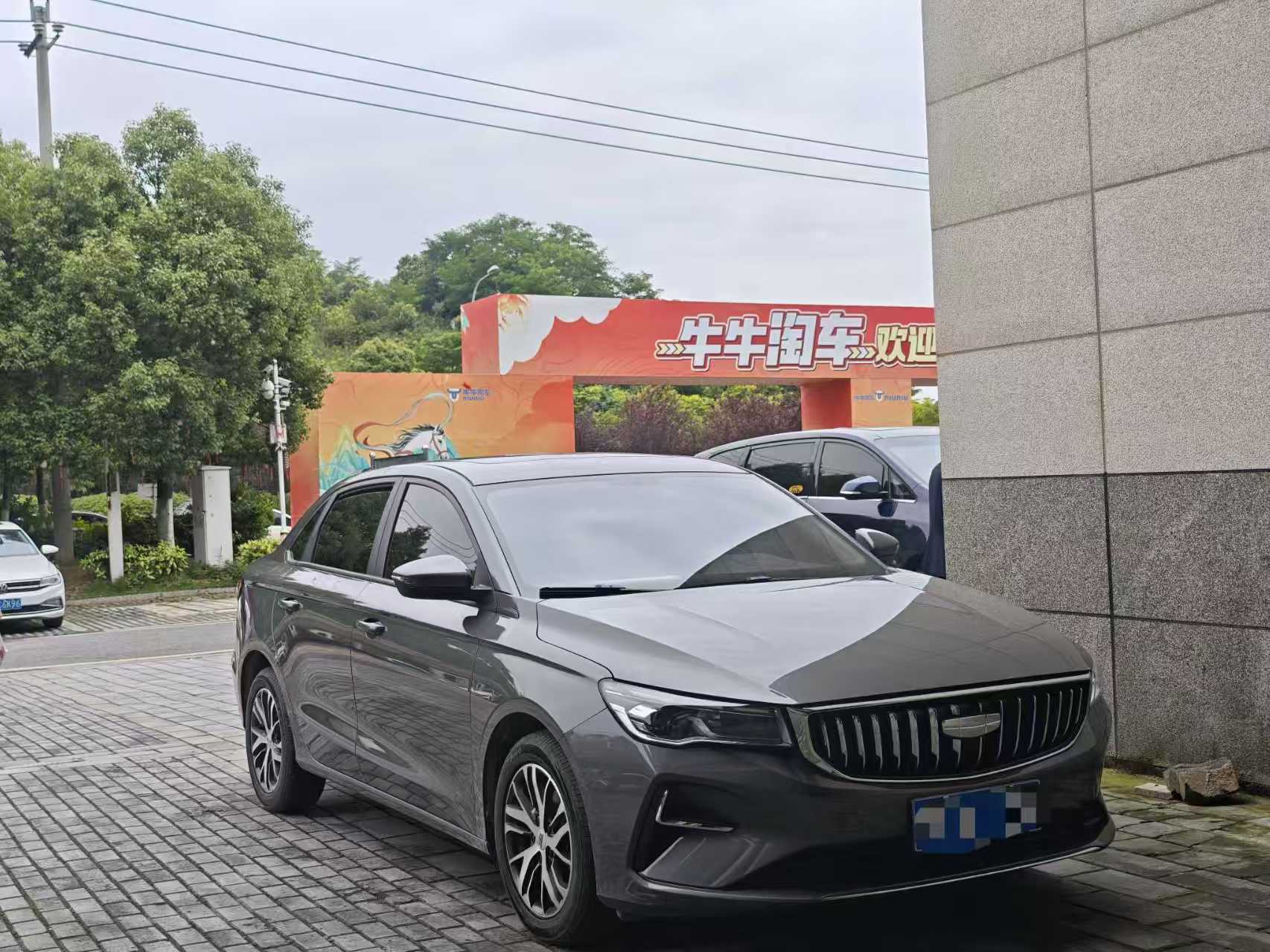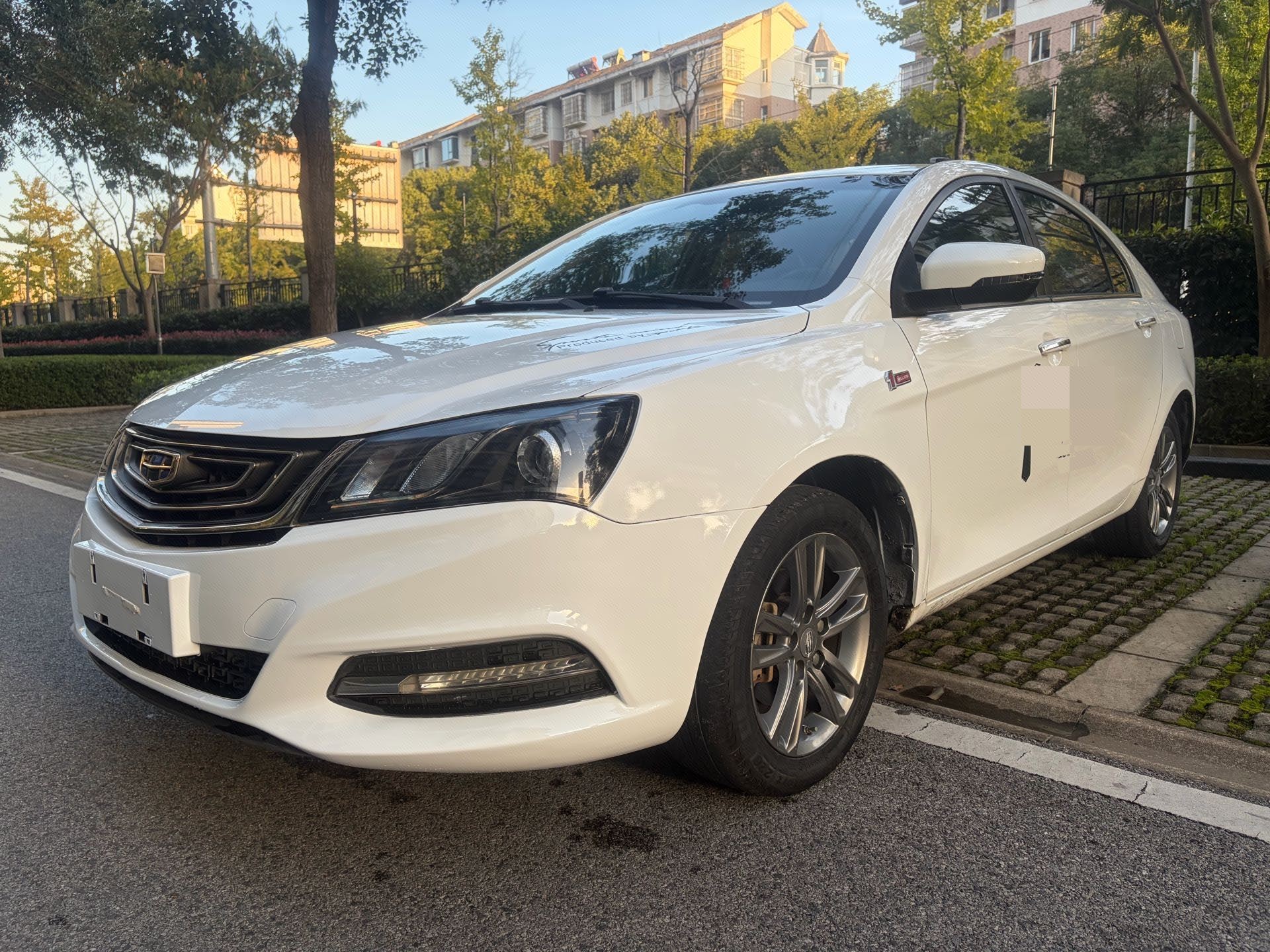
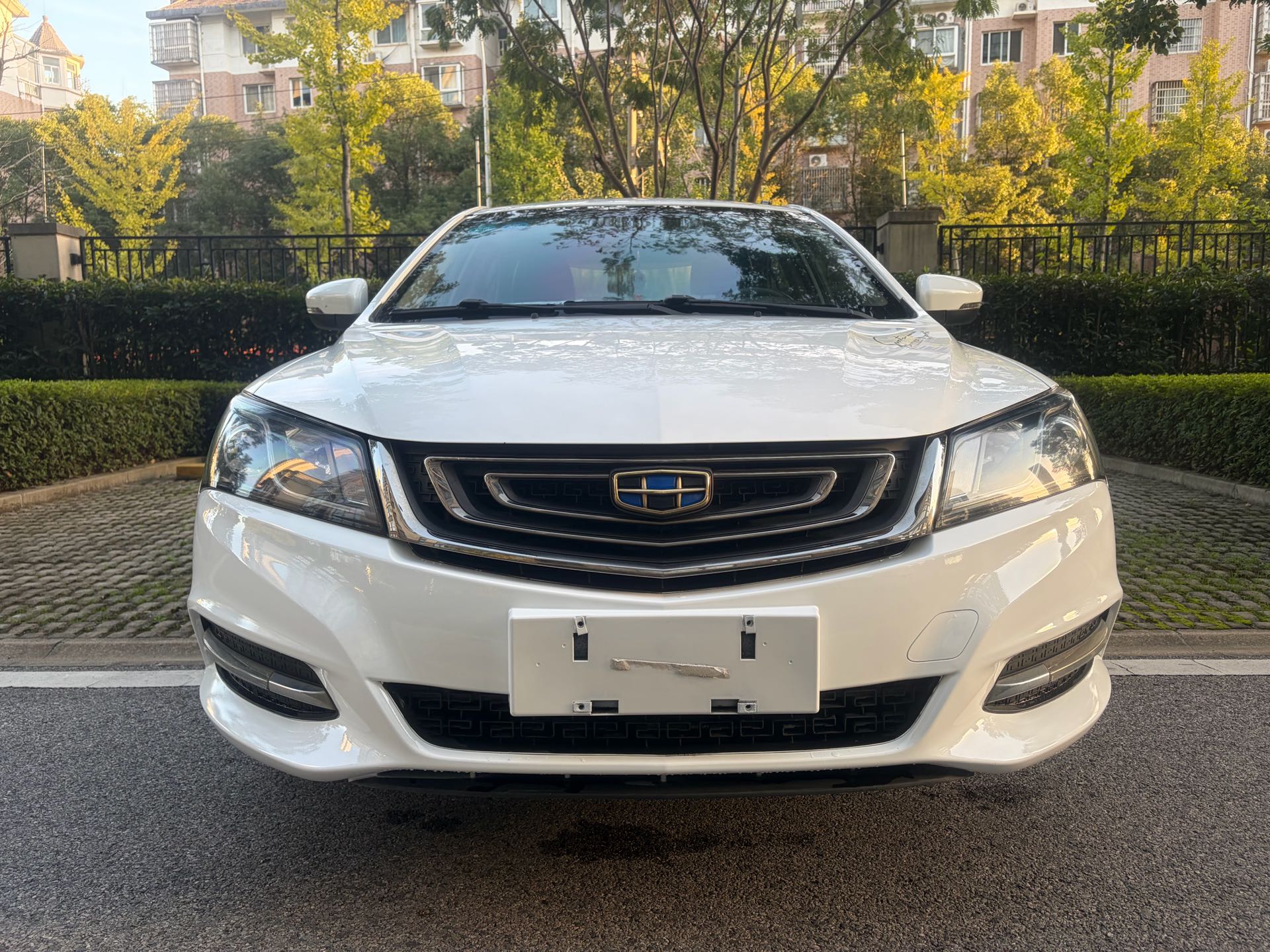
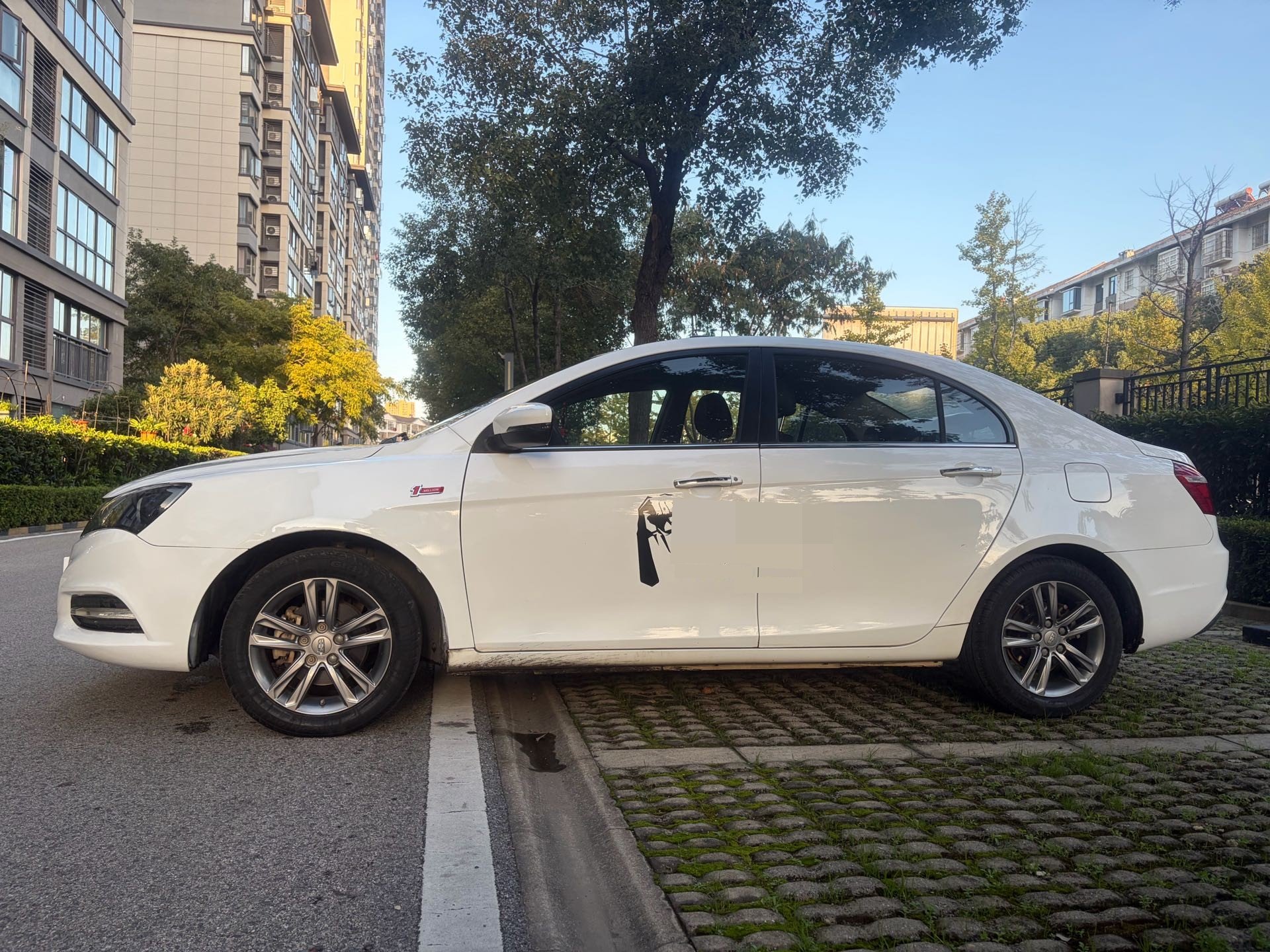
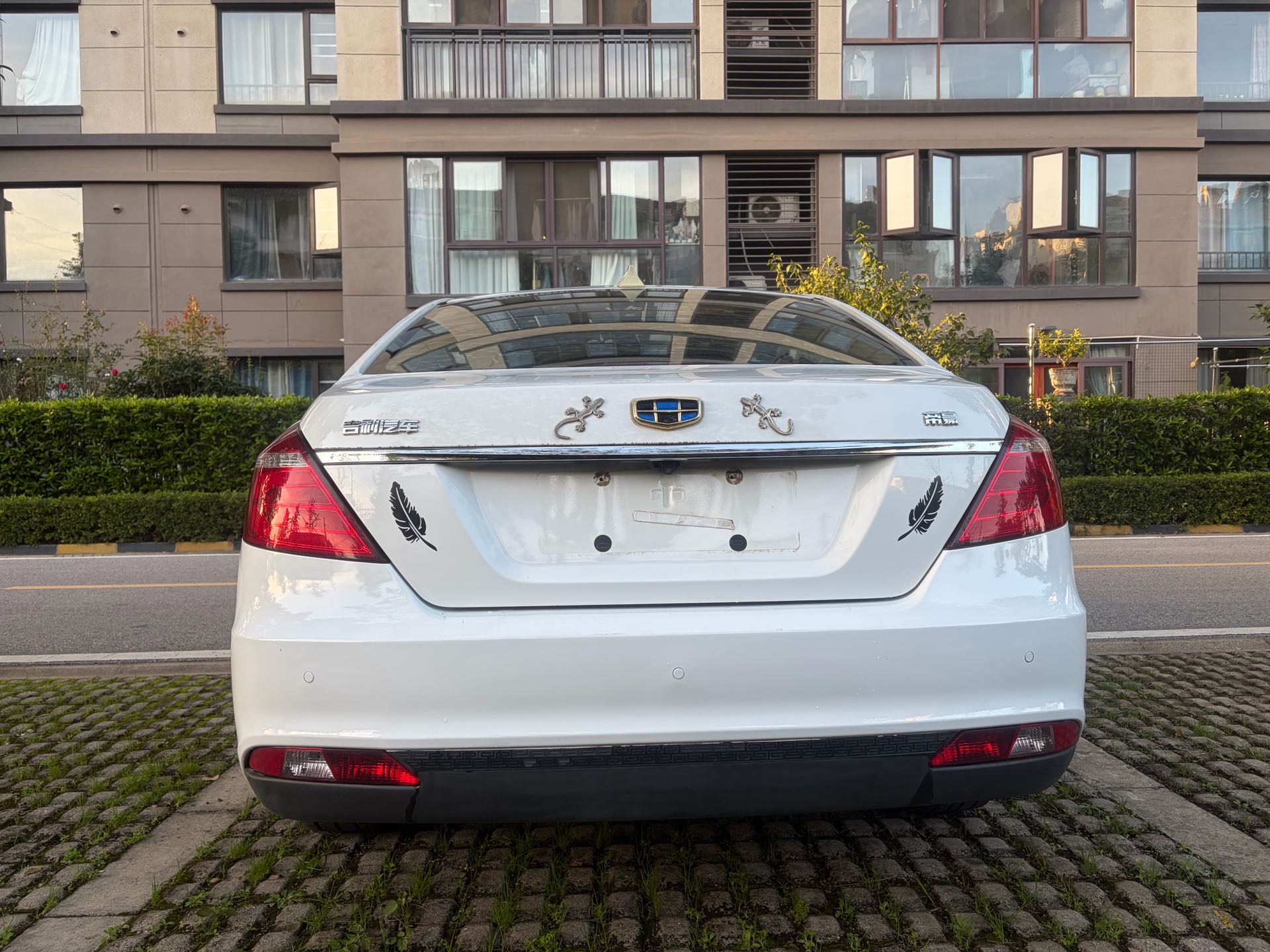
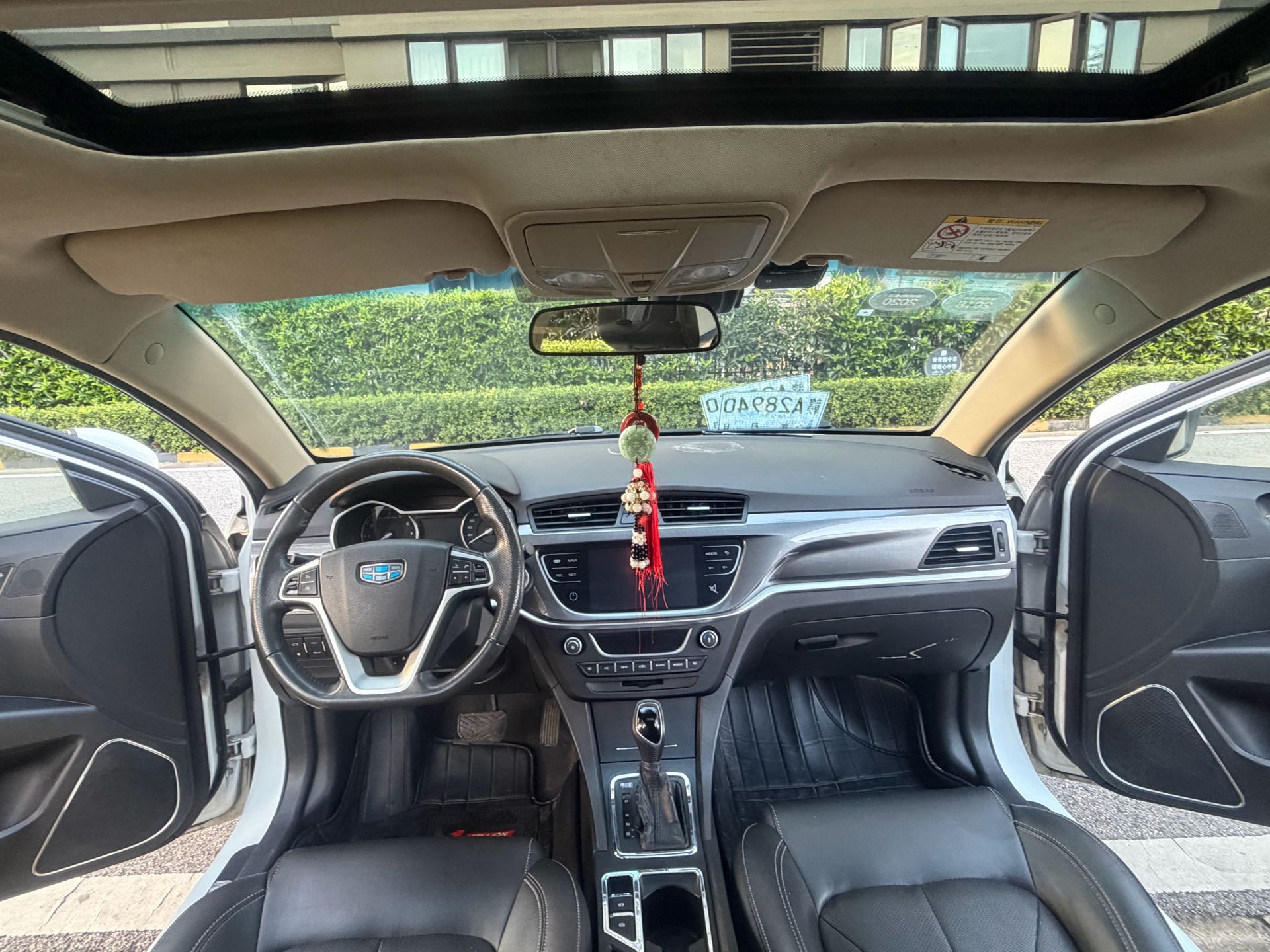



Basic Information

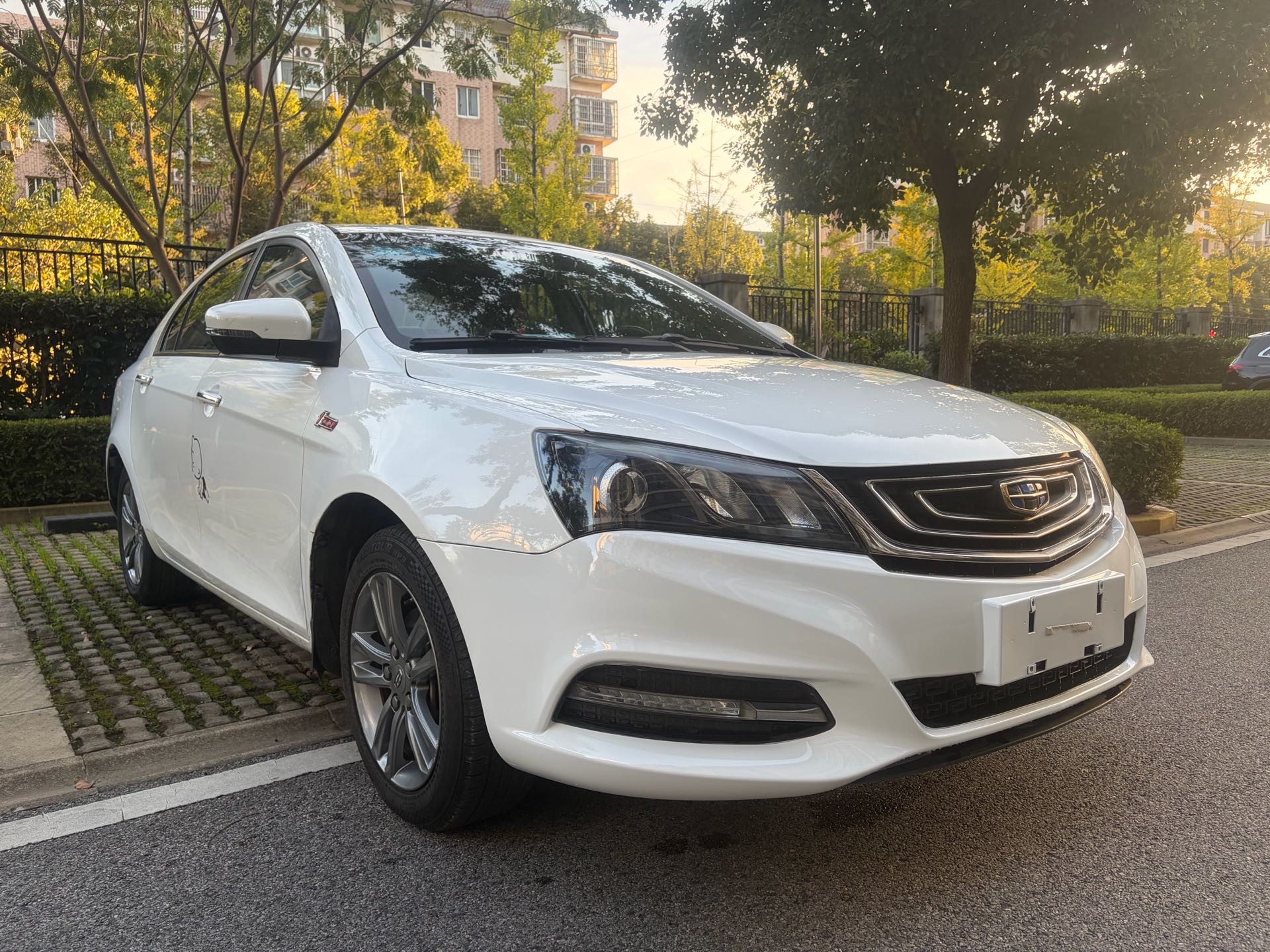
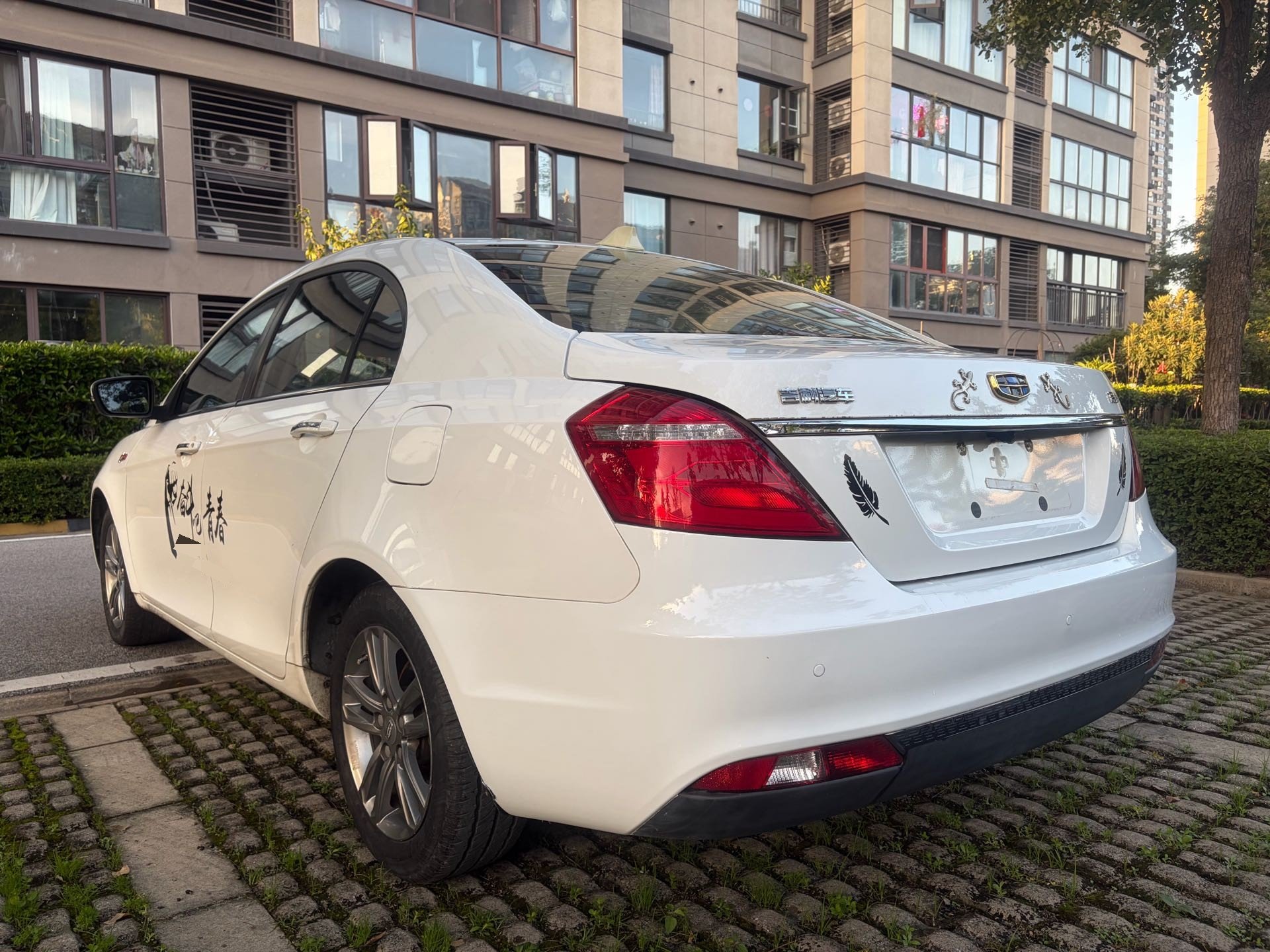
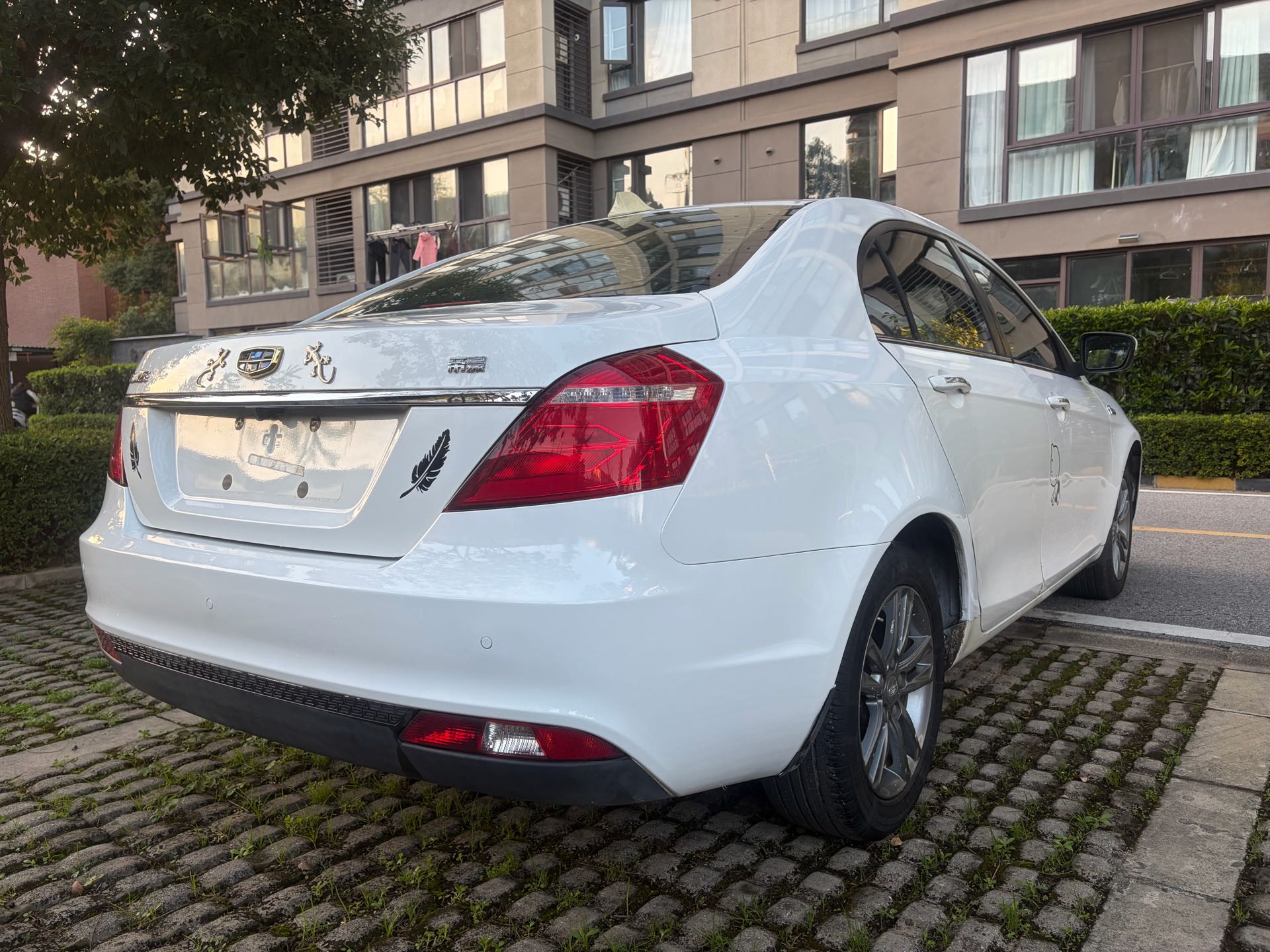
BrandGEELY
SeriesEmgrand
Year2017
First Registration2017/10
Mileage70,000km
Transfer Count0times
FuelGasoline
TransmissionCVT
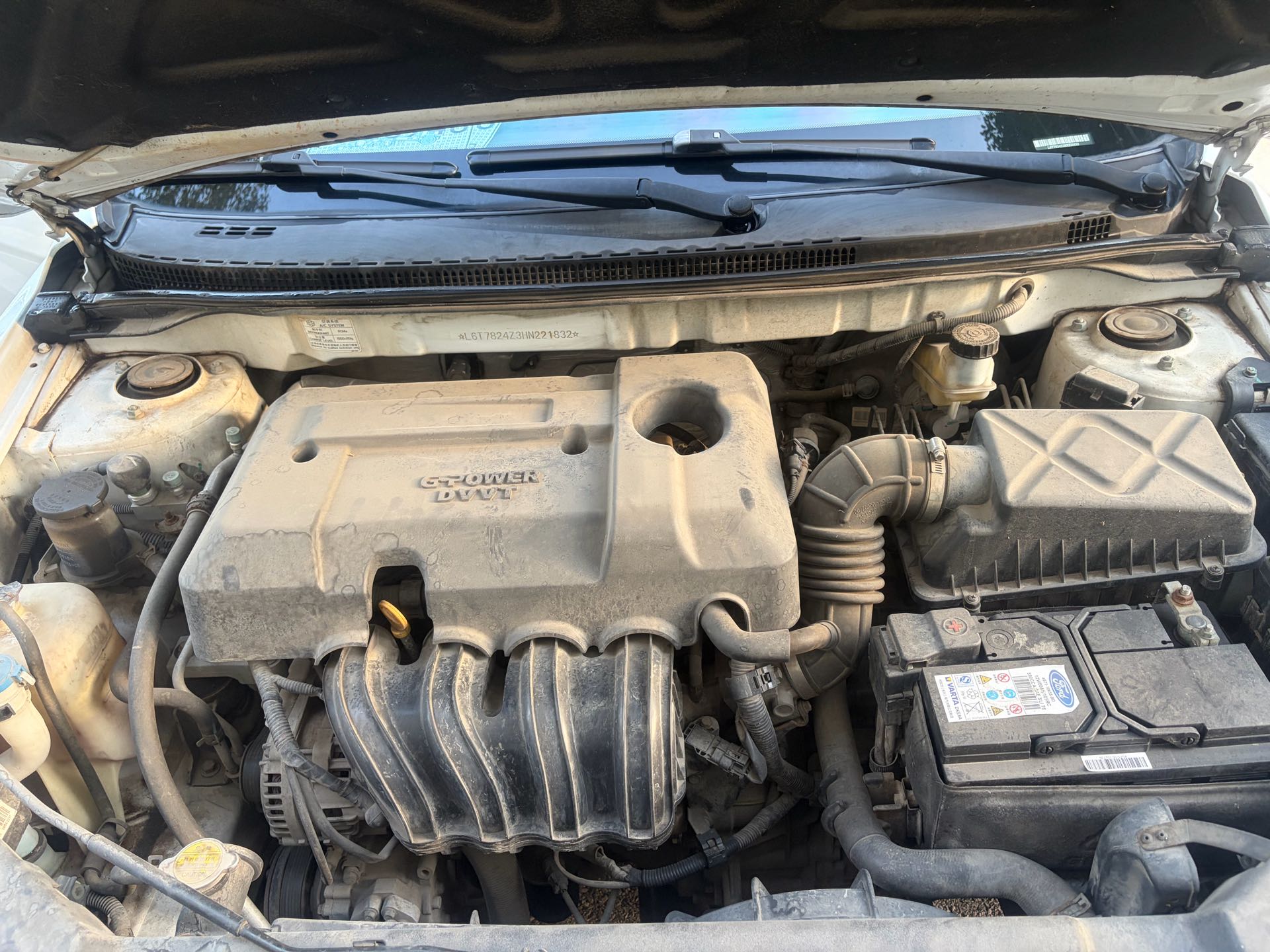
Engine1.5L 109 L4
ColorWhite
Seats-

Condition Description

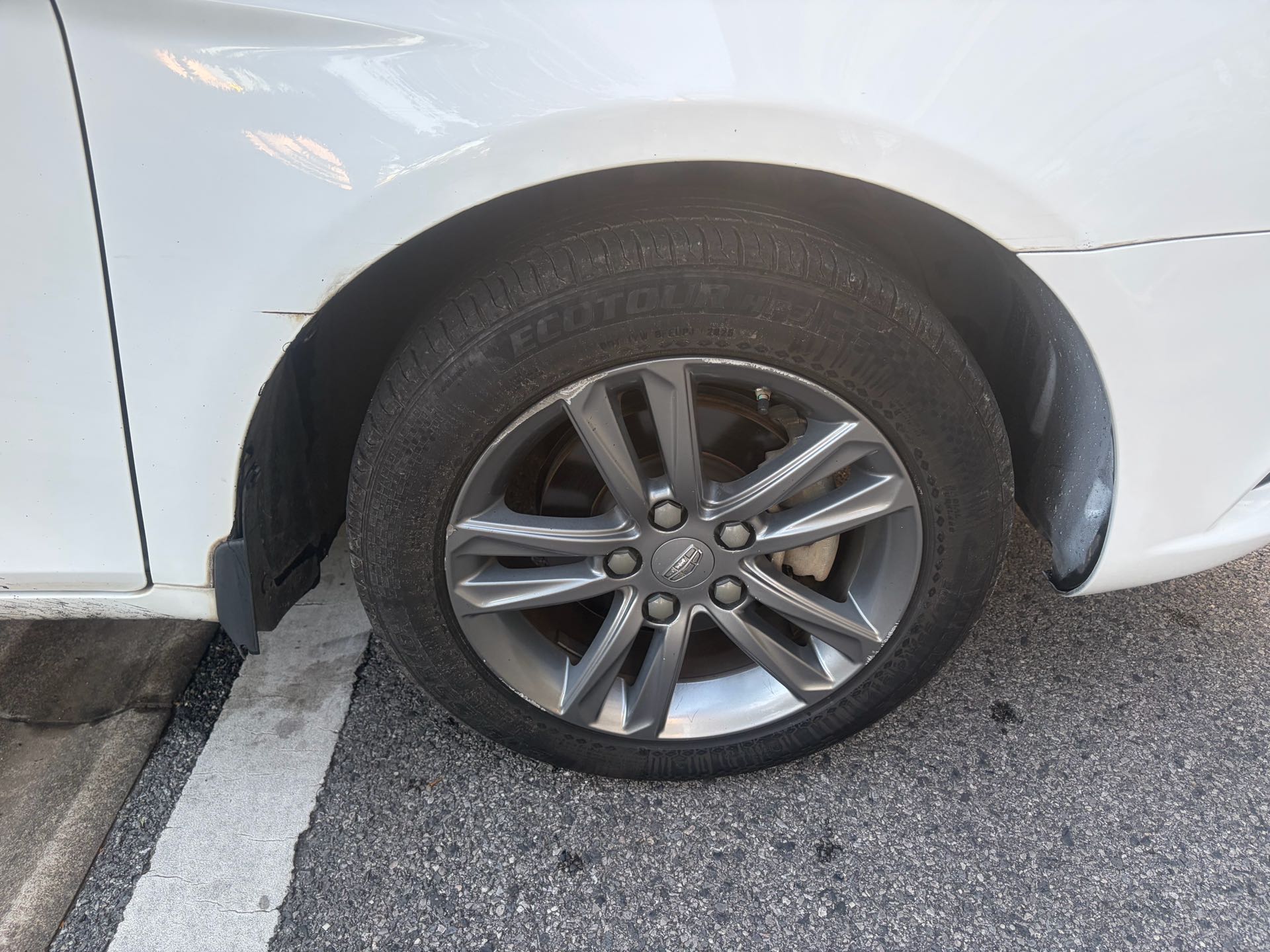
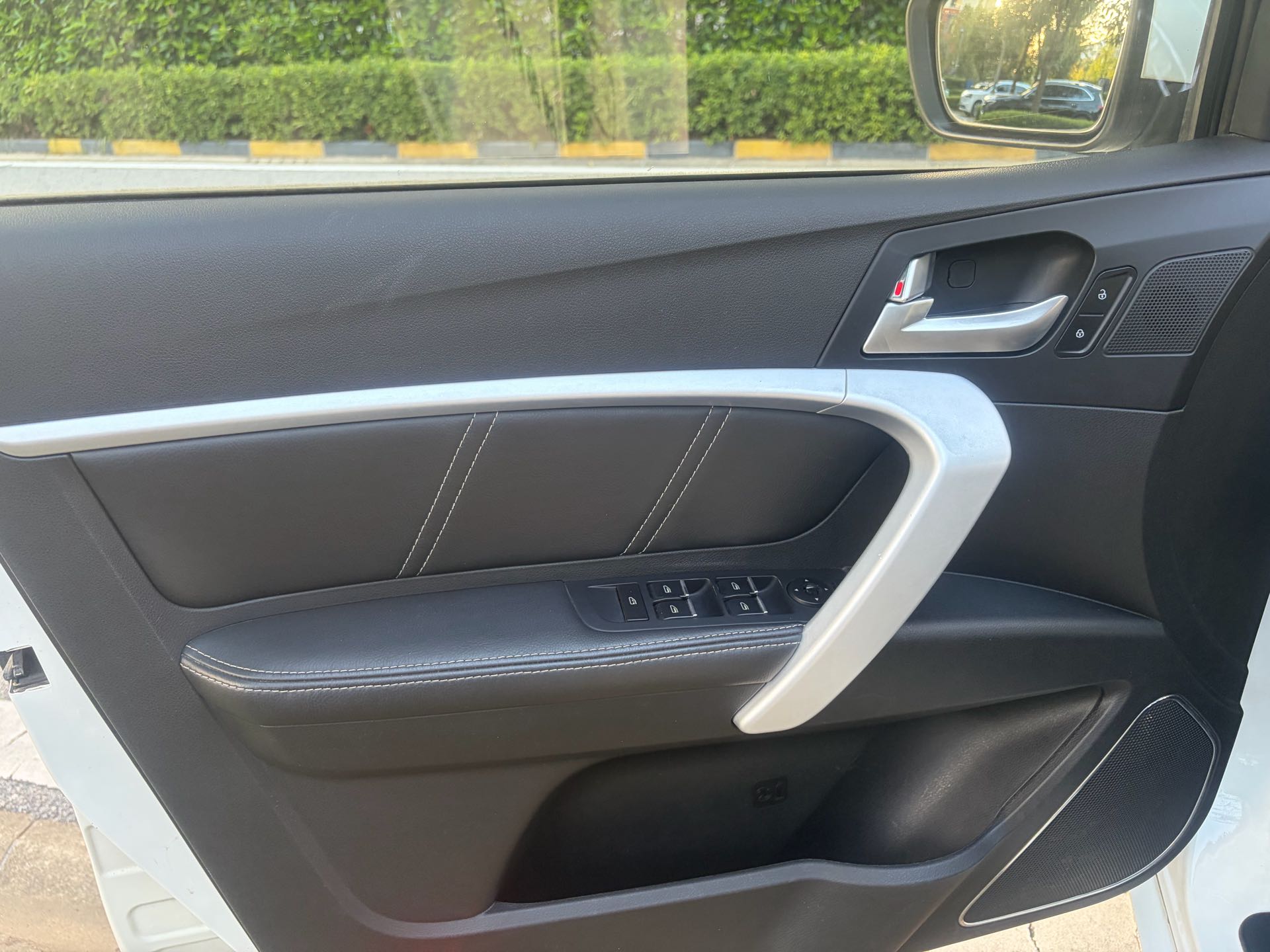
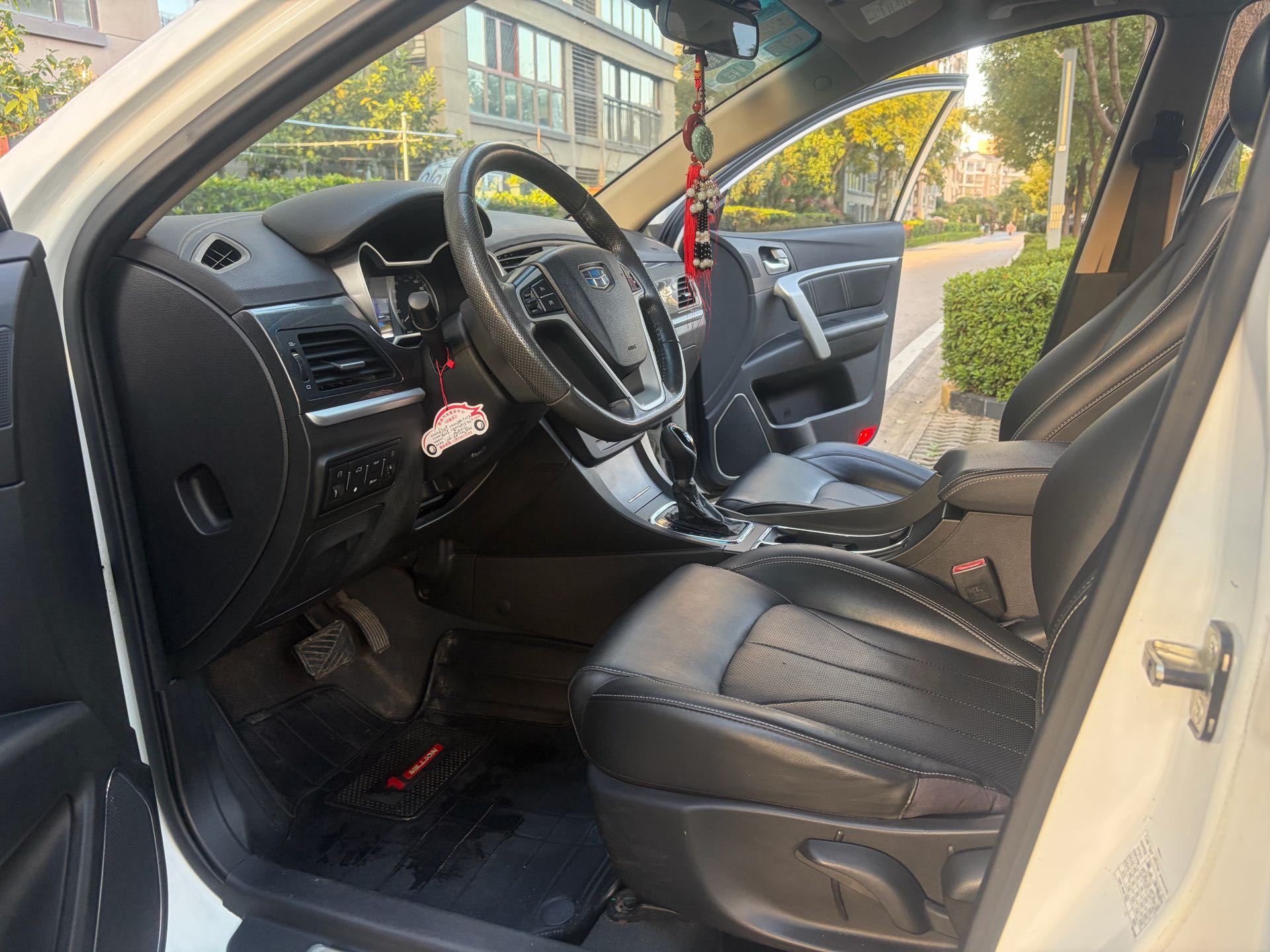
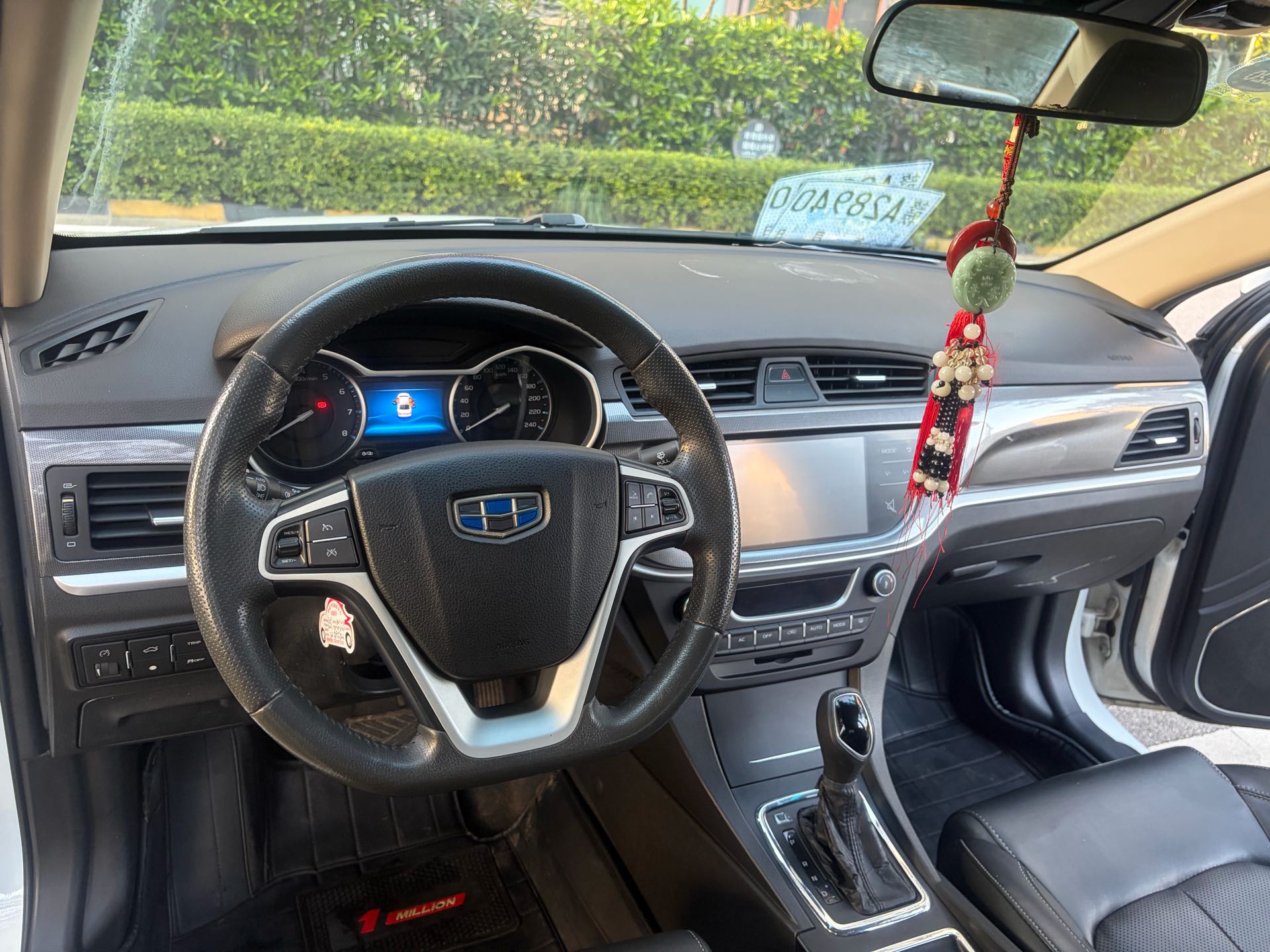
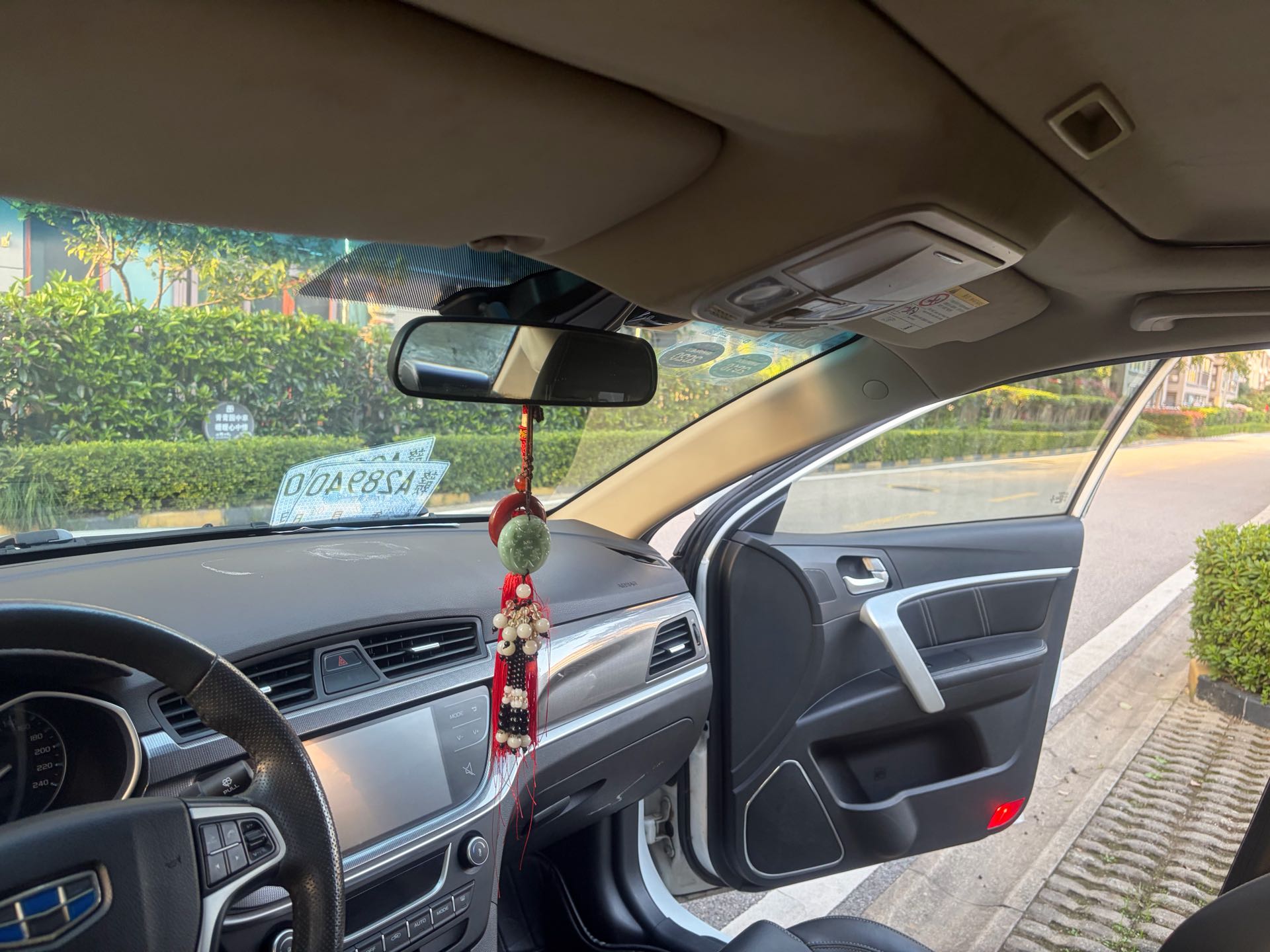
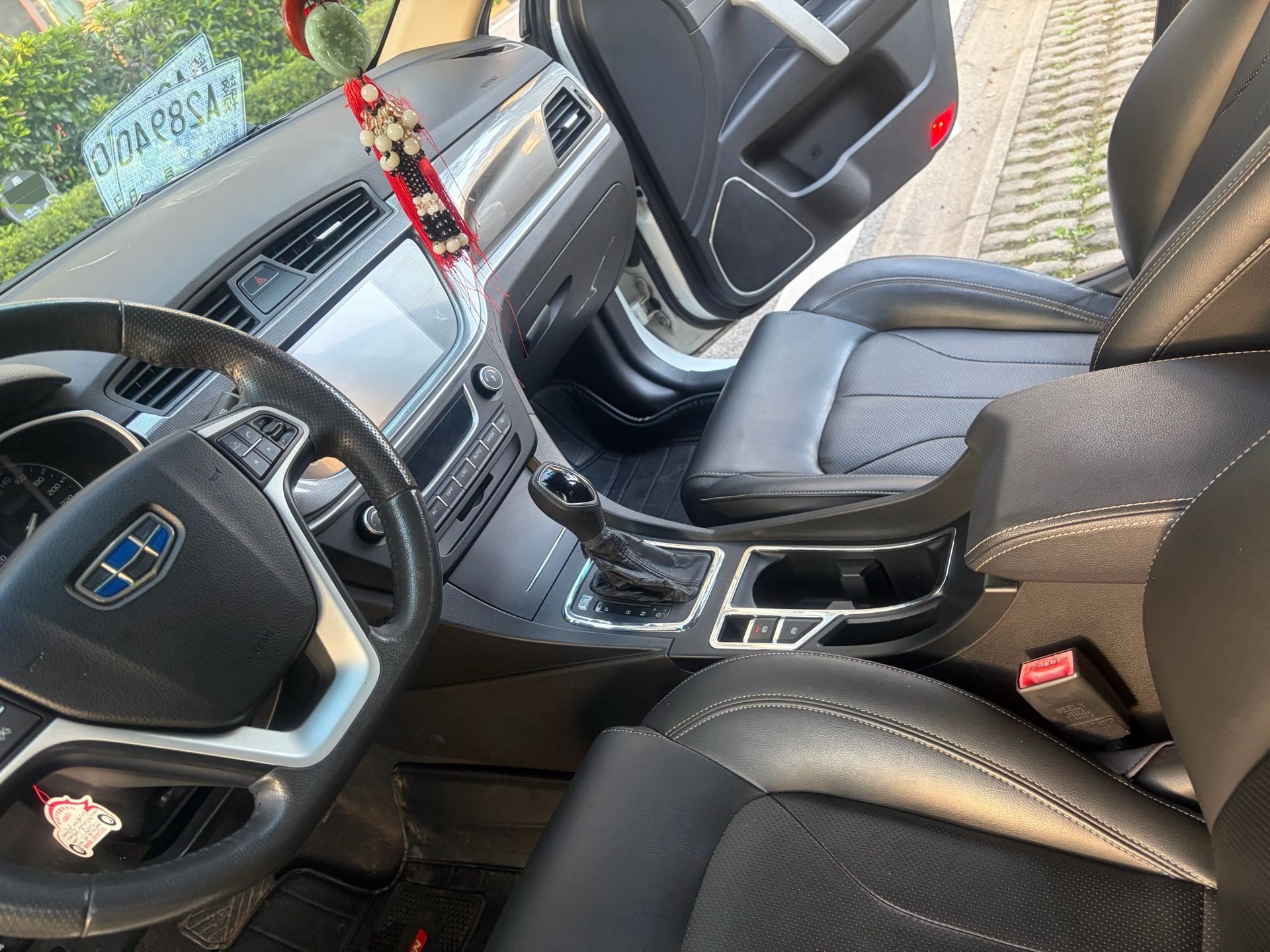
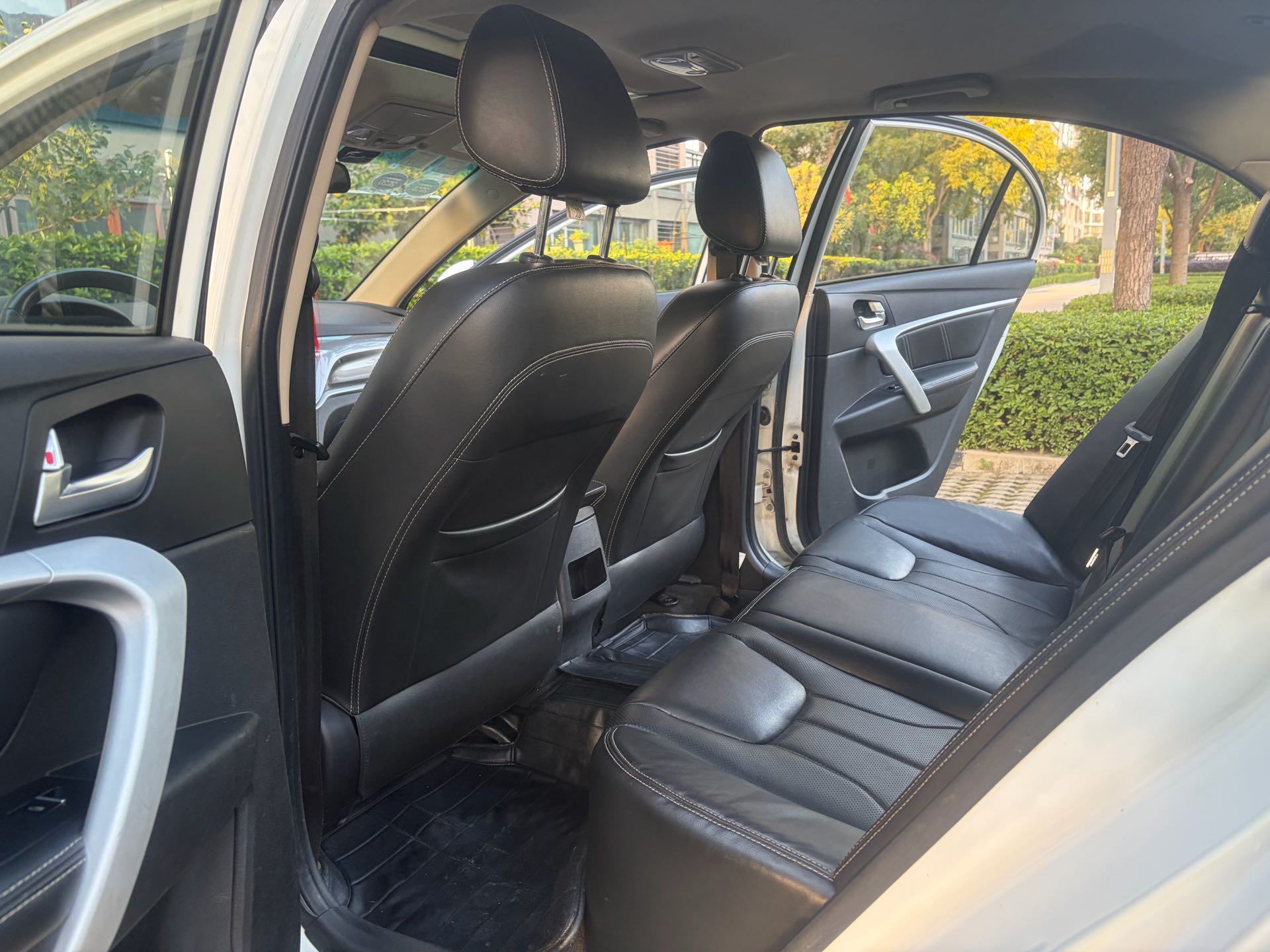
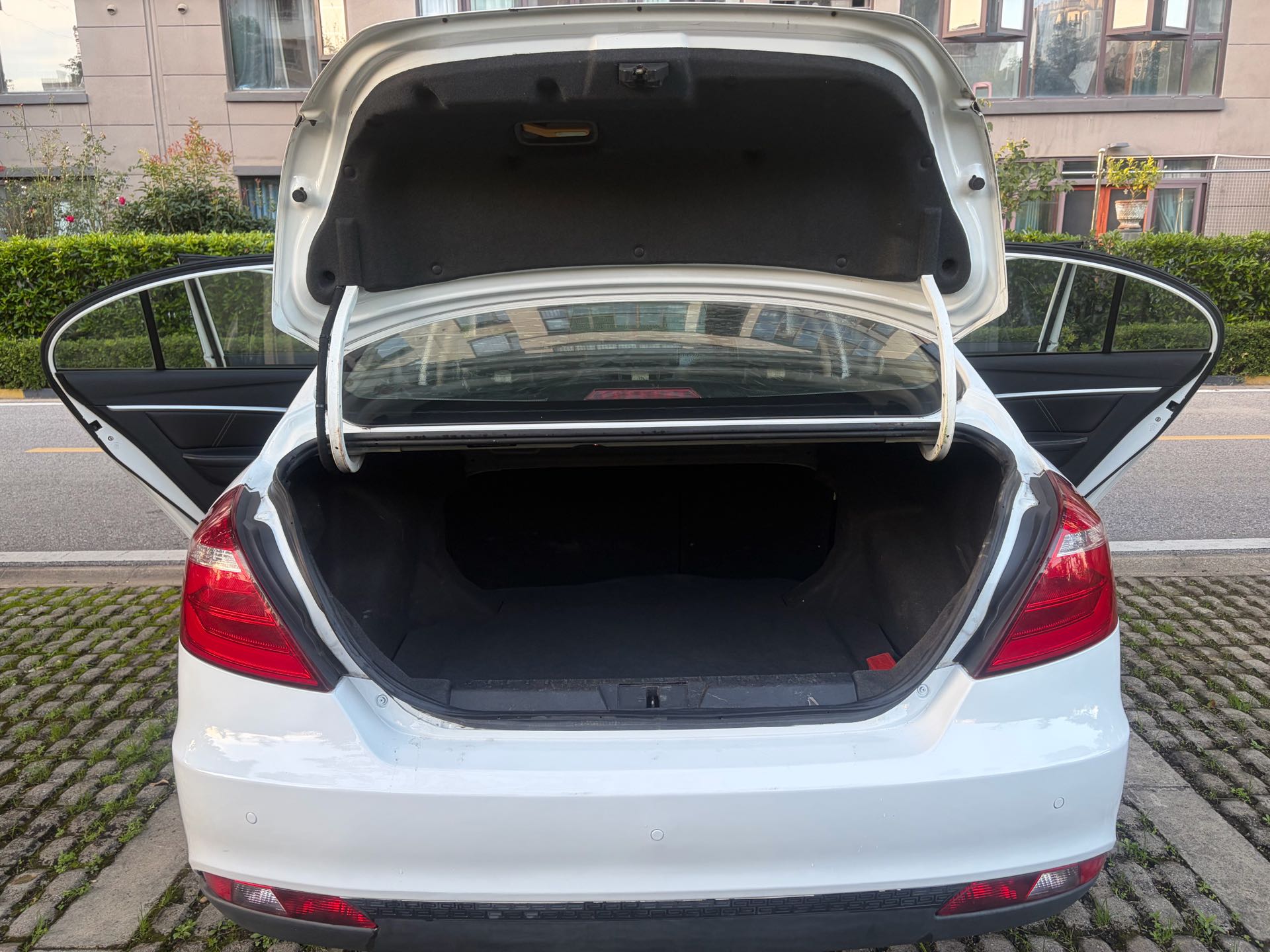
Original condition, one-owner car, actual odometer 70,000 km, interior and exterior in good condition.

Document Information

Inspection Expiry Date-
Warranty Expiry Date-
Insurance Expiry Date2027/10

Q&A

More

What kind of after-sales warranty do Chinese used car exporters usually offer, and what is realistic to claim?

Most exporters offer a limited warranty of 30 to 90 days covering major mechanical failures (engine, gearbox, electric motor), but only if you can prove the fault existed before shipment. Cosmetic issues, wear-and-tear parts (brakes, tires, clutch) and damage caused by improper local maintenance are almost always excluded. What is realistic to claim: · Engine or transmission failure confirmed by a licensed workshop within the warranty window, with a diagnostic report. · Undeclared accident or flood damage discovered after arrival (strongest case, keep the inspection report and photos). How to protect yourself: 1. Get the warranty terms written into the contract, including claim procedure and response time. 2. Have the car inspected locally immediately upon arrival and keep all records. 3. Communicate claims in writing (email) with photos and reports attached. Treat the warranty as a backup, not the main protection. A thorough pre-shipment third-party inspection matters far more than a paper warranty.


Will a used Chinese EV still receive OTA updates and can I use the companion app after the car is exported?

This is one of the most common post-export surprises, so verify before buying. OTA updates: most Chinese brands push updates to cars registered on domestic servers. Many exported cars continue receiving updates normally, but some brands restrict updates by VIN region once the car leaves China. Ask the seller to confirm the update history and whether the brand officially supports your destination region. Some grey-import cars are stuck on the firmware version they left with. Companion apps: the factory app usually requires a Chinese phone number and a domestic account. After export, remote functions (preconditioning, charging status, location) often stop working or require workarounds. Some owners re-register via third-party services, but this is unofficial and can break at any time. Practical advice: before purchase, get the seller to show a screenshot of the car's current software version and connected services status. Factor in that you may lose remote features permanently, and check whether local dealers or independent shops can perform diagnostics and updates without the official app.

How do I verify the maintenance and service history of a used car in China before buying it?

A complete service history tells you more about a car than its mileage. In China, most maintenance is done at authorized (4S) dealers, and each visit is recorded in the brand's national database. First, ask the seller for the service booklet and maintenance invoices, then have your inspection agent call the brand's 4S network with the VIN to pull the full service record. This shows oil changes, major repairs, recall work and accident-related repairs. Second, check that the mileage recorded at each service visit increases logically. A gap between the database mileage and the dashboard reading is a red flag. Third, ask for the annual inspection (nianjian) records, which are mandatory in China and show whether the car passed emissions and safety checks on time. If the seller claims a full service history but the database shows no records, assume the car was maintained at small independent shops or neglected. Adjust your offer accordingly — plenty of used cars in China have documented histories.