48H

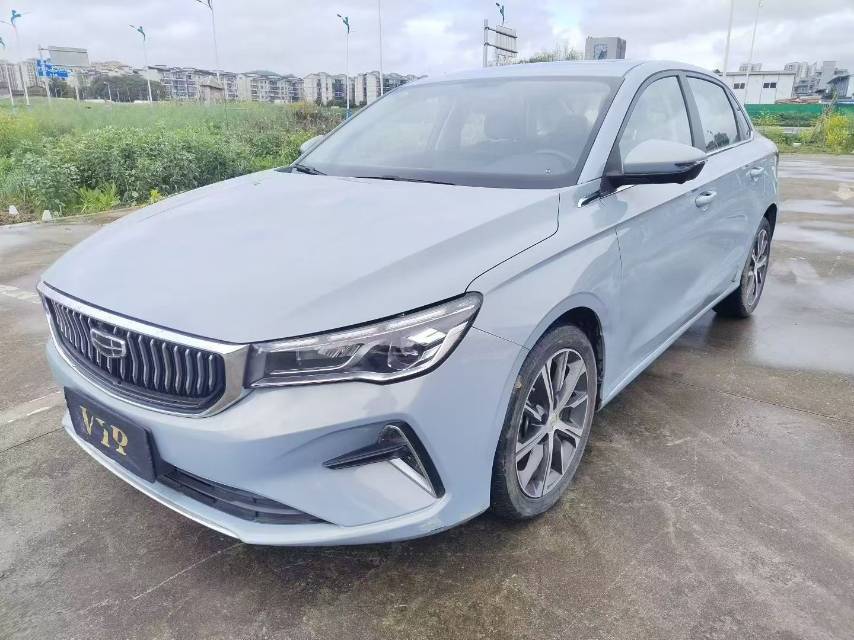
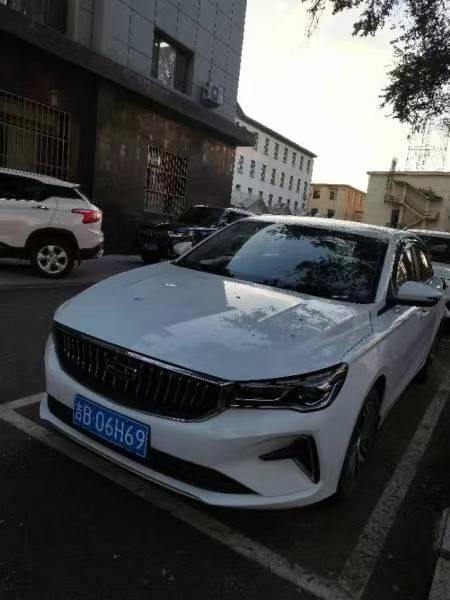
Basic Information

BrandGEELY
SeriesEmgrand
Year2018
First Registration2018/11
Mileage42,700km
Transfer Count-
FuelGasoline
TransmissionManual
Engine1.5L 109 L4
ColorWhite
Seats-

Condition Description

Body components (structural/reinforcing/panels) have accident-type damage; passive safety devices are defective; vehicle performance (including three-electric system) is degraded or remains performance-limited after repairs.

Accident inspection: main structure damaged, reinforcing parts damaged, panels not damaged, hinges normal; engine bay: key mechanical components normal; exterior: 1 replacement, 1 panel repair; interior: right front door trim scratched, most features normal, airbag check normal, lighting system normal; start-up check: main components normal; tool kit: none.

电话直连
可讲价
平台物流
可转售
零过户
新检测标准升级>
非泡水

Document Information

Inspection Expiry Date2028/11
Warranty Expiry Date-
Insurance Expiry Date2026/11

Q&A

More

Does the Chinese government provide tax rebates for used car exports? Is this subsidy reflected in the car price?

Unlike new car exports, there are currently no large national export tax rebates for used cars in China. Therefore, our FOB price is purely the vehicle's residual value plus compliant operating costs, leaving no room for price wars using subsidies.

After receiving the car, I found that the 12V battery was dead and couldn't start, or the wiper rubber was aging. Does this count as a quality breach on your part?

No, it does not. International shipping (especially RoRo) usually takes 30 to 60 days, during which the vehicle is stationary. A dead 12V battery, natural tire pressure loss, and even wiper aging due to temperature differences are all reasonable physical wear during long-distance transport. We strongly recommend that overseas buyers bring a portable jump starter and an air pump when picking up their vehicles at the port.

What should a purchase contract with a Chinese used-car exporter include to protect me?

A solid contract is your main protection in a cross-border deal. It should specify: 1. Vehicle identification: VIN, year, mileage, trim level, and photos of the actual car appended as an annex — not just「a 2021 Toyota」. 2. Condition guarantees: no accident, no flood or fire damage, no structural repairs, supported by a third-party inspection report referenced in the contract. 3. Price and Incoterm: total amount, currency, the named port, and whether freight and insurance are included. 4. Payment schedule: e.g., 20–30% deposit after contract signing, balance against copy of the Bill of Lading. Avoid 100% upfront. Use T/T to the company's corporate bank account only — never a personal account. 5. Timeline: inspection date, estimated loading date, and latest shipment date, with remedies if delayed. 6. Dispute clause: governing law and arbitration (CIETAC or your local chamber) rather than foreign court litigation. Ask for the contract in English (or bilingual) with the supplier's company chop. A company that refuses a written contract or pushes for full prepayment is a red flag.