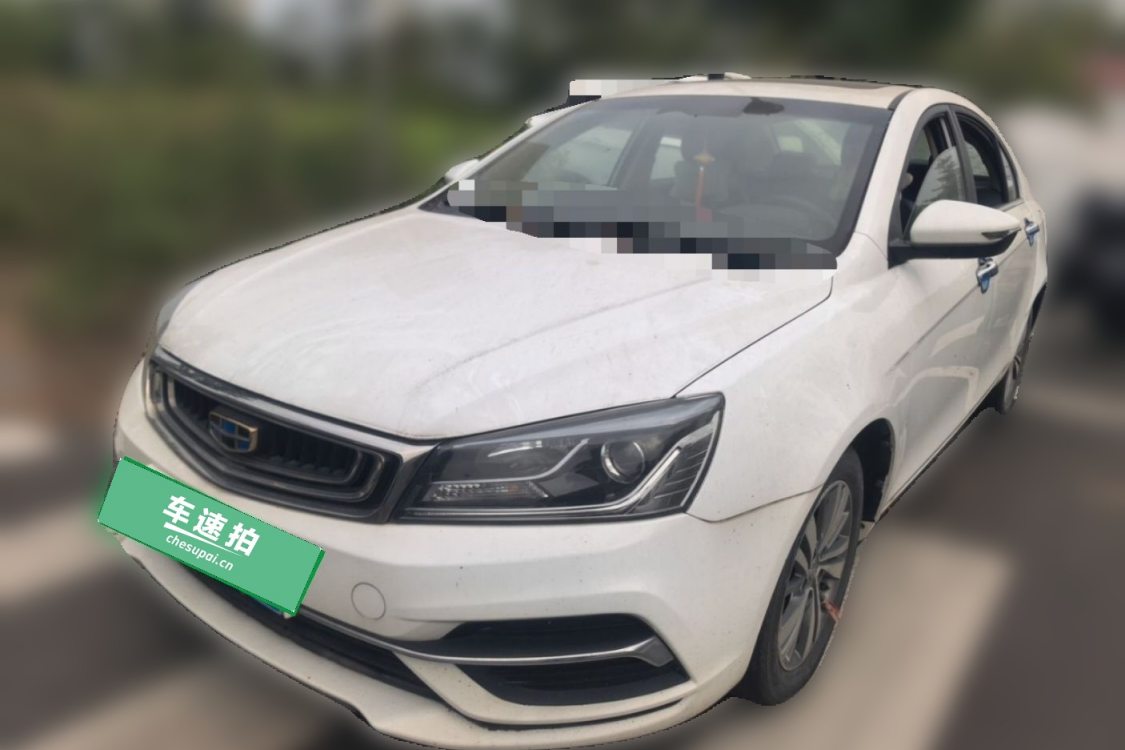
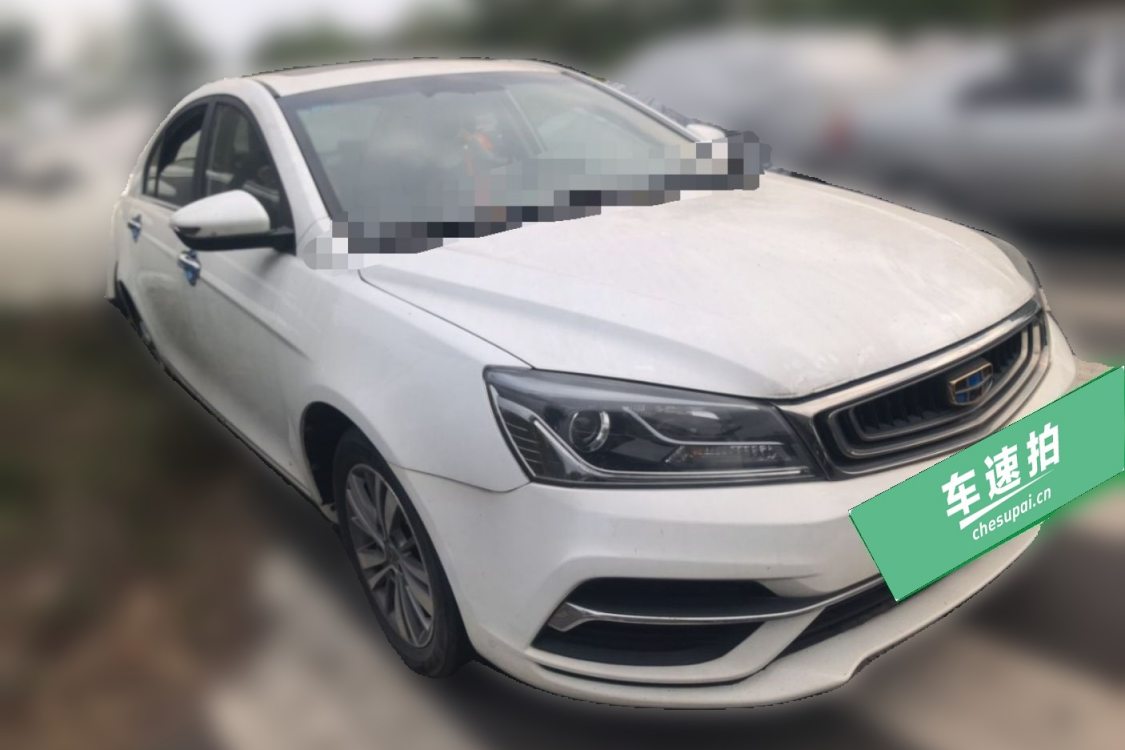
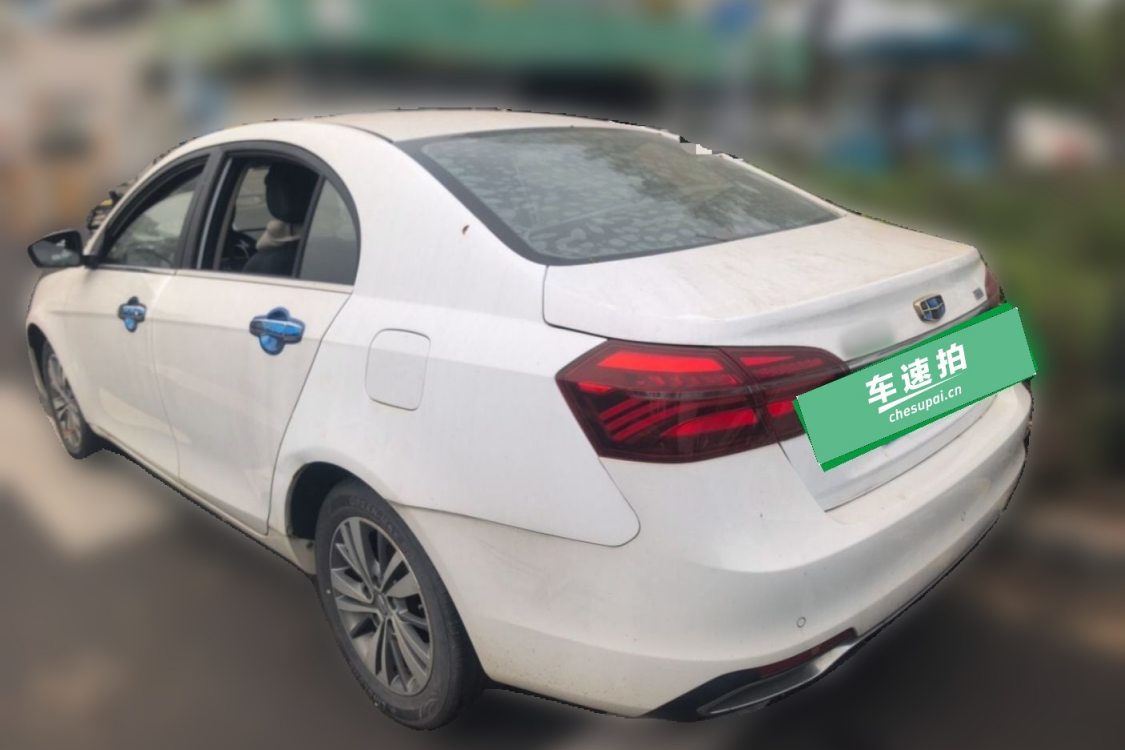
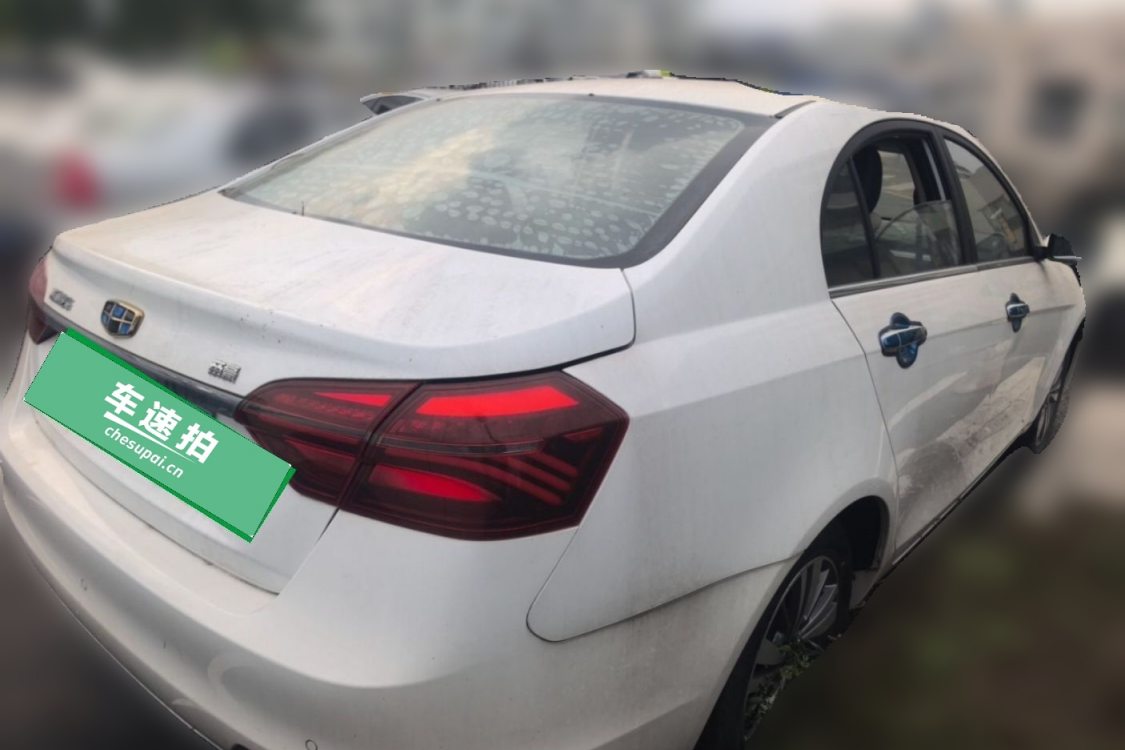
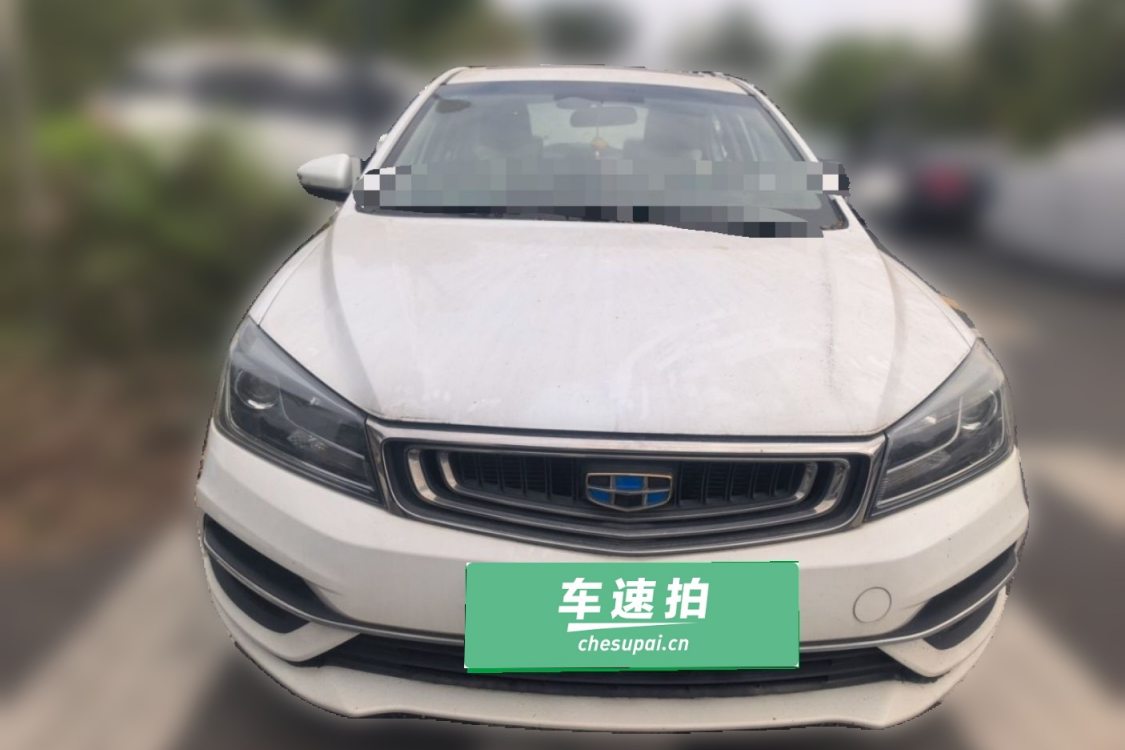
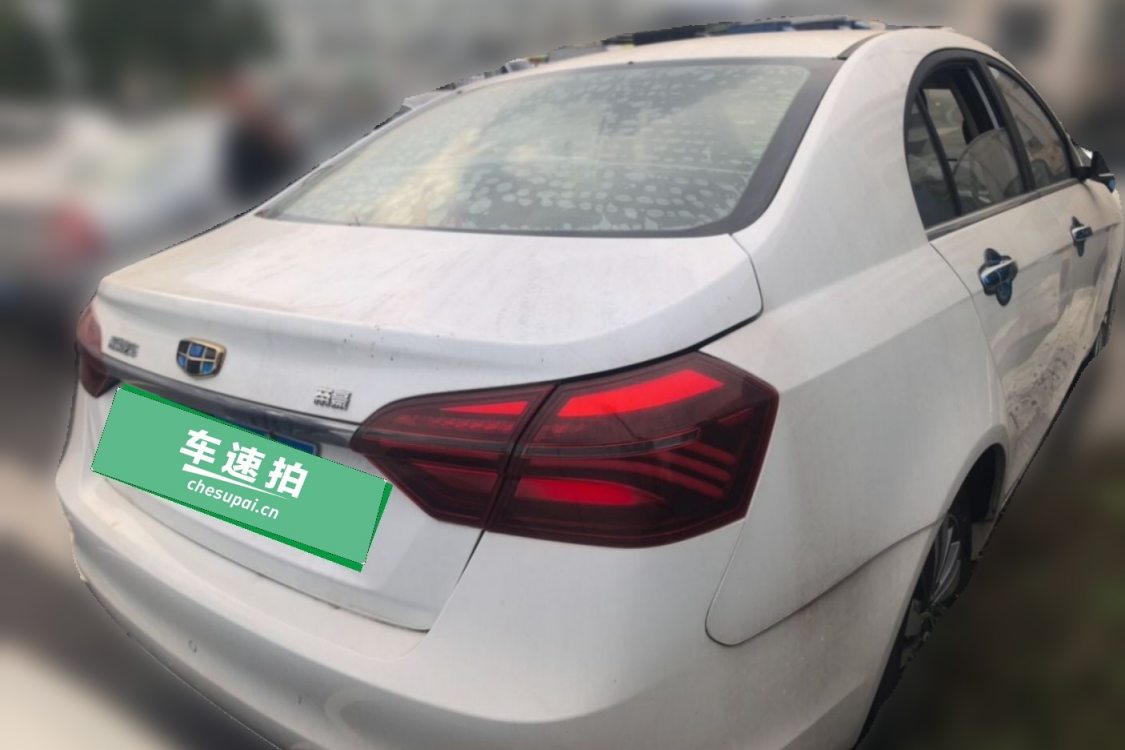
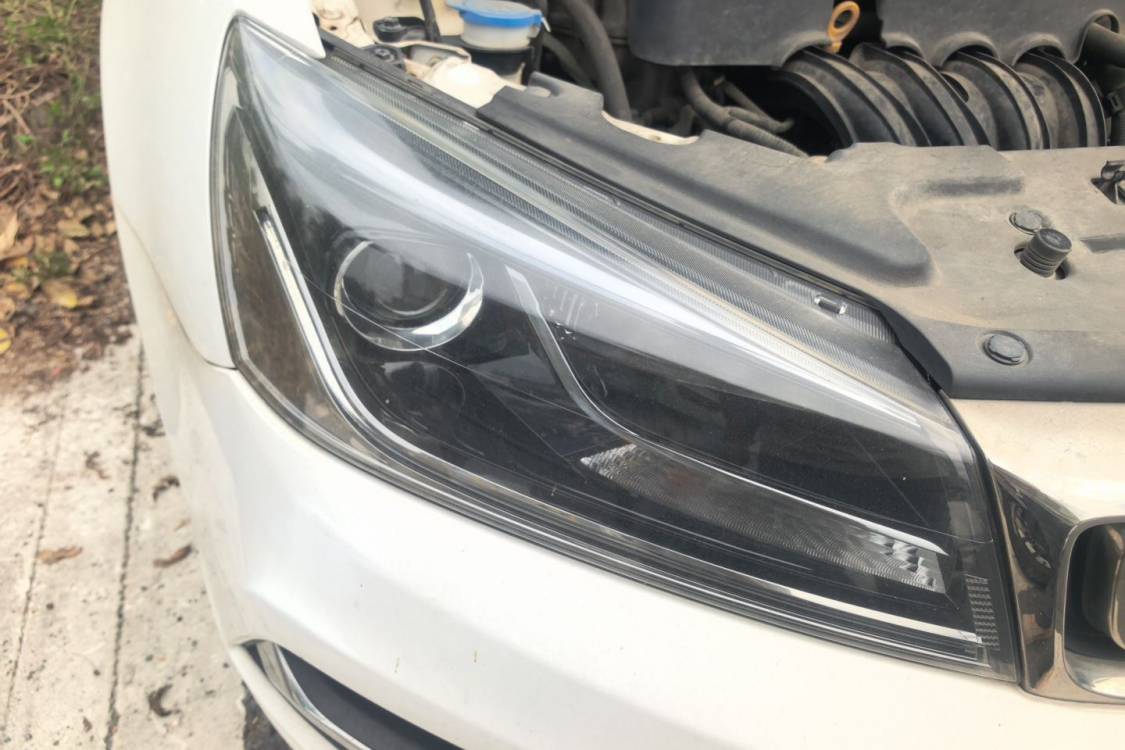
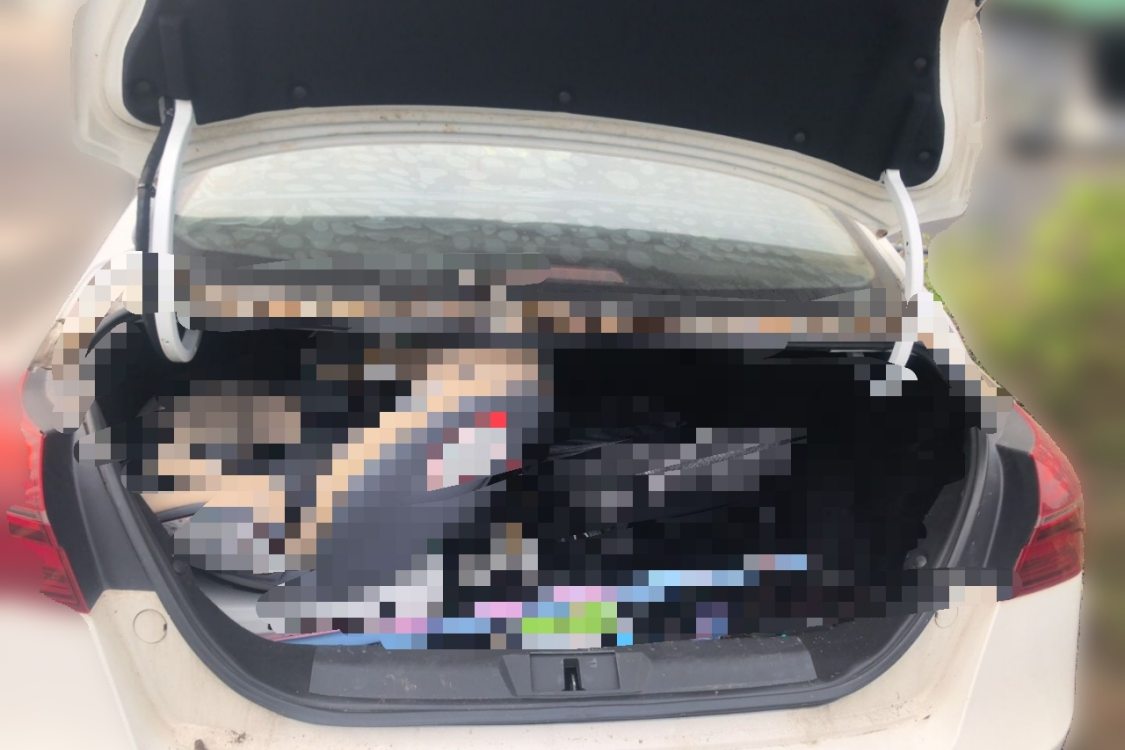
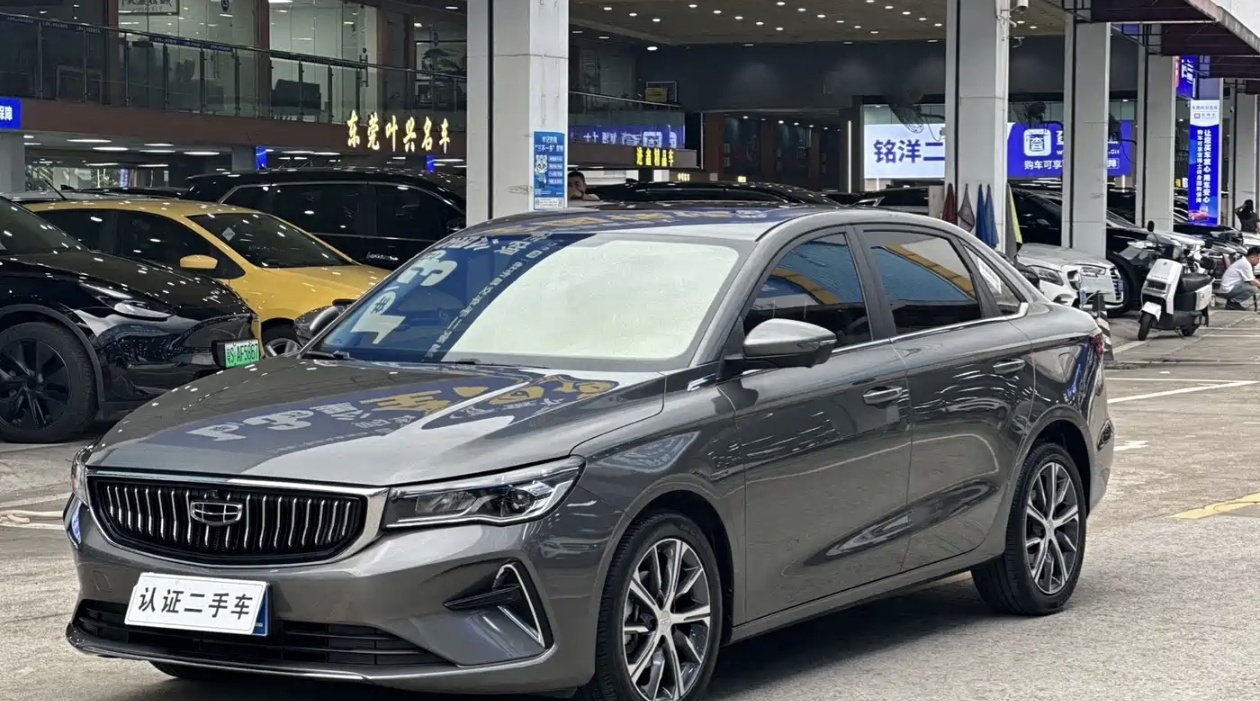
Basic Information

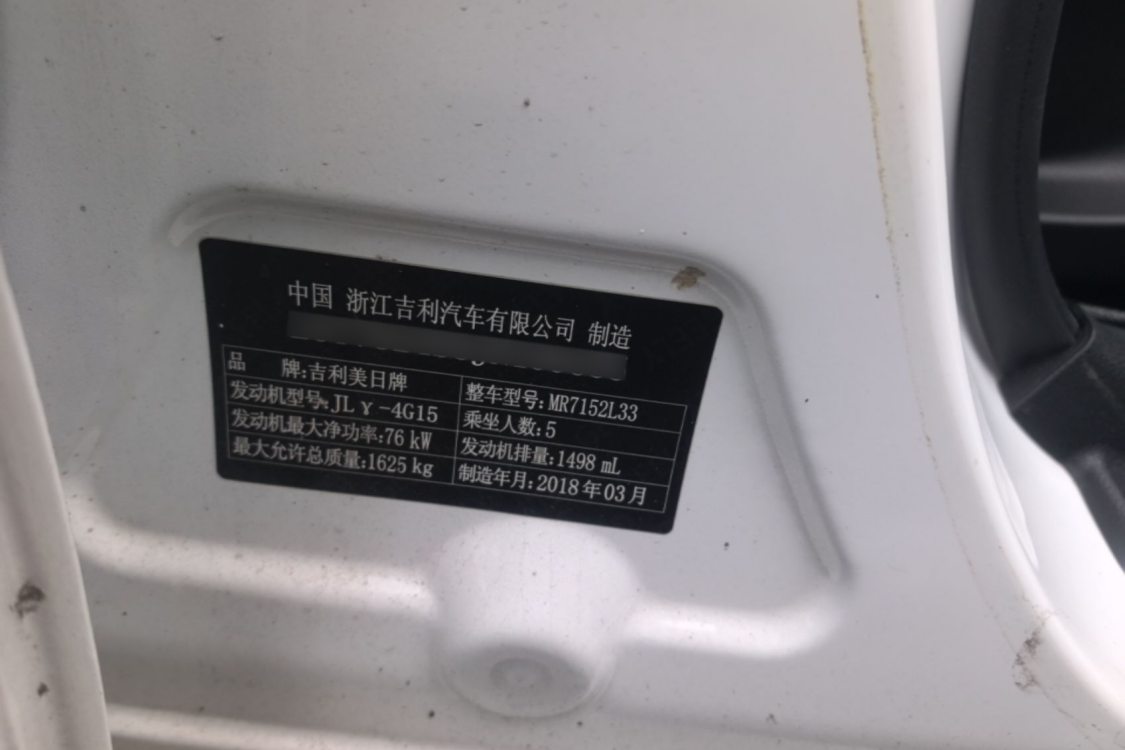
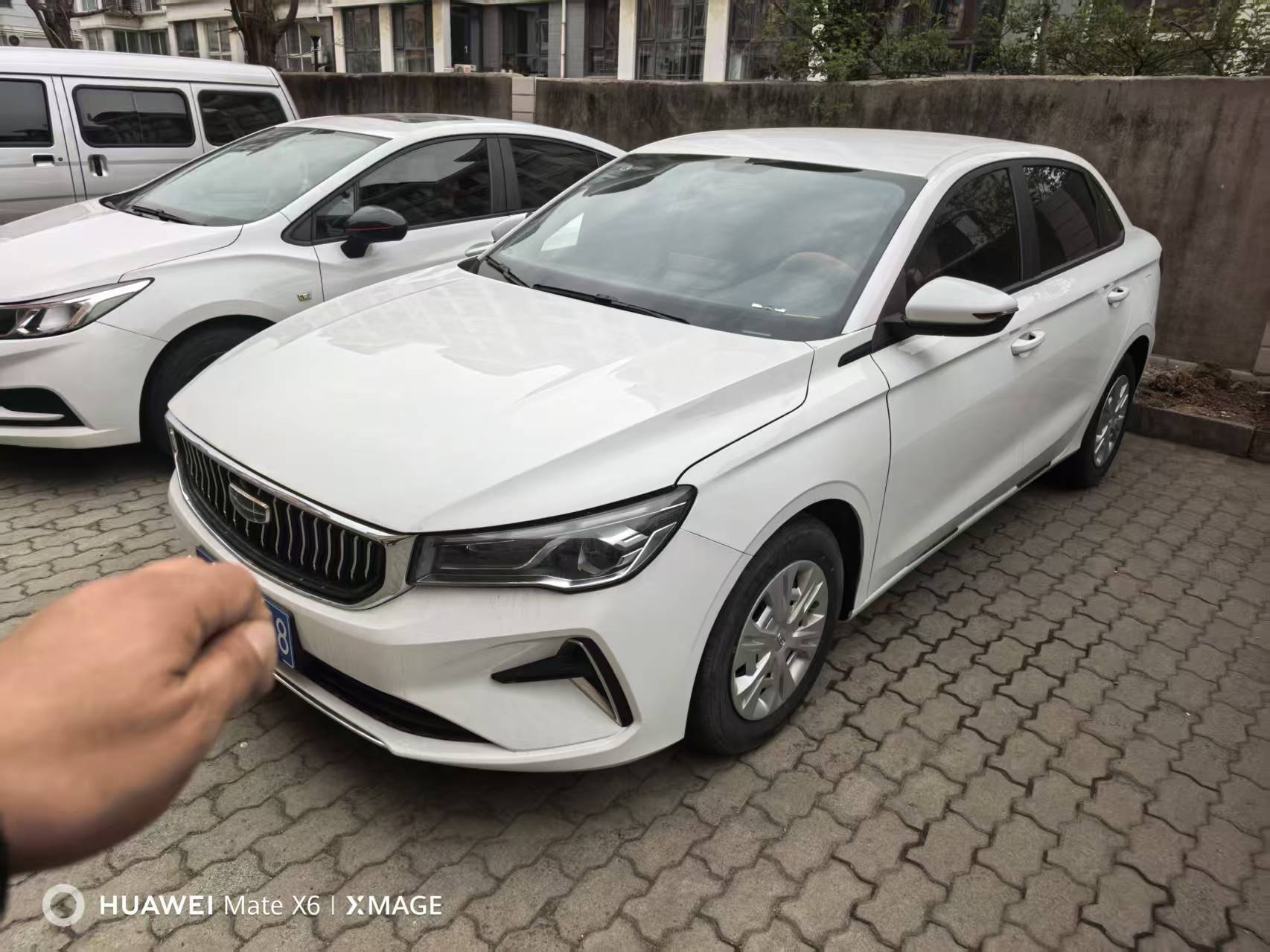
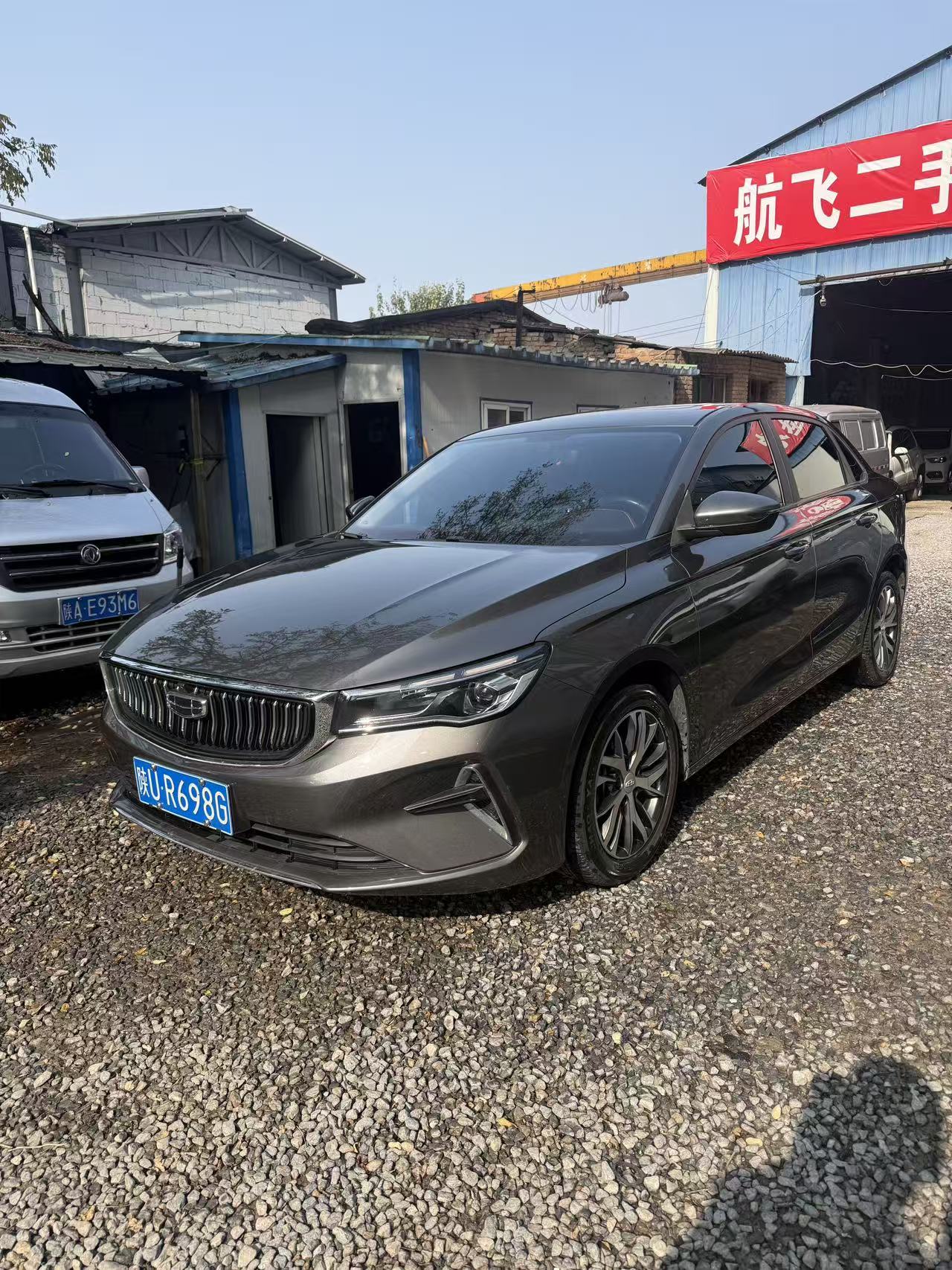
BrandGEELY
SeriesEmgrand
Year2018
First Registration2018/04
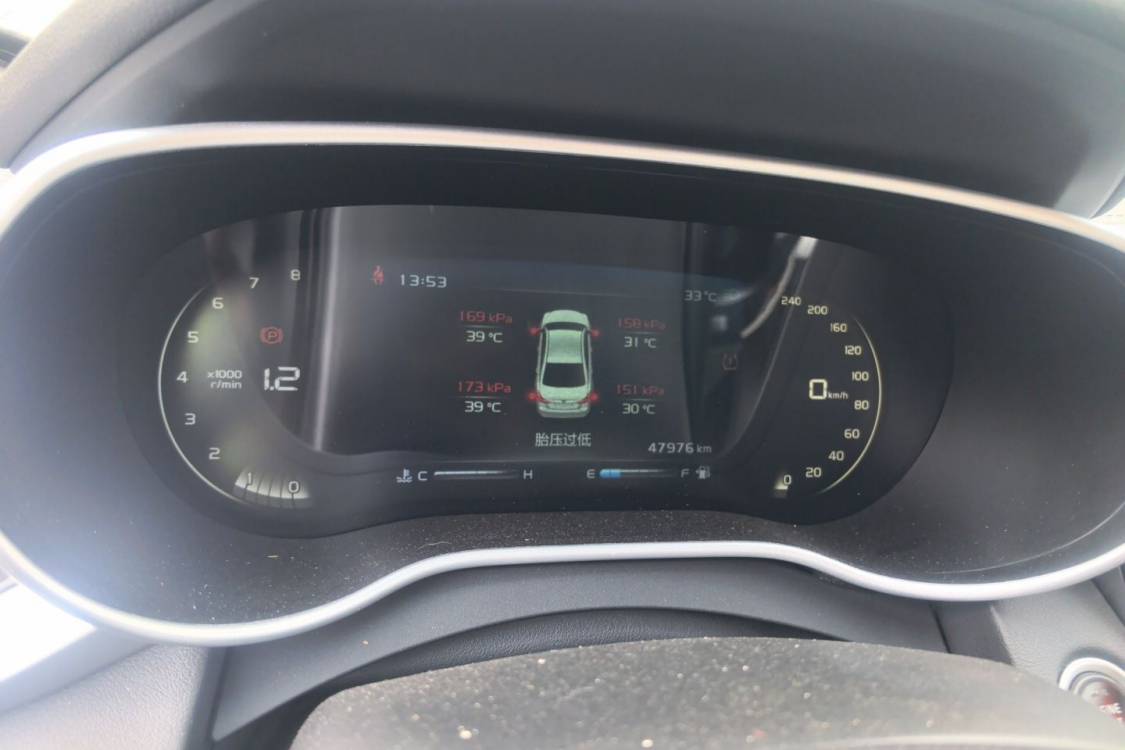
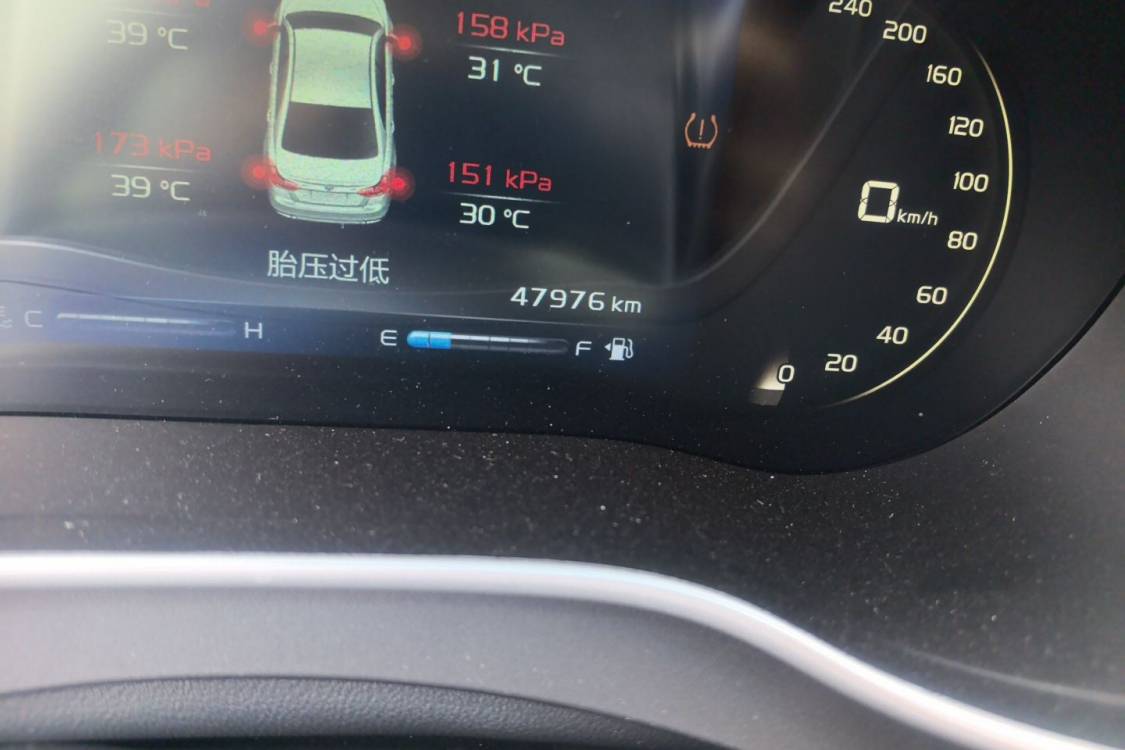
Mileage47,900km
Transfer Count-
FuelGasoline
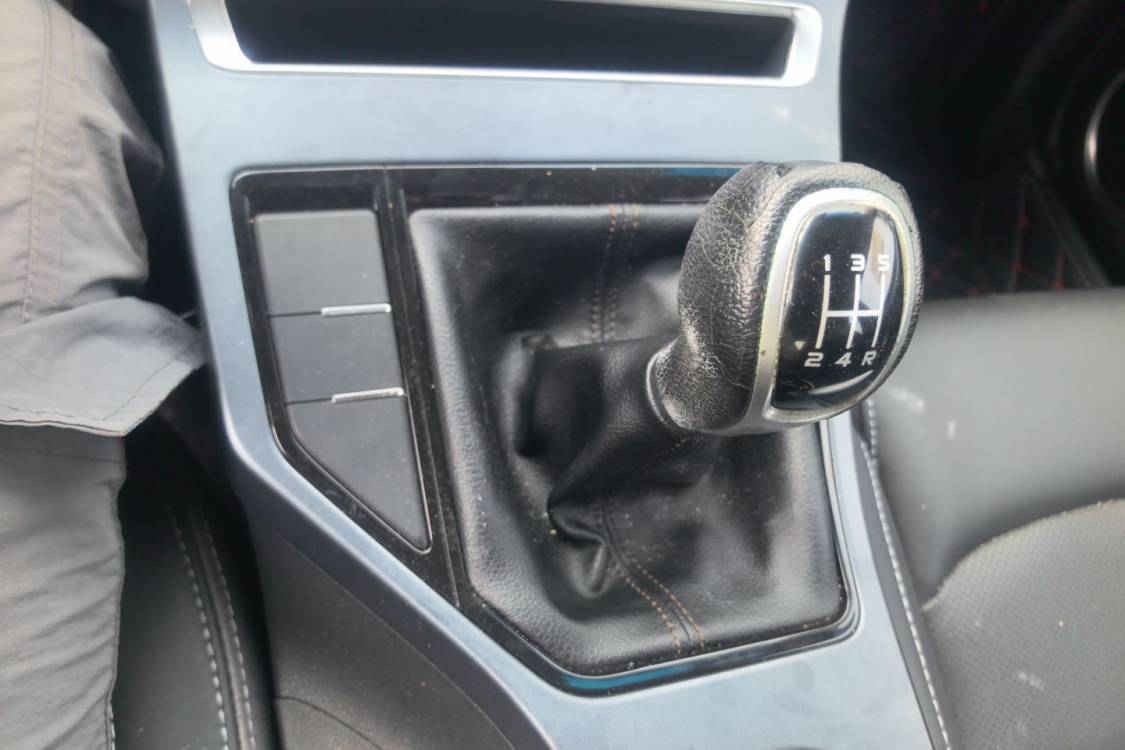
TransmissionManual
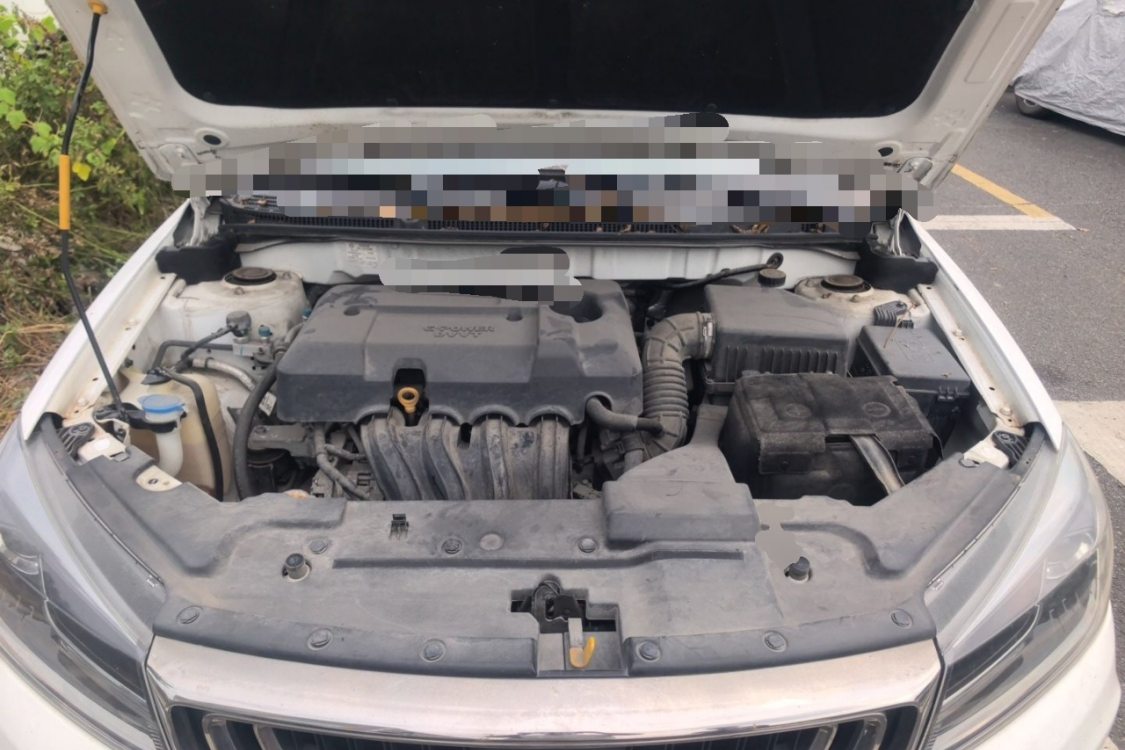
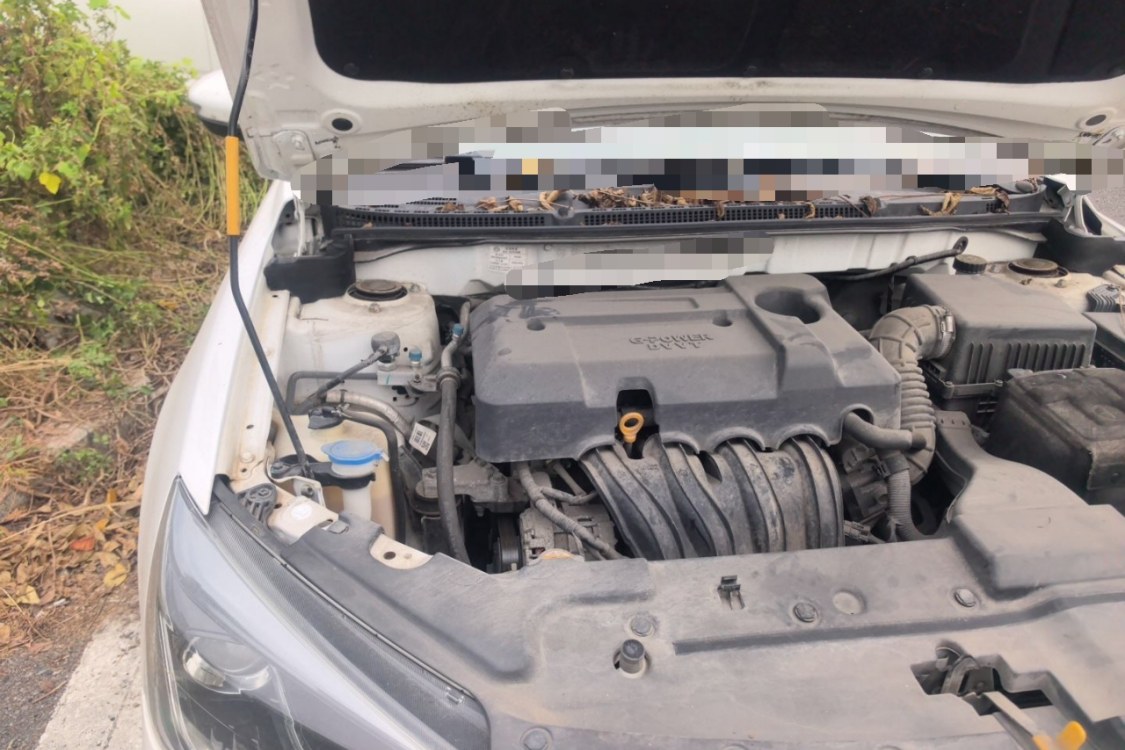
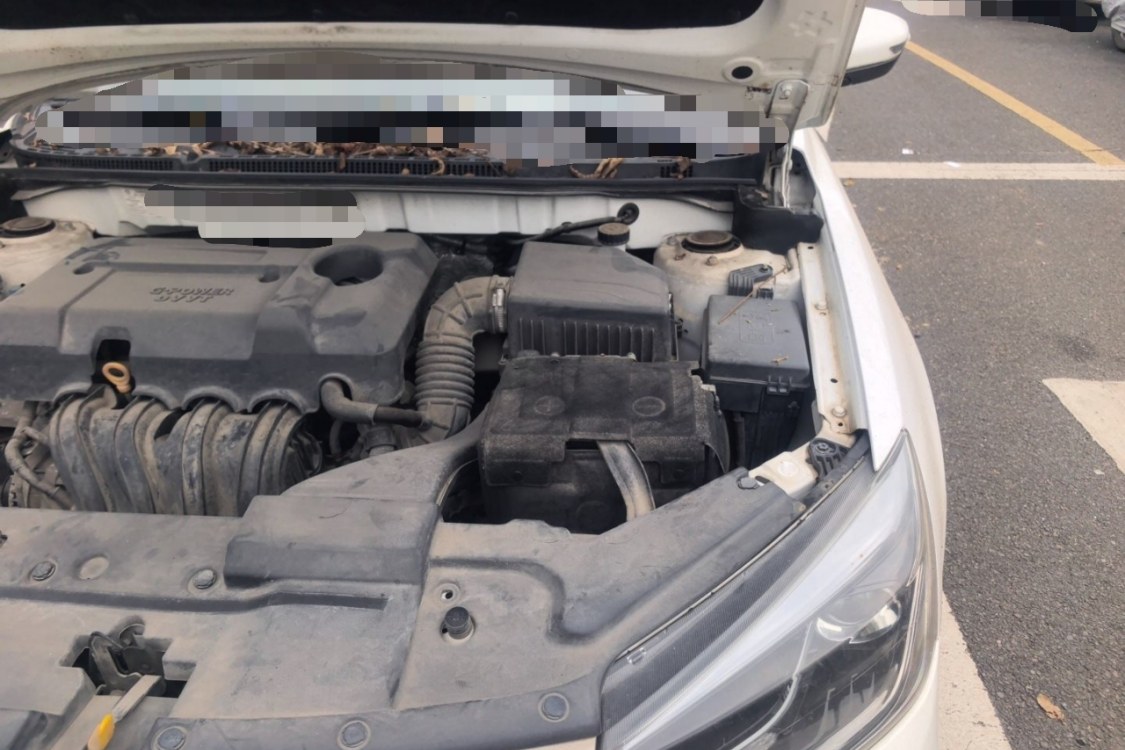
Engine1.5L 109 L4
ColorWhite
Seats-

Condition Description

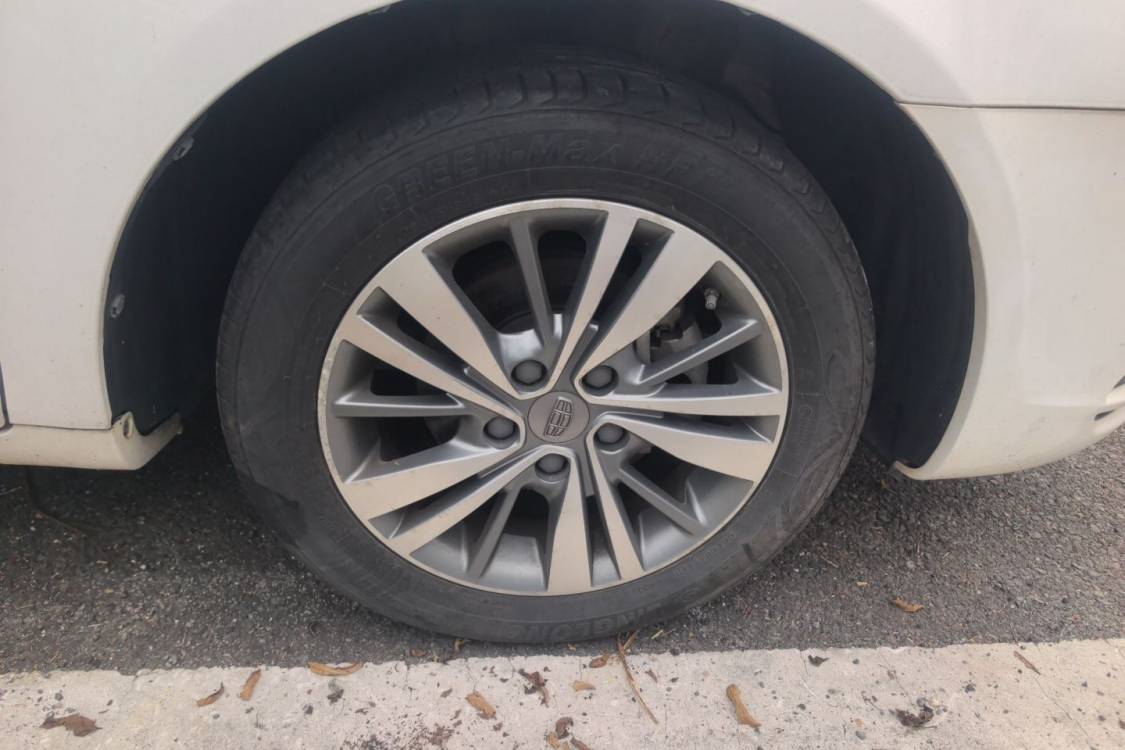
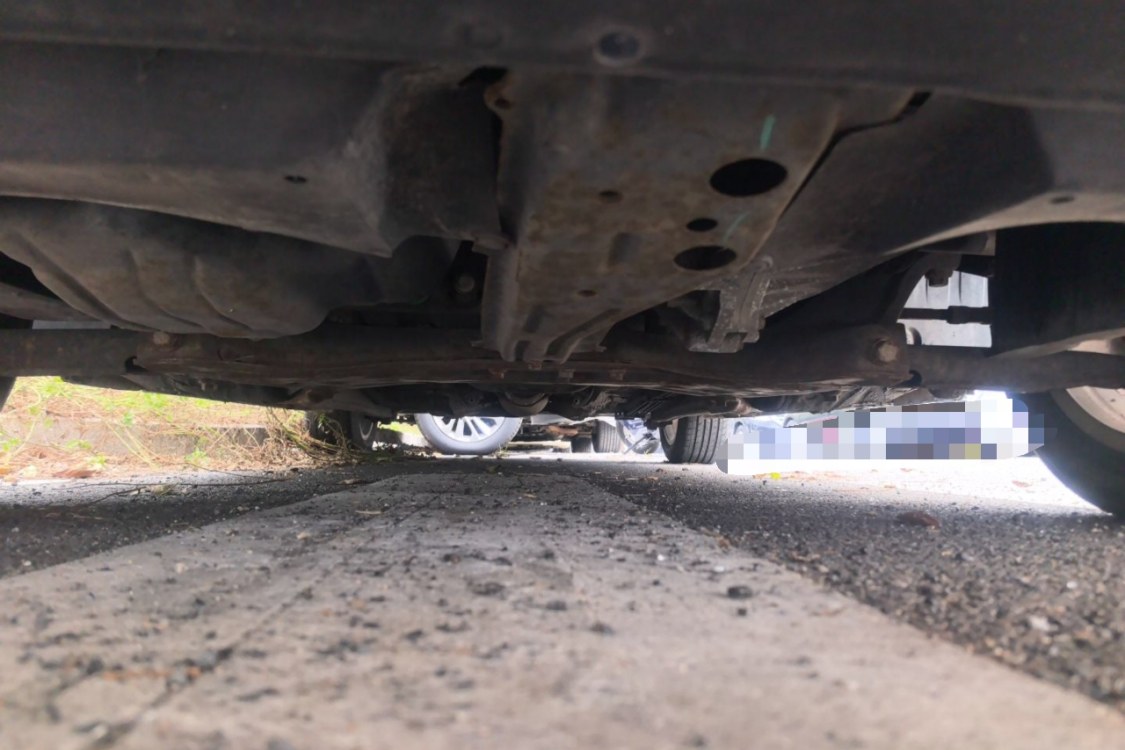
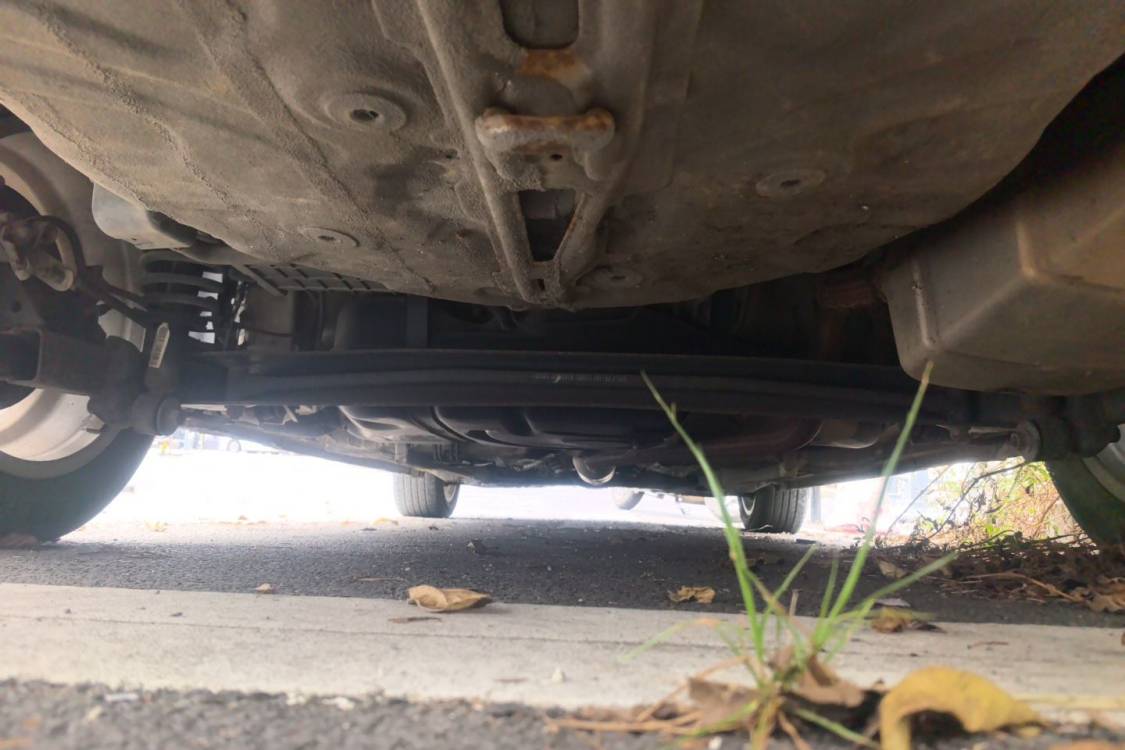
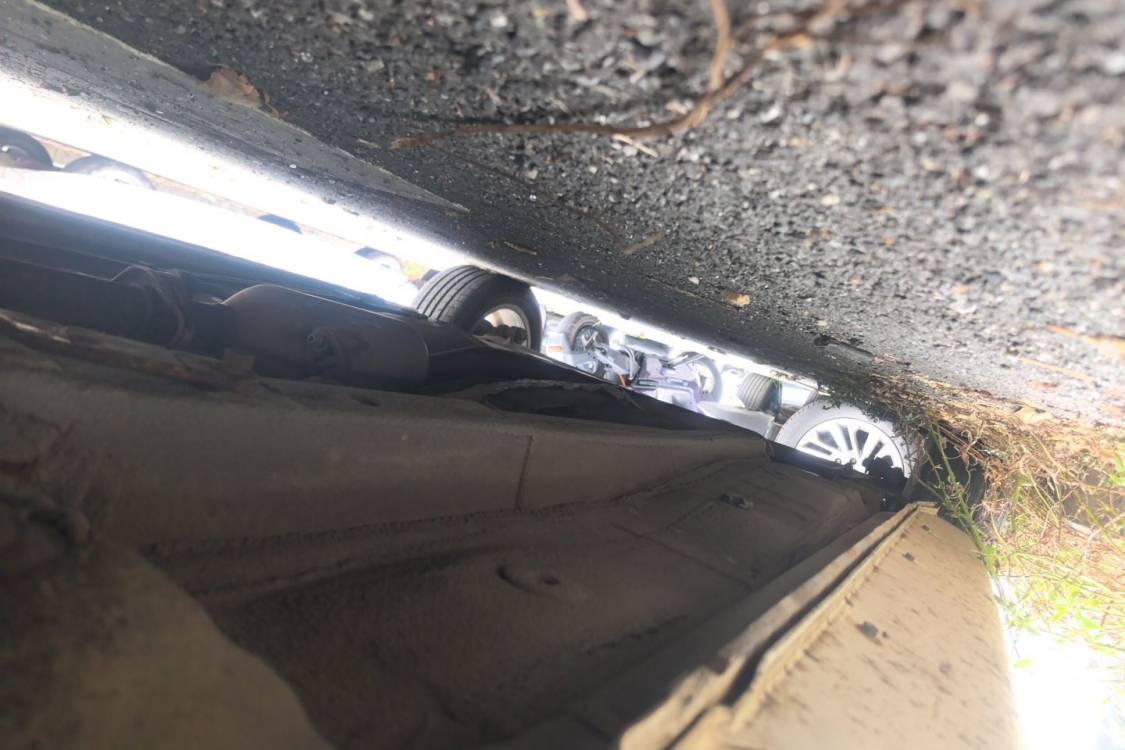
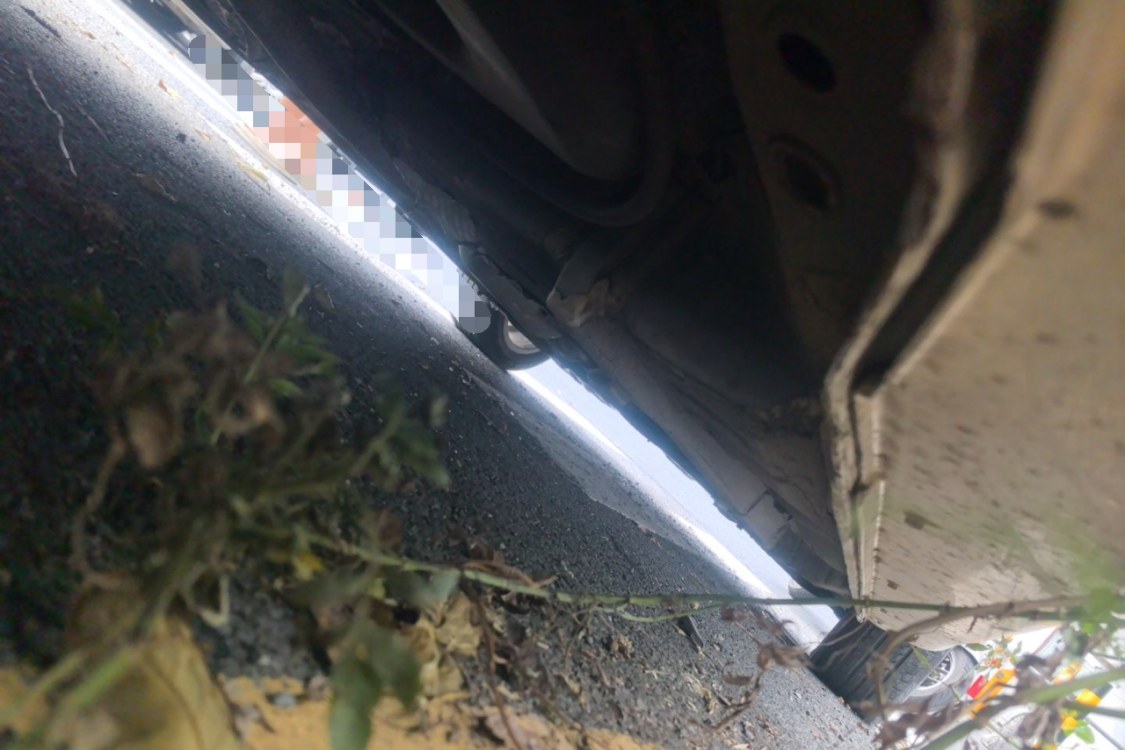
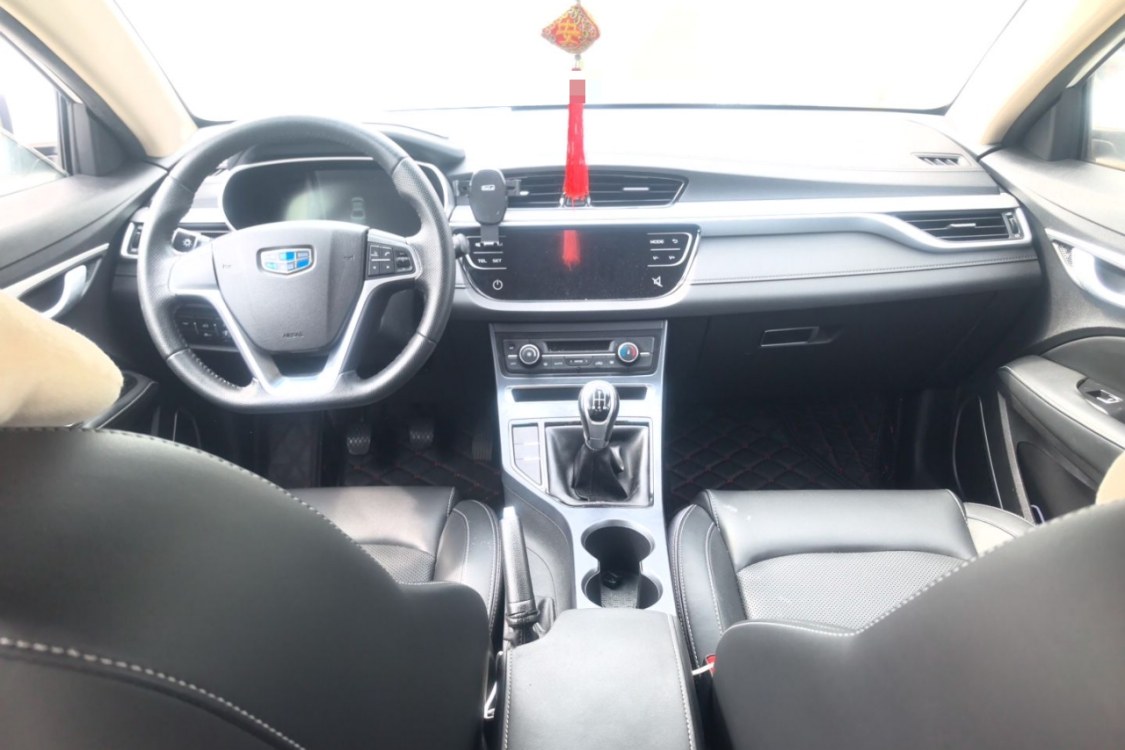
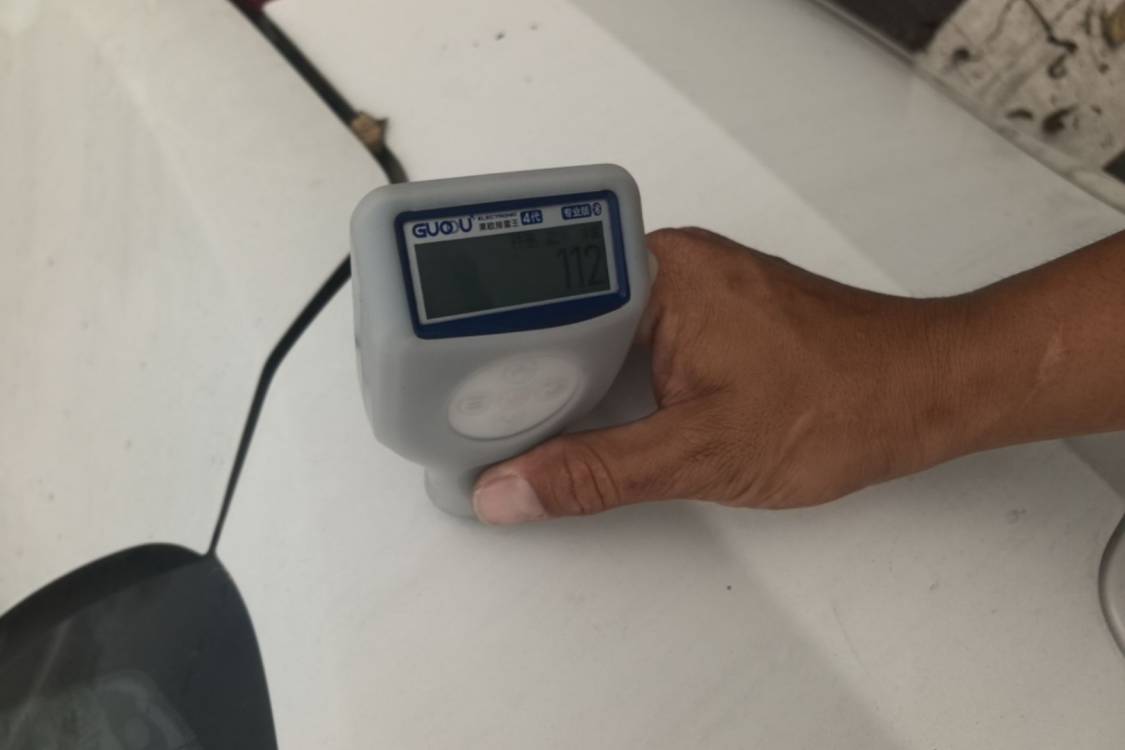
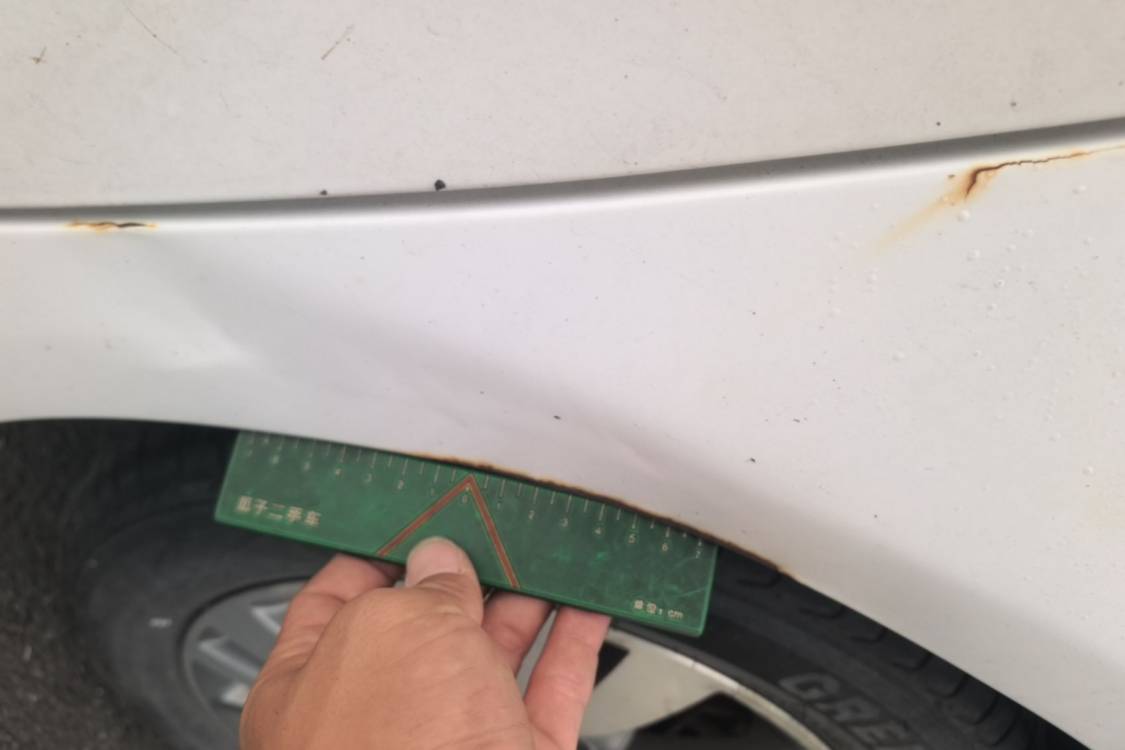
Localized body damage or repair marks present. No accident damage or repairs to structural or reinforcing components. Vehicle performance (including three-electric system) has degraded or is limited.

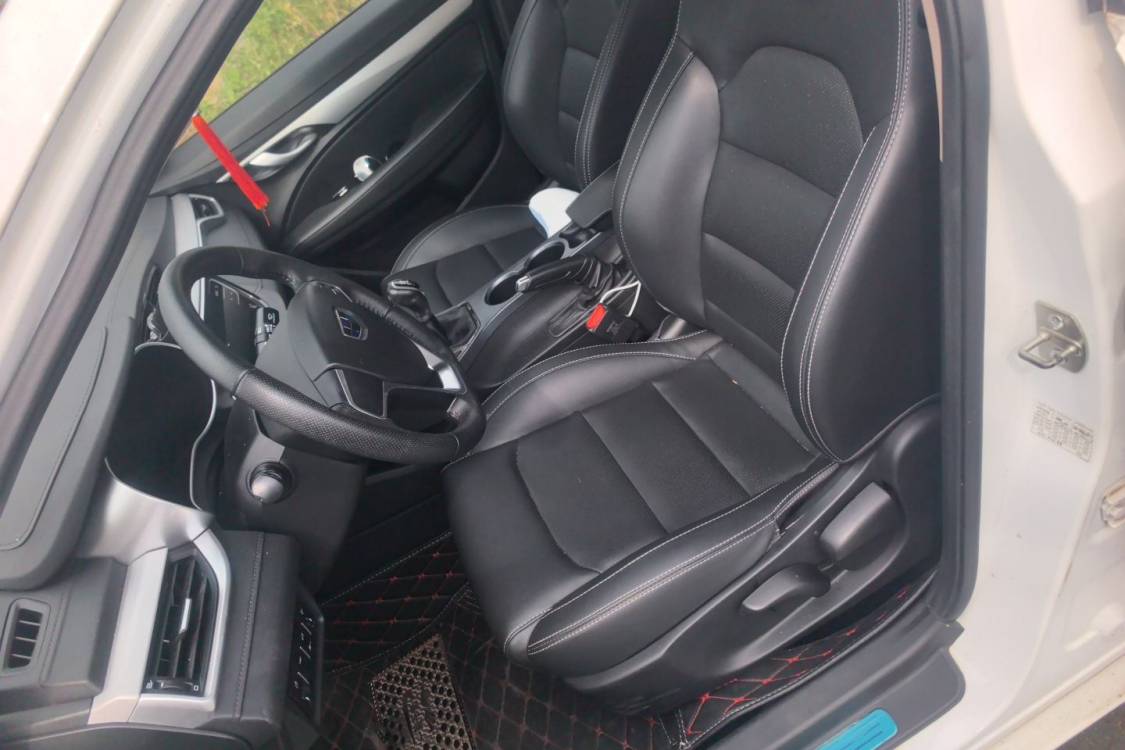
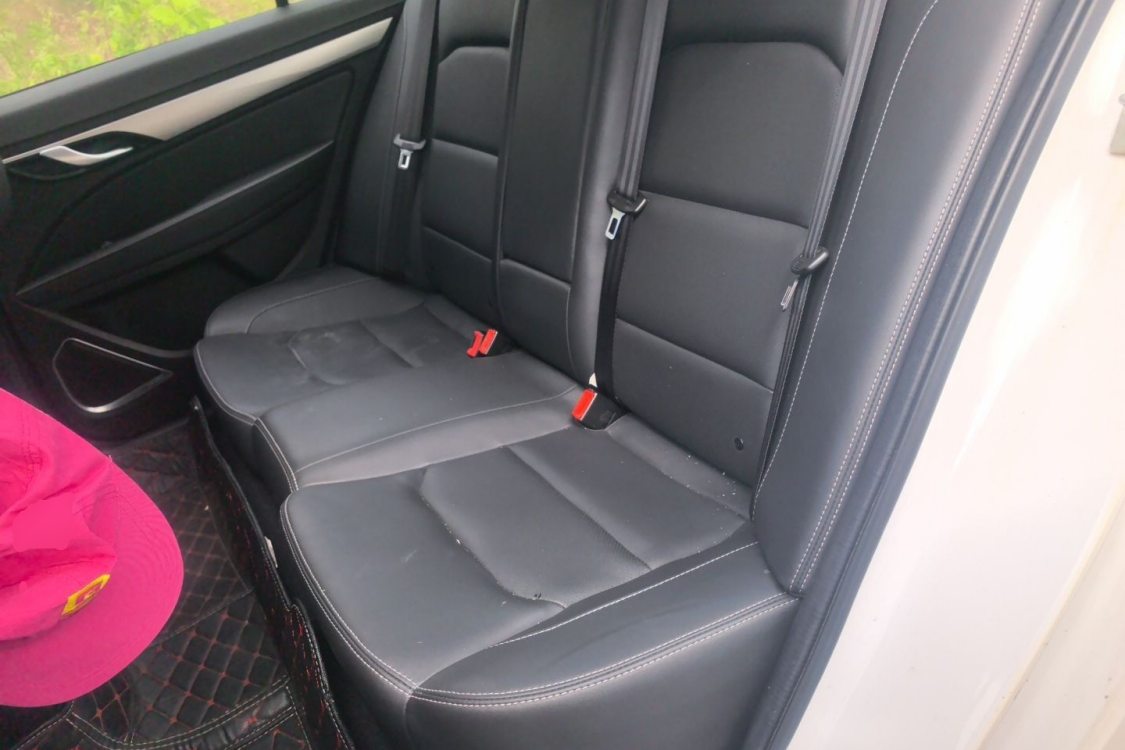
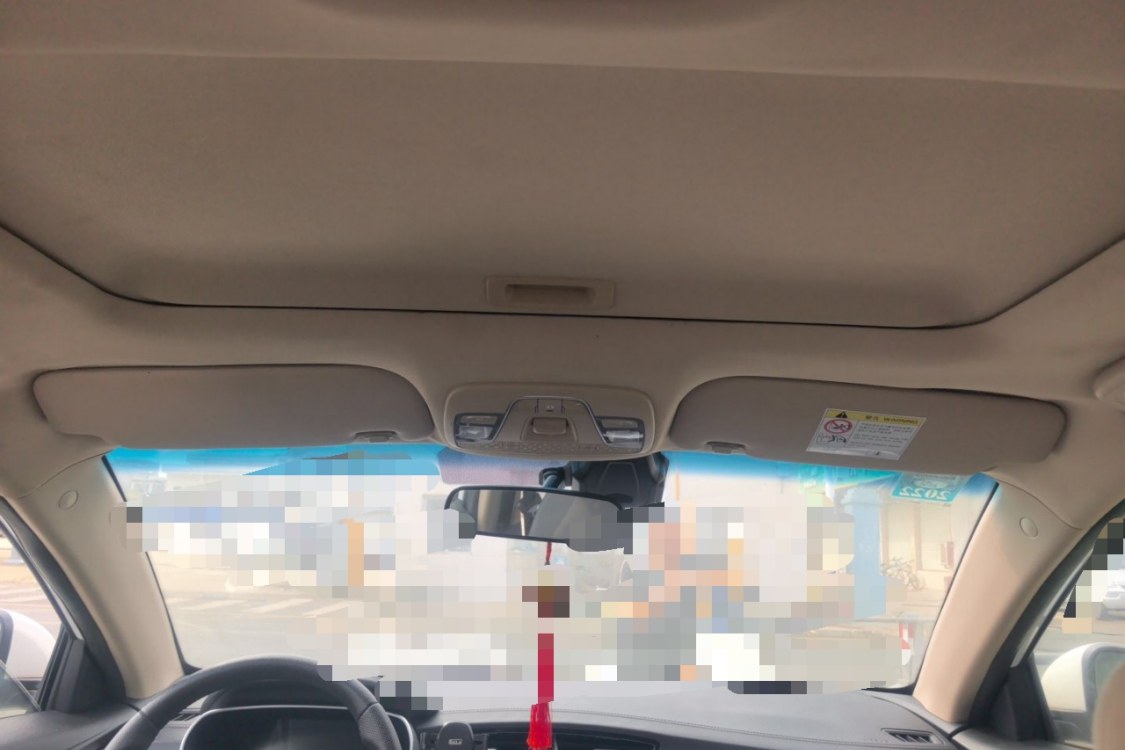
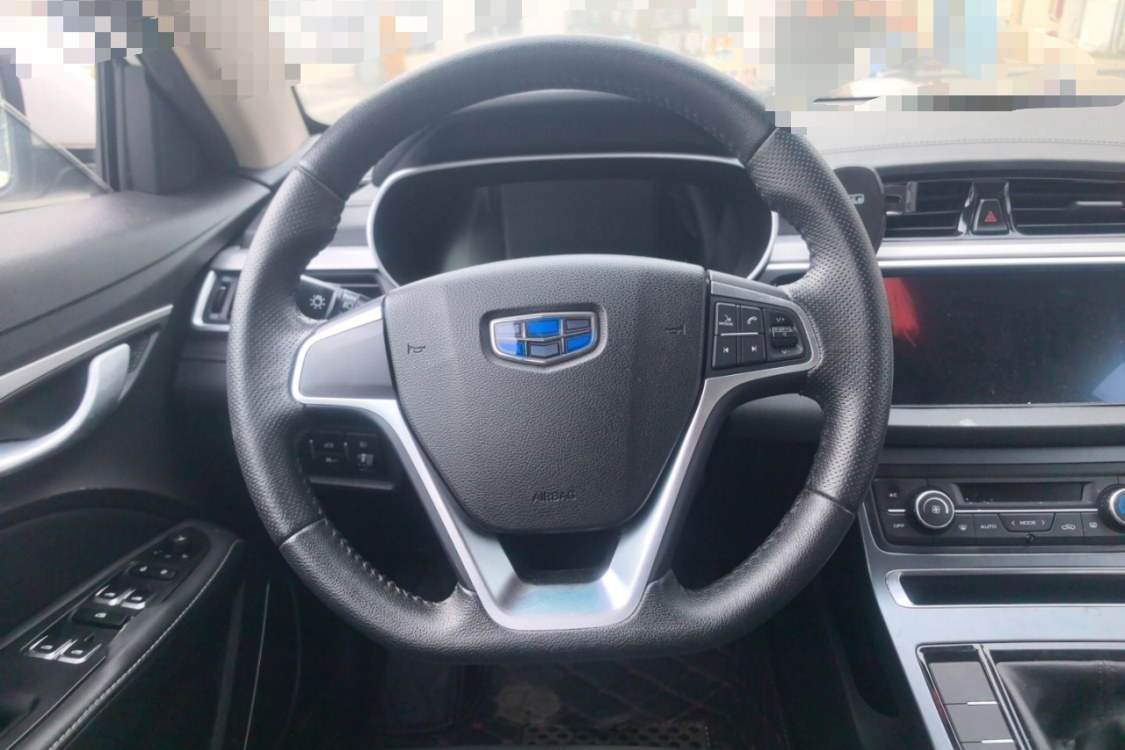
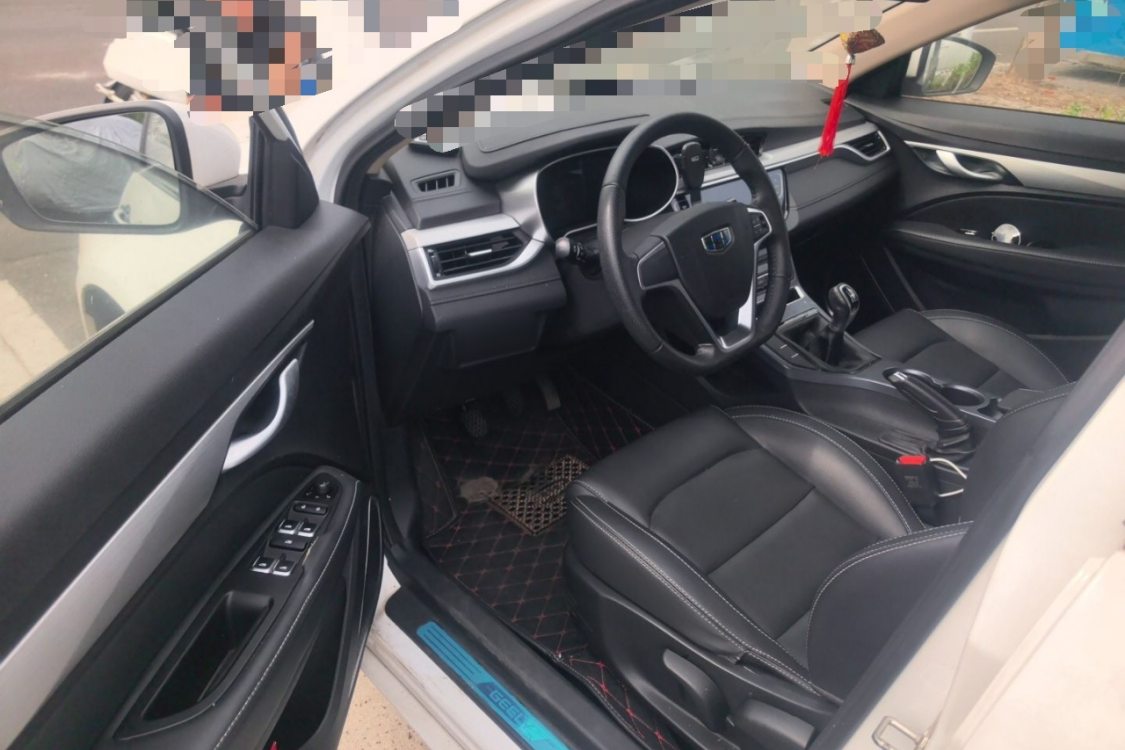
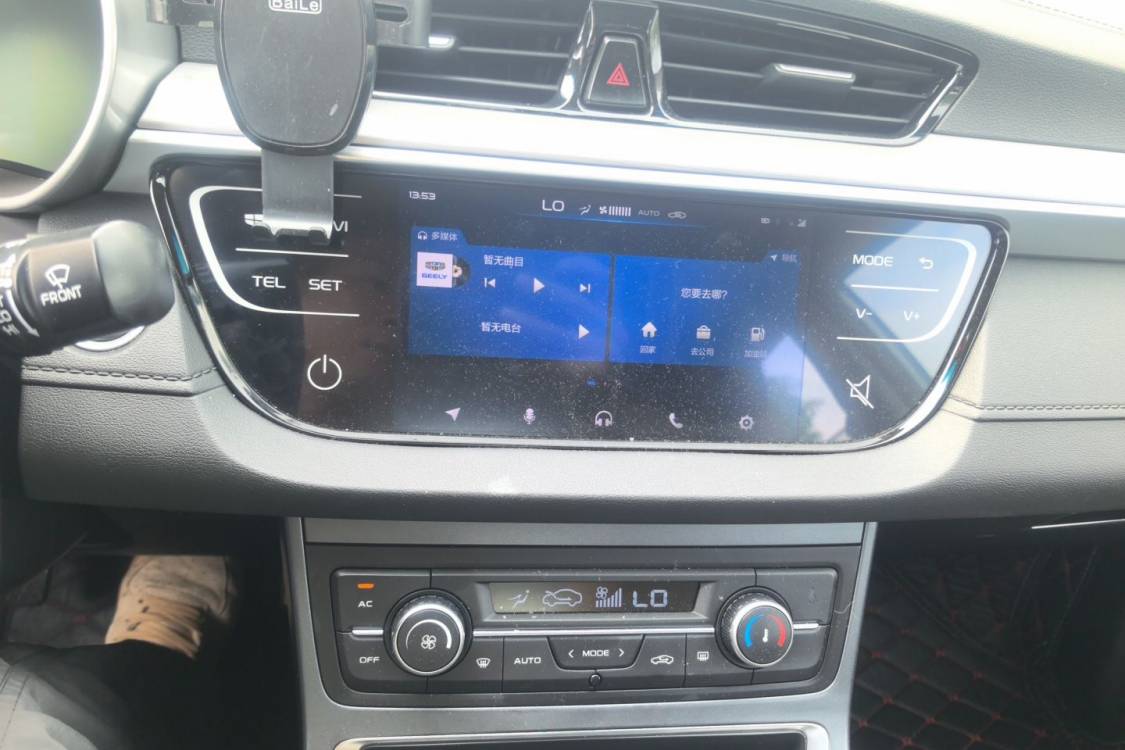
Accident inspection: main structure undamaged, reinforcing parts undamaged, cover panels damaged, hinges normal. Engine bay: key mechanical components normal. Exterior: 1 area of sheet metal repair. Interior: right front door trim damaged, left front door trim damaged, gear shift knob damaged, headliner sagging; most features normal, airbags normal, lights normal. Start-up test: main components normal. Tool kit: missing.

电话直连
可讲价
可转售
车主降价
零过户
新检测标准升级>
非泡水

Q&A

More

Is the delivery date specified in the contract based on the "Estimated Time of Departure (ETD)" or the "Date of Arrival at Port"?

Our legal delivery milestone is based on the "Estimated Time of Departure (ETD)". As long as the vehicle enters the port area and customs clearance is completed within the agreed timeframe, any delays in shipping schedules due to the shipping company's capacity adjustments will not be considered a breach on our part. The uncontrollability of maritime transport must be factored into your expectations.

Can the buyer request the internal resistance test data of the battery pack at different state of charge (SOC) levels?

Obtaining precise internal resistance at different SOC levels requires disassembling the battery pack and connecting it to a professional charge-discharge cabinet for several days of cycling tests. This is beyond the scope of non-destructive used car inspections; we only provide real-time estimated internal resistance data based on OBD port readings.

How can I find out if a used Chinese car has flood or water damage history?

Flood cars are common after heavy rain seasons, and the damage often shows up months later in the wiring and electronics. Here is how to check before you buy. First, ask for the insurance claim history using the VIN. Flood claims are usually recorded, and any mention of water damage, interior drying, or electrical repair should stop the deal. Second, inspect the interior yourself or via video call. Pull up the carpet edges and look for mud residue, water marks, or rust on seat rails and seatbelt buckles. Seatbelts that retract slowly or have a musty smell were often submerged. Third, check hidden cavities: the spare tire well, glove box, and under the trunk lining. Silt or a tide line there is a strong flood indicator. Fourth, look for condensation behind the instrument cluster and inside the headlights. Persistent fog in the lamps is a classic sign of water immersion. Finally, an OBD scan can help: flood cars often store scattered error codes across unrelated modules (airbag, ABS, body control) because corroded connectors corrupt the network. If several of these signs appear together, walk away. Flood damage is almost never worth repairing, and it will haunt the car's electronics for its whole life.