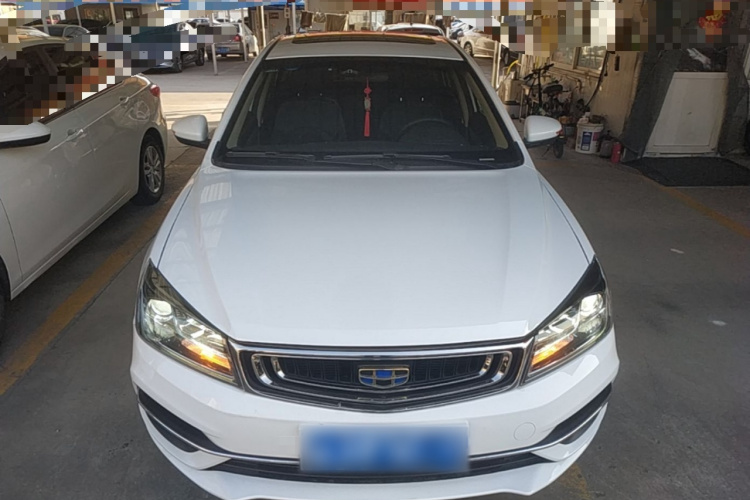
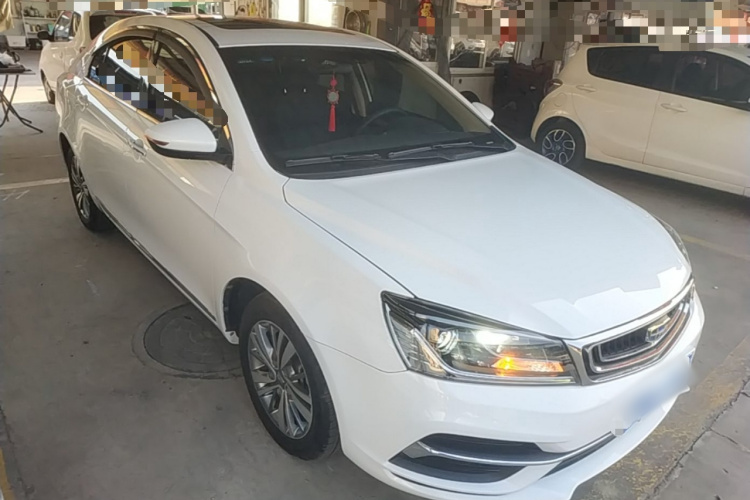
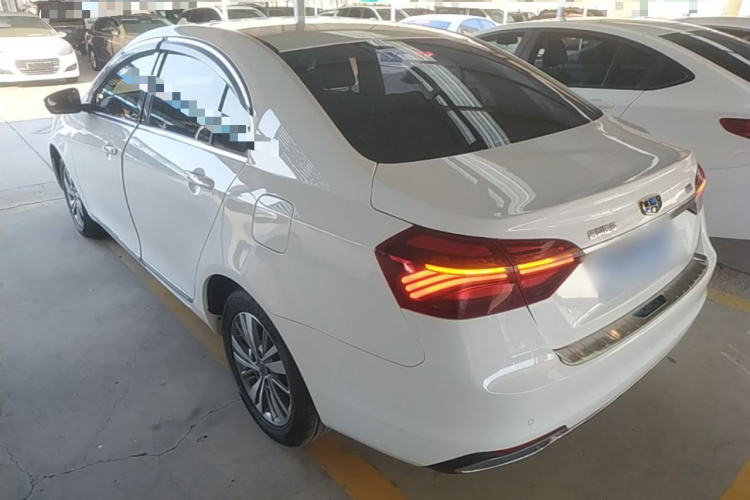
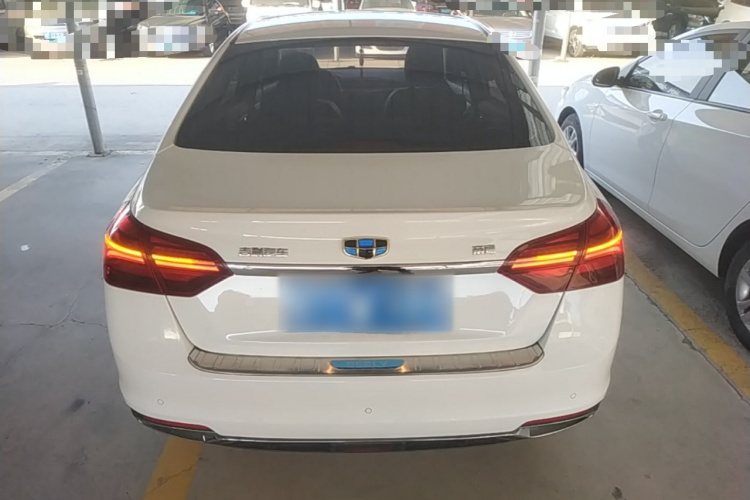
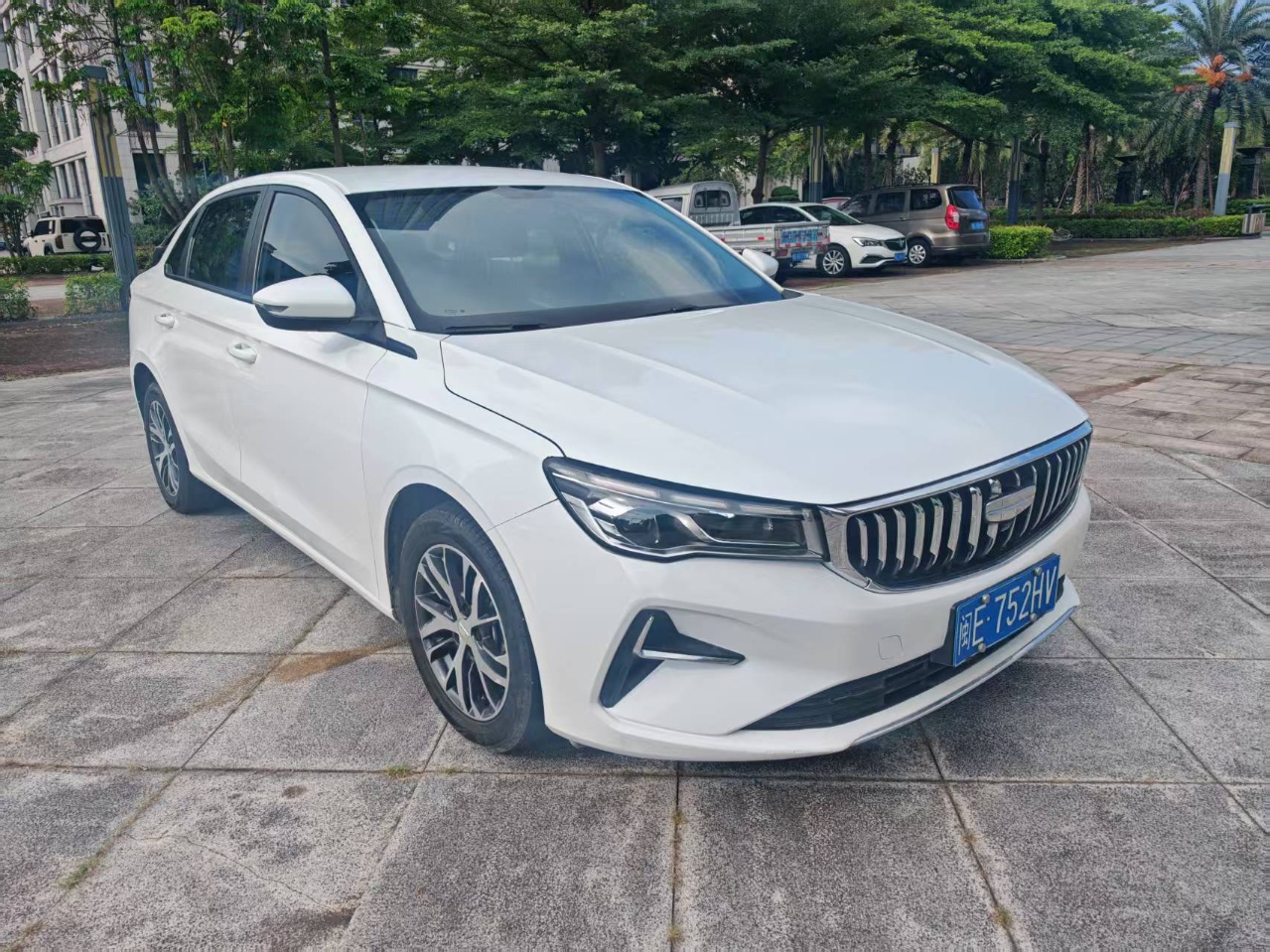
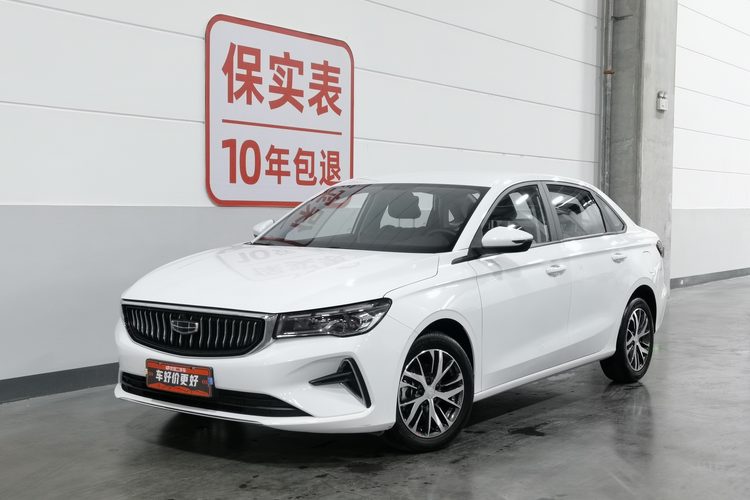
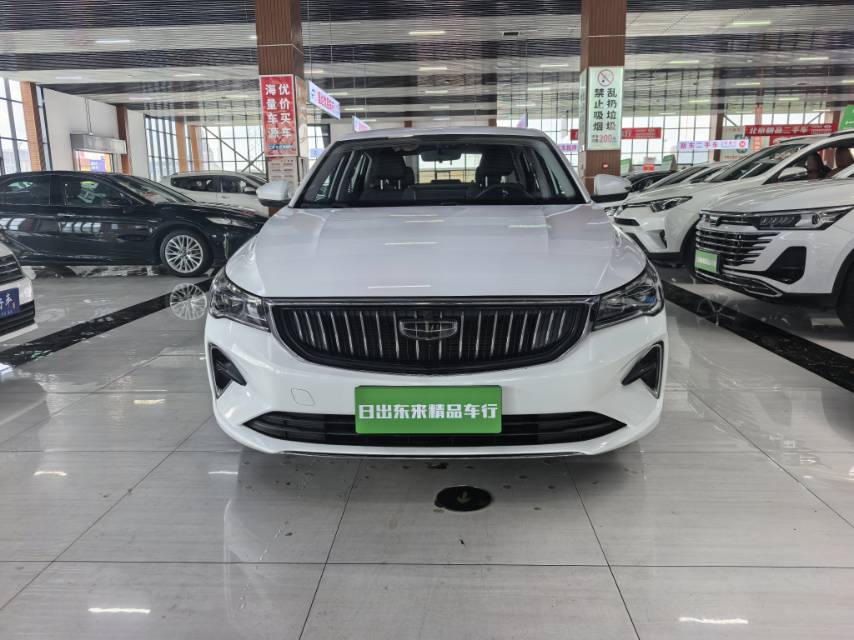
24H

Basic Information

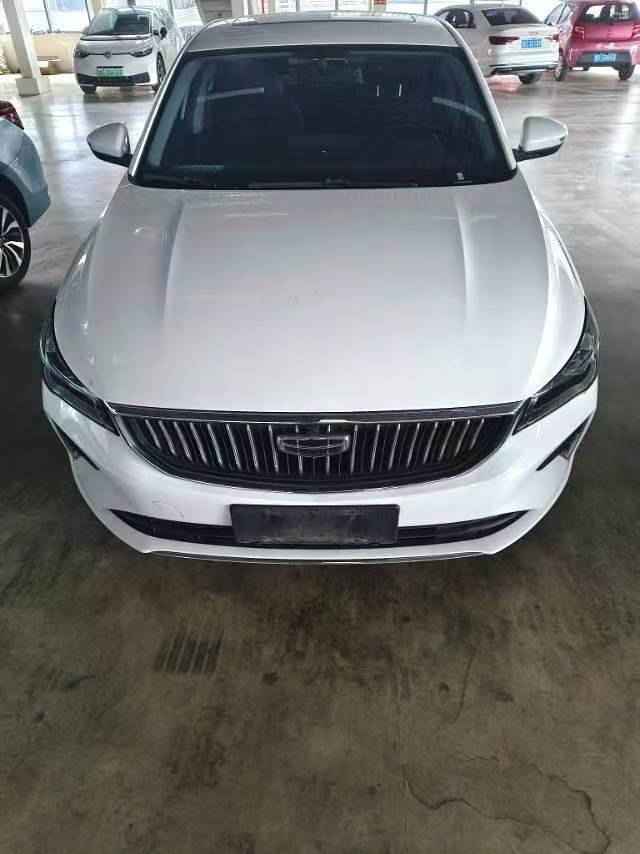
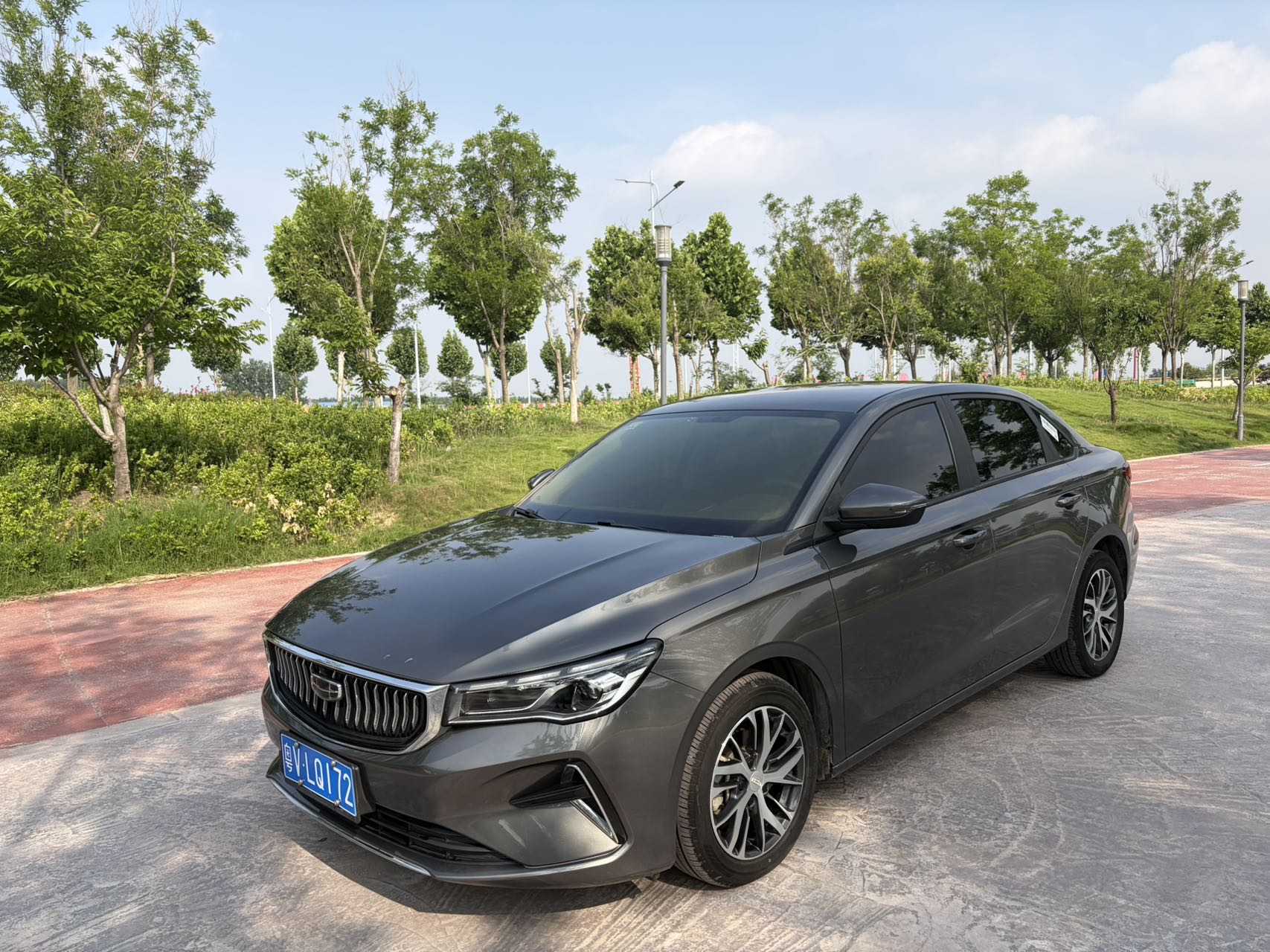
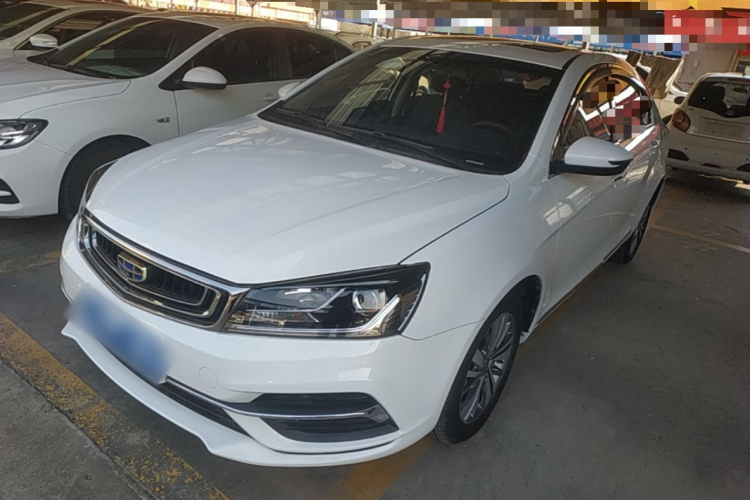
BrandGEELY
SeriesEmgrand
Year2019
First Registration2019/05
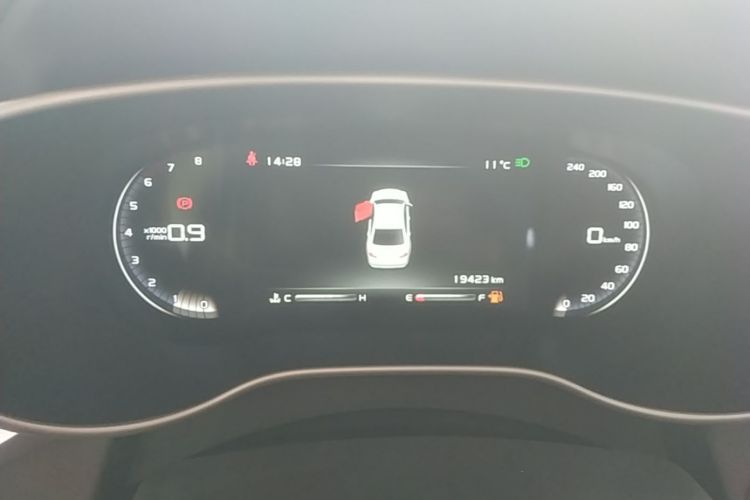
Mileage19,400km
Transfer Count0times
FuelGasoline
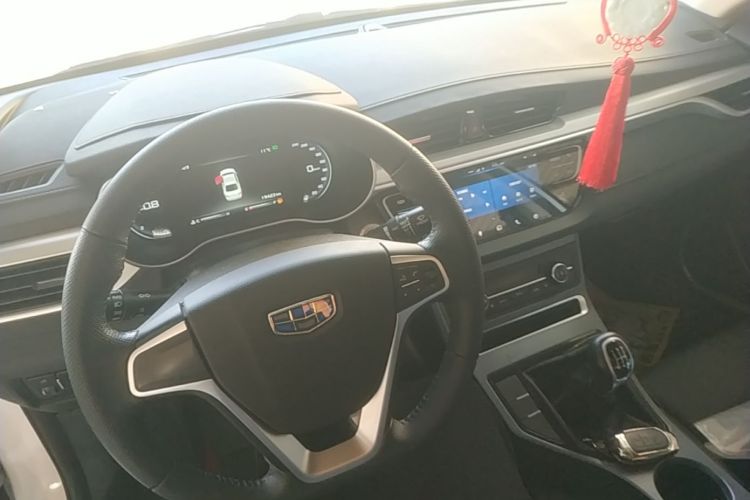
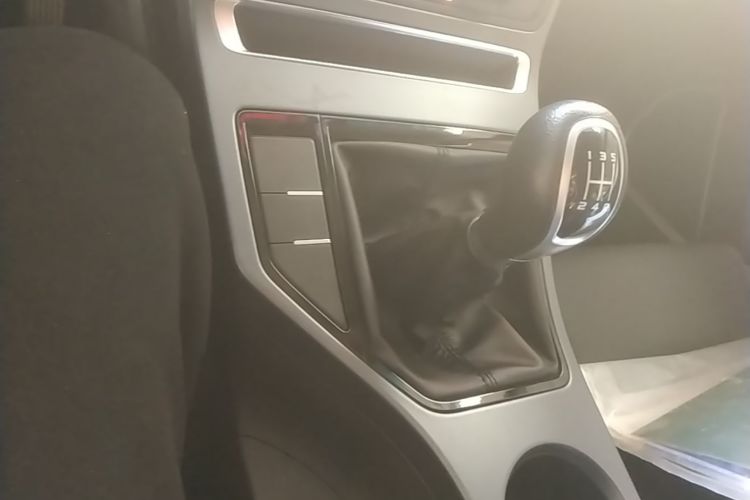
TransmissionManual
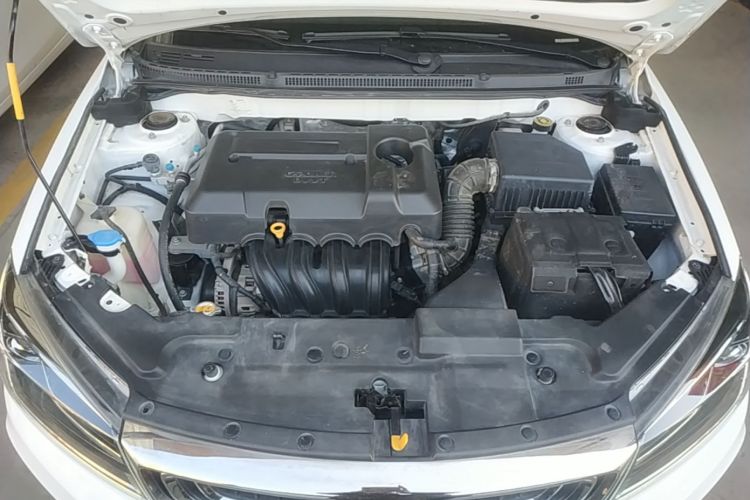
Engine1.5L 109 L4
Color
Seats-

Condition Description

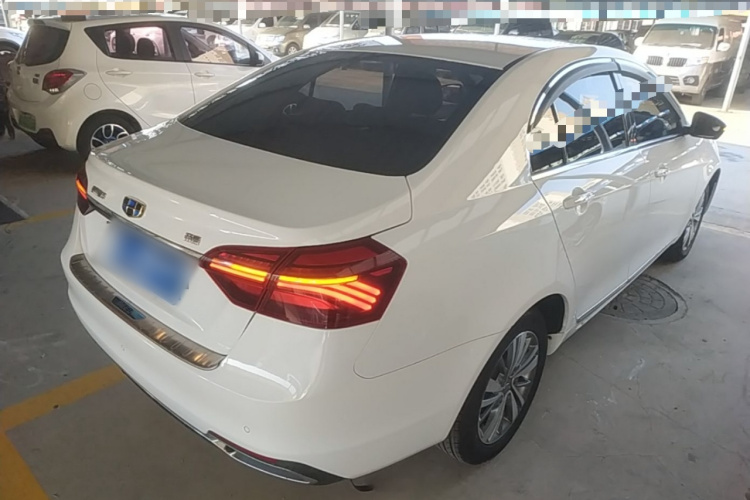
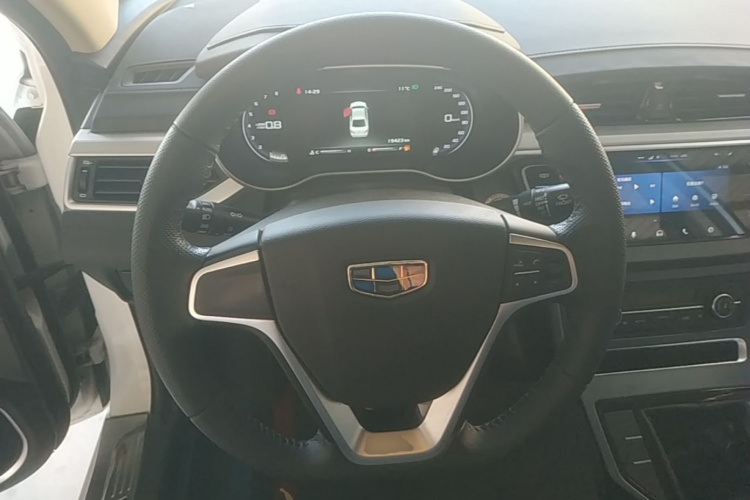
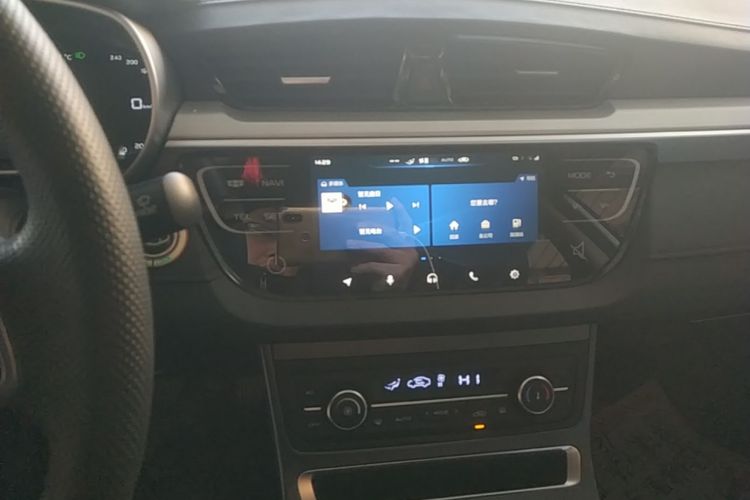
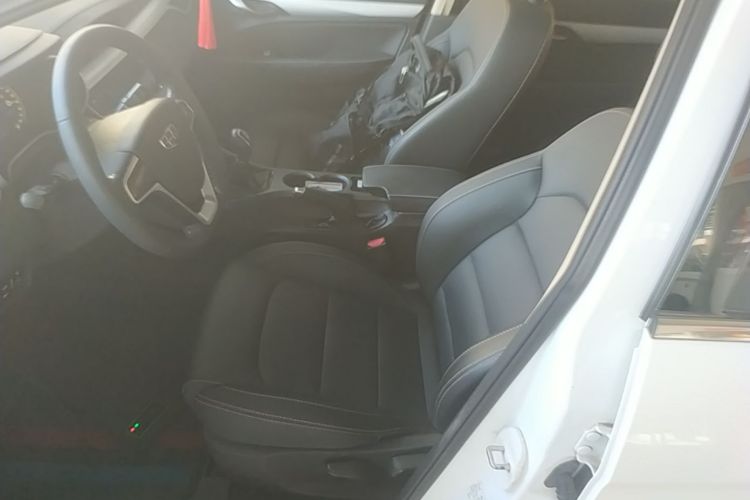
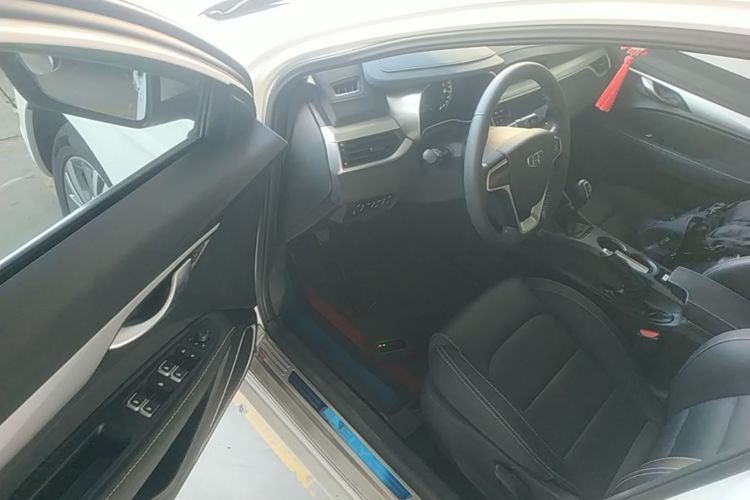
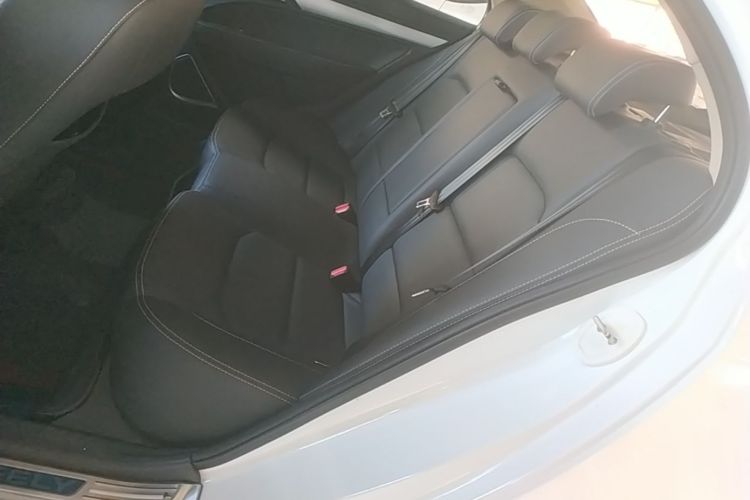
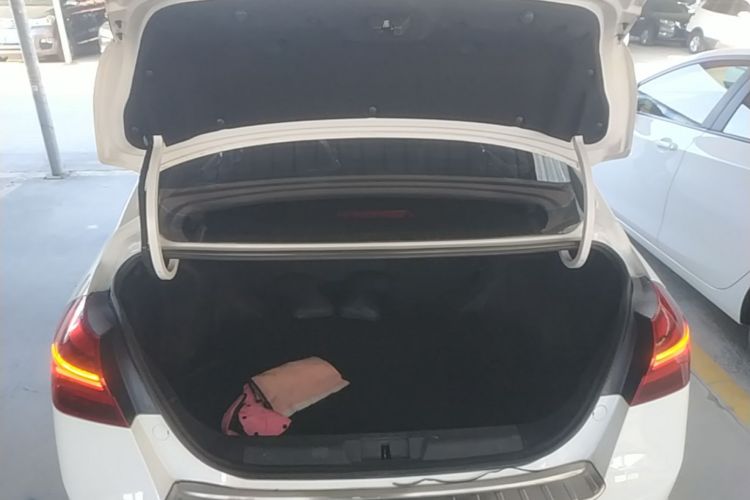
Basic condition: excellent | 0 insurance claims | 0 transfers

Q&A

More

Can the buyer request the internal resistance test data of the battery pack at different state of charge (SOC) levels?

Obtaining precise internal resistance at different SOC levels requires disassembling the battery pack and connecting it to a professional charge-discharge cabinet for several days of cycling tests. This is beyond the scope of non-destructive used car inspections; we only provide real-time estimated internal resistance data based on OBD port readings.

Can I get spare parts for a Chinese-brand car in my country, and how do I order them from China?

Parts availability depends on the brand's official presence in your market, but even unsupported brands can be maintained through direct ordering. Check three channels first: the brand's official dealer network (if any), third-party importers who specialize in Chinese auto parts, and generic equivalents. For wear items like brake pads, filters, and wipers, aftermarket suppliers usually stock cross-references by VIN. For model-specific parts — headlights, sensors, control modules — order directly from China. Ask your exporter for the parts catalog by VIN, confirm OEM part numbers, and compare prices. A turbocharger that costs $900 from a local dealer often ships from China for $350 plus $80 freight. Practical tips: bundle multiple parts into one shipment to amortize freight; ask for DDP (delivered duty paid) pricing so customs clearance is handled; and always verify part numbers against your VIN before paying, as Chinese models have running changes mid-year. Keep a small stock of common wear parts — oil filters, air filters, spark plugs — to avoid a 4-6 week wait for routine maintenance.
Do digital keys, NFC key cards, and phone-as-key features on used Chinese EVs still work after export?

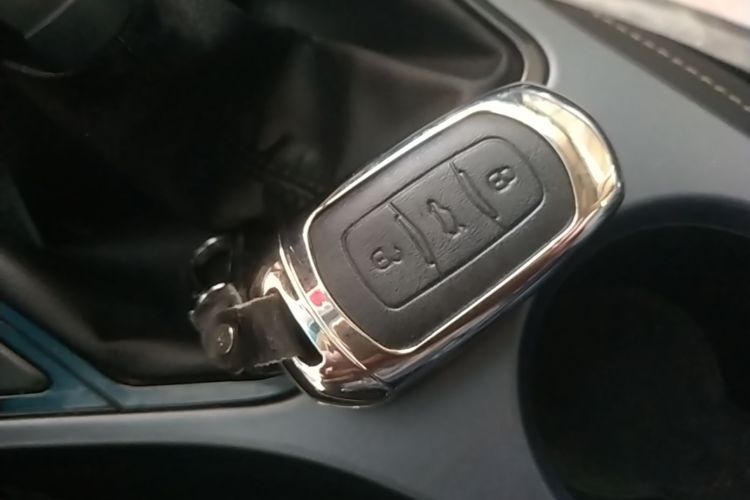
Most Chinese EVs support three access methods: a traditional key fob, an NFC card, and phone-based digital keys via the brand's app. After export, the fob and NFC card keep working locally — they use short-range radio, so no internet connection is required. That makes the NFC card your most reliable backup; make sure the seller physically includes it, and verify it locks and unlocks the car before payment. Phone-as-key is different: it usually depends on the manufacturer's cloud server recognizing your account. If the app is not available or supported in your country, this feature may stop working. Have the seller demonstrate a full key handover: delete their phone from the vehicle, reset all paired devices, and transfer the main account to your email. Some brands also allow the key fob to be reprogrammed at any authorized dealer. Test every entry method during the pre-shipment video call, and put all keys and cards included into your contract — replacing a lost NFC card overseas can take weeks.