48H

Basic Information

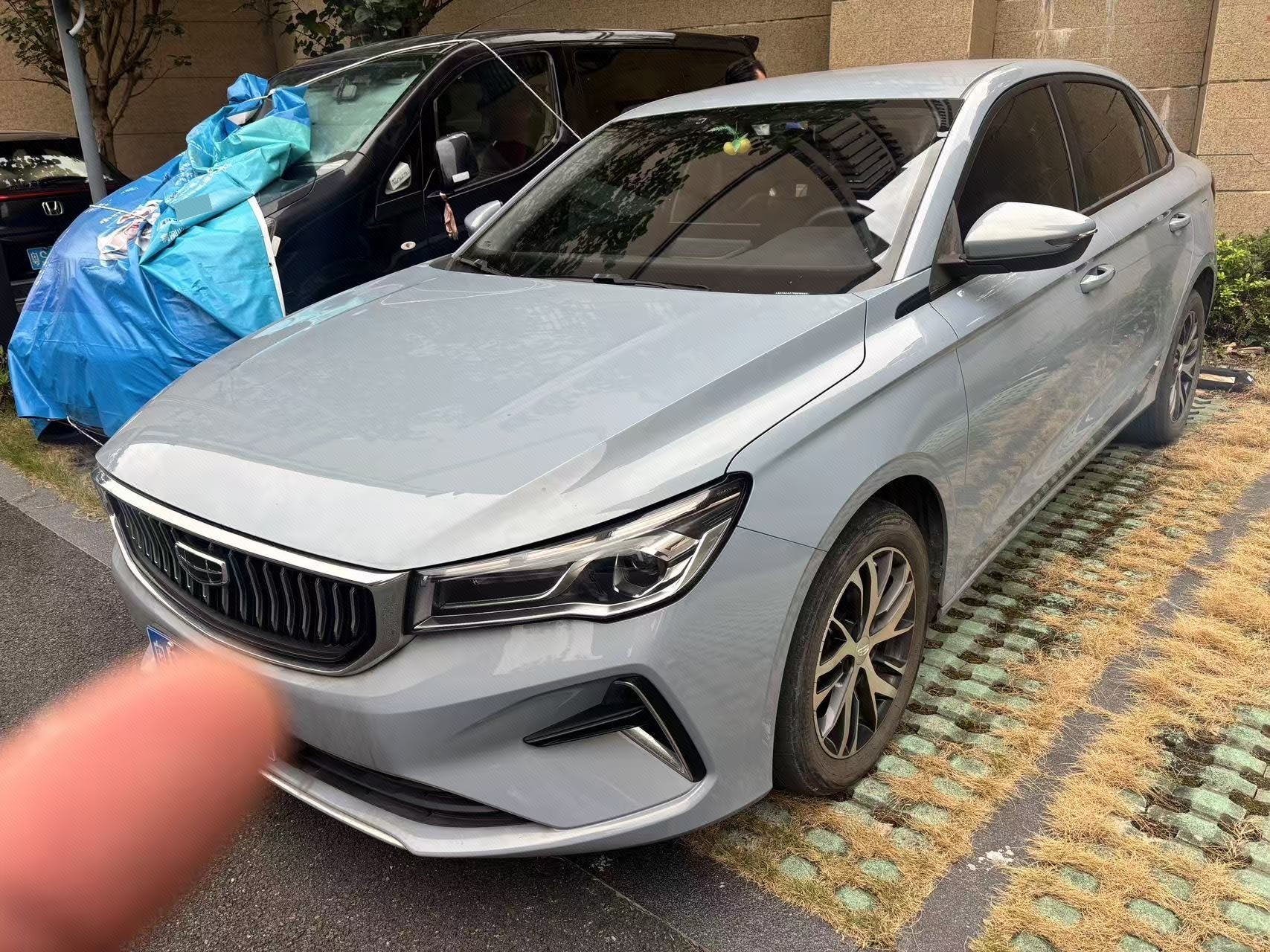
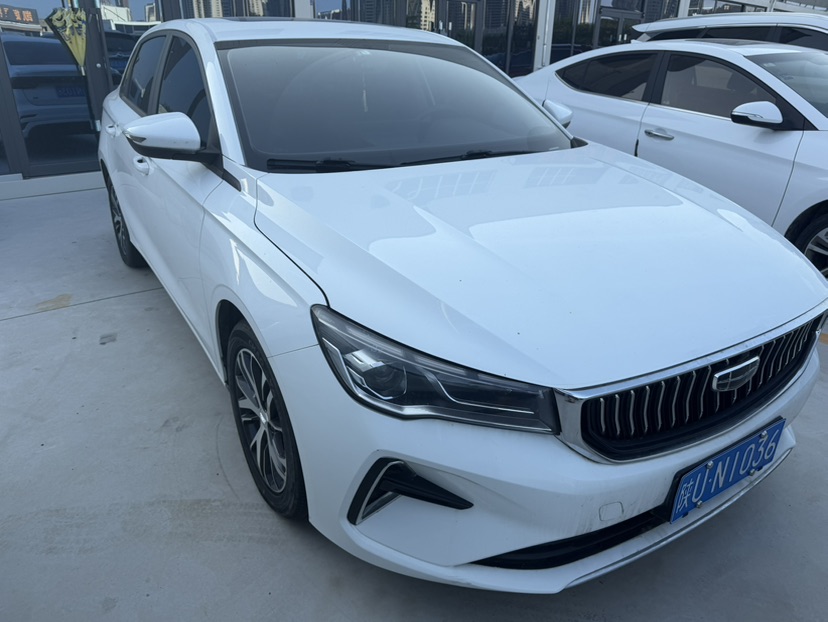
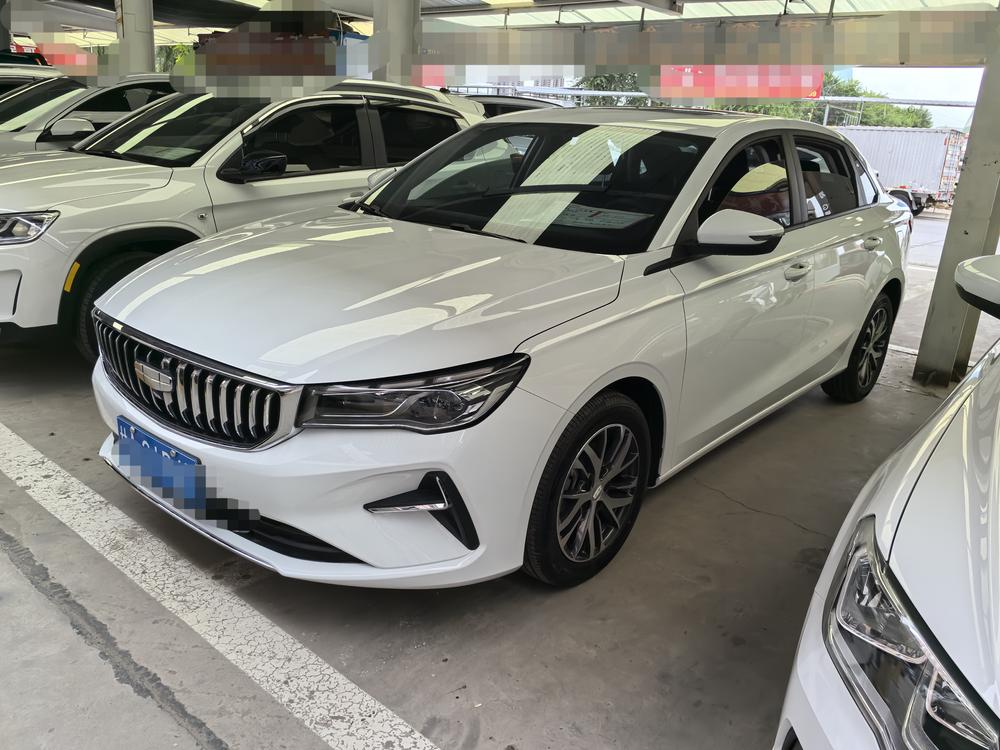
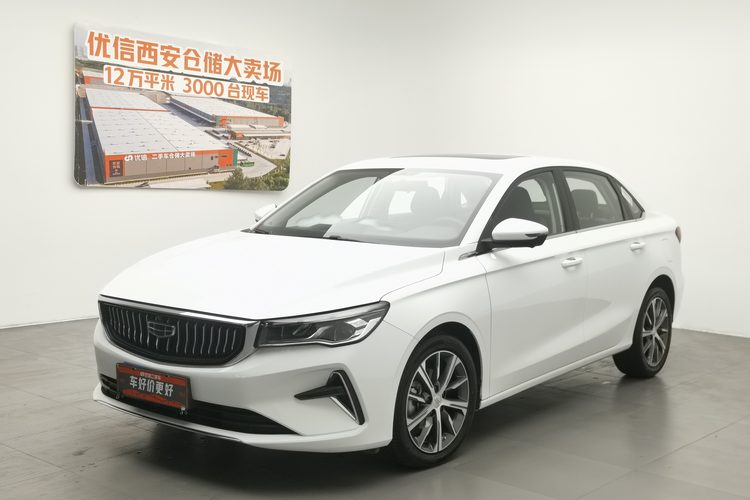
BrandGEELY
SeriesEmgrand
Year2019
First Registration2019/10
Mileage43,000km
Transfer Count2times
FuelGasoline
TransmissionCVT
Engine1.5L 109 L4
ColorGrey
Seats-

Condition Description

Body components (structural/reinforcing/panels) have accident-type damage; passive safety devices defective; vehicle performance (including three-electric system) degraded or still performance-limited after repairs.

Accident inspection: main structure undamaged, reinforcing parts damaged, panels damaged, hinges abnormal. Engine bay: key mechanical components normal. Exterior: 3 areas of sheet metal repair, 1 area repainted. Interior: most features normal, airbag normal, seatbelt normal, dashboard normal, instrument check normal, lighting system normal. Start-up check: main components normal. Onboard tools: absent.

可讲价
平台物流
可转售
VIP车源
车主降价
新检测标准升级>
必卖车源
非泡水

Document Information

Inspection Expiry Date2027/10
Warranty Expiry Date-
Insurance Expiry Date2026/12

Q&A

More

What is a safe payment schedule when buying a used car from China, and why should I never pay 100% upfront?

The standard structure protects both sides and looks like this: Deposit: 20–30% after signing the contract and confirming the car's inspection report. This commits the exporter to reserve the car and start export procedures. Pay by bank transfer (T/T) to the company's corporate account — never to a personal account. Balance: 70–80% after the car is loaded on the vessel, against verifiable proof — the bill of lading copy, the booking confirmation, and ideally loading photos/video with the container or vessel number visible. Why not 100% upfront? Because once you pay in full, your only leverage is gone. Common real-world problems: the exporter ships a different car than inspected, delays shipment by months, or becomes unreachable. Withholding the balance until loading is documented keeps pressure on them to perform. Red flags: demands for full payment before inspection, 'discounts' for paying 100% immediately, requests to split payment between company and personal accounts, or pressure to use informal channels (crypto, gift cards, money transfer apps). For deals above $20,000, consider a letter of credit or an escrow service. The 1–3% extra cost is cheap insurance.


How does the step-by-step process work when buying a used car from China for export?

The standard process looks like this: 1. Selection: pick the car, request the VIN, registration certificate, and recent photos/videos. For higher-value cars, order an independent third-party inspection. 2. Negotiation and contract: agree on price and terms. Sign a written contract stating the car's condition, price, payment schedule, and delivery terms (FOB or CIF). 3. Deposit: typically 20-30% to reserve the car. Pay to the company's corporate account, never a personal one. 4. Verification: your agent or inspector confirms the car matches the contract before the balance is due. 5. Balance and export: pay the remaining amount; the seller arranges inland transport, export customs clearance, and port loading. 6. Shipping documents: you receive the commercial invoice, packing list, and bill of lading - usually by courier or email. 7. Arrival: your customs broker clears the car, you pay duties and taxes, then register it locally. Total timeline is usually 4-8 weeks depending on the shipping route.

How does booking ocean shipping for my car from China work, and how far in advance should I arrange it?

You don't book directly with the shipping line — a freight forwarder does it for you. The process: you give the forwarder the car's VIN, dimensions, weight and destination port; they reserve space on a RoRo vessel or in a container and issue a booking confirmation with the vessel name and estimated departure. Timing: book 2-3 weeks before your target shipping date in normal season, and 3-4 weeks ahead during peak periods (September-January on many trade lanes). Space runs out fast in peak season, and late bookings pay premium rates. What to watch: confirm the cut-off date for delivering the car to the port warehouse (usually 5-7 days before departure), make sure your shipping documents (export declaration, bill of lading draft) are ready, and ask whether the quote includes origin charges like THC and customs handling. A low ocean freight with expensive local charges is a common trap — always compare the all-in cost.