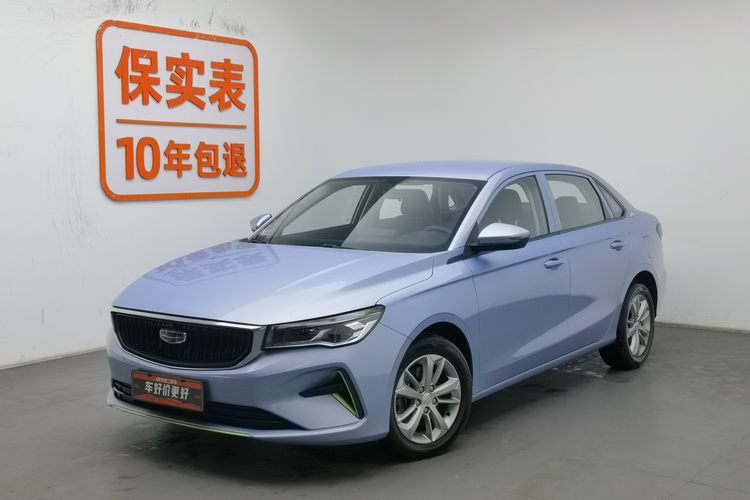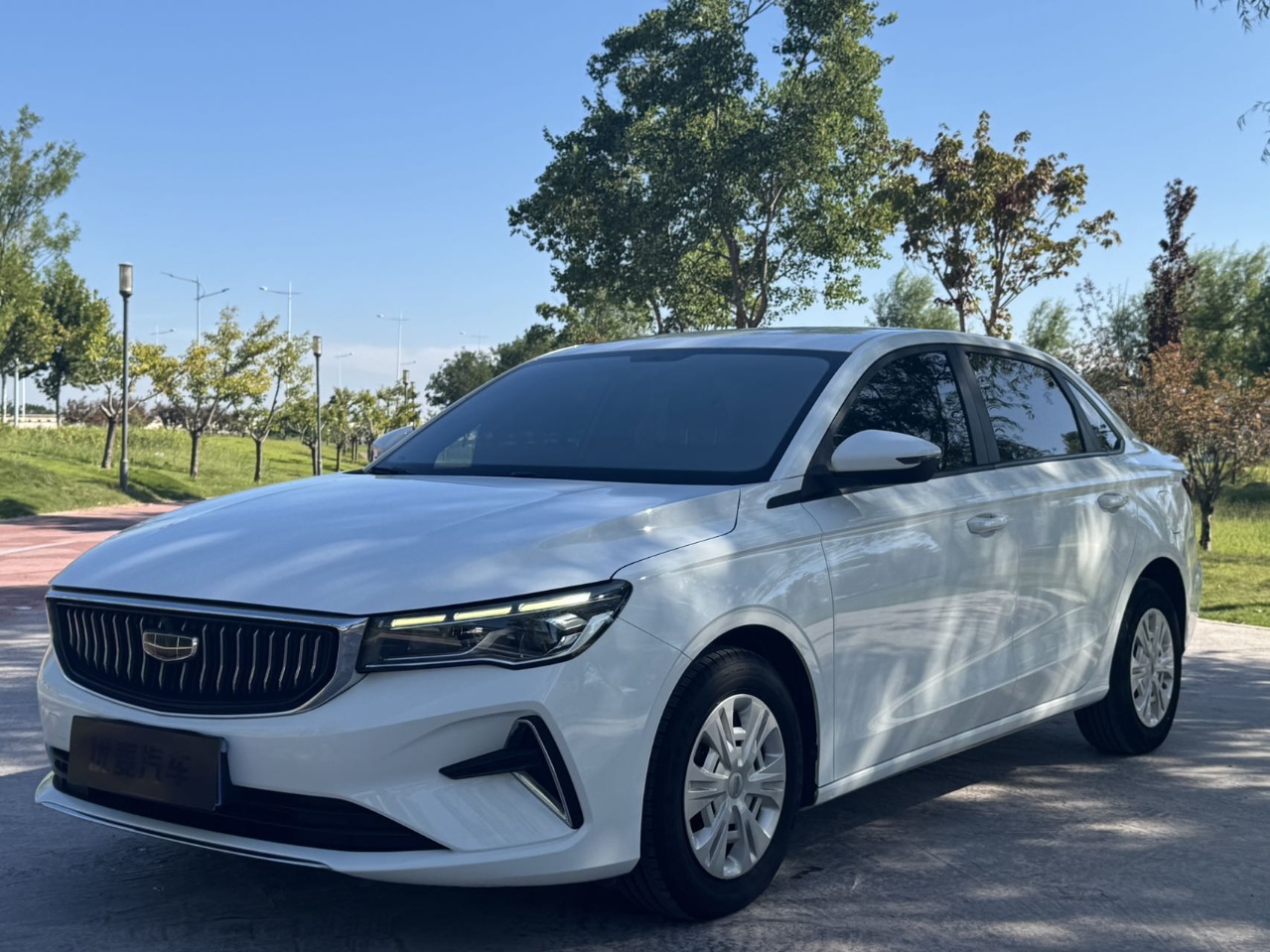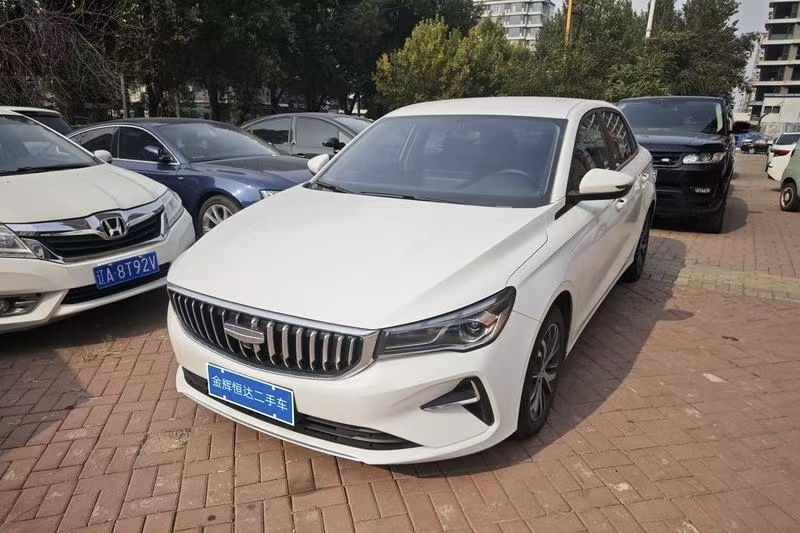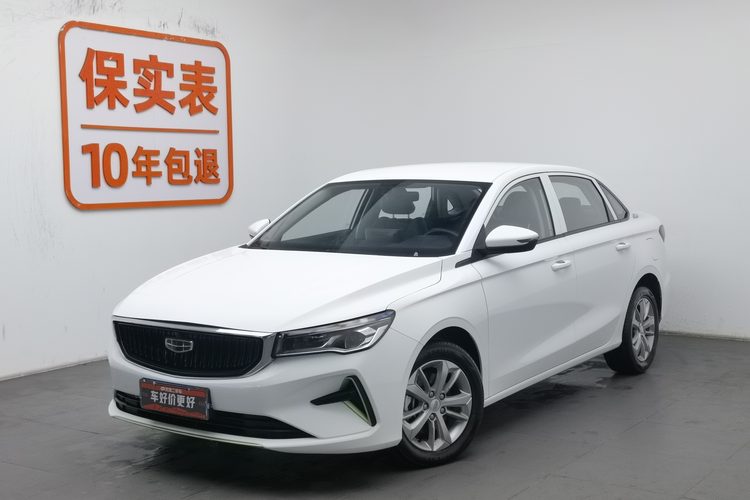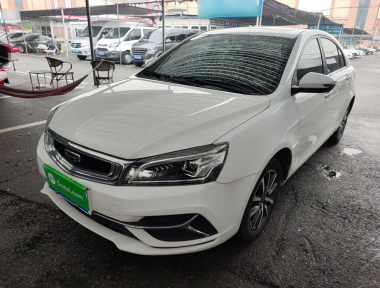
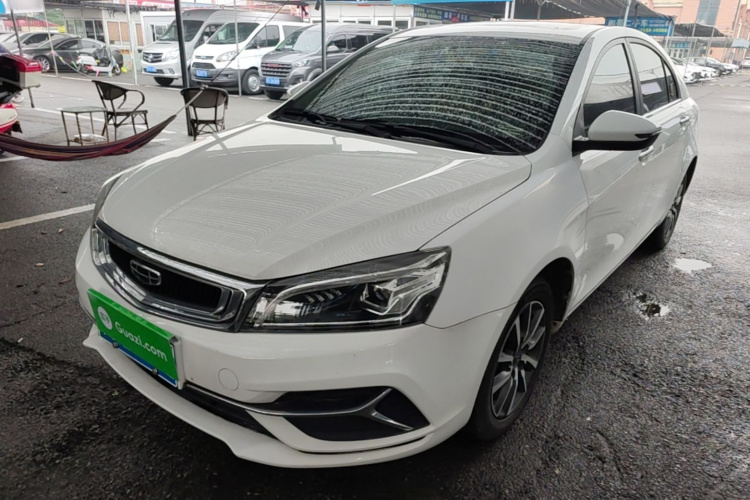
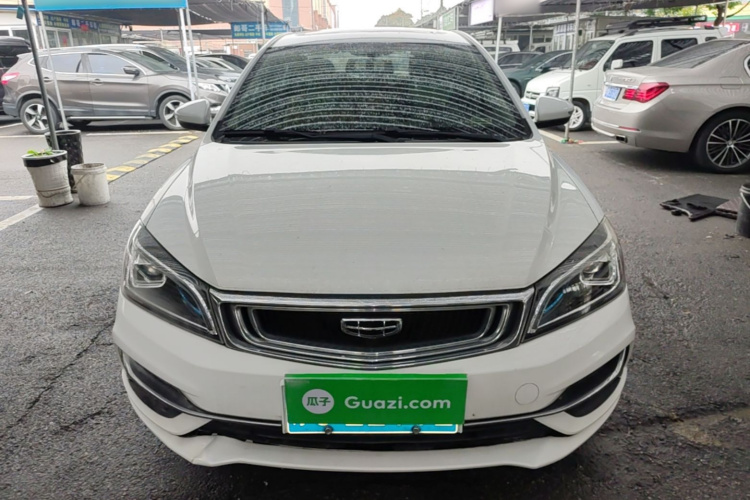
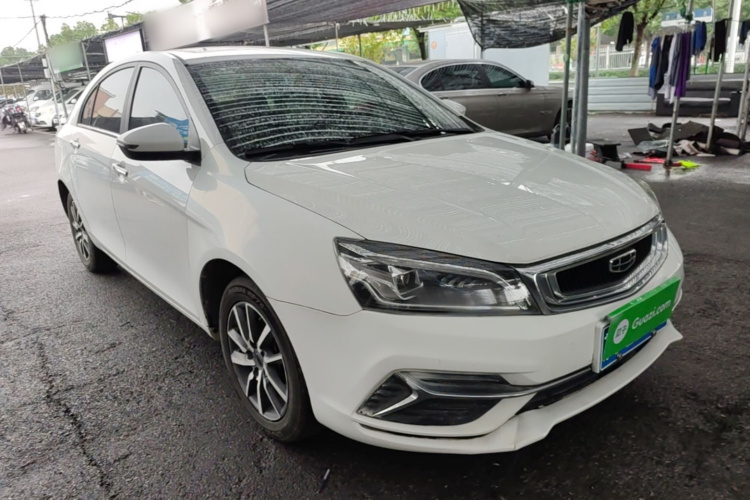
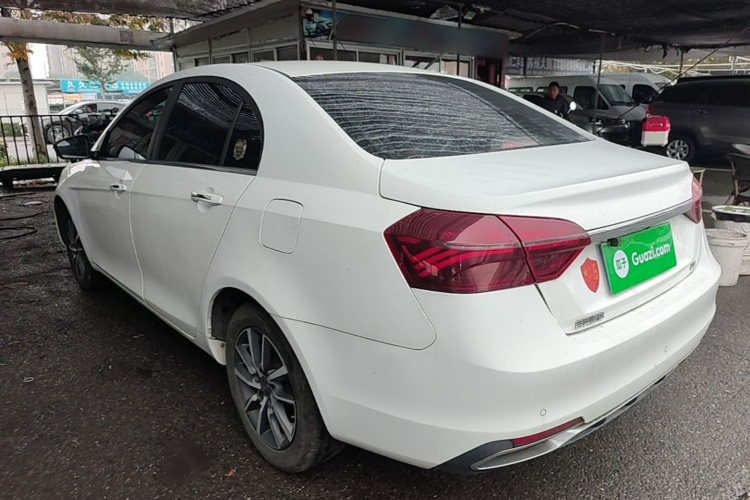
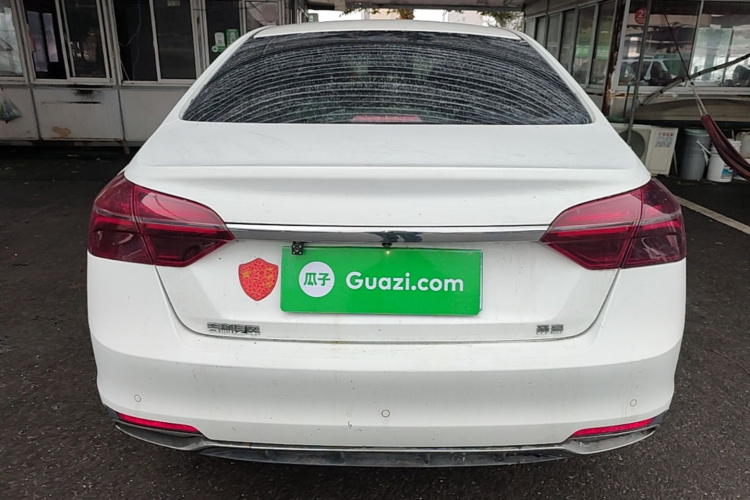
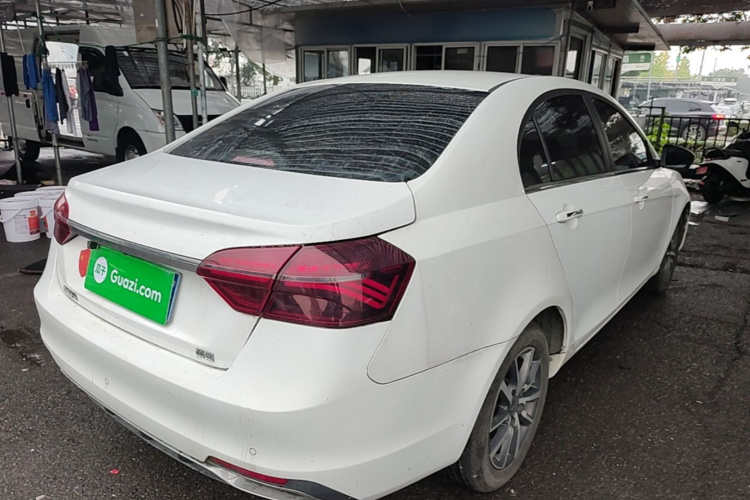
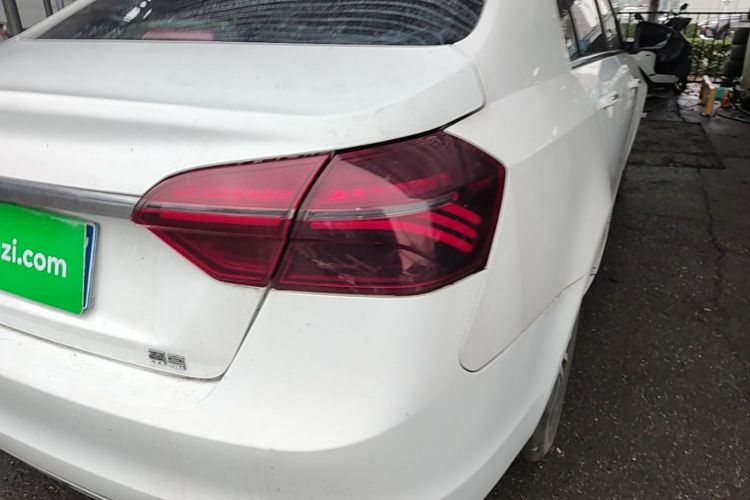
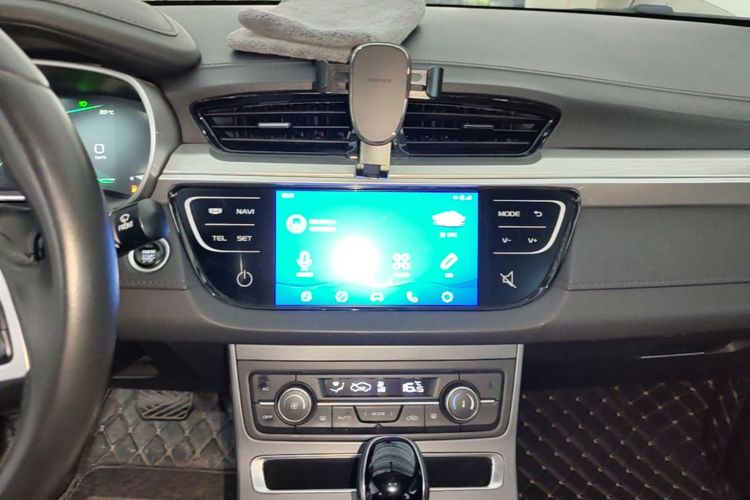
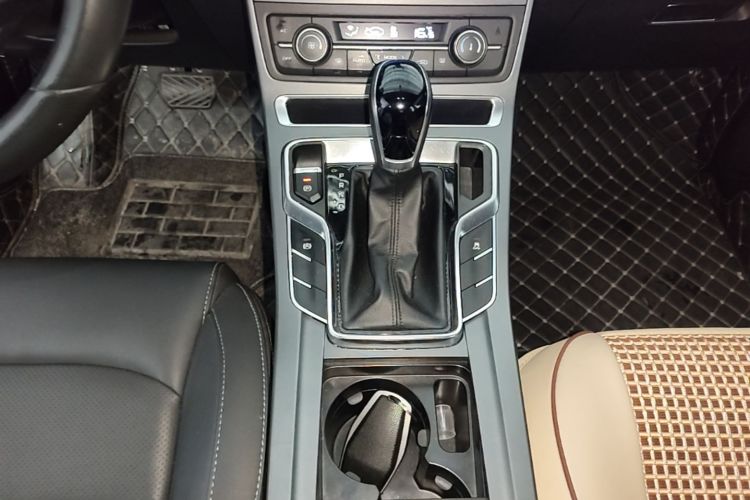
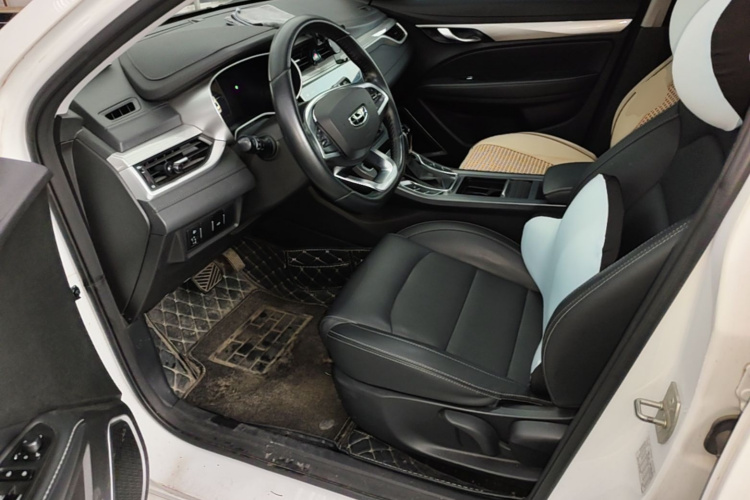
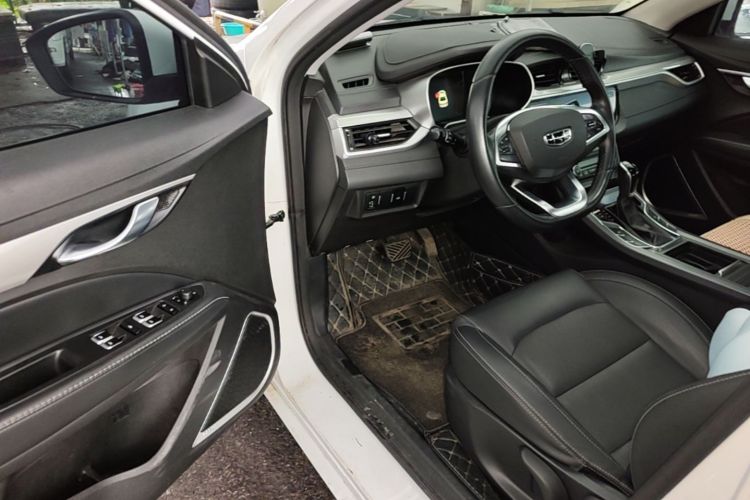



Basic Information

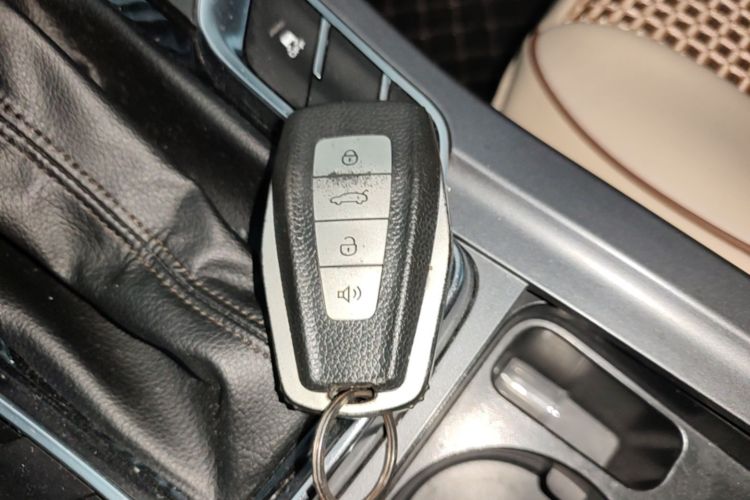
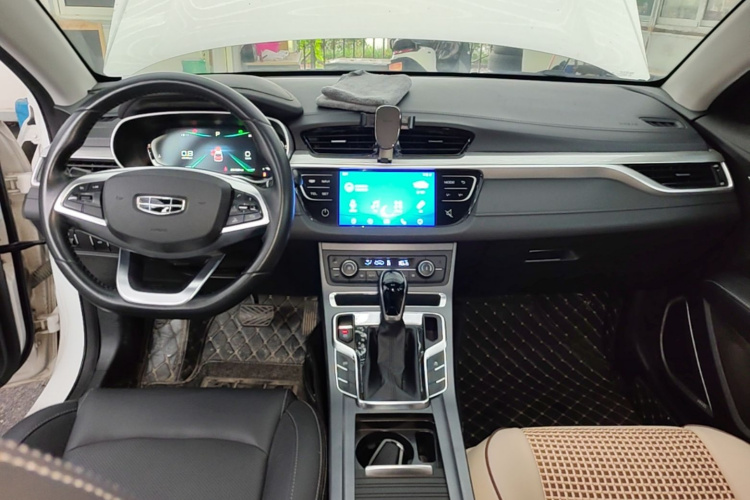
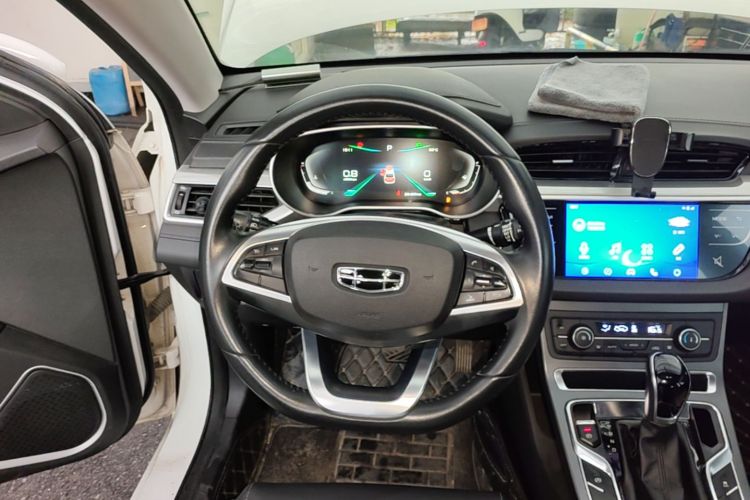
BrandGEELY
SeriesEmgrand
Year2020
First Registration2020/06
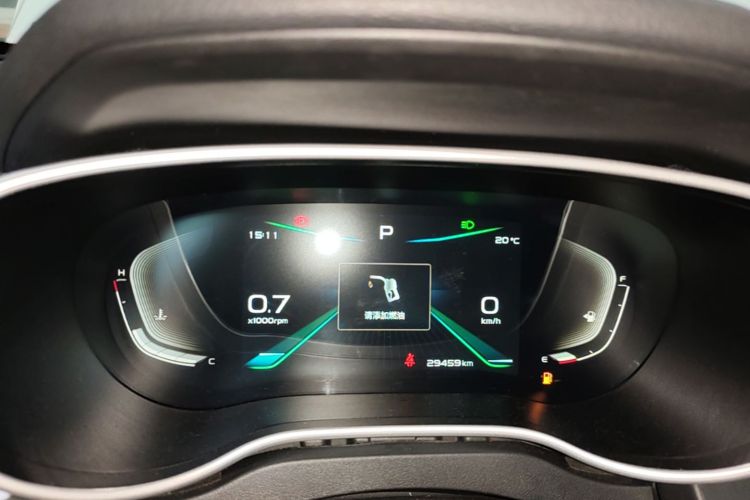
Mileage29,400km
Transfer Count1times
FuelGasoline
TransmissionCVT
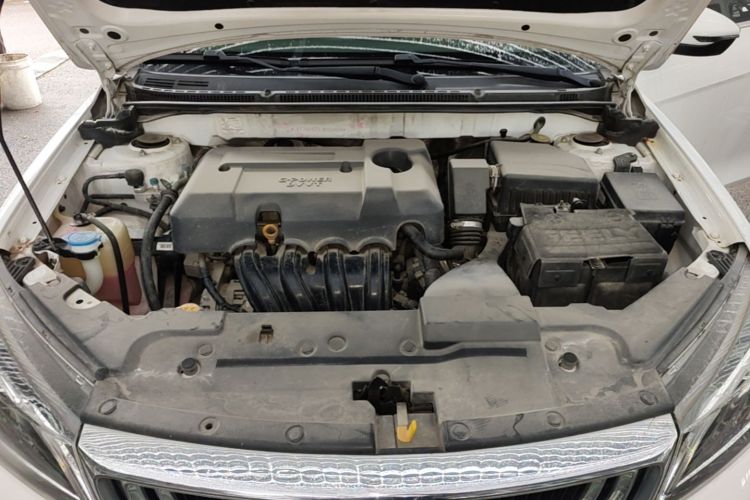
Engine1.5L 109 L4
Color
Seats-

Condition Description

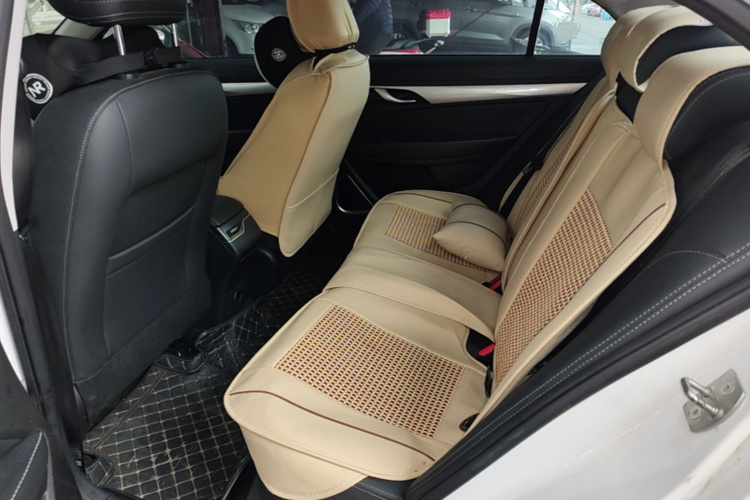
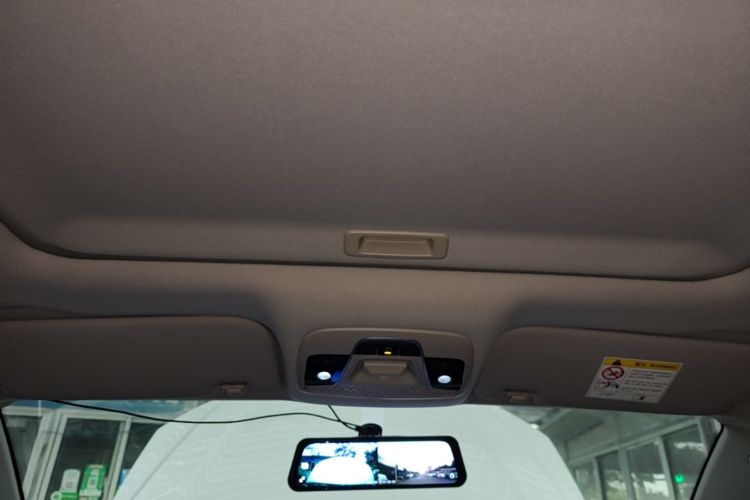
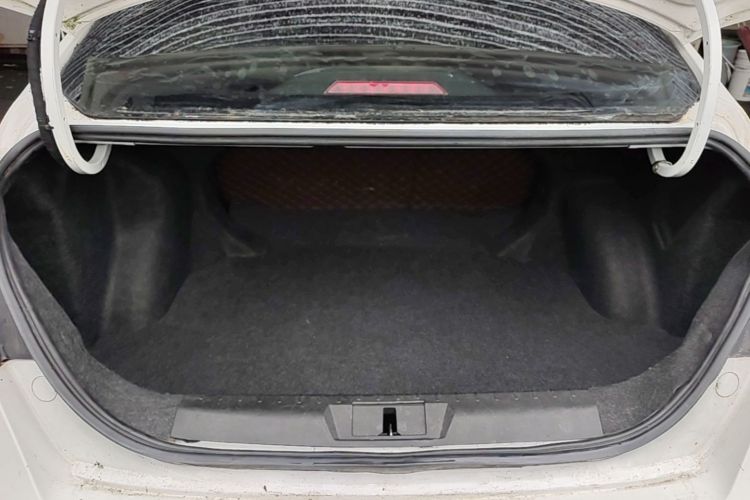
Basic condition meets standard | 0 insurance claims | 1 transfer

Q&A

More

Why are the shipping costs for used electric vehicles (EVs) usually higher than for internal combustion engine vehicles (ICEs)?

Pure electric vehicles are classified as Class 9 Dangerous Goods due to their large lithium batteries, leading to strict shipping regulations. Shipping companies have high requirements for the loading position and fire isolation measures for dangerous goods, and some roll-on/roll-off ships refuse to accept used EVs. As a result, EVs often require more expensive special container shipping and incur additional handling fees for hazardous materials.


How can I verify a used car's accident and repair history in China from overseas?

China has centralized vehicle records you can check remotely before paying anything. Ask the exporter for the 17-digit VIN, then request two reports. First, the maintenance history: third-party platforms pull 4S dealership records showing service dates, mileage and repair items. A mileage line that goes down over time is a red flag for odometer tampering. Second, the insurance claim history: it lists accident dates, claim amounts and repaired parts. Heavy claims involving frame rails or airbags should end the deal. Practical tips: run the reports yourself instead of accepting screenshots from the seller, make sure the report date is close to the delivery date, and cross-check with physical wear such as the steering wheel, pedals and seat bolsters, which cannot lie about high mileage. Keep in mind that small private repairs never enter these databases, so combine history checks with a physical inspection before shipping.

RoRo, container, or flat rack: which shipping method should I choose for a used car from China?

RoRo (roll-on/roll-off): the cheapest per car for running vehicles. Cars are driven onto the vessel and secured on decks. Transit to major ports (Jebel Ali, Rotterdam, Karachi) takes 15 to 35 days. Downside: cars are exposed to weather and salt air, and minor handling scratches happen occasionally. Container (20ft/40ft): one 40ft high-cube fits one car with parts, or two small cars with racking. Cost is higher than RoRo but cars are sealed and protected. Best for high-value vehicles, EVs (battery safety rules often require container), or when shipping spare parts together. Flat rack: for oversized vehicles (trucks, buses, modified cars). Priced per dimensions. Practical advice: for a standard used car to a port with RoRo service, choose RoRo and add marine insurance (0.3%–0.8% of value). If your destination lacks RoRo calls or you ship an EV, use a container. Always get the booking confirmation and bill of lading copy before paying the final balance.