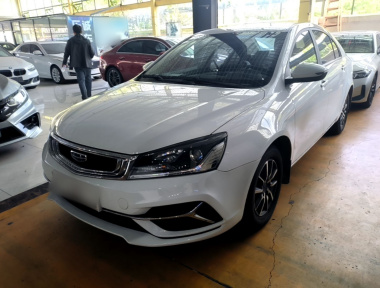
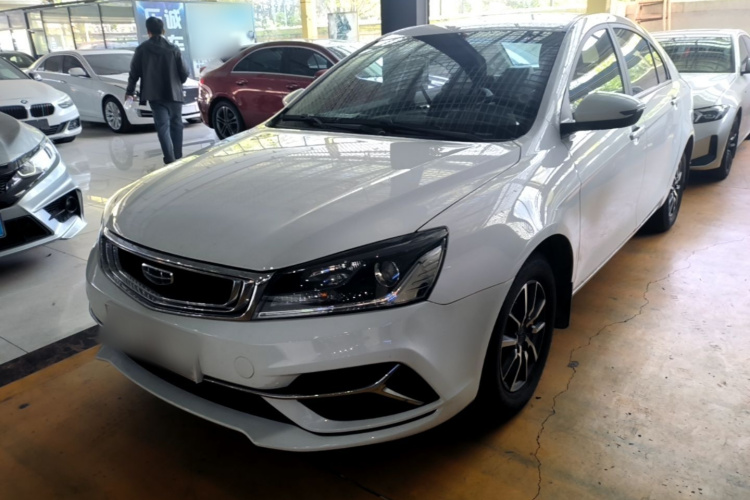

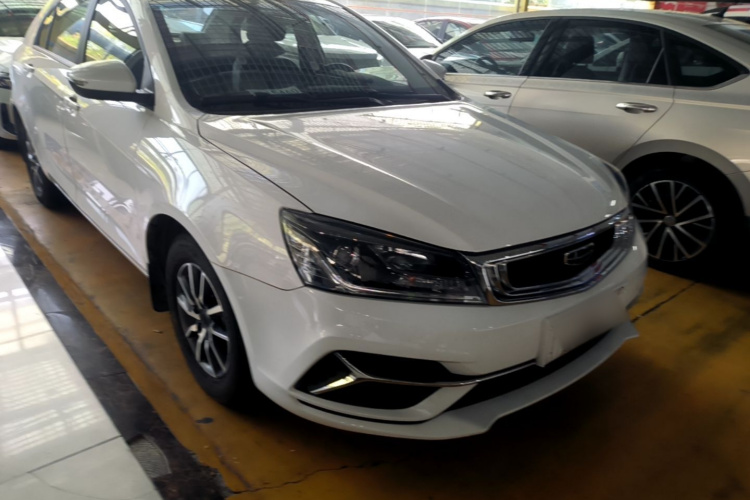
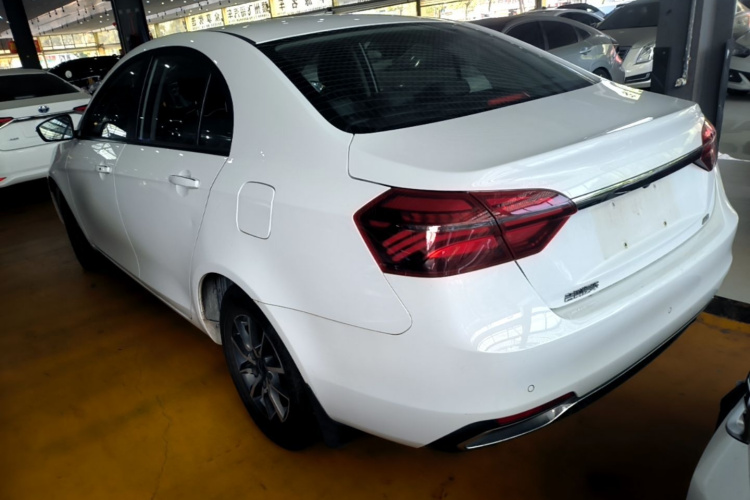
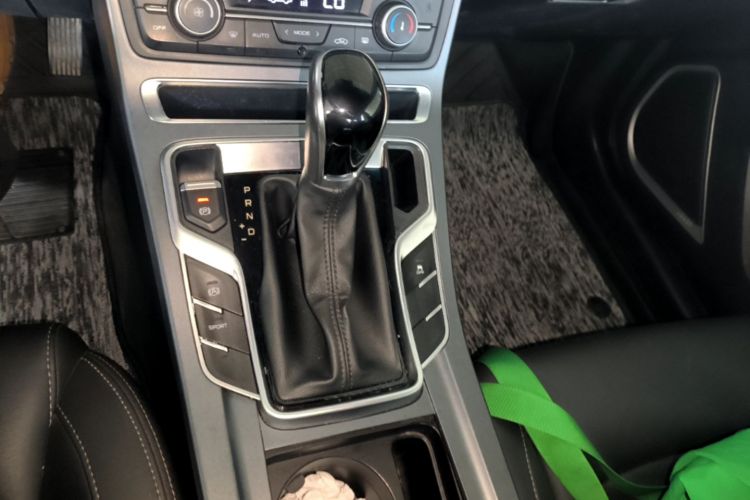
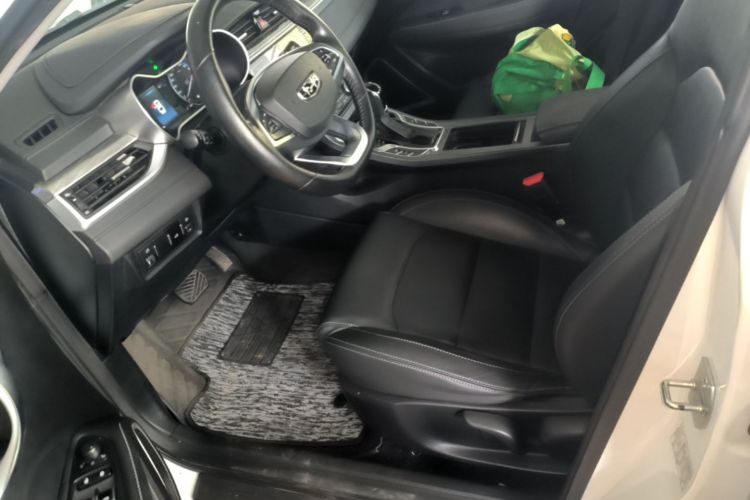
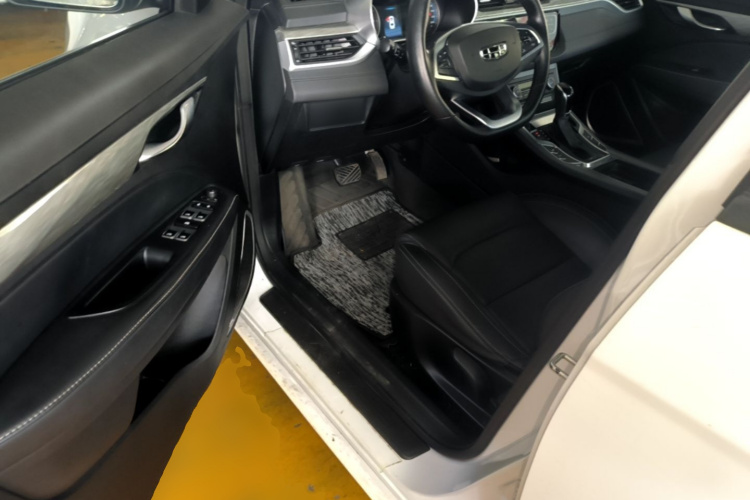
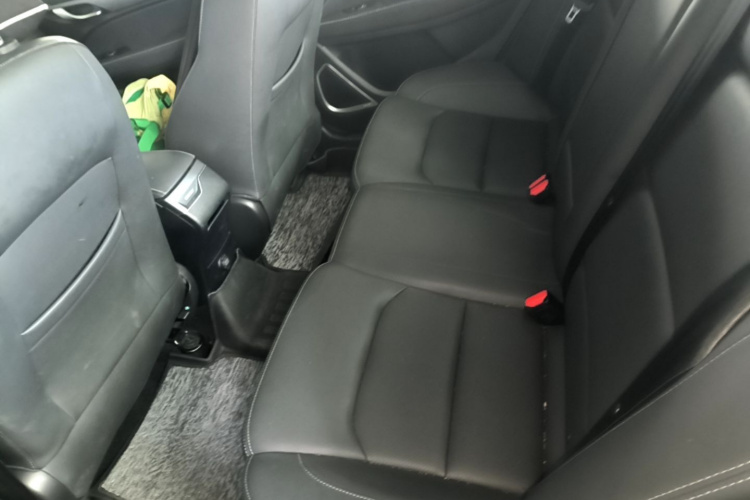
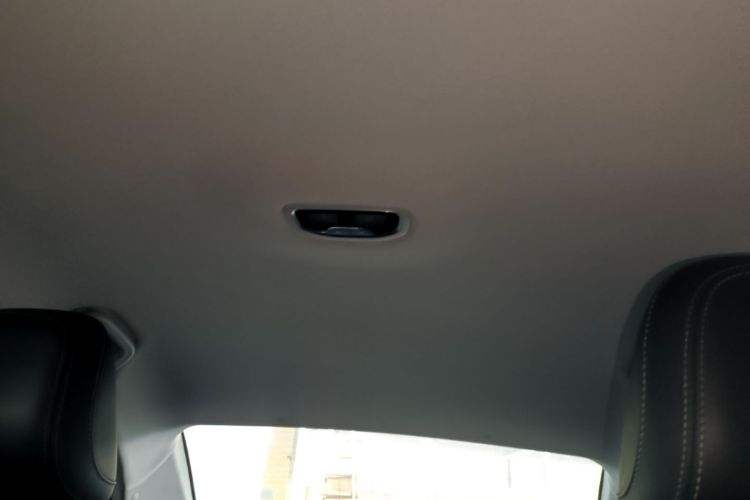
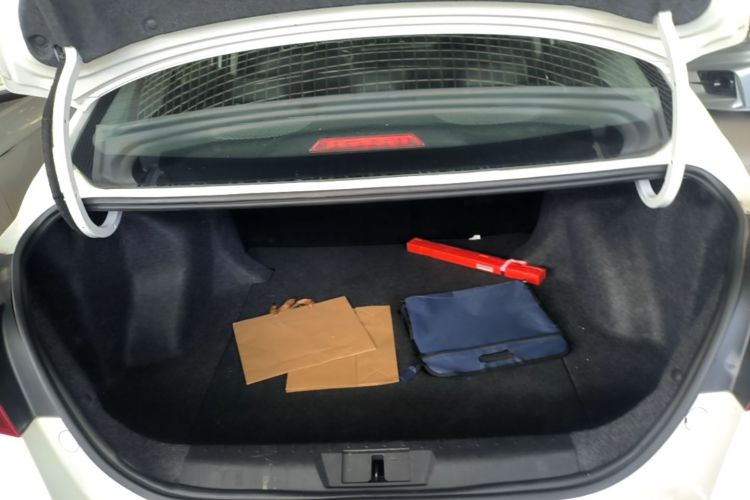
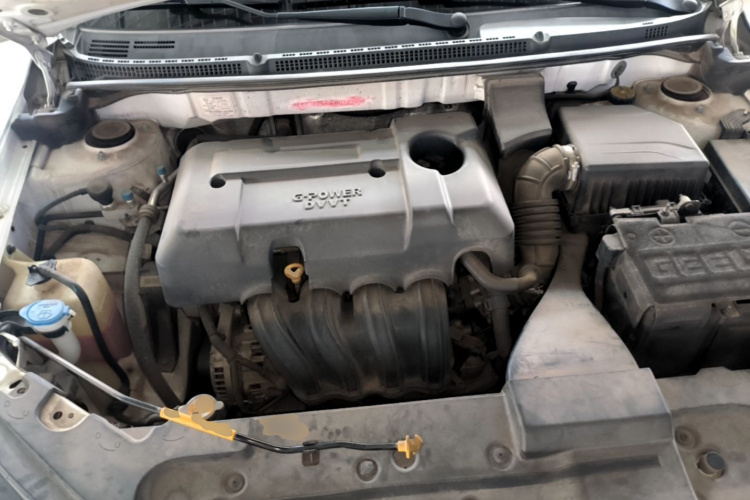



Basic Information

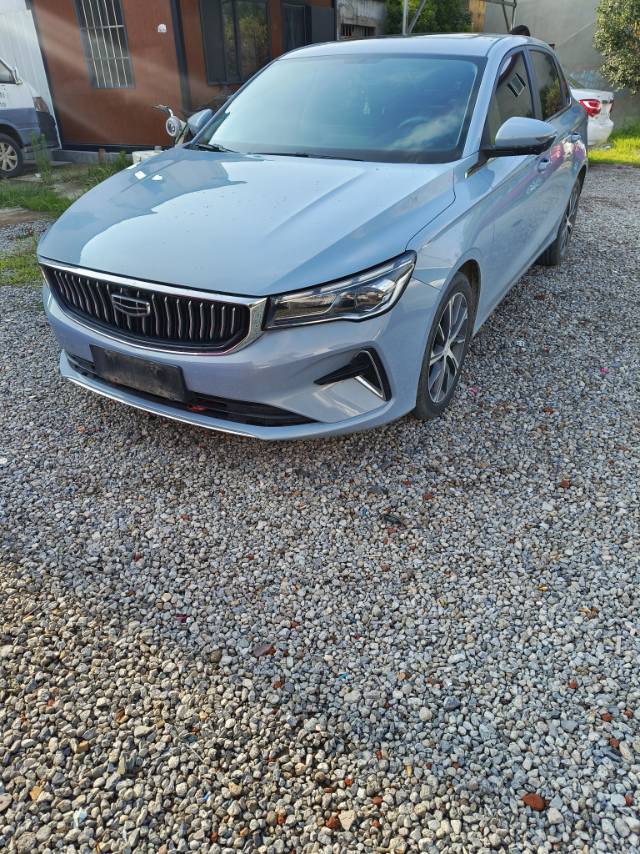
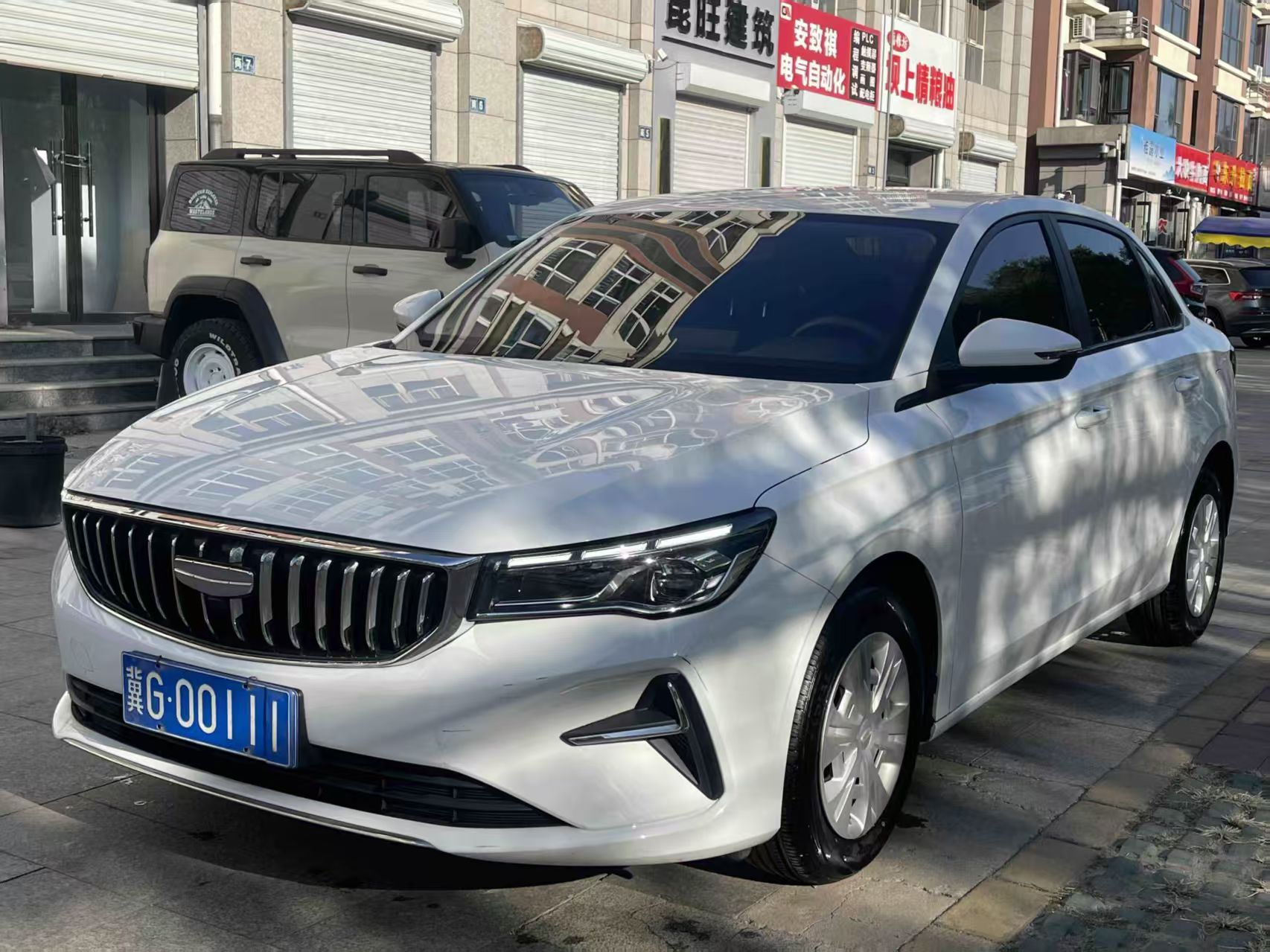
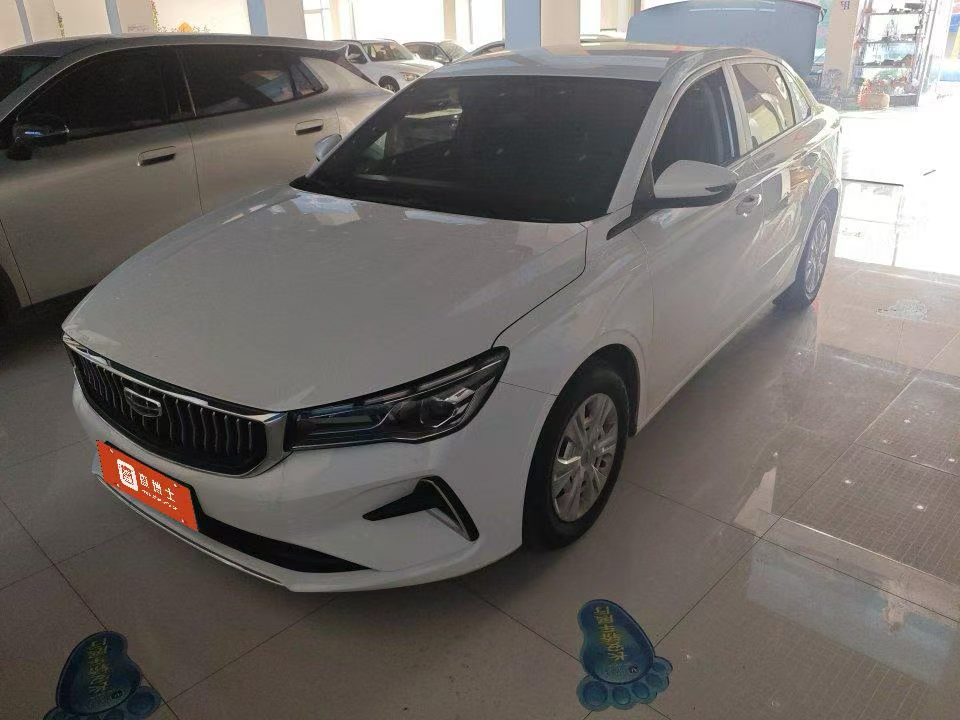
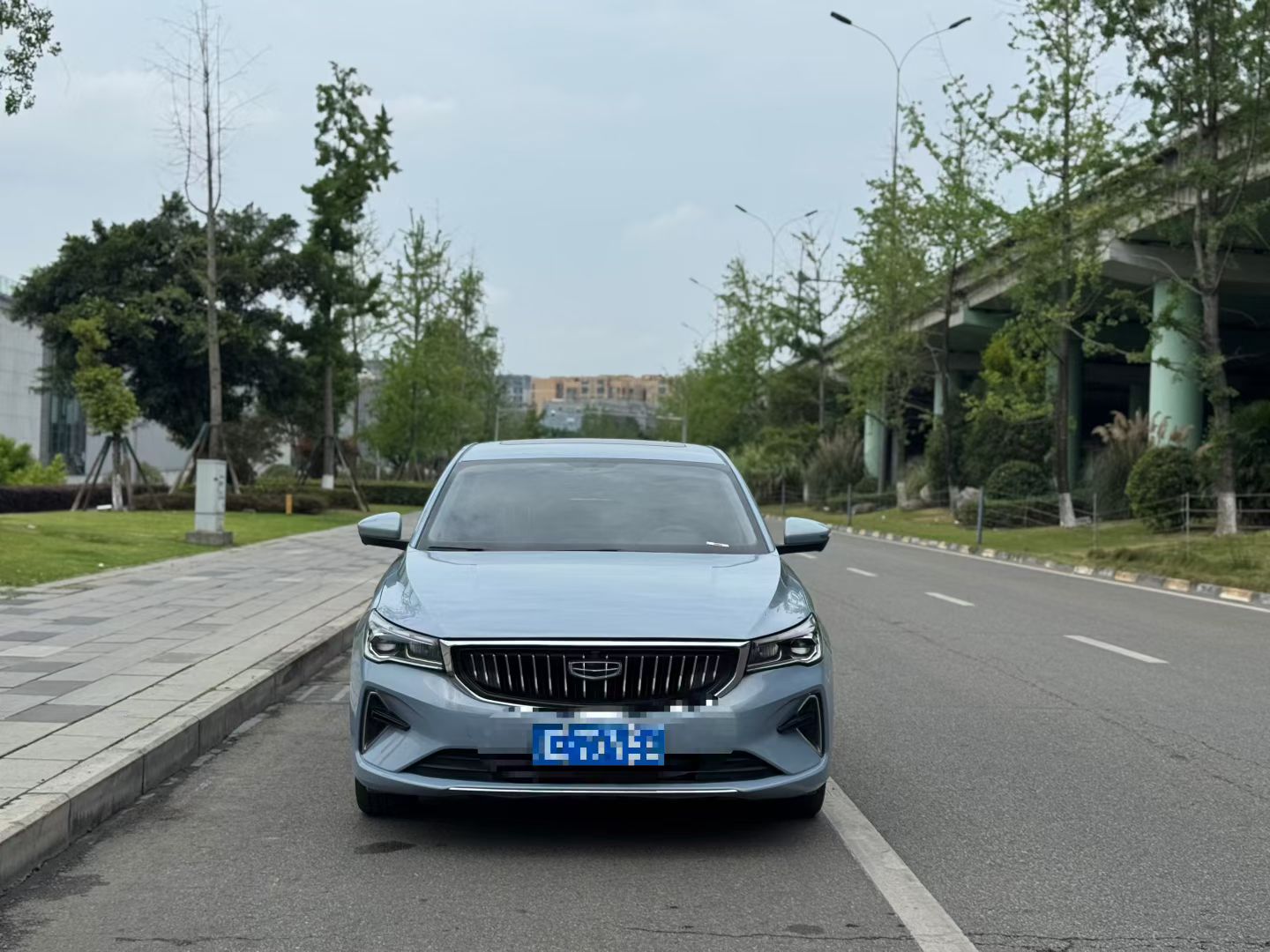
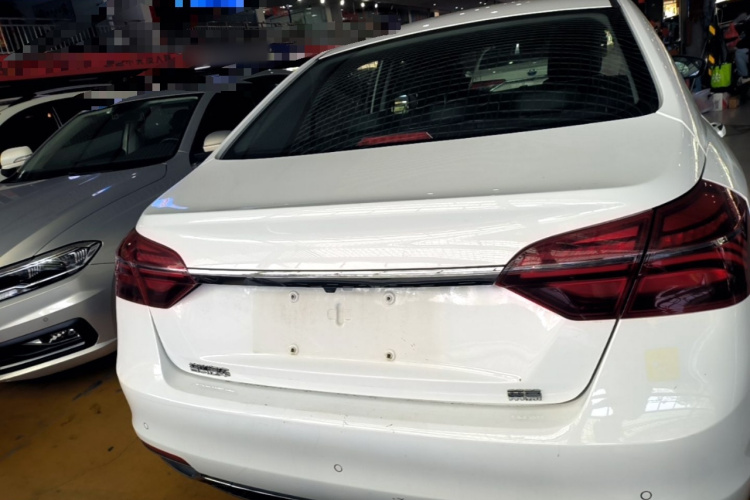
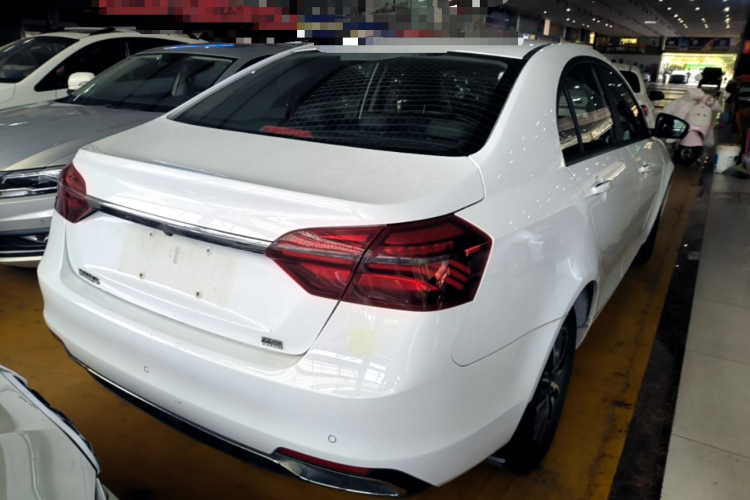
BrandGEELY
SeriesEmgrand
Year2020
First Registration2020/03
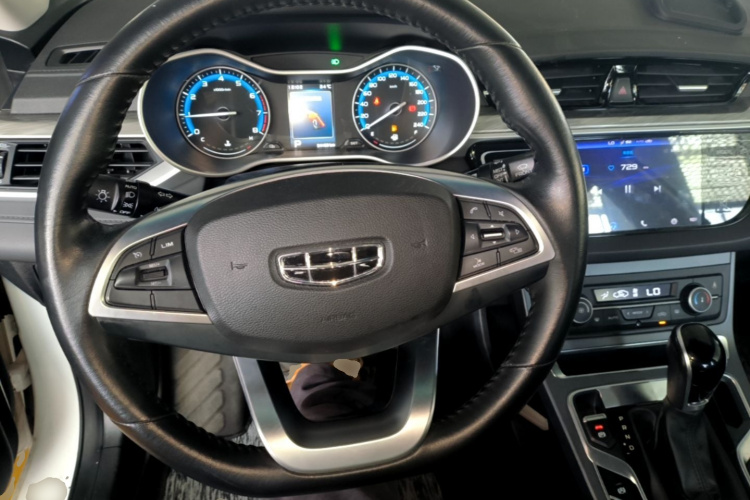
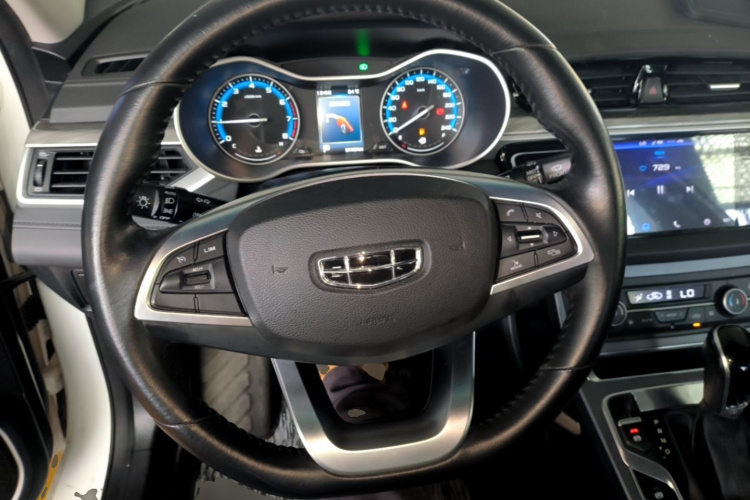
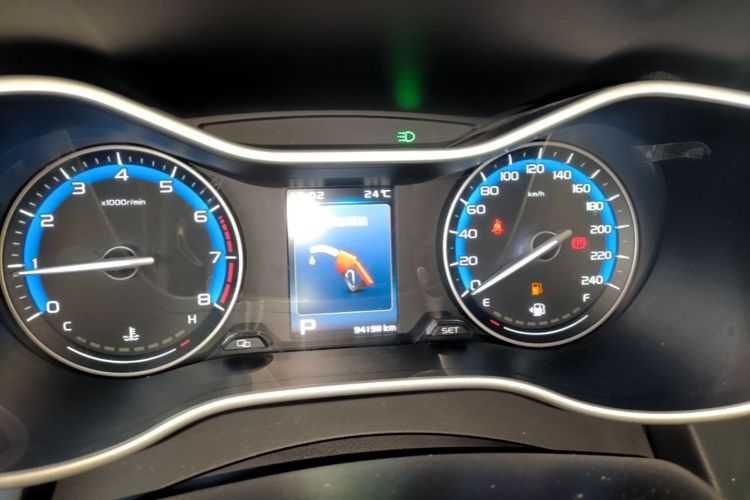
Mileage94,100km
Transfer Count0times
FuelGasoline
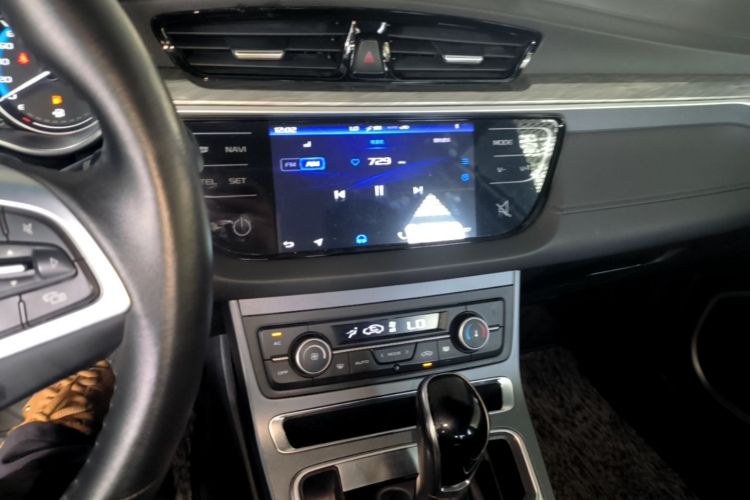
TransmissionCVT
Engine1.5L 109 L4
Color
Seats-

Condition Description

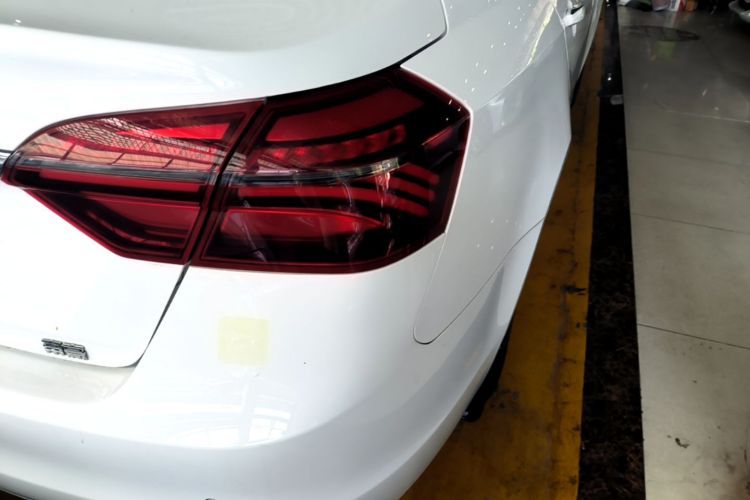
Base condition: excellent | 2 insurance claims | 0 transfers

Q&A

More

Will the connected app, remote control, and OTA updates of a used Chinese EV keep working in my country after import?

Usually yes, but with conditions. The seller must transfer the vehicle's account binding to you — without that, the app stays locked to the previous owner. Ask for a screen recording showing the unbinding and re-binding process. OTA updates and remote functions depend on the manufacturer keeping servers accessible from your region. Most major brands now support overseas accounts, but features like voice assistants or map data may be limited outside China. In-car navigation may default to Chinese maps, so plan to use Android Auto, CarPlay, or phone mirroring instead. Before purchase, confirm with the exporter in writing: which connected functions work in your country, and whether a regional account conversion is included in the price.


What does the buying process look like when importing a used car from China?

A typical transaction has six steps. 1. Selection: you confirm the vehicle through photos, a video walkaround, an inspection report and the VIN. 2. Deposit: most exporters ask 20%-30% to reserve the car. Pay by bank transfer to the company's corporate account, never a personal one. 3. Inspection: an independent pre-shipment inspection verifies the condition; you receive the report before paying the balance. 4. Balance payment: usually due before loading. Request the booking confirmation and container number. 5. Shipping: the exporter sends you the draft bill of lading for checking, then the original documents by courier. 6. Arrival: you clear customs with the invoice, C/O, B/L and inspection certificate, then register the vehicle. Total timeline is usually 2-6 weeks. Use payment methods with recourse (T/T or escrow) and keep every contract and receipt.

What seasonal factors should I consider when scheduling my car's shipment from China?

Timing your shipment can save money and avoid delays. Peak season: August to October and the weeks before Chinese New Year are the busiest—rates rise and space is tight, so book 3-4 weeks ahead. Chinese New Year (late January or February) shuts down factories and ports for about two weeks. Weather: summer brings typhoons to South China ports such as Shenzhen and Guangzhou, which can delay departures; winter fog affects northern ports like Tianjin and Qingdao. Consider the destination too: shipping to Europe or the Gulf during winter is fine, but if your car will travel by rail or road through Central Asia, deep-winter departures face cold-weather handling requirements and slower border crossings. Practical tip: if you're not in a hurry, shipping in the off-season (March to June) is usually 10-20% cheaper. Always confirm the vessel's estimated departure and arrival dates in writing, and ask for tracking once the car is loaded.