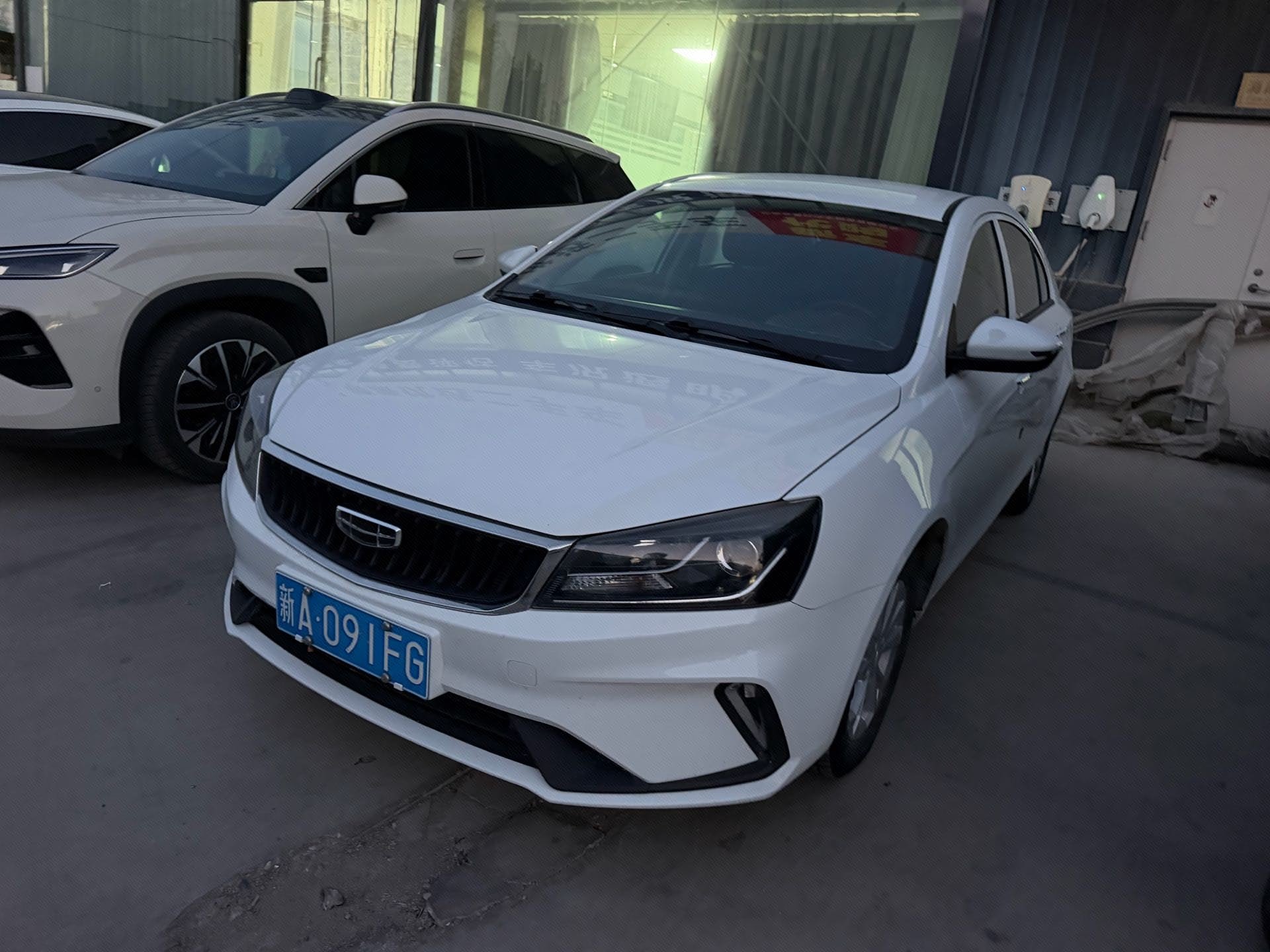
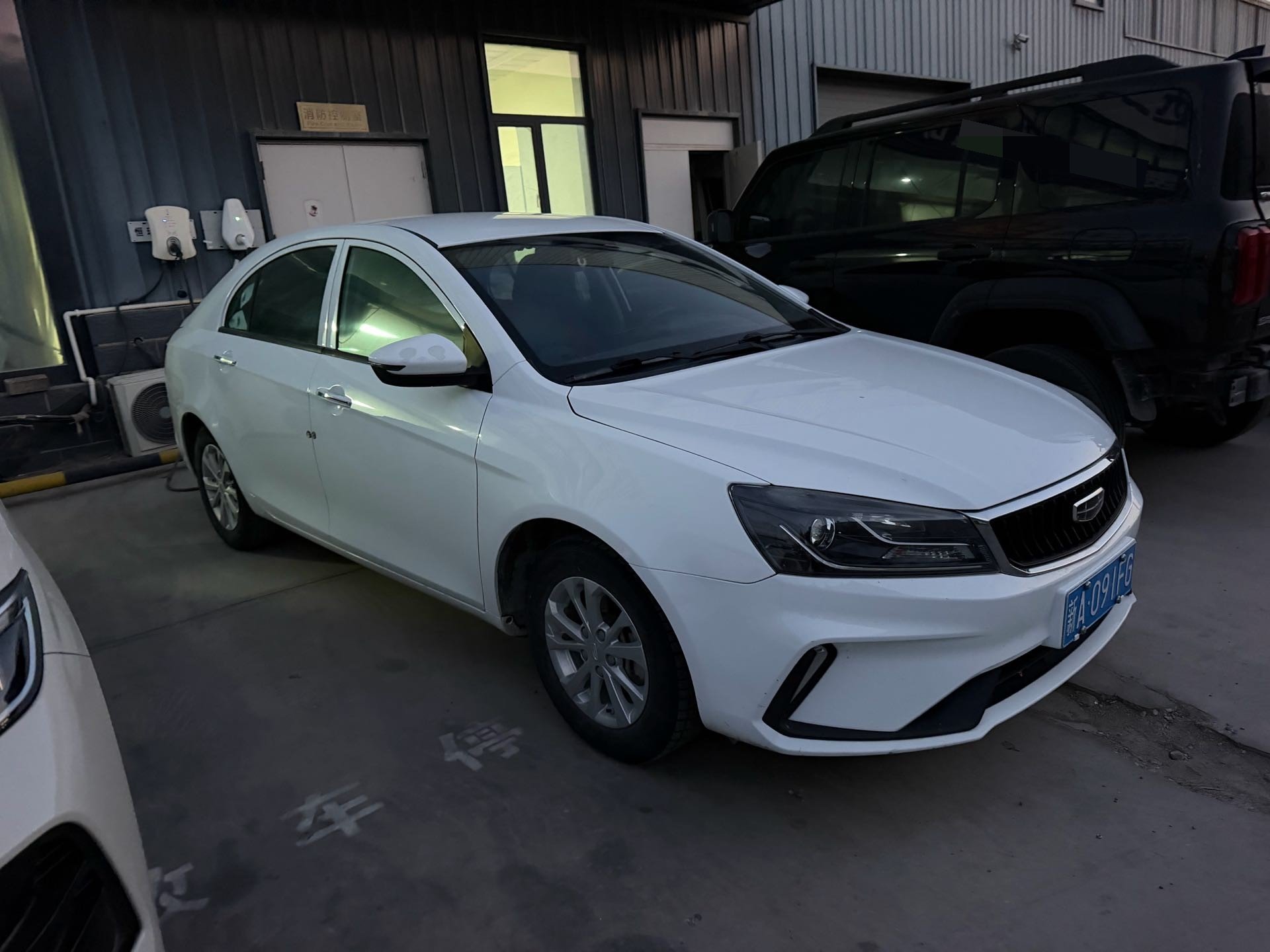
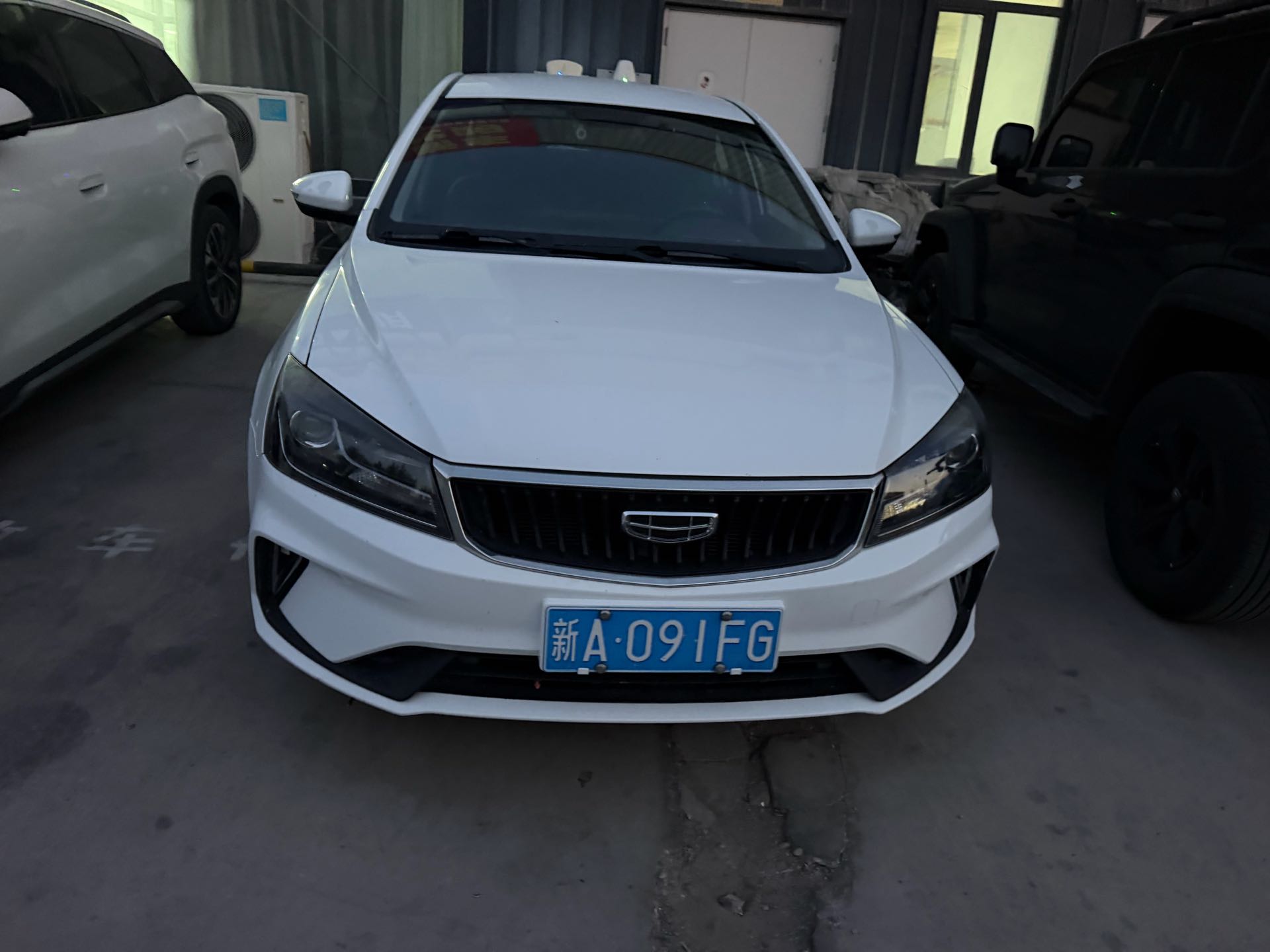
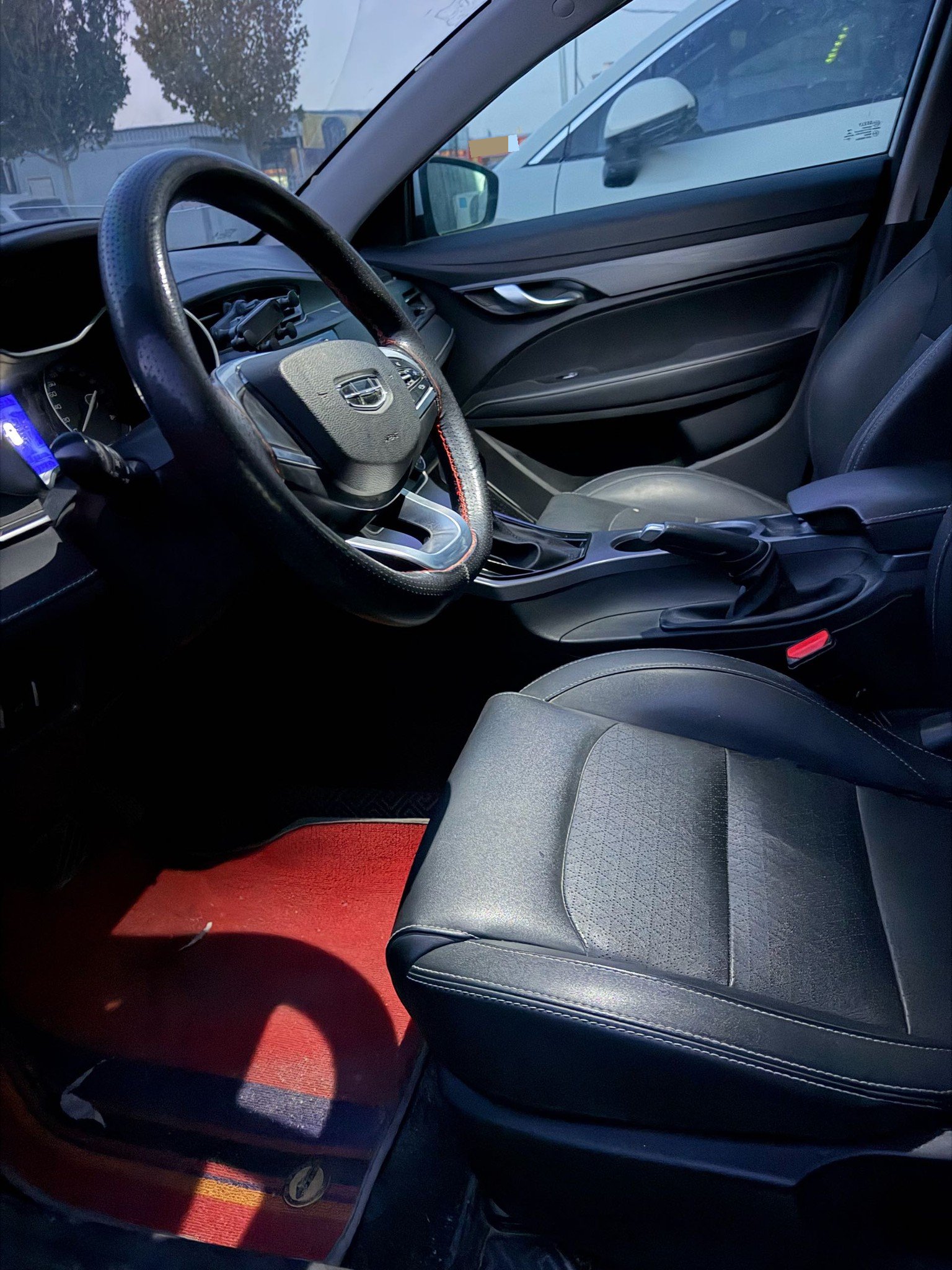



24H

Basic Information

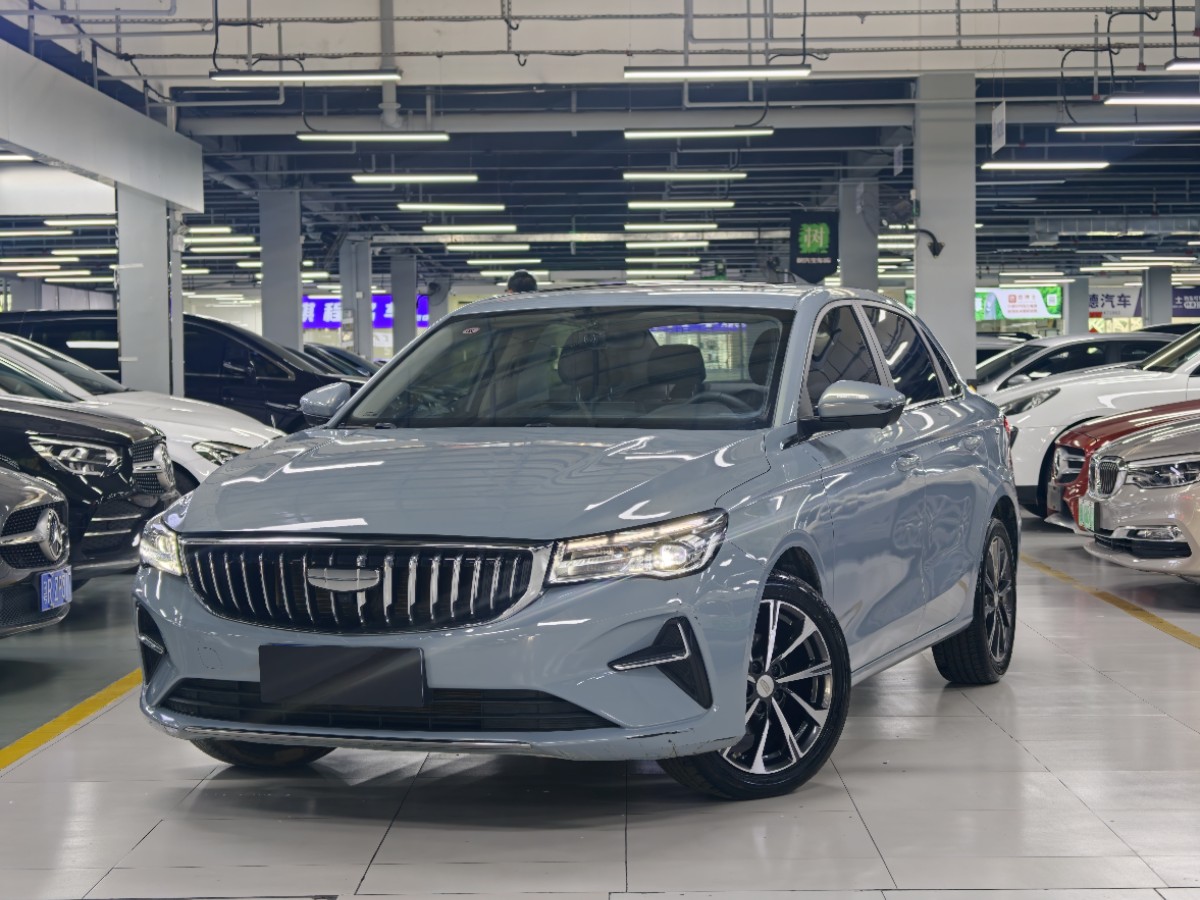
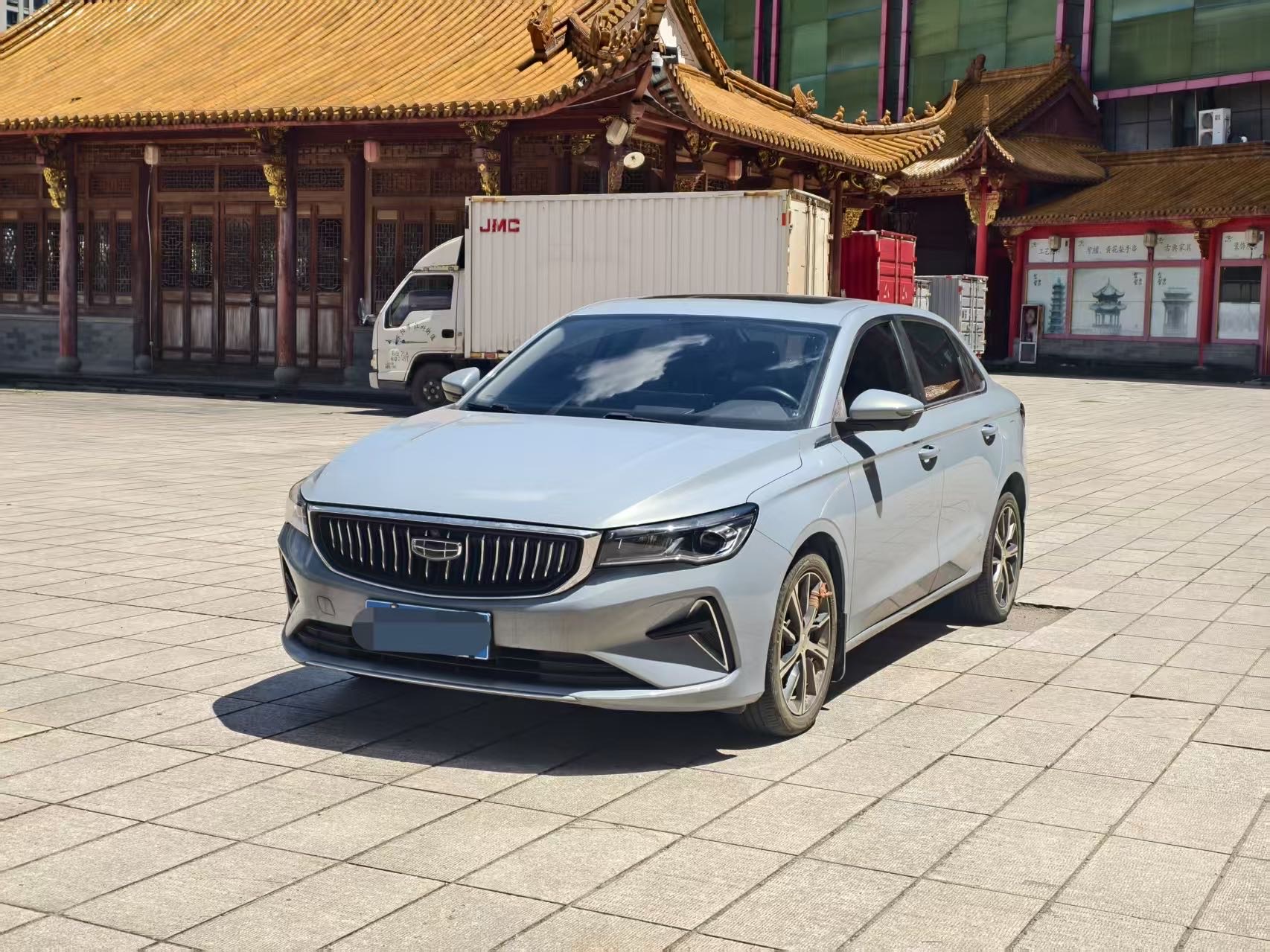
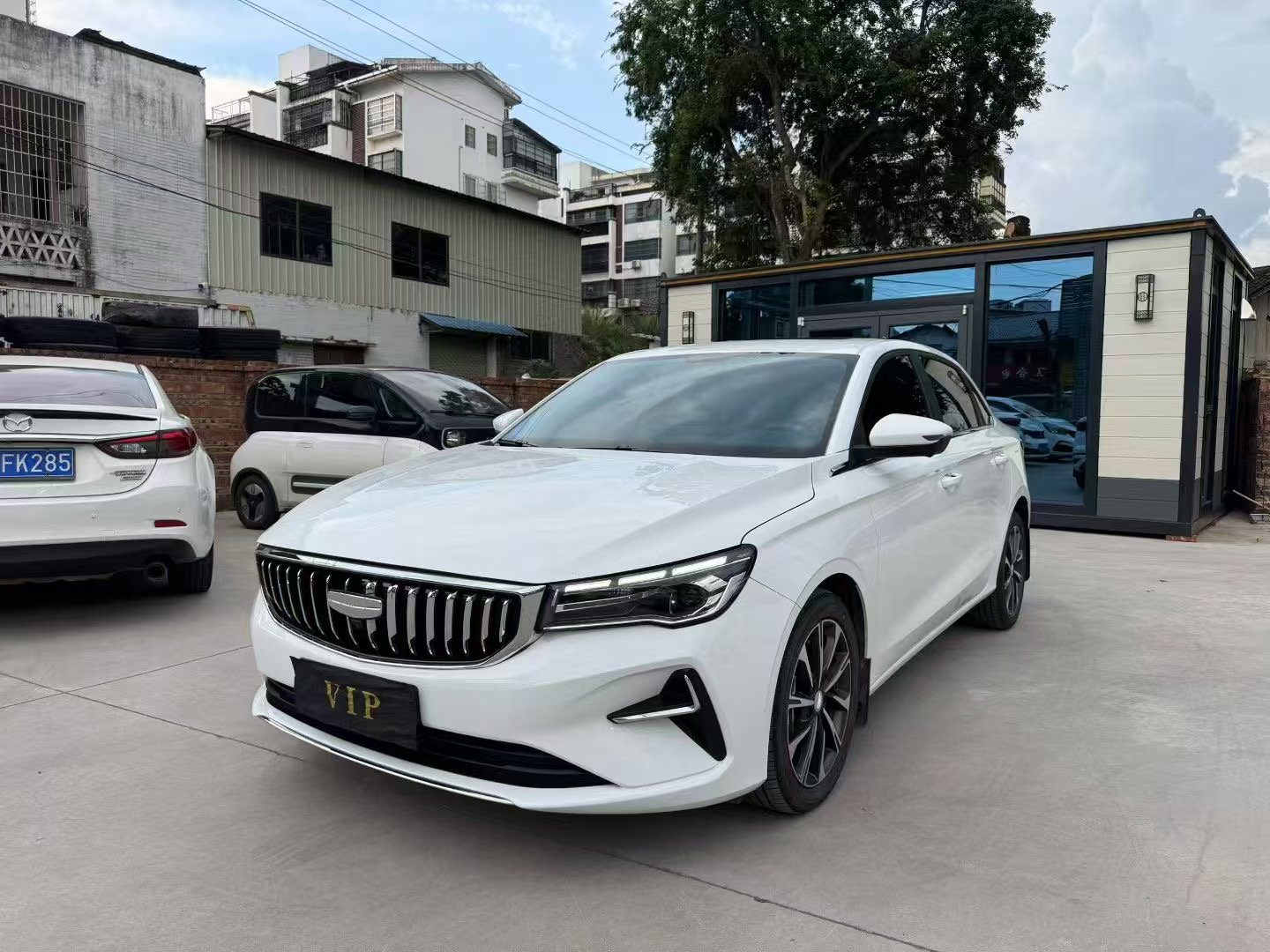
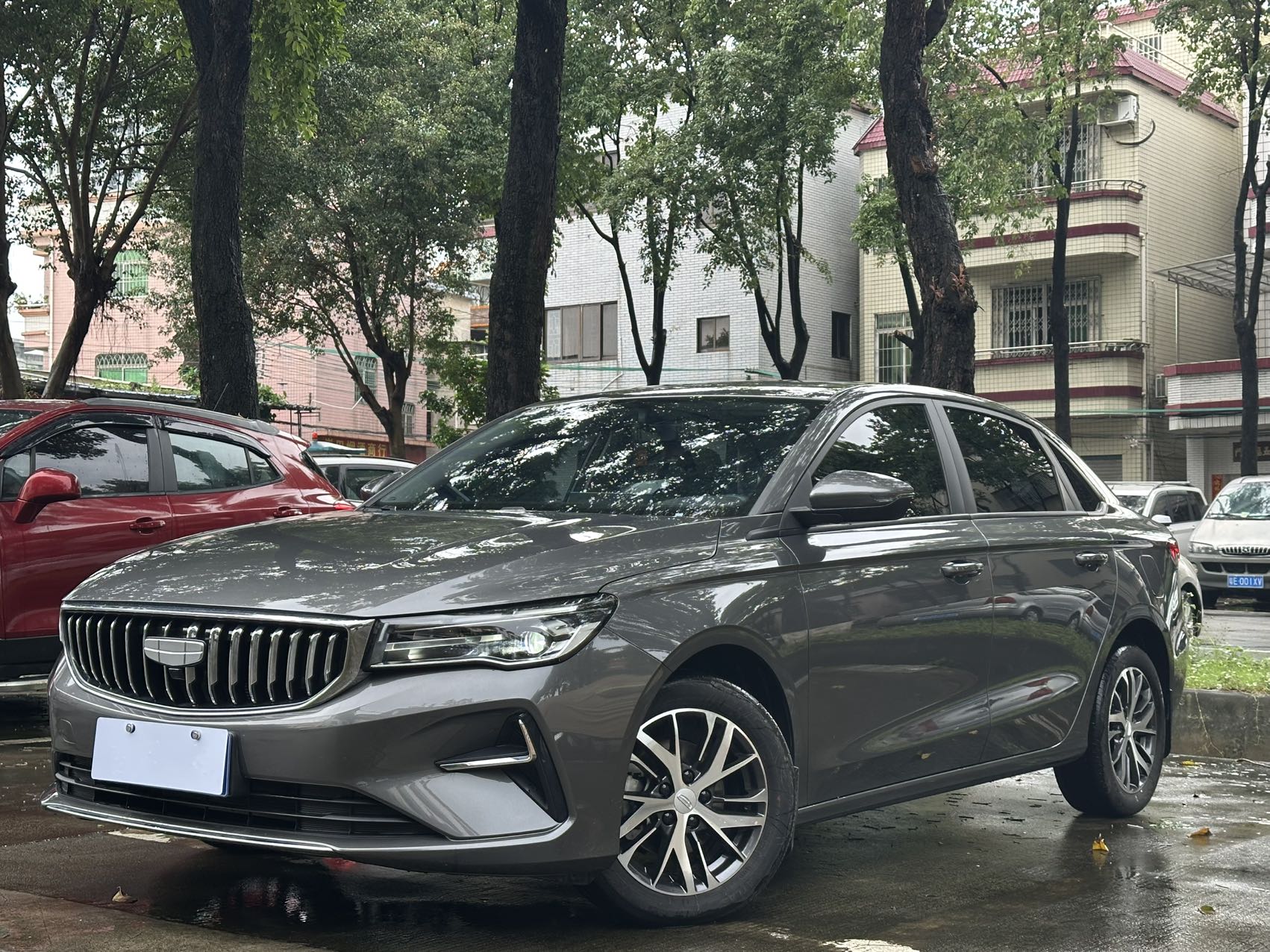
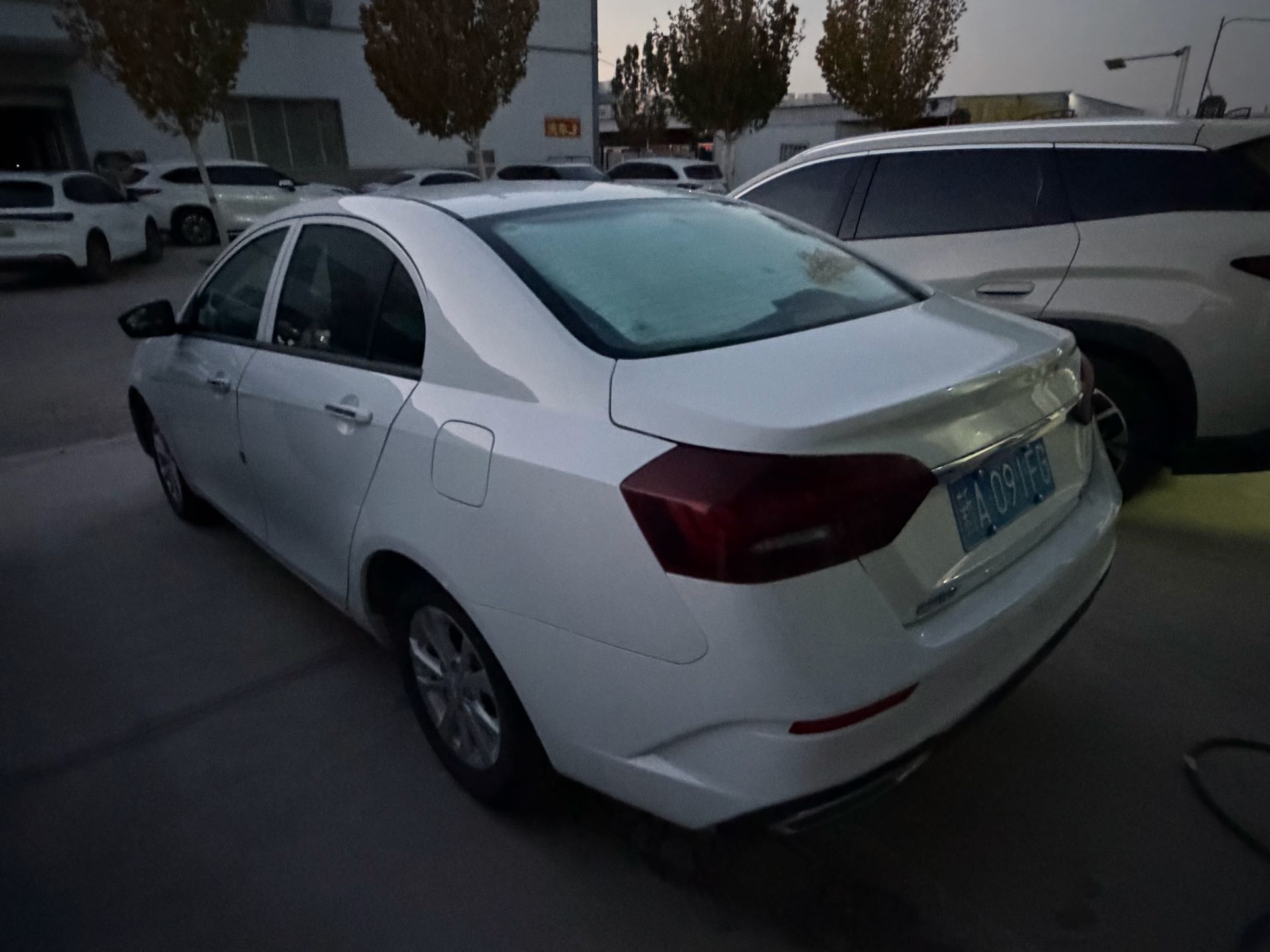
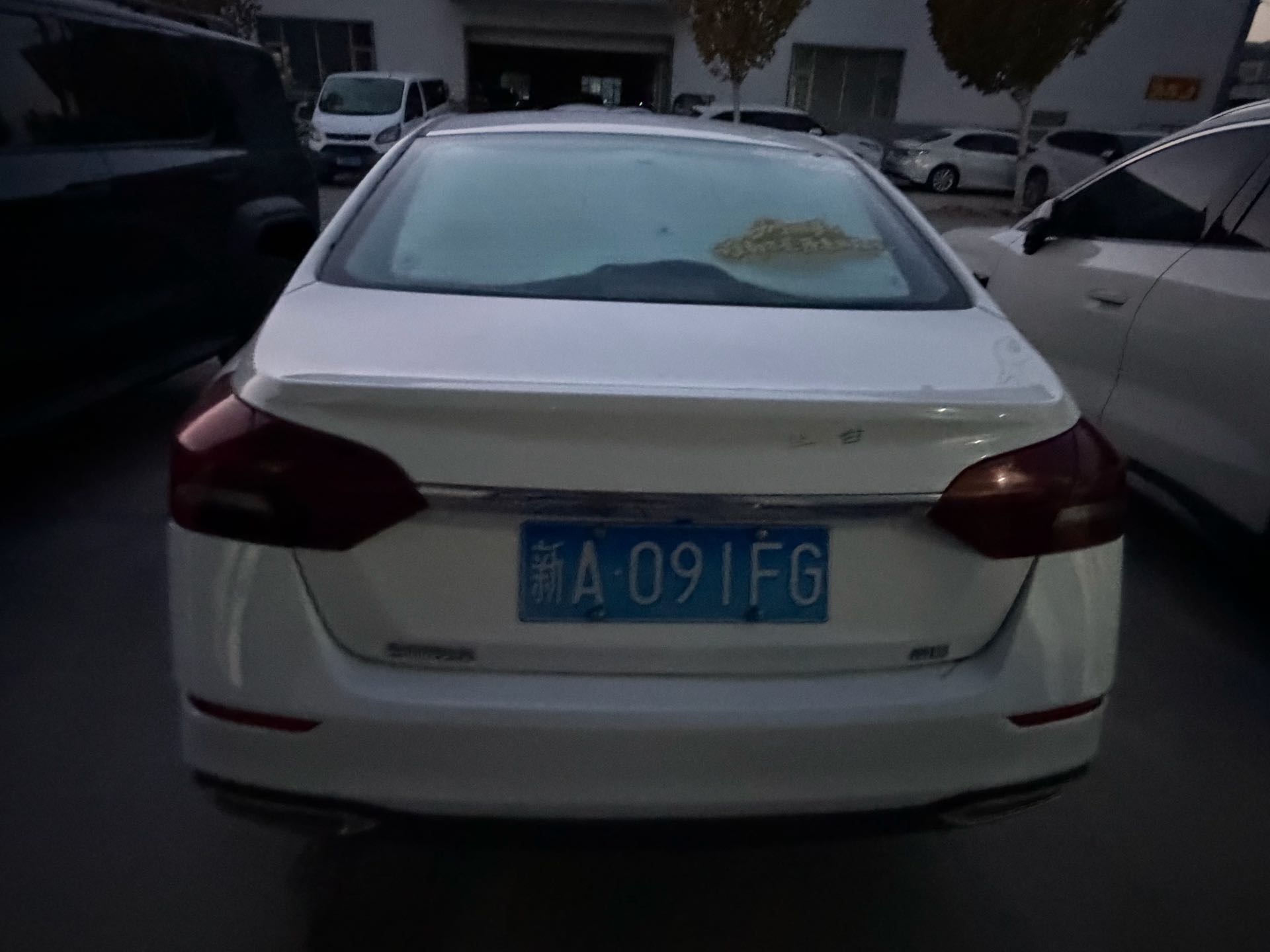
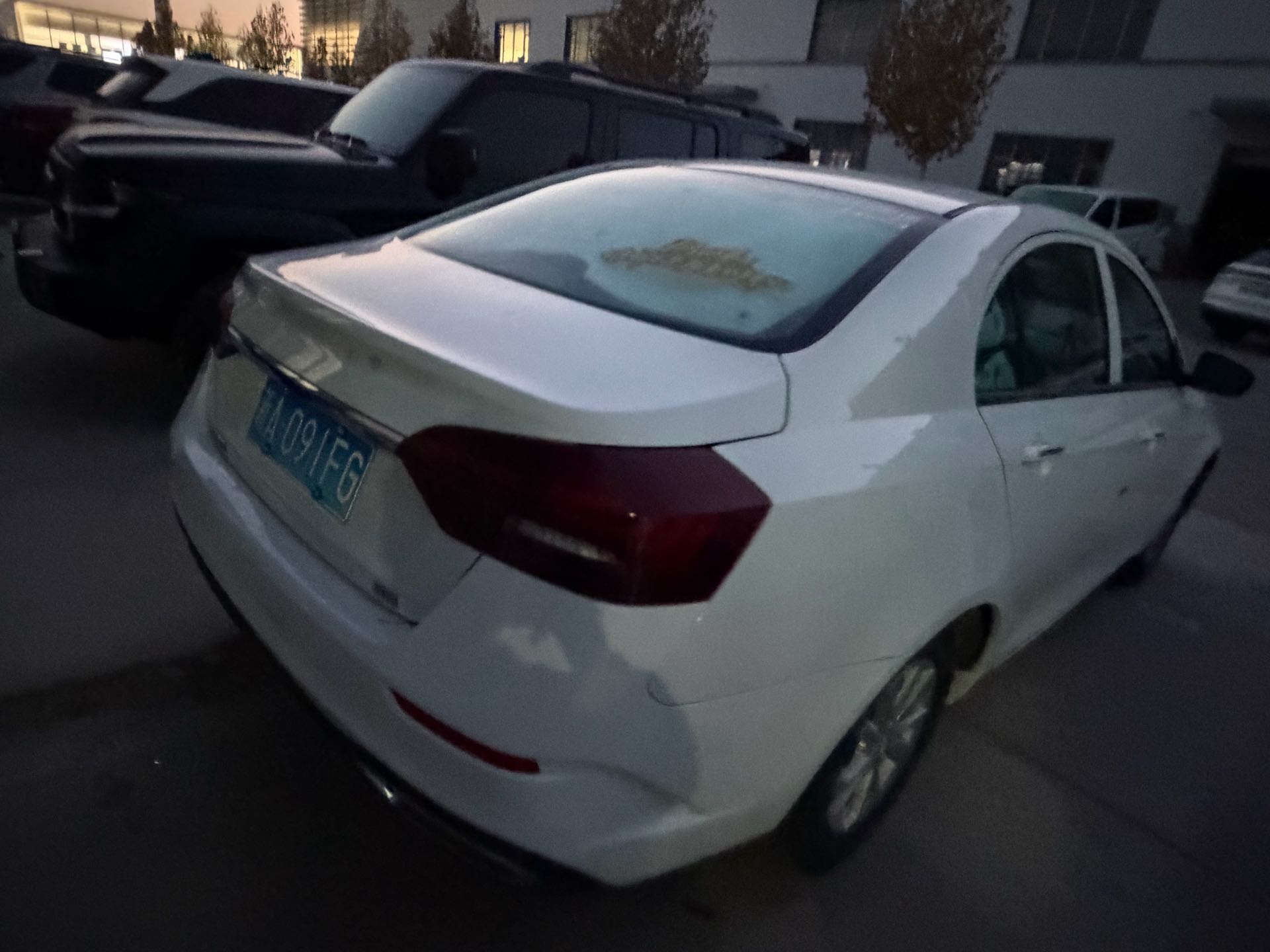
BrandGEELY
SeriesEmgrand
Year2021
First Registration2021/01
Mileage50,000km
Transfer Count0times
FuelGasoline
TransmissionCVT
Engine1.5L 109 L4
ColorWhite
Seats-

Condition Description

Original condition, full original paint.

Document Information

Inspection Expiry Date-
Warranty Expiry Date-
Insurance Expiry Date2027/01

Q&A

More

Which documents prove a used car exported from China is legal to import, and how do I verify them?

Key documents to request and verify: 1. Export declaration (报关单): proves the car legally left China. Check the VIN, model and exporter name match the car. 2. Commercial invoice: must match your payment amount; customs uses it to assess duties. 3. Bill of lading: confirm the consignee is you or your agent, and the VIN/container number is correct. 4. Certificate of origin: needed for tariff preferences in some markets. 5. Condition/inspection report: ideally from an independent third party, with photos and dates. Verification tips: cross-check the VIN on every document — any mismatch causes customs holds. Ask your destination customs broker to review scanned copies before the car ships, and release the final payment only after documents pass that review. A legitimate exporter will provide all of these without hesitation.


What's the difference between RoRo and container shipping when importing a used car from China?

RoRo (roll-on/roll-off) means your car is driven onto the vessel and secured on an open deck. It's usually the cheapest option and has frequent sailings from Chinese ports like Shanghai and Guangzhou. The downside: the car is exposed to sea air and handling, and you typically can't load spare parts inside the car. Container shipping puts the car in a 20ft or 40ft container. It costs more per car (a 40ft can fit 2-4 cars if you share with other buyers), but the car is sealed and protected, and you can pack spare parts, tools, or personal items inside. Container is the better choice for high-value cars, EVs with sensitive electronics, or harsh-route destinations. Practical tips: RoRo requires the car to be drivable and the battery disconnected per shipping rules; EVs often must ship at low state of charge. Either way, photograph the car at the port of loading and buy marine insurance. Transit time difference between the two modes is usually small - port congestion matters more than the mode itself.

How long does it usually take from when I pay the full amount to when the vehicle is loaded at the port in China?

Under normal circumstances, it takes 15 to 25 working days. This includes: domestic transfer of ownership (3-5 days), applying for an export license (3-5 days), inland trucking to the port (2-5 days), customs inspection and waiting for loading schedule (5-10 days). Do not trust false promises from other channels claiming 'loading within a week.'