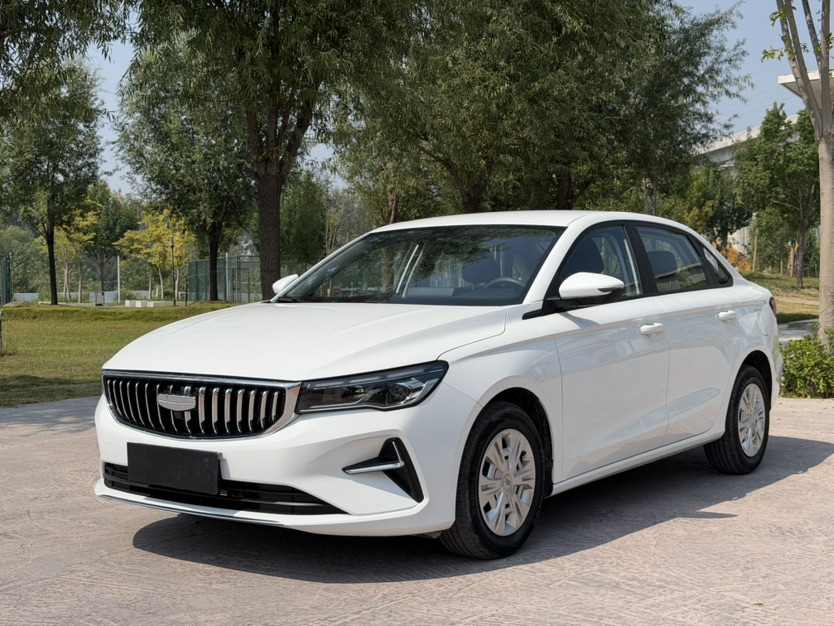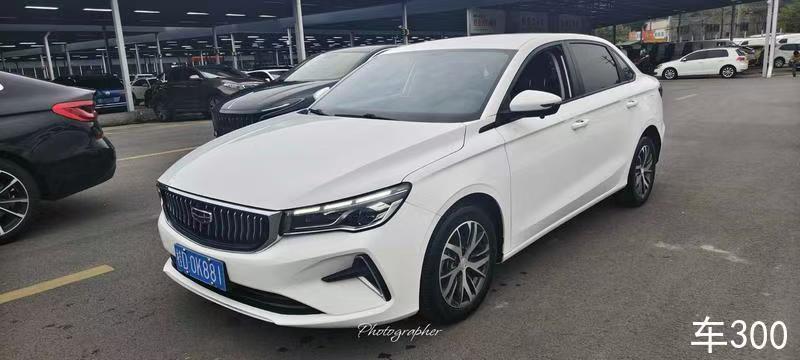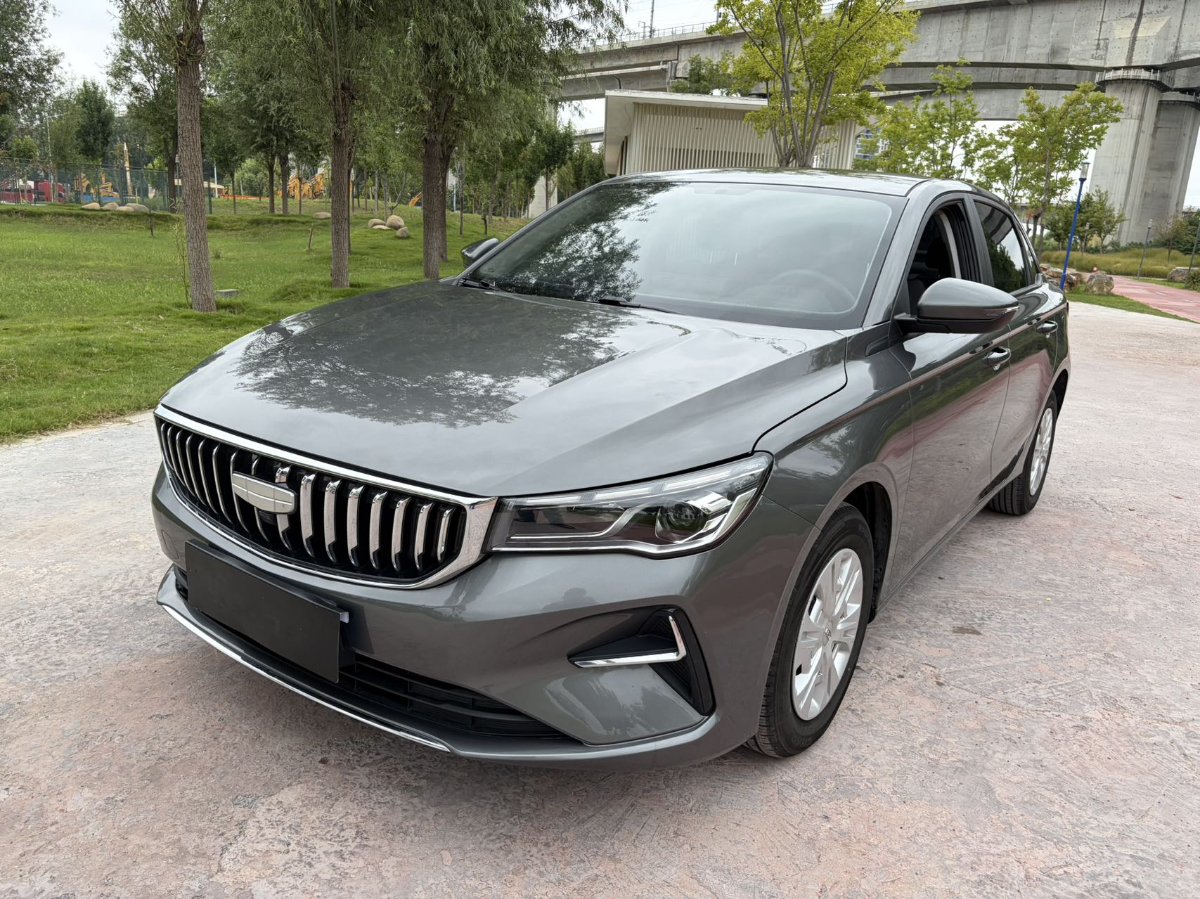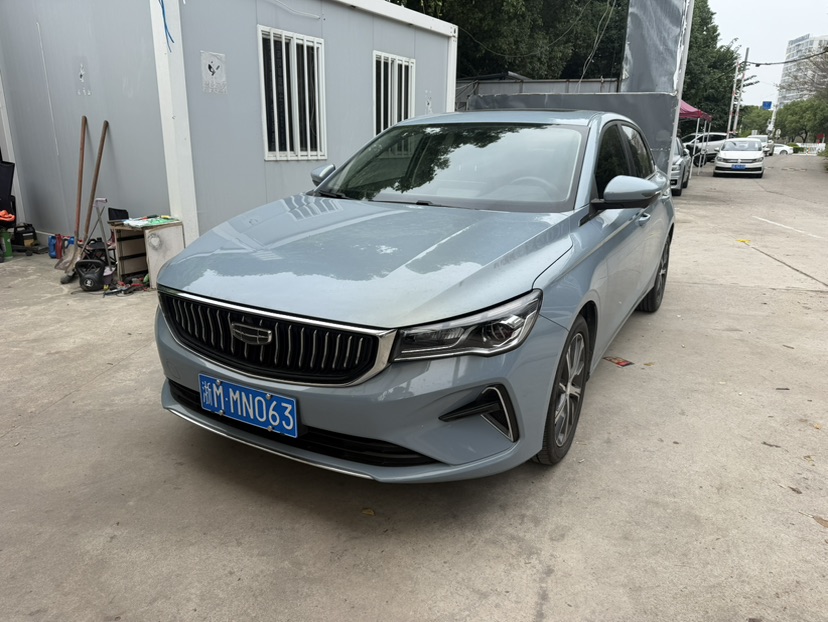
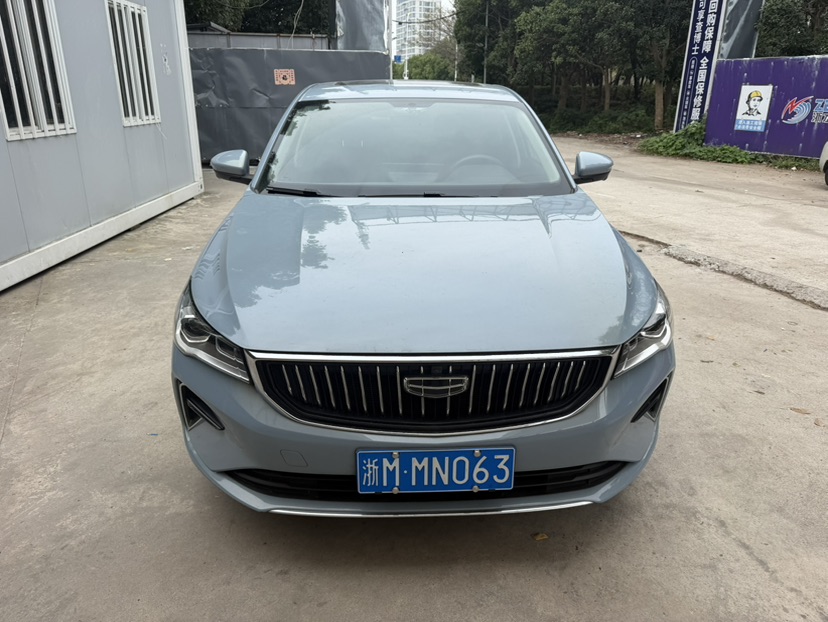
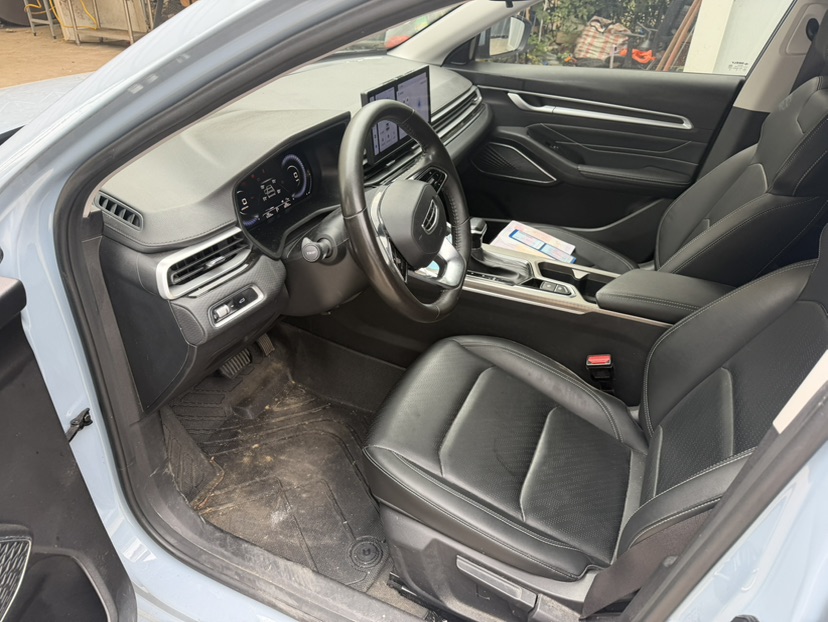
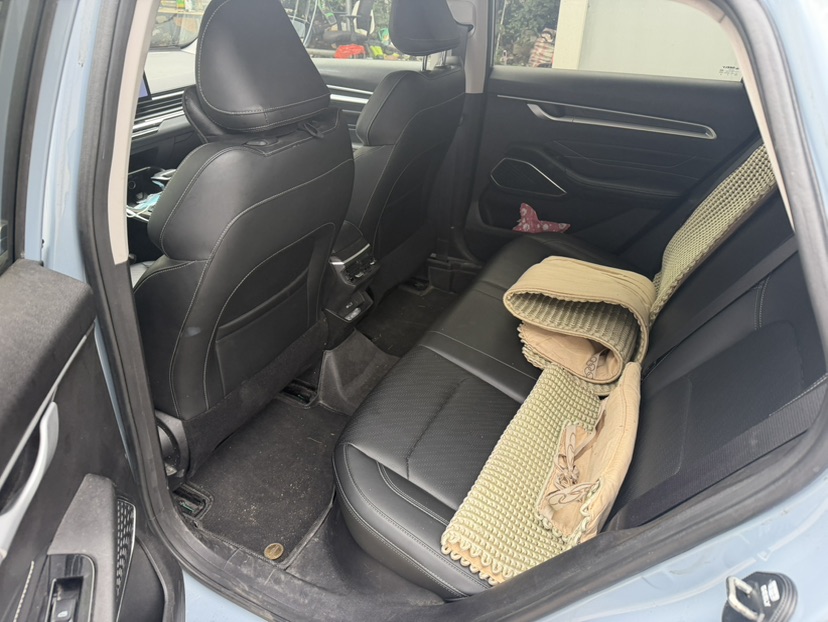
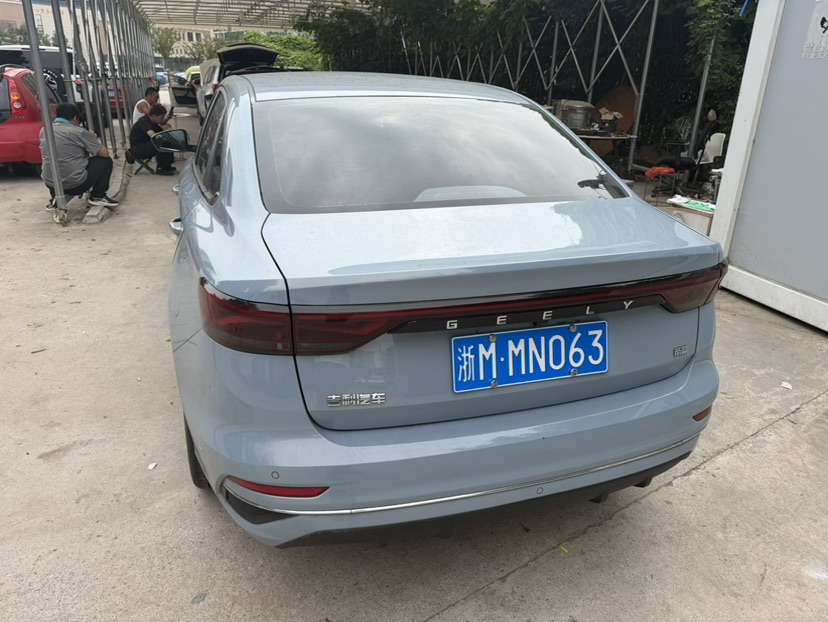



Basic Information

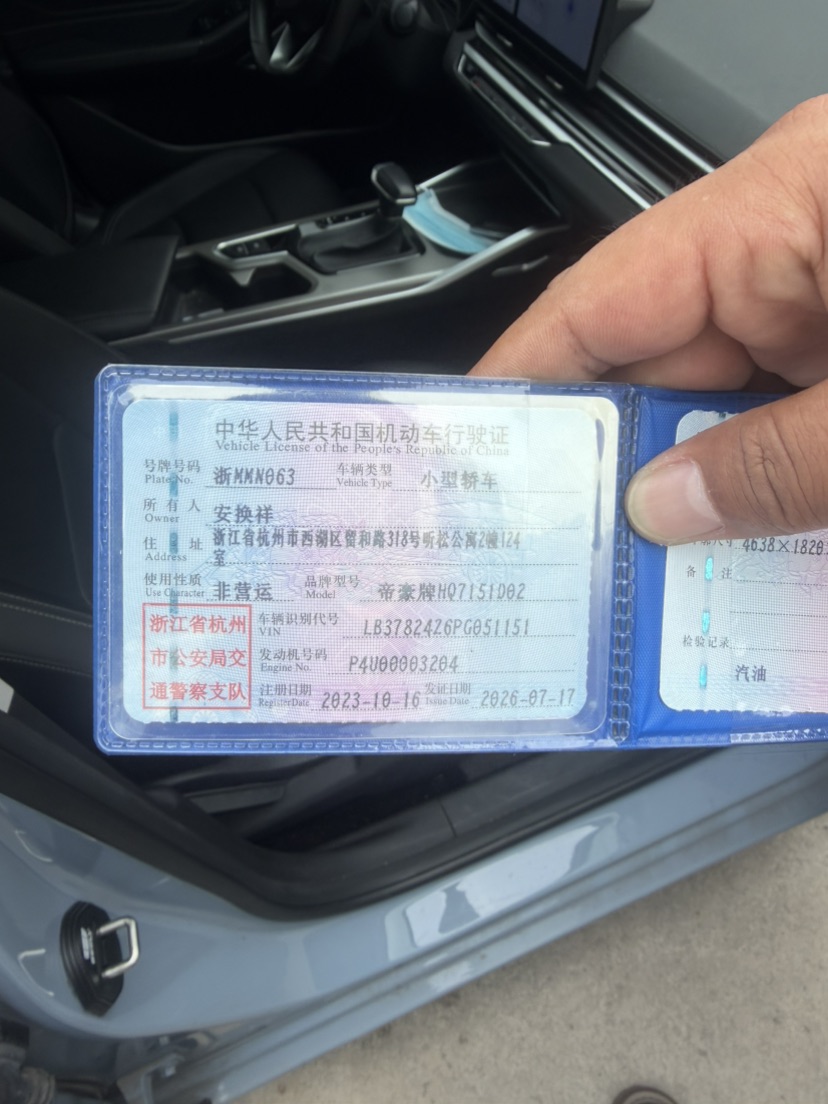
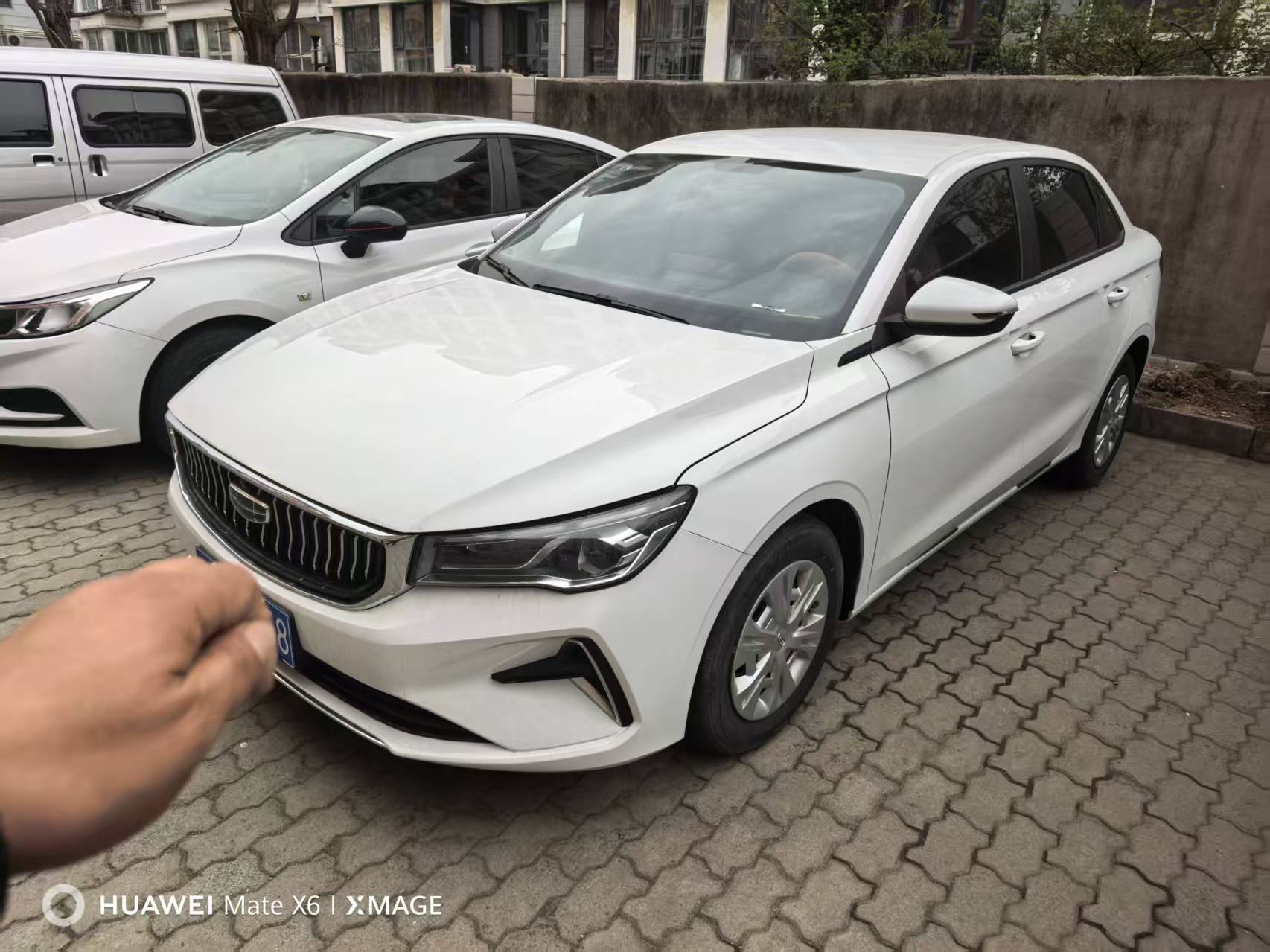
BrandGEELY
SeriesEmgrand
Year2023
First Registration2023/10
Mileage38,000km
Transfer Count1times
FuelGasoline
TransmissionCVT
Engine1.5L 127 L4
ColorBlue
Seats5seats

Condition Description

Left front fender replaced, left rear fender cut (not recorded), hood repainted, other panels original paint.

燃油车
轿车
自动
维保开放
事故开放
查验开放

Configuration Highlights

✓品牌: 吉利汽车
✓车系: 帝豪
✓车型: 2023款 第4代冠军版 1.5L CVT豪华型
✓车身类型: 轿车
✓座位数: 5
✓排量: 1.5L
✓变速箱: 自动
✓能源类型: 燃油车
✓VIN: LB37824Z6PG051151
✓搜索关键词: 吉利汽车帝豪 2023款帝豪第4代冠军版1.5LCVT豪华型

Document Information

Inspection Expiry Date2027/10
Warranty Expiry Date-
Insurance Expiry Date2026/10

Q&A

More

The target country has strict age and emission restrictions on imported used cars. Will you help me review this?

We will provide extremely accurate production year, first registration date, and Chinese emission standards (e.g., National VI). However, the final responsibility for confirming whether this data complies with the importing country's regulations lies with the buyer, and you need to submit it to the local customs for verification before placing an order.

If a coup occurs in the destination country or if import regulations are suddenly changed, preventing the vehicle from clearing customs, does this count as force majeure?

It completely falls under force majeure. After the delivery is completed (crossing the ship's rail) under FOB or CIF terms, the seller (us) bears no liability for refunds or compensation due to political risks or legal changes in the destination country that hinder customs clearance or lead to confiscation.

Why are the shipping costs for used electric vehicles (EVs) usually higher than for internal combustion engine vehicles (ICEs)?

Pure electric vehicles are classified as Class 9 Dangerous Goods due to their large lithium batteries, leading to strict shipping regulations. Shipping companies have high requirements for the loading position and fire isolation measures for dangerous goods, and some roll-on/roll-off ships refuse to accept used EVs. As a result, EVs often require more expensive special container shipping and incur additional handling fees for hazardous materials.