


Basic Information

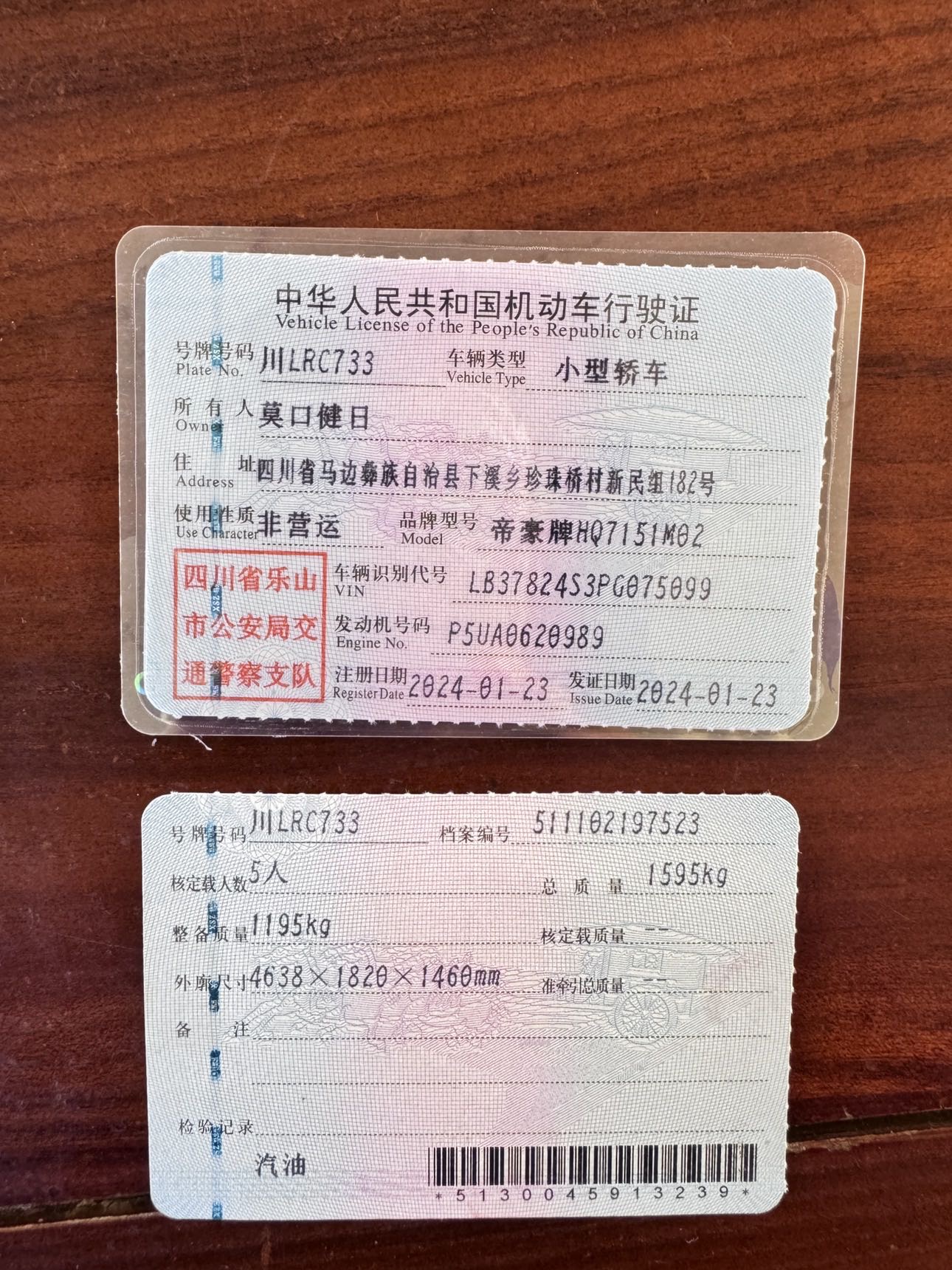
BrandGEELY
SeriesEmgrand
Year2024
First Registration2024/01
Mileage30,000km
Transfer Count0times
FuelGasoline
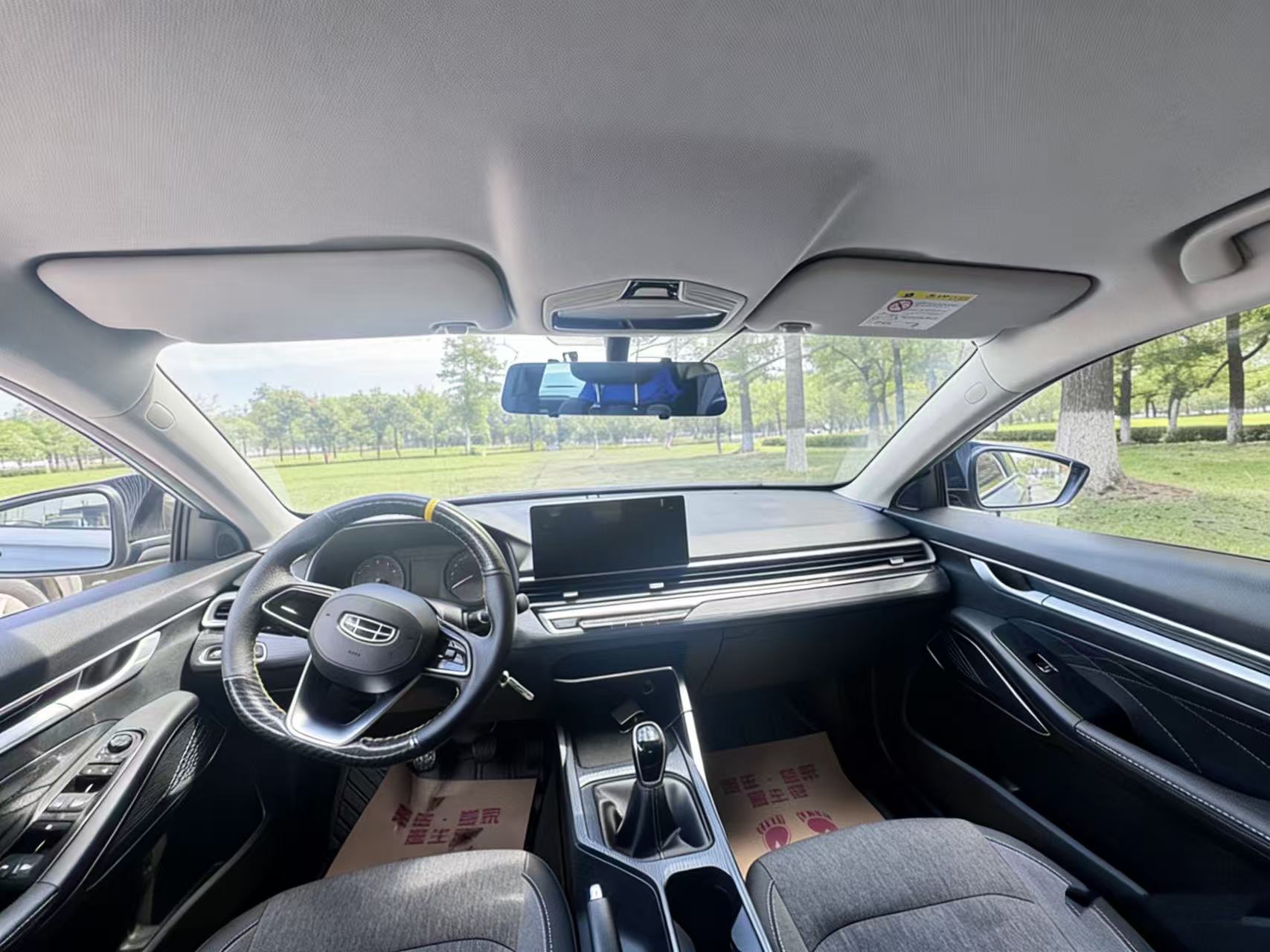
TransmissionManual
Engine1.5L 127 L4
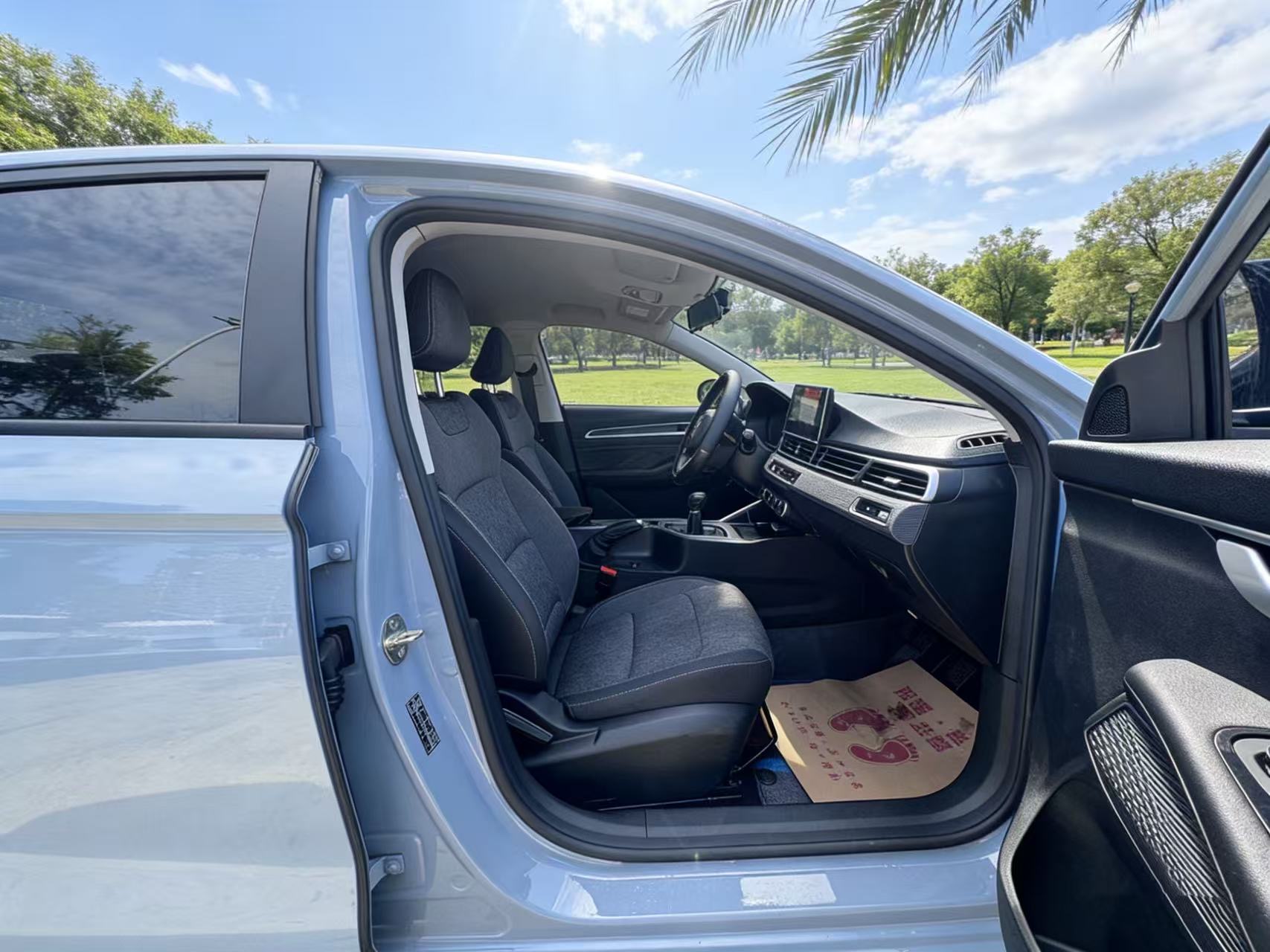
ColorGrey
Seats5seats

Condition Description

可议价
已上架

Configuration Highlights

✓品牌: 吉利汽车
✓车系: 帝豪
✓车型: 帝豪 2023款 第4代冠军版 1.5L 手动豪华型
✓能源类型: 燃油车
✓发动机: 1.5L
✓变速箱: 手动
✓驱动方式: 前置前驱
✓排放标准: 国VI
✓指导价: 6.99万
✓车源编号: 12717693
✓VIN: LB37824S3PG075099

Document Information

Inspection Expiry Date2030/01
Warranty Expiry Date-
Insurance Expiry Date2027/01

Q&A

More

How is the degree of wear on the interior defined? (e.g., steering wheel, seat patina or cracking)

Interior assessment is divided into three core areas: the driver's high-frequency contact area (steering wheel, gear shift, edge of the driver's seat), central control button area, and rear seats and ceiling. The natural sheen of leather surfaces (patina) is normal; however, any physical damage (such as leather tearing, fabric burn holes, or plastic breakage) will be classified as "structural interior damage" and clearly marked.


How can I check the body and paint quality of a used car from China to spot hidden accident repairs?

Ask the exporter for a paint thickness gauge report, or request a live video where they measure the car in front of you. What to look for: · Factory paint on most Chinese cars measures 80–120 microns. Readings above 150–200 microns on a panel usually mean repainting; above 300 microns often means body filler (putty) underneath. · Inconsistent readings between panels (e.g., left door 95µm, right door 180µm) suggest the right side was repaired. · Check gaps between panels (doors, hood, trunk). Uneven gaps or misaligned headlights/bumper clips point to past collision repairs. · Look for overspray on rubber seals, plastic trim, or inside door jambs — a clear sign of repainting. · Check bolt heads on fenders, doors, and hood. Wrench marks or fresh paint over bolts mean the panel was removed. Combine these checks with an OBD scan for airbag or crash-related fault codes. Any repainting should be declared by the seller; if discovered undeclared, you have grounds to renegotiate or reject the car.

How do seasonal factors—peak seasons, weather, holidays—affect shipping times and rates from China?

Timing your shipment can save both money and weeks of waiting. Several predictable patterns affect routes from China. Peak season surcharges: January through March, before Chinese New Year, exporters rush to ship, so container and RoRo space tightens and rates rise 20-50%. Book at least 3-4 weeks ahead during this window. After the holiday (usually February), factories and ports restart gradually, causing 2-3 weeks of backlog. Weather effects: Typhoon season (July-September) can delay departures from southern Chinese ports like Shenzhen and Guangzhou. Winter fog and ice affect northern ports like Dalian and Tianjin, slowing loading operations. Destination-side factors: Monsoon seasons can slow port operations in South and Southeast Asia. Holiday periods at destination (e.g., Ramadan in the Gulf, year-end holidays elsewhere) reduce customs staffing and extend clearance times. Practical advice: ask your forwarder for rate calendars, avoid booking right before major Chinese holidays, and build 1-2 weeks of buffer into delivery promises to your customers. Flexible departure ports (Shanghai vs. Ningbo vs. Shenzhen) can also help you find available space.