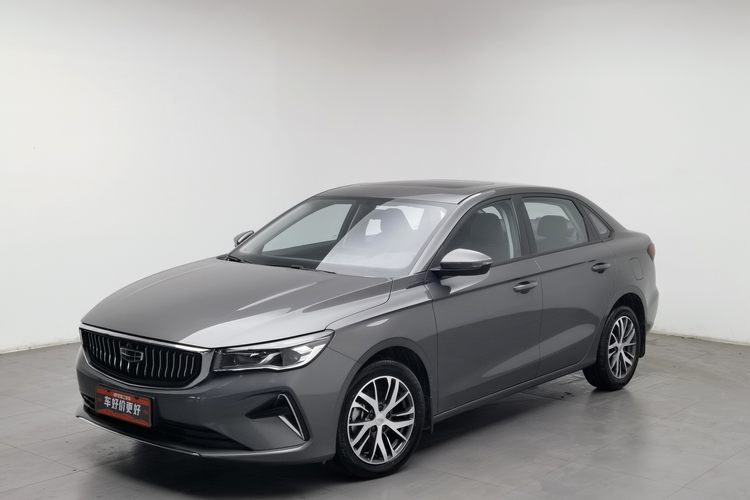
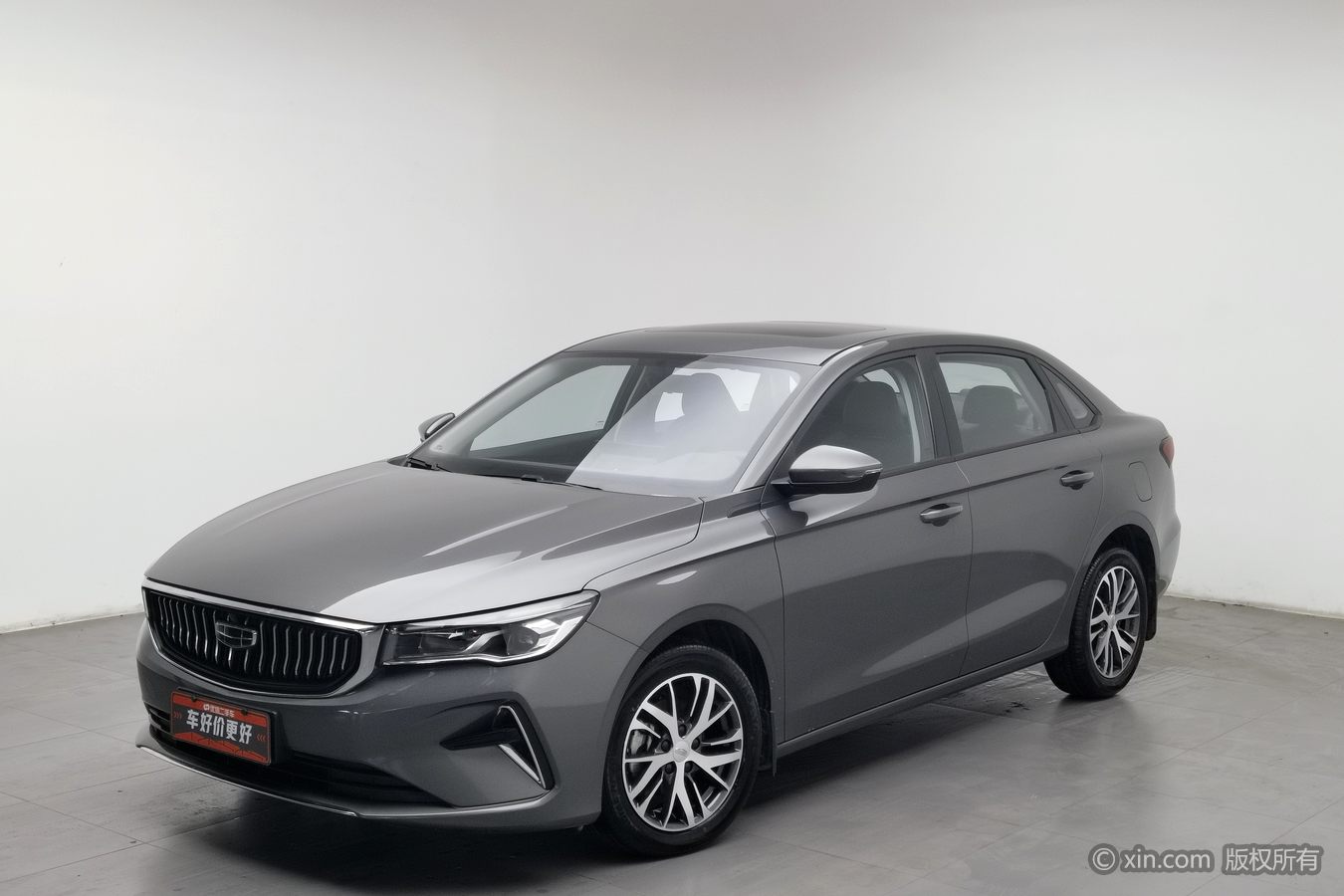
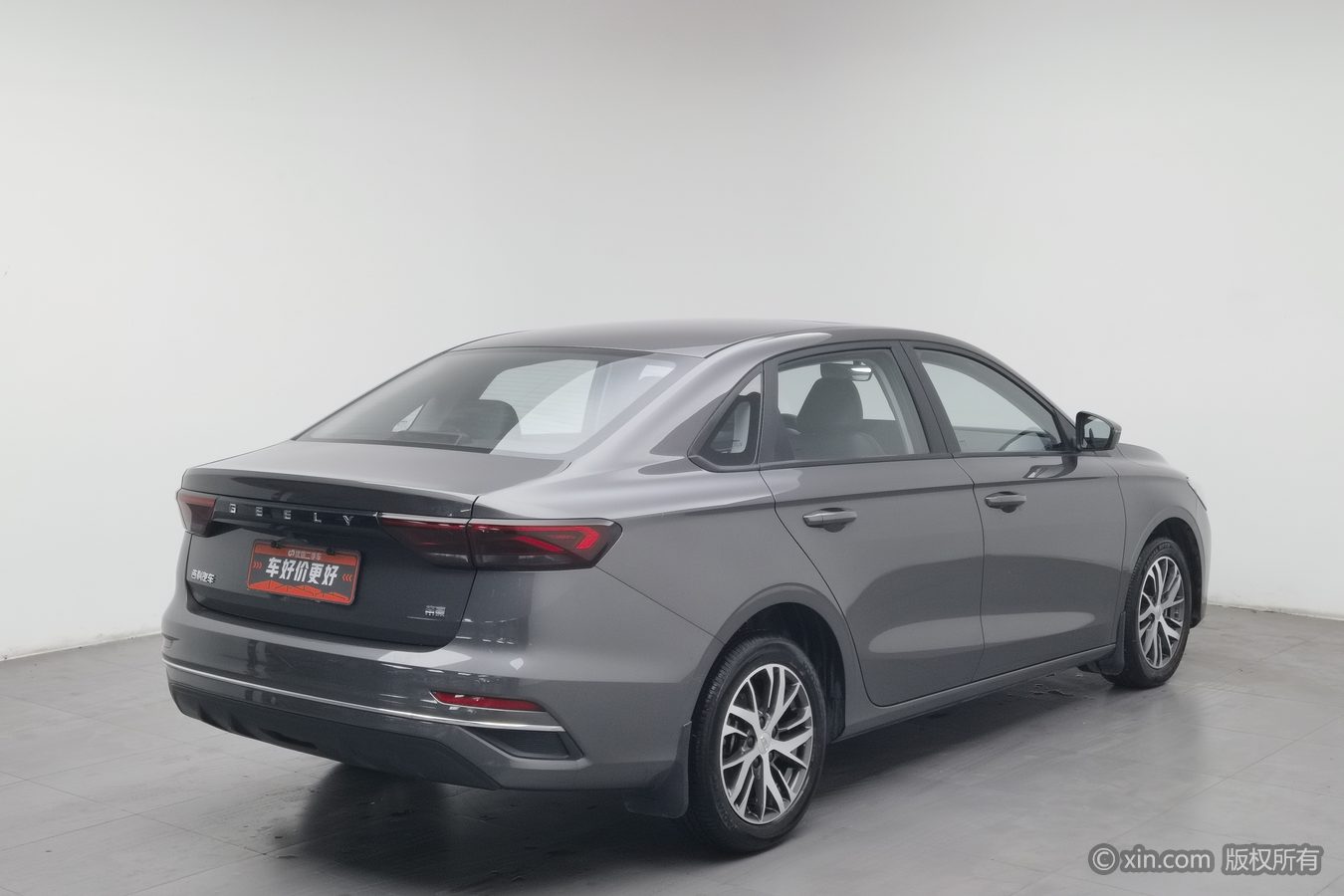
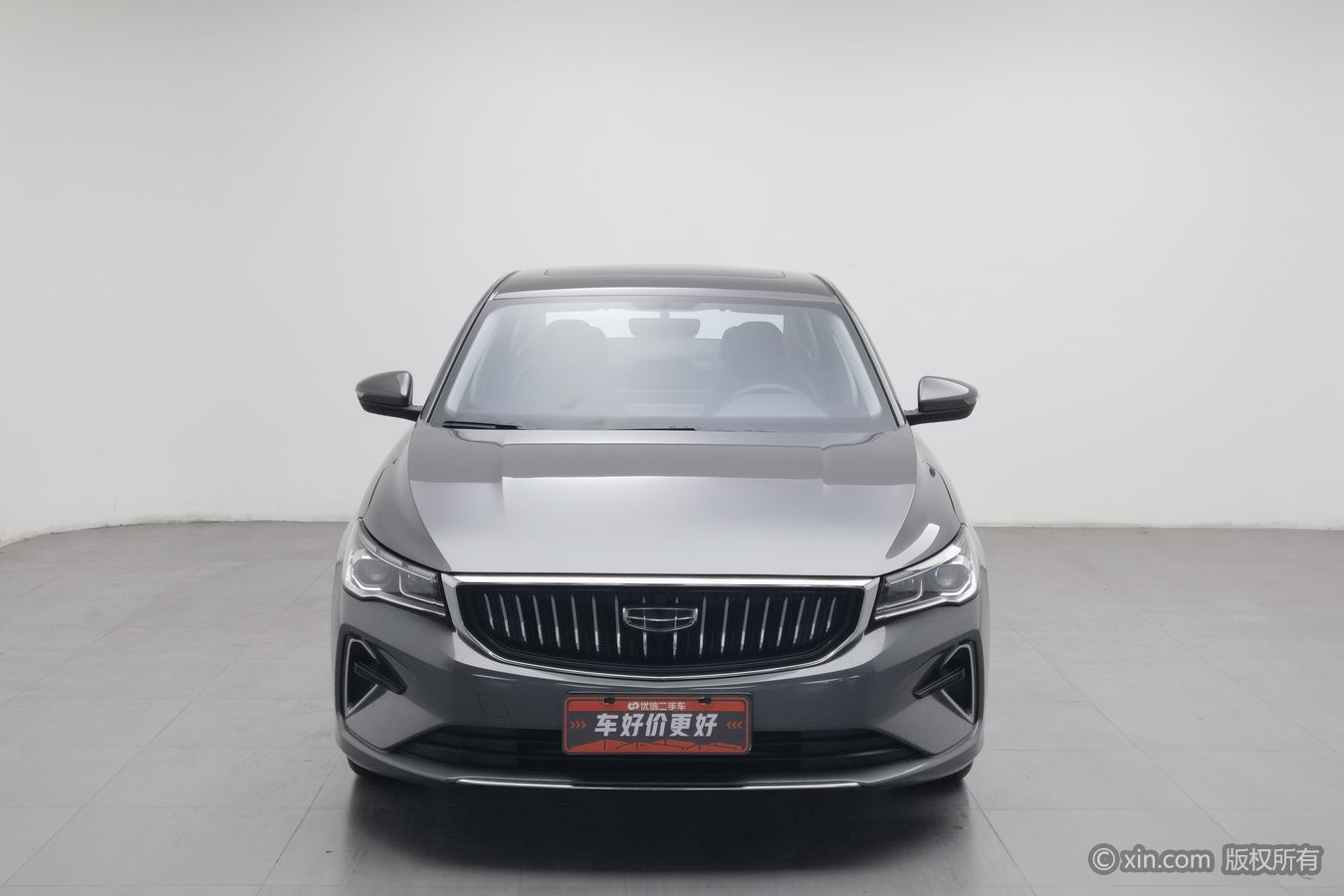
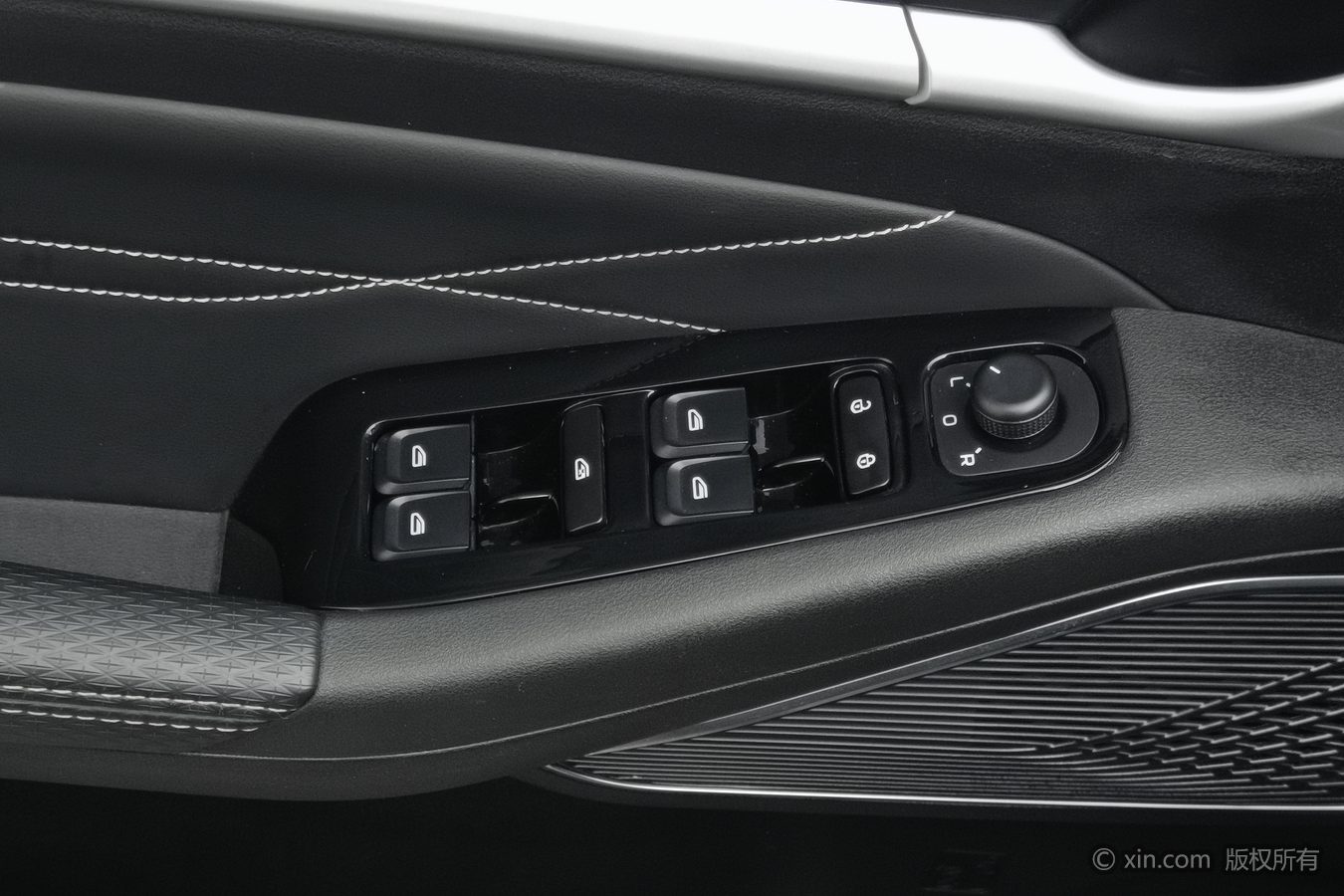
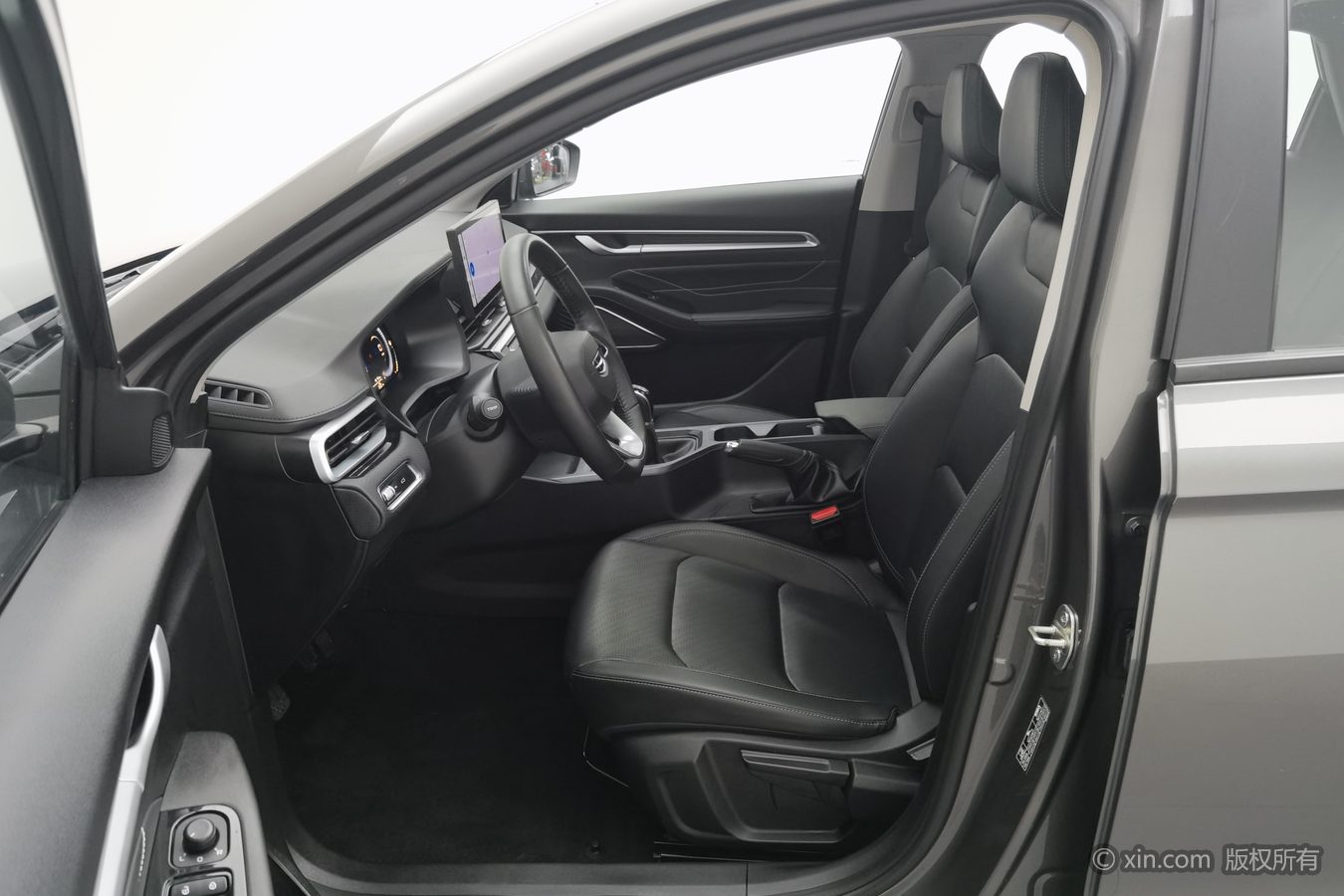
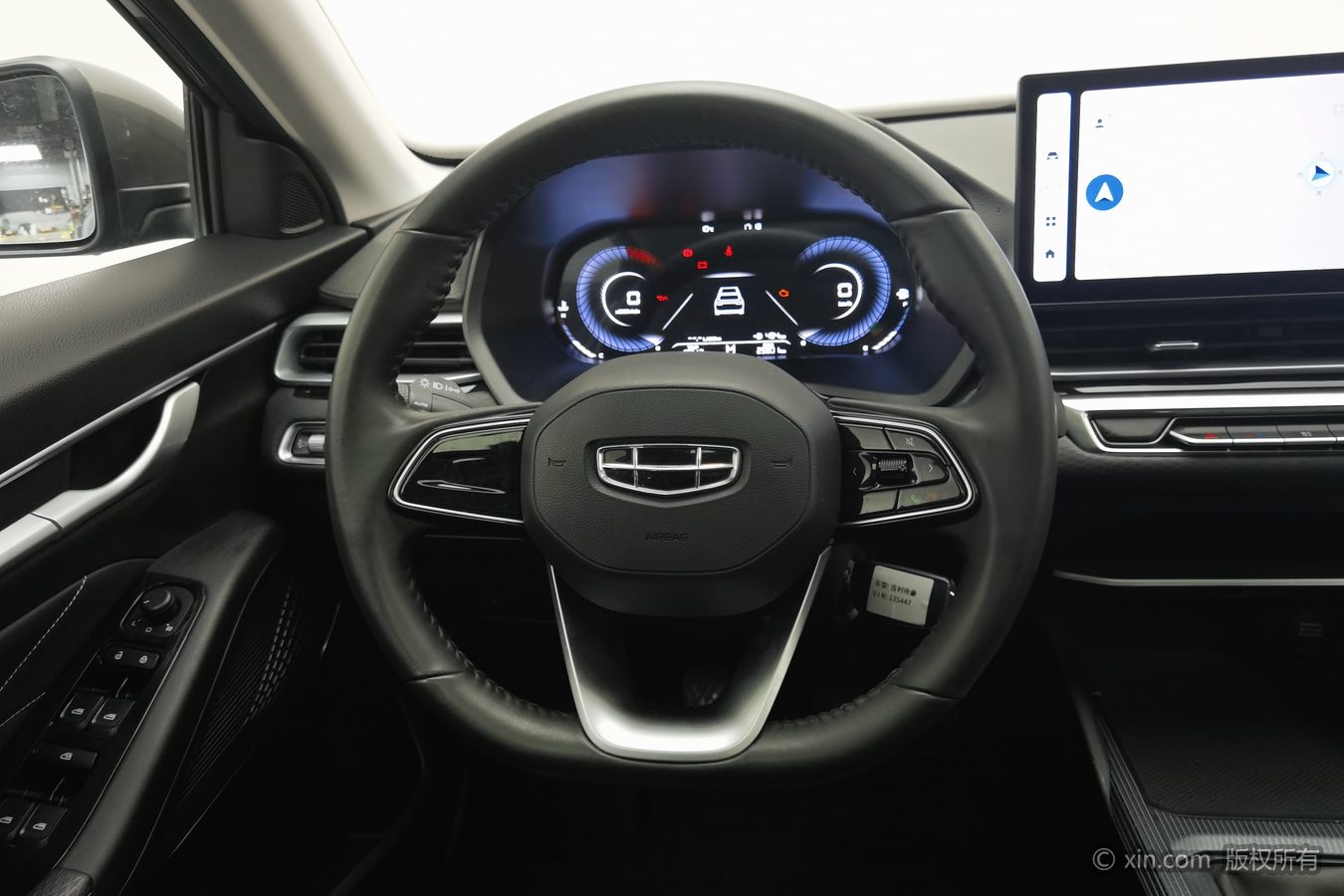
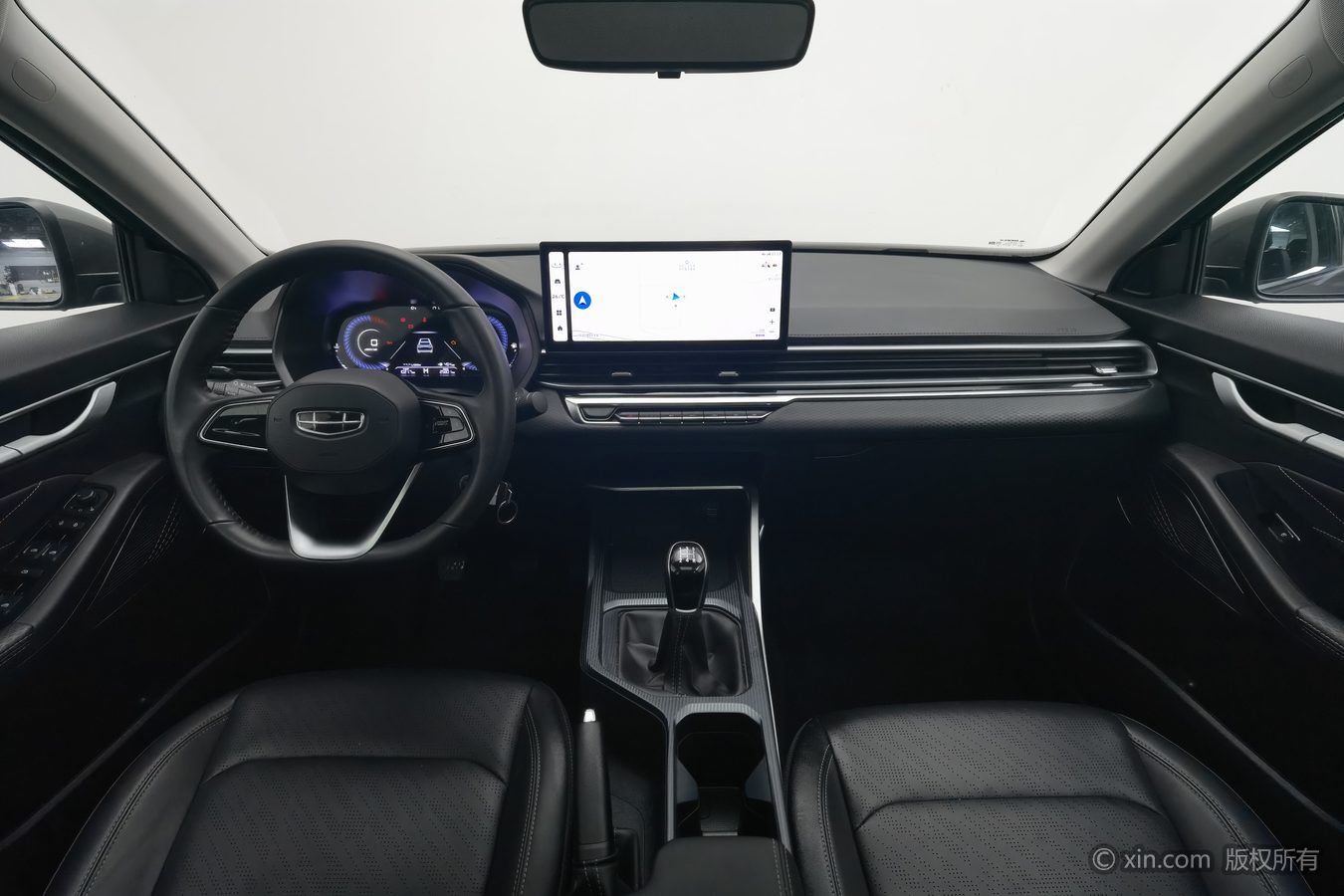
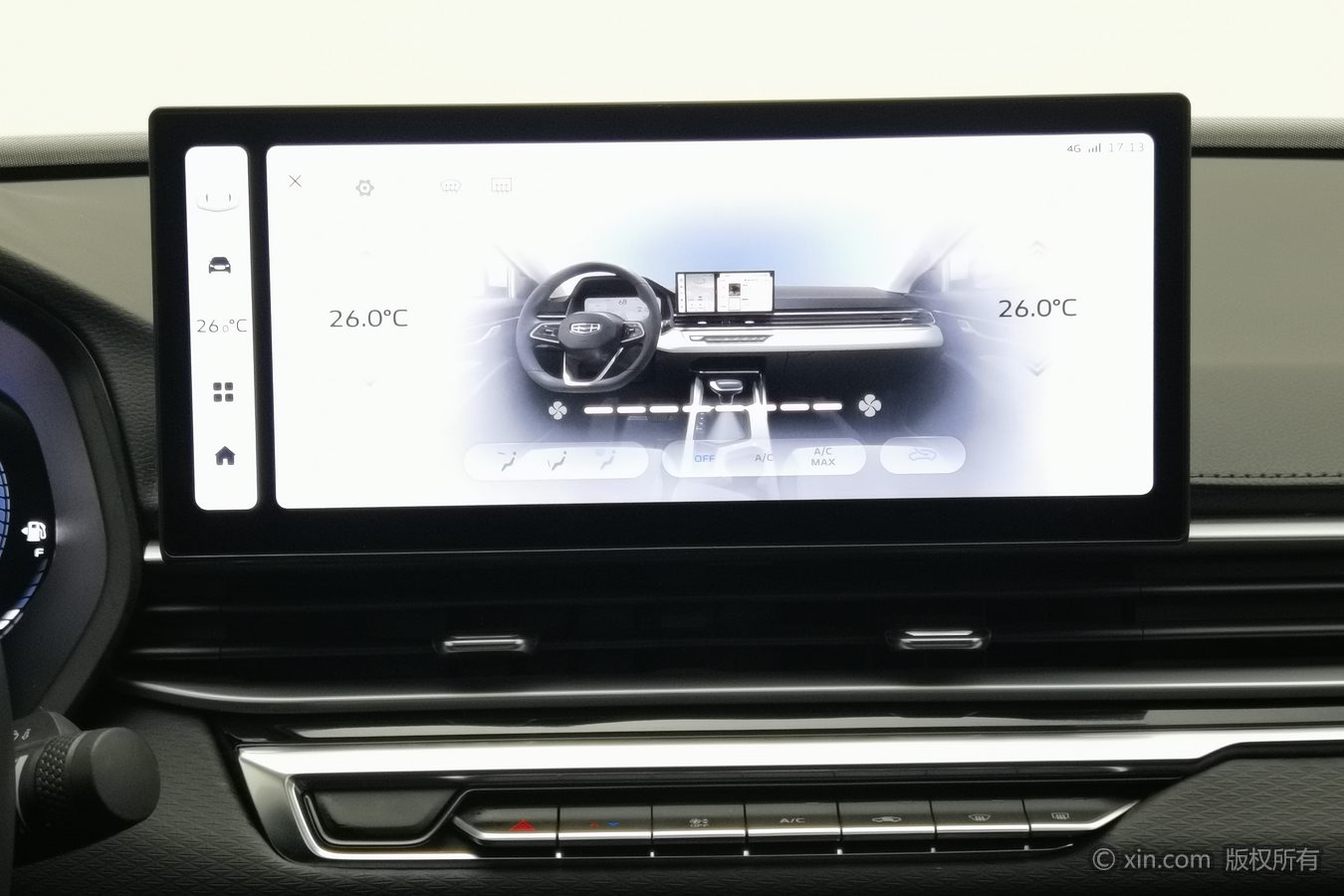
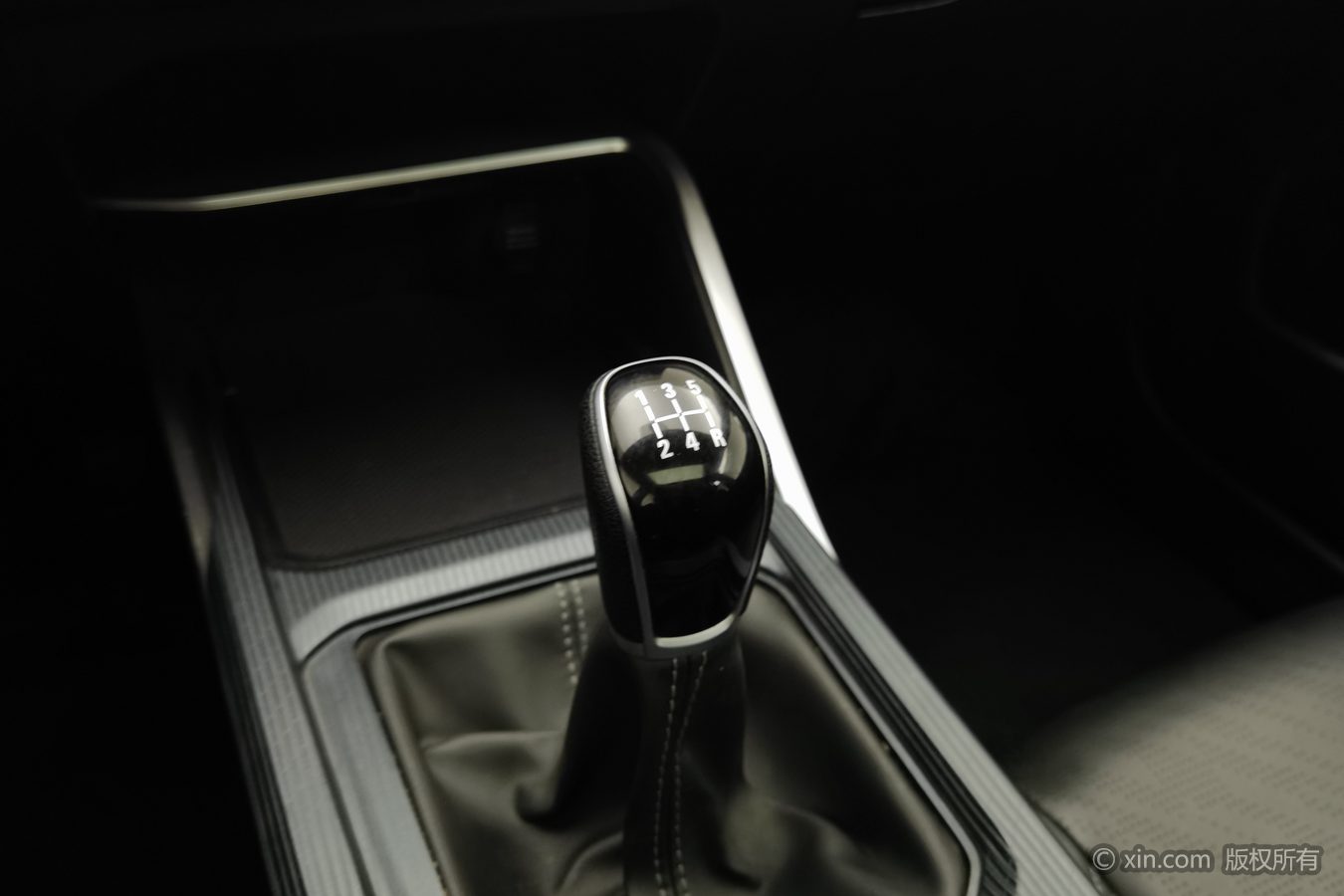
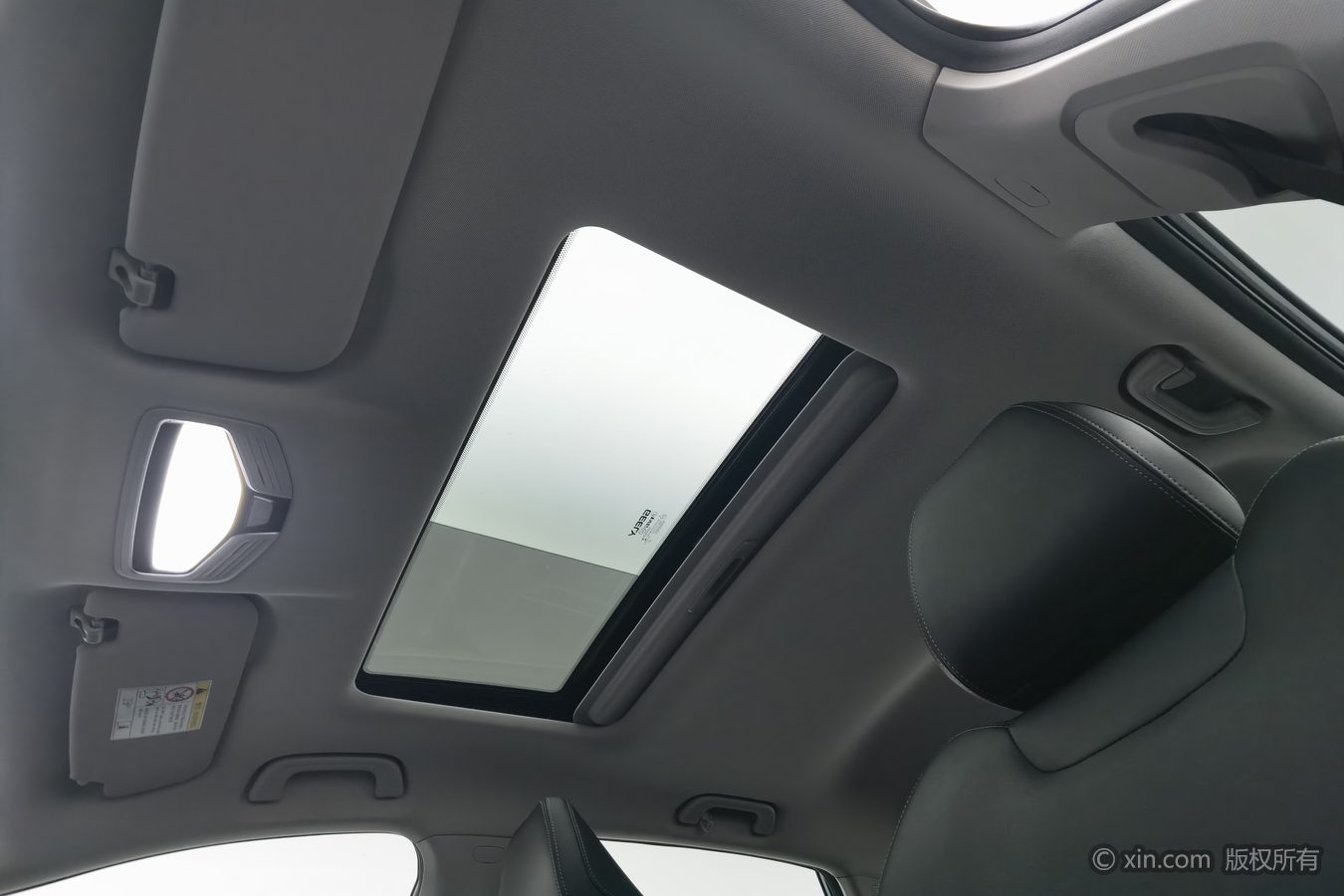
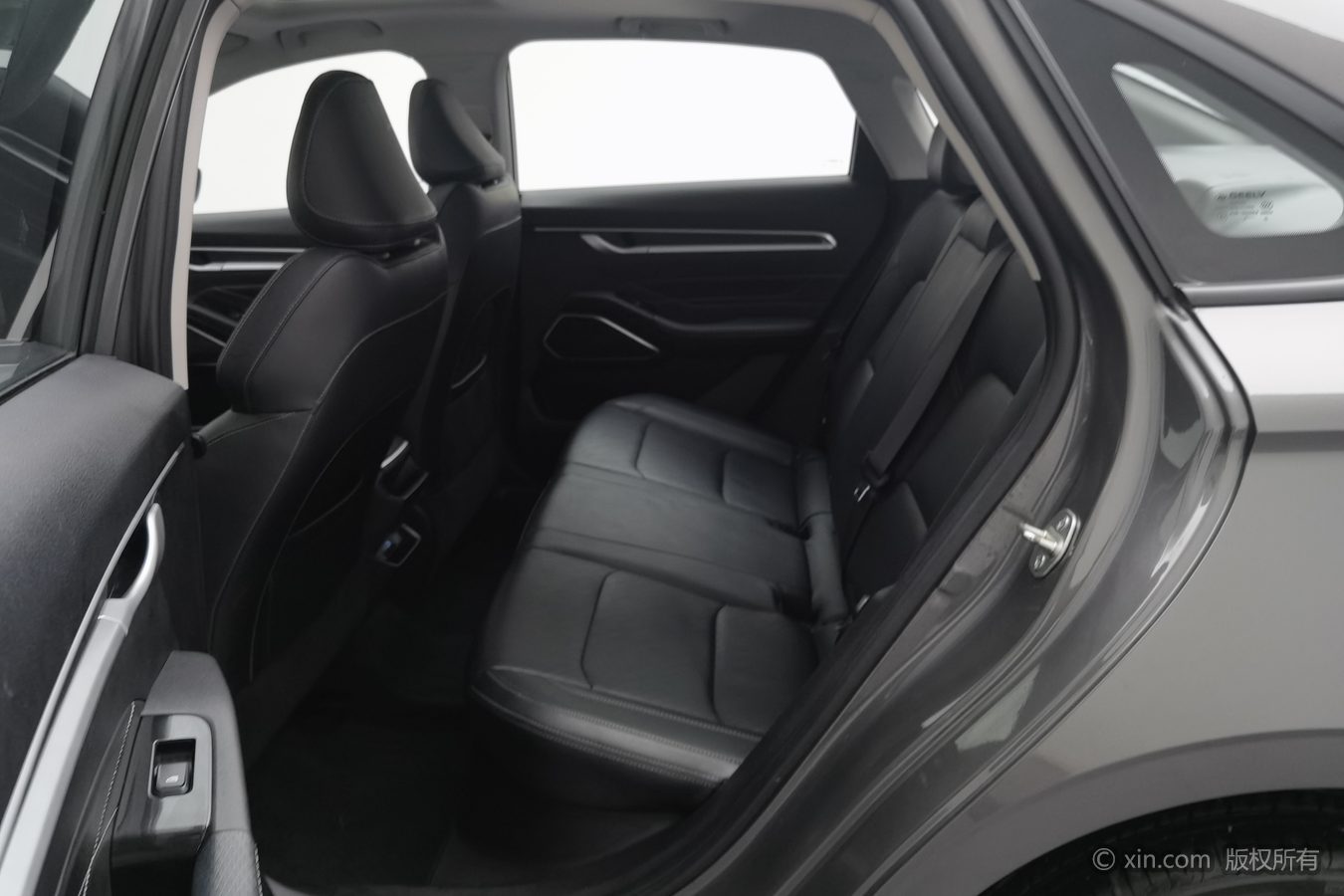
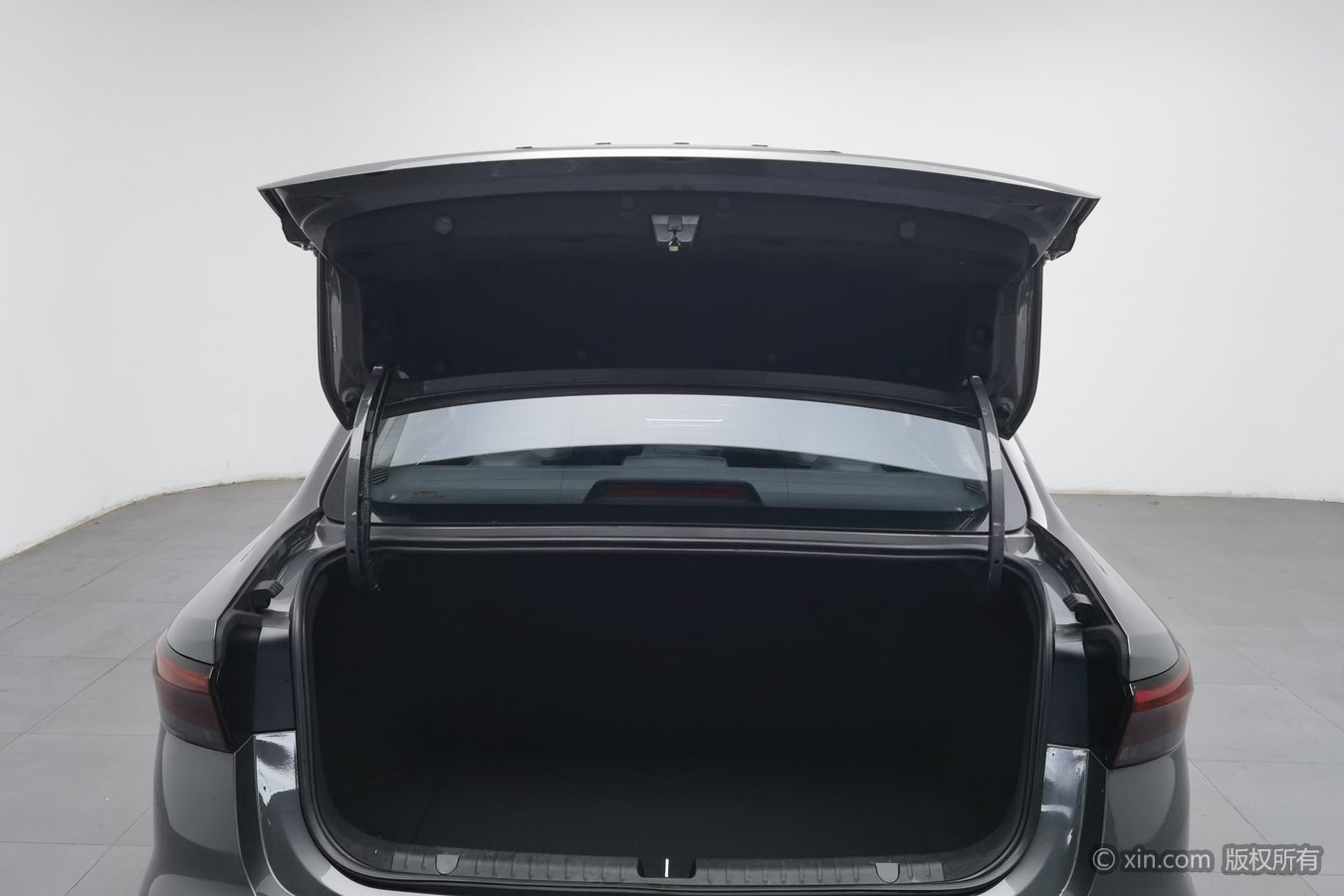
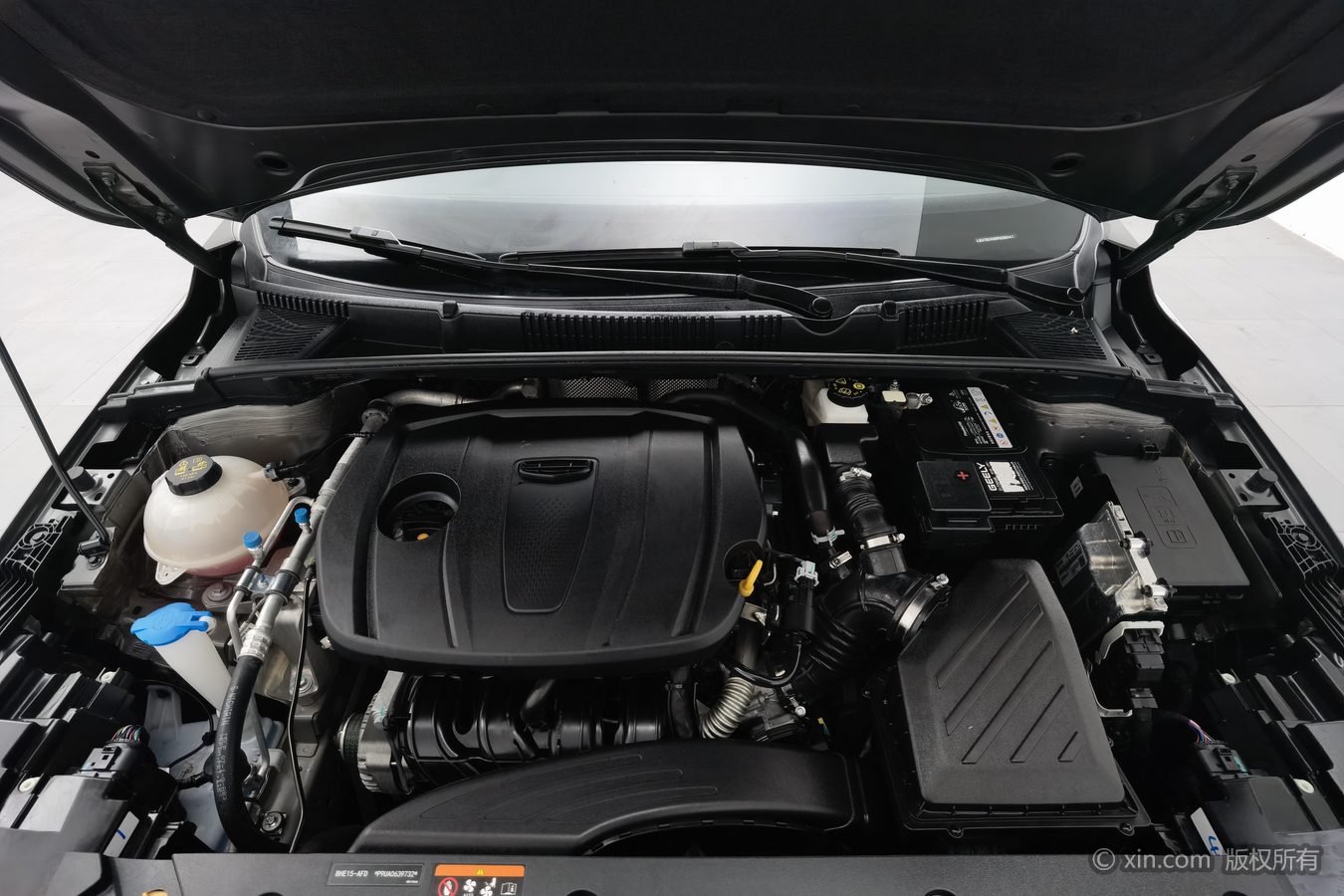
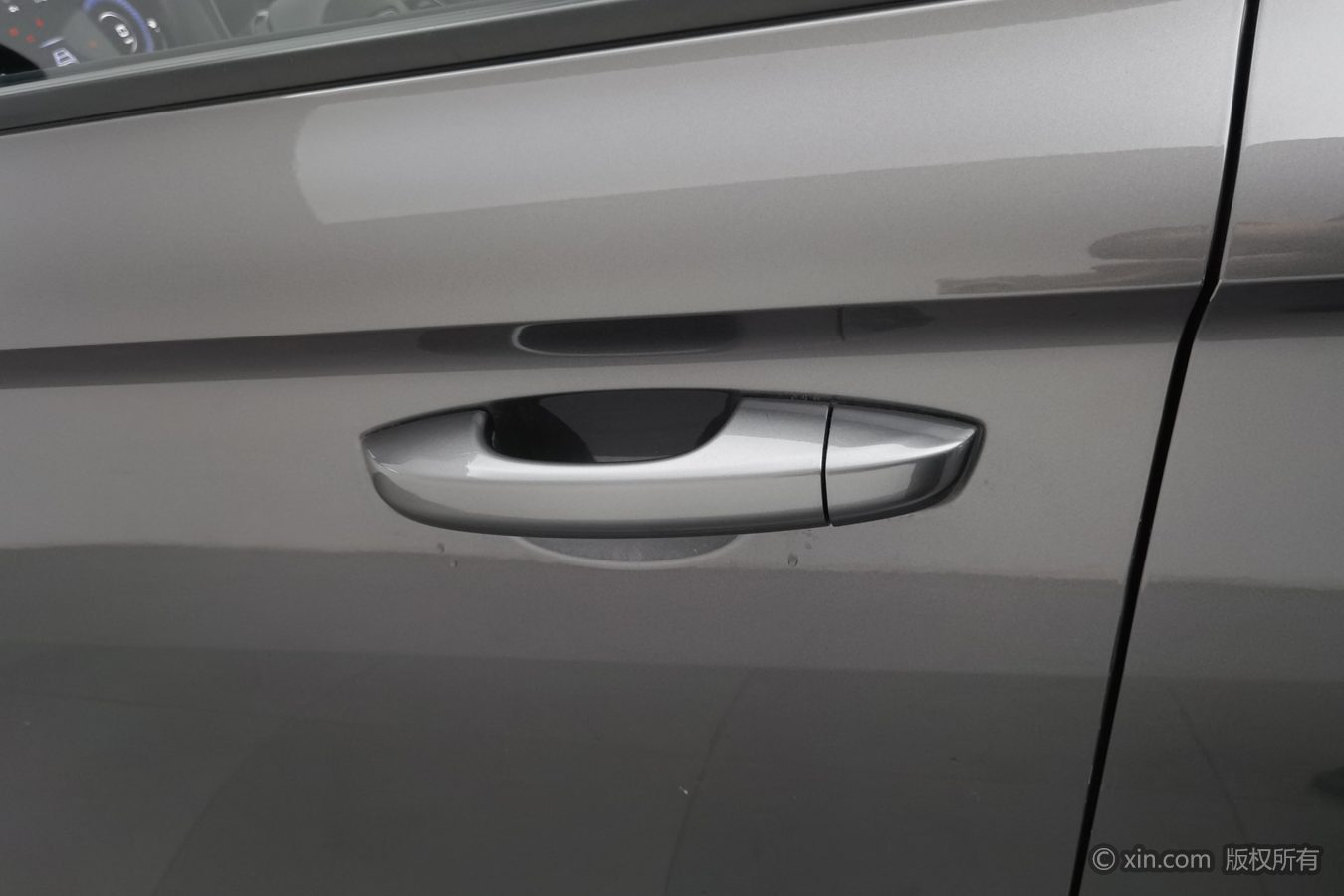
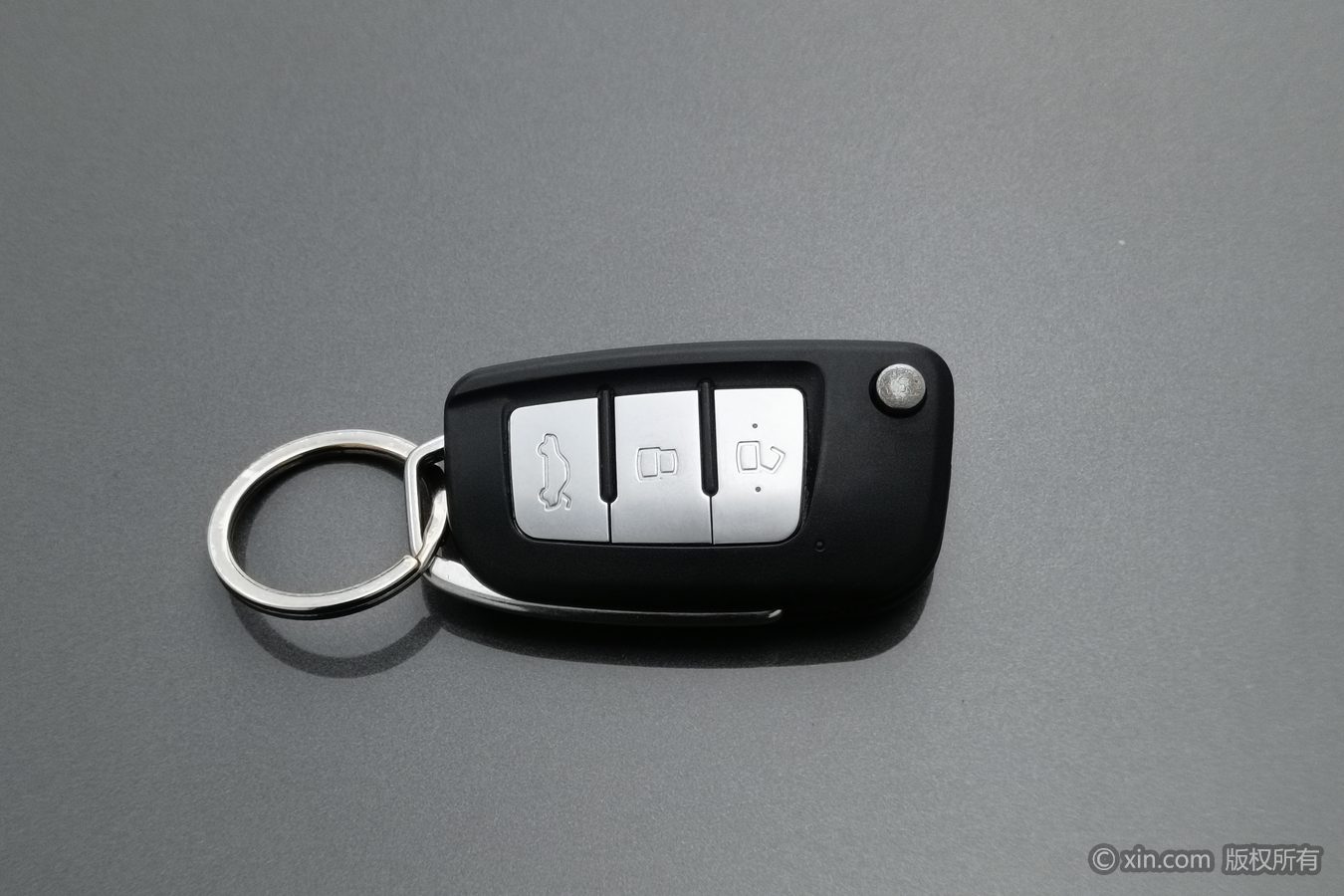
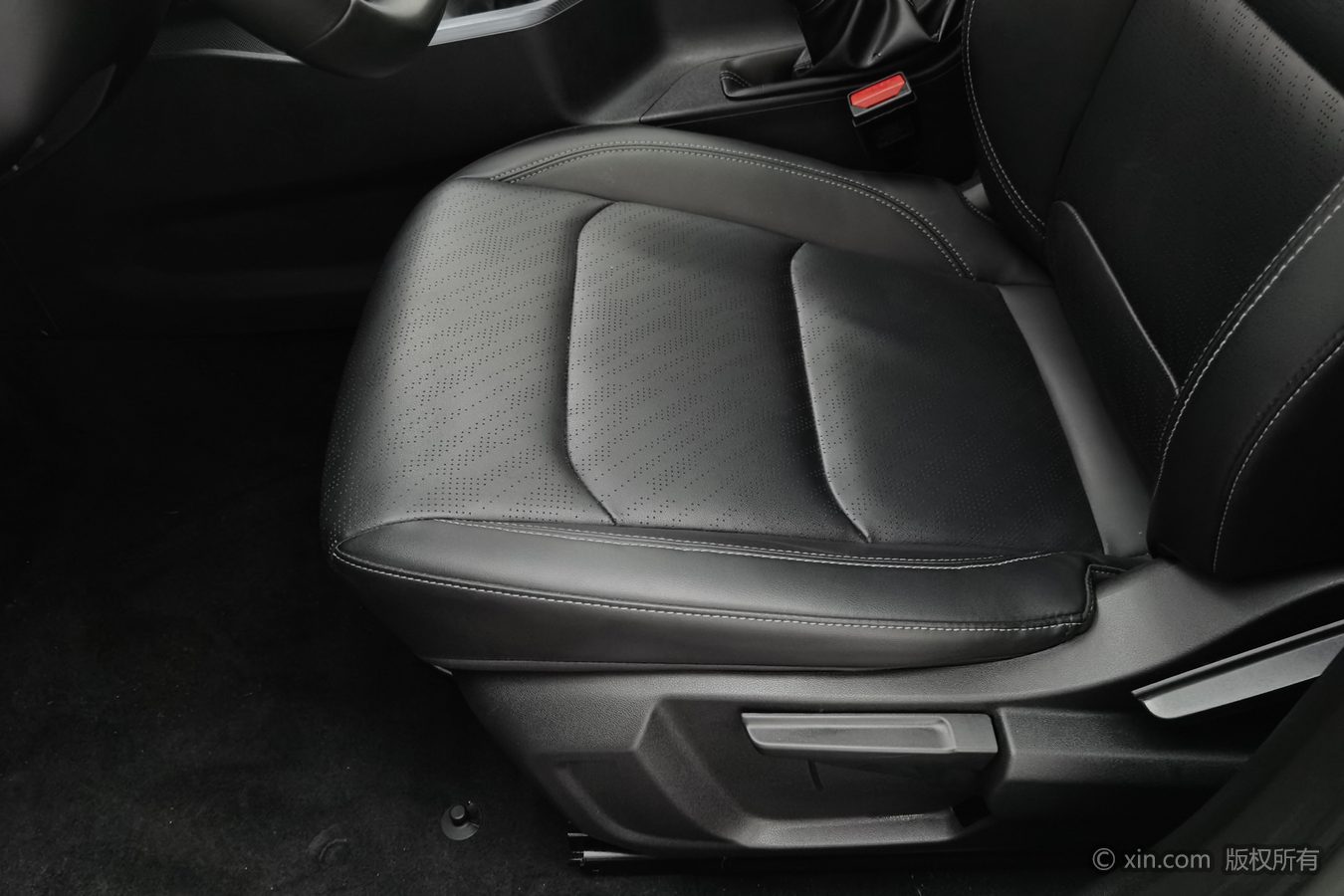
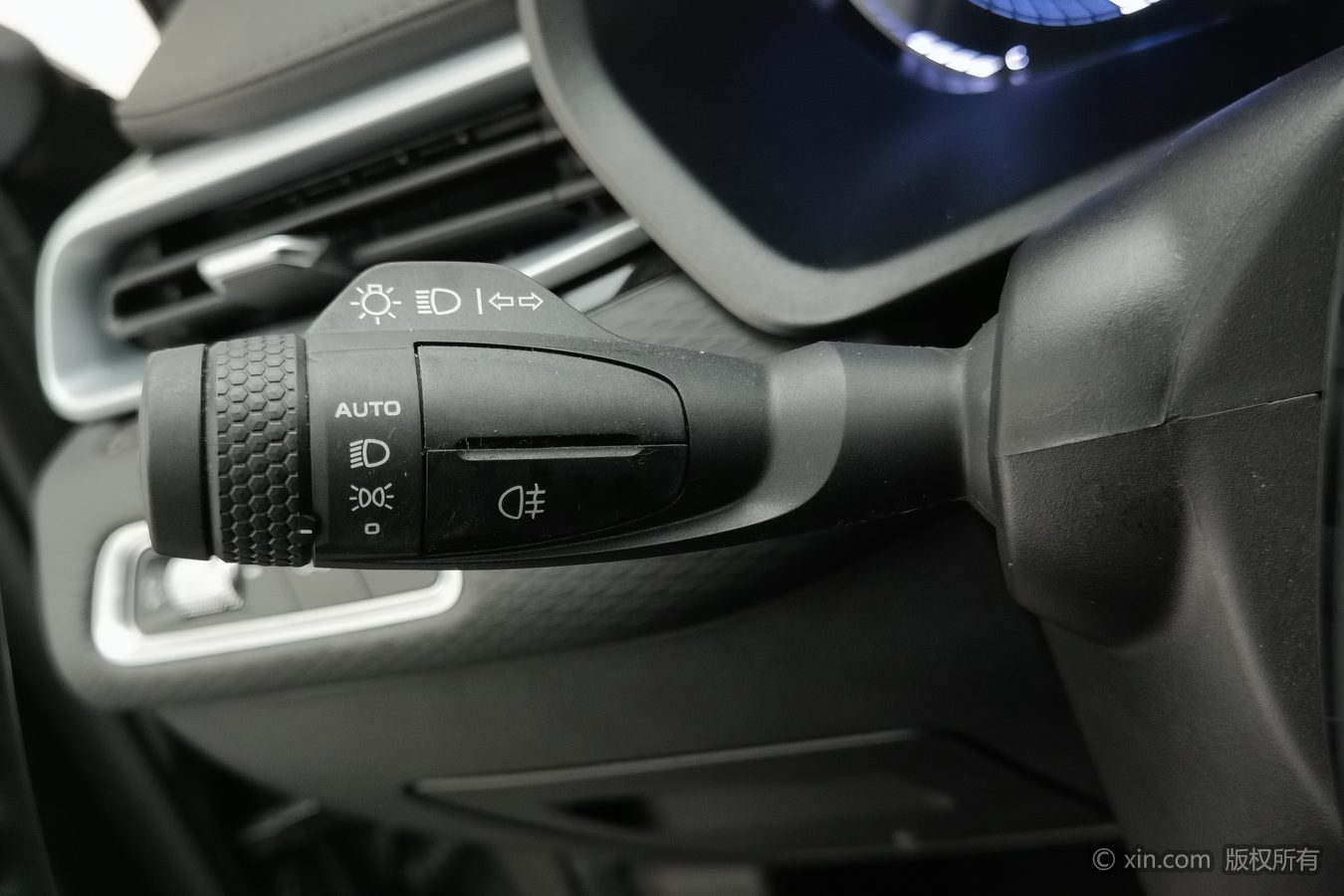
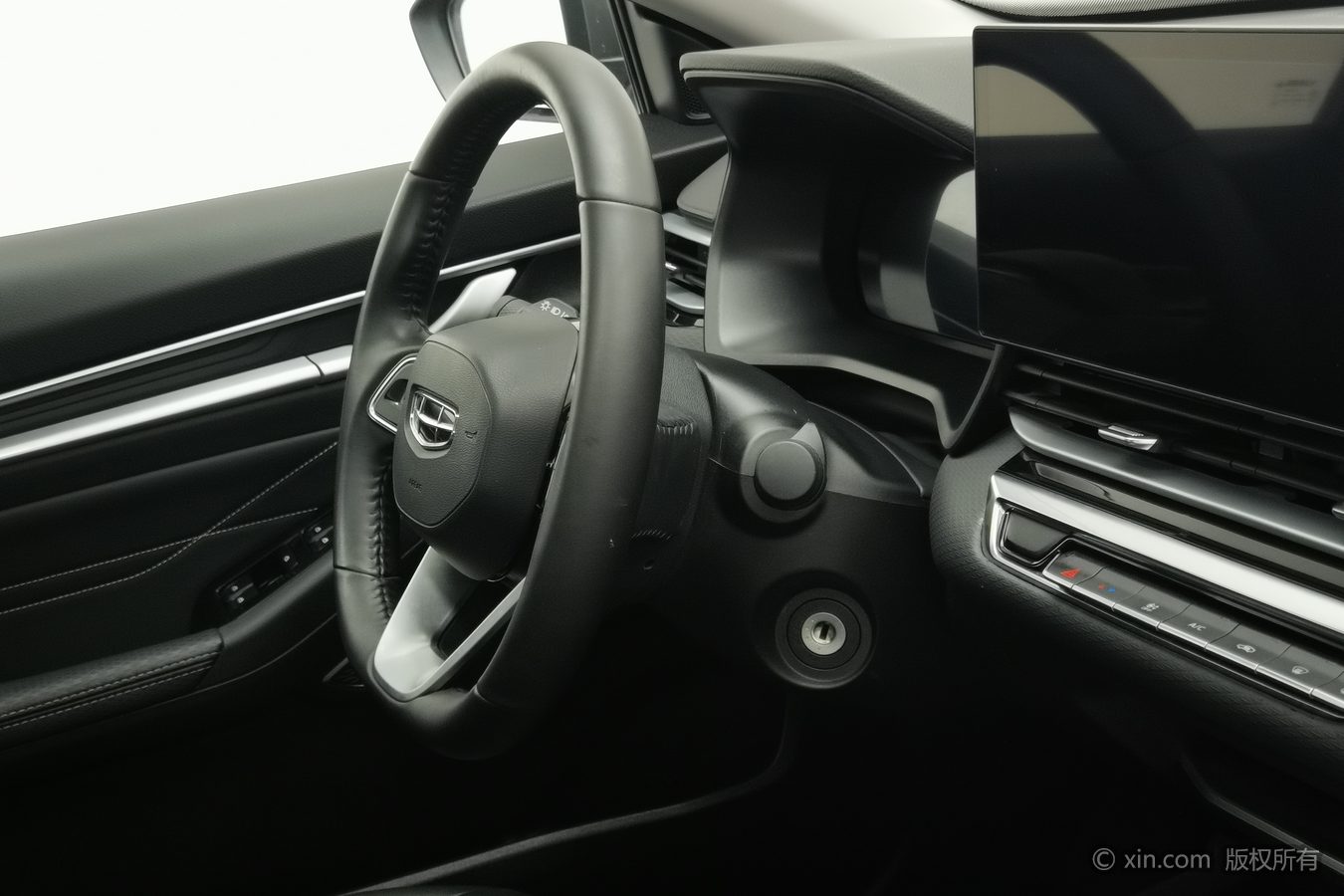
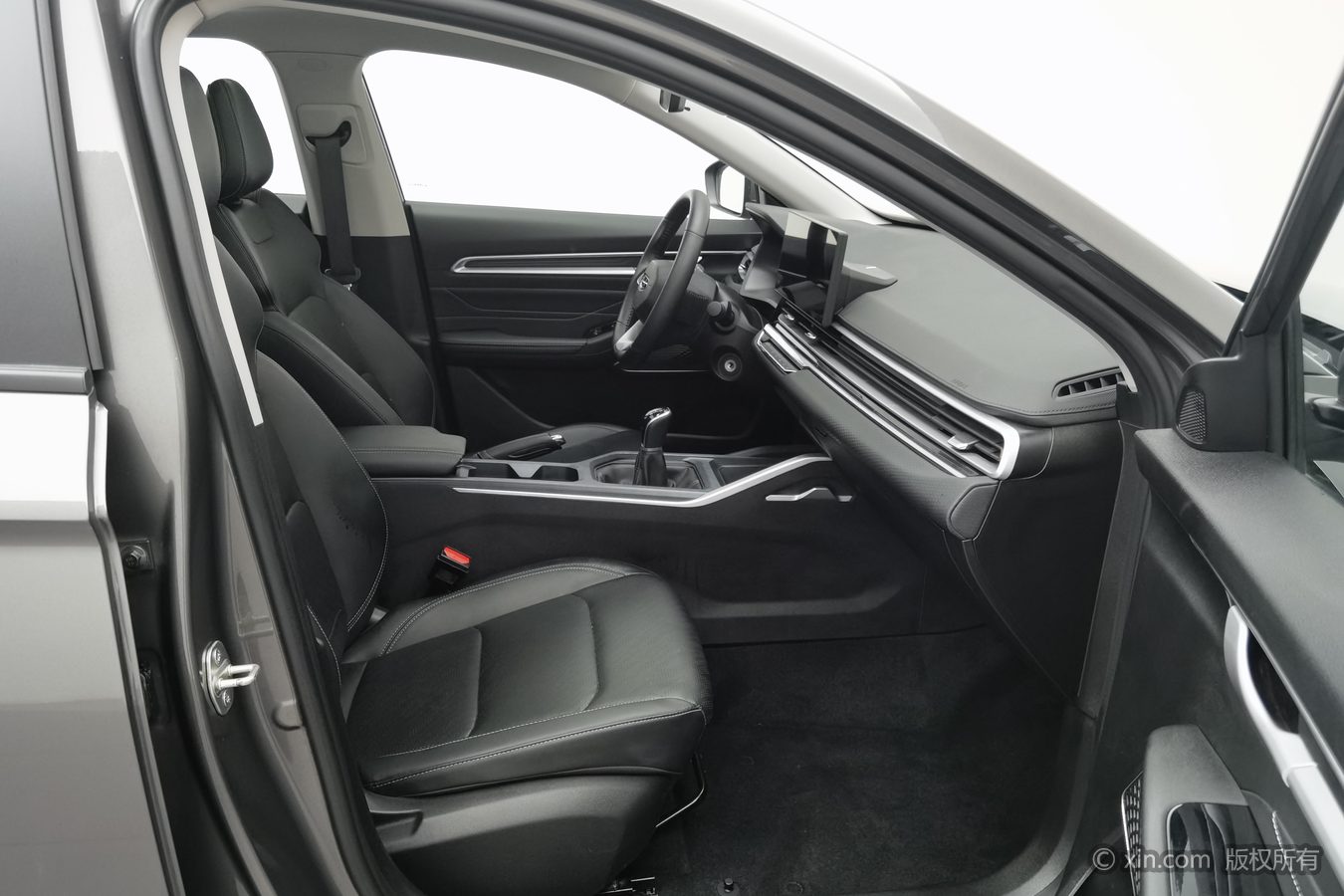



Basic Information

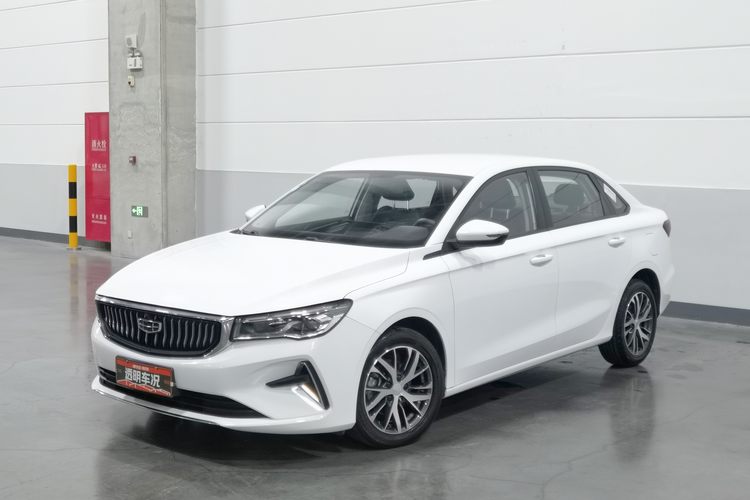
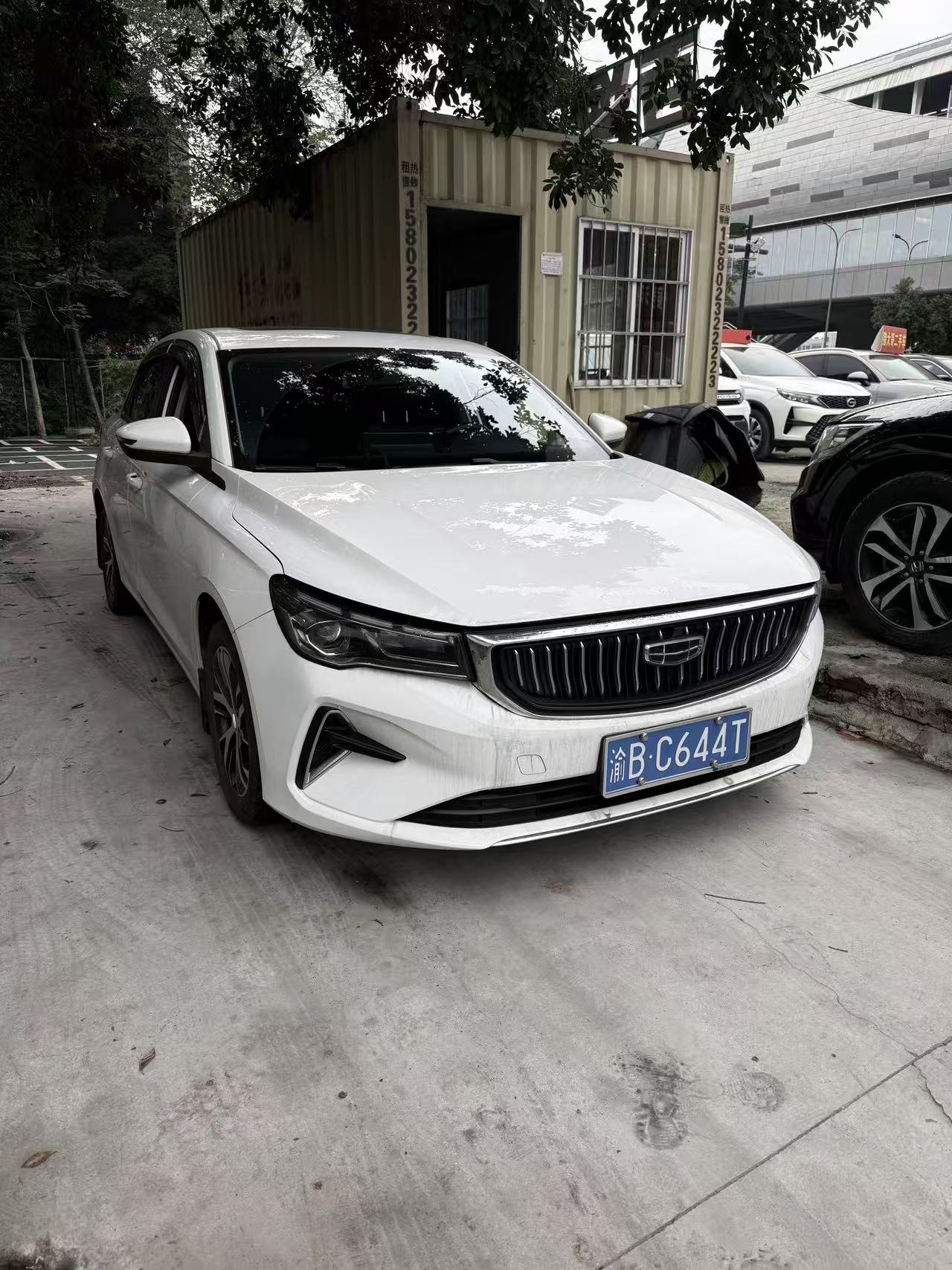
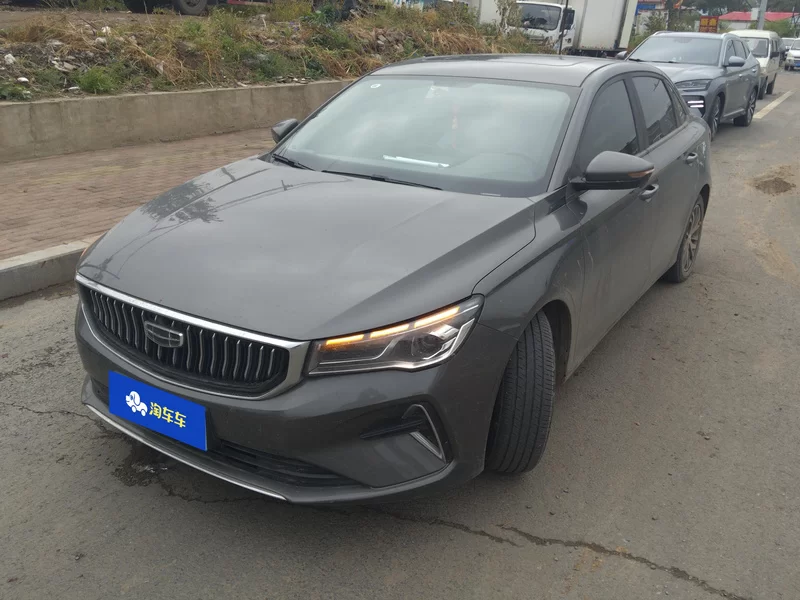
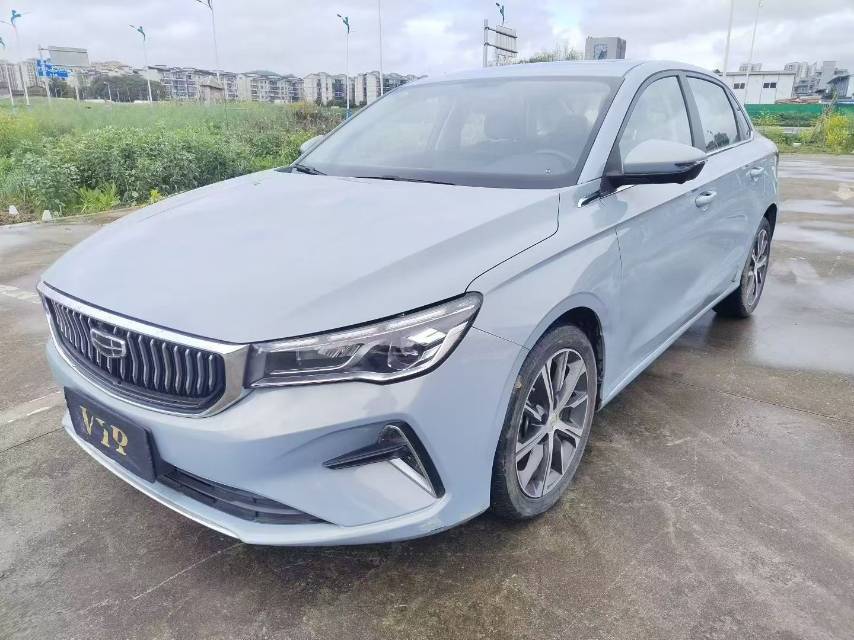
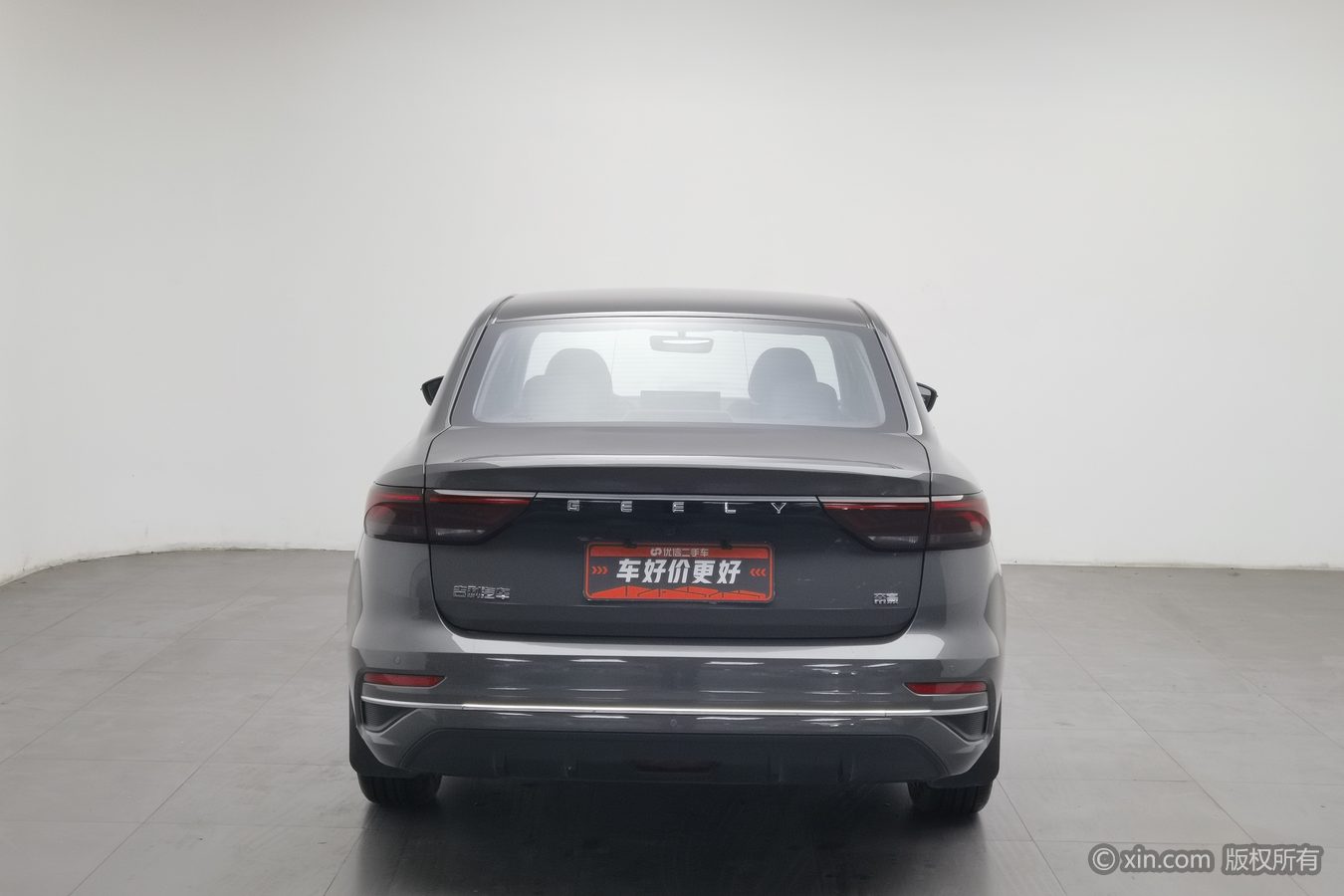
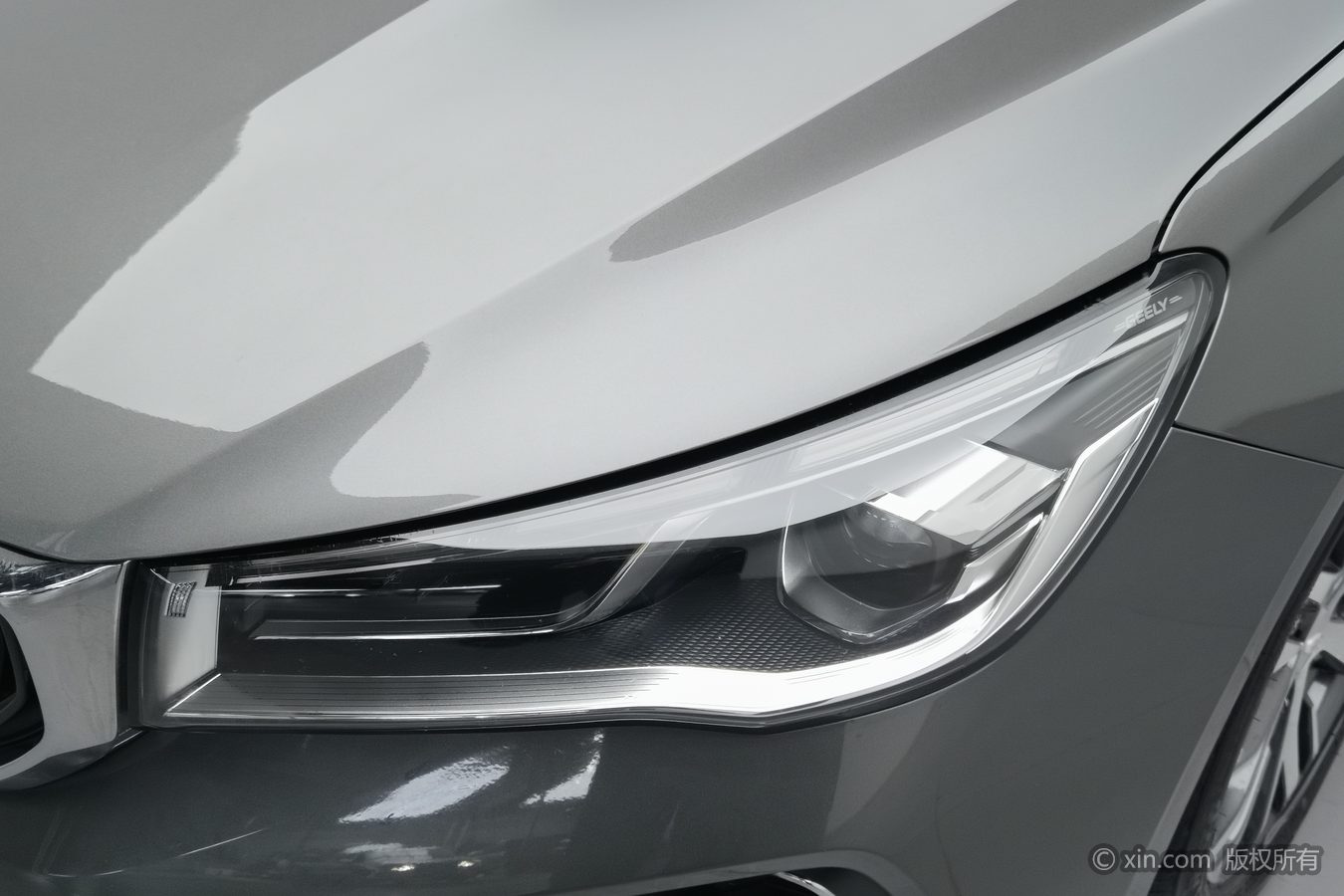
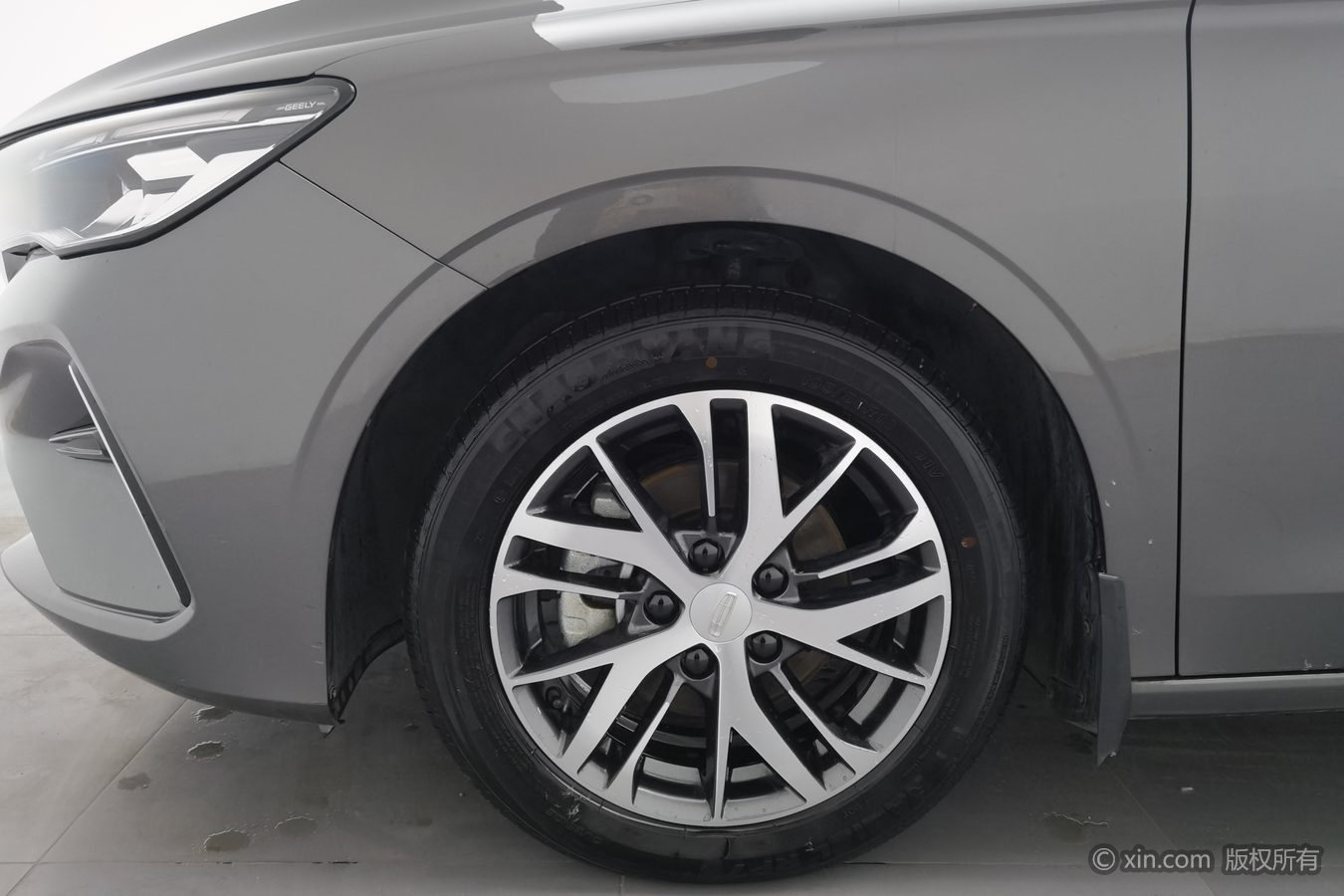
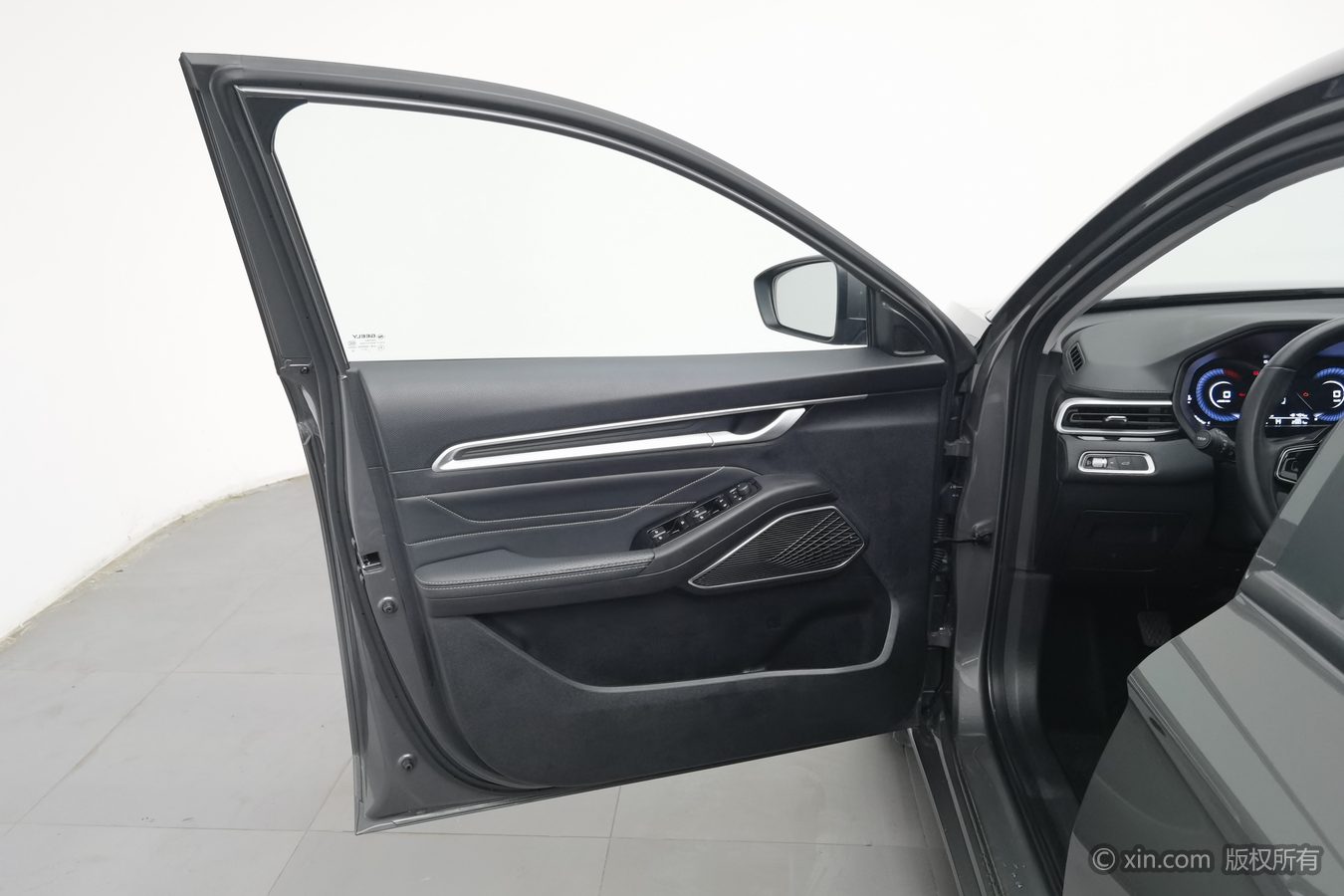
BrandGEELY
SeriesEmgrand
Year2023
First Registration2023/11
Mileage25,000km
Transfer Count0times
FuelGasoline
TransmissionManual
Engine1.5L 127 L4
ColorGrey
Seats5seats

Condition Description

No odometer tampering, no structural damage, no water damage, no fire damage.

Configuration Highlights

✓Tire Pressure Monitoring
✓Auto Headlights
✓Connected Car
✓Heated Mirrors

Document Information

Inspection Expiry Date2027/11
Warranty Expiry Date-
Insurance Expiry Date-

Q&A

More

What should I check about the 12V auxiliary battery in a used Chinese EV before shipping?

The 12V battery is small but critical: when it dies, the car cannot start, unlock, or charge. Used EVs often have weak 12V batteries because they sit on lots for months. Before shipping, ask the exporter to: 1. Measure the battery voltage after the car has rested overnight. It should read around 12.4-12.8V; anything under 12.2V means the battery is degraded. 2. Start the car and check that the charging system holds 13.8-14.4V, confirming the DC-DC converter works. 3. Scan for stored fault codes related to low voltage, which indicate the battery has been deeply discharged repeatedly. During ocean freight, the battery slowly self-discharges. Ask that it be disconnected or kept on a maintainer before loading, and budget for a replacement after arrival if the battery is over 3 years old. A new 12V battery costs little compared to being stranded at the port.


If we have a dispute in the transaction, which country's laws govern the car purchase contract?

To ensure the legal rights of both parties, the "International Used Car Sales Contract" we signed is in both Chinese and English. Generally, the contract is governed by Chinese law. All liabilities for breach of contract and force majeure clauses will be clearly defined in the contract.

Should I choose RoRo or container shipping when importing a used car from China, and what does marine insurance actually cover?

RoRo (roll-on/roll-off) is cheaper and faster for a single car—you drive it onto the vessel and it is secured on the car deck. Container shipping costs more but offers better protection from weather, salt air, and handling damage, and allows you to load spare parts inside the car. Marine insurance is essential either way. Standard cover protects total loss and major damage, but read the exclusions: many policies do not cover pre-existing mechanical faults, cosmetic scratches below a deductible, or damage caused by improper securing (lashings). Ask for ICC(A) or All Risks coverage rather than basic total-loss-only policies. Practical tips: 1. Photograph and video the car thoroughly at loading, with the VIN visible 2. Note existing scratches on the bill of lading 3. Inspect immediately at destination—claims windows are often 3-7 days 4. For EVs, declare the battery; some insurers charge a supplement or exclude battery damage altogether