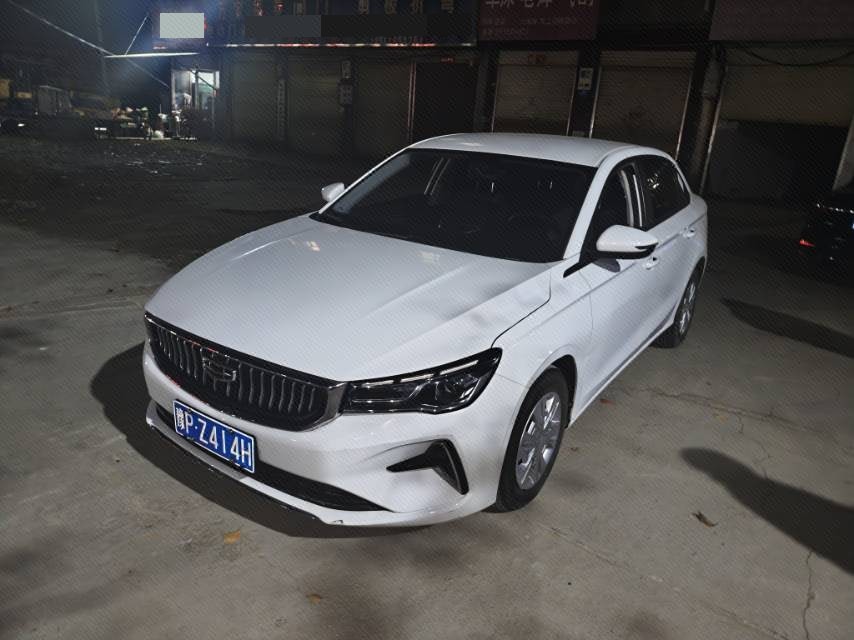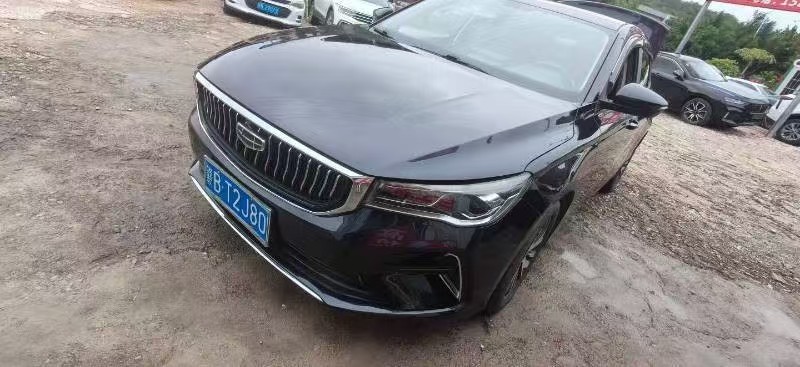
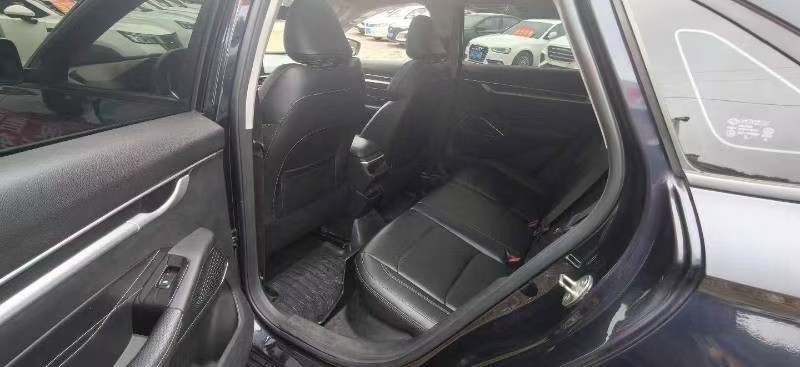
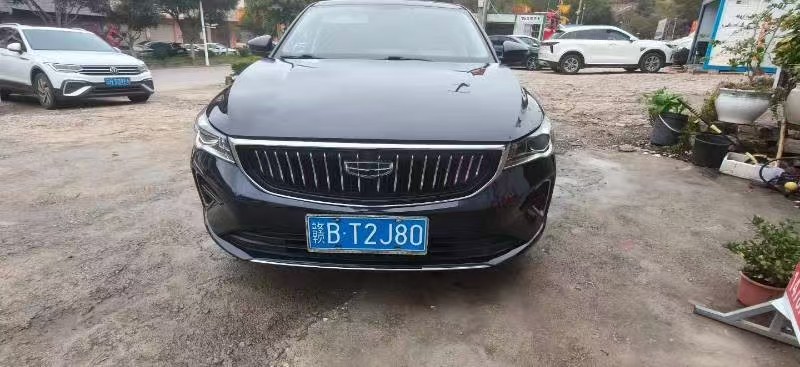



Stock

Basic Information

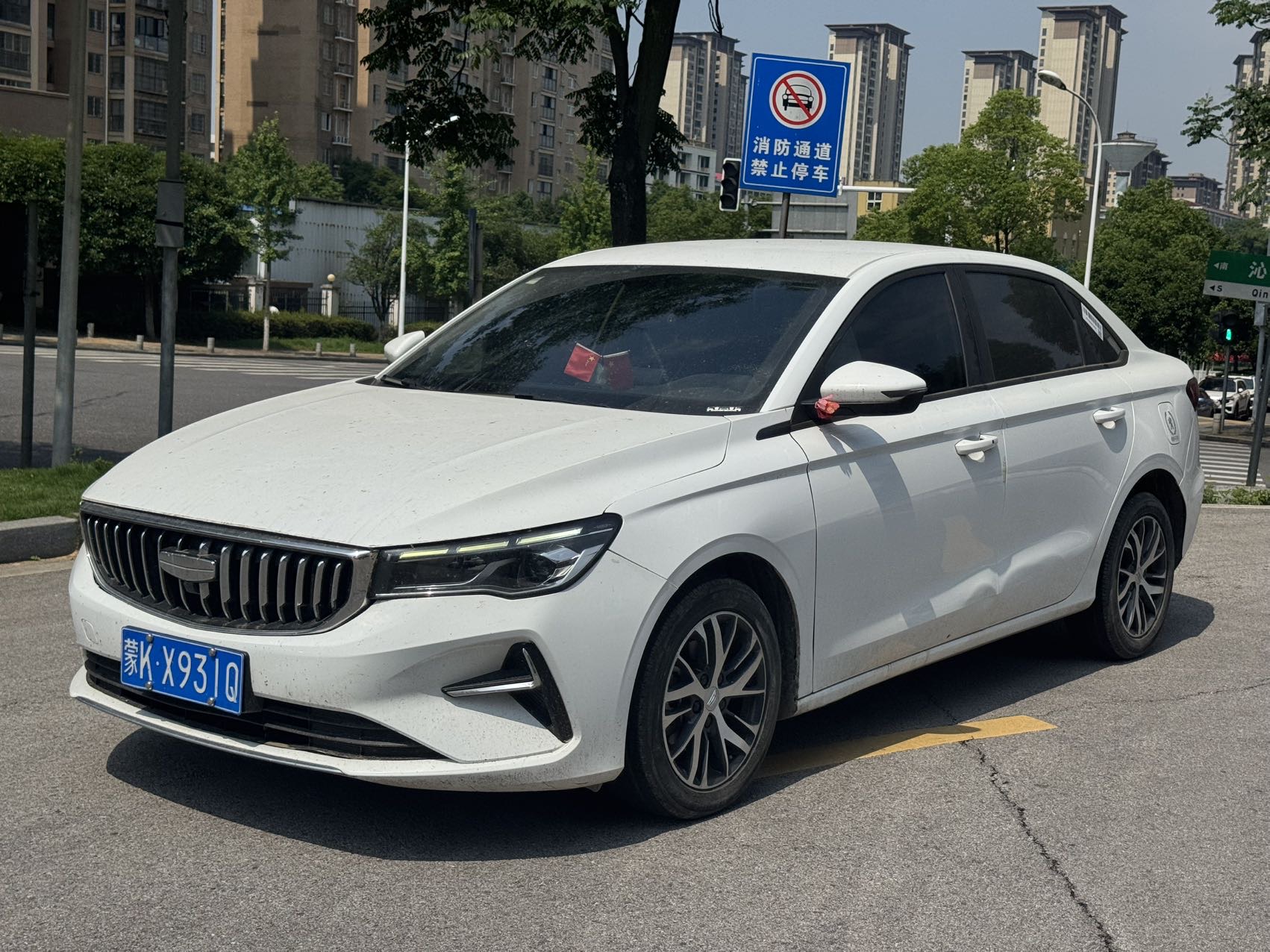
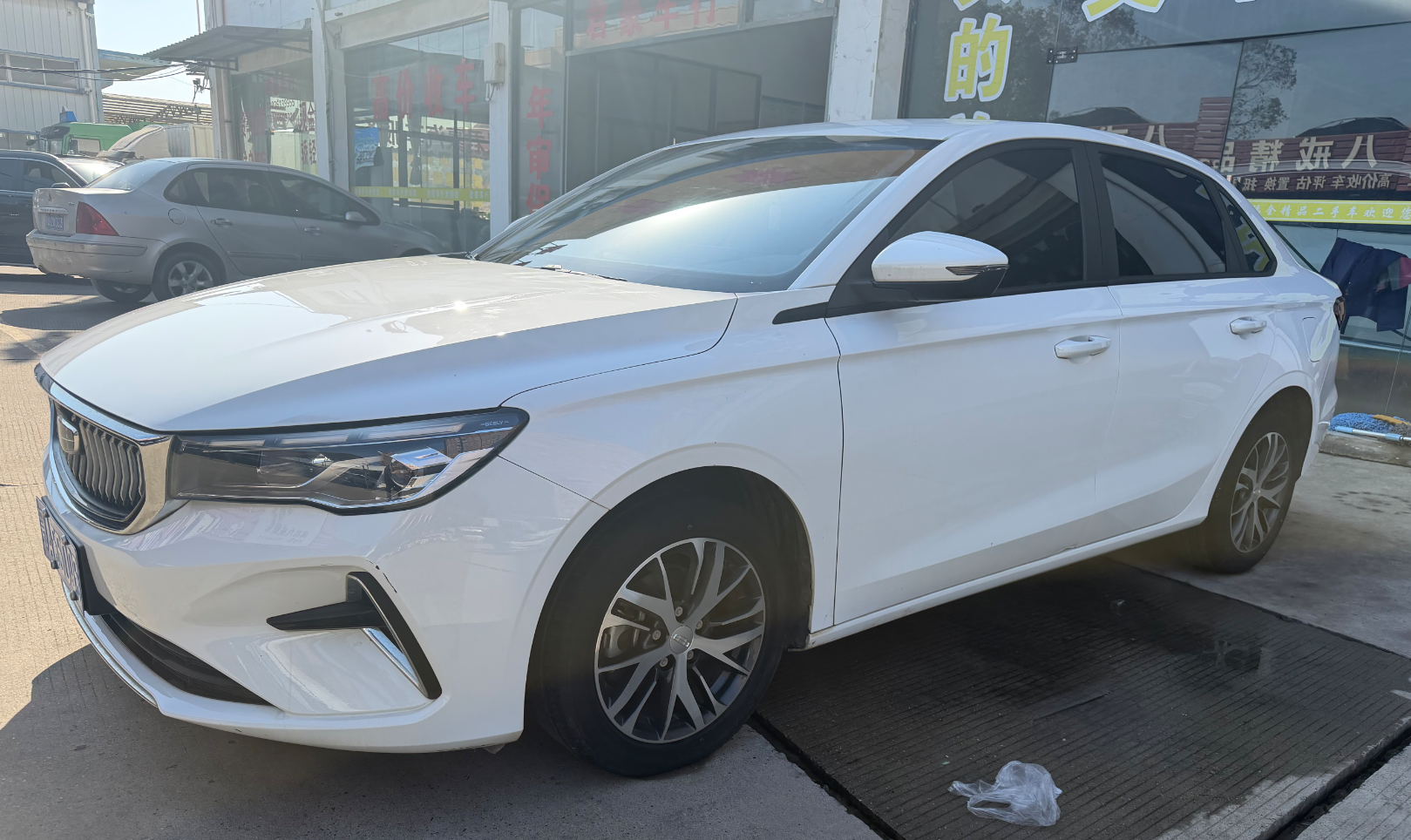
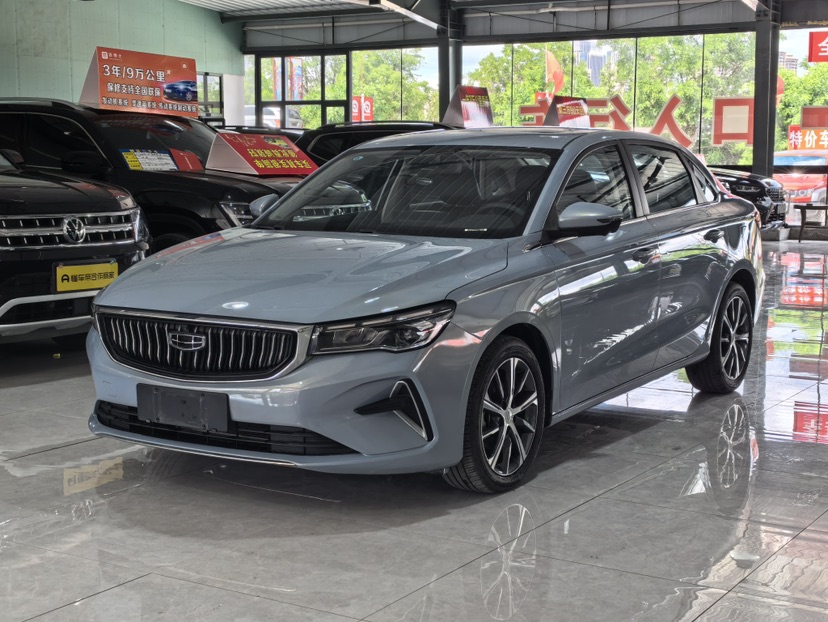
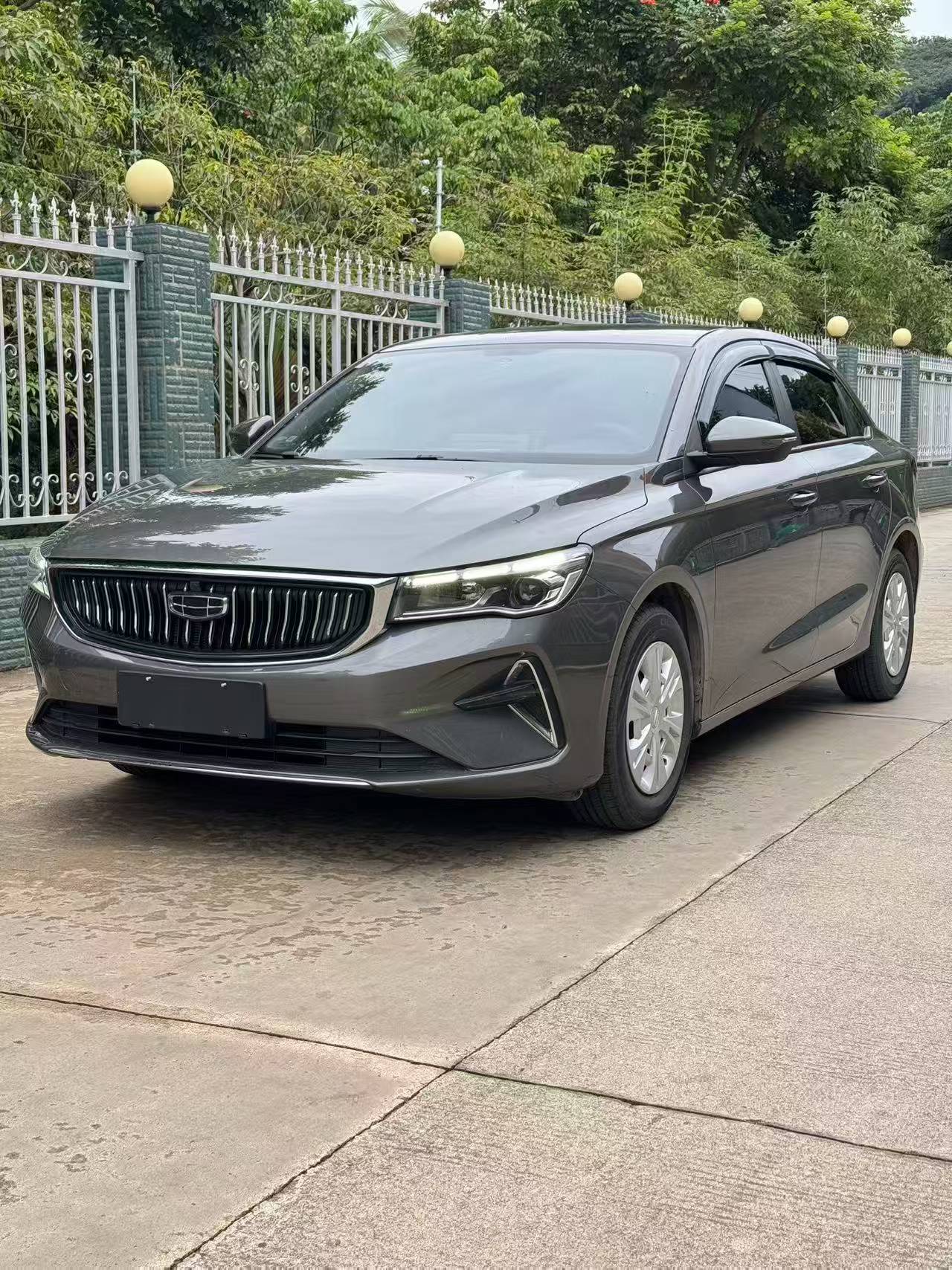
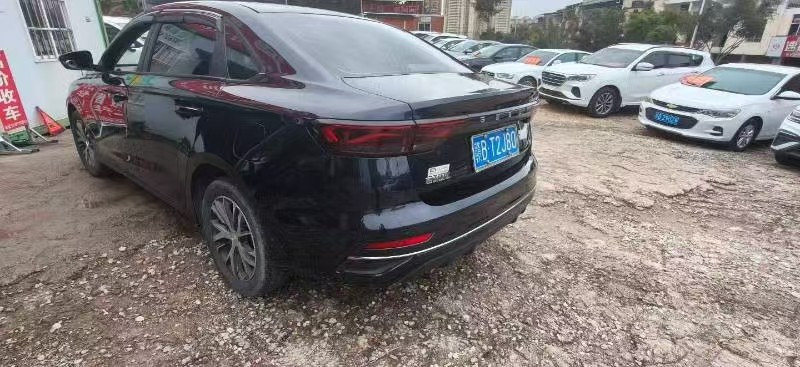
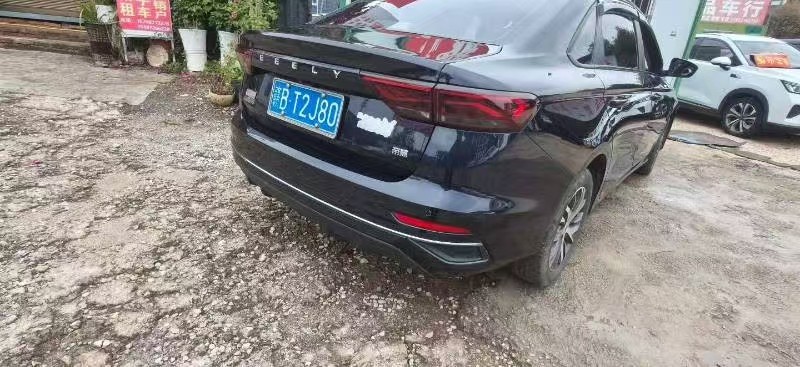
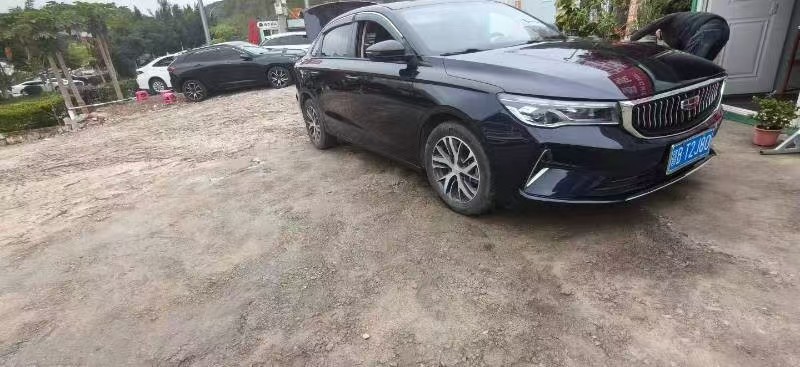
BrandGEELY
SeriesEmgrand
Year2023
First Registration2023/05
Mileage69,000km
Transfer Count0times
Fuel-
Transmission-
Engine-
ColorGrey
Seats-

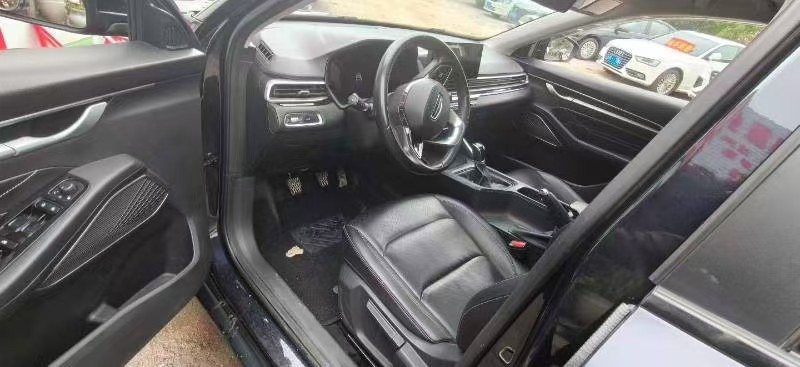
Condition Description

Left rear fender, left rear door, and front bumper repainted; partial bodywork and repainting of the left front door; bodywork on the right front sill not approved by a third party. Manufacturing date: 23.4.

Q&A

More

Beyond the car price, what costs should I budget when importing a used car from China?

A realistic budget has several layers beyond the vehicle price. First, inland logistics in China: moving the car to the export port typically costs $300-$800. Second, export handling: inspection, customs declaration and paperwork usually add $500-$1,000. Third, ocean freight. A 20ft container to most destinations runs $1,200-$3,000 depending on route; RoRo shipping can be cheaper for driveable cars. Add marine insurance, usually 0.3%-0.5% of the car value. Fourth, destination charges: port handling, customs duties, VAT/GST and local registration fees. These vary widely; some countries charge duties of 20%-80% of the vehicle value plus an excise based on engine capacity. Finally, any compliance work: inspection certificates, modifications to meet local standards, or homologation. Ask your exporter for a full CIF quote and have a local customs broker confirm destination taxes before you commit.


What qualifications do the third-party testing organizations have? Are they internationally recognized (e.g., SGS)?

We mainly collaborate with professional organizations certified by China's national CMA (Certification of Inspection and Testing Institutions). If you need the highest level of international endorsement, we can arrange for independent inspection agencies like SGS or TÜV to conduct Pre-Shipment Inspections (PSI) before loading at the port.

Do Chinese electric cars keep receiving software updates and connected services after export? Will the app work in my country?

It depends on the brand, so verify before buying: 1. OTA updates: most newer Chinese EVs update over the air, but some brands tie updates to the region of registration—an exported car may stop receiving them or stay on China firmware. 2. Companion apps: functions like remote climate, charging status, and location often require a Chinese phone number or mainland server access; abroad they may work partially or not at all. 3. Language and units: check the infotainment can switch to your language and your units (miles/km). Ask the exporter to demonstrate the app functions live on video before purchase, and get written confirmation of what will work after export. For the battery, request an SOH (state of health) report—battery replacement is far costlier than any software limitation.