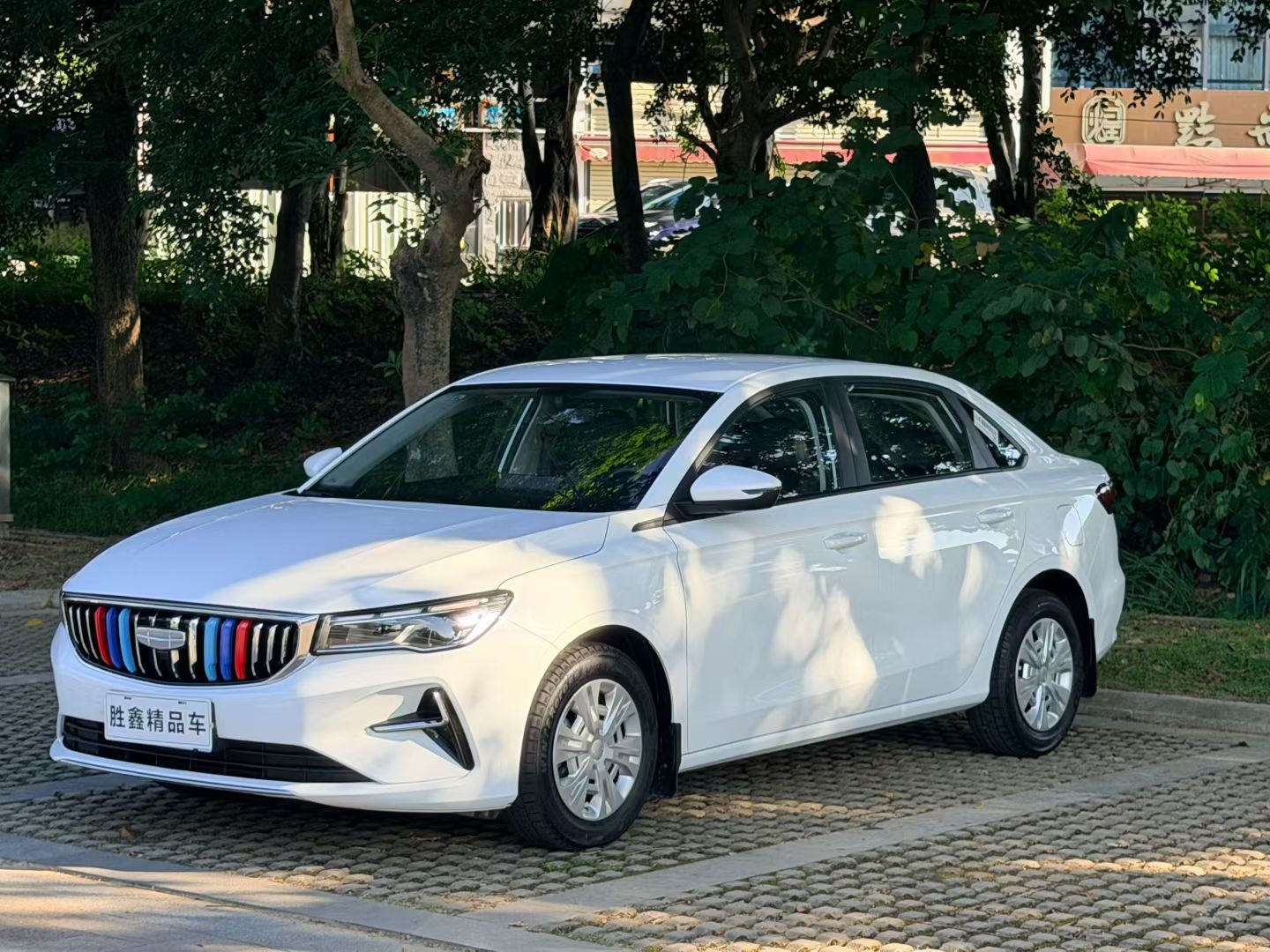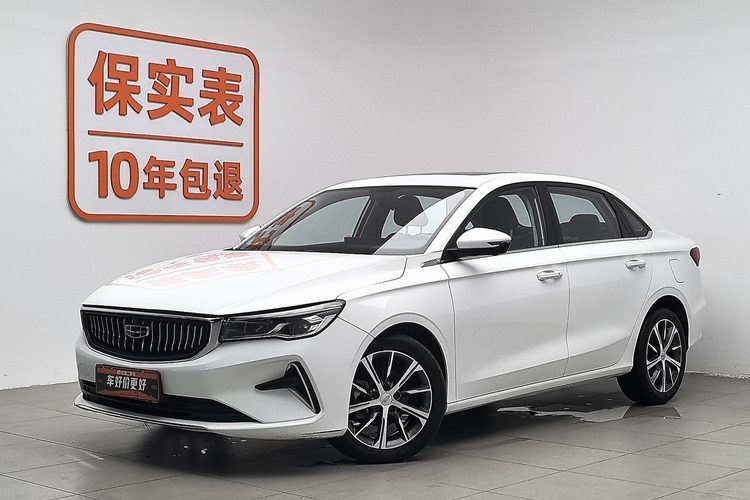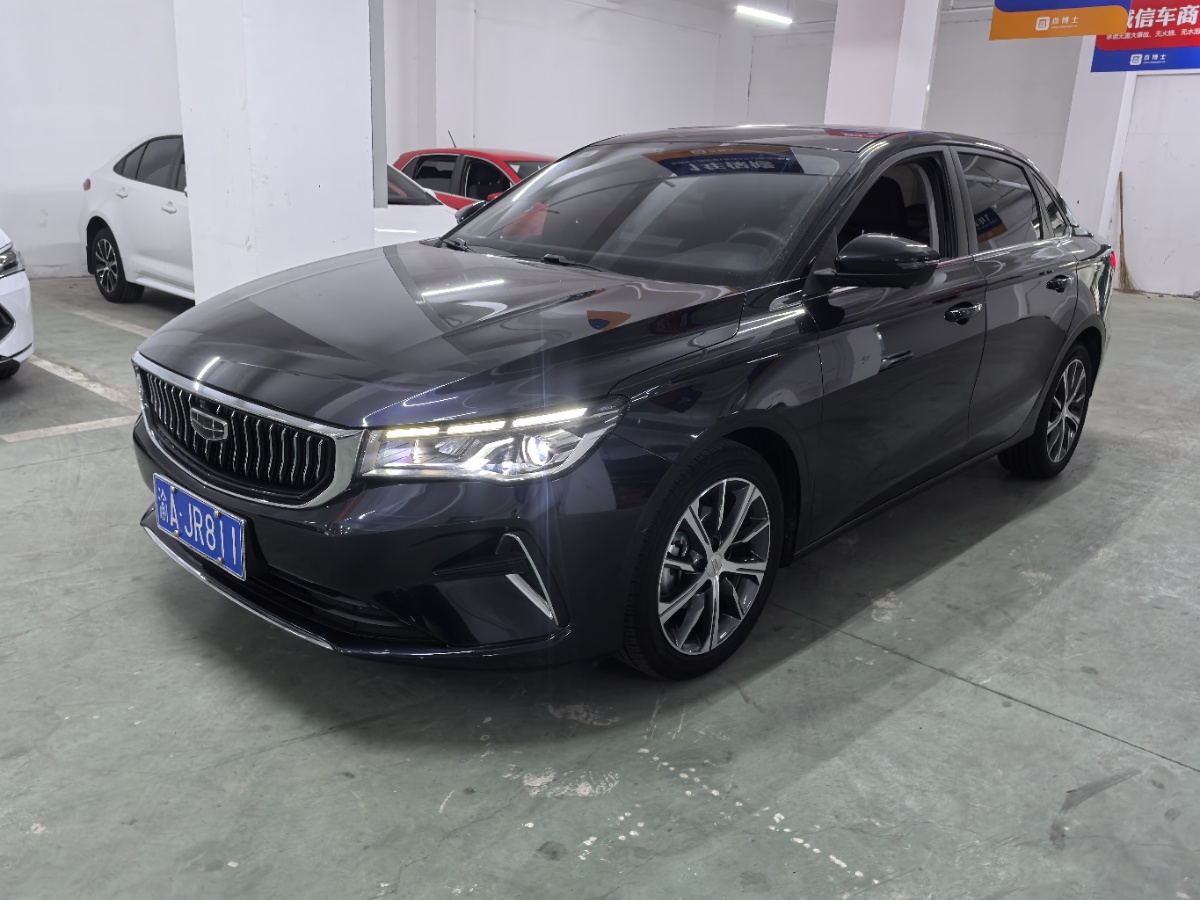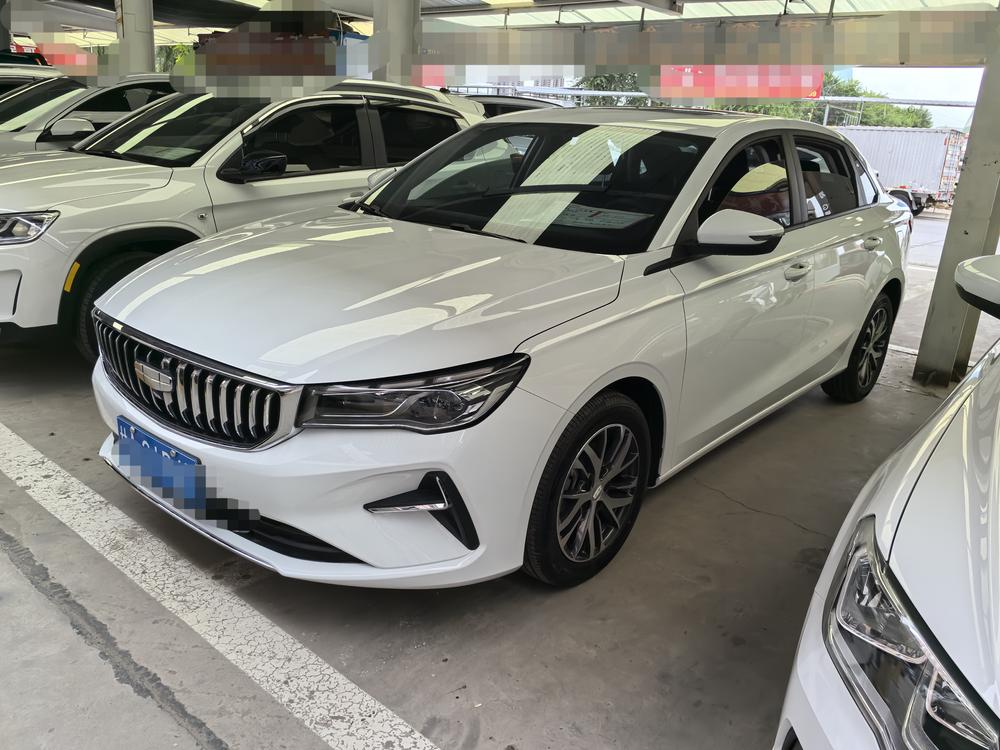





48H

Basic Information

BrandGEELY
SeriesEmgrand
Year2023
First Registration2023/04
Mileage42,000km
Transfer Count0times
FuelGasoline
TransmissionManual
Engine1.5L 114 L4
ColorGrey
Seats-

Condition Description

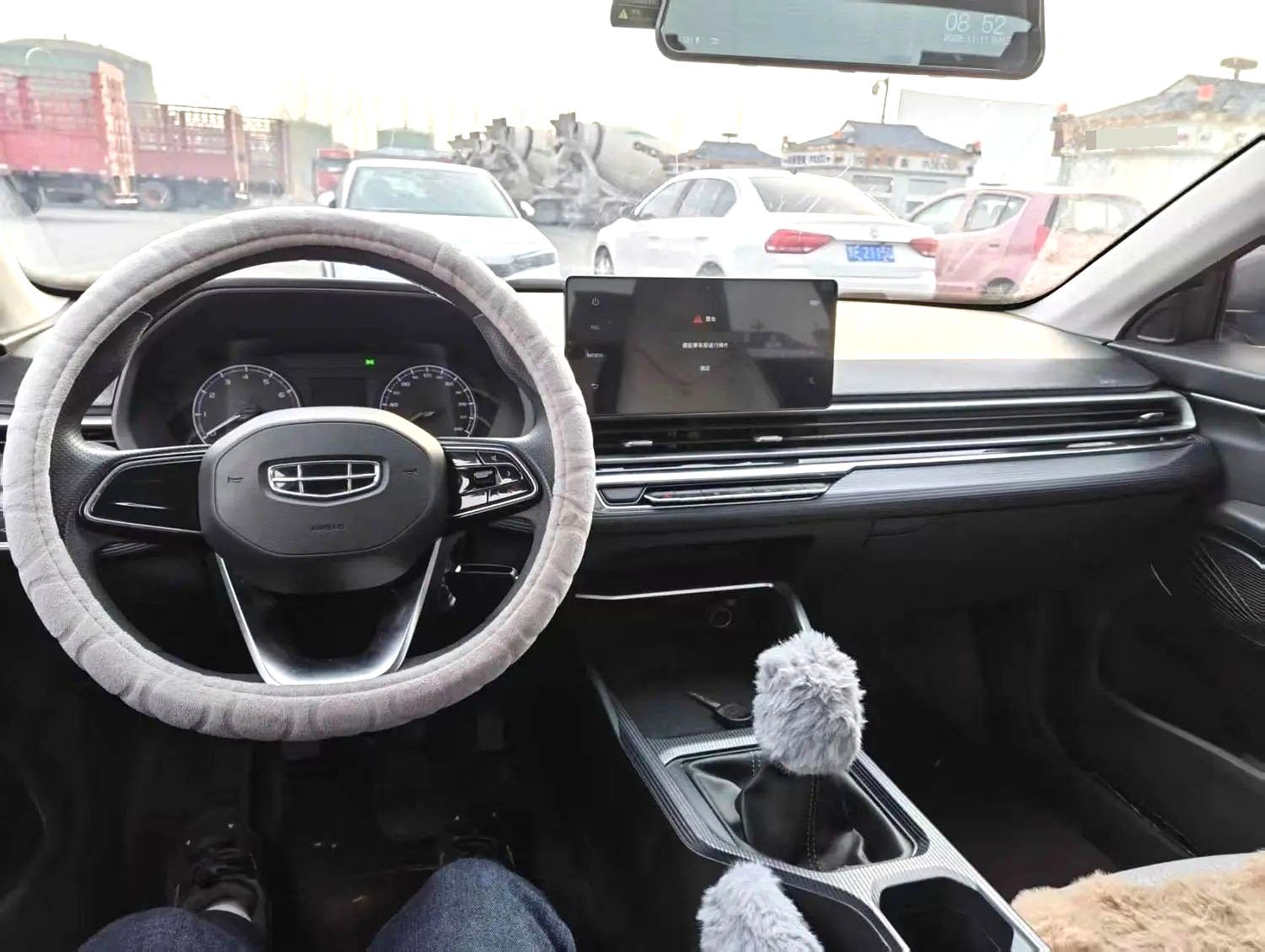
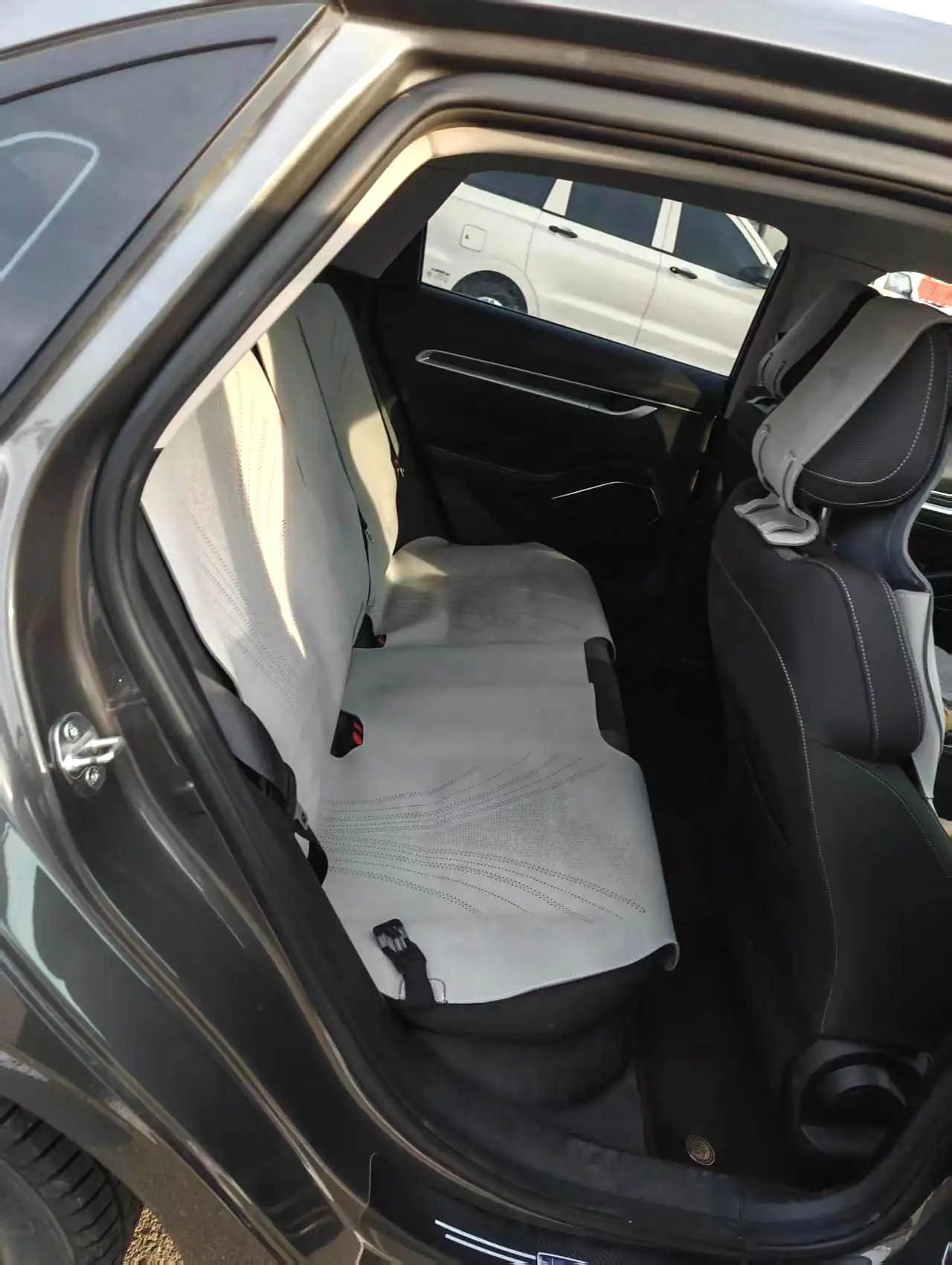
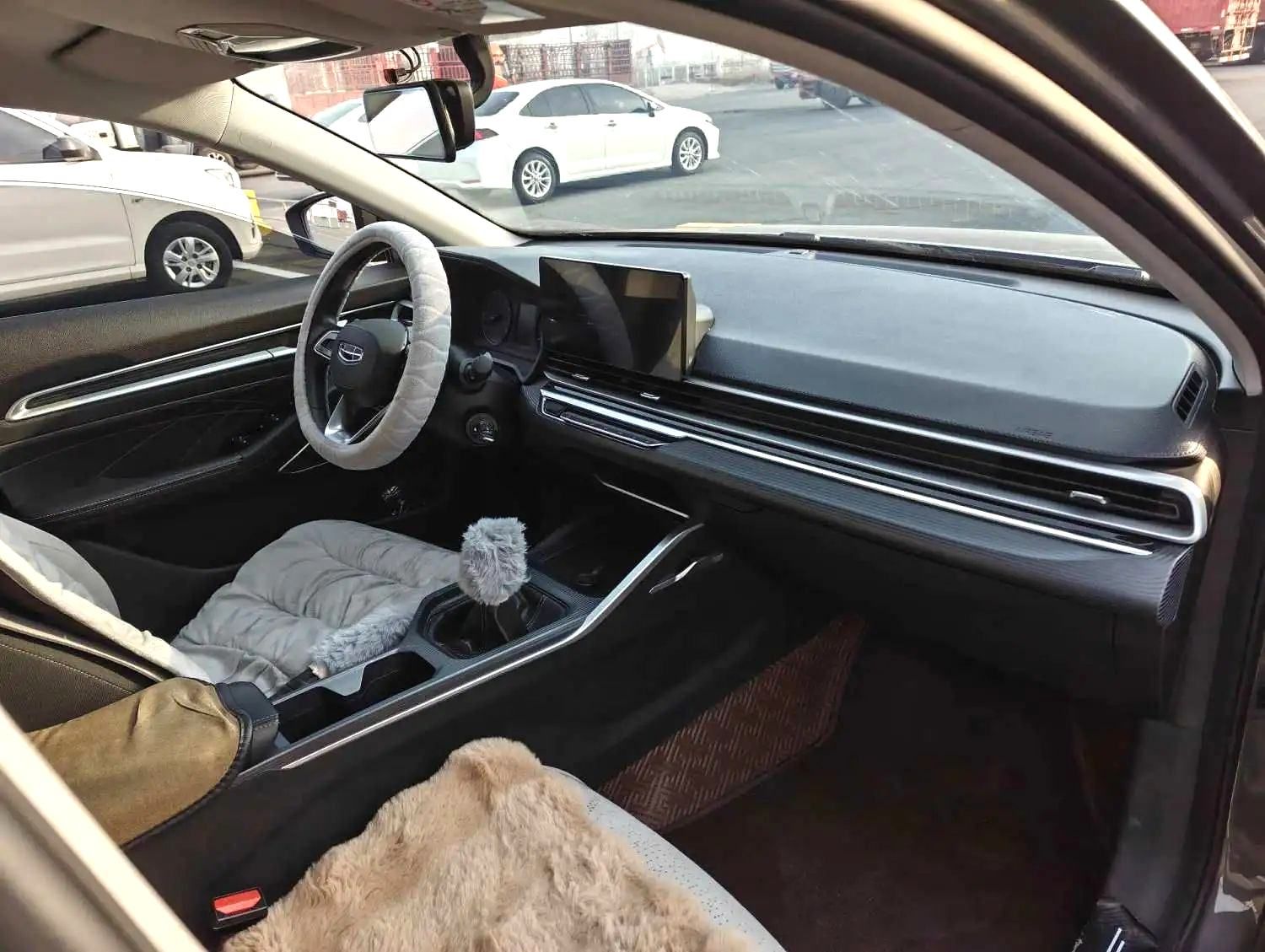
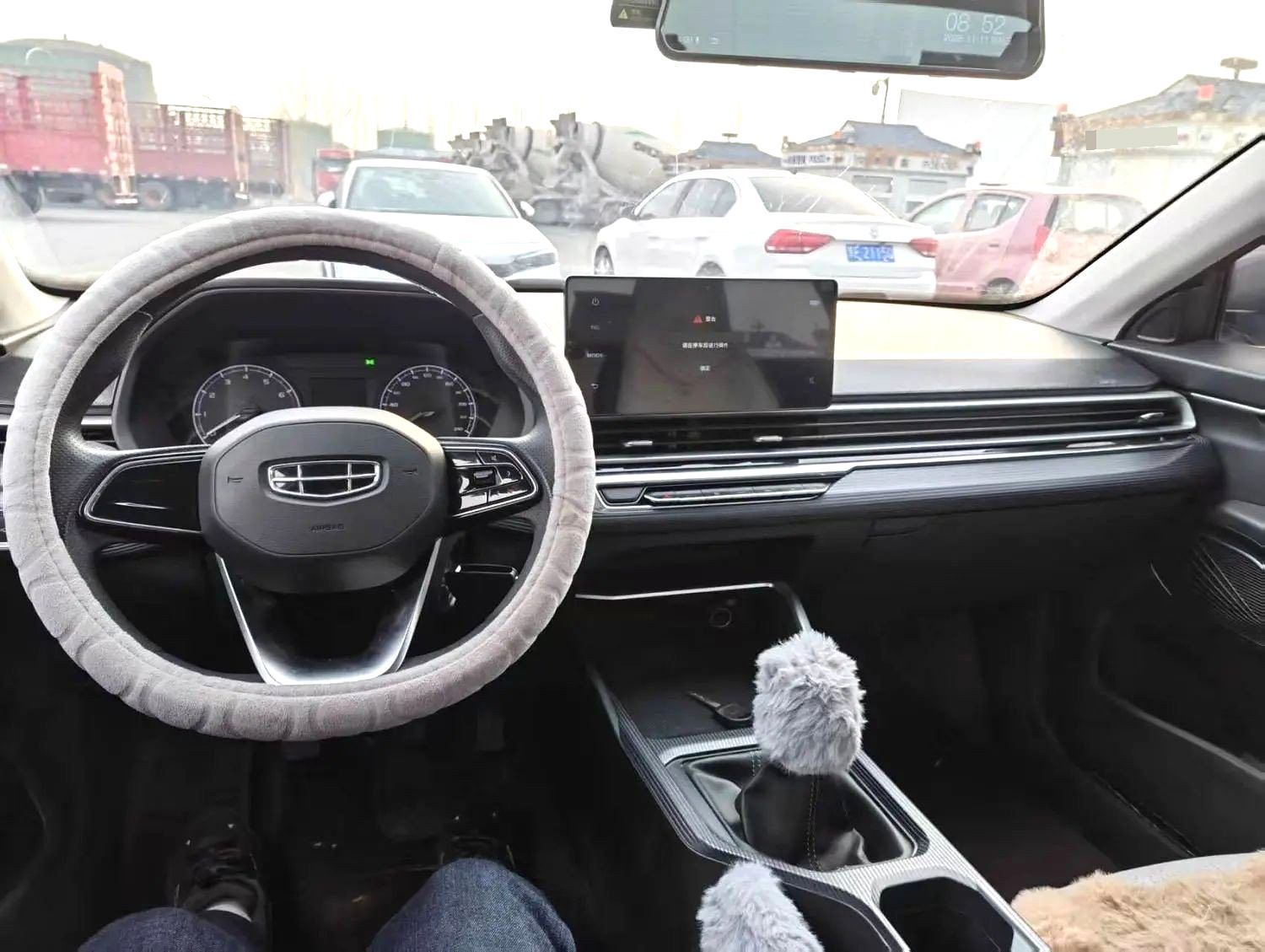
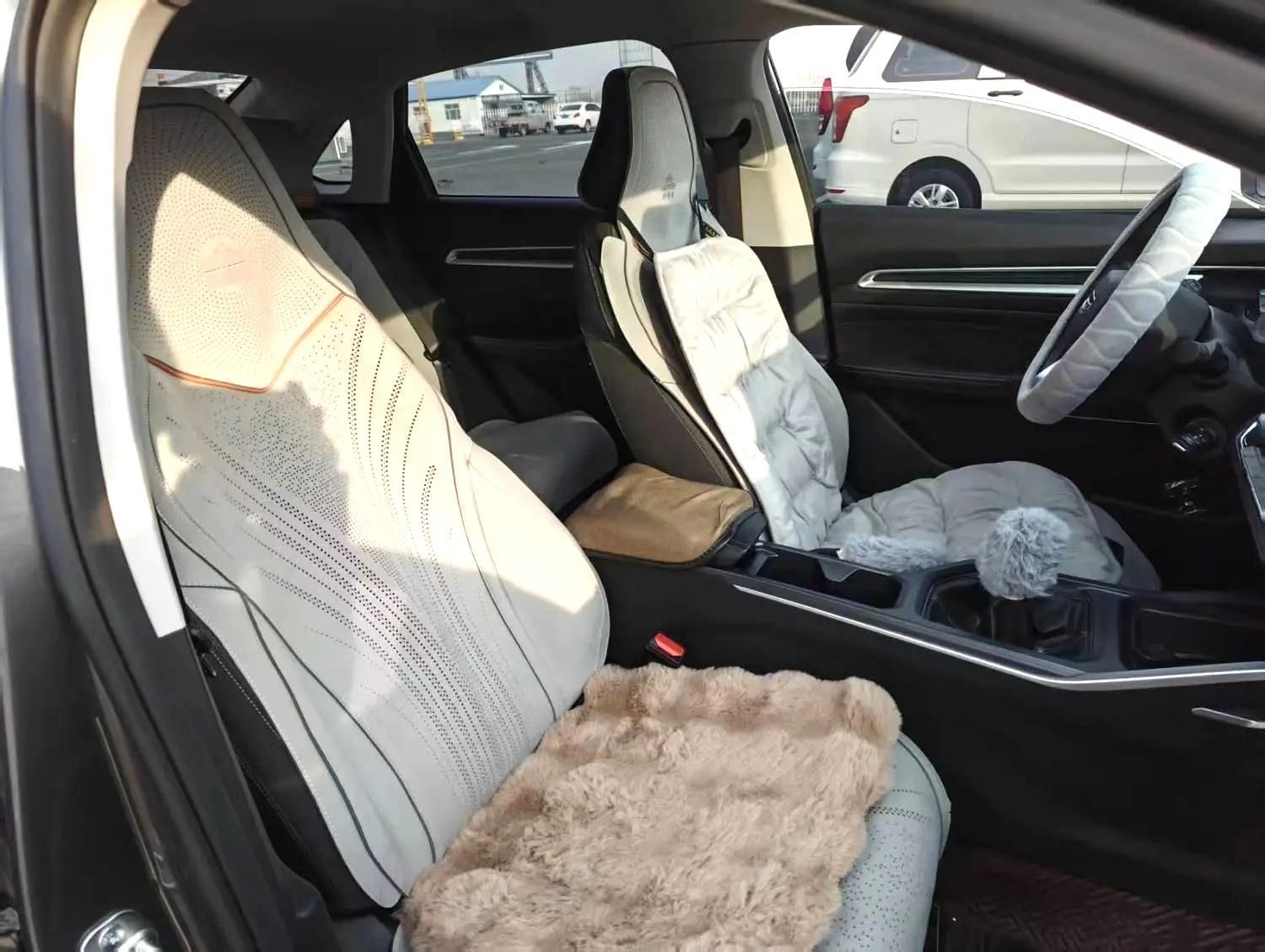
Full original paint, manual transmission, original condition, actual odometer reading.

Document Information

Inspection Expiry Date-
Warranty Expiry Date-
Insurance Expiry Date2027/04

Q&A

More

What is a Chinese vehicle registration certificate and how do I verify the seller actually owns the car?

The key document is the 机动车登记证书 (Vehicle Registration Certificate), the green booklet proving ownership. Along with it, the seller should provide the 行驶证 (driving license for the vehicle) and their ID. Verification steps: 1. Check that the VIN/chassis number on the certificate matches the car exactly, stamped on the dashboard and door frame 2. The certificate's 所有人 (owner) field must match the seller's company name or the export agent they claim to work with 3. Look at the registration history pages—frequent transfers in a short period can indicate problem cars being flipped 4. Confirm the car is not marked 抵押 (mortgaged/pledged to a bank) Be cautious if the seller only shows photos of these documents and refuses a live video panning across the original booklet with the day's newspaper. Also verify the export company has 二手车出口资质 (used-car export qualification)—a legitimate exporter will share their license number, which you can cross-check on Chinese commerce bureau websites.


How do seasonal factors—peak seasons, weather, holidays—affect shipping times and rates from China?

Timing your shipment can save both money and weeks of waiting. Several predictable patterns affect routes from China. Peak season surcharges: January through March, before Chinese New Year, exporters rush to ship, so container and RoRo space tightens and rates rise 20-50%. Book at least 3-4 weeks ahead during this window. After the holiday (usually February), factories and ports restart gradually, causing 2-3 weeks of backlog. Weather effects: Typhoon season (July-September) can delay departures from southern Chinese ports like Shenzhen and Guangzhou. Winter fog and ice affect northern ports like Dalian and Tianjin, slowing loading operations. Destination-side factors: Monsoon seasons can slow port operations in South and Southeast Asia. Holiday periods at destination (e.g., Ramadan in the Gulf, year-end holidays elsewhere) reduce customs staffing and extend clearance times. Practical advice: ask your forwarder for rate calendars, avoid booking right before major Chinese holidays, and build 1-2 weeks of buffer into delivery promises to your customers. Flexible departure ports (Shanghai vs. Ningbo vs. Shenzhen) can also help you find available space.

Does a used car have to be deregistered in China before export, and what proof should I receive?

Yes. Chinese regulations require every exported used car to be officially deregistered before shipment: 1. The exporter transfers the vehicle title locally and takes it off the domestic registration system, then obtains an export license for that specific vehicle. 2. You should receive the deregistration proof together with the export declaration and a copy of the export license. 3. At destination customs, these documents may be requested together with the bill of lading, commercial invoice, packing list and certificate of origin. Keep scanned copies of everything and have the originals couriered to you before the vessel arrives. If any document is missing at the destination port, clearance can be delayed for weeks while storage fees accumulate daily.