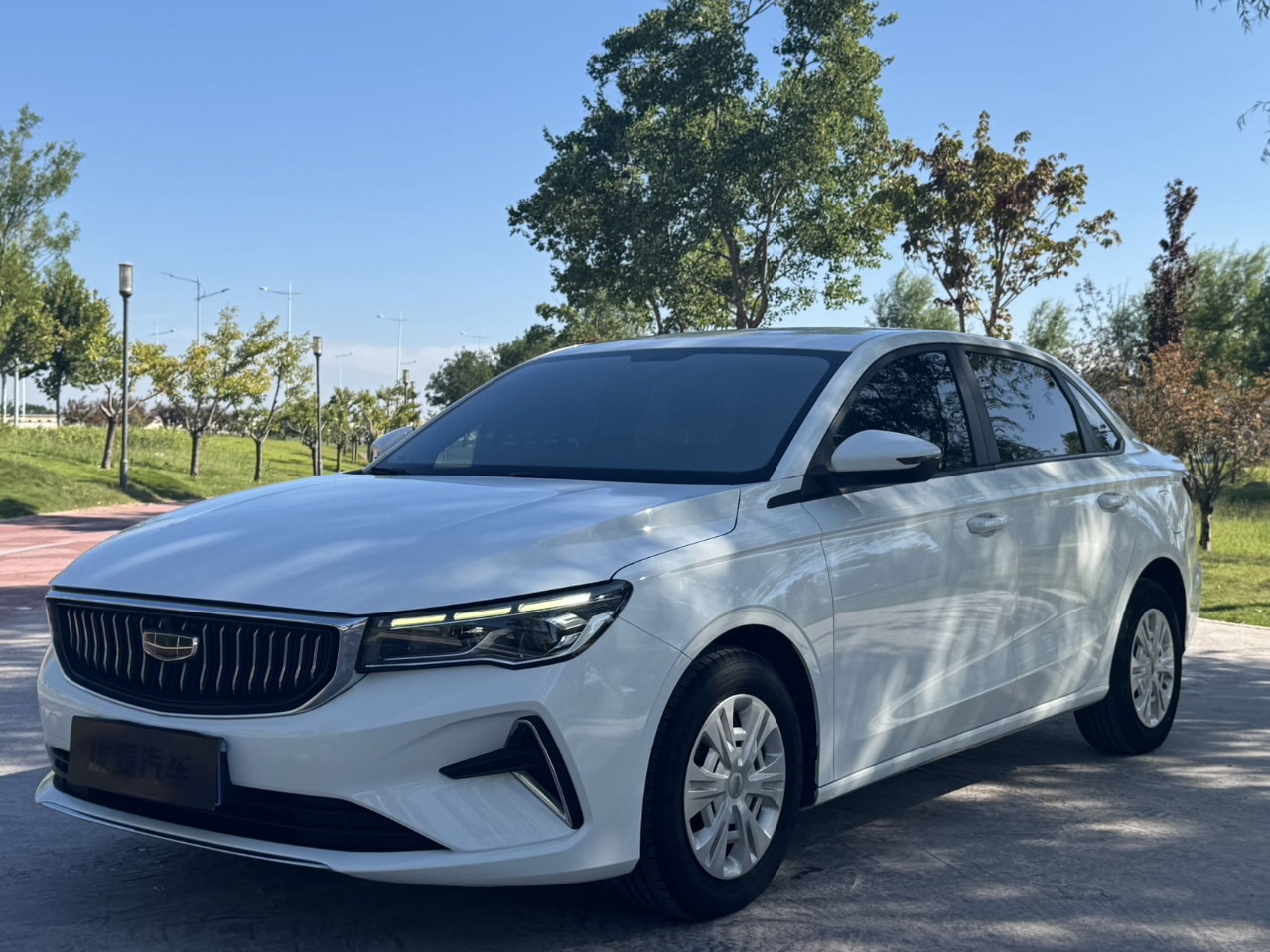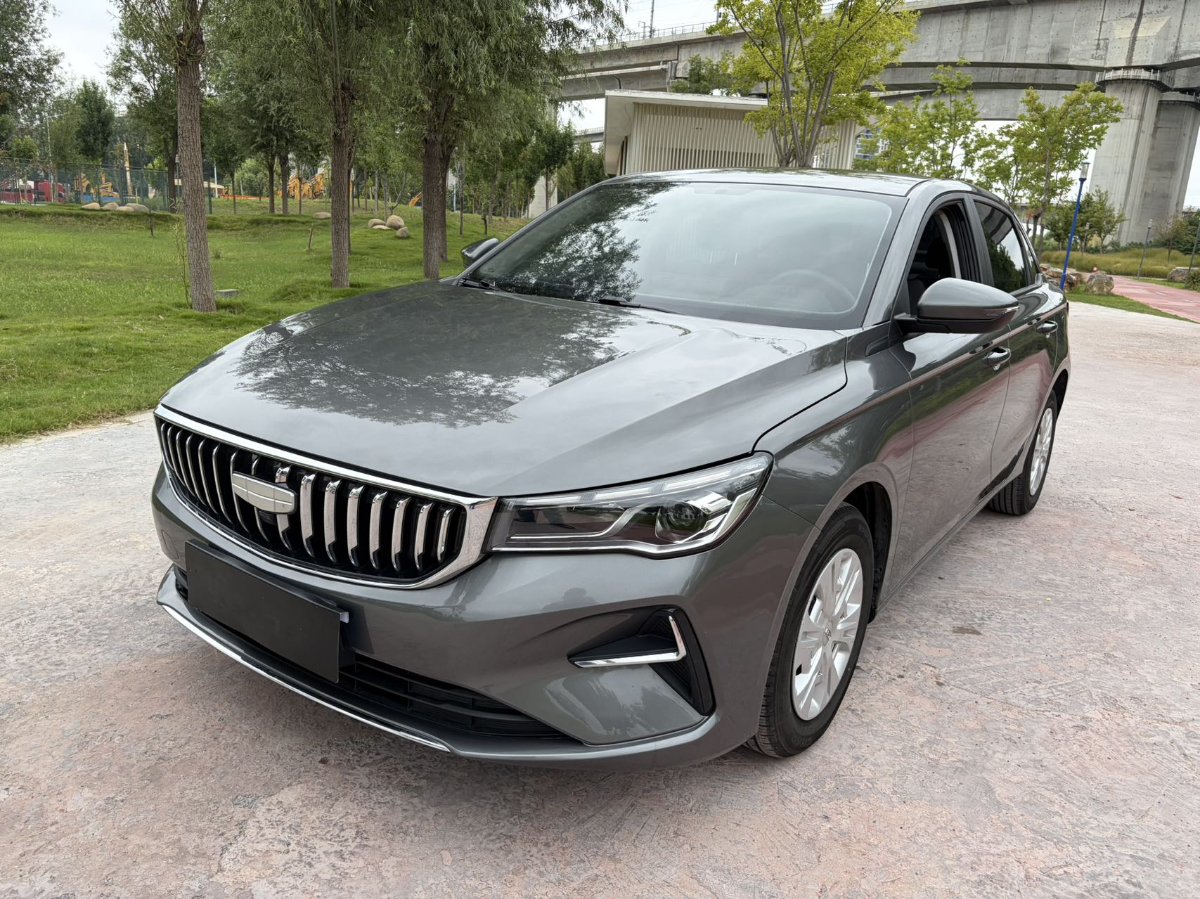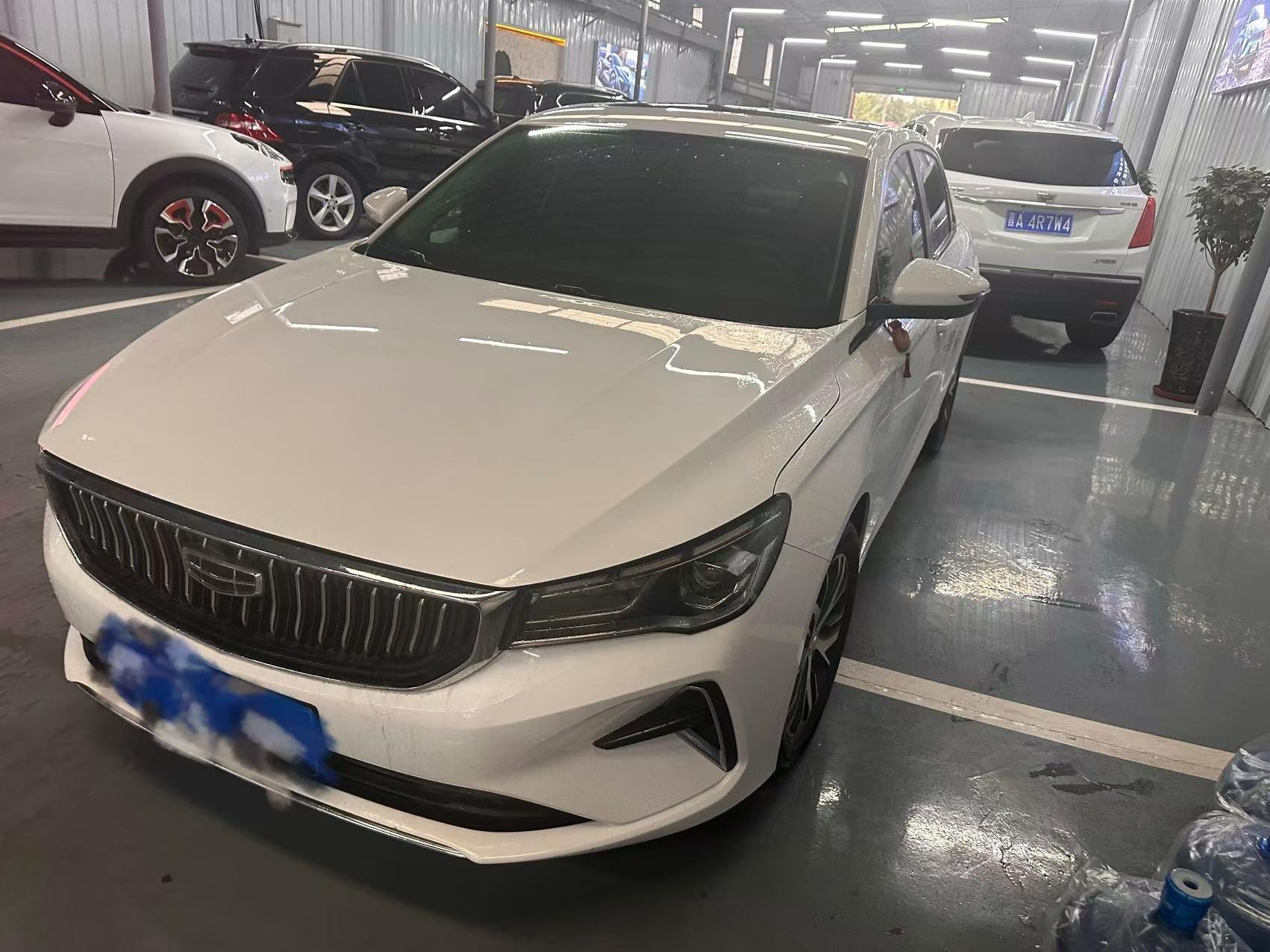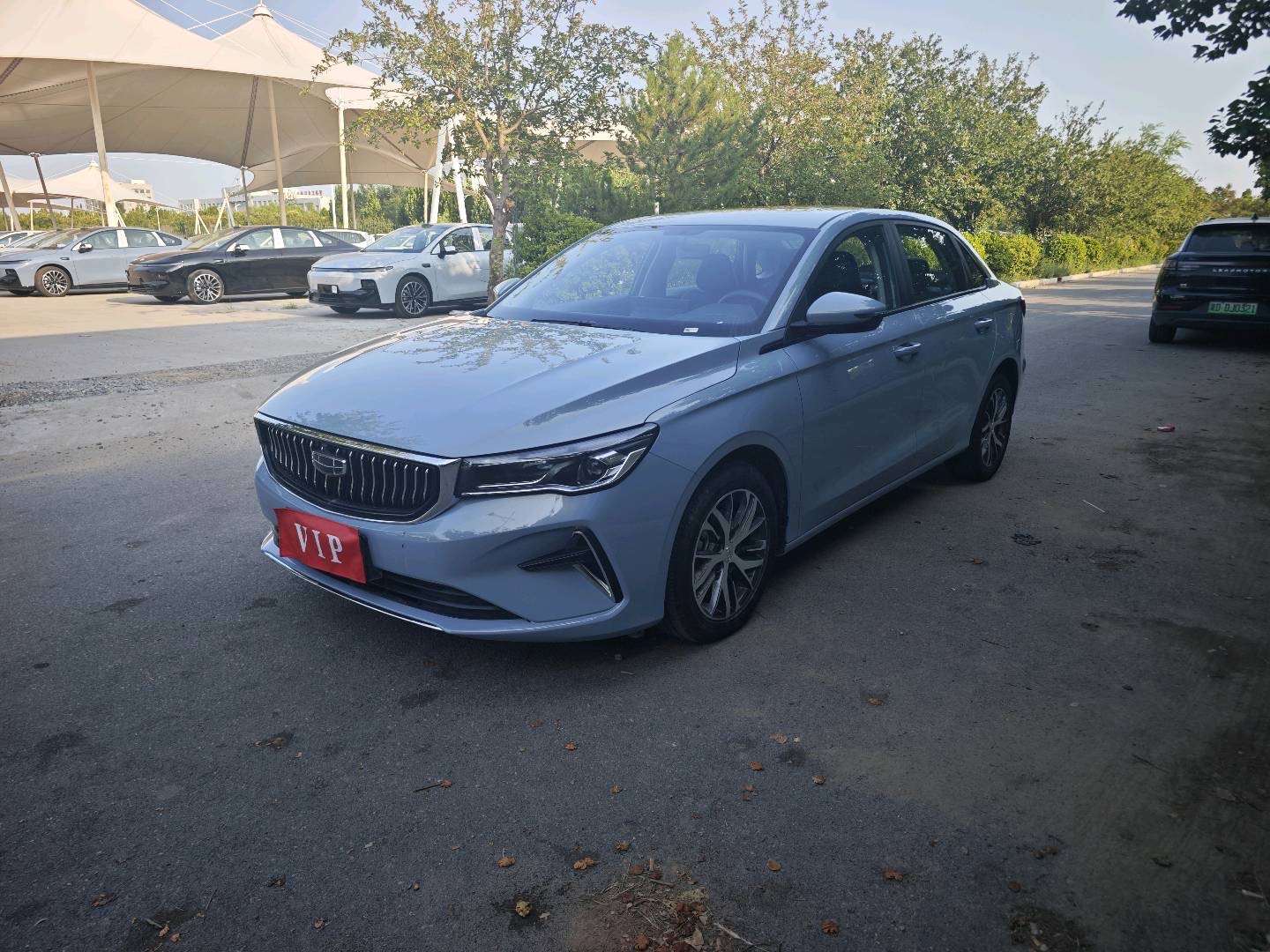

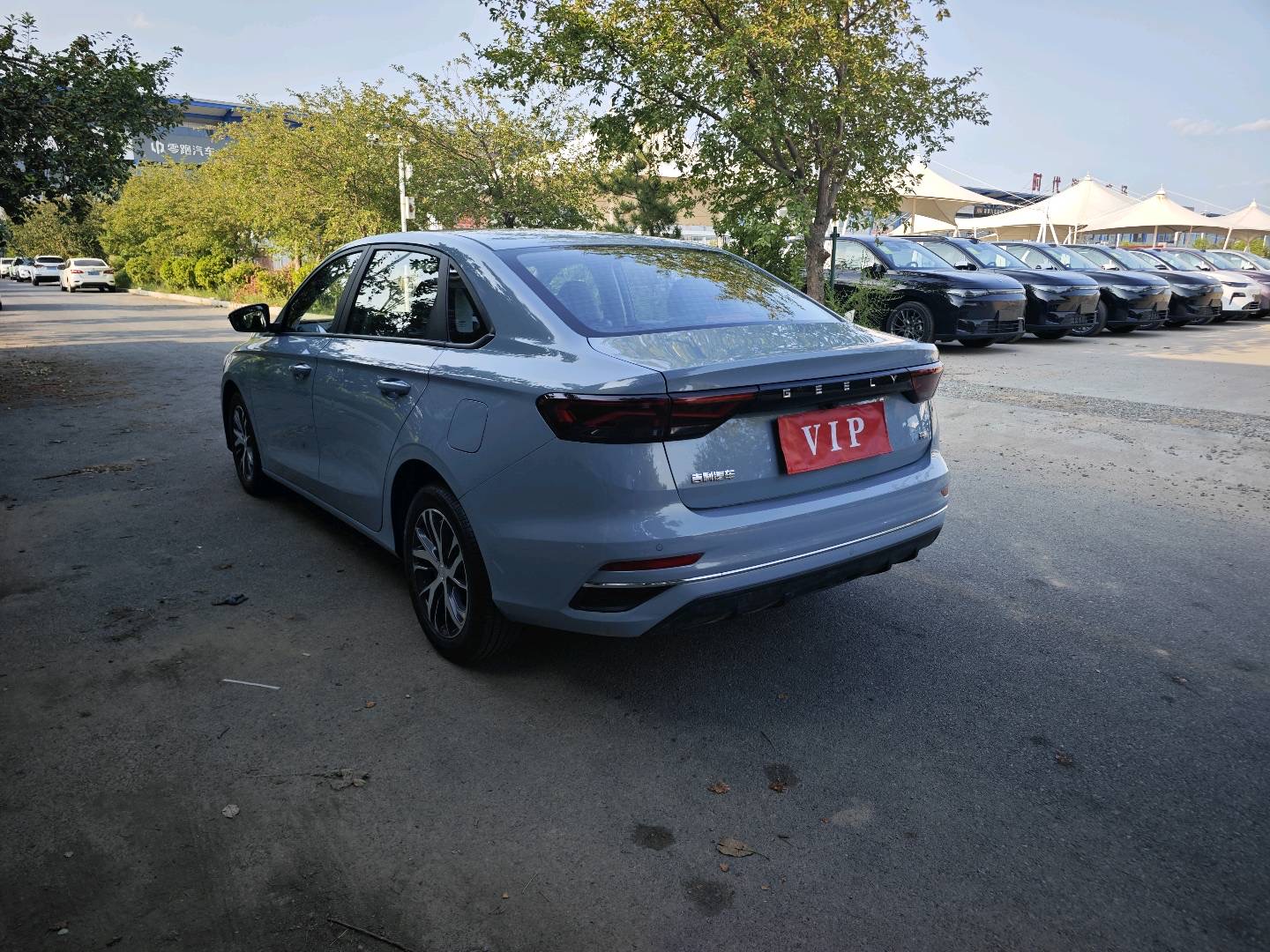
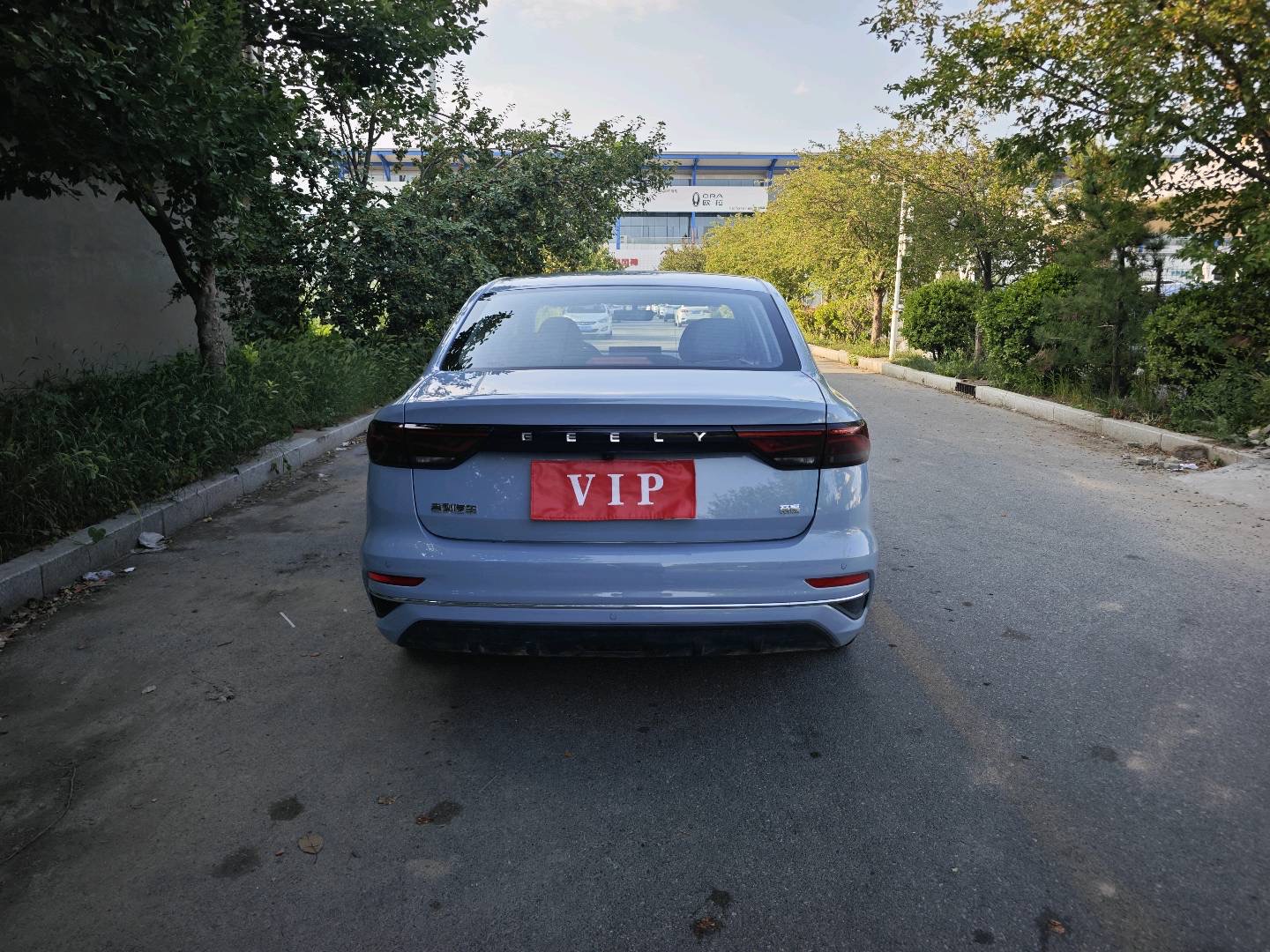
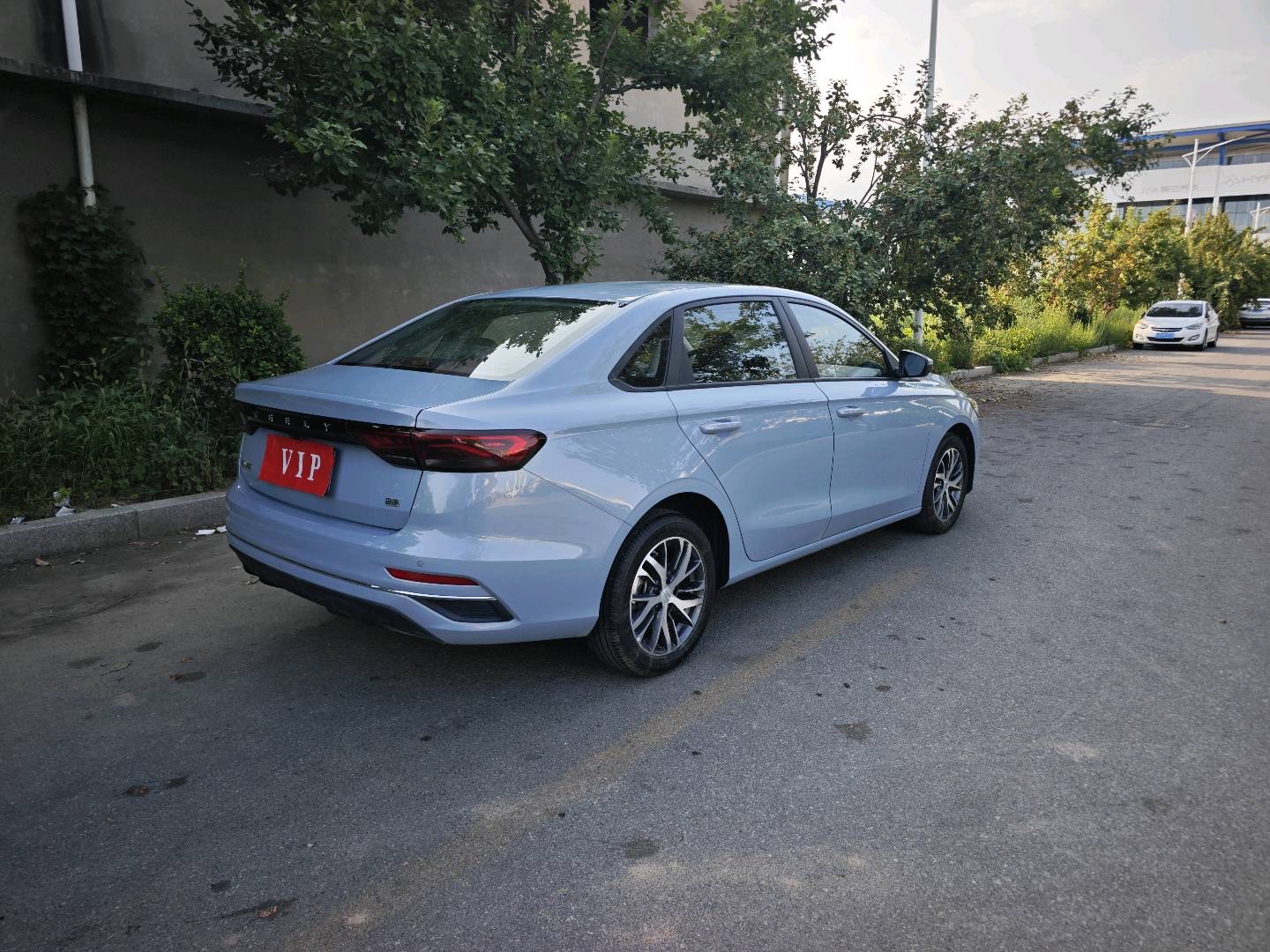



Stock

Basic Information

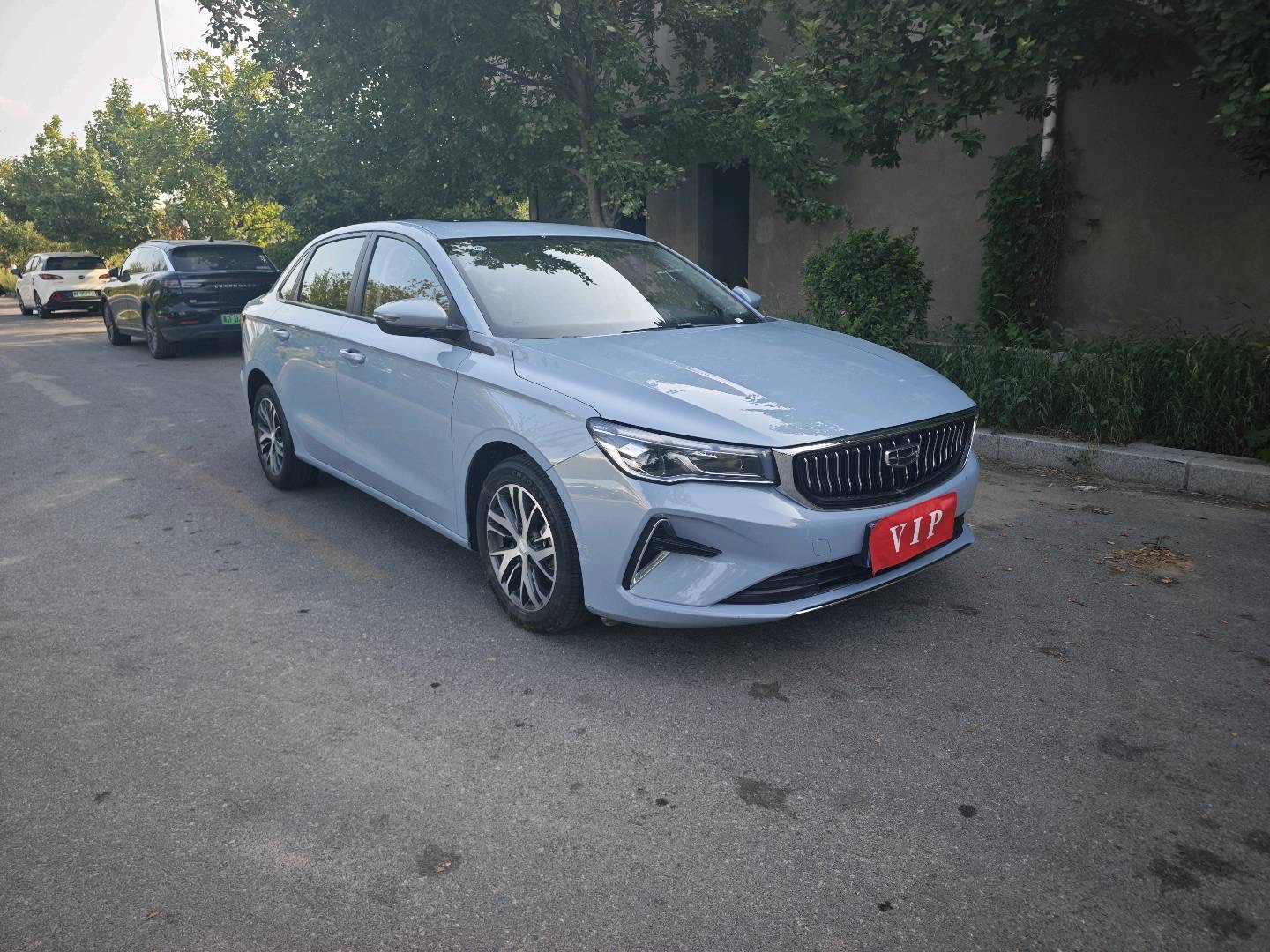
BrandGEELY
SeriesEmgrand
Year2024
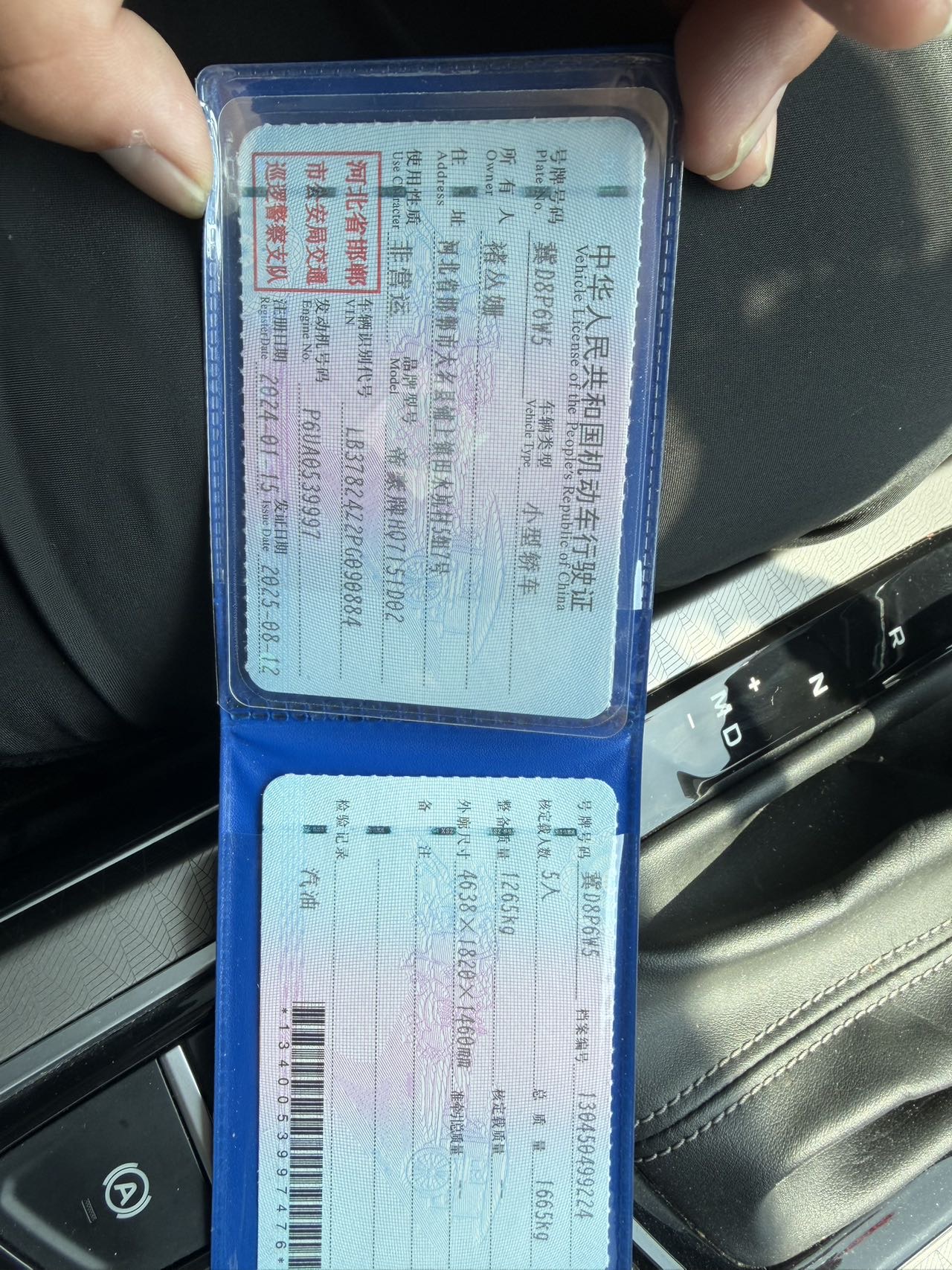
First Registration2024/01
Mileage16,000km
Transfer Count1times
FuelGasoline
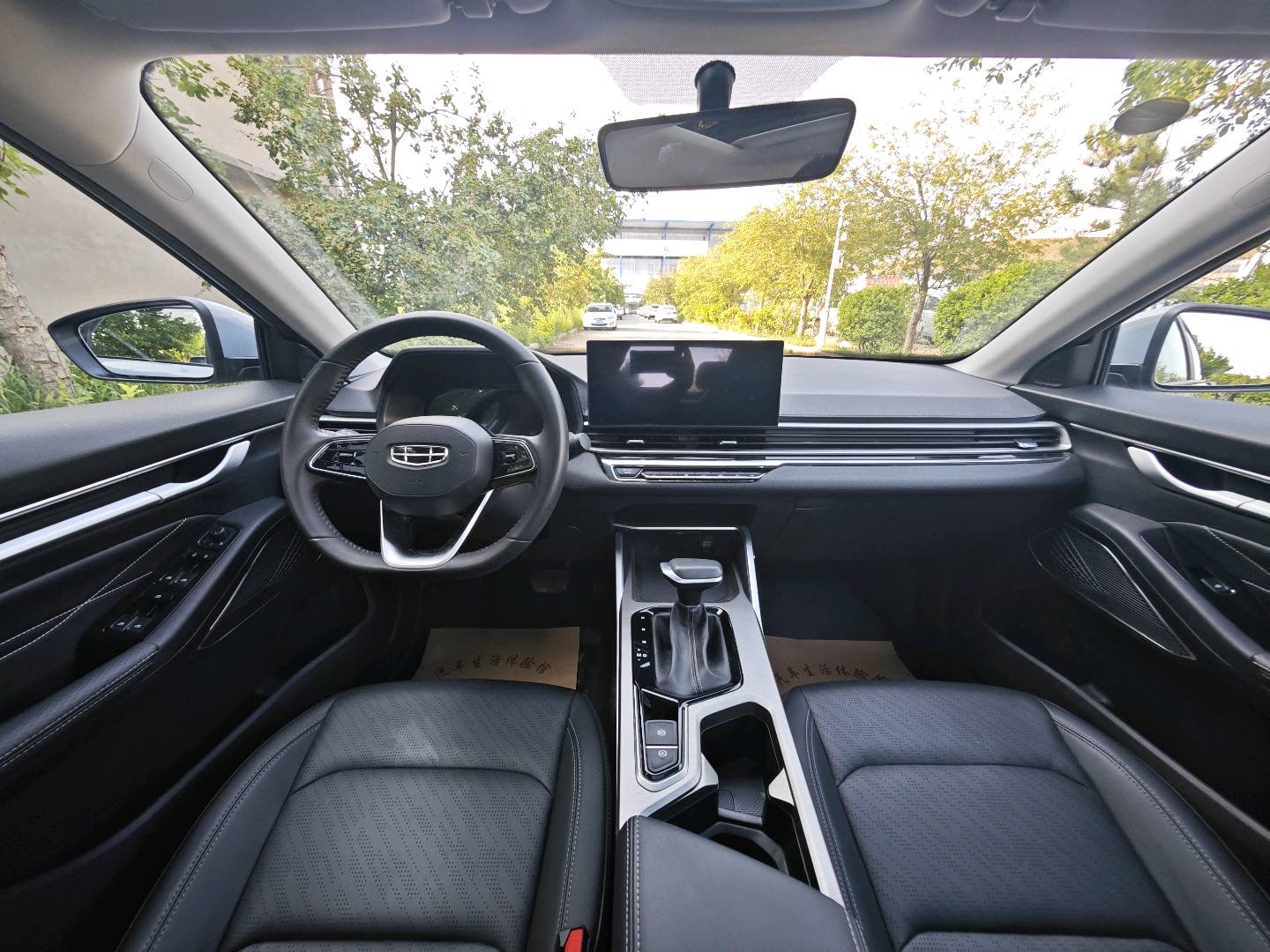
TransmissionCVT
Engine1.5L 127 L4
ColorGrey
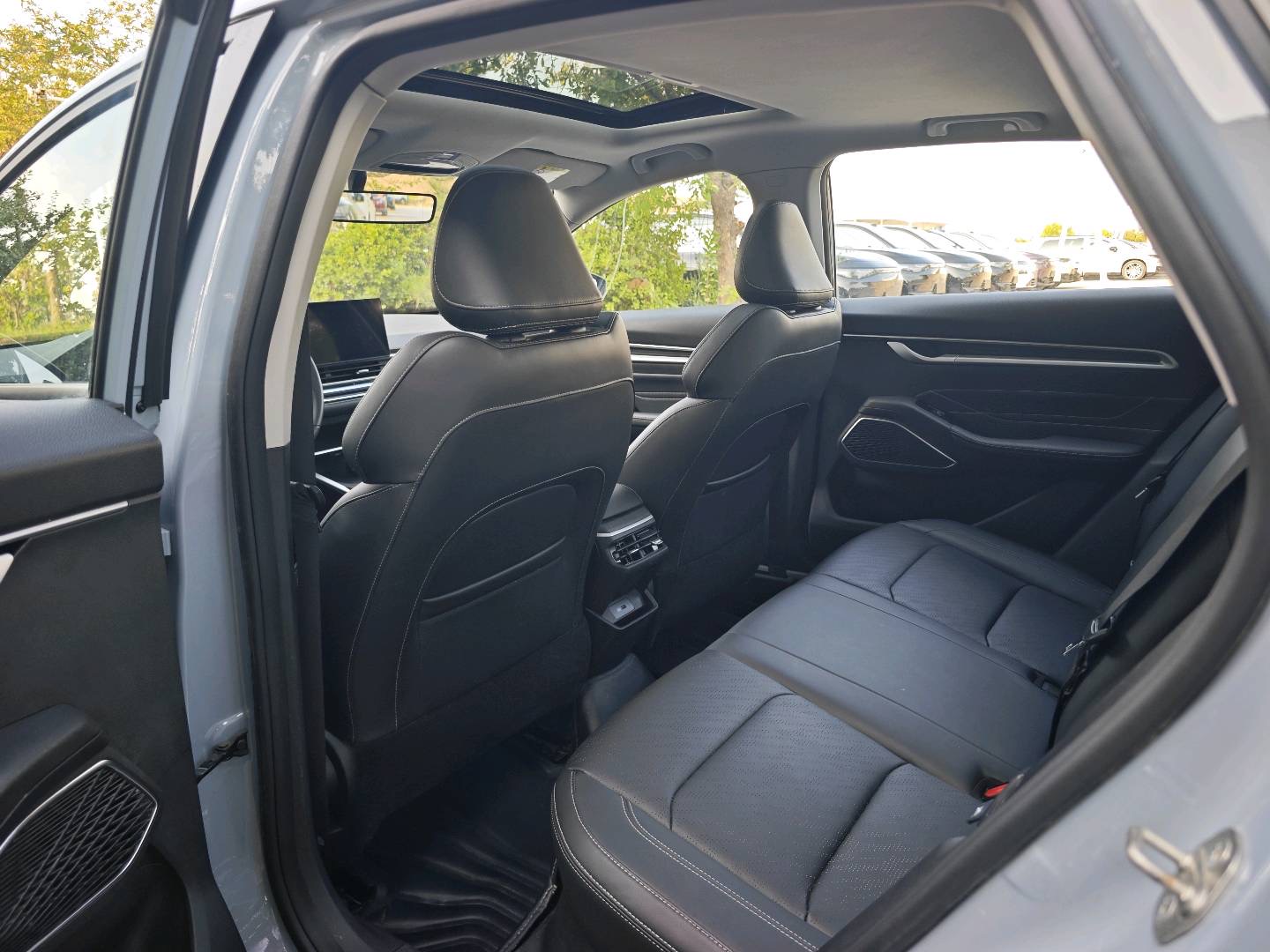
Seats5seats

Condition Description

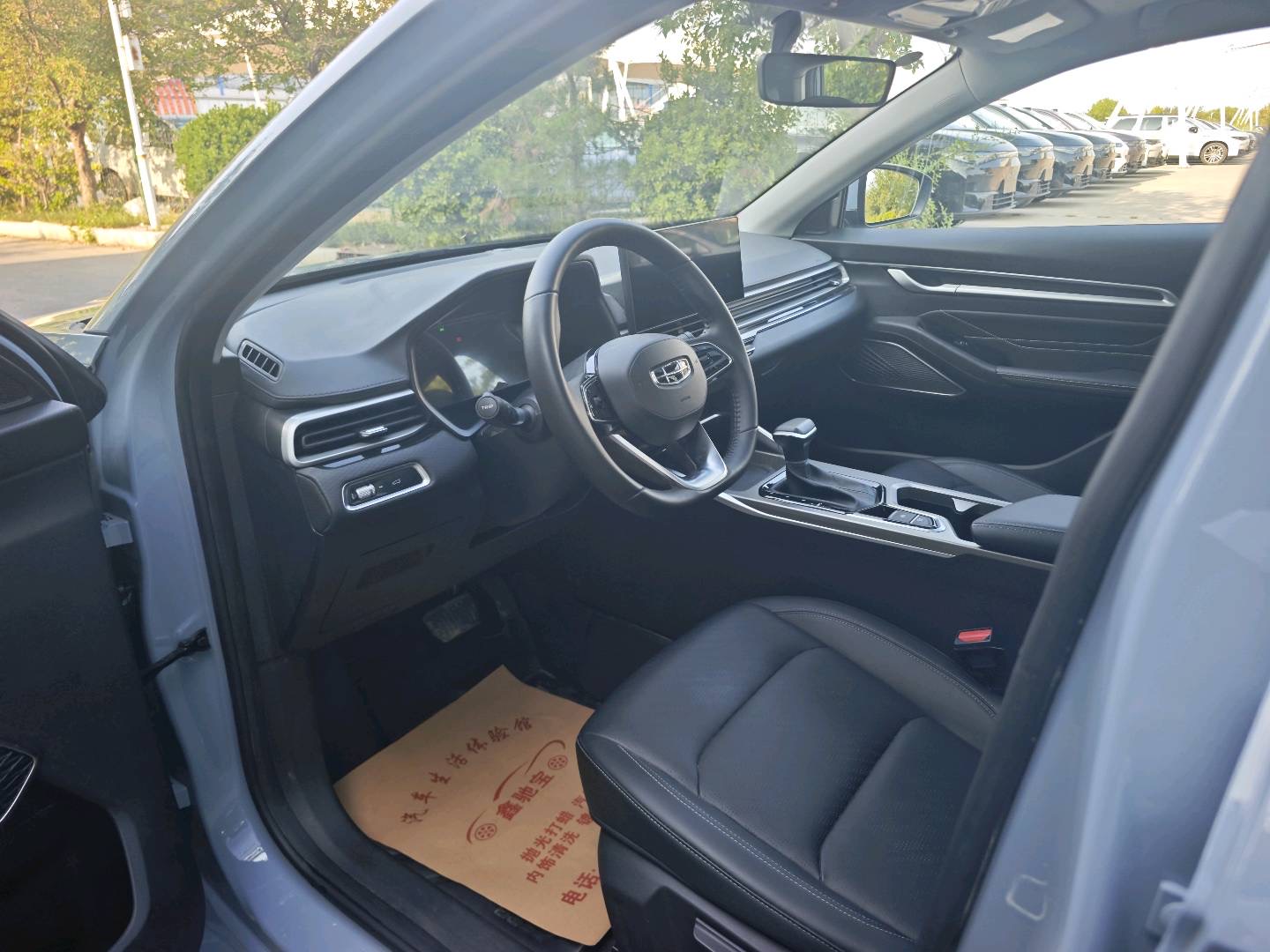
The vehicle underwent water damage repair a year ago, and the original paint is in very good condition. There are no faults in the entire vehicle.

燃油车
轿车
自动
维保开放
事故开放
查验开放

Configuration Highlights

品牌: 吉利汽车
车系: 帝豪
车型: 2023款 第4代冠军版 1.5L CVT旗舰型
车身类型: 轿车
座位数: 5
排量: 1.5L
变速箱: 自动
能源类型: 燃油车
VIN: LB37824Z2PG090884
搜索关键词: 吉利汽车帝豪 2023款帝豪第4代冠军版1.5LCVT旗舰型

Document Information

Inspection Expiry Date2028/01
Warranty Expiry Date-
Insurance Expiry Date2027/01

Q&A

More

Will the FOB or CIF prices we have signed change due to sudden surges in international shipping costs caused by geopolitical issues or emergencies (like the Red Sea crisis)?

Our shipping quotes are typically valid for only 7 to 14 days. If a CIF contract is signed and there are significant fluctuations in shipping costs due to war surcharges or route changes imposed by the shipping company before the vehicle is actually loaded, we will transparently provide you with the official price increase notice from the shipping company. At that point, we reserve the right to renegotiate the freight difference or allow you to change the trade terms to FOB, letting you designate your own freight forwarder for booking.

Does the Chinese government provide tax rebates for used car exports? Is this subsidy reflected in the car price?

Unlike new car exports, there are currently no large national export tax rebates for used cars in China. Therefore, our FOB price is purely the vehicle's residual value plus compliant operating costs, leaving no room for price wars using subsidies.

Why are the shipping costs for used electric vehicles (EVs) usually higher than for internal combustion engine vehicles (ICEs)?

Pure electric vehicles are classified as Class 9 Dangerous Goods due to their large lithium batteries, leading to strict shipping regulations. Shipping companies have high requirements for the loading position and fire isolation measures for dangerous goods, and some roll-on/roll-off ships refuse to accept used EVs. As a result, EVs often require more expensive special container shipping and incur additional handling fees for hazardous materials.