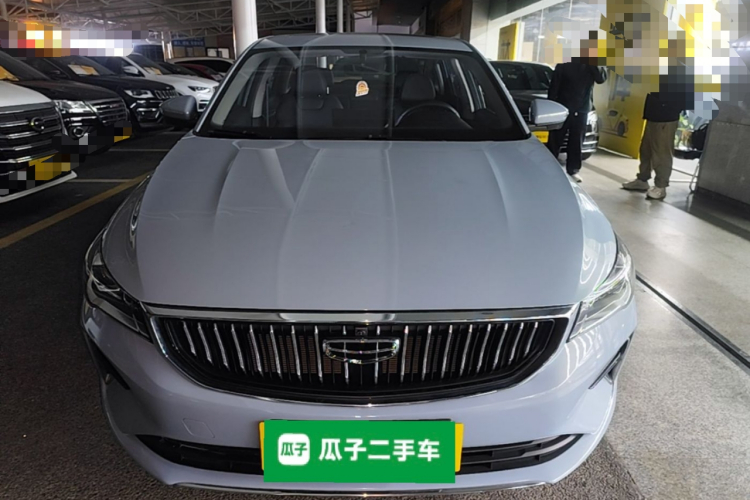
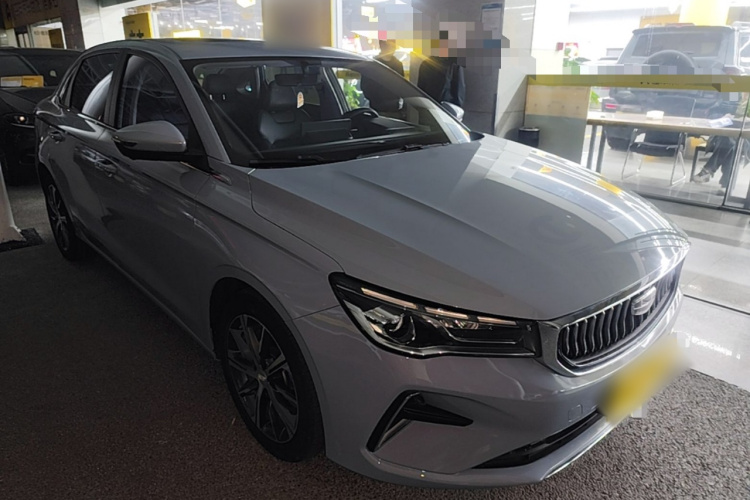
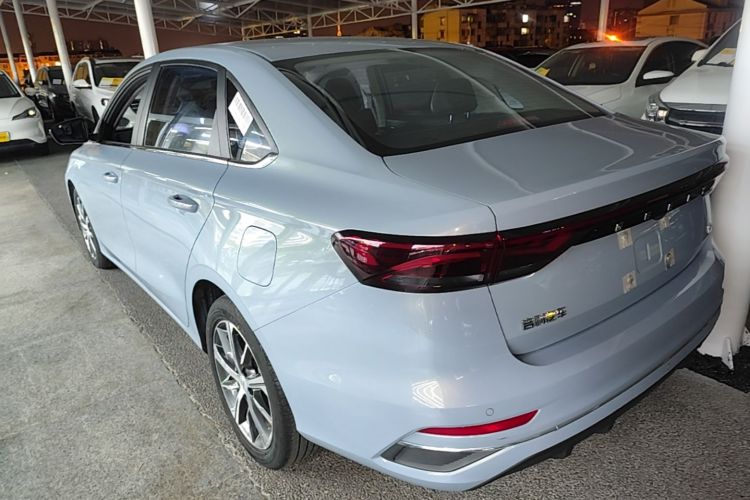
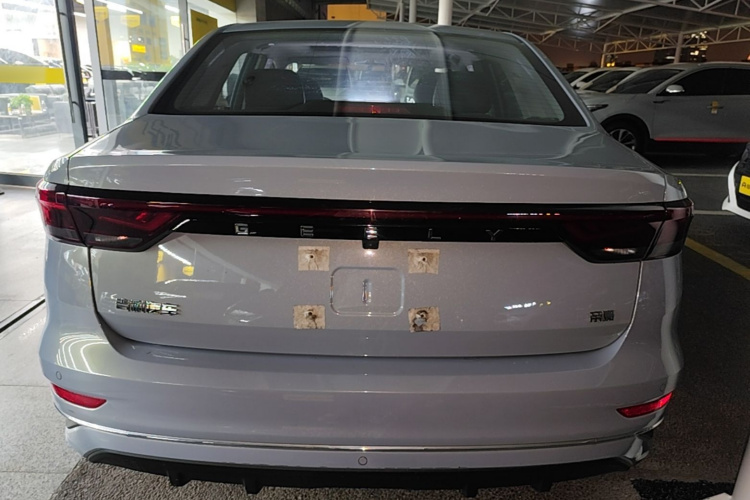



24H

Basic Information

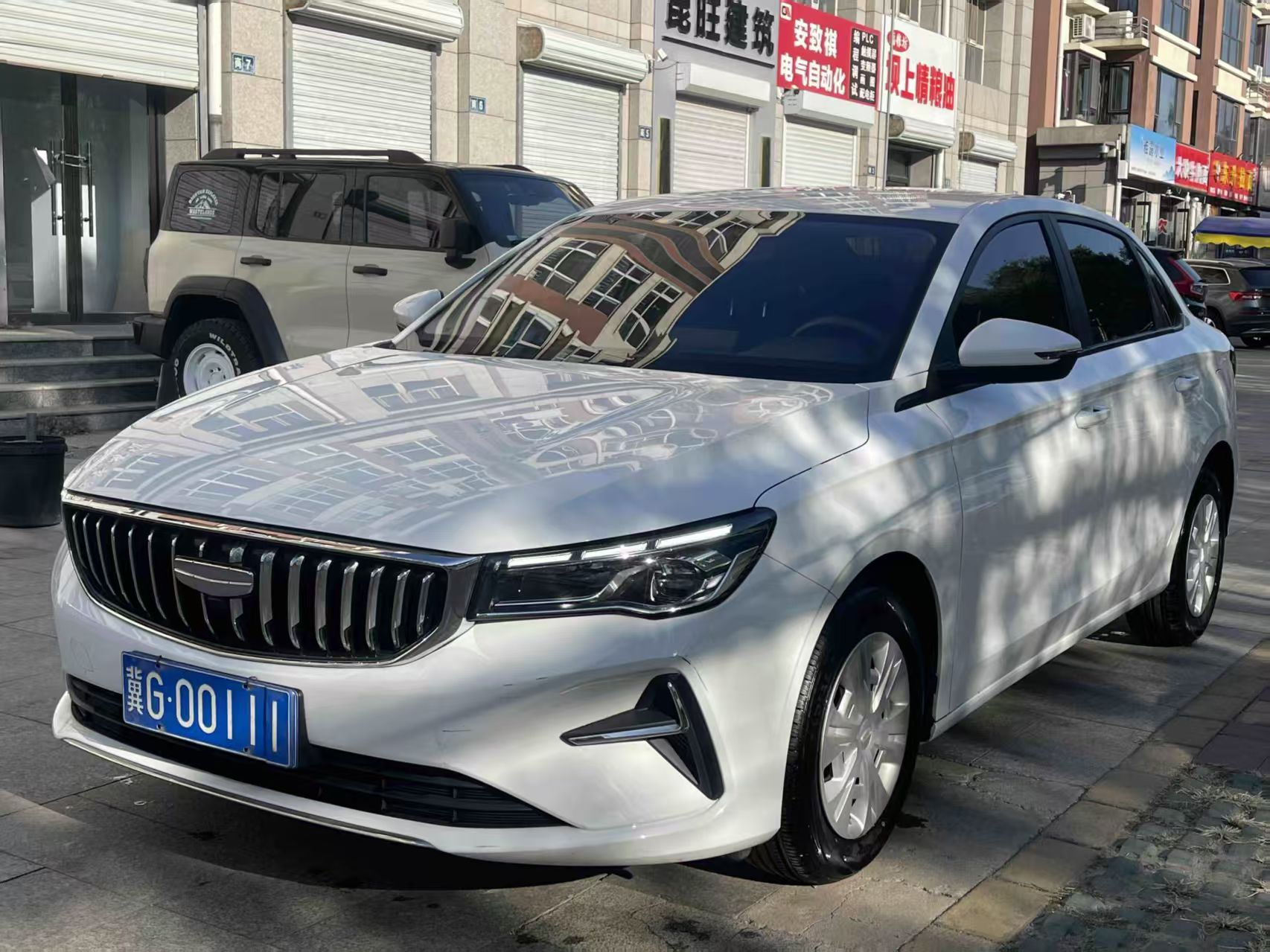
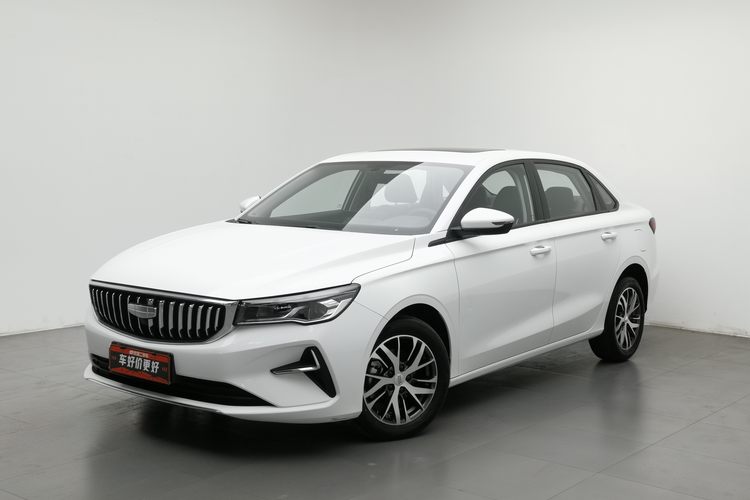
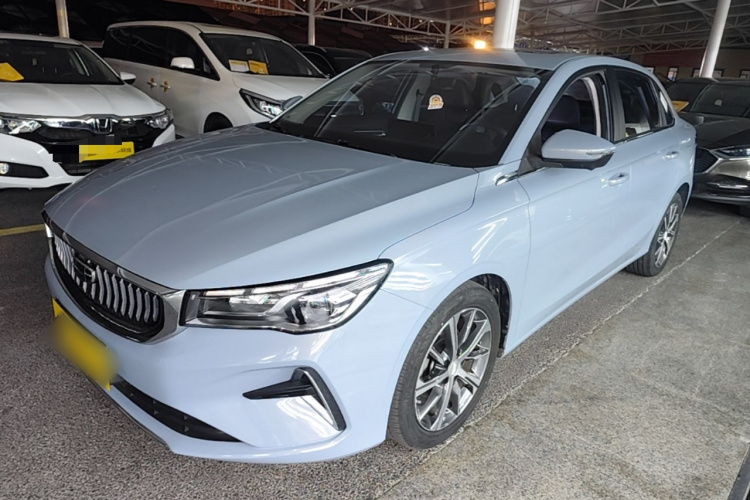
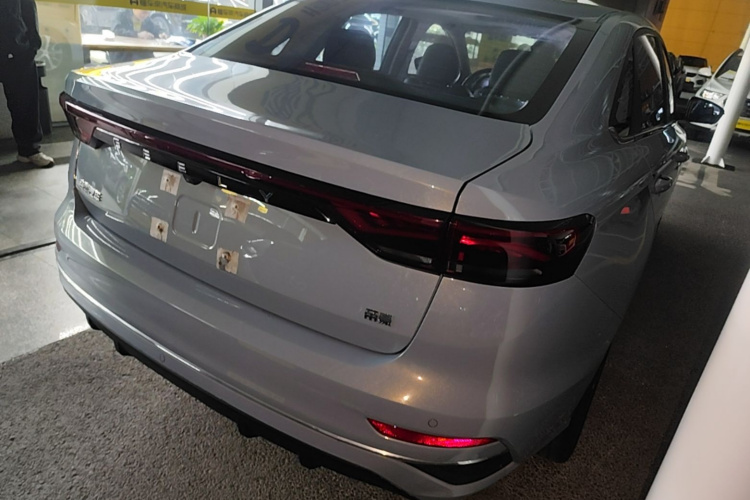
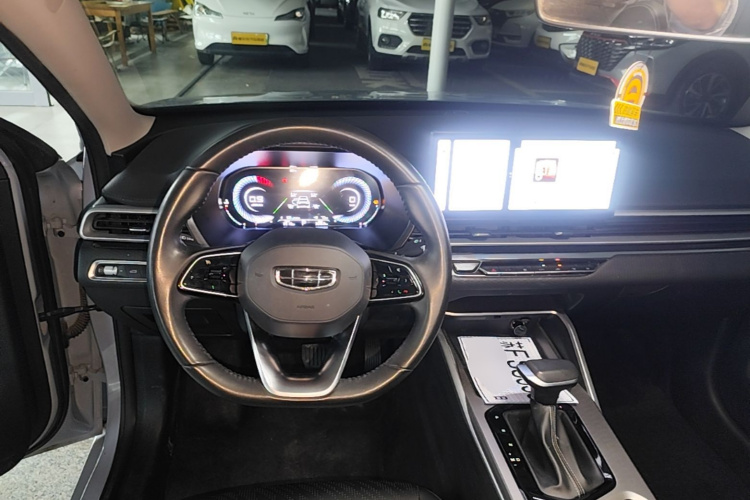
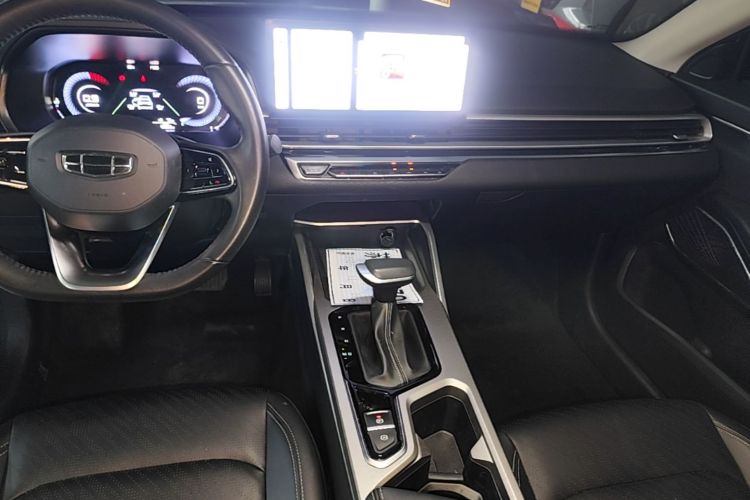
BrandGEELY
SeriesEmgrand
Year2024
First Registration2024/06
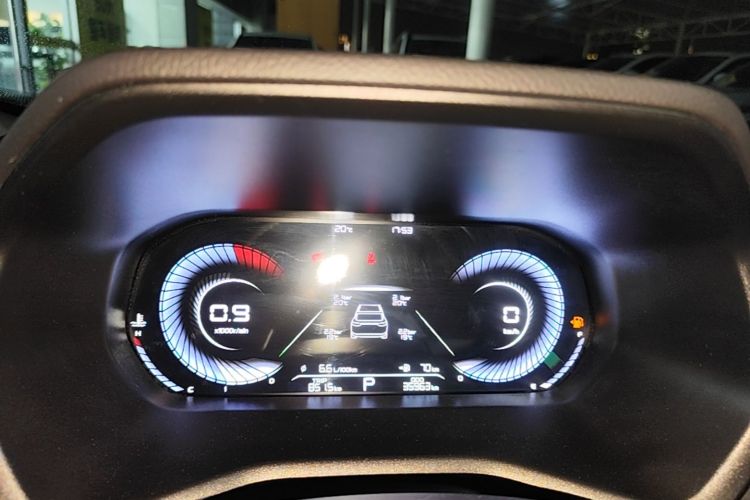
Mileage36,000km
Transfer Count1times
FuelGasoline
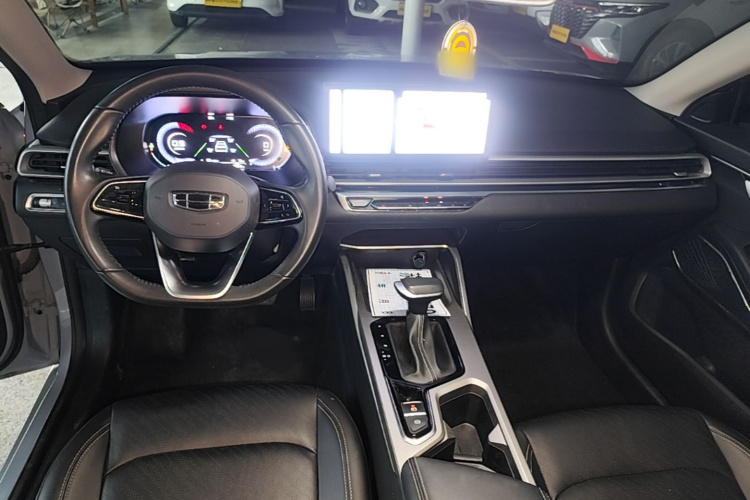
TransmissionCVT
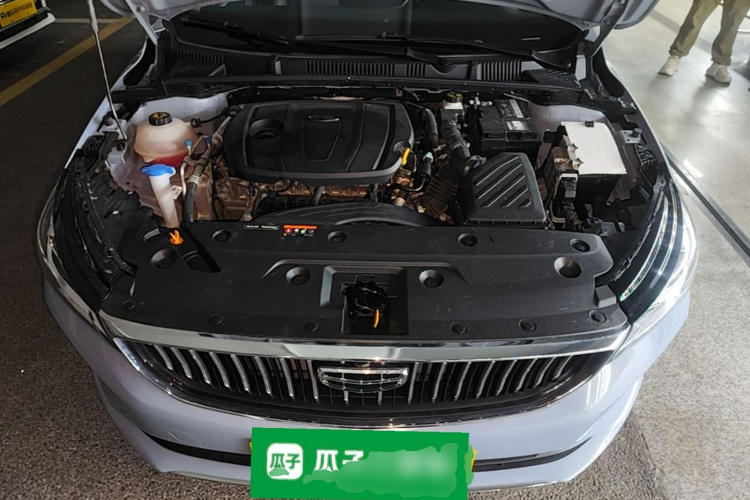
Engine1.5L 127 L4
Color
Seats5seats

Condition Description

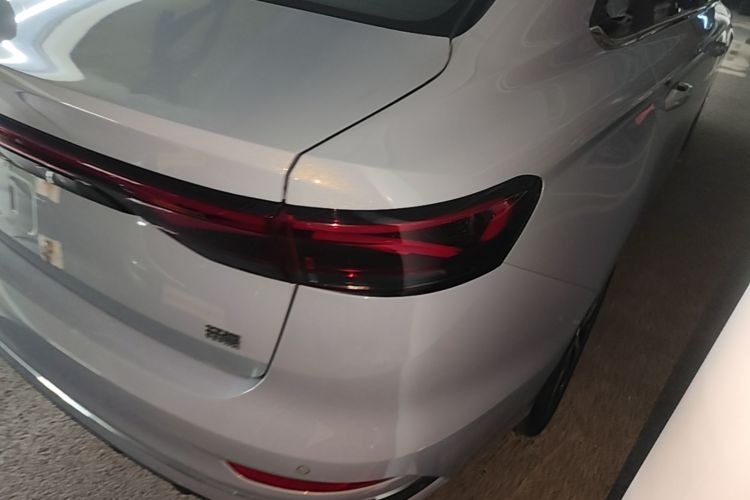
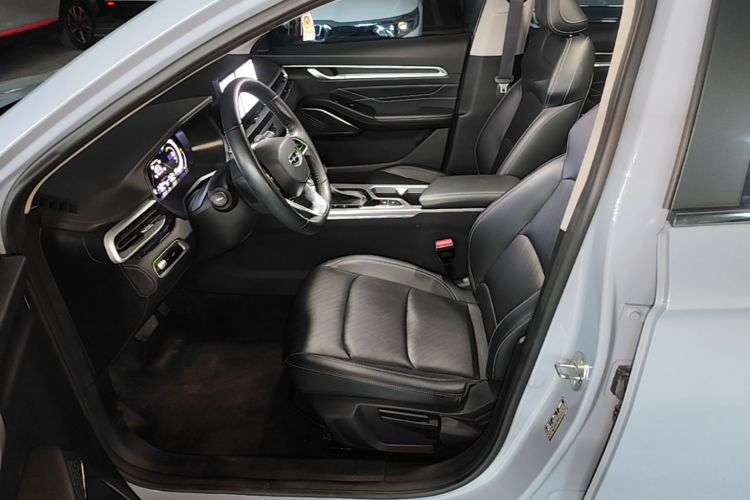
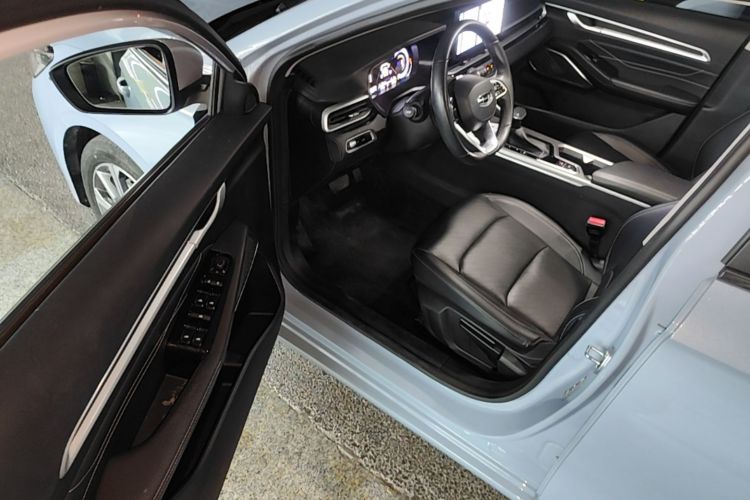
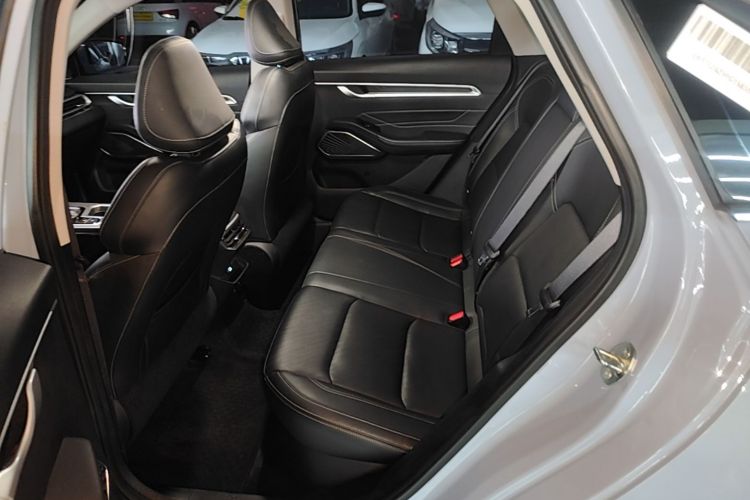
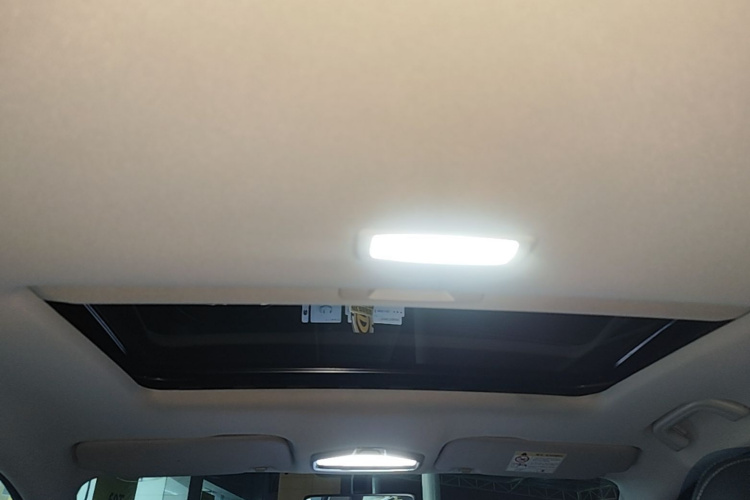
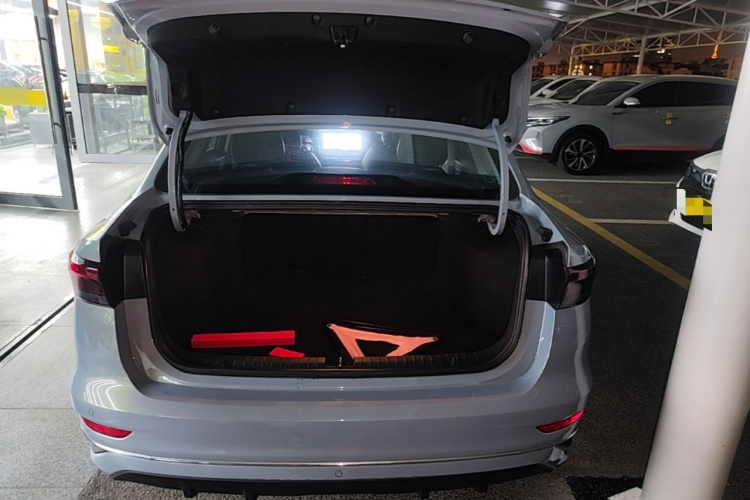
Basic condition meets standard. Claimed 2 times. Transferred 1 time.

Q&A

More

The target country has strict age and emission restrictions on imported used cars. Will you help me review this?

We will provide extremely accurate production year, first registration date, and Chinese emission standards (e.g., National VI). However, the final responsibility for confirming whether this data complies with the importing country's regulations lies with the buyer, and you need to submit it to the local customs for verification before placing an order.

What are the typical steps and timeline when buying a used car from China, from selection to delivery at my port?

A normal transaction moves through six stages. First, selection and verification: you shortlist cars, request VIN-level documents, and order an independent inspection (1-2 weeks). Second, contract signing and deposit: 10-30% is standard, paid against a signed contract listing the VIN and agreed spec. Third, export preparation: the seller handles deregistration and export licensing (1-3 weeks). Fourth, final payment against loading: pay the balance only after you receive the bill of lading or rail waybill number you can track. Fifth, transit: ocean shipping to most ports takes 3-6 weeks, rail to Central Asia or Europe 2-4 weeks. Sixth, destination clearance and registration: allow 1-2 weeks plus buffer for inspections. In total, plan for 2-4 months door to door. Any exporter promising full delivery in under six weeks is likely cutting corners on export paperwork.

What should I check during a live video test drive of a used car in China, and which sounds or behaviors are red flags?

Request a live video call during the test drive rather than a pre-recorded one. Cold start first: listen for rattling or metal scraping in the first seconds — possible timing chain or hydraulic lifter issues. During acceleration, a whining from the gearbox area can mean bearing wear; hesitation or jerking in an automatic suggests transmission problems. Braking: the pedal should feel firm, not spongy, and the car must not pull to one side. Turn the wheel fully in both directions and listen for clicking — a classic CV joint fault. Insist on a highway segment too: vibrations above 100 km/h often point to unbalanced wheels or bent rims. Ask the driver to film the dashboard throughout — warning lights that flicker on briefly are still faults that OBD will record.