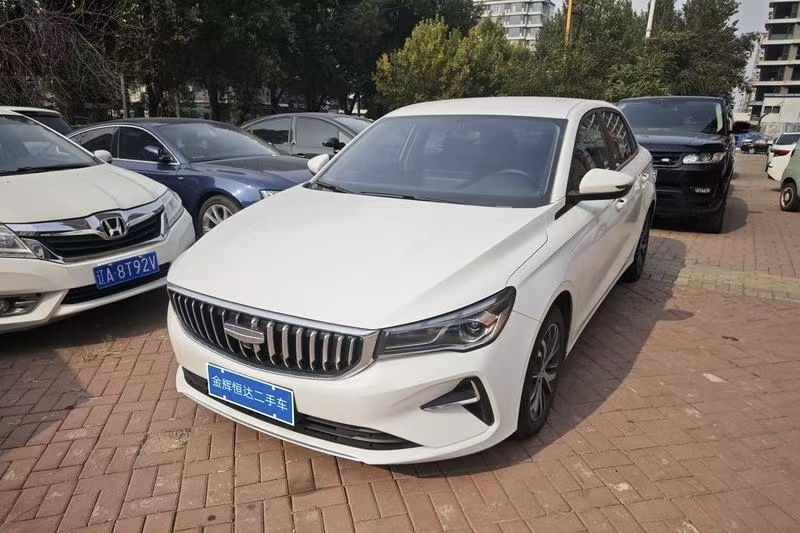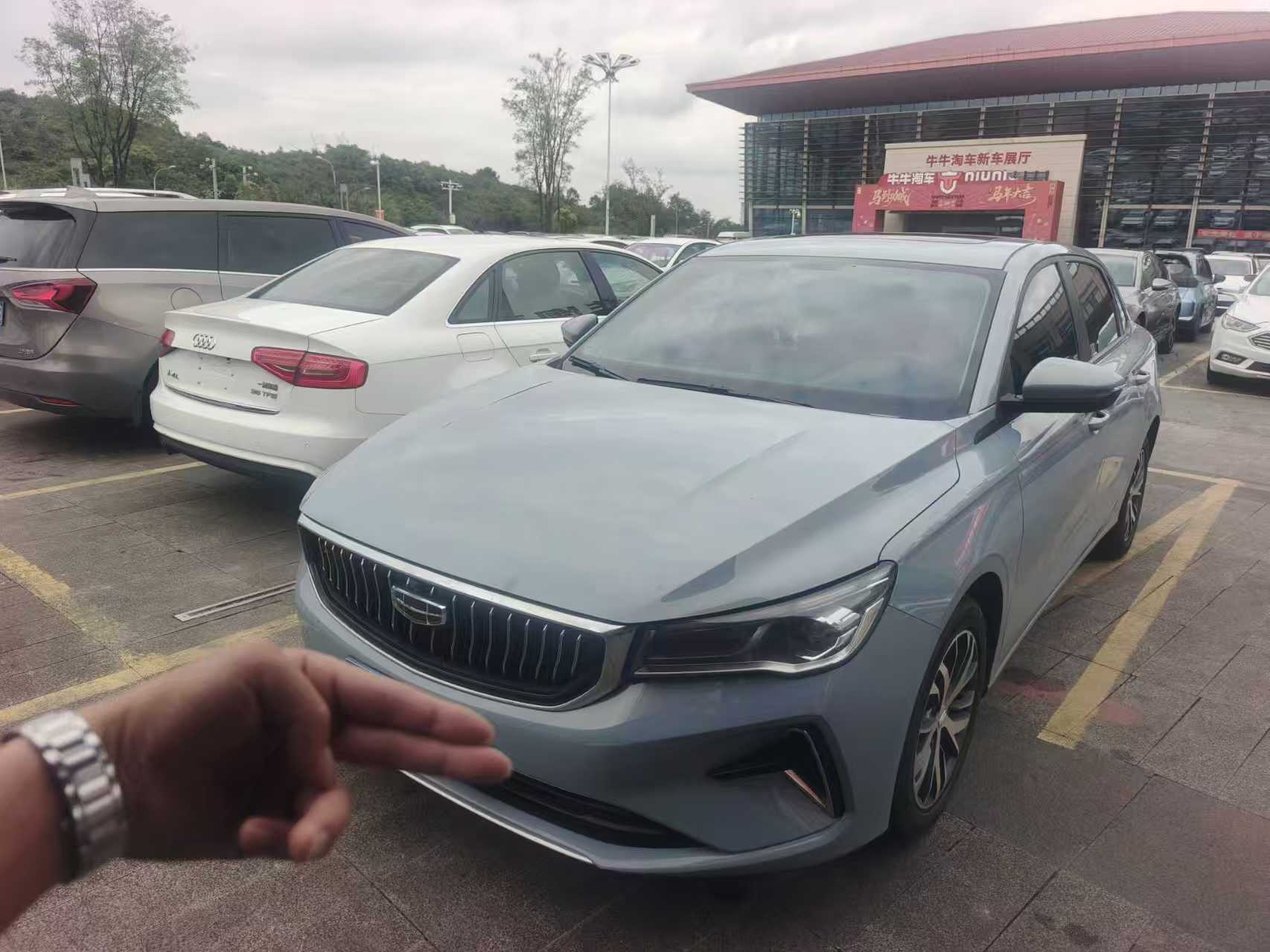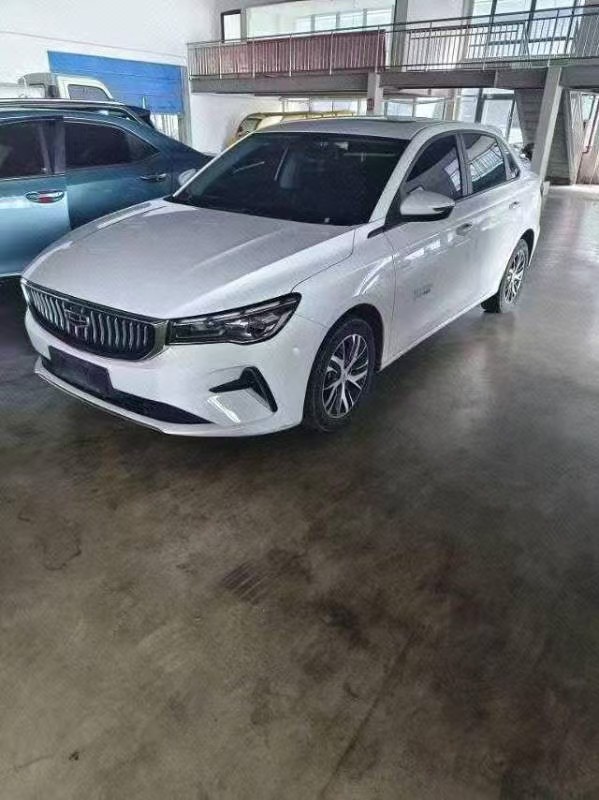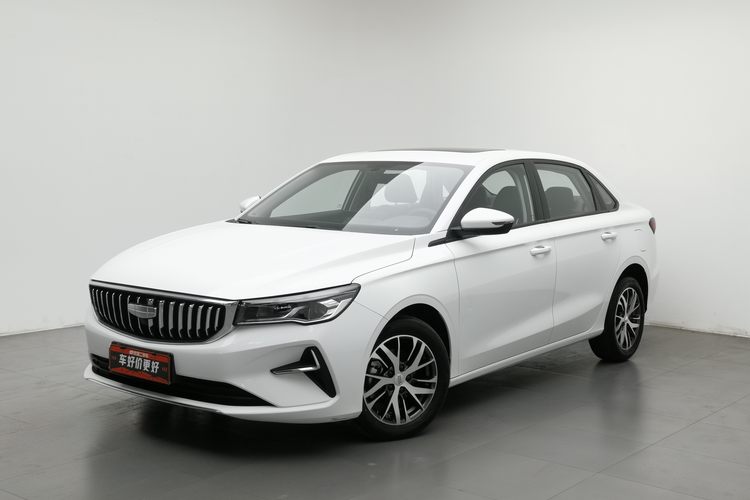



Stock

Basic Information

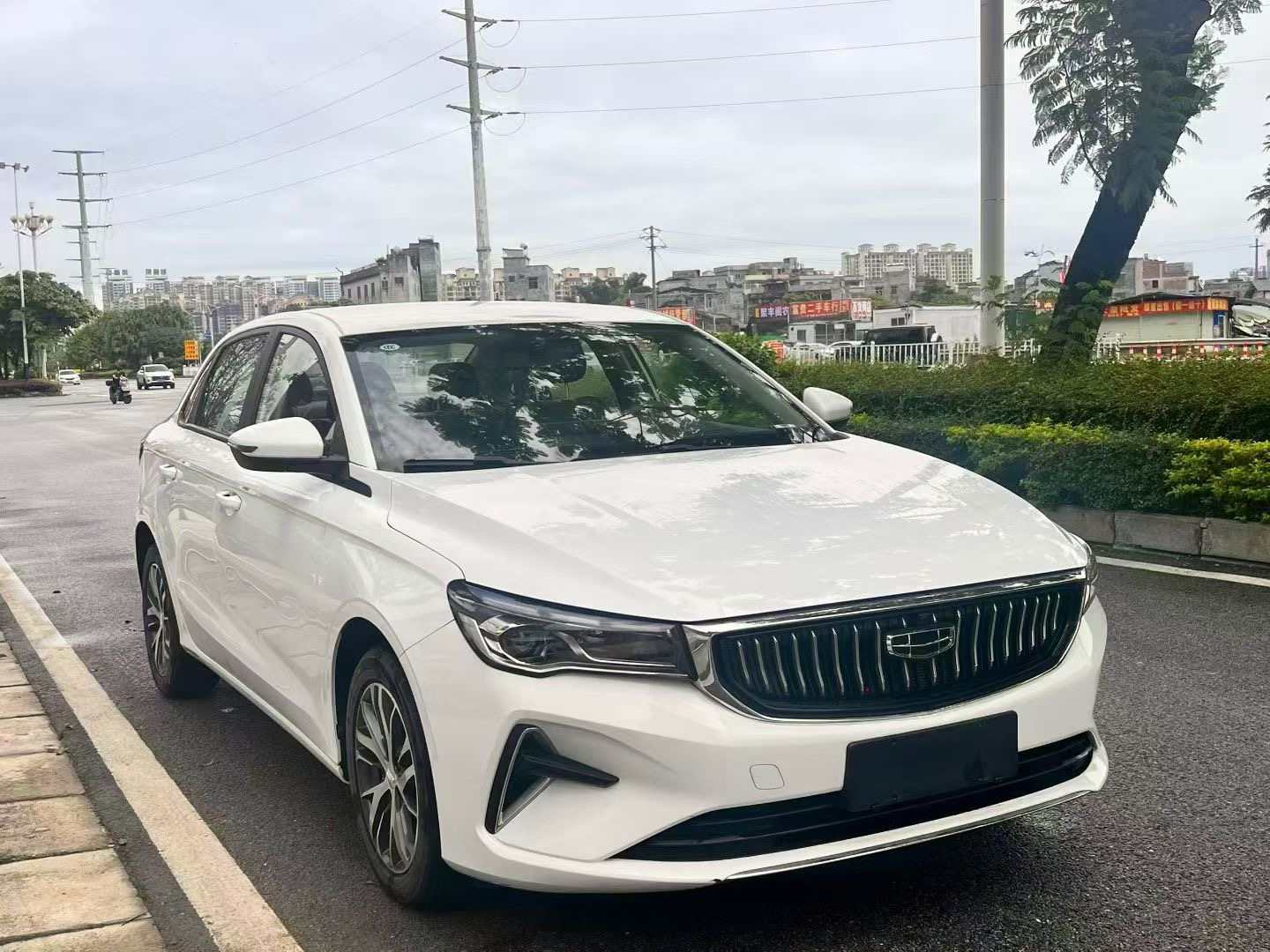
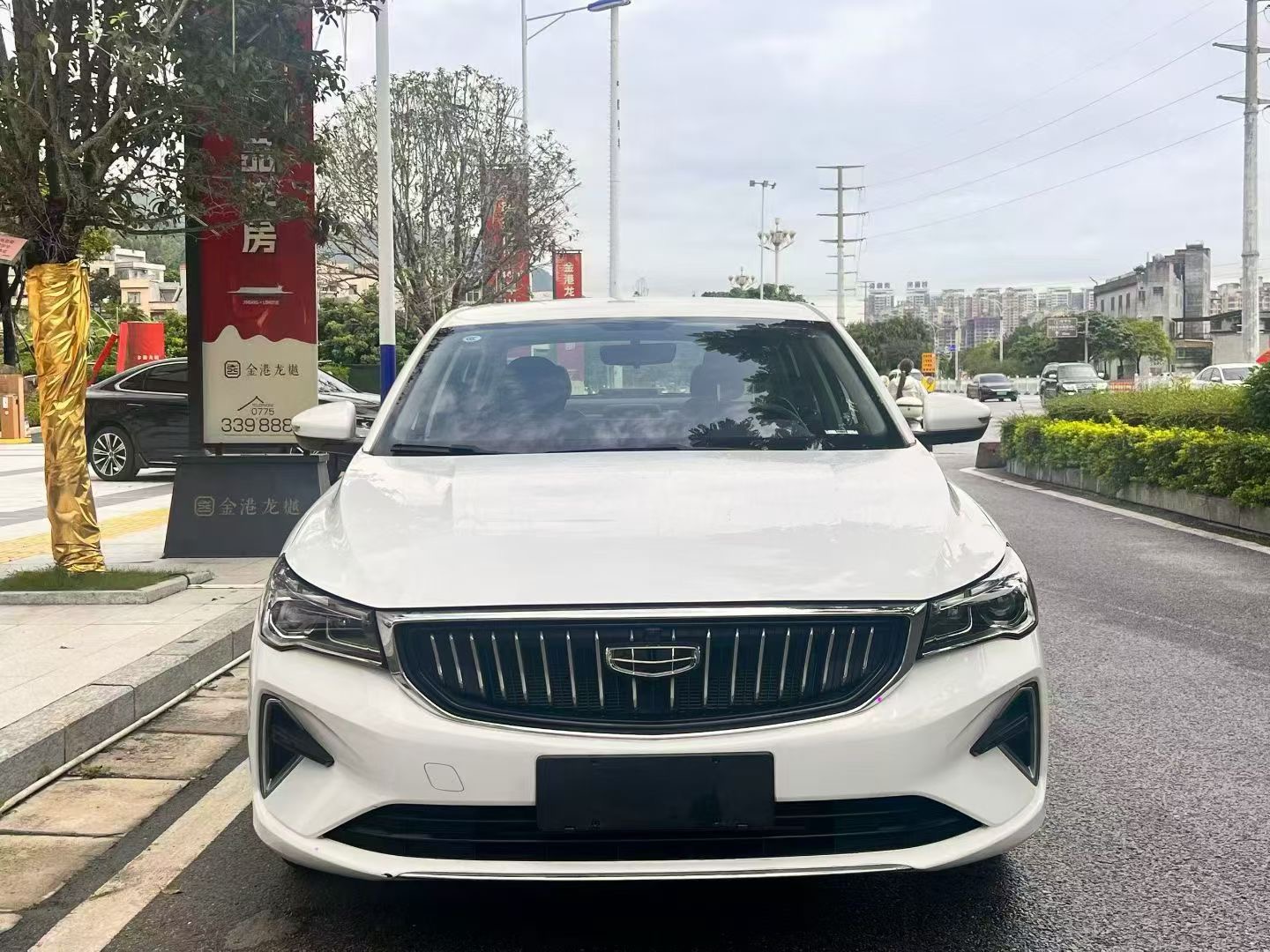
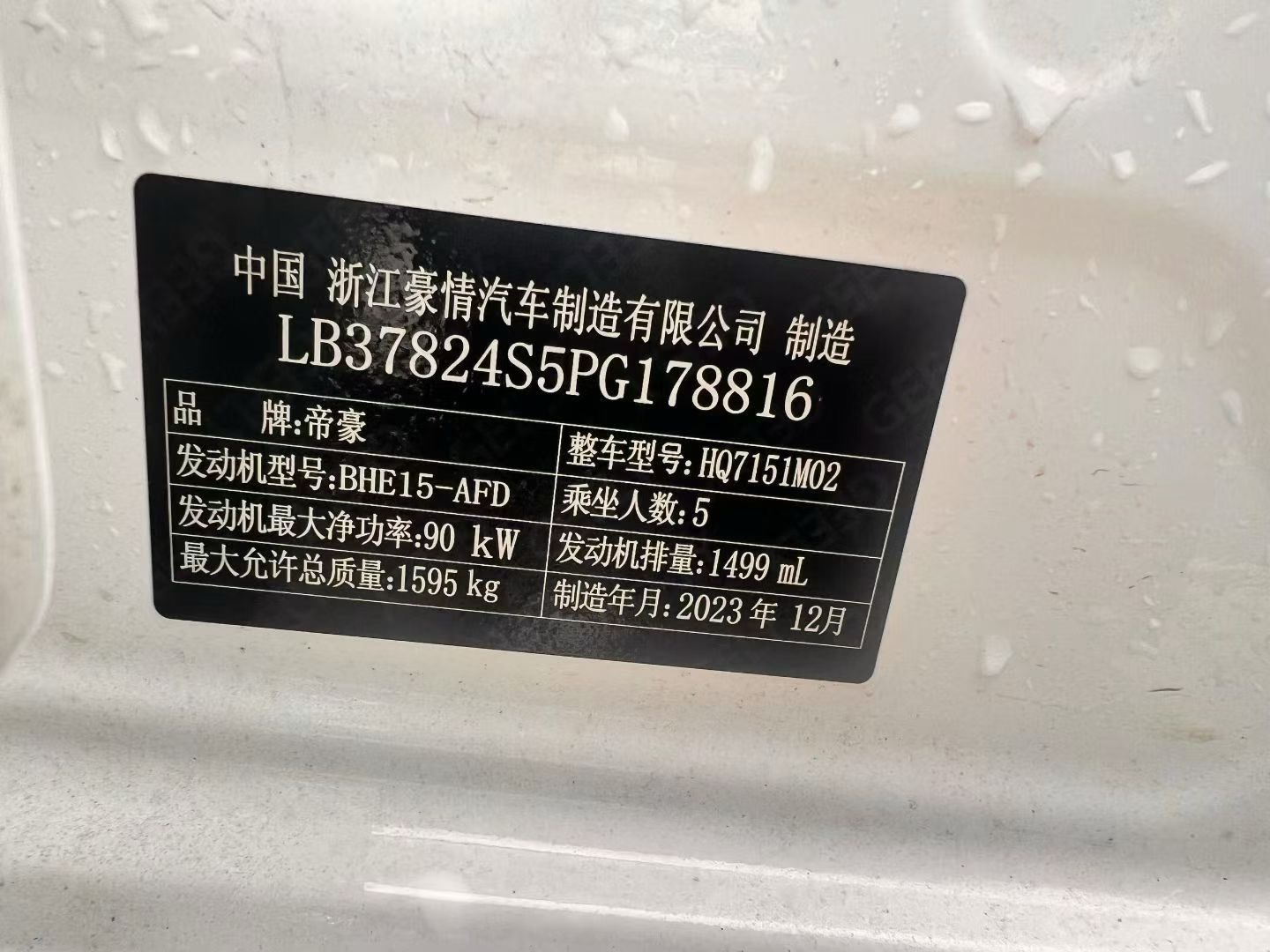
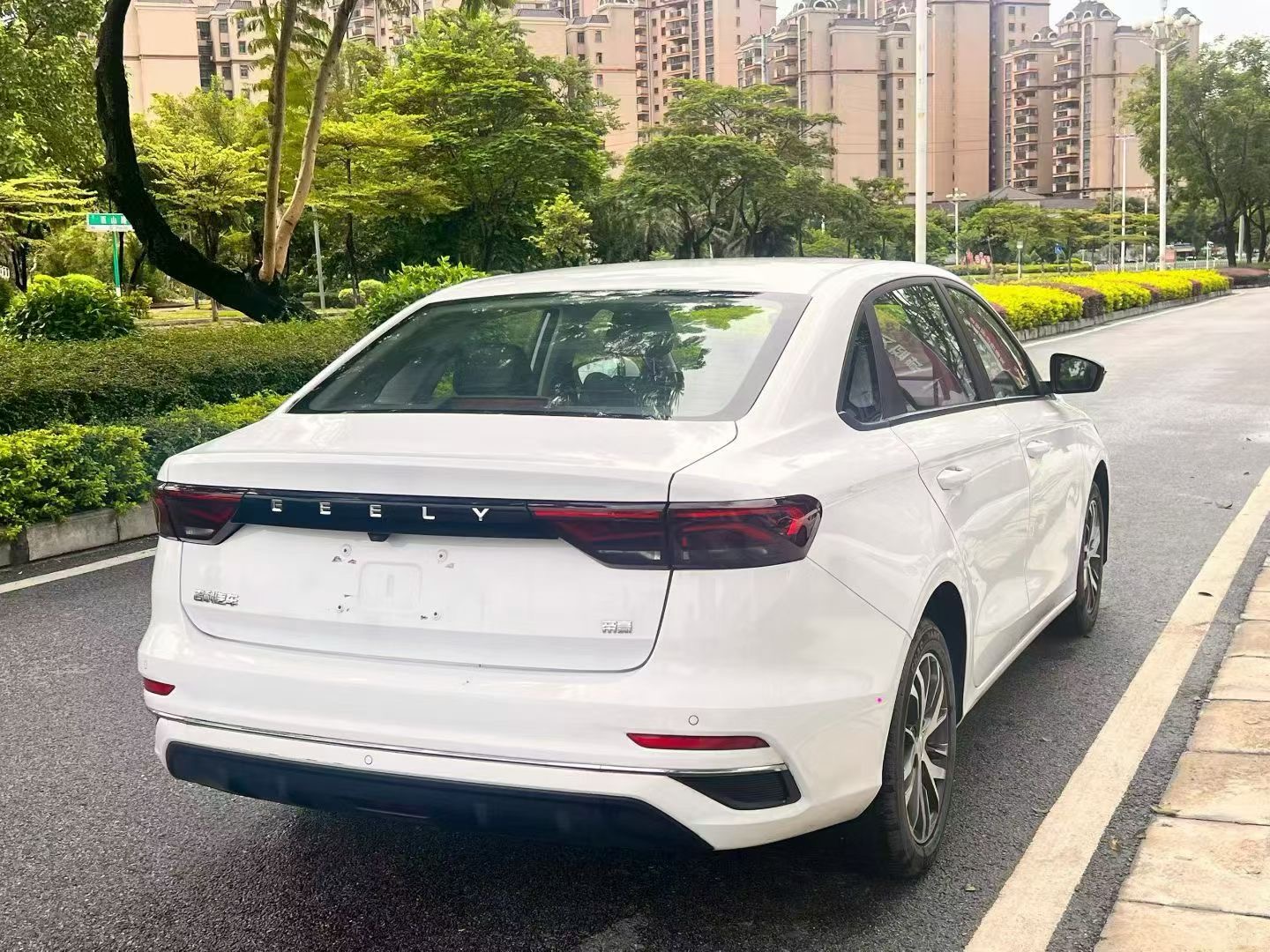
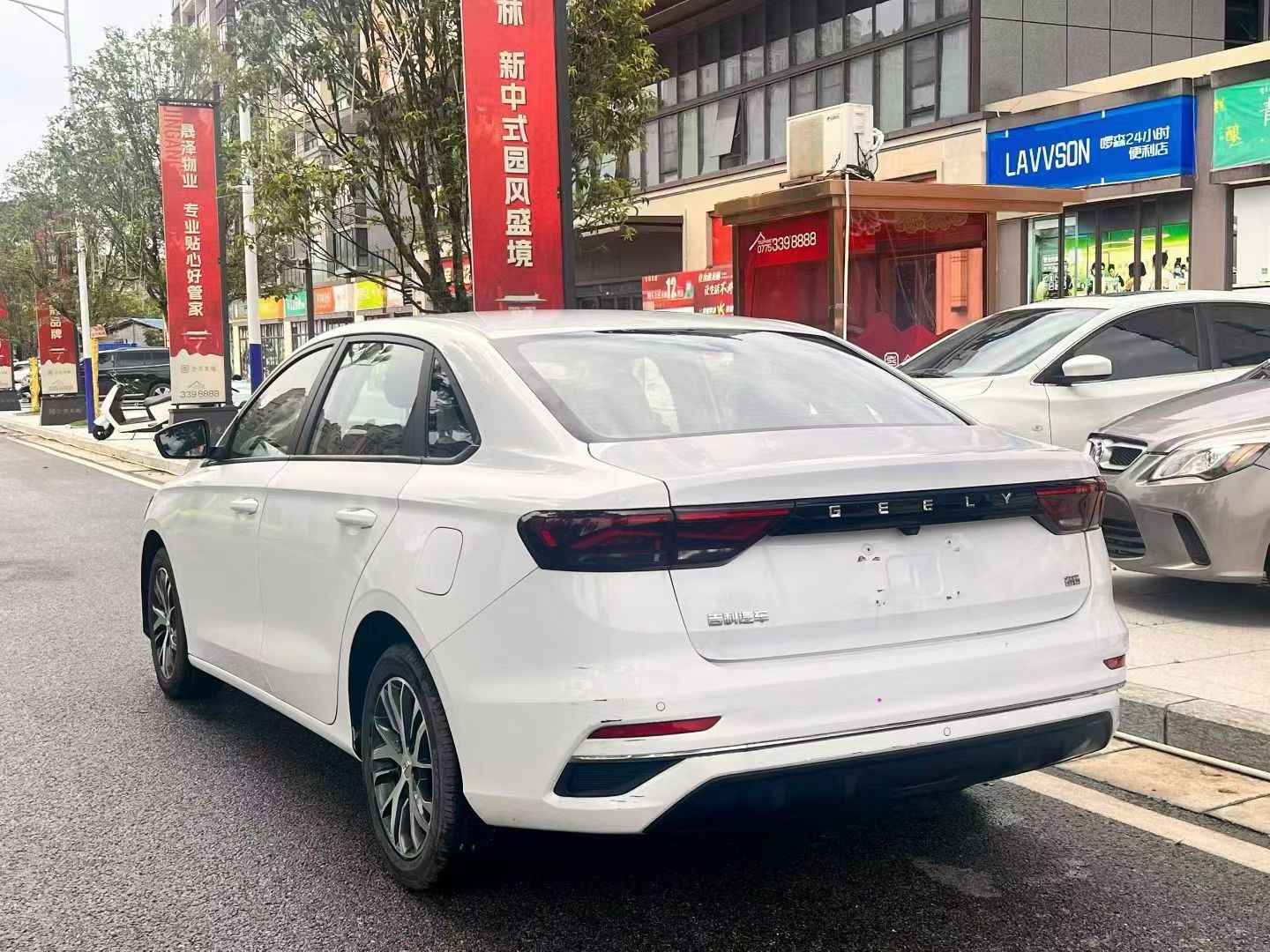
BrandGEELY
SeriesEmgrand
Year2024
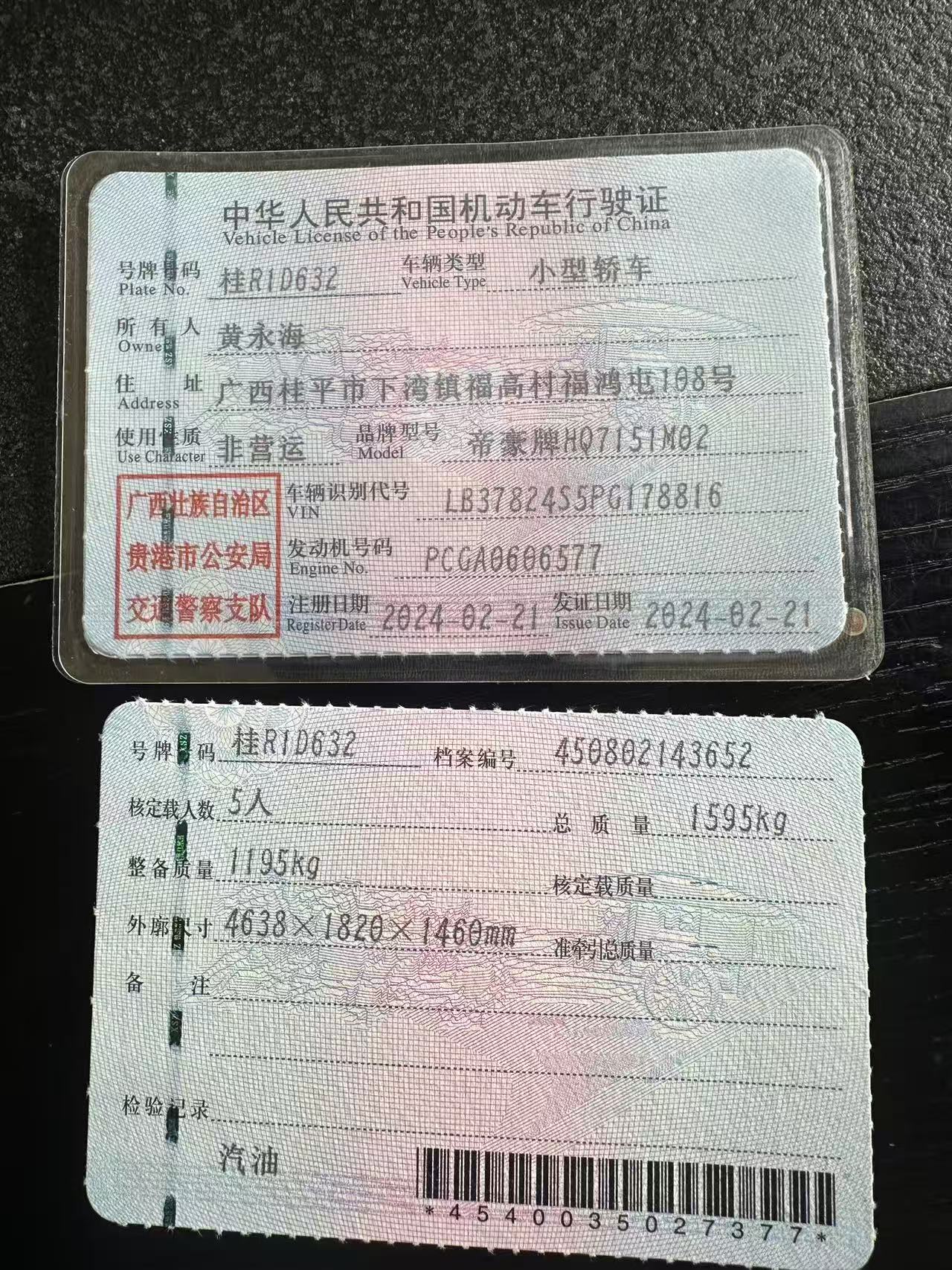
First Registration2024/02
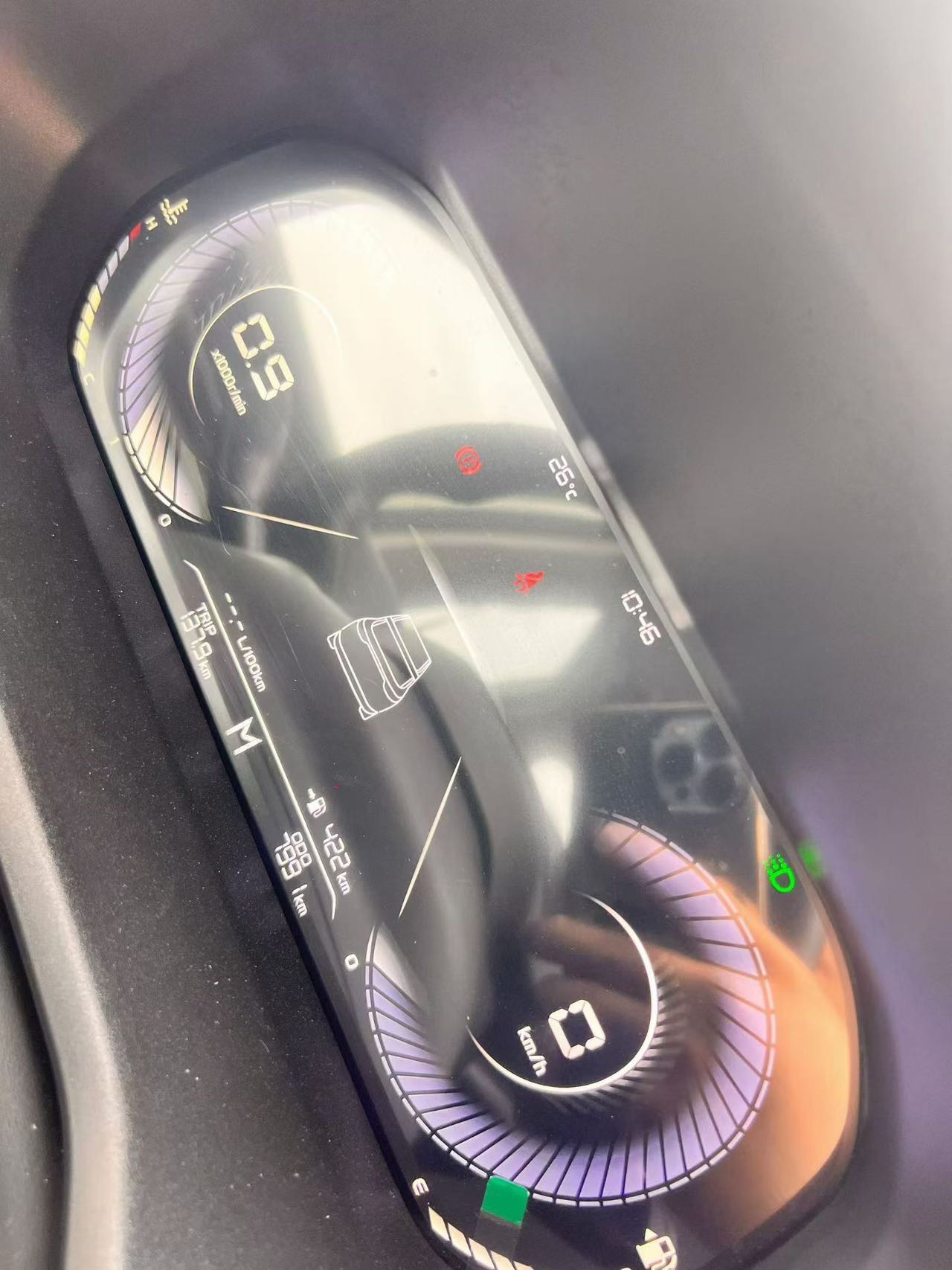
Mileage8,000km
Transfer Count1times
FuelGasoline
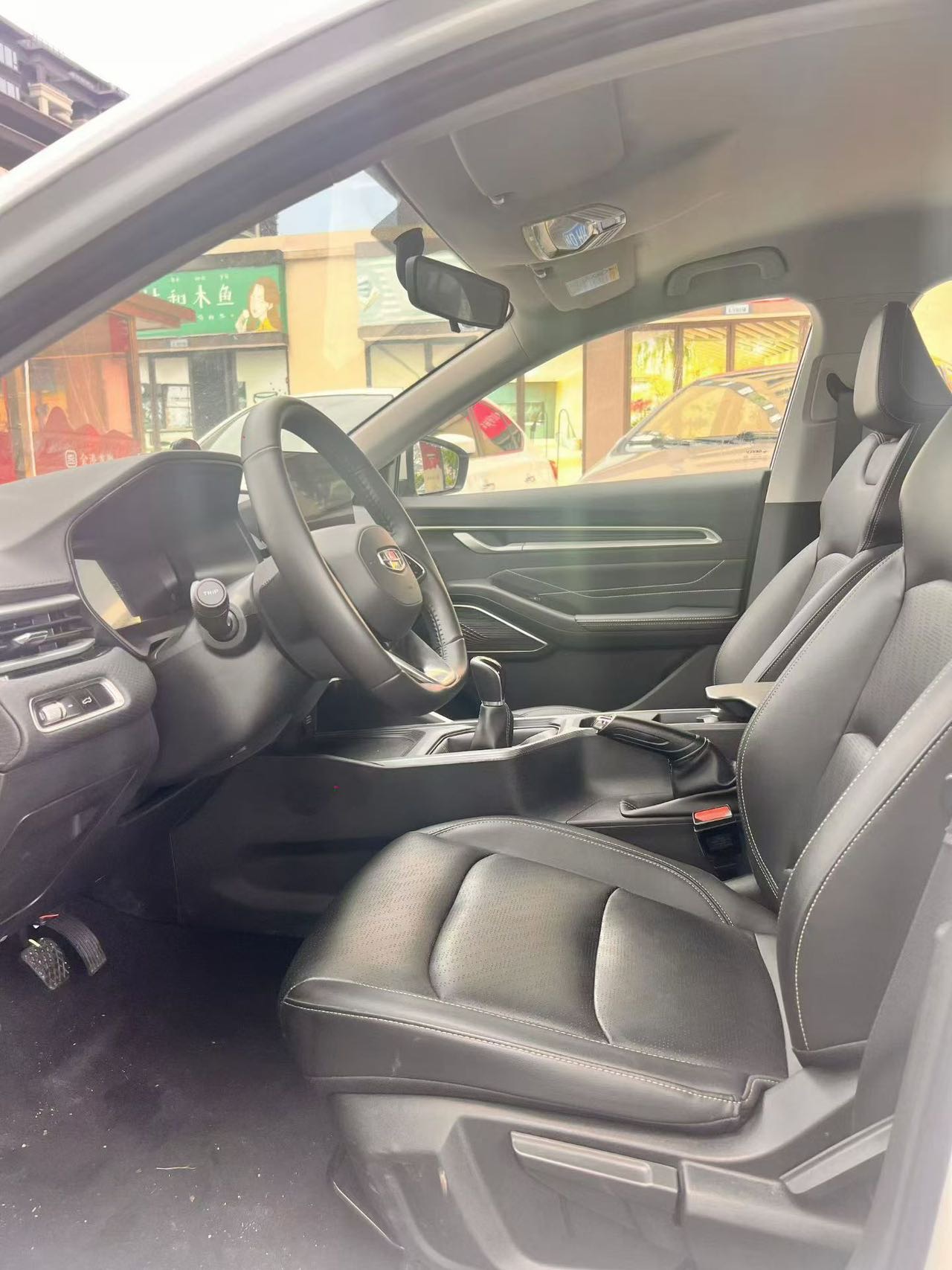
TransmissionManual
Engine1.5L 127 L4
ColorWhite
Seats5seats

Condition Description

Left front door shell, attachments, and interior trim panel replaced; left front door window glass replaced; left side mirror replaced.

燃油车
轿车
手动
维保开放
事故开放
查验开放

Configuration Highlights

✓品牌: 吉利汽车
✓车系: 帝豪
✓车型: 2023款 第4代冠军版 1.5L 手动豪华型
✓车身类型: 轿车
✓座位数: 5
✓排量: 1.5L
✓变速箱: 手动
✓能源类型: 燃油车
✓VIN: LB37824S5PG178816
✓搜索关键词: 吉利汽车帝豪 2023款帝豪第4代冠军版1.5L手动豪华型

Document Information

Inspection Expiry Date2028/02
Warranty Expiry Date-
Insurance Expiry Date2027/02

Q&A

More

When buying a used Chinese EV, how do I read the battery health (SOH) report, and what percentage is still acceptable for import?

State of Health (SOH) tells you how much of the original battery capacity remains. Here's how to use it. Reading the report: SOH is usually shown as a percentage of original capacity. A car at 90% SOH retains roughly 90% of its original range. Also check for cell imbalance (voltage spread between modules)—a low SOH with balanced cells is often fine, but high imbalance causes sudden range drops and charging problems. Acceptable thresholds: for a car under 3 years old, expect 90%+ SOH. For 3-5 years, 85-90% is normal. Below 80% SOH, the battery may soon need replacement—replacement costs can exceed the car's value, so negotiate hard or walk away. How to verify: don't trust a screenshot. Ask for a live screen recording of the diagnostic app (like the brand's official tool) starting from the car's VIN page. Cross-check the fast-charging curve: a healthy battery charges at near-peak rate up to 60-70%; a degraded one tapers early. Finally, remember that hot climates degrade batteries faster—if the car spent its life in southern China, scrutinize SOH more carefully.


How to confirm that the car windows are all original factory parts and not replaced due to an accident?

The technician will check the production date codes and brand logos in the lower left corner of all the car's glass (including the windshield, four doors, and rear window) to see if they match the vehicle's factory date on the nameplate. If any glass is found to have a date later than the vehicle's production date, it will be recorded as evidence of a "previous damage replacement."

How does the buying process actually work step by step when importing a used car from China?

A typical safe flow looks like this: 1. Sourcing: you pick a car from listings; the exporter confirms availability, sends photos, video and a condition report. 2. Contract: a written sales contract stating VIN, price, included costs, inspection standards and delivery terms (FOB or CIF). 3. Deposit: usually 10–30% after you or a third party verify the car. Pay to a company account, never personal. 4. Inspection: independent pre-shipment inspection; you approve the report before shipping. 5. Balance payment: due before shipment, against copy of the bill of lading. 6. Shipping and documents: exporter sends original documents by courier; you track the vessel. 7. Arrival: your customs agent clears the car, you pay duties and collect it. Timeline: typically 3–8 weeks from deposit to arrival, depending on route. Any exporter pushing for 100% upfront payment should be treated as a red flag.