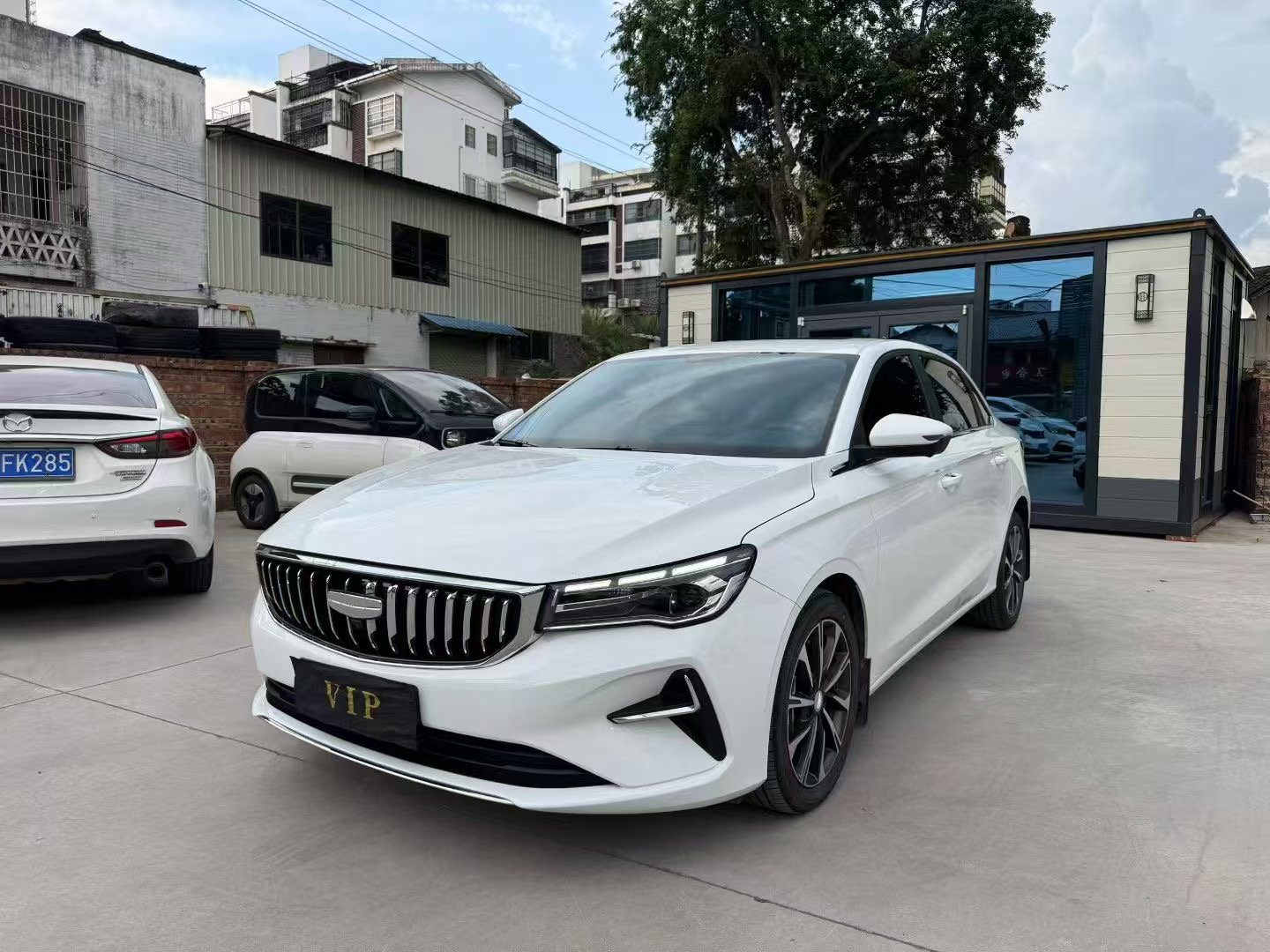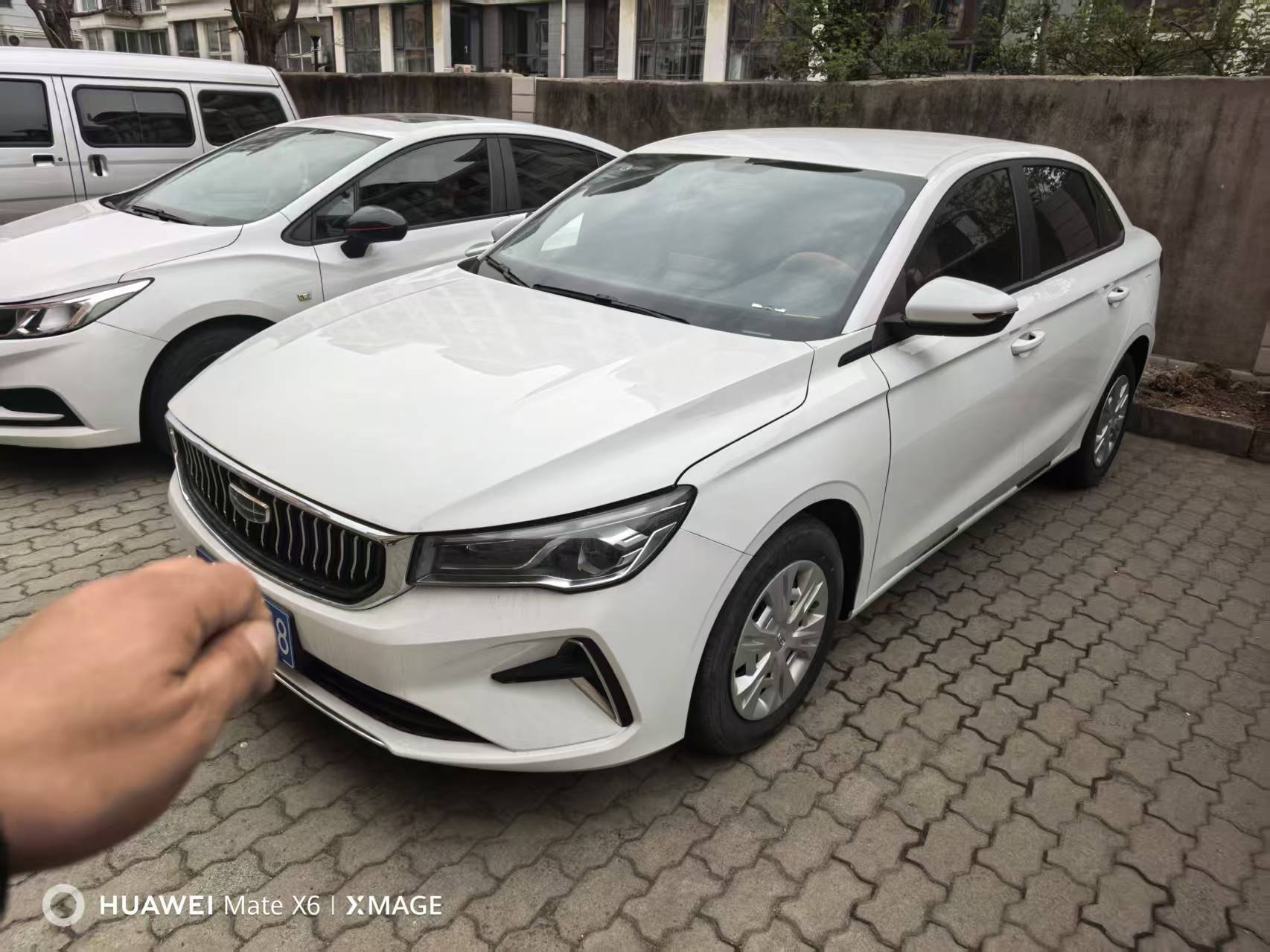


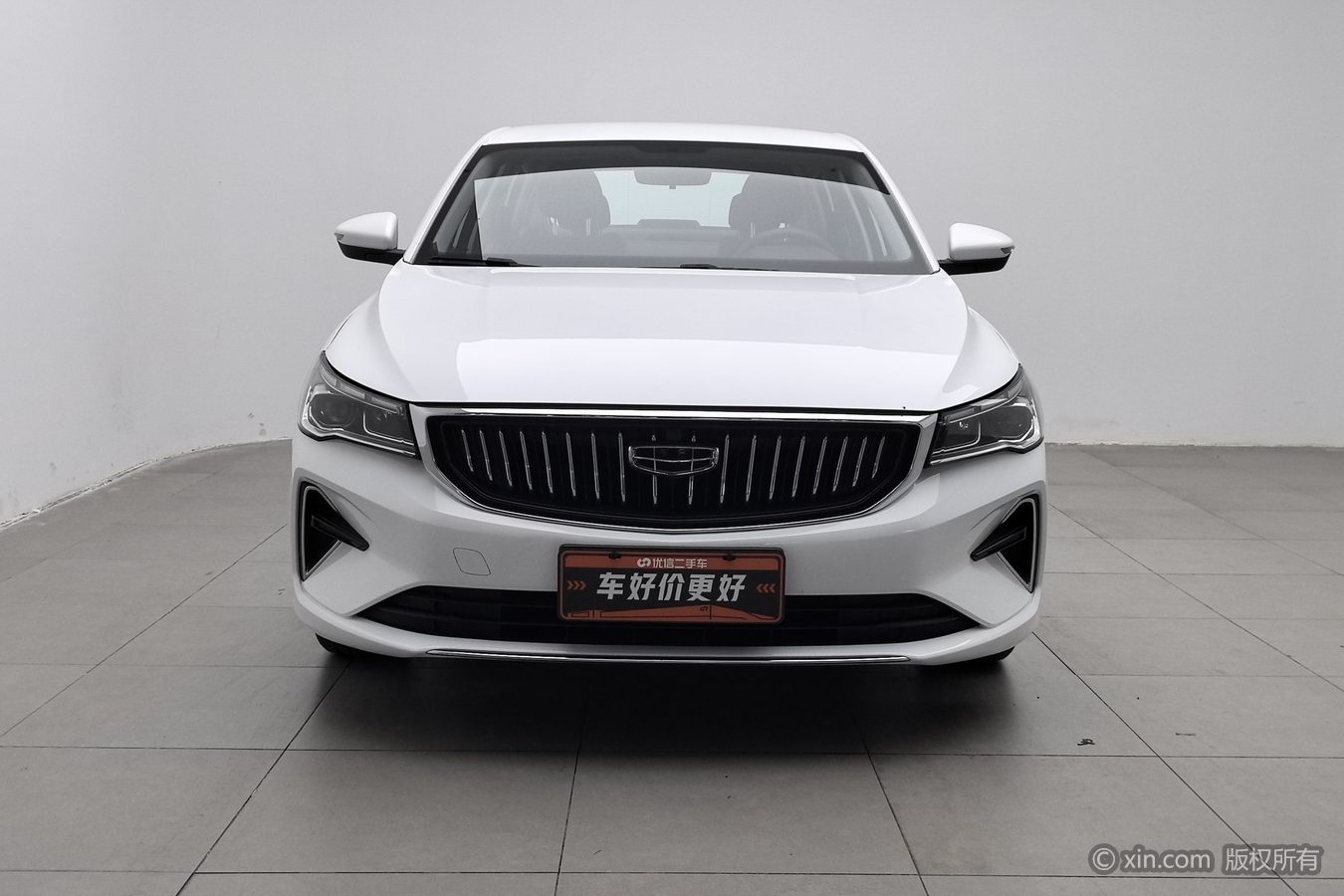
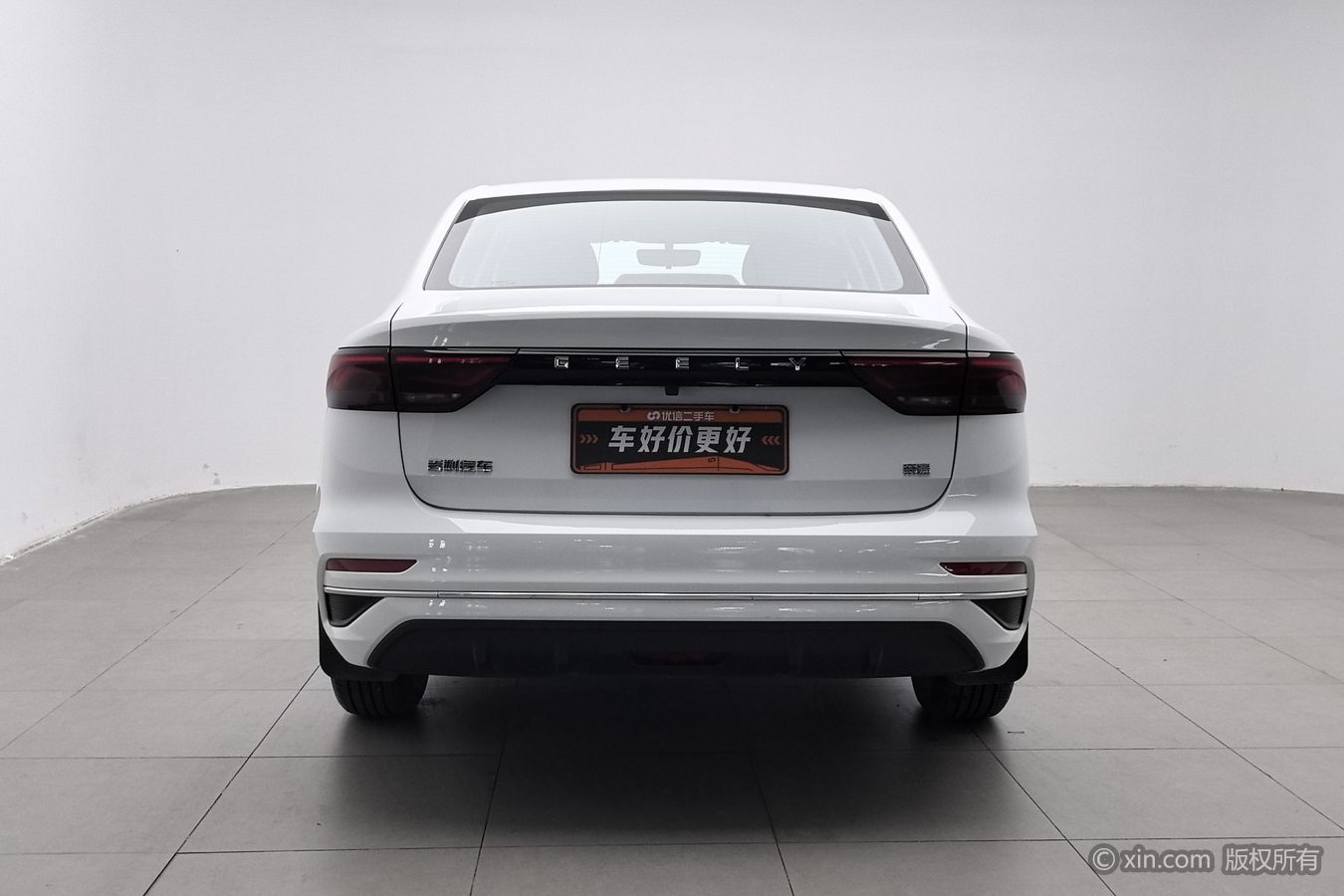

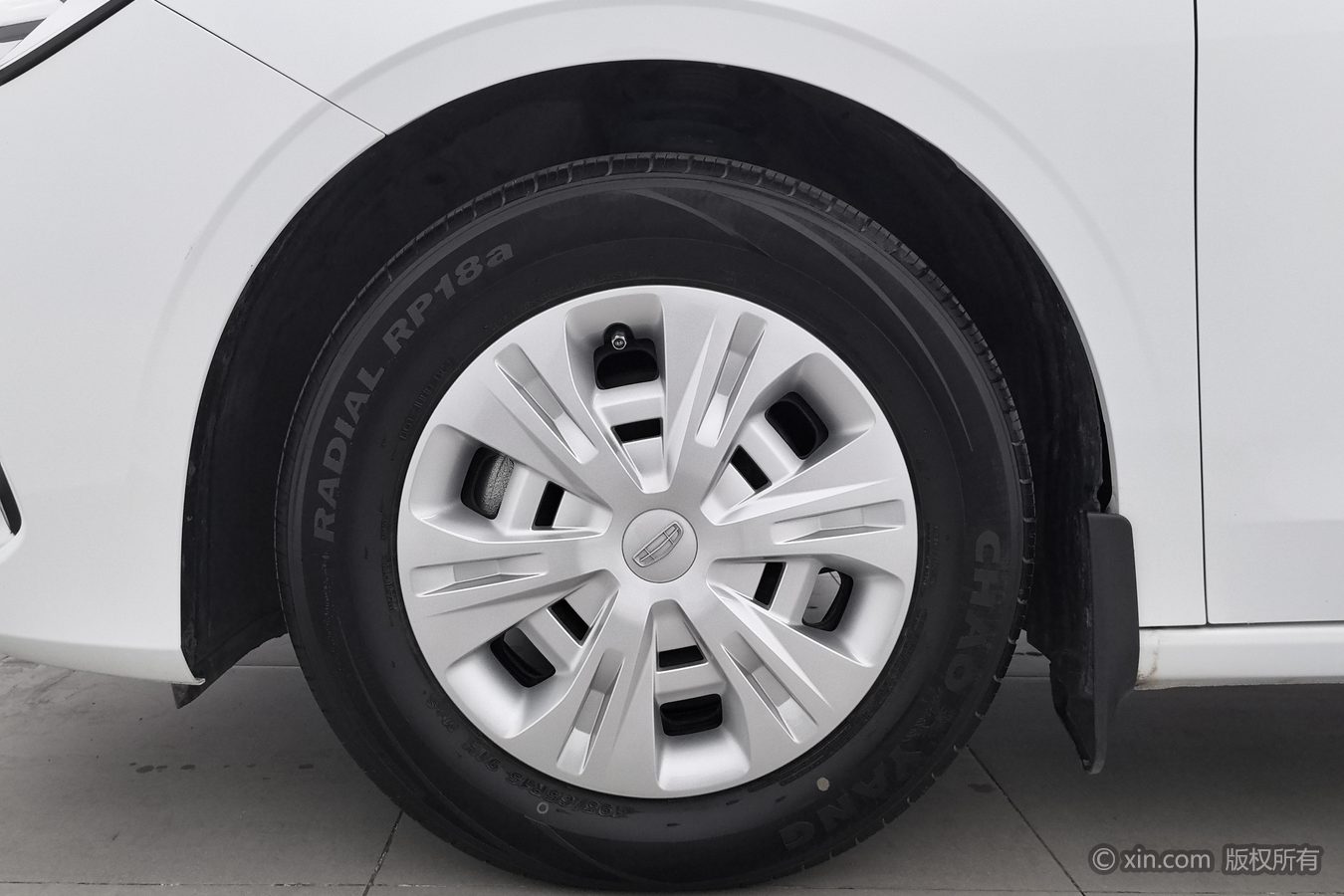
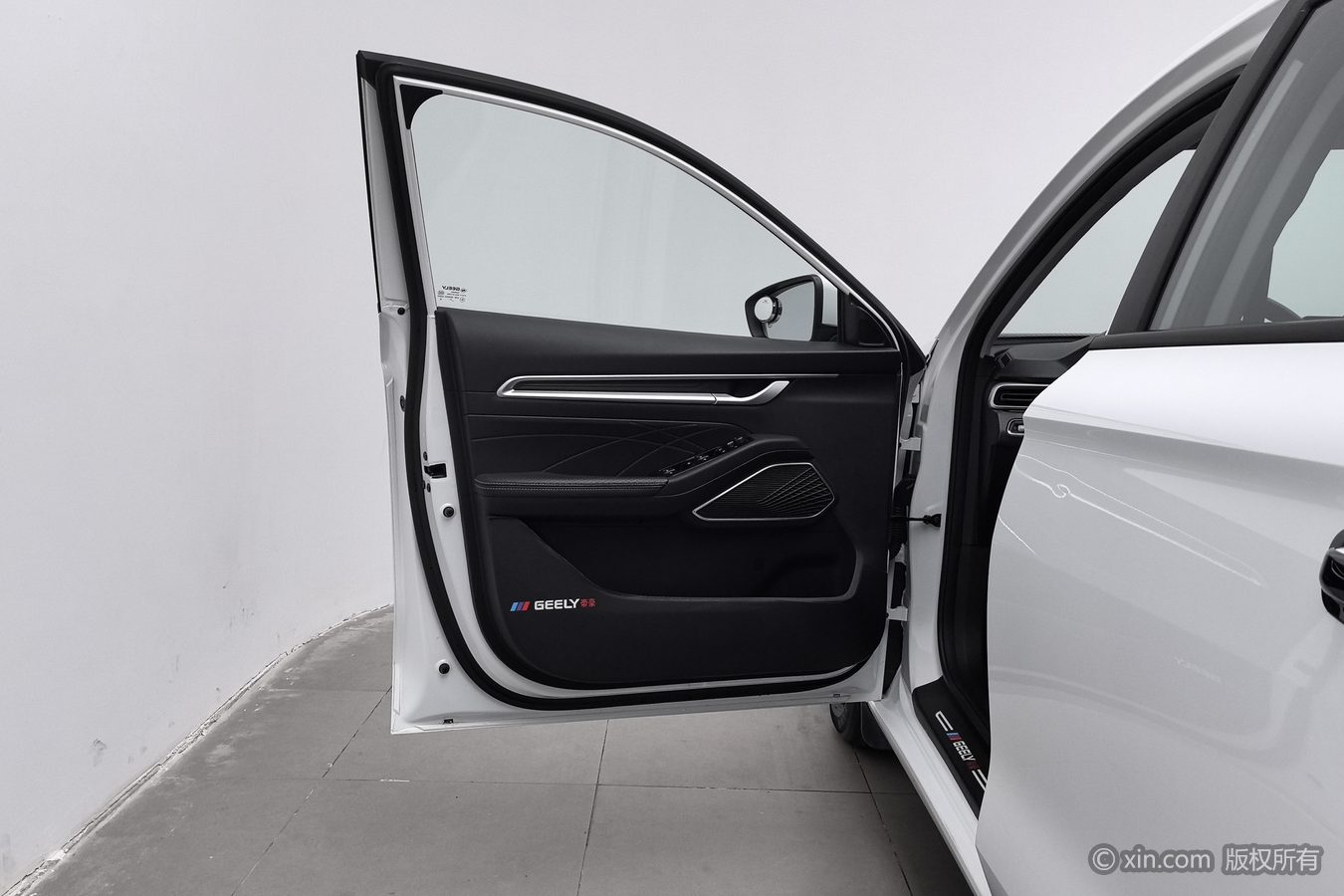
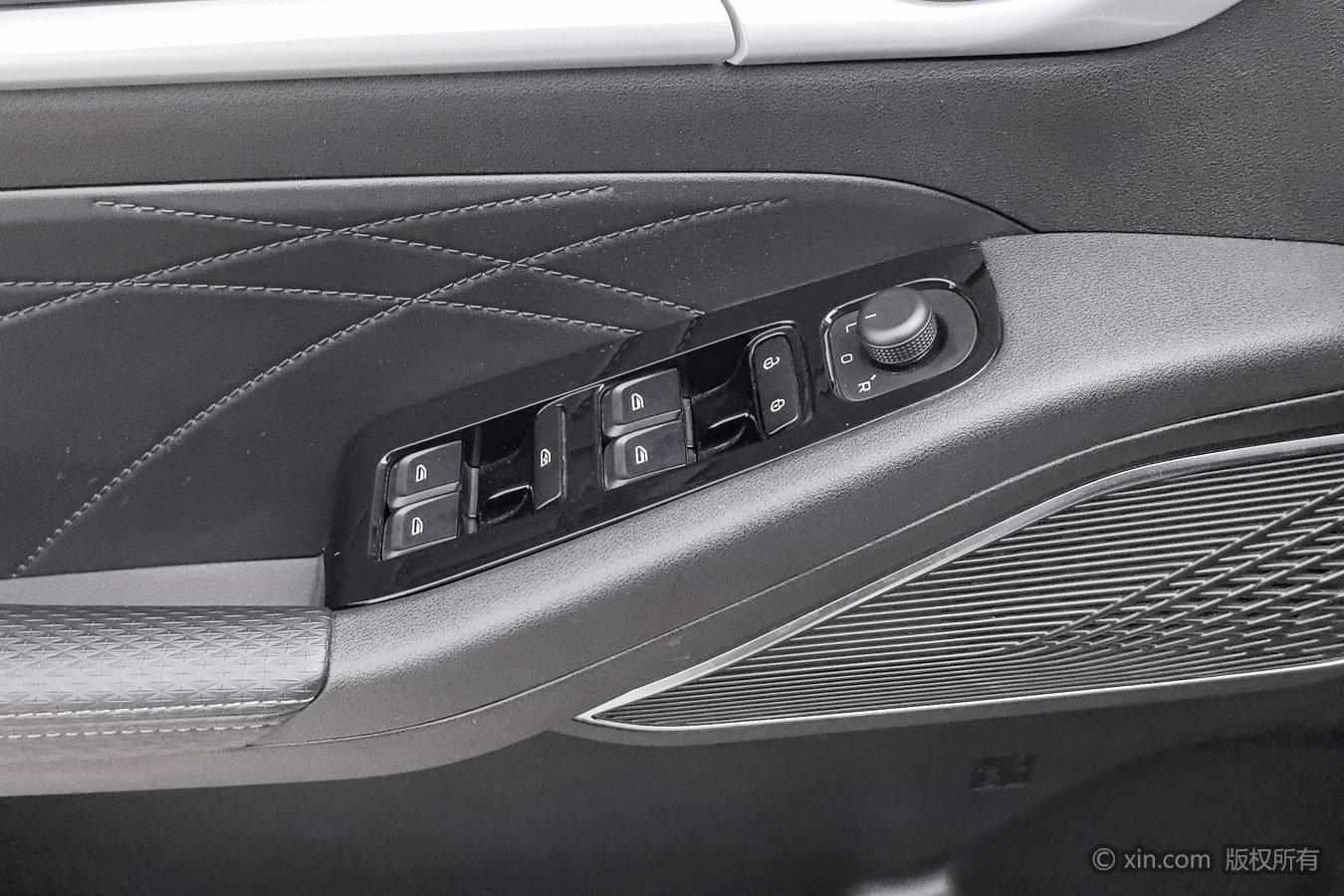
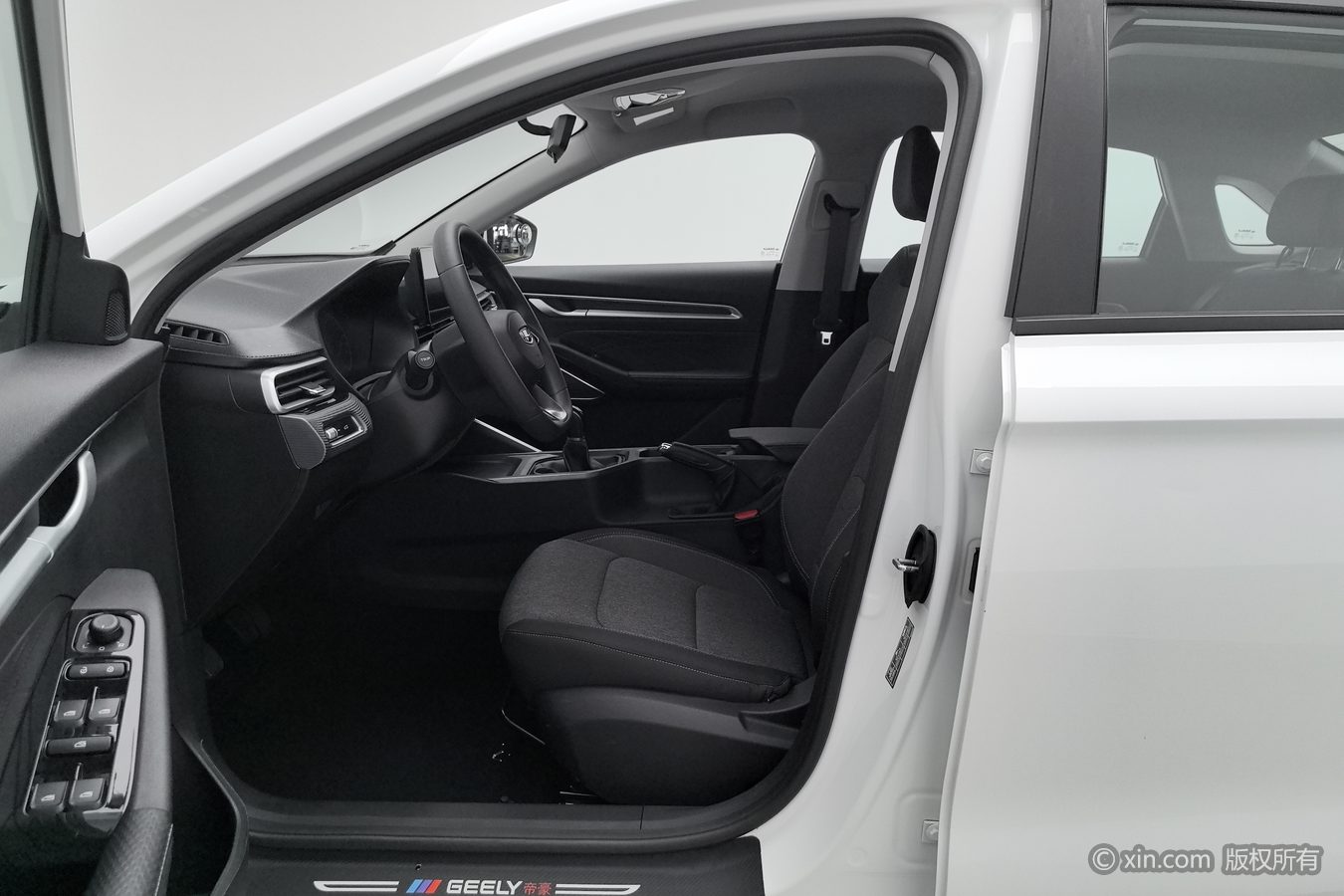
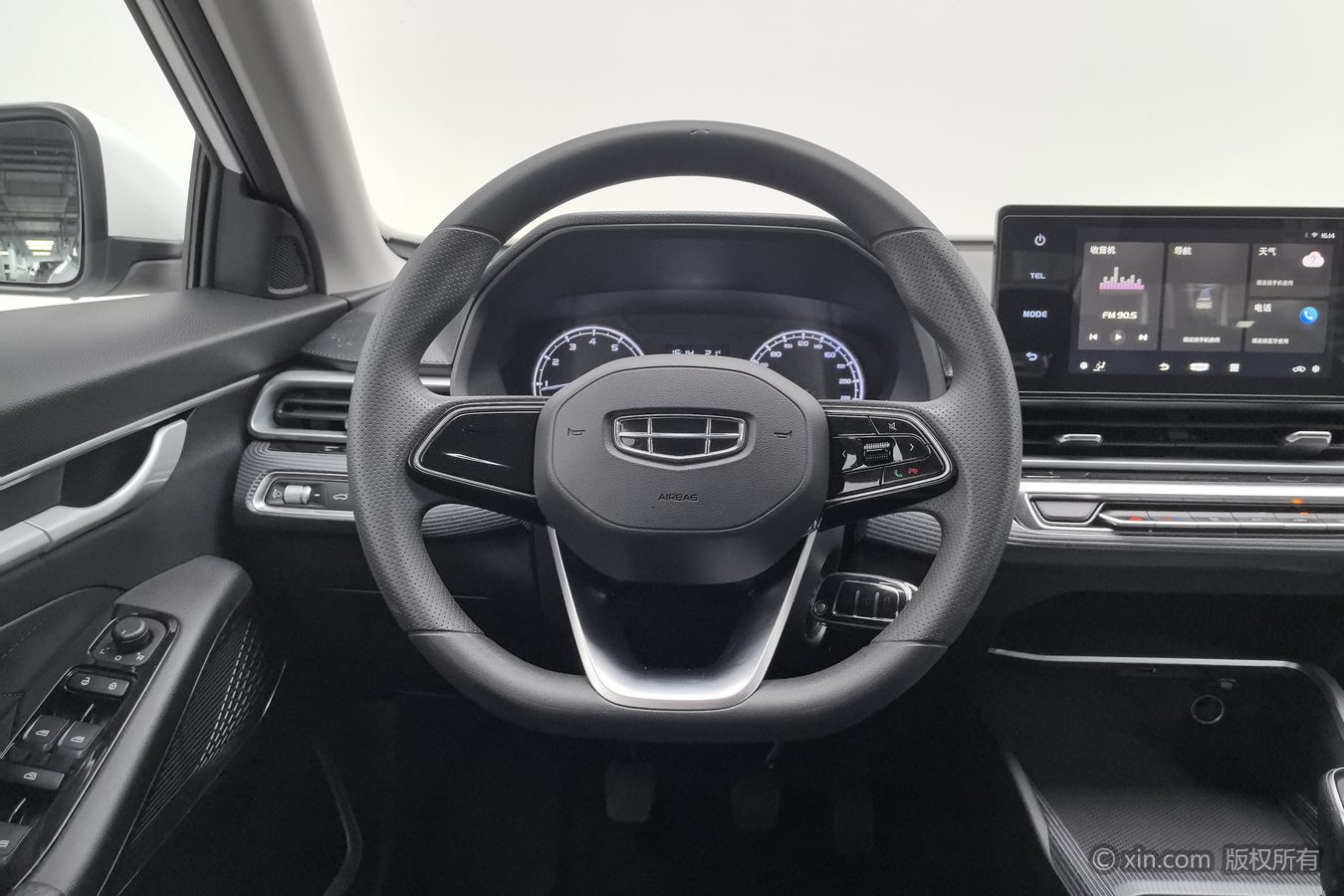
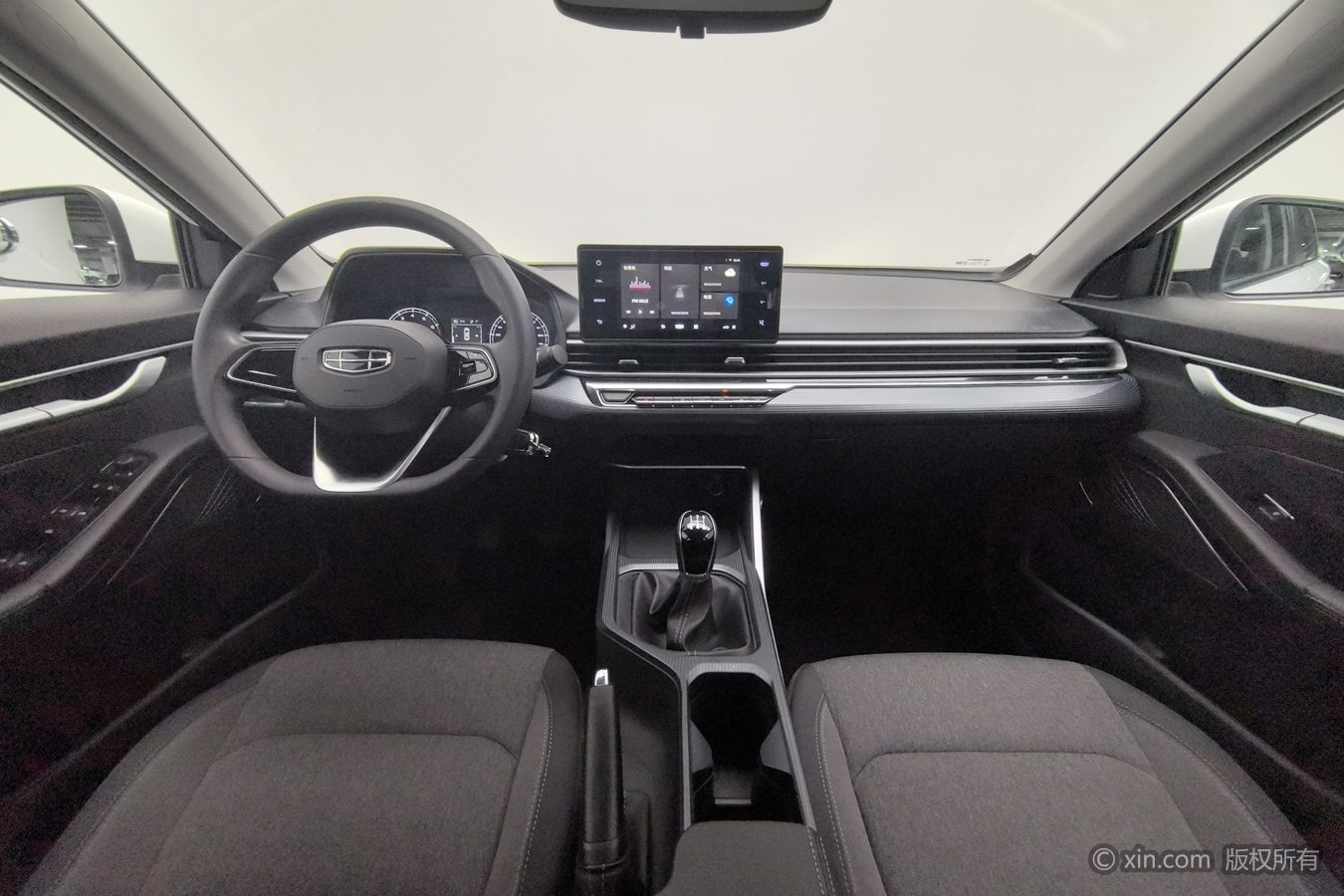
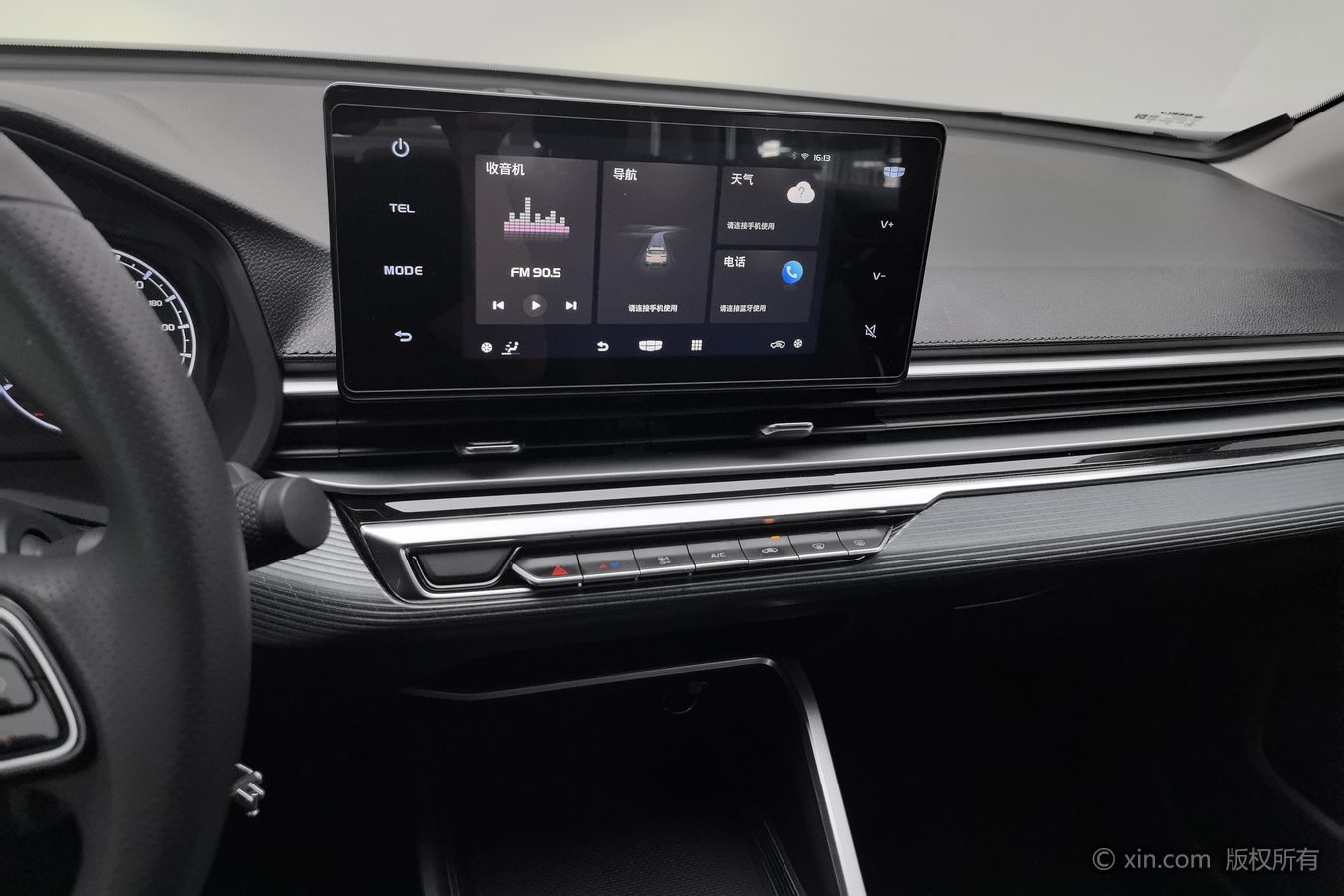
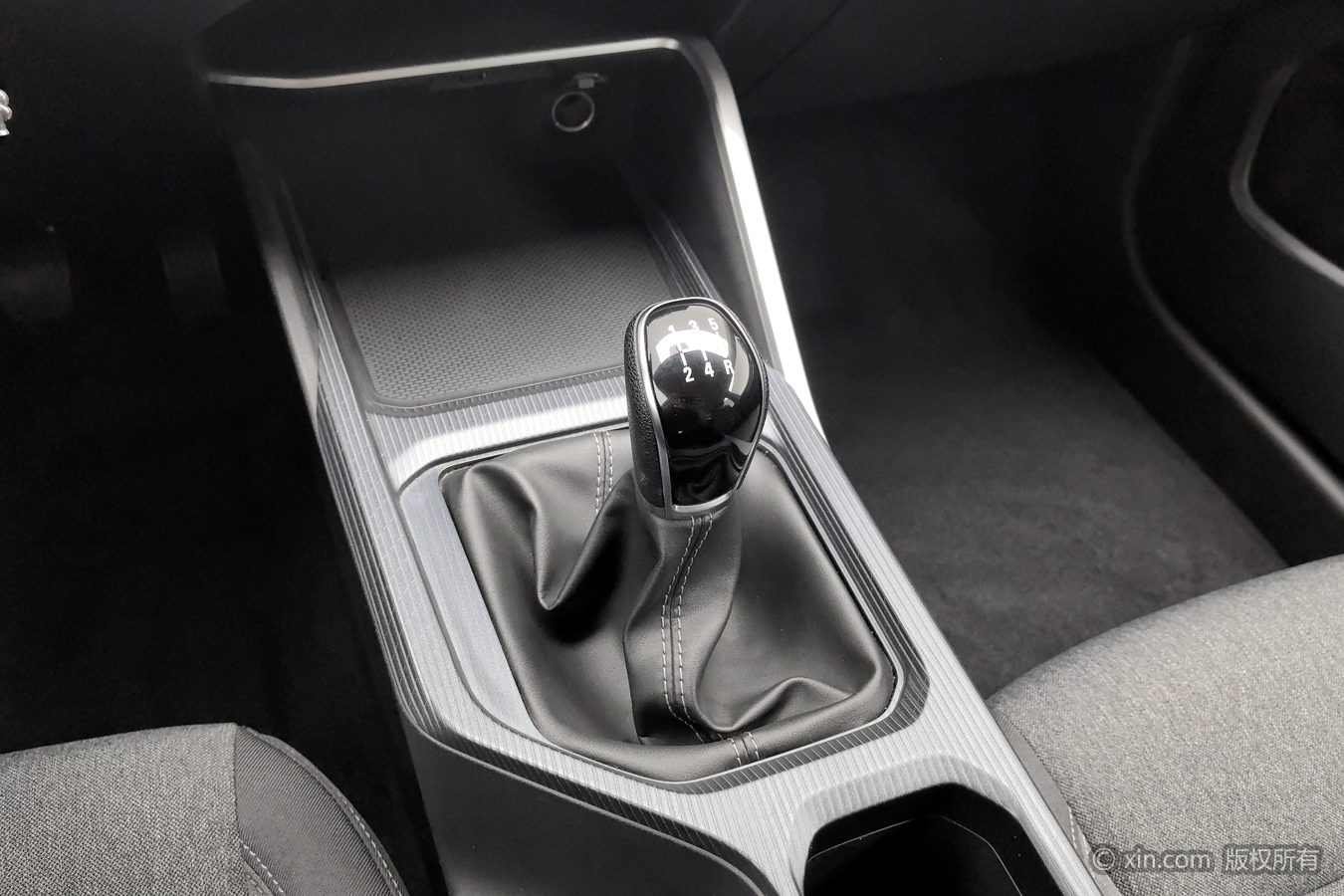
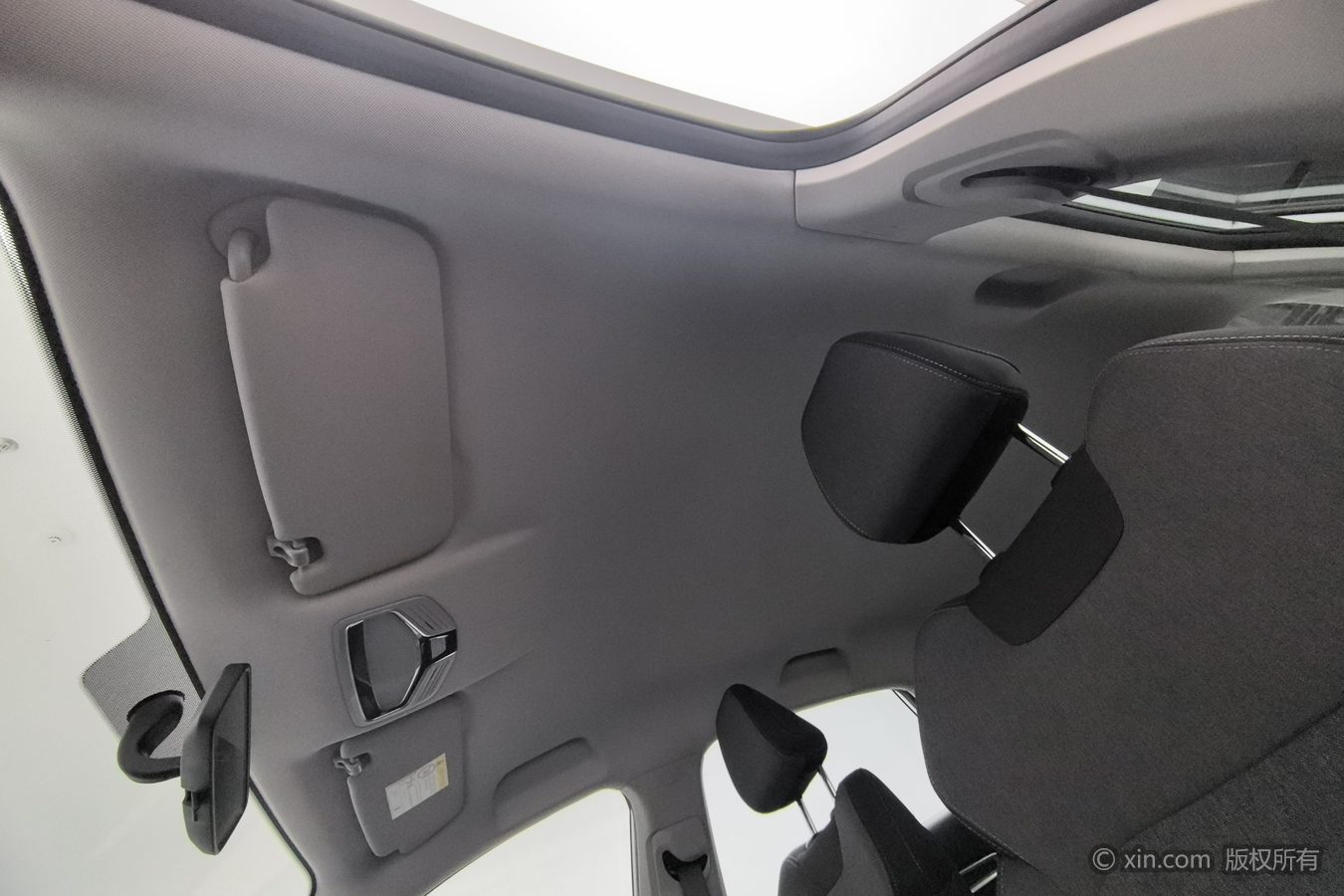
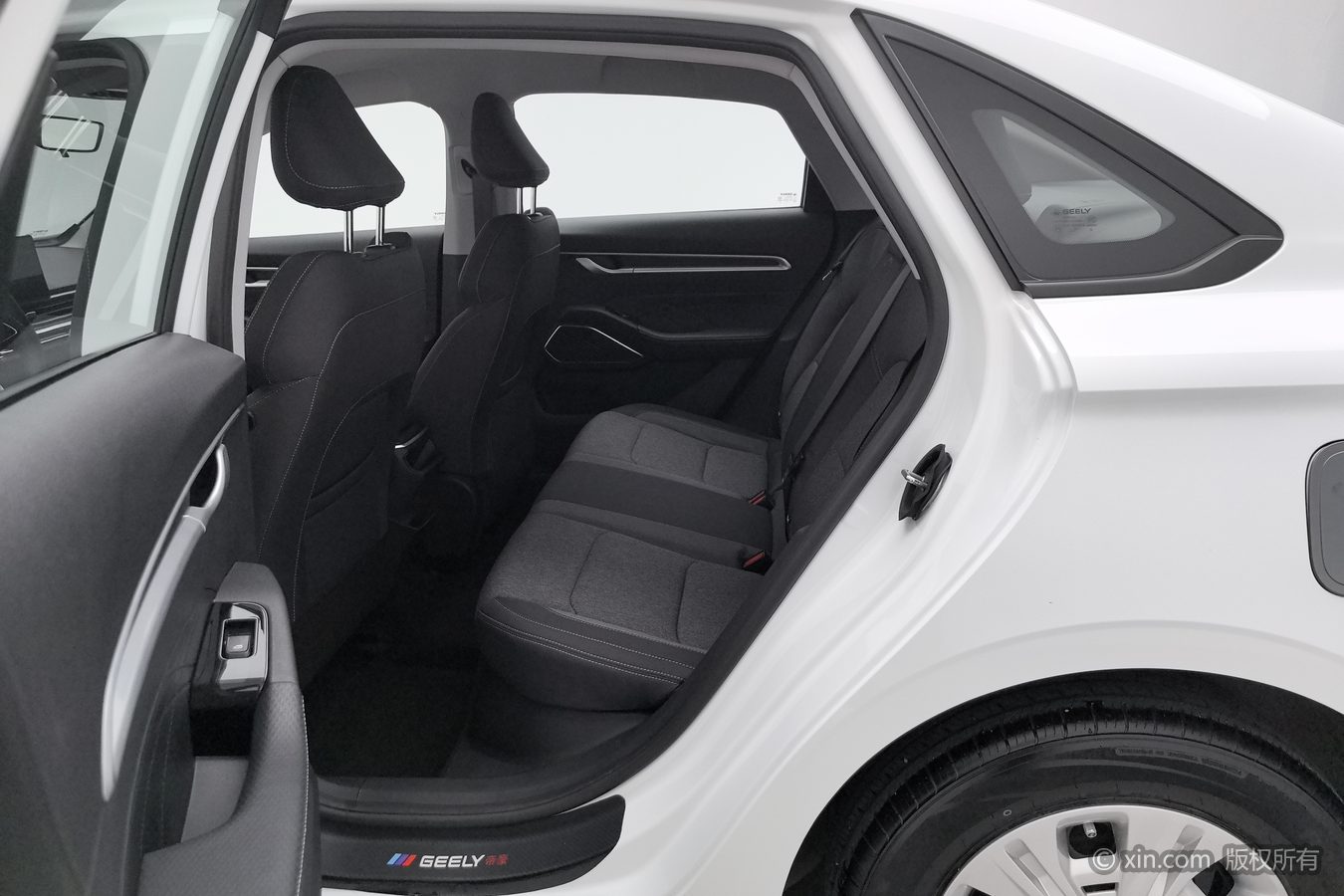
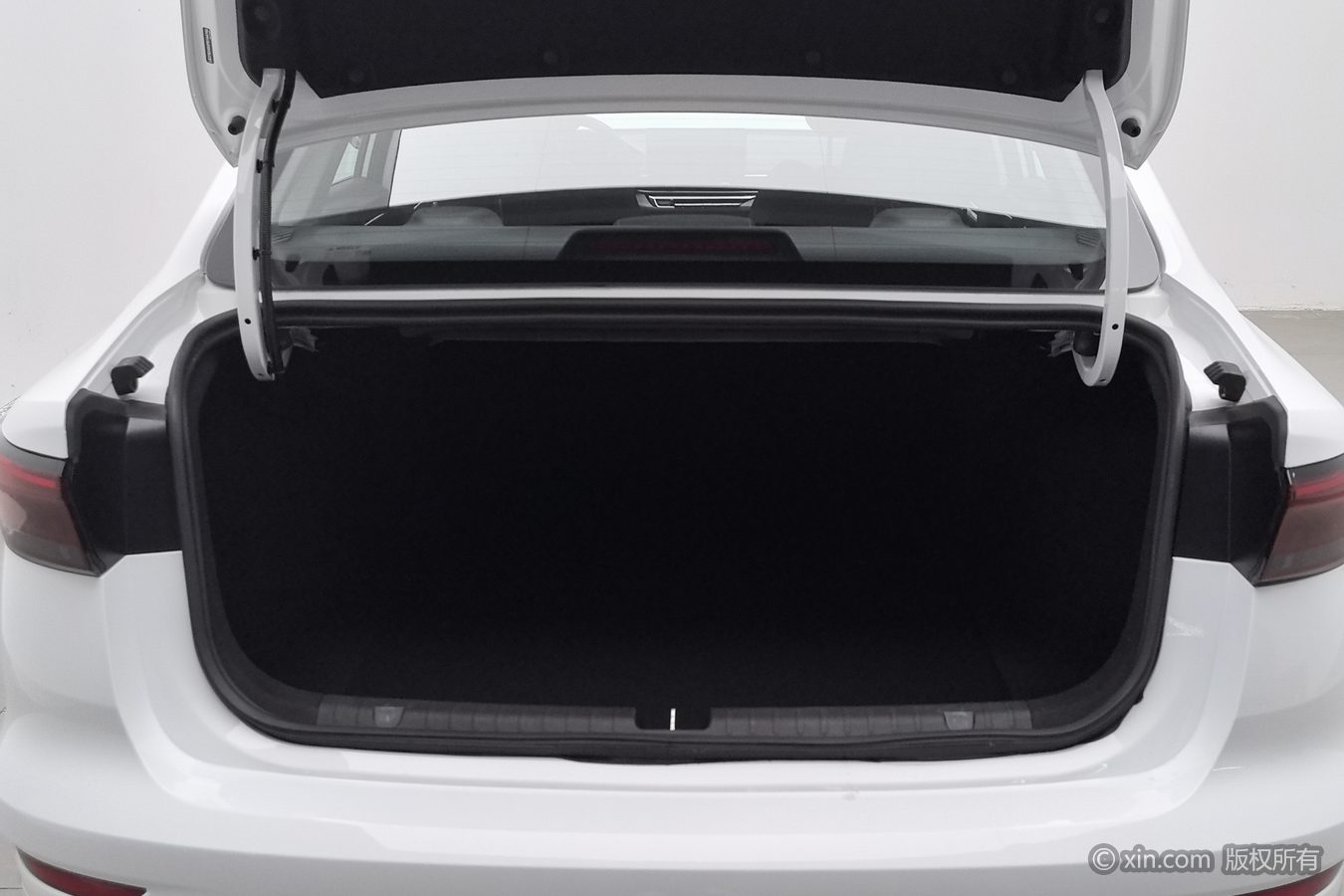
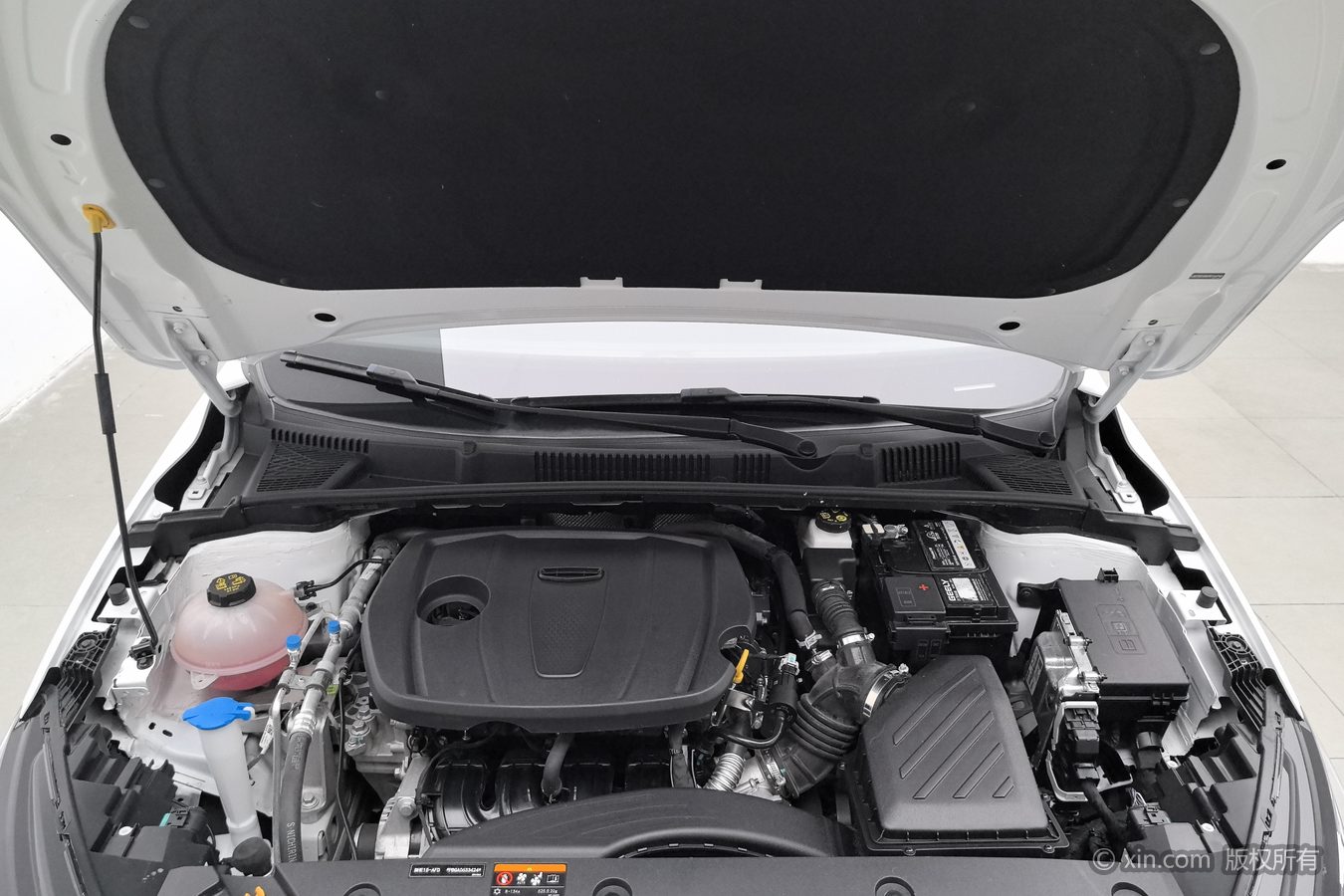
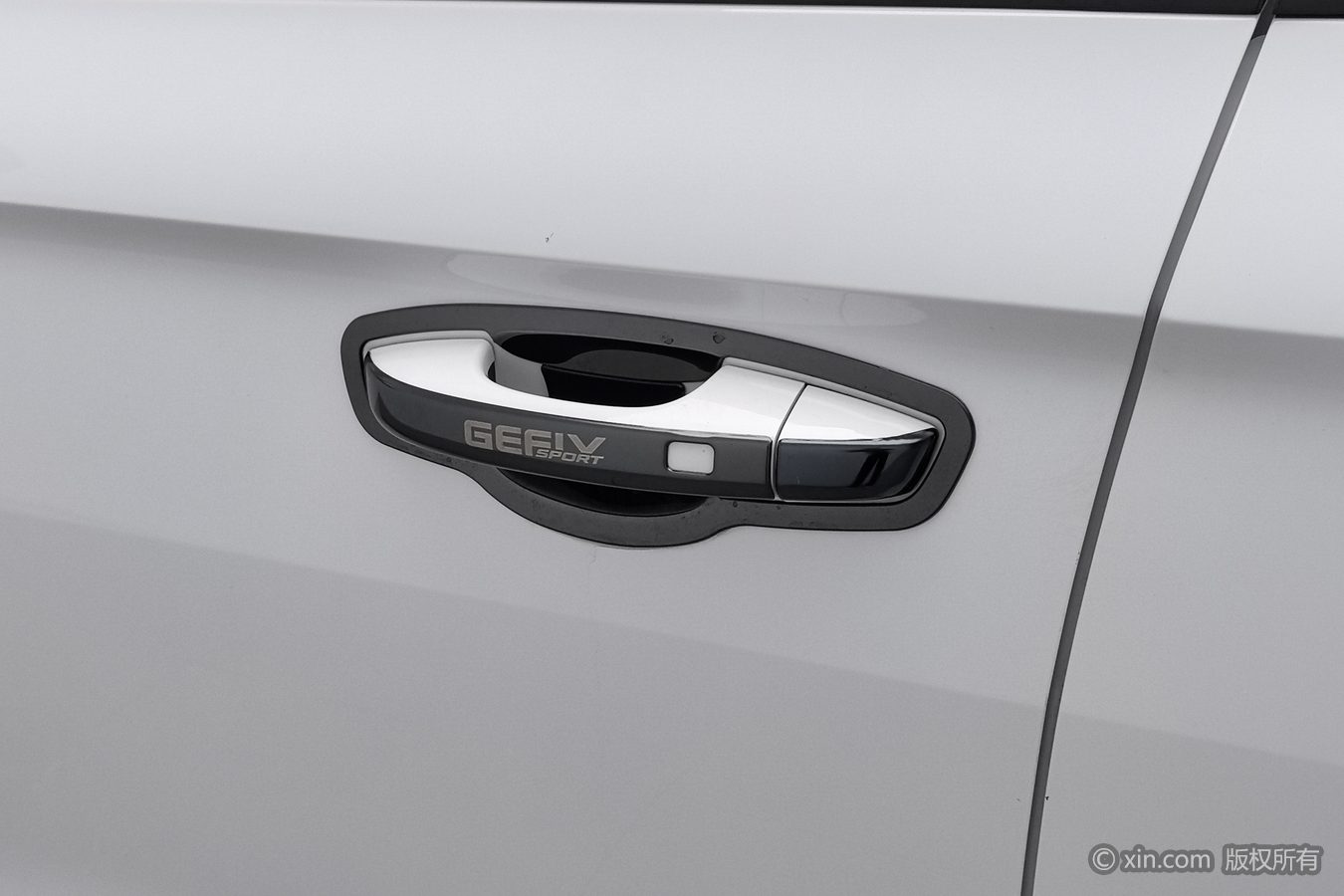

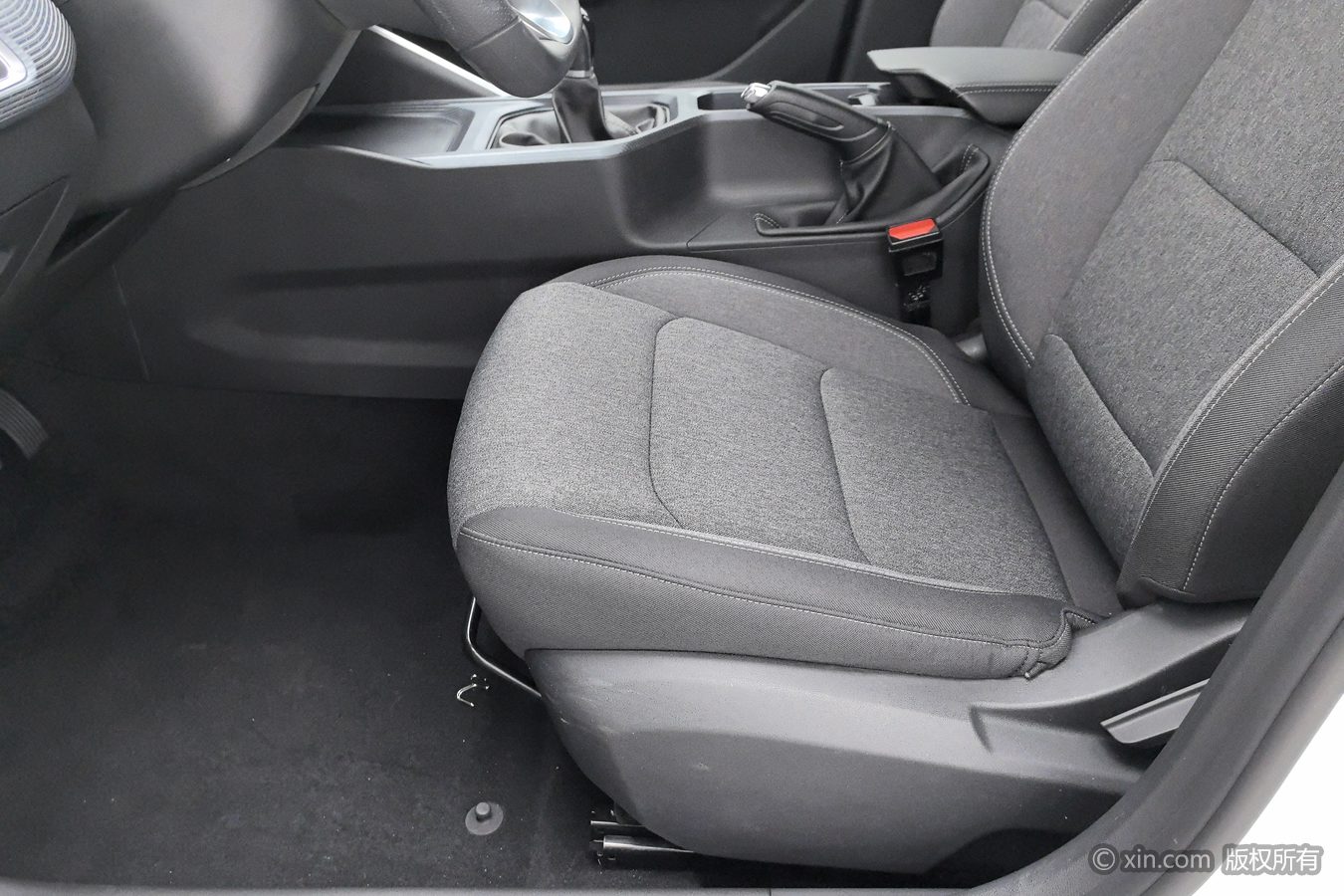
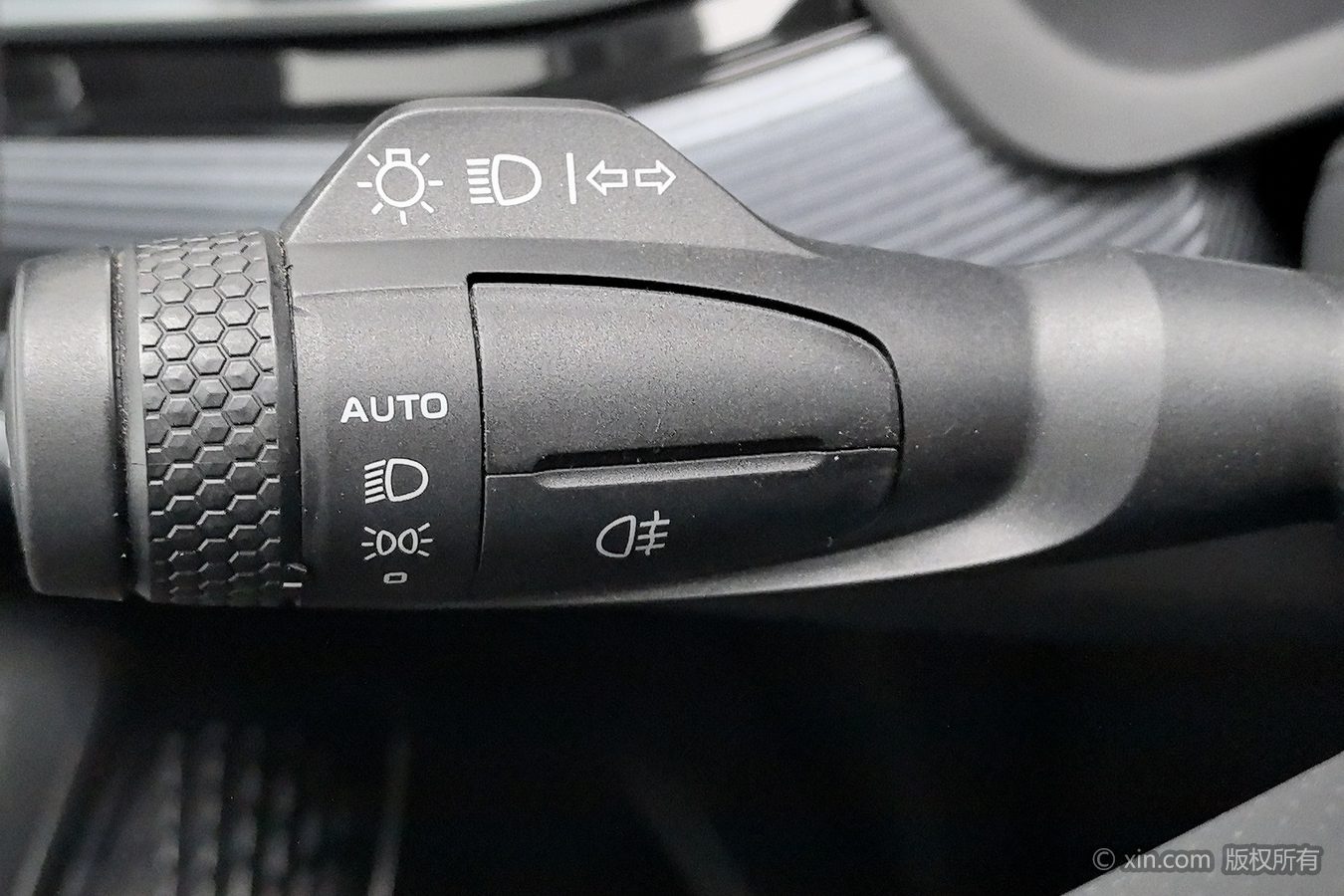
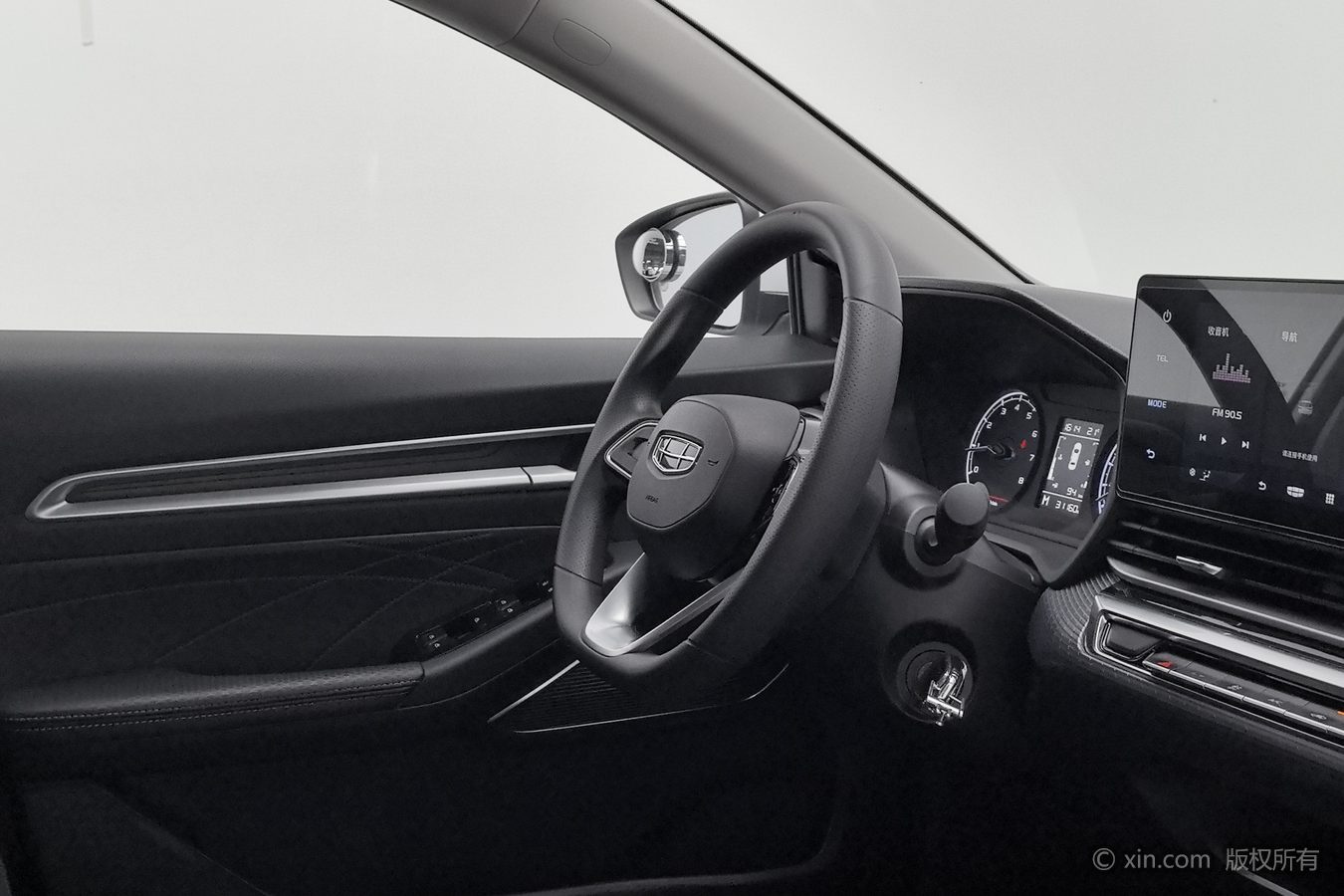
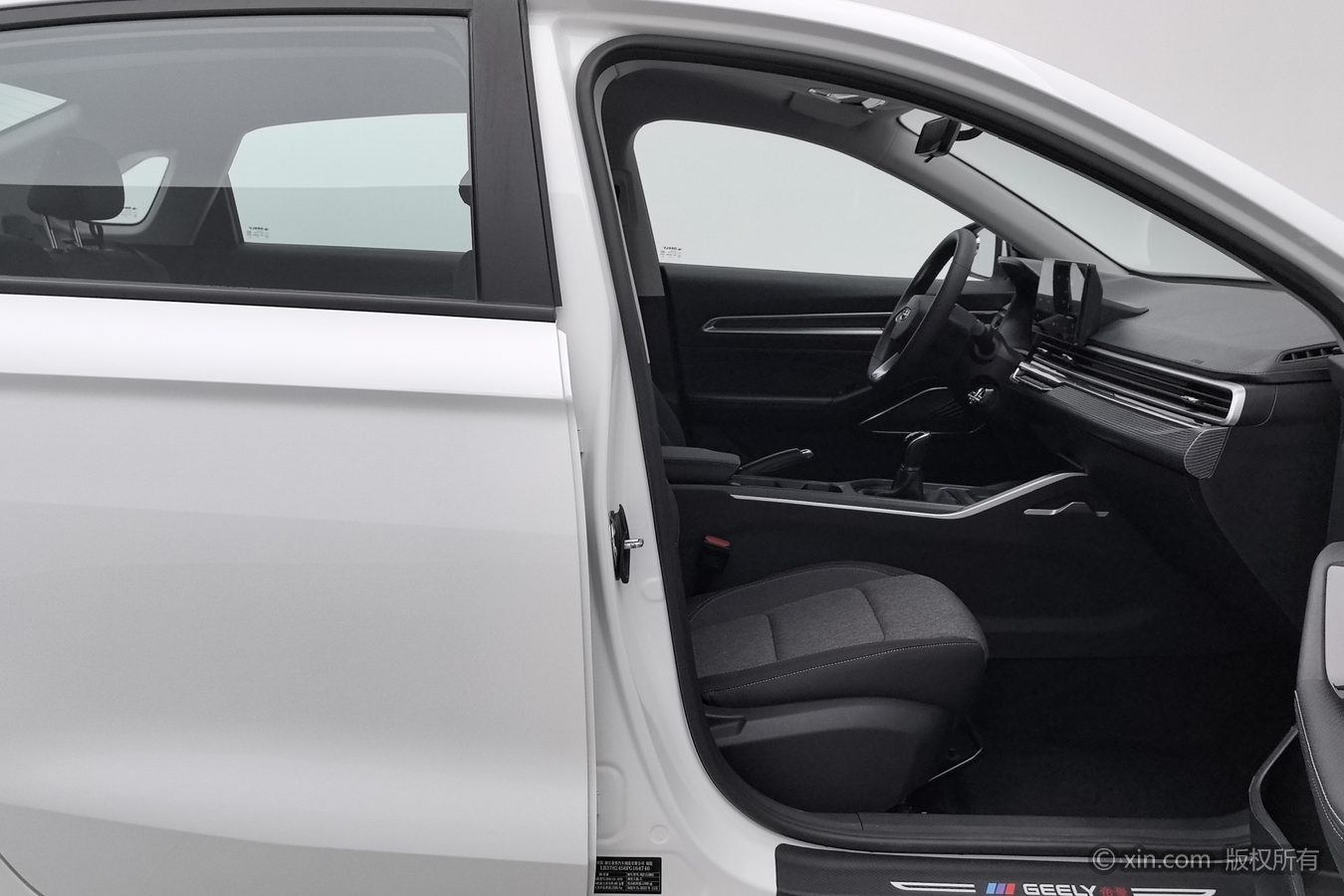
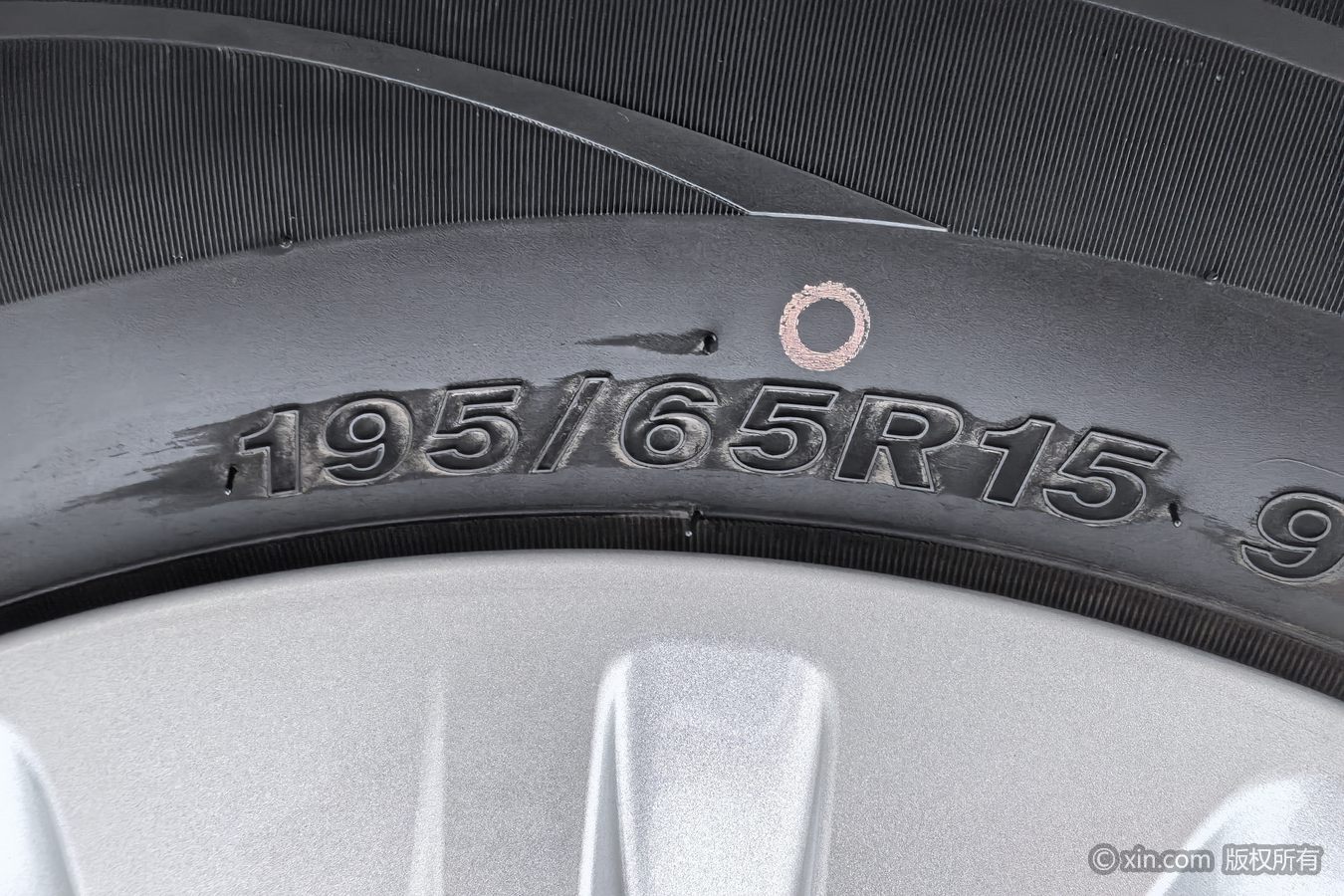



Basic Information

BrandGEELY
SeriesEmgrand
Year2024
First Registration2024/02
Mileage31,000km
Transfer Count2times
FuelGasoline
TransmissionManual
Engine1.5L 127 L4
ColorWhite
Seats5seats

Condition Description

No odometer tampering, no structural damage, no water damage, no fire damage.

Configuration Highlights

✓Tire Pressure Monitoring
✓Auto Headlights
✓Connected Car
✓Heated Mirrors

Document Information

Inspection Expiry Date2028/02
Warranty Expiry Date-
Insurance Expiry Date-

Q&A

More

Is it okay if the name of my overseas company does not match the bank account title for the final remittance?

It is extremely dangerous and usually not allowed. This can easily trigger the anti-money laundering (AML) controls of China's foreign exchange administration. The remittance account title must closely match the contract buyer and the bill of lading consignee. If payment on behalf is necessary, a legally binding "Tripartite Payment Agreement" must be provided in advance and undergo compliance review by our finance department.


Can the buyer track the GPS location of the vehicle during domestic towing transport to the port?

Internal logistics scheduling uses GPS, but direct access accounts are not open to the public. We implement a "node reporting system": our customer service will proactively send you on-site photos with watermarks at three key points: when the vehicle is loaded onto the trailer, when it arrives at the port for storage, and when customs clearance is completed.

If a problem arises after the car arrives, how are disputes and claims typically handled with a Chinese exporter?

Handling claims with an overseas exporter works best when expectations are set before payment. Prevention: put the inspection standard, photo/video evidence requirements, and a dispute clause into the sales contract. Keep all chat records and payment receipts. Typical process if issues arise: 1) Notify the exporter within 48-72 hours of delivery with photos/videos as evidence. 2) Most disputes fall into two buckets: shipping damage (handled via marine insurance — this is why insurance matters) or undisclosed mechanical defects (handled per contract, often via partial refund, spare parts, or repair cost sharing). Realistic expectations: exporters rarely accept returns, so negotiate compensation instead. A reputable company will usually cover reasonable repair costs for defects confirmed to pre-exist shipment. Tip: for higher-value cars, hire a local third-party inspection at destination as final evidence — it strengthens any claim significantly.