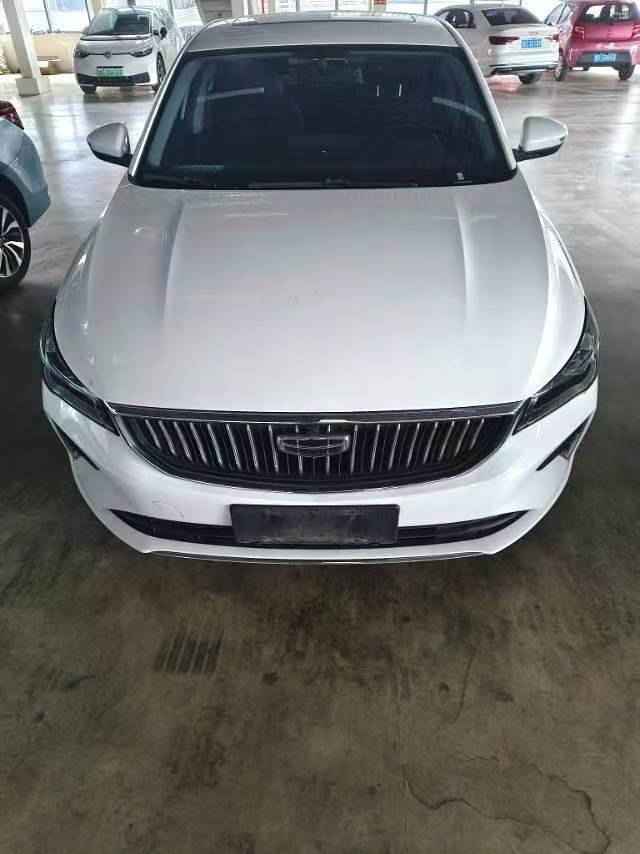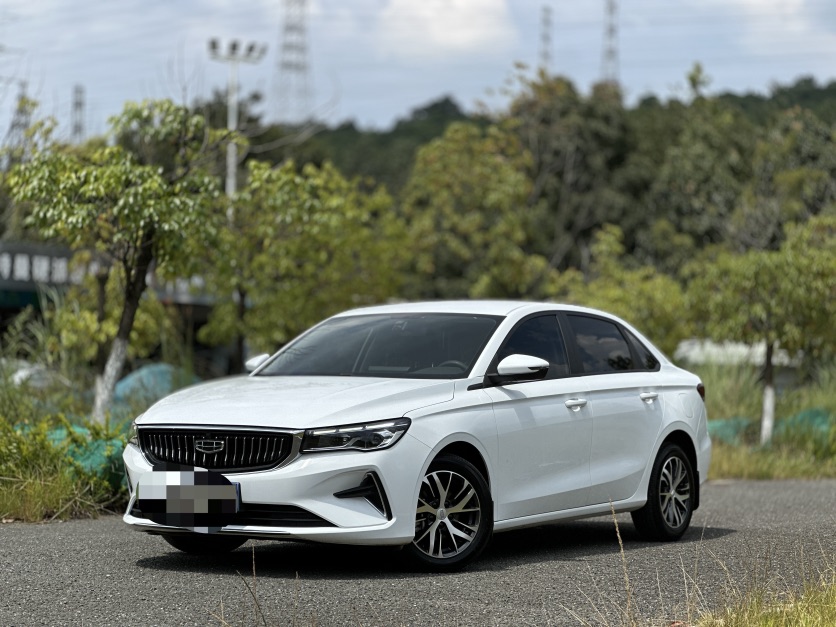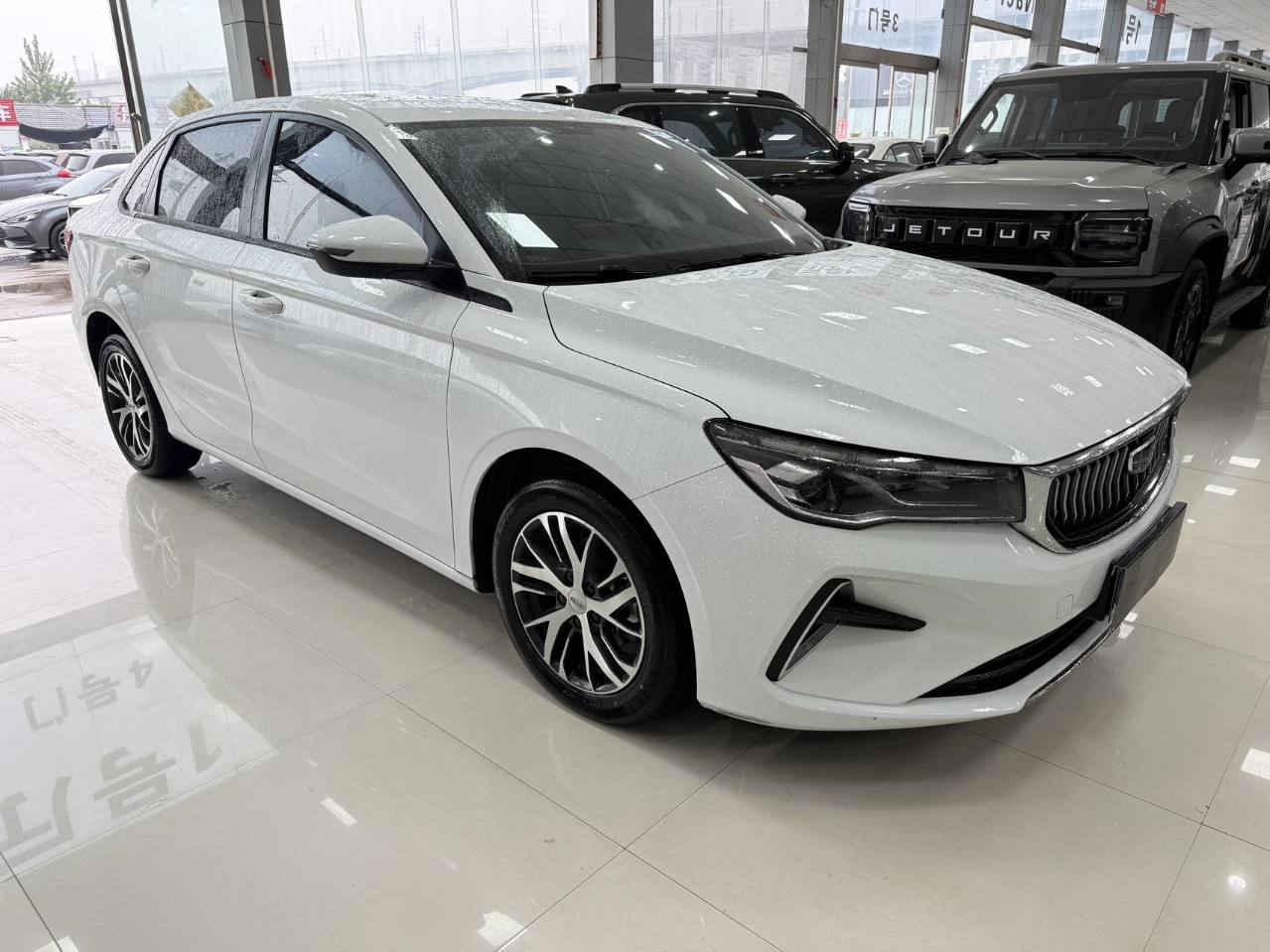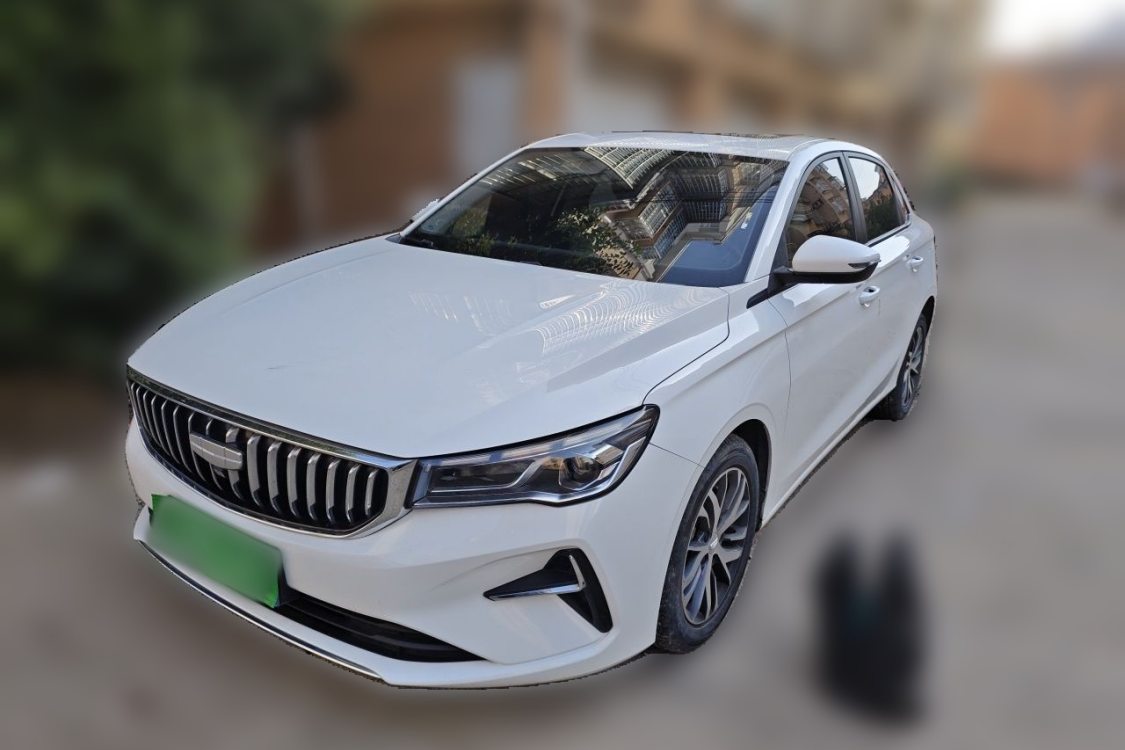

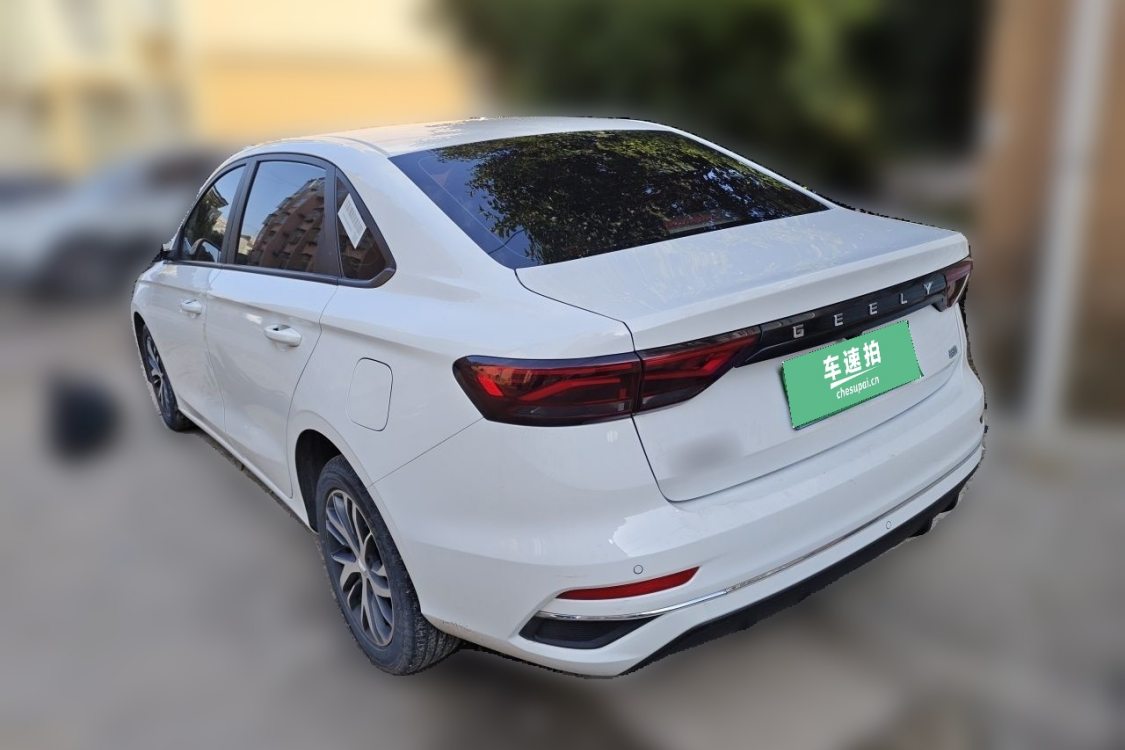
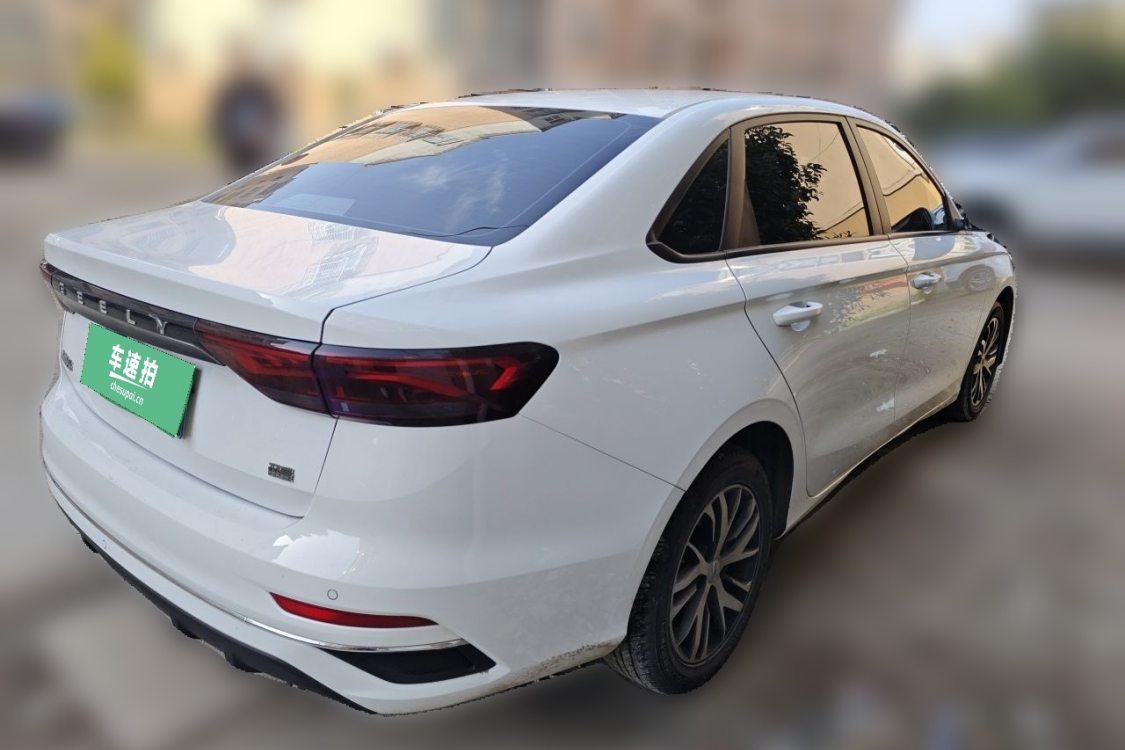
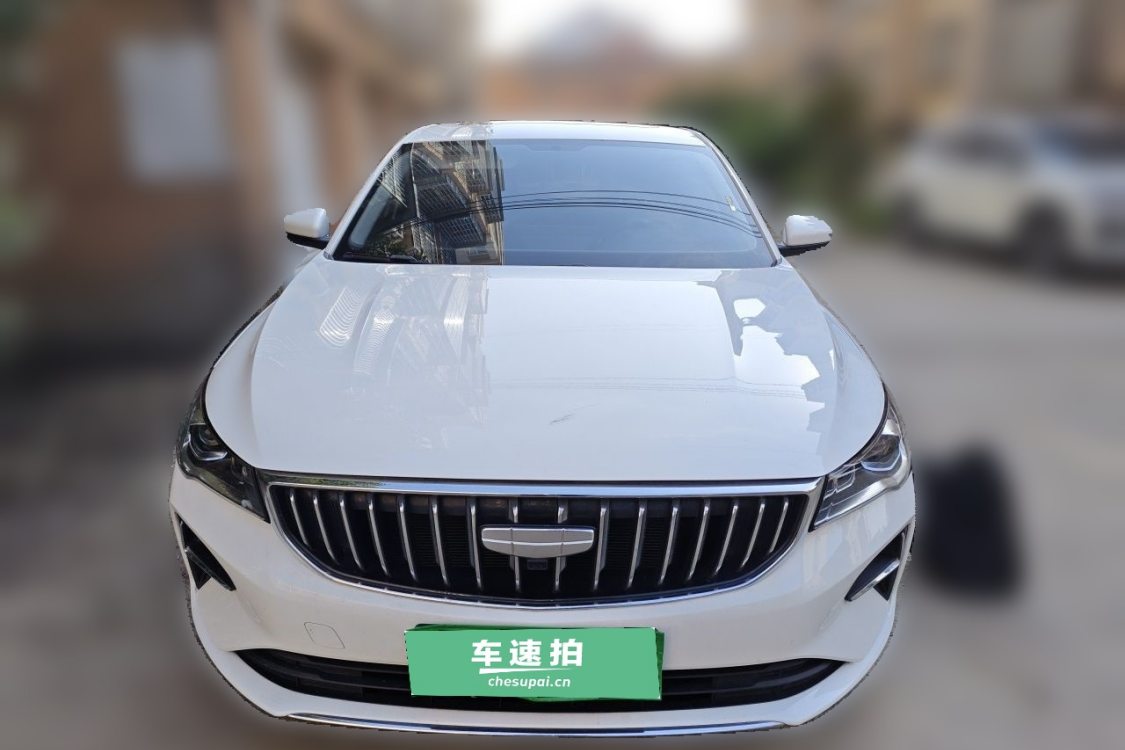
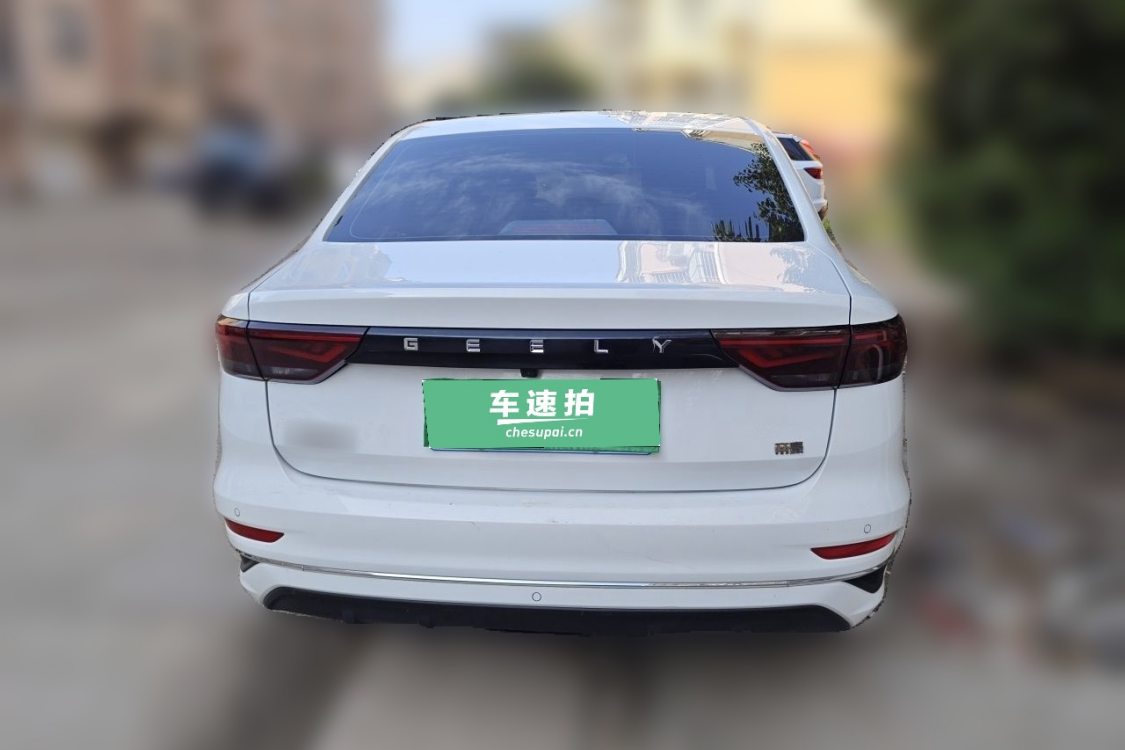
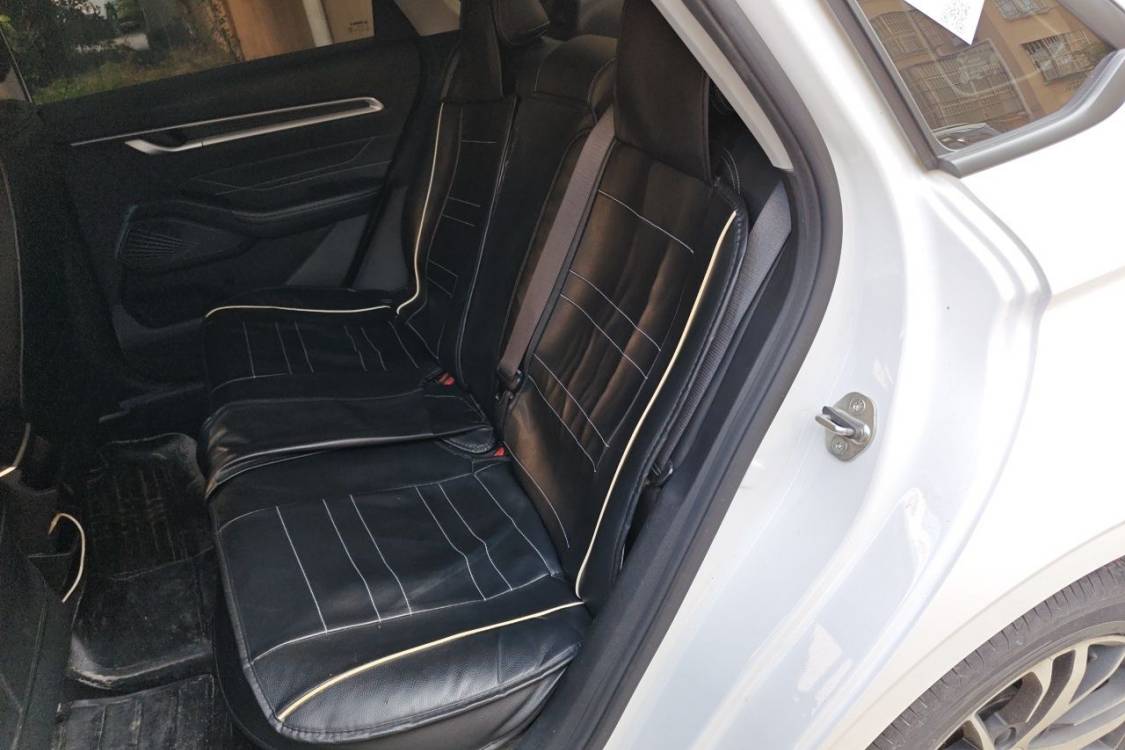
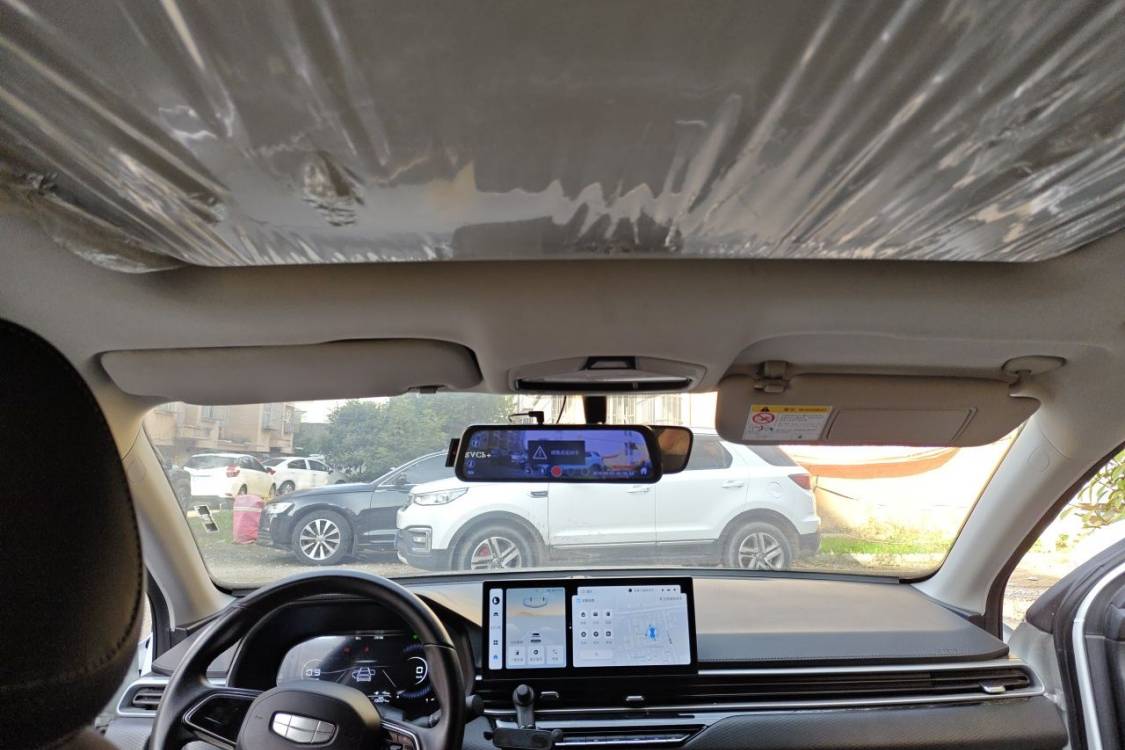
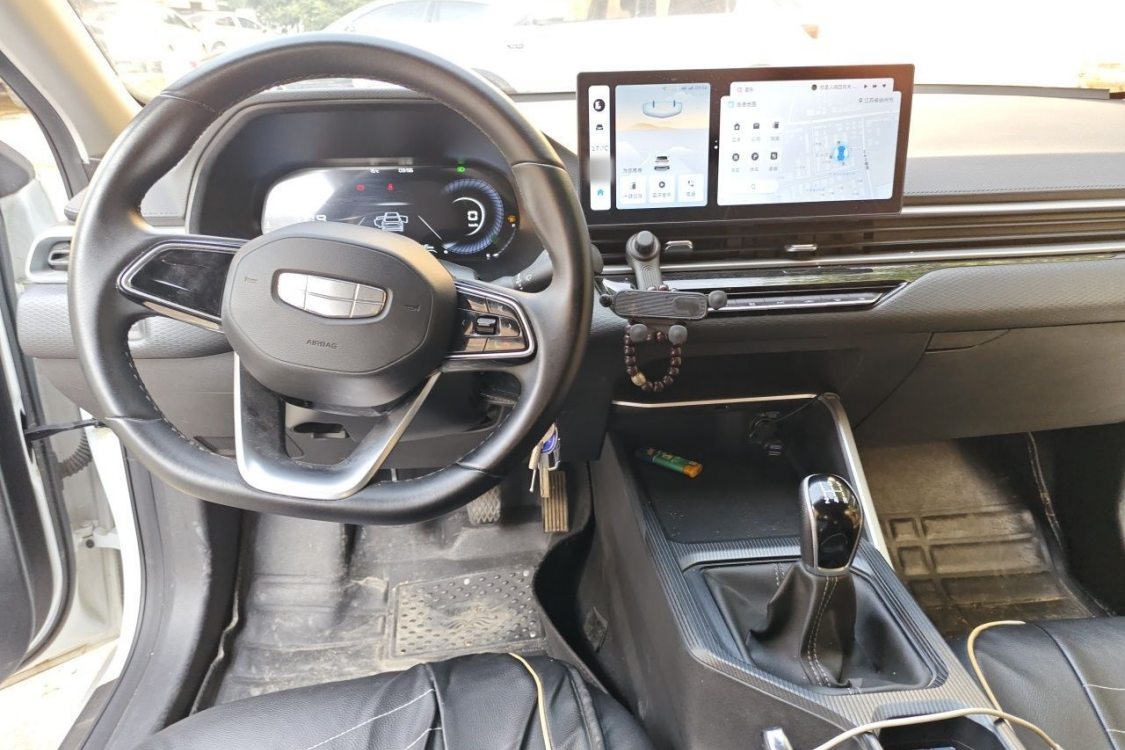
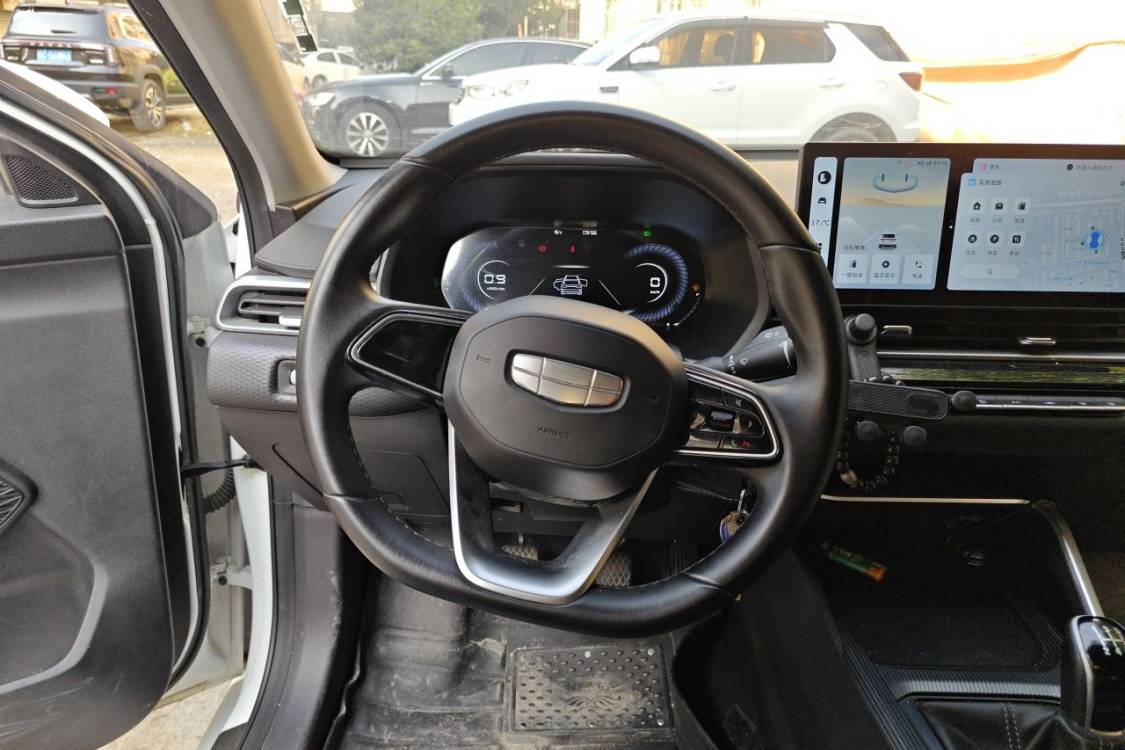



Basic Information

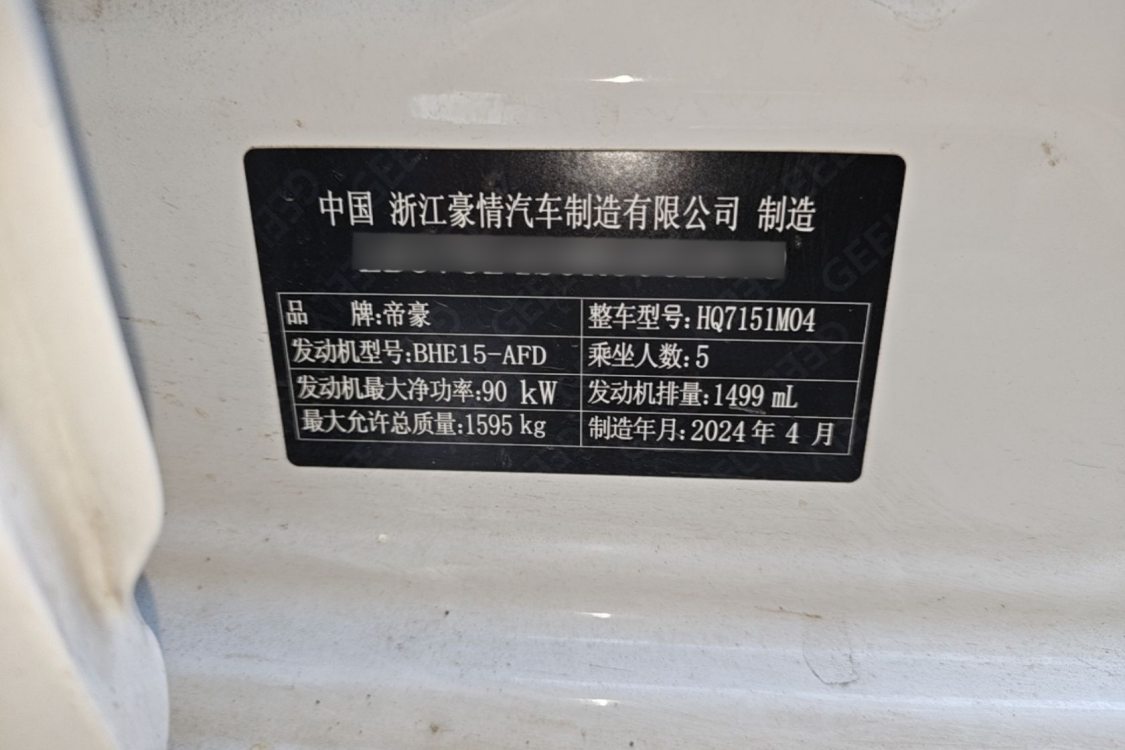
BrandGEELY
SeriesEmgrand
Year2024
First Registration2024/07
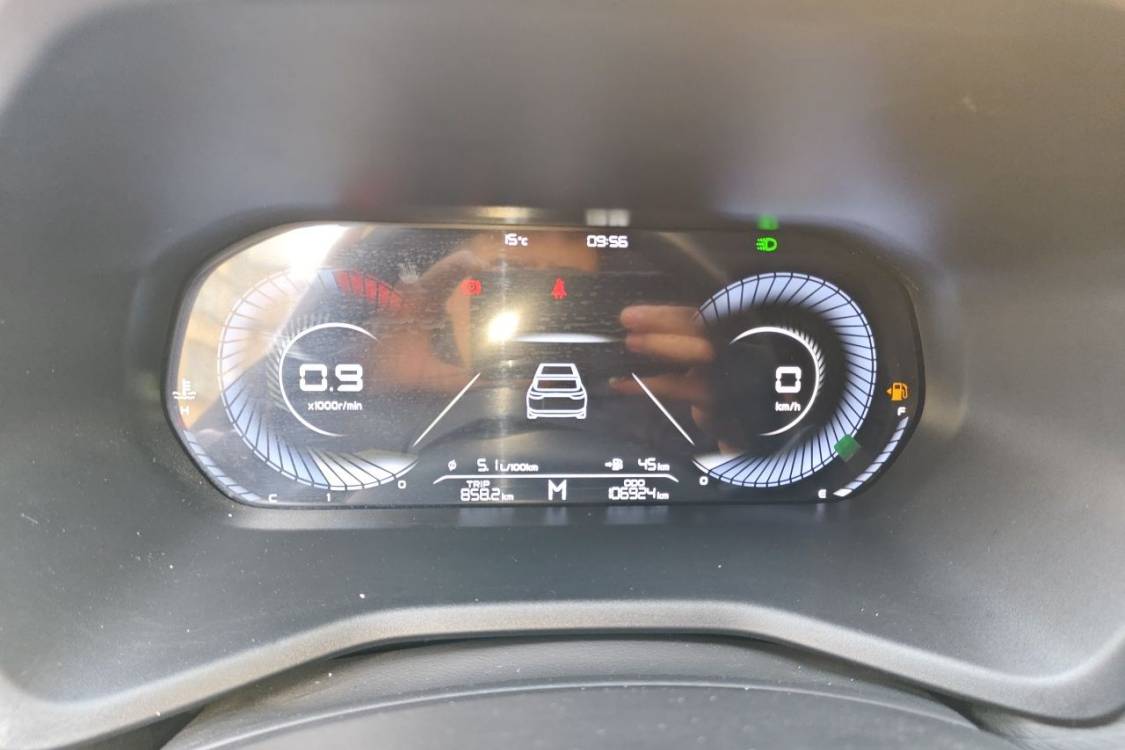
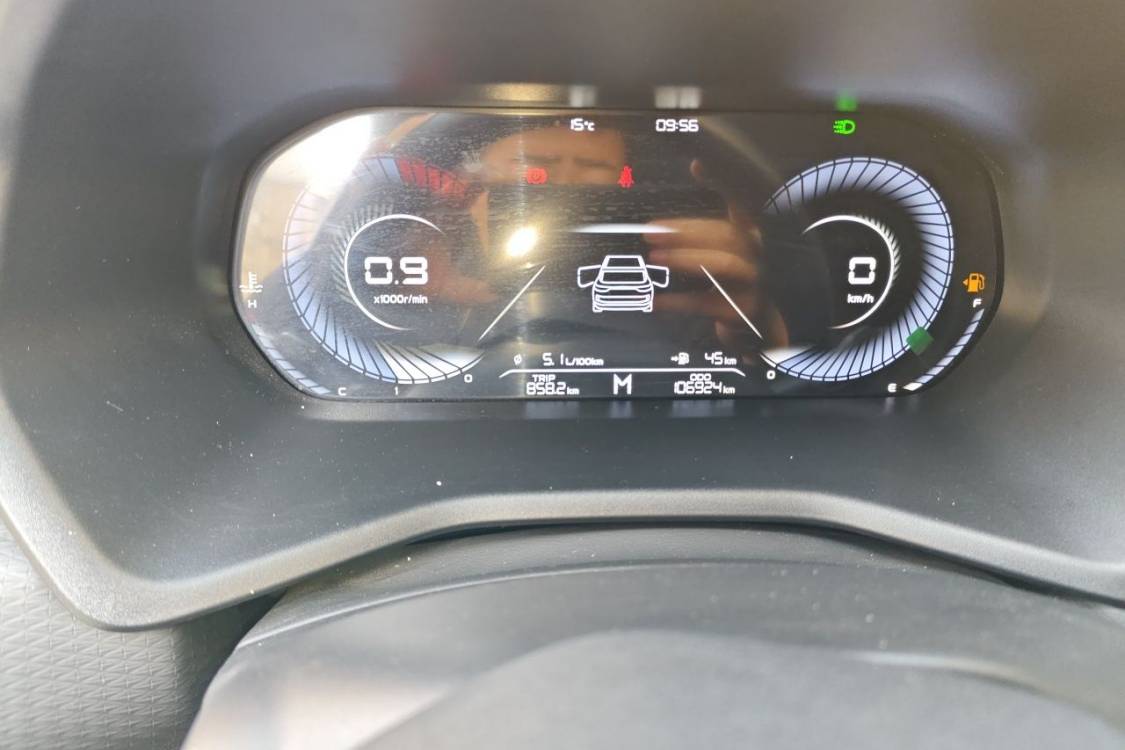
Mileage106,900km
Transfer Count-
FuelGasoline
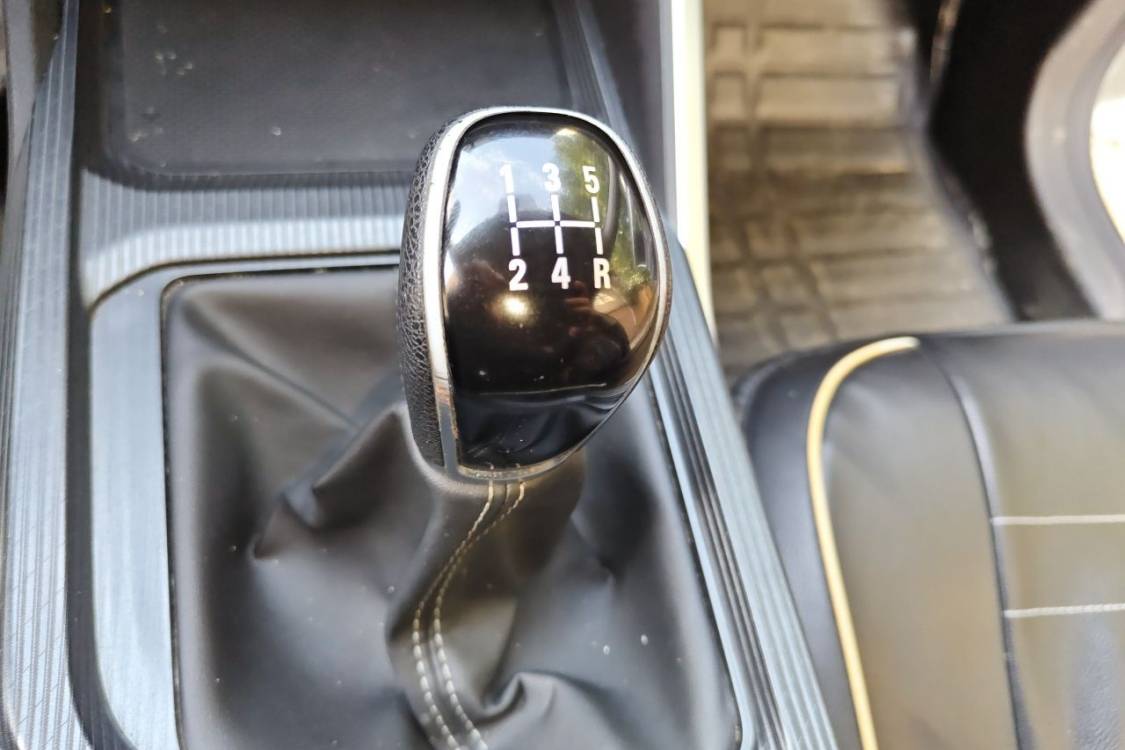
TransmissionManual
Engine1.5L 127 L4
ColorWhite
Seats5seats

Condition Description

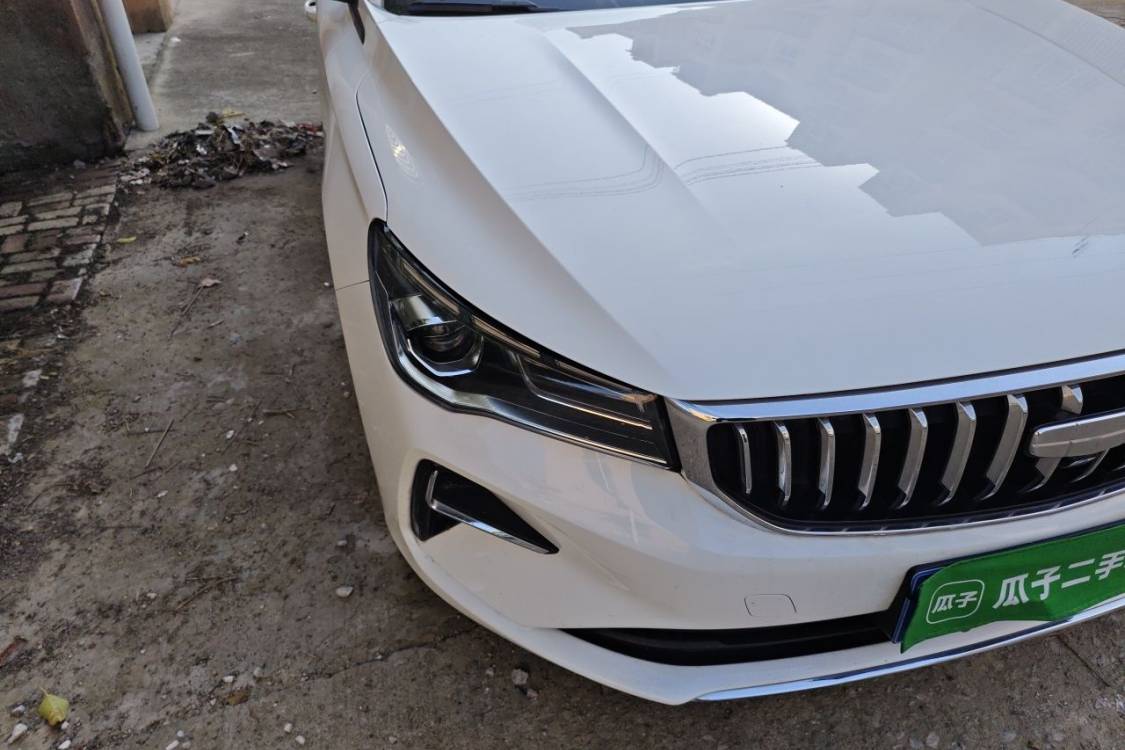
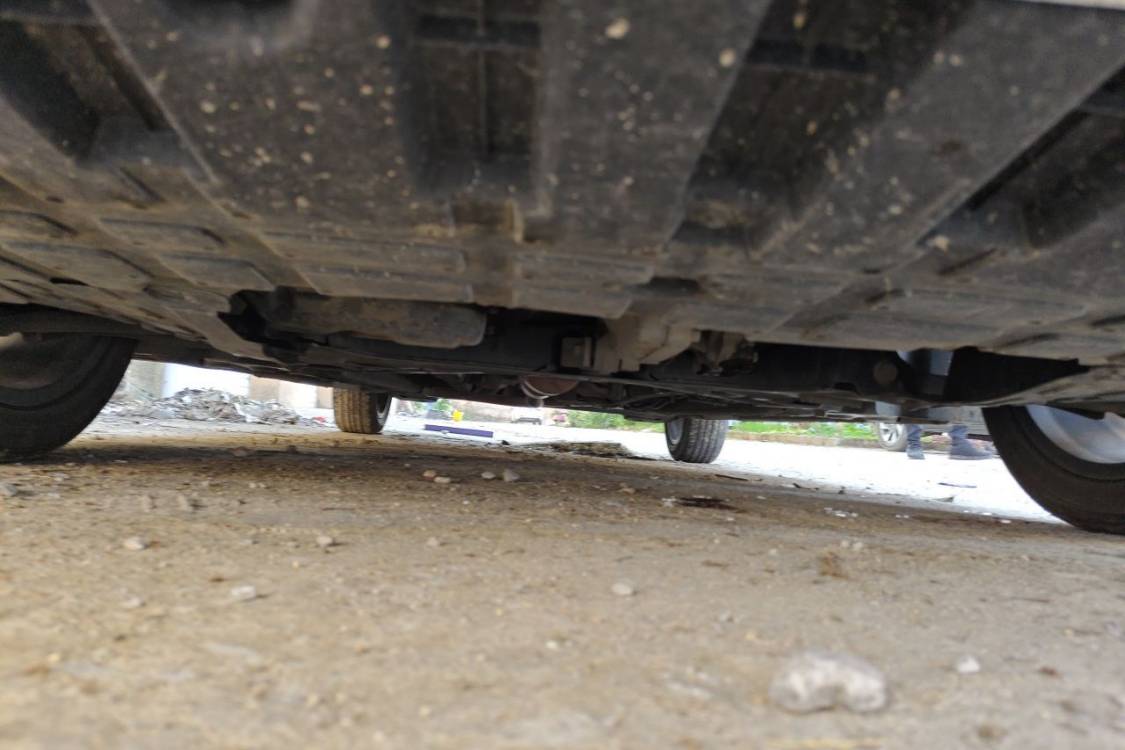
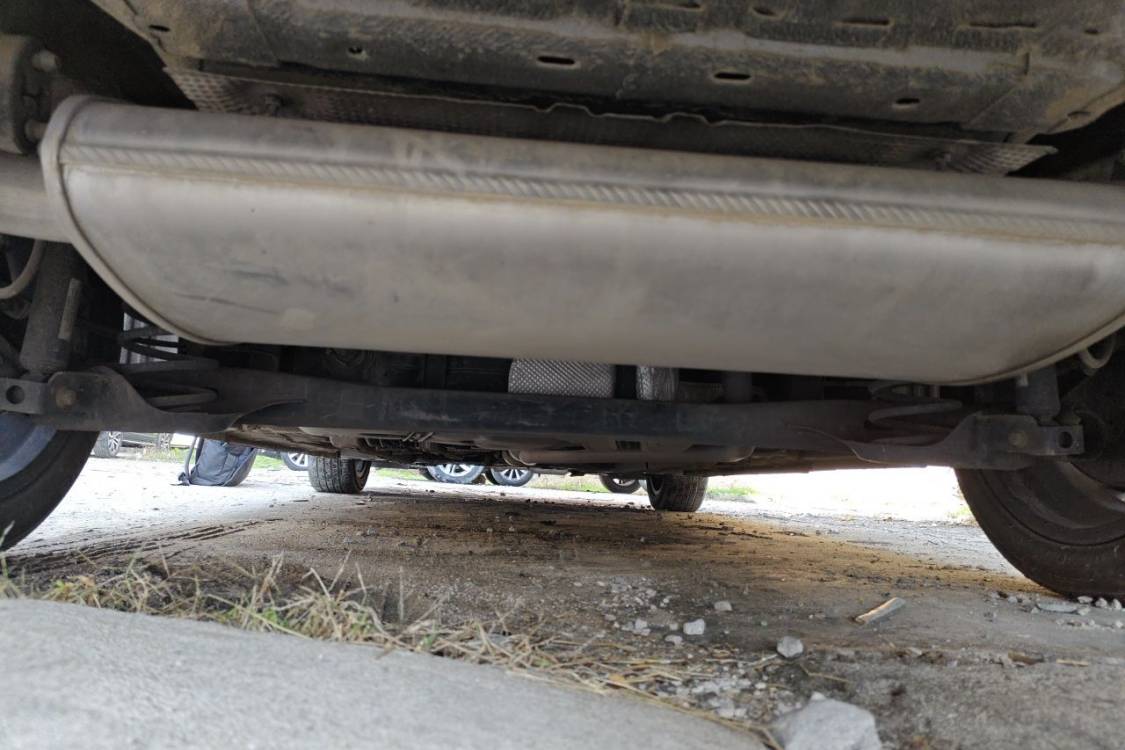
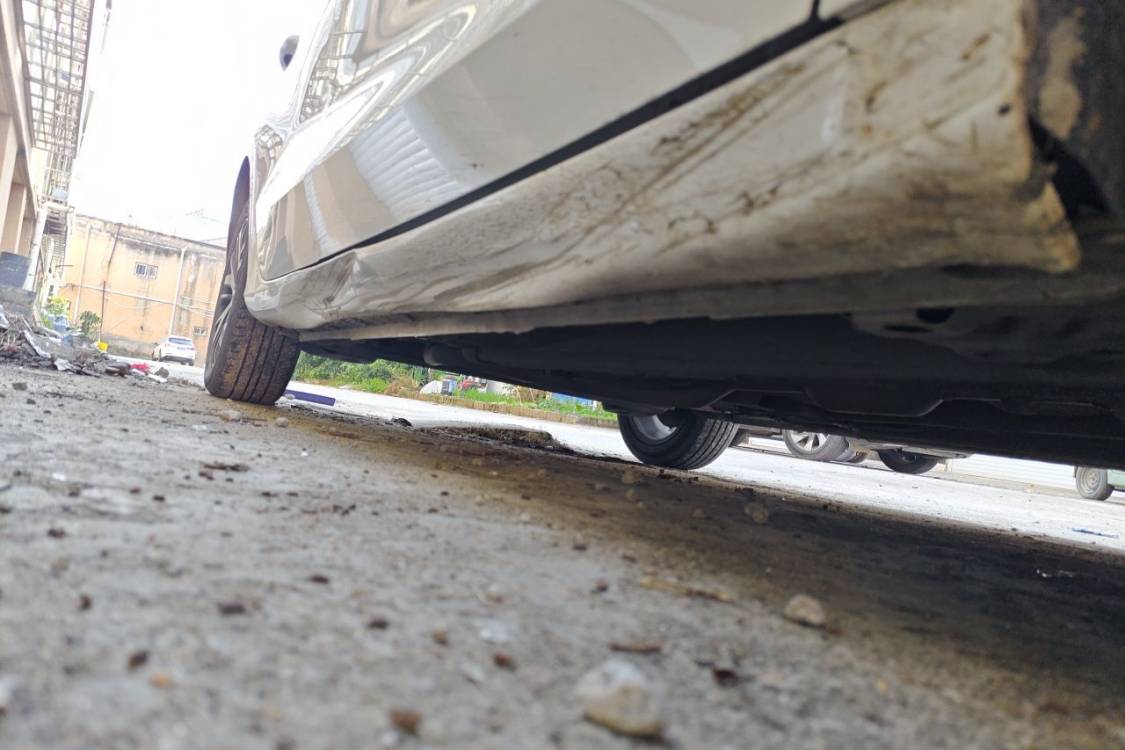
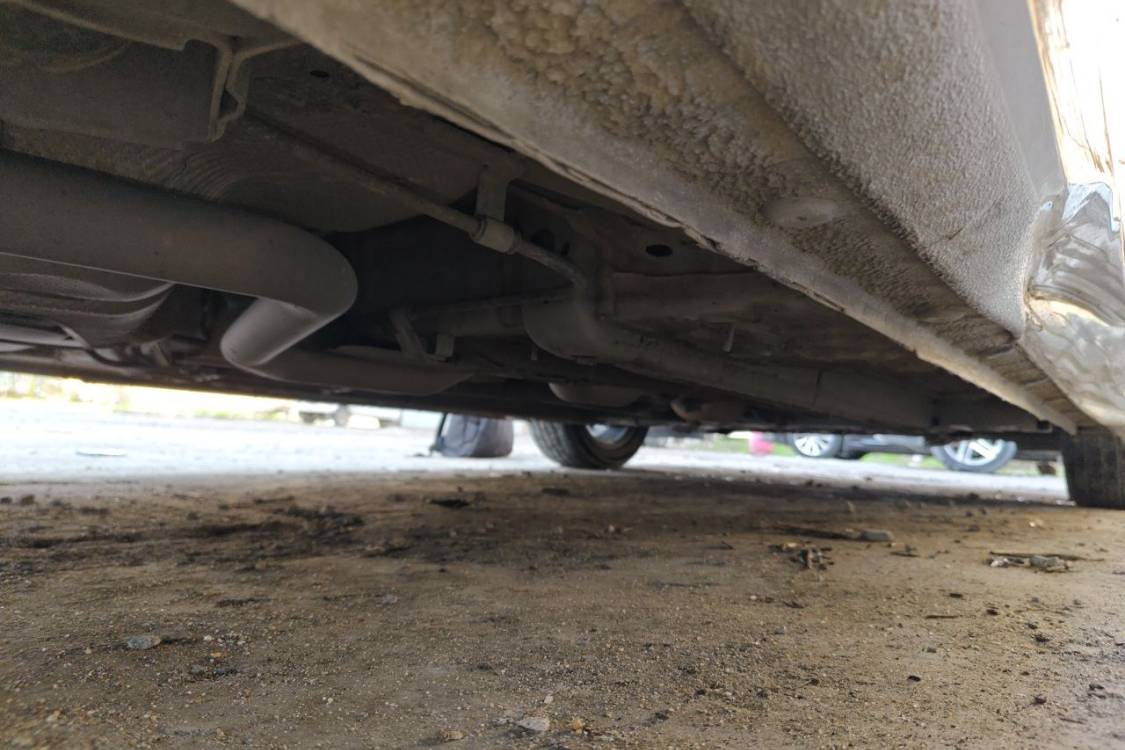
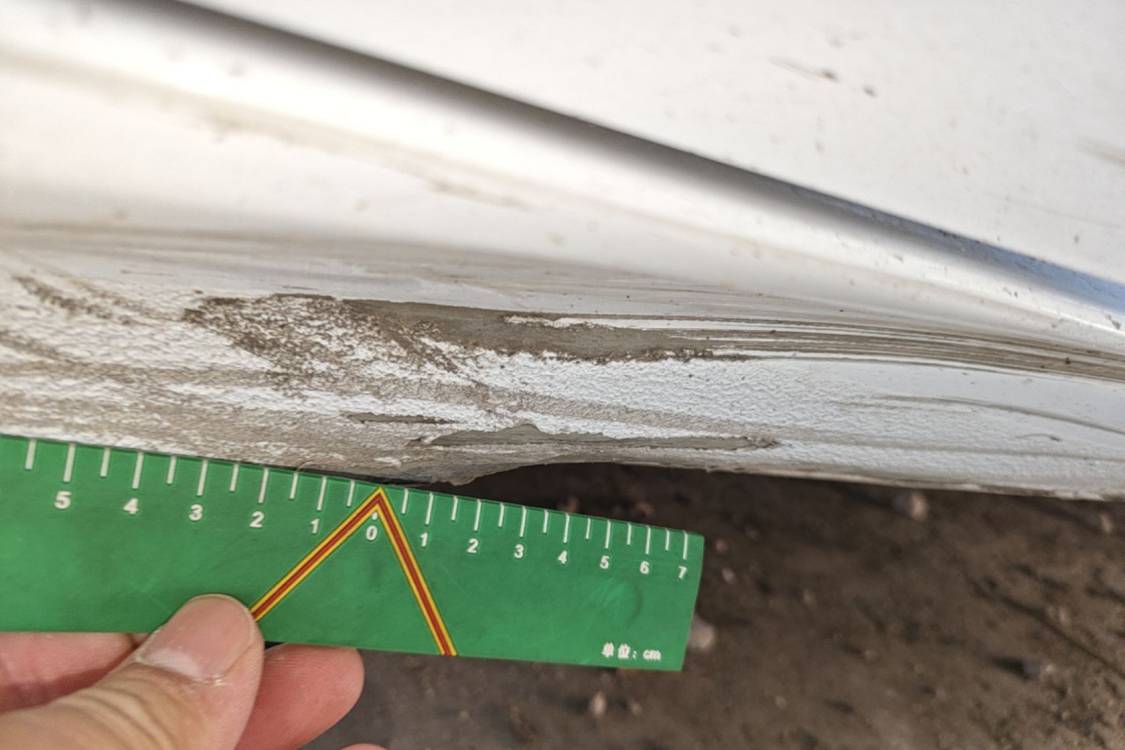
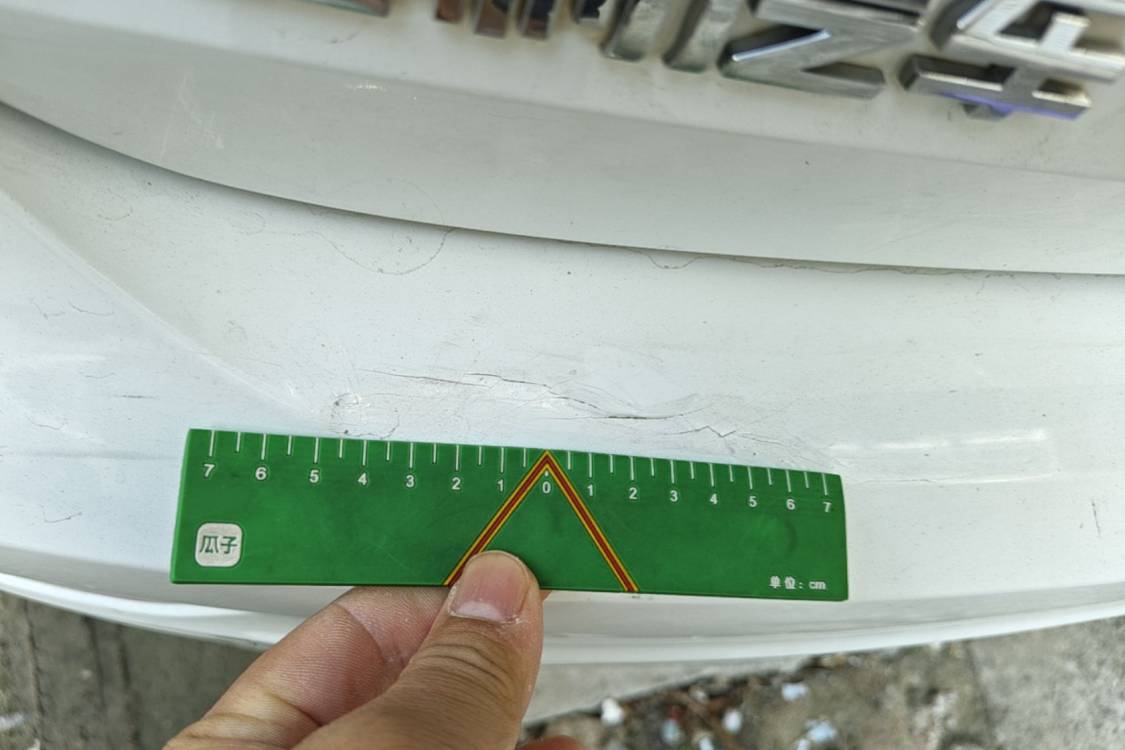
Accident-related damage exists in body components (structural/reinforcing/panels). Passive safety devices are defective. Vehicle performance (including electric powertrain) has degraded or remains limited after repairs.

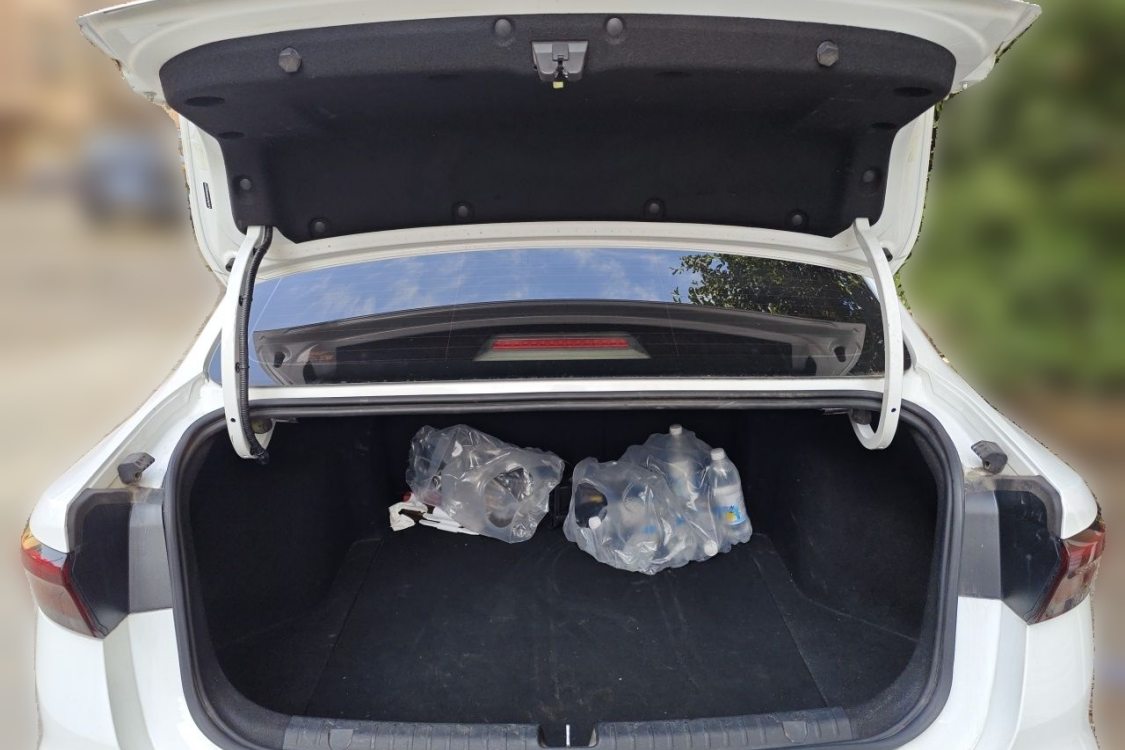
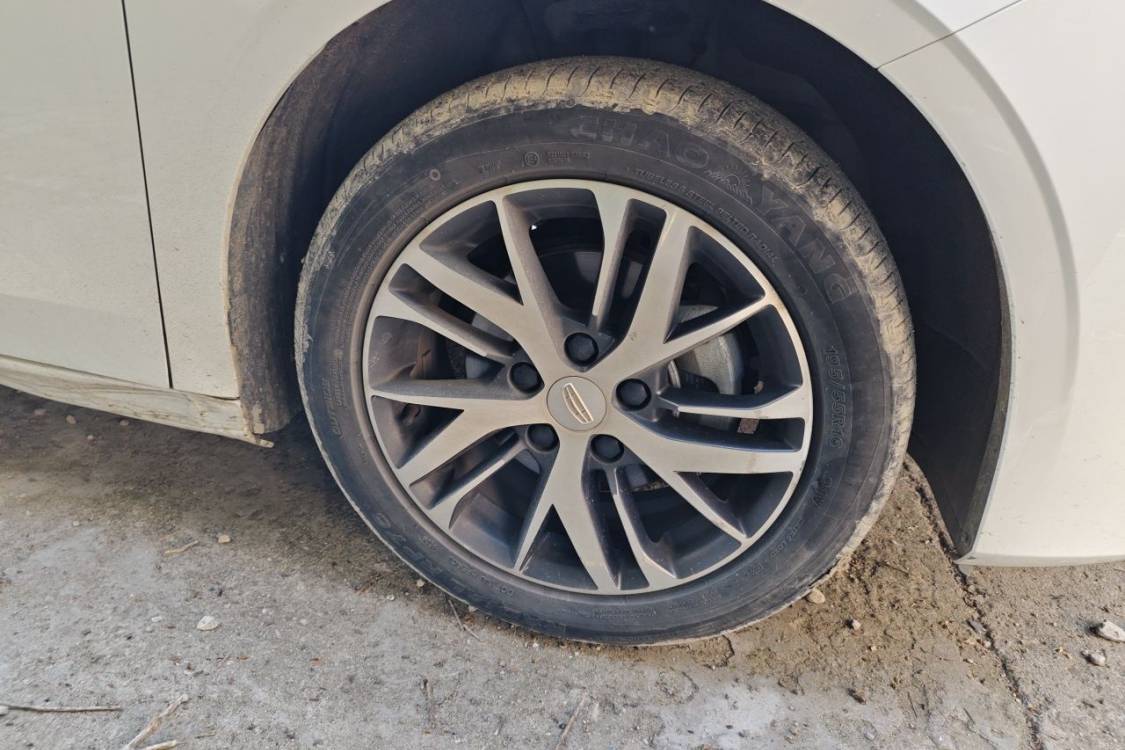
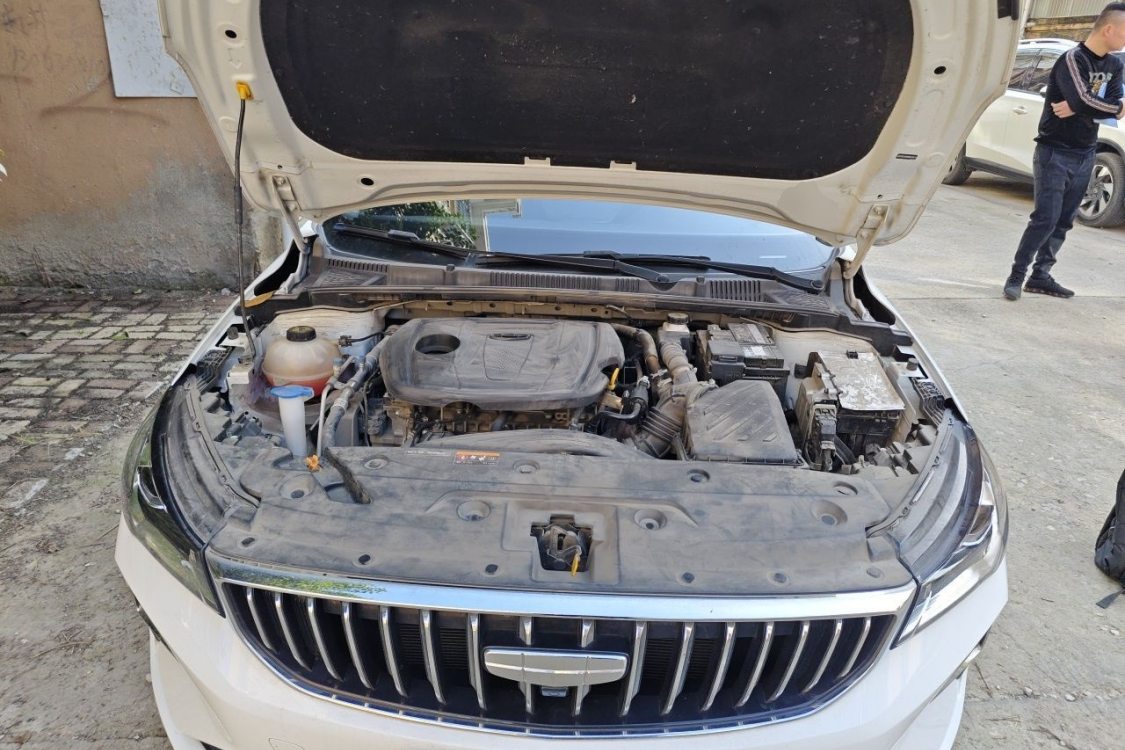
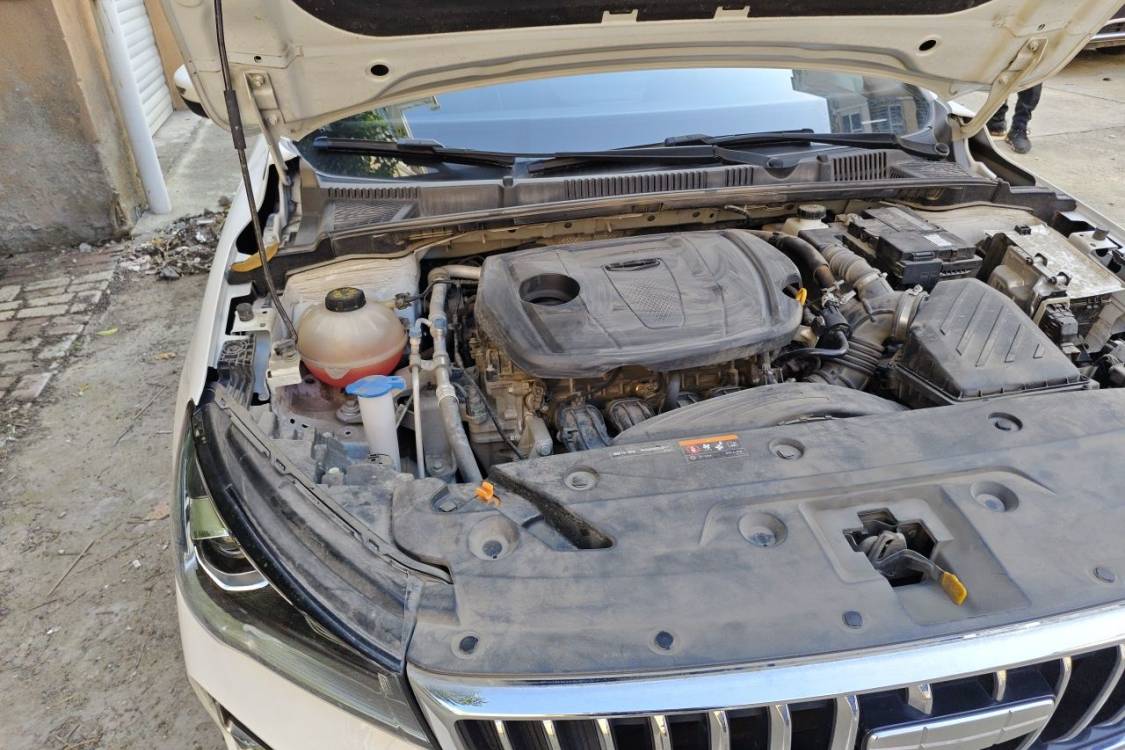
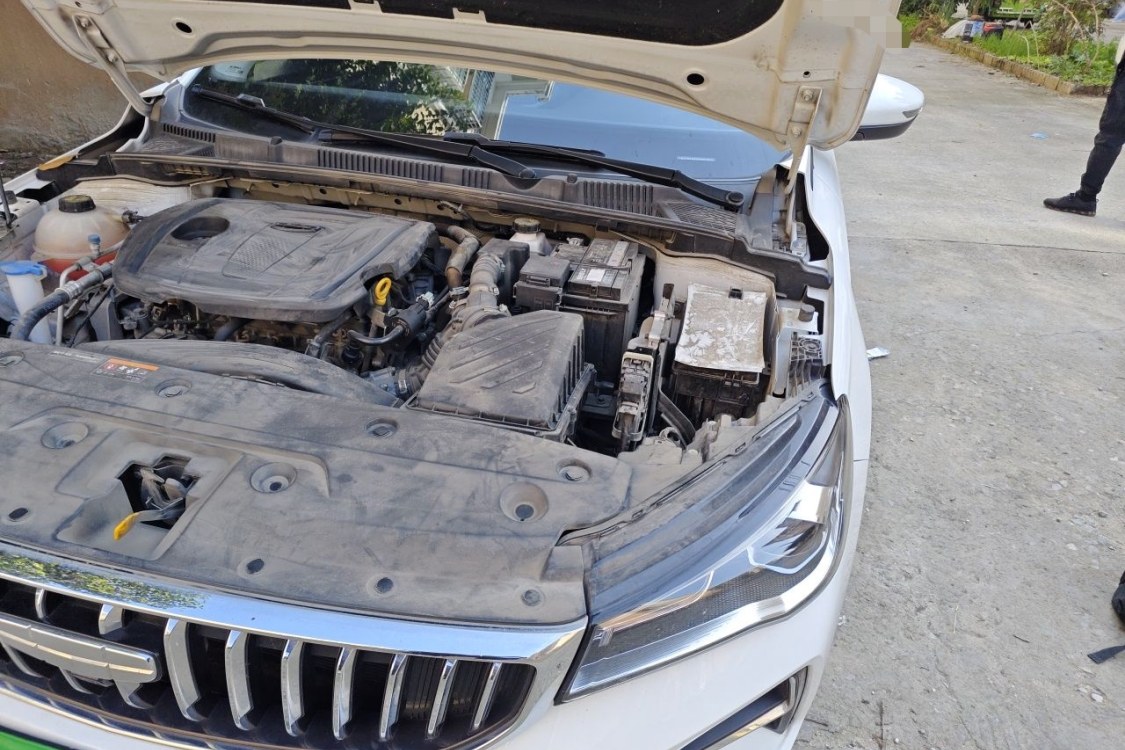
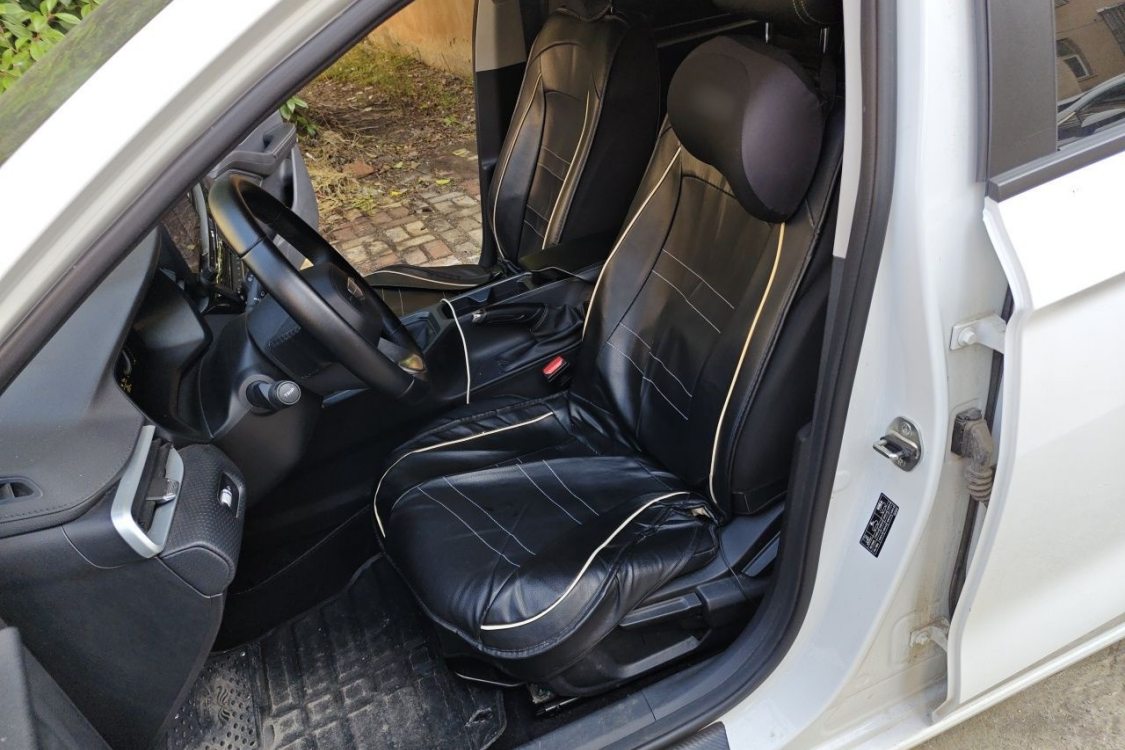
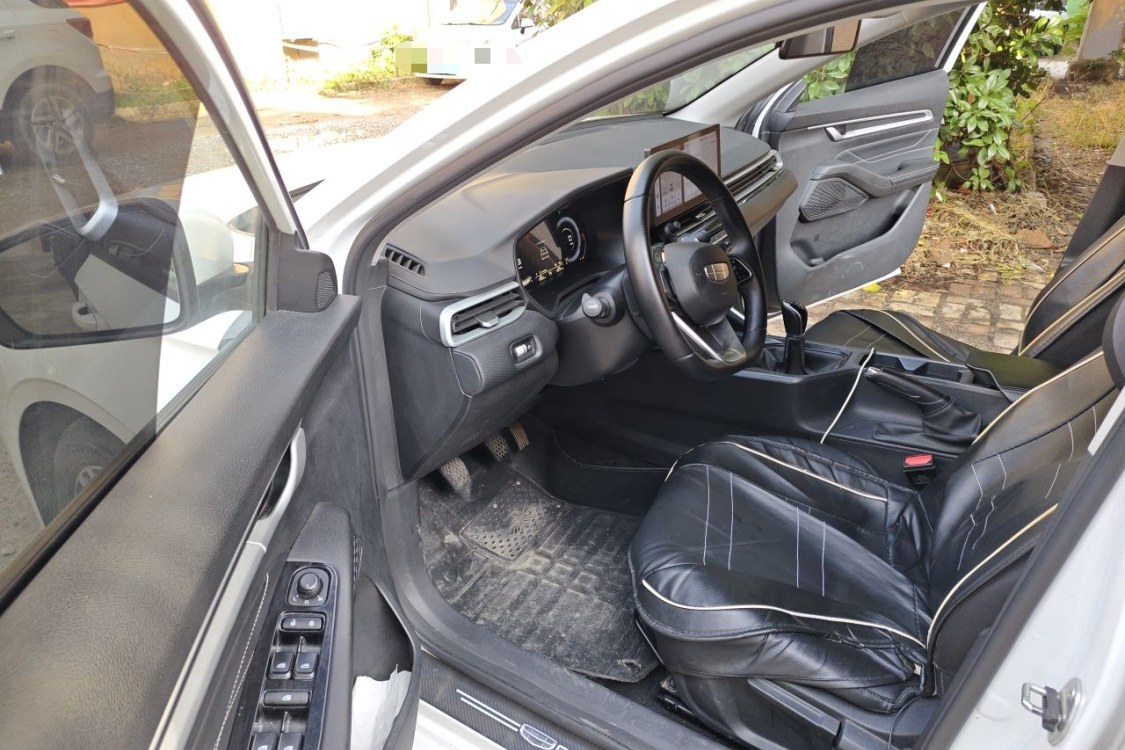
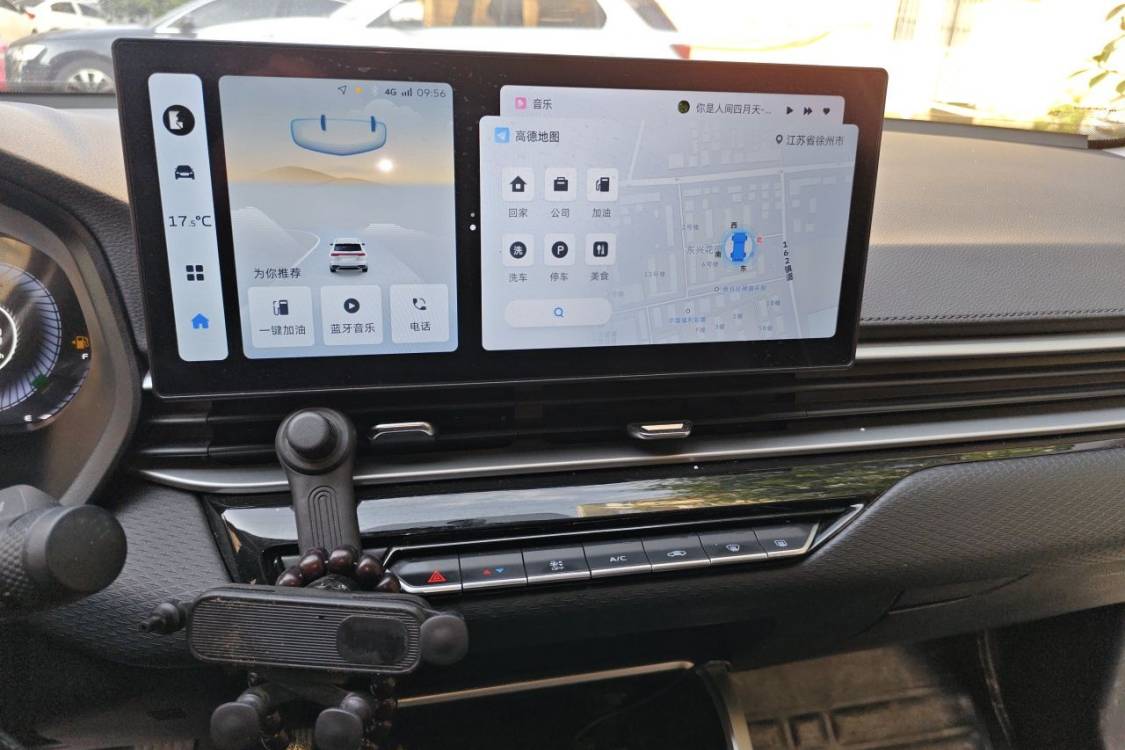
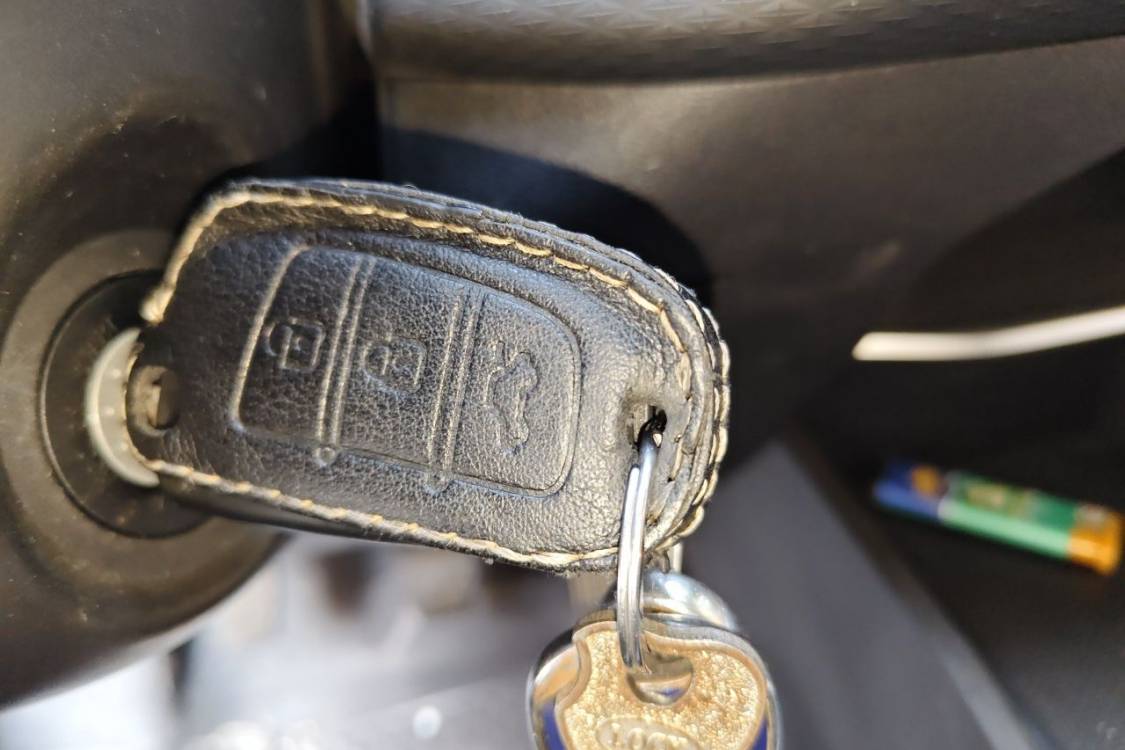
Accident inspection: main structure damaged, reinforcing parts undamaged, panels undamaged, hinges normal. Engine bay: key mechanical components normal. Exterior: none. Interior: most features normal, airbag system normal, seatbelts normal, dashboard normal, instrument readings normal, lighting system normal. Start-up test: main components normal. Tool kit: none.

电话直连
可讲价
平台物流
可转售
零过户
新检测标准升级>
非泡水

Document Information

Inspection Expiry Date2028/07
Warranty Expiry Date-
Insurance Expiry Date2027/07

Q&A

More

What should the inspector check during a cold start test of the engine?

A cold start reveals problems that a warm engine hides. Ask your inspection agent to perform and film this sequence. First, the start itself: the engine should crank smoothly and settle into a stable idle within a few seconds. Extended cranking, blue or white smoke, or a lumpy idle suggest worn internals or head-gasket issues. Second, listen for timing-chain rattle or metallic tapping in the first ten seconds — cold top-end noise often means deferred maintenance. Third, watch the exhaust on a cold morning: brief white vapor is normal in winter, but persistent blue smoke means oil burning, and sweet-smelling white smoke can indicate coolant leaking into the cylinders. Fourth, have the inspector scan the OBD system right after the cold start; misfire counters and fuel-trim values are most honest when the engine is cold. Ask for a continuous, timestamped video from outside the car before startup through at least five minutes of idling, so you can verify the engine really was cold.


When checking the history records, can you distinguish whether the vehicle was involved in a "single-vehicle accident (like hitting a wall)" or a "multi-vehicle rear-end collision"?

If insurance claims records are accessed, there will usually be notes like "the insured vehicle is fully responsible for hitting a fixed object" or "third-party liability insurance payment." We can roughly reconstruct the accident scene based on this and cross-verify the stress points on the vehicle's frame with paint thickness gauge data.

How to check the condition of the turbocharger (oil leaks, unusual noises, insufficient pressure) for turbocharged vehicles?

Experience turbo lag and power surge during road tests; check for significant oil accumulation at the turbo intake and intercooler connections (slight oil vapor is normal); and use OBD to read the real-time boost pressure peak to see if it meets factory settings.