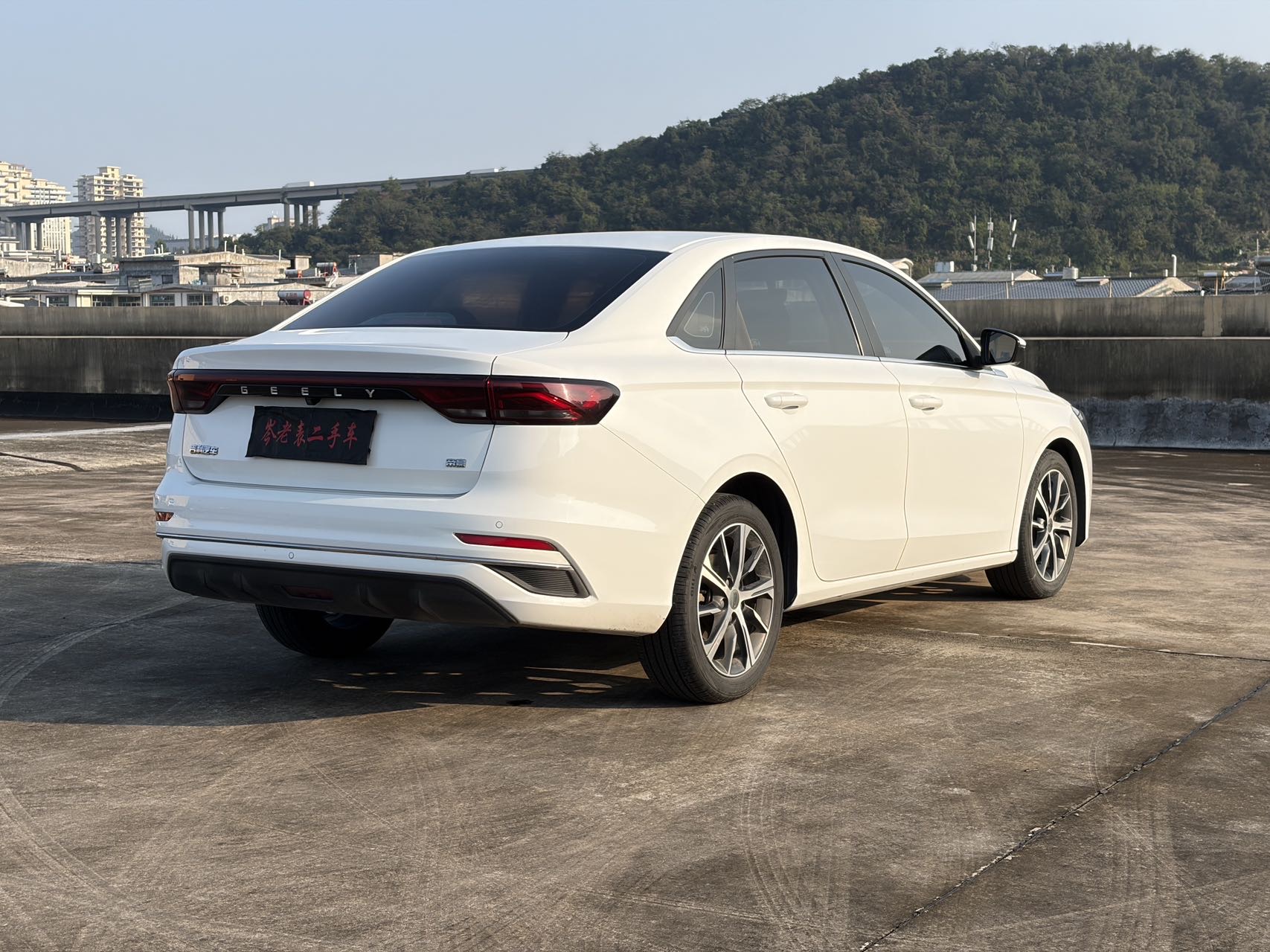
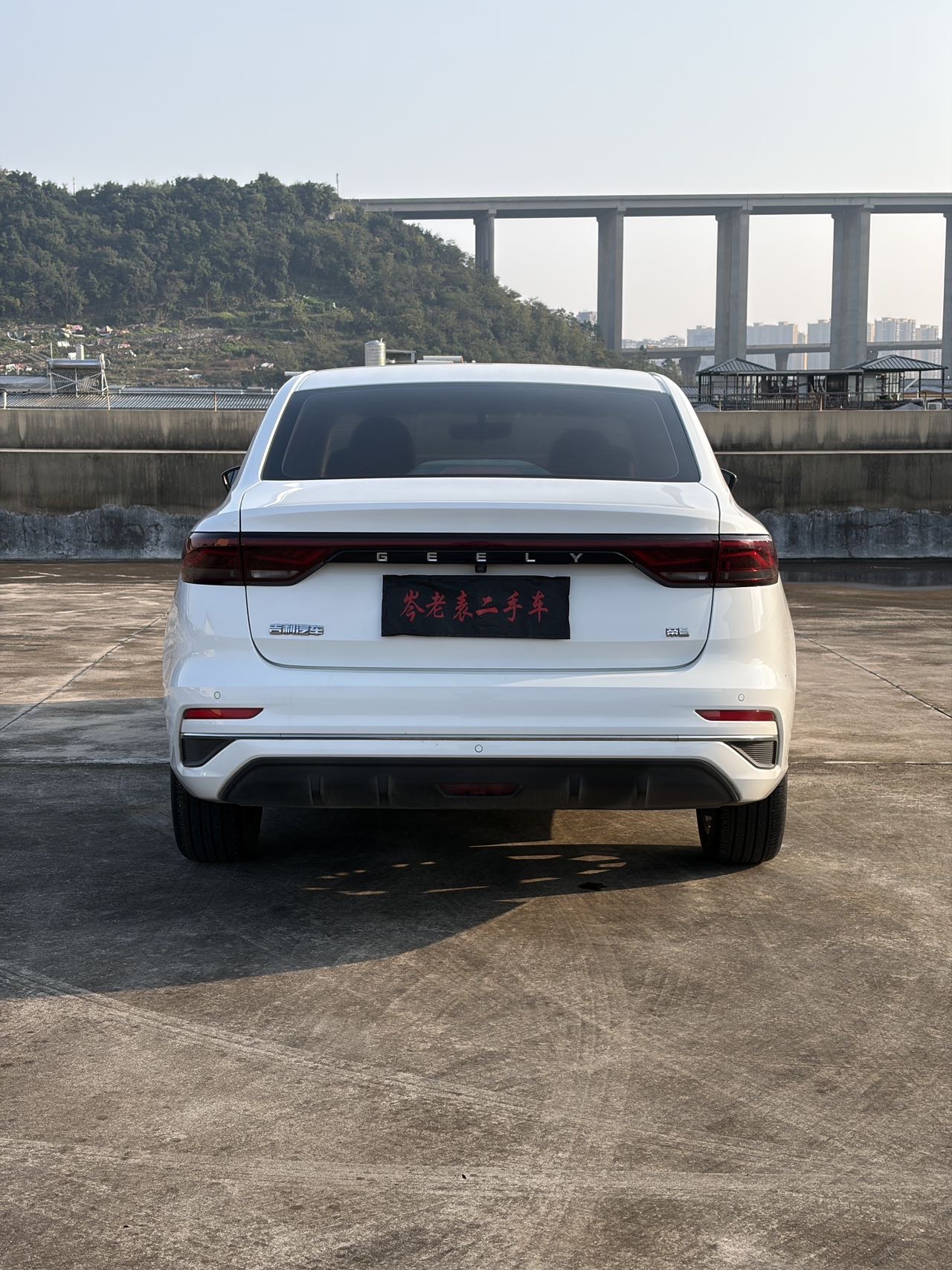



Stock

Basic Information

BrandGEELY
SeriesEmgrand
Year2024
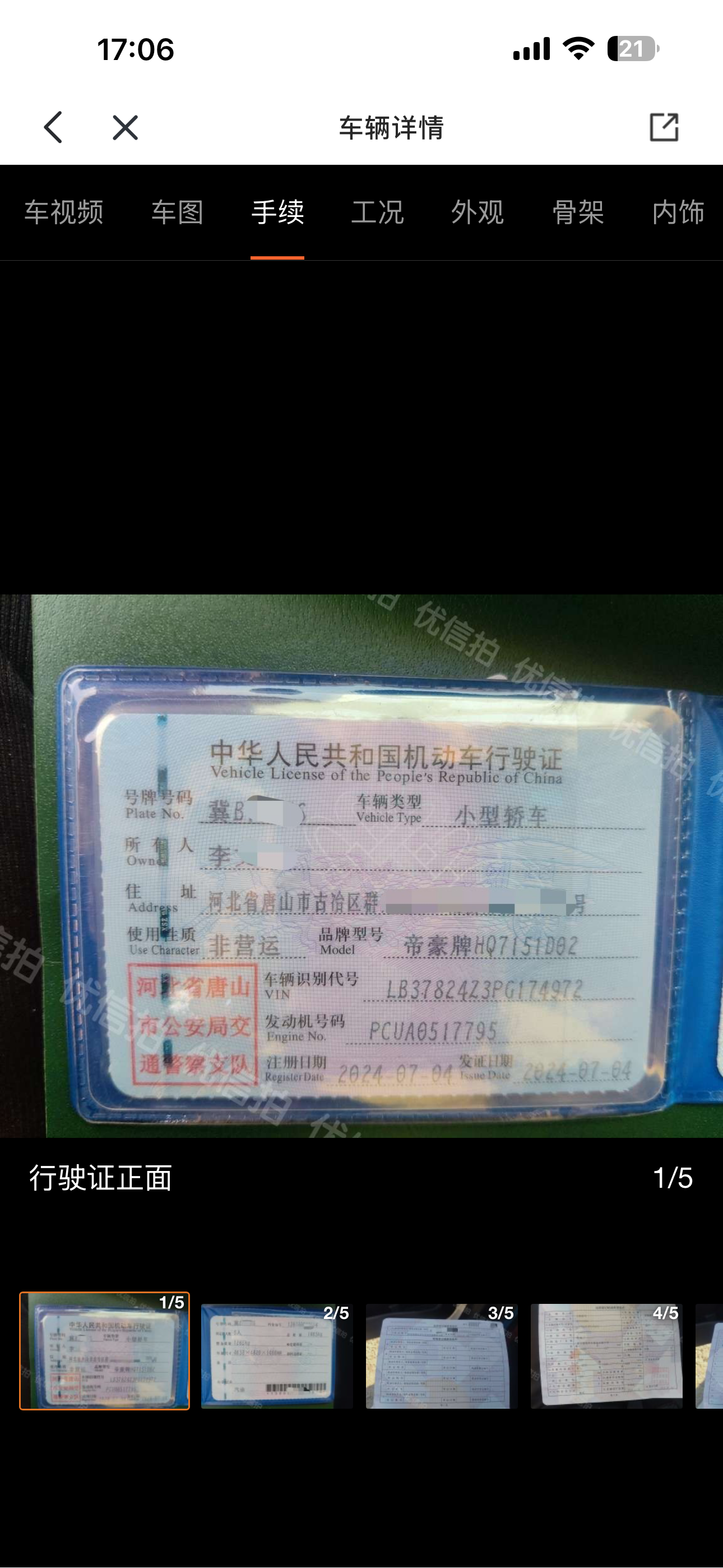
First Registration2024/07
Mileage40,000km
Transfer Count1times
FuelGasoline
TransmissionCVT
Engine1.5L 127 L4
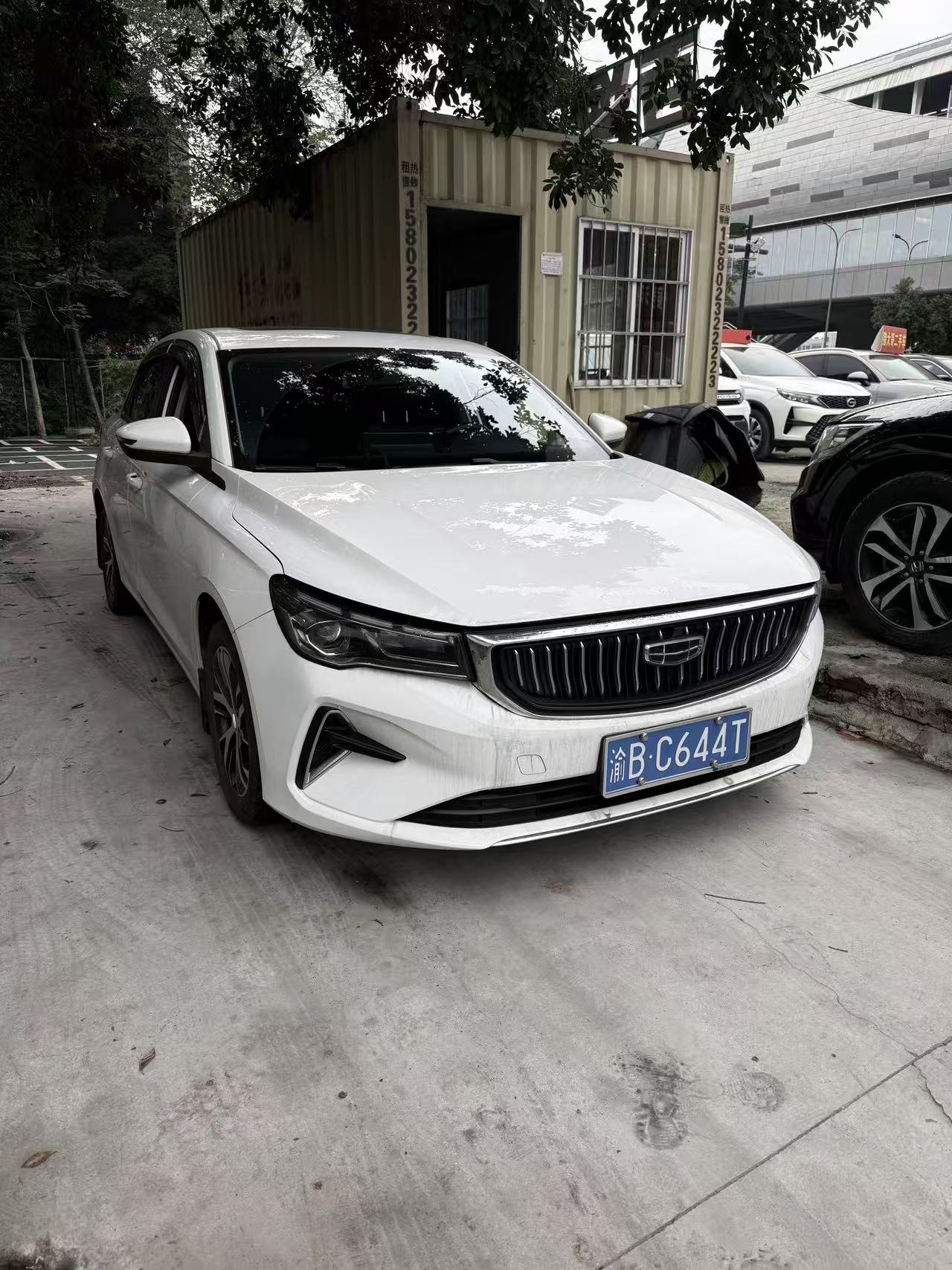
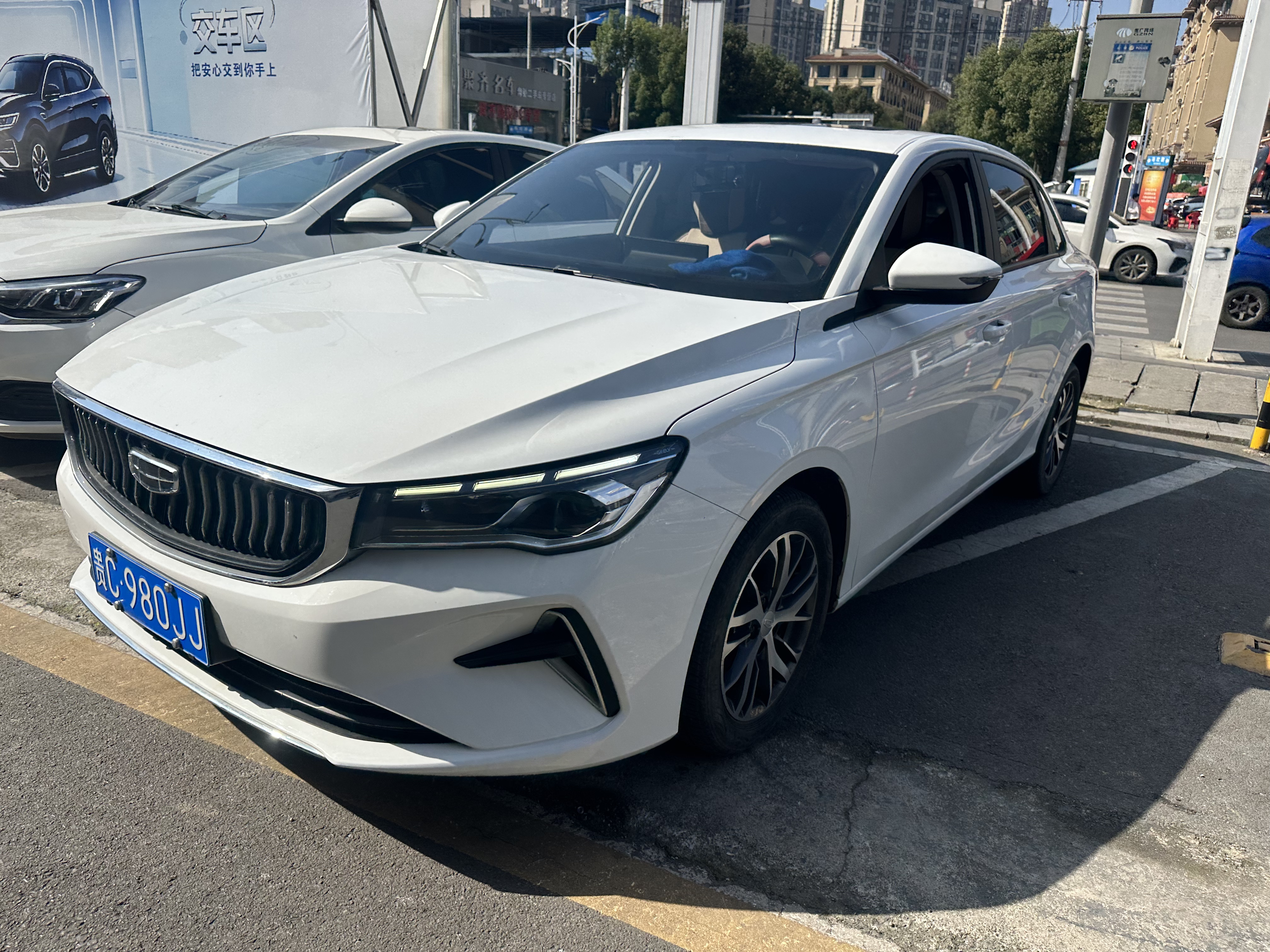
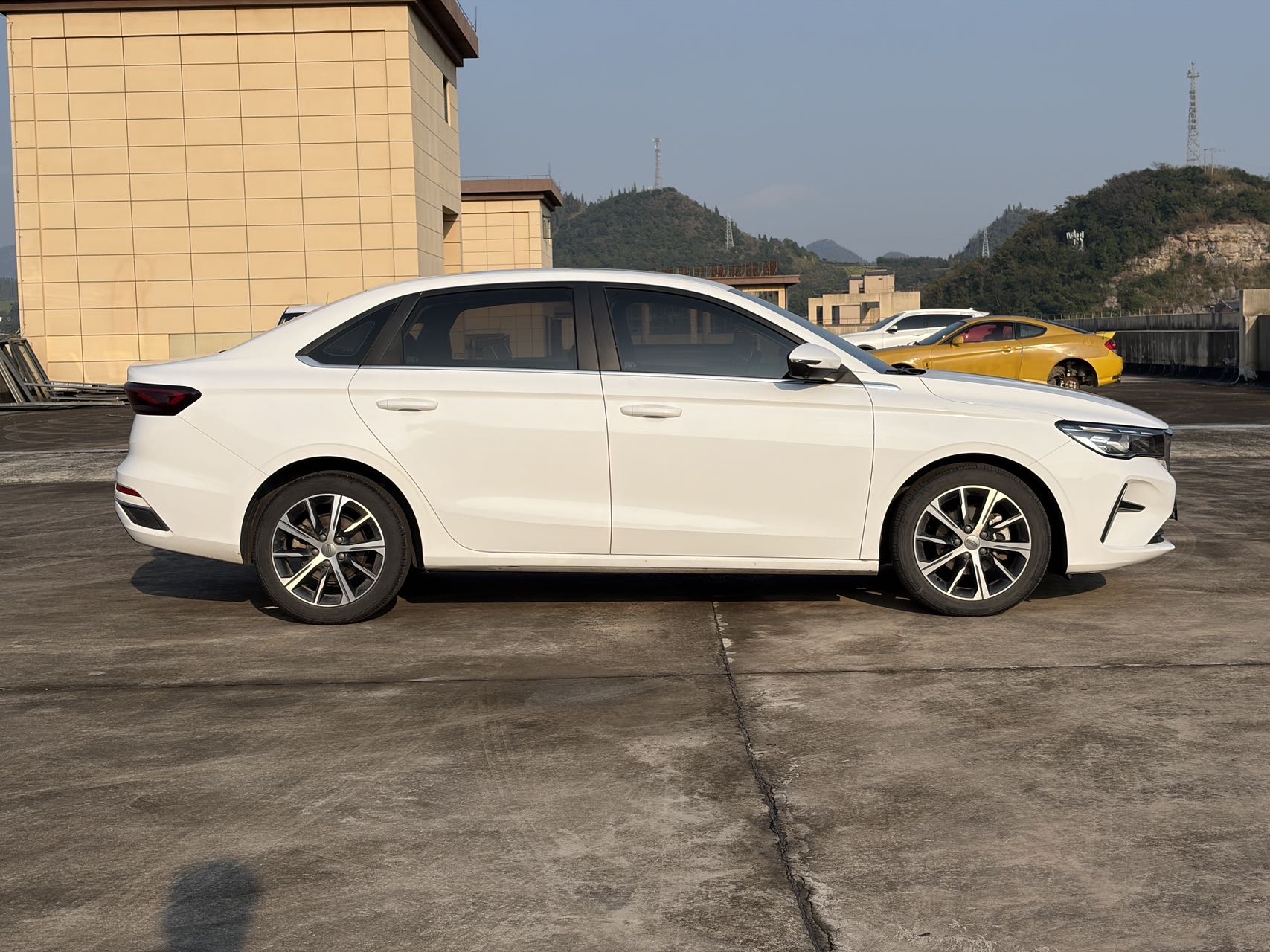
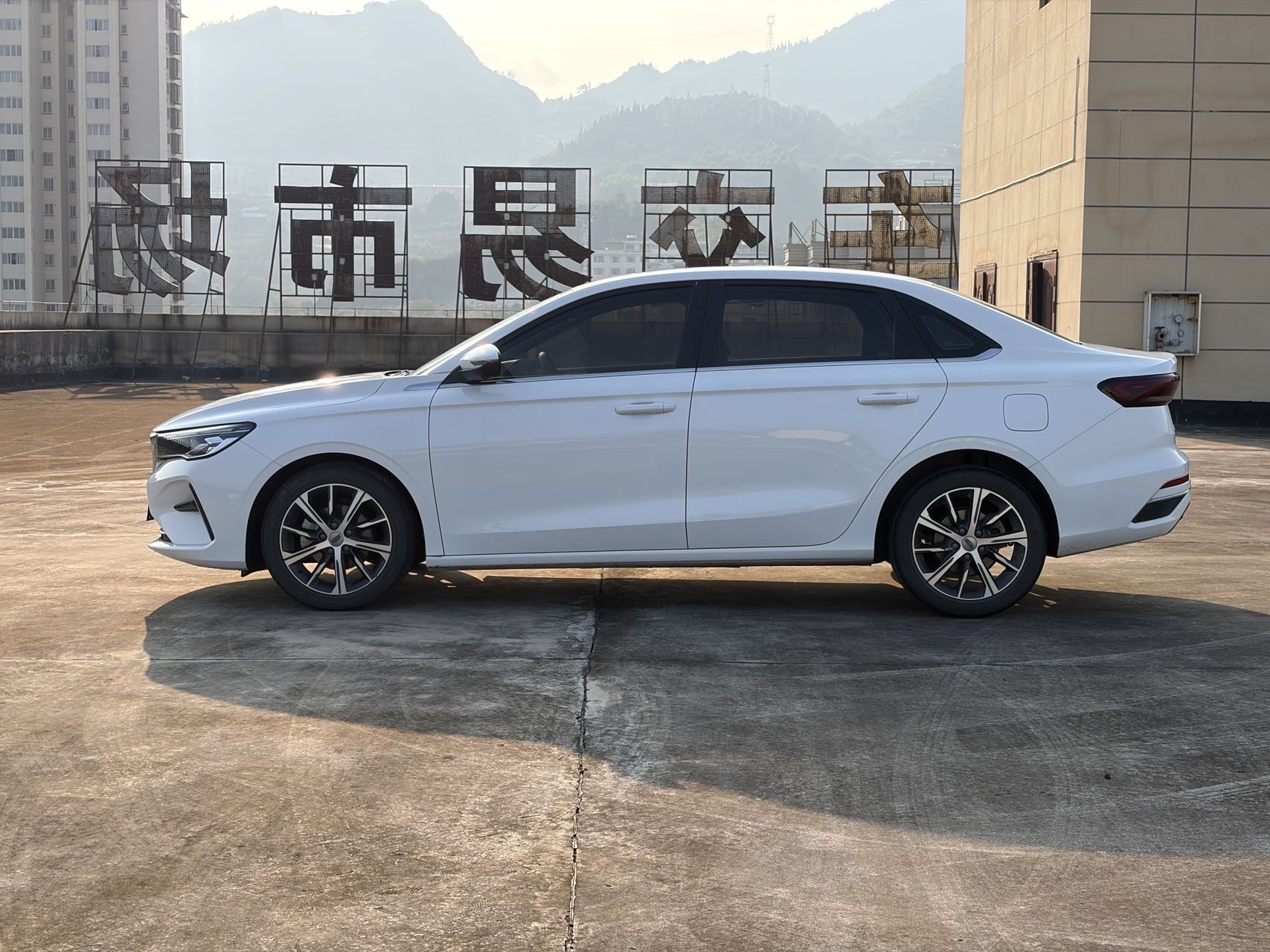
ColorWhite
Seats5seats

Condition Description

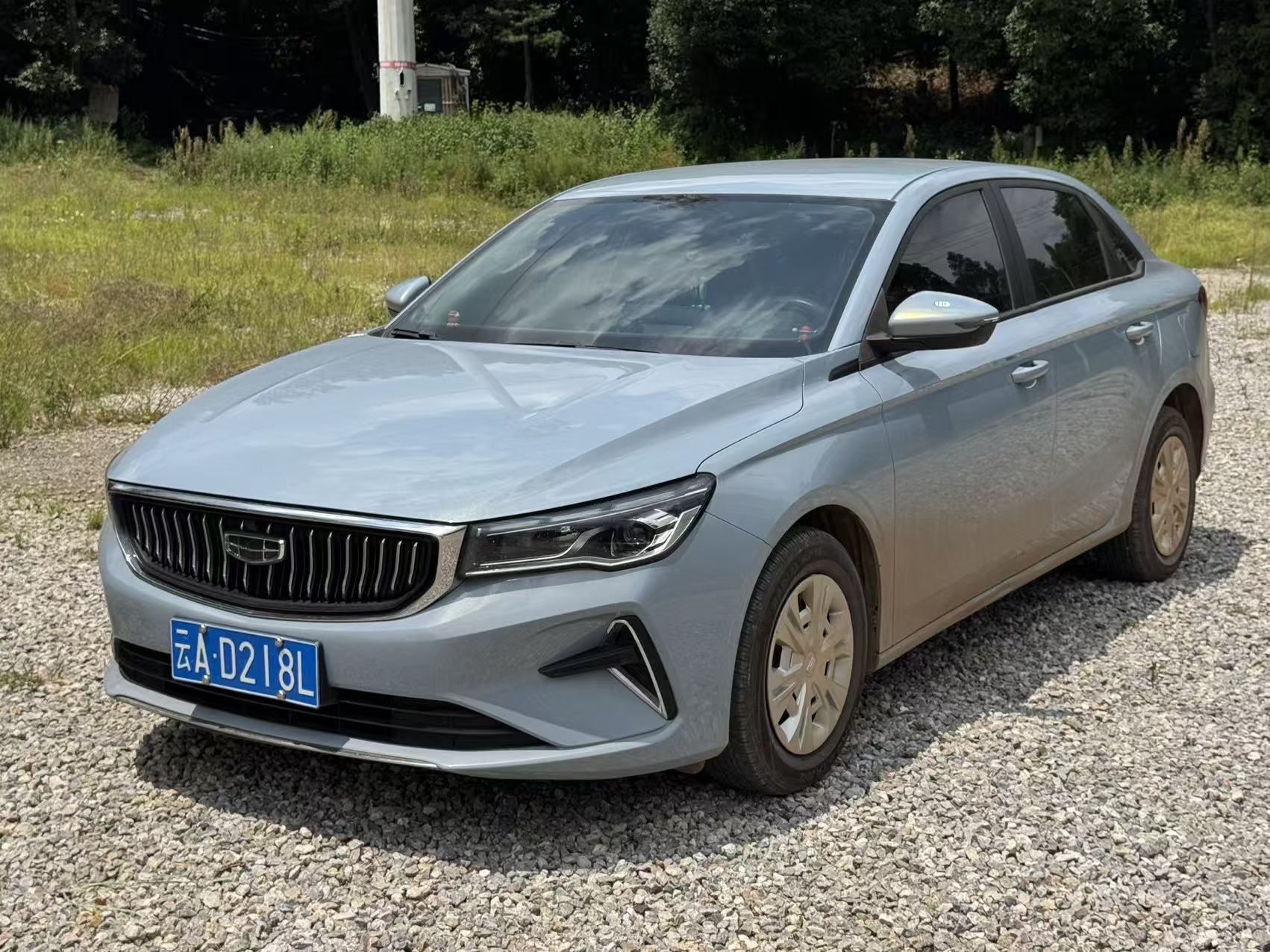
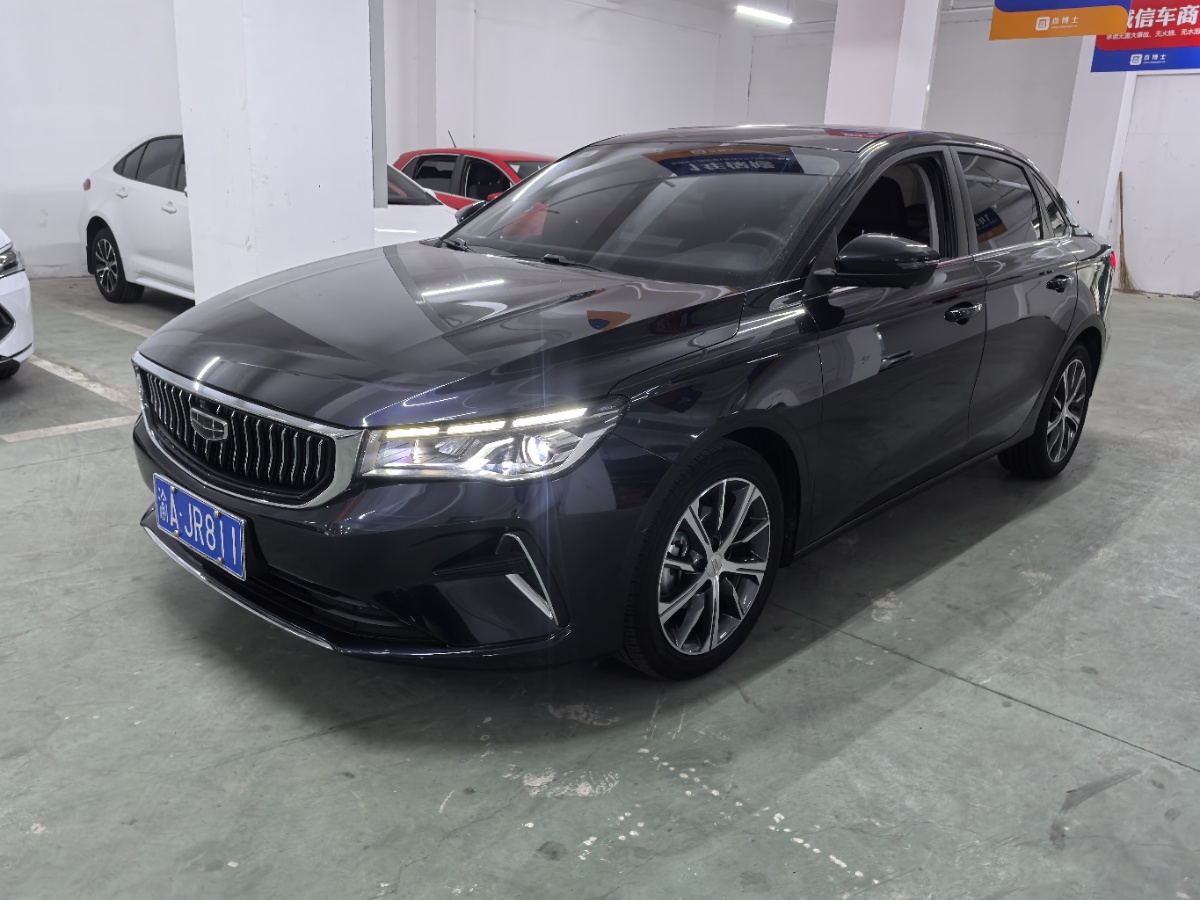
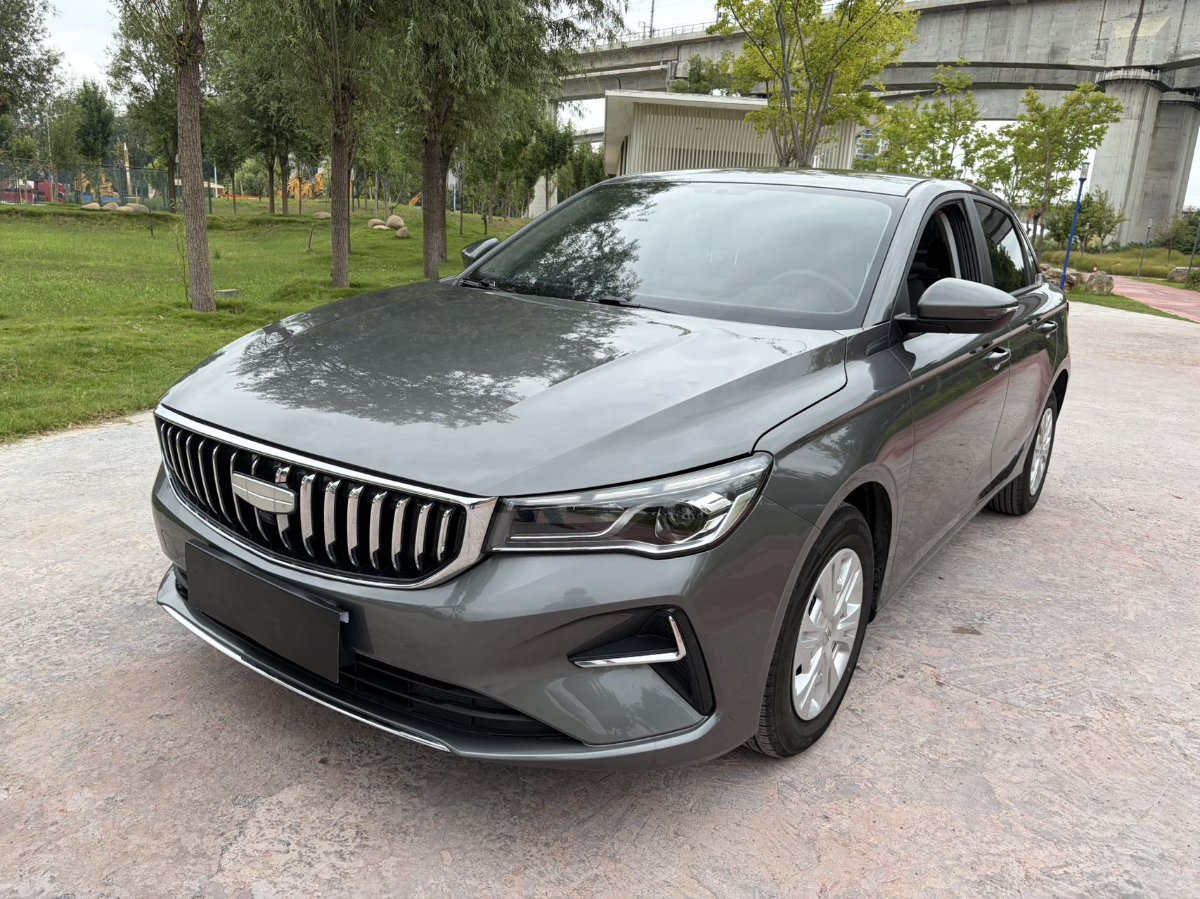
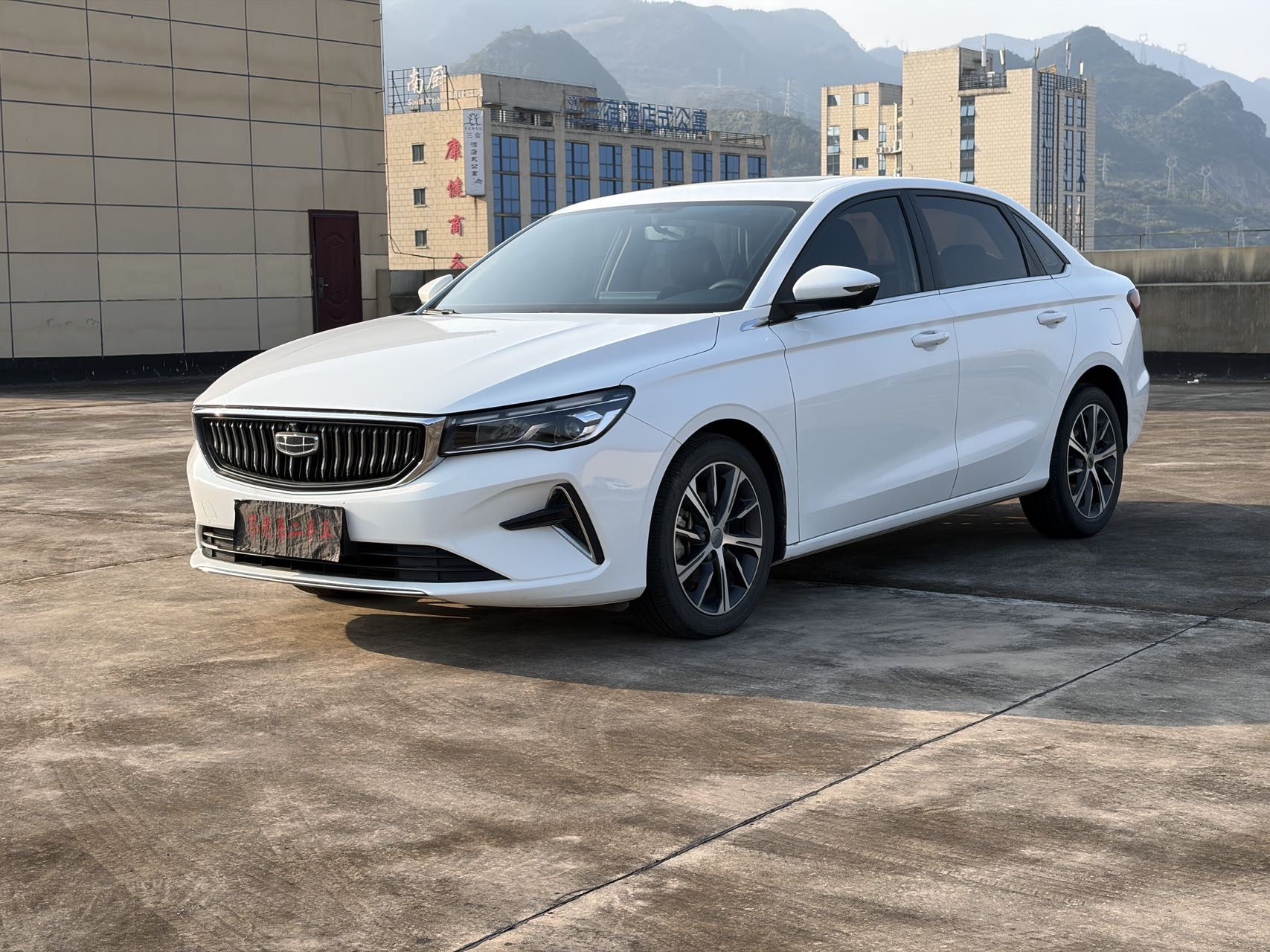
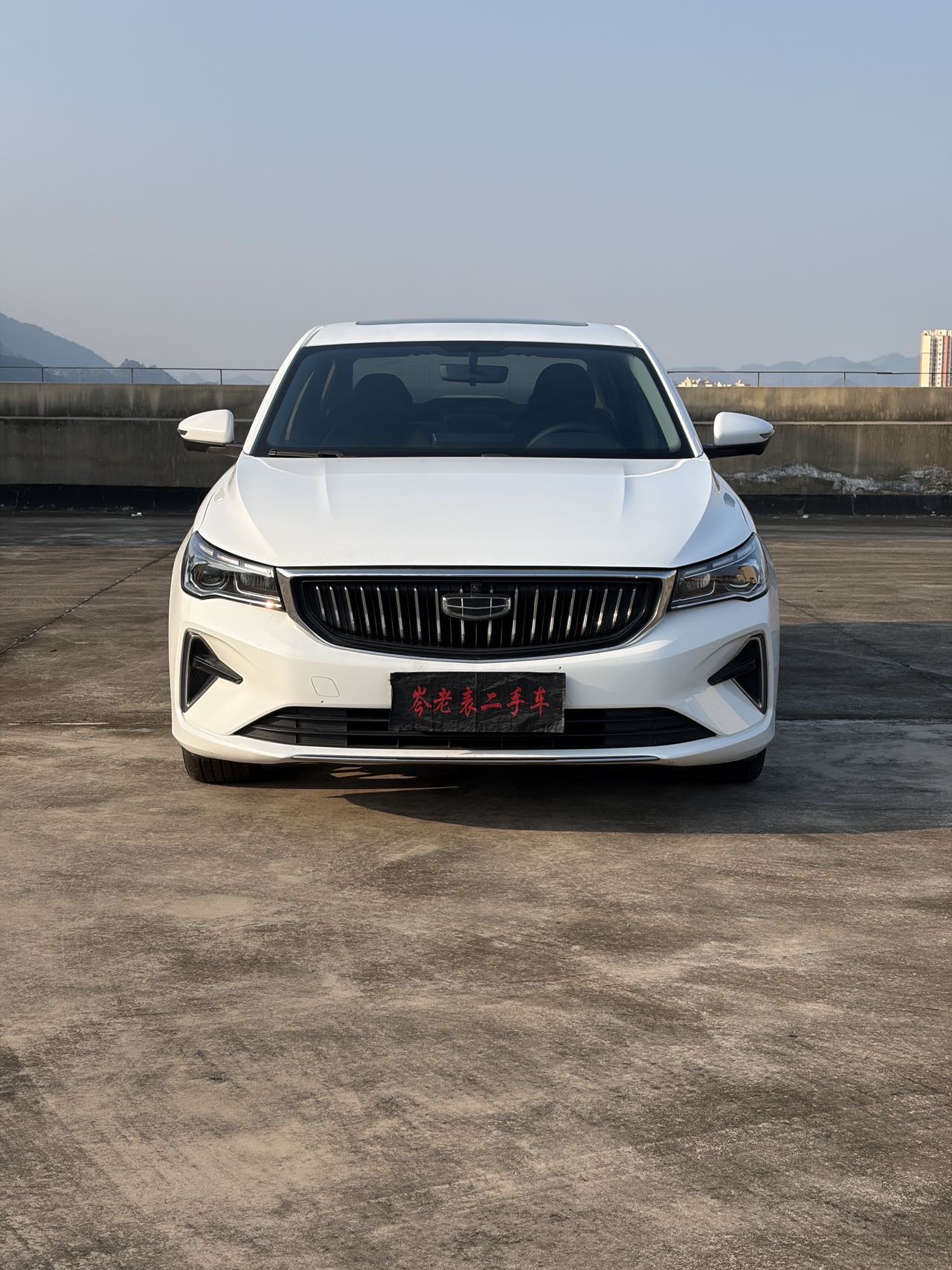
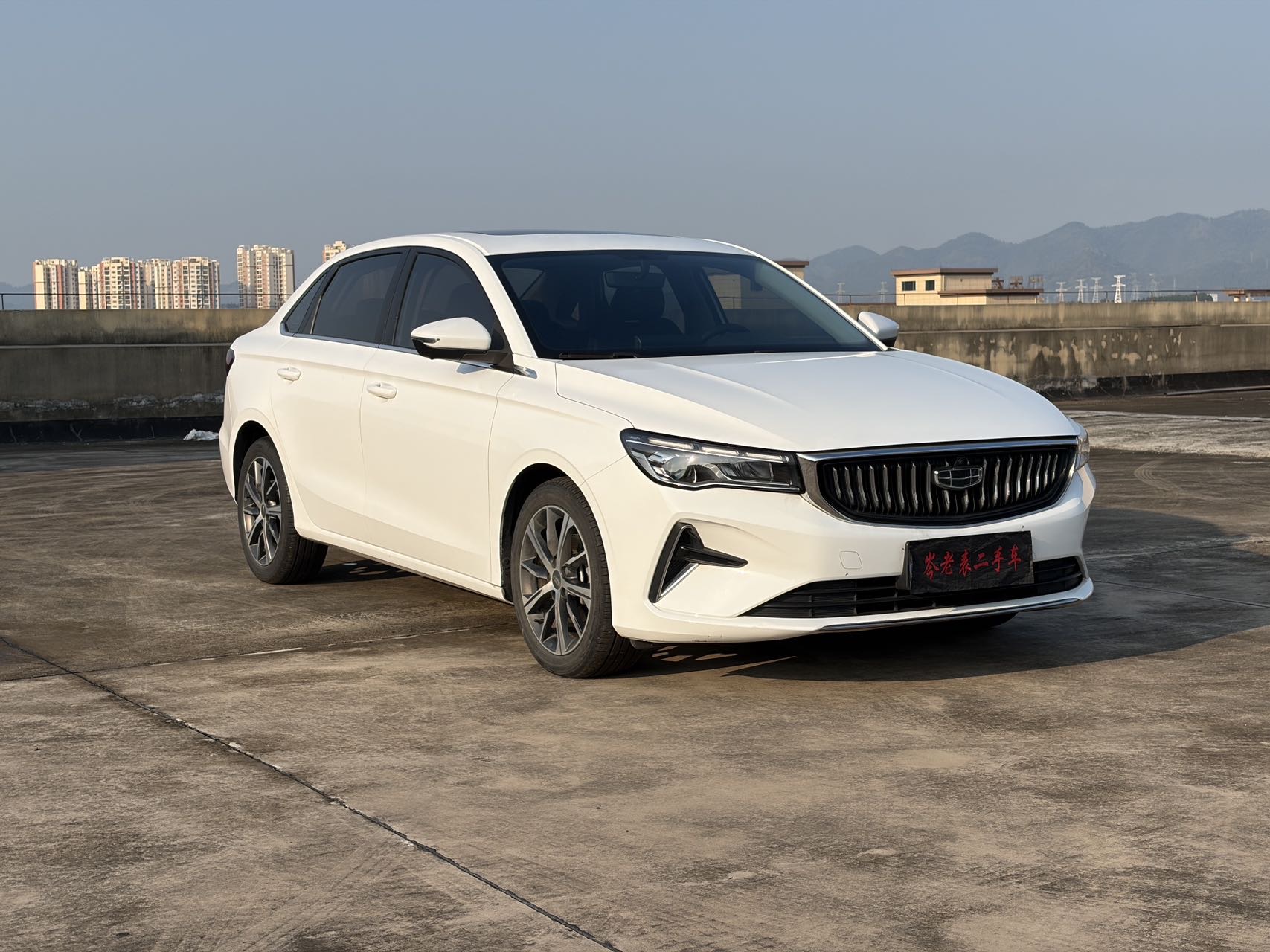
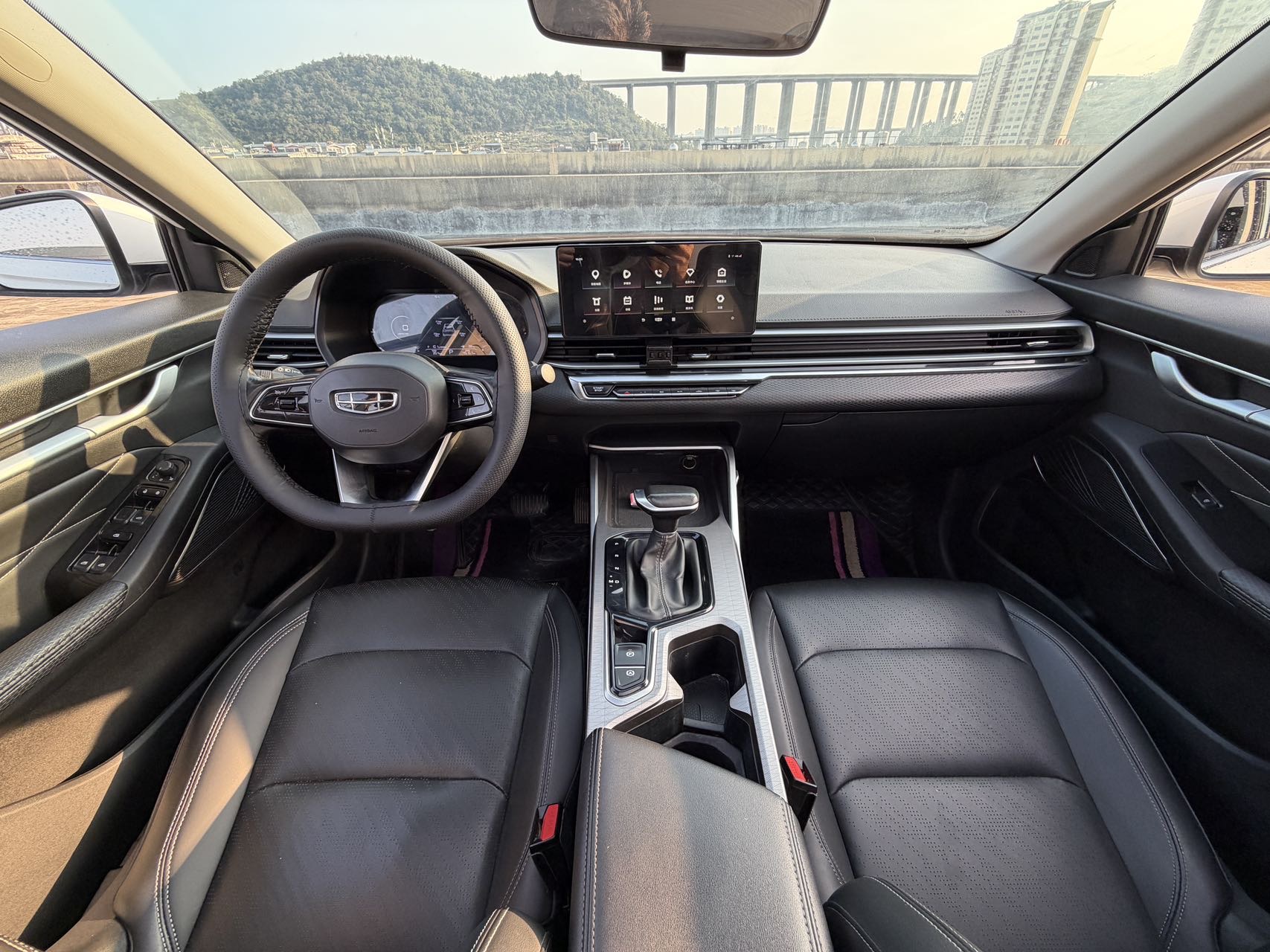
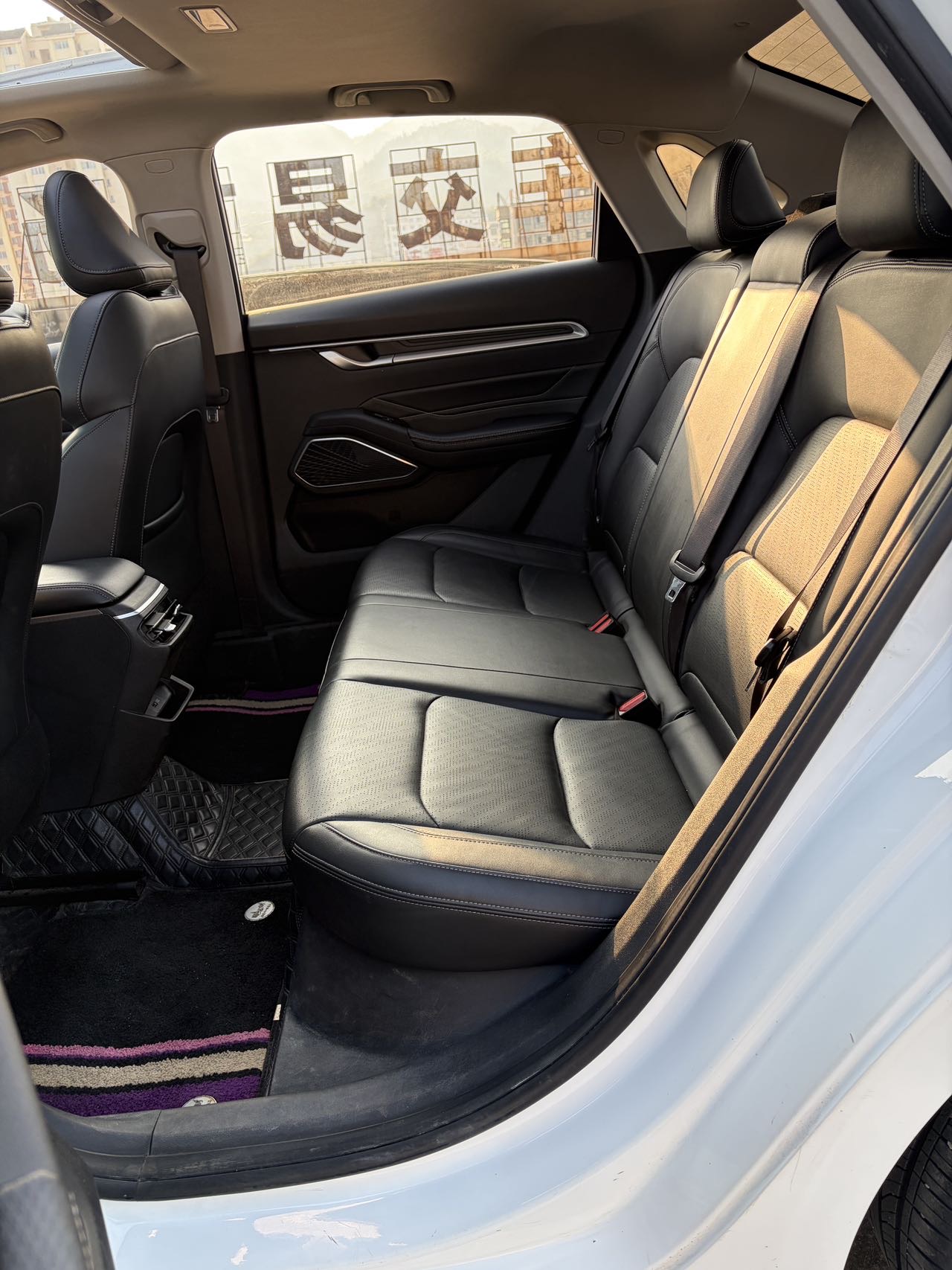
22-year Geely Emgrand 4th generation Zunrong Edition, multi-function steering wheel, leather seats, electronic parking brake, sunroof, cruise control, 1.5T automatic, single owner, all original paint, no investment needed.

燃油车
轿车
自动
维保开放
事故开放
查验开放

Configuration Highlights

✓品牌: 吉利汽车
✓车系: 帝豪
✓车型: 2023款 第4代冠军版 1.5L CVT旗舰型
✓车身类型: 轿车
✓座位数: 5
✓排量: 1.5L
✓变速箱: 自动
✓能源类型: 燃油车
✓VIN: LB37824Z3PG174972
✓搜索关键词: 吉利汽车帝豪 2023款帝豪第4代冠军版1.5LCVT旗舰型

Document Information

Inspection Expiry Date2028/07
Warranty Expiry Date-
Insurance Expiry Date2027/01

Q&A

More

How do I compare quotes from different Chinese exporters, and why is the cheapest offer often risky?

Comparing quotes properly means comparing the same thing: 1. Normalize the scope: some quotes include inland transport, export clearance, inspection and ocean freight, others are FOB only. Ask each exporter for a line-item breakdown so you can compare like with like. 2. Check what is excluded: port charges at destination, customs duties, homologation and registration are almost always on you. Get a written list of everything NOT included. 3. Look beyond the number: a quote 10-15% below the market usually means the car has an issue (accident history, rolled-back mileage, pending lien) or the exporter plans to cut corners on inspection and loading. 4. Verify the exporter: business license, export qualification, recent shipment records, and references from buyers in your region. A realistic quote from a verifiable exporter is worth more than a bargain that turns into a dispute. Always pay against milestones with inspection before balance payment.


What is a bill of lading and when should I insist on an original versus a telex release when importing a car?

The bill of lading (B/L) is the most important shipping document: it serves as a receipt for your car, a contract of carriage, and — crucially — the document of title. Whoever holds the original B/L legally controls the cargo. No B/L, no car at the destination port. Two common release methods: Original B/L: the exporter mails you 1–3 original stamped copies. You present one at your port to take delivery. Safe, but adds 5–10 days of courier time and a risk of loss. If an original is lost, getting a replacement is slow and expensive. Telex release (express release): the exporter authorizes the shipping line to release the car to you electronically, once you've paid. Faster and cheaper, but only safe after your payment is fully settled — because with a telex release, whoever the exporter names can take the car. Practical guidance: for a first-time purchase, ask for the original B/L sent by courier with tracking, and pay the balance only against a copy of the B/L showing your car loaded on board. For repeat business with a trusted exporter, telex release is fine. Never agree to 'sea waybill' (non-negotiable) for a first transaction.

In countries with right-hand drive regulations, even if I bribe local customs to force a left-hand drive car through clearance, will I face irreversible obstacles when insuring and inspecting it later?

Absolutely. Even if you clear customs through gray channels, local commercial insurance companies will refuse to cover third-party liability insurance due to the vehicle not complying with national traffic laws; additionally, the vehicle will definitely fail the annual safety inspection at the local DMV.